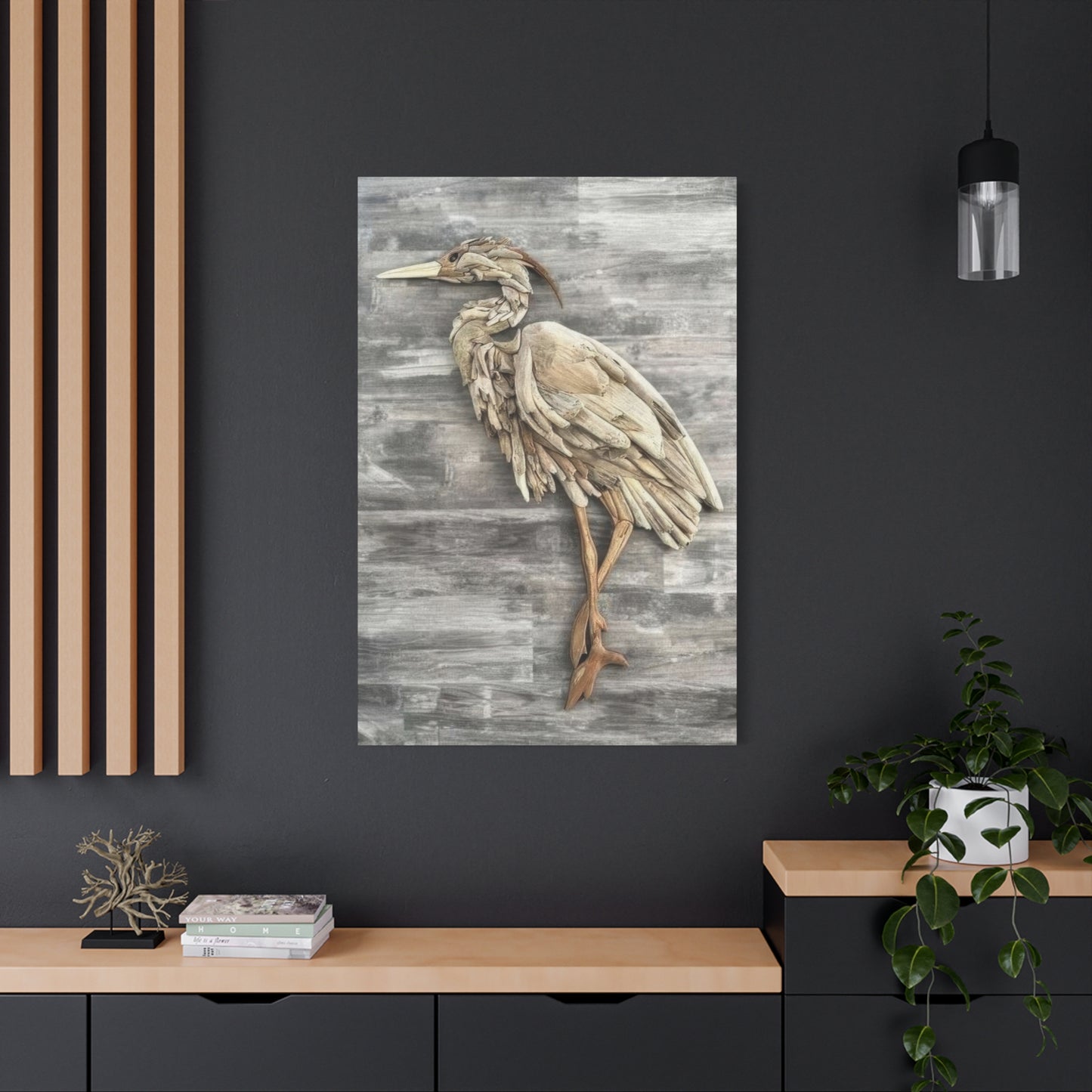
Driftwood Crane Wall Art & Canvas Prints
Driftwood Crane Wall Art & Canvas Prints
Couldn't load pickup availability
Design Tips for Incorporating Driftwood Butterfly Wall Art into Your Living Space
Driftwood butterfly wall art represents a fascinating intersection of natural materials and artistic expression. This decorative approach brings together weathered wood pieces collected from beaches and waterways with delicate butterfly motifs to create stunning visual displays. The organic textures and earth-toned colors of driftwood provide an excellent foundation for crafting winged creatures that appear ready to take flight from your walls.
The appeal of this artistic medium lies in its ability to transform discarded coastal fragments into captivating home decor. Each piece of driftwood carries its own unique character, shaped by tides, weather, and time. When combined with butterfly designs, these wooden elements create a harmonious blend of rustic charm and elegant sophistication that complements various interior design schemes.
Understanding the Natural Beauty Behind Driftwood as an Artistic Medium
Driftwood accumulates along shorelines after spending considerable time submerged in water. During this aquatic journey, the wood undergoes a remarkable transformation. Water gradually strips away bark and soft tissue, leaving behind dense, hardened cores. Salt deposits, mineral absorption, and weathering create distinctive gray, silver, and bleached tones that make each piece visually striking.
The structural integrity of driftwood varies depending on the original tree species and exposure duration. Harder woods like oak and cedar maintain their strength better than softer varieties. Surface textures range from smooth and polished to rough and knotted, offering diverse aesthetic possibilities. Some pieces display interesting patterns created by marine organisms, adding another layer of visual intrigue.
Collectors and artisans prize driftwood for its sustainability credentials. Rather than harvesting living trees, crafters utilize materials that nature has already discarded. This environmentally conscious approach resonates with individuals seeking to reduce their ecological footprint while maintaining beautiful living spaces.
The irregular shapes and organic forms of driftwood challenge artists to think creatively. Unlike standardized lumber, no two driftwood pieces are identical. This uniqueness ensures that every creation becomes a one-of-a-kind masterpiece. The natural curves, holes, and imperfections often inspire the final design rather than limiting it.
Selecting the Perfect Driftwood Pieces for Your Butterfly Creations
Finding suitable driftwood requires patience and a discerning eye. Coastal regions offer the most abundant supplies, though lakeshores and riverbanks also yield quality materials. The best collecting happens after storms when strong waves deposit fresh batches onto beaches. Walking along the high-tide line increases your chances of discovering exceptional specimens.
Size considerations depend on your planned project scale. Larger pieces work well for statement installations, while smaller fragments suit intricate detail work. Examine each piece carefully for structural soundness. Avoid wood that crumbles easily or shows signs of active decay. Solid pieces with interesting grain patterns or unique shapes offer the most creative potential.
Color variations in driftwood stem from different exposure conditions. Pieces with silvery-gray hues spent considerable time in saltwater. Golden-brown tones indicate shorter water exposure or freshwater origins. Some craftspeople prefer uniform coloring throughout their project, while others embrace the visual diversity that mixed tones provide.
Weight becomes a factor when planning wall installations. Heavier pieces require robust mounting hardware and secure anchoring points. Lighter fragments offer more flexibility in placement and reduce strain on wall surfaces. Consider the ultimate display location when selecting materials to ensure proper support capabilities.
Shape characteristics influence design possibilities. Flat, board-like pieces serve well as backing panels or butterfly bodies. Curved sections can form wing shapes or decorative borders. Branching pieces add dimensional interest and create opportunities for multi-butterfly arrangements. Twisted or gnarled fragments contribute dramatic focal points to compositions.
Preparing and Treating Driftwood Before Artistic Assembly
Raw driftwood often harbors salt residue, sand particles, and microscopic organisms. Thorough cleaning prevents these elements from damaging your finished artwork or surrounding decor. Begin by brushing away loose debris with a stiff-bristled brush. This initial step removes surface contaminants without introducing moisture.
Soaking driftwood in fresh water helps extract embedded salt crystals. Submerge pieces in a large container filled with clean water for several days, changing the water daily. This process, known as leaching, prevents future salt deposits from appearing on the wood surface as white crystalline formations.
After leaching, allow the wood to dry completely in a well-ventilated area. Depending on piece size and thickness, drying may take several weeks. Proper drying prevents warping, cracking, and mold growth. Position pieces on elevated racks to ensure air circulation around all surfaces.
Some artisans prefer preserving the natural appearance of driftwood, while others apply protective finishes. Clear sealants enhance grain patterns and provide moisture resistance. Matte finishes maintain the weathered look while offering protection. Glossy coatings create a more polished appearance but may diminish the rustic character.
Sanding presents another consideration. Light sanding removes splinters and rough spots that could cause injury during handling. However, excessive sanding eliminates the characteristic texture that makes driftwood appealing. Focus on smoothing only areas that will be touched or handled frequently.
Treating for pests ensures your artwork remains pristine over time. Baking pieces in a low-temperature oven kills any remaining insects or larvae. Alternatively, freezing for several days achieves similar results. These preventive measures protect both your creation and your home from unwanted infestations.
Design Principles for Creating Visually Striking Butterfly Compositions
Successful driftwood butterfly wall art balances natural elements with thoughtful arrangement. Composition planning begins with determining the overall layout. Will you feature a single large butterfly as a focal point, or arrange multiple specimens in a clustered formation? Each approach creates different visual impacts.
Proportion plays a crucial role in achieving aesthetic harmony. Butterfly wing spans should relate logically to body sizes. Exaggerated proportions can create whimsical effects, while realistic ratios produce naturalistic appearances. Consider the viewing distance when determining appropriate sizing.
Symmetry versus asymmetry presents another design choice. Butterflies in nature display bilateral symmetry, with matching left and right wings. Replicating this symmetry creates familiar, comfortable compositions. Intentional asymmetry introduces dynamic tension and contemporary flair. Mixing both approaches within a multi-butterfly display adds visual variety.
Color distribution affects viewer perception. Grouping similar-toned driftwood pieces creates cohesive, unified designs. Alternating light and dark elements generates contrast and visual movement. Some artists incorporate painted accents or stained areas to enhance color variation while maintaining the natural wood aesthetic.
Texture layering adds depth to flat wall displays. Positioning pieces at slightly different depths creates shadows and dimensional interest. Overlapping wing sections or adding raised antennae elements increases three-dimensionality. These techniques transform simple wall hangings into sculptural artworks.
Negative space utilization proves equally important as the physical materials. The empty areas surrounding and between driftwood elements allow the eye to rest and appreciate individual components. Overcrowding diminishes impact, while strategic spacing enhances visual clarity.
Construction Methods for Assembling Driftwood Butterfly Wall Art
Various assembly approaches suit different skill levels and aesthetic preferences. The simplest method involves arranging driftwood pieces on a backing board. Plywood, canvas, or reclaimed wood panels provide stable foundations. Position elements to form butterfly shapes, then secure them with strong adhesive or screws.
Adhesive selection impacts both appearance and longevity. Wood glue offers strong bonds for pieces that fit together closely. Epoxy resins fill gaps and work well with irregular surfaces. Hot glue provides quick results but may not withstand temperature fluctuations. Marine-grade adhesives offer superior moisture resistance for humid environments.
Mechanical fasteners provide alternative attachment options. Small screws driven from the backing board into driftwood pieces create secure connections without visible hardware. Wire wrapping allows adjustments and works well for joining multiple fragments. Metal brackets or clips offer removable solutions for modular designs.
Creating free-floating installations eliminates backing boards entirely. Individual butterfly components connect directly to each other through careful joinery. This approach produces airy, sculptural effects that cast interesting shadows on walls. However, it requires more precise engineering to ensure structural stability.
Wire armatures provide internal support for complex shapes. Bend heavy-gauge wire into butterfly outlines, then attach driftwood pieces to this framework. This technique works particularly well for large-scale installations or pieces requiring transportability. The wire remains hidden within the final assembly.
Layering techniques add dimension to your creations. Stack multiple driftwood fragments of varying sizes to build up wing thickness. Position smaller detail pieces atop larger base elements. This additive approach creates rich surface variations that catch light from different angles.
Incorporating Additional Materials to Enhance Your Driftwood Butterflies
While driftwood provides the primary material, supplementary elements can elevate your artwork. Metal accents introduce industrial contrast against organic wood textures. Copper wire antennae add delicate detail and warm metallic tones. Steel mesh segments create translucent wing sections that play with light.
Beach glass fragments complement driftwood's coastal origins. These smoothed glass pieces, also shaped by water action, share aesthetic kinship with weathered wood. Embed them into wing patterns to simulate colorful markings. Their translucent quality adds luminosity when light passes through.
Natural fibers offer textural enhancement. Jute twine wrapped around body sections creates dimensional interest. Dried seagrass or raffia attached to wing edges produces feathery effects. These plant-based materials maintain the organic theme while introducing new surface qualities.
Paint and stain allow color customization without obscuring wood grain. Watercolor washes create subtle tints that enhance rather than conceal. Acrylic paints enable bold, opaque color blocking for modern interpretations. Milk paint provides matte finishes with vintage character.
Found objects from beach combing expeditions add personal significance. Shells, sea urchin spines, or smooth stones become butterfly body decorations. Incorporating these treasures transforms functional artwork into memory-preserving keepsakes from special locations.
Fabric elements introduce softness to the predominantly hard materials. Gauze or organza wing overlays create ethereal, gossamer effects. Burlap strips add rustic texture. Silk fragments provide luxury contrast. Attach fabrics loosely to allow gentle movement when air currents pass.
Mounting Solutions for Displaying Your Driftwood Butterfly Wall Art Safely
Proper mounting ensures your artwork remains securely displayed while protecting wall surfaces. Weight distribution becomes the primary consideration. Heavier pieces require multiple anchor points spread across the backing board. Concentrate attachment hardware away from driftwood edges to prevent splitting.
Wall anchor selection depends on wall construction. Drywall anchors work for lighter pieces on standard walls. Toggle bolts provide stronger support in hollow walls. Masonry screws suit concrete or brick surfaces. Always use hardware rated for weights exceeding your artwork's mass to ensure safety margins.
Picture hanging wire remains popular for its flexibility. Attach heavy-duty wire to D-rings or eye screws mounted on the back of backing boards. This system allows easy leveling adjustments. For heavier installations, use aircraft cable instead of standard picture wire.
French cleat systems offer exceptional stability for substantial pieces. This two-part system involves mounting one beveled strip to the wall and another to the artwork back. The interlocking design distributes weight evenly and allows easy removal for cleaning or relocation.
Invisible mounting creates floating effects. Keyhole hangers recessed into backing boards hide completely when hung. Z-clips provide similar concealment while offering more weight capacity. These systems work best with flat-backed pieces that sit flush against walls.
Shadow box frames add protection while enhancing presentation. These deep frames accommodate the dimensional nature of driftwood assemblies. Glass or acrylic fronts shield artwork from dust and accidental contact. Frame styles range from rustic barn wood to sleek contemporary metal.
Color Schemes and Finishing Touches That Complement Driftwood Tones
Driftwood's natural palette ranges from pale ivory through silver-gray to deep charcoal. These neutral tones integrate seamlessly with numerous color schemes. Monochromatic approaches using various shades of gray and white create serene, cohesive displays. This strategy works particularly well in minimalist or Scandinavian-inspired interiors.
Coastal color combinations enhance driftwood's beach origins. Soft aqua and seafoam greens evoke ocean waters. Sandy beige and warm cream tones reference shoreline environments. Navy blue accents provide nautical sophistication. Coral and turquoise inject vibrant energy while maintaining thematic consistency.
Earth-toned palettes emphasize the natural wood aspect. Warm browns, olive greens, and terracotta hues create harmonious groupings. These colors appear frequently in rustic, farmhouse, and organic modern spaces. The similar value ranges prevent jarring contrasts while maintaining visual interest.
Contrasting color strategies make driftwood butterfly wall art pop against backgrounds. Charcoal-gray driftwood stands dramatically against crisp white walls. Light, bleached wood pieces shine against deep navy or forest green surfaces. High contrast draws attention and transforms artwork into focal points.
Metallic accents bridge the gap between natural and refined aesthetics. Gold leaf details add opulence without overwhelming rustic charm. Silver paint highlights catch light and create sparkle. Bronze or copper tones introduce warmth and vintage character.
Preserving natural wood tones remains a valid choice. Clear matte sealants protect surfaces while maintaining authentic appearances. This approach lets driftwood's inherent beauty speak for itself. The subtle color variations within the wood provide sufficient visual interest without additional enhancement.
Placement Strategies for Maximum Visual Impact Throughout Your Home
Living room displays benefit from larger statement pieces positioned above sofas or mantels. These prominent locations ensure artwork receives proper attention. Scale appropriately to the available wall space—oversized pieces overwhelm small walls, while tiny creations disappear on expansive surfaces.
Entryway installations create memorable first impressions. Welcome guests with driftwood butterfly arrangements that set your home's aesthetic tone. Adequate lighting in these transitional spaces ensures artwork remains visible despite potential dimness. Consider pieces that complement console tables or coat racks below.
Bedroom placements promote tranquil atmospheres. Position driftwood butterfly wall art above headboards as calming focal points. The natural materials and organic forms contribute to restful environments. Avoid overly busy compositions in sleeping areas—simple, elegant designs work best.
Bathroom installations embrace coastal themes naturally. The moisture resistance of properly sealed driftwood suits humid conditions. Choose smaller pieces appropriate to typical bathroom dimensions. Position artwork away from direct water spray to extend longevity despite protective finishes.
Hallway galleries transform narrow spaces into artistic showcases. Arrange multiple smaller butterfly pieces in linear formations along corridor walls. Varying heights and spacing creates rhythm that guides movement through the space. This approach works well for displaying collections accumulated over time.
Outdoor covered areas extend your decorating canvas. Porches, patios, and screened rooms accommodate driftwood art if protected from direct weather exposure. These transitional spaces blur indoor-outdoor boundaries, making nature-inspired artwork particularly appropriate. Ensure proper sealing to withstand humidity and temperature fluctuations.
Sizing Considerations for Different Spaces and Design Intentions
Monumental installations measuring several feet across command attention in spacious rooms. These grand-scale pieces work well in two-story foyers, open-concept living areas, or commercial spaces. Large formats require substantial driftwood inventory and robust mounting systems. The investment of time and materials yields dramatic results.
Medium-sized creations ranging from eighteen to thirty-six inches suit most residential settings. This versatile size range works above furniture, between windows, or as standalone wall features. Medium pieces offer sufficient visual presence without overwhelming average-sized rooms. They strike a balance between impact and practicality.
Small-scale butterflies measuring under twelve inches serve as accent pieces. Cluster several together to create larger compositions, or display individually in intimate spaces. Small formats allow experimentation with minimal material investment. They make excellent gifts or starting projects for beginners developing their skills.
Vertical versus horizontal orientation affects spatial perception. Vertical arrangements draw eyes upward, making rooms appear taller. Horizontal layouts emphasize width and work well above long furniture pieces. Diamond or diagonal orientations introduce dynamic energy that breaks up predictable grid patterns.
Dimensional depth considerations extend beyond simple height and width measurements. Three-dimensional assemblies project outward from walls, creating sculptural presence. Shallow relief designs maintain lower profiles suitable for high-traffic areas where protruding elements might cause interference. Match depth to available clearance in your chosen location.
Series or collection approaches involve creating multiple related pieces in varied sizes. Display them together as a cohesive grouping or distribute throughout your home for thematic continuity. Repeating design elements across different scales creates visual connections that unify diverse spaces.
Seasonal Adaptations and Themed Variations for Year-Round Appeal
Spring interpretations celebrate renewal and emergence. Incorporate pastel-painted accents suggesting newly opened blooms. Lighter, sun-bleached driftwood pieces evoke lengthening daylight. Position butterflies among or near fresh floral arrangements to enhance seasonal themes. Delicate, airy compositions reflect the season's gentle awakening.
Summer versions embrace vibrant energy and warmth. Brighter color accents in turquoise, coral, or sunny yellow channel beach vacation vibes. Larger, bolder compositions match the season's abundant spirit. Pair with tropical greenery or seashell collections to amplify coastal connections. Weathered gray driftwood recalls summer days spent seaside.
Autumn variations introduce richer, warmer tones. Incorporate driftwood pieces with golden or amber hues reminiscent of fall foliage. Add subtle orange or rust-colored accents through staining or painting. Combine with dried leaves, gourds, or wheat stalks for harvest-themed displays. The natural decomposition visible in weathered wood echoes autumn's cycle.
Winter adaptations can take two approaches. Embrace the season's starkness with bare, minimal compositions in silvery-white tones. Alternatively, warm cold months with rich, dark driftwood pieces accented with metallic gold or deep evergreen touches. Pair with pine branches or winter berries for holiday integration.
Holiday customization allows temporary transformations. Attach removable elements for specific celebrations without permanently altering core designs. Red bows and holly sprigs create Christmas butterflies. Pastels and faux eggs nest in wings for Easter displays. Heart accents convert pieces for Valentine's Day. Reversible modifications extend artwork versatility.
Thematic variations address interests beyond seasons. Coastal themes emphasize maritime elements with rope details, ship wheel accents, or lighthouse imagery. Zen-inspired versions maintain extreme simplicity with single butterflies and lots of negative space. Bohemian interpretations layer abundant textures, colors, and mixed materials.
Caring for and Maintaining Your Driftwood Butterfly Wall Art Over Time
Regular dusting prevents buildup that dulls natural wood beauty. Use soft, dry cloths or feather dusters for routine cleaning. Avoid wet cleaning unless absolutely necessary, as moisture can damage adhesives or cause warping. Microfiber cloths capture dust effectively without scratching surfaces.
Annual inspections identify potential problems before they escalate. Check mounting hardware for looseness or corrosion. Examine adhesive joints for separation. Look for signs of pest activity like small holes or sawdust accumulation. Address issues promptly to prevent complete failures requiring extensive repairs.
Protective refinishing may become necessary after several years. Exposure to light gradually fades protective coatings. Reapply clear sealants following manufacturer instructions. This maintenance preserves moisture resistance and enhances appearance. Light sanding before refinishing improves adhesion of new coating layers.
Environmental control extends artwork longevity. Maintain consistent humidity levels between forty and sixty percent. Extreme dryness causes wood to crack, while excessive moisture promotes mold growth. Avoid positioning pieces in direct sunlight, which accelerates fading and degradation. Rotate displayed artwork periodically to distribute light exposure evenly.
Insect vigilance protects against infestations. While proper initial treatment prevents most problems, occasional pests may still appear. If you notice activity, isolate affected pieces immediately. Freezing for several days kills active insects. Consult professionals for severe infestations to avoid spreading problems.
Damage repair depends on severity and location. Reglue separated pieces using appropriate adhesives. Replace broken driftwood fragments by sourcing visually similar substitutes. Touch up scratched or chipped areas with matching stains or paints. Document your construction process to simplify future repairs.
Sourcing Sustainable and Ethically Collected Driftwood Materials
Personal collection offers the most direct material acquisition method. Walking beaches after storms yields abundant finds. Respect local regulations regarding driftwood removal—some protected areas prohibit collecting. Take only what you need, leaving plenty for ecological functions like shelter and nutrient cycling.
Online marketplaces provide convenient alternatives for landlocked crafters. Numerous sellers offer cleaned, prepared driftwood in various sizes and quantities. Read seller reviews carefully to ensure quality and ethical sourcing practices. Ask about origin locations and collection methods before purchasing.
Specialty craft stores increasingly stock driftwood supplies. These curated selections often feature premium pieces suitable for artistic projects. While generally more expensive than self-collection, retail sources save time and effort. Store staff can often provide guidance on piece selection for specific project requirements.
Sustainable forestry operations sometimes sell weathered wood salvaged during land management activities. These sources provide environmentally responsible alternatives to beach collecting. Weathered fence posts, barn wood, and storm-damaged tree limbs offer similar aesthetic qualities to traditional driftwood.
Trade or exchange networks connect crafters seeking material diversity. Online communities facilitate swapping between regions, allowing coastal dwellers to trade driftwood for inland materials like interesting rocks or unique plant specimens. These exchanges build connections while expanding creative possibilities.
Reclaimed wood suppliers offer another ethical option. While not technically driftwood, properly weathered reclaimed lumber achieves similar appearances. Soaking and abrading techniques artificially create driftwood-like characteristics. This approach reduces demand on natural supplies while utilizing existing resources.
Teaching Driftwood Butterfly Wall Art Creation to Children and Beginners
Simple starter projects build confidence without overwhelming novices. Begin with small, single-butterfly designs using minimal pieces. Pre-select suitable driftwood fragments to eliminate searching challenges. Provide templates or outlines to guide placement, reducing design anxiety that sometimes paralyzes beginners.
Safety instruction remains paramount, especially with young crafters. Demonstrate proper handling of sharp-edged driftwood and potential splinters. Supervise adhesive application to prevent skin contact with strong chemicals. Use child-safe alternatives like school glue for young participants, accepting somewhat reduced bond strength.
Step-by-step progression prevents frustration. Start with layout practice using movable pieces before committing to permanent attachment. Allow experimentation with different arrangements. Encourage personal expression while offering gentle guidance toward balanced compositions. Celebrate each creator's unique vision rather than enforcing rigid standards.
Material preparation offers valuable learning opportunities. Involve participants in cleaning and sanding processes. Explain why these steps matter for finished quality. Discuss environmental aspects of using found materials. These context lessons deepen engagement beyond mere craft execution.
Group projects foster collaboration and shared accomplishment. Create large installations where each participant contributes individual butterfly elements. This approach reduces pressure on any single person while building community. Display collaborative pieces prominently to acknowledge collective effort.
Documenting the creative journey through photographs or journals reinforces learning. Encourage participants to photograph their works in progress. Write descriptions of design decisions and challenges overcome. These records become valuable references for future projects and build confidence through visible skill progression.
Exploring Cultural Symbolism and Meaning Behind Butterfly Imagery
Butterflies symbolize transformation across numerous cultures worldwide. The metamorphosis from caterpillar to winged adult represents profound change and personal growth. Incorporating this symbolism into home decor serves as daily reminders of life's potential for renewal and evolution.
Many spiritual traditions associate butterflies with soul journeys. Some belief systems view them as messengers from departed loved ones or spiritual realms. Displaying butterfly art can honor these connections, creating sacred spaces for reflection and remembrance within living environments.
Chinese culture regards butterflies as emblems of joy and marital happiness. Red butterflies specifically symbolize passionate love. These associations make driftwood butterfly wall art particularly meaningful for bedrooms or spaces dedicated to romance and partnership.
Greek mythology connected butterflies with the soul through the word "psyche," meaning both butterfly and soul. This linguistic link reflects ancient recognition of butterflies as spirit symbols. Artists throughout history have drawn upon these deep cultural roots in their butterfly representations.
Native American traditions often feature butterfly imagery in storytelling and symbolism. Different tribes ascribe various meanings, from change and balance to creativity and color. Incorporating indigenous perspectives adds layers of significance to contemporary artistic expressions.
Modern interpretations embrace butterflies as symbols of freedom and natural beauty. Their delicate yet resilient nature inspires appreciation for life's fragility and strength. Choosing butterfly motifs reflects values of environmental awareness and connection to the natural world.
Creating Gallery Walls and Multi-Piece Driftwood Butterfly Arrangements
Gallery wall planning begins with layout design. Arrange pieces on the floor first, experimenting with different configurations before committing to wall placement. Photograph successful arrangements for reference during hanging. This preparatory work prevents multiple nail holes from trial-and-error positioning.
Visual balance requires distributing visual weight evenly across the display area. Mix larger pieces with smaller ones to avoid monotony. Position the most eye-catching element slightly off-center rather than dead center for dynamic composition. Create informal triangular relationships between key pieces to guide viewer attention.
Spacing consistency maintains cohesion despite varied piece sizes. Measure gaps between frames or artworks to ensure uniform distances. Alternatively, embrace organic spacing that mimics natural butterfly clustering. Both approaches work—choose based on your aesthetic preferences and overall interior style.
Color coordination unifies diverse elements. If including painted or stained pieces alongside natural driftwood, distribute colors evenly throughout the arrangement. Avoid clustering all light pieces together, which creates visual imbalance. Intersperse various tones for harmonious flow.
Frame integration offers another dimension to consider. Some driftwood butterfly pieces benefit from framing, while others shine unframed. Mix both approaches within gallery walls for textural variety. Match frame styles for cohesion or deliberately vary them for eclectic charm.
Incorporating related objects enriches gallery walls beyond pure butterfly focus. Intersperse mirrors, photographs, or other natural element artwork. Include pieces featuring complementary coastal or nature themes. These additions prevent monotony while maintaining thematic consistency.
Combining Driftwood Butterflies with Living Plants for Biophilic Design
Biophilic design principles emphasize human connections to nature within built environments. Pairing driftwood butterfly wall art with living greenery strengthens these connections. The combination brings life force into spaces through both artistic representation and actual living organisms.
Vertical gardens create dramatic backdrops for butterfly installations. Wall-mounted planters filled with trailing ivy, ferns, or succulents frame driftwood pieces beautifully. The contrast between living green and weathered gray produces stunning visual effects. Ensure adequate lighting for plant health while considering artwork preservation.
Hanging planters positioned near butterfly art create layered compositions. Pothos, spider plants, or string-of-pearls varieties cascade downward, adding movement and dimension. Adjust chain or rope lengths to position plants at varying heights relative to wall art, creating depth through multiple visual planes.
Shelf installations offer another integration method. Display driftwood butterflies alongside potted plants on floating shelves or mantels. This horizontal arrangement brings artwork and greenery to eye level for intimate appreciation. Rotate plant selections seasonally for changing looks.
Terrarium incorporation provides humidity-loving plants with ideal conditions while creating living art pieces. Mount shallow terrariums on walls near butterfly art. The glass vessels act as miniature ecosystems that echo the natural themes of driftwood designs. Select plants with similar water requirements for easier maintenance.
Air plants require no soil, making them perfect companions for wall art. Attach tillandsia varieties directly to driftwood using non-toxic adhesive or wire. These living additions to butterfly pieces create truly dynamic artworks that change over time. Mist regularly to maintain plant health.
Lighting Strategies That Highlight Driftwood Texture and Dimensionality
Directional lighting emphasizes surface texture and dimensional depth. Position spotlights or track lighting at angles rather than straight-on. This approach creates shadows that accentuate grain patterns, knots, and irregular surfaces. Adjustable fixtures allow experimentation to find optimal angles.
Uplighting produces dramatic effects, especially for three-dimensional pieces. Place floor lamps or strip lights below artwork, directing illumination upward. Shadows cast on walls behind and above the installation create larger-than-life effects. This technique works particularly well in evening hours with ambient lighting dimmed.
Backlighting creates ethereal, glowing effects around piece edges. Install LED strips behind artwork, leaving a small gap between the wall and the backing board. Light escapes around the perimeter, producing halo effects. This strategy works best with opaque pieces that block direct light passage.
Natural light considerations impact placement decisions. South-facing walls receive intense direct sunlight that may fade finishes over time. North-facing walls provide consistent, indirect illumination ideal for artwork preservation. Consider sunlight patterns throughout the day when selecting display locations.
Picture lights mounted above individual pieces provide traditional gallery-style illumination. Choose fixtures with appropriate arm lengths to distribute light evenly across artwork surfaces. LED options reduce heat output that could damage driftwood over time. Wireless, battery-operated versions simplify installation.
Color temperature affects mood and appearance. Warm white bulbs (2700-3000K) create cozy, inviting atmospheres that complement driftwood's natural warmth. Cool white lights (4000-5000K) produce crisp, modern effects emphasizing gray tones. Dimmable systems offer flexibility to adjust based on time of day or mood preferences.
Preserving Memories Through Personalized Driftwood Butterfly Creations
Location-specific driftwood carries sentimental value from meaningful places. Collecting materials during vacations, honeymoons, or significant trips transforms artwork into memory vessels. Each glance at the finished piece recalls the experience of walking that particular beach or exploring that special shoreline.
Incorporating small memorabilia adds layers of personal significance. Embed ticket stubs, small shells collected simultaneously, or photographs beneath clear resin coatings on wing surfaces. These hidden treasures make pieces deeply personal conversation starters with stories behind their creation.
Commemorative pieces mark important life events. Create driftwood butterfly wall art celebrating births, anniversaries, or graduations. Add plaques with dates and names. Choose butterfly quantities to represent family members or years together. These custom creations become heirloom pieces passed through generations.
Collaborative family projects build bonds while creating lasting keepsakes. Assign each family member responsibility for designing one butterfly in a multi-piece installation. Children's contributions capture their developmental stages, becoming precious as they mature. Display these family collaborations prominently to celebrate unity.
Memorial tributes offer healing outlets for grief. Creating butterfly art in memory of departed loved ones provides therapeutic creative expression. Many cultures associate butterflies with transformation and the afterlife, making them appropriate remembrance symbols. Include favorite colors or meaningful decorative elements that honor the person remembered.
Gift-giving takes on special meaning with handcrafted driftwood art. Creating pieces specifically for friends or family demonstrates investment of time and thought beyond purchased items. Customize designs to reflect recipient interests, favorite colors, or shared experiences for truly unique presents.
Commercial Possibilities and Artistic Ventures with Driftwood Butterfly Art
Craft fair participation introduces your creations to local audiences. Research events that attract demographics interested in natural decor and handmade goods. Prepare inventory ranging from small, affordable pieces to statement works. Professional presentation with proper display fixtures enhances perceived value.
Online marketplace presence expands reach beyond geographical limitations. Platforms dedicated to handmade items connect artisans with buyers worldwide. High-quality photographs showcasing details and scale information prove crucial for online sales success. Clear descriptions of materials, dimensions, and care requirements reduce return rates.
Social media marketing builds followings without advertising costs. Share works-in-progress photographs documenting creative processes. Post finished pieces in staged settings that suggest lifestyle integration. Engage with followers through comments and direct messages, building relationships that convert to sales.
Custom commission work commands premium pricing. Advertise willingness to create personalized pieces based on client specifications. Conduct thorough consultations to understand vision, color preferences, and spatial constraints. Provide sketches or digital mockups before beginning construction to ensure alignment.
Wholesale relationships with retail stores create steady income streams. Interior design shops, coastal boutiques, and gift stores seek unique handmade inventory. Prepare professional catalogs with pricing and lead time information. Offer display samples to help stores visualize how pieces attract customers.
Workshop instruction generates income while sharing skills. Teach driftwood butterfly creation through community centers, art studios, or private venues. Provide all materials and tools, allowing participants to complete take-home projects. Workshop fees cover supplies while promoting your artistic brand.
Environmental Consciousness and Ecological Impact of Driftwood Art
Driftwood collection practices affect shoreline ecosystems. While tempting to harvest abundantly, remember that beached wood provides habitat for invertebrates and contributes nutrients to beach environments. Practice responsible collecting by taking only surplus amounts, avoiding active habitat areas, and respecting protected zones.
Alternative material exploration reduces demand on natural resources. Experiment with artificially weathered wood, reclaimed materials, or sustainable hardwoods. These substitutions achieve similar aesthetics while preserving coastal ecosystems. Document your material choices to educate consumers about environmental considerations.
Longevity focus counters disposable decor culture. Creating durable, timeless pieces that withstand years of display reduces waste compared to trendy items quickly discarded. Quality construction and proper finishing ensure artworks remain beautiful and functional indefinitely, justifying their resource consumption.
Promoting awareness through your art educates others about coastal conservation. Include information about driftwood's ecological role with sales materials. Donate portions of profits to marine conservation organizations. Use your artistic platform to advocate for healthy ocean and waterway protection.
Carbon footprint considerations extend beyond materials to shipping and packaging. Use recycled or biodegradable packing materials. Consolidate shipments to reduce transportation emissions. Offer local pickup options to eliminate shipping entirely. These practices demonstrate comprehensive environmental commitment.
End-of-life planning ensures responsible disposal when pieces eventually deteriorate beyond repair. Untreated natural materials can return to compost systems. Remove any metal hardware or synthetic additions before composting. This circular approach completes the sustainability cycle from collection through final decomposition.
Pairing Driftwood Butterfly Wall Art with Complementary Decorative Elements
Coastal decor schemes naturally accommodate driftwood butterfly installations. Combine with rope accents, nautical stripes, and ocean-colored textiles. Woven baskets, glass floats, and weathered boat oars reinforce maritime themes. Layer multiple beach-inspired elements without overwhelming spaces through thoughtful curation.
Rustic farmhouse aesthetics embrace driftwood's weathered character. Pair butterfly art with shiplap walls, vintage signs, and galvanized metal accents. White-painted furniture and distressed finishes share visual language with gray driftwood tones. Mason jar accessories and burlap fabrics complete the cohesive country look.
Modern minimalist spaces benefit from driftwood butterflies as organic focal points. The natural material softens stark contemporary architecture. Position pieces against clean white walls with sparse surrounding decor. Select simple, elegant butterfly designs that maintain minimalist principles through restrained composition.
Bohemian interiors thrive on layered textures and natural materials. Combine driftwood art with macramé wall hangings, rattan furniture, and abundant plants. Mix patterns freely through textiles and rugs. The eclectic boho style welcomes driftwood's organic irregularity alongside diverse global influences.
Scandinavian design emphasizes nature connection and functional beauty. Driftwood butterflies align perfectly with hygge principles valuing coziness and natural elements. Pair with light woods, sheepskin accents, and neutral palettes punctuated by black details. Maintain clean lines and uncluttered surfaces characteristic of Nordic aesthetics.
Conclusion
In conclusion, driftwood butterfly wall art offers an elegant and nature-inspired way to enhance your living spaces, providing both aesthetic beauty and a meaningful connection to the natural world. The unique combination of driftwood—often weathered by time and the elements—with the delicate and symbolic form of a butterfly creates a piece of art that is both rustic and refined. This art form brings a sense of tranquility, freedom, and organic beauty into your home, making it an ideal choice for anyone looking to add a touch of nature-inspired creativity to their interiors.
One of the key strengths of driftwood butterfly wall art is its versatility in how it can be displayed. Due to the natural, often asymmetrical qualities of driftwood, each piece of butterfly wall art has its own unique character, making it a statement piece that can transform any wall. Whether used as a focal point in a living room or as a delicate accent in a bedroom, this type of wall art can seamlessly blend into various design styles, from coastal and bohemian to rustic and contemporary. The soft, natural hues of driftwood work well in both neutral and bold color schemes, offering a balance of texture and visual interest.
One creative way to display driftwood butterfly art is by using it as a central focal point above a mantel or sofa. The organic texture of driftwood paired with the symbolic elegance of a butterfly creates an eye-catching visual that draws attention and elevates the entire room. You can enhance the display by surrounding it with plants, either real or faux, to emphasize the natural, earthy aesthetic. A mix of greenery, such as ferns or succulents, can complement the driftwood and butterfly motif, creating a harmonious connection between art and nature.
Another innovative way to incorporate driftwood butterfly art into your space is by hanging it in a series, creating a "butterfly flight" across a hallway, staircase, or accent wall. By positioning several pieces at varying heights and angles, you can mimic the dynamic movement of butterflies in flight, adding depth and dimension to your space. This arrangement not only creates visual interest but also invites a sense of whimsy and freedom, bringing a playful yet serene vibe to the room.
For a more minimalist approach, consider displaying a single piece of driftwood butterfly art as part of a curated gallery wall. Pair it with complementary artwork—such as botanical prints, abstract pieces, or other nature-inspired décor—while keeping the overall aesthetic clean and uncluttered. The simplicity of the butterfly wall art allows it to shine within a larger context, serving as the focal point of the gallery while still feeling integrated into the rest of the design.
If you prefer a more interactive and adaptable display, consider using driftwood butterfly wall art on a rotating basis. Hang a large piece in a frame with easily interchangeable backing or place it in a custom shadowbox, allowing you to change the arrangement of the driftwood and butterfly whenever you desire. This flexibility can refresh the look of your space regularly, keeping it dynamic and responsive to different seasons, moods, or design changes.
In addition, driftwood butterfly art can be displayed in unexpected places to create an element of surprise. For example, consider hanging a piece near a doorframe or on the side of a bookshelf to add an unexpected touch of charm. Displaying driftwood butterflies in a bathroom or powder room can also be an effective way to introduce a sense of nature and tranquility into smaller spaces, making them feel more expansive and connected to the outdoors.
The organic nature of driftwood also allows for personalization. Some pieces may have natural grooves, textures, and colors that evoke memories of specific places or moments in nature, making them even more meaningful when displayed in your home. Additionally, the butterfly is a universal symbol of transformation and renewal, making this type of wall art an inspiring addition to any space, whether it’s a bedroom, meditation nook, or creative workspace.
Ultimately, driftwood butterfly wall art is a beautiful, versatile, and deeply meaningful way to enhance your living spaces. Its connection to nature, combined with its symbolic representation of freedom and transformation, makes it a timeless and thoughtful addition to any home. By experimenting with different display methods—whether in a single striking piece, a series of butterflies in flight, or as part of a larger curated gallery—you can create an atmosphere that feels peaceful, inspired, and uniquely your own. Whether you opt for an earthy, boho chic vibe or a more sophisticated and modern look, driftwood butterfly wall art brings the beauty of nature indoors, offering a reminder of the lightness, change, and serenity that we all seek in our daily lives.
Share