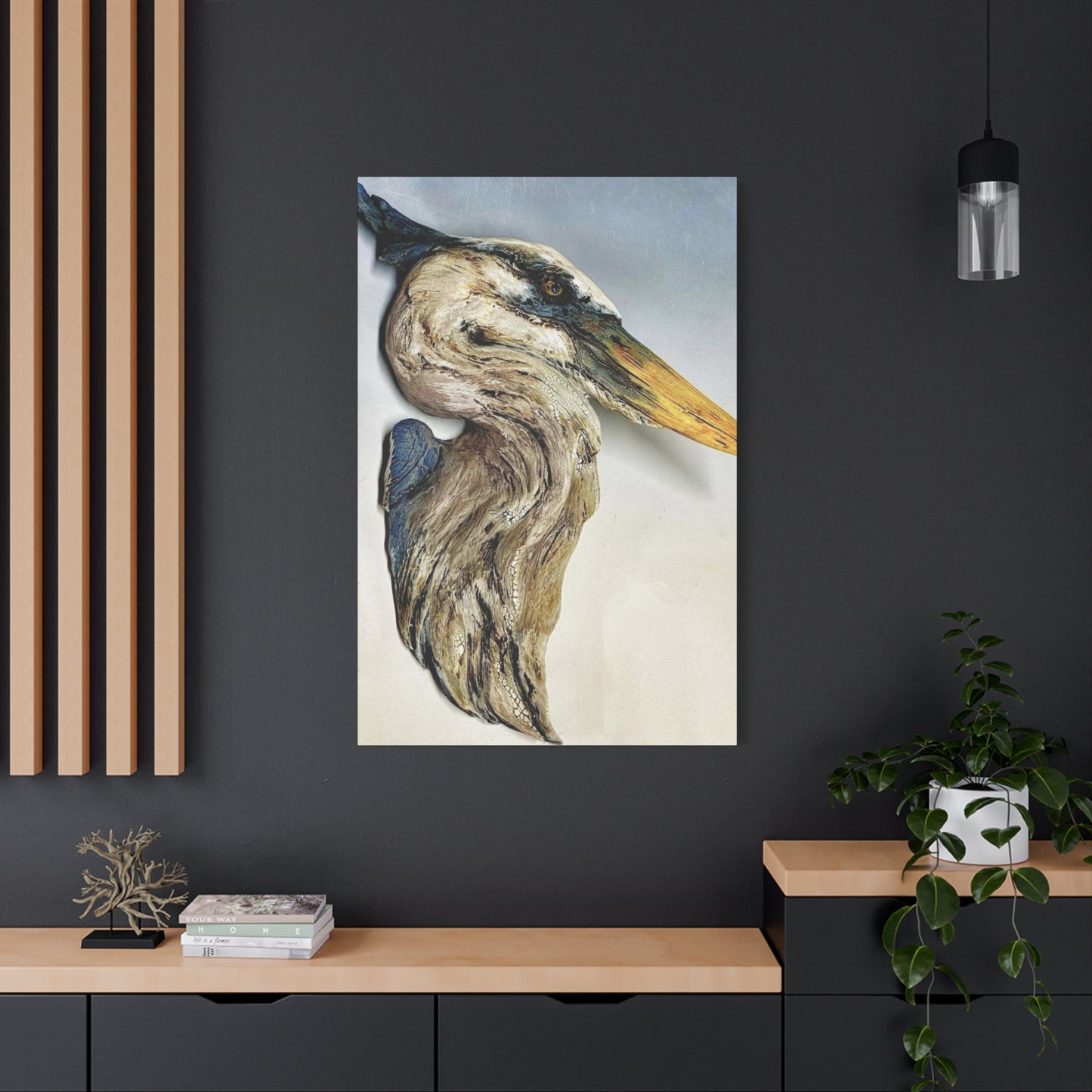
Driftwood Crane 2 Wall Art & Canvas Prints
Driftwood Crane 2 Wall Art & Canvas Prints
Couldn't load pickup availability
Driftwood Crane 2 Wall Art: Exploring the Timeless Beauty of Coastal-Inspired Decorative Pieces for Modern Living Spaces
The allure of nature-inspired decor has captivated homeowners and interior design enthusiasts for decades, with coastal themes remaining perpetually fashionable across various design movements. Among the most sought-after pieces in this category, the Driftwood Crane 2 Wall Art stands as a remarkable testament to the harmonious blend of organic materials and artistic craftsmanship. This distinctive decorative element brings the serene essence of shoreline landscapes directly into residential and commercial environments, offering a unique focal point that resonates with those who appreciate the raw beauty of weathered wood and the graceful symbolism of avian imagery.
The fascination with driftwood as an artistic medium extends far beyond simple aesthetic appeal. Each piece of seaside timber carries within it a narrative of maritime journeys, tidal transformations, and the relentless sculpting power of aquatic elements. When artisans transform these naturally weathered materials into representations of cranes—birds revered across numerous cultures for their elegance and spiritual significance—they create something that transcends ordinary wall hangings. The Driftwood Crane 2 Wall Art exemplifies this intersection of natural authenticity and creative vision, presenting viewers with a composition that speaks simultaneously to our innate connection with the natural world and our appreciation for skillful artistic interpretation.
Understanding what makes this particular decorative piece so compelling requires examining multiple dimensions: the inherent characteristics of driftwood itself, the symbolic resonance of crane imagery, the craftsmanship involved in creating such works, and the broader context of how such pieces function within contemporary interior environments. The weathered texture of ocean-tumbled timber provides a tactile and visual richness that manufactured materials simply cannot replicate. Each groove, discoloration, and irregular contour represents years of exposure to saltwater, sand abrasion, and solar bleaching—processes that imbue the material with character that grows more distinguished with time rather than deteriorating.
The Natural Origins and Characteristics of Weathered Coastal Timber Used in Artistic Creations
The journey of driftwood begins long before it reaches the hands of skilled artisans who transform it into captivating displays like the Driftwood Crane 2 Wall Art. Trees growing in riparian zones or coastal forests eventually contribute their timber to aquatic environments through various means—storm damage, erosion, flooding, or natural life cycle completion. Once submerged or swept into water systems, these wooden fragments embark on transformative odysseys that can span years or even decades. The constant tumbling action against rocks, sand, and other debris gradually smooths sharp edges and removes bark, while mineral-rich waters begin infiltrating the wood's cellular structure.
Salt exposure plays a particularly significant role in creating the distinctive appearance prized by collectors and decorators. Sodium chloride acts as both preservative and sculptor, penetrating deep into the timber while simultaneously drawing out certain compounds. This process creates the silvery-gray patina that characterizes premium driftwood specimens. Unlike artificially aged wood, which often exhibits uniform coloring and texture, genuine beach-collected materials display remarkable variation—darker crevices where moisture persisted, lighter ridges where sun exposure was most intense, and occasional mineral staining that creates unexpected chromatic accents ranging from russet oranges to deep blacks.
The species of the original tree significantly influences the final appearance and durability of collected pieces. Hardwoods like oak, maple, and madrone develop exceptionally dense structures that resist decomposition even after prolonged water exposure, while softwoods such as cedar and pine acquire a more weathered, fibrous texture. Coastal collectors who supply materials for artistic projects like the Driftwood Crane 2 Wall Art develop keen expertise in identifying premium specimens that possess both structural integrity and aesthetic appeal. They search beaches during optimal tidal conditions, seeking pieces that exhibit interesting natural curvature, compelling grain patterns, or unusual formations created by the interaction of growth patterns and environmental forces.
Beyond the visible surface characteristics, driftwood possesses subtle olfactory qualities that contribute to its appeal. Properly cured specimens retain faint briny notes mingled with the inherent aromatic compounds of the source wood species. This sensory dimension adds another layer to the experiential quality of incorporating such materials into living spaces. The Driftwood Crane 2 Wall Art, when newly placed in a room, may carry these delicate coastal fragrances, subtly enhancing the ambiance and triggering memories or associations with seaside environments.
The ecological dimensions of driftwood collection merit consideration as well. Responsible artisans and suppliers adhere to guidelines that protect coastal ecosystems while still obtaining materials for creative projects. Many beaches experience natural accumulation of woody debris that serves no critical ecological function once it reaches its terminal resting place above the high-tide line. Selective harvesting of these materials provides raw components for artistic endeavors without disrupting the natural processes that depend on driftwood in more dynamic zones of the littoral environment. This sustainable approach ensures that admirers of pieces like the Driftwood Crane 2 Wall Art can enjoy them with confidence that their acquisition hasn't compromised environmental integrity.
Symbolic Meanings and Cultural Significance of Crane Imagery Across Global Traditions
The selection of crane forms as the subject matter for driftwood artistry reflects deep cultural currents that flow through diverse societies worldwide. These magnificent birds have occupied privileged positions in human consciousness for millennia, appearing in creation myths, religious iconography, folkloric traditions, and artistic expressions spanning continents. When viewing the Driftwood Crane 2 Wall Art, observers engage not merely with a decorative object but with layered symbolic resonances that have accumulated across centuries of human cultural production.
In East Asian philosophical and artistic traditions, cranes hold particularly exalted status. Chinese cosmology associates these birds with immortality, wisdom, and the connection between earthly and celestial realms. Ancient texts describe cranes as vehicles for immortals traveling between dimensions, while Taoist symbolism frequently depicts sages riding these birds on spiritual journeys. The crane's longevity—some species living beyond sixty years in wild populations—reinforced associations with life extension and vitality. Artistic representations often show cranes accompanied by pine trees and stones, creating a triad symbolizing enduring existence across the vegetable, mineral, and animal kingdoms.
Japanese culture similarly venerates cranes, particularly the red-crowned species native to the archipelago's northern regions. The legend of the thousand paper cranes—where folding one thousand origami representations supposedly grants a wish or healing—has become globally recognized, though its origins lie in much older beliefs about these birds possessing mystical properties. In traditional Japanese wedding ceremonies, crane imagery appears extensively, symbolizing fidelity and lifelong partnership, as these birds typically form monogamous pair bonds that persist throughout their lives. The graceful movements of courting cranes, involving elaborate synchronized dances, inspired classical theatrical performances and continue influencing contemporary choreographic works.
Korean traditions incorporate crane symbolism into both secular and spiritual contexts. Scholars and officials of the Joseon dynasty wore robes embroidered with crane designs indicating rank and moral character. The bird's association with scholarly achievement stemmed from beliefs that cranes embodied the virtues of learning—patience, focus, and elevation above mundane concerns. Buddhist monasteries throughout the Korean peninsula featured crane motifs in architectural decorations and religious paintings, representing the soul's journey toward enlightenment and liberation from cyclical existence.
Beyond East Asian contexts, crane symbolism appears in numerous other cultural frameworks. Ancient Greek mythology included cranes in stories explaining seasonal changes and natural phenomena. The birds' spectacular migratory flights—some species traveling thousands of miles between breeding and wintering grounds—captured human imagination long before scientific understanding of navigation mechanisms. European heraldic traditions occasionally incorporated crane imagery, typically signifying vigilance and loyalty, based on observations of the birds' sentinel behaviors within flocks.
Indigenous North American peoples developed their own symbolic associations with cranes, particularly the sandhill and whooping species native to the continent. Various tribal traditions view cranes as messengers, teachers, or clan totems. The birds' trumpet-like calls, audible across vast distances, contributed to perceptions of them as communicators bridging different worlds or carrying prayers to spiritual entities. Their springtime return to northern breeding grounds marked seasonal transitions and featured in ceremonial observances welcoming renewed growth and abundance.
When artisans create pieces like the Driftwood Crane 2 Wall Art, they tap into these rich symbolic traditions whether consciously or intuitively. The fusion of crane imagery with driftwood materials creates additional layers of meaning. The weathered wood embodies impermanence, transformation, and the passage of time—themes that complement the crane's associations with longevity and transcendence. This juxtaposition of seemingly contradictory concepts generates productive tension that makes such artworks conceptually engaging beyond their immediate visual appeal.
Craftsmanship Methods and Artistic Processes Behind Creating Wooden Bird Sculptures
The transformation of raw driftwood into refined artistic statements like the Driftwood Crane 2 Wall Art requires considerable skill, patience, and creative vision. Artisans working in this medium must navigate unique challenges inherent to using naturally formed materials that resist standardization. Unlike working with kiln-dried lumber cut to uniform dimensions, driftwood artists must adapt their creative processes to accommodate the irregular shapes, variable densities, and unpredictable characteristics of each piece they collect.
The creative journey typically begins with careful selection and curation of suitable materials. Experienced craftspeople develop intuitive understanding of how different pieces might combine to create cohesive compositions. When envisioning a crane form, they look for driftwood fragments whose natural curvature suggests wings, elongated pieces that might serve as neck and legs, or interesting nodules and burls that could represent the bird's distinctive crowned head. This selection process resembles three-dimensional puzzle-solving, where the artist must mentally rotate and combine pieces to discover their optimal arrangement.
Before assembly can commence, collected driftwood typically undergoes preparatory treatments. Though already weathered by natural forces, most pieces benefit from additional cleaning to remove sand, salt crystals, and organic debris lodged in crevices. Some artisans employ gentle pressure washing, while others prefer manual cleaning with brushes to maintain delicate surface textures. Following cleaning, thorough drying becomes essential, as residual moisture can promote fungal growth or bacterial activity that compromises structural integrity. Depending on the piece's size and density, this drying phase might require several weeks in climate-controlled environments.
Certain craftspeople apply stabilizing treatments to enhance durability without significantly altering appearance. Natural oils like linseed or tung penetrate porous wood surfaces, providing protection against moisture absorption and insect activity while enriching color tones. These treatments must be applied judiciously, as excessive application can create unnaturally glossy finishes that contradict the weathered aesthetic that makes driftwood appealing. The goal remains preservation of the material's authentic character while ensuring the finished piece withstands decades of display.
The actual construction phase demands both artistic sensibility and practical problem-solving abilities. Joining irregular driftwood pieces presents challenges absent from conventional woodworking. Traditional joinery methods like mortise-and-tenon or dovetail connections rarely work with the unpredictable grain patterns and variable densities characteristic of beach-collected timber. Instead, artists employ creative fastening solutions—carefully positioned screws, hidden metal brackets, or strong adhesives selected for compatibility with weathered wood. The most skilled practitioners conceal these mechanical connections so seamlessly that finished works appear to have grown naturally into their forms rather than being assembled from disparate components.
Creating convincing crane forms requires particular attention to anatomical proportions and characteristic postures. While stylization remains acceptable in artistic interpretation, successful pieces maintain recognizable avian qualities that distinguish cranes from generic bird representations. The distinctive S-curve of the neck, the angle of legs suggesting alert stance, the wing positioning—whether folded at rest or spread in flight—all contribute to immediate recognition. The Driftwood Crane 2 Wall Art likely incorporates these defining characteristics, allowing viewers to appreciate both the abstract beauty of the arranged materials and the specific subject matter being portrayed.
Surface finishing constitutes the final stage of creation, though many artists embrace a philosophy of minimal intervention. The appeal of driftwood lies largely in its natural weathering, so aggressive sanding or heavy finish application would diminish authenticity. Some craftspeople lightly burnish high points to create subtle contrast with recessed areas, enhancing visual depth without fundamentally altering surface character. Others may selectively darken certain sections using diluted stains or scorching methods that mimic natural oxidation patterns, adding definition to areas that might otherwise read as visually flat.
Throughout the creative process, accomplished artisans remain responsive to their materials rather than forcing preconceived designs onto resistant components. This collaborative relationship between maker and medium yields results that honor the driftwood's inherent qualities while guiding it toward recognizable forms. The finished pieces, including works like the Driftwood Crane 2 Wall Art, represent successful dialogues between human intention and natural accident—collaborations spanning the years the wood spent transforming in marine environments and the hours the artist invested in its final realization.
Placement Strategies and Interior Design Considerations for Coastal-Themed Decorative Elements
Incorporating distinctive pieces like the Driftwood Crane 2 Wall Art into residential or commercial spaces requires thoughtful consideration of multiple factors that influence how such works interact with their surroundings. Successful placement amplifies the artwork's inherent qualities while contributing to the broader aesthetic narrative of the environment. These decisions involve practical concerns about lighting, positioning, and spatial relationships, as well as more subjective considerations regarding stylistic compatibility and emotional impact.
Wall art featuring natural materials demands particular attention to lighting conditions. The textured surfaces of driftwood create complex shadow patterns that shift throughout the day as natural illumination angles change. Positioning the Driftwood Crane 2 Wall Art where it receives indirect sunlight during certain hours can dramatically enhance its three-dimensional qualities, with grazing light emphasizing every groove and undulation in the weathered wood surface. However, prolonged direct sun exposure should be avoided, as ultraviolet radiation gradually degrades wood fibers and can fade any applied finishes or natural coloration. North-facing walls in the Northern Hemisphere (or south-facing in the Southern Hemisphere) typically provide ideal conditions—consistent diffused light without harsh direct rays.
Artificial lighting options warrant equal consideration. Track lighting or adjustable wall-mounted fixtures allow precise illumination control, enabling homeowners to create dramatic effects after daylight hours. Warm-spectrum bulbs (2700-3000K color temperature) generally complement driftwood's natural tones better than cool white alternatives, which can impart a harsh, clinical appearance. Positioning lights at oblique angles rather than straight-on creates the most interesting shadow play across irregular surfaces. Some designers recommend multiple light sources at different angles, creating layered illumination that reveals different aspects of the piece as fixtures are selectively activated.
The backdrop against which the artwork appears significantly influences its visual impact. Light-colored walls—whites, soft grays, pale blues—provide maximum contrast with the typically silvery-gray or tan tones of weathered driftwood, making forms read clearly from across rooms. Darker backgrounds can create sophisticated, gallery-like presentations but require more careful lighting to prevent the artwork from visually receding. Textured wall surfaces like linen wallcoverings or subtly patterned paint treatments add visual interest without competing with the artwork's own complex surfaces. Extremely busy wallpapers or strongly patterned finishes risk creating visual confusion, with the Driftwood Crane 2 Wall Art struggling to establish itself as a distinct focal point.
Scale relationships between the artwork and surrounding architectural elements merit careful assessment. Pieces that appear perfectly proportioned in showrooms or photographs sometimes overwhelm intimate spaces or disappear in expansive rooms. The Driftwood Crane 2 Wall Art should occupy appropriate visual weight relative to the wall section it inhabits—neither cramped by insufficient clearance from adjacent elements nor lost in excessive empty space. Traditional proportional guidelines suggest artwork should span roughly two-thirds to three-quarters the width of furniture pieces it hangs above, though these rules serve as starting points rather than absolute requirements.
Thematic coherence with surrounding decor elements influences how successfully the piece integrates into its environment. Coastal themes naturally complement driftwood art, with other maritime references—shells, coral specimens, nautical instruments, beach photography—creating harmonious ensembles. However, overly literal interpretations risk descending into cliché "beach house" aesthetics that lack sophistication. More successful approaches mix coastal elements with unexpected companions—industrial metals, clean-lined contemporary furniture, or even carefully selected antiques that share textural richness if not thematic content.
Color palette coordination extends beyond immediate wall colors to encompass all visible elements within sight lines. The neutral tones of the Driftwood Crane 2 Wall Art make it remarkably versatile, working within cool color schemes featuring blues and grays as well as warmer palettes incorporating tans, creams, and earth tones. Accent colors in furnishings, window treatments, and accessories should either complement the artwork's subtle hues or provide intentional contrast that creates visual dynamism. Excessive chromatic chaos undermines the serene, contemplative quality that draws many people to nature-inspired art.
Room function also shapes placement decisions. In living spaces meant for conversation and relaxation, positioning the artwork at seated eye level ensures comfortable viewing from sofas and chairs. Dining rooms might accommodate higher placement since viewing typically occurs from standing or moving positions. Bedroom installations often work well above headboards, creating focal points visible upon entering while remaining outside direct sight lines from sleeping positions. Entryways and hallways benefit from statement pieces like the Driftwood Crane 2 Wall Art, establishing aesthetic tone immediately upon entry and transforming transitional spaces into destinations worthy of pause.
The artwork's weight and mounting requirements impose practical constraints that influence placement options. Driftwood sculptures, depending on size and construction, can prove substantially heavier than conventional framed prints or paintings. Wall studs provide the most secure anchoring points, potentially limiting placement to areas where structural supports exist. Where desired positioning occurs between studs, specialized anchoring systems rated for the artwork's weight become necessary. Professional hanging services can assess load requirements and implement appropriate mounting solutions, ensuring both security and proper positioning without compromising wall integrity.
Complementary Decorative Elements and Styling Approaches for Cohesive Room Designs
Creating environments where the Driftwood Crane 2 Wall Art truly shines involves more than simply hanging the piece and hoping surrounding elements naturally harmonize. Thoughtful curation of complementary decorative objects, furniture selections, and spatial arrangements transforms individual attractive items into cohesive narratives that elevate entire rooms. This process resembles orchestrating musical compositions where various instruments contribute distinct voices while supporting overall melodic themes.
Natural material palettes provide foundational coherence when styling spaces around driftwood artworks. Organic textures—linen upholstery, jute rugs, rattan furniture, stone surfaces—create sensory continuity that reinforces the tactile qualities of weathered wood. These materials share an understated authenticity that resists trendy excess while remaining perpetually relevant. A living room centered on the Driftwood Crane 2 Wall Art might incorporate a chunky knit throw in undyed wool, ceramic vessels with unglazed exteriors revealing clay bodies, and furnishings showcasing wood grain rather than concealing it beneath opaque finishes. This layering of natural elements builds richness without resorting to ornamentation or artificial embellishment.
Botanical elements bridge the gap between indoor environments and the natural world referenced by coastal-inspired decor. Living plants contribute vitality and organic movement that static decorative objects cannot replicate. Species with architectural forms—sculptural succulents, dramatic bird of paradise, elegant fiddle leaf figs—create visual relationships with the crane's avian geometry without literal mimicry. Alternatively, more delicate specimens like ferns or trailing pothos soften harder edges and introduce graceful movement. Driftwood planters or naturally finished wood stands provide thematically appropriate vessels while extending material continuity throughout the space.
Artwork companions should be selected with discrimination to avoid redundancy while maintaining thematic threads. Rather than surrounding the Driftwood Crane 2 Wall Art with additional bird representations or multiple driftwood pieces that compete for attention, consider complementary subjects that share aesthetic qualities without duplicating content. Abstract works featuring similar color palettes, photography capturing coastal landscapes or atmospheric conditions, or minimalist compositions emphasizing negative space can provide visual variety while respecting the primary piece's prominence. Gallery-style arrangements work when carefully composed, but often single bold statements flanked by generous empty space create more powerful impact than crowded assemblages.
Lighting fixtures function as both practical necessities and sculptural elements contributing to overall aesthetic narratives. For spaces featuring the Driftwood Crane 2 Wall Art, fixtures constructed from natural materials extend material themes while providing necessary illumination. Pendants with linen drum shades diffuse light softly, creating gentle ambiance. Chandeliers incorporating wood, rope, or natural fiber elements reference maritime or rustic traditions without literal nautical clichés. Even metallic fixtures in aged bronze, brushed brass, or matte black finishes can complement rather than conflict with weathered wood tones, particularly when their forms suggest organic inspiration rather than industrial precision.
Textile selections significantly influence how spaces feel beyond their visual contributions. Natural fiber rugs—sisal, jute, seagrass—ground rooms with subtle texture and neutral tones that support rather than compete with focal artworks. Window treatments in linen or lightweight cotton filter light beautifully while maintaining the airy, relaxed sensibility appropriate to coastal-inspired aesthetics. Upholstery choices ranging from nubby woven fabrics to smooth but breathable cottons provide tactile variety that keeps neutral palettes from feeling monotonous. Layering different textural expressions of similar hues creates sophisticated depth that rewards close attention.
Furniture silhouettes and proportions shape how successfully pieces integrate into styled environments. Clean-lined contemporary forms with minimal ornamentation often partner effectively with organic art, the contrast between geometric precision and natural irregularity creating productive visual tension. Conversely, furnishings with subtle curves and softened edges can echo the flowing lines of the crane form while maintaining distinct identities. Overly ornate or heavily detailed furniture risks overwhelming spaces where natural art serves as focal point, pulling attention in too many directions and preventing any single element from achieving prominence.
Accessory curation demands restraint and intentionality. The contemporary design principle of editing—carefully selecting few meaningful objects rather than displaying everything owned—serves spaces featuring statement pieces particularly well. Each decorative object should justify its presence through aesthetic contribution, personal significance, or functional utility. Books arranged on coffee tables might feature subjects complementing the artwork—volumes on ornithology, coastal ecology, or natural materials. Vessels and sculptural objects in ceramic, stone, or glass add visual interest through form and material rather than depending on pattern or color. The goal remains supporting the Driftwood Crane 2 Wall Art's prominence rather than competing with it for attention.
Color accents, when introduced, should appear deliberate rather than arbitrary. While neutral foundations provide versatility, strategic chromatic punctuation prevents spaces from feeling bland. Colors echoing natural coastal environments—soft aquas, weathered blues, sandy beiges, seafoam greens—connect thematically while remaining understated. Alternatively, unexpected accent colors in muted intensities—dusty rose, sage green, warm terracotta—can enliven spaces without disrupting overall serenity. These accents might appear in single accent chairs, collections of cushions, or carefully selected decorative objects rather than dominating entire walls or large furniture pieces.
Spatial arrangements influence how visitors experience rooms and interact with displayed artworks. Furniture groupings should facilitate comfortable viewing of the Driftwood Crane 2 Wall Art from multiple positions—direct confrontation from across rooms as well as angled perspectives from seated positions. Traffic patterns that guide movement past or toward the artwork create opportunities for varied engagement throughout the day. Spaces that feel too cluttered or navigationally confusing prevent proper appreciation of any decorative elements, while overly sparse arrangements may seem cold rather than serene. Achieving balance between adequate furnishing and comfortable openness requires experimentation and willingness to adjust arrangements until optimal configurations emerge.
Preservation Methods and Long-Term Care for Wooden Decorative Artworks
Ensuring the Driftwood Crane 2 Wall Art remains beautiful and structurally sound for decades requires understanding the vulnerabilities of natural wood materials and implementing appropriate protective measures. While the weathering processes that create driftwood's distinctive appearance involve exposure to harsh conditions, controlled indoor environments present different challenges that demand specific care protocols. Proper stewardship extends the lifespan of these artworks while maintaining their authentic character and aesthetic appeal.
Environmental stability constitutes the foundation of effective preservation. Wood responds dramatically to fluctuations in humidity and temperature, expanding when moisture increases and contracting as conditions dry. Dramatic or rapid changes subject materials to mechanical stress that can cause cracking, warping, or joint failure in assembled pieces. Maintaining relative humidity between forty and sixty percent—comfortable levels for human occupancy—generally suits wooden artworks well. Areas prone to excessive dryness during heating seasons benefit from humidifier use, while spaces with chronic moisture problems may require dehumidification to prevent conditions favoring fungal growth or insect activity.
Temperature consistency matters almost as much as humidity control. Placement near heat sources—radiators, fireplaces, heating vents—subjects artworks to localized thermal stress that accelerates deterioration. The differential expansion rates between heated surfaces and cooler sections can compromise adhesives, loosen joints, or create surface checking. Similarly, exterior walls prone to significant temperature variations between seasons present challenges absent from interior partitions buffered by surrounding conditioned spaces. When positioning the Driftwood Crane 2 Wall Art, selecting locations distant from thermal extremes contributes meaningfully to longevity.
Light exposure, while necessary for viewing enjoyment, gradually degrades organic materials through photochemical reactions. Ultraviolet radiation proves particularly destructive, breaking down lignin and cellulose structures that provide wood its strength and integrity. Even wood already weathered by solar exposure during its oceanic journey remains vulnerable to continued degradation. Filtering UV from natural light using window films or specialized glazing protects artworks without significantly affecting visible light transmission. Alternatively, positioning pieces away from direct sunlight or using adjustable window treatments to control exposure during peak intensity hours provides protection. Artificial lighting should similarly employ low-UV sources, with LED options generally preferable to incandescent or fluorescent alternatives.
Regular dusting prevents accumulation of particulates that can abrade surfaces or harbor moisture. Soft, dry cloths or specialized dusting tools appropriate for delicate surfaces should be employed with gentle pressure. Microfiber materials trap particles rather than redistributing them, making them particularly effective. Feather dusters, while traditional, can occasionally catch on rough wood surfaces, potentially dislodging fragments or disturbing joined sections. Compressed air, sometimes used for hard-to-reach crevices in other contexts, risks driving particles deeper into porous wood or dislodging loose material, making it generally unsuitable for driftwood art.
Periodic inspection allows early detection of issues before they progress to serious damage. Examining joints and connection points reveals whether structural elements remain secure or have loosened due to environmental fluctuations or settling. Scrutinizing surfaces for signs of insect activity—tiny holes, sawdust-like frass, or actual specimens—enables prompt intervention if infestations occur. Though properly dried and treated driftwood rarely attracts pests, vigilance prevents surprises. Similarly, watching for any evidence of fungal growth—discoloration, fuzzy deposits, musty odors—allows addressing moisture problems before extensive damage occurs.
Appropriate cleaning beyond routine dusting occasionally becomes necessary if artworks accumulate grime or residues. The gentlest effective method should always be employed, beginning with dry approaches and progressing to dampened cleaning only when necessary. If light moisture application proves required, barely damp cloths should be used sparingly, immediately followed by thorough drying with absorbent materials. Cleaning solutions should be avoided entirely unless specifically formulated for natural wood and proven compatible through inconspicuous testing. Many common household cleaners contain chemicals that can darken, stain, or otherwise alter weathered wood surfaces in unwanted ways.
Reapplication of protective finishes may eventually become advisable as initial treatments degrade over years of exposure. This process requires careful assessment to determine whether intervention truly benefits the piece or risks compromising its authentic weathered character. When refinishing seems warranted, products matching original treatments should be selected—natural oils for pieces treated with similar materials, specialized wood preservatives for those requiring more robust protection. Application techniques should follow manufacturer recommendations while accommodating the irregular surfaces characteristic of driftwood assemblages. Excessive finish application that creates glossy, obviously treated appearances should be avoided, as these detract from the natural aesthetic that makes such artworks appealing.
Damage repairs demand specialized expertise when they exceed simple tightening of loose fasteners. Reattaching separated components, stabilizing cracks, or replacing damaged elements requires understanding of appropriate materials and methods. Amateur repair attempts often cause more harm than good, introducing inappropriate adhesives, creating conspicuous patches, or compromising structural integrity. Professional conservators familiar with natural wood artworks can assess damage and recommend appropriate interventions that preserve both physical integrity and aesthetic character. For significant issues involving valuable or irreplaceable pieces like the Driftwood Crane 2 Wall Art, consulting specialists proves worthwhile despite associated costs.
Historical Context and Evolution of Coastal-Inspired Artistic Movements
Understanding the broader artistic traditions from which contemporary pieces like the Driftwood Crane 2 Wall Art emerge enriches appreciation for these works beyond their immediate visual appeal. Humans have collected and repurposed naturally weathered wood for millennia, though motivations and aesthetic frameworks have shifted dramatically across eras and cultures. Examining this evolution reveals how current sensibilities developed and suggests why driftwood art resonates so powerfully with contemporary audiences.
Indigenous coastal peoples worldwide incorporated beach-collected wood into functional and ceremonial objects long before documented historical periods. Practical motivations drove much early use—driftwood provided ready fuel sources and construction materials in regions where terrestrial timber proved scarce. Archaeological evidence reveals sophisticated carpentry using driftwood in Arctic communities where trees grow poorly or not at all. Aleutian and Inuit populations fashioned driftwood into structural frameworks for dwellings, transportation implements, and hunting equipment. Beyond utilitarian purposes, certain pieces with striking natural forms received ceremonial significance, incorporated into spiritual practices or displayed as objects embodying supernatural forces.
Asian artistic traditions embraced natural materials including weathered wood within broader aesthetic philosophies emphasizing simplicity, irregularity, and acceptance of impermanence. Japanese wabi-sabi concepts celebrate beauty in imperfection and transience, finding aesthetic value in materials bearing marks of age and use. Arrangements featuring driftwood, stones, and living plants appeared in Zen temple gardens and elite residences, functioning as focal points for contemplation. These compositions emphasized the materials' inherent qualities rather than imposing elaborate human manipulation, an approach resonating through centuries to influence contemporary natural art movements.
European traditions generally treated driftwood more pragmatically until relatively recent historical periods. Maritime communities opportunistically salvaged timber washed ashore, viewing it primarily as economic resource rather than artistic material. Shipwreck survivors' accounts occasionally mention fashioning rudimentary shelters or signals from beach debris, though aesthetic considerations remained absent from such desperate circumstances. The picturesque movement of the late eighteenth and early nineteenth centuries began acknowledging wild coastal scenery as worthy of artistic attention, with painters depicting weathered wood among other elements suggesting nature's sublime power, though collected specimens rarely appeared in genteel interiors.
North American coastal cultures developed distinct relationships with driftwood reflecting regional environmental characteristics. Pacific Northwest indigenous groups, inhabiting regions where massive logs accumulated on beaches following storms and river floods, incorporated these materials into monumental architectural and sculptural works. Entire house posts might be fashioned from single enormous driftwood logs, while spiritual carvings transformed naturally dramatic forms into representations of ancestral or mythological beings. This tradition of seeing artistic potential in found natural forms influenced later Euro-American settlers, though centuries passed before mainstream decorative arts embraced similar aesthetics.
The Arts and Crafts movement of the late nineteenth and early twentieth centuries marked significant shifts in elite attitudes toward natural materials and handcrafted objects. Reacting against industrial standardization and mass production, proponents championed materials displaying evident natural origins and construction methods revealing human craftsmanship. Though the movement focused primarily on wood furniture showcasing grain and joinery rather than weathered found materials, its philosophical framework prepared audiences to appreciate objects where material authenticity and maker's hand remained visible. This ideological groundwork proved essential for eventual acceptance of driftwood art in design-conscious circles.
Mid-twentieth-century modernism's embrace of organic forms and natural materials further normalized incorporating rustic elements into refined environments. Architects and designers like Frank Lloyd Wright emphasized harmonious relationships between built structures and natural surroundings, while Scandinavian design traditions demonstrated how simple natural materials could create sophisticated aesthetics when handled with restraint and skill. Though driftwood specifically remained somewhat marginal, the broader cultural validation of organic materials and unpretentious forms created receptive audiences for nature-inspired decorative arts.
The environmental consciousness emerging during the 1960s and 1970s profoundly influenced attitudes toward natural materials and sustainable practices. As industrial excess and ecological degradation gained public attention, many individuals sought more intentional relationships with natural environments. Collecting beach specimens, incorporating natural objects into living spaces, and supporting artists working with found materials became expressions of values prioritizing environmental connection over consumerist accumulation. Driftwood art benefited from these shifting sensibilities, transforming from folk craft or rustic curiosity into legitimate decorative category embraced across socioeconomic demographics.
Contemporary interest in biophilic design—creating built environments that satisfy human needs for connection with natural systems—provides current theoretical framework supporting driftwood art's continued relevance. Research suggests that incorporating natural materials, organic forms, and references to natural environments into interior spaces yields measurable psychological benefits including stress reduction, mood elevation, and enhanced cognitive function. The Driftwood Crane 2 Wall Art serves not merely as decoration but as conduit facilitating beneficial connections between occupants and natural world, even within thoroughly urbanized contexts far removed from actual shorelines.
The digital age paradoxically strengthens rather than diminishes appeal of handcrafted natural objects. As daily life increasingly involves interaction with screens, synthetic materials, and virtual environments, physical objects carrying marks of organic origin and human craftsmanship gain heightened significance as tangible anchors to authentic experiences. Driftwood art's irregular surfaces, natural color variations, and visible evidence of both natural weathering and artisan intervention offer sensory richness and authenticity impossible to replicate digitally. This context helps explain surging interest in natural home decor despite—or perhaps because of—our increasingly technological daily existence.
Color Theory and Visual Dynamics in Neutral-Toned Natural Material Artworks
The subtle chromatic qualities of pieces like the Driftwood Crane 2 Wall Art present interesting challenges and opportunities within color theory frameworks typically focused on more saturated hues. Weathered wood's palette—silver-grays, soft tans, warm beiges, occasional darker accents—occupies the neutral zone often treated as background rather than primary visual interest. However, sophisticated engagement with these understated tones reveals remarkable complexity and demonstrates how neutral palettes achieve visual impact through means beyond chromatic intensity.
Neutral colors derive their character not from position on the standard color wheel but from subtle relationships between various undertones. The silvery grays of sun-bleached driftwood contain hints of cool blues and greens contrasting with warmer taupe and tan sections influenced by oxidized tannins and residual bark pigments. These temperature variations within nominally neutral ranges create subtle visual vibrations as the eye perceives warm and cool notes interacting across surfaces. The Driftwood Crane 2 Wall Art likely exhibits this chromatic complexity, rewarding sustained viewing as observers discover nuances invisible during cursory glances.
Value contrast—the relationship between light and dark areas—becomes particularly important when hue variety remains limited. Driftwood naturally exhibits significant tonal range, from pale bleached highlights where solar exposure proved most intense to deep charcoal pockets where moisture and minerals accumulated. Skilled artisans composing crane forms from multiple pieces leverage these value differences to create visual definition, positioning lighter sections against darker neighbors to articulate wings, body, and limbs. Shadows cast by three-dimensional projections add further tonal variation, with depth of shadow changing as lighting conditions shift throughout the day.
Texture interacts with color perception in ways particularly relevant to rough, irregular surfaces. The same actual pigment appears lighter on elevated ridges catching direct light than in recessed valleys remaining shadowed.
Conclusion
In conclusion, Driftwood Crane 2 wall art captures the timeless beauty of coastal-inspired décor, offering a harmonious blend of nature's elegance and artistic craftsmanship that can transform modern living spaces. The use of driftwood—worn and shaped by the sea—combined with the graceful form of a crane, creates a powerful visual statement that is both calming and striking. This unique piece of art brings the serenity of the coast into your home, evoking images of tranquil beaches, sweeping shores, and the majesty of wildlife in flight. It offers a peaceful yet powerful presence, making it a perfect choice for creating a sense of calm and balance in your living environment.
What sets Driftwood Crane 2 wall art apart is the juxtaposition of organic materials with refined design. Driftwood, naturally shaped and textured by the elements, has a story to tell. Each piece is unique, showcasing nature's ability to sculpt materials over time. When paired with the crane—symbolizing freedom, grace, and movement—this art piece becomes more than just décor; it becomes a symbol of fluidity, elegance, and the beauty of natural processes. The crane, often associated with good fortune and longevity, brings an additional layer of meaning to your space, inviting positive energy and a sense of peacefulness.
This type of wall art is an ideal way to infuse coastal charm into your home, especially for those who want to create a serene, nature-inspired environment. The natural hues and textures of driftwood complement a wide range of modern interior styles, from minimalist to bohemian to coastal chic. Its understated beauty makes it suitable for living rooms, bedrooms, or even hallways, where it can serve as a focal point or a subtle accent. The organic tones of the driftwood blend effortlessly with light, airy color schemes, creating a calm, inviting atmosphere.
One creative way to display Driftwood Crane 2 wall art is by placing it above a console table, mantel, or sofa. The long, graceful shape of the crane can draw the eye upward, creating a sense of height and movement within the room. Pairing the piece with soft, neutral furnishings or beach-inspired accents, such as textured pillows, woven baskets, or natural fiber rugs, enhances the coastal theme, making the artwork feel like an integral part of the overall design. Its presence brings a natural elegance to the space, offering a refined yet relaxed vibe that is synonymous with coastal living.
If you’re looking to make a more dramatic impact, consider incorporating Driftwood Crane 2 as part of a larger gallery wall. Combine it with other nature-inspired art, such as botanical prints, ocean landscapes, or abstract ocean-inspired designs, to create a cohesive and immersive theme. The natural texture of the driftwood contrasts beautifully with sleek, contemporary frames and modern furniture, blending the old and the new in a sophisticated way. This fusion of organic and modern elements allows for a dynamic, eye-catching display that feels both stylish and grounded.
For those who enjoy creating a serene sanctuary, the driftwood crane artwork is an excellent addition to a bedroom or meditation room. Placing it above the bed or near a window where natural light can highlight the driftwood's texture invites calmness and peace into your space. The crane's symbolic associations with balance, flight, and elegance can help create a tranquil environment for relaxation, reflection, or mindfulness.
Another creative idea is to use Driftwood Crane 2 wall art as a statement piece in a coastal-inspired bathroom or powder room. The art’s natural materials and serene motif can make a small space feel expansive and connected to nature, evoking the calming effect of a beach vacation or seaside retreat. Pairing it with soft blue or sea-green accents, natural wood finishes, or seashell decorations can bring the essence of the coast into every corner of your home.
Driftwood Crane 2 wall art also serves as a conversation starter, drawing attention not only for its beauty but for the intricate work and unique use of natural materials. Each time you or your guests admire the artwork, the story of the driftwood and the grace of the crane create a narrative about the connection between nature, artistry, and design. It’s an ideal piece for those who appreciate the simplicity and complexity of nature and seek to bring that ethos into their living spaces.
The crane, with its wings extended in flight, also speaks to a sense of freedom and movement, making the piece especially meaningful for those undergoing transitions in life, seeking growth, or embracing new opportunities. The art encourages a sense of peace in the midst of change, reminding you to embrace life’s journey with grace and balance, just as the crane glides effortlessly through the air.
Ultimately, Driftwood Crane 2 wall art is a stunning representation of the timeless beauty found in nature. Its blend of coastal charm, graceful design, and organic materials brings a sense of tranquility, elegance, and positive energy into your home. Whether displayed in the living room, bedroom, or any other space, this art piece serves as a gentle reminder of the beauty of nature and the importance of balance, freedom, and serenity in our everyday lives.
Share