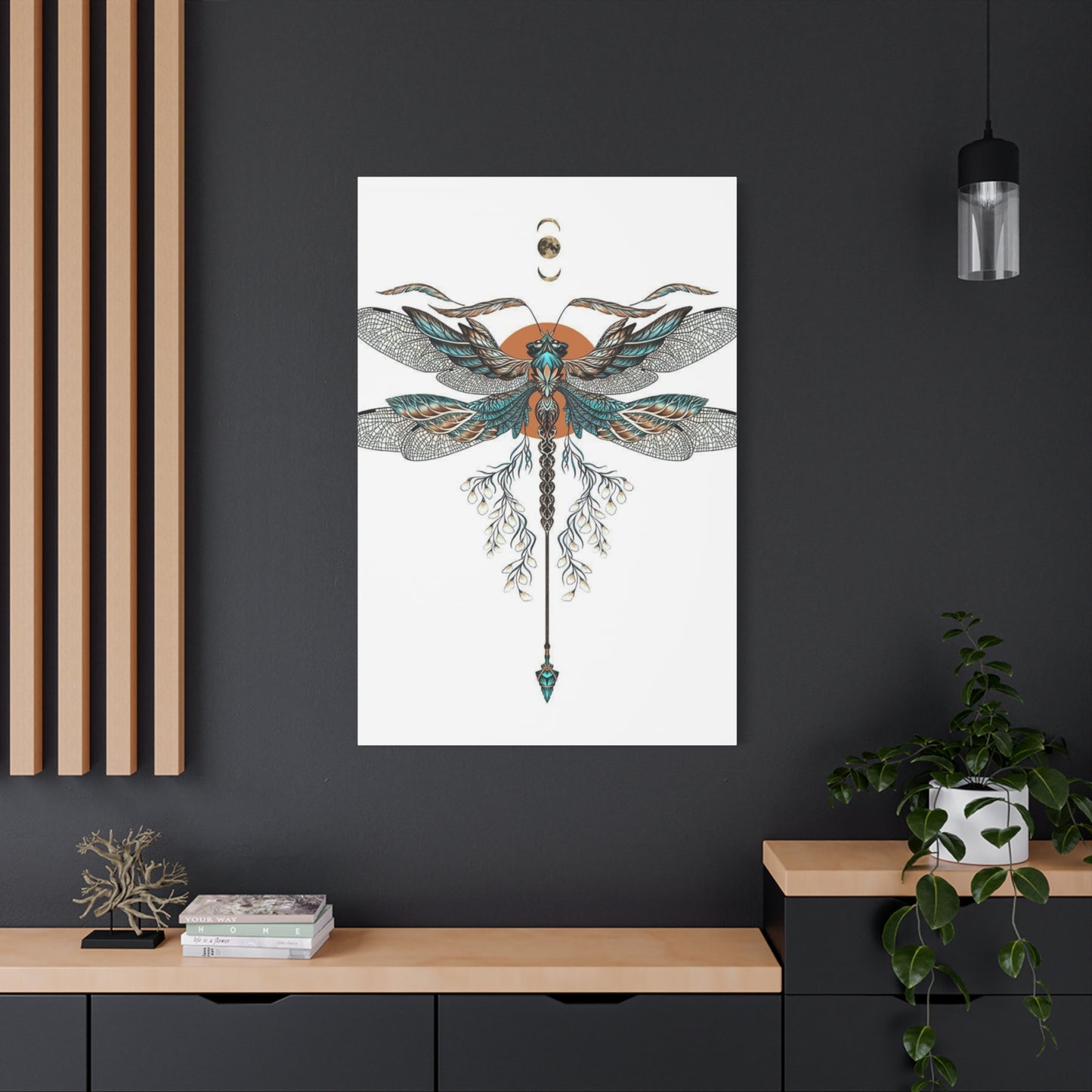


Dragonfly Wings Wall Art & Canvas Prints
Dragonfly Wings Wall Art & Canvas Prints
Couldn't load pickup availability
Ethereal Beauty of Dragonfly Wings Wall Art: Creating Stunning Natural Décor for Your Living Spaces
The mesmerizing allure of nature's delicate creatures has captivated human imagination for centuries, and among these remarkable beings, dragonflies stand out with their iridescent wings and graceful flight patterns. When translated into decorative pieces for interior spaces, dragonfly wings wall art becomes more than mere ornamentation—it transforms into a conversation piece that bridges the natural world with contemporary design sensibilities. This comprehensive exploration delves into every facet of incorporating these breathtaking elements into your home, from selecting the perfect piece to understanding the artistic processes behind their creation.
The Captivating Allure of Natural Wing Patterns in Interior Design
Dragonfly wings possess an otherworldly quality that has fascinated naturalists, artists, and designers throughout the ages. The intricate venation patterns, reminiscent of stained glass windows, create a mesmerizing display when light filters through their translucent membranes. These delicate structures showcase nature's engineering prowess, with each vein serving a crucial purpose in supporting the wing's structure while maintaining remarkable lightness. The wings display an ethereal transparency that seems to capture and hold light, creating an ever-changing visual experience depending on the time of day and ambient illumination in your space.
The natural iridescence found in dragonfly wings stems from microscopic structures that refract light in spectacular ways. Unlike pigmented coloration, this structural color shifts and changes based on viewing angle, creating a dynamic visual experience that cannot be replicated through artificial means. When incorporated into wall art, these characteristics bring a living quality to static décor, as the piece appears to transform throughout the day as sunlight moves across your rooms. This phenomenon creates an interactive element in your interior design, where the artwork responds to its environment in subtle yet captivating ways.
Contemporary interior designers have increasingly recognized the value of incorporating natural elements into living spaces, moving away from purely synthetic materials toward biophilic design principles. Dragonfly wings wall art exemplifies this trend, offering a tangible connection to the natural world without requiring extensive outdoor views or large-scale landscape features. The delicate nature of these pieces speaks to a refined aesthetic sensibility, appealing to those who appreciate the intersection of natural beauty and artistic expression. This approach to decoration fosters a sense of tranquility and connection that purely manufactured items often fail to achieve.
Exploring Various Artistic Interpretations and Presentation Methods
The realm of dragonfly wings wall art encompasses an astonishing variety of presentation styles, each offering distinct visual impact and emotional resonance. Preserved specimens mounted in shadow boxes represent the most direct approach, showcasing the authentic wings in their natural state. These presentations typically feature careful mounting techniques that display the wings in lifelike positions, often accompanied by complementary elements such as botanical specimens or contextual backgrounds that enhance the overall composition. The depth created by shadow box mounting adds dimensional interest, transforming a flat display into a sculptural element that projects into your living space.
Photographic interpretations offer another avenue for bringing dragonfly wing imagery into your home. Macro photography reveals details invisible to the naked eye, magnifying the intricate patterns and structural elements that make these wings so remarkable. High-resolution prints can capture the subtle gradations of color and the delicate tracery of veins with stunning clarity, allowing viewers to appreciate aspects of wing structure that would be difficult to observe even when examining live specimens. These photographic pieces work particularly well in modern or minimalist interiors, where their clean presentation and sharp detail complement streamlined design aesthetics.
Artistic renderings ranging from watercolor paintings to digital illustrations provide interpretive approaches that balance scientific accuracy with creative expression. Some artists focus on hyperrealistic depictions that rival photographic precision, while others embrace more abstract interpretations that capture the essence of dragonfly wings through color, form, and suggestion rather than literal representation. Mixed media pieces might combine actual wing fragments with painted or drawn elements, creating layered compositions that blur the boundaries between natural specimen and artistic creation. These diverse approaches ensure that regardless of your personal style preferences, you can find dragonfly wings wall art that resonates with your aesthetic sensibilities.
Selecting the Perfect Dimensions and Placement Strategies for Maximum Impact
The visual impact of dragonfly wings wall art depends significantly on proper sizing and strategic placement within your living spaces. Oversized statement pieces command attention and serve as focal points, working best on prominent walls where they can be appreciated from multiple vantage points throughout the room. These larger installations typically measure three feet or more in their longest dimension, creating dramatic visual anchors that draw the eye and establish the decorative tone for the entire space. When working with substantial pieces, ensure adequate breathing room by leaving empty wall space around the artwork, preventing visual clutter that might diminish its impact.
Medium-sized pieces offer versatility, adapting readily to various locations throughout your home. These works function effectively above furniture pieces such as sofas, beds, or console tables, where they provide visual interest without overwhelming the space. A common guideline suggests that wall art above furniture should span approximately two-thirds to three-quarters of the furniture's width, creating balanced proportions that feel neither cramped nor lost. For dragonfly wings wall art in this size range, consider the color palette and ensure it complements existing furnishings while adding visual intrigue through its unique natural patterns.
Smaller pieces work beautifully in intimate settings or as components of gallery wall arrangements. A collection of several smaller dragonfly wings artworks can create more visual interest than a single large piece, particularly when grouped thoughtfully with consistent spacing and complementary framing. Consider creating thematic groupings that showcase different species or presentation styles, building a cohesive narrative that invites closer inspection and contemplation. Hallways, powder rooms, and reading nooks provide ideal locations for these more modest pieces, where their delicate beauty can be appreciated at close range.
Understanding the Fascinating Biology Behind These Remarkable Structures
Dragonfly wings represent one of nature's most remarkable engineering achievements, combining incredible strength with extraordinary lightness. The wing membrane consists of a thin layer of cuticle, the same material that forms insect exoskeletons, stretched between a network of veins that provide structural support. This configuration allows dragonflies to achieve aerial feats that rival and often surpass human-engineered aircraft, including hovering, backward flight, and rapid directional changes. The biomechanics involved in dragonfly flight continue to inspire aerospace engineers and roboticists seeking to replicate these capabilities in artificial systems.
The venation patterns visible in dragonfly wings follow remarkably consistent arrangements within species while displaying fascinating variations between different dragonfly families. Primary veins run longitudinally from the wing base to the tip, while cross-veins create the characteristic cellular pattern that gives the wings their strength and flexibility. These patterns serve not merely as structural elements but also as identifying features that allow experts to distinguish between closely related species. When appreciating dragonfly wings wall art, understanding these patterns adds depth to your enjoyment, transforming decorative objects into windows onto the diversity of life on our planet.
The coloration observed in dragonfly wings arises through multiple mechanisms, creating the stunning visual effects that make them so attractive for decorative purposes. Some species possess true pigmentation in their wing membranes, resulting in amber, brown, or even dark black coloration that persists regardless of viewing angle. Others display structural coloration produced by microscopic arrangements of chitin and air spaces that selectively reflect certain wavelengths of light. Still others combine both mechanisms, creating complex color effects that shift and shimmer as light conditions change. This diversity of coloration strategies ensures that dragonfly wings wall art offers endless visual variety, with each piece presenting unique color profiles and optical characteristics.
Discovering the Cultural Symbolism and Mythological Significance Across Civilizations
Throughout human civilization, dragonflies have carried profound symbolic meanings that add layers of significance to dragonfly wings wall art. In Japanese culture, these insects represent strength, courage, and happiness, with samurai warriors adopting dragonfly motifs on their armor and battle standards. The Japanese word for dragonfly, "tombo," appears in countless artistic traditions, from ancient pottery designs to contemporary graphic art. Incorporating dragonfly imagery into your home through wall art connects you to these rich symbolic traditions, imbuing your space with connotations of resilience and positive energy.
Native peoples across North America have long regarded dragonflies as creatures of transformation and adaptability, drawing parallels between the insect's metamorphosis from aquatic nymph to aerial adult and the human journey of personal growth. Some traditions view dragonflies as messengers between realms, their ability to move effortlessly between water, land, and air symbolizing connections between different states of being or consciousness. When you display dragonfly wings wall art in your living spaces, you invite these symbolic associations into your daily environment, creating opportunities for reflection and contemplation rooted in ancient wisdom traditions.
European folklore presents a more complex relationship with dragonflies, sometimes viewing them with suspicion while simultaneously acknowledging their beauty. Medieval legends occasionally portrayed dragonflies as sinister creatures, leading to colloquial names like "devil's darning needle" in some regions. However, these negative associations gradually gave way to appreciation for their aesthetic qualities and beneficial role in controlling mosquito populations. Contemporary European artists and designers embrace dragonfly motifs enthusiastically, celebrating their visual appeal without the superstitious baggage of earlier eras. This evolution in cultural perception reflects a broader shift toward scientific understanding and ecological awareness that characterizes modern relationships with the natural world.
Examining the Craftsmanship Behind Preserved Specimen Displays
Creating high-quality preserved dragonfly wings wall art requires exceptional skill and meticulous attention to detail. Artisans working with natural specimens must first source their materials responsibly, ensuring that wings come from ethically collected insects rather than specimens taken illegally from wild populations. Many craftspeople work with entomological suppliers who raise dragonflies specifically for scientific and artistic purposes, or they collect naturally deceased specimens from the field. This ethical sourcing ensures that your wall art doesn't contribute to ecological harm, allowing you to enjoy its beauty with a clear conscience.
The preservation process itself demands precision and patience, as dragonfly wings are remarkably fragile and prone to damage during handling. Specialists begin by carefully removing wings from specimens using micro-tools that allow manipulation without tearing the delicate membranes. The wings then undergo treatment to prevent deterioration, which may include dehydration processes or the application of preservatives that maintain structural integrity without altering appearance. Throughout this procedure, the natural iridescence and transparency of the wings must be maintained, requiring techniques that respect the inherent qualities that make these structures so visually compelling.
Mounting preserved wings presents additional challenges, as the display method must secure the specimens while allowing light transmission that reveals their translucent beauty. Shadow boxes with careful interior lighting create ideal presentation environments, with the wings positioned at slight angles to catch and refract ambient light. Some artisans incorporate complementary natural elements such as pressed flowers, leaves, or pieces of driftwood, creating vignettes that contextualize the wings within broader natural settings. The framing materials themselves require careful selection, with archival-quality backing and UV-protective glazing ensuring that your dragonfly wings wall art remains pristine for decades rather than degrading under exposure to light and atmospheric moisture.
Investigating Contemporary Photographic Approaches and Printing Methods
Photographers specializing in natural subjects have developed sophisticated techniques for capturing dragonfly wings in ways that reveal their extraordinary beauty. Macro photography equipment allows extreme close-up imaging that magnifies the wings far beyond life size, transforming them into abstract landscapes of geometric patterns and subtle color gradations. Specialized lenses with exceptional resolving power capture the finest details of wing structure, while controlled lighting setups prevent overexposure of translucent areas while maintaining detail in more opaque regions. These imaging techniques produce source material that, when printed at large scale, creates stunning visual experiences impossible to achieve through direct observation.
The printing process for dragonfly wing photography demands equal attention to quality, as inferior reproduction methods fail to capture the subtle tonal ranges and delicate details that make these images compelling. Giclée printing on archival papers or canvas produces museum-quality results, with pigment-based inks that resist fading even under prolonged exposure to light. These prints can accurately reproduce the ethereal transparency of wings, maintaining the sense of delicacy that characterizes living specimens. Metal prints offer an alternative approach, infusing images onto aluminum substrates to create luminous, durable pieces with contemporary aesthetic appeal that works particularly well in modern interior settings.
Some photographers embrace experimental approaches that push beyond straightforward documentation. Multiple exposure techniques layer several wing images to create dreamlike compositions that suggest movement and transformation. Polarized lighting reveals stress patterns in wing membranes, creating rainbow-like displays invisible under normal viewing conditions. Infrared photography captures wavelengths beyond human perception, rendering familiar subjects in alien colorations that challenge our preconceptions about natural appearance. These innovative approaches expand the creative possibilities of dragonfly wings wall art, offering options for collectors seeking truly unique pieces that transcend conventional nature photography.
Analyzing Painted and Illustrated Interpretations Across Artistic Movements
Artists working in traditional media have long found inspiration in dragonfly wings, translating their natural beauty into paintings, drawings, and illustrations that range from scientifically precise to wildly imaginative. Botanical illustration traditions demand exacting accuracy, with artists working from preserved specimens or live insects to create detailed renderings that serve both aesthetic and documentary purposes. These works capture the precise arrangement of wing veins, the exact hues of coloration, and the subtle variations that distinguish one species from another. When framed and displayed as dragonfly wings wall art, these illustrations bring a sense of refined elegance that complements traditional and transitional interior design schemes.
Impressionist and expressionist approaches prioritize emotional impact over literal accuracy, using color, brushwork, and composition to convey the essence of dragonfly wings rather than their precise appearance. Artists might exaggerate the iridescent qualities, rendering wings in jewel-like tones that shimmer across the canvas. Loose, gestural brushstrokes suggest movement and life, capturing the energy of these aerial predators rather than their static form. These interpretive works appeal to collectors who value artistic expression and emotional resonance over documentary precision, bringing dynamic energy to living spaces through their bold, confident execution.
Contemporary digital artists employ tools ranging from drawing tablets to 3D modeling software to create dragonfly wing imagery that would be impossible through conventional means. Vector graphics allow infinite scaling without loss of detail, ensuring that designs remain crisp whether printed at postcard size or billboard dimensions. Digital painting techniques can simulate traditional media while offering undo capabilities and layer-based editing that streamline the creative process. Some artists create fantastical hybrid creatures, combining dragonfly wings with other natural forms or purely imaginary elements. These digital works expand the boundaries of dragonfly wings wall art, offering options that range from photorealistic to completely abstract, ensuring that even the most eclectic interior design schemes can find suitable pieces.
Navigating Color Coordination and Design Harmony in Various Interior Styles
Successfully incorporating dragonfly wings wall art into your living spaces requires thoughtful consideration of color relationships and stylistic coherence. The natural hues found in dragonfly wings—ranging from crystal clear transparency to deep amber, from subtle blues and greens to rich chocolaty browns—offer remarkable versatility when coordinating with interior color schemes. For rooms dominated by cool tones, seek out specimens or images featuring dragonflies with bluish or greenish wing tints, which will harmonize with existing blues, grays, and cool greens. The iridescent qualities of many species create color-shifting effects that tie together multiple hues, making them surprisingly adaptable to diverse palettes.
Warm-toned interiors benefit from dragonfly wings displaying amber, gold, or bronze coloration. Many species possess wings with these warmer hues, particularly those from tropical regions where wing pigmentation provides protection from intense sunlight. These pieces complement spaces featuring earth tones, creams, warm grays, and natural wood finishes, creating cohesive environments that feel grounded and inviting. The translucent quality of the wings adds visual lightness that prevents warm color schemes from feeling heavy or oppressive, introducing an airy element that balances denser tones.
Monochromatic spaces—whether stark white minimalism or dramatic black interiors—provide perfect backdrops for dragonfly wings wall art, where the intricate natural patterns provide visual interest without competing with complex color schemes. In predominantly white rooms, even subtly tinted wings create focal points that draw attention and prevent the space from feeling sterile or cold. Against dark walls, the translucent and lighter-toned specimens seem to glow, creating dramatic contrast that enhances the sense of depth and dimensional interest. This versatility makes dragonfly wings wall art particularly valuable for decorators working with neutral schemes who want to introduce organic visual complexity without disrupting carefully balanced minimalist aesthetics.
Exploring Framing Options and Display Methods for Different Aesthetic Goals
The framing and display method you choose for dragonfly wings wall art significantly impacts its visual effect and how it integrates with your interior design. Traditional wooden frames with substantial profiles create formal presentations that work well in classic or traditional interiors. Rich woods like walnut, cherry, or mahogany complement the natural origins of the artwork, creating coherent statements that honor both the craftsmanship involved in creating the piece and the natural beauty of the subject matter. Ornate moldings add decorative interest appropriate for Victorian, Colonial, or other period-inspired design schemes, though simpler wooden frames often prove more versatile across diverse settings.
Metal frames offer sleek, contemporary alternatives that pair well with modern and industrial interior styles. Thin, minimalist frames in brushed aluminum, stainless steel, or powder-coated finishes emphasize the artwork itself rather than its presentation, creating clean lines that complement streamlined furnishings and uncluttered spaces. Black metal frames provide striking contrast against light walls while virtually disappearing against dark backgrounds, offering flexibility for evolving color schemes. For particularly delicate dragonfly wing specimens, floating frames that position the artwork between two panes of glass create ethereal presentations where the wings appear suspended in space, emphasizing their natural transparency and delicacy.
Frameless mounting techniques create ultra-contemporary presentations suited to cutting-edge modern interiors. Acrylic face-mounting bonds photographic prints directly to clear acrylic panels, producing luminous, glass-like surfaces with exceptional depth and clarity. This method works particularly well for macro photography of dragonfly wings, where the crystal-clear presentation enhances the sense of looking through a microscope at magnified details. Metal prints mounted directly to walls with standoff hardware create floating effects with industrial edge, while canvas gallery wraps provide texture and dimensionality without requiring separate frames. These contemporary approaches suit minimalist and avant-garde spaces where traditional framing might feel incongruous with overall design directions.
Investigating Lighting Strategies to Enhance Visual Impact and Atmospheric Effects
Proper illumination dramatically enhances dragonfly wings wall art, revealing subtle details and creating atmospheric effects that transform static pieces into dynamic focal points. Natural lighting provides the most authentic viewing experience, particularly for preserved specimens where sunlight passing through translucent wings creates ethereal glowing effects. Positioning art near windows allows daylight to illuminate the pieces throughout the day, with changing sun angles producing evolving visual experiences that keep the artwork interesting through repeated viewing. However, direct sunlight can potentially damage delicate specimens and fade certain types of prints, necessitating careful consideration of UV exposure and potentially requiring protective glazing.
Artificial lighting offers greater control and consistency, allowing you to highlight dragonfly wings wall art regardless of time of day or weather conditions. Picture lights mounted directly above frames provide focused illumination that emphasizes the artwork while minimizing light spill into surrounding areas. LED picture lights offer excellent color rendering while generating minimal heat, protecting sensitive materials from thermal damage. Adjustable arm designs allow precise positioning to eliminate glare on glazing while maximizing illumination of the artwork surface. This direct lighting approach works particularly well for creating dramatic focal points in evening settings, where surrounding ambient light levels are low.
Ambient lighting strategies integrate dragonfly wings wall art into broader room illumination schemes rather than spotlighting individual pieces. Track lighting or adjustable recessed fixtures can wash walls with even light that illuminates artwork along with surrounding surfaces, creating cohesive lighting effects that don't draw excessive attention to individual pieces. This approach suits rooms containing multiple artworks where no single piece should dominate visually. For preserved specimens displayed in shadow boxes, consider back-lighting techniques where LED strips hidden behind the artwork illuminate wings from behind, creating luminous effects that emphasize transparency and can transform the piece into a glowing sculptural element rather than mere wall decoration.
Examining DIY Possibilities and Responsible Sourcing for Crafting Your Own Pieces
Creating your own dragonfly wings wall art offers opportunities for personalized expression while potentially reducing costs compared to purchasing finished pieces. However, responsible crafting requires careful attention to ethical sourcing and legal considerations. In many jurisdictions, collecting certain insect species requires permits or is prohibited entirely to protect vulnerable populations. Before attempting to collect specimens yourself, research local regulations governing insect collection and ensure you understand which species, if any, may be legally gathered. Even in areas where collection is permitted, practice restraint and avoid taking specimens from areas with limited populations or sensitive ecosystems.
Alternative sourcing approaches avoid these concerns while still allowing hands-on creation. Entomological supply companies offer responsibly sourced specimens from sustainably managed populations or captive breeding programs. These suppliers provide wings from various species, often accompanied by documentation confirming legal and ethical sourcing. Purchasing from established suppliers ensures your hobby doesn't contribute to environmental harm while providing access to specimens you might never encounter in your local environment. Many suppliers offer wings already prepared and preserved, simplifying the crafting process and allowing you to focus on artistic arrangement and presentation rather than technical preservation procedures.
The assembly process for DIY dragonfly wings wall art requires minimal specialized equipment but benefits from patient, careful work. Shadow boxes provide ideal frameworks, offering depth for three-dimensional arrangements while protecting delicate specimens behind protective glazing. Using archival-quality mounting materials ensures longevity, with acid-free backing boards and museum-quality adhesives preventing degradation over time. Tweezers and other delicate manipulation tools allow precise positioning without damaging fragile wing membranes. Consider incorporating complementary natural elements like pressed botanicals, stones, or sand to create contextualized scenes that tell stories beyond simple specimen display. Document your creative process and maintain records of specimen sources, building a personal archive that adds meaning and context to your handcrafted pieces.
Addressing Preservation Concerns and Long-Term Care for Natural Specimens
Dragonfly wings wall art created from authentic specimens requires thoughtful care to maintain its beauty across decades. Natural materials face inherent vulnerabilities including insect pests, mold growth, and physical deterioration that can compromise their appearance and structural integrity. Preventive conservation begins with proper initial preservation, ensuring that specimens are thoroughly dried and treated to prevent decomposition. Museum-quality mounting techniques using archival materials provide stable environments that minimize exposure to degrading factors while maintaining the aesthetic qualities that make the pieces attractive.
Environmental controls significantly impact specimen longevity. Maintaining stable temperature and humidity levels prevents the expansion and contraction cycles that can cause delicate wings to crack or detach from mounting surfaces. Relative humidity between forty and fifty percent typically provides optimal conditions, though specific requirements vary based on preservation methods and mounting materials. Avoid displaying specimen-based dragonfly wings wall art in bathrooms, kitchens, or other high-humidity environments where moisture fluctuations could promote mold growth or cause adhesive failures. Climate-controlled interior spaces away from exterior walls and uninsulated areas provide the most stable conditions for long-term preservation.
Light exposure represents perhaps the greatest threat to preserved specimens, with UV radiation causing fading, brittleness, and chemical degradation of natural materials. While dragonfly wings possess remarkable durability when properly preserved, prolonged exposure to intense light gradually diminishes their color and structural integrity. UV-filtering glazing provides essential protection, blocking harmful wavelengths while allowing visible light transmission for viewing. Positioning artwork away from direct sunlight and using artificial lighting with minimal UV output further protects your investment. Periodic inspection for signs of deterioration allows early intervention before minor issues become serious problems, with professional conservators able to address specific concerns when they arise.
Discovering Complementary Décor Elements for Cohesive Natural Themes
Creating harmonious interior environments around dragonfly wings wall art involves selecting complementary décor elements that reinforce natural themes without creating visual chaos. Botanical prints and pressed flower displays pair naturally with dragonfly imagery, both literally—as dragonflies frequent flowering plants—and aesthetically, as both celebrate natural forms and patterns. Consider arranging these elements in thematic groupings where dragonfly wings serve as centerpieces accompanied by supporting botanical pieces. This approach builds cohesive narratives about specific ecosystems or seasons, creating displays with greater conceptual depth than random assemblages of nature-themed art.
Natural materials in furniture and accessories extend the organic aesthetic suggested by dragonfly wings wall art. Wooden furniture with visible grain patterns, stone surfaces, and natural fiber textiles like linen, cotton, and wool create environments that feel connected to the natural world. Living plants in complementary arrangements bring literal nature into your spaces, with their green tones often harmonizing beautifully with the blues, greens, and earth tones found in dragonfly wings. Water features, whether substantial aquariums or simple desktop fountains, reference the aquatic environments where dragonflies spend their developmental stages, creating subtle thematic connections for observant visitors.
Color echoes throughout your space create subtle visual links that unify diverse elements into cohesive schemes. Identify the dominant hues in your dragonfly wings wall art and incorporate those colors in modest amounts throughout the room through accessories like throw pillows, vases, or decorative objects. This technique creates visual flow that guides the eye around the space while preventing any single element from feeling isolated or out of place. However, exercise restraint to avoid overly literal or heavy-handed theming—the goal is sophisticated connection rather than obvious matching, allowing your dragonfly wings wall art to anchor a naturally inspired space without overwhelming it through excessive repetition.
Evaluating Price Ranges and Value Considerations Across Different Market Segments
The market for dragonfly wings wall art spans enormous price ranges, from affordable prints available for modest sums to museum-quality preserved specimens or original artworks commanding thousands. Understanding the factors that influence pricing helps you make informed decisions aligned with your budget and aesthetic goals. Mass-produced prints represent the most accessible entry point, with digital reproductions of dragonfly wing photographs or illustrations available at very reasonable costs. While these pieces lack the uniqueness of limited editions or one-of-a-kind items, they provide authentic visual impact suitable for budget-conscious decorators or those unwilling to invest heavily in wall décor.
Limited edition prints occupy a middle ground, offering enhanced exclusivity while remaining more accessible than unique artworks. Artists typically produce these in numbered series, with edition sizes ranging from dozens to several hundred impressions. Smaller edition sizes and lower edition numbers within a series typically command higher prices, as they offer greater scarcity. Certificate of authenticity documentation adds value and provides provenance should you later decide to resell the piece. When considering limited edition dragonfly wings wall art, research the artist's reputation and career trajectory, as works by established artists with strong market presence hold value more reliably than those from unknown creators.
Preserved specimen displays and original artworks represent premium market segments where prices reflect not just materials and labor but also artistic vision, technical skill, and market reputation. Museum-quality natural history specimens prepared by master craftspeople can command substantial sums, particularly when featuring rare species or exceptional preservation quality. Original paintings, drawings, or mixed media pieces by recognized artists similarly achieve significant valuations based on the artist's career standing and the work's individual merits. These investment-grade pieces require careful consideration, ideally with guidance from art consultants or appraisers who can evaluate authenticity, condition, and fair market value. While representing significant expenditure, such pieces can appreciate over time while providing daily aesthetic pleasure, potentially qualifying as both decorative purchases and financial assets.
Investigating Augmented Reality and Digital Display Innovations for Modern Collectors
Emerging technological innovations are transforming how we experience dragonfly wings wall art, with digital displays and augmented reality creating new possibilities beyond physical objects. High-resolution digital frames equipped with quality display panels can showcase rotating galleries of dragonfly wing images, allowing you to vary your décor according to mood or season without purchasing multiple physical pieces. These devices range from tablet-sized units suitable for small spaces to large-format displays that rival traditional framed artwork in scale and impact. The best units employ LED backlighting that mimics natural illumination while color-calibrated screens ensure accurate reproduction of photographed or scanned specimens.
Augmented reality platforms allow virtual placement of dragonfly wings wall art in your actual living spaces before making purchase decisions. Using smartphones or tablets, these systems overlay digital representations of artworks onto real-time camera views of your walls, providing accurate previews of how different pieces, sizes, and frames would appear in specific locations. This capability eliminates much of the guesswork inherent in selecting wall art, reducing the likelihood of purchasing pieces that prove unsuitable once installed. Some platforms even simulate different lighting conditions, showing how artwork would appear throughout the day or under various artificial lighting schemes. This preview capability proves particularly valuable when considering expensive pieces where returns might be difficult or impossible.
Projection mapping represents cutting-edge territory where dragonfly wing imagery becomes animated and interactive. Specialized projectors can cast moving images onto walls or even onto physical sculptures, creating dynamic displays that transform static spaces into animated environments. Imagine dragonfly wings that appear to flutter and shift as if alive, or compositions where wings arrange themselves into evolving patterns. While currently representing niche experimentation rather than mainstream practice, these technologies suggest future directions where the boundaries between static artwork and living environment blur. Early adopters fascinated by technological innovation and interactive experiences find these explorations compelling, though more traditional collectors often prefer the timeless appeal of physical objects.
Understanding Seasonal Rotation and Refreshing Your Décor Without Major Renovations
Even the most beautiful dragonfly wings wall art can become visually stagnant when displayed continuously in the same location for years. Implementing seasonal rotation strategies keeps your spaces feeling fresh while maximizing the value of your art collection. Maintain a storage system for pieces not currently on display, with works carefully wrapped and stored in climate-controlled areas away from temperature extremes and humidity fluctuations. Archival storage materials including acid-free tissue paper and sturdy cardboard portfolios protect artwork during storage periods, ensuring pieces remain in excellent condition for their next display rotation.
Seasonal transitions provide natural opportunities for rotating dragonfly wings wall art, with different pieces suiting different times of year. Spring displays might emphasize lighter, brighter specimens or artwork suggesting renewal and emergence, mirroring the season's themes of rebirth and growth. Summer rotations could feature more vibrant colors and dramatic specimens that match the season's energy and abundance. Autumn arrangements might incorporate dragonfly wings with warmer amber and brown tones that harmonize with fall color palettes, while winter displays could emphasize cooler blues and crystalline transparencies that evoke the season's stark beauty. This deliberate seasonal coordination creates homes that feel responsive to natural cycles, even in urban environments where direct connection to seasonal changes might be limited.
Beyond seasonal considerations, rotating artwork prevents psychological habituation where familiar objects fade into visual background noise. Our brains economize attention by filtering out unchanging elements in our environments, meaning that art displayed continuously eventually receives minimal conscious notice. Regular rotation—whether quarterly, seasonally, or annually—reawakens attention and allows fresh appreciation of pieces that had become invisible through familiarity. This practice effectively multiplies your art collection's value, as each rotation creates renewed visual interest comparable to purchasing new pieces, but without the associated costs. Maintaining a rotation schedule and documentation system helps track which pieces were displayed when and where, preventing inadvertent repetition while ensuring all artwork receives appropriate appreciation.
Exploring Gift-Giving Possibilities and Occasions Suited for Natural Artwork
Dragonfly wings wall art makes exceptional gifts for numerous occasions and recipient types, offering unique alternatives to conventional present categories. Nature enthusiasts and outdoor lovers particularly appreciate these pieces, which allow them to bring elements of the natural world into their homes regardless of urban or suburban living constraints. The gifts acknowledge the recipient's interests while providing lasting decorative value that transcends momentary trends. When selecting dragonfly wings wall art as gifts, consider the recipient's existing décor and color preferences to ensure the piece will integrate successfully into their spaces rather than remaining stored away due to incompatibility with their aesthetic.
Milestone celebrations including weddings, anniversaries, and housewarming events provide appropriate contexts for presenting quality dragonfly wings wall art. These occasions typically involve recipients establishing or enhancing their living spaces, making decorative pieces both relevant and appreciated. The symbolic associations of dragonflies—transformation, adaptability, and connection between realms—add meaningful depth to gifts marking significant life transitions. Including a card explaining these symbolic dimensions enriches the gift beyond its aesthetic value, providing conceptual layers that recipients can contemplate whenever viewing the artwork.
Collectors focusing on natural history, entomology, or specific artistic movements represent specialized gift recipients where carefully chosen dragonfly wings wall art can prove exceptionally meaningful. Research the recipient's collection focus and seek pieces that fill gaps or complement existing holdings rather than duplicating what they already possess. Limited edition prints, rare species specimens, or works by particular artists they admire demonstrate thoughtfulness and attention to their specific interests. When gift-giving within specialized collector communities, authenticity documentation and provenance records add significant value, ensuring that your gift represents a legitimate addition to serious collections rather than a decorative afterthought.
Addressing Ethical Considerations and Supporting Sustainable Artistic Practices
Conscientious consumers increasingly consider the ethical dimensions of their purchases, seeking assurance that decorative items don't contribute to environmental harm or exploitation. When acquiring dragonfly wings wall art, inquire about sourcing practices and prioritize pieces created through sustainable and ethical means. Preserved specimens should originate from legal sources, whether farm-raised insects bred specifically for collection purposes or naturally deceased individuals gathered from the field. Avoid products sourced from wild-caught insects, particularly when specimens derive from regions with vulnerable populations or limited legal protections for insect species.
Supporting artists and craftspeople who embrace sustainable practices strengthens market incentives for responsible creation methods. Seek out creators who document their sourcing, use environmentally friendly preservation methods, and employ archival materials that ensure longevity rather than requiring frequent replacement. Artists working with photographic or illustrated interpretations provide alternatives that bypass concerns about specimen collection entirely while still celebrating dragonfly wing beauty. These approaches allow unlimited reproduction without any impact on living populations, making them preferable choices for environmentally conscious consumers unwilling to compromise their principles for aesthetic preferences.
Fair compensation for artisans and artists represents another ethical dimension worth considering. The skilled work involved in creating quality dragonfly wings wall art deserves appropriate remuneration that reflects the time, expertise, and materials invested in each piece. While budget constraints legitimately influence purchasing decisions, extremely low prices often indicate exploitation somewhere in the production chain, whether underpaid labor, corner-cutting on materials quality, or unethical sourcing practices. Paying fair prices supports sustainable livelihoods for skilled craftspeople while ensuring quality products that provide lasting satisfaction. This approach recognizes that true value encompasses ethical dimensions beyond mere aesthetics, aligning your purchases with broader values regarding human welfare and environmental stewardship.
Conclusion
Dragonflies inhabit every continent except Antarctica, with thousands of species displaying remarkable wing variations that reflect adaptations to diverse environments and ecological niches. Tropical regions harbor particularly spectacular species, with wing colorations and patterns that seem almost impossibly vibrant. Some tropical dragonflies possess wings marked with bold patches of dark pigmentation, creating striking contrasts against translucent regions. Others display opalescent iridescence that shifts through entire rainbow spectrums depending on viewing angle. When selecting dragonfly wings wall art featuring tropical species, expect bold visual statements that command attention and create strong focal points within your spaces.
Temperate zone dragonflies typically exhibit more subtle coloration, though no less beautiful for their restraint. Many species from North American, European, and Asian temperate regions possess clear wings with amber or smoky tinting, creating understated elegance that suits conservative decorating sensibilities. The wing venation patterns in these species often show particularly intricate detail, with densely packed cells creating lace-like appearances. These characteristics make temperate species excellent choices for traditional or transitional interiors where bold tropical specimens might feel out of place. The quieter beauty of these wings rewards sustained attention, revealing complexity and subtlety that isn't immediately apparent but deepens with familiarity.
Desert-adapted dragonflies demonstrate unique wing characteristics reflecting their harsh environments. Many species from arid regions possess darker wing pigmentation that provides protection from intense solar radiation while also reducing water loss through the wing surface.
Share