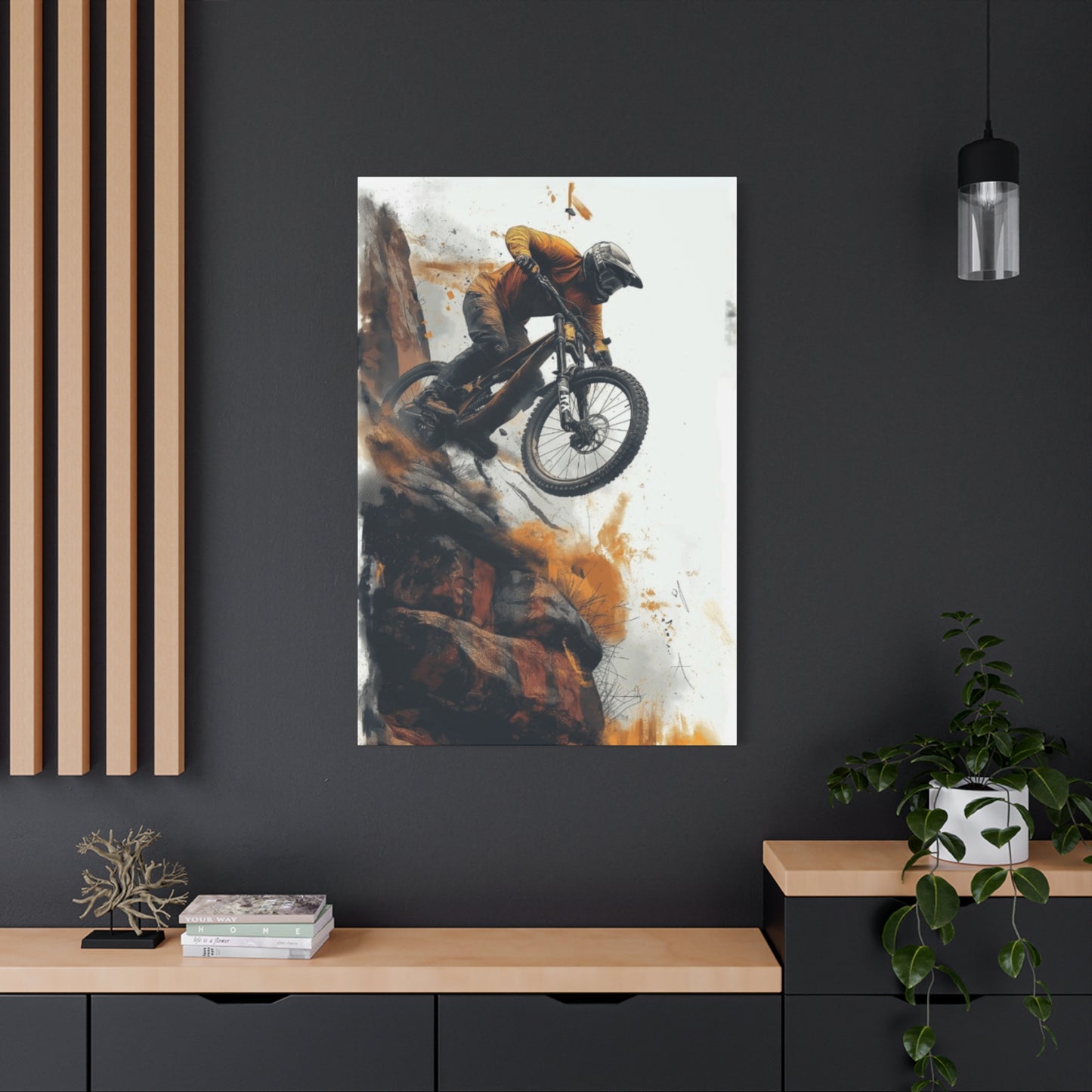


Downhill Mountain Bicycle Ride Wall Art & Canvas Prints
Downhill Mountain Bicycle Ride Wall Art & Canvas Prints
Couldn't load pickup availability
Adrenaline Rush Canvas: Capturing the Spirit of Downhill Mountain Bicycle Ride Wall Art for Modern Living Spaces
The exhilarating world of extreme sports has transcended physical boundaries and found its way into contemporary interior design through stunning visual representations. Among these, downhill mountain bicycle ride wall art stands as a powerful testament to human courage, natural beauty, and the relentless pursuit of adventure. This form of decorative expression brings the raw energy of steep descents, rugged terrain, and fearless riders directly into homes, offices, and commercial spaces, creating an atmosphere charged with vitality and inspiration.
Why Capturing Extreme Sports Moments Through Visual Mediums Creates Lasting Impact on Personal Spaces
The human psyche harbors an innate fascination with movement, danger, and triumph over challenging circumstances. When these elements converge in downhill mountain bicycle ride wall art, they create more than mere decoration—they establish emotional anchors within living environments. The frozen moment of a cyclist navigating treacherous paths while surrounded by majestic landscapes serves multiple purposes simultaneously. It reminds viewers of their own potential for bravery, connects them with nature's grandeur, and injects spaces with dynamic energy that static, conventional artwork rarely achieves.
Modern dwellings often suffer from sterile atmospheres lacking personality and emotional resonance. Traditional landscapes and generic prints fail to communicate the inhabitant's passions or worldview. Downhill mountain bicycle ride wall art bridges this gap by declaring the occupant's affinity for outdoor pursuits, physical challenges, and unconventional beauty. This specificity transforms anonymous spaces into personal sanctuaries that reflect individual values and aspirations.
The colors inherent in quality downhill mountain bicycle ride wall art typically feature earth tones mixed with vibrant accents—the browns and greens of forest trails, the blues of distant mountain ranges, the bright hues of cycling gear, and the dusty explosions created by spinning tires. These chromatic combinations possess inherent versatility, complementing various design schemes from rustic cabins to minimalist urban apartments. The organic palette creates visual warmth while maintaining sophistication, avoiding the garish quality sometimes associated with sports memorabilia.
How Different Artistic Styles Interpret Downhill Mountain Cycling Scenes Across Various Mediums
Photography remains the most prevalent medium for downhill mountain bicycle ride wall art, with good reason. High-speed cameras capture split-second moments impossible to perceive with the naked eye—suspended dirt particles, facial expressions of intense concentration, the precise angle of bicycle and body working in harmony. Professional photographers specializing in extreme sports spend countless hours in remote locations, often hiking equipment up mountainsides to position themselves at optimal vantage points. The resulting images possess authenticity that staged studio photography cannot replicate.
Within photographic downhill mountain bicycle ride wall art, several sub-styles have emerged. Some artists favor close-up compositions emphasizing the rider's determination and physical exertion, with tight framing that highlights weathered faces, gripping hands, and tensed muscles. Others prefer wide-angle perspectives showcasing the relationship between rider and environment, positioning the cyclist as a small but significant element within vast wilderness panoramas. Both approaches offer distinct advantages: intimate portraits create connection through human emotion, while expansive landscapes provide context and emphasize the scale of the challenge being undertaken.
Digital illustration has carved its own niche within downhill mountain bicycle ride wall art, offering possibilities unavailable to photographers. Artists working in this medium can exaggerate elements for dramatic effect—steeper angles, more vibrant colors, dynamic motion lines that emphasize speed. Some creators adopt realistic styles that mimic photography while allowing for impossible lighting conditions or perspectives. Others embrace stylization, reducing scenes to bold shapes and limited color palettes that border on abstraction while remaining recognizable. This approach particularly appeals to those seeking downhill mountain bicycle ride wall art that coordinates with contemporary or mid-century modern design schemes.
Traditional painting methods—oils, acrylics, watercolors—provide yet another interpretation of downhill cycling themes. Brushstrokes add textural dimension absent from photographic prints, while artistic license allows painters to emphasize emotional impact over literal accuracy. Impressionistic downhill mountain bicycle ride wall art might capture the sensation of speed through blurred backgrounds and loose figural rendering. Hyperrealistic paintings, conversely, demonstrate technical mastery while maintaining the warmth and depth that hand-created works inherently possess.
Mixed media assemblages represent the avant-garde edge of downhill mountain bicycle ride wall art, incorporating actual cycling components—chain links, spoke fragments, handlebar grips—alongside painted or printed elements. These three-dimensional works blur boundaries between sculpture and traditional wall hangings, creating conversation pieces that engage viewers through unexpected materials and tactile variety. Though less common than purely visual representations, such pieces particularly appeal to serious cycling enthusiasts who appreciate the incorporation of authentic equipment.
Selecting Dimensions and Placement Strategies That Maximize Visual Impact Throughout Your Environment
Size considerations significantly influence how downhill mountain bicycle ride wall art functions within a space. Oversized statement pieces measuring four feet or larger create instant focal points that anchor entire rooms. These commanding works best suit expansive walls in living rooms, offices, or loft spaces where they can be viewed from appropriate distances. The grandeur of large-scale downhill mountain bicycle ride wall art mirrors the monumentality of mountain landscapes depicted within them, creating satisfying visual and thematic coherence.
Medium-sized pieces ranging from two to four feet offer versatility, working equally well as standalone features in compact spaces or as components within gallery wall arrangements. This size category of downhill mountain bicycle ride wall art allows detailed elements to remain visible while avoiding overwhelming smaller rooms. Bedrooms, home offices, and corridors particularly benefit from medium-scale works that provide visual interest without dominating spaces meant for other primary functions.
Small-format downhill mountain bicycle ride wall art, typically under two feet in any dimension, excels in creating cohesive thematic collections. Multiple smaller pieces arranged deliberately tell broader stories about cycling culture, different terrains, or seasonal variations. This approach proves especially effective in commercial settings like bike shops, sports medicine clinics, or outdoor recreation businesses where reinforcing brand identity through repeated visual themes benefits customer experience.
Placement height dramatically affects viewer engagement with downhill mountain bicycle ride wall art. The traditional rule placing center points at eye level (approximately 57-60 inches from floor) ensures comfortable viewing, but deliberate variations create specific effects. Positioning pieces slightly higher than standard encourages upward gazes that subconsciously reinforce themes of aspiration and achievement inherent in mountain cycling imagery. Lower placement, conversely, brings viewers into more intimate relationships with the artwork, particularly effective with pieces emphasizing emotional or personal dimensions of the sport.
Corner placements offer underutilized opportunities for downhill mountain bicycle ride wall art, particularly in rooms with awkward spatial configurations. Wrapping related pieces around corner angles creates immersive experiences, allowing viewers to perceive depth and progression across multiple walls. This strategy works especially well with sequential images showing different stages of a single descent or various perspectives of identical locations.
Lighting profoundly influences how downhill mountain bicycle ride wall art presents itself throughout different times and occasions. Natural illumination highlights textures and colors authentically but varies dramatically with weather and seasons. Dedicated picture lighting with adjustable color temperatures allows precise control, ensuring artwork appears consistent regardless of ambient conditions. Dramatic uplighting or spotlighting creates evening ambiance particularly suited to hospitality environments seeking memorable atmospheres. Avoiding direct sunlight prevents fading while positioning near windows can create dynamic interplay between actual and depicted landscapes.
Understanding Material Choices and Printing Processes That Determine Longevity and Visual Quality
Canvas remains the predominant substrate for downhill mountain bicycle ride wall art due to its aesthetic warmth and perceived value. Stretched over wooden frames, canvas prints possess subtle texture that adds depth absent from flat papers while avoiding the glare issues common with glass-covered works. Gallery-wrapped canvas edges, where images continue around frame sides, eliminate framing necessity and create clean, contemporary presentations. This approach particularly suits modern interiors where minimal visual clutter aligns with design philosophies.
Within canvas options, significant quality variations exist based on thread count and material composition. Premium cotton-polyester blends resist warping and sagging better than pure cotton alternatives while maintaining excellent color reproduction. Heavier weights (340gsm or higher) provide superior durability and professional appearance compared to economy options that may ripple or show through when backlit. For downhill mountain bicycle ride wall art destined for high-humidity environments like basements or coastal properties, synthetic canvas alternatives resist moisture damage traditional materials cannot withstand.
Metal prints represent increasingly popular alternatives, particularly for downhill mountain bicycle ride wall art emphasizing sleek, modern aesthetics. The process infuses dyes directly into specially coated aluminum sheets, creating luminous, almost three-dimensional appearances with exceptional color vibrancy and depth. Metal's inherent durability resists scratches, moisture, and UV degradation that gradually degrade other materials. The medium particularly suits commercial installations in gyms, sporting goods retailers, or corporate offices where maintenance-free longevity justifies higher initial costs.
Acrylic face-mounting creates museum-quality presentations by bonding high-resolution prints to acrylic sheets, producing remarkable depth and color intensity. Light refracts through multiple layers, giving downhill mountain bicycle ride wall art almost holographic qualities that shift subtly with viewing angles. This premium option commands significant investment but delivers unparalleled visual impact for flagship pieces in luxury residences, boutique hotels, or executive offices where making definitive statements through decor justifies premium expenditures.
Traditional framed prints behind glass offer timeless elegance and maximum preservation for valuable downhill mountain bicycle ride wall art. Archival matting prevents direct paper-glass contact that causes deterioration, while UV-protective glazing shields against fading. This approach allows easy replacement of damaged glass without affecting the print itself, making it practical for households with children or pets. Frame selection dramatically influences overall presentation—rustic wood complements outdoor themes inherent in cycling imagery, while sleek metal frames emphasize contemporary sportiness.
Fabric printing enables unique presentations like tapestries or hanging textile banners featuring downhill mountain bicycle ride wall art. These softer alternatives introduce acoustic dampening benefits alongside visual appeal, making them particularly suitable for rooms where echo reduction improves functionality—home theaters, music studios, or open-plan lofts. Machine-washable materials withstand occasional cleaning, though vibrant colors may gradually fade with repeated washing cycles.
Exploring Color Psychology and Compositional Elements That Influence Mood and Atmosphere
Warm-toned downhill mountain bicycle ride wall art featuring golden-hour lighting, autumn foliage, and earthy terrain creates inviting, comfortable atmospheres. These pieces psychologically communicate safety, nostalgia, and connection with nature—qualities particularly desirable in residential spaces meant for relaxation and family gathering. Living rooms, dens, and breakfast nooks benefit from warm palettes that encourage lingering and conversation rather than energizing for action.
Cool-toned alternatives showcasing misty mountain dawns, alpine environments, or overcast conditions evoke different psychological responses. Blues and grays communicate serenity, focus, and contemplation. This variant of downhill mountain bicycle ride wall art suits spaces dedicated to concentration or calm activities—home offices, meditation rooms, or bedrooms where promoting restfulness aligns with function. The cooler emotional temperature prevents overstimulation while maintaining visual interest through compositional drama.
High-contrast imagery with dramatic light-dark interplay creates tension and excitement within downhill mountain bicycle ride wall art. Silhouetted riders against bright skies, spotlit cyclists emerging from shadowed forests, or the stark division between sunlit slopes and valley darkness all generate visual energy that prevents spaces from feeling static or dull. Such pieces work exceptionally well in areas where motivation and activation align with purpose—home gyms, entryways that set tones for the day, or recreational spaces where energetic moods enhance enjoyment.
Compositional direction guides viewer attention and subtly influences spatial perception. Downhill mountain bicycle ride wall art featuring left-to-right movement aligns with Western reading patterns, feeling natural and comfortable. Right-to-left compositions create slight tension that keeps images engaging longer as brains process the less-familiar directionality. Vertical movement emphasizes themes of ascent versus descent—downward trajectories reinforce the "downhill" aspect while creating senses of speed and perhaps danger, whereas upward compositions suggest achievement and striving despite contradicting the sport's literal directionality.
Negative space utilization separates competent compositions from exceptional ones in downhill mountain bicycle ride wall art. Images where the cyclist occupies relatively small portions of the frame, surrounded by expansive landscapes, communicate the magnitude of natural environments and the audacity of human engagement with them. Dense compositions filling frames corner-to-corner with action create urgency and immersion, placing viewers mentally aboard the bicycle experiencing the descent firsthand. Neither approach inherently surpasses the other; selection depends on desired emotional impact and spatial context.
Discovering Regional Variations in Terrain and Style That Add Geographic Character
Pacific Northwest imagery dominates certain subcategories of downhill mountain bicycle ride wall art, featuring dense coniferous forests, volcanic peaks, and the distinctive loamy soil creating characteristic rooster-tails behind wheels. The region's moody weather produces atmospheric conditions—mist, dramatic clouds, filtered light—that photographers and artists exploit for emotional depth. This geographic variant particularly appeals to residents of Oregon, Washington, and British Columbia who identify strongly with regional landscapes, though the aesthetic transcends local appeal through its dramatic beauty.
Rocky Mountain representations showcase different terrain characteristics: exposed rock faces, higher elevations with sparse vegetation, dramatic elevation changes creating commanding vistas. Downhill mountain bicycle ride wall art from Colorado, Utah, and Alberta often emphasizes the relationship between tiny human figures and monumentally scaled geology, reinforcing themes of human audacity in the face of natural grandeur. The distinct reddish rocks of Utah's canyon country create instantly recognizable settings that need no captions to convey location.
European Alpine imagery brings centuries of mountain cultural heritage to downhill mountain bicycle ride wall art, incorporating elements absent from North American equivalents—mountain villages, alpine meadows, sometimes glimpses of ski infrastructure repurposed for summer cycling use. The distinct character of European mountains, with their accessible heights, human histories, and the particular quality of Alpine light, creates aesthetics different from New World wilderness. Such pieces appeal particularly to cycling enthusiasts familiar with European events and trails that hold almost mythical status within the sport.
Desert mountain environments provide unexpected settings for downhill mountain bicycle ride wall art, featuring sparse vegetation, exposed geology in browns and reds, dramatic shadows cast by intense sunlight. Arizona, New Mexico, and Southern California desert mountain ranges offer visual palettes distinct from forested mountains, with unique beauty that challenges preconceptions about where mountain cycling occurs. These pieces often emphasize heat, dust, and the particular challenge of desert exposure, creating narratives about endurance and adaptation alongside pure sporting achievement.
Tropical mountain representations remain relatively rare but striking when encountered, featuring lush vegetation, volcanic landscapes, and sometimes unexpected combinations like palm trees at significant elevations. Downhill mountain bicycle ride wall art from Hawaii, Costa Rica, or other tropical mountain regions introduces entirely different color palettes—vivid greens, tropical flowers, unique cloud formations—that expand beyond temperate zone assumptions about mountain cycling environments.
Creating Cohesive Interior Narratives by Pairing Cycling Art With Complementary Design Elements
Successful interior spaces maintain thematic consistency rather than random collections of unrelated objects. Downhill mountain bicycle ride wall art naturally anchors adventure-themed or outdoor-focused design narratives. Complementary elements might include natural wood furniture suggesting forest environments, stone or slate accent walls echoing rocky trails, or color palettes drawn from depicted landscapes. This doesn't require literal replication—subtle nods through material choices and color coordination create cohesion without heavy-handedness.
Industrial design elements particularly complement downhill mountain bicycle ride wall art due to the mechanical nature of bicycles themselves. Exposed metal beams, concrete surfaces, metal furniture, and utilitarian lighting fixtures create contextual harmony with both the sporting equipment and the rugged environments depicted. This pairing works especially well in urban lofts or converted warehouse spaces where industrial architecture already exists, allowing artwork to bridge seemingly disparate elements into unified design schemes.
Rustic cabin aesthetics naturally embrace downhill mountain bicycle ride wall art through shared celebration of outdoor experiences. Reclaimed wood paneling, stone fireplaces, leather furniture, and textile elements like wool throws or hide rugs all reinforce connections with nature and outdoor pursuits. This approach creates retreats psychologically separated from urban daily life, even within city limits, offering mental escapes through comprehensive environmental design.
Minimalist modern interiors might seem incompatible with action-oriented sports imagery, yet careful selection yields sophisticated results. Choosing downhill mountain bicycle ride wall art with clean compositions, limited color palettes, and substantial negative space prevents visual clutter that contradicts minimalist principles. Pairing such pieces with simple furnishings, neutral backgrounds, and careful editing of decorative objects allows the artwork to function as the primary visual statement without overwhelming deliberately spare environments.
Masculine-coded spaces like workshops, garages converted to man caves, or bachelor apartments frequently incorporate downhill mountain bicycle ride wall art as part of broader sports or hobby themes. Combining cycling imagery with actual equipment displays—wall-mounted bicycles, component collections, or vintage gear—creates authentic environments reflecting genuine passions rather than superficial decoration. This approach particularly resonates when the space's occupant actively participates in the sport, creating organic connections between decor and lifestyle.
Examining How Different Age Groups and Demographics Connect With Mountain Cycling Imagery
Young adult spaces, particularly those of males aged 18-35, embrace downhill mountain bicycle ride wall art as lifestyle statements aligned with values of adventure, physicality, and non-conformity. This demographic often prioritizes authenticity and personal passion expression over traditional decorating conventions, making specific sporting imagery more appealing than generic art. Apartment dwellers in this category frequently use such pieces to personalize rental spaces where permanent modifications aren't permitted, creating identity through removable decor.
Family environments incorporate downhill mountain bicycle ride wall art differently, often framing it as inspirational rather than purely decorative. Parents wishing to instill values of perseverance, outdoor engagement, and physical activity use such imagery as conversation starters and visual reminders of family priorities. Playrooms, family recreation areas, or mudrooms where outdoor gear is stored become natural locations for cycling-themed artwork that reinforces the household's active lifestyle.
Empty-nester demographics rediscovering personal interests after child-rearing years frequently embrace downhill mountain bicycle ride wall art as part of identity reclamation. These collectors often invest in higher-quality pieces reflecting both disposable income and seriousness about cycling as a sport rather than casual hobby. Home offices, personal workout spaces, or dedicated hobby rooms become galleries celebrating rekindled passions and hard-won leisure time.
Retirement-age enthusiasts maintain different relationships with downhill mountain bicycle ride wall art, often emphasizing nostalgia for past physical capabilities or continued engagement with gentler forms of the sport. These collectors might favor less extreme imagery showing cross-country riding rather than technical descents, or select pieces evoking specific locations holding personal significance. Quality and provenance often matter more to this demographic than cutting-edge styles or trendy subjects.
Commercial buyers—retailers, hospitality businesses, medical practices—select downhill mountain bicycle ride wall art based on brand alignment and customer demographics. Bicycle shops obviously maintain natural affinities, but sports medicine practices, outdoor recreation tourism offices, and adventure-focused hotels equally benefit from imagery reinforcing their core offerings. These buyers typically prioritize durability and professional presentation over personal emotional connection, viewing artwork as functional business assets.
Sourcing Authentic and High-Quality Pieces From Artists and Retailers Specializing in Sports Imagery
Independent photographers who specialize in extreme sports create some of the most compelling downhill mountain bicycle ride wall art available. These professionals often maintain relationships with professional cyclists and gain access to exclusive events, locations, and moments impossible for casual photographers to capture. Purchasing directly from such artists often yields limited edition prints with certificates of authenticity, superior printing quality, and sometimes opportunities for custom sizing or finishing options unavailable through mass retailers.
Online marketplaces democratized access to diverse downhill mountain bicycle ride wall art, connecting buyers with international artists regardless of geographic separation. These platforms range from curated sites featuring juried selections to open marketplaces where anyone can list creations. Quality varies dramatically, requiring careful examination of seller ratings, sample images showing actual received products, and clear understanding of return policies before committing to purchases. The advantage lies in unprecedented selection spanning every conceivable style, size, and price point.
Specialty sports retailers, particularly cycling-focused shops, increasingly stock downhill mountain bicycle ride wall art alongside equipment and apparel. These venues offer advantages of physical examination before purchase, ability to visualize sizes in actual space, and knowledgeable staff who can discuss the depicted scenes, photographers, or athletes. Limited selection compared to online options represents the tradeoff, though many shops accept special orders accessing broader inventories.
Gallery representation remains relatively uncommon for sports photographers and illustrators creating downhill mountain bicycle ride wall art, as traditional art world hierarchies historically dismissed sports imagery as commercial rather than fine art. This slowly changes as generational shifts redefine legitimate subjects for serious artistic treatment. Galleries specializing in outdoor recreation, regional landscape work, or contemporary photography increasingly feature cycling imagery, offering collectors investment-grade pieces with provenance documentation and appreciation potential.
Custom commissioning allows for truly personalized downhill mountain bicycle ride wall art depicting specific locations, riders, or stylistic preferences. Local artists often accept commissions for reasonable fees, creating one-of-a-kind works tailored precisely to available space, color requirements, and thematic specificity. This approach particularly benefits those seeking imagery of local trails, commemorating specific events, or incorporating personal photographs into artistic treatments. The process requires patience as custom work progresses on artists' timelines, but results in absolutely unique pieces impossible to duplicate.
Direct relationships with professional cycling events sometimes yield access to exclusive downhill mountain bicycle ride wall art through event merchandise or photographer partnerships. Major competitions often feature official photography that captures defining moments—dramatic crashes, photo finishes, spectacular aerial shots—unavailable elsewhere. These pieces carry associations with specific legendary performances, adding narrative depth beyond mere aesthetic appeal for knowledgeable enthusiasts.
Properly Lighting Your Cycling Artwork to Enhance Details and Prevent Degradation
Picture lights mounted directly on frames or walls above downhill mountain bicycle ride wall art provide focused illumination highlighting details while minimizing ambient light requirements. LED options offer energy efficiency and minimal heat production compared to halogen alternatives that risk damaging sensitive materials over time. Adjustable arms allow precise positioning accommodating various frame depths and wall irregularities. This classic approach suits traditional interiors and formal presentations where highlighting artwork as valuable objects aligns with overall aesthetic goals.
Track lighting systems offer flexibility for illuminating multiple pieces or repositioning as downhill mountain bicycle ride wall art collections evolve. Individual fixtures adjust independently, accommodating pieces of varying sizes, orientations, and reflectivity characteristics. This approach particularly suits gallery walls combining cycling imagery with other subjects, or spaces where artwork rotates seasonally. Modern track systems disguise themselves more successfully than institutional-looking predecessors, blending with residential architecture while maintaining commercial-grade performance.
Recessed can lights provide ambient illumination for downhill mountain bicycle ride wall art without visible fixtures competing for attention. Careful positioning prevents hotspots on reflective glazing while providing adequate brightness. Adjustable trim rings direct light precisely, accommodating pieces offset from ceiling positions. This approach maintains clean, uncluttered appearances favored in contemporary design while delivering museum-quality lighting effects.
Natural lighting beautifully illuminates downhill mountain bicycle ride wall art during daylight hours but carries significant risks. Direct sunlight causes fading even in supposedly lightfast materials, gradually degrading colors and contrast. Ultraviolet radiation particularly damages organic materials like canvas and paper. Positioning artwork perpendicular to windows rather than opposite them reduces direct exposure while maintaining ambient benefit. UV-filtering window films, while expensive, preserve art investments in sun-drenched spaces where avoiding natural light entirely seems impractical.
Backlighting creates dramatic presentations for transparent or translucent downhill mountain bicycle ride wall art mounted slightly away from walls. Light boxes or LED strip lighting transform pieces into glowing focal points particularly effective in dim environments like home theaters or entertainment spaces. This approach works best with specifically designed pieces on appropriate materials, as backlighting ordinary opaque prints merely illuminates dust and mounting hardware.
Smart lighting systems integrate downhill mountain bicycle ride wall art into broader home automation schemes, adjusting automatically based on time of day, natural light levels, or programmed scenes. Dinner party settings might spotlight artwork creating conversation pieces, while reading modes reduce gallery lighting preventing glare. Voice control adds convenience for adjusting individual pieces or entire rooms. While representing significant investment compared to simple switched fixtures, these systems deliver superior long-term flexibility and user experience.
Maintaining and Preserving Your Investment Through Proper Cleaning and Environmental Control
Dust accumulation dulls downhill mountain bicycle ride wall art gradually enough that owners often fail to notice degradation until comparing with cleaned areas. Regular gentle dusting using microfiber cloths prevents buildup requiring more aggressive cleaning that risks damage. For canvas pieces, lightly sweeping across surfaces without applying pressure removes surface dust without disturbing fibers or inks. Glass or acrylic-covered works tolerate slightly more pressure but still benefit from gentle treatment preventing scratches from trapped particles.
Deep cleaning downhill mountain bicycle ride wall art requires material-specific approaches. Glass-covered pieces tolerate standard glass cleaners applied to cloths rather than directly onto surfaces where liquids might seep behind glazing. Acrylic scratches easily, requiring dedicated acrylic cleaners and extreme gentleness. Canvas presents greater challenges as liquid cleaners may damage fibers or cause color bleeding; professional conservation services suit valuable pieces while gentle vacuuming with soft brush attachments handles routine maintenance for less precious works.
Humidity control protects downhill mountain bicycle ride wall art from warping, mold, and adhesive failure. Relative humidity between 40-60% prevents most moisture-related damage while remaining comfortable for human occupants. Dehumidifiers benefit basements and other damp spaces while humidifiers protect art in arid climates or during dry winter months. Canvas pieces particularly suffer in humidity extremes, expanding and contracting with moisture fluctuations causing eventual structural failure if conditions remain unchecked.
Temperature stability matters nearly as much as humidity control for downhill mountain bicycle ride wall art longevity. Significant fluctuations cause expansion and contraction of different materials at varying rates, stressing adhesives and substrates. Positioning artwork away from heating vents, fireplaces, and air conditioning registers prevents localized temperature extremes. Exterior walls in poorly insulated homes subject art to greater temperature swings than interior walls buffered by surrounding rooms.
Ultraviolet filtration extends downhill mountain bicycle ride wall art lifespans dramatically by eliminating the wavelengths causing most fading and material degradation. UV-protective glazing for framed pieces blocks harmful radiation while transmitting visible light. Window films provide room-wide protection but may alter natural light quality in ways some find objectionable. LED lighting produces minimal ultraviolet output compared to incandescent or fluorescent alternatives, making it preferable for dedicated art lighting applications.
Periodic professional assessment identifies developing problems before they become critical in valuable downhill mountain bicycle ride wall art. Conservators spot issues invisible to untrained observers—incipient mold, adhesive failure, subtle color shifts indicating improper environmental conditions. Many museums and galleries offer consultation services to private collectors, leveraging institutional expertise to protect personal collections. Annual or biennial inspections represent modest investments protecting substantially more valuable artwork.
Building Comprehensive Collections That Tell Evolving Stories About the Sport and Your Journey
Collecting downhill mountain bicycle ride wall art across years creates visual biographies documenting both the sport's evolution and personal cycling journeys. Early acquisitions often feature accessible imagery from mainstream sources, while knowledge and taste development lead toward more sophisticated choices reflecting deeper understanding. Comparing pieces acquired years apart reveals growth in aesthetic appreciation, technical knowledge, and personal priorities, creating satisfying meta-narratives visible only to those who've witnessed collection development.
Thematic organization provides frameworks for deliberate collection building rather than random accumulation. Some collectors focus on specific regions, seeking downhill mountain bicycle ride wall art documenting iconic trails and locations they've ridden or aspire to visit. Others emphasize particular eras, either contemporary cutting-edge imagery or historical pieces capturing the sport's developmental stages. Stylistic focuses—exclusively photography, entirely illustration, or systematic representation of various mediums—create coherent collections displaying curatorial vision rather than haphazard decoration.
Scale variation adds visual interest to downhill mountain bicycle ride wall art collections displayed together. Mixing large statement pieces with medium supporting works and small accent images creates dynamic arrangements where individual pieces interact rather than competing. This compositional approach mirrors the varied terrain and challenges of actual downhill mountain cycling, where long descents include both sweeping panoramic sections and technical tight passages requiring intense focus.
Seasonal rotation keeps downhill mountain bicycle ride wall art collections feeling fresh while extending effective collection size beyond available wall space. Winter imagery featuring snow and challenging conditions displays during cold months, replaced by verdant summer trail scenes as weather warms. This practice reduces light and environmental exposure for any single piece, extending collective longevity while preventing visual fatigue from unchanging displays.
Collaborative collecting among family members or housemates prevents single viewpoints from dominating while building shared investment in displayed downhill mountain bicycle ride wall art. Different members contribute pieces reflecting personal preferences, creating eclectic collections richer than individual sensibilities alone produce. This approach particularly benefits households where not all residents share identical enthusiasm for cycling, allowing non-cycling members to select pieces emphasizing landscape beauty, photographic artistry, or other aspects beyond pure sporting content.
Documentation enhances collection value both monetarily and personally. Recording purchase dates, prices, artists, edition numbers, and personal notes about what attracted each piece of downhill mountain bicycle ride wall art creates valuable records for insurance purposes while building family histories communicating values and interests to future generations. Digital photography of pieces in place, combined with written reflections, transforms collections into autobiographical documents transcending mere decoration.
Incorporating Cycling Art Into Broader Adventure and Outdoor Recreation Themes
Multi-sport collections positioning downhill mountain bicycle ride wall art alongside skiing, surfing, rock climbing, or kayaking imagery create comprehensive outdoor adventure narratives. This approach suits residents whose identities center on outdoor recreation generally rather than singular sport obsessions. Thematic continuity across different activities emphasizes shared values—nature engagement, physical challenge, calculated risk—while visual variety prevents monotony. Commercial spaces like outdoor gear retailers or adventure tourism companies particularly benefit from this inclusive approach showcasing diverse offerings.
Wildlife imagery complements downhill mountain bicycle ride wall art by reinforcing natural environment contexts where the sport occurs. Photographs or paintings of bears, eagles, deer, or other mountain fauna create ecological frameworks reminding viewers that trails traverse living ecosystems beyond mere human playgrounds. This pairing appeals especially to environmentally conscious cyclists who view their sport as means of nature connection rather than simple adrenaline pursuit.
Cartographic elements blend naturally with downhill mountain bicycle ride wall art, whether vintage topographic maps, stylized trail representations, or contemporary GPS-derived route visualizations. Maps communicate specific geographic knowledge while adding informative dimensions to purely aesthetic imagery. This combination particularly suits home offices or planning spaces where the practical aspects of route research and trip planning occur alongside inspiration provided by action photography.
Botanical prints featuring native plants from mountain environments create unexpected but effective partnerships with downhill mountain bicycle ride wall art. Detailed illustrations or photographs of wildflowers, ferns, mosses, and trees ground abstract adventure concepts in specific ecological realities. This pairing introduces educational dimensions to decor while appealing to viewers whose outdoor interests encompass naturalism and observation alongside physical challenge.
Historical imagery showing early cycling equipment, vintage race photography, or documentation of trail building and mountain access development provides temporal depth to downhill mountain bicycle ride wall art collections. These pieces remind viewers that current sporting opportunities rest on decades of equipment evolution, trail development, and cultural shifts making mountain wilderness accessible for recreation. The contrast between historical and contemporary imagery within single collections emphasizes progress while honoring pioneering efforts.
Considering the Cultural Significance of Extreme Sports in Contemporary Society
Downhill mountain bicycle ride wall art participates in broader cultural conversations about risk, nature, physical culture, and contemporary masculinity. The sport itself emerged during periods when traditional expressions of physical prowess and courage became increasingly scarce in sedentary professional economies. Displaying imagery celebrating these qualities makes implicit statements about personal values and resistance to completely domesticated existence. This carries particular resonance in urban environments where daily life eliminates most physical danger and challenge.
Generational differences influence interpretations of downhill mountain bicycle ride wall art and what it represents. Baby boomers might perceive mountain cycling as reckless compared to their generation's outdoor pursuits, viewing displayed imagery as youthful irresponsibility rather than admirable courage. Generation X largely pioneered the sport's emergence from counterculture to mainstream acceptance, often viewing it as authentic expression compared to commercialized traditional athletics. Millennials encountered mountain cycling as established activity with dedicated infrastructure, relating to it differently than those who experienced its outlaw origins.
Gender dynamics within cycling culture gradually shift, reflected in evolving downhill mountain bicycle ride wall art. Early imagery almost exclusively featured male riders, reinforcing perceptions of extreme mountain cycling as masculine domain. Increasing female participation and visibility challenges these assumptions, making intentional selection of imagery featuring women riders small but significant political acts within home decoration. This consideration particularly matters in households with daughters who benefit from visual representations showing women engaged in physically demanding, courage-requiring activities.
Environmental ethics intersect with downhill mountain bicycle ride wall art through questions about trail impact, wilderness access, and sustainable recreation. Some environmentalists critique mountain cycling as damaging to fragile ecosystems, creating tensions between recreation and conservation priorities. Displaying cycling imagery implicitly positions viewers within these debates, either consciously or unknowingly. Pairing such artwork with conservation messaging or imagery emphasizing environmental stewardship demonstrates awareness of these complexities rather than thoughtless celebration of access without responsibility.
Class dimensions influence both who participates in mountain cycling and who displays related artwork. The sport requires significant equipment investment, transportation to trail locations often distant from urban centers, and leisure time for multi-hour pursuits. Downhill mountain bicycle ride wall art therefore signals certain socioeconomic privileges even as the sport maintains alternative, counterculture associations. This contradiction—expensive equipment and extensive leisure time devoted to activities deliberately rejecting conventional success markers—creates interesting tensions within the sport's cultural positioning.
Conclusion
Bicycle retail establishments naturally embrace downhill mountain bicycle ride wall art as essential branding elements creating immersive shopping environments. Strategic placement near high-consideration purchase areas—where customers contemplate expensive bicycle or component purchases—reinforces emotional connections driving sales. Imagery showing bikes in action reminds customers why they want equipment rather than focusing only on technical specifications. Seasonal rotation matching local riding conditions maintains relevance and prevents visual staleness during long sales cycles.
Hospitality venues in mountain resort communities depend heavily on downhill mountain bicycle ride wall art for establishing authentic connections with recreation-focused clienteles. Hotels, restaurants, and bars serving cyclists benefit from environments validating guests' interests and experiences. Local imagery featuring recognizable trails creates talking points among guests while establishing business operators as genuine community participants rather than exploitative outsiders. This authenticity matters increasingly to travelers seeking genuine experiences over generic hospitality.
Medical practices specializing in sports medicine or orthopedics use downhill mountain bicycle ride wall art as both decoration and patient engagement tool. Waiting room imagery provides conversation starters helping practitioners establish rapport while demonstrating understanding of patient lifestyles and injury contexts. Physical therapy facilities particularly benefit as inspiring imagery motivates patients through challenging rehabilitation protocols by reminding them of activities they're working to return to.
Corporate offices employ downhill mountain bicycle ride wall art in several strategic contexts. Reception areas benefit from bold imagery creating memorable first impressions while communicating company cultures valuing innovation, calculated risk-taking, and achievement through challenge—qualities mountain cycling embodies. Conference rooms similarly leverage such imagery during negotiations or presentations where subtle environmental cues reinforce desired perceptions. Employee break rooms feature cycling art as workplace culture elements acknowledging staff interests beyond pure professional identities.
Fitness facilities including gyms, CrossFit boxes, and specialized cycling studios integrate downhill mountain bicycle ride wall art into motivational environments designed to push participants beyond comfortable limits. Large-scale action imagery visible during cardio work or strength training provides mental focal points helping athletes endure discomfort. The psychology relies on associative connections between depicted perseverance and viewers' current challenges, leveraging visual cues to enhance performance.
Personal photography offers the most meaningful source material for DIY downhill mountain bicycle ride wall art, transforming individual riding experiences into permanent installations. Modern smartphone cameras capture surprisingly high-quality images suitable for moderate-sized prints. Converting favorite ride memories into displayed artwork costs relatively little while delivering emotional value impossible to purchase. This approach particularly suits those documenting progression through the sport, creating visual timelines showing skill development, expanding geographical range, or evolving riding communities.
Photo editing software transforms ordinary cycling photographs into artistic downhill mountain bicycle ride wall art through filters, color grading, and compositional adjustments.
Share