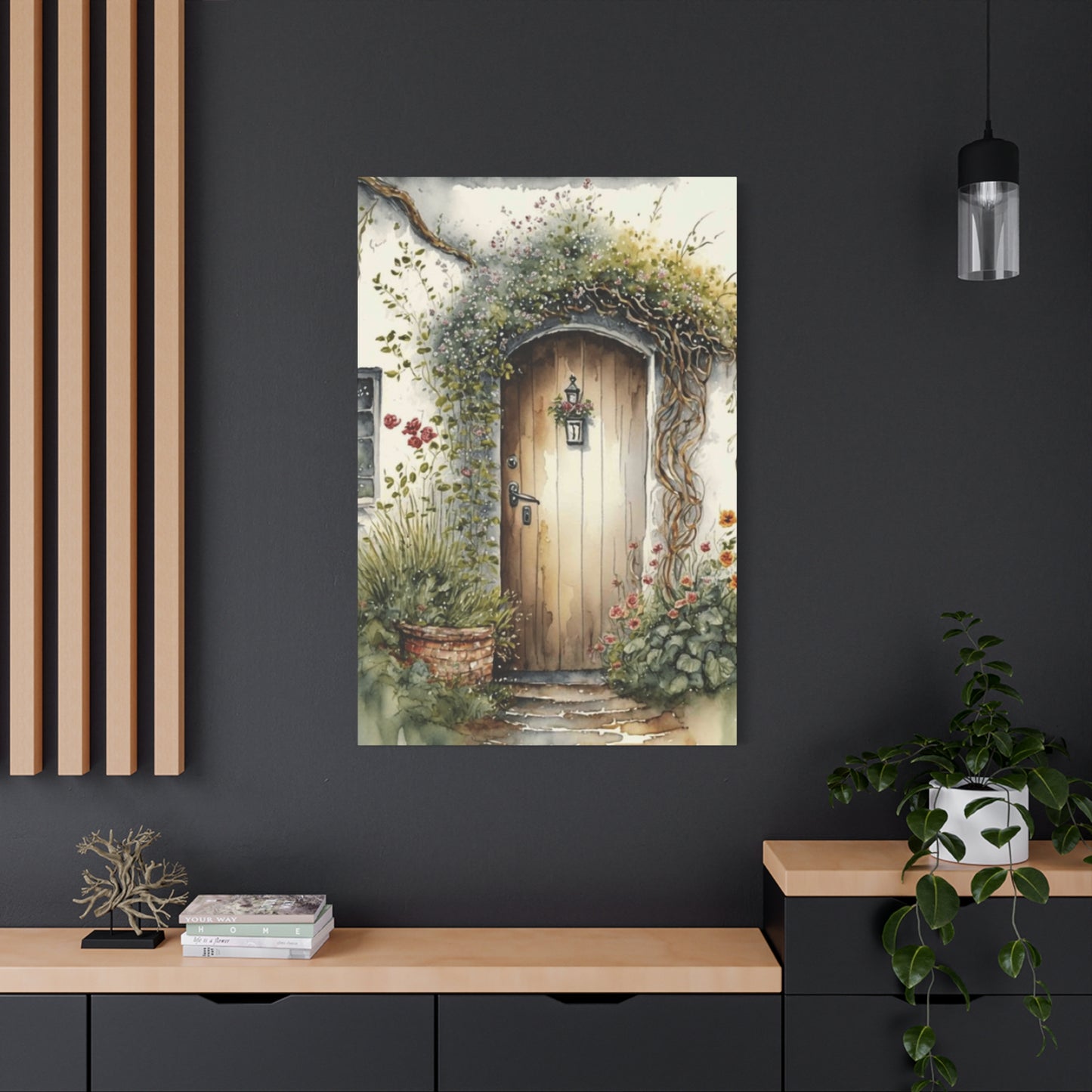
Door Decorated with Plants Wall Art & Canvas Prints
Door Decorated with Plants Wall Art & Canvas Prints
Couldn't load pickup availability
Creative Ways to Enhance Your Entryway: Door Decorated with Plants Wall Art Ideas and Inspirations
The entrance to any home serves as the initial point of contact between the dwelling and its visitors. When someone approaches your property, the first visual elements they encounter significantly influence their perception of what lies beyond. A door decorated with plants wall art transforms an ordinary entrance into a captivating showcase of personality and style. This approach combines natural elements with artistic expression, creating a welcoming atmosphere that speaks volumes about the inhabitants.
Modern homeowners increasingly recognize that the area surrounding their front entrance deserves as much attention as interior spaces. The combination of living greenery and decorative artwork near doorways has emerged as a popular trend among those seeking to elevate their property's curb appeal. This design philosophy extends beyond mere aesthetics, touching upon principles of biophilic design that emphasize human connection to nature.
When executed thoughtfully, this decorative approach can dramatically alter the character of an entrance. The interplay between organic plant life and carefully selected artwork creates visual depth and interest that captures attention while maintaining an inviting quality. Whether dealing with a modest apartment door or a grand residential entrance, the principles remain consistent: balance, harmony, and personal expression should guide every decision.
Exploring Various Styles for Botanical Entrance Decorations
The versatility of combining plants with wall art near doorways allows for countless stylistic interpretations. Contemporary minimalist approaches might feature sleek planters with sculptural succulents alongside geometric metal art pieces. This clean aesthetic appeals to those who appreciate understated elegance and modern design sensibilities. The key lies in selecting pieces that complement rather than compete with each other.
Traditional enthusiasts often gravitate toward classic arrangements featuring flowering plants in ornate containers paired with vintage-inspired decorative pieces. This timeless approach evokes a sense of established elegance and comfort. Wrought iron wall hangings, antique-style brackets, and heritage plant varieties work harmoniously to create an entrance steeped in classic charm.
Rustic farmhouse styles have gained tremendous popularity, emphasizing weathered wood elements, galvanized metal containers, and wildflower-inspired plantings. This aesthetic celebrates imperfection and authenticity, creating warm, approachable entrances that feel both curated and naturally evolved. Reclaimed materials and handcrafted elements enhance the genuine quality of this design direction.
Tropical-inspired arrangements bring vacation vibes to everyday entrances through bold foliage plants and vibrant artistic accents. Large-leafed specimens like monstera or bird of paradise create dramatic focal points, while colorful wall art featuring exotic motifs amplifies the lush atmosphere. This style works particularly well in warmer climates but can be adapted for seasonal displays in temperate regions.
Mediterranean influences offer another compelling option, featuring terra cotta containers, herb plantings, and sun-bleached decorative elements. This approach captures the relaxed elegance of coastal European villages, combining practicality with beauty. Aromatic plants like rosemary and lavender contribute sensory dimensions beyond visual appeal.
Selecting the Right Plants for Your Entrance Display
Choosing appropriate plant varieties for entrance displays requires careful consideration of multiple factors. Light exposure stands as the primary determinant, as different locations receive vastly different amounts of sunlight throughout the day. North-facing entrances typically receive limited direct light, making them suitable for shade-tolerant species. South-facing locations bask in abundant sunshine, perfect for sun-loving varieties.
Climate considerations extend beyond simple temperature ranges. Humidity levels, wind exposure, and seasonal variations all impact plant selection. Coastal properties must account for salt spray, while urban settings may contend with pollution and reflected heat from surrounding structures. Understanding your specific microclimate enables informed choices that promote plant health and longevity.
Container size significantly influences plant success. Smaller pots dry out rapidly and restrict root development, while oversized containers may retain excessive moisture. Matching container dimensions to plant requirements ensures optimal growing conditions. Additionally, container material affects moisture retention, with porous terracotta drying faster than glazed ceramic or plastic alternatives.
Evergreen varieties provide year-round presence, maintaining visual interest through all seasons. Boxwood, holly, and certain conifer species offer reliable structure regardless of weather conditions. These dependable performers form the backbone of entrance displays, providing consistency while allowing for seasonal accent additions.
Flowering species introduce color bursts and seasonal transformation. Annuals like petunias and marigolds deliver vibrant displays throughout growing seasons, while perennials return year after year with proper care. Bulbs offer spectacular spring showings, creating memorable displays that announce seasonal transitions.
Foliage plants deserve equal consideration for their textural contributions and varied coloration. Hostas, heucheras, and ornamental grasses provide visual interest through leaf shape, size, and color rather than relying on flowers. These workhorses often prove more reliable and lower-maintenance than their flowering counterparts.
Edible varieties blend beauty with function, appealing to those who appreciate multi-purpose plantings. Herbs like basil, thyme, and oregano thrive in containers while providing fresh ingredients for cooking. Compact vegetable varieties and small fruit plants can also succeed in entrance displays when given appropriate conditions.
Artistic Elements That Complement Botanical Displays
Wall art selection plays a crucial role in creating cohesive entrance designs. Metal sculptures offer durability and weather resistance while providing three-dimensional interest. Abstract designs, nature motifs, and geometric patterns each bring distinct character to entrance areas. Powder-coated finishes protect against rust while offering color options that coordinate with overall schemes.
Wooden art pieces contribute warmth and organic texture that naturally harmonizes with plant materials. Hand-carved reliefs, painted signs, and assembled driftwood creations each offer unique possibilities. Proper sealing protects wood from moisture damage, ensuring longevity in exposed locations. The natural grain patterns and earthy tones of wood create visual connections with living plants.
Ceramic tiles and mosaics introduce color, pattern, and cultural influences to entrance displays. Mediterranean-inspired designs, Asian motifs, or contemporary patterns can be incorporated through individual tiles or larger mosaic compositions. These elements withstand outdoor conditions while maintaining their vibrant appearance over time.
Mirror elements, when strategically placed, can enhance perceived space and light in entrance areas. Weather-resistant mirrors designed for exterior use reflect surroundings while creating intriguing visual effects. Positioning mirrors to capture plant reflections doubles the visual impact of botanical displays.
Textile elements like outdoor-rated banners, flags, and fabric art introduce movement and seasonal variability. These softer artistic expressions flutter in breezes, adding dynamic qualities to otherwise static displays. Seasonal rotation keeps entrance areas fresh and responsive to changing conditions.
Designing Layouts That Balance Plants and Artwork
Successful entrance designs require thoughtful spatial planning that accounts for both aesthetic and practical considerations. Visual weight distribution ensures balanced compositions that feel intentional rather than haphazard. Larger elements anchor designs, while smaller pieces fill supporting roles. Asymmetrical arrangements often feel more dynamic and interesting than perfectly symmetrical layouts.
Vertical layering creates depth and visual interest by positioning elements at varying heights. Wall-mounted art pieces occupy upper zones, while tall plants and medium containers fill middle areas. Ground-level plantings or low containers complete the composition, establishing visual flow from top to bottom. This layering technique prevents flat, one-dimensional appearances.
Color theory principles guide effective palette selection. Analogous color schemes using adjacent hues create harmonious, soothing compositions. Complementary colors positioned opposite each other on the color wheel generate vibrant, energetic contrasts. Monochromatic approaches focusing on variations of single colors produce sophisticated, cohesive results.
Textural variety prevents visual monotony by combining diverse surface qualities. Smooth glazed containers contrast with rough stone or bark textures. Glossy leaves play against matte finishes. Delicate flowers offset bold architectural forms. This interplay of textures engages viewers and rewards closer examination.
Focal point establishment directs viewer attention to intentional features. A particularly striking plant specimen, impressive art piece, or unique container can serve as the primary focal point around which remaining elements orbit. Secondary focal points create visual paths that guide eyes through the entire composition.
Negative space, the empty areas between elements, proves as important as the objects themselves. Adequate spacing prevents cluttered appearances and allows individual pieces to shine. Overcrowding diminishes impact and creates maintenance challenges. Restraint often yields more powerful results than excessive abundance.
Seasonal Rotation Strategies for Year-Round Appeal
Entrance displays benefit tremendously from seasonal updates that keep them fresh and relevant throughout the year. Spring transformations might incorporate bulbs like tulips and daffodils alongside pastel-colored art pieces celebrating renewal and growth. Easter-themed elements and bird motifs align with seasonal associations while maintaining tasteful aesthetics.
Summer displays embrace abundance through lush plantings and vibrant color palettes. Heat-tolerant annuals like zinnias and cosmos provide continuous blooms, while artistic elements featuring beach themes, tropical motifs, or patriotic colors reflect summer's energetic character. Adequate watering becomes crucial during hot months to maintain plant health and appearance.
Autumn transitions introduce warm color schemes featuring oranges, reds, and golden yellows. Mums, ornamental kale, and decorative gourds become popular choices. Harvest-themed art pieces and natural elements like dried corn stalks enhance seasonal character without venturing into overly themed territory. This season offers rich opportunities for textural play through seed heads and dried grasses.
Winter presentations present unique challenges and opportunities. Evergreen branches, holly berries, and hardy winter bloomers like pansies maintain color when most plants lie dormant. Artistic elements featuring snowflakes, winter wildlife, or abstract designs keep entrances visually interesting despite limited plant options. Strategic lighting becomes increasingly important as daylight hours diminish.
Transitional periods between seasons allow for gradual shifts rather than abrupt changes. Removing spent summer annuals while retaining structural evergreens creates continuity during transitions. Introducing new seasonal elements incrementally prevents jarring transformations while keeping displays current and well-maintained.
Container Selection and Arrangement Principles
Container choice significantly impacts both plant health and overall aesthetic quality. Material selection involves balancing practical requirements with visual preferences. Terra cotta's classic appearance and breathability suit many plants but requires frequent watering in hot conditions. Ceramic containers offer vast decorative possibilities through glazes and finishes while providing better moisture retention.
Lightweight resin and fiberglass containers enable easier seasonal changes and repositioning. Modern manufacturing techniques produce remarkably realistic stone and concrete appearances at fractions of traditional weights and costs. These materials withstand freezing temperatures better than some natural alternatives, preventing cracking damage.
Drainage considerations cannot be overlooked, as excess moisture proves fatal to most plants. Adequate drainage holes prevent waterlogging and root rot. Elevating containers slightly on pot feet improves drainage while protecting underlying surfaces from moisture damage. Saucers catch excess water but should be emptied regularly to prevent mosquito breeding.
Color coordination between containers, plants, and wall art creates cohesive visual schemes. Neutral container colors provide versatile foundations that complement changing plant selections and seasonal decorations. Alternatively, bold container colors can serve as design focal points that unify diverse plant materials.
Grouping principles suggest odd numbers of containers typically appear more natural and pleasing than even-numbered arrangements. Clusters of three or five containers at varying heights create dynamic visual compositions. Staggering placement depths adds dimensional interest rather than aligning everything against walls.
Size progression within grouped containers establishes visual hierarchy and natural flow. Beginning with larger containers and tapering to smaller ones guides eyes through arrangements. This principle applies both horizontally across ground-level groupings and vertically when incorporating wall-mounted elements.
Mounting Methods for Wall Art Near Entrance Areas
Proper mounting ensures artistic elements remain securely positioned despite weather exposure. Masonry walls require specialized anchors rated for exterior use and appropriate weight loads. Concrete screws or expansion anchors provide reliable hold in brick, stone, or concrete surfaces. Pre-drilling prevents material damage and ensures accurate placement.
Wood siding allows for direct screwing into framing members when located. Stud finders help identify solid attachment points that support weight without risk of pull-through. When framing members aren't conveniently positioned, toggle bolts or wall anchors rated for the specific siding material distribute loads appropriately.
Vinyl and aluminum siding present unique challenges requiring careful approaches. Specialized siding hooks avoid creating unnecessary penetrations while supporting lightweight items. Heavier pieces necessitate locating underlying framing for secure mounting. Alternative approaches include installing mounting boards during siding installation or creating dedicated art display areas.
Hanging systems using cable, chain, or decorative brackets offer flexibility for rotating displays. French cleats provide exceptionally secure mounting for heavy pieces while allowing easy removal and repositioning. D-rings attached to artwork backs accept hanging hardware for traditional picture-hanging approaches adapted to exterior conditions.
Weather-resistant hardware prevents rust staining and structural failure. Stainless steel, brass, or powder-coated steel hardware withstands moisture exposure without degradation. Regular inspection ensures connections remain tight and secure, particularly after severe weather events or seasonal freezes.
Lighting Solutions That Enhance Nighttime Appeal
Strategic lighting extends entrance display enjoyment beyond daylight hours while enhancing security and safety. Uplighting positioned at ground level casts dramatic shadows and highlights plant textures and forms. This theatrical approach transforms familiar daytime displays into mysterious nighttime scenes worthy of attention.
Downlighting from above mimics natural sunlight patterns while illuminating pathways and entrance areas. Wall-mounted fixtures or overhead pendants direct light where needed without creating glare. Shielded fixtures prevent light pollution while focusing illumination on intended targets.
Accent lighting spotlights specific features like exceptional plant specimens or prized art pieces. Adjustable fixtures allow seasonal refocusing as displays change. LED technology enables color temperature selection from warm golden tones to cool blue-white options, each creating distinct atmospheric effects.
String lights introduce whimsical character while providing ambient illumination. Contemporary options extend beyond traditional holiday associations, offering year-round possibilities through cafe-style bulbs, globe lights, or delicate fairy light strands. Solar-powered versions eliminate wiring complexity while providing eco-friendly operation.
Path lighting ensures safe navigation while contributing to overall ambiance. Low-voltage systems offer energy efficiency and simplified installation compared to line-voltage alternatives. Staggered placement along walkways creates rhythmic visual patterns that guide visitors toward entrances.
Smart lighting controls enable scheduling, remote operation, and automated responses to motion or ambient light levels. These systems maximize convenience while minimizing energy consumption. Voice control compatibility integrates entrance lighting into whole-home smart systems for seamless operation.
Watering and Moisture Management Strategies
Consistent moisture levels prove critical for container plant health, yet achieving balance challenges many gardeners. Container plantings dry faster than ground-level beds due to increased exposure and limited soil volume. Multiple daily waterings may become necessary during peak summer heat, particularly for smaller containers.
Self-watering containers incorporate reservoir systems that provide consistent moisture availability while reducing watering frequency. These designs prove particularly valuable for travelers or busy homeowners struggling to maintain regular watering schedules. Understanding reservoir capacity prevents overfilling while ensuring adequate supply.
Drip irrigation systems automate watering through precisely positioned emitters connected to timers. This approach ensures consistent moisture delivery while conserving water through targeted application. Initial setup requires planning and installation effort, but ongoing convenience justifies the investment for serious container gardeners.
Mulching container surfaces reduces evaporation while moderating soil temperature fluctuations. Organic mulches like shredded bark or cocoa hulls gradually decompose, enriching soil while serving protective functions. Decorative stone mulches offer permanent solutions that never require replacement, though they don't contribute organic matter.
Moisture meters remove guesswork from watering decisions by providing objective soil moisture readings. These inexpensive tools prevent both overwatering and drought stress through informed decision-making. Different plants require different moisture levels, necessitating individualized monitoring approaches.
Seasonal adjustments account for changing evaporation rates and plant requirements. Spring and fall typically require less frequent watering than summer peaks. Winter watering maintains minimal moisture levels sufficient for dormant or semi-dormant plants without promoting rot in cold conditions.
Soil Selection and Nutritional Requirements
Container growing mediums differ significantly from garden soils, requiring specialized formulations that address unique challenges. Quality potting mixes provide excellent drainage while retaining adequate moisture, a difficult balance achieved through carefully proportioned ingredients. Peat moss or coconut coir provides moisture retention, while perlite or vermiculite ensures proper drainage and aeration.
Soilless mixes offer advantages for container culture, including lighter weight, sterile composition free from soilborne diseases, and consistent quality. These formulations rely entirely on supplemental fertilizer for plant nutrition, necessitating regular feeding schedules. Premixed formulas tailored to specific plant types simplify selection while optimizing growing conditions.
Organic amendments like compost improve soil structure while providing slow-release nutrients. Worm castings contribute beneficial microorganisms alongside nutritional elements. These materials enhance biological activity within containers, creating healthier growing environments that better support plant vitality.
Soil pH affects nutrient availability and overall plant health. Most common ornamentals prefer slightly acidic to neutral conditions, though specific requirements vary by species. Testing pH periodically and adjusting through amendments when necessary prevents deficiency symptoms and promotes optimal growth.
Fertilizer selection depends on plant types, growth stages, and personal preferences regarding synthetic versus organic products. Slow-release granular fertilizers provide extended nutrition through single applications lasting months. Liquid fertilizers offer immediate availability and precise control but require more frequent application.
Feeding schedules typically intensify during active growth periods and decrease or cease entirely during dormancy. Overfertilization causes more problems than underfertilization, manifesting through salt buildup, root burn, and excessive vegetative growth at the expense of flowers. Following product recommendations and observing plant responses guides appropriate fertilizer use.
Pest Management Without Harmful Chemicals
Entrance plantings face various pest challenges that, if unaddressed, diminish appearance and plant health. Aphids cluster on tender new growth, sucking plant juices and excreting sticky honeydew. Early detection enables simple removal through strong water spray before populations explode. Encouraging beneficial insects like ladybugs provides natural control without intervention.
Spider mites thrive in hot, dry conditions, creating fine webbing on stressed plants. Regular water spraying increases humidity levels that discourage infestations while physically removing mites. Severely affected plant parts may require removal and disposal to prevent spread.
Fungal diseases emerge in conditions with poor air circulation and excessive moisture. Spacing containers appropriately promotes airflow around foliage. Watering at soil level rather than overhead keeps leaves dry, reducing disease susceptibility. Removing affected foliage promptly prevents spore spread to healthy tissue.
Slugs and snails target tender leaves and flowers, leaving characteristic slime trails. Hand-picking during evening hours when these pests actively feed provides chemical-free control. Copper barriers repel these mollusks through reaction with their slime. Diatomaceous earth creates physical barriers that damage soft-bodied pests attempting to cross treated areas.
Scale insects appear as small bumps on stems and leaves, slowly weakening plants through feeding. Horticultural oil applications smother these pests without harsh chemicals. Severe infestations may require systemic treatments, though prevention through plant health maintenance proves most effective.
Regular monitoring catches problems early when interventions prove most effective and least invasive. Weekly inspections during growing seasons identify issues before they escalate. Healthy, vigorous plants resist pest damage better than stressed specimens, making proper cultural care the foundation of pest management.
Weather Protection Measures for Entrance Displays
Wind exposure damages plants through desiccation and physical breakage. Strategic positioning behind architectural features or supplemental barriers reduces wind impact. Sturdy staking prevents toppling while supporting tall specimens or top-heavy containers. Flexible ties allow natural movement while preventing complete collapse.
Frost protection extends the growing season and prevents damage to tender species. Covering vulnerable plants during cold snaps traps heat radiated from ground and building surfaces. Breathable frost blankets provide superior protection compared to plastic sheeting that conducts cold and traps moisture. Moving containers to sheltered locations offers more reliable protection for extended cold periods.
Excessive heat stresses plants through rapid moisture depletion and physical damage to sensitive foliage. Afternoon shade positioning protects plants from the harshest sun exposure. Shade cloth provides temporary relief during heat waves. Increasing watering frequency maintains hydration during temperature extremes.
Heavy rain overwhelms drainage systems and buries plants under accumulated water. Elevating containers ensures drainage holes function effectively. Temporary relocation to covered areas prevents extended waterlogging during prolonged rainy periods. Proper soil drainage becomes crucial when rain prevents normal evaporation.
Snow and ice present unique challenges requiring proactive measures. Removing accumulated snow prevents branch breakage from excessive weight. Avoiding salt exposure protects plants from toxic buildup that damages roots and foliage. Positioning containers away from roof drip lines prevents crushing and excessive moisture exposure.
Hail damage strikes suddenly with little warning. Permanent overhead protection through porch roofs or pergolas provides reliable defense. Temporary covers deployed when warnings issue offer some protection, though timing proves challenging. Selecting resilient plant species minimizes permanent damage from occasional hail events.
Budgeting Considerations for Entrance Enhancement Projects
Entrance improvements accommodate various budget levels through strategic planning and creative resource allocation. Establishing priorities prevents overspending on less important elements while ensuring critical components receive adequate funding. Distinguishing between must-have foundations and optional enhancements guides spending decisions.
Phased implementation spreads costs across multiple seasons while allowing gradual refinement of designs. Initial investments might focus on structural elements like quality containers and permanent plantings. Subsequent phases add artistic accents and seasonal embellishments as budgets allow. This approach prevents financial strain while building toward complete visions.
DIY approaches significantly reduce costs compared to hiring professionals for all aspects. Many homeowners possess sufficient skills for basic planting and art hanging. Online tutorials and workshops build confidence for tackling more complex projects. Knowing personal limits prevents costly mistakes that require professional correction.
Strategic shopping identifies quality items at favorable prices. End-of-season sales offer substantial discounts on containers and live plants. Online marketplaces connect buyers with artisans selling directly without retail markups. Thrift stores and estate sales occasionally yield unique decorative pieces at bargain prices.
Propagating plants from existing specimens or accepting divisions from friends eliminates purchase costs for expanding collections. Many perennials readily multiply, providing surplus material for new containers. Seed starting generates numerous plants at minimal expense, though patience proves necessary while seedlings mature.
Repurposing existing items reduces waste while minimizing expenses. Creative painting transforms tired containers into fresh statement pieces. Architectural salvage yards supply unique elements at fractions of new retail costs. Personal collections of shells, stones, or driftwood contribute meaningful decorative touches without monetary expenditure.
Sustainability Practices for Environmentally Conscious Gardeners
Water conservation becomes increasingly important as resources face pressure from climate change and population growth. Rainwater collection systems capture precipitation for irrigation use, reducing municipal water consumption. Simple barrel systems install easily at downspout locations, while sophisticated systems integrate pumps and distribution networks.
Native plant selection reduces water requirements while supporting local ecosystems. These species evolved under regional conditions, requiring minimal supplemental irrigation once established. Native plants support native insects, birds, and other wildlife, creating mini-habitats within entrance displays.
Organic growing methods eliminate synthetic chemicals that potentially harm beneficial organisms and pollute waterways. Compost-enriched soils teem with beneficial microorganisms that support plant health naturally. Natural pest control through beneficial insects and physical barriers protects plants without toxic side effects.
Recyclable and sustainable container materials reduce environmental footprints. Containers molded from recycled plastics keep materials out of landfills while providing functional growing vessels. Natural fiber pots biodegrade completely, eliminating disposal concerns. Durable containers used for decades prevent repeated replacement waste.
Energy-efficient lighting choices reduce electricity consumption and associated greenhouse gas emissions. LED fixtures consume fractions of the power required by incandescent equivalents while lasting dramatically longer. Solar-powered lights eliminate grid electricity entirely, though they require adequate sun exposure for charging.
Composting plant waste returns organic matter to productive use rather than sending it to landfills. Dead foliage, spent flowers, and seasonal plantings break down into nutrient-rich amendments. Many municipalities restrict yard waste from trash collection, making composting increasingly necessary alongside environmentally beneficial.
Addressing Common Challenges in Entrance Gardening
Limited space constrains design possibilities but doesn't prevent impactful displays. Vertical growing strategies maximize planting area through wall-mounted planters, hanging baskets, and tiered arrangements. Compact plant varieties provide visual interest without overwhelming small spaces. Careful editing ensures every element earns its place through beauty or function.
Poor drainage leads to waterlogged soil and failing plants. Amending potting soil with additional perlite or sand improves drainage characteristics. Ensuring containers feature adequate drainage holes prevents water accumulation. Elevating containers on pot feet facilitates excess water exit.
Heavy shade limits plant choices but doesn't eliminate options. Shade-tolerant foliage plants like hostas and ferns thrive in low-light conditions. Colorful containers and bright wall art compensate for limited flower possibilities. Variegated foliage introduces pattern and light-reflecting qualities that brighten dark areas.
Harsh sun exposure creates challenging conditions for many popular plants. Heat-tolerant species like lantana and portulaca flourish where others fail. Afternoon shade positioning offers relief from the most intense sun. Consistent moisture maintains plant health despite challenging conditions.
Budget limitations require creative problem-solving and prioritization. Starting small with foundational elements and expanding gradually prevents financial strain. DIY projects reduce labor costs while adding personal touches. Propagating plants and shopping sales stretches budgets further.
Rental restrictions limit permanent installations and modifications. Removable mounting systems avoid prohibited wall penetrations. Freestanding displays incorporate plants and art without permanent attachments. Portable arrangements move easily when leases end, transferring efforts to new locations.
Cultural Symbolism and Meaning in Entrance Displays
Throughout history and across cultures, entrance decorations have communicated messages to visitors and passersby. Understanding traditional symbolism adds depth to contemporary designs while respecting cultural heritage. Pineapple motifs in American southern regions symbolize hospitality and welcome. Mediterranean cultures incorporate olive branches representing peace and abundance.
Asian design philosophies emphasize balance, harmony, and natural elements. Bamboo symbolizes flexibility and resilience. Japanese maple trees represent peaceful contemplation. Stone elements ground designs while representing permanence and stability. Careful asymmetry creates dynamic interest while maintaining overall balance.
European garden traditions contribute formal structure and classical proportions. Boxwood represents endurance and loyalty through its evergreen nature. Rosemary symbolizes remembrance while providing aromatic and culinary value. Formal arrangements mirror architectural elements, creating visual conversations between built and natural environments.
Indigenous traditions honor local plants and respect ecological relationships. Using native species acknowledges original inhabitants and their environmental wisdom. Natural materials gathered responsibly connect contemporary dwellers to place and heritage. Simple, unforced arrangements reflect respect for natural processes.
Personal symbolism matters most in residential settings. Meaningful plants and objects create unique narratives that resonate with residents and close friends. Family heirlooms, travel souvenirs, or plants propagated from significant gardens transform generic displays into personal statements. These elements initiate conversations and strengthen connections between residents and their environments.
Religious and spiritual symbols appear in entrance displays reflecting residents' beliefs. Christian crosses, Buddhist prayer flags, Jewish mezuzahs, or Islamic calligraphy express faith traditions. Respectful incorporation maintains spiritual significance while contributing to overall design aesthetics. Placement typically follows traditional guidelines specific to each belief system.
Social and Community Aspects of Entrance Beautification
Beautiful entrances contribute to neighborhood character and community pride. Well-maintained displays signal care and investment in shared environments. This positive energy often spreads as neighbors inspire each other toward improvements. Informal competitions emerge organically as households strive for increasingly impressive displays.
Sharing plants, cuttings, and design ideas builds neighborhood relationships. Gardening enthusiasts naturally gravitate toward conversations about successful varieties, pest challenges, and design inspiration. These interactions strengthen community bonds while spreading knowledge and encouragement.
Collaborative projects unite neighbors around shared beautification goals. Street-wide seasonal decorating traditions create cohesive visual experiences. Community plant sales raise funds for local causes while providing affordable specimens. Neighborhood associations sometimes sponsor contests recognizing outstanding entrance displays.
Social media amplifies entrance design impact beyond physical neighborhoods. Sharing photos inspires distant viewers while documenting personal progress. Online communities focused on gardening and outdoor decorating provide support, answers, and encouragement. Virtual connections supplement real-world relationships while expanding knowledge networks.
Professional opportunities emerge for those developing recognized expertise. Entrance design consulting helps overwhelmed homeowners create personalized displays. Workshops teaching container gardening or seasonal decorating generate income while sharing knowledge. Social media influence can lead to brand partnerships and sponsored content opportunities.
Public spaces benefit from similar design principles applied to commercial and municipal entrances. Businesses attract customers through inviting, well-designed entryways. Municipal buildings demonstrate civic pride through thoughtful landscaping and art. These public applications employ professionals who need skilled workers trained in relevant practices.
Regional Variations in Plant Selection and Design Approaches
Southwestern desert regions require drought-tolerant species adapted to intense heat and minimal rainfall. Succulents like agave and aloe provide sculptural interest with minimal water needs. Native cacti contribute regional character while supporting local ecosystems. Decomposed granite and stone mulches reflect regional aesthetics while conserving moisture.
Pacific Northwest gardens embrace moisture-loving species suited to mild, wet winters and moderate summers. Ferns flourish in abundant rainfall and mild temperatures. Rhododendrons and azaleas provide spectacular spring displays. Moss and lichen contribute texture while thriving in humid conditions. Natural wood elements weather gracefully in wet climates.
Southeastern states contend with heat, humidity, and intense summer rainfall. Tropical and subtropical species like hibiscus and mandevilla flourish in these conditions. Hurricane-resistant design considerations influence plant selection and mounting methods. Fungal disease prevention through air circulation and selective watering gains importance.
Midwestern gardens withstand temperature extremes from subzero winters to hot, humid summers. Hardy perennials endure dramatic seasonal swings. Spring bulbs announce seasonal change after long winters. Protective measures shield tender plants during unpredictable spring and fall freezes.
Northern regions experience short growing seasons and long, harsh winters. Cool-season annuals extend color beyond summer months. Evergreen structure provides year-round interest when deciduous plants lie dormant. Winter protection strategies become essential for plant survival.
Coastal areas adapt to salt spray, sandy soils, and constant breezes. Salt-tolerant species resist damage from airborne ocean spray. Wind-resistant forms prevent constant physical damage. Marine-themed decorative elements complement seaside locations while reflecting local character.
Accessibility Considerations for Inclusive Design
Universal design principles ensure entrance displays remain accessible to people with varying physical abilities. Clear pathways maintain adequate width for wheelchairs and walkers. Smooth, stable surfaces prevent tripping hazards and accommodate assistive devices. Gentle slopes replace steps where possible, or ramps supplement existing stairs.
Plant selection considers allergen sensitivities affecting respiratory health. Avoiding heavily fragrant species benefits those with scent sensitivities or asthma. Non-toxic plants protect children and pets from accidental poisoning. Thornless varieties prevent injuries to anyone with reduced vision or mobility challenges.
Color contrast assists people with visual impairments by providing clear definition between elements. High contrast pairings of light and dark help navigate spaces safely. Tactile differences between surfaces provide non-visual navigation cues. Raised bed edges prevent accidental encroachment by those with limited vision.
Lighting levels adequate for safe navigation benefit everyone but prove crucial for those with impaired vision. Consistent, shadow-free illumination prevents disorienting dark spots. Glare reduction through shielded fixtures protects sensitive eyes. Motion-activated lights eliminate fumbling for switches while carrying packages.
Maintenance accessibility ensures people with limited mobility can care for displays. Raised containers reduce bending requirements. Long-handled tools extend reach without straining. Automated watering systems eliminate heavy lifting and frequent attention. Low-maintenance plant selections reduce overall care requirements.
Seating near entrances provides rest opportunities for those with limited stamina or mobility challenges. Benches positioned with clear views encourage socializing while offering practical support. Sturdy construction and appropriate heights accommodate various body types and physical needs.
Professional Services for Complex Projects
Landscape designers bring trained perspectives to entrance design challenges. These professionals assess spaces comprehensively, considering factors novices might overlook. Design education exposes them to broader plant palettes and artistic principles than most homeowners possess. Formal plans communicate visions clearly while guiding implementation.
Landscape contractors execute physical installations according to designs. Skilled crews work efficiently, completing projects faster than DIY efforts. Professional equipment enables challenging tasks like heavy lifting or precise drilling. Established businesses carry insurance protecting homeowners from liability during work.
Irrigation specialists design and install watering systems customized to specific needs. Proper system design ensures even coverage while minimizing water waste. Professional installation prevents common DIY errors that lead to system failures. Ongoing service maintains optimal performance through seasonal adjustments and repairs.
Arborists provide expertise when trees affect entrance areas. Professional pruning maintains health while shaping growth appropriately. Pest and disease diagnosis leads to effective treatments. Risk assessment identifies hazards requiring preventive action or removal.
Electricians ensure safe lighting installations meeting code requirements. Proper wiring prevents fire hazards and electrical shocks. Outdoor-rated fixtures and connections withstand weather exposure reliably. Professional work typically includes warranties guaranteeing repairs if problems emerge.
Garden coaches offer hybrid approaches combining professional guidance with DIY execution. Consultations identify problems and present solutions without undertaking physical work. This affordable option builds homeowner skills while providing expert perspectives. Ongoing relationships support learning through multiple growing seasons.
Insurance and Liability Issues Related to Entrance Features
Property insurance policies generally cover entrance fixtures and plantings under dwelling or other structures provisions. Understanding specific policy language prevents surprises when claims arise. Some policies limit coverage for certain item types or require scheduled riders for expensive pieces. Documenting installations through photos and receipts supports claim processes.
Liability concerns emerge when entrance features potentially cause injuries to visitors or passersby. Trip hazards from uneven surfaces or protruding containers create legal exposure. Falling objects due to improper mounting endanger people below. Toxic plants accessible to children or pets invite tragedy and potential lawsuits.
Proper installation reduces liability risks substantially. Secure mounting prevents falling hazards. Clear pathways eliminate tripping dangers. Warning signs near thorny or toxic plants alert visitors to potential hazards. Regular maintenance identifies problems before accidents occur.
Additional liability coverage through umbrella policies provides broader protection beyond standard homeowner limits. These relatively inexpensive policies offer substantial additional protection against catastrophic claims. Coverage activates after underlying policies exhaust their limits.
Contractor insurance protects homeowners from liability during professional work. Reputable companies carry both general liability and workers compensation coverage. Verifying coverage before work begins prevents homeowner exposure to injuries or property damage claims. Unlicensed, uninsured workers present significant financial risks regardless of lower costs.
Rental property owners face heightened liability scrutiny requiring extra caution. Landlords owe duties to tenants regarding safe premises. Decorative features must meet higher safety standards than owner-occupied properties. Consulting insurance agents and attorneys helps navigate complex legal responsibilities.
Documenting and Sharing Your Entrance Design Journey
Photography captures entrance displays at their peak while documenting progress over time. Quality images preserve memories while providing reference material for future projects. Learning basic photography principles dramatically improves results. Proper lighting, composition, and perspective transform snapshots into compelling images.
Social media platforms enable sharing creations with broader audiences. Gardening communities on various platforms offer supportive environments for posting progress and soliciting advice. Hashtags connect posts with interested viewers searching specific topics. Regular posting builds followings among engaged audiences.
Blogging allows deeper exploration of entrance design experiences than social media permits. Detailed posts document decision-making processes, challenges encountered, and solutions discovered. Written narratives complement photos, providing context that pure imagery cannot convey. Blogs establish authority while helping others facing similar situations.
Video content captures dimensions that still photos miss. Time-lapse sequences dramatically display seasonal transformations. Walkthroughs provide spatial context impossible to convey through individual images. Speaking directly to camera creates personal connections with viewers.
Garden journals maintain private records of experiments, successes, and failures. Written observations track what works in specific locations and conditions. Recording fertilizer applications, pest problems, and weather patterns helps identify cause-and-effect relationships.
Conclusion
In conclusion, decorating your entryway with plants wall art offers a creative and impactful way to infuse life, warmth, and personality into one of the most overlooked yet important areas of the home. The entryway is the first space people encounter when they enter your home, and it serves as a welcoming transition from the outside world to your personal sanctuary. By combining wall art with greenery-inspired themes, you create an inviting atmosphere that immediately makes a statement while setting the tone for the rest of your home.
Incorporating plants into your entryway wall art is a fantastic way to bring the outdoors in. Plants are universally associated with life, growth, and calmness, and these qualities are perfect for fostering a welcoming and harmonious environment. Whether you choose minimalist botanical prints, lush tropical illustrations, or abstract representations of plant life, such art transforms an entryway into a lively and refreshing space. The visual appeal of plants, along with their association with well-being and natural beauty, makes them an ideal choice for elevating the aesthetic of your hallway, foyer, or front door area.
The beauty of plant-inspired wall art lies in its versatility. From large statement pieces depicting sprawling vines or towering trees to smaller, more delicate prints showcasing ferns or succulents, there’s a wide range of options to suit every entryway’s size, style, and mood. For more modern spaces, clean lines and geometric representations of plants can create a sleek, contemporary look. On the other hand, vintage botanical illustrations or rustic watercolor depictions can enhance a more traditional or farmhouse-style entryway. No matter your design aesthetic, plants offer a timeless and refreshing motif that seamlessly blends into any decor.
Additionally, pairing plants wall art with actual greenery in your entryway can create a harmonious synergy that enhances the overall atmosphere. A combination of framed botanical prints alongside real potted plants—such as ferns, ivy, or even succulents—brings a natural element into the space, enriching the visual experience. The organic shapes of plants in the art can mirror the living plants themselves, resulting in a balanced, layered design. The combination of both art and real plants can create a dynamic, ever-evolving entryway that feels vibrant, fresh, and constantly in bloom.
For those looking for creative ways to enhance their entryway, plants wall art can be integrated with various other design elements to elevate the space. Consider mixing different types of wall art, such as pairing plant-themed paintings with mirrors or framed quotes that reflect nature-inspired philosophies. The use of a statement piece—like a large mural of tropical leaves or a modern line drawing of a cactus—can create a bold, dramatic entrance, while smaller, subtler plant prints might be the perfect touch for a cozy and minimalist entryway. For added visual interest, you could even incorporate a plant-themed wallpaper as a backdrop, blending art and nature for a more immersive experience.
Moreover, the color palette of plant-inspired art can be used to complement or contrast with the existing hues of your entryway. Greens and earthy tones in the artwork can bring a sense of calm and tranquility, creating a serene first impression. Alternatively, vibrant botanical prints with pops of color, such as bright floral patterns or abstract plant shapes, can inject energy and playfulness into the space. Depending on your style, plants wall art can be a reflection of your personal taste, whether you prefer soft, pastel tones or bold, saturated colors.
Finally, plant-themed wall art is an excellent way to introduce eco-friendly design elements into your home. With a growing focus on sustainability, incorporating plant imagery into your decor can serve as a reminder of the importance of nature and environmental stewardship. This simple, yet meaningful, design choice helps to create an eco-conscious atmosphere right from the moment you walk through the door, establishing a deeper connection to the natural world and making your entryway not only visually pleasing but also reflective of your values.
Ultimately, enhancing your entryway with plants wall art offers a unique opportunity to create a space that is both beautiful and welcoming. It allows you to express your love for nature, bring a sense of peace into your home, and create a memorable first impression. Whether you opt for simple botanical prints or dramatic plant murals, this style of decor adds dimension, personality, and a sense of warmth to your entryway. By combining nature with art, you can transform this transitional space into an inviting, stylish, and refreshing introduction to your home.
Share