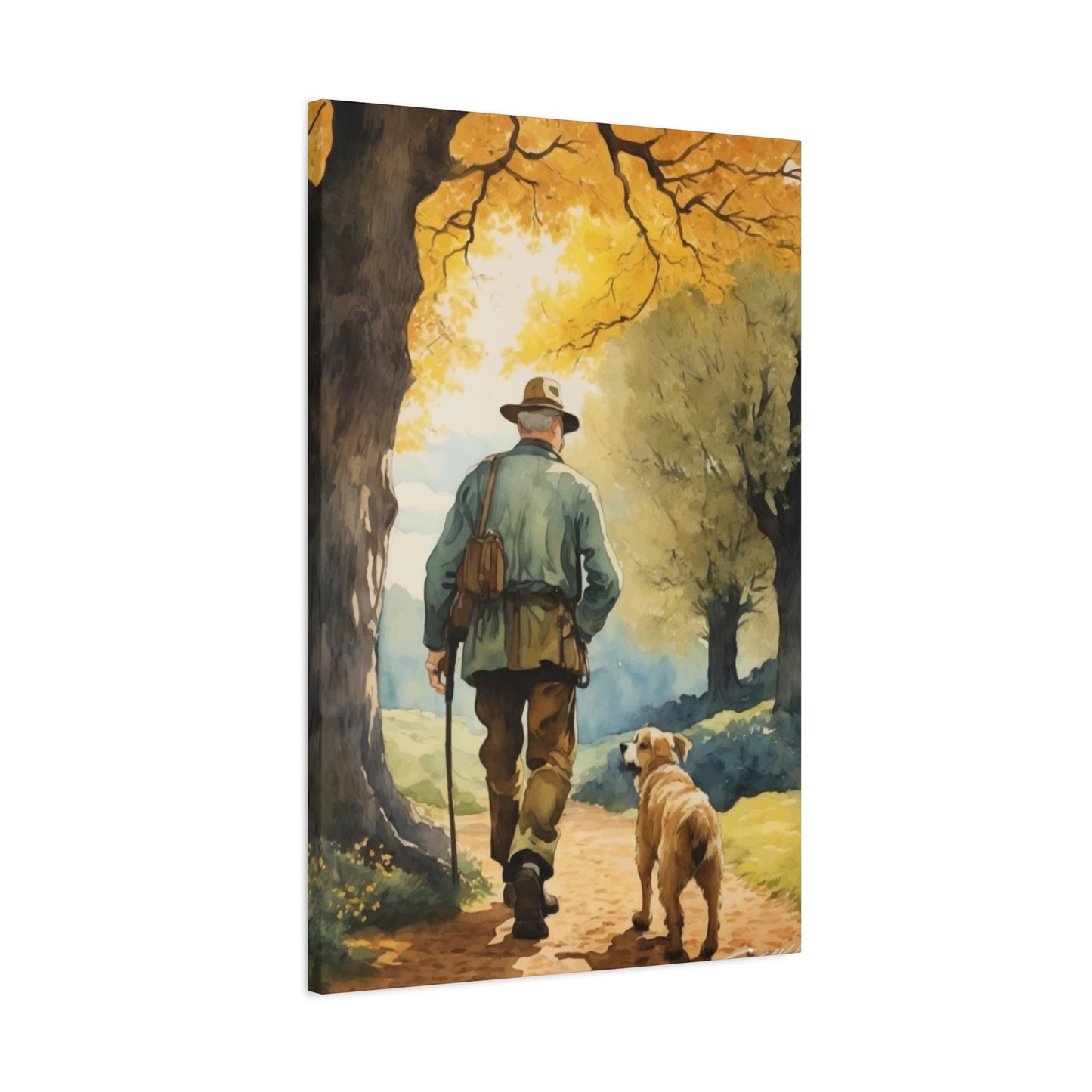
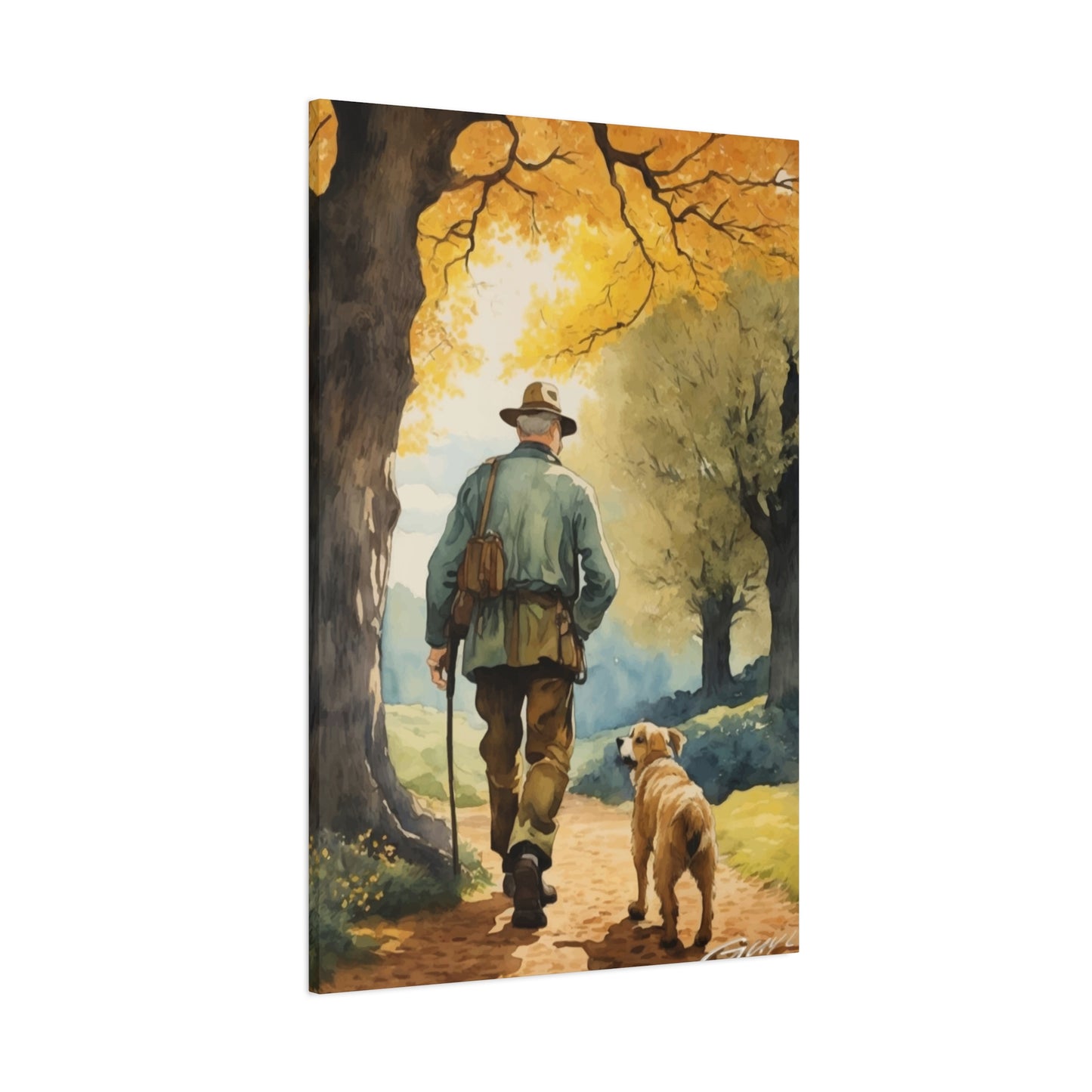
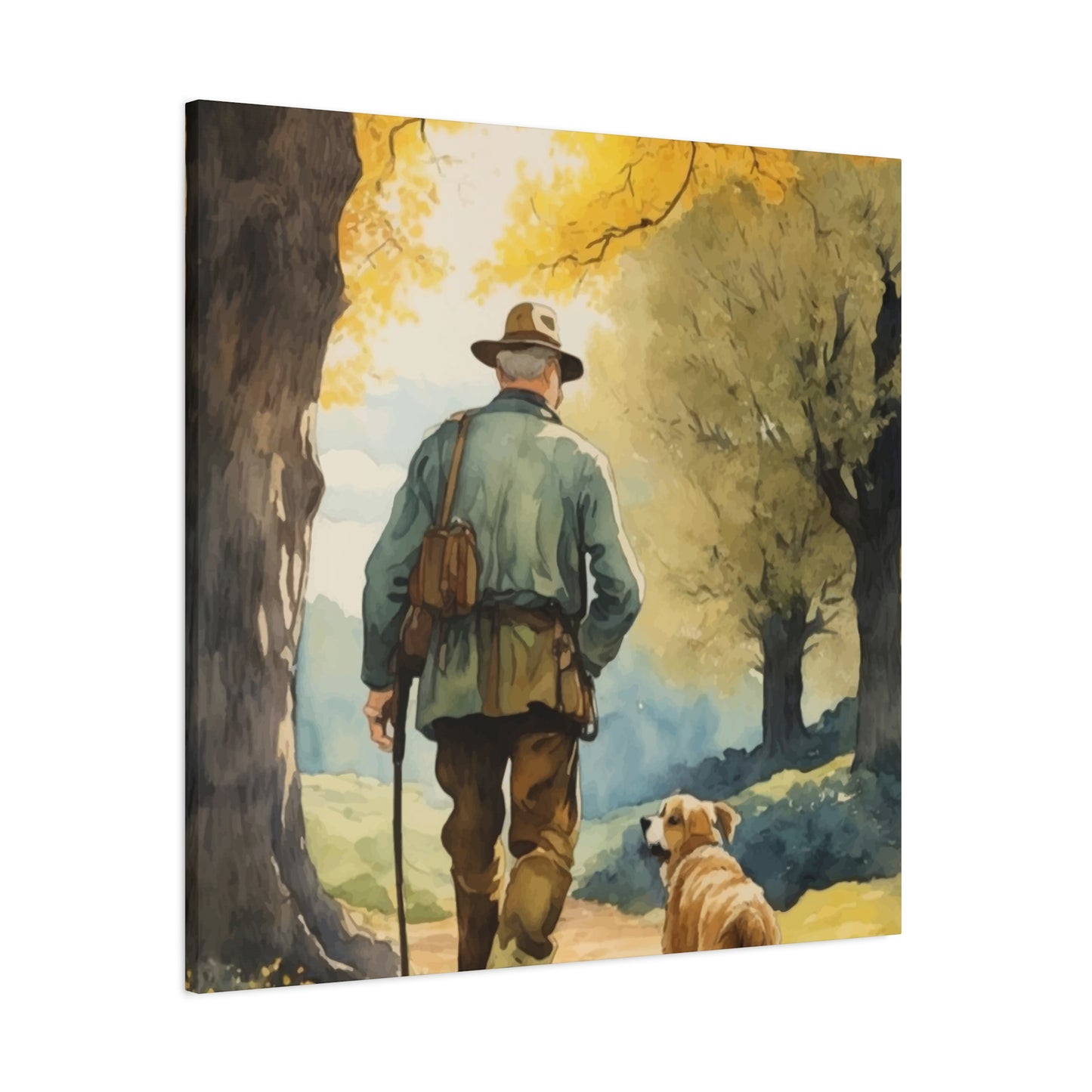
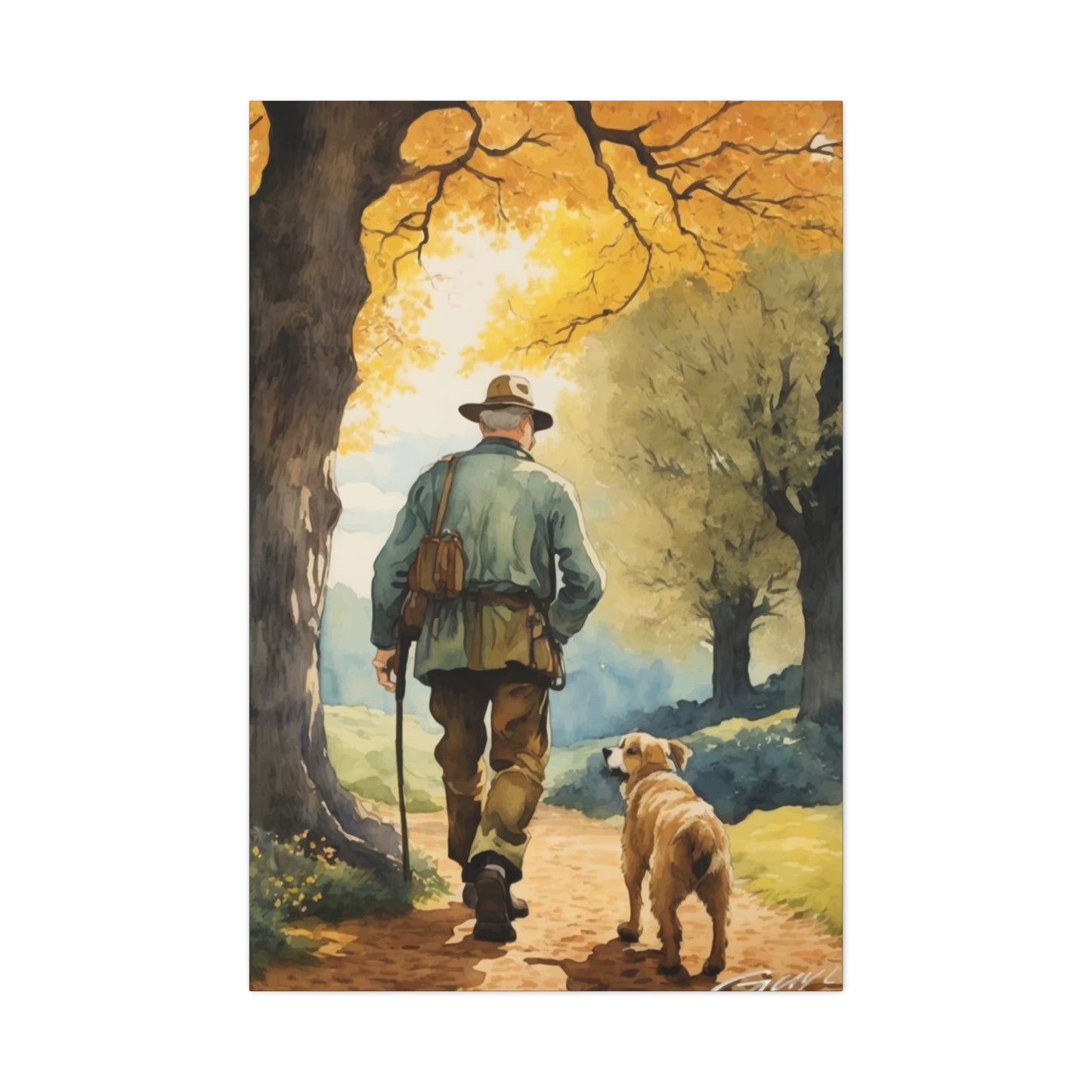
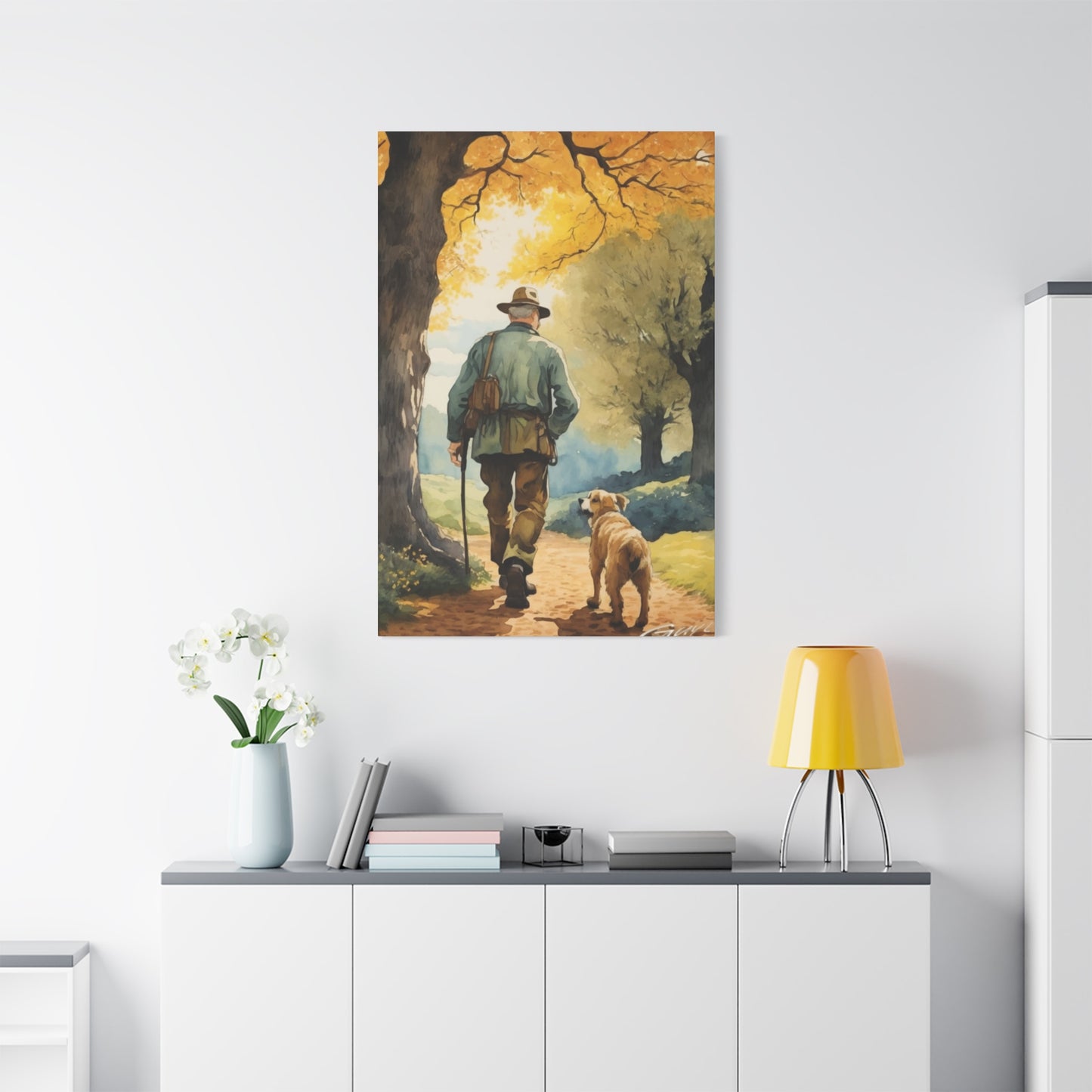
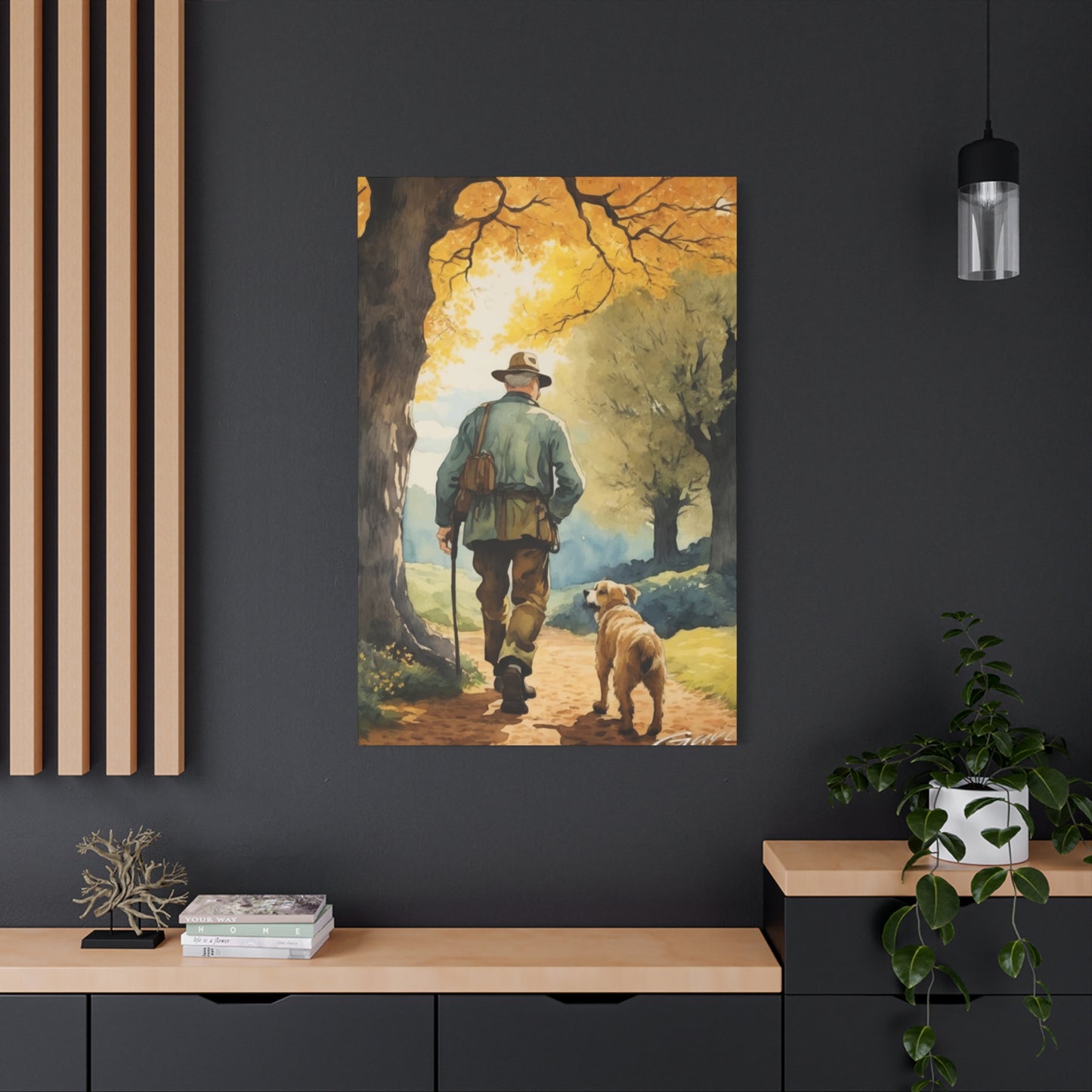
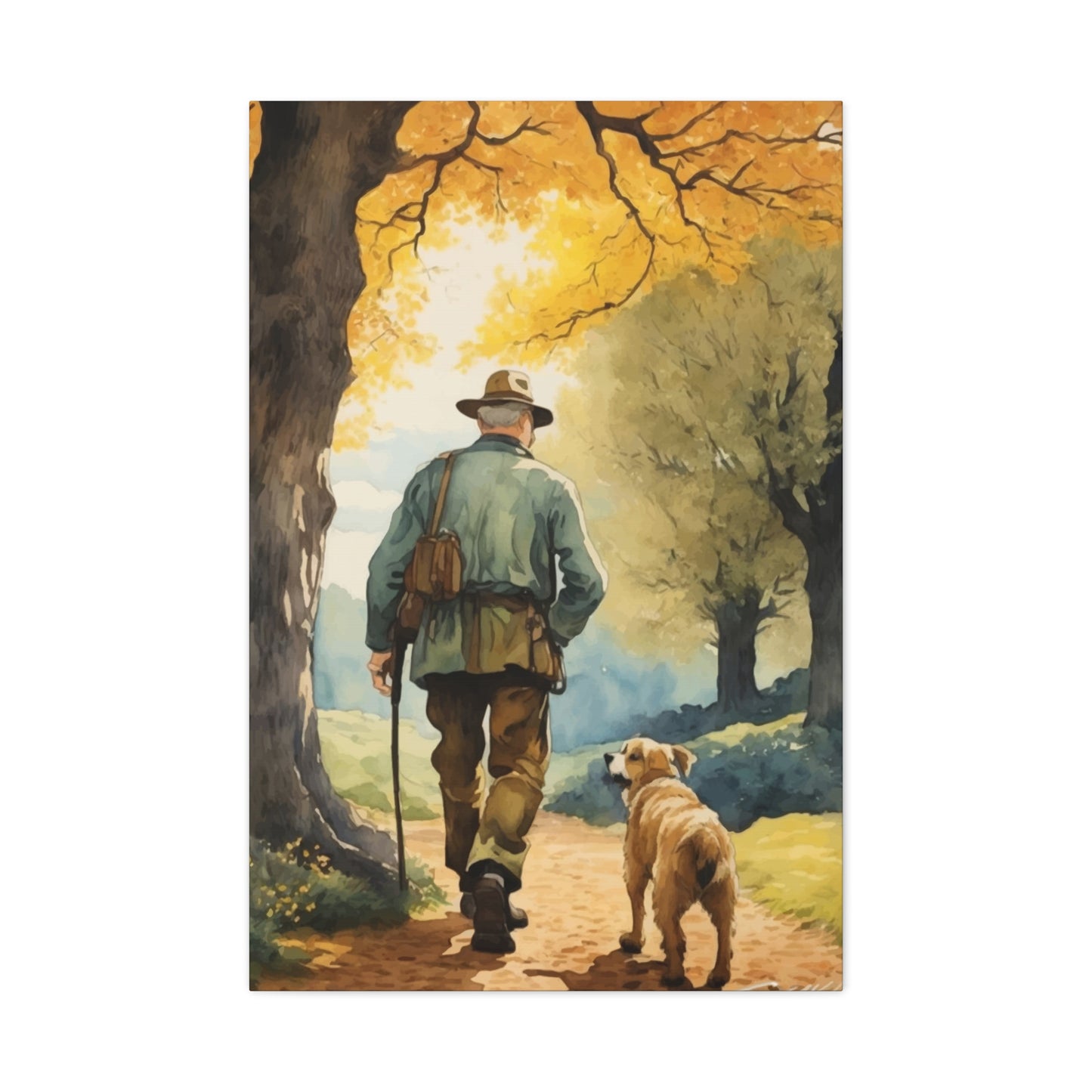
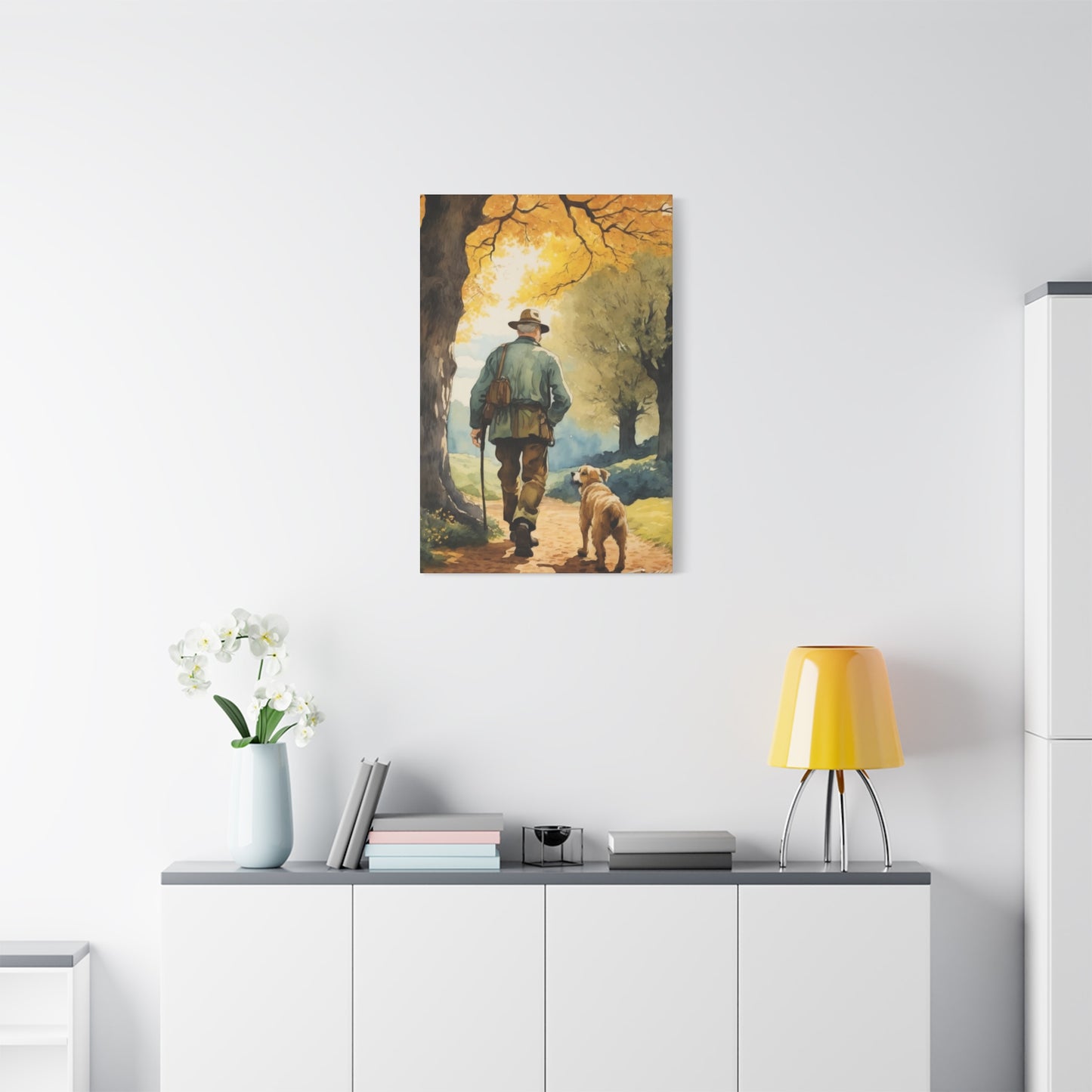
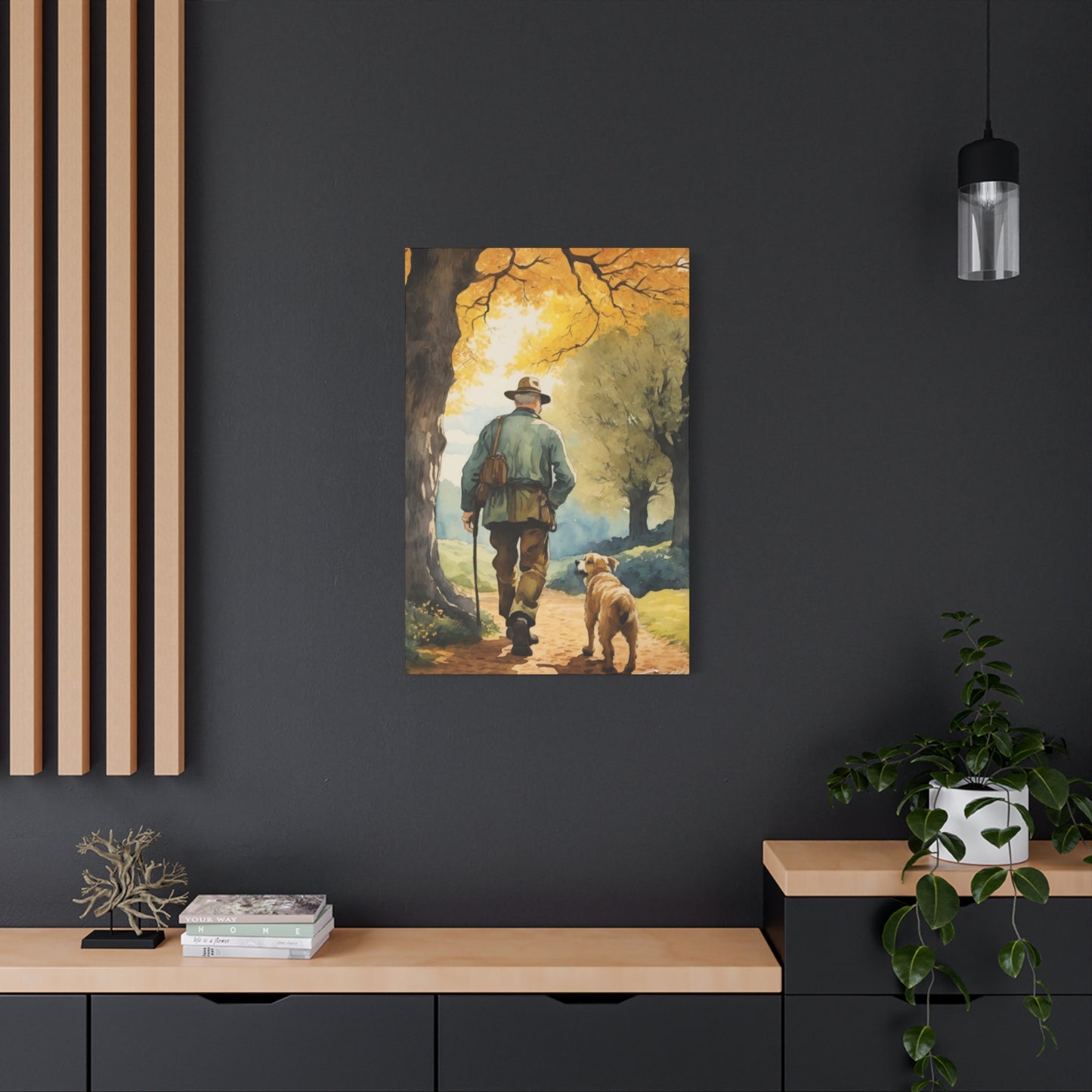
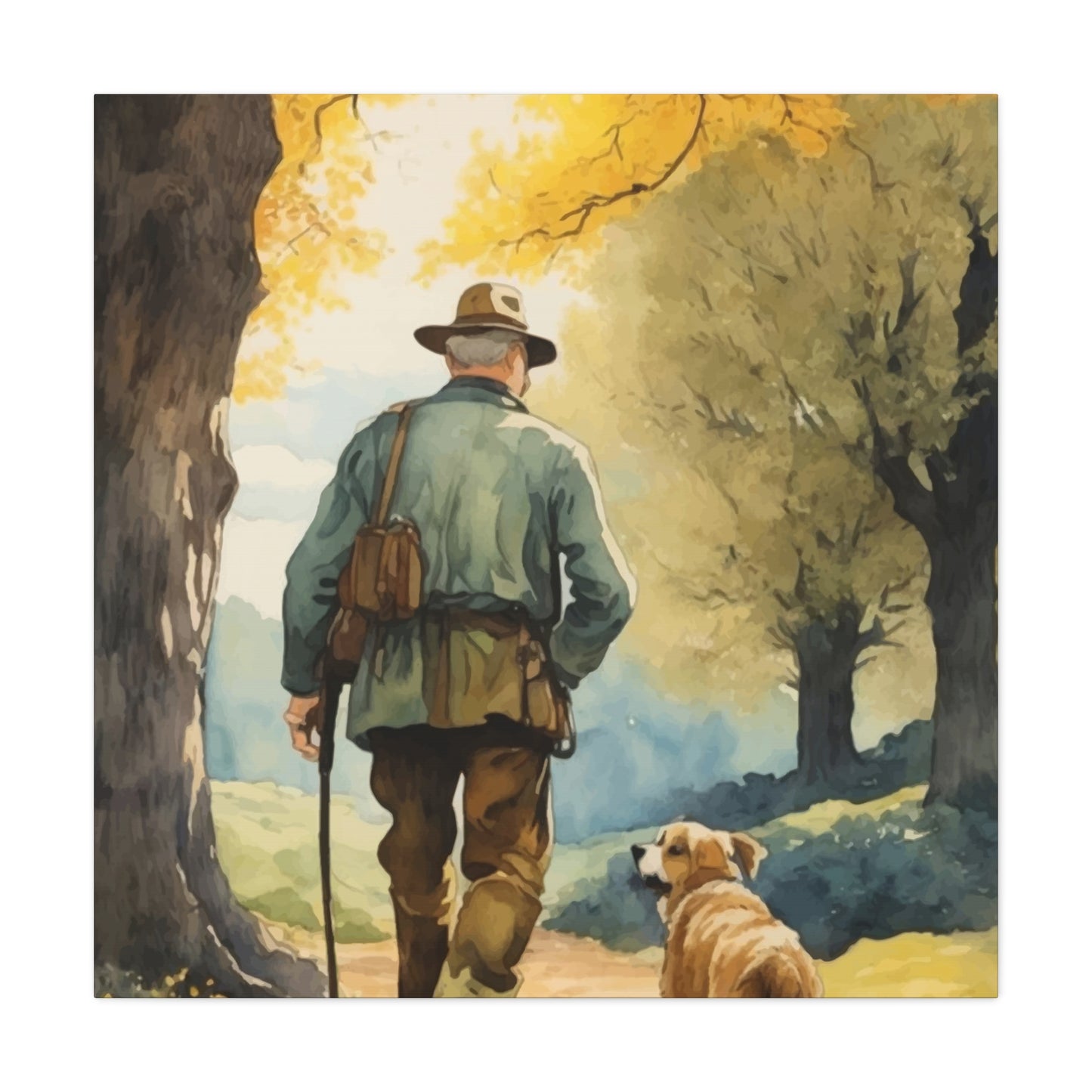
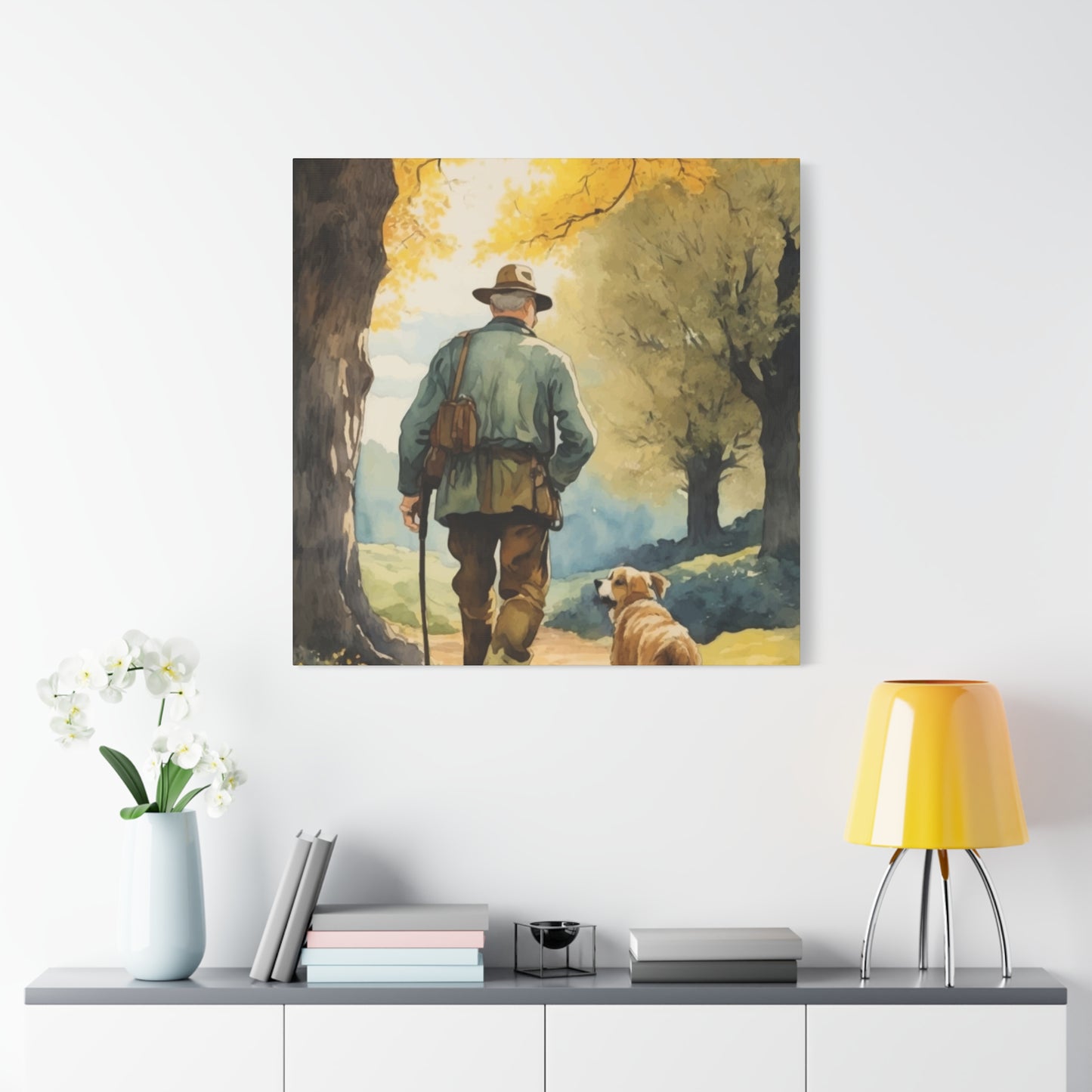
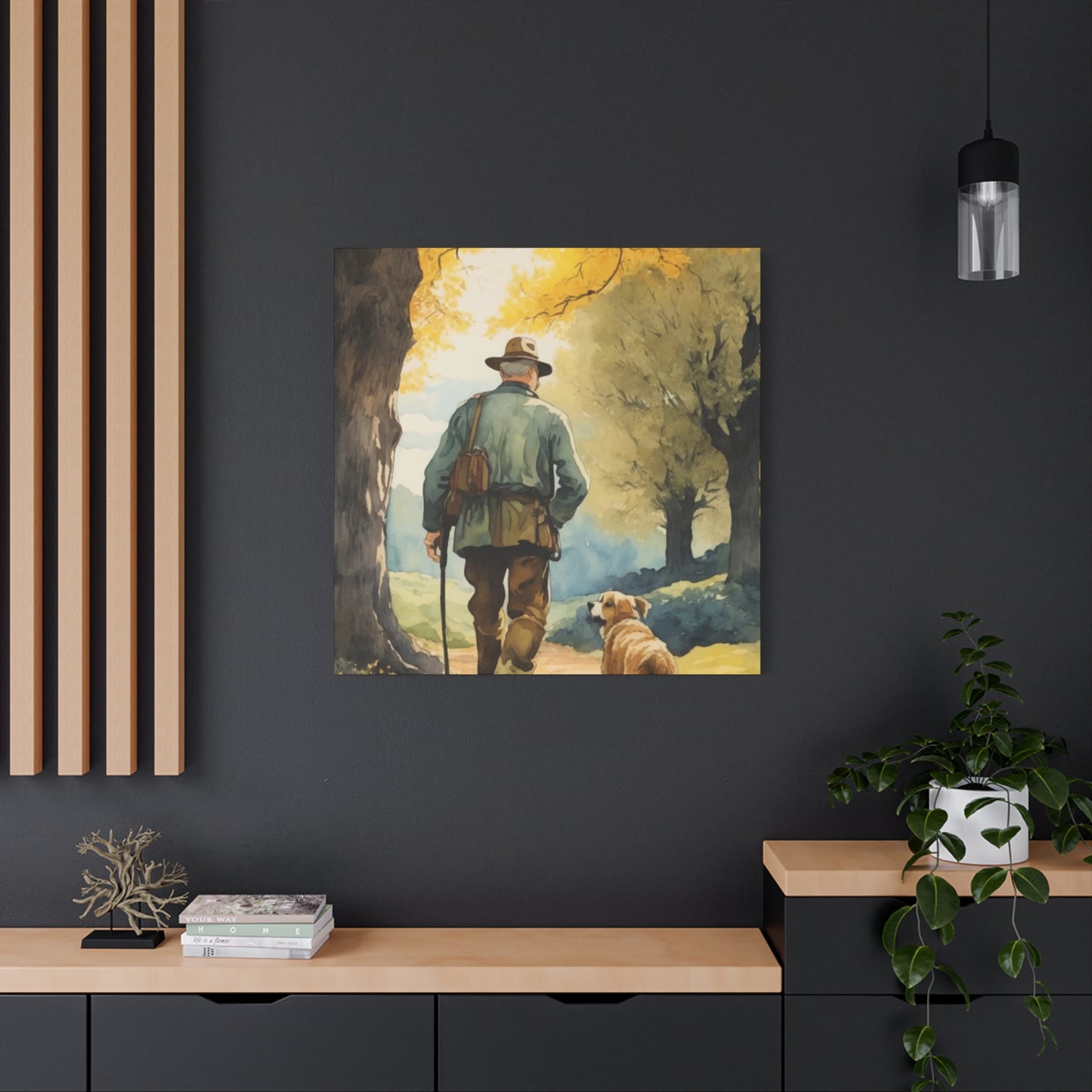
Dog With Old Man Wall Art & Canvas Prints
Dog With Old Man Wall Art & Canvas Prints
Couldn't load pickup availability
Heartwarming Canvas Prints: Dog With Old Man Wall Art That Celebrates Timeless Companionship Between Seniors and Their Loyal Canine Friends
The bond between elderly individuals and their faithful dogs represents one of life's most profound relationships, captured beautifully through artistic expressions that grace the walls of countless homes. Dog with old man wall art has emerged as a deeply meaningful decorating choice that resonates with people across generations, celebrating the unwavering loyalty, unconditional love, and mutual comfort these relationships provide. This artistic genre transcends mere decoration, becoming a powerful statement about the enduring connections that define our humanity and the special place animals hold in our hearts during life's golden years.
Why Artwork Depicting Elderly Gentlemen With Their Faithful Dogs Resonates So Deeply With Viewers Worldwide
The emotional impact of imagery showing older men alongside their devoted dogs strikes a universal chord that transcends cultural boundaries and personal experiences. These visual narratives capture moments of genuine connection that speak to fundamental human needs for companionship, purpose, and unconditional acceptance. When we observe an elderly gentleman sitting quietly with his dog, we witness a relationship stripped of pretense—two beings simply enjoying each other's presence without demands or expectations beyond mutual affection.
Research into human responses to such imagery reveals that viewers experience measurable increases in feelings of warmth, nostalgia, and emotional well-being when contemplating scenes of seniors with their animal companions. The wrinkled hands gently stroking soft fur, the knowing glances exchanged between man and beast, and the peaceful atmosphere these images convey trigger deep-seated emotional responses related to safety, belonging, and the passage of time. Many individuals report that dog with old man wall art reminds them of beloved grandparents, cherished family pets from childhood, or the kind of serene contentment they aspire to achieve in their own later years.
The visual storytelling inherent in these artistic works often communicates complex narratives without words. A weathered face beside a graying muzzle suggests parallel journeys through life's seasons. Tired eyes meeting with perfect understanding indicate years of shared experiences, from morning walks to quiet evenings by the fireplace. The positioning of subjects—whether the gentleman protectively cradles a small terrier or leans against a larger breed for support—reveals the reciprocal nature of these relationships where both parties provide comfort and stability to one another.
Psychologically, these images fulfill several important functions for viewers. They provide reassurance that companionship remains available even as social circles naturally contract with age. They validate the significance of relationships with animals as legitimate sources of meaning and purpose. They offer visual evidence that tenderness, care, and emotional connection continue to define human experience across all life stages. For younger viewers, such artwork may represent aspirational values—the hope that they too will experience such peaceful contentment in their later years, surrounded by loyal companions who love them unconditionally.
Exploring Various Artistic Styles That Bring Senior And Canine Relationships To Life On Canvas
The artistic interpretation of elderly men with their dogs spans an impressive spectrum of styles, each offering distinct aesthetic qualities and emotional resonances. Realistic portrayals employ meticulous attention to detail, capturing every wrinkle on weathered skin, each strand of gray in a dog's coat, and the subtle play of light across subjects. These works often feel like frozen photographs, preserving specific moments with documentary precision that allows viewers to study facial expressions, body language, and environmental details that contribute to the overall narrative.
Impressionistic approaches to dog with old man wall art embrace looser brushwork and atmospheric color palettes that prioritize emotional truth over photographic accuracy. These pieces might depict an elderly gentleman and his companion as soft-edged forms emerging from backgrounds of blended hues, suggesting memory's tendency to smooth sharp details while preserving essential feelings. The slightly abstracted quality of impressionistic work often enhances the timeless, universal aspects of these relationships rather than anchoring them to specific individuals or moments.
Vintage-inspired artwork draws upon historical artistic conventions and nostalgic color schemes to create pieces that feel as though they've been preserved from earlier eras. Sepia tones, aged patinas, and composition styles reminiscent of early twentieth-century portraiture give these works a sense of heritage and tradition. Such pieces often appeal to those who appreciate the aesthetic qualities of bygone eras while celebrating relationships that have remained constant across changing times.
Contemporary minimalist interpretations reduce subjects to essential lines and forms, using negative space and simplified color palettes to create striking visual statements. An elderly man and his dog might appear as bold silhouettes against stark backgrounds, or as line drawings that capture the essence of their relationship through minimal strokes. These modern approaches demonstrate how even stripped-down representations can convey powerful emotional content when fundamental elements of composition and form align effectively.
Watercolor renderings bring softness and fluidity to depictions of seniors with their animal companions. The medium's characteristic transparency and flowing edges create dreamy, ethereal qualities that enhance the sentimental aspects of these subjects. Colors bleed gently into one another, suggesting the permeable boundaries between human and animal consciousness, the blending of two lives into shared routines and mutual understanding.
Mixed media pieces incorporate various materials and techniques to create textured, multidimensional works that engage viewers on multiple sensory levels. An artwork might combine painting with collage elements, textiles, or three-dimensional components that literally bring subjects forward from the canvas surface. These innovative approaches demonstrate how traditional subjects can receive fresh interpretations through creative material choices and unconventional construction methods.
Selecting The Perfect Placement For Your Cherished Canine Companion And Senior Artwork Within Your Living Spaces
The location you choose for displaying dog with old man wall art significantly influences both the artwork's visual impact and its emotional resonance within your home environment. Living rooms represent traditional showcase spaces where families gather and guests receive their first impressions of your decorating sensibilities. Positioning such artwork above a sofa or fireplace mantel creates a focal point that draws attention while establishing a warm, welcoming atmosphere that speaks to values of loyalty, companionship, and the importance of relationships that transcend species boundaries.
Home offices and personal studies benefit tremendously from the calming presence of imagery depicting elderly gentlemen with their faithful dogs. These spaces often serve as refuges from daily stresses, places where individuals retreat for focused work or quiet contemplation. The serene quality inherent in well-executed examples of this artistic genre provides visual respite during demanding tasks, reminding occupants of life's simpler pleasures and the restorative power of genuine connection. Positioning such artwork at eye level when seated at a desk ensures it remains within the peripheral vision, offering subtle comfort throughout work sessions.
Bedroom environments gain particular intimacy from dog with old man wall art, as these private sanctuaries benefit from imagery that promotes feelings of security, contentment, and peaceful reflection. The relationship between an elderly person and their devoted companion naturally evokes associations with unconditional acceptance, loyalty through life's challenges, and the comfort of reliable presence—all qualities that enhance the restorative function bedrooms serve. Placing such artwork where it becomes visible upon waking or retiring creates bookends to daily experiences, framing rest periods with reminders of enduring bonds and simple joys.
Hallways and transitional spaces often receive insufficient decorating attention despite offering excellent opportunities for creating gallery-style displays. A series of complementary pieces showing various elderly individuals with different dog breeds can transform a bland corridor into a narrative journey celebrating the diversity of human-canine relationships. Varying sizes and framing styles while maintaining thematic consistency creates visual interest that encourages viewers to pause and engage with individual pieces rather than rushing past without notice.
Libraries and reading nooks pair naturally with contemplative imagery of seniors and their animal companions. These spaces dedicated to quiet activities align perfectly with the peaceful, reflective qualities such artwork embodies. Positioning a substantial piece near reading chairs creates companionship for solitary activities, while the subject matter reinforces the meditative, restorative nature of time spent with books and one's own thoughts.
Guest bedrooms benefit from artwork that communicates hospitality, warmth, and the values your household cherishes. Dog with old man wall art conveys welcoming messages about the importance of companionship, loyalty, and the celebration of life's enduring relationships. Visitors spending time in these spaces receive subtle impressions about what your home stands for—not through explicit statements but through carefully chosen visual elements that speak to character and priorities.
Understanding The Profound Emotional Benefits That Artwork Celebrating Senior-Canine Bonds Brings To Daily Living
The presence of dog with old man wall art within residential spaces generates measurable emotional and psychological benefits that extend far beyond aesthetic enhancement. These visual reminders of devoted companionship serve as daily touchstones for values many people aspire to embody—loyalty, patience, unconditional acceptance, and the capacity to find contentment in simple pleasures. Regularly encountering such imagery reinforces these ideals, subtly shaping attitudes and behaviors in ways that promote wellbeing and positive relationship patterns.
For individuals experiencing loneliness or social isolation, artwork depicting the bond between elderly persons and their dogs provides meaningful comfort. These images validate the significance of relationships with animals as legitimate sources of connection and purpose, countering societal messages that sometimes diminish the importance of human-animal bonds. Seeing visual representations of such relationships normalized and celebrated helps individuals feel less alone in finding primary companionship through their own pets, reducing feelings of stigma or inadequacy about their social circumstances.
Families separated by distance find that dog with old man wall art can serve as emotional bridges to beloved relatives. Adult children who've relocated far from aging parents often display such pieces as symbolic connections to family members and cherished childhood memories. The artwork becomes a visual placeholder for relationships maintained through phone calls and occasional visits, keeping beloved individuals present in daily consciousness even when physical proximity isn't possible.
Grief processing receives gentle support from imagery celebrating enduring bonds between seniors and their dogs. Those mourning the loss of elderly relatives or beloved pets may find comfort in artistic representations that honor these relationships without triggering overwhelming sorrow. The idealized, peaceful quality of well-crafted examples within this genre acknowledges the beauty of such bonds while maintaining emotional accessibility, allowing viewers to remember and honor lost loved ones without becoming overwhelmed by grief's intensity.
The aspirational dimension of dog with old man wall art should not be underestimated. Younger individuals contemplating their own aging processes often feel anxiety about losing independence, relevance, or sources of meaning and connection. Visual narratives showing elderly people engaged in loving relationships with devoted companions counter negative stereotypes about aging, suggesting that life's later chapters can contain profound satisfaction, purpose, and reciprocal care. These images plant seeds for positive attitudes toward aging that may influence everything from retirement planning to decisions about adopting pets during middle and later years.
Children growing up surrounded by artwork celebrating the relationship between elderly individuals and their dogs absorb important lessons about treating elders with respect, recognizing the continuing emotional lives of older people, and understanding that meaningful connections transcend age boundaries. Such visual elements contribute to forming attitudes about aging, animals, and the nature of loyalty and devotion that may shape a child's character development in subtle but significant ways.
Practical Considerations For Framing And Protecting Your Treasured Senior And Canine Artwork Investments
Proper framing transforms dog with old man wall art from mere prints into finished pieces that command respect and enhance longevity. The frame serves multiple crucial functions beyond simple aesthetics—it protects vulnerable edges, provides structural support, creates visual boundaries that help artwork stand apart from surrounding walls, and signals to viewers that the piece merits attention and appreciation. Selecting appropriate framing requires balancing protection, aesthetics, and budget considerations while remaining true to the artwork's inherent character.
Wood frames offer traditional elegance and versatility that suits most interior decorating schemes. Natural wood tones complement the organic, timeless qualities inherent in imagery depicting elderly gentlemen with their faithful companions. Darker woods like walnut or mahogany lend gravitas and formality, making them excellent choices for pieces displayed in libraries, studies, or formal living areas. Lighter woods such as oak or pine create casual, approachable presentations suited to family rooms, kitchens, or informal spaces where warmth and accessibility take priority over formality.
Metal frames provide contemporary alternatives that work particularly well with modern or minimalist decor schemes. Sleek aluminum or steel in brushed, matte, or glossy finishes creates clean, unobtrusive borders that allow artwork to take center stage without competing visual elements. Metal framing pairs especially well with black-and-white or sepia-toned prints where the frame's simplicity echoes the artwork's restrained color palette.
Matting creates breathing room between artwork and frame while providing visual rest that enhances overall impact. The mat's color should complement rather than match the artwork exactly—slight contrasts draw the eye inward toward the image while pure matches can create visual confusion about where art ends and matting begins. Neutral tones like cream, soft gray, or subtle beige work universally well, though carefully selected colored mats can enhance specific hues within the artwork itself.
Glass or acrylic glazing protects delicate surfaces from environmental damage while allowing clear viewing. Standard glass offers clarity and scratch resistance at economical price points, making it suitable for most residential applications. UV-protective glazing costs more but provides crucial defense against the fading and deterioration that sunlight exposure causes over time. For valuable originals or limited edition prints, museum-quality glazing represents a worthwhile investment that significantly extends artwork lifespan by filtering harmful light wavelengths without distorting colors or reducing clarity.
Backing materials prevent moisture penetration, provide structural rigidity, and create barriers against pests that might otherwise damage artwork from behind. Acid-free materials are essential for any piece you value, as acidic backing boards gradually discolor and weaken paper-based artwork through direct contact and off-gassing. Conservation-grade materials cost slightly more but provide insurance against preventable deterioration that could destroy irreplaceable pieces over decades.
Hanging hardware must support the weight of fully framed artwork while remaining securely anchored to walls. D-rings attached to frame backs at appropriate positions distribute weight evenly and hang more securely than simple wire alone. Heavy pieces require wall anchors rated for their weight, with particular attention to wall composition—drywall, plaster, brick, and concrete each demand specific hardware types for reliable support. Consulting hanging weight limits and using appropriate anchors prevents disappointing and potentially dangerous failures where frames crash to floors, damaging both artwork and surrounding furnishings.
Discovering Meaningful Gift Possibilities Within The Senior And Canine Artwork Category For Special Occasions
Dog with old man wall art represents thoughtful gift choices for numerous occasions and recipients, communicating sentiment and personal consideration that generic presents cannot match. The key to successful gifting within this category lies in understanding recipient preferences, life circumstances, and the specific emotional notes you wish to strike through your selection.
Retirement celebrations gain particular meaning when marked with artwork depicting the peaceful companionship between elderly individuals and their devoted dogs. This life transition often involves complex emotions—relief at escaping workplace demands mixed with uncertainty about how to fill newly available time and construct identity beyond professional roles. Artwork celebrating the simple joys of companionship and unhurried time spent with loyal friends speaks directly to retirement's best possibilities, suggesting a chapter defined by meaningful relationships rather than diminished purpose.
Memorial occasions where families gather to honor deceased loved ones become opportunities to present artwork that celebrates the relationships that defined those individuals. An elderly relative who found immense comfort in canine companionship during later years deserves remembrance through imagery honoring that bond. Such gifts acknowledge what brought joy and meaning to someone's final chapters, validating relationships that may have received insufficient recognition during their lifetime.
Wedding anniversaries, particularly milestone celebrations marking decades of partnership, pair beautifully with dog with old man wall art when couples have shared their journey with beloved pets. The imagery's themes of loyalty, companionship through changing seasons, and enduring bonds parallel the qualities that sustain successful marriages. Adding personal touches like custom framing or commissioning pieces featuring subjects resembling the couple and their own dogs elevates such gifts from thoughtful to truly extraordinary.
Housewarming presents help new homeowners transform empty spaces into personalized environments reflecting their values and interests. For animal lovers establishing households, artwork celebrating the human-canine bond makes an inspired choice that will grace walls for years while communicating your understanding of what matters to them. Selecting pieces that complement known decorating preferences regarding color schemes, styles, and general aesthetic approaches ensures your gift integrates seamlessly into their vision for their new space.
Birthday celebrations for elderly relatives who've expressed loneliness or whose social circles have contracted through circumstances deserve gifts that acknowledge their emotional reality while offering comfort. Dog with old man wall art provides companionship of a sort—visual reminders that they're not alone in experiencing life's later chapters alongside faithful animal friends, that such relationships are celebrated and valued, and that the bonds they share with their own pets are recognized as legitimate sources of meaning and joy.
Pet memorial situations where someone has recently lost a beloved dog present delicate gifting opportunities requiring sensitivity and timing. Immediately after loss, grief may be too raw for reminders, but as acute pain softens into gentler sadness, artwork celebrating the beauty of human-canine bonds can provide comfort. Selecting pieces that capture the peaceful, enduring quality of such relationships rather than depicting loss or sadness helps recipients honor their departed companions while avoiding triggering overwhelming grief.
Examining Color Palette Choices That Enhance The Emotional Impact Of Senior And Dog Portraiture
Color selections within dog with old man wall art profoundly influence emotional responses and determine how successfully pieces integrate into existing interior decorating schemes. Understanding color psychology and its interaction with subject matter enables more informed choices that maximize both aesthetic appeal and emotional resonance.
Warm earth tones dominate many successful examples within this artistic category, drawing upon browns, tans, rusts, and muted golds that evoke natural environments and timeless, organic qualities. These hues complement the subjects themselves—the weathered skin tones of elderly individuals, the varied coat colors of dogs, and the simple settings where such relationships unfold. Earth palettes create immediate feelings of groundedness, stability, and connection to fundamental aspects of existence, reinforcing the authentic, unpretentious nature of bonds between seniors and their animal companions.
Monochromatic schemes employing black, white, and gray gradations strip away color's potential distractions, focusing viewer attention on composition, form, and the subjects' inherent emotional content. Black-and-white renderings of elderly gentlemen with their dogs often achieve particular poignancy, as the absence of color emphasizes universal, timeless qualities over specific, contemporary details. These pieces integrate effortlessly into diverse decorating schemes since they introduce no color commitments that might clash with existing palettes.
Sepia and vintage-toned pieces deliberately evoke nostalgia and historical continuity, suggesting that the relationships depicted belong to longer traditions rather than representing isolated contemporary moments. The warm, aged quality of sepia creates immediate emotional associations with treasured memories, family heritage, and the enduring nature of certain life experiences across generations. Such color choices work particularly well when artistic intent includes celebrating tradition, honoring the past, or suggesting that some relationships transcend temporal boundaries.
Cool blue and gray palettes create contemplative, serene atmospheres that emphasize the peaceful, meditative aspects of companionship between elderly individuals and their dogs. These cooler tones slow visual processing and promote calm, making them excellent choices for spaces dedicated to rest, reflection, or stress reduction. The emotional tenor shifts from warm sentimentality toward quiet dignity and thoughtful appreciation for life's gentler moments.
Accent color strategies employ predominantly neutral palettes punctuated by strategic touches of vibrant hues that draw attention to specific elements while maintaining overall restraint. A piece might render subjects in soft browns and grays while including a brilliant red collar, a splash of golden sunlight, or a vivid blue sky glimpsed through a window. These controlled color moments create visual interest and emotional emphasis without overwhelming the composition's fundamental character.
Seasonal color interpretations adjust palettes to reflect particular times of year, creating opportunities to rotate displayed artwork to match changing seasons or to select pieces that complement specific rooms' natural lighting characteristics. Autumn-toned pieces featuring warm oranges, deep reds, and golden yellows celebrate harvest time's abundance and maturity. Winter-themed works employing whites, cool blues, and silvery grays capture the quiet dignity of age and the comfort of companionship during cold, dark months. Spring palettes with fresh greens and soft pastels suggest renewal and continuing vitality despite advancing years, while summer-bright pieces celebrate warmth, leisure, and the simple pleasures of time spent outdoors with faithful companions.
Investigating Size And Scale Decisions For Maximum Visual Impact In Various Room Settings
Selecting appropriately sized dog with old man wall art requires careful consideration of display location characteristics, viewing distances, surrounding visual elements, and desired impact levels. Oversized pieces in small spaces overwhelm viewers and create claustrophobic feelings, while undersized artwork in expansive areas disappears or appears tentative and apologetic.
Statement pieces measuring three feet or larger in their smallest dimension command attention and anchor entire room designs around their presence. These substantial works suit spacious living areas, great rooms, or master bedrooms where they can receive the breathing room they require to achieve intended impact. Large-scale artwork demands careful subject selection—imagery must remain engaging and technically successful when viewed both from across the room and at closer inspection distances. Compositional complexity, fine detail work, and sophisticated color relationships justify the attention large formats naturally attract.
Medium-sized pieces ranging from 18 to 36 inches offer versatility that suits most residential applications. These dimensions provide sufficient presence to merit attention without demanding that entire rooms revolve around them. Medium formats work beautifully above furniture pieces, within gallery wall arrangements, or as standalone displays in hallways, offices, and bedrooms. Their manageable size simplifies hanging while offering enough canvas for artists to develop subjects with appropriate detail and emotional nuance.
Small-scale works measuring under 18 inches excel in intimate settings, grouped arrangements, or situations where subtlety serves design goals better than bold statements. These compact pieces suit narrow wall spaces, small powder rooms, cozy reading nooks, or positions within larger gallery walls where they contribute to overall narratives without dominating. The intimate scale encourages close viewing, rewarding inspection with details that might be lost in larger formats designed for distance viewing.
Vertical orientations emphasize dignity, formality, and upward aspiration—qualities that align well with portraits of elderly individuals portrayed with quiet nobility alongside their faithful companions. Vertical formats suit narrow wall spaces, positions flanking doorways or windows, and arrangements where height creates desirable visual movement drawing eyes upward.
Horizontal orientations suggest narrative, landscape, and the passage of time—appropriate for dog with old man wall art depicting subjects within environmental contexts or suggesting journeys and shared experiences. Horizontal pieces work above sofas, beds, and other long furniture items, creating visual balance and emphasizing the restful, grounded qualities inherent in such subjects.
Square formats provide balanced, stable compositions that neither emphasize vertical dignity nor horizontal narrative, instead focusing attention directly on subjects without directional suggestions. Squares work particularly well in modern, minimalist settings where geometric simplicity aligns with overall design philosophies.
Diptychs and triptychs—artworks divided into two or three separate panels—create visual interest through division while maintaining thematic unity. Multiple panels allow for larger overall dimensions while introducing rhythmic elements and breathing spaces that single large pieces cannot achieve. These formats suit contemporary settings and work beautifully for depicting sequential moments or complementary perspectives on relationships between elderly people and their animal companions.
Exploring Custom Commissioning Possibilities For Truly Personal Senior And Canine Artwork Creations
Commissioning original dog with old man wall art elevates the category from purchased decoration to truly personal expression celebrating specific individuals and relationships. This process requires clear communication, realistic expectations, and understanding of artistic creation timelines and costs, but rewards participants with unique pieces carrying emotional significance mass-produced artwork cannot match.
Identifying appropriate artists begins with research across various platforms showcasing creative professionals' work. Examining portfolios helps determine whether individual artists possess skills suited to your vision—do they demonstrate proficiency with realism, or do their strengths lie in interpretive styles? Have they successfully executed similar subjects? Do their aesthetic sensibilities align with your preferences? Reviewing multiple examples of completed works reveals consistency, range, and technical capabilities that single pieces might not adequately represent.
Initial consultations establish whether working relationships will prove productive and enjoyable. Discuss your vision in detail—describe the individuals and animals you wish portrayed, explain emotional tones you hope to achieve, reference specific pieces whose styles appeal to you, and address practical considerations like intended display locations and size requirements. Gauge artists' receptiveness to your ideas, their enthusiasm for the project, and their ability to translate your descriptions into visual possibilities. Trust your instincts about personality compatibility, as commissioned artwork requires ongoing communication throughout creation processes.
Reference materials provide artists with visual information crucial to achieving accurate, satisfying results. High-quality photographs showing subjects from multiple angles, in various lighting conditions, and displaying characteristic expressions and postures enable artists to capture essential qualities that make individuals recognizable and personalities apparent. Written descriptions supplement visual references, helping artists understand relationships, personality traits, and specific moments or qualities you wish artwork to convey.
Budget discussions should occur early and openly, establishing realistic expectations about costs relative to artwork size, complexity, medium, and artist experience levels. Original commissioned pieces represent significant investments reflecting hours of skilled labor, years of training, and creative vision that transforms your ideas into visual reality. Understanding what's included in quoted prices—preliminary sketches, revision rounds, framing, shipping—prevents disappointing surprises. Discussing payment schedules clarifies when deposits, progress payments, and final balances come due.
Timeline negotiations establish when you can expect preliminary sketches, when final pieces will be completed, and how revision processes affect schedules. Commissioned artwork cannot be rushed without quality suffering, so allow adequate time for thoughtful creation, especially when pieces will mark specific occasions. Building buffer time accommodates unexpected delays while ensuring gifts arrive before needed dates.
Revision protocols clarify how many rounds of changes are included in base prices and what additional modifications might cost. Most artists include limited revisions addressing significant issues while charging for extensive overhauls representing substantial additional labor. Understanding these parameters before work begins prevents disputes and hurt feelings when revision requests arise.
Analyzing How Different Dog Breeds Portrayed Alongside Elderly Subjects Communicate Varied Messages
The specific dog breeds featured within dog with old man wall art significantly influence emotional responses and thematic interpretations viewers derive from pieces. Each breed carries cultural associations, physical characteristics, and personality stereotypes that color perceptions of depicted relationships and speak to different audience preferences.
Large, dignified breeds like German Shepherds, Golden Retrievers, and Labrador Retrievers portrayed beside elderly gentlemen suggest protection, loyalty of the highest order, and partnerships between equals. These substantial dogs convey capability and strength even in repose, implying they provide both emotional comfort and practical assistance to aging companions. The visual weight these breeds contribute balances compositions, creating impression of substantial, significant relationships rather than trivial pastimes.
Small companion breeds including Terriers, Pomeranians, and Chihuahuas nestled in elderly laps or cradled in weathered arms communicate different relationship dynamics. These diminutive dogs emphasize caregiving roles, protective instincts flowing from human to animal, and companionship characterized by portability allowing constant togetherness. The size contrast between small dogs and their human companions creates visual interest while emphasizing vulnerability, preciousness, and the nurturing dimensions of cross-species relationships.
Hound breeds like Beagles, Basset Hounds, and Bloodhounds carry associations with hunting traditions, outdoor lifestyles, and deep-rooted partnerships between working dogs and their handlers. Depicting elderly men with hounds suggests lives spent pursuing shared passions, relationships forged through cooperative endeavors, and continuing bonds despite aging bodies limiting once-vigorous activities. These pieces often evoke nostalgia for active pasts while celebrating relationships that endure beyond working partnerships into purely companionate phases.
Working breeds including Border Collies, Australian Shepherds, and Cattle Dogs portrayed with elderly people communicate themes of lifelong purpose, continuing engagement, and mental acuity sustained through meaningful activities. These intelligent, active breeds suggest their human companions remain vital and engaged rather than passively waiting out their remaining years. The dynamic energy these breeds embody creates interesting tension with elderly subjects, suggesting ongoing mutual enrichment rather than static relationships.
Mixed breed dogs hold particular appeal for many viewers, representing the real-world diversity of human-canine relationships and democratic access to companionship regardless of pedigree or economic status. Depicting mutts alongside elderly individuals emphasizes relationship authenticity over status considerations, celebrating bonds based on mutual affection rather than breed prestige or show-ring accomplishments.
Breed-specific artwork appeals to enthusiasts with deep connections to particular dog types. Someone whose family has kept Golden Retrievers for generations will feel particular resonance with dog with old man wall art featuring that breed, seeing reflections of personal experiences and family traditions. These pieces become celebrations of specific breed characteristics—the Retriever's gentle mouth and eager-to-please temperament, the German Shepherd's intelligence and protective instincts, the Beagle's merry persistence and vocal expressiveness.
Investigating Various Print Materials And Their Impact On Artwork Quality And Longevity
The substrate chosen for reproducing dog with old man wall art dramatically affects visual appearance, durability, and overall satisfaction with purchased pieces. Understanding material options enables informed decisions matching practical requirements and aesthetic preferences to available choices.
Canvas prints replicate the texture and appearance of original paintings while offering durability and ease of hanging that paper-based prints cannot match. The woven texture visible through printed images adds dimension and authenticity, creating associations with serious art rather than mere posters. Canvas naturally resists creasing and tearing better than paper, and stretched gallery-wrapped canvas eliminates framing requirements while creating contemporary, gallery-style presentations. Canvas accepts various printing techniques well, reproducing subtle color gradations and fine details effectively while maintaining the medium's characteristic organic texture.
Fine art paper delivers exceptional color accuracy, sharp detail resolution, and smooth surfaces showcasing intricate artistic techniques. Archival quality papers manufactured without acids or lignins resist yellowing and deterioration, preserving artwork appearance for decades when properly displayed and protected. Paper options vary in weight, texture, and finish characteristics—some feature smooth, matte surfaces ideal for photographic reproduction, while others offer textured finishes mimicking watercolor paper or adding subtle dimensional interest. Paper prints generally require protective glazing and framing, adding cost and complexity but allowing for creative framing choices that enhance presentation.
Metal prints create contemporary, luminous presentations particularly suited to modern decorating schemes. Printing directly onto aluminum sheets produces brilliant colors, exceptional detail sharpness, and inherently weatherproof surfaces requiring no additional protection. The sleek, frameless appearance metal prints offer suits minimalist aesthetics while the medium's durability makes it appropriate for challenging environments including bathrooms, kitchens, and high-humidity locations where other materials might deteriorate. The luminous quality metal imparts to images works particularly well with backlit subjects or pieces where brilliant color saturation enhances artistic intent.
Wood prints transfer images directly onto natural wood surfaces, creating rustic, organic presentations celebrating material character. The wood grain remains visible through printed images, adding texture and visual interest while creating undeniable associations with craft traditions and natural materials. These pieces suit casual, informal settings particularly well—lakeside cabins, farmhouse kitchens, and family rooms decorated with emphasis on comfort over formality. The inherent variability of natural wood means each print develops unique character from the particular grain patterns underlying printed images.
Acrylic prints sandwich images between clear acrylic sheets, creating depth, brilliant color saturation, and gallery-quality presentations with contemporary flair. Light passes through the acrylic, illuminating images from within and creating dimensional effects impossible with opaque substrates. These premium presentations command attention and communicate quality, making them excellent choices for spaces where artwork serves as primary focal points. The acrylic's weight and fragility require careful handling and secure mounting, while cleaning demands gentle techniques avoiding scratches on vulnerable surfaces.
Fabric prints transform artwork into textile forms suitable for unconventional applications beyond traditional wall hanging. These flexible materials work for room dividers, decorative tapestries, or even upholstery fabrics incorporating beloved imagery into functional objects. Fabric printing technology has advanced considerably, now reproducing fine details and subtle color work effectively while maintaining the drape and hand characteristic of textile materials.
Conclusion
Thoughtful illumination elevates dog with old man wall art from pleasant decoration to commanding presence warranting serious attention. Lighting serves multiple crucial functions—revealing details and colors as artists intended, creating focal points that organize visual hierarchies within rooms, and generating emotional atmospheres enhancing artwork's inherent qualities.
Natural lighting offers variable, living illumination that changes throughout days and across seasons, creating dynamic relationships between artwork and environments. Morning light brings cool, clear qualities that emphasize details and create crisp contrasts, while afternoon sun bathes spaces in warm, golden tones enhancing earthy palettes common in senior-and-canine imagery. The constantly shifting nature of natural light means artwork appears slightly different from hour to hour, preventing visual staleness while connecting indoor spaces to outdoor rhythms. However, direct sunlight poses serious conservation concerns, as ultraviolet radiation causes irreversible fading and deterioration. Position valuable pieces away from direct sun exposure, or protect them with UV-filtering glazing and window treatments controlling light intensity during peak hours.
Picture lights mounted directly to frames or walls immediately above artwork provide focused illumination specifically designed for art display. These fixtures cast controlled light downward across vertical surfaces, eliminating glare while ensuring even coverage from top to bottom. Traditional picture lights employ incandescent or halogen bulbs creating warm color temperatures that complement earth-toned artwork particularly well. Contemporary LED picture lights offer energy efficiency and longevity while allowing color temperature selection matching specific artistic needs or personal preferences. Adjustable picture lights enable fine-tuning beam angles and intensity for optimal presentation as room conditions or artwork placements change.
Track lighting systems provide flexible solutions for illuminating multiple pieces or adjusting focus as artwork changes. Individual fixtures mounted to ceiling-based tracks can be repositioned, reoriented, and focused independently, allowing precise control over how light falls across displayed pieces. This flexibility suits collectors who rotate displayed works or households where decorating schemes evolve over time. Selecting appropriate beam angles prevents hot spots and glare while ensuring sufficient coverage across artwork surfaces.
Recessed lighting integrates fixtures into ceilings, creating clean, unobtrusive illumination that preserves uncluttered wall and ceiling planes. While less flexible than track systems, properly positioned recessed lights provide excellent artwork illumination in spaces where visible fixtures would clash with design aesthetics. Achieving optimal results requires careful planning during construction or renovation, as repositioning recessed fixtures after installation proves difficult and expensive.
Accent lighting employs focused beams drawing attention to specific pieces within visually complex environments. Spotlights or directional fixtures create dramatic presentations appropriate when dog with old man wall art serves as primary focal points around which room designs revolve. The contrast between brilliantly lit artwork and surrounding spaces creates immediate visual hierarchy, ensuring pieces receive proper attention even in visually busy settings.
Ambient lighting provides overall room illumination creating contexts within which artwork exists. While not specifically directed at displayed pieces, ambient light levels significantly affect how artwork appears and whether sufficient illumination exists for comfortable viewing. Balancing ambient and accent lighting creates layered, sophisticated lighting designs where artwork receives appropriate emphasis without appearing artificially spotlit or divorced from surrounding environments.
Color temperature considerations influence how artwork colors appear and affect emotional atmospheres surrounding pieces. Warm lighting (2700K-3000K) enhances reds, oranges, and yellows while muting blues, creating cozy, intimate feelings appropriate for residential settings. Cool lighting (4000K-5000K) renders blues and greens more vibrantly while dampening warm tones, creating alert, focused atmospheres suited to work environments. Neutral lighting (3500K) attempts to balance color rendering across spectrums, though true color-neutral illumination requires specialized fixtures rarely used outside museum and gallery contexts.
Cultural contexts profoundly influence how viewers interpret and respond to dog with old man wall art, as different societies hold varying beliefs about aging, human-animal relationships, and appropriate emotional expressions. Recognizing these cultural dimensions enables more nuanced appreciation for how this artistic category resonates differently across diverse audiences.
Western cultures generally embrace open displays of affection between people and their pets, viewing such relationships as legitimate sources of emotional fulfillment and social support. The individualistic orientation characteristic of many Western societies positions pets as family members whose roles in supporting personal wellbeing receive social validation. Consequently, Western audiences typically respond warmly to imagery depicting elderly men finding companionship and purpose through relationships with their dogs, recognizing such scenarios as normal and emotionally healthy.
Some Eastern traditions emphasize collective family structures where multiple generations cohabitate and elderly individuals receive care within extended family networks. Within these contexts, intense human-animal bonds might receive interpretation as compensatory relationships developing when preferred human connections prove unavailable.
Share