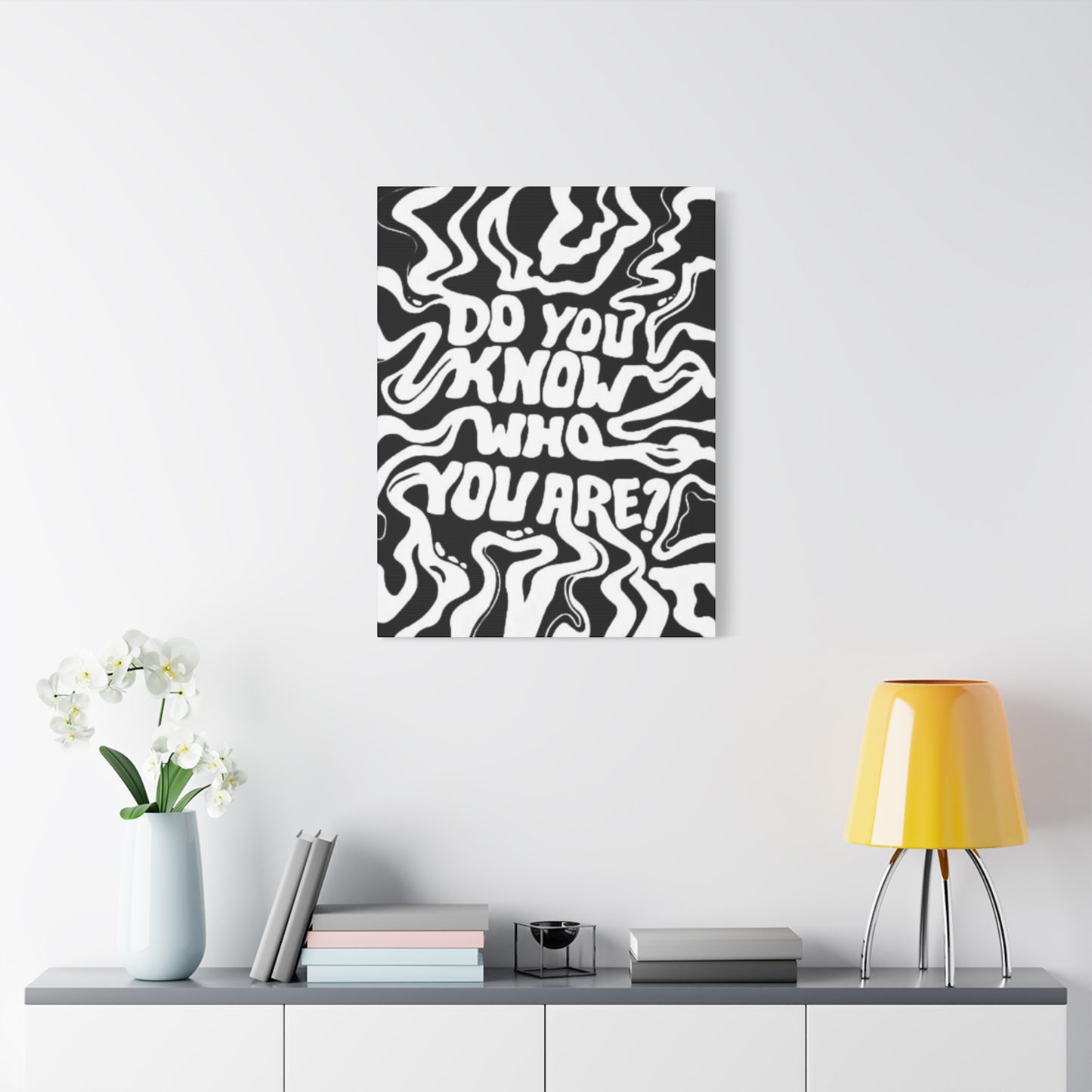
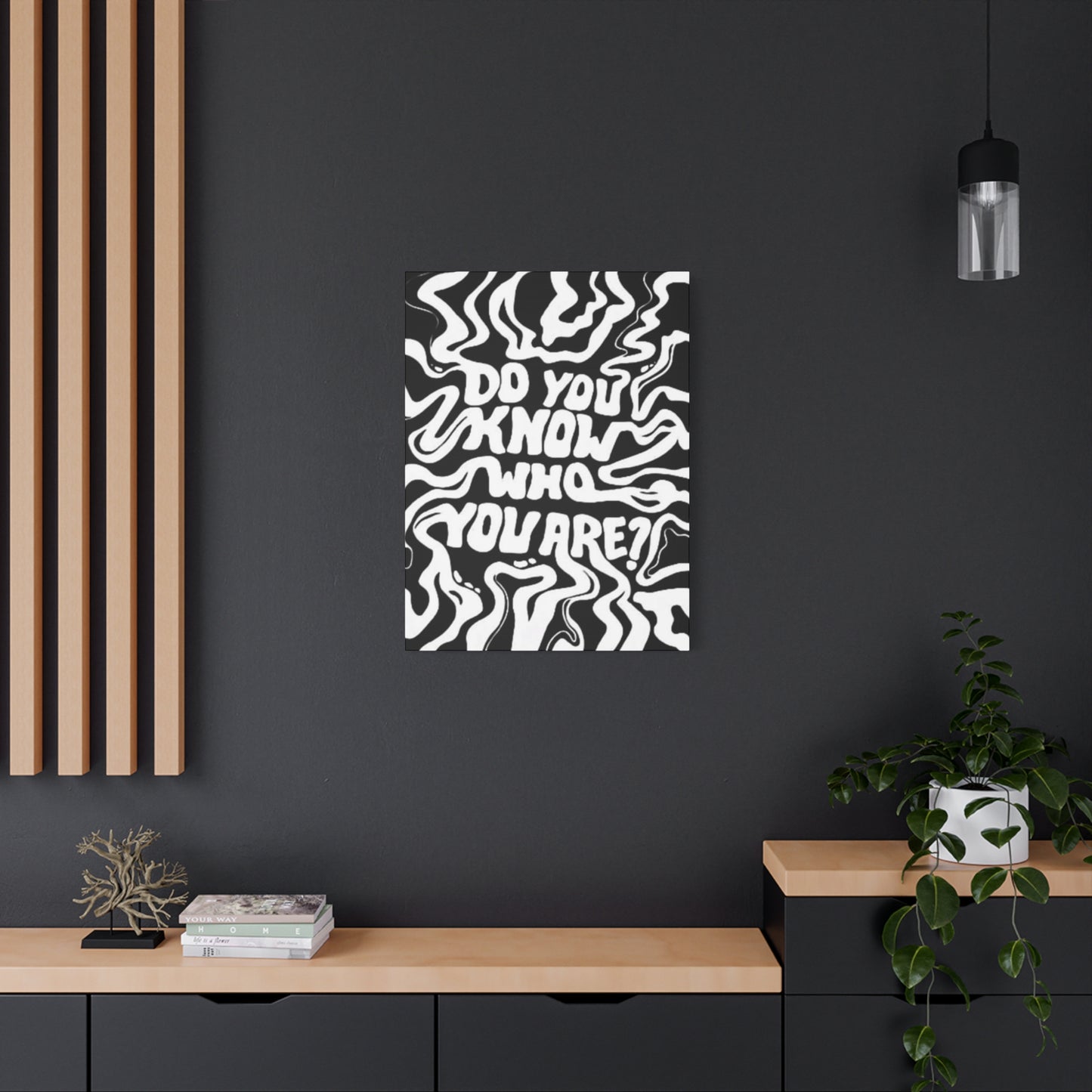
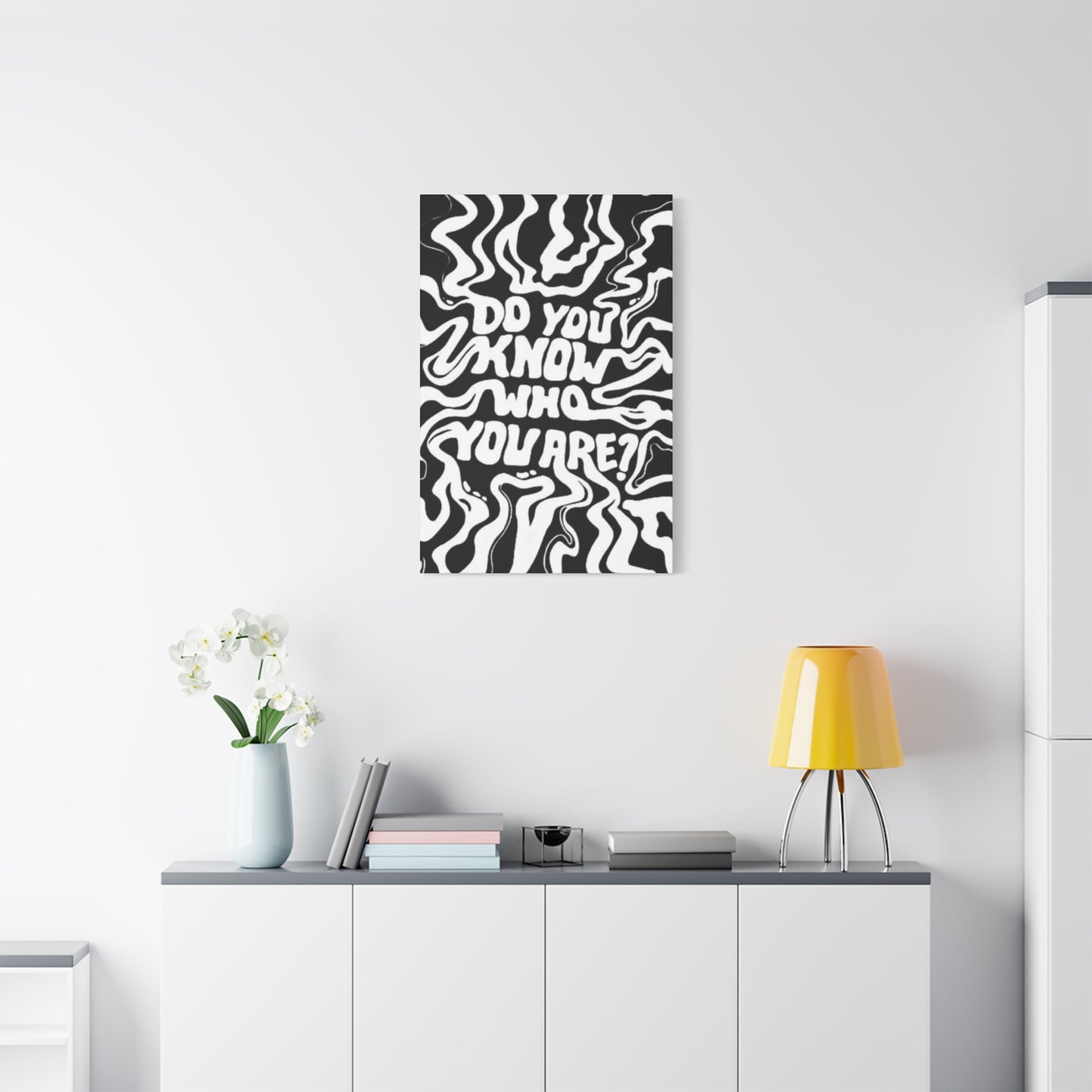
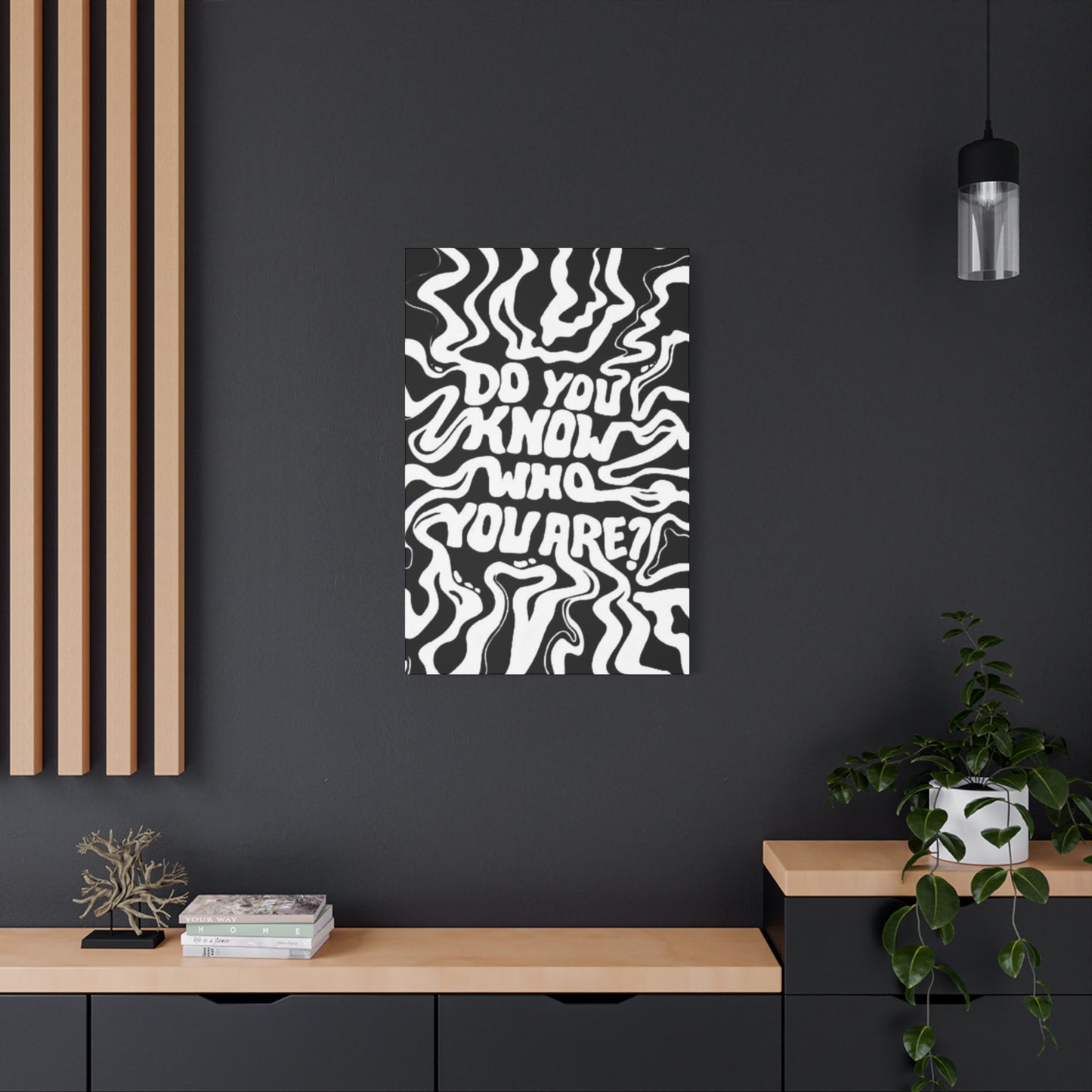
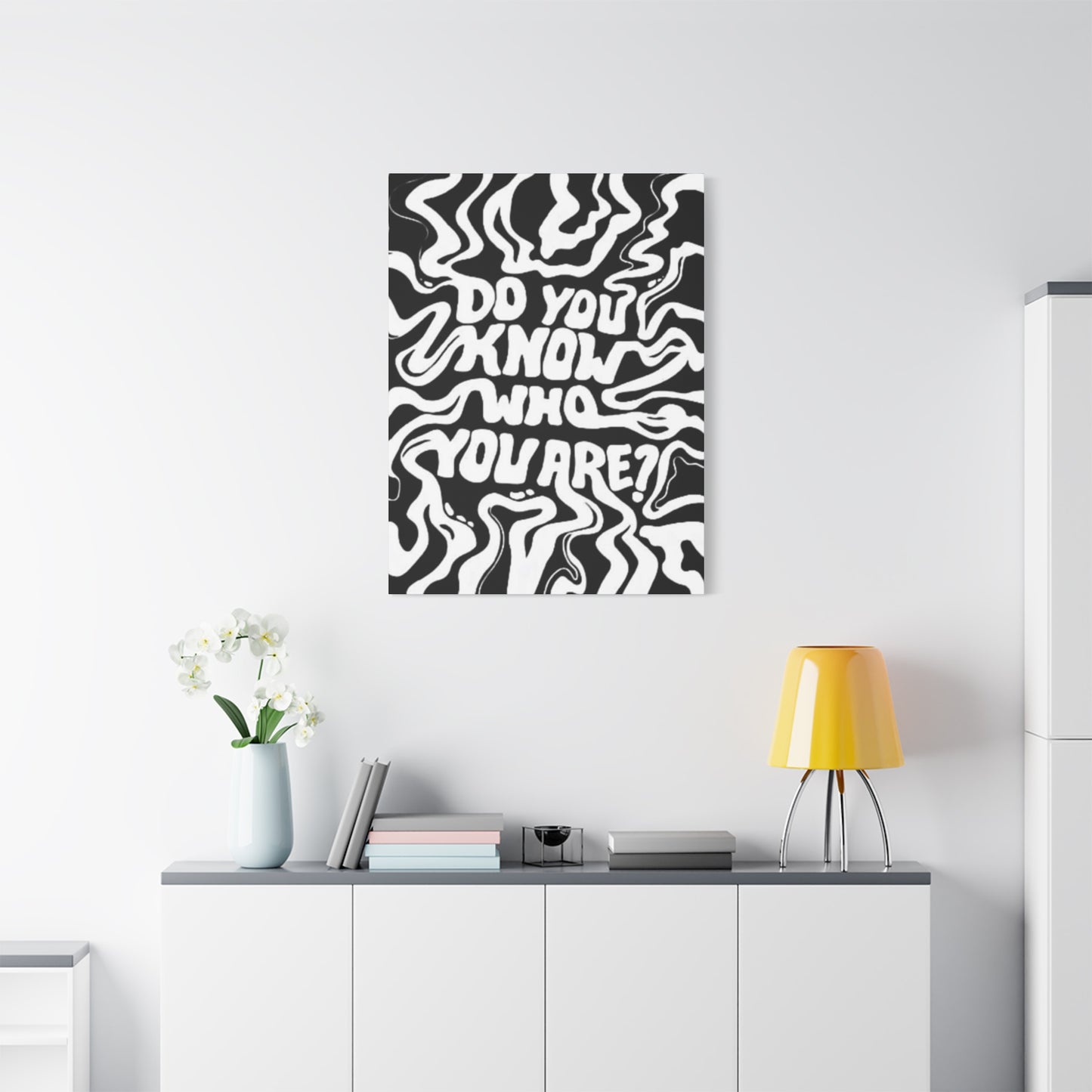
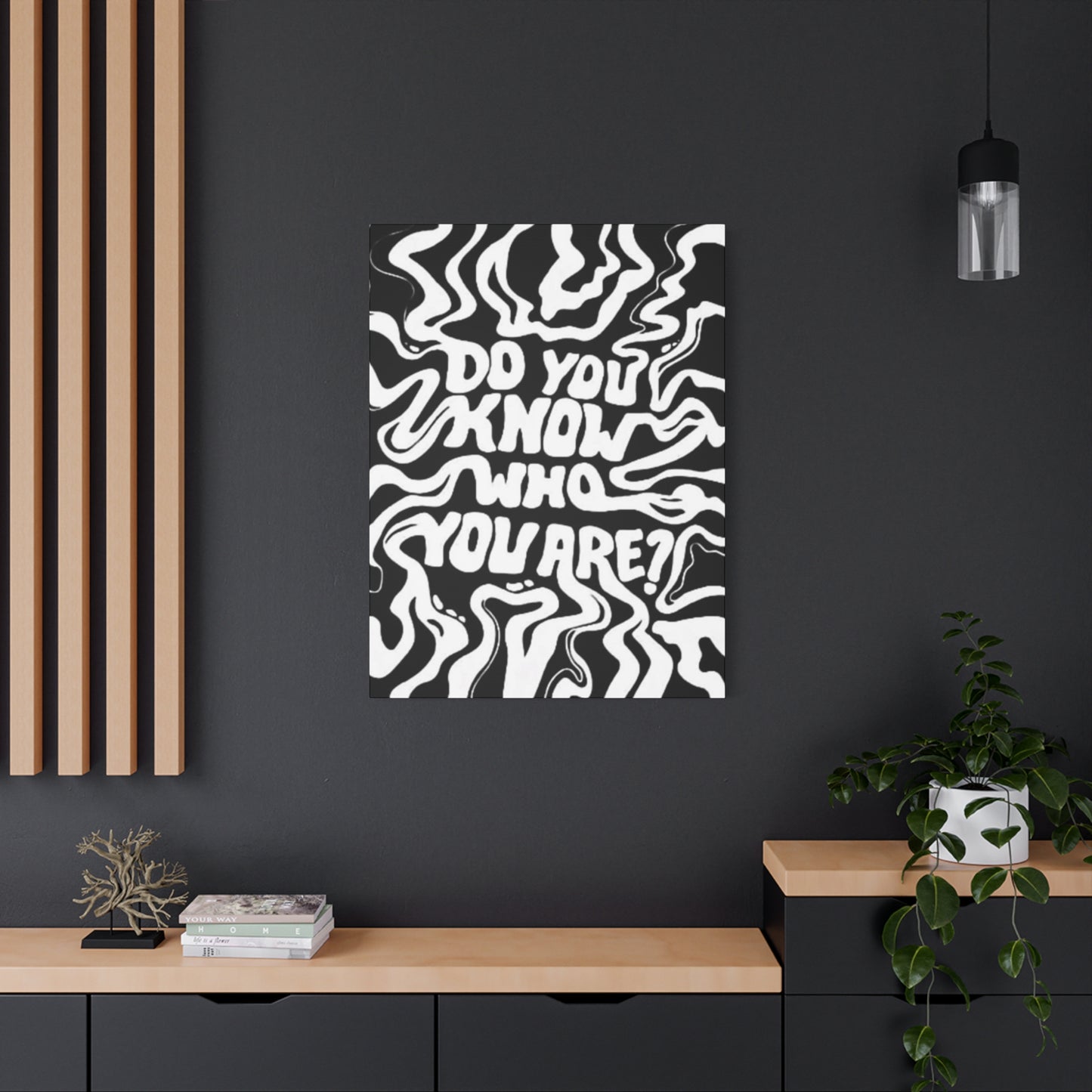
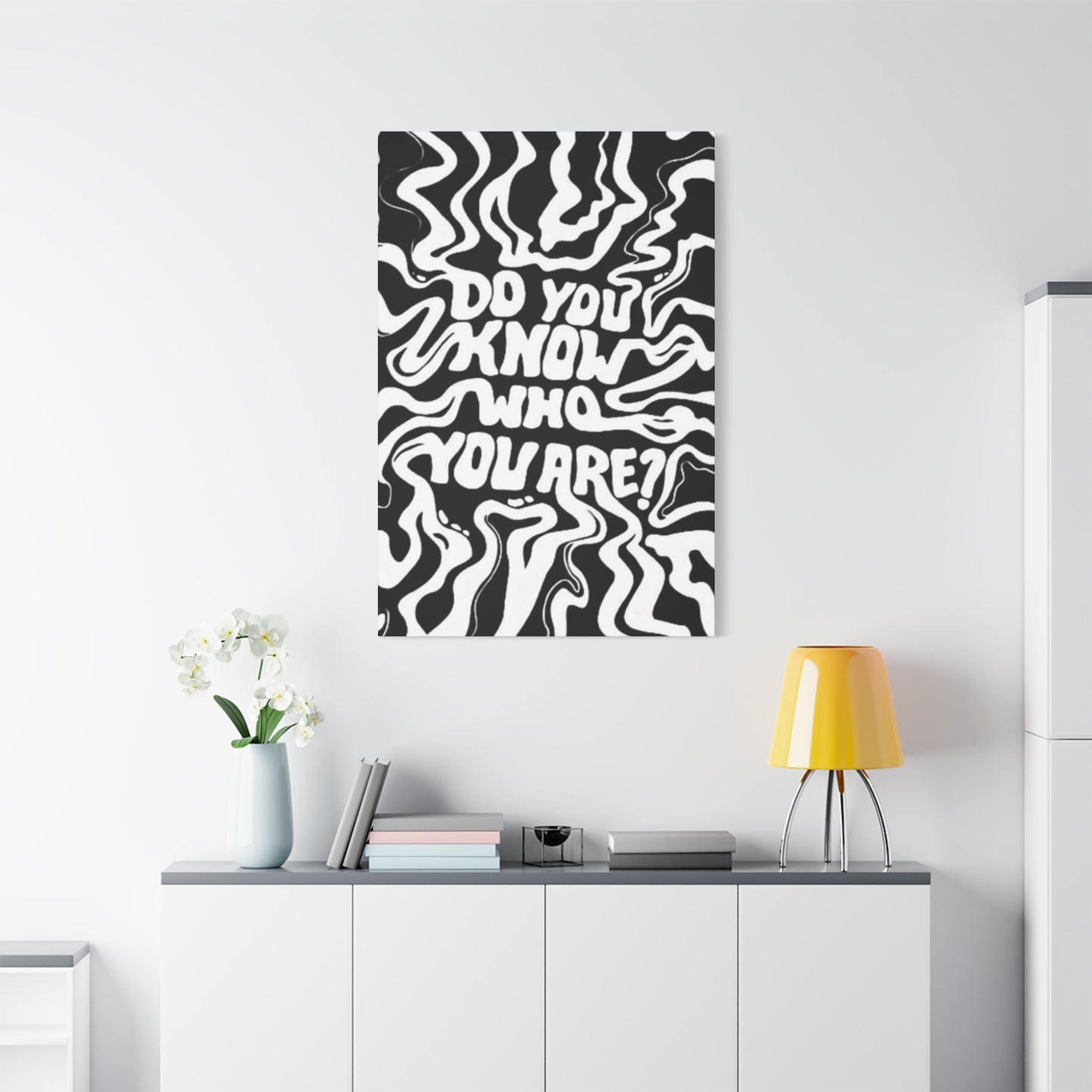
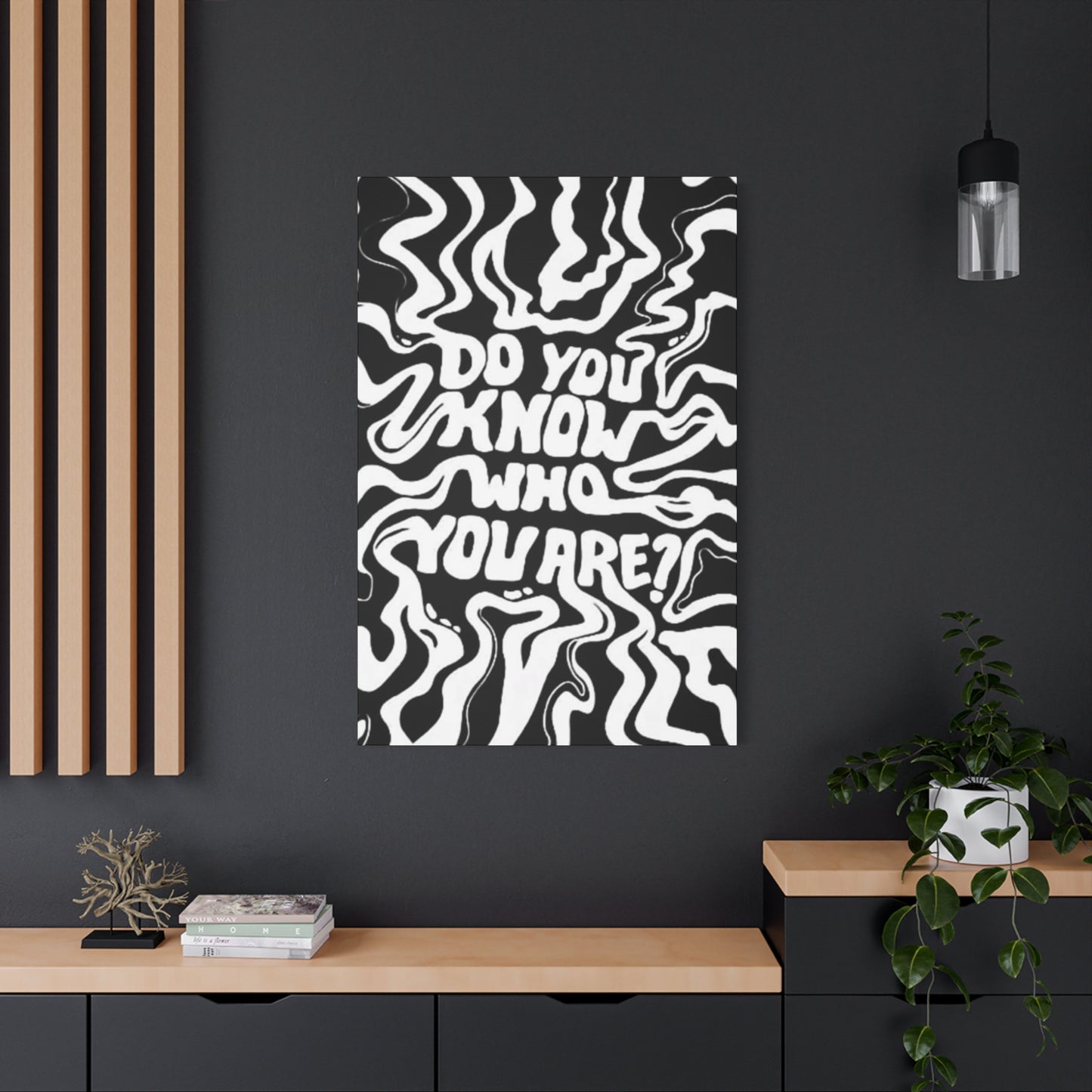
Do You Know Who You Are Wall Art & Canvas Prints
Do You Know Who You Are Wall Art & Canvas Prints
Couldn't load pickup availability
Discovering Your True Self Through Meaningful Do You Know Who You Are Wall Art Expressions
The quest for self-discovery has become increasingly important in our modern world, where countless individuals find themselves searching for deeper meaning and authentic connection with their inner selves. Among the various tools and reminders that can facilitate this journey, Do You Know Who You Are wall art has emerged as a powerful visual catalyst that prompts reflection, encourages introspection, and serves as a daily reminder of the ongoing process of understanding one's true nature. This comprehensive exploration delves into the multifaceted dimensions of identity-focused decorative pieces, examining how these meaningful visual elements can transform living spaces while simultaneously fostering personal growth and self-awareness.
The Profound Connection Between Visual Reminders and Personal Identity Exploration
Visual stimuli possess an extraordinary capacity to influence our thoughts, emotions, and behaviors in ways that often operate below our conscious awareness. When we surround ourselves with meaningful imagery and thought-provoking text, we create an environment that continuously nudges us toward reflection and self-examination. Do You Know Who You Are wall art functions as more than mere decoration; it serves as a philosophical inquiry mounted on your wall, a question that follows you through your daily routines and quiet moments alike.
The human brain processes visual information with remarkable efficiency, absorbing imagery and text that appears in our peripheral vision even when we are not directly focusing on it. This phenomenon means that identity-focused wall pieces work on multiple levels simultaneously. On the surface, they enhance the aesthetic appeal of a room, contributing to its overall design scheme and creating visual interest. On a deeper level, they plant seeds of contemplation that germinate over time, encouraging viewers to consider fundamental questions about their values, beliefs, aspirations, and authentic selves.
Research in environmental psychology has demonstrated that our physical surroundings significantly impact our mental states and behavioral patterns. When we deliberately place reminders of self-inquiry within our living spaces, we are essentially programming our environment to support personal growth. Do You Know Who You Are wall art becomes a silent companion on the journey of self-discovery, offering no judgments or predetermined answers, but instead presenting an open-ended question that invites continuous exploration.
The power of this type of decorative element lies in its ability to interrupt automatic thinking patterns. In our fast-paced lives, we often operate on autopilot, moving through our days without pausing to consider whether our actions align with our true values and aspirations. A well-placed piece of identity-focused wall art creates moments of interruption, brief pauses in the flow of automatic thinking where we might ask ourselves meaningful questions about who we are becoming and whether that trajectory aligns with who we genuinely wish to be.
How Identity-Focused Decorative Pieces Facilitate Self-Awareness in Daily Living Spaces
The placement of Do You Know Who You Are wall art within specific areas of your home can dramatically influence its effectiveness as a tool for self-reflection. Different spaces within our living environments serve different purposes and are associated with different aspects of our daily routines and mental states. Understanding these associations allows for strategic placement that maximizes the contemplative potential of these meaningful pieces.
Bedrooms represent intimate spaces where we begin and end each day, making them ideal locations for identity-focused artwork. Waking up to a visual reminder that prompts self-inquiry can set a contemplative tone for the entire day ahead. Similarly, seeing such artwork before sleep creates an opportunity for evening reflection, allowing the subconscious mind to process questions of identity and authenticity during rest periods. The bedroom's private nature also means that engagement with such artwork remains personal and uninfluenced by social performance or external expectations.
Home offices and creative workspaces benefit enormously from the presence of Do You Know Who You Are wall art. These environments are where many people spend significant portions of their time engaged in productive activities, problem-solving, and creative expression. Identity-focused artwork in these spaces serves as a touchstone for authenticity, encouraging individuals to bring their genuine selves to their work rather than adopting personas that feel disconnected from their true nature. During moments of professional challenge or creative block, glancing at such artwork can redirect attention toward core values and intrinsic motivations.
Living rooms and communal spaces offer different opportunities for identity-focused decorative elements. These areas, often shared with family members or guests, transform personal reflection into potentially shared experiences. Visitors who encounter Do You Know Who You Are wall art in these spaces may find themselves drawn into conversations about identity, authenticity, and personal growth. These discussions can deepen relationships and create connections based on meaningful exchange rather than superficial interaction.
Hallways and transitional spaces, though sometimes overlooked in decorating schemes, provide unique opportunities for brief but repeated encounters with identity-focused artwork. As we move through these spaces multiple times daily, even subliminal exposure to thought-provoking questions accumulates, creating a background frequency of self-inquiry that permeates daily life without requiring dedicated contemplation time.
Diverse Artistic Interpretations of Self-Discovery Questions in Contemporary Wall Decor
The visual presentation of Do You Know Who You Are wall art varies tremendously across different artistic styles, materials, and design approaches. This diversity ensures that individuals with varying aesthetic preferences can find identity-focused pieces that resonate with their personal style while maintaining the core function of prompting self-reflection. Understanding the range of available options helps in selecting pieces that will integrate seamlessly into existing decor while maintaining their contemplative power.
Minimalist interpretations of identity-focused wall art emphasize simplicity and clarity, often featuring the core question in clean typography against neutral backgrounds. This approach allows the words themselves to take center stage without visual distractions. The stark simplicity of minimalist designs creates a meditative quality, inviting viewers to sit with the question in its purest form. Black text on white backgrounds, or vice versa, provides maximum readability and timeless appeal that transcends temporary design trends.
Abstract artistic approaches to Do You Know Who You Are wall art incorporate visual elements that complement the textual message without providing literal illustrations. Geometric patterns, color gradients, or organic shapes might surround or intermingle with the text, creating visual interest while maintaining an open-ended quality that mirrors the question itself. These designs work particularly well in contemporary spaces where visual complexity and layered meaning are appreciated.
Typography-focused designs treat the letters and words themselves as artistic elements, playing with font styles, sizes, arrangements, and spacing to create visual impact. Hand-lettered versions of identity-focused questions add warmth and human touch, suggesting that the inquiry emerges from personal experience rather than impersonal production. Calligraphic approaches bring elegance and traditional artistry to modern existential questions, bridging classical aesthetic sensibilities with contemporary concerns about authenticity and self-knowledge.
Photographic and illustrative backgrounds provide contextual settings for identity questions, potentially featuring natural landscapes, urban environments, cosmic imagery, or abstract scenes. A question about identity set against a mountain vista might suggest the elevation of perspective required for genuine self-understanding. The same question overlaid on galaxy imagery could evoke the vast mystery of consciousness and the cosmic dimensions of self-inquiry. These contextual elements add layers of meaning without providing definitive answers.
Mixed media approaches to Do You Know Who You Are wall art combine multiple materials and techniques, perhaps incorporating textures, three-dimensional elements, or unexpected materials. These pieces become not just questions but also physical experiences, inviting tactile engagement alongside visual contemplation. The materiality of such artwork reinforces the concrete reality of the self-discovery journey while the question reminds us of its mysterious, ultimately intangible nature.
Materials and Craftsmanship Behind High-Quality Identity-Focused Wall Pieces
The physical qualities of Do You Know Who You Are wall art significantly influence both its aesthetic impact and its longevity. Understanding the materials and production methods used in creating these pieces helps in making informed choices that balance quality, durability, and personal preferences. The tangible aspects of wall art contribute to its overall presence in a space and can subtly reinforce or undermine its contemplative message.
Canvas prints represent one of the most popular formats for identity-focused wall art, offering a gallery-quality appearance that brings fine art sensibilities to philosophical questions. The texture of canvas adds visual interest and depth, particularly when viewed from various angles as light plays across its surface. High-quality canvas prints utilize archival inks that resist fading, ensuring that the question remains visible and vibrant for years of daily contemplation. Gallery-wrapped canvases, where the image extends around the edges of the frame, create a polished, finished appearance that requires no additional framing.
Metal prints have gained popularity for their modern aesthetic and exceptional durability. The process of infusing dyes directly into specially coated aluminum creates luminous, vibrant images with remarkable depth and clarity. Do You Know Who You Are wall art rendered on metal possesses a contemporary quality that works particularly well in modern and industrial-style spaces. The rigid, moisture-resistant nature of metal prints makes them suitable for areas where traditional paper or canvas might deteriorate, and their scratch-resistant surface ensures lasting quality.
Wood-based substrates bring organic warmth to identity-focused wall pieces, creating connections between philosophical inquiry and natural materials. Printing directly onto wooden panels or mounting prints on wood backing creates unique pieces where the wood grain becomes part of the artwork's character. This approach works exceptionally well for rustic, farmhouse, or nature-inspired interiors, where the question of identity connects with themes of rootedness and organic growth.
Acrylic and glass prints offer sleek, ultra-modern presentations with exceptional color vibrancy and depth. The process of face-mounting prints to acrylic or printing behind glass creates a three-dimensional quality that makes images and text appear to float within the material. These high-end options suit contemporary spaces where cutting-edge aesthetics match the existential nature of self-inquiry. The smooth, reflective surfaces also create interesting visual effects as lighting and viewing angles change throughout the day.
Paper-based prints, while sometimes perceived as less premium than alternative materials, offer advantages in affordability and versatility. Museum-quality art papers can showcase Do You Know Who You Are wall art with exceptional detail and color accuracy. When properly framed behind conservation glass or acrylic, paper prints achieve longevity comparable to other formats while maintaining the traditional fine art aesthetic many collectors prefer. The framing process also allows for customization through matting and frame selection that can perfectly match specific decor requirements.
Strategic Placement Considerations for Maximum Contemplative Impact in Various Room Settings
The effectiveness of Do You Know Who You Are wall art as a tool for self-reflection depends significantly on thoughtful placement decisions that consider viewing angles, lighting conditions, surrounding decor, and the psychological associations of different spaces. Strategic positioning transforms these pieces from passive decorations into active participants in the ongoing process of self-discovery and personal growth.
Eye-level placement represents the standard approach for most wall art, positioning the center of the piece at approximately sixty inches from the floor. This height aligns with average human eye level when standing, creating natural viewing conditions that neither require looking up or down. For identity-focused artwork, this positioning ensures that the question encounters viewers in a direct, face-to-face manner, creating an almost conversational quality to the inquiry.
Above-furniture positioning works well when Do You Know Who You Are wall art accompanies specific functional spaces. Above a desk, the artwork becomes associated with work and creative endeavors, prompting reflection on whether professional activities align with authentic self-expression. Above a bed's headboard, the piece integrates with rest and personal renewal cycles. Above seating areas, it creates focal points that draw attention during moments of relaxation and social interaction.
Gallery wall arrangements allow identity-focused pieces to exist within broader collections of meaningful artwork and photographs. This approach creates visual context that can enhance or complicate the central question. Surrounding Do You Know Who You Are wall art with family photos might prompt reflection on inherited identity and chosen versus given aspects of selfhood. Pairing it with nature photography could suggest connections between self-knowledge and environmental awareness. The compositional relationships within gallery walls create narrative possibilities that single pieces cannot achieve.
Corner placements and unexpected locations can increase the contemplative power of identity-focused artwork by creating moments of surprise and discovery. A piece placed in an alcove or at the end of a hallway becomes a destination, something viewers encounter after a brief journey through space. This physical movement mirrors the internal journey of self-discovery, and the anticipation created by non-obvious placement can heighten engagement when the artwork comes into view.
Lighting considerations dramatically affect how Do You Know Who You Are wall art appears and how viewers experience it. Natural light creates changing conditions throughout the day, with morning light offering different qualities than afternoon or evening illumination. These changing conditions can mirror the evolving nature of self-understanding, which looks different depending on when and how we examine it. Dedicated picture lighting or strategically positioned lamps ensure visibility while creating dramatic emphasis that elevates the artwork's importance within the space.
The Relationship Between Personal Identity Questions and Interior Design Philosophy
Do You Know Who You Are wall art exists at the intersection of interior design and existential philosophy, raising interesting questions about how our living spaces reflect and shape our understanding of ourselves. The deliberate inclusion of identity-focused elements within decorating schemes represents a shift from purely aesthetic considerations toward environments that support psychological well-being and personal growth.
The trend toward meaningful interiors reflects broader cultural movements emphasizing authenticity, mindfulness, and intentional living. Rather than simply following design trends or creating visually impressive spaces, many people now seek to curate environments that align with their values and support their aspirations. Identity-focused wall art serves this purpose by introducing contemplative elements that constantly redirect attention toward questions of purpose and authenticity.
Feng shui principles, while originating from different cultural contexts, share common ground with the thoughtful placement of Do You Know Who You Are wall art. Both approaches recognize that physical environments influence mental and emotional states. In feng shui, different areas of the home correspond to different life aspects, and the intentional placement of meaningful objects can enhance energy flow in specific domains. Whether or not one subscribes to feng shui specifically, the underlying recognition that placement matters resonates with anyone seeking to maximize the contemplative potential of identity-focused artwork.
Biophilic design principles emphasizing human connections with natural elements can complement Do You Know Who You Are wall art when pieces incorporate natural materials or nature-inspired imagery. The combination of existential questioning with organic elements creates synergies that acknowledge humans as both thinking beings grappling with abstract questions and animals embedded within natural systems. This integration can ground philosophical inquiry in physical reality, preventing it from becoming overly abstract or disconnected from embodied experience.
The concept of spaces designed for specific activities or mental states informs optimal placement of identity-focused wall art. Creating designated areas for reflection, creativity, or meaningful conversation allows Do You Know Who You Are wall art to function as an anchor point that signals and reinforces the intended purpose of that space. Just as reading nooks or meditation corners support specific activities, areas defined partly by identity-focused artwork become spaces dedicated to self-inquiry and authentic self-expression.
Crafting Custom Identity-Focused Wall Pieces That Reflect Individual Journeys
While commercially available Do You Know Who You Are wall art offers convenience and often high production quality, custom-created pieces provide opportunities for personalization that can deepen their significance and relevance. Creating or commissioning identity-focused artwork transforms the process from passive consumption to active participation in defining what self-inquiry means personally.
Working with local artists or independent designers to create custom Do You Know Who You Are wall art allows for collaborative processes where personal preferences, specific dimensions, color schemes, and symbolic elements can be integrated into unique pieces. These collaborations often begin with conversations about what identity means to the individual, what visual elements resonate personally, and what aesthetic qualities would best serve the piece's contemplative function. The resulting artwork carries additional meaning through its origins in intentional creative partnership.
Digital printing services and print-on-demand platforms have democratized custom artwork creation, allowing individuals to design identity-focused pieces using online tools and receive professional-quality prints. These services typically offer extensive customization options regarding size, material, typography, colors, and additional design elements. The accessibility of these platforms means that specific vision can be realized without requiring personal artistic skills or extensive budgets.
Handmade and DIY approaches to creating Do You Know Who You Are wall art offer unique satisfactions and result in truly one-of-a-kind pieces. Hand-painting letters on canvas or wood, creating collages incorporating meaningful materials, or using calligraphy to render the identity question creates artwork imbued with personal energy and effort. The imperfections inherent in handmade pieces often add character and authenticity that mass-produced items cannot replicate. The creation process itself becomes part of the self-discovery journey, as time spent forming letters and arranging elements provides extended engagement with the question being rendered.
Incorporating personal symbols, colors, or imagery into Do You Know Who You Are wall art increases its relevance to individual experiences and identity journeys. Someone whose self-discovery has been closely linked with ocean experiences might integrate wave patterns or nautical elements. A person who finds identity clarity through mountain hiking might choose alpine imagery as background context. These personal touches transform generic philosophical questions into specific invitations tailored to individual paths of self-understanding.
Multi-panel or series approaches allow for expanded exploration of identity questions across several related pieces. Rather than a single piece asking "Do You Know Who You Are," a series might include related questions like "What Are You Becoming," "What Matters Most to You," or "What Would You Do If Fear Did Not Exist." Displaying these pieces in relationship to each other creates a more comprehensive framework for self-examination while maintaining visual interest through variation and repetition.
How Identity-Focused Wall Pieces Complement Various Interior Design Styles and Aesthetics
The versatility of Do You Know Who You Are wall art becomes apparent when examining how it can be successfully incorporated into diverse decorating schemes. Rather than being limited to specific aesthetic categories, identity-focused pieces adapt to various styles through appropriate choices in typography, color, material, and presentation format.
Modern minimalist interiors benefit enormously from the clean simplicity of text-based identity questions. The reduction of visual clutter characteristic of minimalist design creates perfect conditions for contemplative artwork to stand out and command attention. A simple black-and-white rendering of Do You Know Who You Are wall art in sans-serif typography epitomizes minimalist values while introducing the philosophical depth that prevents minimalism from feeling sterile or emotionally empty. The restraint in design matches the open-ended nature of the question, refusing to provide visual answers or distractions.
Industrial-style spaces with exposed brick, metal elements, and urban aesthetics pair well with Do You Know Who You Are wall art rendered on metal, reclaimed wood, or in typography that references vintage signage and lettering styles. The raw, unfinished qualities of industrial design create interesting tensions with existential questions about identity, suggesting that self-discovery is an ongoing process rather than a polished final product. The authenticity valued in industrial design extends naturally to questions about authentic selfhood.
Bohemian and eclectic interiors embrace mixing patterns, colors, and objects from diverse sources, creating layered, personally meaningful spaces. Within these contexts, Do You Know Who You Are wall art can incorporate vibrant colors, decorative borders, or integration with other collected items. The eclectic approach allows identity-focused pieces to coexist with travel souvenirs, vintage finds, and artistic objects, suggesting that self-knowledge emerges from the accumulation of varied experiences and influences.
Scandinavian design principles emphasizing functionality, natural materials, and understated beauty provide excellent frameworks for identity-focused wall art. The Scandinavian appreciation for meaningful objects that serve purposes beyond mere decoration aligns perfectly with artwork that functions as both visual enhancement and contemplative tool. Simple wooden frames, neutral color palettes, and clear typography allow Do You Know Who You Are wall art to embody hygge principles of creating cozy, meaningful domestic environments.
Traditional and classic interior styles can accommodate identity-focused wall pieces through thoughtful choices in framing, typography, and presentation. Ornate frames or classical serif typefaces bridge contemporary existential questions with timeless decorating sensibilities. This combination acknowledges that while the specific language of identity questions may be modern, the fundamental human quest for self-knowledge spans all eras and cultures. Placing Do You Know Who You Are wall art in traditionally decorated spaces creates productive tensions between inherited aesthetics and personal authenticity.
Rustic and farmhouse styles emphasizing natural materials, vintage elements, and handcrafted quality match well with Do You Know Who You Are wall art rendered on distressed wood, featuring hand-lettered text, or incorporating natural imagery. These approaches connect questions of identity with themes of rootedness, growth, and organic development. The imperfections celebrated in rustic design mirror the imperfect, ongoing nature of self-discovery, where finished perfection remains elusive but authentic character emerges through time and experience.
The Role of Color Psychology in Enhancing Identity-Focused Decorative Elements
Color choices significantly influence how viewers respond emotionally and psychologically to Do You Know Who You Are wall art. Understanding basic color psychology principles enables more intentional selection of pieces that create desired moods and support specific aspects of the self-discovery process.
Neutral color palettes featuring blacks, whites, grays, and earth tones create calm, undemanding backdrops that allow the identity question itself to remain central. These subdued palettes reduce visual stimulation, potentially facilitating the quiet mental space necessary for genuine self-reflection. Neutrals also ensure that identity-focused wall art coordinates easily with existing decor and remains visually relevant even as surrounding design elements change over time.
Blue tones, long associated with calm, introspection, and depth, complement the contemplative nature of identity-focused wall art. Deeper blues evoke oceanic depths and nighttime skies, suggesting the vast unknown territories of consciousness and selfhood. Lighter blues create airy, peaceful feelings that might reduce the anxiety sometimes accompanying serious self-examination. Do You Know Who You Are wall art incorporating various blue shades creates atmospheres conducive to honest, peaceful self-inquiry.
Green hues connect identity questions with themes of growth, renewal, and natural vitality. Just as plants continuously grow and adapt to their environments, human identity develops and transforms throughout life. Green-toned Do You Know Who You Are wall art can reinforce the understanding that self-discovery is an organic process with natural rhythms and cycles rather than a forced march toward predetermined conclusions.
Warm tones including reds, oranges, and yellows bring energy, passion, and vitality to identity-focused pieces. These colors suggest that self-discovery need not be solely serious or somber but can be approached with enthusiasm and joy. Warm-toned Do You Know Who You Are wall art might appeal particularly to individuals whose identity exploration involves reclaiming playfulness, passion, or creative expression after periods of suppression or conformity.
Purple shades historically associated with spirituality, mystery, and transformation work well for identity-focused wall art that emphasizes the mystical or transcendent aspects of self-knowledge. These colors acknowledge that full self-understanding may ultimately remain elusive, with aspects of identity forever mysterious or beyond rational comprehension. Purple-toned pieces might resonate with individuals approaching identity questions from spiritual or contemplative perspectives.
Monochromatic schemes using variations of a single color create sophisticated, cohesive appearances while maintaining visual interest through tonal shifts. Do You Know Who You Are wall art in monochromatic presentations suggests that depth and complexity can exist within apparent simplicity, much as single individuals contain multitudes despite presenting unified identities to the world.
Combining Identity Questions With Complementary Philosophical and Inspirational Messaging
While Do You Know Who You Are wall art stands powerfully alone, pairing it with complementary pieces creates expanded frameworks for self-examination and personal growth. Thoughtful combinations of identity-focused artwork with related questions, affirmations, or principles can construct visual philosophies that support comprehensive approaches to authentic living.
Pairing identity questions with action-oriented prompts creates productive tensions between self-reflection and concrete engagement. Do You Know Who You Are wall art displayed near pieces asking "What Will You Do Today" or "How Will You Show Up" connects internal self-knowledge with external expression. This combination acknowledges that genuine self-understanding must eventually manifest in how we live, not just how we think about ourselves.
Combining identity-focused pieces with value-oriented artwork helps clarify the connection between knowing oneself and living according to identified principles. A piece asking "Do You Know Who You Are" paired with another stating "Live With Intention" or "Choose Authenticity" suggests that self-knowledge serves the larger purpose of value-aligned living. These combinations prevent self-reflection from becoming narcissistic self-absorption by linking it to ethical and purposeful action.
Integrating Do You Know Who You Are wall art with wisdom from philosophical or spiritual traditions creates contexts that acknowledge the long human history of identity inquiry. Pairing the contemporary phrasing with classical wisdom from Socrates ("Know Thyself"), Buddhist teachings about non-self, or indigenous wisdom about relationship and community situates personal identity questions within larger conversations spanning cultures and centuries.
Displaying identity questions alongside representations of personal journey or growth creates visual narratives about ongoing development. Do You Know Who You Are wall art combined with imagery of paths, ladders, mountains, or seasonal cycles reinforces understanding that self-knowledge is not a destination reached but a continuous journey undertaken. These combinations combat perfectionism and premature closure, keeping the question alive and active.
Pairing identity-focused pieces with representations of connection and relationship acknowledges that self-understanding does not occur in isolation. Combining "Do You Know Who You Are" with artwork about friendship, family, community, or universal human connection suggests that we discover ourselves partly through our relationships and responsibilities to others. This approach prevents self-inquiry from becoming solipsistic by maintaining awareness of the social dimensions of identity.
The Influence of Typography and Font Selection on Message Reception and Contemplative Depth
The specific fonts and typographic treatments used in Do You Know Who You Are wall art significantly affect how viewers receive and respond to the identity question. Typography carries emotional and psychological associations that can reinforce or undermine the contemplative purpose of identity-focused pieces.
Serif fonts featuring small decorative strokes at letter endings convey tradition, authority, and timelessness. When identity questions appear in serif typography, they connect with long literary and philosophical traditions of existential inquiry. The classical associations of serif fonts suggest that the question being asked has substance and intellectual heritage, deserving serious consideration. These fonts work particularly well in spaces with traditional decor or where the goal is emphasizing the philosophical weight of self-inquiry.
Sans-serif fonts with clean, simple letter forms communicate modernity, clarity, and directness. Do You Know Who You Are wall art in sans-serif typography emphasizes the immediate, personal nature of the question without distracting historical or stylistic associations. These fonts suit contemporary interiors and appeal to individuals who prefer straightforward approaches to self-examination without elaborate conceptual frameworks. The clarity of sans-serif typography also ensures readability from various distances and angles.
Script and handwritten fonts bring warmth, personality, and human touch to identity questions. These typefaces suggest that the inquiry emerges from personal experience rather than abstract philosophy. The organic, flowing qualities of script fonts create more intimate, less formal relationships between viewers and the question being posed. Do You Know Who You Are wall art in handwritten styles feels like personal advice from a trusted friend rather than an impersonal philosophical challenge.
Display and decorative fonts offer distinctive visual personalities that can dramatically affect the character of identity-focused wall art. These specialized typefaces might incorporate unique flourishes, unusual proportions, or stylistic elements that make them memorable and visually striking. While ensuring readability remains important, the right display font can transform Do You Know Who You Are wall art into distinctive signature pieces that become conversation starters and memorable focal points.
Typography size and weight significantly influence visual hierarchy and emphasis within identity-focused pieces. Large, bold letters command attention and create dramatic impact, suitable for statement pieces dominating room focal points. Smaller, lighter typography creates more subtle presences that invite closer inspection and intimate engagement. Mixing weights within single pieces can emphasize particular words, perhaps rendering "who you are" in heavier weight to stress the core identity question.
Letter spacing and layout arrangements affect readability and aesthetic impact. Generous spacing between letters and words creates airy, open feelings that may reduce any intimidation factor associated with serious philosophical questions. Tight spacing creates denser, more intense visual effects. Unconventional layouts that arrange words in unexpected patterns, curves, or shapes add visual interest while potentially symbolizing the non-linear nature of self-discovery.
Exploring Size and Scale Considerations for Identity-Focused Wall Pieces in Various Spaces
The physical dimensions of Do You Know Who You Are wall art dramatically influence its presence within a room and its effectiveness in prompting self-reflection. Understanding relationships between artwork size, viewing distance, wall dimensions, and surrounding elements enables better decisions about appropriate scale for specific situations.
Large-scale statement pieces dominating walls create bold focal points that immediately capture attention upon entering rooms. Oversized Do You Know Who You Are wall art makes powerful declarations about the importance of self-inquiry within the household, refusing to allow the question to fade into background noise. These dramatic pieces work well in spacious rooms with high ceilings where substantial walls can accommodate significant artwork without overwhelming the space. The physical prominence of large-scale identity questions mirrors their psychological significance.
Medium-sized pieces representing the most common artwork dimensions offer versatility and balance within varied spaces. These proportions integrate well with furniture arrangements, allowing Do You Know Who You Are wall art to enhance specific areas without demanding exclusive attention. Medium pieces work successfully in bedrooms, offices, and living areas, maintaining enough visual presence to register consciously while avoiding the dominance that might make them feel imposing rather than inviting.
Small-scale intimate pieces create different engagement dynamics, requiring viewers to approach closely and consciously choose to read and contemplate the message. Smaller Do You Know Who You Are wall art works well in personal spaces like dressing areas, bathroom mirrors, or bedside locations where close proximity occurs naturally. The smaller scale creates a sense of private discovery rather than public proclamation, potentially feeling more personal and less performative.
Multi-panel arrangements allow for expanded treatment of identity themes across several related pieces displayed together. Triptych or larger multi-panel formats create visual rhythm through repetition and variation. The identity question might be divided across panels, requiring viewers to take in the complete arrangement to receive the full message. This approach mirrors how self-understanding emerges gradually through accumulating insights rather than single revelatory moments.
Vertical versus horizontal orientations affect how Do You Know Who You Are wall art integrates with architectural elements and furniture arrangements. Tall vertical pieces draw eyes upward, creating impressions of elevation and aspiration that complement identity questions by suggesting growth and rising consciousness. Horizontal orientations spread across walls, creating stable, grounded feelings that might reinforce the foundational nature of self-knowledge for authentic living.
Proportion relationships between artwork and surrounding walls influence visual balance and aesthetic success. Design principles suggest that artwork should occupy roughly two-thirds to three-quarters of the wall space above furniture pieces it accompanies. For standalone wall displays, leaving adequate breathing room around all sides prevents cramped appearances while maintaining sufficient presence. These proportion considerations ensure that Do You Know Who You Are wall art commands appropriate attention without seeming undersized or overwhelming.
Creating Cohesive Visual Stories Through Curated Collections of Self-Discovery Artwork
Approaching Do You Know Who You Are wall art as part of larger curated collections creates opportunities for comprehensive visual narratives about identity, authenticity, and personal growth. Thoughtfully assembled groupings of related pieces construct multilayered explorations of selfhood that single items cannot achieve.
Thematic collections centered on identity questions might include various phrasings that approach self-knowledge from different angles. Beyond "Do You Know Who You Are," related pieces might ask "Do You Know What You Want," "Do You Remember Who You Were," "Do You Know Where You're Going," or "Do You Recognize Yourself." Displaying these variations together creates frameworks acknowledging that self-knowledge includes multiple dimensions—understanding current identity, maintaining connection with past selves, and clarifying future directions.
Visual coherence through consistent color schemes, materials, or stylistic treatments helps diverse identity-focused pieces function as unified collections. All items might share particular color palettes, similar frames, matching materials, or related typography styles. This coherence signals that the pieces belong together conceptually while the varied messages provide rich complexity. The balance between unity and variety prevents collections from feeling monotonous while maintaining clear relationships between components.
Chronological or developmental arrangements create narrative sequences suggesting identity evolution over time. Pieces might progress from questions about self-knowledge through statements of discovered values toward declarations of intentional living. These sequential arrangements mirror natural progression in self-discovery journeys and provide visual roadmaps for personal growth processes.
Contrasting pairings that place identity questions beside seemingly contradictory messages create productive tensions worthy of contemplation. "Do You Know Who You Are" displayed near "You Contain Multitudes" or "You Are Constantly Changing" acknowledges the paradoxes inherent in identity—we seek stable self-knowledge about selves that continuously evolve. These intellectual tensions prevent premature closure and keep identity questions vitally alive.
Gallery walls mixing Do You Know Who You Are wall art with personal photographs, meaningful objects, and other artwork types create rich contexts where identity questions exist alongside evidence of lived experience. Family photos might represent inherited aspects of identity, while travel images suggest self-discovery through exploration. Creative works could indicate expressive dimensions of selfhood. These eclectic arrangements mirror the complex, multifaceted nature of real human identity assembled from countless influences and experiences.
Seasonal and Periodic Refreshment of Identity-Focused Wall Displays
While Do You Know Who You Are wall art maintains relevance across time, periodically refreshing or rotating identity-focused pieces creates renewed engagement and prevents habituation where familiar objects fade into mental background. Strategic approaches to seasonal or periodic changes keep self-inquiry fresh and responsive to evolving personal circumstances.
Seasonal rotations align identity questions with natural cycles and changing environmental conditions. Spring might bring pieces emphasizing growth, renewal, and emerging possibilities. Summer artwork could highlight themes of fullness, expression, and outward energy. Autumn pieces might focus on harvest, gratitude, and integration of experiences. Winter displays could emphasize introspection, rest, and inner work. These seasonal alignments connect self-discovery with natural rhythms, suggesting that identity exploration has its own appropriate seasons and phases.
Life-stage responsive updating acknowledges that relevant identity questions shift as we navigate different personal circumstances. Young adults establishing independent lives might benefit from Do You Know Who You Are wall art emphasizing discovery and possibility. Mid-life periods might call for pieces addressing authenticity and alignment between values and lifestyle. Later life stages could focus on legacy, wisdom, and integration. Updating wall displays to match current life situations ensures continued relevance.
Rotational systems where multiple pieces alternate in prominent positions maintain fresh perspectives without requiring constant new acquisitions. Three or four different identity-focused pieces might rotate through a prime wall location every few months. This approach creates renewable engagement as familiar questions return after absences, often striking viewers with renewed force after being temporarily forgotten.
Response to personal breakthroughs or challenging periods provides another timing mechanism for updating Do You Know Who You Are wall art. Following significant self-discoveries, new pieces reflecting expanded understanding might replace or supplement existing displays. During difficult times of uncertainty or identity confusion, changing wall art to emphasize questions particularly relevant to current struggles maintains the active, supportive role of domestic environment in personal growth.
Milestone-based updates tie identity-focused wall displays to specific events or achievements. Birthdays, anniversaries, career changes, relationship transitions, or completed personal projects might trigger deliberate reconsideration of displayed artwork. These ceremonial updates acknowledge that significant life events often precipitate or reflect identity shifts worthy of recognition and conscious integration.
The Practice of Journaling and Reflection Prompted by Identity-Focused Wall Pieces
Do You Know Who You Are wall art achieves its full potential when it sparks active engagement beyond passive viewing. Establishing regular practices of writing and reflection in response to identity questions transforms decorative pieces into dynamic tools for self-discovery and personal growth.
Daily or weekly journaling prompts derived directly from wall art create structures for sustained self-examination. Setting aside time to write responses to "Do You Know Who You Are" generates documented identity explorations revealing patterns, changes, and persistent themes over time. The accumulation of these reflections creates personal records of self-discovery journeys, allowing individuals to track their own evolution and recognize growth that might otherwise remain invisible.
Specific question frameworks based on identity wall art guide systematic self-exploration. Rather than vague contemplation, structured questions prompt concrete examination: "What aspects of myself do I understand clearly? What remains mysterious or confusing? How has my self-understanding changed recently? What experiences have most shaped my current identity? How do my actions reflect or contradict my sense of self?" These specific inquiries translate broad identity questions into actionable reflection exercises.
Morning and evening rituals incorporating conscious engagement with Do You Know Who You Are wall art bookend days with intentional self-awareness. Morning practices might involve standing before the piece, reading the question aloud or silently, and setting intentions for bringing authentic self-expression into the day ahead. Evening practices could review the day through the lens of authenticity, considering moments of genuine self-expression and situations where fear or social pressure prompted less authentic behavior.
Conclusion
In conclusion, "Do You Know Who You Are" wall art serves as a powerful medium for self-reflection, introspection, and personal growth, making it an enriching addition to any living space. These thought-provoking artworks encourage individuals to pause, reflect, and connect with their deeper sense of identity, helping to cultivate a meaningful environment within the home. The simplicity of a question paired with bold, creative expression offers a visually striking and emotionally resonant reminder of the importance of self-awareness in today’s fast-paced world.
One of the most compelling aspects of "Do You Know Who You Are" wall art is its ability to provoke deep thought and introspection. Displaying this kind of art within your home invites moments of quiet contemplation, where you are encouraged to pause and examine your sense of self. It’s more than just a decorative piece; it’s a call to explore personal values, motivations, and aspirations. In a world that often encourages people to look outward for validation and purpose, this type of wall art provides a grounding reminder to turn inward and reconnect with your true self.
The diverse range of styles in which this message can be expressed also makes it incredibly versatile in interior design. Whether rendered in minimalist black-and-white typography, vibrant abstract forms, or intricate calligraphy, this kind of wall art can be adapted to fit a variety of home styles, from modern and sleek to bohemian or rustic. The power of the message remains constant, regardless of the artistic form, making it a universal symbol for anyone on a journey of self-discovery. For example, a clean, simple design in a modern living room can act as a focal point, while a more elaborate, hand-lettered piece might suit a cozy, intimate bedroom space, where the focus is on personal reflection.
Moreover, "Do You Know Who You Are" wall art carries the potential for transformative power within a space. As a decorative element, it can inspire personal growth, spark conversations about identity, and provide a constant reminder of the importance of authenticity. Whether displayed in the hallway as a prompt before entering a room or as a centerpiece in a living room where family members gather, it fosters a mindful approach to the environment around you. It encourages each person who interacts with it to pause and consider their place in the world and their journey toward understanding and embracing their true selves.
This kind of wall art is also a deeply personal statement that resonates with individuals from all walks of life. It can be particularly meaningful for those navigating life transitions—whether it’s a change in career, relationships, or lifestyle. By surrounding oneself with art that encourages introspection and self-realization, you can create a nurturing, affirming space that promotes personal empowerment. Each time you look at the piece, you are reminded of your worth and the ongoing journey to define your own path, independent of external pressures or expectations.
Additionally, "Do You Know Who You Are" art can also serve as a conversation starter. It’s a piece that naturally invites curiosity, and in discussing it, individuals can share personal stories and reflections on identity. This opens the door for meaningful dialogues about self-perception, personal experiences, and how we define ourselves. This type of interaction can foster a deeper sense of connection with others and even inspire a collective search for authenticity.
Beyond its individual significance, the message of self-awareness conveyed by this artwork also encourages empathy and understanding within a larger community. As you embrace the journey of knowing who you are, you are more equipped to relate to others with openness and compassion, acknowledging that everyone is on their own path toward self-discovery. By displaying this art in your home, you are subtly fostering an environment of acceptance, growth, and self-expression, where all individuals are encouraged to reflect on their unique stories and experiences.
Ultimately, "Do You Know Who You Are" wall art is a timeless and profound expression of the human experience, offering more than just aesthetic value. It serves as a tool for personal exploration, reflection, and growth, creating a space that promotes deeper connection to oneself and others. In the midst of a constantly changing world, having a piece of art that asks this essential question invites both peace and purpose, allowing you to discover your true self—one thoughtful glance at a time.
Share