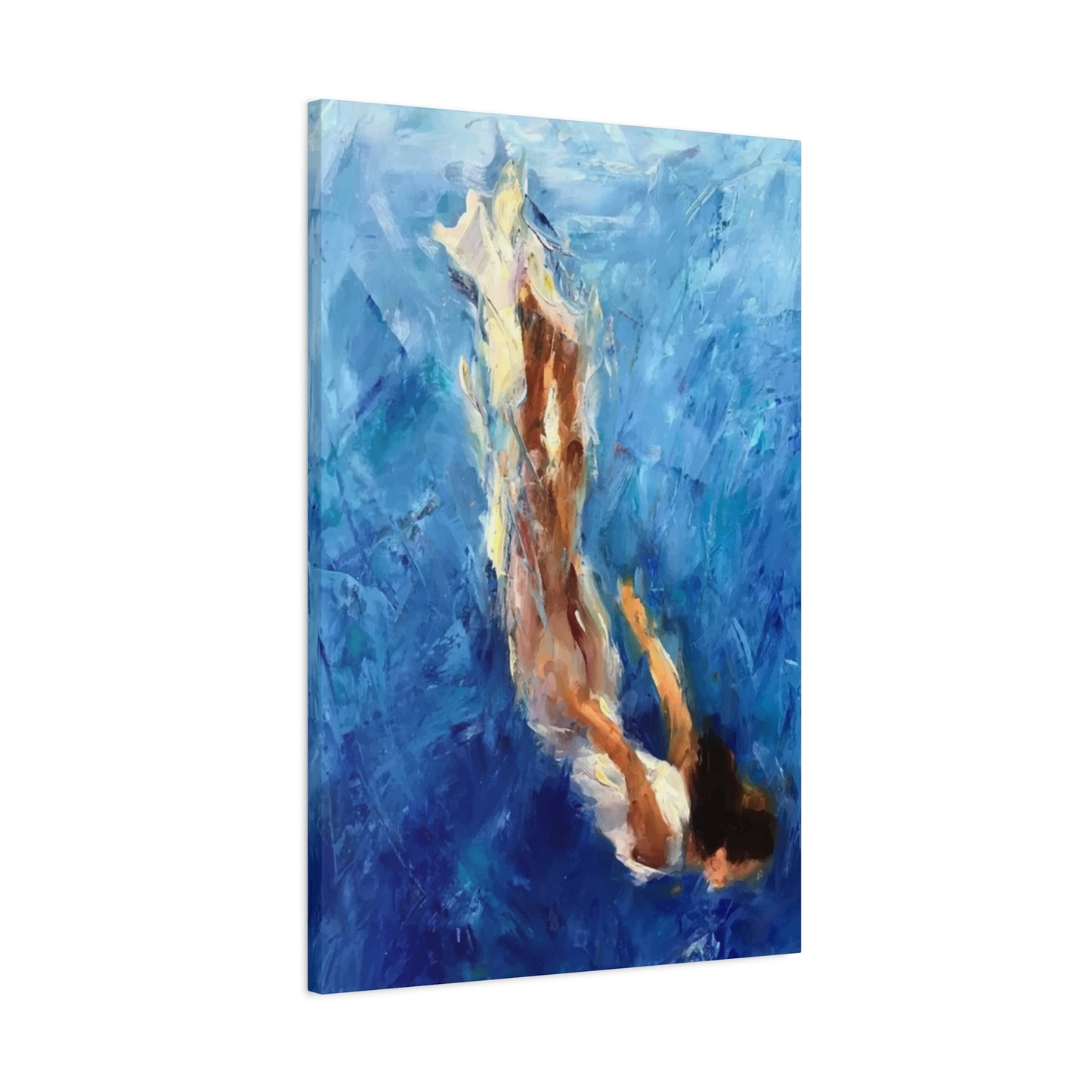
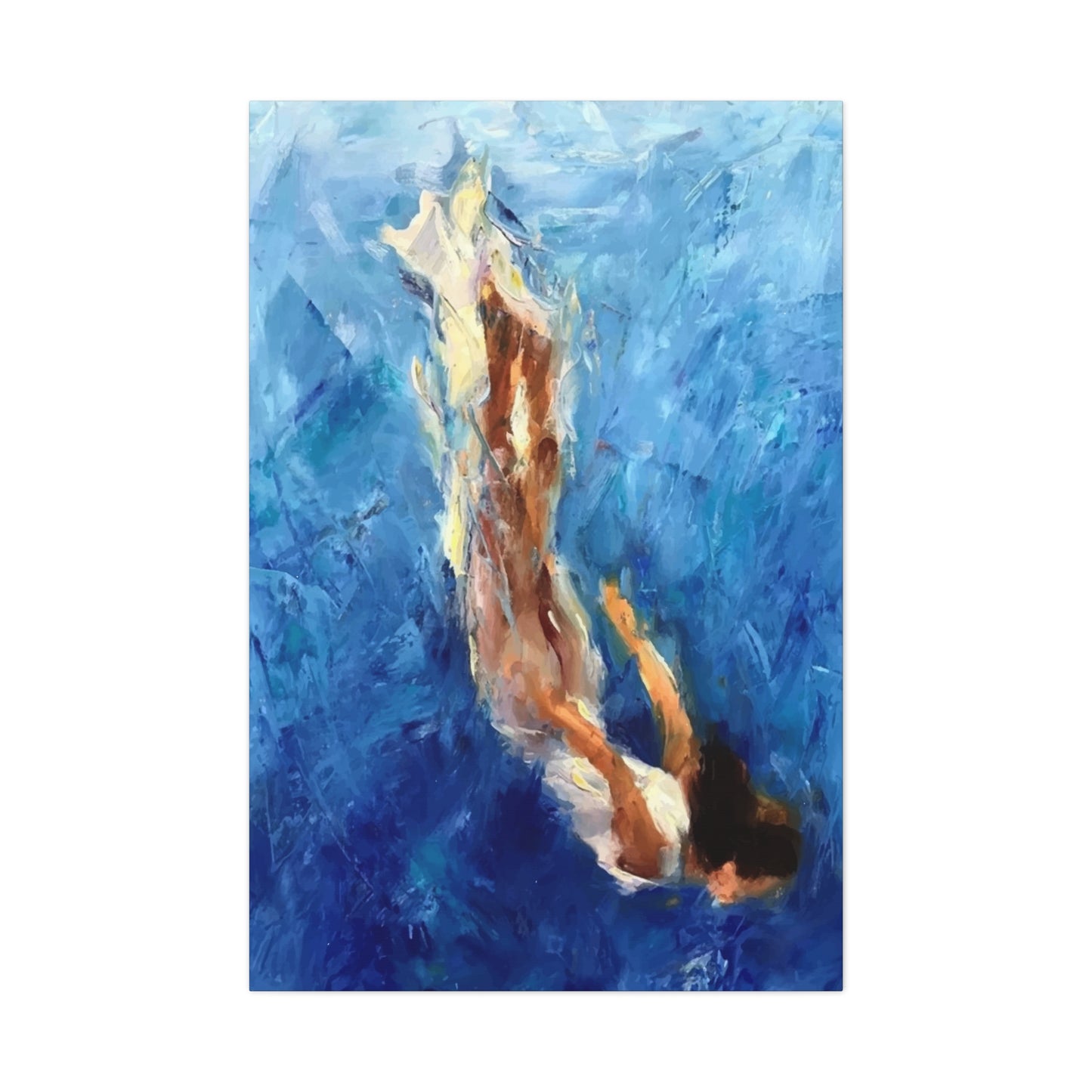
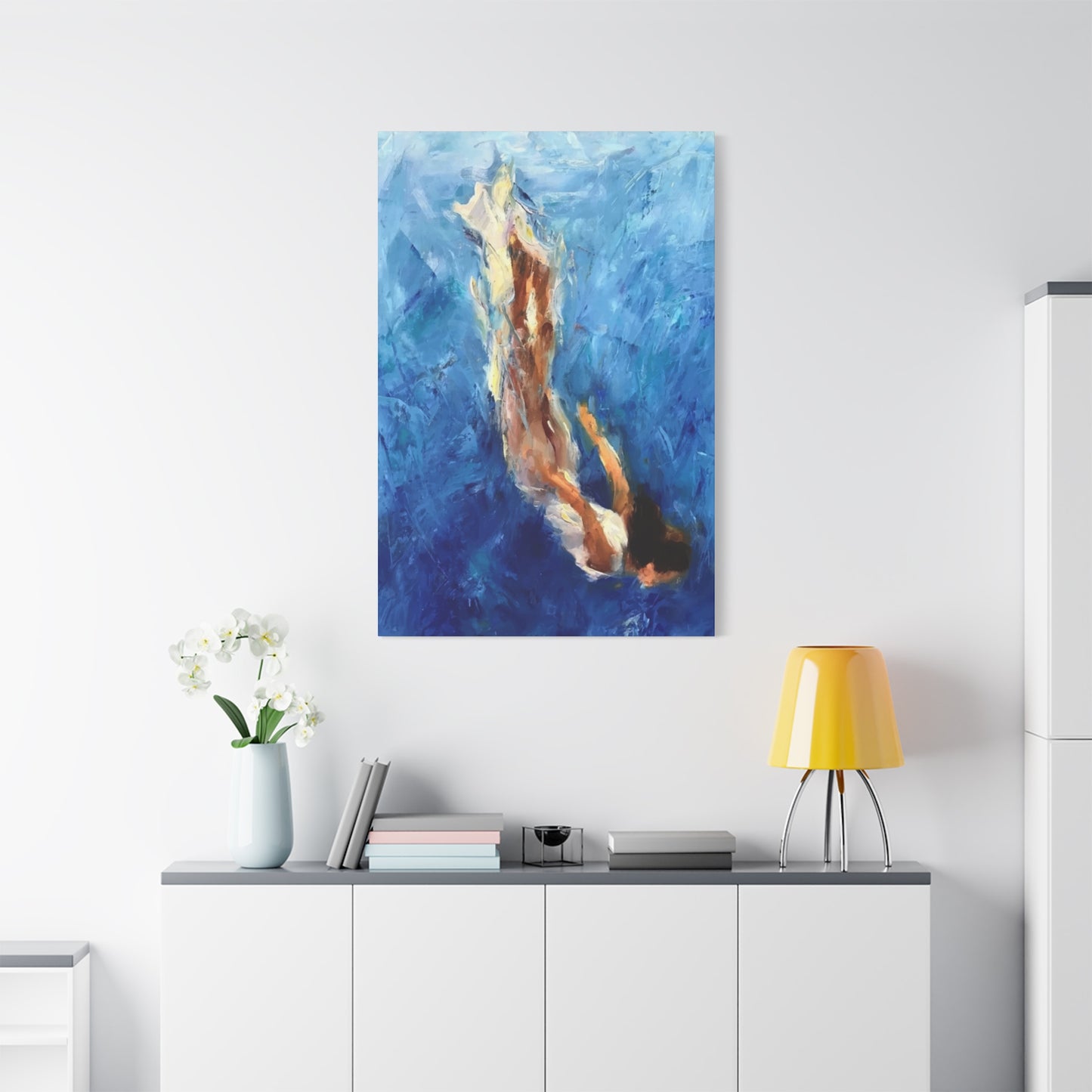
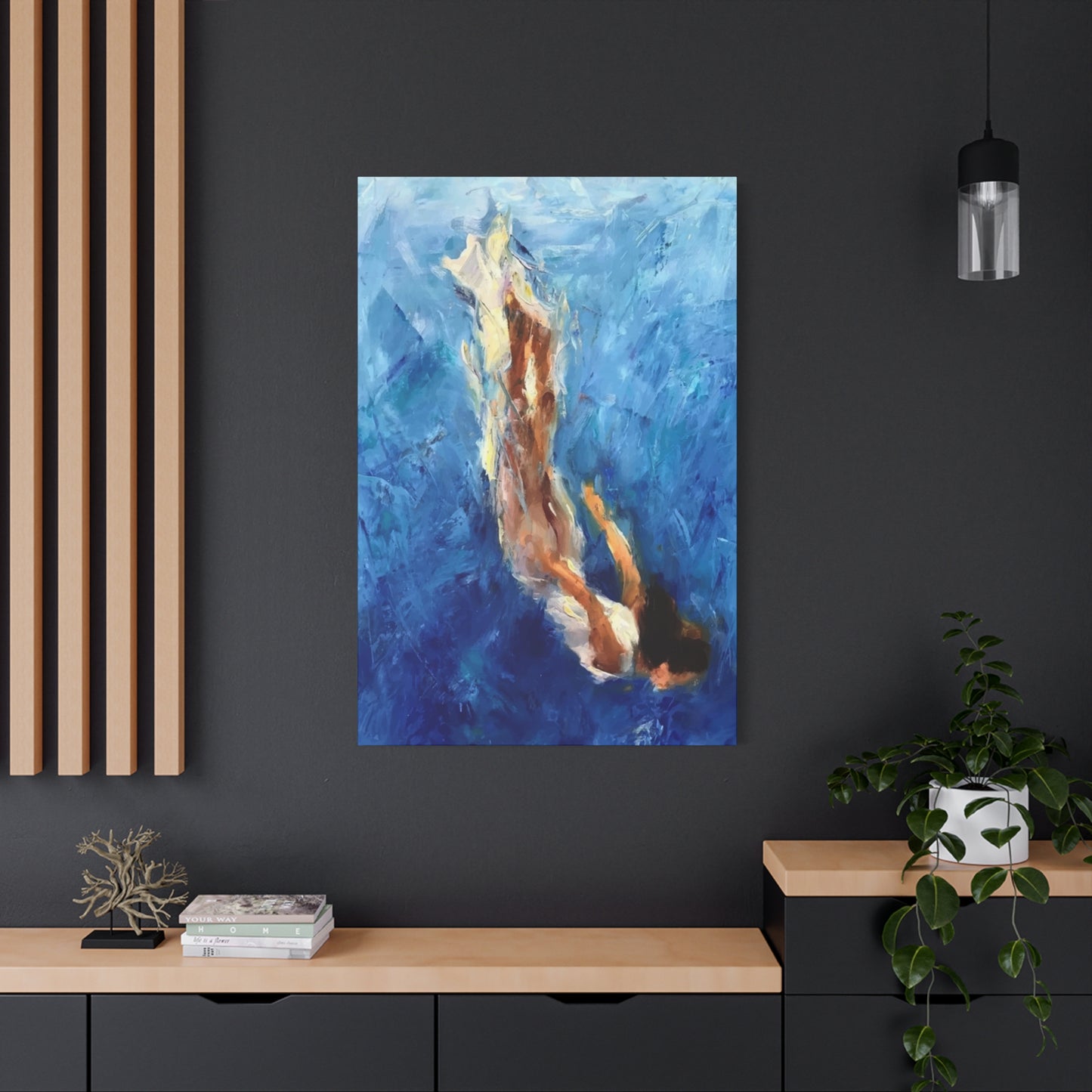
Diving Abstract Wall Art & Canvas Prints
Diving Abstract Wall Art & Canvas Prints
Couldn't load pickup availability
Diving Abstract Wall Art: A Comprehensive Journey Through Contemporary Aquatic Expression in Modern Interior Spaces
The realm of underwater-themed abstract artwork represents one of the most captivating movements in contemporary home decoration. This form of artistic expression combines the mysterious allure of oceanic depths with non-representational visual language, creating pieces that resonate with viewers on multiple sensory levels. When collectors and homeowners seek to infuse their living spaces with both sophistication and natural wonder, this particular genre offers an unparalleled solution that bridges the gap between raw natural beauty and refined aesthetic sensibility.
The Mesmerizing Appeal of Underwater-Themed Non-Representational Artwork in Contemporary Living Spaces
Aquatic abstract compositions possess an inherent ability to transform ordinary rooms into extraordinary sanctuaries. The fluidity inherent in ocean-inspired pieces creates visual movement that static artwork cannot achieve. These creations capture the essence of water's perpetual motion, the dance of light through liquid depths, and the mysterious quality of subaqueous environments without relying on literal representation.
The psychological impact of incorporating such artwork into residential or commercial settings extends far beyond mere decoration. Studies in environmental psychology have demonstrated that exposure to water-related imagery reduces cortisol levels and promotes mental clarity. The abstract nature of these pieces allows individual interpretation, meaning each viewer can project their own experiences and emotions onto the canvas, creating a deeply personal connection with the artwork.
Color palettes in underwater abstract compositions typically feature various shades of cerulean, turquoise, navy, teal, and aquamarine, often punctuated with contrasting warm tones representing sunlight penetration or marine life. These chromatic choices are not arbitrary; they evoke specific emotional responses rooted in our primal connection to water as both a life-giving force and a symbol of the subconscious mind.
The textural qualities of these pieces often mimic the tactile experience of water itself. Artists employ various methods to create surfaces that appear to ripple, flow, or cascade, engaging viewers through both visual and implied tactile experiences. This multi-sensory approach distinguishes quality aquatic abstracts from simpler decorative pieces.
Exploring Various Artistic Approaches in Aquatic Non-Representational Compositions
The diversity within this artistic category is truly remarkable. Fluid art represents one prominent approach, where artists use pouring methods to create organic patterns reminiscent of currents, waves, and underwater turbulence. This spontaneous technique produces results that genuinely mirror the unpredictable nature of aquatic environments.
Resin-based creations offer another compelling avenue for exploration. Epoxy resin allows artists to build translucent layers that capture light similarly to water itself, creating depth perception that flat paintings cannot achieve. When combined with pigments, metallics, and embedded elements, resin pieces can simulate everything from shallow coral reefs to abyssal depths.
Mixed-media approaches incorporate various materials to enhance the underwater theme. Artists might integrate sand, shells, glass fragments, or metallic foils to add dimensional interest and textural contrast. These pieces blur the boundary between painting and sculpture, creating artwork that changes appearance based on viewing angle and lighting conditions.
Gestural abstracts in the aquatic genre focus on energetic brushwork that captures the dynamic force of ocean currents and waves. Bold, sweeping marks convey movement and power, while more delicate passages might suggest bioluminescence or the gentle sway of kelp forests. The visible evidence of the artist's physical engagement with materials adds authenticity and emotional resonance.
Geometric interpretations of underwater themes take a more structured approach, using shapes and patterns to evoke aquatic concepts through stylization rather than mimicry. Tessellations might suggest fish schools, while fractured planes could represent light refraction through water. This intellectual approach appeals to collectors who appreciate conceptual rigor alongside aesthetic beauty.
Selecting the Perfect Aquatic Abstract Piece for Your Specific Environment
Choosing appropriate artwork requires consideration of multiple factors beyond personal taste. Room dimensions play a crucial role in determining ideal scale. Oversized pieces make bold statements in spacious areas, while smaller works suit intimate settings or can be arranged in groupings for cumulative impact.
Existing color schemes must inform selection decisions. While artwork can introduce new hues to a space, it should relate harmoniously to established palettes. Complementary colors create vibrant contrast, while analogous schemes promote serene cohesion. Neutral interiors offer maximum flexibility, allowing vivid aquatic pieces to become focal points.
Lighting conditions dramatically affect how artwork appears. Natural light reveals subtle color variations and textural details, while artificial illumination can either enhance or diminish visual impact. Considering the direction and quality of light in the intended display location prevents disappointing mismatches between store appearance and home reality.
The emotional tone desired for a space should guide selection. Turbulent compositions with dramatic contrasts suit dynamic environments like home offices or workout rooms, while tranquil pieces with soft color transitions better serve bedrooms and meditation spaces. Matching artwork energy to room purpose creates environmental coherence.
Architectural features provide context that artwork should acknowledge. Tall ceilings accommodate vertical compositions that draw the eye upward, while horizontal pieces complement long walls and low furnishings. Artwork placed above furniture should relate proportionally to the items below, typically spanning two-thirds to three-quarters of the furniture width.
The Profound Psychological Influence of Aquatic Imagery on Human Wellbeing and Mental States
The connection between water imagery and mental wellness runs deeper than casual observation might suggest. Marine biologists and psychologists have identified a phenomenon called "blue mind" – a meditative state triggered by proximity to water or water-related stimuli. This condition promotes reduced anxiety, enhanced creativity, and improved cognitive performance.
Aquatic abstract art taps into this neurological response without requiring actual water presence. The colors, forms, and compositional flow of ocean-inspired pieces activate the same neural pathways stimulated by actual aquatic environments. This makes such artwork particularly valuable in urban settings where access to natural water bodies is limited.
The abstract quality of these works offers therapeutic advantages over representational imagery. Without specific recognizable elements, viewers engage their imagination, creating personal narratives that can facilitate emotional processing. Art therapists often utilize abstract pieces in clinical settings specifically because they allow clients to project internal states outward safely.
Color psychology plays a significant role in the emotional impact of aquatic abstracts. Blue hues, predominant in underwater themes, are universally associated with calmness, stability, and introspection. Green tones suggest growth, renewal, and balance. The combination creates an environment conducive to both relaxation and contemplation.
The suggested movement in aquatic abstracts provides visual interest without overstimulation. Unlike static geometric patterns or busy representational scenes, flowing forms guide the eye smoothly across the composition, creating a meditative viewing experience. This gentle visual engagement can lower blood pressure and reduce mental fatigue.
Mastery of Creative Processes Behind Striking Underwater Abstract Compositions
Creating compelling aquatic abstracts requires both technical skill and conceptual vision. Artists must understand material properties to manipulate media effectively. Acrylics offer versatility and quick drying times, allowing layering and spontaneous adjustments. Oils provide extended working time and rich color saturation, ideal for subtle gradations and complex blending.
Watercolor presents unique challenges and opportunities for aquatic subjects. Its transparent, flowing nature naturally mimics water's qualities, but controlling its behavior demands considerable expertise. Accomplished watercolorists can create luminous effects impossible in opaque media, capturing the ephemeral quality of light through liquid.
Fluid acrylic pouring has revolutionized accessible abstract art creation. This process involves diluting acrylic paint to flowing consistency, then manipulating it on surfaces through tilting, blowing, or tool assistance. The unpredictable interactions between different paint densities and additives create organic patterns eerily similar to natural water phenomena.
Alcohol ink on non-porous surfaces produces vibrant, translucent effects perfect for aquatic themes. These highly pigmented inks spread and blend unpredictably, creating results reminiscent of tidal pools, underwater caves, or bioluminescent displays. Artists can guide but never fully control the medium, resulting in genuine spontaneity.
Resin art has emerged as a premier medium for ocean-themed abstracts. Artists tint clear epoxy with pigments, then pour and manipulate it before curing. Inclusions like metallic powders, crushed glass, or actual sand add dimensional interest. The final glossy surface authentically replicates water's reflective quality.
Placement Strategies That Maximize Visual Impact and Environmental Harmony
Proper artwork placement transforms decoration into design. Height matters significantly – the general rule suggests centering pieces at eye level, typically 57-60 inches from the floor to the artwork's center. However, this guideline adjusts for furniture relationships and viewer positions.
Living rooms benefit from statement pieces above sofas or fireplaces, where they naturally command attention. The artwork should relate proportionally to the furniture beneath it, neither overwhelming nor appearing insignificant. Gallery walls offer alternative arrangements, allowing multiple smaller pieces to create cumulative impact comparable to a single large work.
Bedroom placement should promote tranquility. Positioning calming aquatic abstracts opposite the bed creates a focal point visible upon waking, establishing positive morning energy. Avoiding placement directly above headboards prevents feelings of unease some people experience with objects overhead during sleep.
Dining areas provide excellent opportunities for dramatic artwork that stimulates conversation. Aquatic abstracts in these spaces should incorporate warmer accent colors to complement food presentation and maintain inviting ambiance. The reflective qualities often present in water-themed pieces interact beautifully with candlelight during evening meals.
Bathrooms represent natural locations for aquatic themes, creating thematic continuity between artwork and space purpose. Moisture-resistant treatments or framing protect pieces in these humid environments. The inherent water connection makes these spaces ideal for experimenting with bolder, more experimental aquatic abstracts.
Hallways and transitional spaces often receive inadequate design attention despite their frequent use. Long, horizontal aquatic compositions suit these corridors perfectly, creating visual interest that guides movement through the home while maintaining flow. These areas tolerate more adventurous choices since exposure time is typically brief.
Preservation Methods Ensuring Longevity and Sustained Visual Excellence
Proper care extends artwork lifespan dramatically. Dust accumulation dulls colors and obscures details; regular gentle cleaning with soft, dry microfiber cloths maintains appearance. For textured or dimensional pieces, soft brushes remove dust from crevices without damaging surfaces.
Direct sunlight constitutes the primary threat to artwork longevity. Ultraviolet radiation causes pigment fading, particularly in works using fugitive colors. UV-filtering glass or acrylic glazing provides protection for framed pieces, while unframed canvases should avoid south-facing walls or windows without treatment.
Humidity fluctuations damage both artwork and substrates. Canvas expands and contracts with moisture changes, potentially causing cracking in paint layers. Maintaining consistent humidity levels between 40-60% prevents deterioration. Dehumidifiers or humidifiers help in climates with extreme conditions.
Temperature stability matters nearly as much as humidity control. Dramatic temperature swings stress materials, causing expansion and contraction that compromises structural integrity. Avoiding placement near heating vents, radiators, or air conditioning units prevents thermal damage.
Professional cleaning becomes necessary periodically despite regular maintenance. Conservators possess specialized knowledge and materials for safely removing embedded dirt and addressing condition issues. Establishing relationships with qualified professionals ensures artwork receives expert attention when needed.
Color Theory Principles Applied to Aquatic Abstract Compositions
Chromatic selection profoundly influences viewer experience. Cool color dominance in aquatic abstracts creates inherent calmness, but strategic warm accent placement prevents monotony and adds visual interest. The contrast between predominantly cool palettes and touches of coral, amber, or golden hues mimics natural underwater lighting phenomena.
Color harmony can follow various models. Analogous schemes using adjacent hues create gentle, cohesive compositions ideal for serene environments. Complementary pairings like blue-orange or green-red generate vibrant tension that energizes spaces. Triadic arrangements offer balanced variety without sacrificing unity.
Value contrast – the relationship between lights and darks – establishes composition structure. High contrast creates drama and defines forms clearly, while low contrast produces atmospheric, dreamlike qualities. Underwater scenes naturally exhibit varied contrast as light penetrates water differently at various depths.
Saturation levels affect emotional intensity. Highly saturated colors appear vibrant and energetic, suitable for stimulating environments. Desaturated or muted tones convey sophistication and subtlety, working well in contemplative spaces. Most successful aquatic abstracts employ varied saturation to create depth and visual hierarchy.
Temperature gradations within nominally cool palettes add complexity. Distinguishing between warm blues with violet undertones and cool blues leaning toward green creates nuanced compositions that reward extended viewing. These subtle variations prevent visual boredom while maintaining thematic coherence.
The Influence of Aquatic Abstract Art on Property Value and Marketability
Quality artwork elevates perceived property value, particularly in competitive real estate markets. Professionally decorated spaces photograph better for listings and create memorable impressions during showings. Aquatic abstracts specifically appeal to broad demographics, avoiding the polarizing effects of more niche artistic styles.
Staging professionals increasingly recognize art's role in creating aspirational environments. Well-chosen pieces suggest lifestyle and taste level that potential buyers envision for themselves. Aquatic themes carry positive associations – luxury, vacation, relaxation – that enhance property desirability.
Commercial spaces benefit even more dramatically from strategic art placement. Reception areas, conference rooms, and executive offices communicate organizational culture through aesthetic choices. Sophisticated aquatic abstracts project professionalism while introducing calming elements that facilitate productive interactions.
Hospitality venues particularly benefit from water-themed artwork. Hotels, spas, and restaurants create immersive environments that transport guests psychologically. Aquatic abstracts in coastal or resort properties reinforce location identity, while urban establishments use them to provide mental escape from city intensity.
Healthcare facilities increasingly incorporate artwork as environmental medicine. Aquatic abstracts in waiting rooms, patient rooms, and treatment areas reduce anxiety and promote healing. Research demonstrates that patients in art-enriched environments require less pain medication and experience shorter recovery times.
Emerging Artists and Established Masters in the Aquatic Abstract Genre
The contemporary art scene features numerous practitioners exploring underwater themes through abstraction. Some artists focus exclusively on ocean inspiration, developing signature styles instantly recognizable within their niche. Others incorporate aquatic elements into broader abstract practices, visiting the theme periodically throughout their careers.
Discovering emerging talent offers both aesthetic and financial advantages. Early career artists often price work accessibly while developing distinctive voices that may gain significant recognition. Engaging with developing artists through studio visits, local exhibitions, and online platforms provides access to fresh perspectives.
Established masters command higher prices but offer investment stability and proven quality. These artists typically work with galleries providing authenticity documentation and provenance records. Acquiring work from recognized practitioners carries prestige while supporting serious artistic careers.
The rise of online art marketplaces has democratized access to diverse creators worldwide. Virtual galleries, artist websites, and auction platforms allow collectors to discover work beyond geographical limitations. However, online purchases require extra diligence regarding authentication, condition accuracy, and return policies.
Commissioning original pieces offers ultimate customization. Working directly with artists allows specification of dimensions, colors, and compositional preferences while respecting creative autonomy. This collaborative process results in artwork perfectly suited to specific spaces and personal aesthetics.
Framing and Presentation Choices That Enhance Aquatic Abstract Artwork
Framing decisions significantly impact artwork presentation and preservation. Float frames, which reveal canvas edges, suit contemporary abstracts well, emphasizing the art object's physical presence. This approach works particularly effectively with gallery-wrapped canvases having painted sides.
Traditional frames with mats provide formal structure appropriate for certain settings. Mat colors should complement rather than compete with artwork – neutral tones typically serve best. Mat width affects visual impact; wider mats create breathing room and suggest importance, while narrow mats integrate artwork more tightly with surroundings.
Frame materials and finishes must harmonize with both artwork and environment. Natural wood frames suit organic, nature-inspired pieces, with finish color coordinating with dominant artwork tones. Metallic frames in silver, gold, or bronze add glamour appropriate for sophisticated spaces. Black frames offer versatility and contemporary simplicity.
Glass or acrylic glazing protects artwork while affecting appearance. Regular glass provides clarity at modest cost but adds weight and breakage risk. Museum glass eliminates reflections through special coatings, dramatically improving viewing experience but increasing expense. Acrylic weighs less and resists shattering but scratches more easily than glass.
Unframed presentations suit certain contemporary pieces, particularly gallery-wrapped canvases with finished edges. This approach emphasizes artwork materiality and creates casual, accessible aesthetics. However, unframed works remain more vulnerable to damage and accumulate dust on edges.
Creating Gallery Walls with Multiple Aquatic Abstract Pieces
Gallery wall arrangements transform collections into cohesive installations. Planning layouts before hanging prevents wall damage from repositioning. Arranging pieces on the floor or using paper templates on walls allows experimentation without commitment.
Unifying elements create visual coherence in multi-piece displays. Consistent framing ties disparate artworks together, while varied frames can work if pieces share color palettes, subject matter, or scale. Some collectors intentionally combine different frame styles for eclectic, collected-over-time aesthetics.
Spatial relationships between pieces matter as much as individual selections. Generally, 2-3 inches between frames creates distinct yet related pieces, while wider gaps separate works into discrete units. Tighter spacing produces singular large-scale installations from multiple components.
Grid arrangements provide structured, formal presentations. Identical frames and consistent spacing create order ideal for traditional settings. However, organic arrangements with varied sizes and asymmetrical positioning suit contemporary aesthetics better, offering visual interest through controlled variety.
Anchor pieces provide compositional structure. Larger works often center arrangements, with smaller pieces surrounding and balancing the focal point. Alternatively, groupings can build outward from corners or flow along walls following furniture lines or architectural features.
The Relationship Between Aquatic Abstract Art and Broader Interior Design Movements
Contemporary design increasingly emphasizes biophilic principles – incorporating natural elements into built environments. Aquatic abstracts strongly support this movement, introducing nature references without literal representation. This approach satisfies both modern aesthetic sensibilities and primal human needs for nature connection.
Minimalist interiors, characterized by restraint and simplicity, benefit from carefully chosen statement artwork. A single powerful aquatic abstract provides visual interest and emotional warmth without cluttering clean-lined spaces. The piece becomes an intentional focal point rather than one element among many.
Maximalist design, embracing abundance and layering, accommodates multiple aquatic pieces alongside other decorative elements. In these rich environments, artwork contributes to overall sensory experience rather than standing alone. Color coordination becomes crucial for preventing visual chaos.
Coastal and nautical styles naturally pair with aquatic themes, though abstract interpretations offer sophistication beyond literal seahorse-and-anchor clichés. These pieces capture oceanic essence while maintaining contemporary relevance and visual complexity.
Industrial aesthetics benefit from aquatic abstracts' softening influence. The juxtaposition between raw architectural elements – exposed brick, metal, concrete – and fluid, organic artwork creates compelling tension. Cool water tones complement industrial material palettes while introducing necessary warmth.
The Process of Building a Cohesive Collection Over Time
Developing an art collection represents a journey rather than a destination. Beginning collectors should prioritize pieces generating genuine emotional responses over investment calculations or trend following. Authentic personal connection ensures long-term satisfaction regardless of market fluctuations.
Collection themes emerge organically as individuals identify recurring preferences. Some collectors focus narrowly on specific subjects, media, or artists, while others embrace diversity united by aesthetic sensibilities. Aquatic abstracts might form a complete collection or constitute one thread within broader holdings.
Documentation practices benefit serious collectors. Photographing pieces, maintaining purchase records, and preserving authentication documents creates important provenance records. This information increases value during resale and aids insurance claims if damage or theft occurs.
Budget management allows sustainable collecting. Rather than impulsively acquiring mediocre pieces, saving for occasional significant acquisitions builds stronger collections. Mixing price points – investing in some established artists while supporting emerging talent – creates both stability and discovery potential.
Living with artwork before purchasing additional pieces prevents hasty decisions and allows existing works to reveal their full impact. Rotating pieces between rooms provides fresh perspectives and identifies gaps in the collection that subsequent acquisitions might address.
Lighting Design Specifically for Aquatic Abstract Artwork
Proper illumination dramatically affects artwork presentation. Picture lights mounted directly on frames provide focused illumination, creating intimate viewing experiences. These fixtures work particularly well in traditional settings and on smaller to medium pieces.
Track lighting offers flexibility for multi-piece walls or frequently changed displays. Adjustable heads direct light precisely, accommodating various artwork sizes and positions. This system suits galleries and collectors who regularly rotate holdings.
Recessed ceiling fixtures provide ambient illumination without visible hardware. Positioning lights to strike artwork at approximately 30-degree angles minimizes glare while ensuring even coverage. This approach integrates seamlessly with contemporary architecture.
Natural light, while beautiful, requires management to prevent damage. Sheer curtains or UV-filtering window films reduce harmful radiation while maintaining illumination quality. East and north-facing walls receive less intense sun exposure than south and west orientations.
Color temperature influences artwork appearance significantly. Warm bulbs (2700-3000K) enhance reds, oranges, and yellows but may distort blues and greens. Cool bulbs (4000-5000K) accurately render blues while potentially deadening warm tones. Neutral bulbs (3500K) offer compromise, though some collectors use different temperatures in different rooms to complement specific pieces.
Shipping, Handling, and Safe Transport of Valuable Abstract Artwork
Transporting artwork safely requires careful preparation. Wrapping pieces in glassine paper protects surfaces without adhesive contact. Bubble wrap cushions against impacts, with bubbles facing outward to prevent textural impressions. Corner protectors prevent frame damage at vulnerable points.
Custom crates provide maximum protection for valuable pieces. Professional packers construct wooden crates with interior cushioning that prevents movement during transit. This level of protection justifies its expense for irreplaceable or high-value works.
Insurance coverage during transport protects against financial loss. Standard shipping insurance often proves inadequate for fine art; specialized policies designed for valuable artwork provide appropriate coverage. Documentation including photographs and condition reports establishes pre-shipping state for claims.
Climate-controlled transport prevents damage from environmental extremes. Temperature and humidity fluctuations during shipping can harm artwork, particularly in extreme weather. Specialized art transport services maintain stable conditions throughout the journey.
Hand-carrying smaller pieces when possible eliminates shipping risks entirely. For personal relocations or nearby purchases, careful vehicle transport under climate control provides greater security than third-party shipping. Keeping pieces upright and preventing stacking protects against pressure damage.
The Cultural Significance of Ocean Imagery Throughout Human History
Humanity's relationship with water transcends mere survival necessity, encompassing spiritual, symbolic, and aesthetic dimensions. Ancient civilizations revered water deities and incorporated aquatic motifs into religious and decorative arts. These historical precedents inform contemporary abstract interpretations.
Maritime cultures developed rich artistic traditions centered on ocean themes. From Polynesian navigational charts to Japanese wave paintings, water has inspired diverse representational approaches. Abstract aquatic art inherits this tradition while employing modern visual vocabulary.
The ocean symbolizes the subconscious mind in Jungian psychology and mythology. Depths represent unknown aspects of psyche; surface conditions reflect emotional states. Abstract artists tap these archetypal associations, creating work resonating on primal levels beyond conscious interpretation.
Environmental awareness has elevated ocean imagery's cultural relevance. As climate change threatens marine ecosystems, artistic engagement with aquatic themes carries increased poignancy. Some contemporary abstract artists intentionally address environmental concerns through their oceanic work.
The universal human experience of water – essential for life yet dangerous, familiar yet mysterious – makes aquatic imagery broadly accessible across cultures. This universality partly explains the enduring popularity of ocean-themed abstract art in diverse markets worldwide.
Distinguishing Between Quality Artwork and Inferior Reproductions
The contemporary market floods consumers with options spanning handmade originals to mass-produced prints. Understanding distinctions prevents disappointing purchases and ensures appropriate pricing. Original paintings feature visible brushstrokes, texture variation, and unique characteristics absent from reproductions.
Giclée prints represent high-quality reproduction methods using archival inks on fine substrates. These editions, often signed and numbered by artists, offer accessible alternatives to originals while maintaining color accuracy and longevity. Legitimate giclées should include certificates of authenticity.
Canvas transfers involve printing on canvas rather than paper, then often coating with texture gel to simulate painting appearance. While more convincing than flat prints, these remain reproductions despite physical resemblance to originals. Pricing should reflect reproductive nature.
Hand-embellished prints occupy middle ground between pure reproductions and originals. Artists add painted elements to prints, creating unique variations. Value depends on embellishment extent and artist's market standing.
Examining artwork closely reveals production methods. Original paintings show variation in brushwork, occasional corrections or pentimenti, and irregular surface texture. Prints display mechanical regularity, dot patterns under magnification, and completely uniform texture. Frame quality often correlates with artwork value.
Seasonal Rotation and Dynamic Display Strategies
Rotating artwork prevents visual familiarity that dulls appreciation. Many collectors maintain storage systems allowing seasonal changes that refresh environments. This practice extends collection enjoyment and accommodates mood shifts throughout the year.
Lighter, brighter aquatic abstracts suit spring and summer when longer days and warmer temperatures make airy aesthetics appropriate. These pieces enhance natural seasonal energy and complement lighter clothing and linens.
Deeper, more saturated pieces work well in autumn and winter when darker evenings and cooler temperatures make cozy environments appealing. Richer tones provide visual warmth and complement seasonal changes in home textiles and lighting.
Thematic coordination with holidays and events personalizes spaces. However, quality aquatic abstracts transcend specific occasions, avoiding the dated appearance of overly literal seasonal decoration. Subtle shifts in color emphasis rather than complete theme changes maintain sophistication.
Storage conditions protect non-displayed pieces. Climate-controlled areas prevent temperature and humidity fluctuations. Vertical storage prevents warping, while protective wrapping prevents scratches and dust accumulation. Documentation systems track stored pieces and rotation schedules.
Investment Considerations in the Contemporary Art Market
Art investment combines aesthetic pleasure with financial strategy. Unlike stocks or bonds, artwork provides daily enjoyment beyond monetary value. However, approaching acquisition purely as investment invites disappointment; passion should drive collecting first, with financial appreciation as welcome secondary benefit.
Emerging artists offer greatest appreciation potential but carry highest risk. Identifying talent before market recognition requires expertise, luck, or both. Purchasing multiple works from promising artists diversifies risk while supporting careers.
Established artists provide stability but limited appreciation potential. Prices already reflect market recognition, though continued career success may yield modest value increases. Buying quality work at fair prices protects investment even if dramatic appreciation doesn't occur.
Art market fluctuations follow broader economic patterns while maintaining unique characteristics. Wealthy collectors continue purchasing during recessions, providing relative stability compared to purely financial instruments. However, liquidity challenges complicate rapid liquidation when necessary.
Authentication, provenance, and condition profoundly affect value. Maintaining documentation, storing pieces properly, and addressing conservation needs preserve and enhance investment value. Professional appraisals establish current worth for insurance and estate planning.
DIY Approaches to Creating Personal Aquatic Abstract Artwork
Creating artwork personally offers unique satisfaction and perfect customization. Beginner-friendly approaches require minimal investment while producing genuine artistic expression. Acrylic pouring workshops and online tutorials make fluid art accessible to novices.
Basic supplies for fluid art include acrylic paints, pouring medium, mixing containers, canvas or panels, and gloves. Experimentation reveals preferred consistency, color combinations, and manipulation methods. Early attempts may disappoint, but practice develops skill rapidly.
Alcohol ink art offers another accessible entry point. Non-porous surfaces like Yupo paper or ceramic tiles receive dropped and manipulated inks. Isopropyl alcohol moves pigment, while compressed air creates organic spreading. Results genuinely resemble underwater phenomena.
Mixed media approaches encourage experimentation with various materials. Combining painting with collage elements, found objects, or alternative media produces unique results impossible through single-medium approaches. This creative freedom suits personal expression better than pursuing technical perfection.
Online communities provide support, inspiration, and technical guidance. Sharing work invites constructive feedback while connecting with fellow enthusiasts. Watching others' processes accelerates learning beyond solitary experimentation.
Commercial Applications Beyond Residential Settings
Corporate environments increasingly recognize art's role in workplace culture and productivity. Aquatic abstracts in common areas reduce stress and create pleasant environments supporting employee wellbeing. Conference rooms benefit from pieces facilitating contemplative thinking and creative problem-solving.
Hospitality venues use artwork to establish brand identity and enhance guest experience. Luxury hotels feature original pieces coordinating with interior design themes, while budget properties use quality reproductions maintaining visual standards. Restaurants create atmosphere through strategic art placement influencing dining experience.
Healthcare facilities pioneer research-backed art programs improving patient outcomes. Aquatic abstracts in treatment areas reduce procedure anxiety, while those in recovery rooms promote healing. Lobbies and waiting areas benefit from calming imagery reducing stress for patients and families.
Retail environments employ art creating aspirational atmospheres encouraging purchases. High-end stores feature museum-quality pieces establishing luxury positioning, while mainstream retailers use art making spaces inviting and memorable. Banks and professional offices project stability and sophistication through quality artwork.
Coworking spaces differentiate themselves through distinctive environments attracting creative professionals. Rotating exhibitions and permanent installations create visually interesting spaces fostering community and inspiration. Aquatic abstracts contribute to relaxed yet professional atmospheres.
The Intersection of Digital Art and Traditional Aquatic Abstract Painting
Technological advancement introduces new possibilities for artistic creation and display. Digital tools allow artists to experiment freely, undoing mistakes impossible to correct in physical media. Some creators work entirely digitally, while others integrate digital and traditional processes.
NFTs (non-fungible tokens) represent recent market disruption, creating verifiable digital scarcity. Collectors purchase unique digital files authenticated via blockchain. Controversy surrounds environmental impacts and speculative pricing, but the technology enables new collector categories and artist revenue streams.
Augmented reality applications allow virtual placement of artwork in spaces before purchase. Smartphone apps display accurate scale and color representation on actual walls, reducing uncertainty in online buying. This bridging of digital and physical realms enhances remote shopping experiences.
Digital printing enables artists to produce limited editions maintaining high quality standards. Archival pigment printing on various substrates creates affordable alternatives to originals while compensating artists appropriately. This democratization increases art accessibility without diminishing original work value.
Projection mapping transforms architectural surfaces into dynamic canvases. Temporary installations in public spaces or permanent residential systems create immersive environments where aquatic abstracts can literally move and evolve. This emerging medium reimagines what artwork can be.
Conservation Science and Long-Term Artwork Preservation
Professional conservation extends artwork longevity far beyond basic care. Conservators assess condition, identify deterioration causes, and implement corrective treatments using reversible materials and documented methods. Establishing relationships with qualified practitioners before emergencies arise ensures access to expert assistance.
Preventive conservation represents the most cost-effective preservation strategy. Controlling environmental conditions, using appropriate display and storage methods, and regular monitoring prevent damage requiring interventional treatment. Museums employ full-time staff managing these factors; private collectors adapt similar principles.
Material science informs modern conservation approaches. Research into pigment stability, binder chemistry, and substrate behavior reveals vulnerabilities and guides protective measures. Artists increasingly consider longevity during creation, selecting stable materials for lasting quality.
Documentation photographically records condition over time. Establishing baselines through initial detailed photography allows monitoring subtle changes indicating deterioration. Written condition reports note existing damage and track changes systematically.
Insurance and disaster planning protect collections from catastrophic loss. Appropriate coverage based on current valuations ensures replacement or restoration funding after damage. Emergency plans specifying artwork priority during evacuations and protective measures for in-place pieces minimize disaster impacts.
Global Perspectives on Aquatic Abstract Art
International artistic traditions inform contemporary abstract practices differently across regions. Asian aesthetics emphasizing harmony and empty space influence compositions differently than Western focus on dynamic tension and filled space. These cultural variations create rich diversity within the genre.
European sophistication and philosophical depth shape continental abstract traditions. Conceptual rigor and art historical awareness produce intellectually engaged work demanding viewer interpretation. Markets value artistic pedigree and theoretical frameworks alongside visual appeal.
American contemporary art embraces accessibility and emotional directness. Work prioritizes immediate visual impact and broad appeal over exclusively academic concerns. Commercial viability receives less stigma than in some international contexts, producing robust market infrastructure.
Australian artists draw inspiration from surrounding oceans and distinctive coastal environments. Barrier Reef imagery and Pacific influences create regionally specific aesthetics within broader abstract categories. Indigenous artistic traditions contribute unique perspectives on water symbolism.
Latin American color sensibilities and passionate engagement with natural forces produce vibrant interpretations. Cultural emphasis on emotional expression over restraint creates bold, confident work. Growing international recognition brings increased market attention.
The Role of Galleries, Dealers, and Art Consultants
Professional art world infrastructure serves collectors through expertise, curation, and market access. Galleries provide vetted selections, authenticate works, and facilitate artist relationships. Established galleries stake reputations on quality, offering implicit assurance alongside explicit documentation.
Art dealers operate more flexibly than traditional galleries, sometimes without permanent exhibition spaces. They source specific pieces matching client requirements, access private collections, and negotiate transactions. Experienced dealers provide valuable market intelligence and investment guidance.
Art consultants advise collectors on acquisitions, portfolio management, and collection strategy. Corporate consultants manage purchasing programs for businesses, while private consultants serve individual collectors. Services range from single-purchase assistance to comprehensive collection management.
Online platforms democratize access but require extra diligence. Established platforms provide authentication services and buyer protection, while direct artist sales necessitate independent verification. Reading reviews, verifying credentials, and understanding return policies protects against fraudulent or misrepresented work.
Auction houses traditionally served secondary markets for previously owned work but increasingly sell contemporary pieces. Competitive bidding can produce bargains or drive prices beyond reasonableness. Understanding auction mechanics and setting firm limits prevents emotional overspending.
Conclusion
Sustainability concerns increasingly influence artistic practices and collecting decisions. Environmentally conscious artists select non-toxic materials, minimize waste, and consider entire lifecycle environmental impacts. Collectors support these practices through purchasing choices and proper disposal of damaged artwork.
Toxic pigments and solvents historically common in art materials pose health and environmental risks. Modern alternatives provide similar visual results without hazards. Lead-based colors, cadmium pigments, and turpentine solvents increasingly give way to safer options.
Packaging and shipping generate significant environmental impacts through materials and fuel consumption. Choosing ground shipping over air freight, using recycled packaging materials, and consolidating shipments reduces carbon footprints. Some dealers offset shipping emissions through environmental programs.
The art market's carbon footprint from international fairs, gallery operations, and collector travel receives growing scrutiny. Virtual viewing rooms, regional purchasing, and carbon offset programs address concerns while maintaining market functionality.
Supporting artists addressing environmental themes through work amplifies conservation messages. Aquatic abstract artists highlighting ocean fragility raise awareness while creating beautiful work. Collectors amplify these voices through purchasing and display choices.
Art therapy employs creative processes facilitating emotional expression and processing. Both creating and viewing artwork can support mental health. Aquatic abstracts specifically leverage water's calming associations and abstract art's projective qualities for therapeutic benefit.
Clinical settings increasingly incorporate art as environmental medicine complementing traditional treatments. Evidence demonstrates reduced anxiety, lower pain medication requirements, and improved outcomes in art-enriched environments. Aquatic abstracts suit medical contexts through universal appeal and non-triggering content.
Personal art viewing promotes mindfulness and present-moment awareness. Contemplating complex compositions quiets mental chatter and focuses attention. This meditative quality makes aquatic abstracts valuable tools for stress management and mental health maintenance.
Creating artwork, regardless of skill level, provides therapeutic benefits. The creative process engages different neural pathways than verbal processing, accessing emotions difficult to articulate. Working with fluid media particularly suits therapeutic contexts through forgiving, process-focused nature.
Community art programs promote social connection while providing creative outlets. Group classes reduce isolation and create supportive environments. Shared interest in aquatic themes provides common ground facilitating relationship formation.
Share