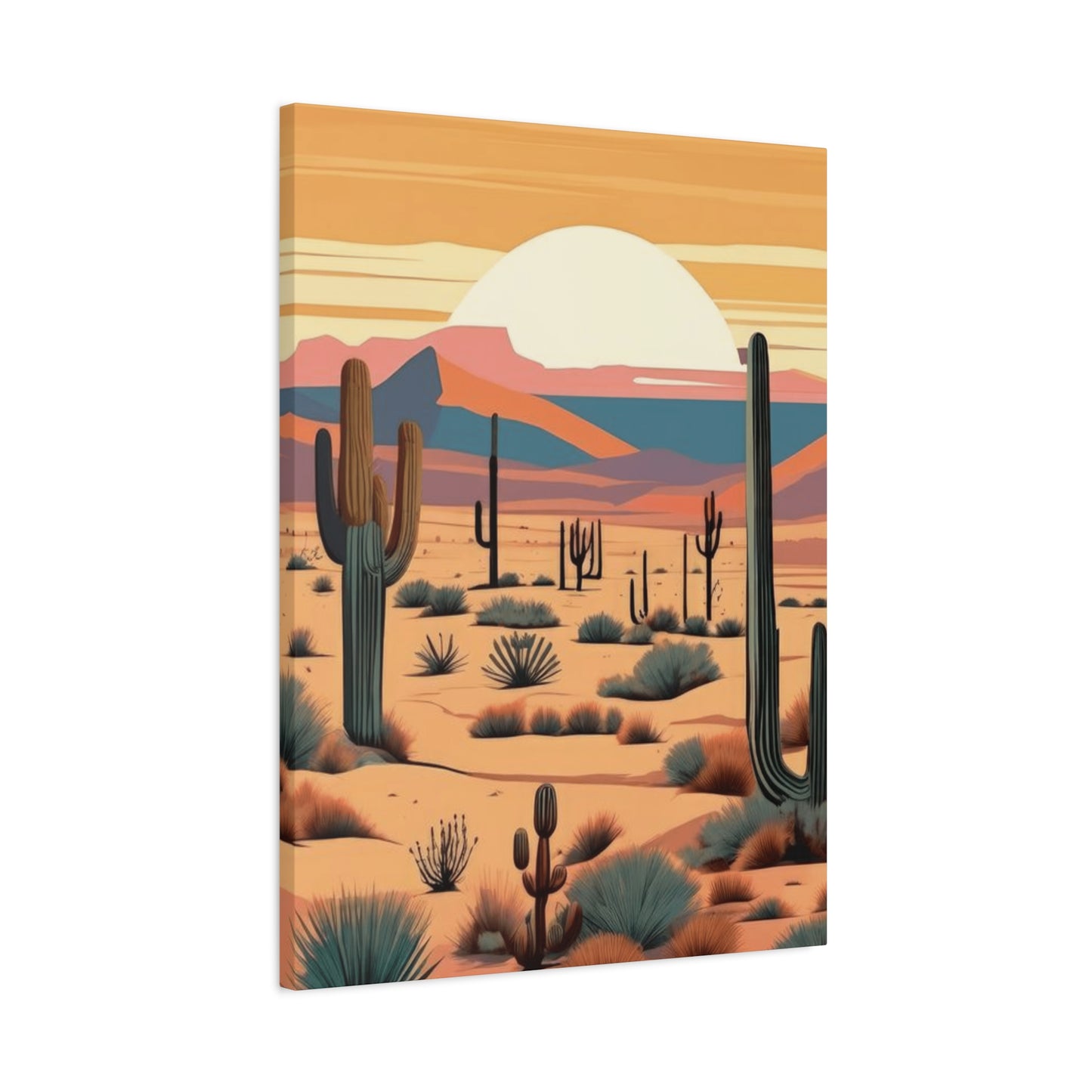
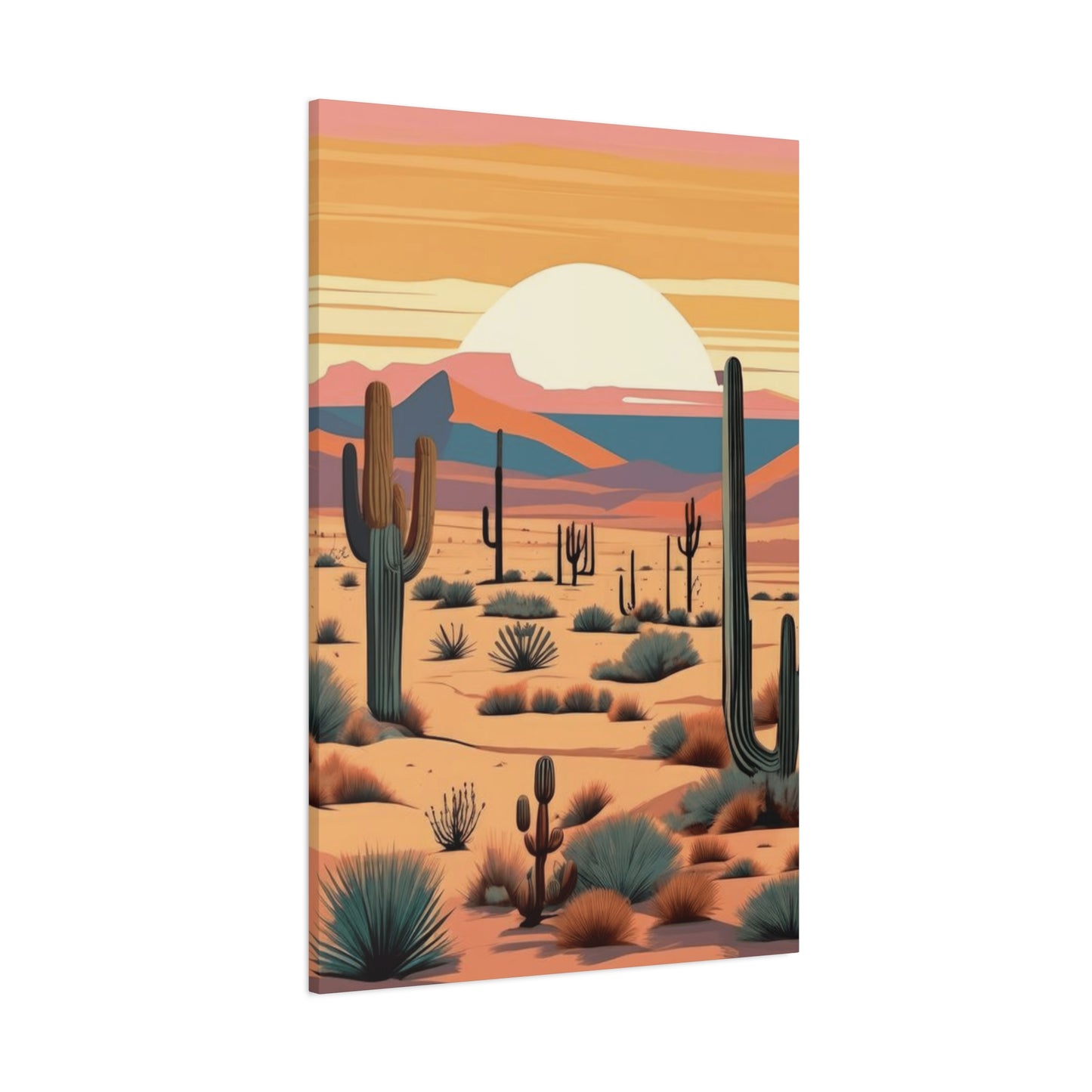
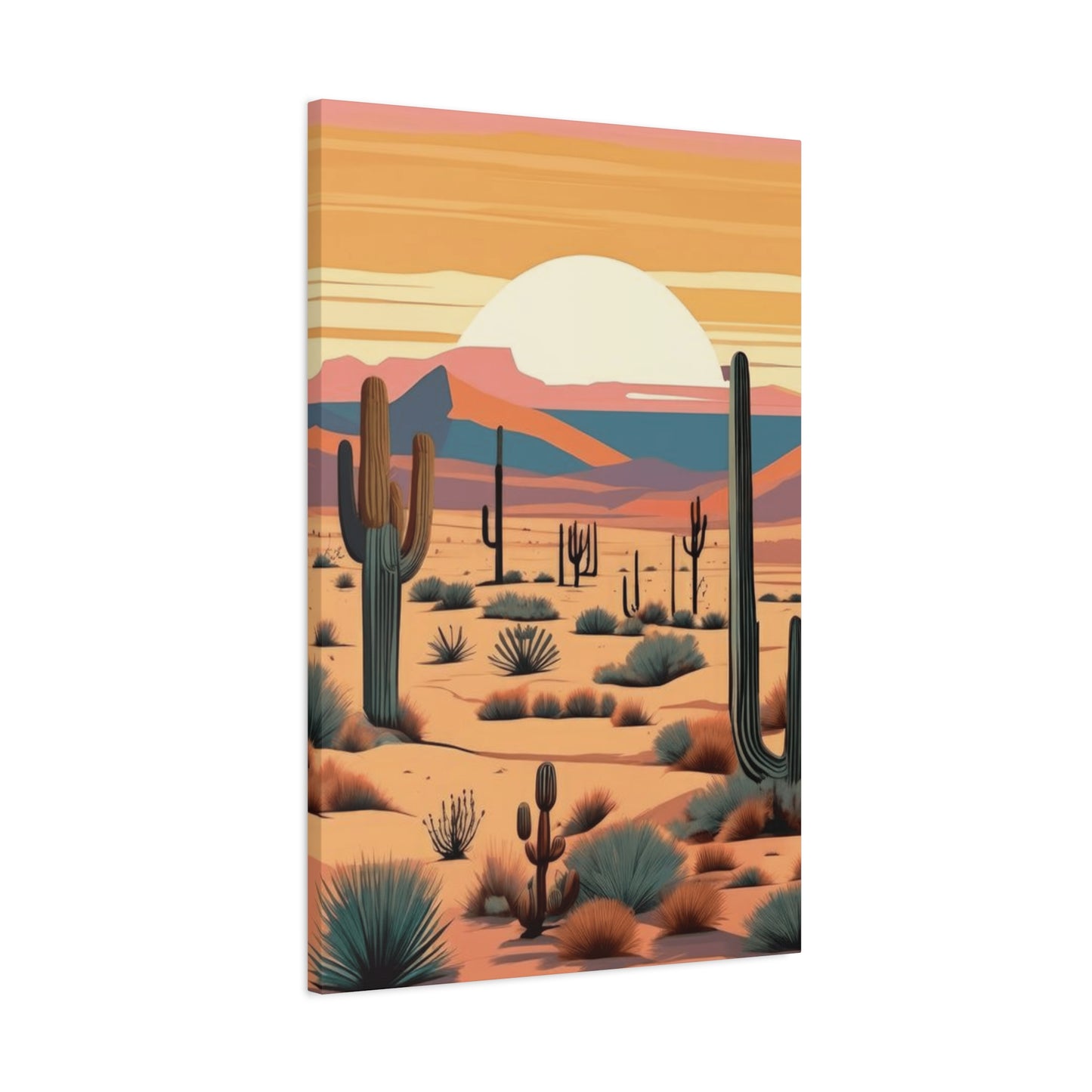
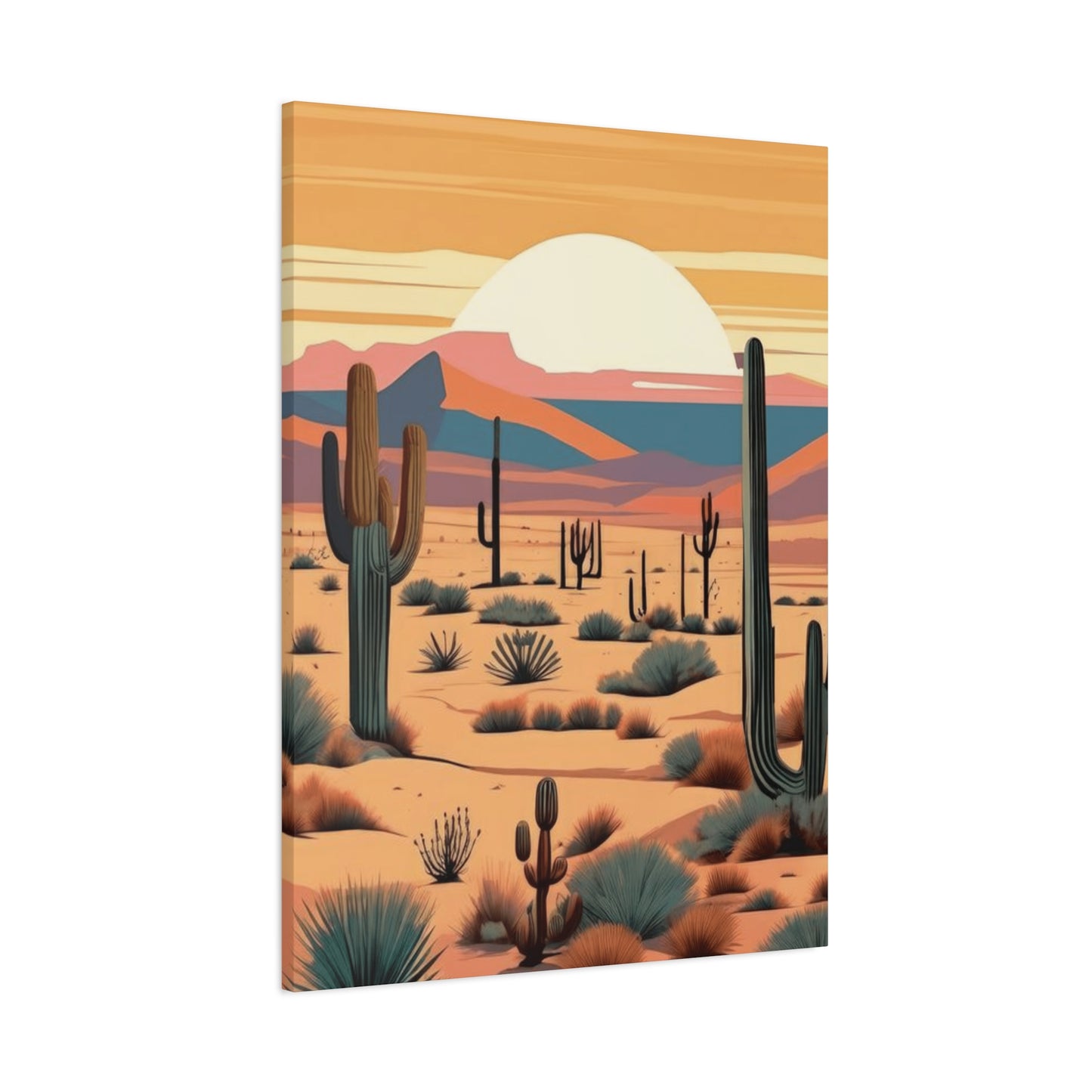
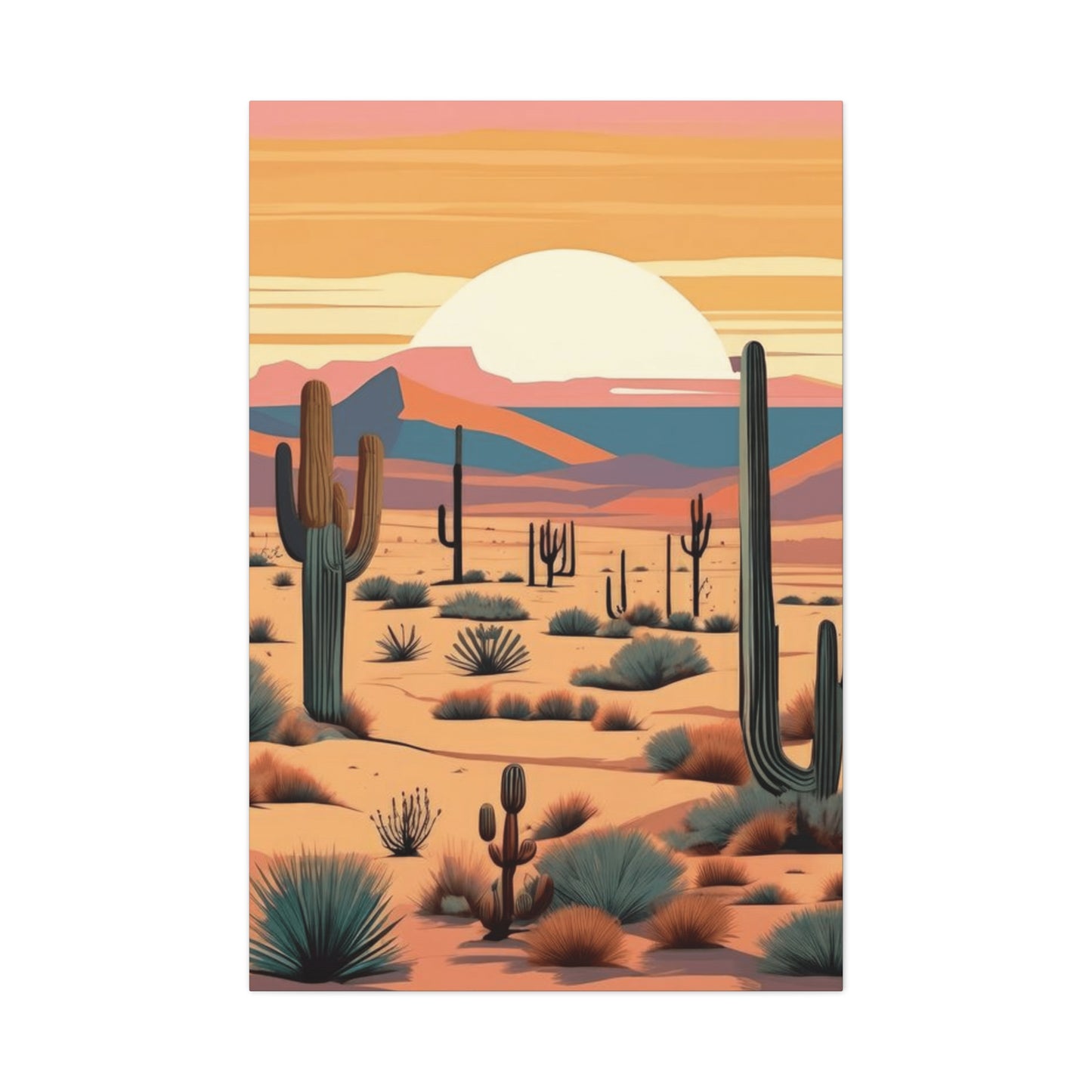
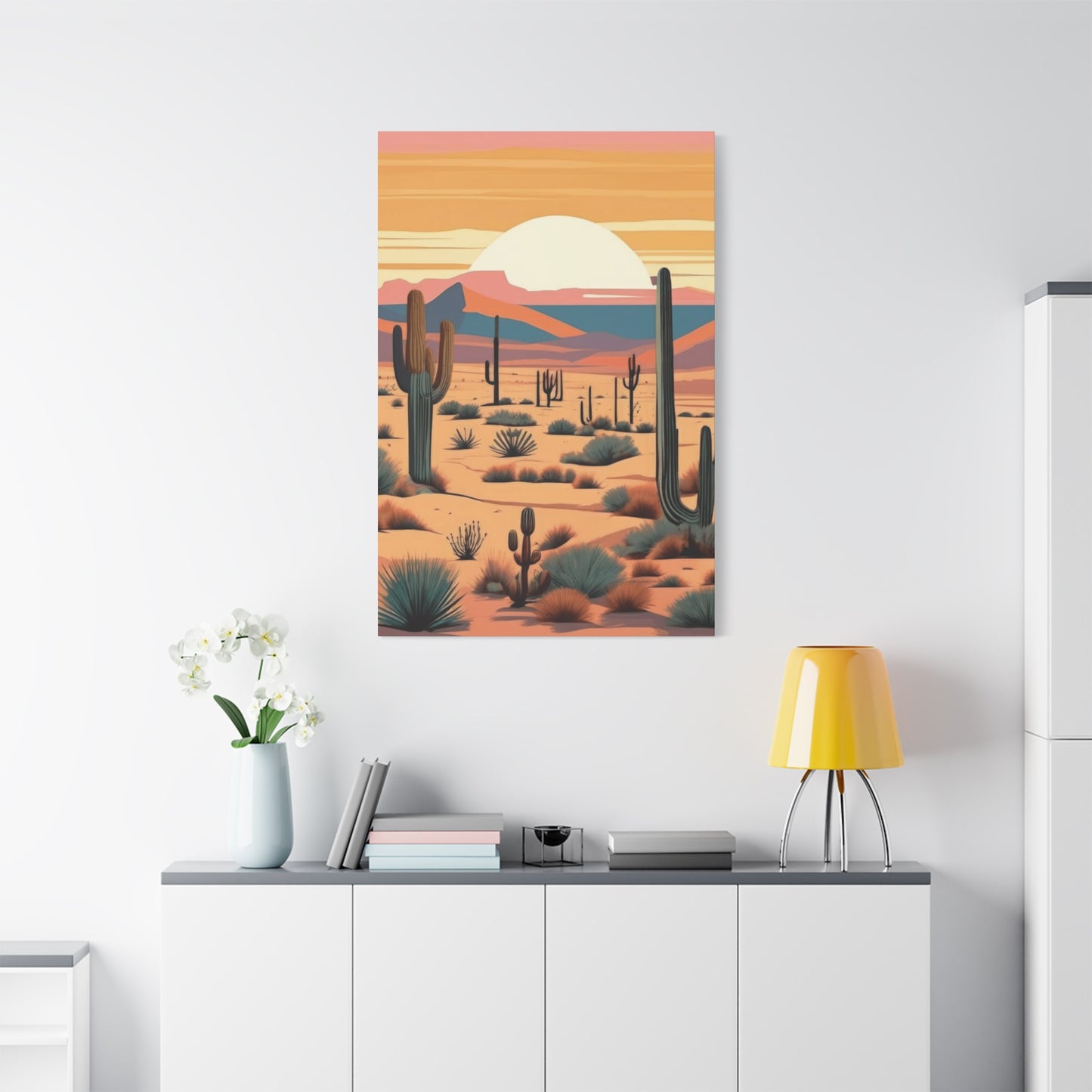
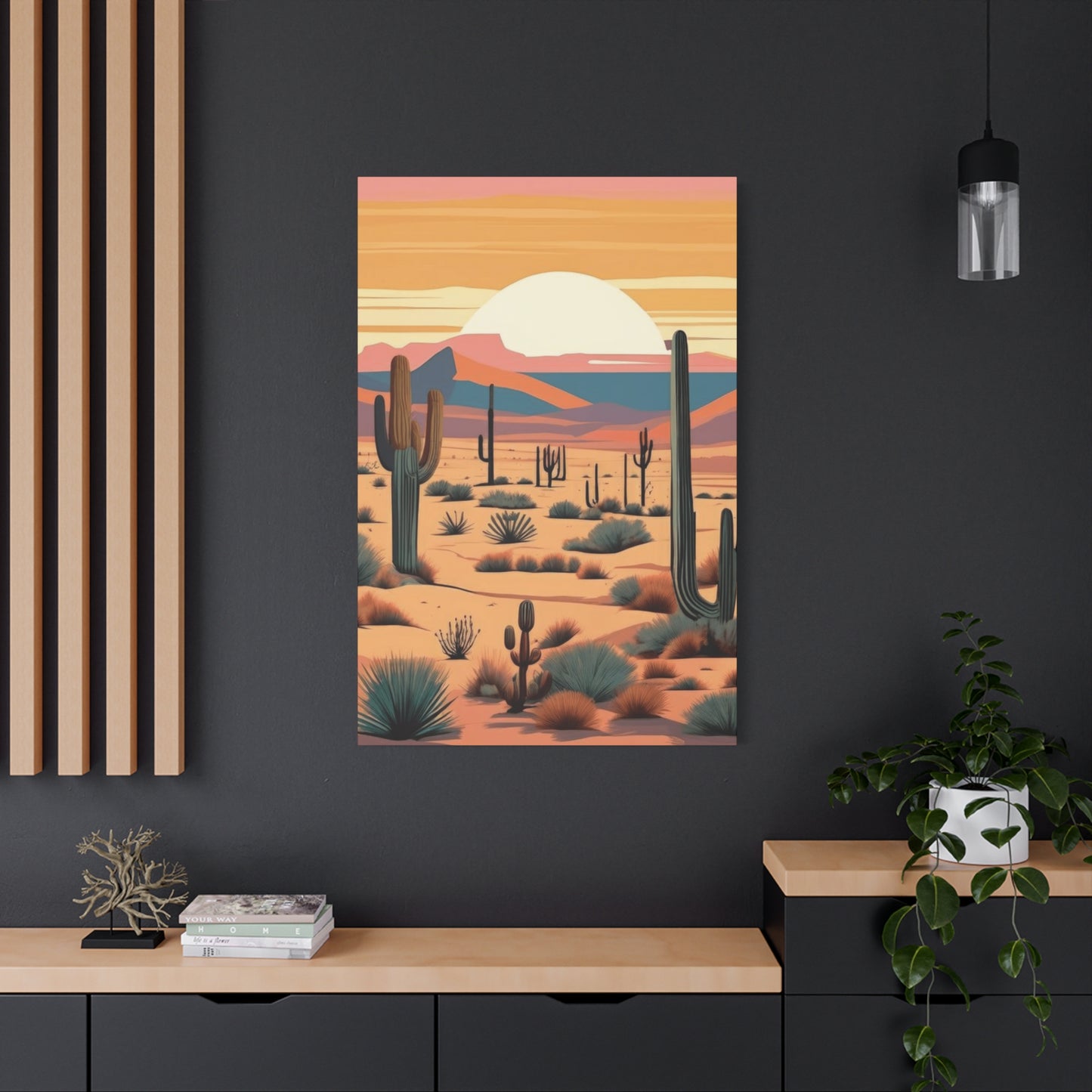
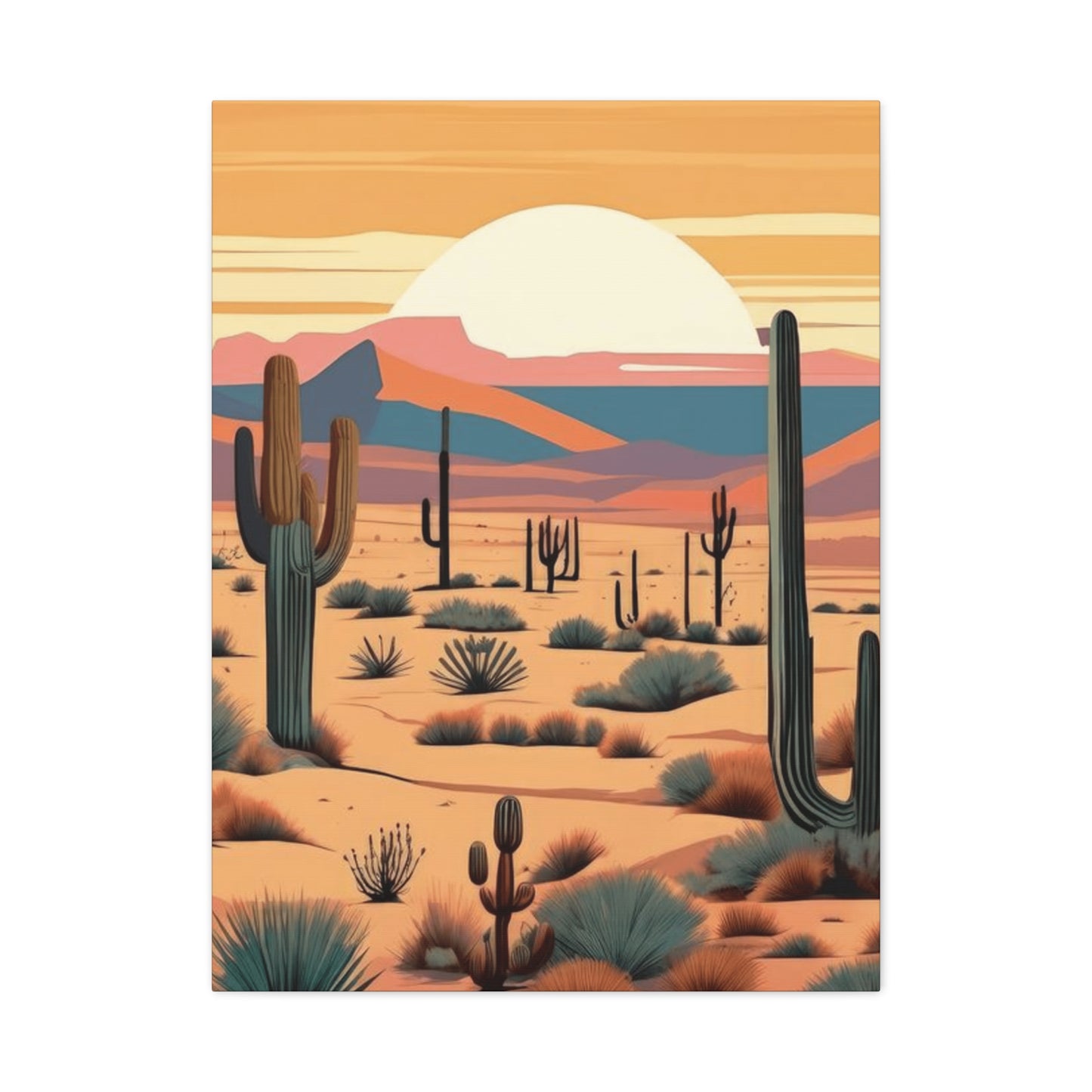
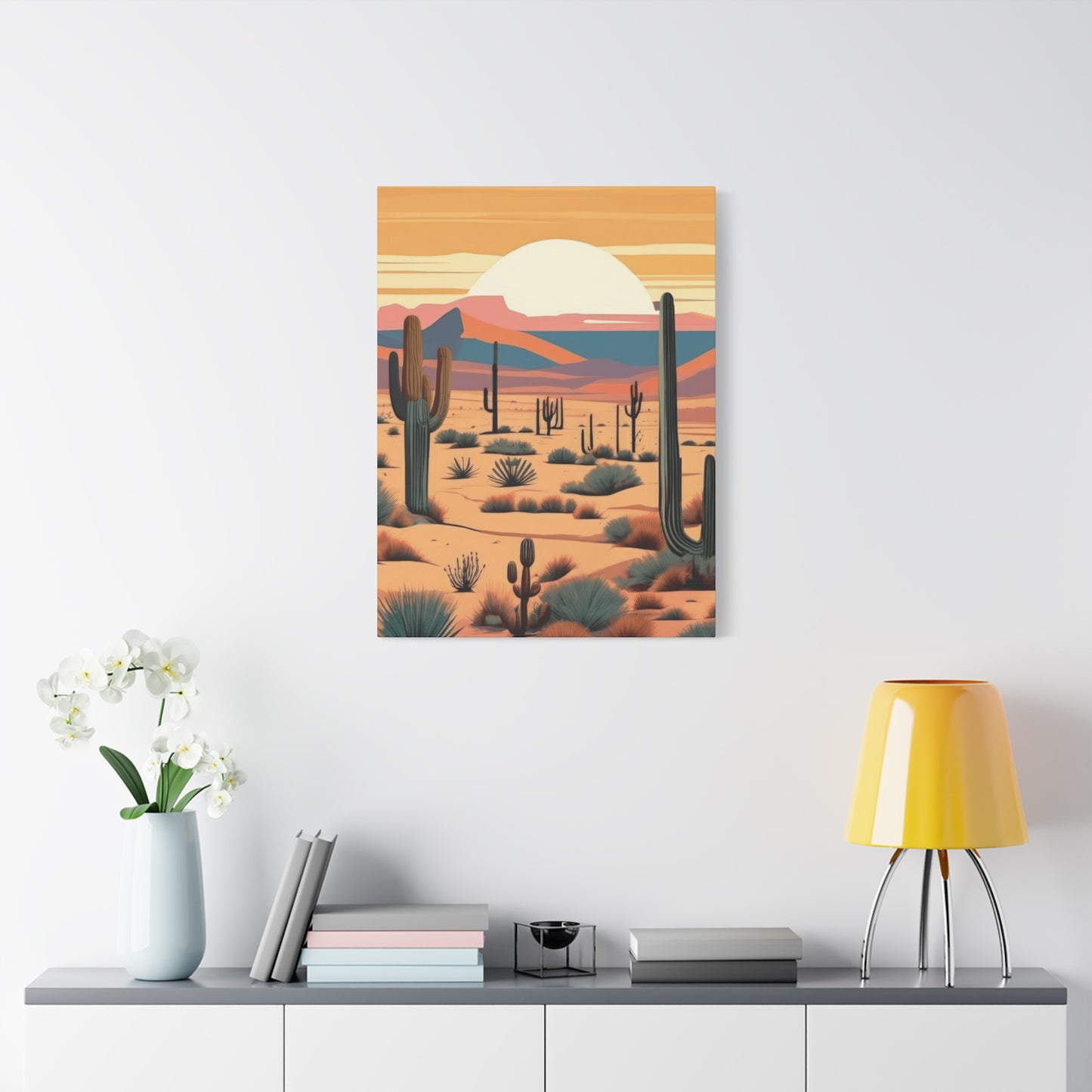
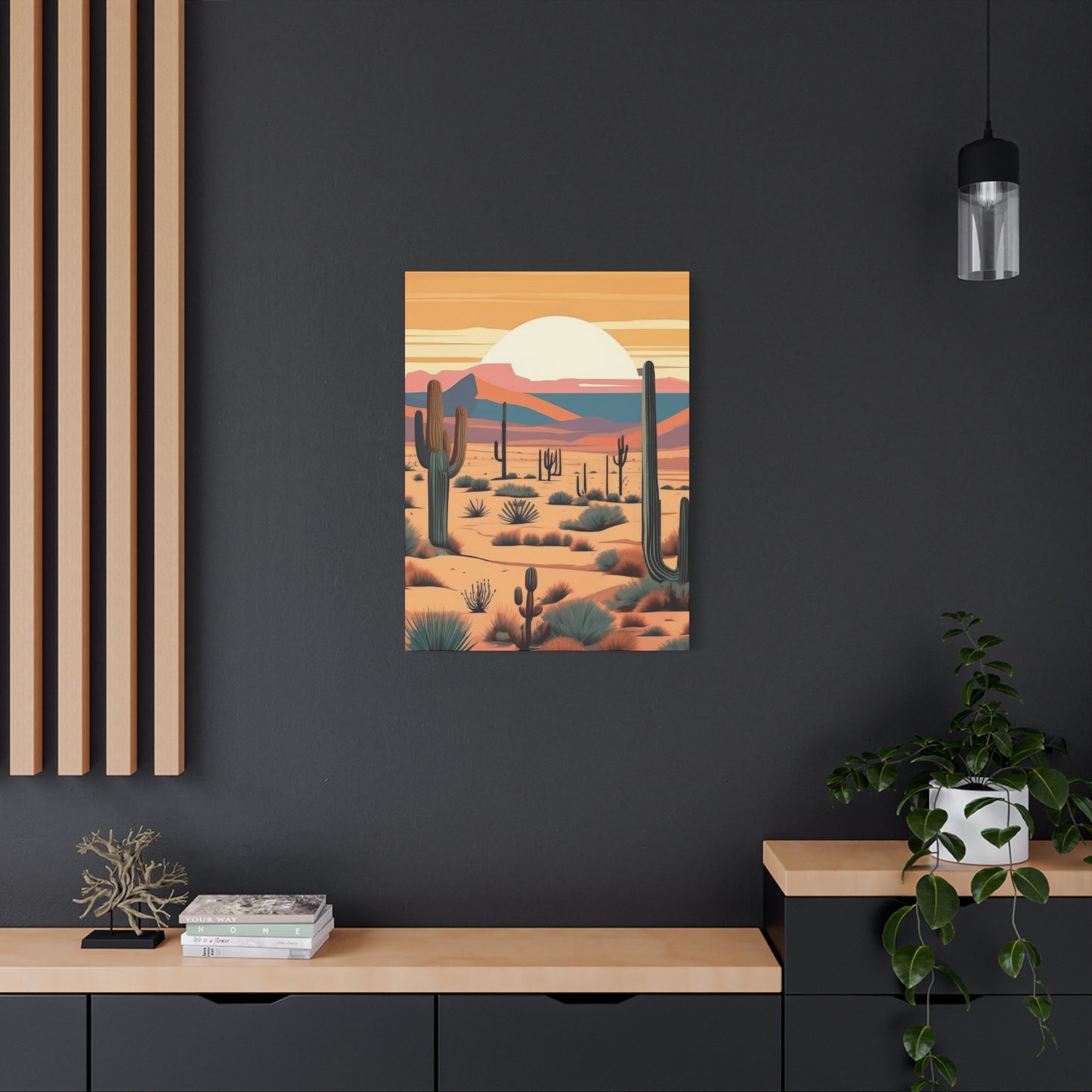
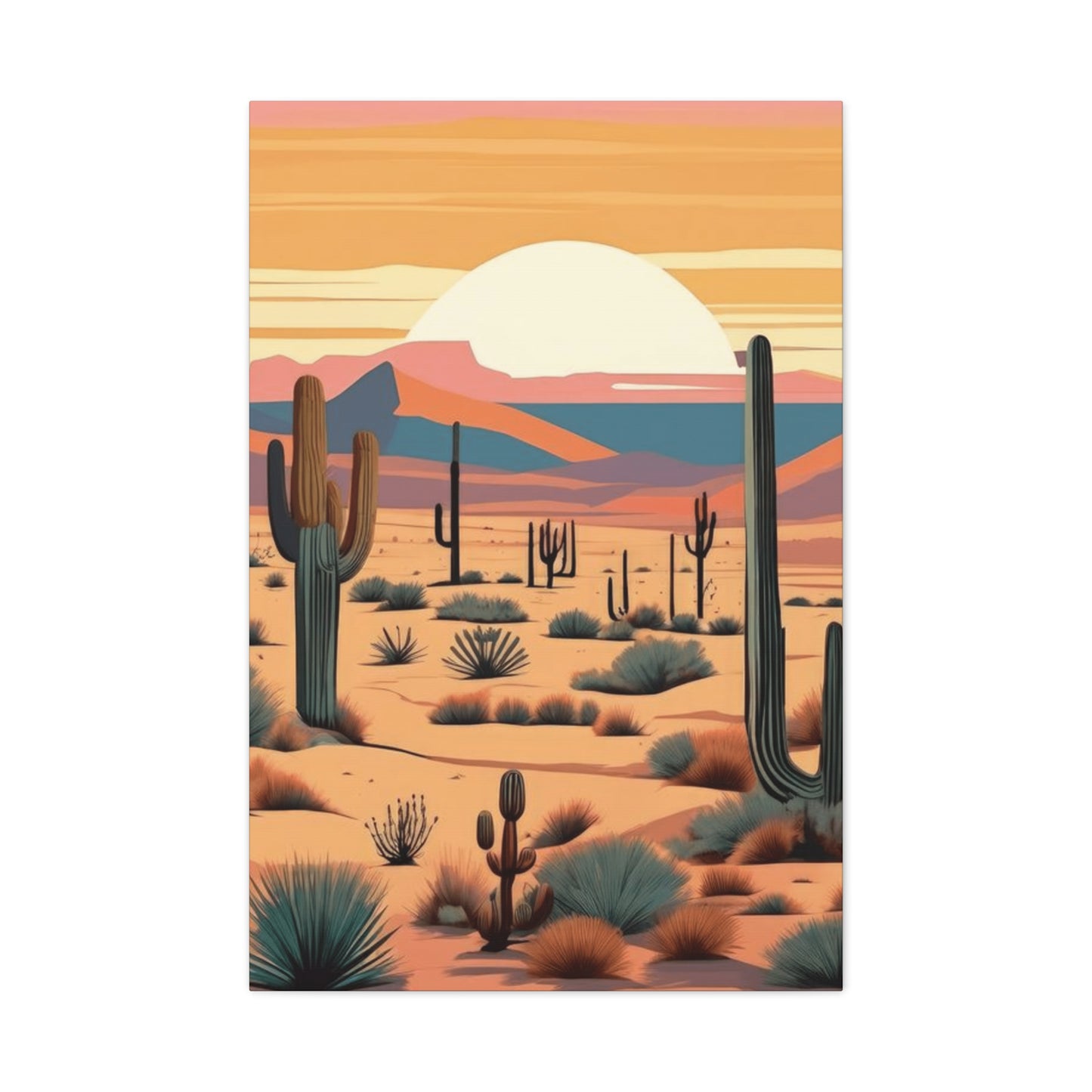
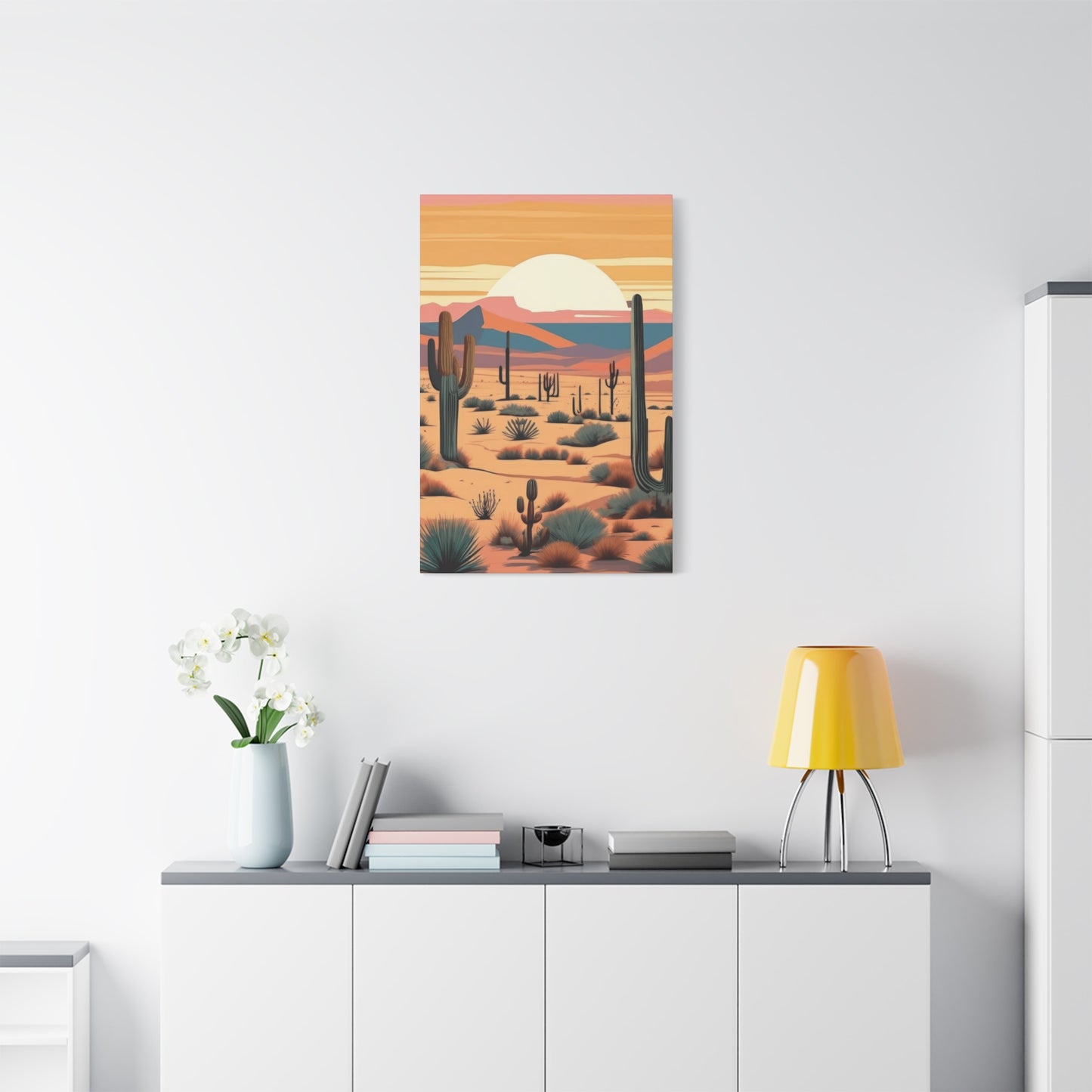
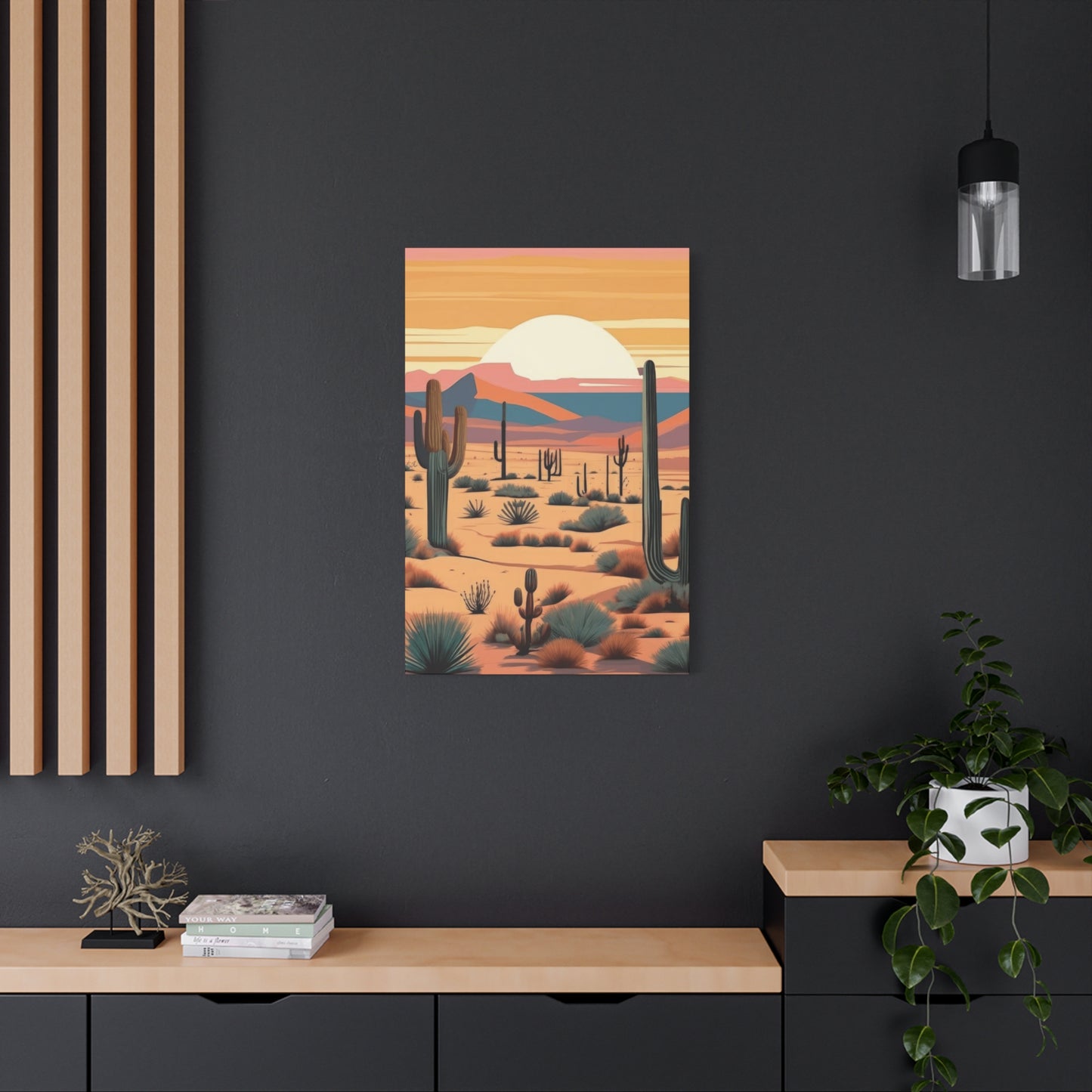
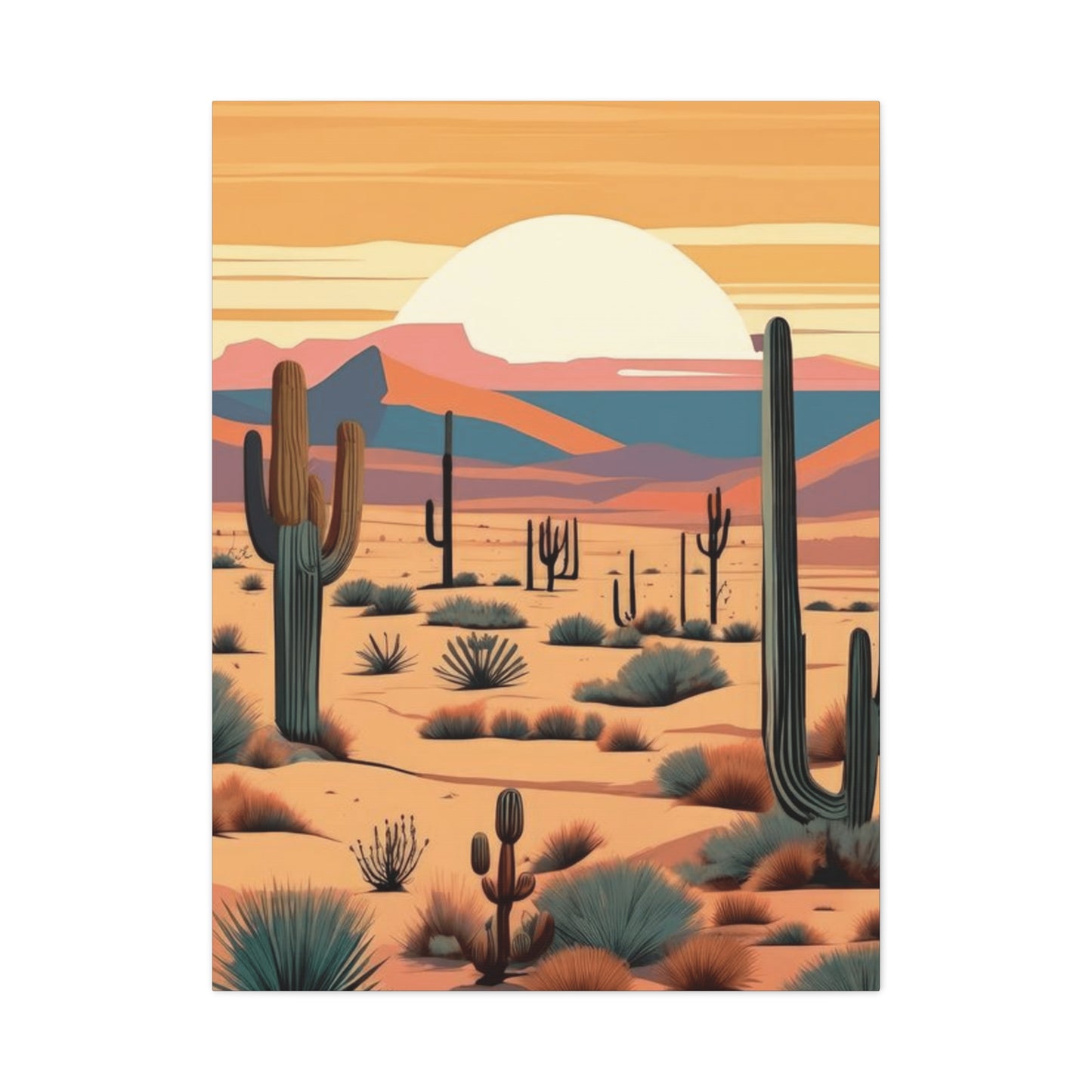
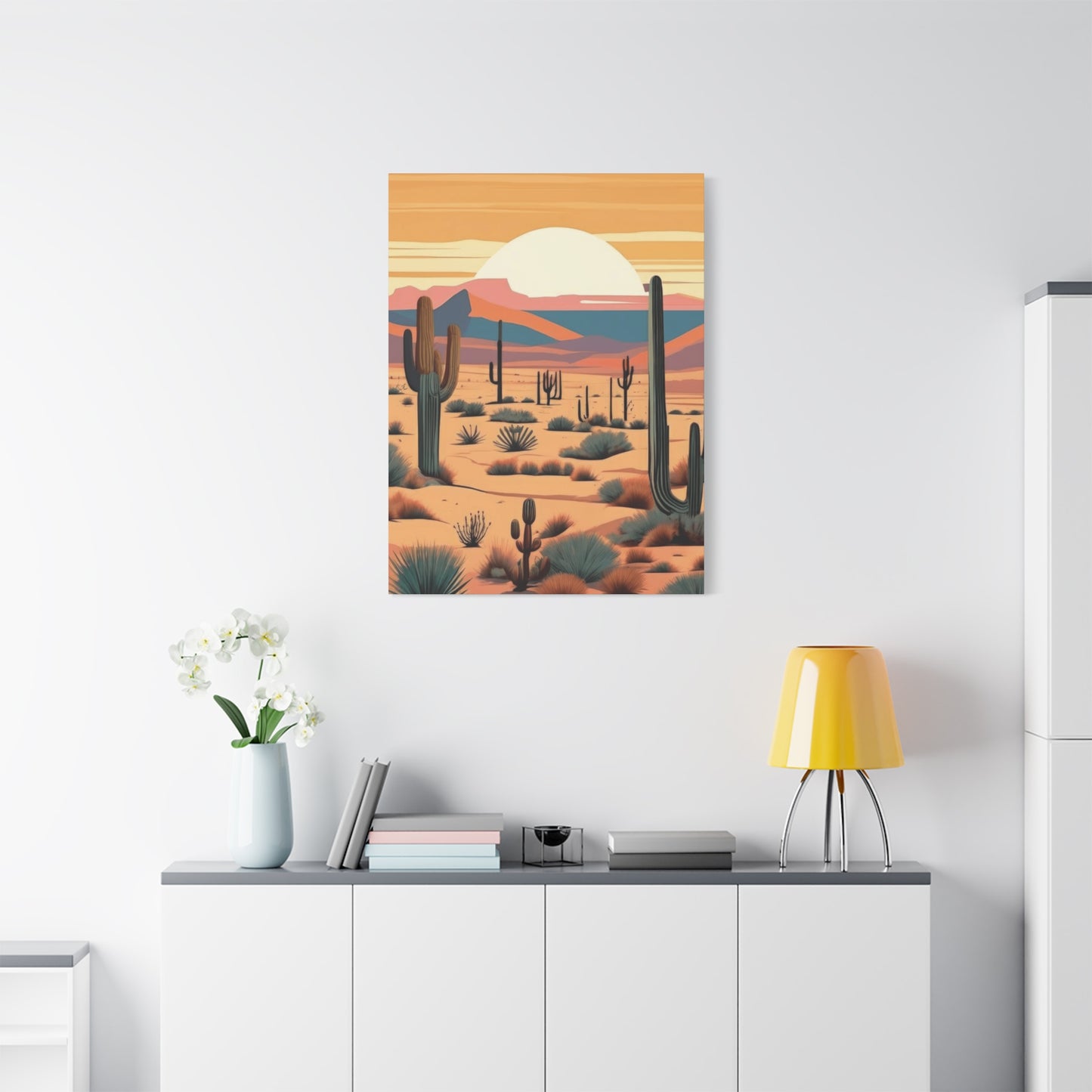
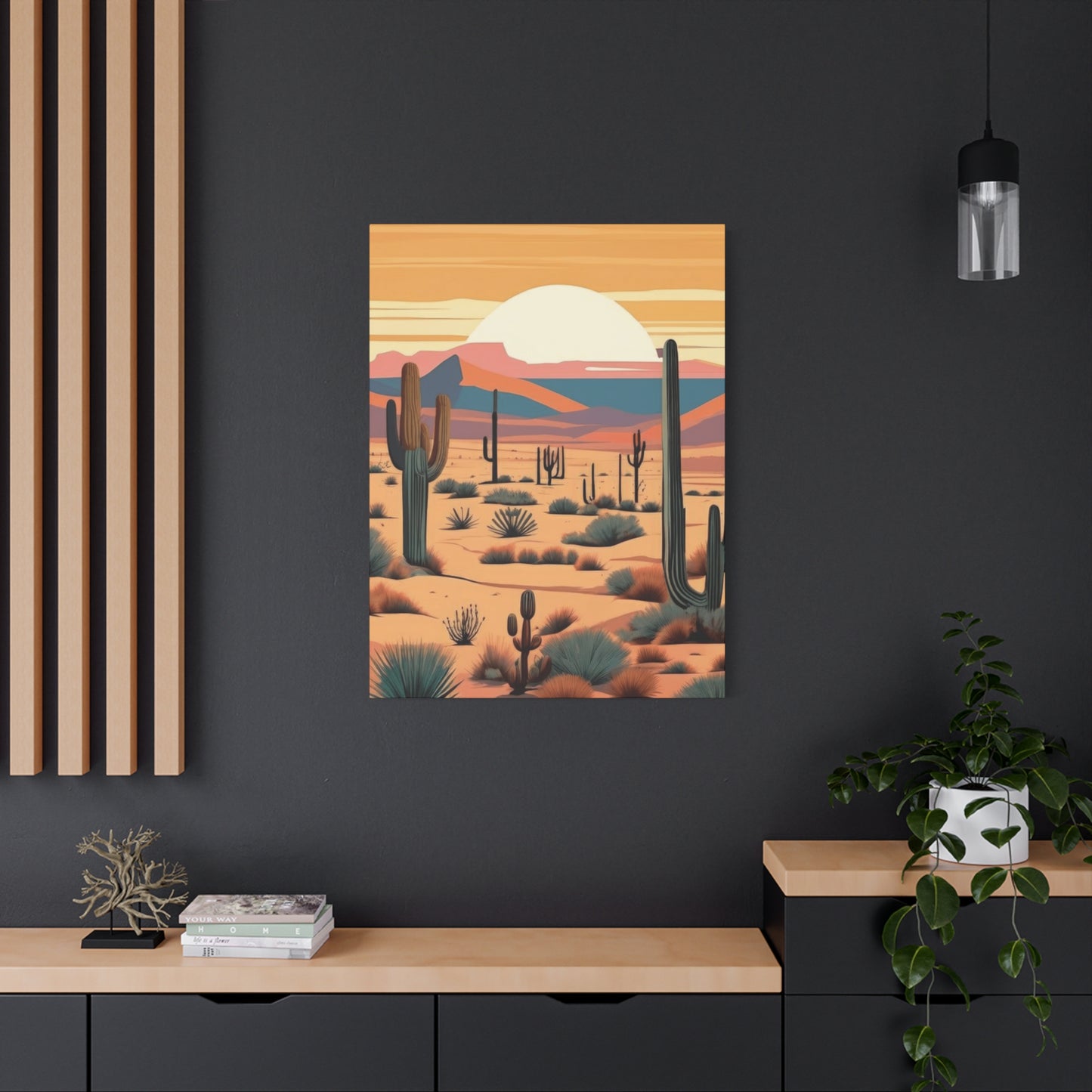
Desert Wall Art & Canvas Prints
Desert Wall Art & Canvas Prints
Couldn't load pickup availability
Discovering the Enchanting World of Desert Wall Art: Your Gateway to Transforming Spaces with Arid Landscape Beauty
The allure of arid landscapes has captivated humanity for centuries, and now these magnificent vistas can grace your living spaces through carefully curated Desert Wall Art. These stunning visual representations bring the raw, untamed beauty of sandy expanses, rugged terrains, and sun-baked horizons directly into your home or workspace. Whether you're drawn to the golden dunes of the Sahara, the sculptural cacti of the American Southwest, or the ethereal sunsets that paint desert skies in breathtaking hues, incorporating these artistic pieces into your environment creates an atmosphere of serenity, warmth, and natural wonder.
The growing fascination with Desert Wall Art stems from our collective yearning to reconnect with nature's most dramatic landscapes. In our increasingly urbanized world, these artistic representations serve as windows to vast, open spaces where silence reigns supreme and the earth reveals its most ancient formations. The stark beauty of arid regions, with their minimalist color palettes and powerful geological features, translates remarkably well into visual art that can complement virtually any interior design scheme.
From contemporary metropolitan apartments to rustic countryside cottages, Desert Wall Art has proven its versatility across diverse architectural styles and personal preferences. The neutral tones commonly found in these pieces—ranging from warm terracottas and burnt siennas to cool sandy beiges and dusty roses—make them exceptionally adaptable to existing color schemes. Moreover, the subjects themselves, whether depicting towering rock formations, endless dune fields, or solitary desert flora, carry symbolic meanings that resonate deeply with viewers seeking to infuse their spaces with messages of resilience, tranquility, and timeless beauty.
The Profound Appeal of Arid Landscape Imagery in Modern Interior Spaces
The magnetic pull of Desert Wall Art extends far beyond mere aesthetic appreciation. These pieces tap into something fundamentally human—our connection to primal landscapes that have shaped civilizations and inspired countless generations. When you introduce imagery of arid regions into your living environment, you're not simply hanging a decorative object; you're creating a portal to some of Earth's most spiritually significant and visually arresting territories.
The psychological impact of surrounding yourself with desert imagery cannot be overstated. Research in environmental psychology has consistently demonstrated that exposure to natural landscapes, even through artistic representation, can significantly reduce stress levels, lower blood pressure, and promote overall mental well-being. Desert scenes, in particular, with their expansive horizons and uncluttered compositions, encourage the mind to relax and expand, offering a visual respite from the cluttered, overstimulated environments many of us navigate daily.
Furthermore, the color psychology inherent in Desert Wall Art plays a crucial role in its appeal. The warm earth tones prevalent in these pieces—ochres, umbers, and siennas—create feelings of groundedness and stability. These hues are known to foster a sense of security and comfort, making them ideal for spaces where relaxation and contemplation are priorities. Conversely, the cooler tones occasionally present in desert imagery, such as the pale blues of distant mountains or the silvery grays of weathered rock, can introduce elements of calm sophistication and refined elegance.
The minimalist nature of desert landscapes also speaks to contemporary design sensibilities. In an era where decluttering and simplified living have become cultural movements, the unadorned beauty of arid regions aligns perfectly with these values. A single saguaro cactus standing sentinel against an endless sky, or a series of undulating dunes creating rhythmic patterns across the canvas—these subjects embody the "less is more" philosophy that defines modern aesthetics. The negative space inherent in desert compositions allows the eye to rest and the mind to breathe, creating a meditative quality that few other artistic subjects can achieve.
Exploring the Vast Spectrum of Desert Wall Art Styles and Mediums
The realm of Desert Wall Art encompasses an extraordinary diversity of artistic approaches, mediums, and stylistic interpretations. From photorealistic captures that document every grain of sand to abstract interpretations that distill desert essence into pure color and form, the options available to collectors and decorators are virtually limitless. Understanding this spectrum allows you to select pieces that not only appeal to your aesthetic sensibilities but also align with your space's functional requirements and emotional objectives.
Photographic Desert Wall Art represents perhaps the most literal interpretation of arid landscapes. These pieces, often captured by intrepid photographers willing to endure extreme conditions for the perfect shot, offer viewers a direct window into desert environments. The advantage of photographic work lies in its authenticity and detail—every texture of weathered rock, every ripple in windswept sand, every subtle gradation in a sunset sky is preserved with remarkable fidelity. High-quality desert photography can transport viewers so effectively that they almost feel the dry heat and hear the whisper of wind across empty spaces.
Within the photographic realm, choices range from dramatic black-and-white compositions that emphasize form, light, and shadow to vibrant color images that celebrate the surprising palette of desert environments. Monochromatic desert photography tends toward the dramatic and artistic, stripping away color to reveal the essential architecture of landscapes. These pieces work exceptionally well in minimalist or contemporary settings where sophistication and restraint are valued. Color photography, meanwhile, can showcase the unexpected vibrancy of desert regions—the brilliant magenta of blooming cacti, the fiery orange of sandstone cliffs at golden hour, or the deep purples and blues of twilight descending over dune fields.
Painted Desert Wall Art offers an entirely different experience, filtered through the artist's subjective vision and emotional response to arid landscapes. Oil paintings, with their rich textures and depth, can capture the luminous quality of desert light in ways that feel almost tangible. The impasto technique, where paint is applied thickly to create dimensional surfaces, works particularly well for depicting rugged terrain and the tactile quality of desert elements. Watercolor desert scenes, by contrast, often capture the ethereal, dreamlike quality of mirages and heat shimmer, with their translucent washes and fluid boundaries suggesting the liminal nature of desert experiences.
Contemporary artists working with acrylics have pushed the boundaries of desert representation, creating everything from hyperrealistic renderings to bold, expressionistic interpretations where color and emotion take precedence over literal accuracy. These pieces might reimagine desert sunsets in unexpected color combinations or abstract the geometric patterns of cracked earth and layered rock formations into purely formal compositions. For collectors seeking pieces that make strong visual statements while still referencing desert themes, these contemporary painted works offer compelling options.
Mixed-media Desert Wall Art represents the cutting edge of this artistic category, combining various materials and techniques to create multi-dimensional works that engage viewers on multiple sensory levels. These pieces might incorporate actual sand or small stones from desert regions, adding authentic tactile elements to the visual composition. Others might combine photography with painted elements, digital manipulation with traditional drawing techniques, or layer transparent materials to create depth and complexity. The three-dimensional quality of many mixed-media pieces allows them to interact dynamically with changing light conditions throughout the day, revealing different aspects depending on viewing angle and illumination.
Digital art has also claimed its place in the Desert Wall Art landscape, with artists using sophisticated software to create images that would be impossible through traditional means. These works might combine multiple photographic exposures, manipulate colors to surreal extremes, or generate entirely imagined desert landscapes that feel simultaneously familiar and otherworldly. The advantage of digital desert art lies in its reproducibility and scalability—the same image can be printed at various sizes to suit different spaces, and limited editions can be produced at relatively accessible price points compared to original paintings or one-of-a-kind photographic prints.
Sculptural and relief Desert Wall Art pushes beyond two-dimensional constraints entirely, bringing the topography of arid landscapes into three-dimensional space. These pieces might feature carved wood representations of desert mesas and buttes, metal sculptures depicting cacti and other desert flora, or ceramic relief tiles that recreate the textured surface of canyon walls. The dimensional quality of these works creates dramatic shadow play, particularly when strategically illuminated, adding an extra layer of visual interest that changes throughout the day as natural light shifts.
Selecting the Perfect Desert Wall Art Pieces for Your Unique Space and Vision
Choosing the right Desert Wall Art for your environment involves careful consideration of multiple factors, from practical dimensions and color coordination to deeper questions of personal resonance and intended atmosphere. The process of selection becomes an opportunity for self-reflection, as you consider what aspects of desert landscapes speak most powerfully to your sensibilities and what messages you want your space to convey to inhabitants and visitors alike.
The first practical consideration involves assessing your available wall space and determining appropriate scale. Desert Wall Art has the unique capacity to work effectively at virtually any size, from intimate small-format pieces to massive panoramic installations that dominate entire walls. Smaller desert images, perhaps depicting a single architectural cactus or a close-up of wind-sculpted rock, work beautifully in more intimate spaces like hallways, bathrooms, or reading nooks. These scaled-down pieces allow for detailed viewing and contemplation, inviting viewers to lean in and discover subtle details.
Larger Desert Wall Art pieces, conversely, create immersive experiences that can transform the entire character of a room. A panoramic photograph of endless dunes or a substantial painted canvas depicting a dramatic desert sunset can serve as the focal point around which all other design elements orbit. When selecting large-scale pieces, consider the viewing distance—will occupants primarily experience the artwork from across the room, or will they have opportunities for closer inspection? Pieces intended for distance viewing can embrace broader gestures and bolder color contrasts, while those positioned where detailed examination is possible reward more nuanced composition and intricate detail.
The color palette of your chosen Desert Wall Art should harmonize with your existing interior scheme while potentially introducing accents that enliven the space. Desert imagery naturally leans toward warm earth tones, but the range within this category is broader than many realize. Some desert scenes emphasize the cooler end of the spectrum—think of dawn light on white sand dunes or the silvery greens of desert sage and mesquite. Others celebrate intense warmth, with saturated reds, oranges, and yellows that seem to radiate heat. Consider whether you want your desert art to blend seamlessly with surrounding colors or to provide deliberate contrast that draws the eye and creates visual punctuation.
Personal connection represents perhaps the most important selection criterion, yet it's also the most intangible. The Desert Wall Art that will bring you lasting satisfaction is that which resonates with something deep in your psyche. Perhaps you've traveled to desert regions and want to preserve those memories visually. Maybe you're drawn to the symbolic associations of deserts—their connotations of spiritual questing, purification, or confrontation with essentials. Or possibly you simply find the visual aesthetics of arid landscapes calming or energizing in ways you can't fully articulate. Trust these intuitive responses; they often lead to choices that continue rewarding you long after initial acquisition.
The subject matter within Desert Wall Art offers another dimension of choice. Do you gravitate toward landscape compositions that emphasize vast spaces and distant horizons, or do you prefer more focused studies of specific desert elements? Portraits of individual cacti or rock formations offer a different emotional experience than sweeping vistas of endless terrain. Wildlife imagery—depicting desert-adapted creatures like roadrunners, jackrabbits, or bighorn sheep—introduces narrative elements and can be particularly appealing for those who appreciate fauna as much as landscape. Abstract interpretations that capture desert essence without literal representation might appeal to those seeking more conceptual or emotionally evocative pieces.
Consider also the time of day depicted in your Desert Wall Art, as this significantly affects the mood and energy of the piece. Dawn desert scenes, with their cool light and promise of new beginnings, convey freshness and optimism. Midday imagery, often characterized by harsh light and stark shadows, communicates strength, clarity, and sometimes austerity. Sunset and twilight desert scenes, awash in warm golds, pinks, and purples, evoke romance, contemplation, and the beauty of transitions. Night desert imagery, perhaps featuring star-filled skies above silhouetted landforms, introduces mystery and cosmic perspective.
The style and medium of your Desert Wall Art should align with your broader interior design aesthetic. Traditional or rustic spaces might be best complemented by oil paintings or warm-toned photographs in classic frames. Contemporary environments often benefit from large-scale photographs with minimal framing, allowing the image itself to make the statement. Eclectic or bohemian spaces might embrace mixed-media pieces or collections of smaller desert images arranged in gallery-wall configurations. Industrial-style interiors can successfully incorporate desert imagery printed on metal or acrylic, emphasizing the unexpected juxtaposition of organic subject matter with modern presentation methods.
Creating Harmonious Arrangements and Displays with Your Desert Wall Art Collection
Once you've selected your Desert Wall Art pieces, the next creative challenge involves arranging and displaying them in ways that maximize their impact while creating cohesive visual narratives. The art of display transforms individual pieces into curated collections that speak more eloquently together than any single work could alone. Whether you're working with a single statement piece or assembling a gallery wall of multiple desert images, thoughtful arrangement elevates the entire aesthetic experience.
For single large-scale Desert Wall Art pieces, positioning is paramount. The center of the artwork should typically hang at eye level, though this varies somewhat depending on whether the space is primarily experienced while seated or standing. In living rooms where occupants spend most time seated, slightly lower positioning often works better. In entryways or hallways where viewing occurs while standing and moving, standard gallery height—approximately 57 to 60 inches from floor to center—usually proves ideal. Consider also the relationship between your desert art and surrounding furniture or architectural features. Centering a piece above a sofa or console table creates formal symmetry, while asymmetrical positioning can introduce dynamic energy in more contemporary settings.
Gallery walls featuring multiple Desert Wall Art pieces require more complex planning but offer opportunities to tell richer visual stories. When assembling collections of desert imagery, consider creating thematic coherence through color, subject matter, or stylistic approach. A gallery wall might trace a journey through various desert regions, display different times of day in the same location, or present multiple artistic interpretations of similar subjects. Alternatively, you might embrace variety, curating a collection that showcases the remarkable diversity of desert environments and artistic approaches.
The physical arrangement of multi-piece installations can follow several successful patterns. Grid arrangements, with uniform spacing and alignment, create orderly, modern compositions that work particularly well with same-size frames and similar image styles. This approach brings a sense of intentional curation and collected cohesion. Salon-style arrangements, with varied frame sizes and less regular spacing, feel more organic and accumulated, as though the collection has grown gradually over time. This style works beautifully in more eclectic or traditional settings and can accommodate diverse artistic styles and mediums.
When planning gallery walls, many designers recommend first arranging pieces on the floor in front of the intended wall, experimenting with different configurations until finding the most pleasing arrangement. Another approach involves creating paper templates matching each frame's dimensions and temporarily attaching these to the wall with removable tape, allowing you to visualize the final arrangement before committing to nail holes. The spacing between pieces in gallery walls typically ranges from one to three inches—closer spacing creates more unified visual impact, while wider spacing allows each piece more individual breathing room.
Lighting plays a crucial role in presenting Desert Wall Art effectively. Natural light can beautifully illuminate these pieces, particularly during morning and evening hours when sunlight takes on warmer tones that complement desert imagery. However, direct sunlight should be avoided, as it can cause fading and damage over time, particularly to photographs and works on paper. Position pieces on walls perpendicular to windows rather than directly opposite them, allowing ambient light to illuminate artwork without direct exposure to potentially damaging UV rays.
Artificial lighting allows precise control over how your Desert Wall Art is presented. Picture lights mounted directly above or below artworks create focused illumination that makes pieces glow against darker walls. Track lighting or adjustable spotlights offer flexibility, allowing you to highlight specific pieces or adjust emphasis as your collection evolves. LED lighting has become the preferred choice for art illumination, as these bulbs emit minimal heat and UV radiation while providing excellent color rendering. Warm-white LED bulbs typically work best with desert imagery, enhancing the inherent warmth of these pieces without distorting their colors.
The frames and mounting methods you choose for your Desert Wall Art significantly affect the overall presentation. Traditional wood frames in warm tones—walnut, oak, or even weathered reclaimed wood—complement desert imagery beautifully while adding organic texture. Metal frames in bronze, copper, or iron finishes can echo the earthy quality of desert landscapes while providing contemporary edge. For modern minimalist aesthetics, floating frames or simple gallery frames in black or white allow the imagery to take absolute precedence. Canvas prints often look stunning when stretched and mounted without frames, creating clean contemporary presentations where the image extends to the edges.
Consider also the relationship between your Desert Wall Art and other decorative elements in the space. Desert imagery often pairs beautifully with natural materials—think raw wood furniture, stone or ceramic vessels, woven textiles, and potted succulents or cacti. These tactile elements create a holistic desert-inspired aesthetic that extends beyond the two-dimensional art. Conversely, the organic warmth of desert art can provide pleasing contrast in spaces dominated by cooler materials like glass, steel, or polished concrete, introducing necessary warmth and connection to natural world.
Maintaining and Preserving Your Desert Wall Art for Lasting Beauty and Value
Proper care and maintenance of your Desert Wall Art ensures these pieces continue bringing beauty to your spaces for decades to come. While different mediums require somewhat specific care approaches, several general principles apply across most categories of desert imagery. Understanding these preservation fundamentals protects both the aesthetic quality and potential investment value of your collection.
Environmental conditions represent the first line of defense in art preservation. Desert Wall Art, like most artworks, thrives in stable conditions with moderate temperature and humidity levels. Extreme fluctuations in either factor can cause various forms of deterioration—paper can buckle or become brittle, canvas can expand and contract causing paint to crack, and photographs can develop mold or foxing. Aim to maintain indoor temperatures between 65 and 75 degrees Fahrenheit and relative humidity between 40 and 50 percent. These moderate conditions prevent most environmental damage while remaining comfortable for human inhabitants.
Light exposure poses perhaps the greatest long-term threat to Desert Wall Art, particularly for photographs, works on paper, and pieces created with light-sensitive media. Even artwork that appears colorfast can gradually fade when exposed to intense or direct light over extended periods. As mentioned earlier, avoiding direct sunlight is crucial, but even indirect natural light and certain artificial light sources can cause cumulative damage. If you notice colors beginning to appear less vibrant or contrast diminishing, light damage is likely occurring. UV-filtering glazing for framed pieces provides significant protection, blocking harmful ultraviolet radiation while allowing visible light to pass through relatively unimpeded.
For unframed canvas Desert Wall Art pieces, regular dusting with a soft, dry cloth or specialized microfiber duster prevents accumulation of particulates that can dull surfaces over time. Work gently, following the direction of any visible brushstrokes or canvas weave, and avoid applying pressure that might disturb the paint surface. For pieces behind glass or acrylic glazing, cleaning the protective surface requires slightly different care. Glass can typically be cleaned with standard glass cleaner sprayed onto a cloth rather than directly onto the glass, preventing liquid from seeping behind the glazing. Acrylic requires more specialized care, as it scratches more easily than glass; use only cleaners specifically formulated for acrylic, and employ extremely soft, lint-free cloths.
Framed Desert Wall Art benefits from occasional inspection of the frame and mounting system. Check that hanging hardware remains secure, as even modest weight can gradually work screws loose from drywall or wood. Examine frames for signs of damage, separation at corners, or finish deterioration. Look for any evidence of insect activity, particularly in frames constructed from natural wood, as certain pests can infest and damage both frames and artwork. If you notice any concerning signs, consult with a professional framer or conservator who can address issues before they compromise your artwork.
When cleaning becomes necessary beyond simple dusting, exercise extreme caution. For oil or acrylic painted Desert Wall Art, professional cleaning is generally recommended, as improper methods can cause irreversible damage. Some gently varnished paintings may be carefully cleaned with barely damp—not wet—cloth, but this should only be attempted if you're certain about the painting's construction and finish. Watercolors and works on paper should generally never be touched with any moisture and should instead be professionally cleaned when necessary.
For valuable or particularly meaningful Desert Wall Art pieces, professional conservation may be worthwhile even in absence of obvious damage. Conservators can assess the condition of artworks, identify potential issues in early stages, and perform preventive treatments that extend the life of pieces. They can also reframe artworks using archival materials that better protect against environmental factors, potentially removing pieces from older frames where acidic materials or inadequate sealing have allowed deterioration to begin.
Rotating your Desert Wall Art collection periodically serves multiple purposes—it refreshes your visual environment, prevents "banner blindness" where familiar artworks cease registering consciously, and reduces cumulative light exposure on any single piece. Consider maintaining a rotating collection where some pieces spend time in storage while others enjoy wall display. This approach works particularly well if you've accumulated more desert art than you have appropriate wall space to display simultaneously. Store artworks properly—in climate-controlled spaces, wrapped in acid-free materials or stored in specialized art storage boxes, kept away from concrete floors or exterior walls where temperature and humidity fluctuations are most extreme.
Documentation of your Desert Wall Art collection serves both practical and sentimental purposes. Photograph each piece, ideally including shots that show overall composition, artist signature or photographer mark, frame details, and any identifying labels or certificates of authenticity. Record purchase information, including date, source, and price paid. For limited edition prints, note the edition number and size. This documentation proves invaluable for insurance purposes, but also creates a visual record of your collection's development over time, capturing how your tastes have evolved and what pieces have moved through your spaces.
Insurance considerations become important as collections grow in value. Standard homeowner's or renter's insurance policies typically provide some coverage for artwork, but coverage limits may be inadequate for valuable pieces. If your Desert Wall Art collection includes significant investments—original paintings, limited edition photographs by established artists, or rare prints—consider scheduling these items individually on your insurance policy or obtaining separate fine art insurance. This ensures adequate coverage in case of damage, theft, or loss, though hopefully such protection remains forever unused.
Discovering and Acquiring Desert Wall Art from Diverse Sources and Artists
The journey of building a Desert Wall Art collection leads through numerous avenues, from traditional brick-and-mortar galleries to expansive online marketplaces, direct artist relationships, and even personal creative endeavors. Each acquisition source offers distinct advantages, challenges, and experiences, and savvy collectors often utilize multiple channels to curate collections that balance quality, uniqueness, budget considerations, and personal connection.
Traditional art galleries specializing in landscape or Western art represent perhaps the most established source for quality Desert Wall Art. These physical spaces allow you to experience artworks in person, seeing true colors and textures, assessing scale in relation to your own body, and sometimes discussing pieces with knowledgeable gallery staff or even the artists themselves. Gallery representation often indicates a certain level of artistic achievement, as galleries typically curate their stable of artists carefully, selecting those whose work demonstrates technical skill, consistent quality, and market viability. The gallery experience also provides opportunities to see how pieces are professionally framed and presented, offering ideas for displaying your own collection.
However, gallery purchases typically command premium prices, reflecting not only the artist's compensation but also the gallery's overhead costs and commission structure. This markup funds the valuable services galleries provide—the curated viewing experience, expert staff assistance, marketing and promotion of artists' work, and often some level of guarantee or return policy. For collectors seeking museum-quality pieces or works by established artists, gallery pricing may be justified by the confidence and service provided.
Art fairs and festivals create concentrated opportunities to encounter numerous artists and galleries in single locations over brief periods. Desert-themed art fairs, Western art exhibitions, or general fine art markets often feature multiple artists working in desert imagery, allowing direct comparison of styles, pricing, and quality. The social atmosphere of art fairs can be particularly enjoyable, often including opportunities to meet and converse with artists, watching demonstrations, and sometimes even negotiating prices more flexibly than formal gallery settings might allow. Limited-time fair pricing, where artists offer special event rates to generate sales during concentrated exposure, can make acquisitions more accessible financially.
Direct purchases from artists represent another rewarding channel for Desert Wall Art acquisition. Many artists maintain studio spaces where visitors can view works in progress alongside finished pieces, gaining insight into creative processes while selecting artwork. Others operate primarily through personal websites or social media platforms, where they showcase portfolios, announce new works, and facilitate direct sales. Purchasing directly from artists typically offers better value than gallery purchases, as the middleman commission is eliminated, allowing artists to earn more while charging buyers less. Additionally, many art collectors treasure the personal connection formed when acquiring work directly from its creator, often receiving signed pieces, certificates of authenticity, and sometimes even background stories about the specific artwork's creation.
Online marketplaces have democratized art collecting, providing access to literally millions of artworks from around the globe, searchable by subject, style, size, price range, and numerous other criteria. Major platforms specializing in art sales offer both original works and high-quality reproductions, often with detailed specifications, multiple images showing pieces from various angles, and customer reviews from previous buyers. The convenience of browsing extensive inventories from home, comparing pieces side-by-side, and filtering by precise criteria makes online shopping exceptionally efficient. However, the inability to see artworks in person before purchasing represents a significant limitation—colors may appear differently on screens versus in actual spaces, and scale can be difficult to judge from photographs alone.
Print-on-demand services have created another avenue for acquiring Desert Wall Art, particularly photographic or digital imagery. These services maintain catalogs of licensed images from photographers and artists, printing them on various substrates—canvas, fine art paper, metal, acrylic—and in custom sizes as orders are received. This model allows consumers to obtain high-quality reproductions at relatively accessible prices, with the flexibility to choose specific sizes and presentation formats that fit their spaces and budgets. While print-on-demand artworks lack the uniqueness and potential investment value of originals or limited editions, they make beautiful desert imagery accessible to broader audiences and serve admirably in many decorative contexts.
Auctions, both traditional in-person events and increasingly popular online formats, present opportunities to acquire Desert Wall Art at potentially favorable prices, particularly for secondary market pieces by established or deceased artists. Auction dynamics create excitement and sometimes allow acquisitions below estimated values, though competitive bidding can just as easily drive prices above expectations. Online auction platforms have made this acquisition channel more accessible, eliminating geographical barriers and allowing participation from anywhere with internet access. However, auction purchasing requires more knowledge and confidence, as examination opportunities may be limited and sales are typically final with no return options.
Commissioning custom Desert Wall Art offers the ultimate in personalization, allowing you to work directly with an artist to create pieces specifically envisioned for your spaces and preferences. Whether you commission a photographer to capture specific desert locations that hold personal significance or engage a painter to create a desert landscape in colors precisely coordinated with your interior palette, commissioned work ensures absolute uniqueness. The commission process typically involves consultations to discuss vision and specifications, sometimes preliminary sketches or concept presentations, and progress updates as the work develops. While commissioned pieces generally cost more than purchasing existing works—reflecting the artist's time for consultation and the guaranteed sale eliminating market risk—the resulting artwork's perfect alignment with your vision often justifies the premium.
Estate sales and antique shops occasionally yield unexpected Desert Wall Art discoveries, particularly vintage photographs, mid-century paintings, or older prints that possess charm born from age and provenance. These pieces might lack the technical perfection of contemporary works, but often compensate with authentic period character and sometimes surprisingly accessible pricing. The hunt through such venues becomes part of the collecting adventure, with the thrill of discovery adding to the ultimate satisfaction when exceptional pieces are unearthed from unlikely contexts.
Creating your own Desert Wall Art represents perhaps the most personally meaningful acquisition path. Whether through photography during desert travels, painting or drawing based on desert inspiration, or digital art composition using sophisticated software, self-created pieces carry inherent personal significance that purchased works can never quite match. Even those without extensive artistic training can create meaningful desert-inspired work through various accessible mediums—photography requires increasingly minimal technical knowledge given modern smartphone camera capabilities, watercolors allow expressive interpretation without demanding photo-realistic skill, and numerous digital tools include templates and assistance features that lower barriers to entry.
Drawing Inspiration from Diverse Desert Environments Around Our Planet
The world's arid regions encompass extraordinary diversity, from frozen polar deserts to scorching subtropical sandscapes, from the world's driest locations to surprisingly diverse ecosystems supporting remarkable life forms. Understanding this global range of desert environments enriches appreciation for Desert Wall Art by revealing the breadth of subjects and inspirations available within this artistic category. Each major desert region possesses distinctive characteristics that translate into unique visual aesthetics when captured through artistic media.
The Sahara Desert, Earth's largest hot desert stretching across North Africa, has inspired countless artists with its iconic undulating dunes, some reaching heights of nearly 600 feet. The Sahara's signature erg landscapes—vast sand seas where wind sculpts endlessly repeating dune patterns—create hypnotic visual rhythms that translate beautifully into both photographic and painted Desert Wall Art. The color palette ranges from pale golden sands to deep rust-orange, depending on time of day and iron oxide content in the sand. Beyond the famous dunes, the Sahara encompasses rocky hammada plateaus, stone-littered reg plains, and scattered mountain ranges, providing diverse subject matter. Ancient rock art sites and abandoned settlements add human narrative elements to pure landscape compositions.
North America's desert regions—the Sonoran, Chihuahuan, Mojave, and Great Basin deserts—each possess distinctive character that appeals to different aesthetic sensibilities. The Sonoran Desert, spanning parts of Arizona, California, and Mexico, is perhaps most recognizable for its iconic saguaro cacti, those towering columnar giants that have become symbolic of American Southwest desert landscapes. Sonoran Desert Wall Art frequently features these charismatic plants, often silhouetted against colorful sunsets or captured in detailed botanical portraits. The diverse flora of this region—including ocotillo, palo verde, barrel cacti, and seasonal wildflowers—provides rich subject matter for artists seeking to celebrate desert life rather than pure geology.
The Mojave Desert, extending across southeastern California, southern Nevada, and portions of Utah and Arizona, presents a starker aesthetic marked by Joshua trees—those Dr. Seuss-like members of the yucca family that dot the landscape with their twisted architectural forms. Mojave Desert Wall Art often emphasizes the sculptural quality of these unusual plants against backdrop of distant mountains and enormous skies. The region's extreme elevation range, from below sea level in Death Valley to mountain peaks above 11,000 feet, creates dramatic topographic diversity captured in artworks showcasing everything from salt flats and sand dunes to snow-capped peaks visible beyond arid valleys.
The Chihuahuan Desert, largest in North America, spanning parts of Mexico and the American Southwest, offers perhaps the most diverse flora of any desert region, with over 3,000 plant species including numerous cacti varieties. Art depicting this region often showcases the collective visual impact of varied desert plants creating textured landscapes where different life forms compete for attention. The distinctive limestone formations and colorful mineral deposits in parts of the Chihuahuan Desert add geological drama to botanical subject matter.
Australia's deserts—including the Great Victoria, Great Sandy, Tanami, Simpson, and numerous others—collectively cover nearly 70 percent of the continent, yet remain relatively unfamiliar to audiences outside Australia. Australian desert landscapes possess distinctive character marked by red and orange earth tones, spinifex grass creating golden hummocks across vast distances, and eucalyptus trees adapted to extreme aridity. Desert Wall Art featuring Australian arid lands introduces audiences to landscapes that feel simultaneously familiar and exotic, sharing certain qualities with other desert regions while possessing unique Australian character. The Aboriginal art traditions associated with these regions, with their distinctive dot-painting techniques and symbolic representations of desert dreamtime stories, represent entirely unique artistic approaches to desert themes.
The Middle Eastern deserts, including the Arabian Desert and smaller regional deserts, have shaped human civilization for millennia and carry profound cultural and spiritual associations for many people. Desert Wall Art featuring these regions often incorporates architectural elements—ancient ruins, traditional structures, or distant modern cities visible across expanses of sand—that add narrative dimension to pure landscape. The characteristic red-orange sand of regions like Jordan's Wadi Rum creates particularly vibrant color in desert imagery, while the famous "singing sands" phenomenon where dune movement creates eerie sounds adds another layer of mystique to artistic representations.
South America's Atacama Desert, considered Earth's driest non-polar desert, presents an almost alien landscape where some weather stations have never recorded rainfall. The extreme aridity creates surreal, moon-like terrain featured in dramatic Desert Wall Art compositions. Paradoxically, the Atacama also hosts spectacular wildflower blooms during rare wet years when dormant seeds germinate in masses, creating temporary carpets of color that contrast dramatically with the typical barren landscape. The region's high elevations, clear skies, and absence of light pollution make it one of Earth's premier astronomical observation sites, inspiring nighttime desert imagery featuring extraordinary starscapes above silhouetted landscapes.
Asian deserts, including the Gobi spanning Mongolia and China, and the Karakum of Central Asia, introduce different climatic character—many are cold winter deserts experiencing significant snowfall and temperature extremes that most people don't associate with desert environments. Desert Wall Art from these regions might depict sand dunes dusted with snow, or autumn landscapes where vegetation takes on golden hues against backdrop of early season snow on distant mountains. The combination of desert and steppe environments creates transition zones with unique visual character distinct from hot desert regions.
Even polar regions qualify as deserts based on extremely low precipitation levels, and while perhaps unexpected as sources for "Desert Wall Art," the aesthetic parallels between frozen wastes and traditional sandy deserts prove striking. Both environments feature vast expanses of monochromatic terrain, endless horizons, extreme minimalism, and harsh beauty that tests human endurance while inspiring awe. The abstract quality of ice formations, windswept snow patterns, and pale color palettes in polar desert imagery creates surprisingly effective companions to traditional desert art in carefully curated collections.
Incorporating Desert Wall Art Into Specific Rooms and Functional Spaces
Different rooms within homes and various types of workspaces present unique opportunities and considerations for incorporating Desert Wall Art effectively. Understanding how to match desert imagery with the specific functions, moods, and practical requirements of different spaces allows you to maximize both aesthetic impact and the positive influence these pieces can exert on daily experience.
Living rooms, typically serving as primary gathering spaces for families and guests, benefit tremendously from thoughtfully selected Desert Wall Art that creates conversation focal points while establishing the room's overall aesthetic tone. Large-scale pieces above sofas or fireplaces anchor these spaces visually while making bold statements about personal style and values. Consider whether you want desert imagery to create calming retreat atmosphere or to energize and inspire. Sunset desert scenes with warm, saturated colors can create cozy evening ambiance when complemented by appropriate lighting, while dawn landscapes or cool-toned desert photography might keep the space feeling fresh and energizing throughout the day.
Bedrooms present opportunities to use Desert Wall Art for creating deeply personal sanctuaries optimized for rest and contemplation. The bedroom gallery should prioritize pieces that resonate personally and promote the mental state conducive to quality sleep. Generally, this argues for calmer desert imagery—subtle color palettes, peaceful compositions, and subjects that invite meditation rather than stimulation. A serene twilight desert scene or minimalist composition of single cactus silhouette might work beautifully above a bed's headboard, creating a visual statement that remains restful rather than demanding attention. Some people find that viewing expansive desert horizons from bed creates mental spaciousness that facilitates relaxation and imagination.
Home offices and workspaces benefit from Desert Wall Art that balances inspiration with non-distraction. While you want imagery that energizes and motivates during working hours, overwhelming visual complexity or intensely emotional content might prove counterproductive when focus is required. Consider desert photography or paintings that incorporate elements of structure and pattern—the geometric lines of desert rock formations, the repeating rhythms of dune fields, or the architectural forms of cacti. These provide visual interest and subtle stimulation without competing for attention with the cognitive demands of work.
Conclusion
In conclusion, discovering the enchanting world of desert wall art offers a unique and transformative way to bring the mesmerizing beauty of arid landscapes into your living spaces. Desert landscapes—marked by vast sand dunes, striking rock formations, and tranquil skies—are visually stunning and carry an emotional depth that can resonate deeply with those who appreciate nature’s raw elegance. Through desert-themed wall art, these awe-inspiring scenes are not only captured but brought to life, infusing your home with the serene and rugged charm of one of the world’s most captivating environments.
One of the key strengths of desert wall art lies in its ability to create a peaceful and introspective atmosphere. The vastness and simplicity of desert scenes—often characterized by wide open spaces and soft, earthy tones—invite calm and reflection, making them perfect additions to spaces where relaxation and mindfulness are prioritized. Whether in a living room, bedroom, or meditation space, the art can evoke a sense of tranquility, offering an escape from the busyness of everyday life. The minimalist beauty of the desert, combined with its expansive horizons, can help to open up a space visually, making it feel larger and more inviting, while simultaneously providing a peaceful retreat for the mind and spirit.
The visual appeal of desert wall art also contributes significantly to its widespread popularity in interior design. With its warm color palette—shades of sandy beige, terracotta, deep crimson, and soft golden yellows—desert art complements a wide range of design styles, from modern minimalism to rustic charm, bohemian aesthetics, and even southwestern decor. These earthy tones pair effortlessly with neutral, natural, or even metallic finishes, making desert-themed art a versatile choice that can seamlessly integrate into diverse spaces. The bold silhouettes of desert cacti, rugged mountains, and sweeping sand dunes can serve as focal points, adding depth and character to any room.
Beyond their visual beauty, desert landscapes are imbued with powerful symbolism. The desert is often associated with resilience, solitude, and transformation, as life in such a harsh environment is shaped by endurance and adaptation. These themes make desert wall art more than just decoration—it becomes a reflection of the human experience, representing perseverance and the ability to thrive in the face of adversity. Whether depicting a quiet sunset over the desert or a lone cactus standing against a golden sky, these artworks often evoke a sense of personal strength, introspection, and connection with nature’s cyclical patterns of life and growth.
Moreover, desert wall art serves as a meaningful conversation starter, offering insights into ecological conservation and the importance of preserving natural landscapes. The desert, with its delicate balance of life, is a powerful symbol of both fragility and resilience, reminding viewers of the need to protect vulnerable ecosystems. For those passionate about environmental awareness, desert art offers an accessible way to engage with these ideas within their home, creating spaces that not only look beautiful but also spark reflection on our relationship with the natural world.
The lasting appeal of desert wall art also stems from its timeless nature. Unlike fleeting trends, desert landscapes have a timeless quality, transcending seasonal fads and continually offering a sense of tranquility, wonder, and resilience. This makes desert-themed art a worthwhile investment that can elevate a space for years to come, providing both visual pleasure and deeper emotional resonance with every glance.
Ultimately, discovering the world of desert wall art opens the door to transforming your living spaces into serene, thoughtful environments. Whether you’re drawn to the beauty of the arid wilderness for its visual impact, its symbolic meaning, or its ability to create an atmosphere of calm and introspection, desert-themed art offers a compelling way to enhance your home. By bringing the beauty of the desert indoors, you create a space that not only reflects nature’s enduring charm but also invites peace, inspiration, and connection with the world around you.
Share