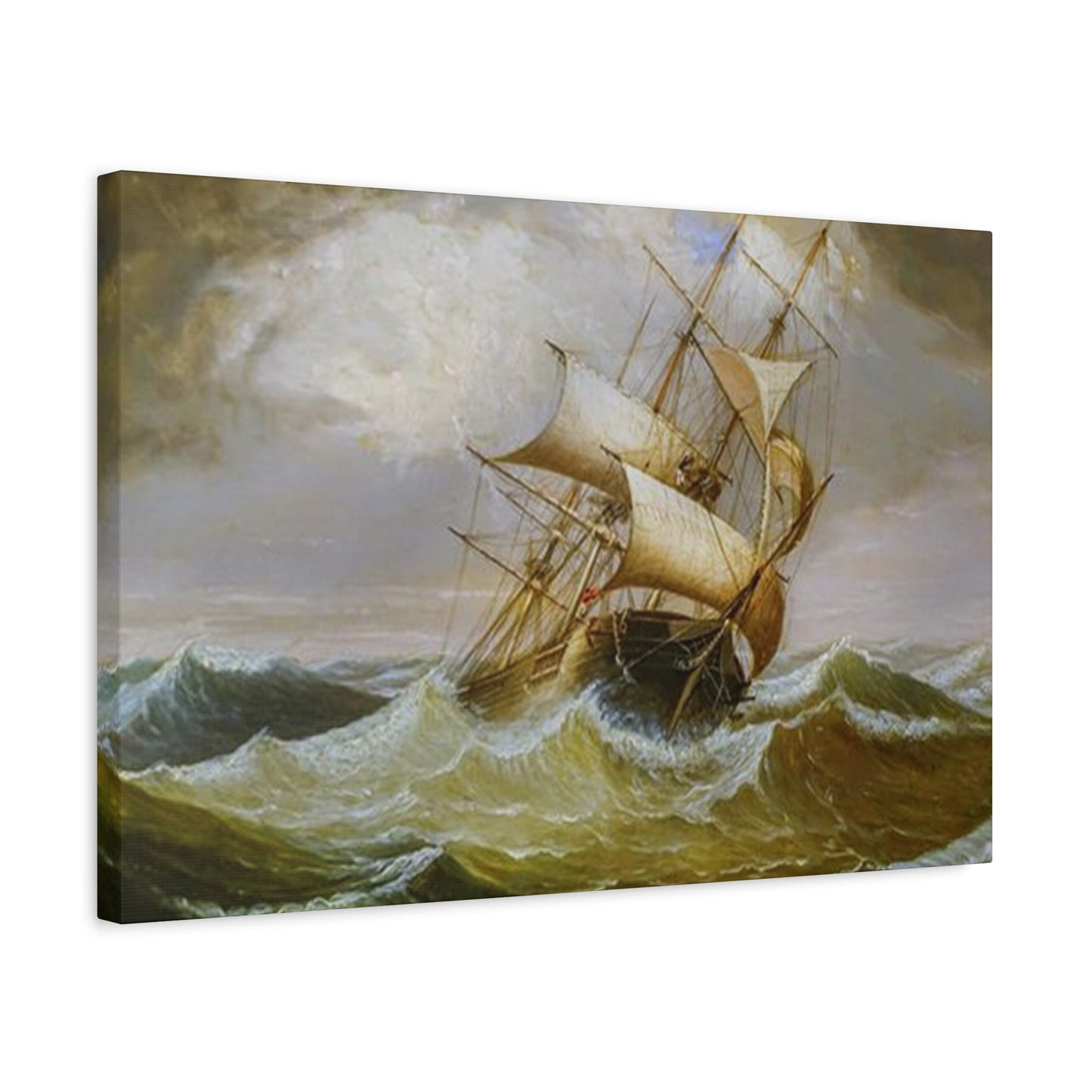
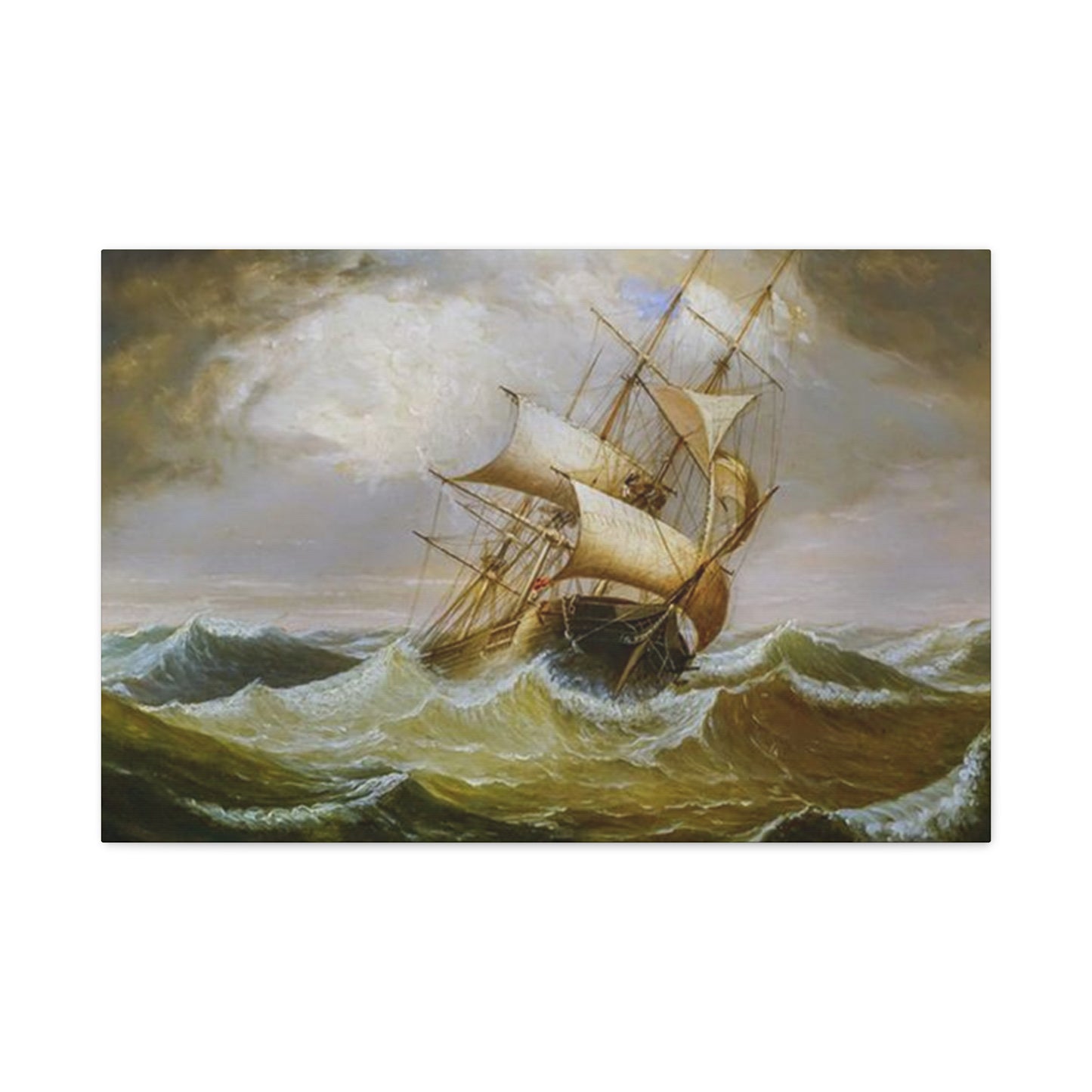
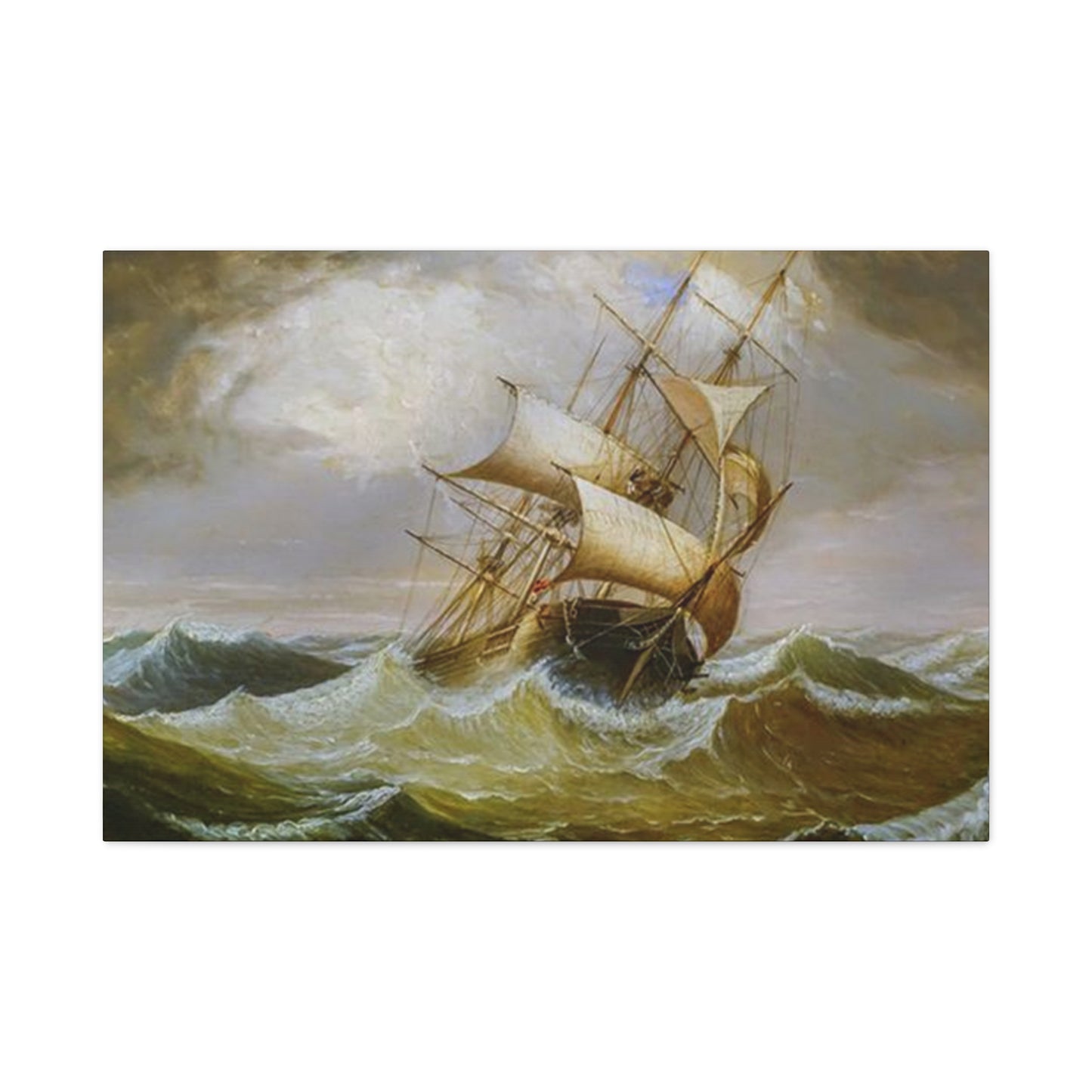
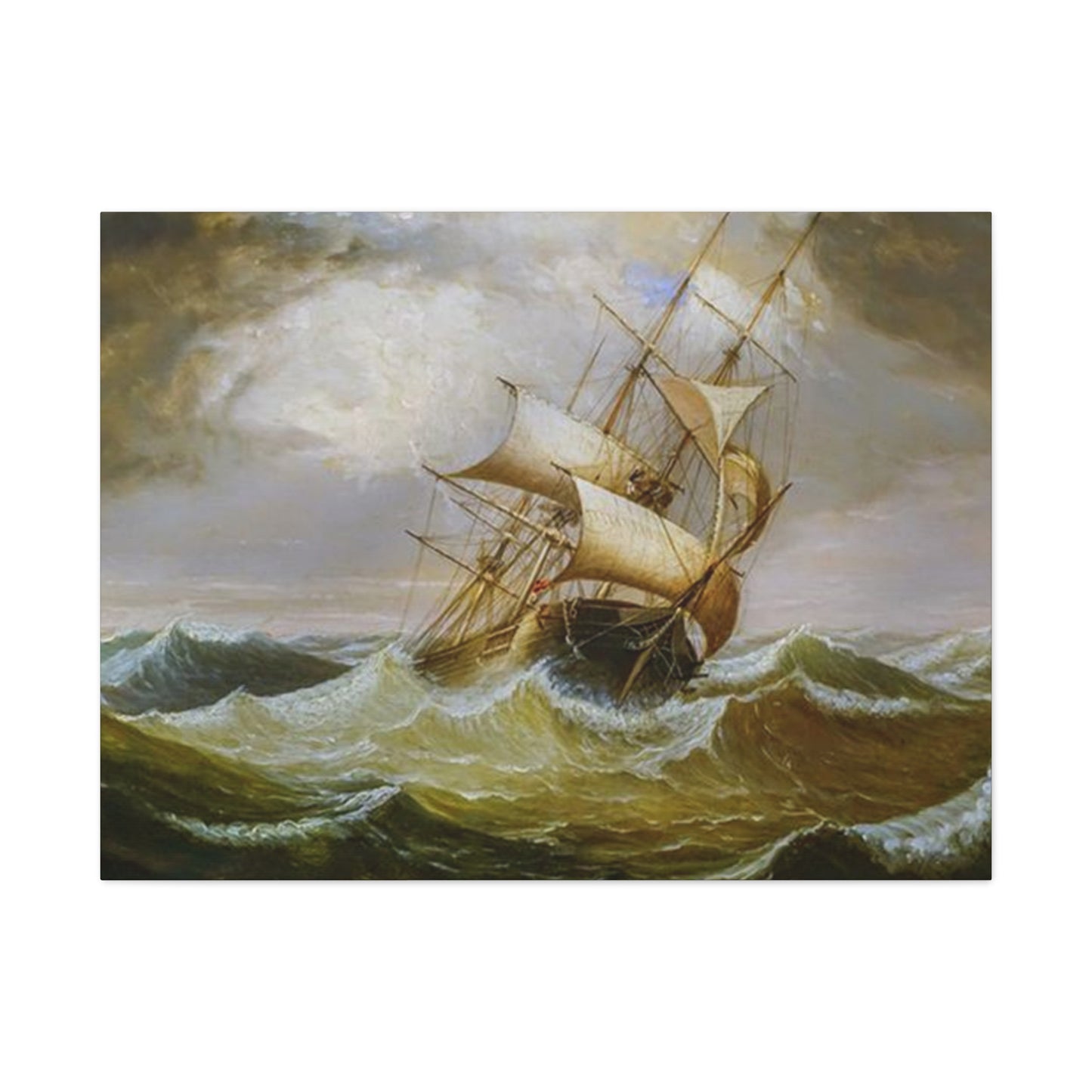
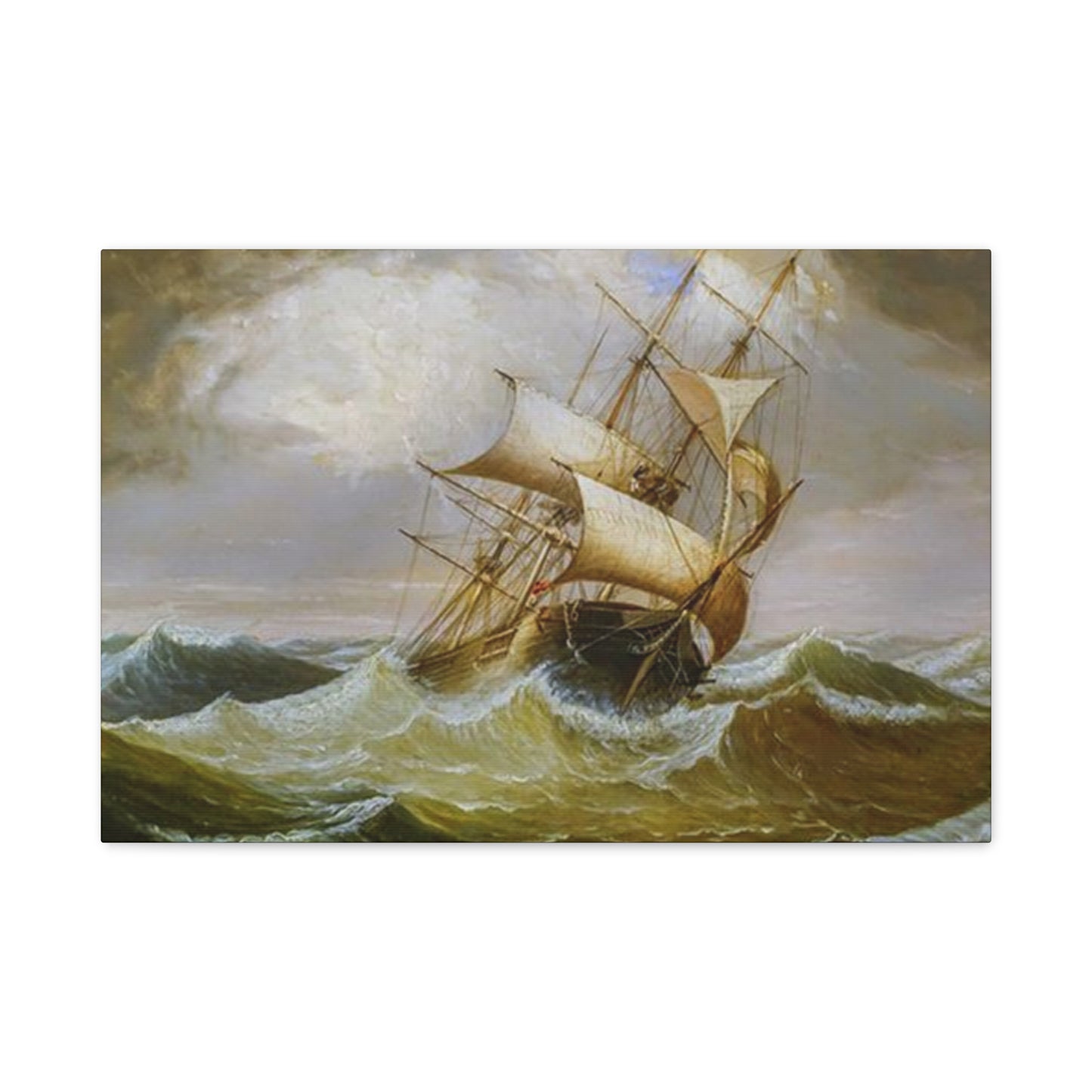
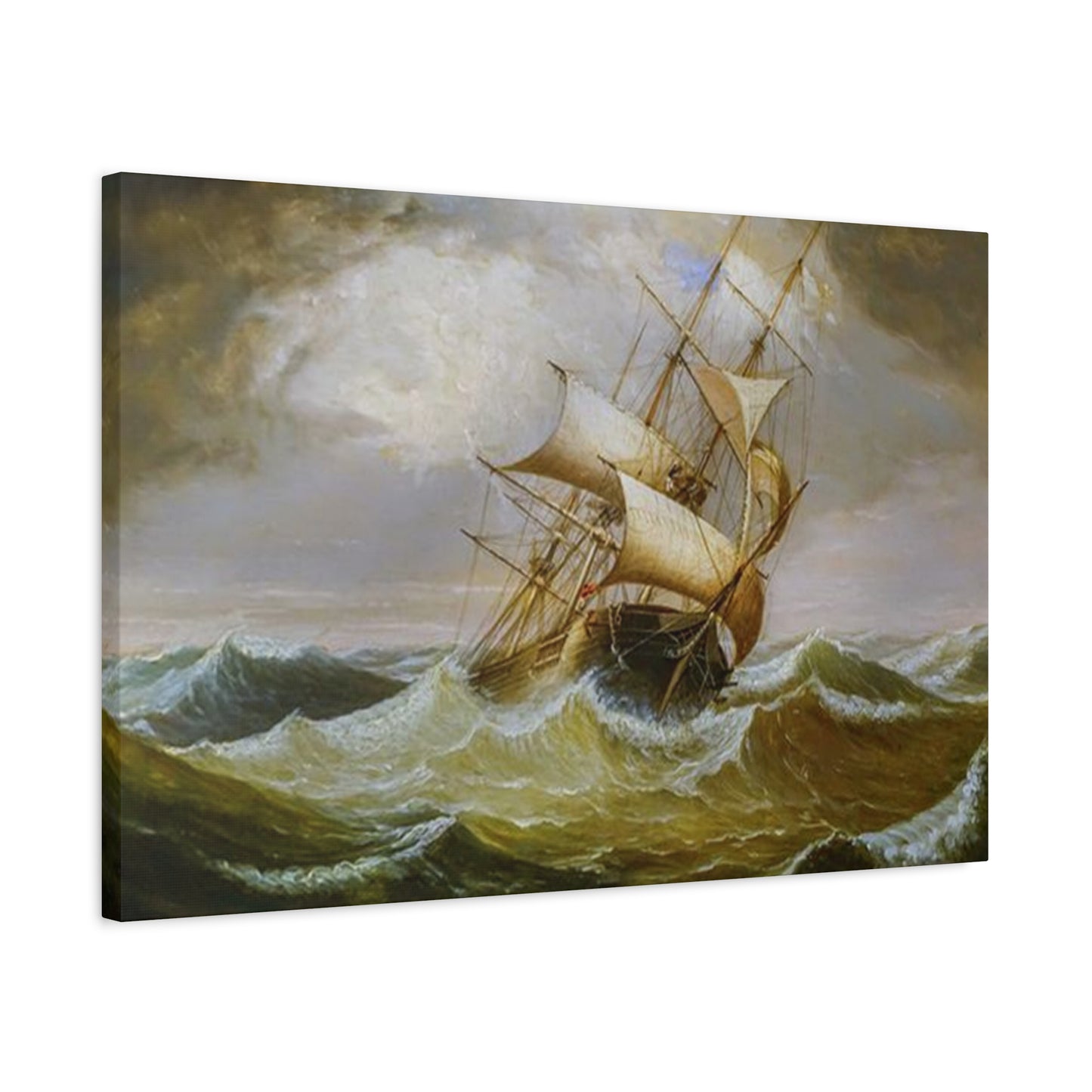
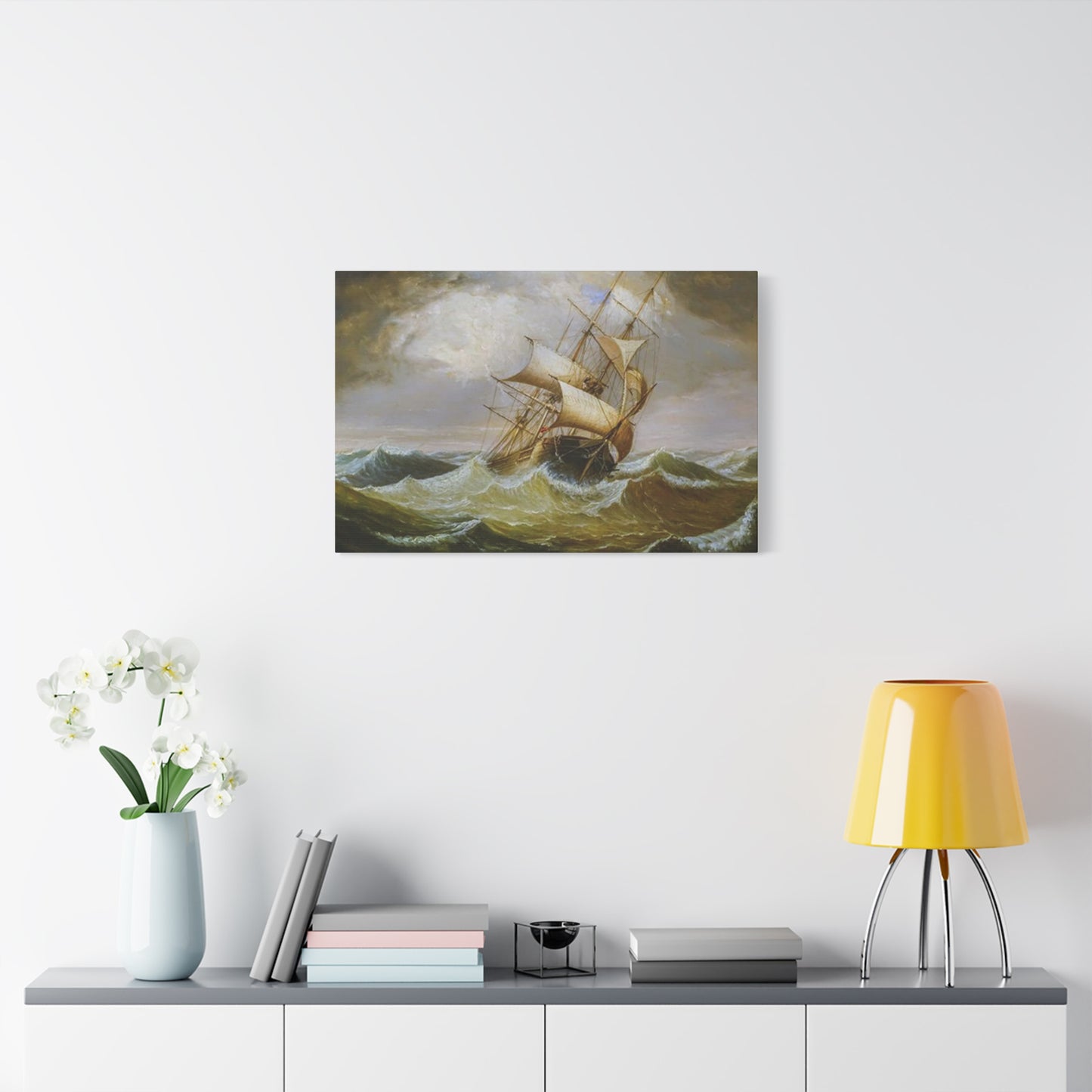
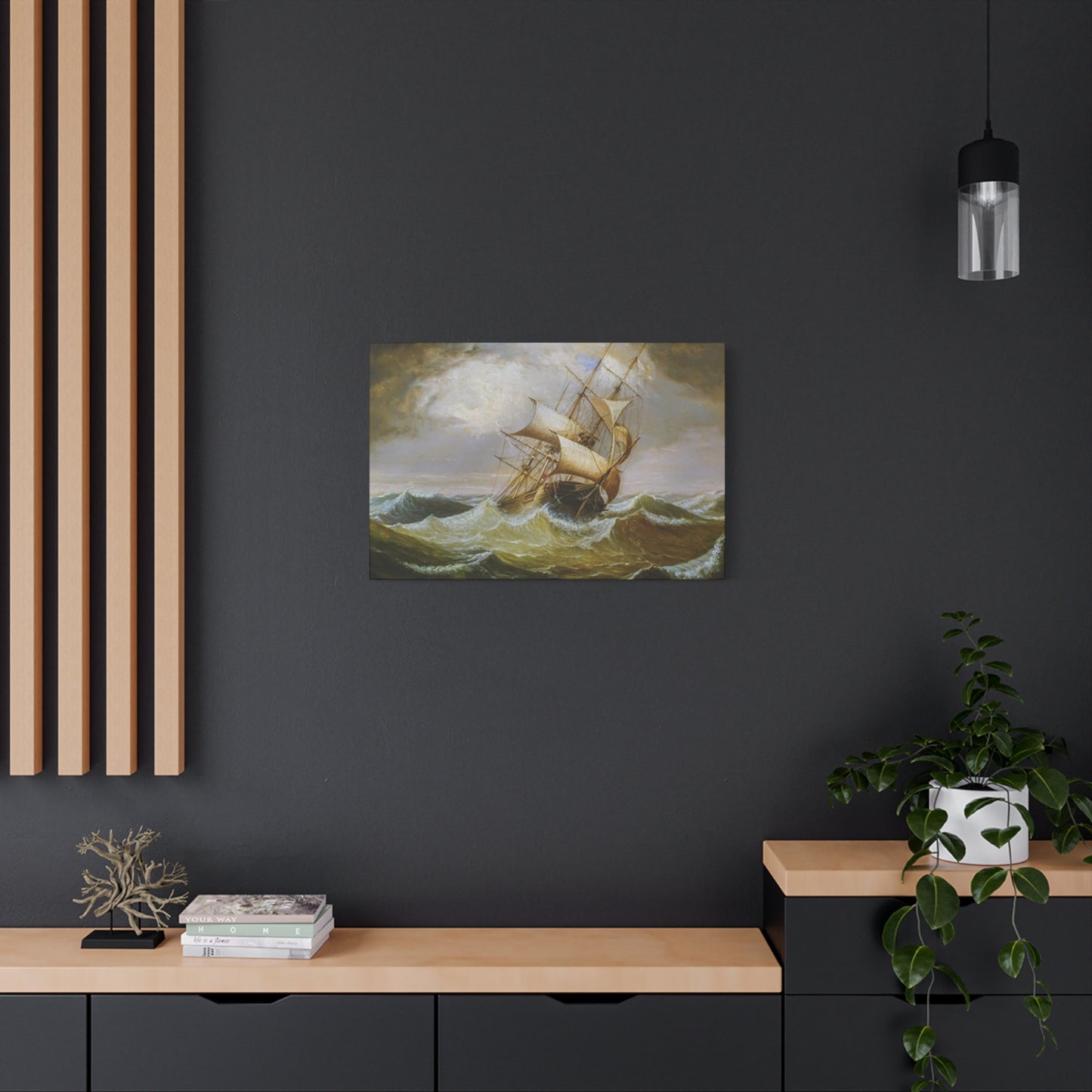
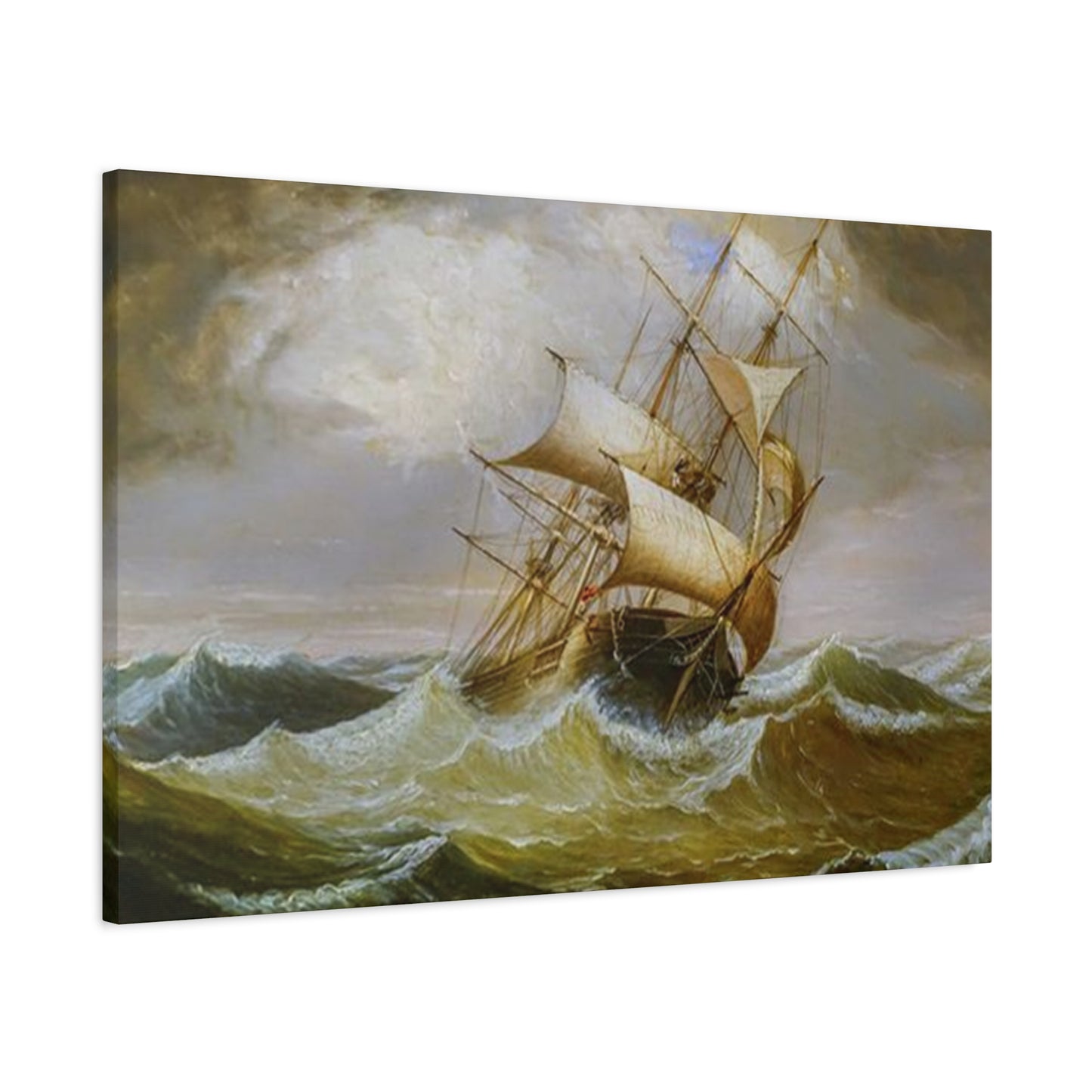
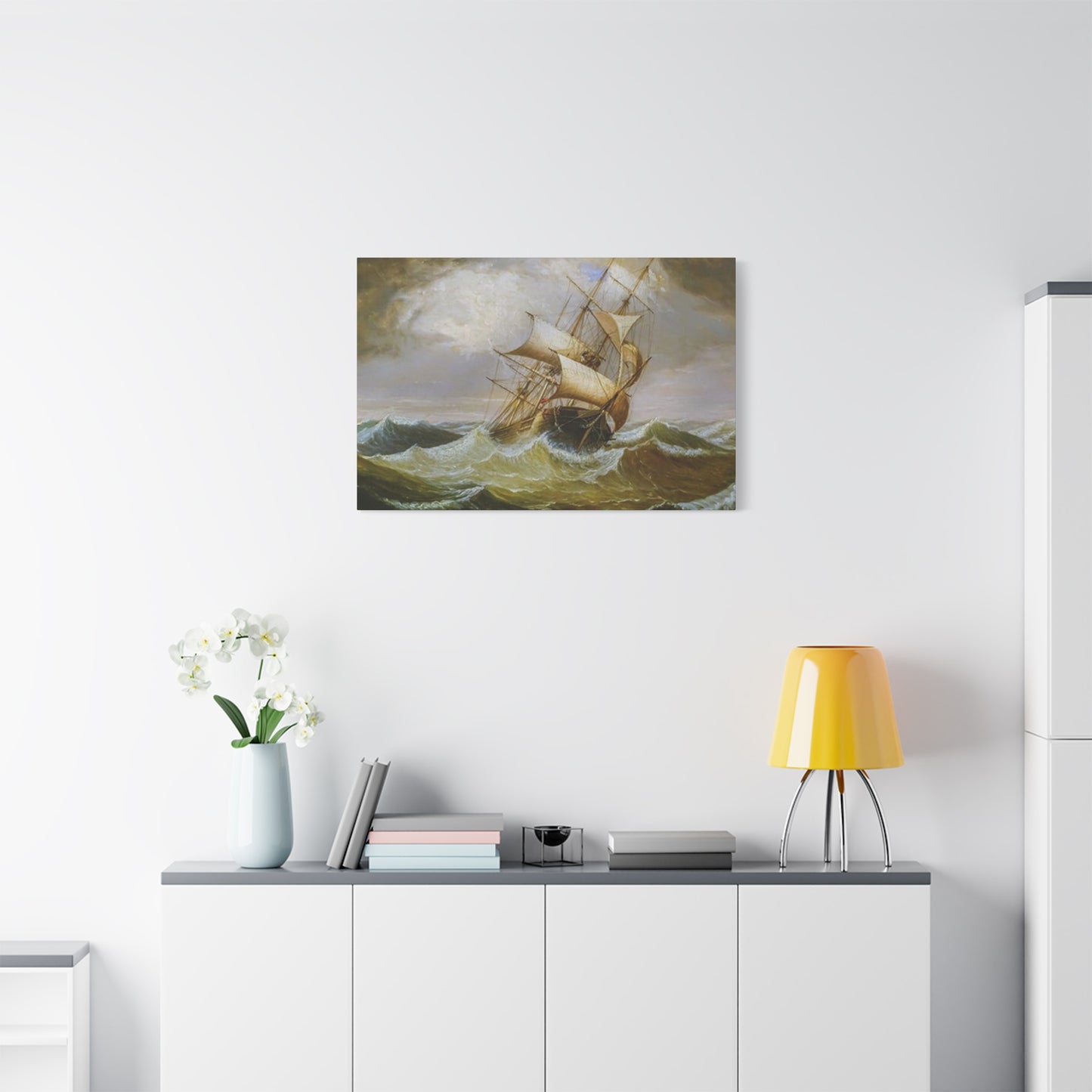
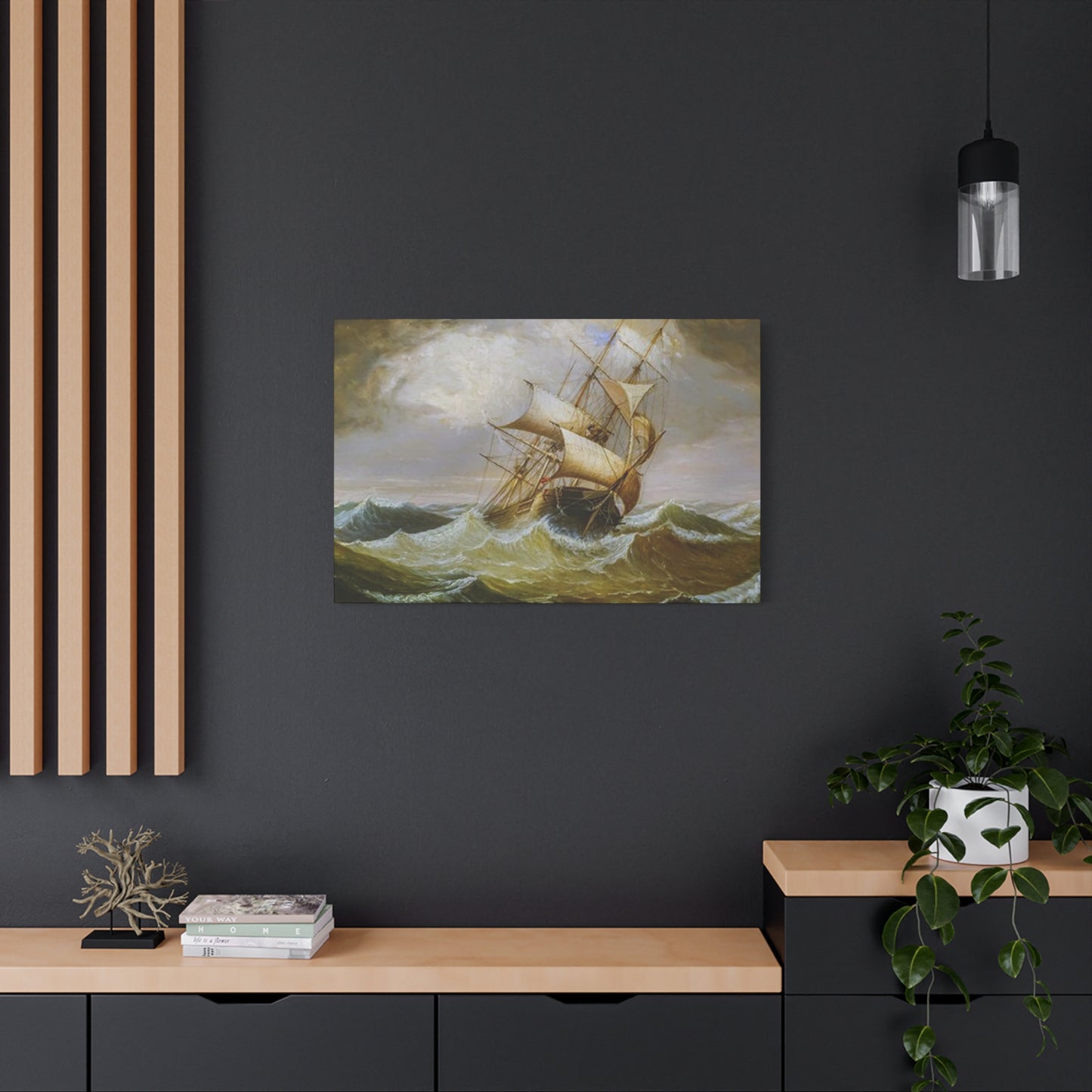
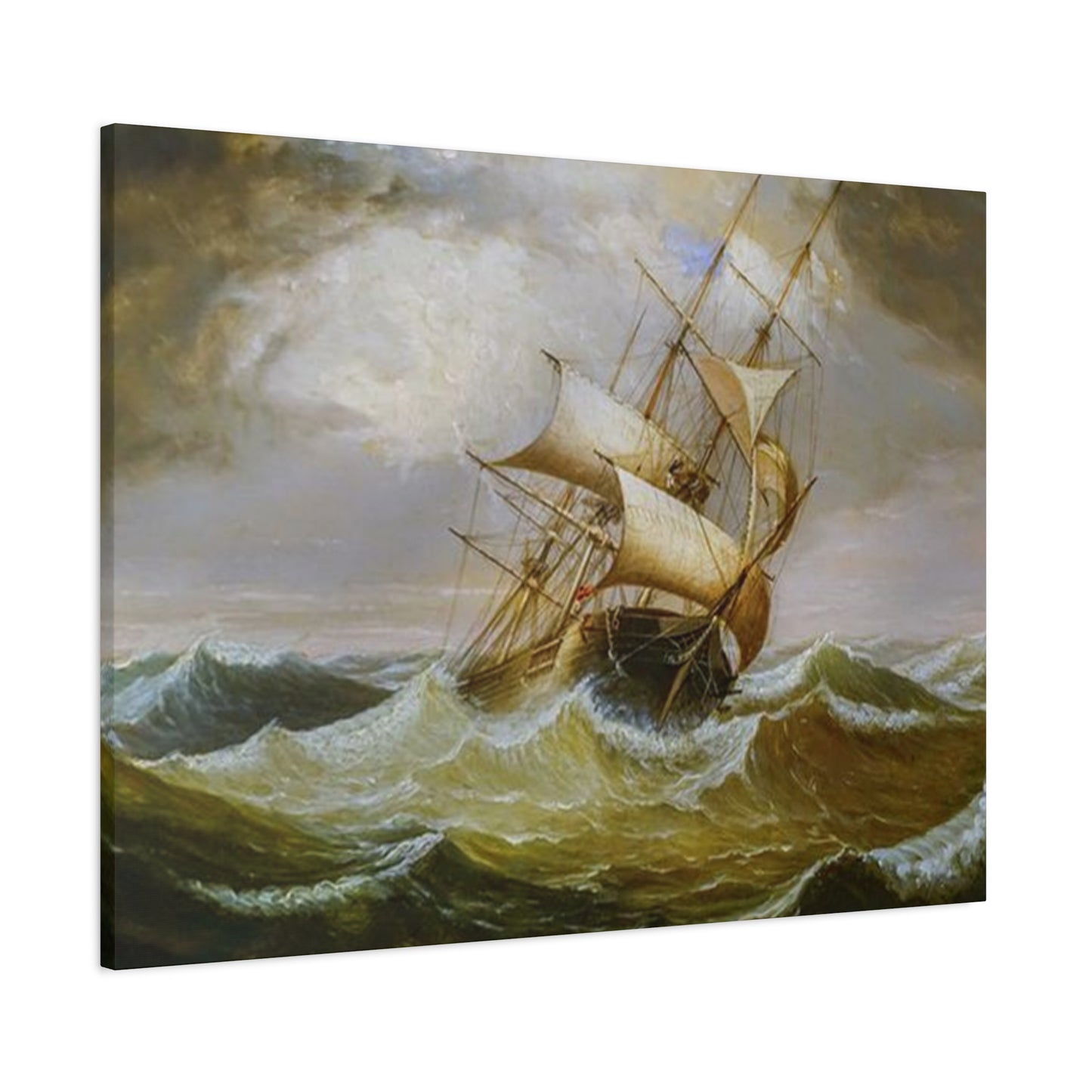
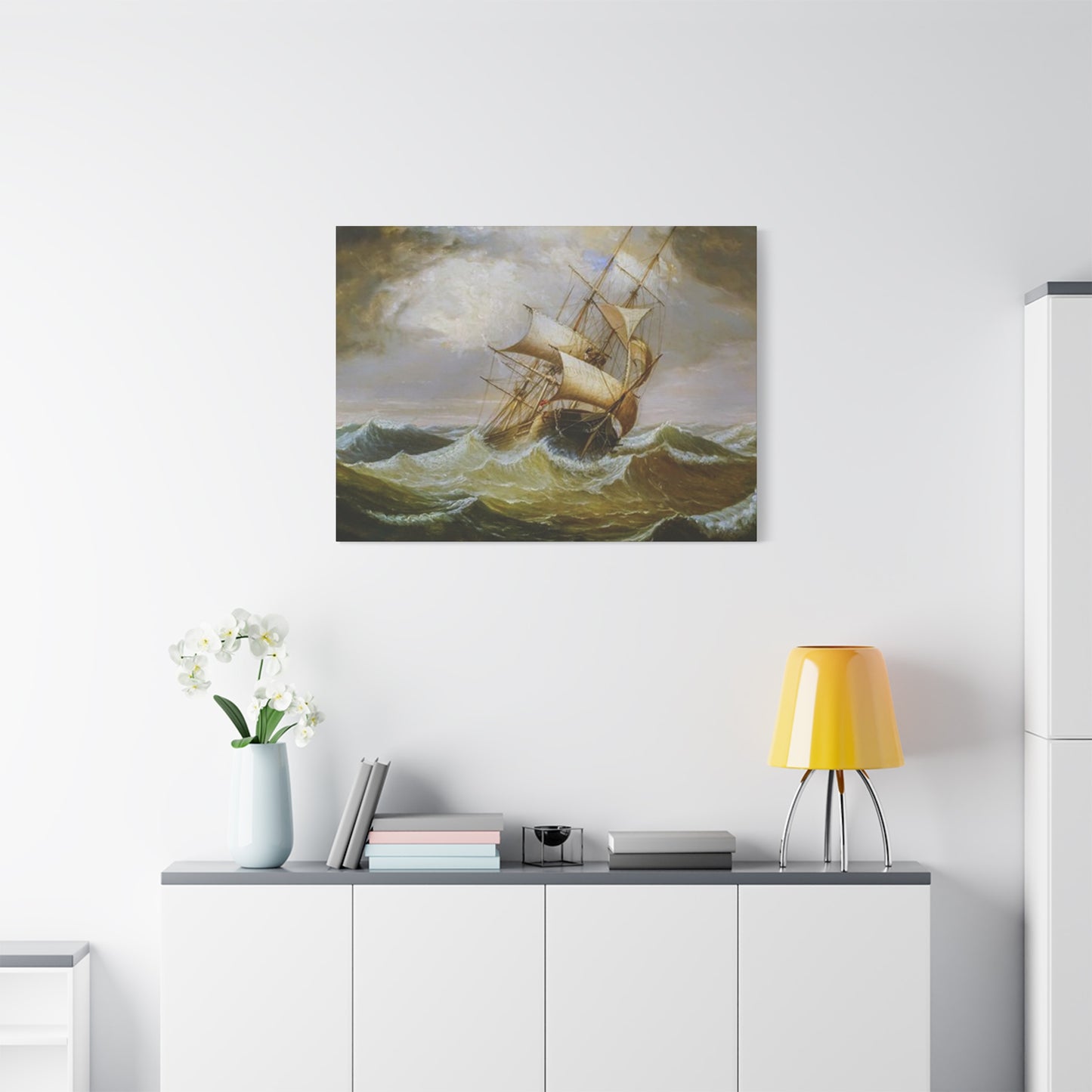
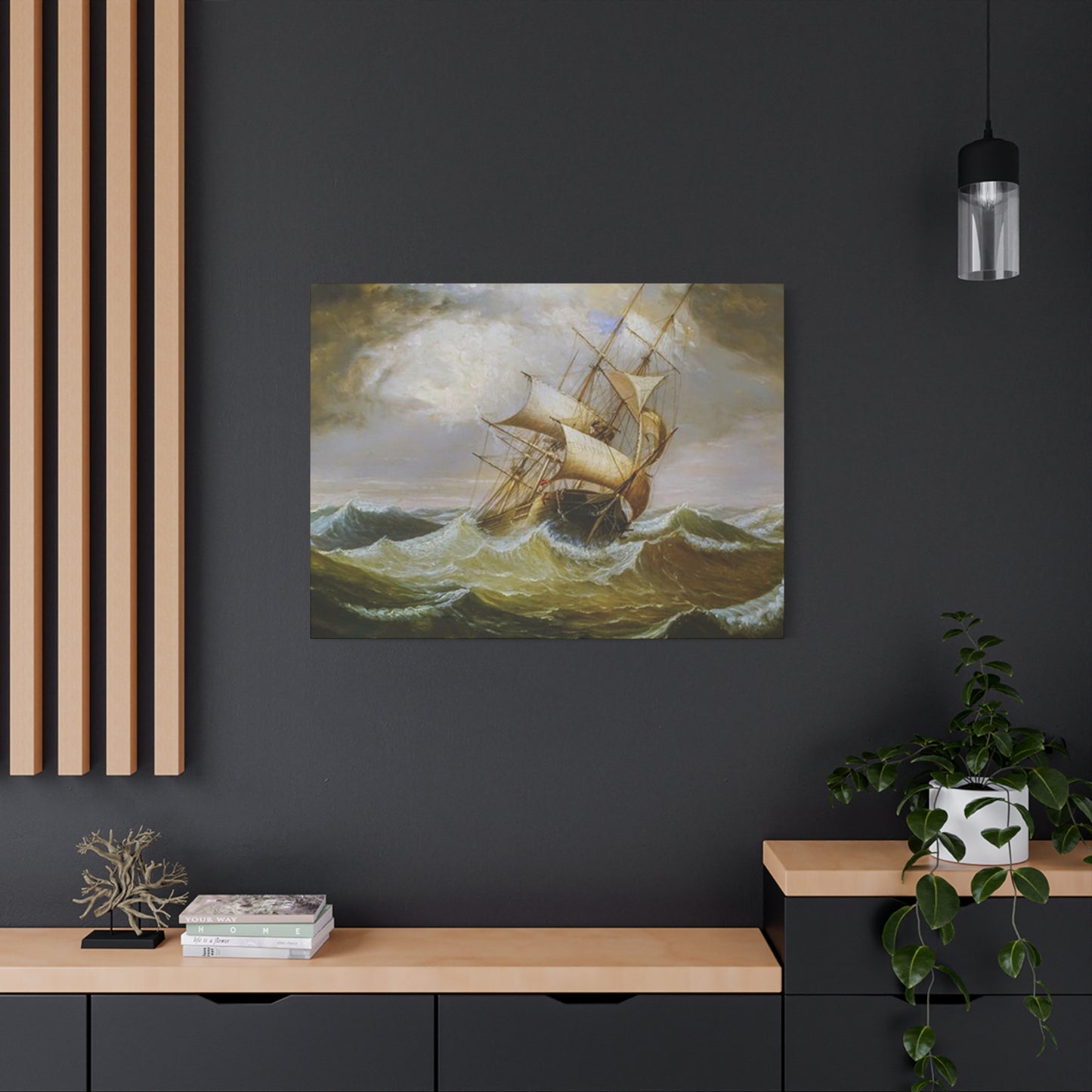
Derailing Ship In Ocean Wall Art & Canvas Prints
Derailing Ship In Ocean Wall Art & Canvas Prints
Couldn't load pickup availability
Captivating Maritime Disaster Imagery: Derailing Ship In Ocean Wall Art for Contemporary Living Spaces
The allure of maritime catastrophes captured through artistic expression has become increasingly prevalent in modern interior design. Visual representations showcasing vessels experiencing critical moments at sea offer homeowners and collectors an extraordinary way to infuse their environments with dramatic nautives and powerful symbolism. These striking pieces, particularly those depicting ships in perilous situations amidst vast oceanic expanses, serve as compelling focal points that stimulate conversation while adding depth and character to any room.
The Profound Appeal Behind Nautical Calamity Artwork Within Modern Homes
Maritime disaster imagery possesses an inherent magnetism that transcends conventional decorative choices. When individuals select derailing ship in ocean wall art, they're not merely acquiring decorative items but rather investing in pieces that embody humanity's eternal struggle against nature's overwhelming forces. The visual narrative contained within these artworks speaks to fundamental aspects of human experience—vulnerability, resilience, and the unpredictable nature of existence itself.
The psychological resonance of such imagery stems from multiple layers of meaning. Vessels represent human ambition, exploration, and the desire to conquer uncharted territories. When portrayed in distress, these same vessels become metaphors for life's unexpected challenges and the courage required to navigate turbulent periods. This symbolic richness makes maritime disaster artwork particularly meaningful for individuals who have weathered significant personal storms or who appreciate the philosophical dimensions of visual storytelling.
Contemporary collectors gravitate toward these pieces because they offer something beyond aesthetic pleasure. The turbulent waves, ominous skies, and listing vessels create dynamic compositions that energize spaces in ways that conventional landscape or portrait artwork cannot match. The inherent movement and drama captured in these scenes prevent rooms from feeling static or lifeless, instead infusing them with kinetic energy that transforms the viewing experience each time one encounters the piece.
Diverse Artistic Expressions Capturing Vessels in Perilous Circumstances
The realm of maritime disaster representation encompasses numerous stylistic approaches, each offering distinct visual characteristics and emotional resonance. Realistic renderings employ meticulous attention to detail, capturing every nuance of churning water, splintering wood, and billowing sails with photographic precision. These works appeal to purists who appreciate technical mastery and historical accuracy in their decorative selections.
Impressionistic interpretations take a markedly different approach, utilizing loose brushwork and atmospheric color palettes to convey the emotional essence of maritime calamities rather than literal depictions. These pieces often feature soft-edged forms and dreamlike qualities that suggest memory or the passage of time, making them particularly suitable for spaces seeking contemplative ambiance rather than stark drama.
Abstract representations push the boundaries further, distilling maritime disasters down to their most fundamental elements—color, form, and gesture. These pieces might use swirling patterns to suggest turbulent waters or stark geometric shapes to represent the angular collision between human-made structures and natural forces. Such works appeal to viewers with modernist sensibilities who appreciate conceptual complexity over representational fidelity.
Mixed media creations incorporate diverse materials and techniques, combining painted elements with collaged components, textural additions, or three-dimensional elements. These pieces offer rich visual interest through varied surface qualities and the interplay between different artistic media. The layered construction of mixed media works creates depth that flat paintings cannot achieve, making them particularly striking when illuminated properly.
Digital artwork has emerged as a significant category within maritime disaster representation, offering possibilities unavailable through conventional media. Digital artists can manipulate colors, lighting, and compositional elements with precision, creating hyperrealistic or surrealistic visions of nautical catastrophes. The versatility of digital production also allows for easy reproduction at various scales without quality loss, making these pieces accessible across different budget ranges.
Strategic Placement Considerations for Maximum Visual Impact Throughout Your Dwelling
The positioning of derailing ship in ocean wall art significantly influences both its visual effectiveness and the atmospheric qualities it imparts to surrounding spaces. Living areas represent prime locations for such dramatic pieces, particularly above sofas or fireplace mantels where they can serve as commanding focal points. The generous wall space typically available in these communal zones accommodates larger-scale works that fully express the grandeur and turbulence of maritime disasters.
Entryways and corridors benefit from maritime calamity artwork by transforming transitional spaces into memorable experiences. A striking piece positioned near the entrance immediately establishes the home's aesthetic character while offering guests something compelling to contemplate as they arrive. Hallways, often neglected in decorative schemes, become gallery-like passages when adorned with appropriately scaled nautical disaster scenes.
Home offices and personal studies gain particular resonance from such imagery, as the metaphorical dimensions of ships navigating treacherous waters parallel the challenges professionals face in their vocational pursuits. The symbolic representation of perseverance through adversity can serve as daily inspiration for those engaged in demanding work, making these pieces functional beyond their aesthetic contributions.
Bedroom placement requires more careful consideration, as the intensity of maritime disaster imagery might prove overstimulating in spaces designated for rest and relaxation. However, for individuals who find the imagery personally meaningful or who prefer dramatic bedroom aesthetics, positioning such artwork where it's visible but not immediately confrontational—perhaps on a side wall rather than directly facing the bed—can provide the desired visual interest without compromising the room's restful qualities.
Dining areas offer intriguing opportunities for maritime calamity artwork, as the dramatic nature of such pieces generates conversation and adds excitement to meal gatherings. The narrative quality of ships in distress provides natural discussion starting points, enhancing social interactions while contributing to the overall sophistication of entertaining spaces.
Color Harmony Strategies for Integrating Maritime Disaster Scenes into Existing Palettes
Successfully incorporating derailing ship in ocean wall art requires thoughtful attention to how the piece's color composition interacts with surrounding environmental hues. Monochromatic approaches simplify this process by selecting artwork featuring a dominant color that already exists within the room's palette. This strategy creates cohesion without requiring extensive redecorating, as the shared color tones naturally bind the artwork to its setting.
Complementary color schemes offer more dynamic possibilities, pairing artwork featuring certain hues with environmental colors positioned opposite on the color wheel. This approach generates visual excitement through contrast while maintaining overall balance. For instance, artwork dominated by cool blue-gray oceanic tones pairs beautifully with warm amber or rust-colored furnishings, creating vibrant tension that energizes the space.
Analogous color strategies employ artwork and environmental colors that sit adjacent on the color wheel, producing harmonious schemes that feel cohesive and flowing. Maritime disaster pieces featuring various shades of blue, teal, and green work seamlessly with rooms incorporating similar cool tones, creating serene environments despite the dramatic subject matter.
Neutral-dominant rooms provide exceptional canvases for colorful maritime disaster artwork, as the subdued environmental palette allows the piece to command attention without competing against bold surroundings. In such settings, vibrant artwork becomes the primary color injection, serving as both focal point and primary source of chromatic interest throughout the space.
Conversely, boldly colored rooms can accommodate maritime disaster artwork by selecting pieces featuring similar intensity levels but different specific hues. This approach maintains the room's energetic character while adding complexity through varied color notes. The key lies in matching not exact colors but rather comparable saturation and brightness levels, ensuring the artwork feels integrated rather than jarring.
Dimensional Specifications and Proportional Guidelines for Balanced Composition
Selecting appropriately sized derailing ship in ocean wall art proves crucial for achieving visual balance within a space. Oversized pieces overwhelm small rooms, creating claustrophobic feelings that undermine the artwork's intended impact. Conversely, undersized pieces in expansive spaces appear insignificant and fail to command the attention such dramatic subject matter deserves.
The general proportionality guideline suggests artwork should occupy roughly two-thirds to three-quarters of the available wall space above furniture pieces. This ratio ensures sufficient presence without overwhelming the furniture arrangement. For walls without furniture beneath, the artwork should be substantial enough to prevent the wall from feeling bare while leaving adequate breathing room around the piece's perimeter.
Height positioning follows the gallery standard of centering the artwork at approximately eye level, typically between fifty-seven and sixty inches from floor to center point. This placement facilitates comfortable viewing without requiring awkward neck positioning. However, this guideline requires adjustment in rooms with unusually high or low ceilings, or when the artwork hangs above substantial furniture that raises the practical viewing angle.
Multiple-panel arrangements offer alternatives to single large pieces, allowing for customized sizing that precisely fits available space. Triptychs and polyptychs depicting continuous maritime disaster scenes across multiple canvases create dramatic impact while offering flexibility in overall dimensions. The separation between panels should remain consistent and proportionate to panel size—typically between two and four inches—to maintain compositional unity.
Vertical versus horizontal orientation significantly impacts spatial perception. Horizontal maritime scenes emphasize expansiveness and draw the eye laterally across walls, making rooms feel wider. Vertical orientations emphasize height and create upward movement, particularly effective in rooms with high ceilings or narrow wall spaces. The chosen orientation should complement both the artwork's compositional structure and the room's architectural characteristics.
Framing Selections That Enhance Rather Than Distract From Maritime Imagery
The framing surrounding derailing ship in ocean wall art substantially influences the piece's presentation and integration within its environment. Traditional wooden frames with substantial profiles complement artwork featuring classical rendering styles, their solid presence echoing the weightiness of maritime disasters while providing visual boundaries that contain the composition's energy.
Sleek metal frames suit contemporary or abstract maritime disaster pieces, their clean lines and minimal profiles supporting modern aesthetic sensibilities. These frames recede visually, allowing the artwork itself to dominate viewer attention while still providing necessary structural support and visual definition. Brushed or matte metal finishes typically prove more versatile than highly polished surfaces, which can create distracting reflections.
Floating frames create the illusion of artwork hovering slightly away from walls, casting subtle shadows that add dimensional interest. This presentation style works particularly well with canvas-based maritime scenes, emphasizing their physical presence as objects while highlighting the depth created by stretched canvas construction. The gap between artwork edge and frame creates visual breathing room that prevents compositions from feeling cramped.
Ornate gilt frames bring old-world elegance to maritime disaster imagery, particularly appropriate for pieces rendered in classical or romantic styles. The elaborate decoration of such frames signals the artwork's importance while complementing the dramatic nature of the subject matter. However, highly ornate framing risks overwhelming simpler compositions, making careful consideration essential to avoid visual competition between frame and image.
Frameless mounting represents a modern alternative that eliminates boundaries entirely, allowing maritime disaster imagery to merge more directly with surrounding environments. This approach works best with printed media mounted on rigid substrates rather than canvas, as the absence of framing requires materials that maintain shape without external support. The borderless presentation creates contemporary, gallery-like aesthetics while maximizing the visible image area.
Illumination Techniques That Dramatically Enhance Maritime Catastrophe Artwork
Proper lighting transforms derailing ship in ocean wall art from mere decoration into commanding visual experiences. Picture lights mounted directly above artwork provide focused illumination that highlights details while creating subtle dramatic effects through directional lighting. These fixtures work particularly well with textured pieces, as the angled light creates shadows that emphasize surface variations and add dimensional interest.
Track lighting systems offer versatility for spaces containing multiple artworks or for situations where lighting angles require adjustment. The ability to reposition individual lights along the track allows for precise illumination that adapts to changing artwork arrangements or seasonal adjustments in natural light conditions. Adjustable heads enable fine-tuning of beam angles to eliminate glare while maximizing visual impact.
Recessed lighting integrated into ceiling structures provides ambient illumination that bathes maritime disaster artwork in even light without visible fixtures. This approach creates clean, uncluttered aesthetics particularly suited to minimalist or contemporary environments. However, achieving proper angles requires careful planning during installation to prevent shadows or uneven illumination across the artwork's surface.
Natural lighting presents both opportunities and challenges for maritime disaster pieces. Positioning artwork perpendicular to windows prevents direct sunlight from causing glare or fading while still allowing the piece to benefit from natural illumination. Rooms with northern exposures typically provide the most consistent natural light without harsh directional qualities, making them ideal for displaying valuable or light-sensitive pieces.
Accent lighting using uplights or wall-washing techniques creates atmospheric effects that enhance the dramatic nature of maritime catastrophe imagery. These indirect approaches produce softer, more diffused illumination that emphasizes mood over detail, particularly effective for abstract or impressionistic pieces where atmospheric qualities supersede literal representation. Dimmable systems allow for adjustable intensity that adapts to different times of day or occasions.
Material Substrate Options and Their Respective Visual Characteristics
Canvas remains the most traditional substrate for derailing ship in ocean wall art, offering textured surfaces that add tactile interest and authentic artistic character. Stretched canvas provides dimensional depth that flat prints cannot match, with the material's give creating subtle variations in surface plane that catch light interestingly. Gallery-wrapped edges allow for frameless display, with the image continuing around sides for contemporary presentation.
Metal prints deliver extraordinary vibrancy and depth, particularly effective for maritime disaster imagery where the luminous qualities of water and sky benefit from the medium's inherent reflectivity. The infusion process bonds ink directly to metal surfaces, creating archival-quality images with remarkable color saturation. The rigid substrate eliminates concerns about sagging or warping while providing modern industrial aesthetics that complement contemporary interiors.
Acrylic mounting produces glossy, glass-like surfaces that intensify colors and create remarkable depth perception. This presentation style works exceptionally well for photographic or hyperrealistic maritime disaster images, as the acrylic's clarity and reflective qualities enhance detail visibility while adding protective layers that shield the image from environmental damage. The substantial physical presence of thick acrylic creates statement pieces that command attention through both image and material.
Wood panels offer organic warmth that contrasts beautifully with the aquatic subject matter of maritime disaster scenes. The natural grain visible through semi-transparent printing creates unique hybrid pieces that merge photographic or painted imagery with the substrate's inherent characteristics. This approach produces one-of-a-kind artworks where the wood's natural variations ensure no two pieces are identical.
Paper-based fine art prints provide traditional qualities appreciated by collectors seeking archival materials and conventional presentation formats. High-quality art papers feature neutral pH formulations that resist yellowing and deterioration over time, ensuring the maritime disaster imagery remains vibrant for decades. The matte or subtly textured surfaces reduce glare while providing sophisticated finishes that suit formal or traditional environments.
Thematic Complementarity: Building Cohesive Nautical Narratives Through Surrounding Elements
Creating environments where derailing ship in ocean wall art feels integrated rather than isolated requires attention to thematic relationships with surrounding decorative elements. Incorporating additional maritime references through subtler means reinforces the nautical theme without creating overwhelming or theme-park-like effects. Weathered wood furniture pieces echo the material composition of historical vessels, their aged patinas suggesting exposure to oceanic elements.
Rope accents incorporated through curtain tiebacks, decorative knots, or sculptural elements provide textural references to maritime contexts without literal representation. These functional items subtly reinforce nautical themes while serving practical purposes, demonstrating how thematic coherence can emerge from utilitarian objects rather than purely decorative additions.
Metallic elements suggesting ship hardware—bronze, brass, or tarnished iron—create material connections to maritime contexts. Light fixtures, drawer pulls, or decorative objects featuring these metals evoke the fittings found aboard vessels, establishing sympathetic relationships with maritime disaster artwork through shared material vocabularies rather than obvious visual matching.
Color palette extensions drawing from the artwork's dominant hues create cohesion without heavy-handed thematics. Throw pillows, blankets, or upholstered pieces incorporating similar blues, grays, or storm-toned colors found in the maritime disaster imagery create subtle visual threads that bind the artwork to its surroundings. The repetition of color families rather than exact matches prevents the space from feeling overly coordinated while still achieving harmonious integration.
Vintage navigational instruments—compasses, sextants, or antique maps—displayed as decorative objects provide contextual enrichment that enhances viewer appreciation of maritime disaster artwork. These historical artifacts connect the artistic representation to actual seafaring experiences, deepening the narrative layers available for contemplation. Their presence transforms the artwork from isolated image into component of broader maritime narrative.
Preservation Practices Ensuring Longevity of Maritime Visual Expressions
Maintaining the pristine condition of derailing ship in ocean wall art requires understanding and implementing appropriate preservation practices. Ultraviolet radiation poses the most significant threat to artwork longevity, causing gradual fading and color shifts that compromise visual integrity. UV-filtering glazing materials or protective coatings shield artwork from these damaging wavelengths while maintaining transparency that preserves viewing quality.
Environmental stability proves equally crucial, as temperature and humidity fluctuations cause expansion and contraction that stresses artwork materials. Maintaining consistent indoor climates—ideally between sixty-eight and seventy-two degrees Fahrenheit with relative humidity around fifty percent—prevents the warping, cracking, or delamination that results from cyclical dimensional changes. Artwork positioned near heating vents, air conditioning outlets, or exterior walls faces heightened environmental stress requiring either repositioning or enhanced protection.
Regular dusting using appropriate materials prevents accumulation that dulls surfaces and potentially causes abrasion. Microfiber cloths or soft natural-bristle brushes remove particulate matter without scratching delicate surfaces. The dusting motion should always proceed from top to bottom, allowing gravity to carry loosened particles downward rather than redistributing them across the artwork's surface.
Professional cleaning interventions become necessary when artwork develops issues beyond routine maintenance capabilities. Attempting to address stains, discoloration, or structural problems without proper expertise risks causing irreversible damage that diminishes both aesthetic and monetary value. Conservators possess specialized knowledge and materials unavailable to general consumers, making their involvement essential when maritime disaster artwork requires restoration or intensive cleaning.
Insurance documentation provides financial protection against loss, theft, or damage while also creating valuable records for estate planning purposes. Professional appraisals establish current market values that support adequate coverage levels, ensuring that replacement costs would be fully covered in adverse circumstances. Photographic documentation capturing the artwork from multiple angles with detail shots of signatures, condition issues, or distinguishing characteristics supplements written records and facilitates identification in recovery situations.
Curatorial Considerations When Assembling Collections of Maritime Disaster Imagery
Developing cohesive collections of derailing ship in ocean wall art requires strategic thinking beyond individual piece selection. Stylistic consistency creates unified presentations where multiple works feel related despite depicting different specific scenarios. Collectors might focus exclusively on realistic renderings, impressionistic interpretations, or abstract representations, allowing the shared aesthetic approach to bind diverse subjects into coherent groups.
Chronological approaches organize collections according to depicted or creation time periods, tracing how maritime disasters have been represented across different eras. This curatorial strategy highlights evolving artistic conventions and changing cultural attitudes toward seafaring catastrophes, providing educational dimensions that enhance simple aesthetic appreciation. The juxtaposition of historical and contemporary interpretations creates dialogues across time that enrich viewing experiences.
Geographic focus narrows collecting parameters to maritime disasters occurring in specific regions—Mediterranean shipwrecks, North Atlantic tragedies, Pacific storms, or Arctic expeditions. This geographical specificity allows collectors to develop deep knowledge of particular maritime contexts while building collections with clear thematic parameters. The regional focus can reflect personal connections to specific areas or simply represent aesthetic preferences for certain oceanic environments.
Artist-centric collections concentrate on works by particular creators, allowing collectors to appreciate individual artistic development and stylistic evolution. Following a single artist's exploration of maritime disaster themes reveals how personal style matures and how recurring subjects are reconsidered through changing perspectives. This approach also facilitates relationship development with living artists, potentially providing access to new works before public release.
Scale variation within collections prevents monotony by including pieces of different dimensions that create visual rhythm when displayed together. Alternating between large statement pieces and smaller supporting works generates dynamic arrangements that maintain viewer interest through dimensional variety. The interplay between substantial and intimate works creates hierarchies that guide viewing sequences while preventing collections from feeling repetitive.
The Symbolic Resonance of Maritime Catastrophes in Artistic Representation
The enduring appeal of derailing ship in ocean wall art stems partly from profound symbolic dimensions that transcend literal representation. Ships have long symbolized life journeys, with smooth sailing representing fortunate periods and turbulent passages signifying challenges. Vessels in distress become potent metaphors for life crises—moments when carefully laid plans encounter overwhelming forces beyond individual control.
The ocean itself carries layered symbolic meanings that enrich maritime disaster imagery. As humanity's ancient adversary and enabler of exploration, the sea represents both opportunity and danger, possibility and mortality. Turbulent waters suggest chaos, unconscious forces, or emotional turmoil, while the vastness of oceanic expanses evokes existential contemplation of human insignificance within cosmic scales.
The conflict between human engineering and natural power dramatized in maritime catastrophe scenes speaks to fundamental tensions within human experience. Ships represent rationality, planning, and technology—human attempts to impose order and control. Their failure against oceanic forces acknowledges nature's ultimate sovereignty, creating humbling reminders of human limitations regardless of technological advancement.
Survival imagery within maritime disaster representations connects to primal psychological themes of perseverance and resilience. Figures clinging to wreckage or struggling through waves embody determination against overwhelming odds, offering inspirational narratives of human tenacity. These representations resonate particularly strongly during personal difficult periods, providing visual affirmations that survival remains possible despite dire circumstances.
The transformation and destruction depicted in maritime catastrophe artwork also connects to themes of change and impermanence. Ships represent established order and structure; their breaking apart symbolizes the dissolution of familiar patterns and the necessity of adaptation. This destruction, while traumatic, also clears space for new possibilities—a symbolic dimension that makes such imagery meaningful during transitional life periods.
Sourcing Authentic and Ethically Produced Maritime Visual Creations
Acquiring derailing ship in ocean wall art through responsible channels ensures quality while supporting legitimate artistic economies. Independent artist platforms connect collectors directly with creators, eliminating intermediary markups while ensuring artists receive fair compensation for their work. These direct relationships often provide customization opportunities and access to limited editions unavailable through traditional retail channels.
Juried online marketplaces maintain quality standards through selective acceptance processes that filter submissions based on artistic merit and technical execution. These curated platforms spare collectors the overwhelming task of evaluating countless options while providing reasonable assurance of baseline quality. The jurying process typically involves experienced artists or curators making informed judgments about which works merit inclusion.
Gallery representations offer traditional purchasing experiences with hands-on viewing opportunities that online platforms cannot replicate. Physically experiencing artwork before purchase allows assessment of details, surface qualities, and actual colors that digital reproduction may not accurately convey. Gallery staff often possess deep knowledge about represented artists and can provide contextual information enhancing appreciation and informed decision-making.
Art fairs and exhibitions create concentrated opportunities to view works by multiple artists within compressed timeframes. These events often feature emerging talents alongside established names, allowing collectors to discover new favorites while comparing diverse approaches to maritime disaster representation. The festival atmosphere encourages exploration and often results in discovering unexpected pieces that online browsing might never surface.
Commission arrangements with identified artists provide the ultimate personalization, allowing collectors to specify dimensions, color preferences, compositional elements, and subject details. This collaborative process results in truly unique pieces tailored to specific spaces and personal preferences. Commissioned works require patience during creation periods and typically involve contractual agreements clarifying expectations, timelines, and payment schedules.
Price Determinants and Investment Considerations for Maritime Artwork Collectors
Understanding factors influencing derailing ship in ocean wall art pricing enables informed purchasing decisions aligned with budget realities and value expectations. Artist reputation represents a primary price determinant, with established names commanding premium rates reflecting their market position and collector demand. Emerging artists offer more accessible entry points while providing speculative investment potential if their careers subsequently flourish.
Physical dimensions directly impact pricing, as larger pieces require more materials and extended creation time. The increased visual impact of substantial works justifies higher prices while limiting potential buyer pools to those with appropriate display spaces and budgets. Smaller pieces offer affordability and versatility but provide less commanding presence within interior environments.
Medium complexity affects pricing through labor and material cost variations. Oil paintings typically command higher prices than prints due to the intensive hand-work required and the uniqueness of original paintings. Mixed media pieces incorporating diverse materials and techniques similarly justify elevated pricing through their compositional complexity and the specialized skills their creation demands.
Provenance and exhibition records enhance value by documenting an artwork's ownership chain and public recognition through museum or gallery showings. Pieces with prestigious exhibition backgrounds or previous ownership by notable collectors carry cachet that supports higher valuations. Documentation establishing authenticity and ownership progression also facilitates future resale should collectors eventually decide to divest.
Edition size for reproductions substantially impacts individual piece value, with smaller edition runs commanding higher per-unit prices due to greater exclusivity. Limited editions numbered and signed by artists offer collectibility absent from open editions that can be reproduced indefinitely. The scarcity created by edition limits generates investment potential lacking in unlimited reproductions.
Contemporary Movements Shaping Current Maritime Catastrophe Visual Culture
Current trends within derailing ship in ocean wall art reflect broader shifts in artistic practice and collector preferences. Environmental consciousness increasingly informs maritime disaster imagery, with artists using shipwrecks and oceanic turmoil as commentary on climate change, pollution, and humanity's troubled relationship with marine ecosystems. These pieces transcend pure aesthetics to engage with urgent planetary concerns, attracting collectors who value artwork's capacity for social commentary.
Hyperrealistic digital renderings push representational possibilities beyond what conventional media can achieve, creating imagery so detailed it surpasses photographic quality. These works appeal to collectors appreciating technical virtuosity while offering subject matter—imagined disasters, composite scenes, or enhanced historical events—that photography cannot capture. The digital origin allows perfect reproduction at any scale, democratizing access to museum-quality imagery.
Minimalist interpretations strip maritime disasters to essential elements, using limited color palettes and simplified forms to suggest rather than depict catastrophe. This reductive approach aligns with contemporary design preferences favoring clean aesthetics and visual restraint. The minimalist maritime disaster piece functions more as meditative object than dramatic illustration, offering subtle presence rather than overwhelming spectacle.
Interactive and augmented reality elements represent cutting-edge developments where static images incorporate digital enhancements viewable through smartphones or tablets. These hybrid pieces offer traditional visual appeal with layered digital content providing additional information, animated elements, or alternative viewing modes. The fusion of physical and digital engages tech-savvy collectors while expanding possibilities for artistic expression.
Collaborative works involving multiple artists bring diverse perspectives to maritime disaster representation, with each contributor adding distinct elements or techniques. These joint creations offer compositional richness impossible for single artists while highlighting creative community and shared artistic exploration. Collaborations between painters and digital artists or between established and emerging talents create particularly interesting hybrid aesthetics.
Regional Variations in Maritime Disaster Artistic Interpretations Worldwide
Maritime catastrophe representation varies significantly across cultural contexts, with regional artistic traditions shaping how seafaring disasters are visually interpreted. Asian approaches often emphasize the overwhelming power of natural forces through dramatic wave formations and minimalist vessel depictions, reflecting philosophical traditions that accept human smallness within cosmic frameworks. The visual language favors dynamic movement and energetic brushwork suggesting chaos beyond human control.
European traditions frequently incorporate narrative elements and historical references, depicting specific documented disasters with attention to vessel authenticity and circumstantial accuracy. These representational priorities reflect cultural values emphasizing historical documentation and the preservation of collective maritime heritage. European maritime disaster art often functions as visual history, commemorating specific events while honoring those lost at sea.
North American interpretations tend toward romantic dramatization, emphasizing the sublime terror of maritime catastrophes through exaggerated scale, theatrical lighting, and heightened color intensity. This approach reflects cultural narratives celebrating individual heroism and the pioneer spirit confronting untamed wilderness. The artistic style prioritizes emotional impact over documentary accuracy, seeking to evoke visceral responses rather than provide historical records.
Mediterranean traditions incorporate mythological dimensions, blending actual maritime disasters with references to ancient legends of vengeful sea gods and cursed voyages. These layered interpretations reflect cultural continuity with classical civilizations whose mythologies remain vital referents. The fusion of observed reality and mythic narrative creates richly allegorical works operating simultaneously as representations and symbolic statements.
Indigenous Pacific traditions approach maritime disaster representation through communal and spiritual lenses, emphasizing collective experiences and relationships with ocean as sentient force requiring respect and propitiation. These perspectives resist Western individualism, instead portraying disasters as communal trials with spiritual dimensions. The artistic vocabulary often incorporates traditional symbols and patterns that carry cultural meanings extending beyond pure visual effect.
Psychological Effects of Maritime Disaster Imagery Within Living Environments
The presence of derailing ship in ocean wall art within domestic spaces generates various responses warranting consideration during selection processes. Dramatic imagery can prove energizing for some individuals, providing daily doses of visual stimulation that prevent environments from feeling bland or predictable. The turbulent movement captured in maritime disaster scenes creates kinetic energy that activates spaces, particularly valuable in rooms otherwise featuring static design elements.
Conversely, highly sensitive individuals might find persistent exposure to catastrophe imagery stressful or anxiety-provoking, especially during personally turbulent periods. The aggressive visual energy appropriate for some temperaments overwhelms others, making personality considerations essential when selecting artwork for shared spaces. Compromise solutions might involve positioning dramatic pieces in personal spaces while selecting gentler imagery for communal areas.
The philosophical contemplation prompted by maritime disaster representation offers intellectual stimulation extending beyond immediate visual impact. Thoughtful viewers engage with symbolic dimensions, considering metaphorical parallels between depicted catastrophes and personal experiences. This contemplative dimension makes such artwork particularly meaningful for individuals who value their living spaces as environments supporting reflection rather than mere physical comfort.
Nostalgic associations influence responses particularly for individuals with personal maritime connections—sailors, descendants of seafaring families, or those with formative oceanic experiences. For these viewers, maritime disaster imagery resonates through lived experience rather than abstract aesthetics, creating emotional connections transcending pure visual appreciation. The artwork functions as touchstone connecting present circumstances to significant personal history.
Status signaling represents another dimension, as sophisticated artwork demonstrates cultural capital and aesthetic discernment. Collectors using derailing ship in ocean wall art partially for social positioning select pieces balancing visual appeal with conversational value—works generating discussion while reflecting favorably on owner taste. This motivation, while perhaps less profound than personal resonance, legitimately influences acquisition decisions in socially visible spaces.
DIY Mounting and Hanging Techniques for Safe Artwork Installation
Successfully installing derailing ship in ocean wall art requires appropriate hardware and techniques ensuring secure mounting that protects both artwork and walls. Wall composition determines suitable hanging methods, with drywall requiring different approaches than plaster, concrete, or brick surfaces. Stud finders locate wooden structural elements behind drywall, providing strongest anchor points for substantial pieces whose weight exceeds what hollow wall fasteners can safely support.
Picture hanging wire offers versatile mounting allowing minor position adjustments after installation while distributing weight across multiple attachment points. The wire should be rated substantially above the artwork's actual weight, providing safety margins accounting for dynamic stress from door slams or other environmental vibrations. D-rings attached to backing frames provide secure wire connection points, with positioning approximately one-third down from the top edge creating proper angular support.
French cleats provide industrial-strength mounting particularly suitable for heavy or valuable pieces where failure would prove catastrophic. The interlocking design distributes weight across extended wall areas while permitting easy removal without tools—beneficial for renters or collectors who frequently rotate displayed works. The cleat system's disadvantage lies in permanent wall modification through screwed mounting, making it inappropriate for situations requiring damage-free installation.
Adhesive strips designed specifically for artwork mounting offer damage-free alternatives to traditional hanging methods, appealing to renters or those reluctant to puncture walls. These strips utilize pressure-sensitive adhesives providing surprisingly robust holding power while releasing cleanly upon removal. Weight ratings must be scrupulously observed, and surface preparation through cleaning ensures optimal adhesion for long-term security.
Professional installation services provide expertise and insurance coverage justifying their costs for particularly valuable or difficult pieces. Professional installers possess specialized equipment like laser levels ensuring perfect positioning while their liability coverage protects against accidental damage during handling or mounting. The investment in professional services proves particularly wise for irreplaceable originals or pieces whose value exceeds homeowner comfort levels for DIY installation.
Seasonal Rotation Strategies for Maintaining Visual Freshness in Interior Environments
Implementing rotation schedules for derailing ship in ocean wall art prevents visual fatigue while allowing collectors to enjoy multiple pieces without simultaneous display. Seasonal transitions provide natural rotation opportunities, with stormy maritime disaster scenes particularly resonant during autumn and winter months when turbulent weather feels seasonally appropriate. Lighter, calmer nautical imagery might replace disaster scenes during spring and summer, creating atmospheric alignment between interior and exterior environments.
Thematic coordination with holidays or personal milestones offers alternative rotation rationales beyond pure seasonal considerations. Collectors might feature particular pieces during personally significant periods—anniversaries of important events, achievement celebrations, or memorial observations. This practice imbues artwork rotation with deeper meaning beyond aesthetic variety, creating ritualistic elements that mark time's passage.
Storage solutions for rotated pieces require careful planning to prevent damage during dormant periods. Climate-controlled environments protect against temperature and humidity fluctuations that stress artwork even while stored. Proper wrapping using acid-free materials prevents surface scratching and dust accumulation while avoiding chemical reactions that degraded wrapping materials might trigger. Vertical storage prevents warping that can result from prolonged horizontal stacking under weight.
Documentation systems tracking rotation schedules, storage locations, and condition observations streamline collection management while preserving institutional memory about each piece's history. Simple spreadsheets noting installation dates, positions, and any observed changes facilitate long-term stewardship. Photographic records capturing each artwork in situ create visual archives documenting how pieces have been displayed across time.
Rotation practices also create opportunities for fresh appreciation of familiar works. Absence makes subsequent viewing feel novel, allowing collectors to rediscover details or qualities that overfamiliarity had rendered invisible. The renewed attention accompanying rotated pieces restores their ability to surprise and engage, preventing the background fade that affects permanently displayed artworks.
Conclusion
Successfully integrating derailing ship in ocean wall art requires consideration of architectural contexts that frame viewing experiences. Traditional architectural styles featuring ornate moldings, wainscoting, and classical proportions pair naturally with similarly traditional maritime disaster renderings executed in realistic or romantic styles. The visual language compatibility between architectural and artistic elements creates harmonious environments where each component reinforces the others' aesthetic character.
Contemporary architecture characterized by clean lines, minimal ornamentation, and open floor plans accommodates broader artistic range but particularly complements modern or abstract maritime disaster interpretations. The dialogue between simplified architectural elements and similarly stripped-down artistic approaches creates cohesive modernist environments. However, the starkness of contemporary spaces also allows traditional maritime pieces to function as deliberate contrasts, their complexity providing visual relief against architectural austerity.
Industrial architectural elements—exposed brick, visible ductwork, concrete surfaces—create rugged contexts where maritime disaster imagery feels thematically appropriate. The materiality parallels between raw architectural finishes and turbulent oceanic subject matter establishes sympathetic relationships. Metal-based artwork or pieces incorporating industrial materials and techniques particularly suit these environments through shared material vocabularies.
Mid-century architectural contexts benefit from maritime disaster artwork reflecting period aesthetics—simplified forms, bold colors, and graphic qualities characteristic of mid-century design sensibilities. Vintage maritime posters or works by artists active during that era provide authentic period correspondence, while contemporary pieces executed in retro styles offer similar visual compatibility without the complications of acquiring genuine vintage materials.
Rustic or cottage architectural styles featuring weathered woods, stone elements, and informal finishes embrace maritime disaster imagery particularly readily given thematic overlaps between nautical and rustic aesthetics. The casual, lived-in character of such spaces accommodates rougher, more gestural artistic approaches that might feel inappropriate in formal settings. The emphasis on natural materials in both architectural and nautical contexts creates organic conceptual bridges.
High-quality reproductions democratize access to derailing ship in ocean wall art, allowing enthusiasts to enjoy masterwork imagery regardless of budget constraints. Giclee printing employs archival pigment inks and acid-free substrates, producing reproductions with longevity approaching that of original works. Color accuracy and detail resolution in premium giclee prints rival originals in visual impact while costing fractions of what collectors would pay for unique pieces.
Canvas transfers replicate the texture and dimensionality of traditional paintings through specialized printing processes that embed images within canvas weaves. The textured surface creates authenticity impressions absent from flat prints while stretched mounting provides three-dimensional presence. These reproductions offer satisfying substitutes for hand-painted originals when budgets preclude fine art acquisition.
Metal and acrylic printing produce distinctive aesthetics unavailable through conventional painting processes, offering modern alternatives rather than simple reproductions.
Share