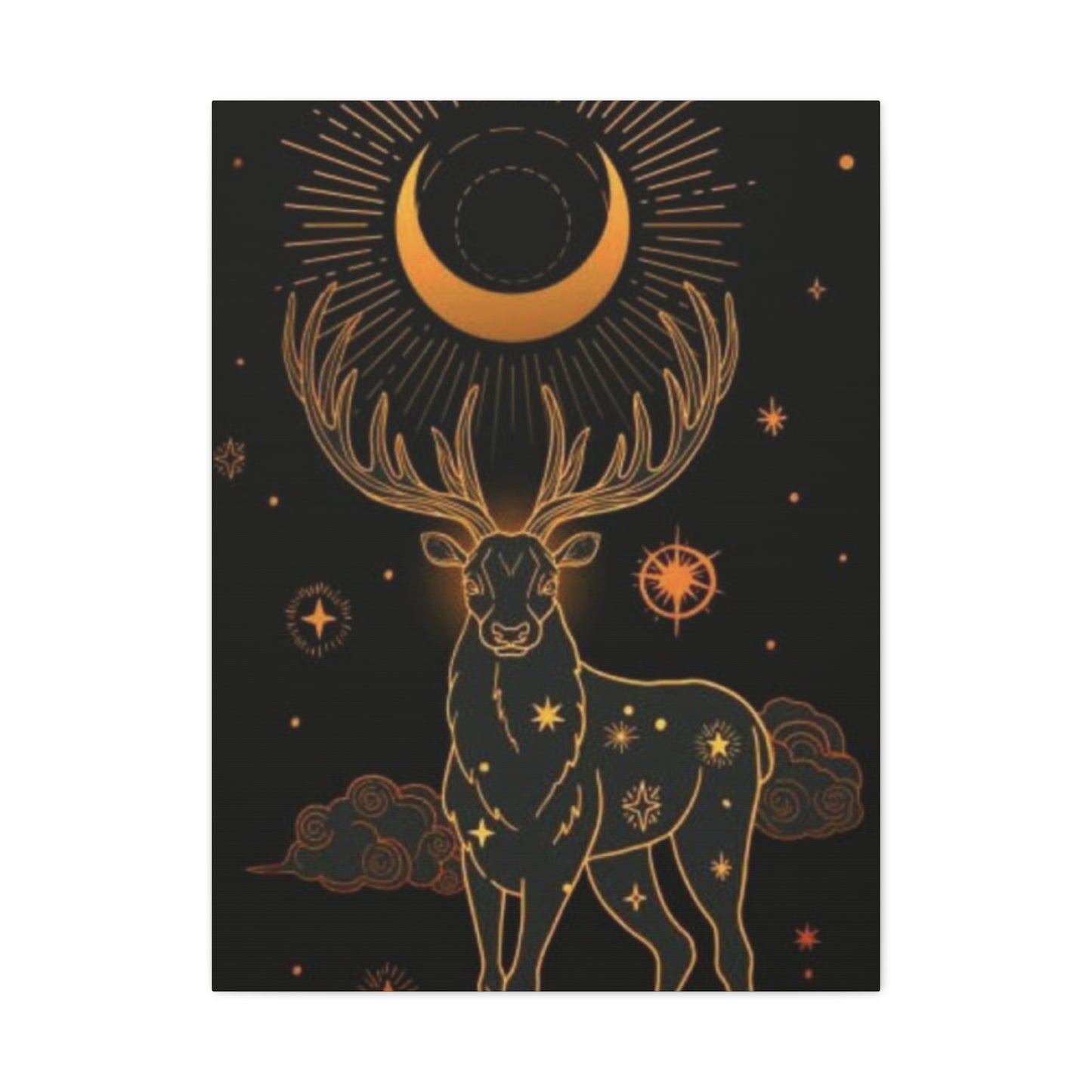
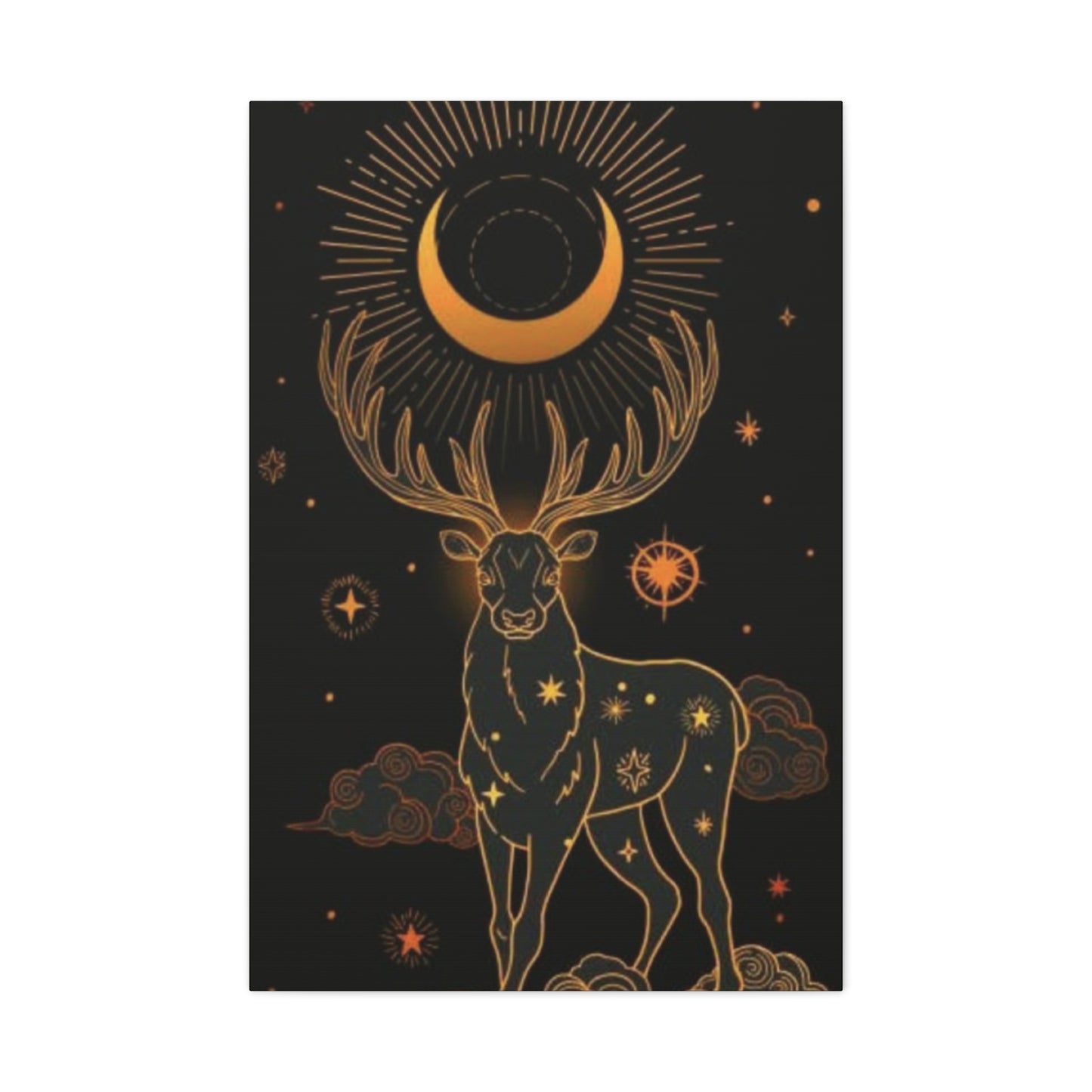
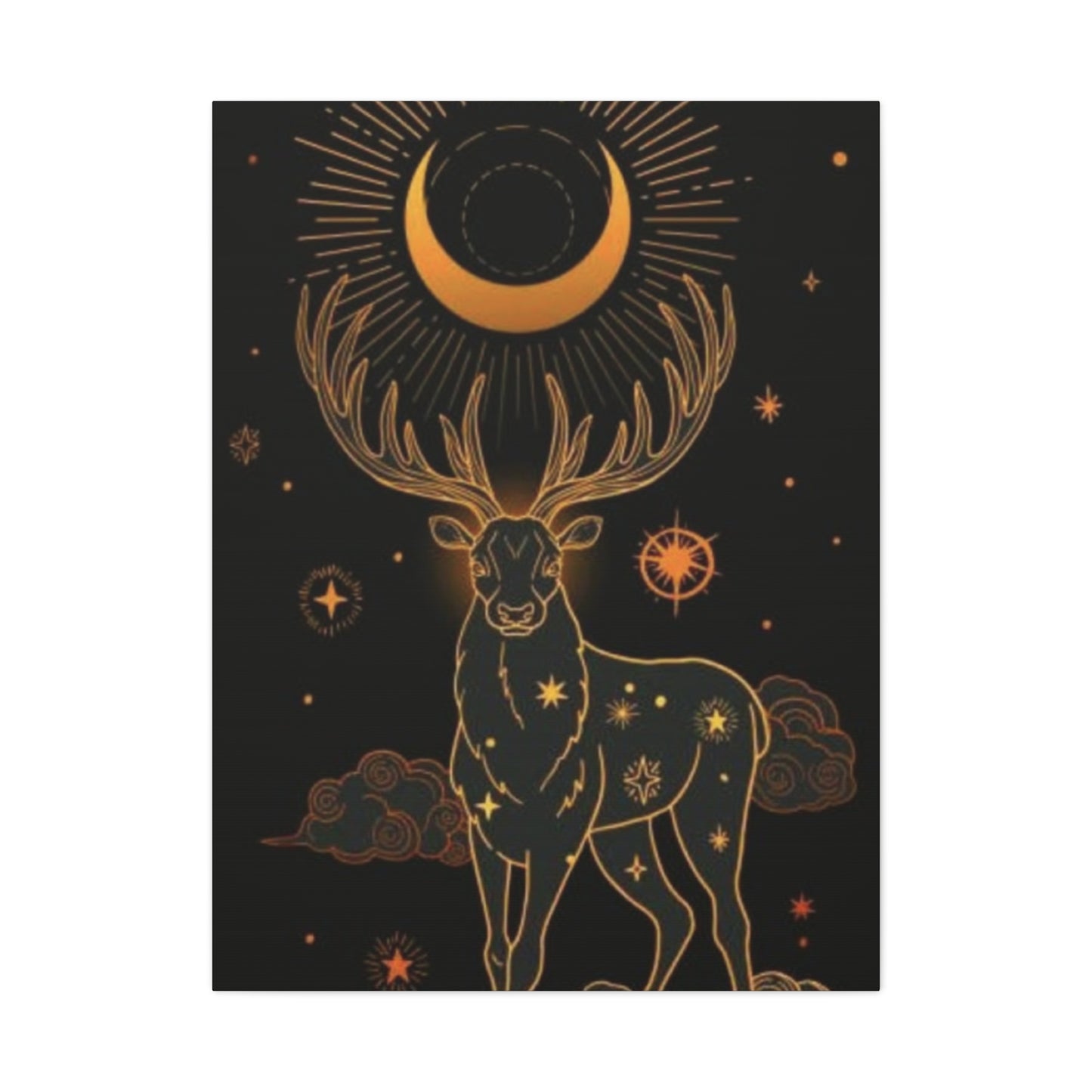
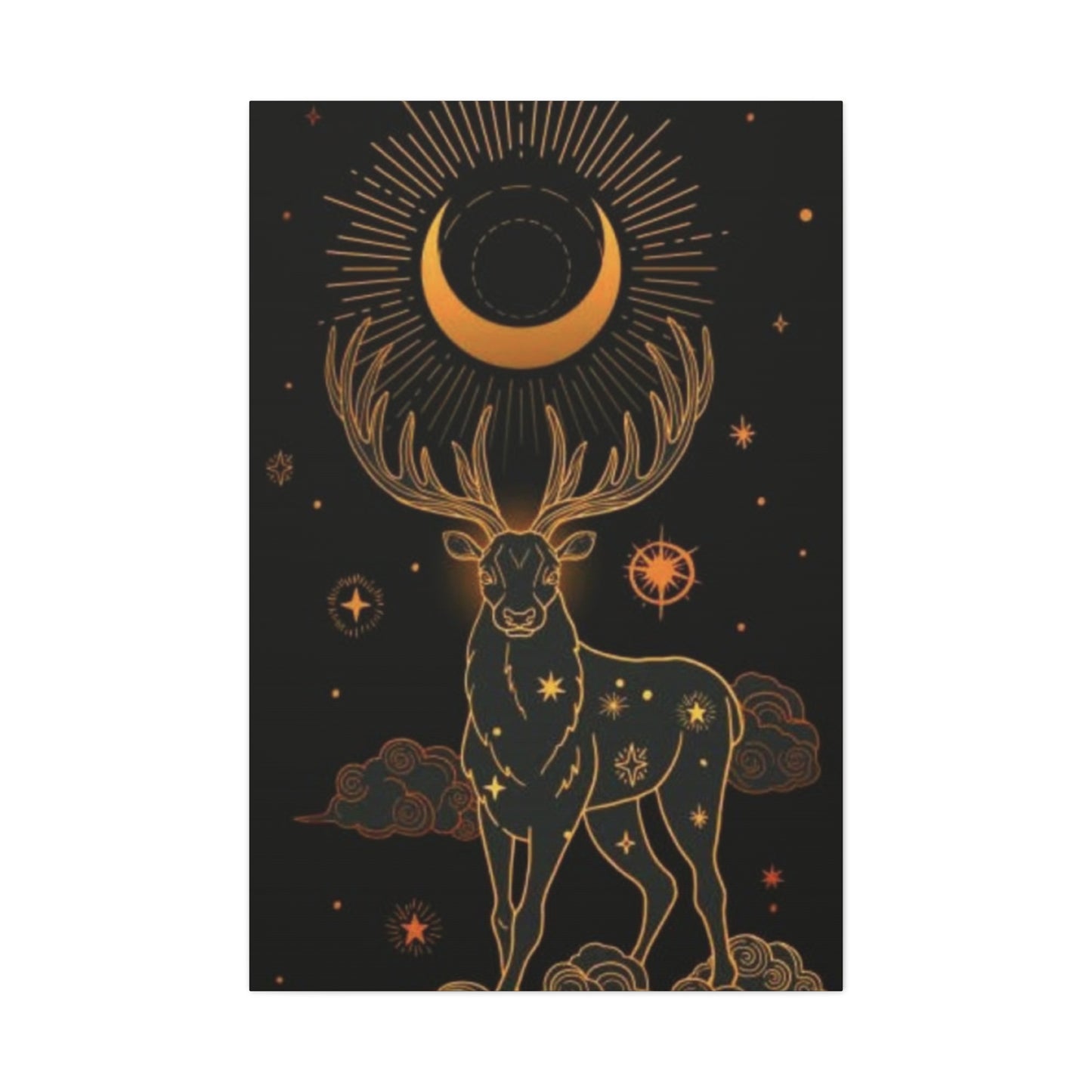
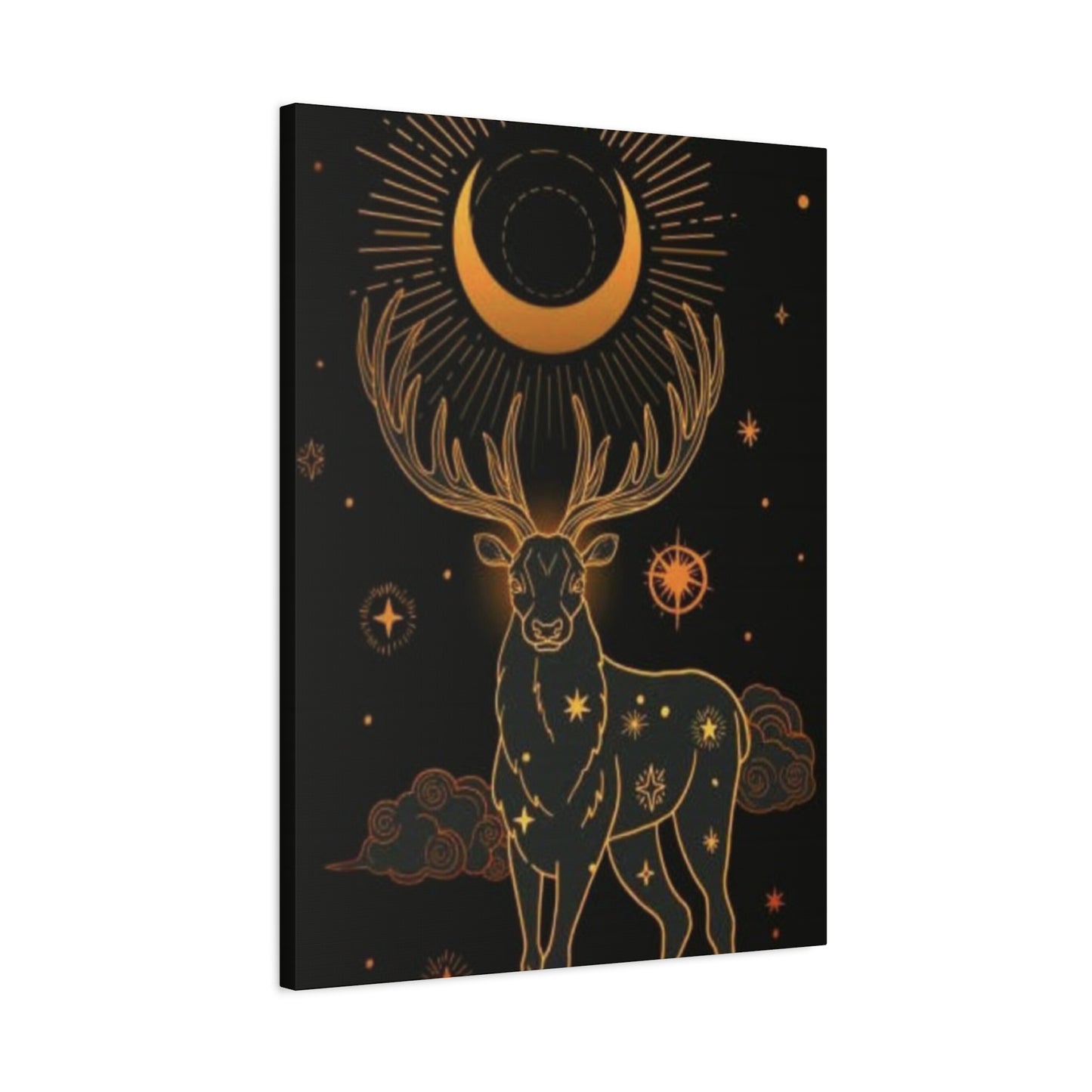
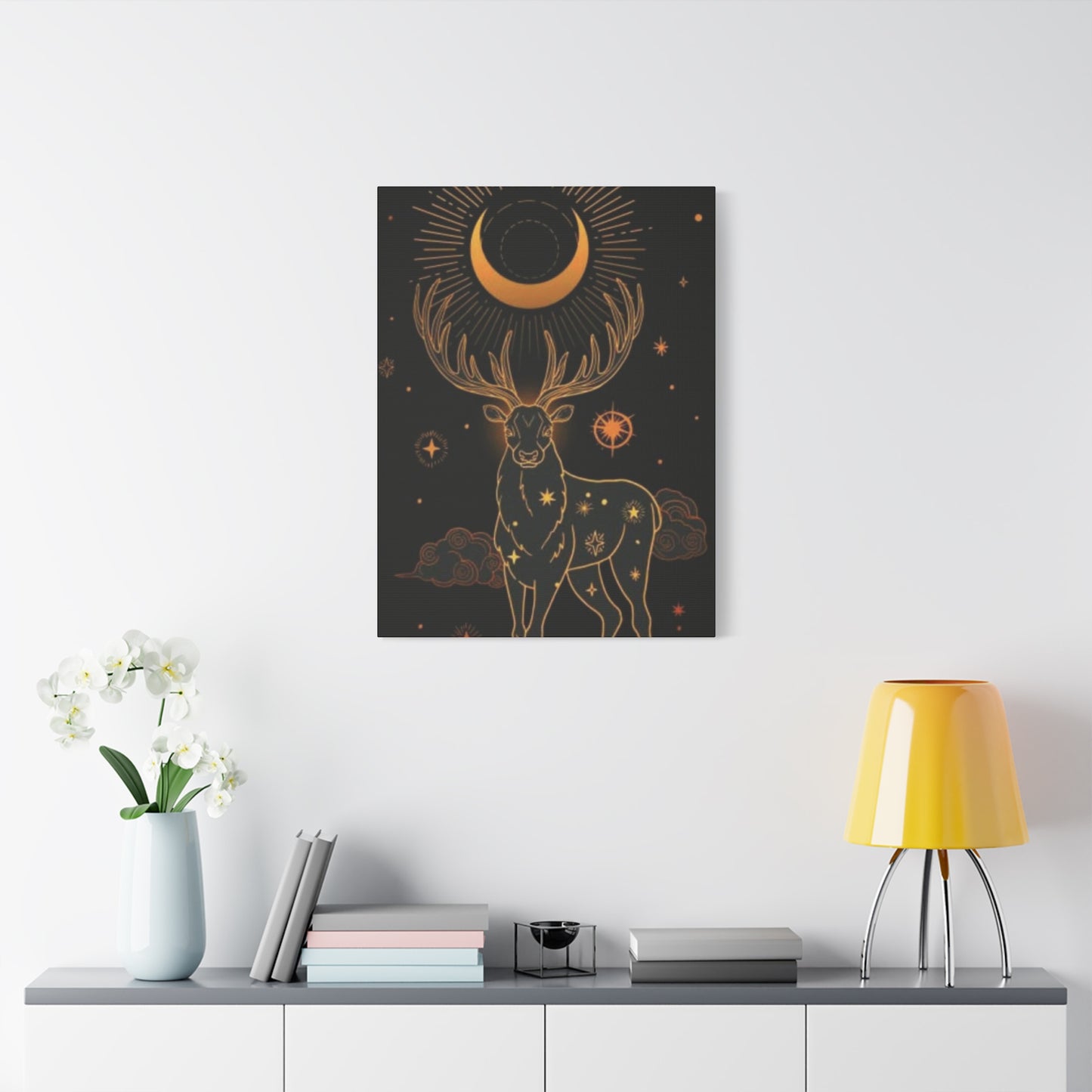
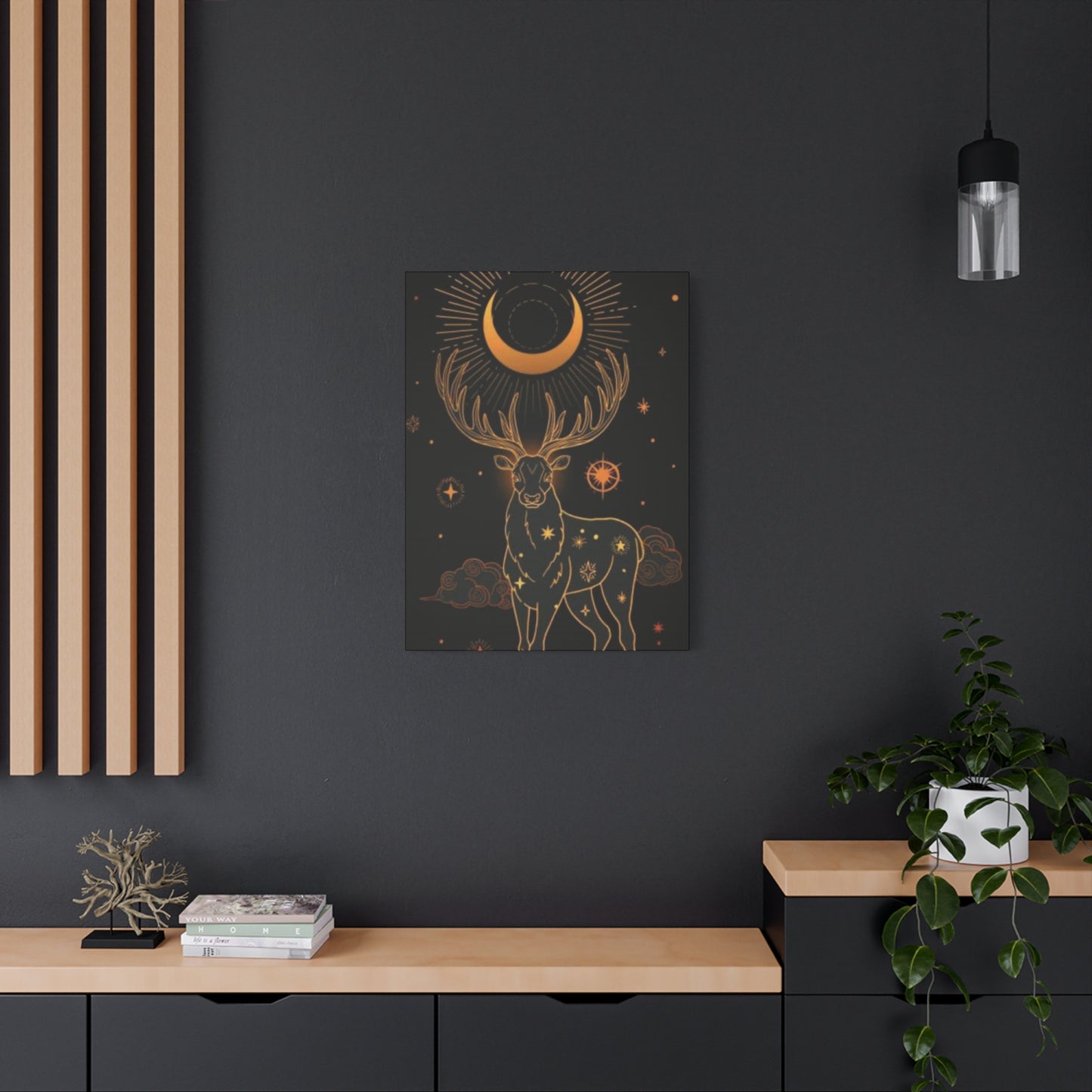
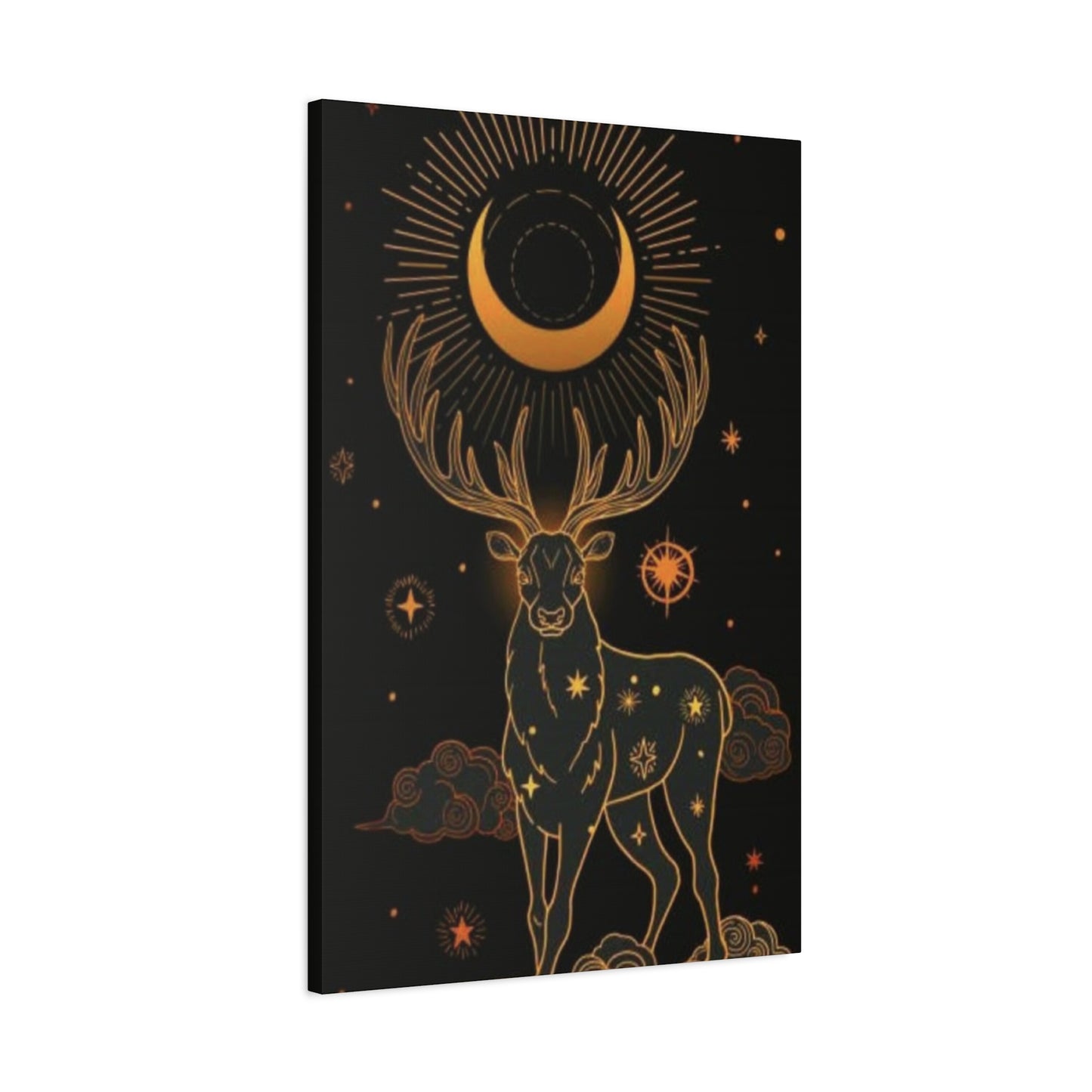
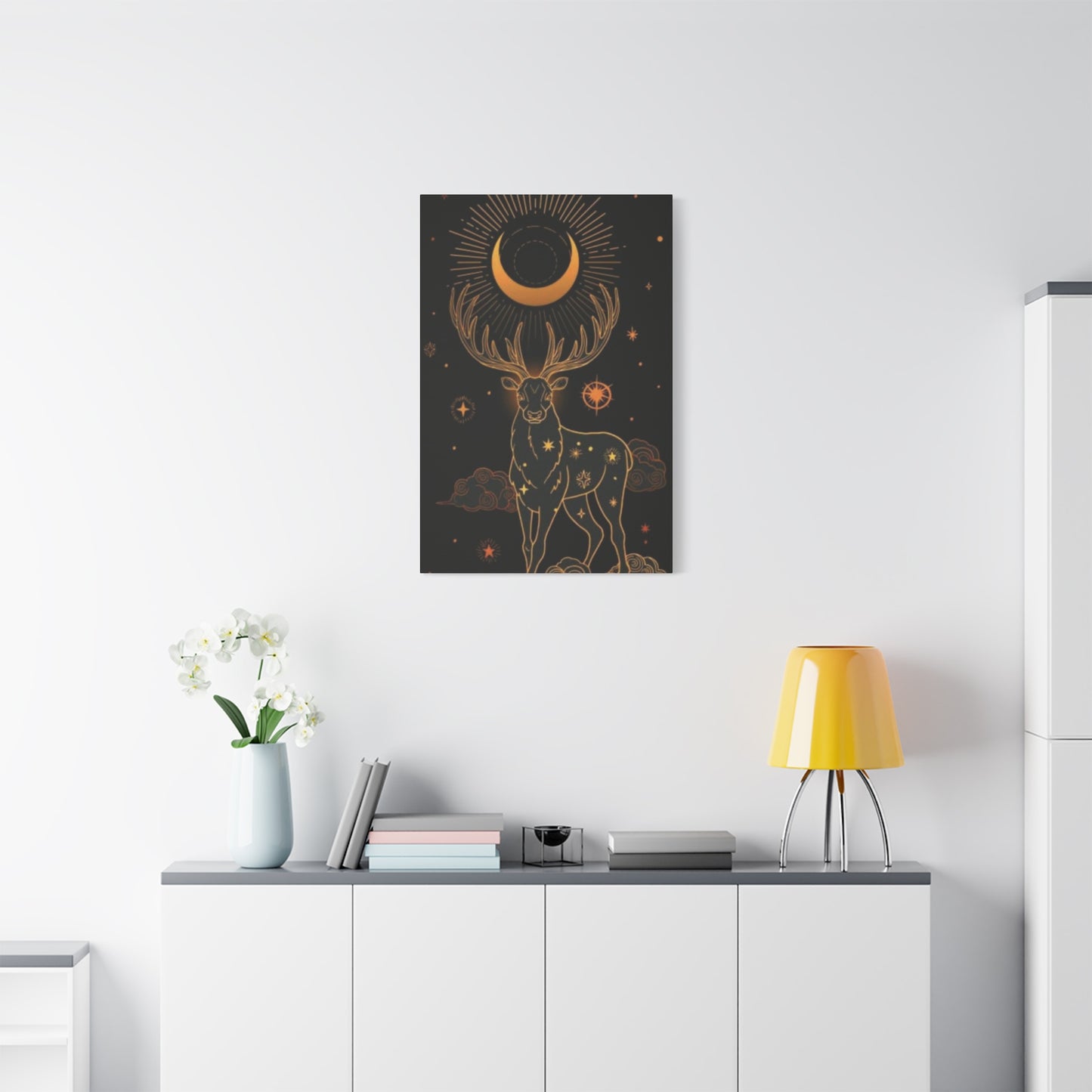
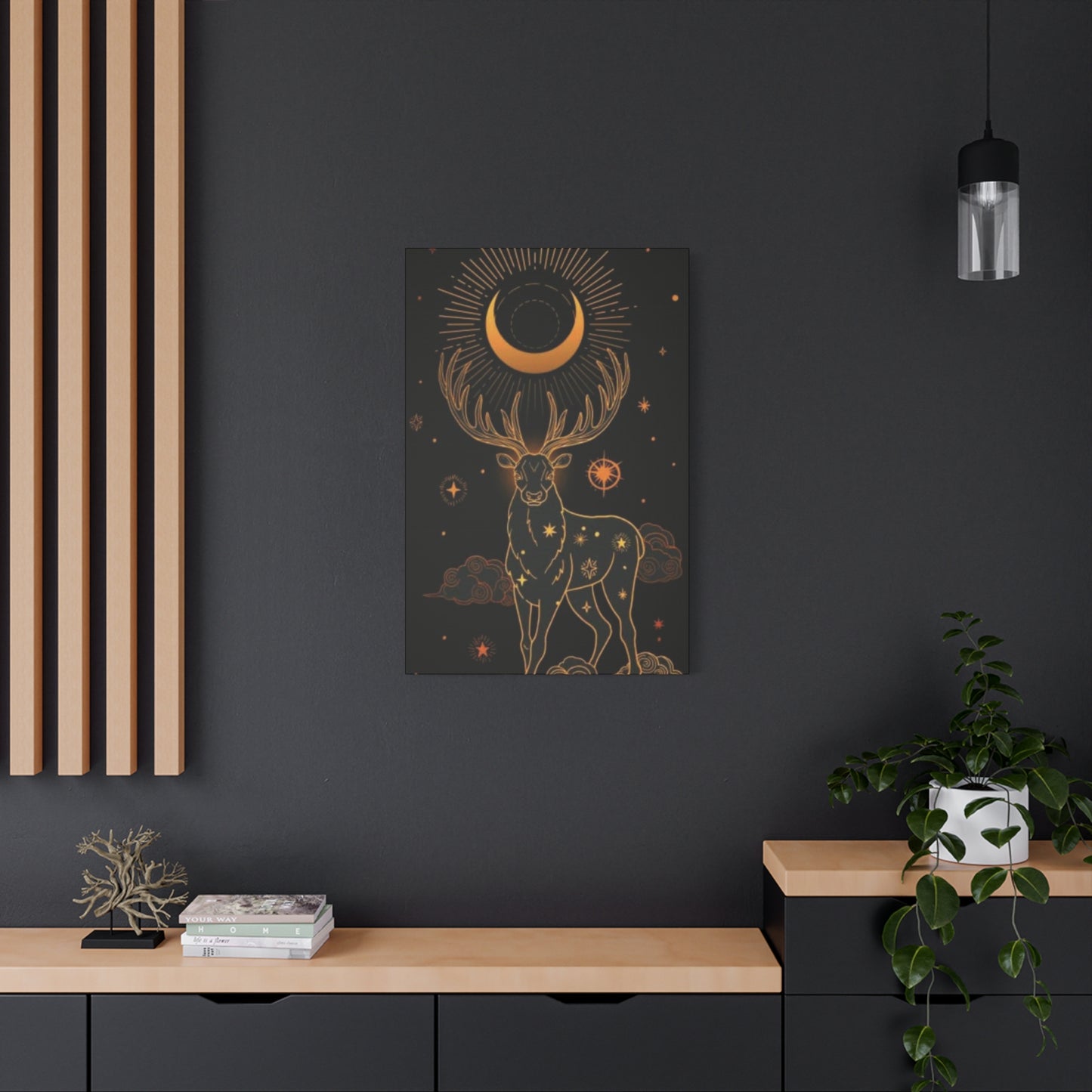
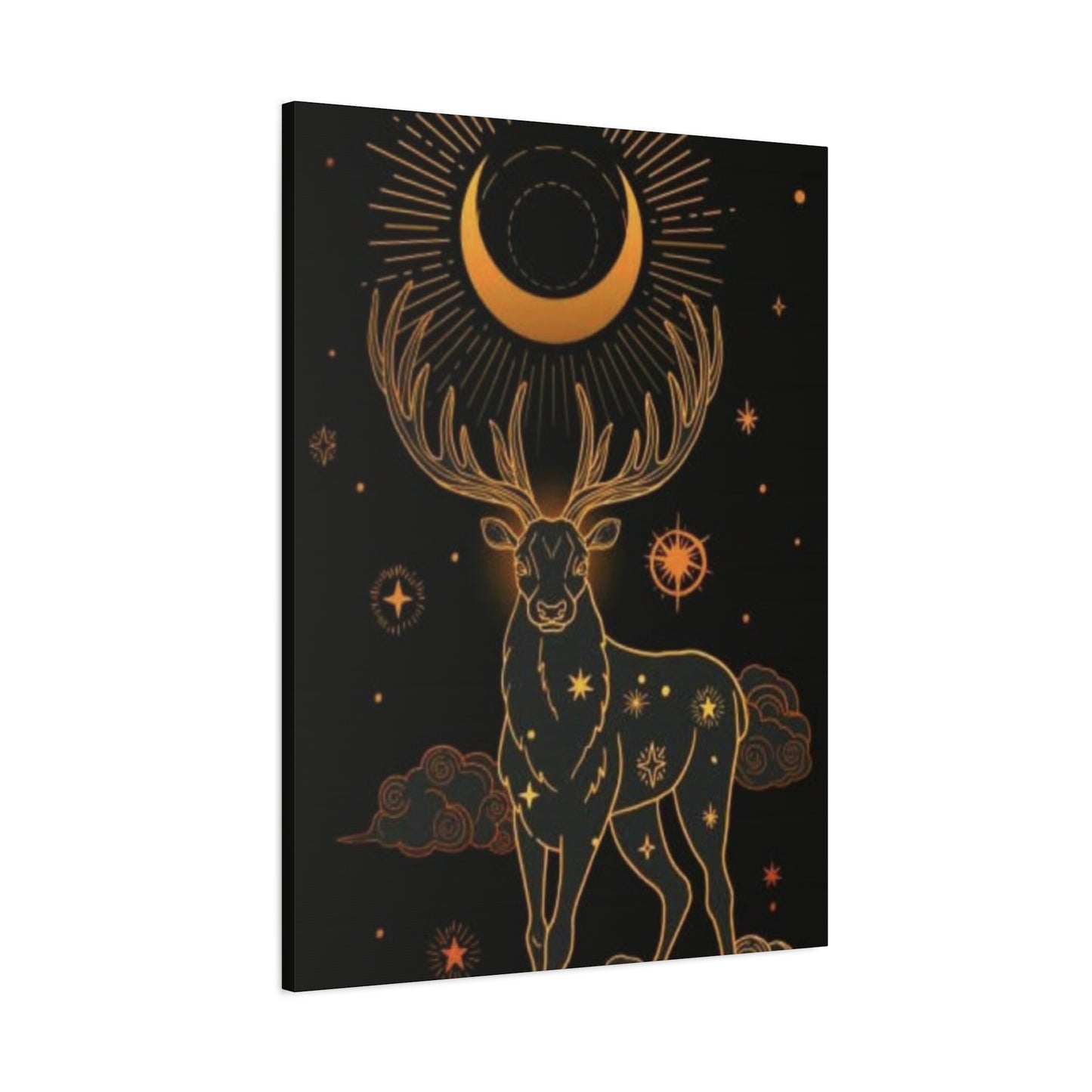
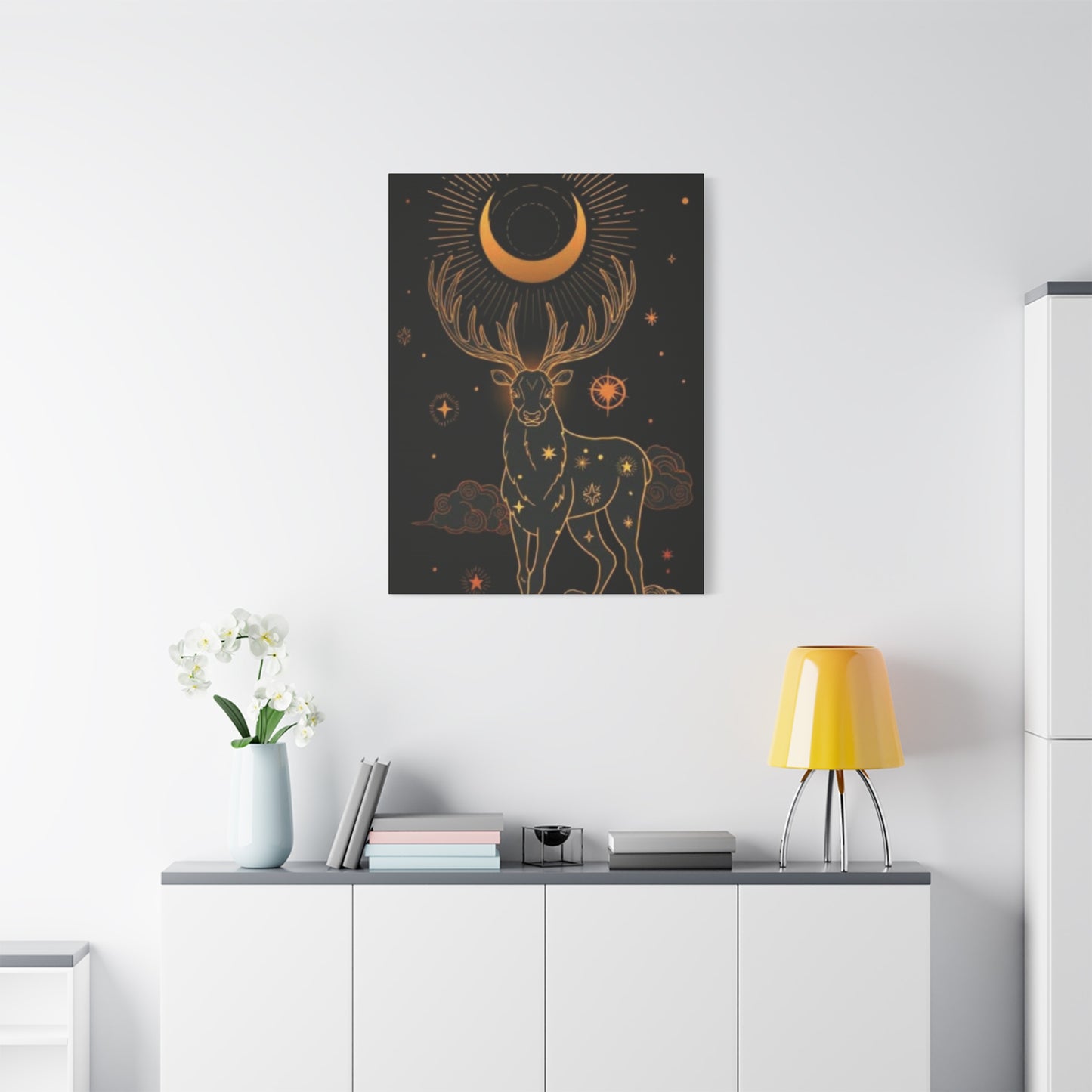
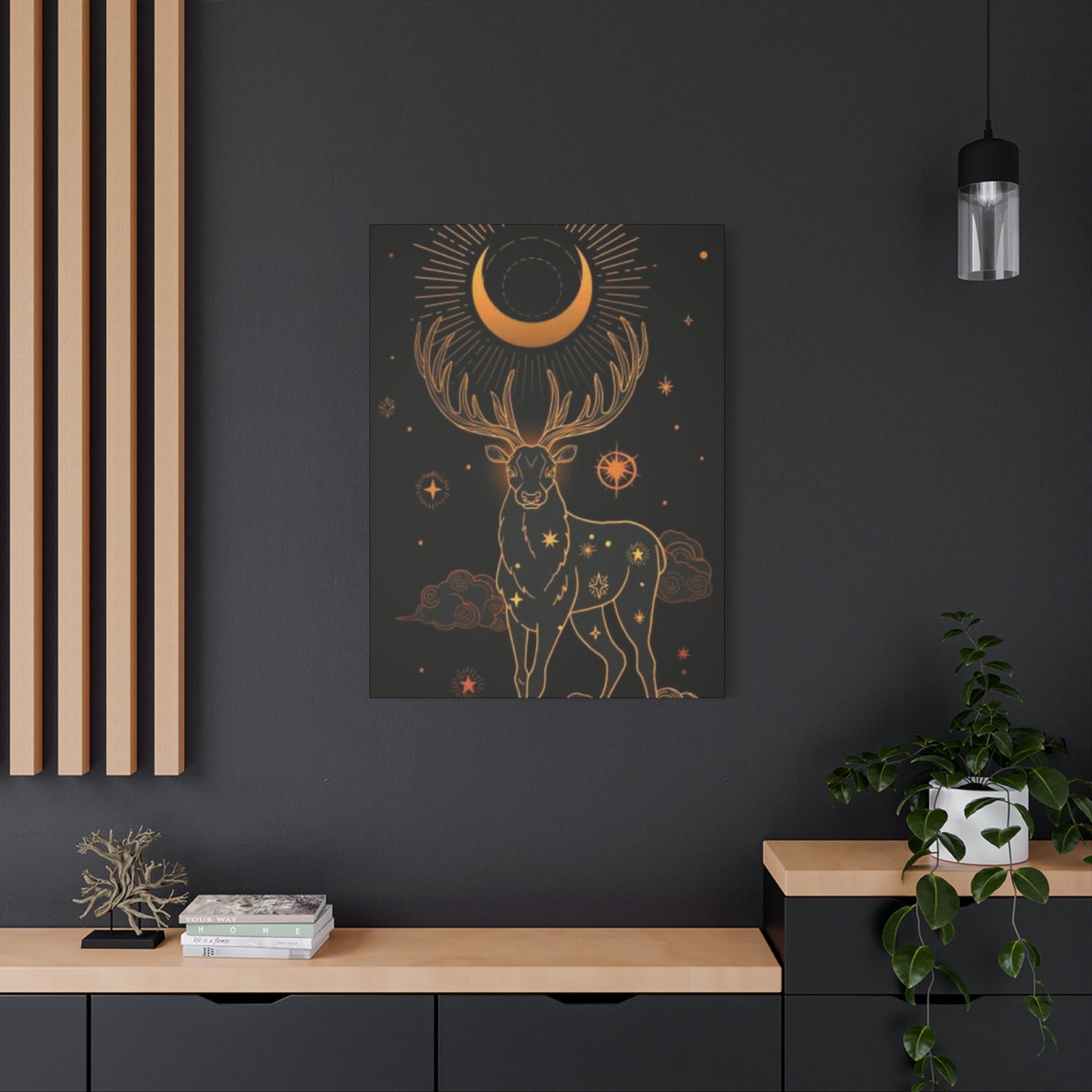
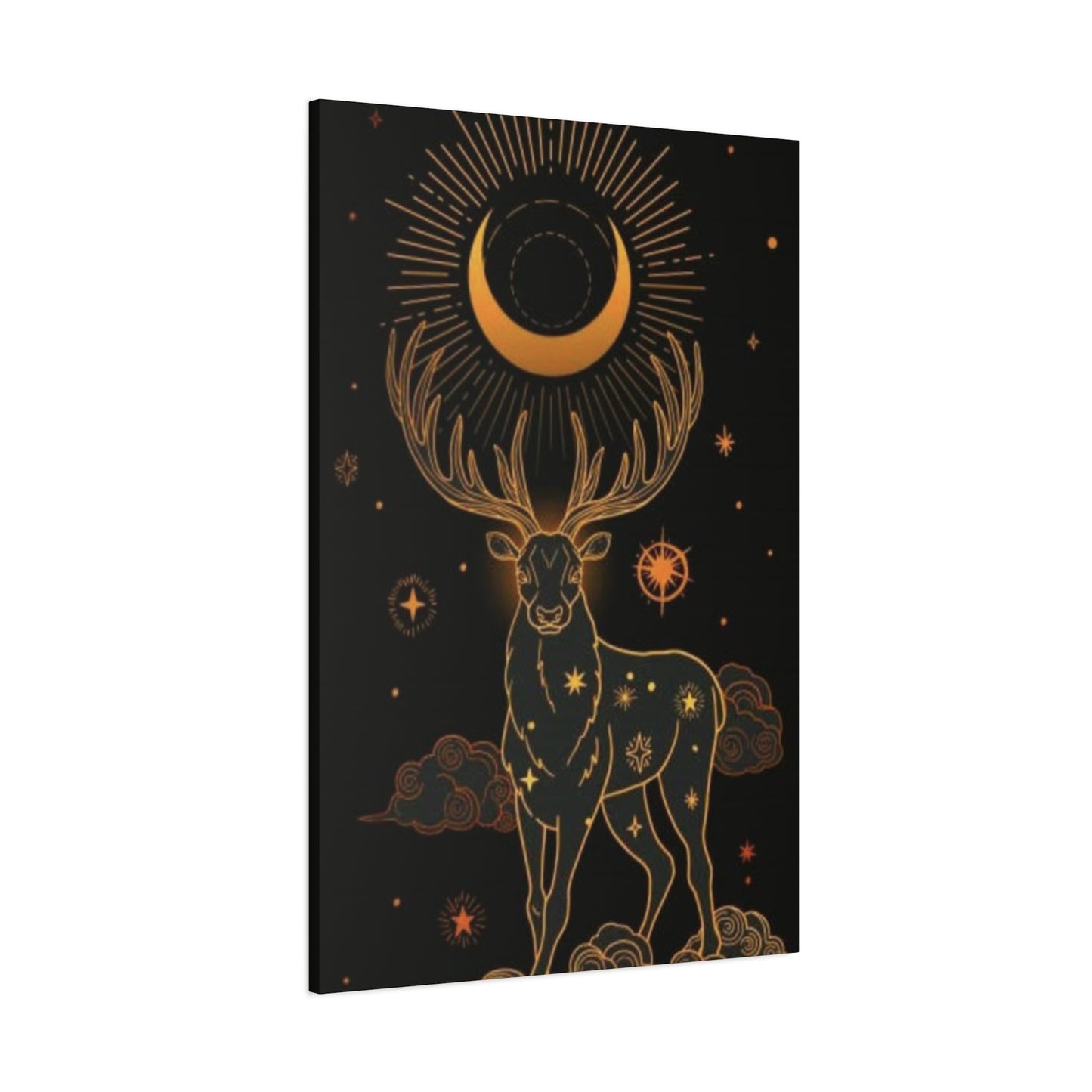
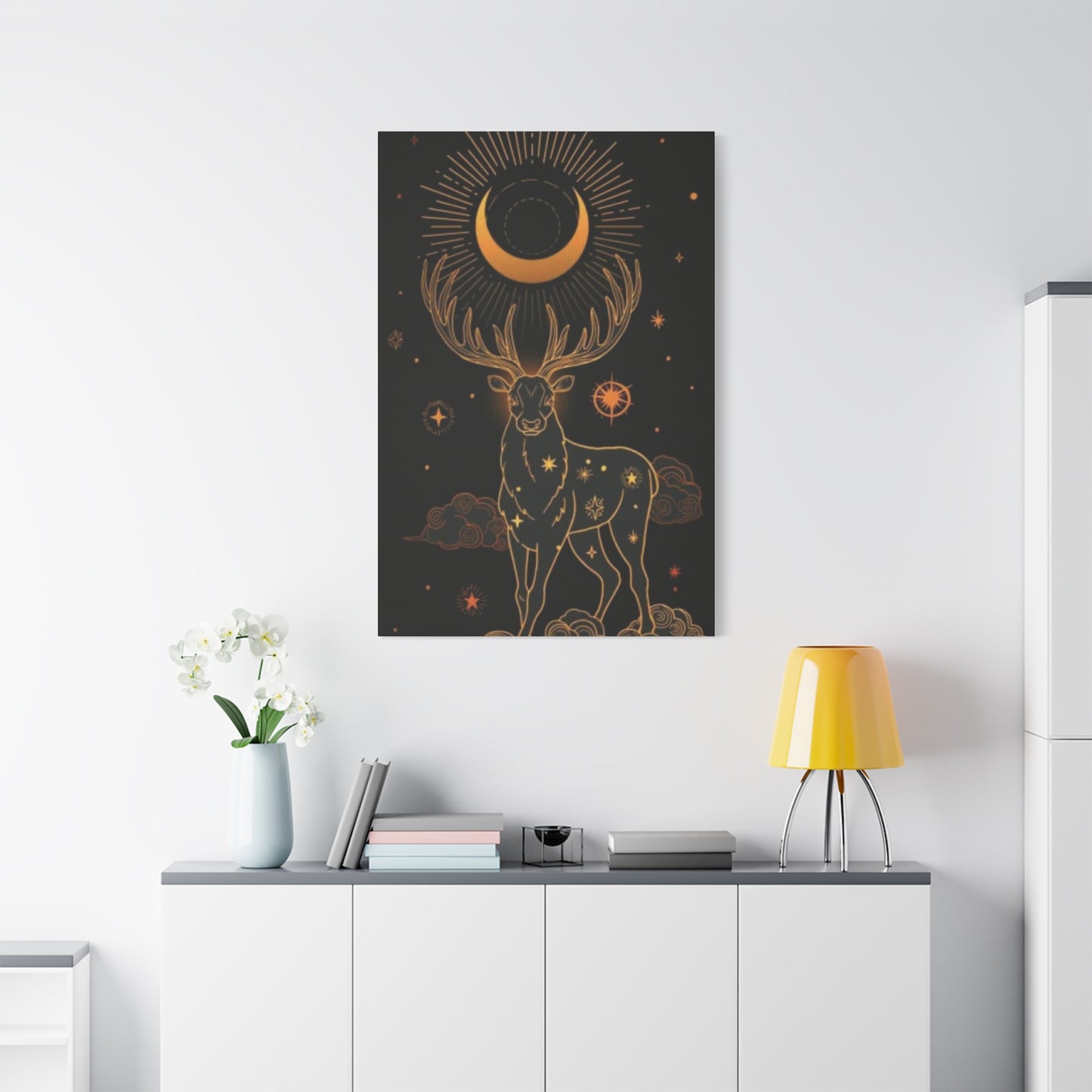
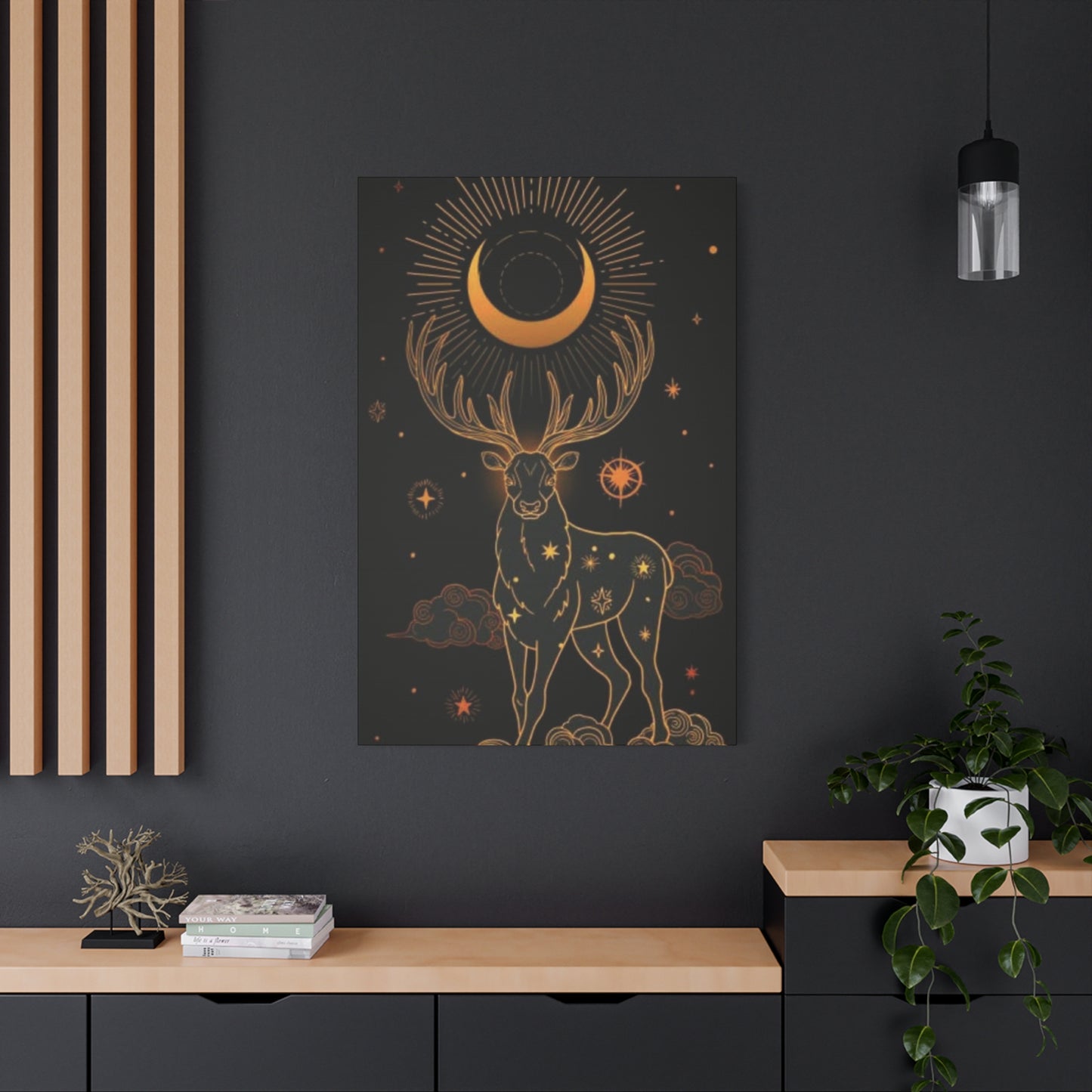
Deer with Crescent Moon Wall Art & Canvas Prints
Deer with Crescent Moon Wall Art & Canvas Prints
Couldn't load pickup availability
Celestial Harmony: Creating Stunning Deer with Crescent Moon Wall Art for Your Sacred Living Spaces
The profound connection between wildlife imagery and celestial symbols has captivated human imagination for countless generations. Among the most enchanting combinations in contemporary interior decoration stands the mesmerizing pairing of deer silhouettes with crescent moon motifs. This artistic fusion represents tranquility, natural grace, and cosmic wonder, making deer with crescent moon wall art an increasingly sought-after element for homes seeking both aesthetic beauty and spiritual resonance.
The deer has long represented gentleness, intuition, and spiritual awareness across numerous cultures worldwide. This elegant creature embodies grace under pressure, sensitivity to surroundings, and the ability to navigate through life's challenges with poise and dignity. When combined with the crescent moon symbol, which represents transition, growth, and the cyclical nature of existence, the resulting imagery creates a powerful visual statement that speaks to our deepest connections with nature and the cosmos.
Ancient civilizations from Celtic tribes to Native American communities viewed the deer as a sacred animal, often associating it with forest deities and lunar goddesses. The crescent moon, meanwhile, has been revered as a symbol of feminine energy, renewal, and the passage of time. When these two powerful symbols merge in wall art form, they create a visual narrative that resonates with contemporary audiences seeking meaningful decoration that transcends mere aesthetic appeal.
The popularity of deer with crescent moon wall art has surged in recent years as homeowners increasingly seek decor that reflects their values and spiritual inclinations. This type of artwork serves multiple purposes: it functions as a focal point in room design, creates conversation starters, and provides daily reminders of our connection to the natural world and cosmic rhythms. The silhouette of a deer gazing toward or standing beneath a crescent moon evokes feelings of peaceful contemplation, making it particularly suitable for spaces dedicated to relaxation, meditation, or creative endeavors.
Exploring Various Artistic Styles and Mediums for Deer and Moon Compositions
The versatility of deer with crescent moon wall art manifests through countless artistic interpretations and material choices. Each style and medium offers unique characteristics that can complement different interior design schemes and personal preferences. Understanding these variations helps in selecting pieces that perfectly align with your aesthetic vision and spatial requirements.
Metal wall sculptures have emerged as particularly popular choices for this motif. Crafted from materials such as steel, copper, or bronze, these pieces often feature intricate cutwork that allows wall color to show through, creating a dynamic interplay between positive and negative space. The dimensional quality of metal art adds depth and texture to walls, casting fascinating shadows that change throughout the day as natural light shifts. Some artisans incorporate patinas or powder-coated finishes that introduce color variations ranging from rustic browns and aged coppers to contemporary blacks and silvers.
Canvas prints offer another compelling medium for deer and crescent moon artwork. These pieces can range from photorealistic depictions to abstract interpretations, watercolor effects, or digital art compositions. The texture of canvas adds warmth and traditional appeal, while the variety of available sizes makes it easy to find pieces suitable for any wall space. Many canvas prints feature additional elements such as forest backgrounds, starry skies, or mystical lighting effects that enhance the ethereal quality of the central deer and moon imagery.
Wood-based art presents yet another dimension to this genre. Carved wooden plaques, laser-etched panels, and mixed-media pieces incorporating reclaimed barn wood or rustic planks bring organic warmth to the deer and moon theme. The natural grain patterns of wood complement the nature-focused subject matter, creating cohesive pieces that feel authentic and grounded. Some wooden artworks incorporate three-dimensional elements, with the deer and moon portions raised from the background surface to create tactile interest.
Ceramic and pottery-based wall hangings offer a more artisanal approach to this imagery. Hand-thrown or molded ceramic pieces can feature glazed surfaces in colors ranging from earth tones to celestial blues and silvers. These works often incorporate relief designs where the deer and crescent moon motifs stand proud from the background, creating sculptures that engage both visual and tactile senses. The handcrafted nature of ceramic art ensures each piece possesses unique characteristics and imperfections that add to its charm.
Selecting the Perfect Placement for Maximum Visual Impact in Your Home
The strategic positioning of deer with crescent moon wall art significantly influences its impact on room ambiance and overall design cohesion. Thoughtful placement considerations transform artwork from mere decoration into integral components of your living environment that enhance daily experiences and emotional well-being.
Living rooms present prime locations for showcasing larger deer and moon art pieces. Positioning such artwork above sofas or entertainment centers creates natural focal points that anchor seating arrangements and guide conversation flow. When selecting artwork for living spaces, consider pieces proportionate to wall dimensions and furniture scale. A general guideline suggests that wall art should occupy approximately two-thirds to three-quarters of the width of furniture pieces positioned below it. This proportion creates visual balance without overwhelming the space or appearing undersized and insignificant.
Bedroom environments benefit tremendously from the calming presence of deer with crescent moon wall art. The serene imagery complements the restful purpose of sleeping quarters, promoting relaxation and peaceful contemplation before sleep. Consider placing such artwork on the wall opposite the bed, where it becomes the first thing visible upon waking, setting a tranquil tone for the day ahead. Alternatively, positioning the piece above the headboard creates an immersive sanctuary feeling, though this placement works best with horizontal or square compositions rather than tall vertical pieces that might feel unstable above where people sleep.
Home offices and creative studios represent another ideal setting for this type of artwork. The combination of natural grace embodied by the deer and the cyclical wisdom suggested by the crescent moon can inspire creativity, encourage intuitive thinking, and provide moments of mental respite during demanding work sessions. In these spaces, consider eye-level placement directly in the line of sight from the primary work position, allowing brief visual breaks that rest the eyes and refresh the mind without requiring movement from the workspace.
Hallways and entryways, often overlooked in decoration schemes, transform dramatically with well-chosen deer and crescent moon art. These transitional spaces benefit from vertical pieces that draw the eye upward, creating the illusion of higher ceilings and more spacious corridors. A series of smaller related pieces arranged in a gallery-style progression can guide movement through hallways while telling a visual story that unfolds as one passes from room to room.
Meditation rooms, yoga studios, and other dedicated wellness spaces naturally align with the spiritual and natural symbolism inherent in deer and moon imagery. In these environments, placement at a comfortable viewing height for both standing and seated positions ensures the artwork remains accessible during various practices. Consider how natural light interacts with the piece throughout different times of day, particularly if your spiritual practices occur at specific hours when lighting conditions might enhance or detract from the artwork's visibility and impact.
Color Palettes and Their Influence on Mood and Atmosphere
The color schemes employed in deer with crescent moon wall art dramatically affect the emotional resonance and aesthetic compatibility with existing decor. Understanding color psychology and how different hues interact with spaces helps in selecting pieces that achieve desired atmospheric effects while maintaining design harmony.
Monochromatic schemes featuring blacks, grays, and whites create sophisticated, versatile pieces that adapt seamlessly to various interior styles from minimalist contemporary to traditional elegance. Black silhouettes against white or light-colored backgrounds offer stark contrast that makes imagery immediately recognizable and visually striking. These high-contrast pieces work particularly well in spaces with neutral color palettes, where they provide focal points without introducing competing color elements. Conversely, white or light-colored deer and moon imagery against darker backgrounds creates ethereal, dreamlike effects that suggest nocturnal scenes and moonlit forests.
Earth-tone palettes incorporating browns, tans, greens, and warm grays establish strong connections to natural environments. These color schemes feel organic and grounded, making them ideal for rustic, farmhouse, or nature-inspired interior designs. Artwork featuring these colors brings outdoor serenity indoors, creating spaces that feel like sanctuaries from urban stress. The warmth of earth tones also contributes to feelings of comfort and security, making them particularly suitable for bedrooms, family gathering spaces, and areas intended for relaxation.
Cool color palettes dominated by blues, purples, and silvers evoke nocturnal atmospheres and celestial themes that complement the crescent moon element. These colors suggest twilight hours, starlit skies, and the mysterious beauty of nighttime nature. Cool tones generally have calming, introspective effects on human psychology, making them excellent choices for meditation spaces, bedrooms, or any environment where reducing stress and promoting tranquility are priorities. Varying shades within cool color families, from pale lavenders to deep midnight blues, offer range in intensity while maintaining atmospheric consistency.
Metallic finishes including golds, coppers, and bronzes introduce luxurious elements that catch and reflect light in dynamic ways. Gold-toned deer and moon art suggests regality and spiritual enlightenment, referencing the precious nature of wisdom and inner peace. Copper and bronze finishes offer warmer metallic alternatives that pair beautifully with earth tones and rustic aesthetics while still providing the light-reflective qualities that add movement and life to static artwork. The patina that naturally develops on some metallic pieces over time adds character and depth, creating living artwork that evolves alongside your home.
Unexpected color combinations featuring jewel tones, pastels, or bold contrasts offer opportunities for unique artistic statements. Teal deer against rose-gold moons, purple silhouettes with amber crescents, or other unconventional pairings can serve as striking conversation pieces while expressing individual style preferences. These bolder choices work particularly well in contemporary settings, eclectic designs, or as statement pieces in otherwise neutral spaces where they can command attention without competing with surrounding colors.
Crafting Your Own Deer with Crescent Moon Wall Art: A Creative Journey
Creating personalized deer with crescent moon wall art allows for ultimate customization while providing the satisfaction of displaying handmade creations. Whether you possess extensive artistic experience or approach crafting as a beginner, numerous methods exist for producing beautiful pieces that reflect your unique vision and skill level.
Stenciling represents an accessible entry point for those new to artistic creation. This method involves cutting or purchasing deer and crescent moon stencils, then using paint, spray paint, or other coloring mediums to transfer the design onto canvas, wood panels, or directly onto walls. The key to successful stenciling lies in securing the stencil firmly to prevent shifting, using appropriate paint consistency to avoid bleeding under edges, and building color gradually through multiple light coats rather than single heavy layers. Consider creating depth by using multiple stencils in layered arrangements, with background elements in lighter shades and foreground deer in darker, more saturated colors.
String art offers a tactile, dimensional approach to creating deer and moon imagery. This method involves hammering small nails into a wooden board following the outline of your chosen design, then wrapping string, thread, or thin wire around the nails to fill in the shape. The resulting pieces have remarkable texture and visual interest, with the string creating subtle gradations of density that add depth to silhouettes. String art works particularly well for creating contrast between solid deer shapes and hollow crescent moon outlines, or vice versa. Experimenting with different string colors, metallic threads, or even incorporating multiple colors within single designs produces varied effects from traditional to contemporary.
Wood burning, also known as pyrography, allows for detailed, permanent designs on wooden surfaces. This technique requires specialized wood-burning tools that heat metal tips to varying temperatures, then uses these tips to burn designs into wood grain. The process demands patience and practice but produces stunning results with rich brown tones that harmonize beautifully with natural wood colors. Wood-burned deer with crescent moon wall art can incorporate fine details such as individual deer hairs, antler texture, or craters and shading on moon surfaces. Finishing with clear sealants, stains, or paints over portions of the design creates additional visual interest while protecting the artwork.
Decoupage methods enable the creation of collaged deer and moon art using paper, fabric, or mixed media elements. This approach involves adhering various materials to a base surface using decoupage medium, building up layers to create complex compositions. Consider using book pages, music sheets, vintage maps, or specialty papers as background elements, then adding deer and moon silhouettes cut from contrasting materials. The layered nature of decoupage allows for incorporating meaningful papers such as pages from favorite books, travel maps from significant journeys, or handwritten notes, making each piece deeply personal beyond its visual appeal.
Resin art has gained tremendous popularity for creating glossy, dimensional pieces with embedded elements. Pouring epoxy resin over painted or arranged deer and moon designs creates glass-like surfaces that protect underlying artwork while adding depth and luminosity. Some artists incorporate glitter, metallic flakes, dried flowers, or other small objects into resin pours, creating unique pieces with elements suspended in crystal-clear medium. Resin work requires careful attention to mixing ratios, curing times, and working in well-ventilated spaces, but the professional-quality results justify the learning curve for many crafters.
Size Considerations and Scaling for Different Spatial Requirements
Determining appropriate dimensions for deer with crescent moon wall art ensures pieces integrate harmoniously with surrounding architecture and furnishings rather than appearing disproportionate or awkwardly placed. Understanding basic design principles related to scale helps in making selections that enhance rather than detract from overall spatial aesthetics.
Large-scale pieces measuring four feet or more in width or height make bold statements suitable for expansive walls in open-concept living areas, above fireplaces, or in spaces with high ceilings. These substantial artworks command attention and can anchor entire room designs, with other decorative elements chosen to complement rather than compete with the major piece. When working with large art, ensure surrounding walls maintain relative emptiness to prevent cluttered, overwhelming feelings. The dramatic presence of oversized deer and moon imagery works particularly well in contemporary minimalist spaces where simplicity elsewhere allows the artwork to truly shine.
Medium-sized pieces ranging from two to four feet suit most standard residential wall spaces above furniture, in bedrooms, or as focal points in modest-sized rooms. These proportions offer versatility in placement options while maintaining sufficient visual presence to function as intentional design elements rather than afterthoughts. Medium artwork pairs well with complementary smaller pieces in gallery wall arrangements or stands independently when supporting decor such as plants, candles, or decorative objects placed nearby creates visual balance without overwhelming the composition.
Small-scale artwork measuring under two feet works beautifully in intimate spaces, as part of larger gallery walls, or in areas where architecture creates limited wall space such as between windows or in narrow hallways. Grouping multiple small pieces related by theme, color, or style creates cohesive collections with more impact than scattered individual items. When working with small deer and moon art, consider creating arrangements of three, five, or seven pieces, as odd numbers generally produce more visually pleasing compositions than even numbers. Varying the heights at which pieces hang while maintaining consistent spacing between them adds dynamic interest to small-scale collections.
Vertical orientations featuring tall, narrow deer and moon compositions draw eyes upward, creating the illusion of higher ceilings and more vertical space. These pieces work exceptionally well in rooms with low ceilings where adding visual height improves spatial perception. Vertical artwork also suits narrow wall spaces such as alongside doorways, between windows, or in hallways where horizontal pieces would overpower limited width. The upward movement inherent in vertical compositions suggests growth, aspiration, and reaching toward higher consciousness, reinforcing the spiritual symbolism of deer and crescent moon imagery.
Horizontal pieces that emphasize width over height create groundedness and stability in room designs. These orientations work perfectly above sofas, beds, or long horizontal furniture pieces where they mirror and reinforce the linear qualities of the furniture below. Horizontal deer and moon art can depict scenes with multiple deer, expansive forest backgrounds, or compositions where the crescent moon appears at the horizon, suggesting dawn or dusk moments. The restful quality of horizontal lines contributes to relaxing atmospheres particularly suited to bedrooms, meditation spaces, or reading nooks.
Materials Matter: Choosing Durable and Aesthetically Pleasing Options
The materials used in constructing deer with crescent moon wall art significantly impact both longevity and visual character of pieces. Understanding material properties helps in selecting artwork that withstands time while delivering desired aesthetic qualities and aligning with personal values regarding sustainability and craftsmanship.
Steel and iron stand among the most popular materials for metal wall art featuring deer and moon motifs. These ferrous metals offer exceptional strength and durability while accepting various finishes from rustic rust patinas to smooth powder-coated surfaces. The weight of steel and iron pieces provides substantial feel that conveys quality and permanence. Many metal artisans use techniques like plasma cutting or laser etching to create intricate details within deer antlers, body contours, and crescent moon surfaces. The industrial nature of these materials appeals particularly to those favoring contemporary, urban, or transitional design styles.
Aluminum presents a lighter-weight alternative to steel while maintaining durability and corrosion resistance. This metal works particularly well for larger pieces where weight considerations become important, especially when hanging artwork on drywall rather than directly into wall studs. Aluminum accepts powder coating readily, allowing for virtually unlimited color options while maintaining weather resistance for pieces intended for covered outdoor spaces such as patios or screened porches. The modern, sleek quality of aluminum suits contemporary minimalist aesthetics while its versatility allows adaptation to numerous style preferences.
Copper develops rich patinas over time, transforming from bright metallic pinks and oranges to deep browns and eventually blue-green verdigris if exposed to moisture. This living quality makes copper deer and moon art evolving pieces that change character over years of display. Some homeowners accelerate patina development through chemical treatments while others prefer allowing natural aging to occur gradually. The warm tones of copper harmonize beautifully with earth-colored interiors and rustic design schemes while providing sufficient visual interest to work in more refined settings.
Reclaimed wood carries stories and character impossible to replicate in new materials. Barn wood, pallet wood, or lumber salvaged from deconstructed buildings bears natural weathering, nail holes, and color variations that add authenticity and depth to deer and moon artwork. Using reclaimed materials aligns with sustainable living principles by giving new purpose to otherwise discarded resources. The textural qualities of aged wood create rustic charm particularly suited to farmhouse, cottage, or nature-inspired interiors while the environmental consciousness appeals to eco-minded homeowners.
Canvas stretched over wooden frames provides traditional art surfaces suitable for painted, printed, or mixed-media deer and moon compositions. High-quality canvas accepts various paint types from acrylics to oils while maintaining structural integrity over time. Gallery-wrapped canvas where the image continues around the edges eliminates the need for framing, creating contemporary clean-lined presentations. Canvas weight and weave density affect final appearance, with heavier, tighter weaves supporting finer details while looser weaves create visible texture that adds organic quality to nature-themed artwork.
Acrylic and plexiglass offer modern alternatives that create sleek, contemporary presentations. These materials work particularly well for photographic or digitally-created deer and moon imagery printed directly onto surfaces or mounted behind clear acrylic panels. The glossy, reflective qualities of acrylic enhance color vibrancy while protecting images from dust and moisture. Face-mounted acrylic prints where images adhere to the back surface of clear acrylic sheets create remarkable depth and luminosity, making colors appear to glow from within. The frameless presentation of acrylic art contributes to minimalist, gallery-style aesthetics.
Incorporating Complementary Decorative Elements Around Your Wall Art
Deer with crescent moon wall art achieves maximum impact when surrounded by thoughtfully chosen complementary elements that enhance rather than distract from the central piece. Creating cohesive vignettes and design moments around your artwork transforms individual items into curated displays that reflect intentional styling and personal taste.
Natural elements such as branches, driftwood, stones, or crystals placed on surfaces near deer and moon art reinforce the nature-inspired themes while adding dimensional interest. Arrangements of birch branches in tall vases echo forest settings, while clusters of river stones or geodes reference earth's geological beauty. Incorporating living plants, particularly those with interesting foliage such as ferns, monstera, or trailing pothos, brings literal life into composed settings while the organic forms complement rather than compete with deer silhouettes. The combination of static artwork and living plants creates dynamic displays that evolve as plants grow and change with seasons.
Lighting plays a crucial role in highlighting deer with crescent moon wall art while setting appropriate moods for surrounding spaces. Picture lights mounted above artwork direct focused illumination that emphasizes details and creates dramatic shadows. Warm-toned LED strips concealed behind artwork create ambient glows that make pieces appear to float against walls. Strategically placed table or floor lamps positioned to cast upward or angled light across textured metal or dimensional wooden art reveal surface variations that remain hidden under flat overhead lighting. During evening hours when natural light fades, thoughtful artificial lighting ensures artwork maintains visual presence rather than disappearing into shadows.
Textile elements including throw pillows, blankets, or wall hangings in coordinating colors or complementary patterns extend design themes throughout rooms. Pillows featuring geometric patterns in colors pulled from the artwork, or those with nature motifs like trees, mountains, or stars, create cohesive looks without literal repetition. Woven textiles with earth tones or celestial themes draped over nearby furniture soften hard surfaces while reinforcing the natural and cosmic elements present in deer and moon imagery. The textural contrast between smooth walls, dimensional art, and soft fabrics adds sensory richness to spaces.
Sculptural objects placed on mantels, shelves, or tables near wall art create three-dimensional continuation of themes. Small deer figurines in materials like carved wood, ceramic, or metal reference the wall art subject while adding collectible interest. Moon phase displays, celestial globes, or astronomy-related decorative objects emphasize the lunar component. Books about wildlife, nature photography collections, or volumes on astronomy and celestial observation serve both decorative and functional purposes, available for browsing while supporting the room's thematic focus.
Mirrors strategically positioned to reflect deer and moon artwork multiply its visual impact while enhancing light and creating the illusion of expanded space. A mirror placed on an adjacent wall might catch artwork reflections at interesting angles, effectively doubling your art collection. Mirrors also bounce natural light throughout rooms, ensuring artwork remains well-lit even in spaces with limited windows. The reflective interplay between mirror surfaces and metallic deer and moon art creates particularly dynamic effects as changing light conditions throughout the day produce constantly evolving visual experiences.
Regional and Cultural Variations in Deer Symbolism
The deer holds diverse symbolic meanings across various cultures and geographical regions, enriching the layers of significance available when incorporating deer with crescent moon wall art into your home. Understanding these varied interpretations allows for more meaningful connections with chosen pieces and provides fascinating conversation context when sharing your space with others.
Celtic traditions viewed deer, particularly white stags, as magical creatures associated with the fairy realm and messages from the otherworld. The appearance of deer in Celtic folklore often signaled moments of transformation, spiritual calling, or the crossing of boundaries between mundane and sacred realms. Deer served as guides for heroes on quests, leading them to important discoveries or testing their worthiness through challenging pursuits. The combination of deer with lunar imagery in Celtic contexts suggests heightened connection to intuitive wisdom, feminine divine energy, and the cyclical nature of spiritual growth through darkness and light phases.
Native American cultures across diverse tribal nations attribute various meanings to deer, though gentleness, sensitivity, and grace remain consistent themes. Many tribes viewed deer as symbols of peace and harmony with nature, their ability to move silently through forests representing spiritual awareness and present-moment consciousness. Some traditions associate deer with heart chakra energy, linking them to compassion, love, and emotional healing. The pairing with crescent moon symbols combines these gentle qualities with lunar associations of grandmother wisdom, cycles of life, and the feminine aspects of creation.
Eastern philosophies including those from Japan and China incorporate deer symbolism differently. In Japanese culture, deer are considered messengers of Shinto gods and remain protected animals in certain regions where they roam freely among temples and sacred sites. The deer's association with longevity and prosperity makes them auspicious symbols often featured in art. Chinese traditions link deer with wealth and good fortune, as the pronunciation of deer sounds similar to words meaning prosperity. The addition of moon imagery introduces yin energy, receptivity, and the contemplative wisdom valued in Taoist and Buddhist thought.
European medieval traditions connected deer with Christian symbolism, often representing piety, religious devotion, and the soul's longing for spiritual fulfillment. The image of a deer drinking from streams appears in religious artwork symbolizing the soul's thirst for divine connection. In heraldry, deer featured on family crests indicated peace-loving nobility who preferred harmony over warfare. The crescent moon in European medieval context often referenced the Virgin Mary or divine feminine aspects within Christianity, making the combined imagery particularly rich for those connecting with Western spiritual heritage.
Contemporary interpretations blend traditional symbolism with modern environmental consciousness, viewing deer as representatives of wilderness preservation and humanity's relationship with natural ecosystems. The increasing encroachment of human development on wildlife habitats makes deer art potent reminders of our responsibility toward environmental stewardship. The crescent moon component adds layers referencing our place in the cosmos, the perspective-shifting experience of viewing Earth from space, and the unity of all life under shared celestial bodies. This modern symbolic reading appeals particularly to those passionate about conservation, sustainable living, and holistic worldviews that recognize interconnection among all beings.
Framing and Presentation Choices That Enhance Your Artwork
The manner in which deer with crescent moon wall art is presented significantly influences its visual impact and longevity. Whether dealing with paintings, prints, or photographs requiring frames, or addressing the finishing and mounting of sculptural or metal pieces, thoughtful presentation choices elevate artwork from simple decoration to intentional design statement.
Traditional wood frames remain classic choices that never fall completely out of style. The type of wood, finish, and profile selected dramatically affects the overall appearance and compatibility with interior design schemes. Dark walnut or mahogany frames with substantial profiles lend formality and traditional elegance, working beautifully in classic or traditional interiors. Lighter woods such as oak, maple, or bamboo with slim profiles create casual, contemporary feelings suitable for modern spaces. Distressed or weathered wood frames complement rustic, farmhouse, or shabby chic aesthetics while their textural interest adds visual depth to framed pieces.
Metal frames constructed from aluminum, steel, or brass offer sleek, modern alternatives to wood. Thin black metal frames provide contemporary gallery aesthetics that suit minimalist interiors and allow artwork to command full attention. Silver or brushed nickel frames coordinate beautifully with metallic deer and moon art, creating cohesive presentations. Gold or brass frames introduce warmth and luxury, elevating pieces into more formal presentations suitable for traditional or glamorous interior schemes. The durability of metal frames makes them excellent long-term choices that maintain appearance through decades of display.
Floating frames create the illusion of artwork suspended within the frame, with visible space between the image and frame edges. This presentation style works particularly well for canvas pieces or dimensional works like wood-burned art where the depth and edges become part of the visual interest. Floating frames draw attention to the entire artwork including edges and sides, making them ideal for gallery-wrapped canvases where imagery continues around all visible surfaces. The contemporary, museum-quality appearance of floating frame presentations suits modern and transitional interior styles.
Shadow box frames accommodate three-dimensional deer and moon art such as layered wood pieces, assemblages, or works incorporating found objects. The depth of shadow boxes allows for mounting items at various distances from the backing, creating dramatic shadows and dimensional interest impossible with flat frames. This framing style works excellently for preserving and displaying meaningful handcrafted pieces or collections of related items arranged around central deer and moon themes. The substantial presence of shadow box presentations makes them focal points that command wall space with authority.
For metal wall sculptures and similar dimensional pieces that require no frames, mounting methods themselves become presentation considerations. Stand-off mounting hardware creates spacing between artwork and walls, allowing pieces to cast shadows that enhance their dimensional qualities while air circulation behind the art protects walls from moisture. This mounting approach works particularly well for intricate cutwork metal pieces where the interplay between solid metal and negative space creates the design. Direct mounting flush against walls creates different effects, emphasizing the artwork's outline and profile while minimizing shadows for cleaner, more integrated appearances.
Mat options for framed prints or paintings provide additional design opportunities. Single mats in neutral colors like white, cream, or black create clean, classic presentations that allow artwork to speak for itself. Colored mats selected to match or complement colors within the artwork create cohesive, coordinated appearances. Double mats featuring two colors in layered arrangement add depth and sophistication, with the inner mat typically in a contrasting color to the outer mat. Wide mats create breathing room around images and convey gallery-quality presentations, while narrow mats maintain focus on artwork with minimal distraction.
Glass versus acrylic glazing presents decisions with practical and aesthetic implications. Traditional glass provides clarity and scratch resistance while remaining the most affordable option. However, glass weight becomes considerable in larger frames, and fragility creates shipping and handling concerns. Museum-quality UV-protective glass prevents fading from sunlight exposure, crucial for preserving valuable or irreplaceable artwork. Acrylic glazing weighs significantly less than glass while offering better shatter resistance, making it safer for high-traffic areas or homes with children. Anti-reflective coatings on either glass or acrylic minimize glare that can obscure artwork under certain lighting conditions, though they increase costs.
Creating Gallery Wall Arrangements Featuring Deer and Moon Art
Gallery walls combine multiple artworks into curated collections that transform plain wall expanses into dynamic visual displays. When centered around deer with crescent moon wall art, these arrangements can tell cohesive stories while demonstrating personal style and creating customized focal points impossible with single pieces alone.
Symmetrical arrangements follow structured patterns with balanced placement around central axes. These formal layouts work beautifully in traditional or transitional spaces where order and predictability create comforting, stable atmospheres. A symmetrical gallery wall might feature a large deer and moon piece at the center with matching-sized complementary artworks arranged in mirror patterns on either side. This approach requires careful measurement and planning but produces polished, intentional results. Symmetrical arrangements pair well with other balanced design elements like matching table lamps, centered furniture arrangements, and formal architectural features.
Asymmetrical organic arrangements embrace irregularity for dynamic, collected-over-time appearances. These casual layouts feel more personal and relaxed, suitable for eclectic, bohemian, or contemporary casual interiors. Beginning with the largest or most important deer and moon piece, asymmetrical galleries build outward in less predictable patterns, with smaller pieces clustered around larger ones without strict adherence to geometric patterns. The key to successful asymmetrical arrangements lies in balancing visual weight so one area doesn't feel heavy while others seem sparse, even if actual layout appears random. Step back frequently during arrangement to assess overall balance.
Grid arrangements organize multiple pieces of similar size into neat rows and columns with consistent spacing. This structured approach works particularly well when creating collections of smaller deer and moon artworks in consistent sizes or formats, such as series of prints, photographs, or uniformly-framed pieces. The repetition and rhythm of grid arrangements create contemporary, gallery-like presentations with calm, orderly feelings. Maintaining uniform spacing between all pieces typically produces most pleasing results, with gaps between frames generally measuring two to three inches. Grid layouts particularly suit modern, minimalist, or Scandinavian-inspired interiors where clean lines and simplicity predominate.
Salon-style arrangements pack multiple artworks closely together in dense configurations that cover entire walls. This maximalist approach originated in European salons where art covered walls from floor to ceiling. Contemporary salon walls typically maintain some wall visibility around edges while clustering artwork tightly in central areas. When building salon arrangements around deer and moon themes, incorporate various sizes, frames, and complementary subjects like forest scenes, celestial imagery, or nature photography. The eclectic abundance of salon walls works beautifully in traditional, bohemian, or vintage-inspired spaces where more-is-more philosophies prevail.
Horizontal line arrangements position all artworks with top or bottom edges aligned, creating clean horizontal bands across walls. This approach works exceptionally well above furniture pieces where the aligned edge relates to the furniture's horizontal lines. Hanging multiple deer and moon pieces of varying sizes with bottom edges aligned suggests groundedness and stability, while top-edge alignment creates the illusion of taller walls and more vertical space. This simple arrangement style suits any interior design approach and proves particularly forgiving for those new to creating gallery walls.
Seasonal Considerations and Rotating Display Strategies
While deer with crescent moon wall art maintains timeless appeal suitable for year-round display, some homeowners enjoy rotating or supplementing their artwork seasonally to refresh spaces and celebrate changing times of year. These strategies keep interior environments dynamic and responsive to natural cycles while maximizing the utility of art collections.
Autumn naturally aligns with deer imagery as hunting season, rutting periods, and the association between deer and fall forests create strong thematic connections. During autumn months, consider emphasizing deer and moon pieces with warm color palettes featuring oranges, browns, and golden tones. Supplement with seasonal decorations like fall foliage arrangements, pumpkins, or harvest-themed elements that create cohesive autumnal displays. The crescent moon aspect works beautifully with Halloween and Samhain celebrations, where lunar symbolism intertwines with seasonal traditions honoring the thinning veil between worlds and the approach of winter darkness.
Winter presentations might emphasize the ethereal, mystical qualities of deer and moon imagery. Pieces featuring snowy landscapes, stark silhouettes against winter skies, or cool blue and silver color palettes resonate with the season's atmosphere. Supplement winter displays with white and silver decorations, evergreen branches, or subtle fairy lights that echo starlight without overwhelming the artwork. The contemplative quality of winter, with its long nights and turn inward, aligns beautifully with the introspective symbolism of lunar imagery.
Spring transformations can shift focus toward rebirth and renewal themes inherent in both deer and lunar symbolism. As deer birthing seasons arrive and the natural world awakens, consider emphasizing pieces with fresher, lighter color palettes or adding complementary springtime elements like fresh flowers, pastel accents, or nest-inspired decorations. The crescent moon represents new beginnings and growth phases, making it particularly appropriate for spring when nature demonstrates visible manifestation of these concepts.
Summer displays might emphasize the freedom and vitality associated with deer in full summer coats roaming lush forests. Warmer color schemes, botanical elements, and the longer days provide opportunities to showcase artwork in abundant natural light. The crescent moon component reminds us of night's beauty even during seasons when daylight extends into evening hours, maintaining the balance between solar and lunar, active and receptive energies.
Rather than moving artwork itself, many homeowners keep favorite deer and moon pieces permanently displayed while rotating surrounding decorative elements seasonally. This approach maintains stability in core design while allowing flexibility in details and accents. Changing throw pillows, swapping out decorative objects, or adjusting lighting creates fresh feelings without the effort and wall damage potential of constantly rehinging artwork. This compromise suits those who appreciate seasonal variety but prefer primary design elements to remain constant.
Caring for and Preserving Your Deer and Moon Wall Art
Proper maintenance ensures deer with crescent moon wall art retains its beauty and structural integrity through years or even generations of display. Different materials require specific care approaches, though general principles apply across most artwork types.
Dusting represents the most frequent maintenance task for all wall art. Soft microfiber cloths, feather dusters, or soft-bristled brushes gently remove accumulated dust without scratching surfaces or causing damage. For canvas paintings and prints, dust in gentle downward strokes to avoid forcing particles into weave textures. Metal artwork benefits from regular dusting to prevent accumulation that can trap moisture against surfaces. Avoid using dampened cloths on metal pieces unless specifically cleaning stubborn spots, as excess moisture can accelerate corrosion even on treated metals.
Wood pieces require occasional conditioning with appropriate products depending on finishes. Bare or oil-finished wood benefits from periodic application of furniture oil or beeswax-based products that nourish the wood while enhancing natural grain appearance. These treatments also provide moisture barriers that prevent splitting or warping due to humidity fluctuations. Painted or sealed wood generally requires only dusting, though examining pieces periodically for chipped paint or damaged sealant allows for timely touch-ups that prevent underlying wood exposure.
Conclusion
Celestial Harmony in the form of deer with crescent moon wall art is a captivating way to bring peace, spiritual energy, and a touch of mysticism into your sacred living spaces. This enchanting combination of graceful deer and the tranquil crescent moon offers a visual symphony of nature and celestial beauty, creating an atmosphere of serenity and balance. Whether you are drawn to its symbolic meanings, its aesthetic appeal, or simply the calming presence it creates, this wall art serves as more than just decoration—it becomes an integral part of your home’s energy, connecting the earthly with the cosmic.
The deer, often seen as symbols of grace, intuition, and connection to the natural world, adds a sense of gentle strength and peaceful energy to the artwork. As a creature that roams the earth with quiet elegance, the deer represents both the beauty of nature and the idea of living in harmony with the world around us. The crescent moon, on the other hand, brings a sense of mystery, intuition, and the cyclical rhythms of the universe. Its delicate curves and soft glow symbolize the quiet phases of life, the ebb and flow of energy, and the gentle power of the night. Together, they create a harmonious balance that resonates with themes of spiritual alignment, inner peace, and the sacred connection between all living things.
This type of artwork is particularly well-suited for spaces intended for relaxation, reflection, and spiritual practice. Whether placed in a bedroom, meditation room, or yoga studio, the serene imagery of deer under the crescent moon sets a tranquil, peaceful tone, encouraging a sense of calm and mindfulness. It serves as a reminder to embrace moments of stillness, to listen to our intuition, and to recognize the beauty in both the natural world and the vastness of the cosmos. The presence of the deer invokes a sense of grace, inviting you to slow down, breathe, and connect with the present moment.
The mystical nature of celestial themes also makes this wall art a wonderful choice for creating a sacred space in your home. Whether you're designing a space for meditation, prayer, or simply as a sanctuary for quiet moments, the symbolism of the moon and deer enhances the spiritual atmosphere. It invites introspection, personal growth, and a deeper connection to the energies of the universe. The combination of these two powerful symbols—one grounded in nature and the other in celestial influence—creates an equilibrium that can help foster a sense of wholeness and tranquility in your life.
In addition to its spiritual significance, celestial deer with crescent moon wall art is incredibly versatile in terms of décor. The soft, ethereal tones often found in these pieces—muted blues, silvery whites, and soft greens—can blend effortlessly with a range of interior styles, from bohemian and rustic to modern minimalist and even contemporary. The gentle, flowing lines of the artwork make it a perfect complement to nature-inspired décor or any space that emphasizes harmony and balance. Whether you hang it as a focal point or as part of a gallery wall, this art piece provides a serene and calming presence that elevates the aesthetic of the room.
Furthermore, the celestial deer and crescent moon motif is timeless, making it a piece that continues to captivate over time. Its blend of natural beauty and celestial symbolism has universal appeal, resonating with those who value connection to the earth, the stars, and the deeper layers of life. This artwork, whether displayed in a private sanctuary or as part of a more public living space, invites conversation, contemplation, and inspiration.
In conclusion, Celestial Harmony through deer with crescent moon wall art offers a way to transform your living spaces into sacred havens of peace, reflection, and spiritual energy. The delicate interplay of the graceful deer and the soft glow of the crescent moon invites a sense of calm and balance, making it the perfect addition to any room meant for relaxation, introspection, or spiritual practice. Its blend of natural beauty and celestial symbolism creates a harmonious energy that enhances your home, encouraging you to connect with your inner self, embrace moments of quiet contemplation, and honor the beauty of the universe. Whether you seek tranquility, personal growth, or simply a stunning visual focal point, this celestial art piece will inspire a sense of wonder and balance for years to come.
Share