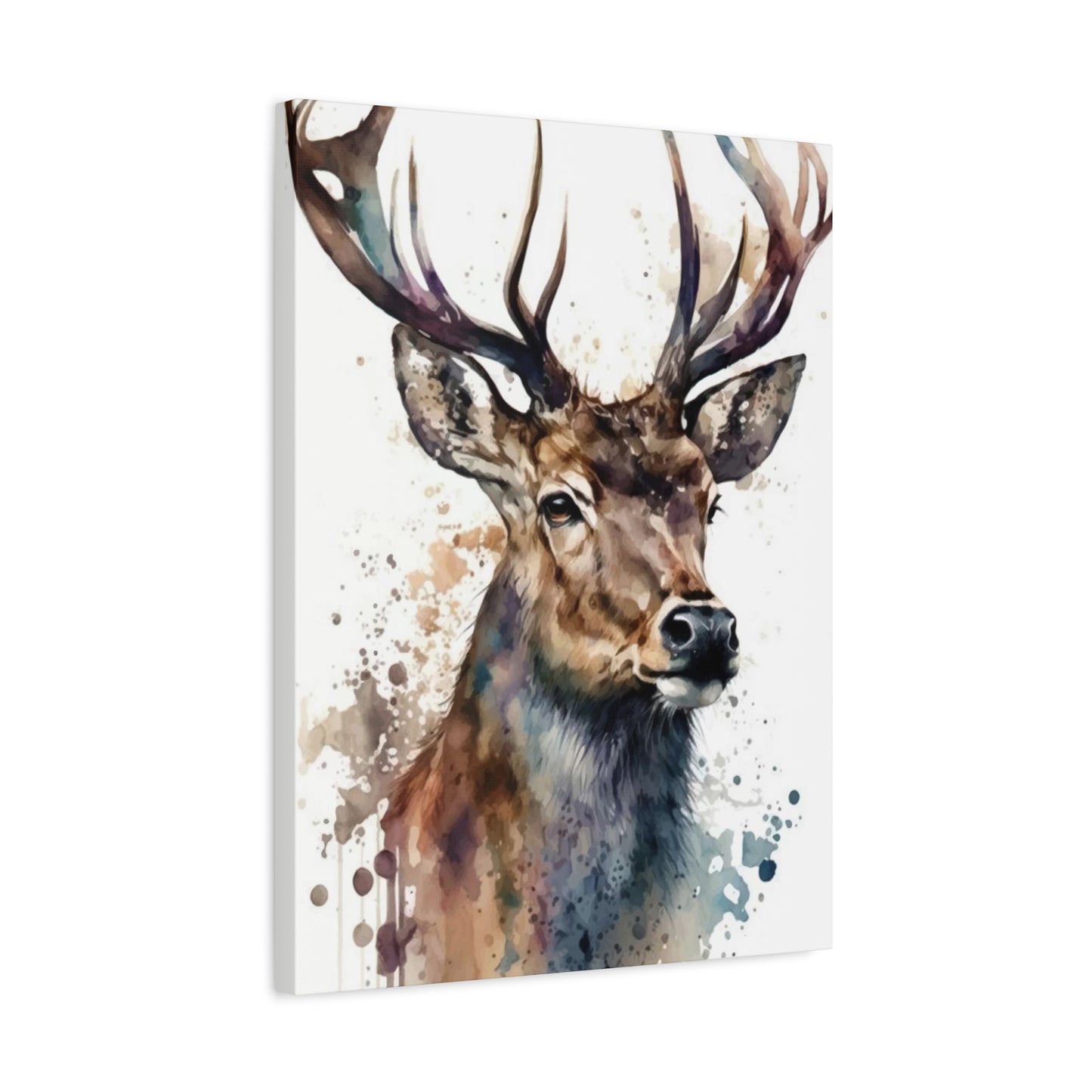
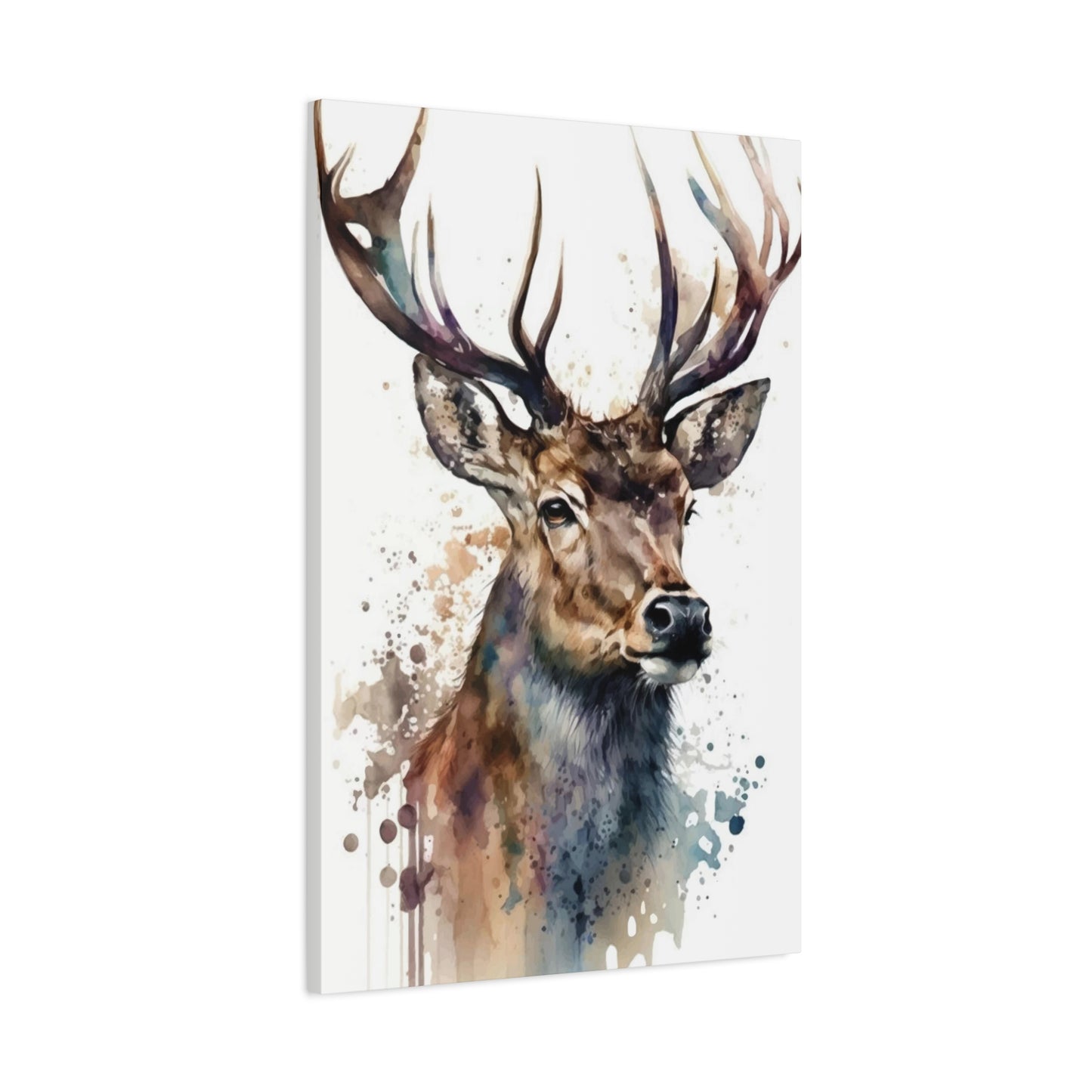
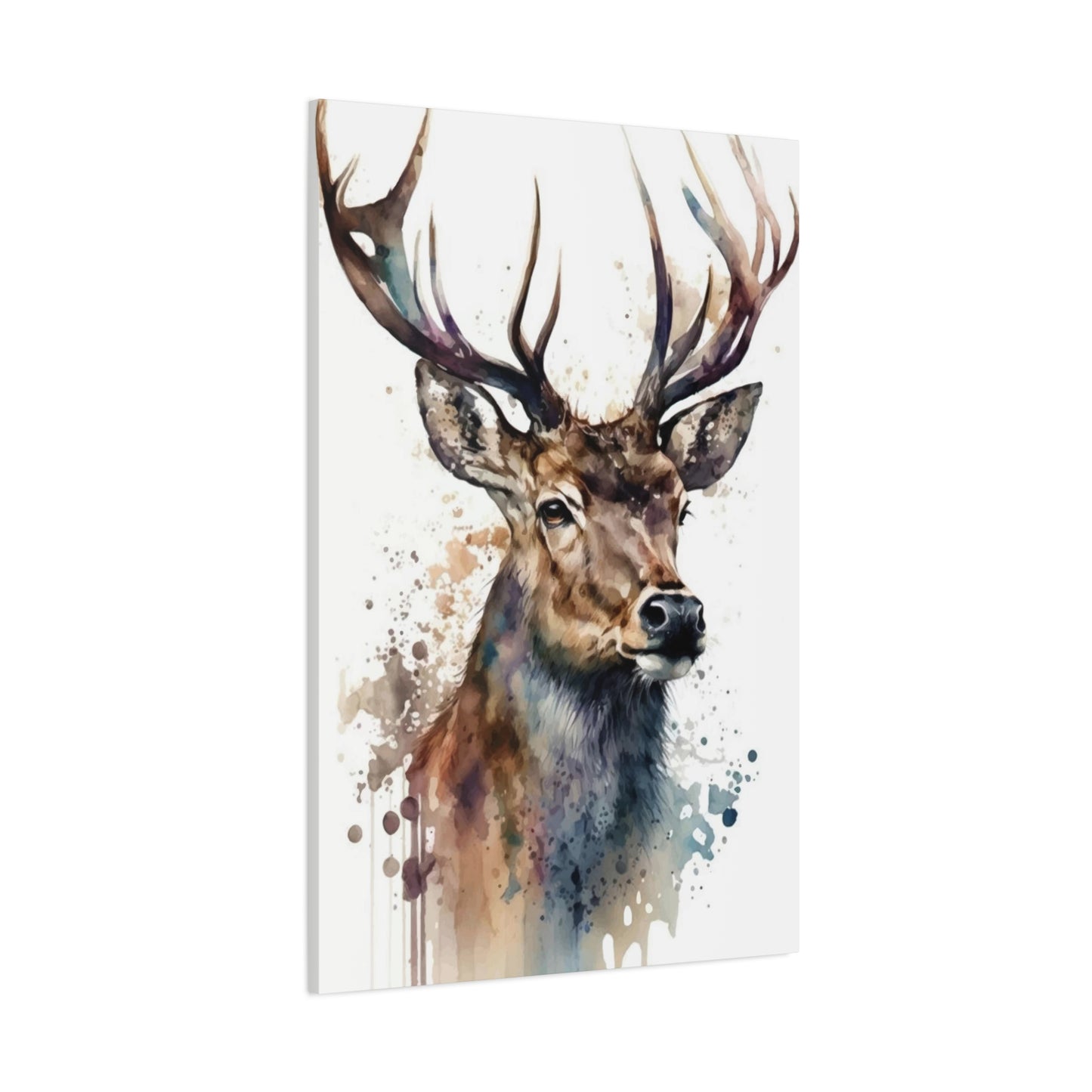
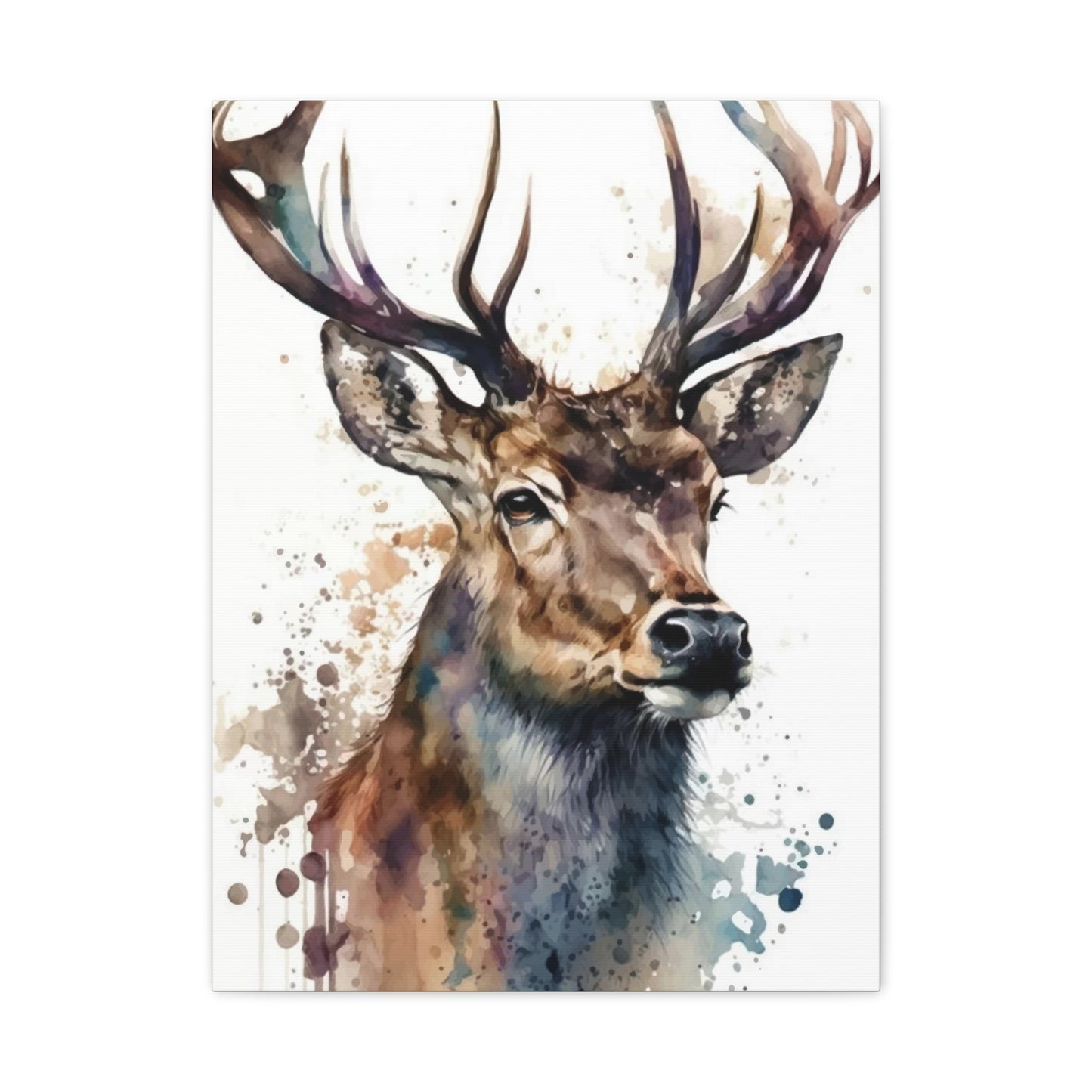
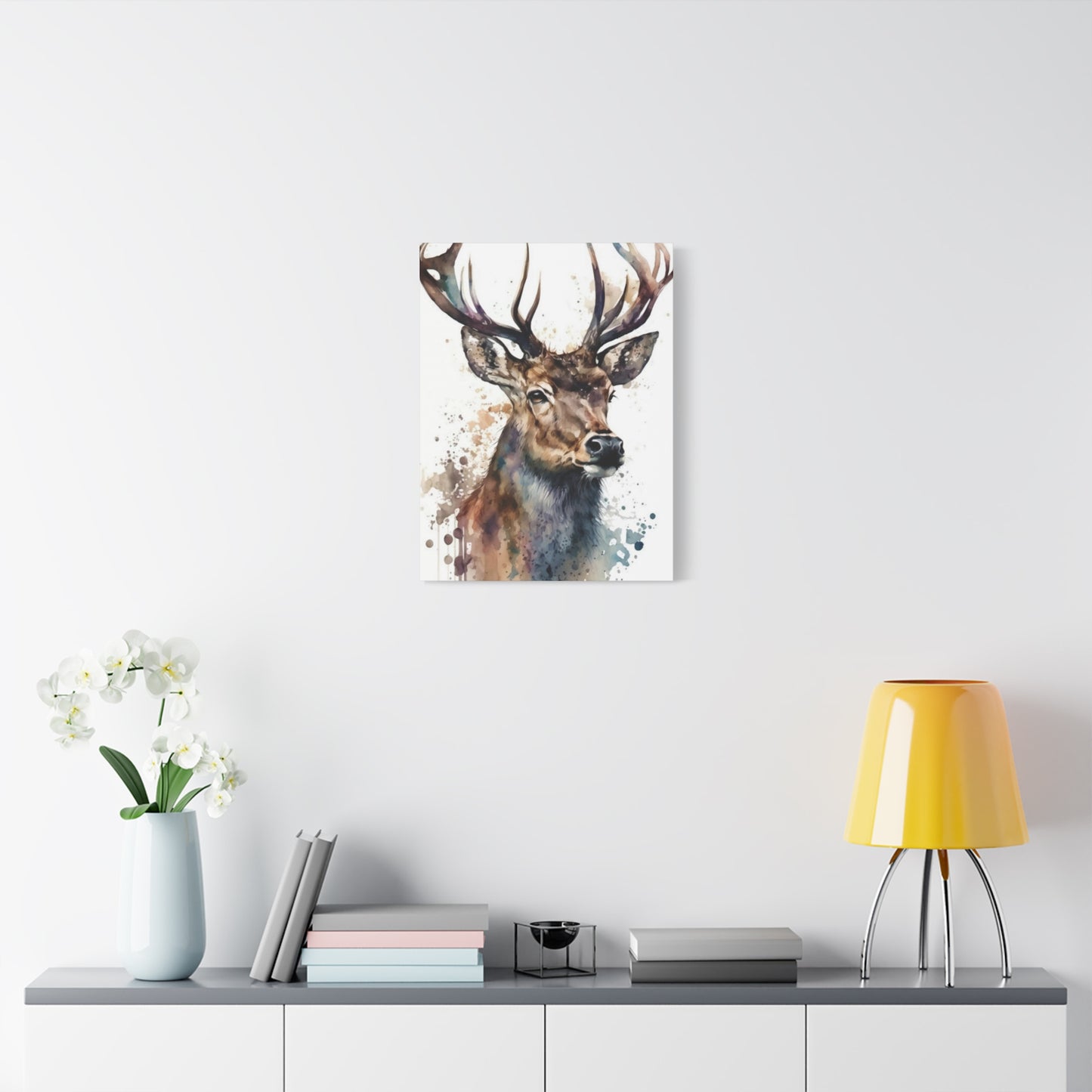
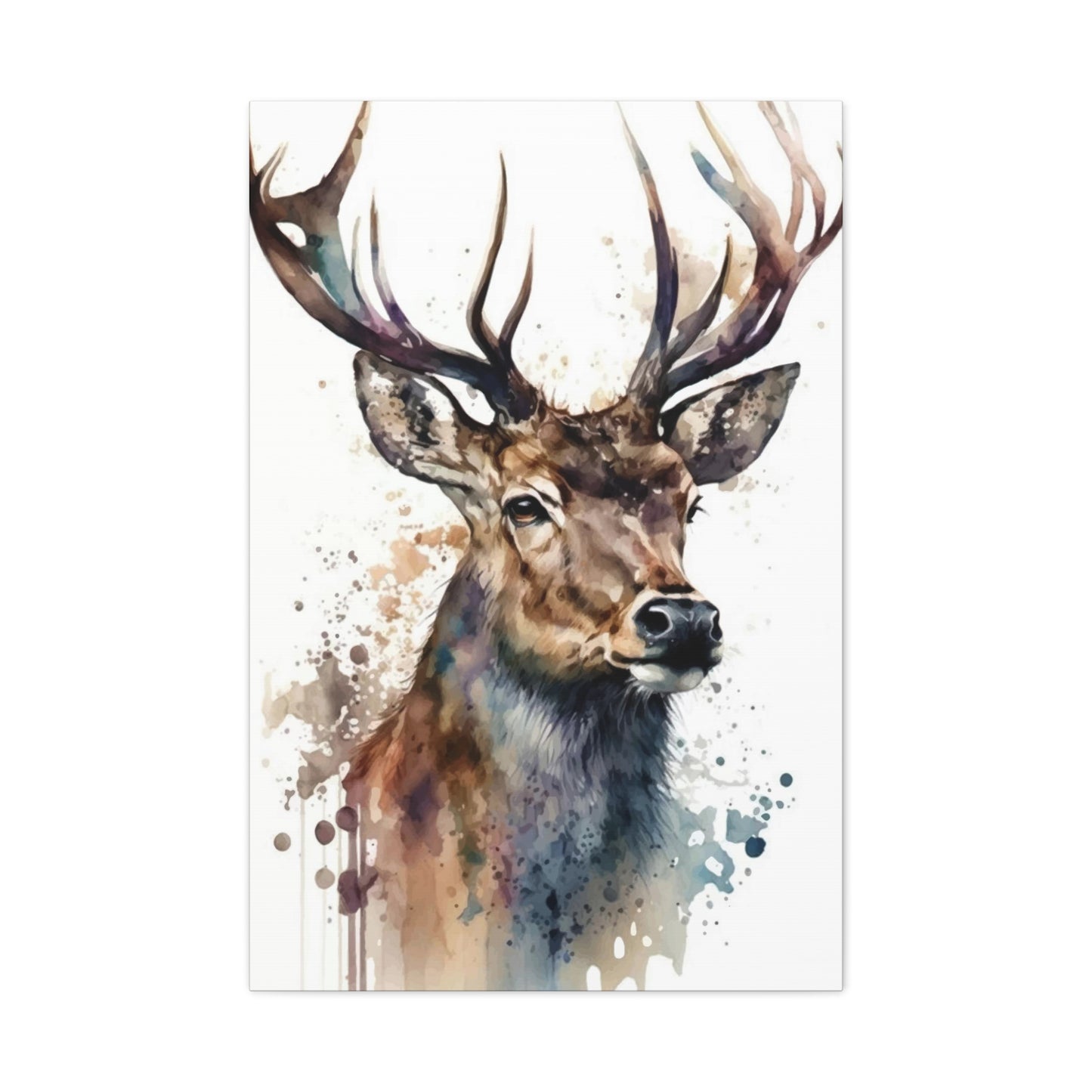
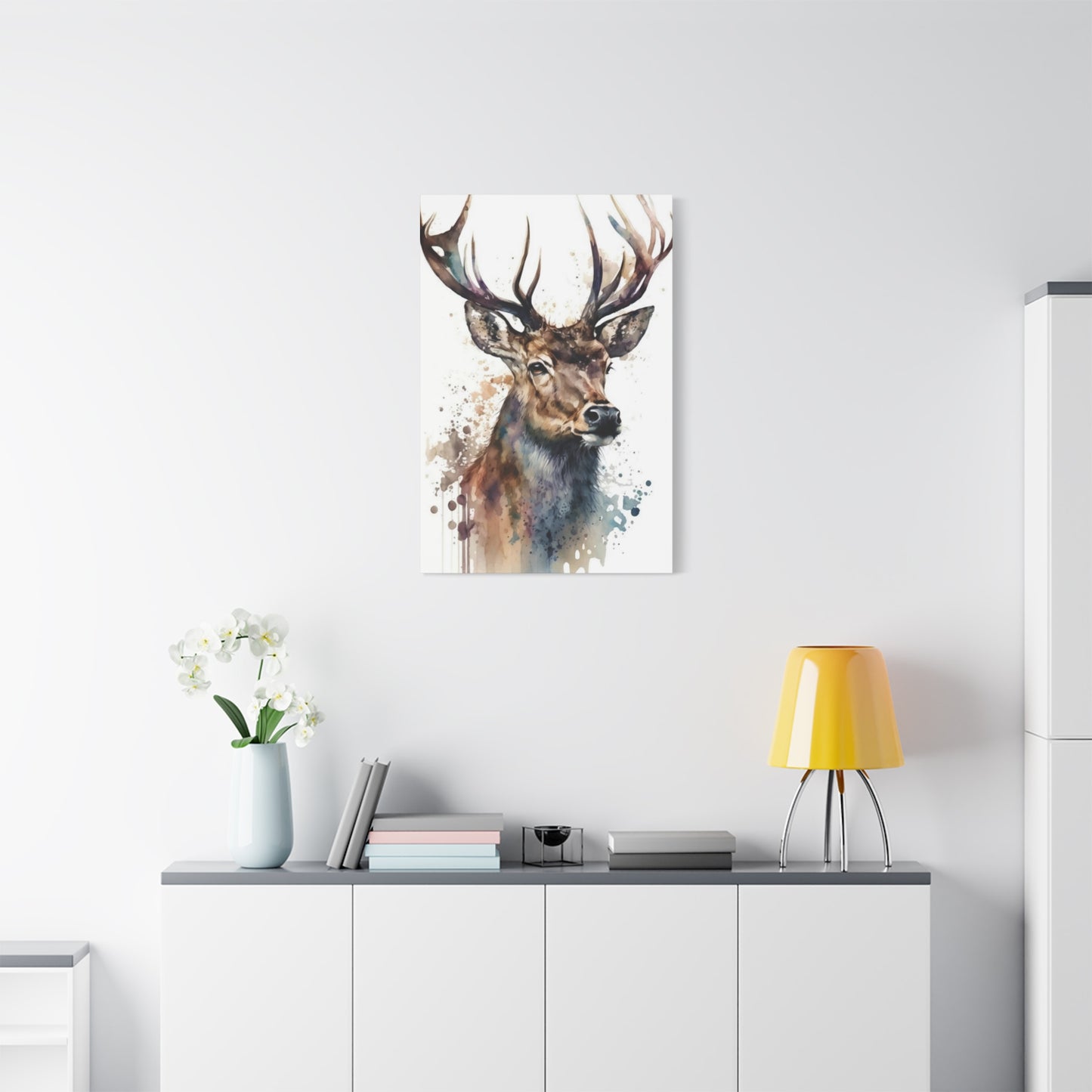
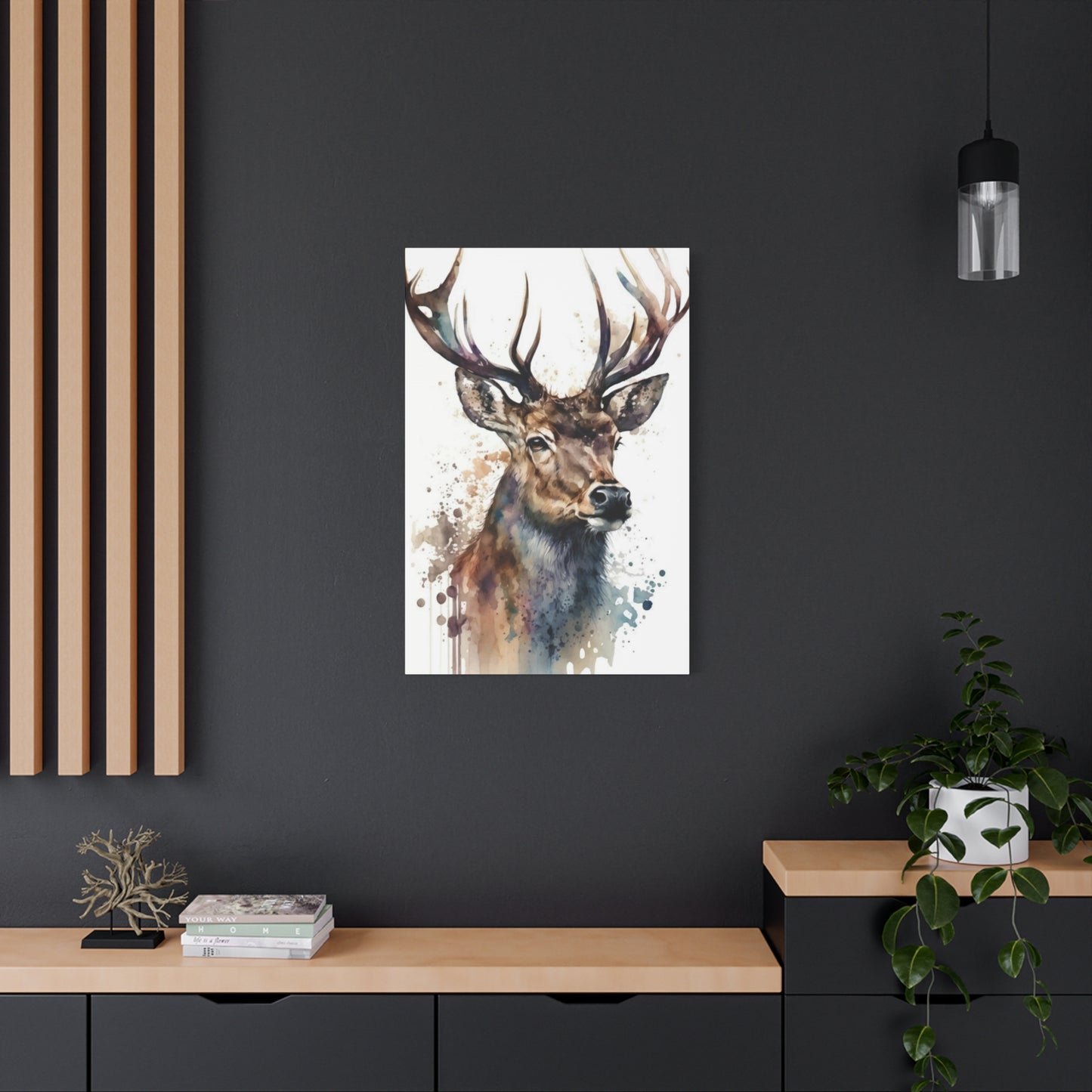
Deer Wall Art & Canvas Prints
Deer Wall Art & Canvas Prints
Couldn't load pickup availability
Deer Wall Art: Creating Stunning Natural Wildlife Décor That Brings Forest Elegance Into Your Living Space
The magnificence of woodland creatures has captivated human imagination for centuries, and among these majestic beings, the deer stands as a symbol of grace, gentleness, and natural beauty. When translated into artistic expressions for interior spaces, deer-themed decorative pieces offer an extraordinary way to infuse any room with the serene essence of wilderness while maintaining sophisticated aesthetic appeal. These artistic representations serve not merely as decorative elements but as gateways to nature's tranquility, bringing the mystical atmosphere of forests directly into domestic environments.
The growing fascination with nature-inspired interior design has elevated the status of wildlife-themed artwork, particularly pieces featuring these elegant creatures. Homeowners, designers, and décor enthusiasts increasingly recognize the transformative power of such artwork in creating atmospheres that balance contemporary living with organic warmth. The versatility of these decorative pieces allows them to complement various design philosophies, from rustic farmhouse aesthetics to minimalist modern arrangements, proving that natural themes possess timeless appeal that transcends temporary trends.
Why Woodland Creature Imagery Resonates With Modern Interior Design Sensibilities
Contemporary living spaces often suffer from disconnection with the natural world, creating environments that feel sterile and lifeless. Incorporating imagery of forest inhabitants addresses this deficiency by reintroducing organic elements that humans instinctively find comforting. The gentle curves of antlers, the soft features of these graceful animals, and the earthy tones associated with woodland scenes create visual interest while maintaining a calming presence that synthetic decorations simply cannot replicate.
Research into environmental psychology reveals that humans possess an innate attraction to natural forms and living creatures, a phenomenon known as biophilia. This inherent connection explains why representations of wildlife resonate so deeply with viewers, triggering positive emotional responses and reducing stress levels. When individuals surround themselves with images of forest dwellers, they subconsciously tap into memories of outdoor experiences, peaceful woodland walks, and the restorative qualities of nature itself.
The symbolic significance of these particular animals adds another layer of meaning to their decorative appeal. Across various cultures, deer represent qualities such as gentleness, intuition, sensitivity, and spiritual awareness. Native American traditions view them as messengers between the physical and spiritual realms, while Celtic mythology associates them with fairy worlds and magical forests. By incorporating such imagery into living spaces, individuals create not just visually appealing environments but spaces imbued with deeper symbolic resonance.
Color palettes associated with woodland creature artwork naturally complement a wide range of interior schemes. The browns, grays, creams, and forest greens typically featured in these pieces harmonize effortlessly with both warm and cool color schemes. This chromatic versatility makes such artwork remarkably adaptable, capable of enhancing spaces ranging from cozy cabins to sleek urban apartments without appearing out of place or forcing dramatic decorative adjustments.
Exploring Various Artistic Styles For Depicting These Graceful Forest Inhabitants
The artistic representation of woodland creatures encompasses an impressive spectrum of styles, each offering distinct aesthetic qualities and emotional impacts. Photorealistic renderings capture every detail with stunning accuracy, from individual fur textures to the liquid depth of eyes, creating pieces that feel almost alive. These hyper-realistic works appeal to those who appreciate technical mastery and desire artwork that serves as windows into wild spaces, offering glimpses of creatures as they appear in their natural habitats.
Conversely, abstract interpretations distill the essence of these animals into fundamental shapes, lines, and color fields. Such pieces emphasize emotional response over literal representation, using artistic elements to convey the spirit of the subject rather than its physical appearance. Abstract deer artwork often features bold brushstrokes, unexpected color combinations, and simplified forms that create striking visual impact while leaving room for viewer interpretation. This style particularly suits modern and contemporary interiors where artistic expression takes precedence over traditional representation.
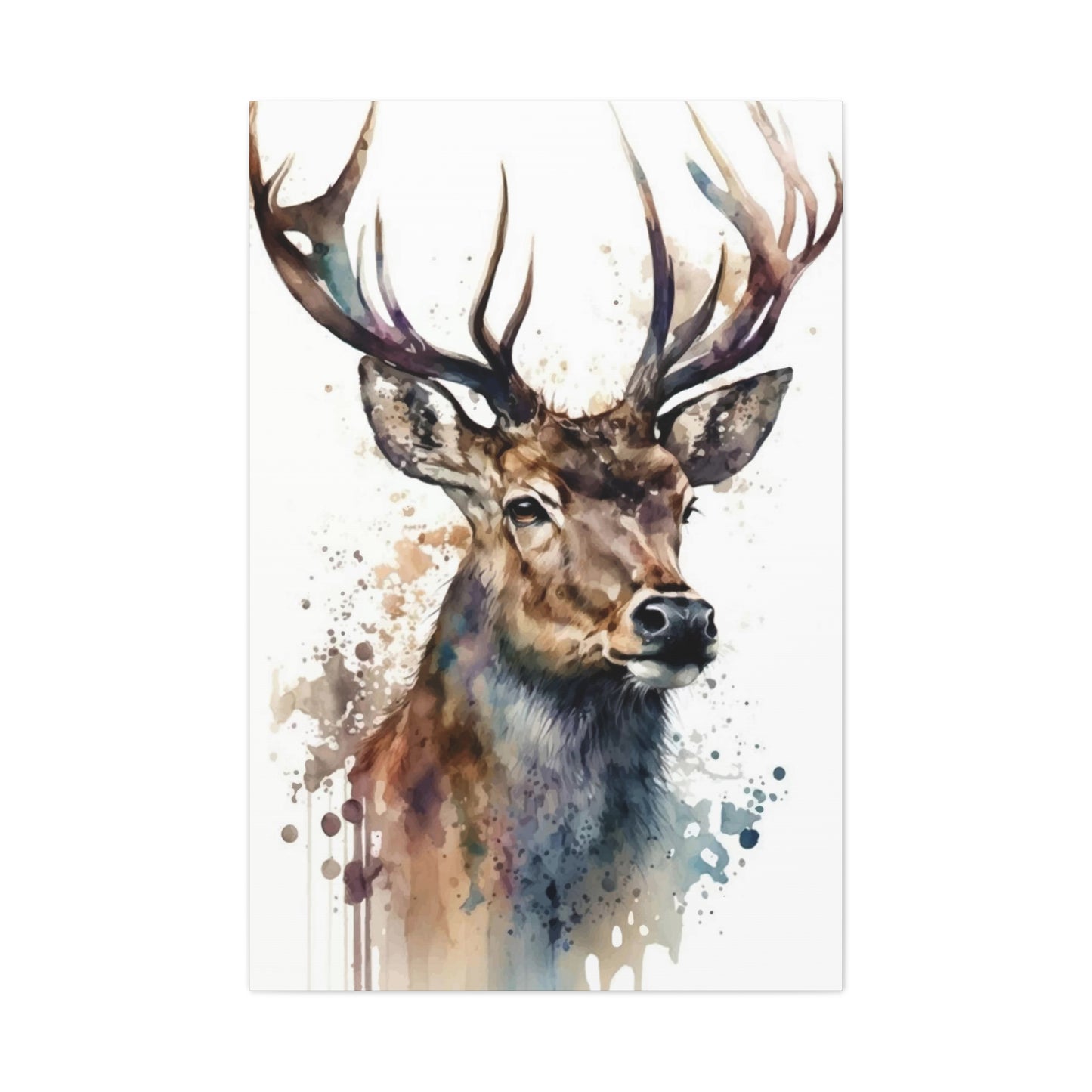
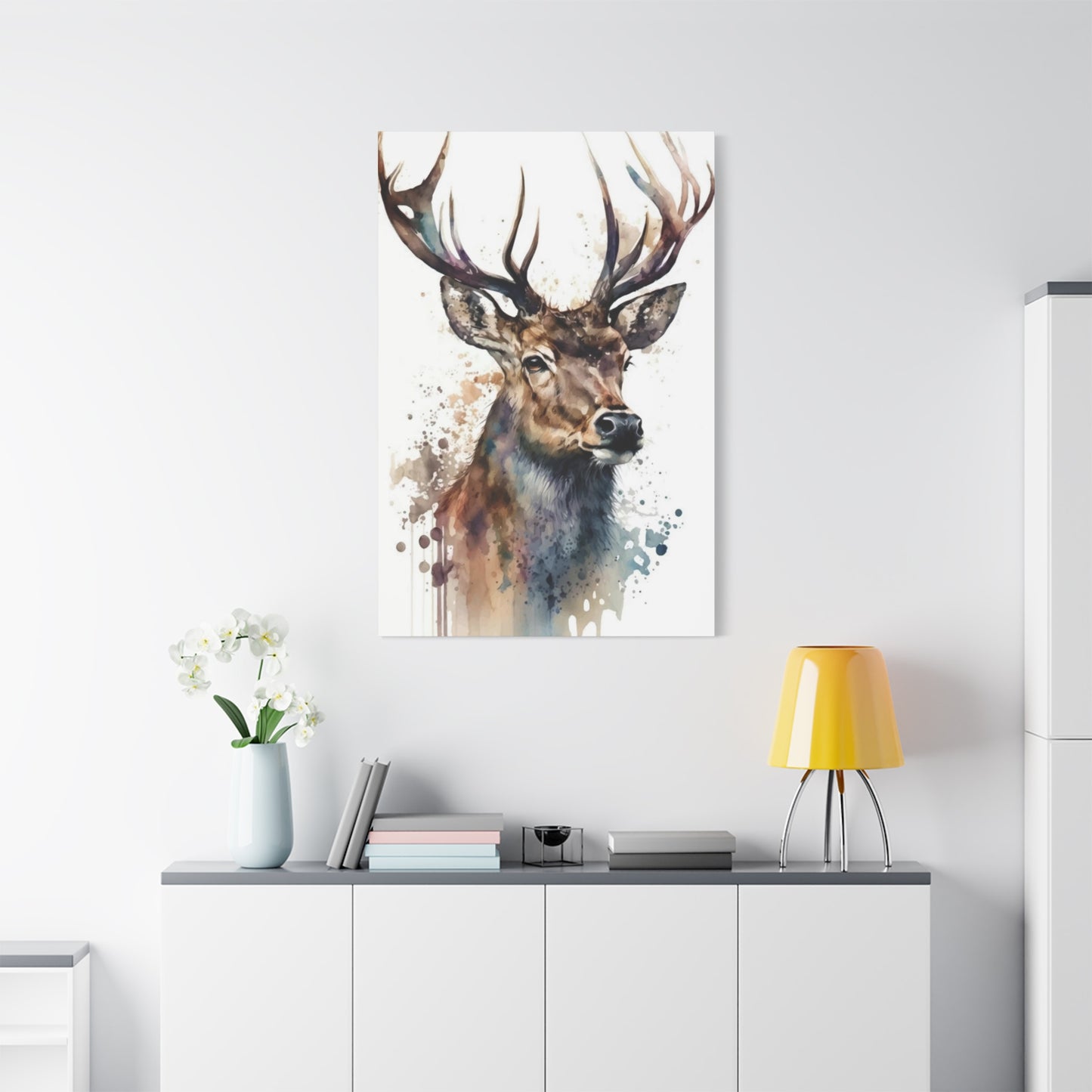
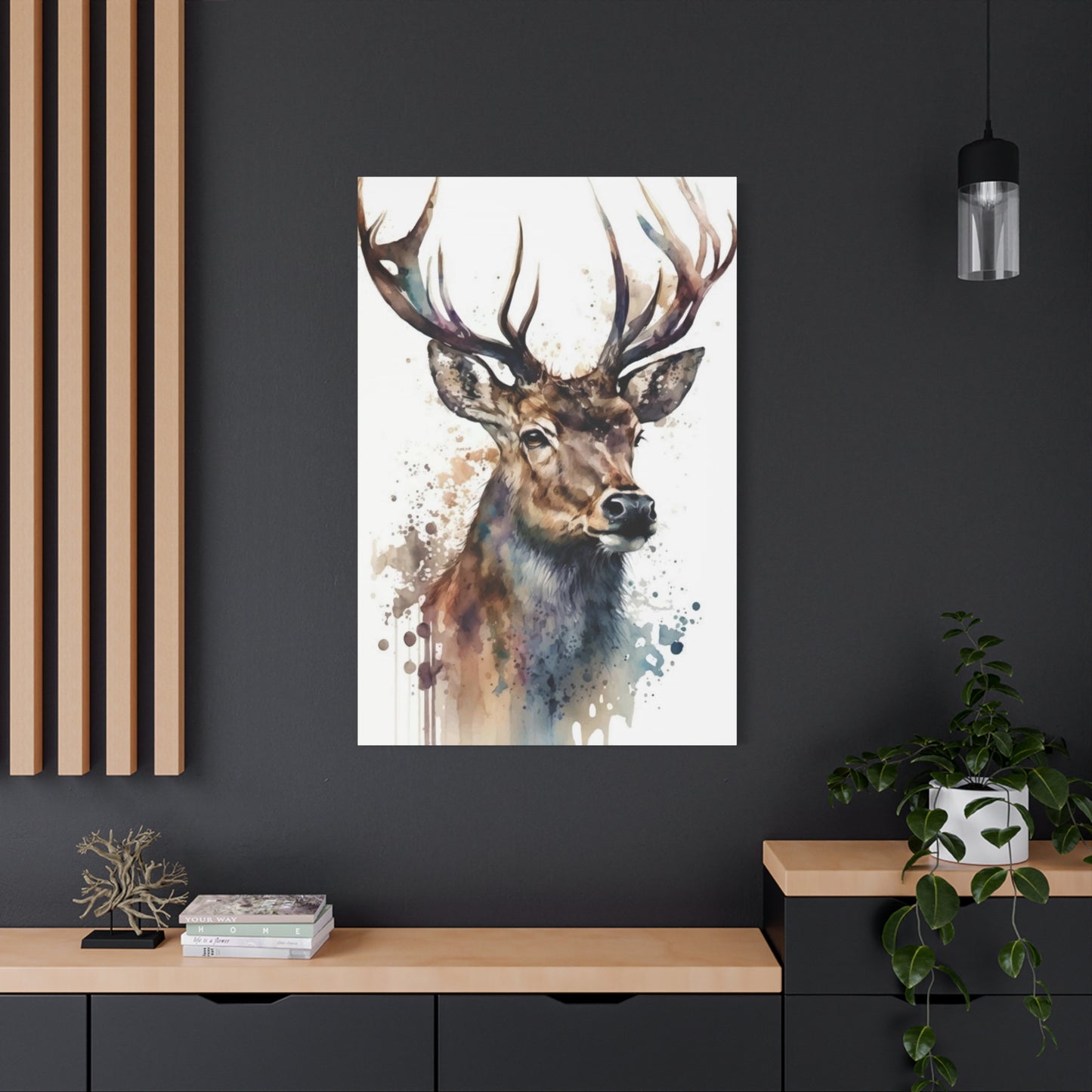
Watercolor depictions occupy a middle ground between realism and abstraction, offering soft, dreamy qualities that evoke gentleness and tranquility. The translucent nature of watercolor creates ethereal effects, with colors bleeding and blending in ways that suggest movement and life. These pieces often feature muted palettes and delicate details that bring a sense of refinement and artistic sensitivity to any space they inhabit.
Geometric and line art approaches reduce deer imagery to essential contours and shapes, creating minimalist pieces that emphasize form over detail. These works often feature continuous line drawings or angular, faceted representations that give creatures a contemporary, almost sculptural quality. Such pieces appeal to those who favor clean lines and uncluttered aesthetics, fitting seamlessly into Scandinavian, industrial, and minimalist design schemes.
Vintage and rustic styles draw inspiration from historical artistic traditions, incorporating techniques reminiscent of old hunting lodge décor, folk art, or scientific illustrations from naturalist expeditions. These pieces often feature aged paper effects, sepia tones, or frames that appear weathered and time-worn. The nostalgic quality of vintage deer artwork creates warmth and character, making spaces feel lived-in and story-filled rather than pristinely new.
Material Considerations That Influence Visual Impact And Longevity Of Wildlife Artwork
The substrate upon which deer imagery appears significantly affects both the aesthetic presentation and durability of decorative pieces. Canvas prints remain among the most popular choices, offering texture and depth that enhance the artistic qualities of images. Gallery-wrapped canvases, where the image extends around the frame edges, create a polished, gallery-ready appearance that requires no additional framing. The slight texture of canvas adds visual interest and helps diffuse light in ways that reduce glare, making artwork viewable from various angles without reflective interference.
Metal prints represent a contemporary option that produces stunning visual effects, particularly for high-contrast images. The printing process infuses dyes directly into specially coated aluminum, creating pieces that appear luminous and dimensional. The smooth, reflective surface of metal prints adds a modern edge while enhancing color vibrancy and sharpness. These pieces resist fading, moisture, and physical damage far better than traditional paper-based options, making them ideal for spaces with challenging environmental conditions.
Wood panels offer organic charm that perfectly complements woodland subject matter. Printing directly onto wood preserves natural grain patterns, which become part of the artwork itself, adding texture and character that enhances the rustic appeal of nature themes. Each piece becomes unique as the wood grain interacts differently with the printed image, creating one-of-a-kind decorative elements. The warmth of natural wood tones also enriches the overall color palette, creating cohesion between artwork and its forest-inspired subject.
Acrylic prints deliver exceptional clarity and depth through a process that mounts prints behind glossy acrylic panels. The resulting pieces possess a three-dimensional quality, with images appearing to float within the acrylic. The high-gloss finish creates museum-quality presentation that commands attention and elevates the perceived value of artwork. The durability of acrylic also provides protection against UV damage, moisture, and scratching, ensuring long-lasting beauty with minimal maintenance requirements.
Fabric and tapestry options transform deer imagery into soft, textile-based decorations that introduce warmth and acoustic benefits to spaces. Woven tapestries featuring woodland scenes create focal points with textural richness that flat prints cannot match. The draping quality of fabric adds movement and dimensionality, while the textile nature of these pieces helps absorb sound, contributing to more comfortable acoustic environments in rooms with hard surfaces.
Strategic Placement Strategies That Maximize Visual Impact Throughout Different Rooms
The living room serves as the primary gathering space in most homes, making it an ideal location for statement pieces featuring wildlife imagery. Large-scale artwork positioned above sofas or mantels creates natural focal points that anchor seating arrangements and establish the room's aesthetic tone. The scale of living room pieces should correspond to the dimensions of furniture below them, with artwork spanning approximately two-thirds to three-quarters of the furniture width to create balanced proportions.
Bedroom environments benefit from calming imagery that promotes relaxation and restful sleep. Positioning deer artwork above headboards creates a soothing focal point that viewers see upon entering the room and before sleeping. The gentle nature of these creatures makes them particularly appropriate for bedroom spaces, where their presence contributes to peaceful atmospheres conducive to rest. Softer color palettes and dreamy artistic styles work especially well in sleeping quarters, avoiding stimulating colors or dramatic contrasts that might interfere with relaxation.
Dining spaces offer opportunities to create sophisticated yet welcoming environments where wildlife artwork enhances the natural connection between food, nourishment, and the natural world. Positioning pieces where diners can view them without craning their necks ensures comfortable appreciation during meals. The rustic elegance of deer imagery pairs beautifully with wooden dining furniture, creating cohesive design schemes that feel both refined and approachable.
Entryways and hallways often get overlooked in decorative planning, yet these transitional spaces provide excellent opportunities to make strong first impressions. Deer artwork in entry areas immediately establishes a home's aesthetic character while welcoming guests with imagery that feels friendly and inviting. Hallways, which can feel narrow and confined, benefit from artwork that draws the eye and creates visual interest along their length, making these spaces feel more intentional and designed rather than merely functional.
Home offices increasingly blur the boundaries between professional and personal spaces, particularly as remote work becomes more prevalent. Wildlife imagery in work environments provides visual breaks that reduce mental fatigue and maintain connection to the natural world during long work sessions. The calming presence of deer artwork can help create work environments that feel less sterile and more conducive to sustained focus and creativity.
Children's rooms present special opportunities for age-appropriate deer artwork that sparks imagination while creating nurturing environments. Illustrations featuring young fawns, whimsical forest scenes, or storybook-style artwork appeals to younger sensibilities while maintaining decorative quality that doesn't appear juvenile. As children grow, these pieces can evolve with them, transitioning from playful interpretations to more mature artistic expressions.
Size Selection Principles That Create Harmonious Proportions In Any Space
Determining appropriate artwork dimensions requires careful consideration of wall dimensions, ceiling heights, and surrounding furnishings. The common mistake of selecting pieces too small for their intended spaces results in decorations that appear lost and insignificant rather than impactful. As a general principle, artwork should command attention without overwhelming its surroundings, striking a balance between presence and proportion.
Single large-scale pieces create bold statements that work particularly well in rooms with high ceilings or expansive walls. These impressive works serve as room focal points, drawing the eye and anchoring design schemes. Large-scale artwork typically measures 40 inches or more in any direction, providing sufficient presence to hold visual weight in spacious environments. The dramatic impact of oversized pieces makes them ideal for modern, minimalist spaces where fewer decorative elements each carry greater visual responsibility.
Gallery walls assembled from multiple smaller pieces offer flexibility and visual interest through varied arrangements. Collections featuring different sizes, orientations, and even artistic styles create dynamic displays that feel curated and personal. Gallery walls work particularly well in spaces with awkward dimensions or multiple architectural features that make single large pieces impractical. The arrangement possibilities are nearly endless, allowing homeowners to create truly custom displays that reflect personal taste and evolve over time.
Medium-sized pieces, typically ranging from 20 to 40 inches, provide versatility for most residential spaces. These dimensions work well above furniture, in hallways, and as components of larger arrangements. Medium pieces offer sufficient presence to stand alone while remaining manageable enough to reposition as design schemes evolve. Their adaptability makes them practical choices for those who anticipate future decorative changes or who move residences frequently.
Diptychs and triptychs spread single images across multiple panels, creating sophisticated presentations that add architectural interest to walls. The spacing between panels introduces rhythm and movement, while the segmented nature of these pieces allows them to span larger areas than single-panel alternatives of equivalent overall dimensions. Multi-panel arrangements work especially well in contemporary settings where clean lines and geometric precision are valued aesthetic qualities.
Color Scheme Coordination That Enhances Rather Than Clashes With Existing Décor
Neutral-toned deer artwork featuring blacks, whites, grays, and earth tones provides maximum versatility, complementing virtually any color scheme without competing for visual attention. These pieces allow other design elements to provide color while maintaining strong visual presence through contrast and composition. Neutral wildlife artwork particularly suits spaces where color comes from furnishings, textiles, or architectural features, allowing those elements to shine while the artwork provides sophisticated visual grounding.
Warm-toned pieces incorporating browns, rusts, ambers, and golden hues create cozy, inviting atmospheres that enhance traditional and rustic interiors. These colors naturally complement wood furnishings, leather upholstery, and the warm metals like brass and copper often featured in such spaces. Warm-toned deer artwork reinforces the connection to nature through colors reminiscent of autumn forests, sun-dappled woods, and the creatures' natural coloring.
Cool-toned artwork featuring blues, greens, and silvers brings freshness and calm to spaces, evoking misty morning forests and moonlit clearings. These pieces work beautifully in coastal, Scandinavian, and contemporary interiors where cooler palettes predominate. The unexpected color choices in cool-toned wildlife artwork can create striking visual interest while maintaining the essential character of the subject matter.
Monochromatic schemes focusing on variations of a single color create sophisticated, cohesive presentations that feel intentional and refined. Black and white deer artwork delivers timeless elegance that transcends design trends, working equally well in traditional and contemporary contexts. The absence of color shifts focus to form, composition, and tonal variation, emphasizing the artistic qualities of pieces rather than their chromatic appeal.
Complementary color schemes using opposing hues on the color wheel create vibrant, energetic presentations that command attention. While less common in wildlife artwork, pieces incorporating complementary colors can create stunning visual impact in spaces that embrace bold design choices. The key to successfully incorporating vibrant artwork lies in ensuring other design elements provide visual balance, preventing spaces from feeling chaotic or overwhelming.
Frame Selection Techniques That Complete And Enhance Artwork Presentation
Frame choices significantly impact how artwork is perceived and how well it integrates with surrounding décor. Natural wood frames reinforce the organic nature of wildlife subjects while adding warmth and texture. Light woods like oak, maple, and pine create casual, approachable presentations suitable for farmhouse and cottage aesthetics, while darker woods like walnut and espresso provide sophistication appropriate for traditional and formal spaces.
Metal frames offer contemporary edge that suits modern and industrial interiors. Sleek black, brushed silver, or even copper and gold tones can dramatically alter artwork's character, making the same print appear completely different depending on its frame. Thin metal frames create minimal visual interruption, allowing artwork to take center stage, while chunkier metal frames make bolder statements that become part of the overall design.
Floating frames create the illusion that artwork hovers within the frame, adding depth and dimensionality to presentations. This style works particularly well with canvas and wood panel prints, creating gallery-quality presentations that elevate perceived artwork value. The shadow gap created by floating frames draws attention to artwork edges while providing visual breathing room that prevents pieces from feeling constrained.
Ornate, detailed frames suit traditional and vintage-inspired interiors where decorative elements are embraced rather than minimized. Carved wood frames, gilded finishes, and classical profiles add formality and elegance that complement realistic or vintage-style deer artwork. These elaborate frames work best with pieces that possess sufficient visual weight to balance the frame's decorative presence, preventing the frame from overwhelming the artwork itself.
Frameless presentations, including gallery-wrapped canvases and direct-mounted prints, create clean, contemporary looks that emphasize artwork over presentation apparatus. This approach suits minimalist and modern interiors where simplicity and unadorned beauty are valued. Frameless presentations also offer practical advantages, including easier installation and lower costs compared to framed alternatives.
Lighting Considerations That Bring Wildlife Artwork To Life After Dark
Proper illumination transforms artwork from flat wall decorations into dynamic focal points that maintain visual impact regardless of ambient lighting conditions. Picture lights mounted directly above artwork provide focused illumination that highlights details while creating dramatic shadows that enhance dimensionality. These dedicated lighting fixtures come in various styles, from traditional brass designs to minimalist LED strips, allowing them to complement different decorative aesthetics while serving their functional purpose.
Track lighting offers flexibility to illuminate multiple pieces or adjust spotlight positions as artwork arrangements change. The directional nature of track lights allows precise control over which areas receive emphasis, making them ideal for gallery walls or spaces where multiple decorative elements compete for attention. Modern track systems have evolved beyond their industrial origins, now available in styles suitable for virtually any interior aesthetic.
Recessed ceiling lights provide ambient illumination that can be directed toward artwork through careful positioning and adjustable trim options. This approach maintains clean ceiling lines without visible lighting fixtures, suiting minimalist and contemporary spaces where visual clutter is minimized. The key to effective recessed lighting lies in proper placement and beam angle selection, ensuring artwork receives adequate illumination without harsh glare or uneven coverage.
Natural light remains the most flattering illumination source, bringing out subtle color variations and creating dynamic viewing experiences that change throughout the day. However, direct sunlight poses significant risks to artwork longevity, causing fading and material degradation over time. Strategic positioning that provides indirect natural light—such as on walls perpendicular to windows rather than directly opposite them—balances the desire for natural illumination with preservation concerns.
Accent lighting through table lamps, floor lamps, and wall sconces can indirectly illuminate artwork while providing ambient room lighting. This layered lighting approach creates depth and atmosphere superior to single overhead sources. When positioning accent lights, consider how their illumination will interact with artwork, ensuring reflections don't create glare while still providing enough light to appreciate details and colors.
Creating Cohesive Gallery Arrangements With Multiple Wildlife Pieces
Symmetrical gallery arrangements create formal, organized presentations that suit traditional interiors and those who appreciate order and balance. Grid layouts with uniform spacing and matching frame sizes produce clean, architectural displays that feel carefully planned and intentional. This approach works particularly well with series or collections where individual pieces share common elements like size, style, or subject matter variations.
Asymmetrical arrangements offer more dynamic, contemporary presentations that feel organic and personal. These layouts balance visual weight rather than mirror images across central axes, creating interest through variety and unexpected relationships between pieces. The apparent spontaneity of asymmetrical arrangements actually requires careful planning to ensure the collection feels cohesive rather than random, with strategic positioning based on color, size, and visual weight distribution.
Linear arrangements along hallways or above long furniture pieces guide the eye through space while creating narrative flow. When assembling linear galleries, maintain consistent spacing between pieces to create rhythm and unity. Varying sizes within linear arrangements prevents monotony while maintaining the organized feel of the overall presentation. This approach works particularly well for themed collections that tell stories or show progressions.
Clustered arrangements group pieces closely together, creating concentrated visual impact that works well as focal points in larger rooms. Tight clustering with minimal spacing between frames creates unified compositions where individual pieces function as components of larger artistic statements. This approach suits eclectic interiors where creative, unconventional presentations are embraced.
Layered arrangements incorporating overlapping frames, leaning pieces, and three-dimensional objects create depth and casual sophistication. This styling technique, popular in collected, bohemian interiors, makes displays feel curated over time rather than installed all at once. Layering requires careful attention to ensure arrangements appear intentional rather than cluttered, with strategic placement of larger pieces as anchors and smaller pieces as supporting elements.
Seasonal Rotation Strategies That Keep Interiors Fresh Throughout The Year
Spring-themed deer artwork featuring fawns, blooming forest scenes, and fresh green palettes celebrates renewal and new beginnings. Rotating to these lighter, more optimistic pieces as winter ends lifts spirits and acknowledges seasonal changes. The youthful energy of springtime imagery brings vitality to spaces that may feel heavy after months of darker winter décor.
Summer presentations can emphasize the lush abundance of fully leafed forests, showcasing deer in dappled sunlight filtering through dense canopy coverage. Brighter, more saturated colors appropriate to summer's intensity replace the pastels of spring, creating vibrant focal points that match the season's energy. Summer wildlife artwork often features more active poses and dynamic compositions reflecting the season's vitality.
Autumn offers perhaps the richest opportunities for deer artwork, as the season's dramatic color transformations provide stunning backdrops for wildlife imagery. Pieces featuring deer against blazing fall foliage, misty morning meadows, or preparing for winter create poignant seasonal connections. The warm, nostalgic quality of autumn-themed artwork makes spaces feel cozy and welcoming as temperatures drop and days shorten.
Winter deer artwork embraces the stark beauty of cold months, featuring snowy landscapes, bare branches, and the quiet dignity of animals adapted to harsh conditions. These pieces often employ limited color palettes dominated by whites, grays, and blues, creating serene, contemplative focal points. The minimalist quality of winter wildlife scenes suits the season's stripped-down aesthetic while providing hope and beauty during darker months.
Holiday-specific artwork incorporating deer into festive contexts offers seasonal charm without abandoning nature themes. Subtle nods to celebrations—perhaps through color choices or decorative elements rather than overt symbols—allow artwork to feel festive while maintaining enough restraint to work beyond specific holidays. This approach extends the useful life of seasonal pieces, making them practical investments rather than single-use decorations.
Budget-Conscious Approaches To Acquiring Quality Wildlife Artwork
Print-on-demand services have revolutionized art accessibility, allowing consumers to purchase high-quality reproductions at fraction of original artwork costs. These services offer vast selections of deer imagery in various styles, sizes, and formats, with prices typically based on dimensions and material choices rather than artificial scarcity. The made-to-order nature of these services also eliminates inventory costs, savings that get passed to consumers.
Digital marketplaces connecting artists directly with consumers bypass gallery commissions and intermediaries, creating more favorable pricing for buyers while ensuring artists receive fair compensation. These platforms offer incredible variety, from established professionals to emerging talents, allowing buyers to find pieces that match both their aesthetic preferences and budget constraints. Many artists on these platforms offer customization options, creating semi-custom pieces at accessible price points.
Secondhand and vintage sources including thrift stores, estate sales, and online marketplaces yield surprising treasures for patient, persistent shoppers. Original vintage wildlife artwork, prints from defunct galleries, and preloved pieces offer unique character that new productions cannot replicate. The hunt for secondhand artwork becomes part of the enjoyment, with discovered pieces carrying stories and history that enrich their presence in new homes.
DIY approaches allow crafty individuals to create custom artwork through various methods including painting, printing personal photographs, creating mixed media collages, or even transferring images onto wood or canvas. These handmade pieces possess personal significance beyond their decorative value, representing invested time and creative expression. The imperfections of handmade artwork often add charm and character that mass-produced alternatives lack.
Rotating displays using borrowed or rented artwork provides variety without permanent commitment or substantial financial investment. Some libraries, community centers, and art rental programs allow members to borrow artwork for specified periods, creating opportunities to refresh décor regularly without accumulating possessions. This approach suits those who value novelty and enjoy changing their environments frequently.
Preservation Practices That Protect Investment And Maintain Visual Appeal
Ultraviolet light causes the most significant damage to artwork over time, breaking down pigments and materials in ways that result in fading, discoloration, and deterioration. UV-filtering glass, acrylic glazing, or window films protect pieces displayed in naturally lit spaces without compromising visibility or aesthetic presentation. These protective measures dramatically extend artwork lifespan, making them worthwhile investments for valuable or sentimentally significant pieces.
Climate control maintains stable temperature and humidity levels that prevent materials from expanding, contracting, warping, or developing problems like mold and mildew. Dramatic fluctuations prove more damaging than consistently high or low conditions, as repeated cycles stress materials in ways that accelerate degradation. Artwork should never be positioned near heating vents, air conditioning returns, or other sources of environmental extremes.
Regular dusting with soft, dry cloths removes accumulated particles that can scratch surfaces or become embedded in textured materials over time. Gentle handling prevents transfer of oils and acids from skin that can cause discoloration or degradation. For pieces behind glass or acrylic, standard glass cleaners work effectively, though care should be taken to prevent moisture from seeping behind protective glazing where it can cause damage.
Professional cleaning and restoration services address problems beyond simple maintenance, including repairing torn canvases, removing stubborn stains, and refreshing faded colors. While these services represent additional expenses, they can resurrect pieces that otherwise might face retirement or disposal. Establishing relationships with local framers and art conservators provides resources when professional intervention becomes necessary.
Proper storage of rotated pieces prevents damage during periods when artwork isn't displayed. Pieces should be stored vertically when possible, wrapped in acid-free paper or breathable fabric, and positioned where they won't be leaned against or knocked over. Climate-controlled storage areas protect against temperature and humidity extremes that can occur in attics, basements, and garages where artwork often gets relegated during storage periods.
Psychological Impacts Of Nature-Inspired Décor On Mood And Wellbeing
Biophilic design principles recognize humans' innate connection to natural elements and living systems, advocating for interiors that incorporate these elements to enhance occupant wellbeing. Wildlife imagery serves as one manifestation of biophilic design, bringing representations of living creatures into built environments where direct nature contact may be limited. This connection to nature, even through artistic proxy, triggers positive psychological responses including reduced stress, improved mood, and enhanced cognitive function.
Stress reduction represents one of the most significant benefits of nature-inspired décor. Studies demonstrate that even brief exposure to natural imagery lowers cortisol levels, reduces heart rate, and decreases blood pressure—all physiological markers of stress. The calming presence of wildlife artwork provides visual anchors during stressful moments, offering mental escapes from immediate concerns into peaceful natural scenes.
Attention restoration theory suggests that natural environments and their representations help recover from attention fatigue caused by sustained focus on demanding tasks. Unlike urban environments filled with alerting stimuli that demand attention, natural scenes allow minds to wander and reset without effort. The gentle, non-demanding nature of deer imagery particularly suits this restorative function, providing visual interest without cognitive load.
Emotional regulation benefits from environments that feel safe, comfortable, and personally meaningful. Wildlife artwork contributes to these qualities by creating visual interest that doesn't overstimulate, maintaining presence that feels friendly rather than aggressive, and connecting spaces to values many people hold regarding nature, conservation, and environmental stewardship. The emotional resonance of thoughtfully selected artwork extends beyond mere decoration, influencing how individuals feel within their spaces.
Creativity and productivity see measurable improvements in environments incorporating natural elements and imagery. The mental refresh provided by nature-inspired surroundings helps overcome creative blocks and maintains focus during extended work periods. Home offices and creative spaces particularly benefit from wildlife artwork that provides visual breaks without the distraction of more stimulating décor options like televisions or busy patterns.
Symbolic Meanings Across Various Cultural Traditions And Belief Systems
Native American traditions regard deer as sacred animals representing gentleness, sensitivity, and intuitive awareness. Various tribes associate these creatures with different specific meanings, but common threads include their roles as messengers between human and spirit realms, their embodiment of feminine energy and nurturing qualities, and their representation of the ability to move through life's challenges with grace. The antlers specifically symbolize spiritual growth and the ability to regenerate after difficulty.
Celtic mythology features deer prominently as creatures associated with fairy folk and supernatural realms. White deer particularly held significance as signs of important quests or spiritual journeys in Celtic legends. The Celts believed these animals could move between ordinary reality and magical realms, serving as guides for those willing to follow them into unknown territories. This mystical association adds layers of meaning to deer imagery for those drawn to Celtic spirituality or mythology.
Buddhist traditions sometimes depict deer alongside Buddha, referencing the Deer Park at Sarnath where Buddha delivered his first sermon after achieving enlightenment. This association connects deer imagery with dharma teachings, spiritual awakening, and the peaceful coexistence of humans and animals. In Buddhist contexts, deer represent harmony, peace, and the gentleness that comes from enlightened awareness.
Greek and Roman mythology occasionally featured deer in stories about goddesses, particularly Artemis and Diana, who protected these animals and punished those who harmed them. This association connects deer imagery with feminine divine power, protection of wild things, and the hunt as a sacred activity rather than mere sport. The classical resonance adds sophisticated cultural depth to deer artwork in spaces inspired by Mediterranean aesthetics.
Chinese symbolism associates deer with longevity, prosperity, and success, with the word for deer (鹿, lù) sounding similar to words meaning abundance and official salary. This linguistic connection made deer popular subjects in traditional Chinese art, where they often appeared alongside other auspicious symbols in compositions designed to bring good fortune. Understanding these cultural associations allows Western audiences to appreciate the global significance of these creatures across diverse traditions.
Matching Artwork Styles To Specific Interior Design Movements
Farmhouse aesthetics celebrate rustic simplicity, natural materials, and vintage charm, making them perfect companions for deer artwork featuring weathered finishes, muted colors, and nostalgic styling. Pieces that appear aged or that incorporate reclaimed wood elements reinforce the farmhouse emphasis on history, authenticity, and connection to rural life. The informality of farmhouse style welcomes imperfections and handcrafted qualities that make spaces feel personal rather than professionally staged.
Scandinavian design principles emphasizing minimalism, functionality, and connection to nature pair beautifully with simplified deer imagery featuring clean lines, limited color palettes, and uncluttered compositions. The Nordic appreciation for wild spaces and wildlife translates naturally into décor choices that bring these elements indoors. Black and white prints, watercolor interpretations, and geometric line drawings particularly suit the restrained elegance of Scandinavian interiors.
Industrial style with its exposed materials, raw textures, and urban edge benefits from wildlife imagery that provides organic contrast to hard surfaces and mechanical aesthetics. Metal prints, frameless canvases, and oversized pieces work well in loft spaces and industrial-inspired rooms where they soften environments without diminishing their character. The juxtaposition of gentle wildlife subjects against industrial backdrops creates intriguing visual tension that makes both elements more interesting.
Mid-century modern design with its organic forms, bold colors, and integration of indoor-outdoor spaces naturally accommodates nature-inspired artwork. Vintage-style deer prints reminiscent of 1950s and 1960s design sensibilities feel particularly authentic in mid-century spaces, while contemporary interpretations can bridge historical style with modern sensibilities. The mid-century emphasis on bringing nature indoors through large windows and natural materials finds perfect complement in wildlife décor.
Contemporary and modern minimalist interiors often struggle to feel warm and inviting despite their visual appeal. Wildlife artwork solves this challenge by introducing organic shapes and natural subjects without cluttering clean lines or overwhelming simple color schemes. Large-scale, simplified deer imagery makes particularly striking statements in minimalist spaces where fewer decorative elements mean each piece carries significant visual responsibility.
Bohemian and eclectic styles embrace layered, collected aesthetics where diverse elements combine to create personalized, expressive environments. Deer artwork in boho spaces might incorporate unexpected colors, mixed media approaches, or combinations with other decorative elements like macramé, plants, and textiles. The anything-goes attitude of bohemian design frees wildlife artwork from conventional display expectations, allowing creative presentations that reflect individual personality.
Incorporating Three-Dimensional Elements Beyond Flat Artwork
Sculptural representations of deer add literal dimension to spaces, creating focal points that interact with light and cast shadows in ways that change throughout the day. Small tabletop sculptures provide decorative accents for shelves, mantels, and surfaces, while larger floor pieces make bold statements suitable for entryways or room corners. Materials ranging from bronze and resin to ceramic and wood offer options for various aesthetic preferences and budgets.
Taxidermy and antler displays represent traditional approaches to wildlife décor, though contemporary attitudes toward these items have become more complex given ethical concerns about animal treatment. Vintage pieces from earlier eras when such décor was common can add authentic character to rustic spaces, while ethically sourced shed antlers provide alternatives for those who want natural elements without involving animal harm. These organic items bring literal pieces of the natural world indoors, creating connections to wilderness through actual rather than represented materials.
Carved wood pieces ranging from chainsaw art to detailed hand-carving showcase the beauty of wood grain while representing wildlife subjects. The dimensional quality of carved work creates visual interest from multiple angles, rewarding closer inspection with details that emerge through light and shadow. Wood carving as a craft form adds human skill and artistic interpretation to natural materials, resulting in pieces that honor both the subject and the material.
Metal sculptures using welded steel, copper, or mixed metals create contemporary interpretations of wildlife subjects with industrial edge. The permanence and durability of metal make these pieces suitable for both indoor and outdoor display, allowing wildlife themes to extend into gardens, patios, and entryways. The play of light on metal surfaces creates visual dynamism that changes with viewing angle and lighting conditions, keeping pieces perpetually interesting.
Ceramic and pottery wildlife pieces bring handcrafted charm and color possibilities that other materials cannot match. Glazed ceramics offer color intensities and surface qualities ranging from matte to highly reflective, while unglazed pottery provides earthy, organic aesthetics. The fragility of ceramic encourages mindful placement and interaction, making these pieces feel precious and carefully considered rather than casually positioned.
Seasonal Décor Coordination That Extends Beyond Artwork Alone
Autumn decorating naturally incorporates deer themes given the seasonal prominence of these animals during mating season and their visibility as forest foliage thins. Coordinating artwork with seasonal elements like pumpkins, gourds, fall leaves, and harvest-themed accessories creates cohesive presentations that celebrate the season. Color coordination between artwork and seasonal décor amplifies impact while maintaining aesthetic harmony.
Winter holidays offer opportunities to temporarily enhance deer artwork with subtle seasonal touches without permanently altering pieces. Greenery draped near frames, battery-operated fairy lights, or small seasonal accessories positioned on mantels or shelves near artwork create festive connections without overwhelming the artwork itself. This approach allows year-round pieces to participate in seasonal celebrations while maintaining their integrity for continued display.
Spring refresh efforts might coordinate deer artwork featuring fawns or spring forest scenes with fresh flowers, pastel accents, and lighter textiles that celebrate the season's renewal. The lightness and optimism of spring decorating complement wildlife imagery through shared themes of growth, birth, and natural cycles. Coordinated but subtle approaches prevent spaces from feeling overly themed while still acknowledging seasonal changes.
Summer decorating typically emphasizes outdoor living, but indoor spaces can reflect the season through coordinated use of deer artwork with natural materials like seashells, driftwood, and botanical elements. The connection to nature remains consistent while seasonal variations in decorative supporting elements keep spaces feeling fresh and current. Lighter, airier presentations suit summer's warmth and longer daylight hours.
Year-round foundations built around quality deer artwork allow seasonal variations to enhance rather than replace core decorative schemes. This approach provides decorating enjoyment and seasonal recognition without requiring complete décor overhauls multiple times yearly. The consistency of maintained artwork grounds spaces while smaller seasonal adjustments keep interiors feeling responsive to natural cycles.
Conclusion
Commissioned artwork allows direct collaboration between artists and clients, resulting in pieces tailored to specific preferences regarding size, style, color, and subject details. Working with artists on custom pieces creates involvement in the creative process while supporting living artists directly. The resulting artwork carries personal significance beyond aesthetic appeal, representing collaboration and the realization of specific artistic visions.
Photo-based artwork transforms personal wildlife photographs into display-worthy pieces through printing on various substrates and professional finishing. Those who enjoy wildlife photography or who have captured special moments during outdoor experiences can immortalize these encounters through custom artwork creation. Personal photographs carry emotional resonance that generic imagery cannot match, transforming decorations into memory preservation.
Text incorporation adds personal meaning through quotes, names, dates, or phrases that resonate with individual values or experiences. Combining meaningful text with deer imagery creates pieces that function as both artwork and personal mantras or reminders. Typography choices, placement, and integration with imagery require careful consideration to ensure text enhances rather than detracts from overall compositions.
Color customization through recoloring or filtering allows standard images to be adjusted to match specific color schemes or aesthetic preferences. Many print services offer options to convert color images to black and white, adjust saturation, or even completely recolor images to match décor requirements.
Share