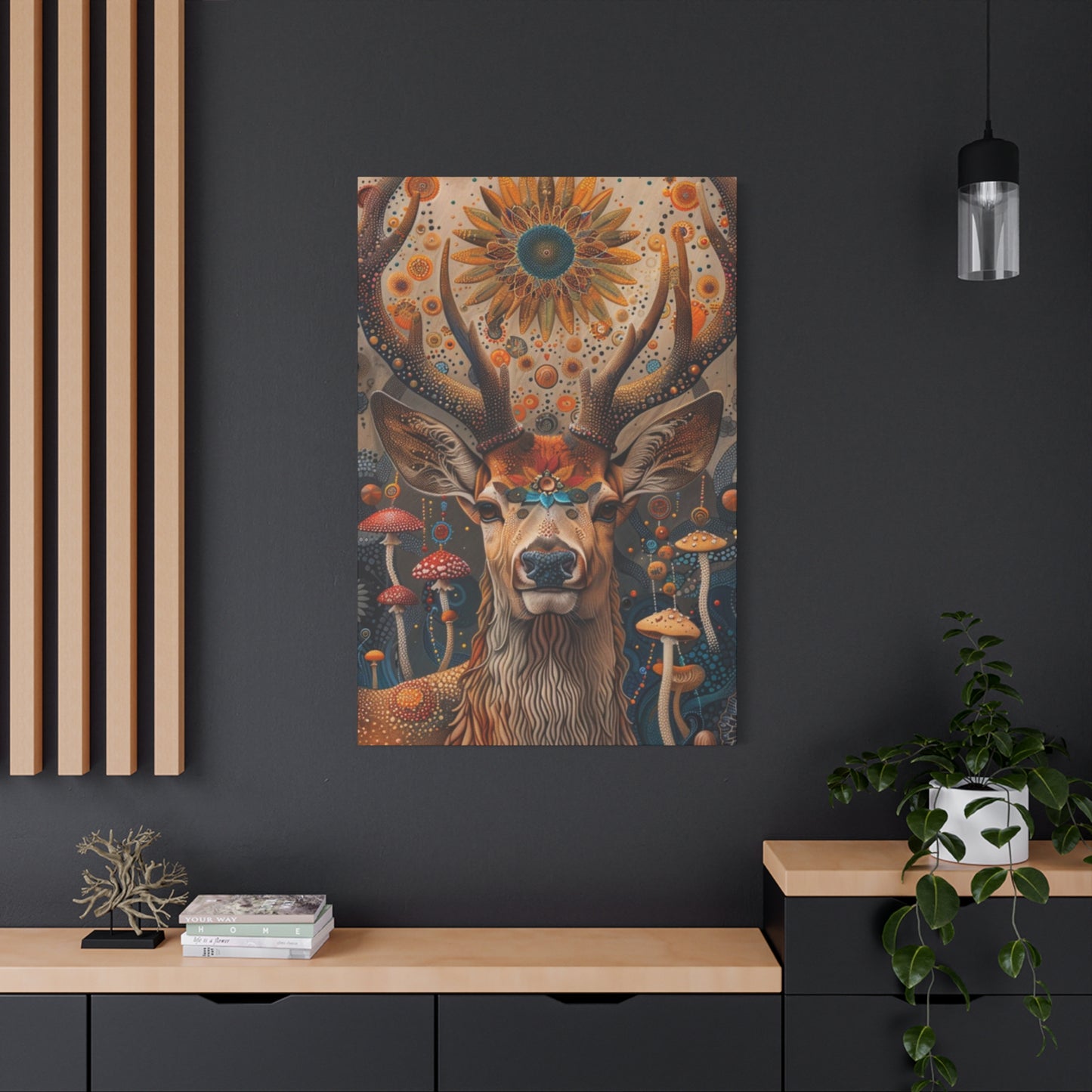
Deer & Mushroom Wall Art & Canvas Prints
Deer & Mushroom Wall Art & Canvas Prints
Couldn't load pickup availability
Explore the Natural Beauty: Deer & Mushroom Wall Art That Brings Forest Magic Into Your Living Space
The enchanting combination of woodland creatures and forest flora has captivated interior design enthusiasts for generations. When you explore the realm of deer & mushroom wall art, you're stepping into a world where nature's most mystical elements converge to create stunning visual narratives. This distinctive decorative style has emerged as one of the most sought-after trends among homeowners seeking to infuse their spaces with organic elegance and whimsical charm.
Why Forest-Inspired Decorative Pieces Resonate With Modern Homeowners
The allure of bringing outdoor elements indoors speaks to something primordial within human consciousness. Deer & mushroom wall art represents more than mere decoration; it embodies a connection to wilderness that many urban and suburban dwellers crave. The majestic stature of cervids combined with the mysterious growth patterns of fungi creates a visual language that speaks of ancient forests, morning mist, and the quiet dignity of untamed landscapes.
Contemporary living spaces often lack the organic warmth that natural imagery provides. When you introduce forest-themed artwork into your environment, you're not simply filling empty wall space—you're creating portals to imaginary woodlands where tranquility reigns supreme. The graceful silhouette of a deer paired with clusters of mushrooms evokes feelings of wonder and peace that synthetic decorative elements rarely achieve.
This particular aesthetic has gained tremendous momentum because it bridges multiple design philosophies simultaneously. The naturalistic elements satisfy those drawn to rustic charm, while the artistic interpretations appeal to contemporary sensibilities. Whether rendered in realistic detail or abstract minimalism, these pieces carry an inherent versatility that makes them suitable for diverse interior schemes.
Exploring Different Artistic Styles Within Woodland Creature Imagery
The world of deer & mushroom wall art encompasses an extraordinary range of artistic expressions. Realistic portrayals capture every nuance of antler texture and fungal gill structure, creating pieces that could pass for wildlife photography. These detailed renderings appeal to nature enthusiasts who appreciate accuracy and want their walls to reflect the genuine beauty of forest ecosystems.
Watercolor interpretations bring a softer, dreamlike quality to woodland scenes. The fluid nature of this medium lends itself beautifully to depicting the ethereal qualities of forest light filtering through canopy leaves. When artists employ watercolors to create deer & mushroom wall art, they often produce pieces that feel both whimsical and sophisticated, with colors bleeding gently into one another to create atmospheric depth.
Geometric and abstract approaches deconstruct natural forms into their essential shapes and patterns. These modern interpretations maintain the recognizable elements of deer and mushrooms while reimagining them through contemporary artistic lenses. Angular lines might define antler branches, while circular patterns could represent mushroom caps, resulting in artwork that feels both familiar and refreshingly innovative.
Vector illustrations and digital art have introduced new possibilities for woodland-themed decorative pieces. These crisp, clean designs often feature bold colors and simplified forms that work exceptionally well in modern minimalist spaces. The precision of digital creation allows artists to experiment with unusual color palettes and compositional arrangements that traditional media might not accommodate as easily.
Color Palettes That Transform Spaces Through Natural Hues
The chromatic choices within deer & mushroom wall art significantly influence how these pieces interact with surrounding environments. Earth-tone palettes dominated by browns, greens, and muted golds create warmth and grounding energy. These natural colorations work harmoniously with wooden furniture, leather accents, and other organic materials commonly found in rustic or farmhouse-style interiors.
Monochromatic schemes offer sophistication and versatility. Black and white renderings of forest scenes carry timeless elegance that transcends temporary trends. These high-contrast pieces make bold statements without overwhelming color-sensitive spaces, and they pair effortlessly with virtually any existing color scheme. The stark drama of monochrome deer & mushroom wall art can serve as a room's focal point while maintaining visual restraint.
Jewel-toned interpretations inject unexpected vibrancy into woodland imagery. Deep emeralds, rich burgundies, and sapphire blues transform familiar forest subjects into something almost fantastical. These saturated colors work particularly well in eclectic or bohemian settings where bold artistic choices are celebrated. The unexpected color treatments prevent these pieces from feeling too predictable or conventional.
Pastel variations bring gentleness and serenity to deer and mushroom motifs. Soft pinks, pale lavenders, and dusty blues create a fairytale atmosphere that works beautifully in bedrooms, nurseries, or any space where calming energy is desired. These lighter interpretations of woodland themes feel fresh and contemporary while maintaining the natural essence that makes forest imagery so appealing.
Material Choices That Enhance Visual Impact and Longevity
Canvas prints remain one of the most popular formats for deer & mushroom wall art due to their texture and depth. The woven surface adds tactile dimension that flat prints cannot replicate, creating shadow play that changes with lighting conditions throughout the day. Gallery-wrapped canvases eliminate the need for framing, offering a modern presentation that allows artwork to float directly against wall surfaces.
Metal prints introduce industrial edge to organic subject matter. The process of infusing dyes directly onto aluminum creates luminous colors and incredible sharpness. This format works exceptionally well for contemporary spaces where contrasting elements create visual interest. The durability of metal also makes it ideal for high-traffic areas or environments with humidity concerns that might damage paper-based alternatives.
Wood panel artwork merges the subject matter with a complementary medium in particularly harmonious ways. When deer & mushroom wall art appears on reclaimed barn wood or finished hardwood, the natural grain patterns become part of the composition itself. This approach emphasizes the organic nature of the imagery while adding substantial physical texture that invites closer inspection.
Framed paper prints offer traditional elegance and protection for delicate artwork. Archival-quality papers preserve color integrity for decades when properly displayed, making them excellent choices for investment pieces. The frame selection itself becomes an extension of the artwork, with options ranging from ornate gilded borders to sleek contemporary moldings that enhance rather than distract from the central imagery.
Size Considerations for Maximum Visual Harmony
Determining appropriate dimensions for deer & mushroom wall art requires thoughtful consideration of spatial relationships. Oversized statement pieces work magnificently above sofas, beds, or console tables, where they can command attention and set the tonal direction for entire rooms. These large-format works typically measure forty-eight inches or more in width, creating dramatic impact that smaller pieces cannot achieve.
Medium-sized artworks offer flexibility for various wall configurations. Pieces ranging from twenty-four to thirty-six inches work well in dining rooms, entryways, or as part of larger gallery wall arrangements. This size category provides substantial visual presence without dominating spaces, making it ideal for rooms with multiple focal points competing for attention.
Small-scale pieces excel in intimate settings or as components of curated collections. Artwork measuring less than twenty-four inches suits powder rooms, hallway nooks, or bedside arrangements beautifully. These diminutive works allow for creative clustering and layering that builds visual interest through accumulated impact rather than singular boldness.
Multi-panel installations present woodland scenes across several connected pieces. Diptych, triptych, or larger multi-panel formats create horizontal flow that works particularly well above lengthy furniture pieces or in rooms with expansive wall space. This segmented approach allows for interesting compositional possibilities, with different panels featuring varied perspectives or sequential narrative elements within the broader deer & mushroom wall art theme.
Strategic Placement Principles for Different Room Environments
Living rooms present prime opportunities for showcasing substantial deer & mushroom wall art pieces. The wall behind primary seating typically offers the largest uninterrupted surface and receives the most visual attention from room occupants. Positioning artwork at appropriate height—generally with the center point at approximately fifty-seven to sixty inches from the floor—ensures comfortable viewing angles for seated and standing observers alike.
Bedroom placements should prioritize calming compositions and soothing color treatments. The wall behind the headboard serves as a natural focal point that sets the atmospheric tone for the sleeping environment. Gentler interpretations of woodland themes work better than dramatic or highly contrasting pieces that might feel too stimulating for a restful space. Flanking nightstand walls also accommodate smaller complementary works that extend the theme without overwhelming the intimate scale of sleeping quarters.
Dining areas benefit from deer & mushroom wall art that sparks conversation and enhances the communal atmosphere of shared meals. The wall receiving the most natural light often makes the best canvas, as changing daylight will reveal different nuances within the artwork throughout dining experiences. Pieces with elements of whimsy or storytelling particularly shine in these social settings, where they become conversation catalysts among gathered guests.
Home office environments can incorporate forest imagery to reduce stress and enhance focus. Research consistently demonstrates that natural imagery promotes mental clarity and reduces cognitive fatigue during prolonged concentration periods. Positioning deer & mushroom wall art within the sightline during brief mental breaks allows the eyes to rest on soothing organic forms rather than harsh geometric screens or blank surfaces.
Creating Cohesive Design Narratives Through Complementary Elements
Successfully incorporating deer & mushroom wall art into existing spaces requires consideration of surrounding decorative elements. Furniture selections should either complement or deliberately contrast with the artwork's style and color palette. A rustic canvas featuring realistic woodland scenes pairs naturally with distressed wood furniture and natural fiber textiles, creating layered organic cohesion throughout the room.
Textile choices extend and reinforce themes established by wall decorations. Throw pillows featuring botanical prints, tree bark textures, or earthy solids echo the natural elements present in deer and mushroom imagery. Window treatments in linen or burlap bring additional organic texture that harmonizes with forest-inspired artwork. Even subtle choices like selecting wool rather than synthetic fabrics contributes to the overall naturalistic atmosphere.
Lighting design dramatically affects how deer & mushroom wall art appears and functions within a space. Track lighting or picture lights can spotlight specific pieces, creating gallery-like emphasis that elevates their importance within the room hierarchy. Ambient lighting from table lamps with natural materials like wood or stone bases maintains thematic consistency while providing functional illumination. Avoiding harsh overhead fluorescents preserves the atmospheric quality that makes woodland imagery so appealing.
Accessory selection rounds out the narrative established by primary decorative pieces. Natural elements like river rocks, driftwood branches, or potted ferns create physical connections to the outdoor world depicted in the artwork. Metallic accents in bronze or copper tones reference earth minerals, while avoiding overly shiny chrome or silver that might feel discordant with organic themes. Each carefully chosen element should feel intentional rather than arbitrary, building toward a unified aesthetic vision.
Seasonal Variations That Keep Spaces Feeling Fresh
Spring interpretations of deer & mushroom wall art often emphasize renewal and gentle emergence. Fawns with their characteristic spots might appear among fresh morel mushrooms pushing through forest floor debris. Color palettes lean toward tender greens, soft yellows, and the delicate pinks of early wildflowers. These vernal representations bring optimistic energy that celebrates new beginnings and the gradual warming of natural environments.
Summer renditions showcase abundance and full growth. Mature deer with impressive antler development stand among lush undergrowth where mushrooms thrive in warm, moist conditions. The color saturation typically increases, with deep greens, rich browns, and occasional bright accents representing summer blooms. These pieces capture the height of natural productivity when forests overflow with life and vitality.
Autumn versions embrace the spectacular color transformations that make fall so visually stunning. Deer preparing for winter appear against backdrops of crimson, amber, and gold foliage. Mushrooms in varied species proliferate during this season of decay and decomposition, offering artists opportunities to showcase diverse fungal forms. The melancholic beauty of seasonal transition resonates deeply with viewers who appreciate the poignant aspects of natural cycles.
Winter representations carry stark beauty and quiet dignity. Deer & mushroom wall art with winter themes often employs limited color palettes dominated by whites, grays, and muted blues. Deer with full antler racks might be depicted against snow-covered landscapes, while hardy winter mushrooms like oyster varieties cling to bare tree trunks. These pieces bring contemplative energy suited to the introspective nature of cold months.
Cultural Symbolism Embedded Within Forest Imagery
Deer carry profound symbolic weight across numerous cultural traditions worldwide. In Celtic mythology, these creatures served as messengers between earthly and spiritual realms, embodying grace, gentleness, and connection to intuitive wisdom. Native North American traditions view deer as symbols of sensitivity, unconditional love, and the gentle approach to life's challenges. When incorporated into deer & mushroom wall art, these layered meanings add depth that extends beyond mere aesthetic appeal.
Mushrooms themselves possess rich symbolic associations spanning from fairy folklore to contemporary consciousness exploration. European traditions linked certain mushroom species to fairy rings and otherworldly portals, viewing them as liminal entities existing between life and death, decay and renewal. Eastern philosophies often associate fungi with longevity and the mysterious processes of transformation that occur beyond human perception. These symbolic dimensions infuse woodland artwork with narrative complexity that rewards prolonged contemplation.
The pairing of deer and mushrooms creates particularly potent symbolic resonance. Both organisms depend on forest ecosystems and represent different aspects of natural wisdom—the deer embodying awareness and graceful movement through space, while mushrooms represent the hidden networks and transformative processes occurring beneath surface appearances. Together, they suggest holistic understanding of natural systems where visible beauty connects to invisible complexity.
Contemporary interpretations sometimes deliberately engage with these symbolic traditions, creating deer & mushroom wall art that functions almost as visual meditation tools. Artists might position deer in contemplative poses near clusters of mystical-appearing mushrooms, inviting viewers to project their own meaning onto these archetypal natural forms. This symbolic richness distinguishes thoughtful woodland artwork from merely decorative pieces, offering spiritual nourishment alongside visual pleasure.
Sustainable Sourcing and Environmentally Conscious Choices
The irony of celebrating nature through artwork produced via environmentally harmful practices should not escape conscientious consumers. Seeking deer & mushroom wall art from creators committed to sustainable production methods aligns decorative choices with ecological values. Many contemporary artists prioritize eco-friendly inks, recycled substrates, and production processes that minimize chemical waste and carbon emissions.
Supporting independent artists who donate portions of proceeds to conservation efforts creates positive impact beyond the individual purchase. Some creators specifically channel revenue toward protecting deer habitats or preserving old-growth forests where mushroom diversity thrives. These purchasing decisions transform decorative acquisitions into meaningful contributions toward environmental stewardship.
Vintage and secondhand markets offer sustainable alternatives to new production entirely. Thrift stores, estate sales, and online resale platforms frequently feature woodland-themed artwork awaiting new appreciative homes. These pre-existing pieces require no additional resource extraction or manufacturing impact, making them the most environmentally responsible option available. The hunt for perfect vintage deer & mushroom wall art also carries its own rewarding adventure that new purchases cannot replicate.
Print-on-demand services reduce waste by producing artwork only after customers place orders, eliminating unsold inventory that might eventually reach landfills. While this model may involve slightly longer wait times, the environmental benefits justify the patience required. Many platforms now offer sustainable material options within their print-on-demand frameworks, allowing conscious consumers to specify eco-friendly substrates and shipping practices.
Balancing Personal Taste With Investment Value
While decorating primarily to satisfy personal aesthetic preferences remains paramount, understanding factors that influence artwork value provides useful perspective. Limited edition prints signed and numbered by recognized artists typically retain or appreciate in value better than mass-produced reproductions. When selecting deer & mushroom wall art with potential investment consideration, documentation of authenticity and artist provenance becomes important.
Original works naturally command higher prices and stronger investment potential than any reproduction format. Commissioning custom pieces directly from emerging artists offers dual benefits—obtaining completely unique artwork while supporting creative careers at formative stages. Many collectors who purchased works from artists before wider recognition have seen dramatic value increases as those creators gained prominence.
However, investment potential should never overshadow genuine personal connection to artwork. The pieces that provide the most lasting satisfaction are those that continue resonating emotionally regardless of market fluctuations. Deer & mushroom wall art that speaks to individual experiences, memories, or aspirations will enrich daily life far beyond any monetary considerations. The true value lies in how artwork makes spaces feel and the joy it brings during countless ordinary moments.
Rotating displayed pieces prevents aesthetic stagnation while protecting works from prolonged light exposure. Artwork that remains in storage retains condition better than constantly displayed pieces, potentially preserving value if resale ever becomes desirable. This practice also keeps living spaces feeling fresh and responsive to evolving tastes, allowing different works to shine during various life phases.
Caring for Your Woodland Artwork Through Proper Preservation
Direct sunlight poses the greatest threat to most deer & mushroom wall art formats, causing colors to fade and materials to deteriorate prematurely. Positioning artwork away from windows receiving intense daily sun exposure significantly extends its lifespan. When placement near natural light sources becomes unavoidable, UV-filtering glazing on framed pieces or window treatments that diffuse harsh rays provide essential protection.
Humidity control matters particularly for paper-based artworks and canvas pieces. Excessive moisture encourages mold growth and can cause warping or buckling, while extreme dryness may lead to brittle deterioration. Maintaining indoor humidity between thirty-five and fifty-five percent creates ideal preservation conditions. Dehumidifiers in damp climates and humidifiers in arid regions help achieve this protective balance.
Dust accumulation dulls visual impact and can cause gradual surface damage if particles contain abrasive elements. Gentle cleaning using soft, dry microfiber cloths removes surface dust without risking scratches or moisture damage. For framed pieces, cleaning the glass or acrylic glazing maintains clarity without touching the artwork itself. Avoiding household cleaners and water protects delicate surfaces from chemical reactions or moisture infiltration.
Professional conservation becomes advisable when deer & mushroom wall art shows signs of deterioration or when particularly valuable pieces require intervention. Conservators possess specialized knowledge and tools for addressing issues like foxing on paper, flaking paint, or structural problems that amateur efforts might worsen. While professional services involve expense, they can salvage compromised pieces and preserve them for future generations.
Mixing Contemporary and Vintage Elements for Eclectic Sophistication
The juxtaposition of old and new creates visual tension that energizes spaces when executed thoughtfully. Pairing vintage deer & mushroom wall art in ornate gilded frames with sleek modern furniture generates dialogue between eras that feels both intentional and effortless. This contrast prevents spaces from becoming too thematically rigid or feeling like period museum displays rather than lived-in homes.
Contemporary interpretations of classic woodland themes offer another approach to mixing temporal elements. An abstract geometric rendering of a deer alongside traditional landscape paintings creates layered complexity that rewards extended viewing. These varied approaches to similar subject matter demonstrate how artistic vision evolves while core inspirations remain constant across generations.
Vintage frames housing contemporary prints reverse the traditional relationship between old and new in unexpected ways. This subversive approach particularly suits spaces with eclectic sensibilities where surprising combinations define the aesthetic personality. The patina and craftsmanship of antique frames lend gravitas to recent creations while rescued frames gain new purpose rather than languishing forgotten in storage.
Thematic consistency can unify disparate stylistic periods when multiple deer & mushroom wall art pieces appear together. A collection spanning decades of artistic production but unified by woodland subject matter tells a story about enduring human fascination with natural world. This curatorial approach transforms personal collections into chronicles of aesthetic evolution and sustained passion.
Regional Variations in Woodland Artistic Traditions
Scandinavian design sensibilities emphasize simplicity, functionality, and deep connection to natural environments. Deer & mushroom wall art from Nordic creators often features clean lines, muted color palettes, and embrace of negative space. The minimalist approach reflects cultural values prioritizing essentialism over excess, allowing subject matter to communicate without decorative embellishment competing for attention.
North American wilderness romanticism tends toward more dramatic, expansive compositions. The influence of Hudson River School traditions and contemporary wilderness photography creates artwork celebrating grandeur and sublime natural beauty. Deer often appear as magnificent specimens in pristine habitats, while mushroom details might be rendered with almost scientific precision that honors biological complexity.
Japanese aesthetic principles like wabi-sabi find expression in woodland artwork that celebrates imperfection and impermanence. Deer & mushroom wall art influenced by Eastern sensibilities might incorporate asymmetrical compositions, embrace weathering and age, and suggest transience rather than static perfection. These pieces often carry meditative qualities that invite contemplation rather than immediate visual satisfaction.
European folk art traditions bring distinctive decorative approaches to forest themes. Germanic and Slavic design vocabularies incorporate intricate pattern work, vibrant colors, and stylized natural forms that balance representation with ornamentation. These pieces often feel celebratory and joyful, transforming woodland subjects into exuberant displays of artistic virtuosity and cultural heritage.
Storytelling Potential Within Forest Scene Compositions
Single-subject portraits of individual deer create focused character studies that invite anthropomorphic projection. The direct gaze of a solitary stag can feel almost confrontational, demanding acknowledgment and respect. These compositions work particularly well in spaces where contemplative energy and focused attention align with the room's purpose, such as studies or private reading nooks.
Narrative scenes depicting interactions between deer and their environment tell more complex stories. A doe nuzzling a fawn near a cluster of mushrooms suggests themes of nurturing, family bonds, and the continuation of natural cycles. These storytelling compositions engage viewers' imaginations, prompting personal interpretations based on individual experiences and emotional associations.
Seasonal progression series present woodland themes across multiple connected pieces. Four separate artworks depicting the same forest scene through spring, summer, autumn, and winter create visual narratives about change, endurance, and cyclical renewal. This approach particularly suits long hallways or open-concept spaces where sequential viewing becomes natural as one moves through the environment.
Mythological or fantastical interpretations push beyond realistic representation into imaginative realms. Deer & mushroom wall art that incorporates magical elements—perhaps bioluminescent fungi or deer with antlers branching into trees—invites viewers into invented worlds where natural laws bend toward metaphor. These pieces appeal to those who appreciate fantasy literature, gaming aesthetics, or simply desire escape from mundane reality through visual portals.
Working With Gallery Walls for Maximum Impact
Careful planning prevents gallery walls from appearing chaotic or visually exhausting. Creating paper templates matching exact frame dimensions allows experimental arrangement on floors before committing to wall holes. This preparatory work identifies optimal configurations that balance visual weight across the composition while accommodating architectural features like windows or doorways that constrain available space.
Consistent framing creates cohesion even when deer & mushroom wall art pieces vary in style, size, or subject matter. Choosing identical frame profiles and colors—whether matching woods or uniform blacks—provides unifying structure that contains diversity rather than fragmenting attention. This approach works particularly well when incorporating both woodland-themed pieces and other complementary subjects within the same gallery arrangement.
Alternatively, varied frames celebrating individual piece character can succeed when unified by consistent matting or spacing. This approach requires confident curatorial vision and typically works best when overall color palette remains controlled. The accumulated vintage charm of mismatched frames paired with woodland artwork creates collected-over-time authenticity that feels personal rather than commercially contrived.
Strategic spacing ensures individual pieces maintain their identity while contributing to the collective impact. Generally, two to three inches between frames prevents visual crowding without creating such distance that pieces feel unrelated. Maintaining consistent spacing throughout the arrangement—even when frame sizes vary—provides invisible grid structure that the eye recognizes and finds satisfying.
Commissioning Custom Pieces for Truly Personal Spaces
Working directly with artists to create bespoke deer & mushroom wall art ensures perfect alignment with specific spatial requirements and aesthetic preferences. Custom commissions allow precise control over dimensions, color schemes, compositional elements, and stylistic approaches that may not exist within available ready-made options. This collaborative creative process also builds meaningful connections with the artists themselves.
Clear communication about expectations, inspirations, and practical constraints establishes foundation for successful commissions. Providing artists with photographs of the intended space, existing decor, and examples of admired work helps convey vision more effectively than verbal descriptions alone. Most artists appreciate detailed briefs that allow them to deliver exactly what clients envision while still exercising creative judgment.
Budget discussions should occur early in the commission process to prevent misunderstandings about pricing. Original artwork pricing reflects not only material costs but also artist experience, time investment, and intellectual property value. Understanding these factors helps commissioners appreciate why custom pieces command higher prices than mass-produced prints while ensuring financial parameters remain comfortable for all parties.
Patience becomes essential during commission processes, as quality artwork cannot be rushed without compromising results. Most artists provide estimated timelines that account for current workload, piece complexity, and necessary revision rounds. Respecting these timelines demonstrates professionalism and appreciation for the creative process, fostering positive working relationships that might lead to future collaborations.
Digital Display Options for Contemporary Living
Smart frames and digital display systems offer revolutionary flexibility for showcasing deer & mushroom wall art. These devices allow artwork rotation on daily, weekly, or seasonal schedules without physical handling or storage concerns. High-resolution screens now rival print quality, making digital displays increasingly viable for serious art enthusiasts who appreciate technological convenience.
Curating digital collections requires different skills than physical artwork selection. File format quality, color calibration, and aspect ratio considerations become crucial for optimal display. Most smart frame systems offer subscription services providing rotating curated collections, though uploading personal selections remains possible for those preferring complete control over displayed content.
Energy consumption and screen longevity factor into digital display decisions. Modern systems have improved dramatically in efficiency, with many featuring motion sensors that activate screens only when viewers are present. LED backlighting extends lifespan considerably compared to earlier LCD technologies, though eventual screen replacement remains inevitable unlike physical artwork that can last generations with proper care.
The experiential difference between physical and digital artwork remains philosophically significant for some collectors. Tangible pieces possess unique qualities—surface texture, edge shadows, physical presence—that screens cannot replicate regardless of resolution improvements. Digital displays excel for variety and convenience but may never entirely replace the emotional connection many people feel toward physical objects occupying space within their homes.
Psychological Effects of Natural Imagery in Living Spaces
Extensive research demonstrates that exposure to natural imagery reduces stress markers and promotes psychological wellbeing. Deer & mushroom wall art introduces these beneficial elements into environments where direct nature access may be limited. The presence of woodland scenes correlates with lowered blood pressure, reduced anxiety indicators, and improved mood states among occupants, particularly in urban settings where greenery access is restricted.
Biophilic design principles recognize humans' innate need for connection with natural systems. Incorporating forest imagery satisfies this evolutionary drive in built environments that might otherwise feel sterile or disconnected from organic world. This connection need not require literal nature contact—symbolic representation through artwork activates similar neurological responses that produce feelings of calm and restoration.
The specific subjects of deer and mushrooms carry particular psychological resonances. Deer embody grace, gentleness, and alertness—qualities that viewers unconsciously absorb through repeated exposure. Mushrooms represent growth, transformation, and the mysterious hidden processes that sustain visible life. Together, these elements create psychologically nourishing visual environments that support mental health and emotional equilibrium.
Seasonal affective responses can be modulated through strategic artwork selection. During darker winter months, deer & mushroom wall art featuring brighter palettes or sunlit forest scenes compensates for reduced natural light exposure. Conversely, cooler-toned pieces might provide psychological relief during oppressive summer heat. This responsive approach treats artwork as active environmental factor rather than static decoration.
Budget-Conscious Strategies for Acquiring Quality Pieces
Print-on-demand services democratize access to artwork by eliminating wholesale markups and gallery commission structures. Numerous platforms connect consumers directly with artists, allowing affordable acquisition of high-quality reproductions. While lacking the exclusivity of limited editions, these prints provide excellent aesthetic value for budget-conscious decorators who prioritize visual impact over investment potential.
DIY framing dramatically reduces display costs compared to professional services. Purchasing frames from discount retailers and learning basic matting techniques through online tutorials makes professional-quality presentation accessible to those willing to invest time rather than money. This hands-on approach also allows greater experimentation with different frame styles and configurations.
Emerging artists often price work significantly lower than established names while producing comparable quality. Following art school graduates, local gallery exhibitions, and online creator communities uncovers talented individuals building portfolios and reputations. Early support of promising artists yields acquisition opportunities at accessible prices while contributing to creative careers at vulnerable formative stages.
Prioritizing statement pieces over room-filling quantities creates more impactful results within limited budgets. A single substantial deer & mushroom wall art piece often generates greater aesthetic effect than multiple smaller items of similar aggregate cost. This focused approach also allows appreciation of individual works rather than overwhelming spaces with excessive visual information competing for attention.
Incorporating Three-Dimensional Elements for Added Depth
Sculptural wall pieces extend woodland themes into physical space beyond two-dimensional artwork. Metal deer silhouettes or carved wooden mushroom reliefs project from walls, creating shadow play that changes throughout the day as light angles shift. These dimensional elements pair beautifully with traditional deer & mushroom wall art, establishing layered visual interest that rewards extended observation.
Shadow boxes containing preserved natural materials bridge the gap between artwork and specimen collection. Carefully arranged dried mushrooms, shed antlers, or pressed botanicals create intimate still-life compositions protected behind glass. These tactile assemblages feel more personal and unique than reproduced images, carrying the specific character of collected objects rather than artist interpretation.
Floating shelves styled with natural objects create living compositions that can evolve with seasons and personal whims. A shelf beneath deer & mushroom wall art might display found pinecones, interesting stones, or small potted ferns that echo the artwork's natural themes. This approach transforms static decoration into dynamic curation that reflects ongoing engagement with both art and nature.
Textile wall hangings introduce softness and texture that complement rigid frames or canvas. Woven tapestries featuring woodland motifs, macramé pieces incorporating natural fiber colors, or quilted fabric art depicting forest scenes add tactile dimension to visual experiences. These soft elements particularly benefit spaces where acoustic dampening and warmth are desired alongside aesthetic enhancement.
Navigating Copyright and Reproduction Ethics
Understanding intellectual property rights prevents legal complications and supports ethical relationships with creative professionals. Purchasing legitimate prints or licensing images for personal use respects artists' livelihoods and creative ownership. Conversely, reproducing copyrighted deer & mushroom wall art without permission—even for personal use—constitutes theft of intellectual property regardless of non-commercial intent.
Public domain artwork offers legitimate opportunities for free reproduction. Works created before copyright protection existed or pieces whose protection has expired become available for unlimited use. However, determining public domain status requires research, as laws vary internationally and misconceptions about these regulations are widespread. When uncertain, assuming protection exists provides safest approach.
Creative Commons licensing provides middle ground between full copyright protection and public domain. Artists using these frameworks specify permitted uses—perhaps allowing personal reproduction while restricting commercial exploitation, or permitting modifications under certain conditions. Understanding these licensing terms ensures compliance while taking advantage of generously shared creative work.
Supporting artists through proper channels ensures continued creative production. When creators earn fair compensation, they can sustain artistic practices that produce the deer & mushroom wall art enthusiasts desire. This economic reality connects ethical purchasing decisions with practical outcomes—choosing legitimate sources over pirated reproductions directly enables the creation of future work to discover and enjoy.
Trends Shaping Contemporary Woodland Artwork
Mystical and celestial elements increasingly merge with traditional forest imagery. Deer with constellation patterns across their bodies or mushrooms releasing starlight represent this trend toward cosmic-natural fusion. These pieces appeal to audiences interested in astrology, spirituality, and magical realism who appreciate symbolic complexity layered into naturalistic foundations.
Maximalist compositions embracing abundance and complexity contrast with minimalist trends that dominated previous design eras. Densely detailed scenes showing multiple deer among profuse mushroom varieties, intricate flora, and busy patterns reflect cultural shift toward celebration of richness over restraint. These elaborate pieces reward prolonged observation as viewers discover new details during repeated viewings.
Neon and unexpected color treatments subvert traditional expectations for nature imagery. Electric blues, vibrant magentas, and acid greens applied to deer & mushroom wall art create surreal effects that challenge conventional naturalism. This approach particularly resonates with younger demographics who appreciate irreverent reinterpretations of classic subjects through contemporary aesthetic lenses.
Interactive and augmented reality elements represent experimental frontiers in wall art. Some pieces include QR codes linking to artist statements, animated versions, or soundscapes enhancing the viewing experience. While controversial among traditionalists, these hybrid approaches acknowledge how digital natives engage with visual culture and attempt to meet audiences within their native technological contexts.
Regional Species Variations for Authentic Representation
North American whitetail deer represent the most familiar cervid species for many viewers, characterized by modest size and distinctive tail markings. Artists working within this regional context might pair whitetails with local mushroom species like chicken of the woods, chanterelles, or morels. This specificity creates authenticity that nature enthusiasts appreciate and allows artwork to celebrate particular ecosystem rather than generic woodland.
European red deer and roe deer offer alternative subjects with distinct physical characteristics. Red deer's impressive stature and substantial antlers create dramatic compositions, while smaller roe deer provide delicate alternatives suitable for gentler aesthetic approaches. Pairing these species with European mushroom varieties like ceps, truffles, or fly agarics roots deer & mushroom wall art in specific geographic and ecological contexts.
Exotic cervids expand possibilities beyond commonly depicted species. Asian sika deer, South American marsh deer, or unusual species like Chinese water deer with their prominent tusks introduce unfamiliar subjects that intrigue viewers and spark conversation. These less conventional choices distinguish collections from ubiquitous mainstream imagery while celebrating global biodiversity.
Attention to anatomical accuracy elevates wildlife artwork beyond generic representation. Proper antler structure for species and season, accurate body proportions, and characteristic behavioral poses demonstrate respect for subject matter and satisfy knowledgeable viewers. Even stylized or abstract interpretations benefit from foundational understanding of actual animal morphology and behavior.
Conclusion
Botanical prints featuring forest floor plants create natural thematic extensions of deer & mushroom wall art. Ferns, moss varieties, woodland flowers, and tree bark details all reinforce the forest environment suggested by primary pieces. This layered approach builds comprehensive natural atmospheres that feel immersive rather than superficial.
Insect and small creature imagery adds biological complexity to woodland narratives. Butterflies, beetles, moths, and other invertebrates that share deer and mushroom habitats expand the ecological story. These smaller subjects work particularly well in secondary positions that support rather than compete with larger focal pieces featuring primary subjects.
Abstract patterns derived from natural textures bridge literal representation and pure design. Artwork extracting pattern from tree rings, lichen growth, or topographic contours complements figurative deer & mushroom wall art while adding visual variety. This combination prevents thematic interpretation from becoming too literal or predictable while maintaining cohesive natural foundation.
Landscape photography or paintings showing broader habitat contexts situate specific subjects within comprehensive environments. A wide forest vista alongside close portraits of deer or mushroom clusters suggests the relationship between individual organisms and the ecosystems they inhabit. This macro-micro pairing creates educational dimension alongside aesthetic pleasure.
Energizing spaces benefit from dynamic compositions featuring deer in motion—leaping, running, or alert with raised heads. These action-oriented pieces inject vitality and movement into environments where motivation and activity are desired. Pairing active deer imagery with vibrant mushroom colors creates overall atmosphere of growth, energy, and forward momentum.
Contemplative environments call for quieter, more meditative woodland scenes. Resting deer in peaceful poses among gently rendered mushrooms evoke tranquility suitable for spaces dedicated to rest, reflection, or focused work. Softer color palettes and less busy compositions support these calming intentions without introducing visual stimulation that might distract from interior quiet.
Playful, whimsical interpretations introduce lighthearted energy appropriate for family spaces or anywhere joy and imagination are priorities. Anthropomorphized deer wearing accessories, unrealistic color treatments, or fantastical elements like oversized mushrooms create friendly approachability. These pieces remind viewers not to take aesthetic choices too seriously while still providing visual interest and quality craftsmanship.
Dramatic, moody renditions suit spaces where sophisticated intensity is desired. Dark backgrounds, limited color palettes emphasizing deep tones, and atmospheric rendering techniques create mysterious ambiance. These pieces work particularly well in evening-centric spaces like dining rooms or home theaters where dramatic lighting and serious adult aesthetic dominate.
Share