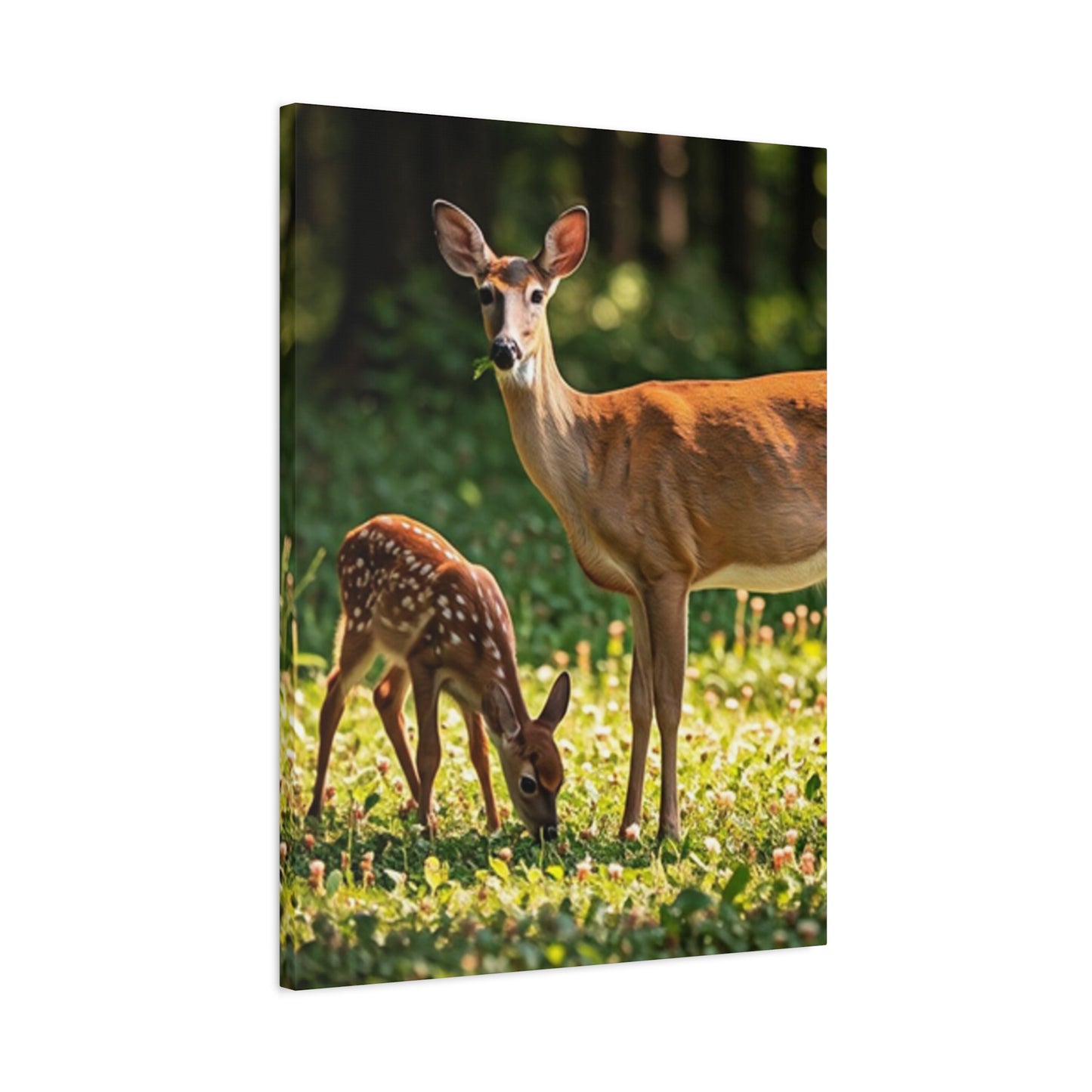
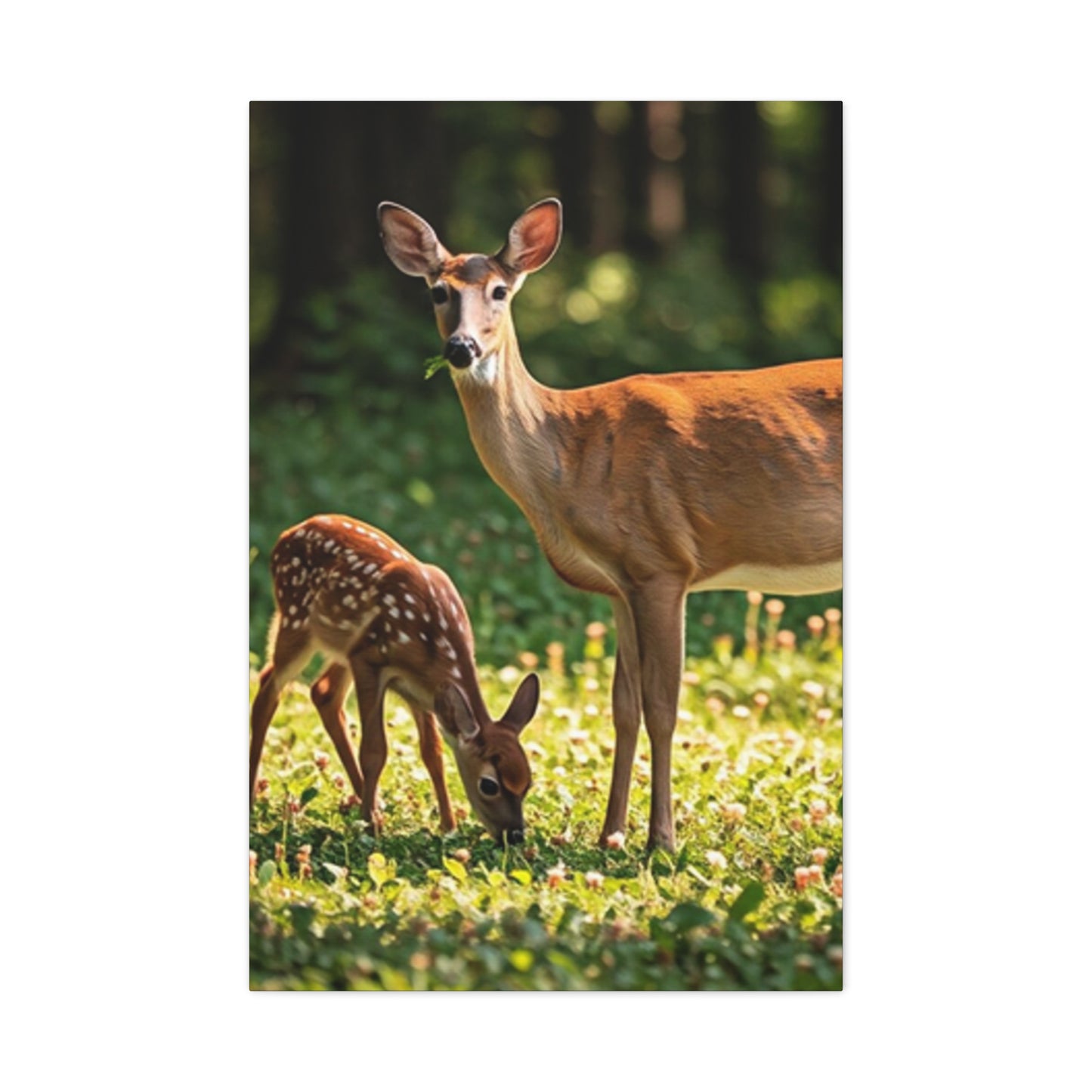
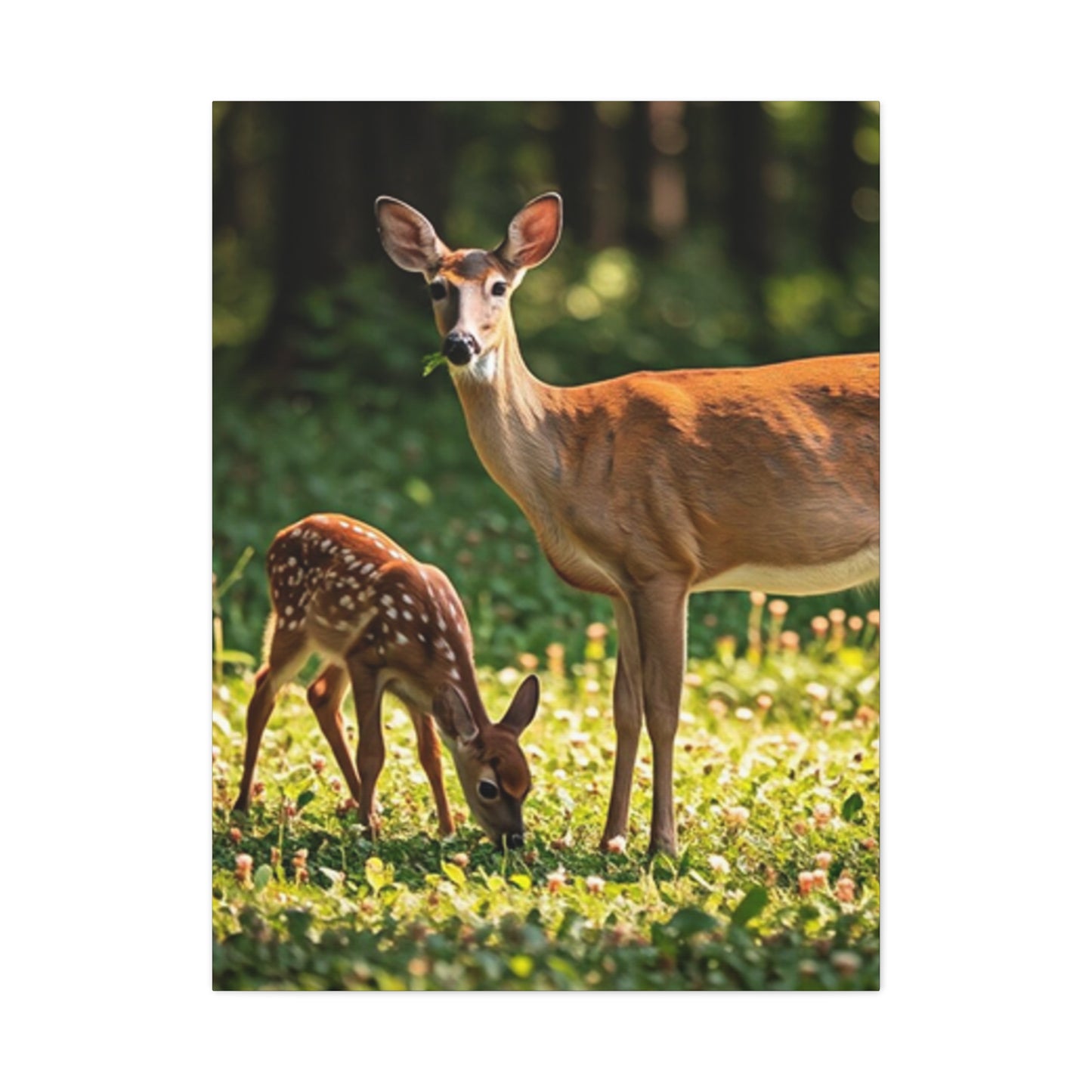
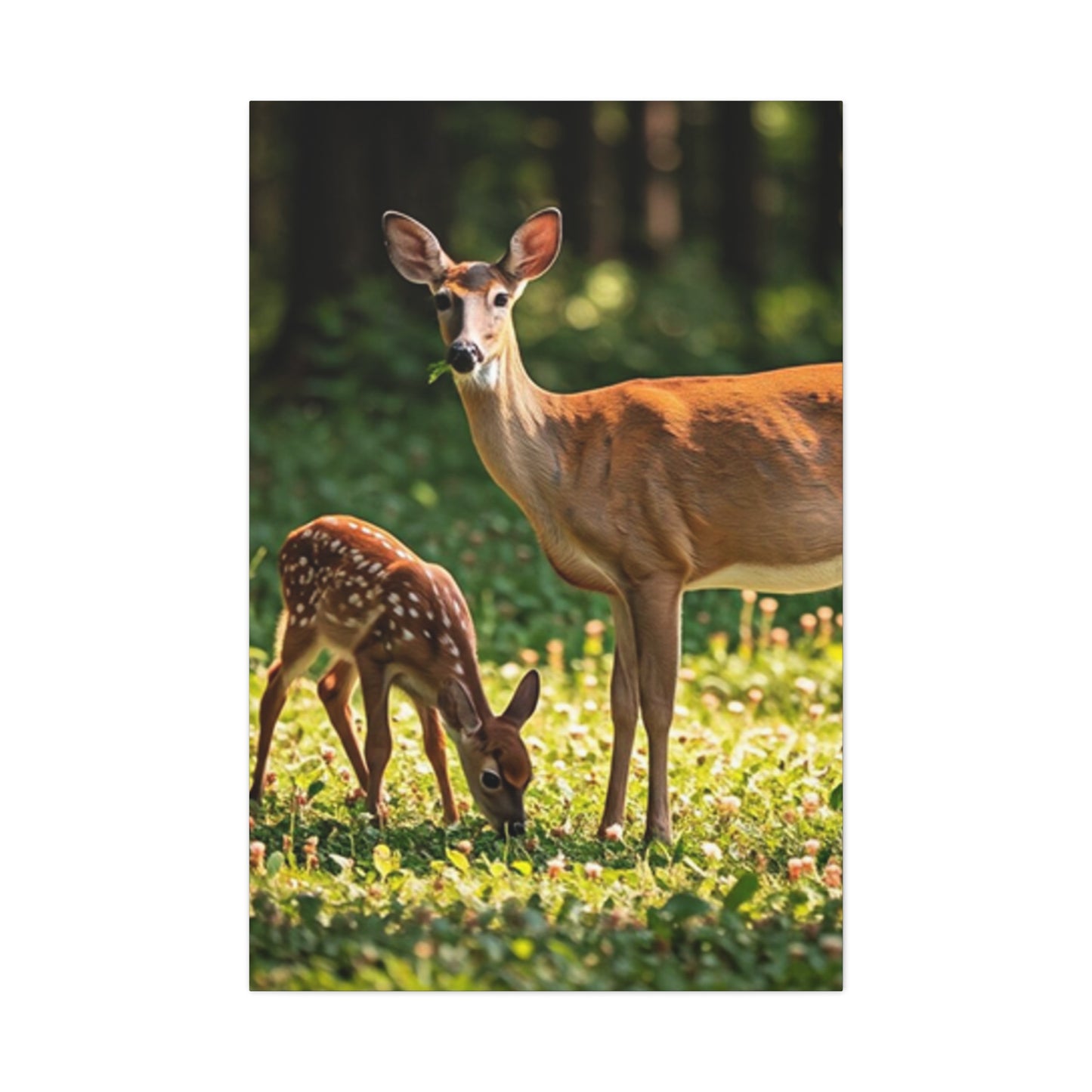
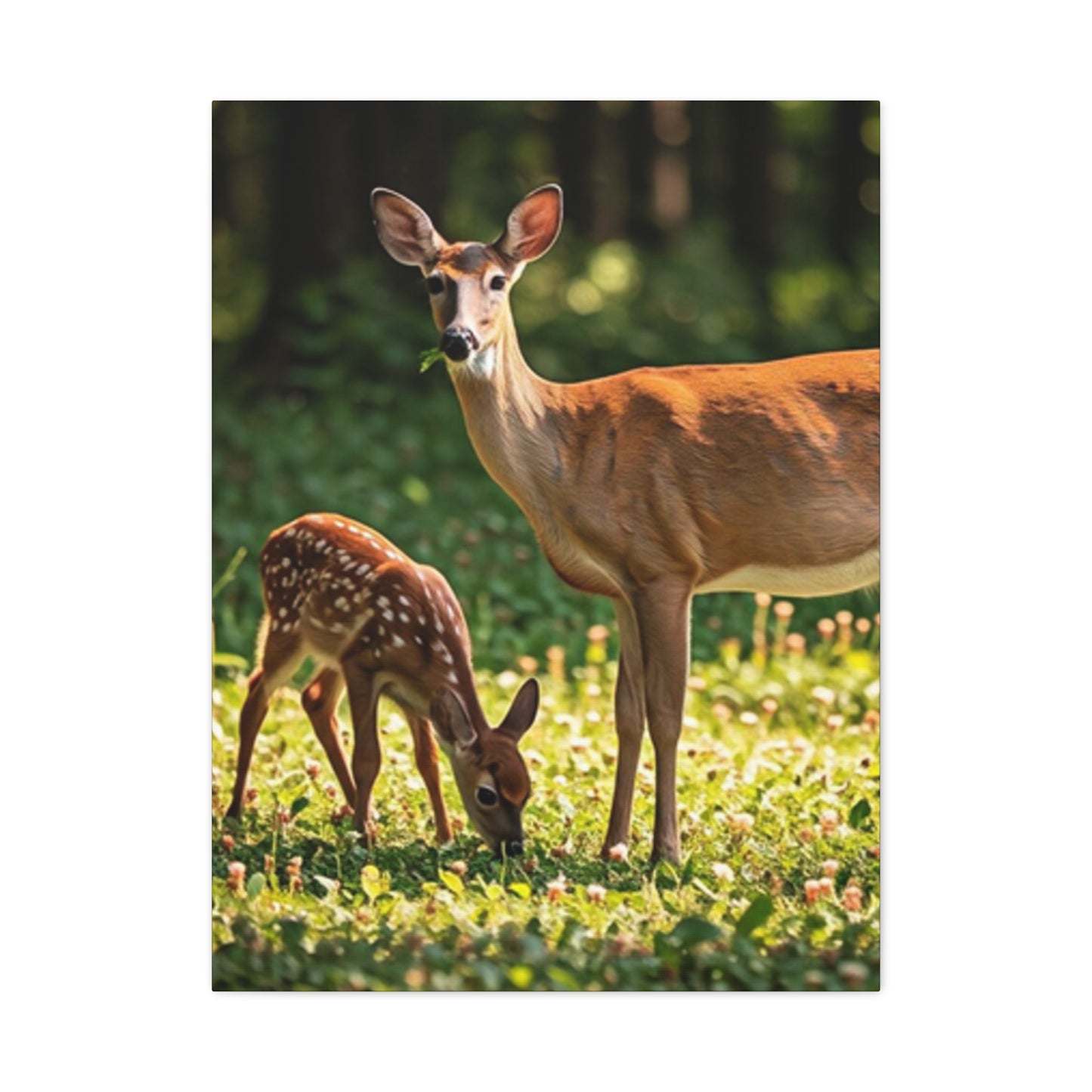
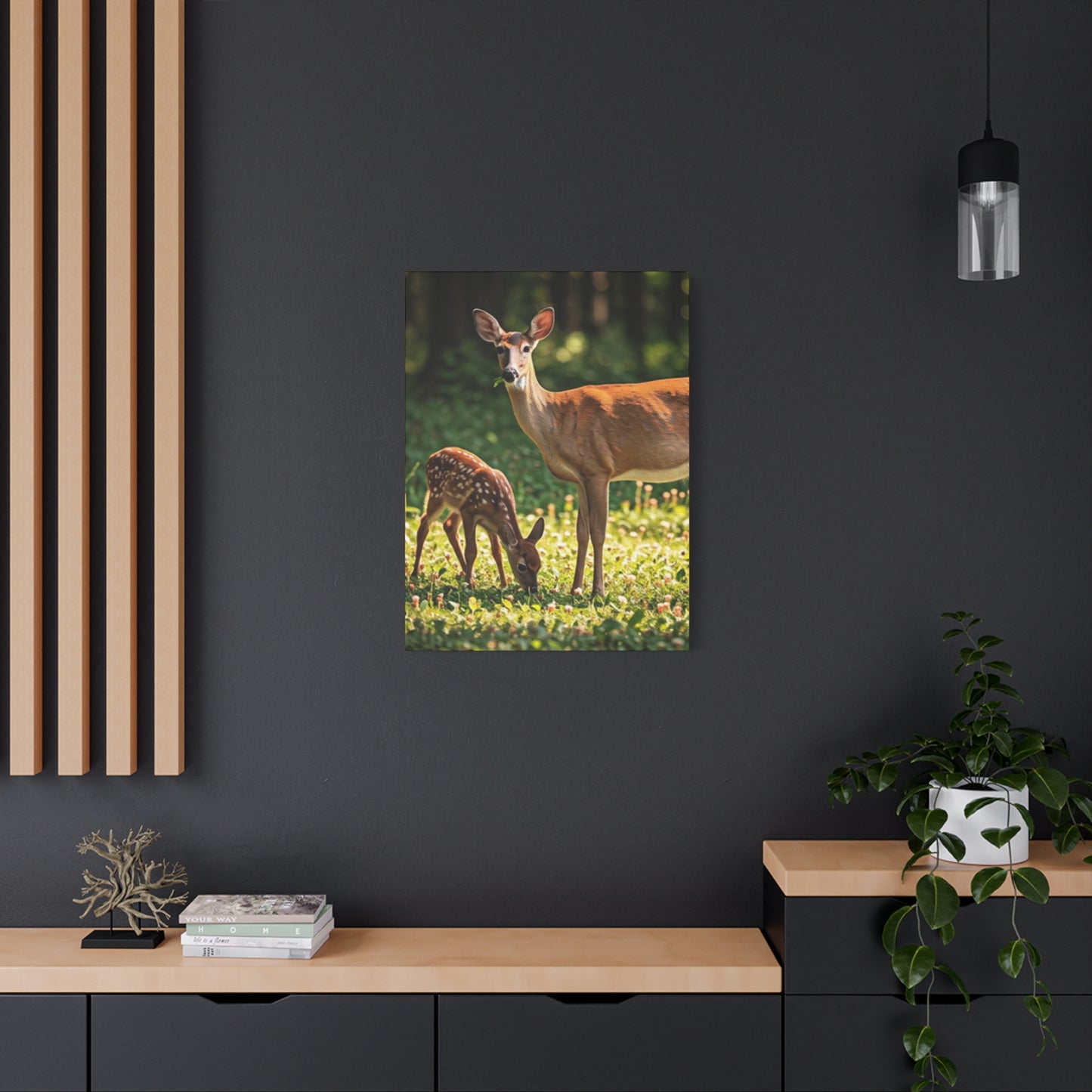
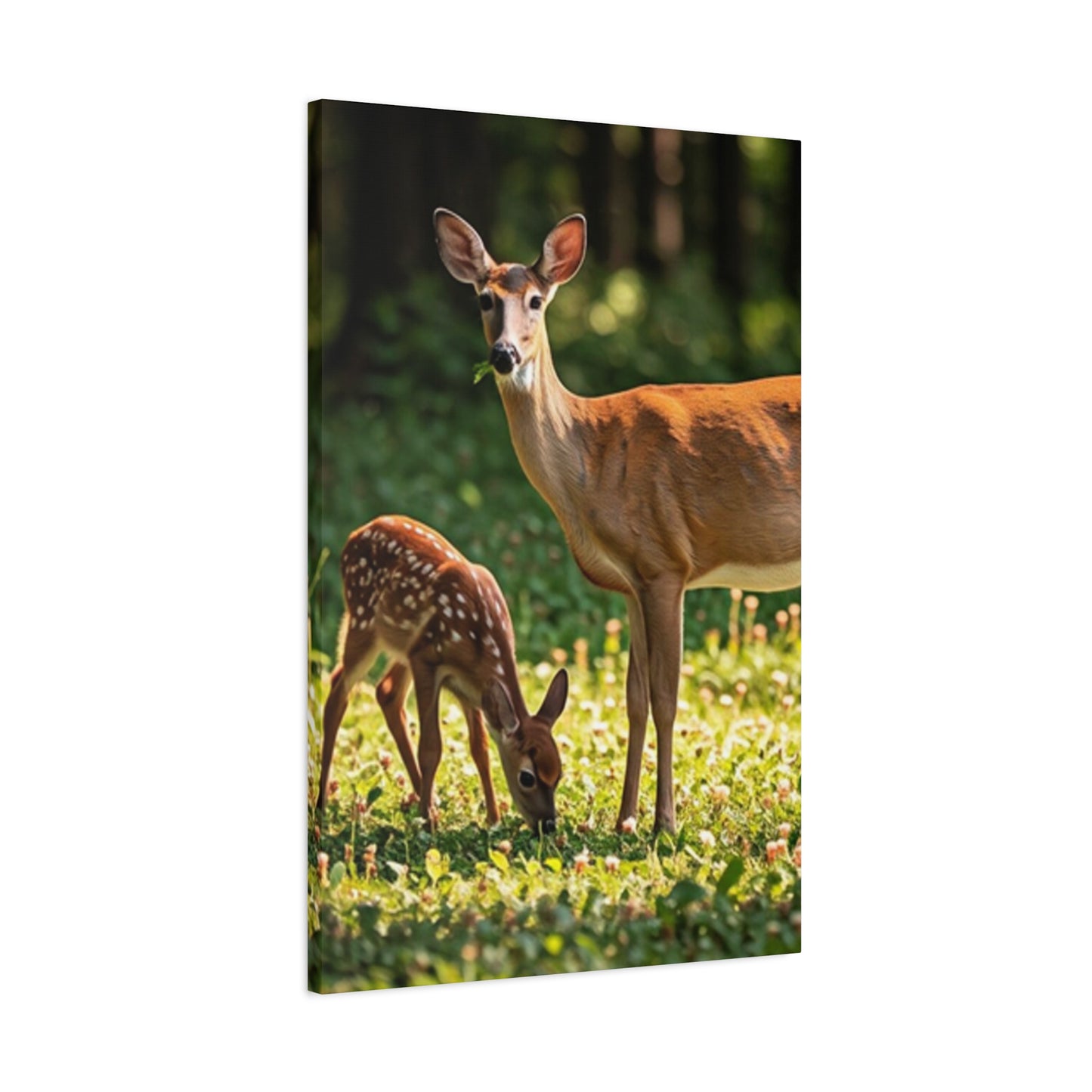
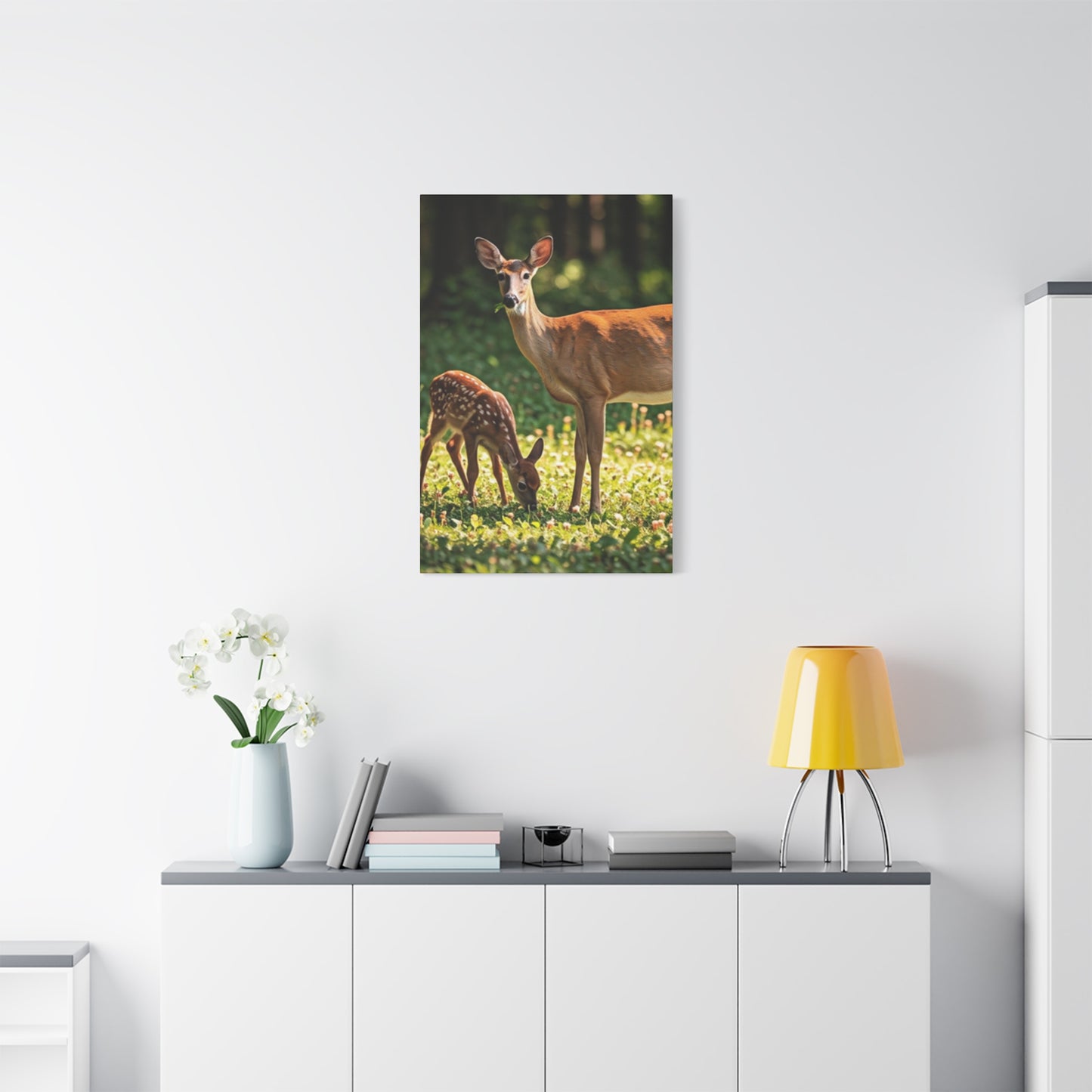
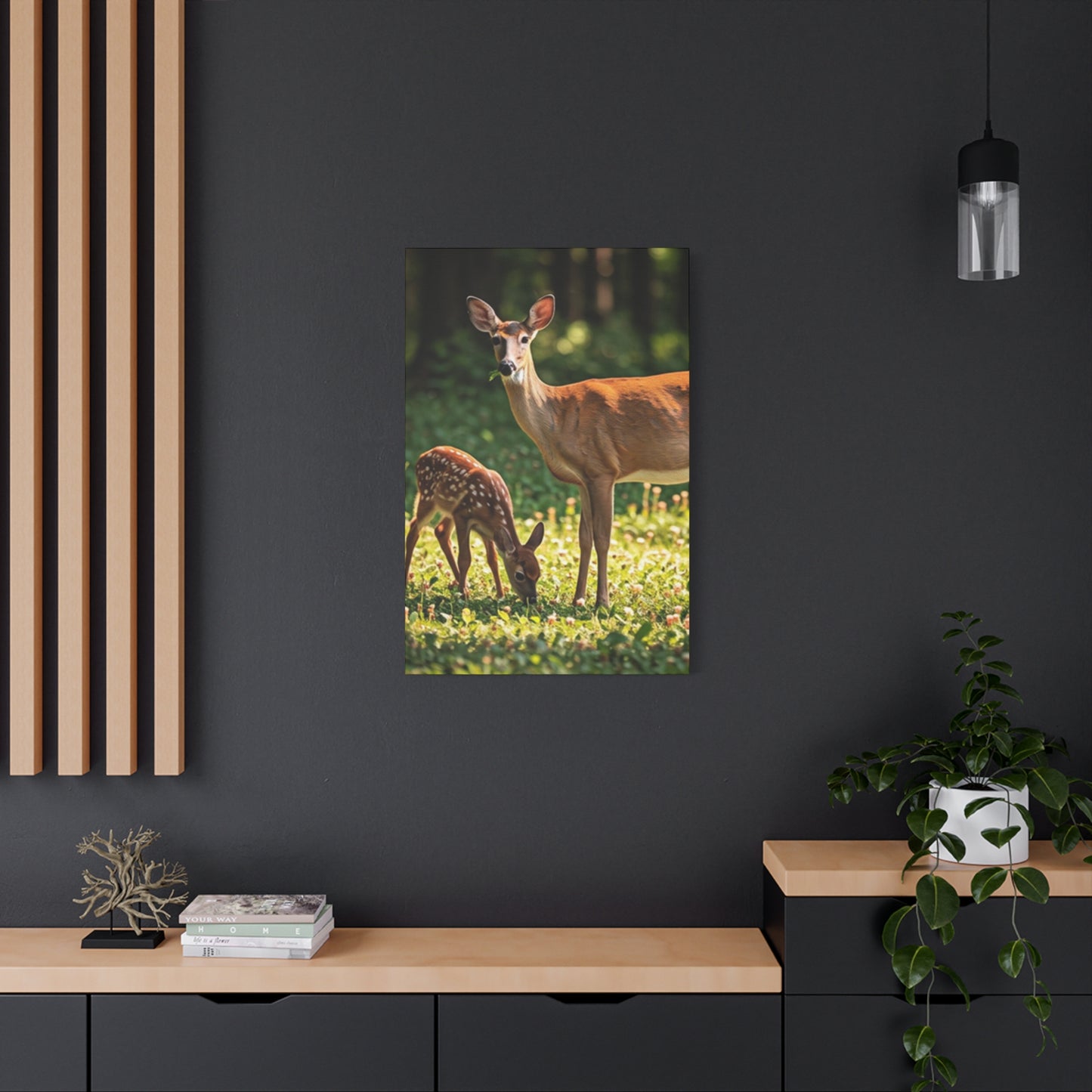
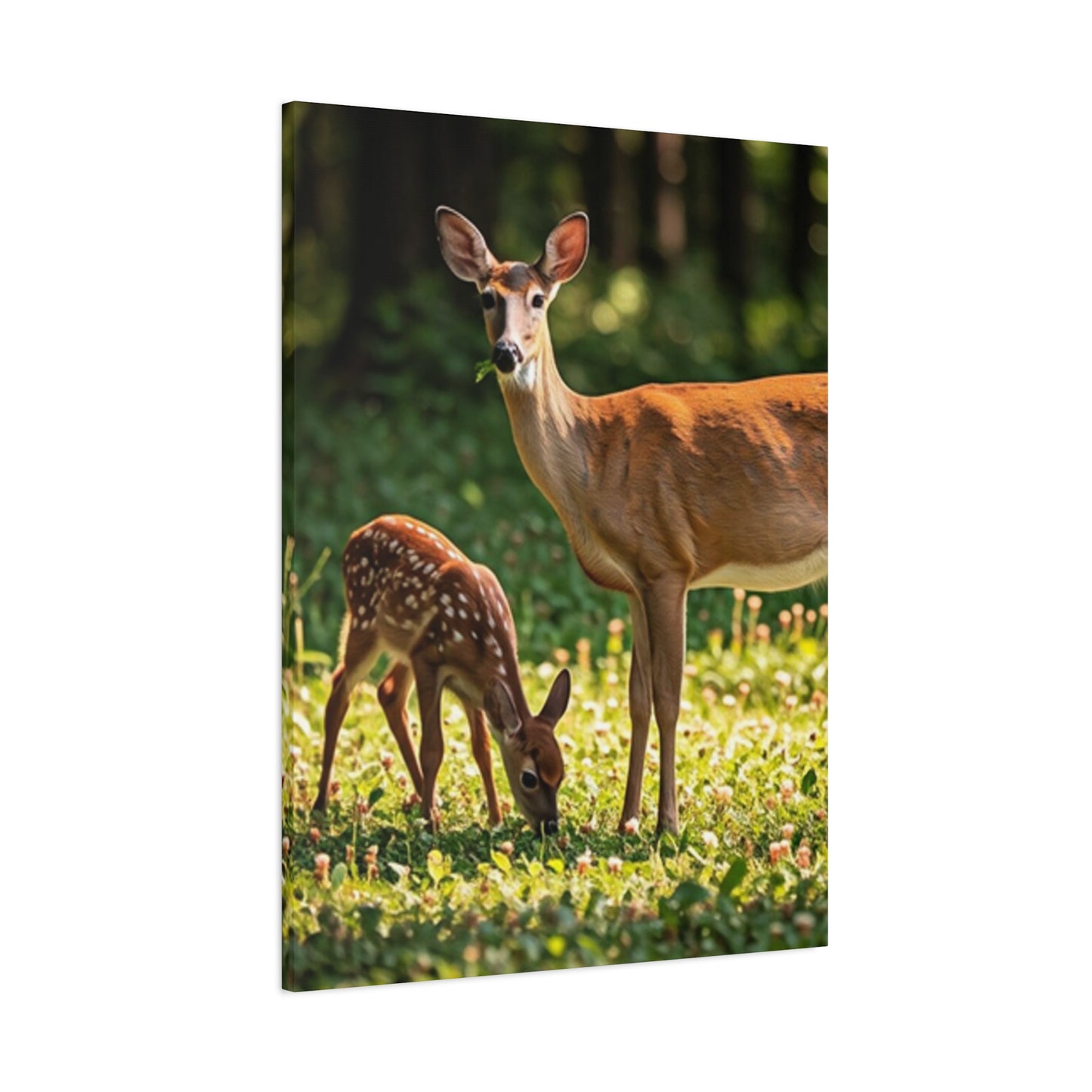
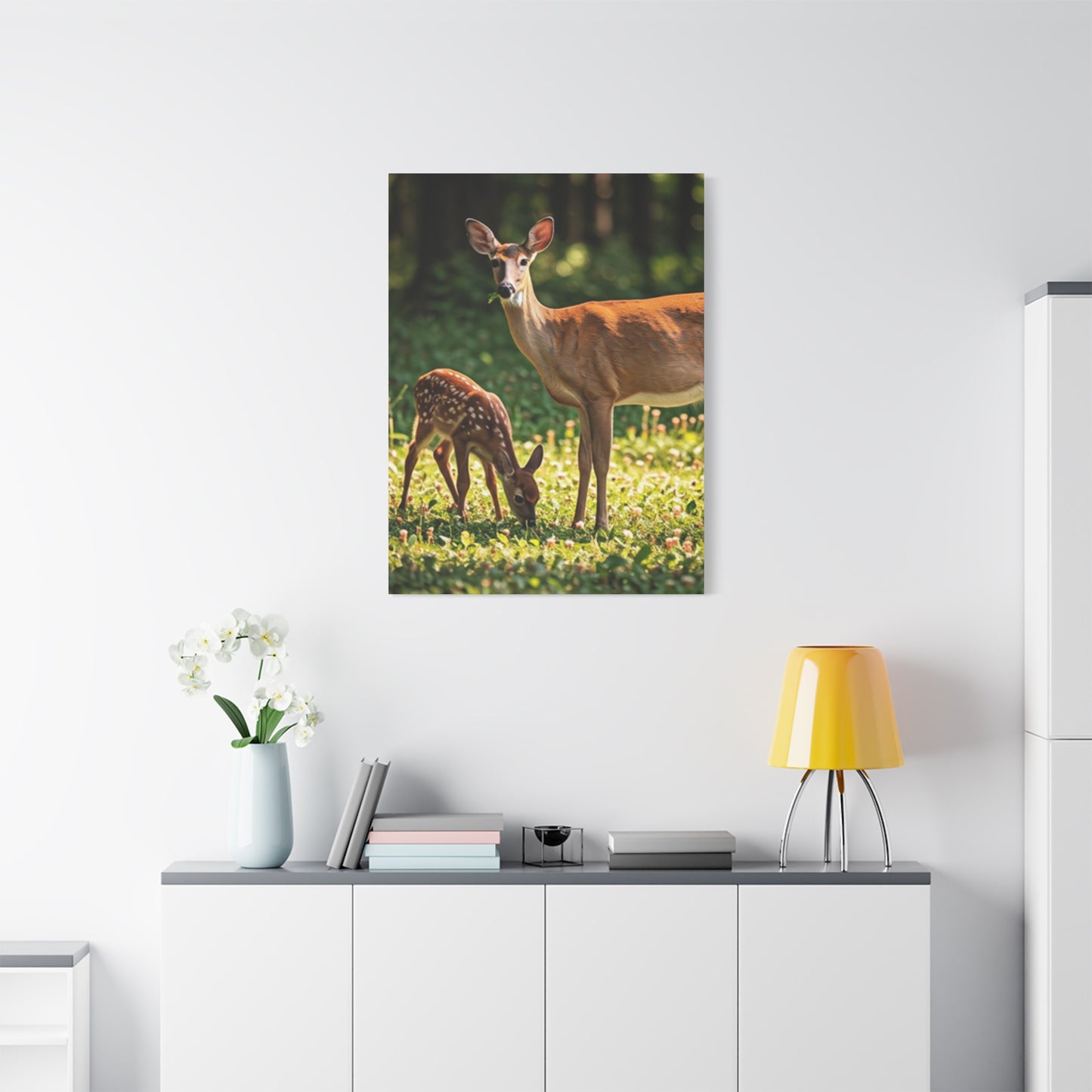
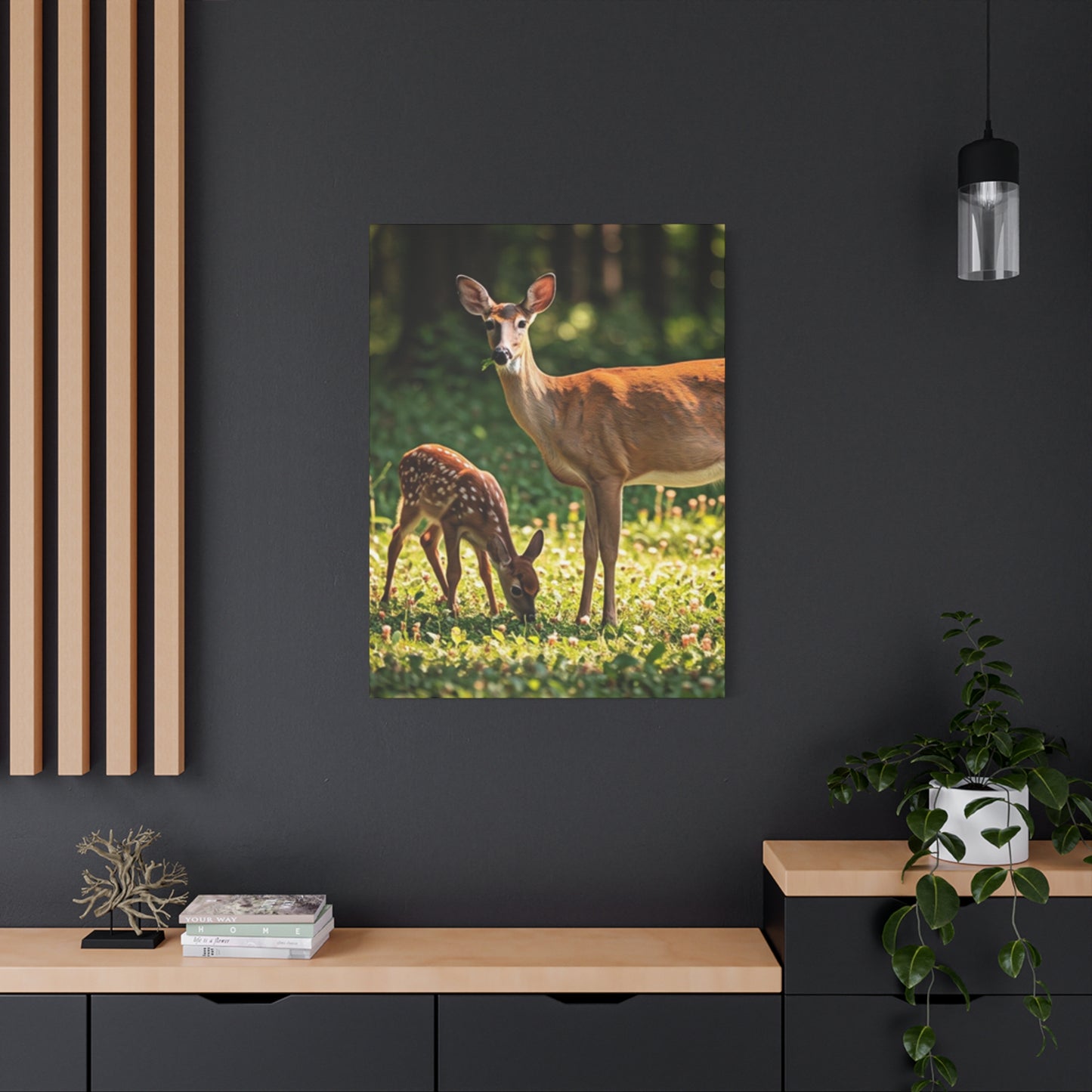
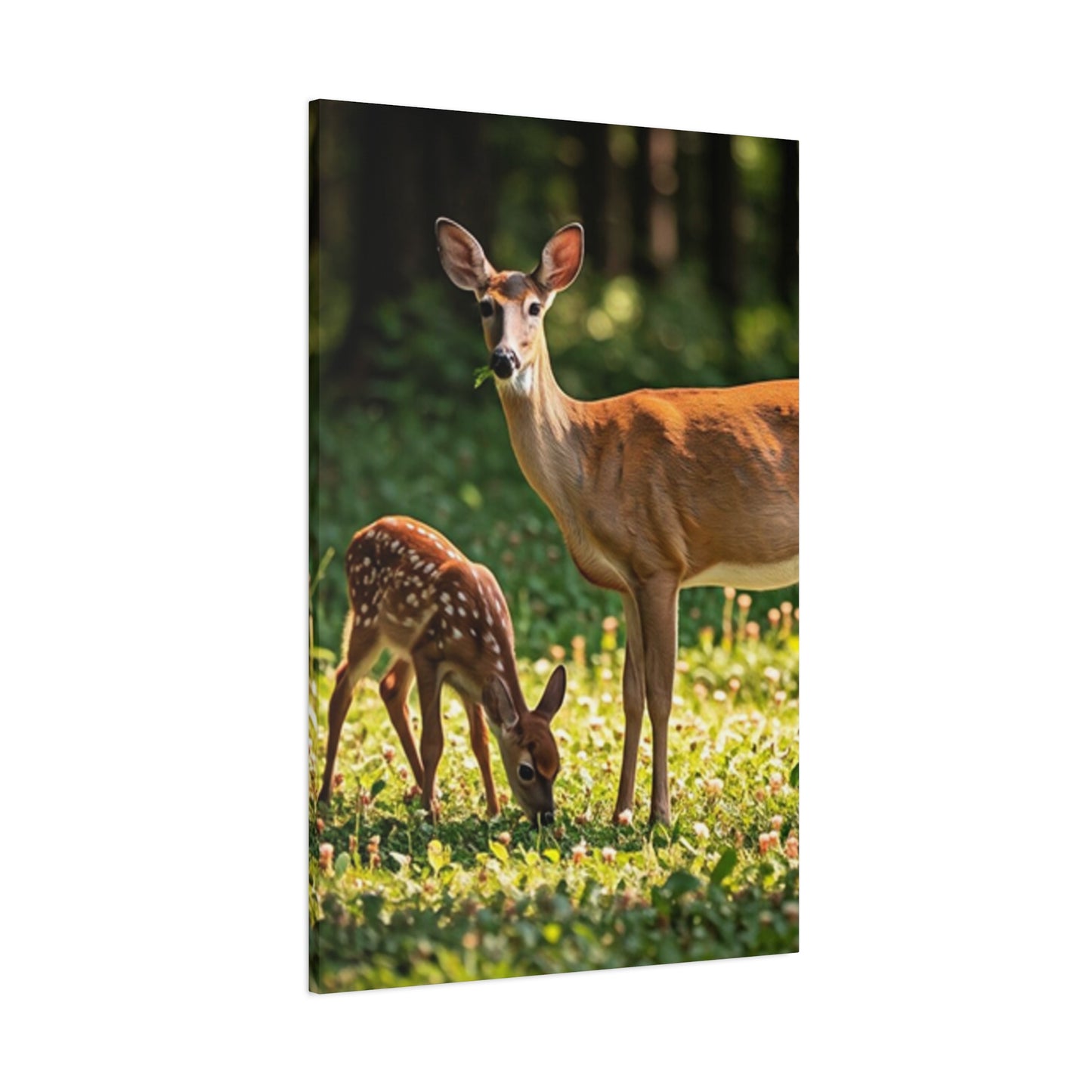
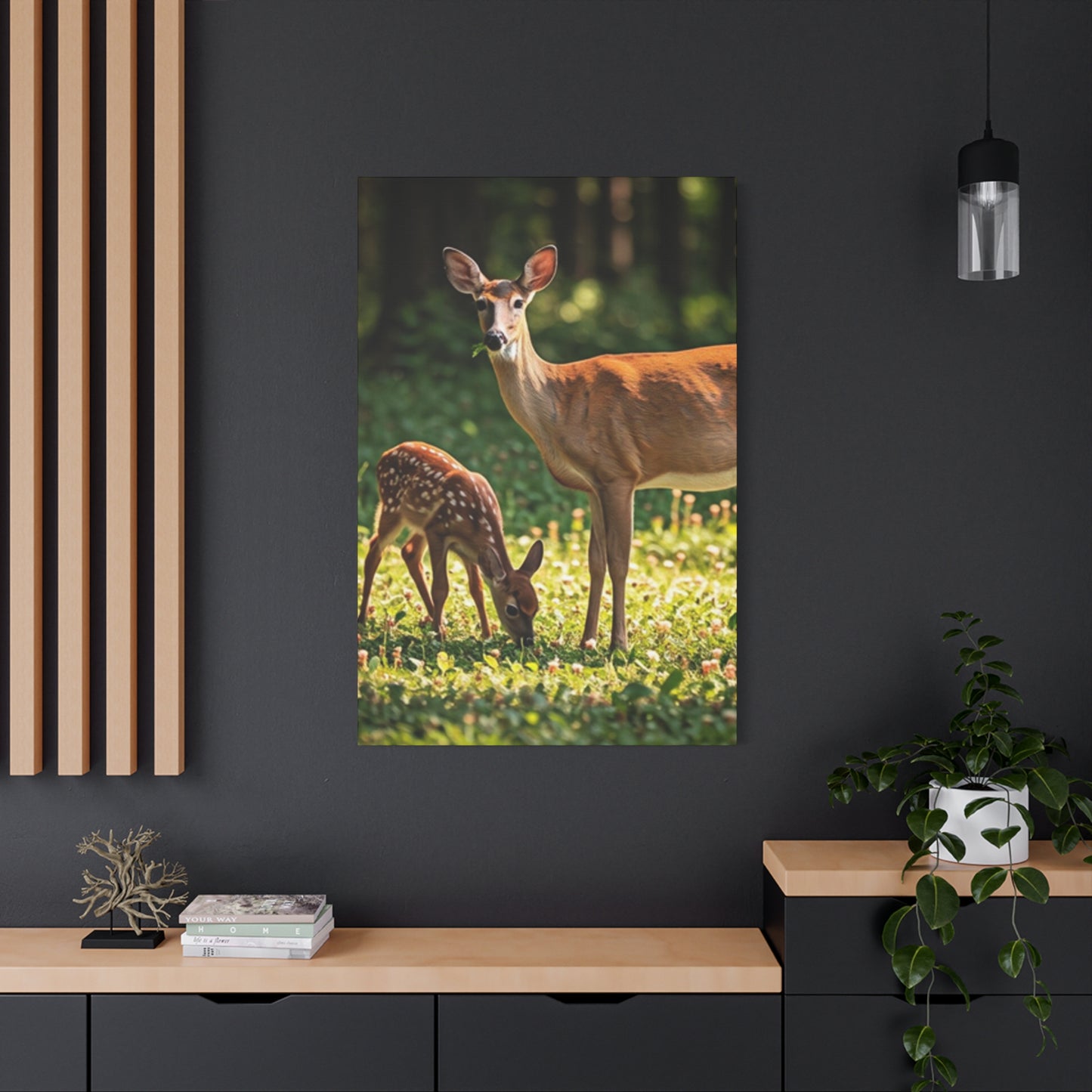
Deer Family Wall Art & Canvas Prints
Deer Family Wall Art & Canvas Prints
Couldn't load pickup availability
Discover the Enchanting World of Deer Family Wall Art: Creating Warmth and Natural Beauty in Your Living Spaces
The gentle presence of woodland creatures has captivated human imagination for centuries, bringing a sense of tranquility and connection to nature into our homes. Among these beloved natural subjects, depictions of deer families stand out as particularly meaningful decorative choices that resonate with people across different cultures and design preferences. The graceful silhouettes of these forest dwellers, particularly when shown in family groupings, evoke feelings of protection, gentleness, and the enduring bonds that connect living beings.
When we think about transforming our living environments, we often overlook the profound impact that carefully selected wall decorations can have on our daily experiences. Deer family wall art serves as more than mere decoration; it becomes a focal point that draws the eye, sparks conversation, and creates an atmosphere of serenity within any room. These artistic representations capture the essence of wilderness while remaining sophisticated enough for contemporary interiors.
The appeal of such artwork extends beyond simple aesthetics. Many homeowners find themselves drawn to these pieces because they represent values that matter deeply in our fast-paced world: family unity, natural beauty, peaceful coexistence, and the quiet strength found in gentle creatures. Whether rendered in minimalist line drawings, vibrant watercolors, rustic wood carvings, or modern metal sculptures, these pieces carry symbolic weight that transforms a house into a home.
Why Woodland Creature Artwork Resonates With Modern Homeowners
In an era dominated by screens and concrete landscapes, people increasingly crave connections to the natural world. This yearning manifests in countless ways, from indoor plants to nature photography, and prominently features in our decorating choices. Artwork depicting forest animals satisfies this deep-seated need for natural elements in our daily surroundings.
The popularity of such decorative pieces reflects broader cultural trends toward biophilic design, which recognizes the innate human attraction to nature and living systems. Research consistently demonstrates that incorporating natural elements into interior spaces reduces stress, improves mood, and enhances overall wellbeing. When you hang a beautiful representation of a deer family on your wall, you're not just adding decoration; you're creating a visual sanctuary that offers psychological benefits every time you enter the room.
These artistic pieces also tap into universal themes that transcend cultural boundaries. The protective stance of a doe watching over her fawn, the majestic presence of a stag surveying his territory, or the playful interaction between young deer all tell stories that humans instinctively understand. We see reflections of our own family dynamics, protective instincts, and social structures in these woodland scenes.
Furthermore, such artwork offers remarkable versatility in styling. Unlike some decorative trends that quickly feel dated, representations of natural subjects possess timeless appeal. They complement an astonishing range of interior design schemes, from farmhouse rustic to Scandinavian minimalism, from traditional cabin aesthetics to sleek contemporary spaces. This adaptability makes them wise investments that continue to enhance your home regardless of how your decorating preferences evolve.
Exploring Various Artistic Styles and Material Choices
The world of decorative wall pieces featuring deer families encompasses an impressive diversity of artistic interpretations and fabrication methods. Each style brings its own character and atmospheric qualities to a space, allowing you to select pieces that perfectly align with your personal taste and existing decor.
Canvas prints represent perhaps the most accessible and popular format. These reproductions of paintings, photographs, or digital artwork come stretched over wooden frames, ready to hang immediately upon arrival. The texture of canvas lends warmth and artistic legitimacy to printed images, making them feel more substantial than simple paper prints. Modern printing methods achieve remarkable color accuracy and detail reproduction, allowing you to enjoy museum-quality imagery in your own home. Many artists create exclusive designs specifically for canvas reproduction, ranging from photorealistic depictions of deer in their natural habitats to abstract interpretations that capture the essence of these creatures through color and form.
Metal wall sculptures offer a completely different aesthetic experience. Crafted from steel, iron, copper, or aluminum, these three-dimensional pieces create dramatic visual impact through their play of light and shadow. Some feature intricate cut-out designs that cast fascinating shadows as lighting conditions change throughout the day. Others employ welded construction to build up dimensional forms that seem to emerge from the wall itself. The industrial quality of metal contrasts beautifully with the organic subject matter, creating dialogue between manufactured materials and natural forms. Rust finishes on certain metal pieces enhance their rustic appeal, while powder-coated surfaces in matte black or bronze tones suit more refined interiors.
Wooden wall art brings warmth and organic texture that naturally complements woodland subjects. Carved reliefs showcase traditional craftsmanship, with dimensional details bringing deer families to life through the play of shadows across the carved surface. Reclaimed barn wood pieces embrace rustic charm, often combining weathered planks of varying tones to create layered silhouettes. Laser-cut wood panels achieve remarkable precision, allowing for delicate details in antlers, ears, and facial features while maintaining structural integrity. The natural grain patterns in wood add an additional layer of visual interest, ensuring that no two pieces are exactly alike even when cut from the same design.
Framed prints under glass provide a more formal presentation style suitable for traditional interiors or gallery wall arrangements. These pieces protect the artwork behind glass while the frame itself becomes an important design element. From ornate gilded frames that evoke classical styling to sleek metal frames that reinforce contemporary aesthetics, the framing choice significantly impacts the overall appearance. Museum-quality matting adds depth and draws the eye toward the central image, while also protecting the artwork from contact with the glass.
Mixed media pieces combine multiple materials to create unique artistic statements. An artist might pair painted canvas backgrounds with dimensional wooden elements, or combine metal silhouettes with printed photographic elements. These hybrid creations offer visual complexity and textural variety that single-medium pieces cannot achieve. They often become conversation starters, inviting viewers to examine how different materials interact and complement each other.
Textile wall hangings represent another distinct category. Woven tapestries, embroidered fabric art, and macramé pieces featuring deer motifs bring softness and acoustic dampening qualities alongside their visual appeal. These work particularly well in bedrooms and reading nooks where their tactile nature enhances the cozy atmosphere. Hand-crafted textile pieces carry the added appeal of artisan craftsmanship, with each piece bearing the subtle variations that distinguish handmade goods from mass-produced alternatives.
Selecting the Perfect Size and Placement for Maximum Impact
The dimensions of your chosen artwork dramatically influence its impact within a room. An undersized piece disappears into the wall, failing to command appropriate attention, while an oversized selection can overwhelm the space and throw off the room's proportions. Understanding sizing principles helps you make selections that enhance rather than detract from your interior design.
For focal wall placements above sofas, beds, or consoles, designers typically recommend artwork spanning approximately two-thirds to three-quarters of the furniture width. A standard sofa measuring 84 inches wide would ideally be accompanied by wall art spanning 56 to 63 inches horizontally. This proportional relationship creates visual harmony, suggesting that the artwork and furniture belong together rather than occupying the space independently. When working with particularly long furniture pieces, consider creating a gallery arrangement with multiple related pieces rather than searching for a single impossibly large work.
Vertical spaces such as narrow walls between windows or in hallways benefit from vertically oriented pieces that emphasize the room's height. A portrait-oriented composition featuring a standing stag or a doe with upward-tilted head draws the eye upward, making ceilings appear taller and narrow spaces feel less confined. These vertical pieces work especially well in entryways, where they create impressive first impressions without requiring extensive wall width.
Gallery walls allow you to combine multiple pieces of varying sizes into cohesive arrangements. When creating a collection featuring deer family themes, you might include different-sized representations: perhaps a large central piece depicting a complete family grouping, flanked by smaller individual portraits of does, fawns, and stags. This arrangement technique works beautifully for displaying a collected assortment accumulated over time, telling a visual story through the combination of pieces. The key to successful gallery walls lies in establishing consistent spacing between pieces (typically 2-3 inches) and planning the overall arrangement on the floor before committing to nail holes.
Hanging height significantly affects how viewers experience the artwork. The standard guideline places the center of the piece at approximately 57-60 inches from the floor, which corresponds to average eye level in galleries and museums. However, this rule requires adjustment based on ceiling height, furniture placement, and viewing circumstances. In dining rooms where people primarily view art while seated, lowering the placement by several inches ensures better visibility. In rooms with high ceilings, you might raise the artwork slightly to maintain appropriate proportions between wall space above and below the piece.
Corner placements offer opportunities often overlooked in decorating schemes. A carefully selected piece can activate dead corner space, drawing the eye into areas that might otherwise feel neglected. Deer family artwork works particularly well in corners because the group composition naturally leads the viewer's eye across the piece, helping to visually connect the two walls meeting at the corner.
Lighting considerations prove crucial for properly displaying any artwork. Natural daylight showcases colors accurately but changes throughout the day and seasons, causing the piece to appear different at various times. Direct sunlight can damage certain materials over time, causing fading in prints and canvas works. Positioning pieces away from direct sun exposure protects your investment. Artificial lighting provides consistent illumination regardless of time or weather conditions. Picture lights mounted to frames or walls provide focused illumination, while track lighting offers flexibility to highlight multiple pieces from a single fixture. The color temperature of bulbs matters significantly; warm white bulbs (2700-3000K) enhance the cozy atmosphere suited to nature artwork, while cooler temperatures can make pieces appear washed out.
Deer Family Wall Art in Various Room Settings Throughout Your Home
Different rooms present unique decorating challenges and opportunities. Selecting appropriate artwork for each space requires considering the room's purpose, existing decor, and the atmosphere you wish to create.
Living rooms serve as central gathering spaces where families relax, entertain guests, and spend significant time. Large statement pieces work beautifully above sofas or on prominent walls visible from the room's entrance. A substantial canvas depicting a peaceful woodland scene with a deer family creates an immediate focal point that establishes the room's character. The calming nature of such imagery promotes relaxation and conversation, making these pieces ideal for spaces dedicated to socializing and unwinding. Consider selecting pieces with color palettes that complement your existing furniture and accessories, creating cohesive visual flow throughout the space.
Bedrooms benefit enormously from soothing imagery that promotes restfulness. Representations of deer families in tranquil forest settings, particularly those rendered in soft, muted tones, enhance the peaceful atmosphere essential for quality sleep. Positioning such artwork on the wall opposite the bed ensures it's the last thing you see before sleeping and the first image greeting you upon waking, bookending your rest with gentle natural imagery. For children's rooms, more playful interpretations featuring cartoon-styled fawns or storybook illustrations create whimsical environments that spark imagination while maintaining the gentle character appropriate for sleep spaces.
Dining areas present opportunities for creating warm, welcoming environments where people gather around shared meals. Artwork featuring deer families reinforces themes of gathering, nourishment, and community that naturally align with dining spaces. These pieces become conversation starters during meals, providing talking points that bring people together. The vertical format works particularly well in dining rooms, where tall narrow walls between windows often challenge decorators seeking appropriately scaled pieces.
Home offices increasingly blur the lines between functional workspace and personal sanctuary. Introducing natural elements through carefully selected wall decorations helps counterbalance the utilitarian aspects of desks, computers, and filing systems. A thoughtfully placed piece featuring woodland creatures provides visual respite during work sessions, offering your eyes and mind a restful focal point during breaks from screen time. The symbolic associations with family and protection can also serve as reminders of the reasons behind your work efforts.
Entryways and hallways function as transitional spaces that set the tone for your entire home. First impressions form quickly, and the artwork greeting visitors as they enter speaks volumes about your aesthetic sensibilities and values. A striking representation of a majestic deer family announces that your home values natural beauty, family connections, and peaceful living. Narrow hallway walls, often difficult to decorate due to their limited width, become ideal spots for vertically oriented pieces or series of smaller related works that create visual interest along the passage.
Bathrooms might seem unconventional locations for significant artwork, but these personal spaces benefit from thoughtful decoration. The key lies in selecting pieces appropriate for humid environments. Metal sculptures, sealed wood pieces, or properly protected prints can withstand bathroom conditions while adding character to spaces often left stark and utilitarian. A subtle deer motif in a powder room adds unexpected sophistication that guests remember.
Nurseries and children's spaces deserve special consideration. Gentle imagery of mother does with their fawns creates soothing environments while introducing young ones to the natural world. These pieces grow with children, remaining relevant as cute nursery decor for infants, then transitioning to become appreciated artwork as children mature. Unlike trendy cartoon characters that quickly feel outgrown, timeless natural subjects maintain their appeal across developmental stages.
Color Schemes and How They Influence Room Atmospheres
The colors dominating your chosen artwork significantly impact the emotional resonance and visual harmony within a room. Understanding color psychology helps you make selections that achieve your desired atmospheric effects.
Earthy neutral tones including browns, tans, beiges, and soft grays create grounded, stable feelings that promote relaxation and comfort. These colors pair effortlessly with nearly any existing decor scheme, making them safe choices for those hesitant about bold color commitments. Artwork featuring deer in natural forest settings typically employs these earth-tone palettes, depicting the browns of tree bark and deer coats, the tans of dried grasses, and the subtle grays of weathered wood and stone. Such pieces feel timeless and versatile, adapting as surrounding decor evolves over years.
Forest green hues evoke the richness of woodland habitats, bringing vitality and freshness to interior spaces. Green occupies a special position in color psychology, simultaneously promoting calm and renewal. Deep hunter greens create sophisticated, traditional atmospheres, while lighter sage tones feel more contemporary and airy. Artwork incorporating substantial green elements works particularly well in rooms with natural wood furniture, where the colors echo each other to create cohesive natural themes.
Warm amber and golden tones suggest autumn forests bathed in setting sunlight, creating cozy, inviting atmospheres. These colors work beautifully in rooms with warm wood tones and where you wish to enhance feelings of warmth and security. A piece depicting deer in golden-hour lighting brings that magical quality of late afternoon sun into your home year-round, regardless of actual lighting conditions or seasons.
Cool blue and gray palettes create calm, serene environments suitable for bedrooms and other restful spaces. Winter scenes featuring deer against snowy backgrounds or misty morning compositions employ these cooler tones to evoke tranquility and contemplation. These pieces work exceptionally well in rooms decorated in Scandinavian or coastal styles, where cool color palettes dominate.
Dramatic black and white compositions offer striking contrast and timeless sophistication. Silhouette artwork featuring deer families rendered entirely in black against white backgrounds creates powerful graphic impact suitable for modern and contemporary interiors. These pieces provide visual interest without introducing additional colors that might clash with existing schemes. The stark contrast commands attention while maintaining the simplicity many modern design philosophies value.
Unexpected pops of color can transform deer artwork from subtle to statement-making. Some artists incorporate vibrant accent colors into otherwise neutral pieces, perhaps rendering backgrounds in bold teals, corals, or violets while keeping the deer themselves in natural tones. These unexpected combinations create memorable pieces that become room centerpieces, particularly in spaces where you wish to inject personality and creative flair.
When selecting colored pieces, always consider the existing palette in the room. Artwork should either harmonize with current colors by picking up existing tones or deliberately contrast to create visual interest. Bringing paint swatches, fabric samples, or photos of your space when shopping for artwork ensures color compatibility. Many online retailers now offer visualization tools allowing you to preview how pieces look on your actual walls through smartphone apps, removing guesswork from the color selection process.
Symbolism and Deeper Meanings Behind Deer Imagery
Throughout human history, deer have carried rich symbolic significance across diverse cultures and belief systems. Understanding these deeper meanings adds layers of intention to your decorating choices, transforming simple ornamentation into meaningful personal expression.
In many traditions, deer represent gentleness, grace, and natural beauty. Their delicate features and fluid movements embody aesthetic ideals that humans have admired for millennia. By bringing deer imagery into your home, you align your space with these qualities, creating environments that feel refined yet accessible, beautiful yet unpretentious.
The protective relationship between does and their fawns symbolizes maternal instinct, family bonds, and nurturing care. Artwork depicting this relationship resonates particularly with parents, grandparents, and anyone who values family connections. These pieces serve as daily reminders of what matters most, grounding us amid life's distractions and demands.
Stags with impressive antlers traditionally symbolize leadership, confidence, and masculine strength expressed through noble bearing rather than aggression. Unlike predators that represent dominant power through force, stags embody strength tempered with dignity. This makes them appealing symbols for those who value quiet confidence and principled leadership.
The seasonal shedding and regrowth of antlers connects deer symbolism to cycles of renewal, transformation, and personal growth. This natural process reminds us that loss can precede growth, that letting go of what no longer serves us makes space for new development. Such symbolism makes deer artwork particularly meaningful during life transitions: new homes, career changes, or personal transformations.
Many indigenous cultures regard deer as sacred animals connecting earthly and spiritual realms. In these traditions, encountering deer signals the presence of guidance, intuition, and spiritual messages. Incorporating such powerful symbolic animals into your living space acknowledges these deeper dimensions of existence, creating homes that honor both physical comfort and spiritual wellbeing.
The alert, watchful nature of deer symbolizes awareness and sensitivity to surroundings. Deer survive through vigilance and responsiveness rather than aggression, teaching valuable lessons about navigating challenges through awareness rather than confrontation. This symbolism appeals to those who value mindfulness and conscious living.
Forest settings commonly depicted alongside deer carry their own symbolic weight, representing growth, life cycles, shelter, and the wild untamed aspects of nature. By bringing forest scenes into domestic spaces, we acknowledge our connection to natural systems and cycles, reminding ourselves that human life represents just one part of larger ecological webs.
Creating Cohesive Themed Collections Across Multiple Rooms
Rather than treating each room as an isolated decorating project, consider developing a cohesive theme that flows throughout your home. Deer family artwork can anchor such themes, providing continuity while allowing individual spaces to maintain distinct characters.
A woodland creature theme might extend beyond deer to incorporate other forest dwellers: foxes, owls, rabbits, and bears. Maintaining consistent artistic style across these various subjects creates unity; perhaps all pieces share a watercolor technique, or all feature similar color palettes. This approach allows you to introduce variety room by room while maintaining recognizable connections that tie your home together visually.
Seasonal progression themes trace how deer families navigate changing seasons. Your living room might feature autumn scenes with stags in their prime, while the dining area displays winter compositions showing deer in snow. Bedrooms could showcase spring images with new fawns, and other spaces might celebrate summer abundance. This seasonal approach creates a narrative flowing through your home, reminding inhabitants of nature's cyclical wisdom.
Size progression arrangements work beautifully for homes where you want to maintain consistent subject matter while varying scale for different spaces. Large statement pieces occupy prominent walls in main living areas, medium-sized works fill secondary spaces like hallways and offices, while smaller pieces add touches of continuity in bathrooms and small nooks. This varied scaling prevents the theme from feeling repetitive while maintaining clear connections.
Artistic style evolution collections showcase the same subject through different artistic lenses. One room might feature photorealistic deer representations, another displays impressionistic interpretations, a third showcases minimalist line drawings, while a fourth presents abstract color studies inspired by deer forms. This sophisticated approach celebrates the subject while highlighting the diverse ways artists interpret the same inspiration.
Color story progressions use deer artwork as vehicles for color themes flowing through your home. Perhaps cool-toned pieces occupy northern-facing rooms while warm-toned works enhance southern exposures. Or colors might shift from room to room along a spectrum, creating subtle gradients as you move through the house. This approach requires careful planning but results in sophisticated color harmony that feels intentional and cohesive.
Family member assignments allow each household member to select pieces reflecting their personal connection to the deer family theme. Parents might choose a protective doe-and-fawn piece for their bedroom, while children select playful fawn images for their spaces. Shared areas feature complete family groupings. This approach personalizes the theme while maintaining overall unity, and the process of selecting pieces together can become a meaningful family activity.
Discovering and Supporting Artisans Who Create These Meaningful Pieces
The source of your artwork matters significantly, both for quality considerations and ethical reasons. Different acquisition avenues offer distinct advantages and support various sectors of the creative economy.
Independent artists create truly unique pieces that cannot be found elsewhere. Purchasing directly from makers ensures they receive fair compensation for their creativity and labor, unlike retail situations where middlemen capture substantial portions of sale prices. Many artists welcome custom commissions, allowing you to specify sizes, colors, and compositions perfectly suited to your space. This personalized approach results in one-of-a-kind pieces with stories and personal connections that mass-produced alternatives cannot match.
Local craft fairs and art markets provide opportunities to meet creators face-to-face, discuss their processes, and examine quality before purchasing. These venues support local creative communities while offering you chances to discover emerging talents before they gain wider recognition. The personal connection formed through direct purchase adds sentimental value to the artwork, transforming it from simple decoration into a memento of a meaningful encounter.
Online marketplaces specializing in handmade goods connect you with artisans worldwide, dramatically expanding your options beyond what's available locally. These platforms typically provide artist biographies, creation process details, and customer reviews that help you make informed decisions. Many allow you to communicate directly with makers to discuss customization possibilities or ask questions about materials and methods.
Gallery representation offers curated selections where professional evaluators have vetted quality and artistic merit. While galleries add markup to cover overhead costs, they provide valuable services including authentication, condition guarantees, and sometimes installation assistance. Galleries specializing in wildlife or nature artwork become treasure troves for those passionate about these subjects.
Vintage and antique markets yield distinctive older pieces with character impossible to replicate in new production. Weathered carved wooden deer, vintage needlepoint, and mid-century prints carry nostalgic appeal and established provenance. These pieces often feature construction quality surpassing modern mass production, using solid hardwoods and traditional joinery methods rarely seen in contemporary items.
Reproduction retailers make artwork accessible at various price points. While these pieces lack the uniqueness of originals, reputable producers maintain quality standards ensuring satisfaction. Licensed reproductions of famous works allow you to enjoy renowned artwork at accessible prices. The key lies in verifying that reproductions are properly licensed and that original artists receive appropriate royalties.
Commission-based collaboration represents the ultimate personalization option. Working with an artist to create a piece specifically for your space ensures perfect sizing, coloring, and composition. This process typically begins with sharing photos of your space, discussing your vision, and reviewing preliminary sketches before the artist proceeds with creation. While commissions require patience and typically cost more than ready-made alternatives, they result in artwork perfectly tailored to your needs and preferences.
Material Durability and Longevity Considerations for Different Environments
The materials and construction methods used in your chosen artwork determine how well it withstands time and environmental conditions. Understanding these factors helps you make selections that remain beautiful for years rather than deteriorating prematurely.
Canvas prints vary significantly in quality depending on materials and printing methods. Premium canvases use thick, tightly woven fabrics that resist sagging and warping. Giclee printing processes employ archival inks that resist fading for decades when properly displayed away from direct sunlight. Cheaper alternatives may use thin canvases, inferior inks, and flimsy stretcher bars that result in disappointing longevity. Examining construction quality before purchase helps avoid frustration. Look for gallery-wrapped canvases with properly mitered corners, tight wrapping without slack areas, and secure stapling to kiln-dried stretcher bars with cross-bracing on larger sizes.
Metal artwork longevity depends on both the metal type and protective finishes applied. Stainless steel and aluminum resist corrosion naturally, making them suitable even for humid environments. Carbon steel and iron require protective finishes to prevent rust, though some designs deliberately incorporate rust patina as a design element. Powder coating provides durable color and corrosion protection superior to paint. For outdoor or high-humidity placements, verify that the manufacturer specifically rates pieces for those conditions. Some metal works feature clear coat finishes that protect underlying materials while maintaining their natural appearance.
Wooden pieces require consideration of moisture and temperature fluctuations. Solid wood expands and contracts with humidity changes, which can cause cracking if pieces are rigidly mounted or constructed without accommodating movement. Quality wooden artwork uses kiln-dried lumber with appropriate finish coatings that seal against moisture while allowing slight dimensional changes. Plywood and MDF substrates resist warping better than solid wood but generally indicate lower-quality production unless used strategically for stability in larger pieces. Examine joinery methods on dimensional wooden art; screwed or bolted construction often outlasts glued assemblies.
Framed works under glass need UV-protective glazing to prevent fading, especially for pieces displayed in rooms receiving significant sunlight. Regular glass provides no UV protection, while UV-filtering glass blocks substantial percentages of harmful wavelengths. Museum glass eliminates reflections along with UV protection but costs significantly more. Acid-free matting prevents chemical degradation of artwork over time, crucial for protecting valuable prints. The frame itself should be sturdy enough to support the glass and artwork weight without sagging, particularly important for larger pieces.
Paper and print materials range from acidic newsprint that yellows rapidly to museum-quality archival paper designed to last centuries. Truly archival pieces use acid-free paper or photo paper combined with pigment-based inks rather than dye-based alternatives. These professional materials resist fading and degradation far better than standard printing media. If purchasing prints, inquire about paper and ink specifications to gauge longevity expectations.
Textile wall hangings face challenges from dust accumulation, fading, and fiber deterioration. Natural fibers like cotton and wool generally prove more durable than synthetic alternatives, though they may fade more readily in bright light. Proper hanging methods that distribute weight across the entire top edge prevent sagging and stress on fibers. Periodic gentle vacuuming keeps dust from embedding in the weave. Rotation between displayed and stored textiles extends overall lifespan by reducing continuous light exposure.
Environmental control significantly impacts all artwork longevity regardless of materials. Maintaining consistent temperature and humidity levels prevents the expansion-contraction cycles that stress materials. Avoiding direct sunlight exposure protects colors from fading. Proper ventilation prevents moisture accumulation that promotes mold growth. These simple environmental management practices dramatically extend the life of your decorative investments.
Pricing Considerations and Budget-Friendly Alternatives
Artwork spans an enormous price range, from affordable mass-produced prints to investment-grade original pieces. Understanding the factors influencing pricing helps you make informed decisions aligned with your budget while maintaining quality expectations.
Original artwork commands premium prices reflecting the artist's time, skill, materials, and the inherent value of owning unique creations. A hand-painted canvas or carved wooden sculpture represents hours or days of focused creative work, justifying costs that may seem high compared to mass-produced alternatives. For original works, prices typically correlate with artist reputation, piece size, complexity, and material costs. Emerging artists offer opportunities to acquire original works at accessible prices, with the added excitement that their recognition and value may grow substantially over time.
Limited edition prints occupy a middle ground between mass production and unique originals. Artists create a predetermined number of prints from original artwork, typically signing and numbering each impression. Smaller edition numbers generally command higher prices since fewer examples exist. These pieces offer the advantage of affordability compared to originals while maintaining exclusivity and potential value appreciation. Certificates of authenticity should accompany limited editions, documenting edition size and print number.
Open edition prints and reproductions offer the most accessible entry point for artwork acquisition. Modern printing capabilities deliver remarkable quality at modest prices, making beautiful imagery available regardless of budget constraints. While these pieces lack the investment potential of originals or limited editions, they fulfill the primary decorating function admirably. When selecting reproductions, focus on print quality, material durability, and overall construction rather than fixating on the lack of exclusivity.
DIY approaches allow creative individuals to produce personalized artwork at minimal cost. Painting your own canvas, creating vinyl decal compositions, or assembling dimensional pieces from craft materials costs far less than purchasing finished works. Numerous online resources provide step-by-step guidance for various projects, from simple silhouette paintings to complex mixed-media assemblies. The personal investment of creating your own decorative pieces adds sentimental value that transcends any objective assessment of artistic merit.
Secondhand marketplaces including estate sales, thrift stores, and online resale platforms yield surprising discoveries at fraction-of-retail prices. Patience and regular browsing eventually turn up excellent pieces as people redecorate or downsize. Vintage wooden carvings and older prints often feature quality construction superior to modern budget alternatives. The hunt itself becomes enjoyable for those who relish the treasure-seeking aspect of secondhand shopping.
Print-on-demand services allow you to upload images and have them professionally printed on various substrates including canvas, metal, and acrylic. This approach works perfectly if you've captured your own deer photographs or created digital artwork. Many services offer ready-made public domain images of deer that you can print without copyright concerns. The resulting pieces cost significantly less than purchasing finished artwork while delivering professional quality.
Seasonal sales and promotional periods provide opportunities to acquire desired pieces at reduced prices. Many retailers offer significant discounts around major holidays and during summer clearance periods. Signing up for email notifications from favorite artists or retailers alerts you to upcoming sales. However, avoid purchasing pieces solely because they're discounted; the piece should genuinely suit your needs regardless of the price reduction.
Addressing Common Decorating Mistakes and How to Avoid Them
Even with excellent intentions, several common missteps can undermine your decorating efforts. Awareness of these frequent errors helps you avoid them in your own spaces.
Incorrect scaling represents the most prevalent mistake. An oversized piece overwhelms a small room or crowds neighboring furniture, while undersized artwork disappears into expansive walls, failing to create appropriate impact. Always measure both the available wall space and any furniture the artwork will relate to before selecting pieces. Create paper templates matching the dimensions of pieces you're considering, tape them to walls, and live with them for a few days to assess whether the sizing feels right.
Poor hanging height frequently compromises otherwise excellent artwork. Pieces hung too high or too low disrupt visual flow and create awkward spatial relationships. Remember the 57-60 inch center-height guideline as your starting point, then adjust based on specific circumstances. If everyone in your household is particularly tall or short, shift the standard height accordingly to match your family's eye level rather than adhering rigidly to general guidelines.
Lighting neglect leaves beautiful artwork underappreciated. Pieces displayed in dim corners or positioned where glare obscures them never achieve their potential impact. Assess lighting at different times of day and under various conditions. If natural light proves insufficient or creates problematic glare, add dedicated artwork lighting. Even inexpensive battery-powered picture lights dramatically improve visibility for modestly priced pieces.
Mismatched framing undermines the cohesive look of gallery wall arrangements. While individual pieces within a collection need not be identical, maintaining some consistent element helps unify the arrangement. This might be frame color, style, or mat board consistency. Total randomness creates visual chaos, while complete uniformity can feel sterile; striking the right balance requires thoughtful curation.
Ignoring room proportions leads to awkward spatial relationships. A narrow vertical piece on a short wide wall looks out of place, as does a wide horizontal work on a tall narrow wall. Match artwork orientation and proportions to the architectural features of your space for natural visual harmony.
Overcrowding walls with excessive artwork creates cluttered, restless environments that feel more like retail displays than comfortable living spaces. Exercise restraint, leaving adequate breathing room around significant pieces. Negative space matters as much as filled areas in creating balanced, sophisticated interiors.
Inadequate security mounting risks artwork damage and potential injury if pieces fall. Lightweight items may hang successfully from simple picture hooks, but heavier pieces require appropriate wall anchors. In homes with children or pets, extra security measures including anti-tip straps or secure wire hanging prevent dangerous accidents.
Theme oversaturation occurs when enthusiasm for a decorating concept leads to its excessive application. A few carefully selected deer family pieces create a coherent theme; dozens crammed into every available space feel more like obsession than design. Maintain balance by incorporating your theme selectively, allowing other design elements to share the spotlight.
Conclusion
Rather than viewing artwork as permanent fixtures, consider implementing seasonal rotation systems that keep your spaces feeling fresh and responsive to changing times of year.
Seasonal artwork rotation refreshes your environment without requiring complete redecorating or significant financial investment. Swapping pieces quarterly aligns your interior decoration with the natural world's progression through seasons. Spring might bring artwork featuring does with newborn fawns, symbolizing renewal and new beginnings. Summer pieces could showcase deer in lush green forests, celebrating abundance and growth. Autumn selections might highlight stags during rutting season against backdrops of colorful foliage. Winter works depicting deer in snowy landscapes honor the quiet introspective quality of cold months.
Storage systems for non-displayed pieces protect them from damage while keeping them accessible for rotation. Acid-free boxes or portfolios protect prints and canvas works from dust and light exposure. Wrapped in acid-free tissue paper, pieces remain in pristine condition until their next display period. For larger or more valuable works, climate-controlled storage prevents damage from temperature and humidity fluctuations. Labeling storage containers with contents and dimensions simplifies rotation planning.
Rotation schedules can follow natural seasons, holidays, or personal milestones. Some people change artwork monthly, creating twelve distinct looks throughout the year. Others prefer simpler quarterly rotations aligned with solstices and equinoxes. The schedule matters less than the consistency of implementation; sporadic efforts rarely achieve the refreshing effect that regular rotation provides.
Photography documentation tracks which pieces occupied which locations during previous rotations, helping you avoid repetitive placement patterns. Simple smartphone photos with notes about dates create useful references for future planning. Over time, you'll identify favorite combinations and timing preferences that inform subsequent rotation decisions.
Borrowing and trading with friends or family members exponentially expands rotation possibilities without additional purchases. If a friend shares your appreciation for nature artwork, temporarily swapping pieces gives both parties fresh looks. This arrangement works particularly well between people with complementary decorating styles who wouldn't permanently display each other's pieces but enjoy temporary variations.
Artwork rarely exists in isolation; it interacts with surrounding furniture, accessories, and architectural features. Thoughtfully coordinating these elements creates cohesive interiors greater than the sum of individual parts.
Furniture arrangement should complement rather than compete with significant artwork. Large pieces demand visual breathing room, so avoid cramming oversized furniture directly beneath them. Conversely, a substantial artwork needs adequate furniture anchoring it to the room; a tiny end table beneath a huge canvas creates disconnected, top-heavy visual weight. The furniture supporting or anchoring artwork should be proportional to the piece itself.
Color coordination between artwork and surrounding elements unifies room design. You might pull accent colors from the artwork into throw pillows, blankets, or decorative objects arranged nearby. This technique creates intentional connections that make the artwork feel integral to the room rather than arbitrarily placed. However, avoid overly literal matching, which can feel contrived; instead, aim for harmonious color relationships where tones complement without exactly duplicating each other.
Textile patterns can either compete with or complement artwork. Busy patterns on upholstery, curtains, or rugs may overwhelm detailed artwork, creating visual noise where nothing stands out. When artwork features intricate detail or busy compositions, pair it with simpler solid-colored or subtly patterned textiles.
Share