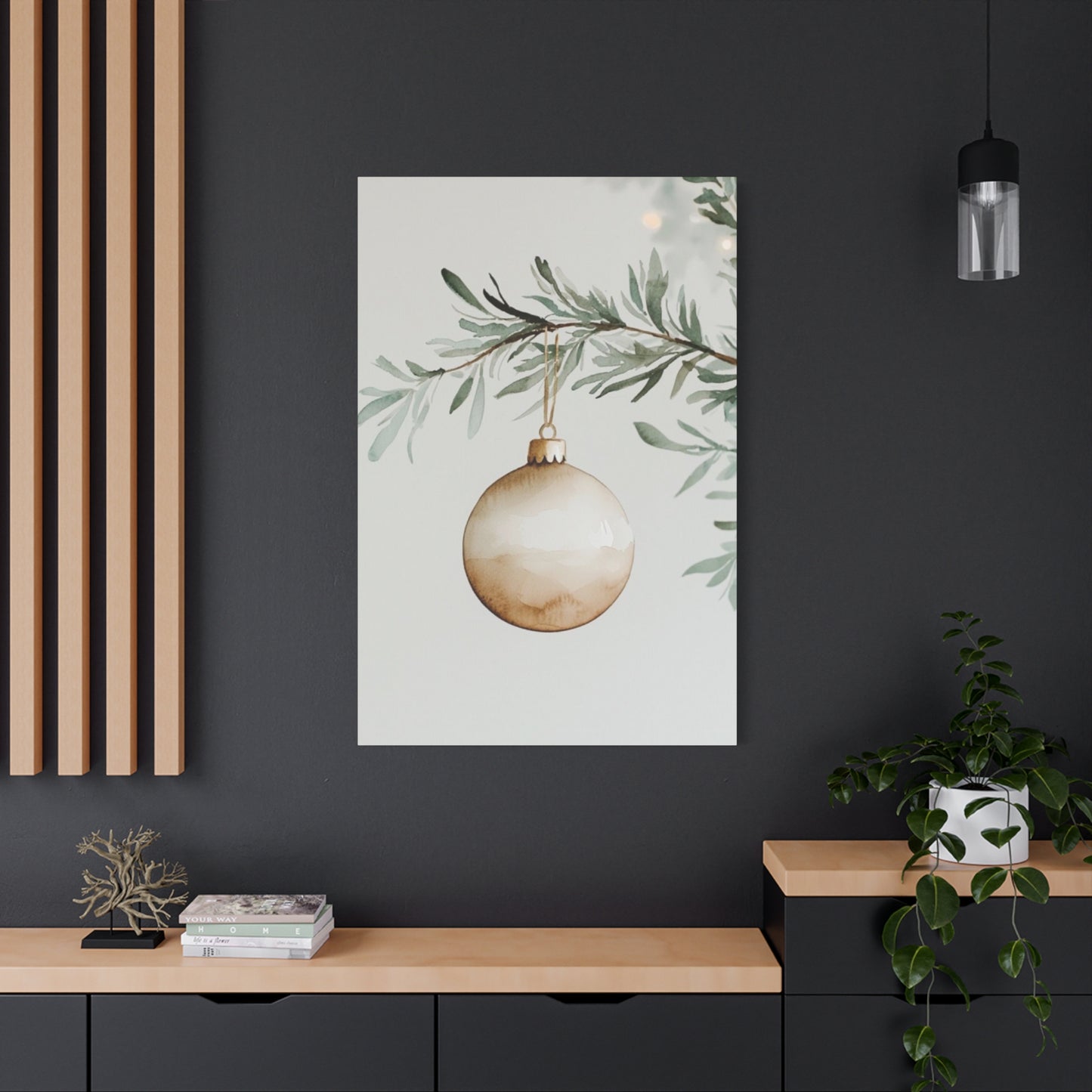
Decoration Christmas Ball Wall Art & Canvas Prints
Decoration Christmas Ball Wall Art & Canvas Prints
Couldn't load pickup availability
Ways to Display Decoration Christmas Ball Wall Art in Your Home During the Holiday Season
The festive period brings with it an opportunity to transform living spaces into magical wonderlands that capture the spirit of celebration and joy. Among the countless ornamental possibilities available to homeowners, one particular decorative element stands out for its versatility, visual impact, and ability to create stunning focal points throughout interior environments. This comprehensive exploration delves into the myriad possibilities surrounding the use of spherical ornaments as wall-mounted displays, offering detailed insights into creative arrangements, innovative hanging methods, color coordination strategies, and space-specific implementation ideas that can elevate your seasonal decor to extraordinary heights.
Exploring the Endless Possibilities of Spherical Ornaments as Wall-Mounted Displays
The concept of utilizing round festive ornaments beyond their conventional placement on evergreen trees has gained tremendous momentum in recent years, with interior design enthusiasts and homeowners discovering the remarkable potential these decorative elements possess when reimagined as wall art. This shift in perspective has opened up entirely new avenues for creative expression during the holiday season, allowing individuals to experiment with three-dimensional displays that add depth, texture, and visual interest to previously underutilized wall surfaces throughout their homes.
When considering the implementation of Decoration Christmas Ball Wall Art, it becomes immediately apparent that the possibilities extend far beyond simple random arrangement. The spherical nature of these ornaments lends itself beautifully to geometric patterns, organic flowing designs, and structured compositions that can be tailored to complement virtually any interior aesthetic. Whether your home features modern minimalist styling, rustic farmhouse charm, traditional elegance, or eclectic bohemian flair, there exists a configuration and color palette that will seamlessly integrate with your existing decor while adding that special festive touch that characterizes the season.
The visual impact created by these wall-mounted displays cannot be overstated. Unlike flat two-dimensional artwork, spherical ornaments catch and reflect light in constantly changing ways throughout the day, creating dynamic visual experiences that evolve with shifting natural illumination and artificial lighting sources. This characteristic makes them particularly effective in rooms that receive varied lighting conditions, as the ornaments will present different appearances during morning hours, afternoon sunlight, and evening ambiance, effectively providing multiple decorative experiences from a single installation.
Creating Stunning Geometric Patterns with Round Festive Ornaments
Geometric arrangements offer a structured, visually satisfying approach to displaying Decoration Christmas Ball Wall Art that appeals particularly to those who appreciate order, symmetry, and mathematical precision in their decorative schemes. These patterns can range from simple grid formations to complex tessellations that demonstrate sophisticated design thinking and careful planning. The beauty of geometric patterns lies in their ability to create visual harmony through repetition and balanced spacing, resulting in displays that feel cohesive and intentional rather than haphazard or random.
One particularly effective geometric approach involves creating a honeycomb pattern using ornaments of uniform size, arranging them in offset rows that mimic the natural structure found in beehives. This pattern works exceptionally well on larger wall surfaces and creates a mesmerizing effect that draws the eye across the entire display. The uniform spacing between each spherical element establishes rhythm and flow, while the offset positioning adds visual interest that prevents the arrangement from feeling too rigid or mechanical. This pattern can be executed using a single color for monochromatic impact, or multiple coordinated hues can be incorporated to add complexity and depth to the overall composition.
Another compelling geometric option involves creating concentric circles or spirals that emanate outward from a central focal point. This radial arrangement naturally draws attention toward the center of the display while simultaneously leading the eye outward along the curved pathways created by the ornament placement. The spiral configuration works particularly well in square or circular wall spaces, and can be adapted to accommodate varying wall dimensions by adjusting the number of rings or the tightness of the spiral formation. Color gradients work exceptionally well with this pattern, allowing for smooth transitions from darker outer edges to lighter central areas, or vice versa, depending on the desired visual effect.
Linear geometric patterns offer yet another avenue for creative expression, with parallel horizontal or vertical lines of ornaments creating strong directional emphasis within a space. Horizontal arrangements tend to make walls appear wider and can help lower the perceived ceiling height in rooms with uncomfortably tall proportions, while vertical configurations have the opposite effect, drawing the eye upward and making spaces feel more expansive. Diagonal arrangements introduce dynamic energy and movement to wall displays, breaking up the horizontal and vertical lines that dominate most interior spaces and adding an unexpected element that captures attention and generates visual interest.
Implementing Organic and Flowing Designs for Natural Aesthetic Appeal
While geometric patterns offer structure and order, organic flowing designs provide an entirely different aesthetic experience that feels more spontaneous, natural, and artistically expressive. These arrangements eschew rigid mathematical precision in favor of curves, waves, and asymmetrical compositions that evoke natural forms and phenomena. For those who prefer less structured decorative approaches or wish to create displays that feel more whimsical and playful, organic designs offer tremendous creative freedom and the opportunity to let artistic intuition guide placement decisions.
One particularly enchanting organic approach involves creating wave-like patterns that undulate across wall surfaces, mimicking the gentle movement of water or wind-blown grasslands. These flowing arrangements can be achieved by establishing a central baseline and then allowing the ornament placement to rise and fall in gentle curves that create visual rhythm without strict geometric regularity. The wavelike effect can be subtle with shallow curves, or dramatic with pronounced peaks and valleys that create bold visual statements. Varying the size of ornaments used within the wave pattern adds additional depth and complexity, with larger spheres anchoring the composition and smaller elements filling in gaps and extending the flow.
Another organic approach that has gained considerable popularity involves creating tree or branch-like formations that spread across walls in patterns reminiscent of natural growth. These arrangements typically begin with a single point or small cluster near one edge of the display area and then branch outward in increasingly complex networks that fill the available space with organic elegance. This method works particularly well for displaying Decoration Christmas Ball Wall Art because it allows for the incorporation of multiple colors and finishes in ways that feel natural and uncontrived, much like how different species of flowers might appear on a single plant or how autumn foliage displays multiple hues simultaneously.
Cascading or waterfall-inspired designs offer yet another organic possibility, with ornaments arranged to suggest downward movement and flow. These vertical arrangements work exceptionally well on tall wall surfaces or in spaces where ceiling height creates opportunities for dramatic vertical displays. The cascading effect can be enhanced by varying the density of ornament placement, creating areas of concentration interspersed with more sparse regions that suggest the way water droplets separate and gather as they fall. Transparent or translucent ornaments work particularly well in these configurations, as they enhance the water-like quality of the overall composition.
Mastering Color Coordination for Maximum Visual Impact
The color palette selected for your wall-mounted ornament display plays a crucial role in determining the overall mood, style, and visual impact of the finished arrangement. Color choices can dramatically alter how a space feels, influencing everything from perceived temperature to emotional responses and even how large or small a room appears. When planning Decoration Christmas Ball Wall Art, thoughtful color selection ensures that your display complements existing interior elements while still making a strong decorative statement that captures attention and generates the desired festive atmosphere.
Monochromatic color schemes, utilizing various shades and tints of a single hue, create sophisticated displays with inherent visual coherence. An all-white arrangement, for example, offers timeless elegance that works beautifully in contemporary spaces, reflecting light and creating an almost ethereal quality that feels fresh and modern. By incorporating ornaments in different finishes—matte, glossy, glittered, and metallic—within the same color family, you can add visual variety and textural interest while maintaining the cohesive simplicity that makes monochromatic schemes so appealing. Silver and gold monochromatic displays likewise offer classic sophistication with metallic glamour that catches and reflects ambient light throughout the room.
Analogous color schemes, which utilize colors adjacent to each other on the color wheel, provide harmonious combinations with slightly more visual complexity than monochromatic approaches. A blue-green-turquoise palette, for instance, evokes cool wintery sensations perfect for the season while maintaining color harmony that feels natural and pleasing to the eye. Similarly, warm analogous schemes featuring combinations of red, orange, and yellow create displays that radiate warmth and energy, perfect for spaces where you want to generate feelings of coziness and comfort during cold winter months.
Complementary color schemes pair colors opposite each other on the color wheel, creating high-contrast displays with maximum visual impact and energy. The classic combination of red and green remains popular for obvious seasonal reasons, but other complementary pairings offer fresh alternatives that can feel more unique and personalized. Blue and orange create vibrant contrasts that feel both festive and unexpected, while purple and yellow offer regal sophistication with surprising pop. When working with complementary colors in Decoration Christmas Ball Wall Art, consider using one color as the dominant element and the other as accent to prevent the display from feeling too visually aggressive or overwhelming.
Triadic color schemes employ three colors equally spaced around the color wheel, offering balanced complexity with plenty of visual interest. These schemes work particularly well for larger displays where you have room to distribute colors throughout the composition without creating visual confusion. A red-yellow-blue triadic scheme, for example, provides primary color vibrancy that feels cheerful and energetic, while a purple-orange-green combination offers more sophisticated complexity that works well in more refined decorative contexts. The key to successful triadic schemes lies in varying the proportions of each color used, allowing one to dominate while the others provide supporting accents.
Selecting Appropriate Wall Surfaces and Locations Throughout Your Home
The success of any wall-mounted ornament display depends significantly on selecting appropriate surfaces and locations that provide both practical hanging solutions and optimal viewing conditions. Different wall materials present varying challenges and opportunities when it comes to securely attaching ornaments, and the location you choose will determine how effectively your display is viewed and appreciated by household members and guests alike. Thoughtful consideration of these factors during the planning stage prevents frustration during implementation and ensures your Decoration Christmas Ball Wall Art achieves its full visual potential.
Drywall surfaces represent the most common wall material in contemporary homes and offer relatively straightforward hanging possibilities through various methods we'll explore in subsequent sections. These surfaces accept adhesive hooks, small nails, and other mounting solutions with minimal difficulty, though care must be taken to avoid creating excessive holes or damage that will require repair after the holiday season. When working with drywall, it's important to consider whether ornaments will be hung directly against the wall surface or suspended slightly away from it, as this decision influences both the visual effect and the mounting method required.
Plaster walls, more common in older homes, present slightly different considerations than drywall. While these surfaces are typically more durable and can support heavier hanging solutions, they're also more prone to crumbling and may require specialized hardware for secure mounting. When planning ornament displays on plaster surfaces, pilot holes may be beneficial for preventing cracks and ensuring clean installations. The enhanced durability of plaster does offer advantages for more ambitious displays involving heavier ornaments or complex hanging systems that require stronger mounting points than contemporary drywall might comfortably support.
Brick and stone surfaces offer unique aesthetic backdrops for ornament displays but require specialized mounting approaches due to their hard, uneven textures. Adhesive solutions generally work poorly on these materials, making mechanical fasteners or specialized brick hangers necessary for secure attachment. However, the textural contrast between smooth spherical ornaments and rough masonry surfaces creates visually striking juxtapositions that can be extremely effective in the right decorative context. Exposed brick walls, in particular, provide wonderfully rustic backdrops that complement vintage-style ornaments and create displays with exceptional character and visual interest.
Wood paneling and shiplap surfaces, increasingly popular in contemporary home design, provide excellent backdrops for ornament displays while offering straightforward mounting possibilities. The natural warmth of wood complements the festive nature of seasonal decorations beautifully, and the linear patterns created by paneling seams can actually assist in planning geometric ornament arrangements by providing built-in alignment guides. Small nails or adhesive hooks work well on wood surfaces, and any resulting holes are typically easy to fill and touch up with matching stain or paint once decorations are removed.
Location selection within your home should consider traffic patterns, viewing angles, and the functional use of each space. Entryway walls offer excellent opportunities for impactful displays that immediately greet arriving guests and set festive tones for entire homes. Living room accent walls provide large canvases for ambitious arrangements that become focal points during holiday gatherings and family celebrations. Dining room displays create festive backdrops for holiday meals and parties, while stairway walls offer unique vertical display possibilities that can be viewed from multiple levels and angles as people move through homes.
Exploring Various Hanging Methods and Mounting Solutions
The practical matter of actually attaching ornaments to wall surfaces requires careful consideration of various hanging methods, each offering distinct advantages and appropriate use cases depending on your specific situation. The mounting solution you select will be influenced by factors including wall surface type, ornament weight, desired visual effect, rental restrictions, and how much effort you're willing to invest in both installation and eventual removal. Understanding the full range of available options allows you to make informed decisions that balance practical considerations with aesthetic goals for your Decoration Christmas Ball Wall Art.
Adhesive hooks represent perhaps the most popular mounting solution for temporary holiday displays, offering strong holding power without requiring holes or permanent alterations to wall surfaces. Modern adhesive hooks utilize sophisticated bonding agents that create secure attachments to most smooth surfaces while remaining removable without damage when proper removal techniques are employed. These hooks come in various weight ratings, allowing you to match holding strength to ornament weight for secure attachment. Clear adhesive strips maintain minimal visual presence, effectively disappearing against most wall colors and allowing ornaments to appear as though they're floating against surfaces. When using adhesive hooks, proper surface preparation is essential—walls should be clean, dry, and free from dust or oils that might compromise adhesion strength.
Small finishing nails or push pins offer traditional mounting solutions that create minimal wall damage while providing secure attachment points for lightweight ornaments. These options work particularly well for drywall and wood surfaces, though they're less suitable for plaster or masonry walls. The small holes left behind after removal are easily filled with lightweight spackle and touched up with paint, making this approach viable even for those concerned about maintaining pristine wall conditions. When using nails or pins, angling them slightly upward prevents ornaments from sliding off, and placing them at hook attachment points rather than through ornament tops preserves ornament condition for future use.
Tension rods installed between walls or within recessed spaces offer creative mounting solutions that avoid wall attachment entirely. This approach works particularly well in hallways, between door frames, or in other spaces where parallel surfaces allow rod installation. Ornaments can be hung from the rod using varying lengths of fishing line or ribbon, creating layered displays with dimensional depth. This method offers the advantage of being completely removable without any wall impact whatsoever, making it ideal for rental situations or for those who strongly prefer to avoid even minor wall alterations. The arrangement can be easily adjusted or reconfigured simply by sliding ornaments along the rod or changing hanging lengths.
Magnetic mounting solutions provide elegant options for those with metal surfaces or who are willing to install thin magnetic strips or sheets on walls as base supports. This approach allows for completely flexible arrangement and rearrangement throughout the season without any adhesive residue or holes. Ornaments require magnetic backing—either inherent in their construction or added via adhesive magnetic discs—but once this is addressed, the system offers unparalleled flexibility. Magnetic mounting works particularly well for those who enjoy changing their displays periodically or who want the ability to easily adjust spacing and positioning until achieving perfect composition.
Fishing line or clear monofilament creates nearly invisible suspension systems that allow ornaments to appear as though they're floating against wall surfaces. This method requires ceiling or upper wall attachment points but creates ethereal effects that are particularly striking with transparent or reflective ornaments. The invisibility of the fishing line focuses viewer attention entirely on the ornaments themselves without visual distraction from mounting hardware. This approach does require more involved installation than some alternatives, but the resulting aesthetic effect justifies the additional effort for those seeking particularly elegant or sophisticated displays.
Incorporating Different Ornament Sizes for Dimensional Depth
The strategic use of varying ornament sizes within your display adds crucial dimensional depth that prevents arrangements from appearing flat or monotonous. Size variation creates visual hierarchy, establishes focal points, and generates rhythm that guides the viewer's eye through the composition in intentional ways. When planning Decoration Christmas Ball Wall Art, thoughtful consideration of size distribution ensures your display achieves maximum visual impact while maintaining balanced composition that feels professionally executed rather than haphazardly assembled.
Large statement ornaments serve as anchor points within compositions, drawing immediate attention and establishing primary focal areas around which smaller elements can be arranged. These substantial pieces work particularly well as central elements in radial designs or as punctuation marks in linear arrangements, providing visual weight that grounds compositions and prevents them from feeling insubstantial or scattered. Oversized ornaments—those measuring four inches or more in diameter—create dramatic presence that makes strong decorative statements even from considerable viewing distances. When incorporating large ornaments, ensure your mounting solutions provide adequate support for their increased weight, as standard adhesive hooks may prove insufficient for heavier pieces.
Medium-sized ornaments, typically ranging from two to three inches in diameter, form the backbone of most displays, providing the bulk of visual coverage while offering versatile sizing that works well in various arrangement contexts. These workhorse elements fill space effectively without overwhelming compositions or creating overly sparse distributions. Medium ornaments work well in repetitive patterns where uniformity is desired, and their moderate size allows for comfortable density in arrangements without requiring excessive quantities to achieve full coverage. When working primarily with medium-sized ornaments, introducing occasional larger or smaller elements prevents monotony and adds visual interest through size contrast.
Small accent ornaments measuring one inch or less in diameter serve as delicate finishing touches that fill gaps, extend lines, and add sparkle to arrangements without competing with larger focal elements. These diminutive pieces can be clustered in groups for collective visual impact or scattered throughout displays to create connections between larger ornament groupings. Miniature ornaments work particularly well for creating transition zones between different sections of complex arrangements or for softening edges and boundaries that might otherwise feel too abrupt or harsh. Their small scale makes them ideal for detailed work in areas where larger ornaments would overwhelm or create visual congestion.
Gradient sizing, where ornaments progressively increase or decrease in size across a display, creates dynamic movement and directional flow that guides viewer attention along intended pathways. This approach works beautifully in wave patterns, spiral arrangements, and cascading designs where the size progression reinforces the sense of movement suggested by the overall configuration. A display that begins with small ornaments at one edge and gradually transitions to large elements at the opposite side creates strong directional emphasis that pulls the eye across the entire composition, encouraging complete visual engagement with the full display rather than attention focused solely on isolated areas.
Random size distribution offers a more organic, spontaneous aesthetic that feels natural and uncontrived. This approach works well for those seeking less formal displays or for arrangements meant to feel playful and whimsical rather than structured and serious. When implementing random sizing, maintain awareness of overall balance to prevent areas of excessive visual weight from creating lopsided compositions. Even in seemingly random arrangements, strategic placement of larger elements can establish underlying structure that provides cohesion without obvious geometric rigidity.
Working with Various Ornament Finishes and Surface Textures
Beyond size and color considerations, the finish and surface texture of ornaments significantly influence the overall appearance and atmospheric quality of wall displays. Different finishes interact with light in distinct ways, creating varied visual effects that can dramatically alter how arrangements are perceived under different lighting conditions. When curating ornaments for Decoration Christmas Ball Wall Art, mixing various finishes creates textural richness that adds complexity and visual interest far beyond what single-finish displays can achieve.
Glossy finishes offer high reflectivity that creates bright highlights and mirror-like reflections of surrounding light sources. These shiny surfaces catch and bounce light throughout rooms, creating dynamic displays that sparkle and shimmer with any movement of light sources or viewing positions. Glossy ornaments work particularly well in rooms with strong lighting, where their reflective properties can be fully appreciated and exploited for maximum visual impact. However, these finishes do show dust and fingerprints readily, requiring careful handling during installation and potentially more maintenance throughout the display period to maintain pristine appearance.
Matte finishes provide the opposite effect, absorbing rather than reflecting light to create soft, subdued appearances that feel sophisticated and contemporary. These non-reflective surfaces offer excellent color saturation, displaying hues in their truest, most intense forms without the light interference that glossy finishes introduce. Matte ornaments work beautifully in monochromatic schemes where subtle color variations provide visual interest without sparkle or shine. They also photograph extremely well, making them excellent choices if you plan to capture and share images of your displays through social media or personal documentation.
Metallic finishes in gold, silver, copper, and bronze bring inherent glamour and luxury to ornament displays. These finishes combine some of the reflective qualities of glossy surfaces with the color richness of matte finishes, creating sophisticated middle-ground options that feel festive without excessive sparkle. Metallic ornaments work beautifully in both traditional and contemporary settings, offering versatile styling that complements virtually any decorative approach. When mixing metallic finishes, consider whether warm metals (gold, copper, bronze) or cool metals (silver, platinum, chrome) better complement your existing interior palette, or create eclectic combinations that incorporate both warm and cool metallics for added visual complexity.
Glittered surfaces add textural dimension along with spectacular light interaction, creating ornaments that sparkle from every angle regardless of lighting conditions. The three-dimensional nature of glitter particles catches light differently than smooth glossy surfaces, creating more dispersed sparkle that feels energetic and festive. Glittered ornaments do shed their coating over time with handling, so they're best reserved for displays where they won't be frequently touched or adjusted. When incorporating glittered pieces into Decoration Christmas Ball Wall Art, consider them accent elements rather than primary components, as excessive glitter can feel overwhelming or create visual chaos in large quantities.
Frosted or pearl finishes offer luminous, softly reflective surfaces that seem to glow with internal light. These finishes create ethereal, dreamy qualities that work beautifully in romantic or elegant decorative schemes. Frosted ornaments diffuse light rather than reflecting it sharply, creating gentle ambient glow that feels warm and inviting. These finishes photograph beautifully and work particularly well in displays where you want to create calm, serene atmospheres rather than high-energy festive excitement.
Textured surfaces featuring raised patterns, facets, or three-dimensional embellishments add tactile interest alongside visual complexity. These ornaments create additional depth through shadow patterns cast by their surface irregularities, generating visual interest that remains compelling even in subdued lighting conditions. Textured ornaments work well as accent pieces within primarily smooth-surfaced displays, creating focal points through their distinctive appearance. When hung on walls, the side-lighting conditions often present highlight textural elements more effectively than overhead lighting, making these ornaments particularly effective in wall-mounted applications.
Designing Theme-Based Displays for Cohesive Storytelling
Moving beyond purely aesthetic considerations, theme-based ornament displays offer opportunities to create cohesive narratives and express specific concepts or interests through your decorative choices. Themed arrangements feel more intentional and personally meaningful than generic displays, reflecting the personalities, interests, and values of the households they adorn. When developing themed Decoration Christmas Ball Wall Art, selecting ornaments that support your chosen concept while maintaining visual appeal ensures displays that are both beautiful and meaningful.
Winter wonderland themes embrace icy elegance through cool color palettes dominated by whites, silvers, blues, and crystal-clear transparent ornaments. This theme evokes frozen landscapes, falling snow, and the pristine beauty of winter environments. Ornaments with snowflake patterns, icicle shapes, and frost-like finishes reinforce the winter concept, while incorporating various shades of blue from pale sky to deep midnight creates depth and visual interest within the cool palette. This theme works particularly well in spaces with white or light gray walls, where the cool ornament colors create beautiful tonal harmonies with the background surface.
Rustic woodland themes draw inspiration from natural forest environments, incorporating earthy tones, organic materials, and nature-inspired imagery. Color palettes for this theme typically feature warm browns, deep greens, burnt oranges, and natural wood tones. Ornaments with pinecone motifs, woodland creature imagery, or those featuring natural materials like wood slices or burlap integrate seamlessly with this concept. When creating rustic themed displays, consider incorporating non-ornament elements like preserved pine branches, dried orange slices, or cinnamon sticks to enhance the natural aesthetic and add authentic organic elements to your wall arrangement.
Vintage nostalgia themes celebrate the ornamental styles and color palettes of past decades, evoking memories and creating connections to decorative traditions from earlier eras. This theme might focus on specific periods—such as 1950s kitsch with bright primary colors and retro shapes, or Victorian elegance with rich jewel tones and ornate embellishments. Authentic vintage ornaments can be incorporated if available and budget allows, though reproduction pieces styled after historical designs work equally well for achieving the desired aesthetic. This theme resonates particularly strongly with those who have fond memories of specific eras or who collect vintage items and want their seasonal decor to align with their year-round collecting interests.
Coastal or nautical themes bring seaside sensibilities to holiday decorating through maritime color palettes and ocean-inspired imagery. Blues and whites dominate these schemes, often accented with sandy beiges, coral pinks, or aqua greens. Ornaments featuring shells, starfish, anchors, or other marine motifs support the coastal concept, while rope or net elements can be incorporated into mounting systems to reinforce the nautical theme. This approach works beautifully in coastal homes or for those who want to maintain their beach-inspired decor sensibilities even during winter months when traditional holiday colors might otherwise dominate.
Modern minimalist themes strip away decorative excess to focus on clean lines, simple forms, and restrained color palettes. These displays typically feature monochromatic or highly limited color schemes with emphasis on form and negative space rather than density and abundance. Geometric arrangements work particularly well with minimalist themes, as do displays that incorporate significant empty wall space as an intentional design element rather than space simply awaiting additional ornaments. This theme appeals to those with contemporary interior aesthetics who want seasonal decorations that complement rather than conflict with their existing minimalist sensibilities.
Glamorous luxury themes embrace opulence through rich metallic finishes, jewel-tone colors, and ornate embellishments. Gold, silver, and crystal dominate these displays, often accented with deep purples, rich burgundies, or emerald greens. Ornaments with rhinestone accents, beaded details, or metallic filigree patterns support the luxurious aesthetic, while high-gloss finishes maximize light reflection and sparkle. This theme works beautifully in formal spaces or for those who enjoy creating drama and sophistication in their decorative choices. The glamorous approach to Decoration Christmas Ball Wall Art makes strong visual statements that capture attention and convey refined elegance.
Creating Displays Tailored to Specific Room Functions and Characteristics
Different rooms within homes serve distinct purposes and possess unique characteristics that should inform ornament display design. Tailoring your arrangements to the specific functional and aesthetic qualities of each space ensures that displays enhance rather than conflict with how rooms are actually used and experienced. Room-specific considerations influence optimal placement locations, appropriate scale, suitable color choices, and thematic directions for Decoration Christmas Ball Wall Art throughout your home.
Living rooms typically serve as primary gathering spaces where families congregate and guests are entertained, making them ideal locations for ambitious, eye-catching ornament displays that make strong decorative statements. These rooms often feature large wall surfaces perfect for expansive arrangements that fill significant areas and create major focal points within the space. Living room displays can be more elaborate and detailed than those in other spaces, as people spend extended time in these rooms and have opportunities to appreciate complex arrangements from comfortable viewing positions. Consider positioning living room displays above sofas, on chimney breasts, or other prominent walls that naturally draw attention and provide ideal viewing conditions for showcasing your decorative efforts.
Dining rooms benefit from displays that enhance the festive atmosphere during holiday meals and gatherings without overwhelming the space or competing with table settings for visual attention. Wall displays in dining rooms work best when they complement rather than distract from the central focus on the dining table itself. Consider creating more subdued arrangements using refined color palettes and elegant styling that feels sophisticated rather than exuberant. Positioning displays on walls perpendicular to the typical dining table orientation allows them to be appreciated while seated without creating visual distraction directly in the sight lines between dinner companions.
Entryways and foyers offer prime opportunities for impactful displays that immediately establish festive atmospheres and welcome arriving guests. These transitional spaces often feature convenient wall surfaces positioned at ideal viewing distances and angles for maximum impact. Entryway displays should be visually striking enough to make immediate impressions while remaining appropriately scaled to often-limited space dimensions. Consider creating vertical arrangements that make effective use of typically narrow wall surfaces common in entry areas, or position displays on the primary wall visible immediately upon entry to maximize initial impact.
Bedroom displays should promote restful, calming atmospheres rather than visual excitement, suggesting more subdued color palettes and arrangements that feel serene rather than energetic. Soft, muted tones or monochromatic schemes work well in sleeping spaces, as do smaller-scale displays that provide festive touches without overwhelming the space. Consider positioning bedroom ornament arrangements where they'll be visible but not distracting—perhaps on walls opposite the bed where they can be appreciated while getting ready in the morning but won't interfere with nighttime relaxation and sleep.
Hallways present unique long, narrow display opportunities that call for linear arrangements running horizontally along available wall length. These transitional spaces allow for creative displays that unfold gradually as people move through them, offering opportunities for sequential or narrative arrangements where the display evolves from one end to the other. Hallway displays should remain visually interesting from oblique viewing angles since people typically experience these spaces while moving parallel to walls rather than viewing them straight-on from distance. Consider creating rhythmic patterns with repeating elements at regular intervals, or develop gradient progressions that evolve smoothly along the hallway length.
Stairway walls offer dramatic vertical display opportunities where ornament arrangements can extend across multiple floor levels and be viewed from various angles and distances as people ascend or descend. These spaces work wonderfully for cascading or flowing designs that complement the vertical movement inherent in stairs themselves. When creating stairway displays, ensure that installations don't protrude too far from wall surfaces where they might pose collision hazards for people using stairs. Consider how the display appears from both ascending and descending viewpoints, as these perspectives present dramatically different viewing experiences of the same arrangement.
Kitchen displays should be positioned away from food preparation areas and cooking surfaces where heat, moisture, and potential contact with food might be concerns. However, kitchens often feature excellent wall space on surfaces away from work zones where cheerful, colorful displays can enhance the warm, gathering-focused nature these spaces often possess. Kitchen-appropriate displays might incorporate food-themed ornaments or utilize color palettes that complement existing kitchen color schemes and finishes. Consider smaller-scale arrangements that provide festive touches without consuming wall space that might be needed for functional purposes.
Bathroom displays typically work best as small, intimate arrangements that provide unexpected delightful surprises in spaces where elaborate decorating is less common. Simple clusters of complementary ornaments create sufficient festive presence without overwhelming typically limited bathroom wall space. Consider moisture-resistant ornament materials that can withstand the humid conditions bathrooms regularly experience, and position displays away from direct shower or bathtub spray zones where water contact might damage ornaments or mounting materials.
Conclusion
Lighting plays a crucial role in maximizing the visual impact and atmospheric qualities of ornament displays. Thoughtful illumination transforms arrangements from daytime decorations into evening focal points that take on entirely different characters under artificial lighting conditions. When developing plans for Decoration Christmas Ball Wall Art, considering how arrangements will be lit and appear under various lighting conditions ensures displays that remain compelling throughout the day and particularly during evening hours when many holiday gatherings and family time occurs.
String lights or fairy lights integrated directly into ornament displays create magical, twinkling effects that enhance festive atmosphics tremendously. These miniature lights can be woven between ornaments, draped in complementary patterns, or positioned behind displays to create glowing halos that highlight ornament silhouettes. Battery-operated LED string lights offer particular convenience for wall displays, eliminating concerns about cord routing and outlet proximity while providing energy-efficient illumination that generates minimal heat. Warm white lights create cozy, traditional atmospheres, while cool white options offer more contemporary aesthetics. Multi-colored lights add playful, energetic qualities but should be used judiciously as they can feel overwhelming or visually chaotic in large quantities.
Spotlight or directional lighting focused on ornament displays from track lights, picture lights, or adjustable lamps creates dramatic highlighting that emphasizes arrangements and makes them stand out as true focal points within rooms. This approach works particularly well with reflective finishes like glossy or metallic ornaments that catch and reflect directed light beautifully. When positioning directional lighting, experiment with angles to find positions that create appealing highlight patterns and minimize harsh shadows that might detract from overall visual appeal. Lighting from slightly above and to one side typically produces more dimensional, sculptural effects than straight-on illumination from directly in front of displays.
Backlighting, where light sources are positioned behind or around ornament arrangements, creates dramatic halo effects and silhouettes that emphasize shape and form while creating atmospheric glow. This approach works particularly well with translucent or transparent ornaments that allow light to pass through them, creating luminous effects that seem to emanate from within the ornaments themselves. LED strip lights affixed to walls around display perimeters provide effective backlighting solutions that remain largely invisible while producing beautiful glow effects. This lighting approach works especially well in dimmed or dark environments where the backlit display becomes a primary light source contributing to overall room illumination.
Ambient room lighting must be considered when planning ornament displays, as existing fixtures will influence how arrangements appear during normal daily use of spaces. Natural daylight streaming through windows interacts with ornaments differently than overhead ceiling fixtures or table lamps, creating various appearances throughout the day. When positioning displays, consider how they'll appear under typical lighting conditions for that space rather than only how they look under ideal or dramatic special-purpose lighting. Arrangements that look spectacular under targeted spotlighting may appear flat and uninteresting under standard overhead ambient lighting if not planned with these common conditions in mind.
Candles positioned near ornament displays create romantic, flickering illumination that generates constantly shifting light patterns across ornaments and surrounding surfaces. While traditional flame candles offer authentic ambiance, LED flameless candles provide safer alternatives that eliminate fire hazards while still producing the warm, flickering effects that make candlelight so appealing. Position candles at varying heights and distances from displays to create layered lighting effects with multiple moving light sources. The warm golden light of candlelight particularly complements gold and copper metallic ornaments while creating cozy atmospheres perfect for intimate holiday gatherings.
Smart lighting systems with color-changing capabilities open up creative possibilities for displays that can shift appearance dramatically to suit different moods or occasions. These systems allow you to alter the color of light illuminating your Decoration Christmas Ball Wall Art, effectively changing the perceived colors of reflective ornaments without physically modifying the arrangement. A display of white or silver ornaments, for example, can be bathed in red light for traditional holiday appearance, shifted to blue for winter wonderland effects, or illuminated with purple for more unexpected creative expressions. This flexibility allows a single permanent arrangement to serve multiple aesthetic purposes throughout the season.
While often associated specifically with a single holiday, ornament displays can be designed to remain relevant throughout extended winter periods by incorporating flexible elements and transitional design strategies. This approach maximizes the value and impact of decorating efforts by creating displays that work for multiple occasions and timeframes rather than requiring complete teardown and reinstallation for each specific celebration. When planning extended-season Decoration Christmas Ball Wall Art, consider design choices that allow arrangements to transition smoothly through various winter observances and celebrations.
Early season displays might begin with Thanksgiving or late autumn themes before transitioning into specific holiday focuses. Incorporating warm metallics like copper and bronze alongside traditional golds creates schemes that feel appropriate for both autumn harvest celebrations and subsequent winter holidays.
Share