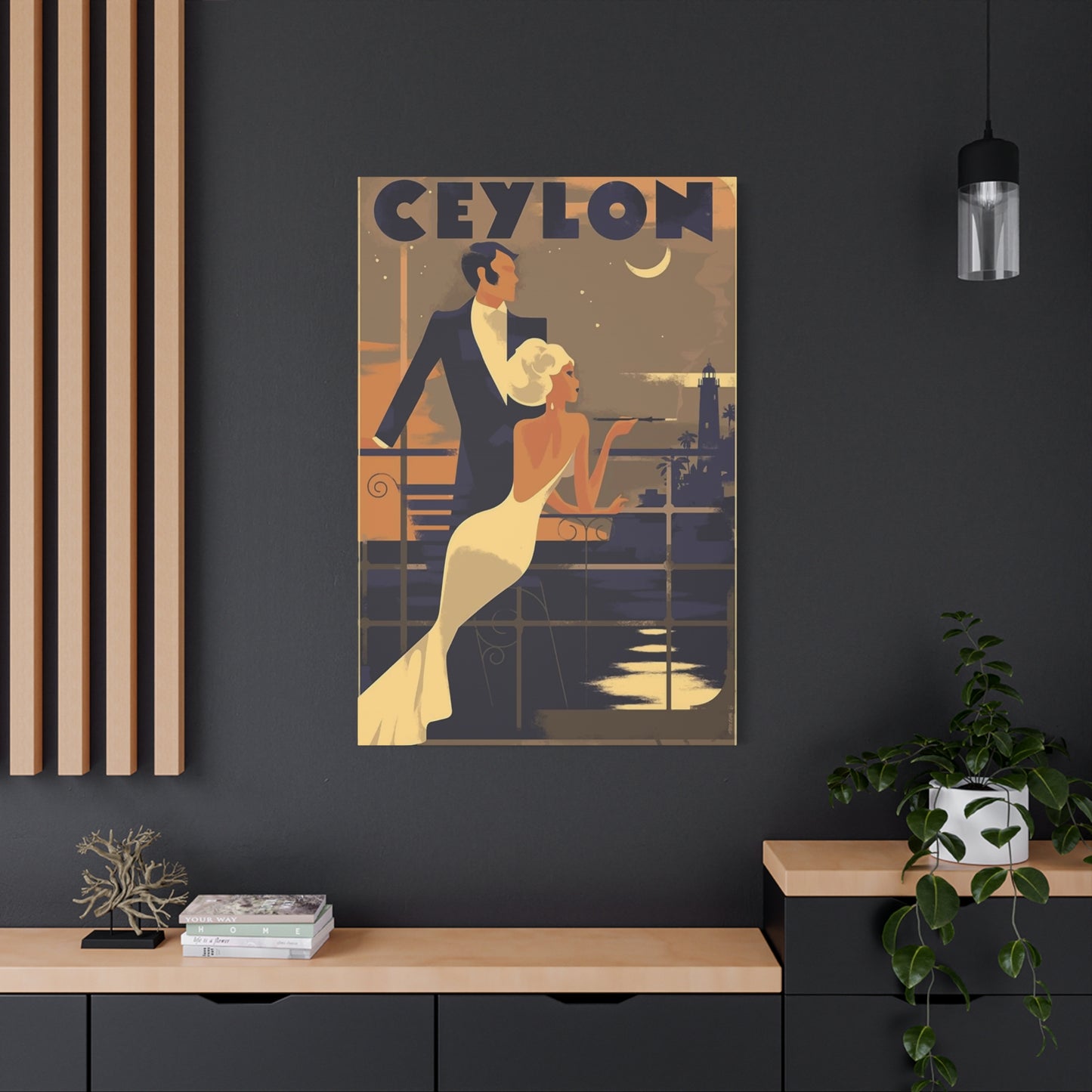
Deco Wall Art & Canvas Prints
Deco Wall Art & Canvas Prints
Couldn't load pickup availability
Step Into the Creative World of Deco Wall Art: A Complete Guide to Selecting and Showcasing Art with Excellence
Deco wall art represents a transformative force in interior design, breathing life into ordinary spaces through carefully curated visual elements that reflect personal style and aesthetic preferences. This comprehensive exploration delves into every facet of decorative wall artistry, from its foundational concepts to the intricate details of creating stunning visual narratives within your living environment.
The concept of deco wall art encompasses a vast spectrum of visual elements designed to enhance interior environments through strategic placement and thoughtful selection. This artistic approach transforms bare walls into captivating canvases that communicate personality, evoke emotions, and establish atmospheric qualities within residential and commercial settings alike. The practice involves selecting pieces that resonate with individual sensibilities while maintaining harmonious relationships with existing architectural features and furnishing elements.
Contemporary interpretations of decorative wall artistry extend far beyond traditional framed paintings, incorporating diverse mediums such as sculptural installations, textile hangings, photographic compositions, and mixed-media creations. Each category offers distinct advantages and aesthetic possibilities, allowing individuals to craft spaces that genuinely reflect their unique perspectives and lifestyle preferences. The selection process demands careful consideration of numerous factors, including scale, color relationships, thematic consistency, and spatial dynamics.
Understanding the foundational principles behind effective wall decoration requires examining how visual elements interact with their surrounding environment. Light conditions, wall textures, color schemes, and furniture arrangements all influence how artwork appears and functions within a given space. Successful implementation considers these variables holistically, ensuring that chosen pieces enhance rather than overwhelm or underwhelm their designated locations.
Examining Various Categories and Styles Within the Decorative Wall Art Spectrum
The remarkable diversity within deco wall art categories ensures that individuals can discover pieces perfectly suited to their aesthetic preferences and spatial requirements. Abstract compositions offer dynamic visual interest through non-representational forms, employing color, line, shape, and texture to create emotionally resonant experiences. These works excel in contemporary settings where bold statements and creative expression take precedence over literal representation.
Representational artworks depicting recognizable subjects—landscapes, portraits, still lifes, and architectural studies—provide familiar visual anchors that many find comforting and accessible. These pieces can transport viewers to distant locations, commemorate important moments, or celebrate natural beauty through skilled artistic interpretation. The choice between abstraction and representation often reflects deeper personal inclinations regarding how one prefers to engage with visual stimuli.
Minimalist approaches emphasize simplicity, restraint, and intentional negative space, creating serene environments that promote contemplation and mental clarity. These sparse compositions work exceptionally well in spaces where visual calm is prioritized, such as bedrooms, meditation areas, and professional offices. Conversely, maximalist expressions embrace abundance, layering multiple elements, rich colors, and intricate details to generate visually stimulating environments that captivate attention and spark conversation.
Geometric patterns bring mathematical precision and visual rhythm to interior spaces, ranging from subtle repeating motifs to bold, eye-catching configurations. These designs complement modern architectural features particularly well, reinforcing clean lines and structured aesthetics. Organic forms inspired by nature offer softer alternatives, incorporating flowing lines, botanical elements, and biomorphic shapes that create visual harmony and promote connections with the natural world.
Investigating Material Composition and Construction Methods for Various Wall Art Forms
The physical materials comprising deco wall art significantly influence both aesthetic appearance and practical considerations such as durability, weight, and maintenance requirements. Canvas-based works remain among the most popular options, offering excellent color reproduction, textural interest, and relative affordability. Stretched canvas provides a traditional presentation method, while canvas wraps eliminate the need for additional framing, creating sleek, contemporary displays.
Metal wall sculptures and decorative panels introduce dimensional elements and reflective properties that add dynamic visual interest. Steel, aluminum, copper, and bronze each possess distinct characteristics regarding color, patina development, and weight considerations. These materials excel in creating statement pieces that project strength, sophistication, and modern sensibilities. Surface treatments ranging from polished finishes to deliberately oxidized patinas expand creative possibilities within metallic mediums.
Wooden constructions bring organic warmth and natural texture to interior environments, available in species ranging from light maple to rich walnut. Carved relief panels, assembled geometric designs, and reclaimed wood installations each offer unique aesthetic qualities and craftsmanship appeals. Wood's versatility allows for treatments including staining, painting, burning, and natural finishing, accommodating diverse stylistic preferences from rustic farmhouse to refined Scandinavian minimalism.
Textile-based wall hangings—tapestries, macramé installations, quilted panels, and woven works—introduce softness, acoustic dampening properties, and tactile richness. These pieces particularly suit spaces where comfort and warmth are priorities, such as bedrooms and cozy gathering areas. The dimensional qualities of textile arts create subtle shadow play and visual depth that flat surfaces cannot replicate.
Glass artworks, including fused glass panels, etched designs, and stained glass compositions, manipulate light in captivating ways, creating ever-changing visual experiences as natural illumination shifts throughout the day. These pieces range from delicate, ethereal creations to bold, architectural statements depending on scale, color saturation, and compositional complexity.
Decoding the Psychology Behind Color Selection in Interior Wall Decoration Schemes
Color psychology plays a crucial role in how deco wall art influences emotional states and spatial perception within interior environments. Warm hues—reds, oranges, yellows—generate energy, excitement, and feelings of warmth, making them excellent choices for social spaces where interaction and activity are desired. These colors advance visually, making walls appear closer and spaces feel more intimate and cozy.
Cool tones—blues, greens, purples—promote calmness, concentration, and relaxation, ideally suited for private retreats, professional workspaces, and meditation areas. These colors recede visually, creating illusions of expanded space and atmospheric depth. The specific shade selections within cool families dramatically impact psychological effects; deep navy evokes sophistication and contemplation, while pale aqua suggests tranquility and openness.
Neutral palettes—grays, beiges, taupes, whites, blacks—provide versatile foundations that accommodate evolving design schemes and allow other elements to claim visual prominence. Contrary to perceptions of blandness, sophisticated neutral applications create refined, timeless environments that never appear dated or overwhelming. The interplay between various neutral tones generates subtle visual interest and dimensional qualities that reward careful observation.
Complementary color relationships—opposite positions on the color wheel—create vibrant, energetic compositions with high visual impact. These dynamic pairings demand skillful balancing to avoid overwhelming spaces or creating visual fatigue. Analogous color schemes utilizing adjacent wheel positions generate harmonious, flowing compositions that feel naturally cohesive and restful to observe.
Monochromatic approaches exploring variations within single color families demonstrate how value, saturation, and temperature shifts create sophisticated visual interest without introducing additional hues. These refined schemes project elegance and intentionality while maintaining strong cohesive identities throughout spaces.
Strategic Placement Considerations for Maximizing Visual Impact and Spatial Harmony
Determining optimal placement positions for deco wall art requires careful analysis of architectural features, furniture arrangements, traffic patterns, and viewing angles within spaces. The standard guideline suggesting artwork centers should align approximately 57 inches from floor level—corresponding to average eye height in museum galleries—provides a useful starting reference, though individual circumstances often warrant adjustments based on ceiling heights, furniture scales, and viewer positions.
Large-scale statement pieces function most effectively when given adequate surrounding space to breathe, preventing visual crowding that diminishes impact. These commanding works typically anchor focal wall positions above sofas, beds, or fireplace mantels, establishing clear hierarchies within room compositions. The relationship between artwork dimensions and furniture scales below significantly affects visual balance; pieces should generally span two-thirds to three-quarters of furniture widths to maintain proportional harmony.
Gallery wall configurations grouping multiple smaller pieces create visual weight comparable to single large-scale works while offering greater flexibility for incorporating diverse styles, subjects, and frames. Successful gallery arrangements require careful planning regarding spacing consistency, alignment strategies, and compositional balance. Grid layouts project orderly precision, while salon-style arrangements embracing varied sizes and asymmetrical placements generate more dynamic, collected-over-time aesthetics.
Vertical arrangements draw eyes upward, emphasizing ceiling heights and creating perceptions of expanded space—particularly valuable in rooms with modest square footage. Horizontal configurations reinforce lateral movement and stability, working particularly well above lengthy furniture pieces such as console tables and sectional sofas. Stairway walls present unique opportunities for ascending or descending arrangements that guide movement through transitional spaces.
Corner placements often represent underutilized opportunities for introducing visual interest in spaces where walls meet at angles. Properly scaled pieces in these positions activate dead zones and create discoveries that reward exploration throughout rooms. Unexpected locations—above doorways, on narrow wall segments between windows, or in alcoves—can showcase smaller works that might disappear on expansive open walls.
Illumination Strategies That Enhance Artwork Visibility and Dramatic Presentation
Proper lighting transforms how deco wall art appears and functions within interior environments, dramatically affecting color accuracy, dimensional perception, and overall visual impact. Natural daylight provides the most accurate color rendering but varies significantly throughout days and seasons, requiring supplemental artificial illumination for consistent presentation. UV-filtering window treatments protect valuable pieces from light-induced fading while maintaining visibility and brightness levels.
Dedicated picture lighting—track systems, adjustable spotlights, and mounted fixtures—allows precise control over illumination angles, intensity, and focus. Positioning lights at approximately 30-degree angles from artwork surfaces minimizes glare while creating subtle dimensional modeling that enhances textural qualities. LED sources offer superior color rendering indices, minimal heat generation, and exceptional energy efficiency compared to traditional incandescent or halogen alternatives.
Ambient room lighting affects how artwork integrates with overall environments, influencing whether pieces stand as isolated focal points or blend harmoniously with surroundings. Layered lighting schemes incorporating task, accent, and general illumination create flexibility for adjusting atmospheric qualities based on activities and times of day. Dimmer controls expand functional possibilities, allowing dramatic highlighting during entertaining or subdued presentation during relaxation periods.
Backlighting translucent materials—certain glass works, resin panels, or specially designed canvas pieces—creates ethereal glowing effects that transform ordinary artworks into luminous focal points. This approach works particularly well with abstract compositions where transmitted light enhances color saturation and creates atmospheric depth. Built-in LED strips or dedicated fixtures positioned behind frames generate these captivating effects.
Shadows cast by three-dimensional sculptural pieces contribute significantly to their visual presence and dramatic qualities. Side lighting emphasizes relief depths and surface textures, while front lighting minimizes shadows for clearer detail visibility. Experimenting with lighting positions reveals how dramatically presentation characteristics change based on illumination choices.
Creating Cohesive Thematic Narratives Through Coordinated Wall Art Collections
Developing thematic consistency across multiple deco wall art pieces creates powerful visual narratives that unify spaces and communicate clear aesthetic identities. Color family coordination represents the most accessible approach, selecting works sharing dominant hues or complementary color relationships that reinforce overall room palettes. This strategy allows incorporation of diverse subjects and styles while maintaining evident connections between pieces.
Subject matter themes—botanical studies, architectural photography, abstract geometrics, vintage maps—provide clear conceptual frameworks for building collections. These focused approaches demonstrate intentionality and curatorial sensibility, elevating random accumulations into considered assemblages. Thematic collections particularly suit enthusiasts with specific interests or passions they wish to celebrate through visual displays.
Stylistic consistency regarding artistic movements, periods, or techniques creates sophisticated unity among disparate subjects. A collection exclusively featuring mid-century modern aesthetics, Art Deco sensibilities, or contemporary minimalism maintains coherence despite varied content. This approach appeals to individuals drawn to particular design eras or aesthetic philosophies.
Medium-based collections—all photography, exclusively textiles, entirely sculptural reliefs—emphasize materiality and craftsmanship while accommodating diverse subjects and compositional approaches. These focused assemblages highlight appreciation for specific artistic processes and material qualities. Mixed-media approaches require more careful curation to prevent disjointed appearances but offer greater creative freedom when skillfully executed.
Personal narrative collections incorporating travel photography, family heritage items, or commissioned works reflecting individual experiences create deeply meaningful displays with stories behind each piece. These intimate assemblages transform spaces into personal museums celebrating life journeys and cherished memories. The emotional resonance of such collections often outweighs pure aesthetic considerations, though thoughtful presentation ensures visual appeal accompanies sentimental value.
Frame Selection Principles That Complement Rather Than Compete With Artwork
Framing decisions profoundly impact how deco wall art appears and relates to surrounding environments, either enhancing presentations or detracting from artistic content. Frame styles should generally reflect artwork aesthetics—ornate traditional frames suit classical works, while simple contemporary profiles complement modern pieces. Matching frame styles to room décor eras creates additional harmony, though intentional contrasts can generate interesting tensions when skillfully executed.
Frame width selection depends on artwork scale and visual weight; substantial pieces benefit from proportionally wider moldings that provide adequate presence without overwhelming compositions. Delicate works risk disappearing behind overly heavy frames, while insufficient framing leaves substantial pieces feeling unanchored and incomplete. The relationship between frame dimensions and artwork sizes requires careful balancing for optimal presentation.
Color choices range from neutral woods and metals that recede visually, allowing artwork to dominate attention, to bold finishes that create striking contrasts or harmonic echoes. Metallic frames in gold, silver, bronze, or copper tones add elegance and formality, while painted finishes in blacks, whites, or custom colors coordinate with specific palette elements. Natural wood grains introduce organic warmth that particularly suits botanical subjects and landscape imagery.
Mat board applications create breathing room between artwork and frame edges while providing opportunities for color coordination and dimensional enhancement. Mat colors should complement rather than match artwork elements; overly matched presentations can appear contrived, while thoughtful contrasts highlight specific color notes worth emphasizing. Multiple mat layers add dimensional sophistication and formal presentation qualities to works meriting such treatment.
Glazing options protect artwork surfaces while influencing viewing experiences through reflection control and UV filtration. Standard glass provides basic protection at minimal cost but generates significant reflections that obscure viewing from certain angles. Museum-quality anti-reflective glazing nearly eliminates reflections while offering superior UV protection, though at substantially higher costs. Acrylic alternatives reduce weight and breakage concerns while providing adequate protection for most residential applications.
Proportional Relationships Between Wall Dimensions and Artwork Sizing Decisions
Scale relationships between deco wall art and the walls hosting them fundamentally affect visual impact and spatial harmony. Undersized pieces on expansive walls appear tentative and lost, failing to command appropriate attention or establish meaningful presence. Oversized works on limited wall space feel cramped and overwhelming, unable to breathe properly or receive adequate visual buffer zones from adjacent elements.
General guidelines suggest artwork should occupy roughly sixty to seventy-five percent of available wall width above furniture pieces to achieve balanced proportions. These recommendations provide starting frameworks rather than rigid rules, with adjustments warranted based on specific compositional considerations and desired effects. Statement pieces deliberately challenging scale expectations can create memorable impacts when supporting contexts adequately accommodate their boldness.
Ceiling height considerations significantly influence appropriate vertical dimensions for wall art selections. Standard eight-foot ceilings accommodate moderate-sized pieces comfortably, while soaring heights in contemporary spaces demand correspondingly substantial works to maintain proportional relationships. Vertical formats naturally draw eyes upward, emphasizing architectural height, while horizontal orientations reinforce lateral expanse and grounded stability.
Grouping multiple smaller pieces creates cumulative visual weight comparable to single large-scale works while offering greater compositional flexibility. When calculating appropriate sizing for gallery walls, consider the collective footprint of all elements plus intervening spaces as the effective artwork dimensions. This approach allows incorporating meaningful smaller pieces that individually lack sufficient presence for prominent wall positions.
Negative space surrounding artwork—the empty wall area providing visual breathing room—contributes equally to successful presentations as occupied zones. Adequate margins prevent crowded appearances that diminish impact while allowing eyes to rest and focus properly on artistic content. Cultural differences influence preferences regarding negative space utilization, with Western aesthetics generally favoring more generous margins compared to maximalist approaches embracing denser coverage.
Innovative Hanging Methods Beyond Conventional Picture Hooks and Nails
While traditional picture hanging hardware serves most needs adequately, exploring alternative mounting methods expands creative possibilities and addresses specific challenges presented by various wall constructions and artwork characteristics. Gallery hanging systems employing ceiling-mounted tracks with adjustable cables allow effortless repositioning without wall damage, particularly valuable for renters or individuals who frequently refresh displays. These professional-grade systems accommodate substantial weights while maintaining clean, minimal visual presence.
Adhesive mounting solutions—command strips, museum putty, mounting squares—eliminate drilling requirements, preserving wall surfaces in rental properties or when avoiding permanent alterations. Weight capacity limitations restrict these methods to lighter pieces, though increasingly robust formulations continue expanding applicable ranges. Surface preparation and proper application techniques prove critical for reliable performance and damage-free removal.
French cleat systems distribute artwork weight across substantial wall areas, providing exceptional stability for heavy pieces while allowing easy removal and repositioning. These two-part interlocking mounting solutions consist of angled strips attached to both wall and artwork back, creating secure connections that resist accidental dislodging. The installation requires precision for proper alignment but rewards effort with superior security and flexibility.
Wire hanging systems utilizing D-rings or eye screws on artwork backs with suspended wire loops offer traditional alternatives accommodating varied hook positions. This approach introduces slight forward tilt to artwork, creating subtle dimensional separation from walls. Proper wire gauge selection based on artwork weight prevents sagging and ensures lasting reliability. Double-wire configurations increase stability for wider pieces prone to tilting.
Ledge and shelf mounting presents unconventional alternatives to direct wall attachment, creating layered displays that facilitate easy rearrangement and seasonal refreshment. Picture rails, floating shelves, and purpose-built ledge systems accommodate leaning artwork in casual, collected arrangements. This approach particularly suits gallery walls and salon-style groupings where flexibility outweighs permanent positioning precision.
Seasonal Rotation Strategies for Maintaining Fresh Visual Interest Throughout Years
Implementing seasonal rotation schedules for deco wall art prevents visual stagnation while allowing extensive collections to receive display opportunities throughout years. Quarterly changes aligned with seasonal transitions create natural refresh rhythms that maintain engagement without requiring constant attention. This approach particularly suits individuals with diverse collections spanning multiple aesthetic directions or thematic interests.
Occasion-based rotations coordinating with holidays, celebrations, or personal milestones add festive touches that acknowledge special periods without resorting to overtly themed decorations. Subtle seasonal adjustments—introducing warmer tones during autumn months, incorporating botanical themes for spring, emphasizing cool palettes in summer—create atmospheric shifts that enhance seasonal experiences within homes.
Storage solutions protecting rotated pieces from dust, moisture, and physical damage ensure collection longevity and presentation readiness. Climate-controlled environments prevent warping, cracking, and deterioration of sensitive materials. Proper wrapping using acid-free materials, adequate spacing preventing contact damage, and secure positioning avoiding accidental displacement all contribute to preservation during storage periods.
Documentation systems tracking rotation schedules, storage locations, and condition assessments facilitate efficient management of substantial collections. Digital photography creates visual inventories enabling quick identification without physically handling stored pieces. Detailed notes regarding display contexts, lighting requirements, and successful placement locations inform future rotation decisions and prevent repetitive trial-and-error processes.
Rotation practices provide opportunities for periodic condition assessments, identifying emerging conservation concerns before they escalate into significant damage. Regular examinations detect loose frame components, degrading mounting materials, developing tears or surface deterioration, and other issues benefiting from prompt attention. Preventive interventions during rotation transitions prove far more economical than addressing advanced deterioration requiring professional restoration.
Budgeting Approaches for Building Meaningful Collections Within Financial Constraints
Developing impressive deco wall art collections need not require substantial financial resources when approached strategically and patiently. Emerging artist acquisitions through local galleries, art fairs, and online platforms offer access to original works at accessible price points while supporting creative communities. These investments often appreciate as artists gain recognition, providing both aesthetic enjoyment and potential financial returns.
Print reproductions of notable artworks make iconic images accessible at fractions of original costs, democratizing art ownership without compromising visual impact. Museum-quality printing technologies produce stunning results that satisfy aesthetic requirements for most residential contexts. Limited edition prints carrying artist signatures and edition numbers offer middle-ground options balancing affordability with collectibility and exclusivity.
DIY creation opportunities allow personally meaningful artworks reflecting individual aesthetics and skills. Abstract compositions prove particularly accessible to non-trained creators, with techniques like pour painting, tape resist designs, and layered collage producing impressive results without requiring advanced technical abilities. Personal creation processes add sentimental value exceeding purely aesthetic considerations.
Thrift stores, estate sales, and online marketplaces yield surprising discoveries at bargain prices for patient, persistent seekers. Valuable pieces often hide among less desirable items, requiring knowledgeable eyes to recognize quality and potential. Reframing discoveries in contemporary presentations transforms dated appearances into fresh statements worthy of prominent display.
Rental and subscription services provide rotating access to curated artworks without ownership commitments or substantial upfront investments. These programs suit individuals desiring regular refreshment or uncertain about long-term aesthetic preferences. Monthly fees remain modest relative to purchase prices, making diverse exposure financially feasible while exploring personal taste development.
Understanding How Architectural Features Influence Artwork Selection and Placement
Existing architectural characteristics significantly impact how deco wall art integrates within spaces, suggesting certain approaches while discouraging others. Exposed brick walls provide textured backdrops adding character but potentially competing with busy artwork compositions. Simple, bold pieces with strong silhouettes and limited fine detail typically succeed on textured surfaces, while intricate works requiring close examination benefit from smooth, neutral backgrounds.
Wainscoting, chair rails, and crown molding create horizontal divisions affecting visual balance and placement decisions. Artwork positioned in relation to these architectural elements should acknowledge their presence, aligning edges or centers with molding lines to create intentional relationships rather than awkward near-misses. These classic features suggest traditional framing styles and classical subject matters, though deliberate contrasts can generate interesting contemporary interpretations.
Window and door openings interrupt wall continuity, creating irregular spaces requiring thoughtful approaches. Symmetrical placements flanking openings create formal, balanced compositions, while asymmetrical arrangements generate dynamic visual movement. Scale considerations prove particularly important in segmented wall areas, where piece dimensions must relate appropriately to available space without appearing squeezed or dwarfed.
Fireplace surrounds traditionally serve as primary focal points within rooms, with artwork placement above mantels claiming natural prominence. Scale requirements increase for these high-impact positions, demanding substantial pieces capable of commanding attention and establishing clear hierarchies. Vertical clearances between mantel tops and artwork bottoms should provide adequate separation—typically four to six inches—preventing cramped appearances while maintaining visual connections.
Built-in shelving and cabinetry present opportunities for integrating artwork within three-dimensional compositions combining functional storage with decorative displays. Propping smaller pieces on shelves alongside books, objects, and personal items creates casual, layered vignettes. Alternatively, mounting artwork on shelf backs establishes clear focal points within structured organizational systems.
Exploring Cultural Influences That Shape Contemporary Decorative Wall Art Trends
Global cultural exchanges increasingly influence contemporary deco wall art preferences, with design movements from various regions achieving international recognition and adoption. Japanese aesthetic principles emphasizing simplicity, natural materials, and intentional negative space inform minimalist movements resonating with Western audiences seeking respite from visual overload. Wabi-sabi philosophy celebrating imperfection and transience shapes appreciation for handmade irregularities and authentic materials showing age gracefully.
Scandinavian design sensibilities prioritizing functionality, clean lines, and neutral palettes with accent color punctuation dominate contemporary residential aesthetics worldwide. This Northern European approach emphasizes hygge concepts—cozy comfort and welcoming warmth—that translate into artwork selections favoring accessible subjects, natural themes, and understated presentations avoiding pretension or excessive formality.
Mediterranean influences contribute vibrant color sensibilities, organic forms inspired by coastal landscapes, and rustic materiality reflecting centuries-old craft traditions. Warm terracotta tones, azure blues reminiscent of endless skies and seas, and sun-bleached whites create inviting, relaxed atmospheres. Artwork reflecting these regional characteristics brings vacation-like serenity into everyday residential environments.
African artistic traditions increasingly inform contemporary design through bold geometric patterns, rich earth tones, and celebration of handcrafted authenticity. Tribal motifs, mudcloth patterns, and ceremonial aesthetics contribute distinctive visual languages that add cultural richness and global perspectives to eclectic interiors. These influences honor heritage while remaining thoroughly contemporary in execution and presentation.
Asian artistic traditions beyond Japan—including Chinese calligraphy, Indian textile patterns, Southeast Asian temple motifs—contribute diverse aesthetic vocabularies enriching global design dialogues. Cherry blossom imagery, dragon symbolism, mandala patterns, and Buddhist iconography appear across various deco wall art forms, sometimes maintaining cultural authenticity and other times undergoing Western interpretations and adaptations.
Addressing Common Challenges in Gallery Wall Planning and Execution
Gallery wall projects present organizational challenges requiring systematic approaches for successful outcomes avoiding frustrating trial-and-error processes. Template creation using kraft paper cutouts or newspaper pages traced to actual artwork dimensions allows experimentation with arrangements on walls using removable tape before committing to final layouts. This planning phase reveals spacing issues, balance problems, and alignment opportunities invisible during mental visualization.
Consistent spacing between gallery wall elements—typically two to three inches—creates visual unity suggesting intentional curation rather than haphazard accumulation. Measuring and marking positions carefully before hanging prevents uneven gaps that undermine professional appearances. Laser levels and measuring tools facilitate precision, particularly for grid arrangements demanding exact alignment.
Establishing anchor points provides frameworks organizing gallery wall compositions and guiding placement decisions. Central pieces, largest works, or particularly significant items often serve as anchors around which surrounding elements arrange. This approach prevents aimless wandering arrangements lacking clear hierarchies or compositional logic. Anchor identification should occur early in planning processes, informing subsequent decisions.
Balance considerations require distributing visual weight evenly across gallery wall compositions, preventing lopsided appearances where one side dominates while another feels empty or insignificant. Visual weight derives from multiple factors including size, color intensity, frame styles, and subject complexity. Darker, busier, or more substantial pieces carry greater weight requiring counterbalancing through strategic placement of similarly impactful elements in opposing positions.
Edge treatments determine whether gallery walls appear contained within defined boundaries or extend more organically across wall surfaces. Rectangular or geometric boundaries create formal, organized impressions, while irregular organic edges generate casual, collected-over-time aesthetics. Neither approach proves inherently superior, with selection depending on desired overall effects and surrounding room formality levels.
Preservation Practices Protecting Artwork Investments From Environmental Damage
Environmental factors significantly impact deco wall art longevity, with preventive measures protecting investments from premature deterioration and damage. Direct sunlight exposure represents among the most destructive forces, causing fading, discoloration, and material degradation in sensitive mediums like watercolors, fabrics, and certain photographic prints. UV-filtering glazing, strategic placement away from intense light, and window treatments limiting exposure all mitigate sun damage risks.
Humidity fluctuations cause dimensional changes in hygroscopic materials—wood, paper, canvas, textiles—leading to warping, cracking, and delamination. Maintaining stable indoor humidity levels between thirty-five and fifty-five percent relative humidity prevents most moisture-related damage. Climate control systems, dehumidifiers in damp environments, and humidifiers in arid climates help achieve stable conditions protecting valuable collections.
Temperature extremes and rapid fluctuations stress artwork materials, accelerating deterioration processes and causing physical damage. Avoid placing pieces near heating vents, fireplaces, or exterior walls subject to significant temperature variations. Maintain consistent indoor temperatures in moderate ranges—approximately sixty-five to seventy-five degrees Fahrenheit—for optimal preservation conditions.
Dust accumulation dulls surface appearance while potentially introducing abrasive particles causing micro-scratches during cleaning attempts. Regular gentle dusting using soft, lint-free cloths or specialized art cleaning tools prevents buildup requiring more aggressive interventions. Glazed pieces tolerate cleaning more readily than exposed surfaces, though care remains essential avoiding moisture intrusion behind glass or damage to delicate frames.
Professional conservation services address damage exceeding homeowner repair capabilities, including torn canvas, flaking paint, broken frames, and severe discoloration. Qualified conservators employ specialized techniques and materials ensuring interventions preserve rather than compromise artwork integrity. Regular professional condition assessments for valuable pieces identify emerging concerns before they necessitate extensive restoration efforts.
Personalizing Spaces Through Custom Commissioned Artwork Reflecting Individual Visions
Commissioned deco wall art offers ultimate personalization, creating unique pieces precisely tailored to individual preferences, spatial requirements, and thematic visions. This collaborative process between client and artist yields artworks impossible to obtain through conventional purchasing channels, ensuring absolute uniqueness and personal relevance. Commissions particularly suit individuals with specific aesthetic visions, unusual spatial requirements, or desires for meaningful content addressing personal narratives.
Selecting appropriate artists requires researching portfolios, understanding stylistic ranges, and assessing technical capabilities relative to project requirements. Artist websites, social media presence, gallery representations, and online platforms facilitate discovery of candidates whose aesthetics align with commissioning visions. Initial consultations establish rapport, clarify expectations, and determine whether working relationships promise successful collaborations.
Project parameters requiring clear communication include dimensions, color preferences, subject matter, style direction, budget constraints, and completion timelines. Detailed discussions prevent misunderstandings and ensure artists comprehend commissioning visions. Reference imagery demonstrating desired aesthetics proves invaluable for articulating preferences difficult to verbalize. Contracts specifying deliverables, payment schedules, revision allowances, and usage rights protect both parties throughout commission processes.
Collaborative relationships balancing client direction with artistic freedom typically yield most satisfying outcomes. Excessive micromanagement stifles creativity and undermines artists' contributions, while insufficient guidance risks results failing to meet expectations. Finding appropriate middle ground requires trust, clear communication, and mutual respect for respective roles within creative partnerships.
Commission timelines vary substantially based on project complexity, artist schedules, and medium requirements. Realistic expectations prevent disappointment and accommodate necessary creative development periods. Rush requests typically incur premium charges and may compromise quality or limit artists' willingness to accept projects. Planning commissions well ahead of desired completion dates ensures adequate time for thoughtful creation without unnecessary pressure.
Analyzing How Ceiling Heights Affect Artwork Scale and Placement Strategies
Ceiling height variations dramatically influence appropriate deco wall art sizing and placement approaches, with standard eight-foot heights presenting different opportunities and constraints compared to soaring contemporary spaces exceeding twelve feet. Modest ceiling heights limit vertical dimensions of suitable artwork, with excessively tall pieces creating cramped, overwhelming impressions. Proportional relationships between wall heights and artwork dimensions require careful calibration for balanced presentations.
Low ceilings benefit from horizontal format artwork emphasizing lateral rather than vertical movement, avoiding drawing attention to limited overhead clearance. Conversely, deliberately vertical pieces can create illusions of increased height by encouraging upward eye movement, though this strategy demands careful execution avoiding disproportionate scale relationships that backfire.
High ceilings in contemporary, loft, or renovated historic spaces accommodate—indeed often require—substantially scaled artwork maintaining appropriate proportional relationships with architectural grandeur. Modest-sized pieces appearing perfectly adequate in standard rooms become insignificant when confronted with expansive vertical surfaces. Statement pieces, large-scale installations, or vertically arranged gallery walls establish necessary presence in these challenging environments.
Two-story foyer and stairwell spaces present unique opportunities for dramatic vertical artwork arrangements guiding movement through transitional areas. These installations require careful planning regarding viewing angles from multiple levels, ensuring compositions succeed from various vantage points rather than optimizing exclusively for single perspectives. Safety considerations regarding hanging methods prove particularly important for pieces positioned above occupied spaces.
Cathedral and vaulted ceiling configurations create angular wall surfaces demanding specialized approaches. Following ceiling angles with ascending artwork arrangements emphasizes architectural features while maintaining visual harmony. Alternatively, maintaining level orientations creates deliberate contrasts between horizontal elements and angular architectural lines, each approach offering distinct aesthetic effects.
Incorporating Three-Dimensional Elements for Added Depth and Textural Interest
Moving beyond flat two-dimensional artwork, three-dimensional deco wall art introduces sculptural qualities, shadow play, and tactile interest that enrich visual experiences. Relief carvings in wood, plaster, or composite materials create subtle to dramatic dimensional variations catching light and casting shadows that change throughout days as natural illumination shifts. These living artworks reward repeated viewing with ever-changing presentations responding to environmental conditions.
Metal wall sculptures ranging from abstract forms to representational subjects add contemporary sophistication and industrial edge to interior spaces. Techniques including welding, cutting, bending, and patina application create diverse aesthetic effects from raw, unfinished appearances to highly polished, reflective surfaces. Dimensional projections ranging from shallow reliefs to substantial sculptures extending several inches from walls determine visual impact and spatial requirements.
Ceramic and pottery wall installations bring artisanal craftsmanship and natural material warmth to decorative schemes. Individual vessels mounted as sculptural objects, assembled mosaic-style compositions, or purpose-designed wall panels showcase ceramic arts' versatility. Glazed surfaces offer limitless color and texture possibilities, while unglazed terra cotta provides earthy, organic aesthetics connecting interior environments with natural elements.
Mixed-media assemblages incorporating found objects, repurposed materials, and diverse components create complex, layered compositions rewarding close examination. These works often carry narrative elements or conceptual meanings beyond pure aesthetics, inviting intellectual engagement alongside visual appreciation. The dimensional complexity and material diversity distinguish assemblages from conventional artwork categories, appealing to collectors seeking unconventional, conversation-starting pieces.
Shadow box presentations display collections of small objects, memorabilia, or themed items in contained three-dimensional formats. These miniature museum displays allow showcasing meaningful personal items—travel souvenirs, inherited heirlooms, hobby-related objects—as curated artwork worthy of prominent display. Custom shadow boxes accommodate specific contents while providing protection and professional presentation qualities.
Exploring Digital and Projected Art Forms Representing Contemporary Innovation
Emerging digital deco wall art forms leverage screen technologies, projection systems, and programmable displays creating dynamic, changeable presentations impossible with static traditional media. Digital frames displaying rotating image collections allow single wall positions to showcase extensive photography or art collections, providing continuous variety and eliminating choices between competing favorites. High-resolution screens render images with stunning clarity and color accuracy rivaling physical prints.
Projection mapping transforms architectural surfaces into animated canvases displaying moving imagery, abstract patterns, or immersive environments. This cutting-edge approach suits contemporary spaces embracing technological innovation and futuristic aesthetics. Content possibilities range from subtly shifting abstract compositions to dramatic natural phenomena like aurora borealis simulations or underwater scenes.
NFT artworks and blockchain-authenticated digital creations represent controversial but increasingly prominent art market segments. Digital displays dedicated to NFT presentations allow owners to showcase their collections in physical spaces despite artworks existing exclusively in digital realms. This emerging category challenges traditional artwork definitions while opening new creative possibilities and ownership models.
Interactive installations responding to viewer presence, sound, or other environmental triggers create engaging experiences transcending passive observation. Motion sensors, touch interfaces, and sound responsiveness enable artworks that change based on interaction, creating personalized experiences unique to each encounter. These participatory works particularly appeal to technically inclined individuals and families with children enjoying interactive elements.
LED panel artworks employing programmable lighting arrays create glowing compositions with infinite color and pattern possibilities. These contemporary pieces function equally as artwork and ambient lighting sources, serving dual purposes within spaces. Custom programming allows personalized presentations responding to times of day, seasons, or moods, providing unprecedented flexibility impossible with static traditional artworks.
Balancing Personal Taste With Resale Value Considerations in Artwork Selection
While personal enjoyment should drive deco wall art selections for primary residences, awareness of resale implications benefits homeowners anticipating future property sales. Extremely personalized, unusual, or polarizing artwork choices may alienate potential buyers, though removable pieces eliminate concerns about permanent installations affecting property appeal. Built-in or architectural artworks warrant more careful consideration regarding broad appeal versus highly specific aesthetic preferences.
Neutral, broadly appealing artwork choices enhance staging presentations when listing properties, helping potential buyers envision themselves in spaces without distraction from current owners' highly specific tastes. This consideration particularly applies to spaces prominently featured in listing photography and initial showing impressions like entryways, living rooms, and primary bedrooms.
Investment-grade artwork from recognized artists potentially enhances property values and buyer appeal, particularly in luxury markets where art collections signify sophistication and cultural engagement. Conversely, obvious mass-produced pieces or amateur works may diminish perceived home quality and attention to detail. Quality levels should align with overall property positioning and target buyer demographics.
Conclusion
Discovering the creative world of Deco wall art opens a vibrant realm of possibilities for enhancing your living spaces with style, personality, and flair. The journey from selection to display is not just about choosing artwork, but about curating a space that reflects your unique taste, enhances the mood of the room, and creates a harmonious flow within your home. Deco wall art, with its bold lines, geometric patterns, and rich colors, brings sophistication and elegance, allowing you to transform ordinary walls into stunning focal points.
When selecting Deco wall art, it’s important to consider both the aesthetic appeal and the emotional resonance of the piece. Whether you’re drawn to the intricate symmetry of Art Deco or the more modern interpretations of its style, the piece you choose should reflect your personality and enhance the ambiance of the room. Deco wall art can evoke a sense of luxury, nostalgia, or even a bold, contemporary statement. The key is finding a piece that resonates with you, whether it's a classic geometric design, an intricate mirror art piece, or a vibrant painting that captures the energy and elegance of the Deco movement.
Once you've selected the perfect artwork, displaying it with care is equally essential in creating an impactful visual experience. Consider the size and scale of the piece in relation to the space. Large, statement Deco art can serve as the focal point of a room, drawing attention and creating an atmosphere of grandeur, while smaller, more delicate pieces can complement other décor elements and create a more intimate vibe. Placement is crucial—think about how the piece interacts with light, furniture, and surrounding decor. For instance, placing your Deco art at eye level can maximize its visual impact, while ensuring it doesn’t overwhelm the space.
The versatility of Deco wall art also lies in its ability to blend with various interior styles, from contemporary to traditional. Its rich colors, geometric patterns, and luxurious materials make it equally at home in sleek, modern spaces as it is in more eclectic or vintage-inspired rooms. In a minimalist space, Deco art adds a touch of opulence and sophistication without overwhelming the design. In a more eclectic room, it can act as a striking contrast, providing structure and symmetry to balance out softer, more organic textures. Whether you're incorporating Deco pieces into a living room, dining area, hallway, or bedroom, the ability to mix and match with other styles and design elements makes Deco wall art a timeless and adaptable choice.
Additionally, Deco wall art brings an element of nostalgia and timelessness to any home. Inspired by the glamour and elegance of the early 20th century, Deco art continues to captivate with its ability to combine luxury with functionality. It adds not only a decorative element to the room but also a cultural touchstone, reminding us of the beauty in both form and function. Whether it’s the bold, symmetrical shapes of Art Deco designs or the more fluid, modern expressions of Deco style, these pieces invite conversation and admiration, creating a lasting impression on all who enter the room.
In conclusion, the creative world of Deco wall art offers a rich and dynamic way to express your personal style while elevating your living space. From selecting the perfect piece to displaying it with care, Deco art has the power to transform a room into an expression of sophistication, elegance, and creative energy. Its versatility allows it to work with a wide range of décor styles, while its timeless appeal ensures that it will continue to captivate and inspire for years to come. Whether you're drawn to the geometric elegance of the Art Deco era or the modern reinventions of this iconic style, Deco wall art remains a sophisticated and enduring choice for any home.
Share