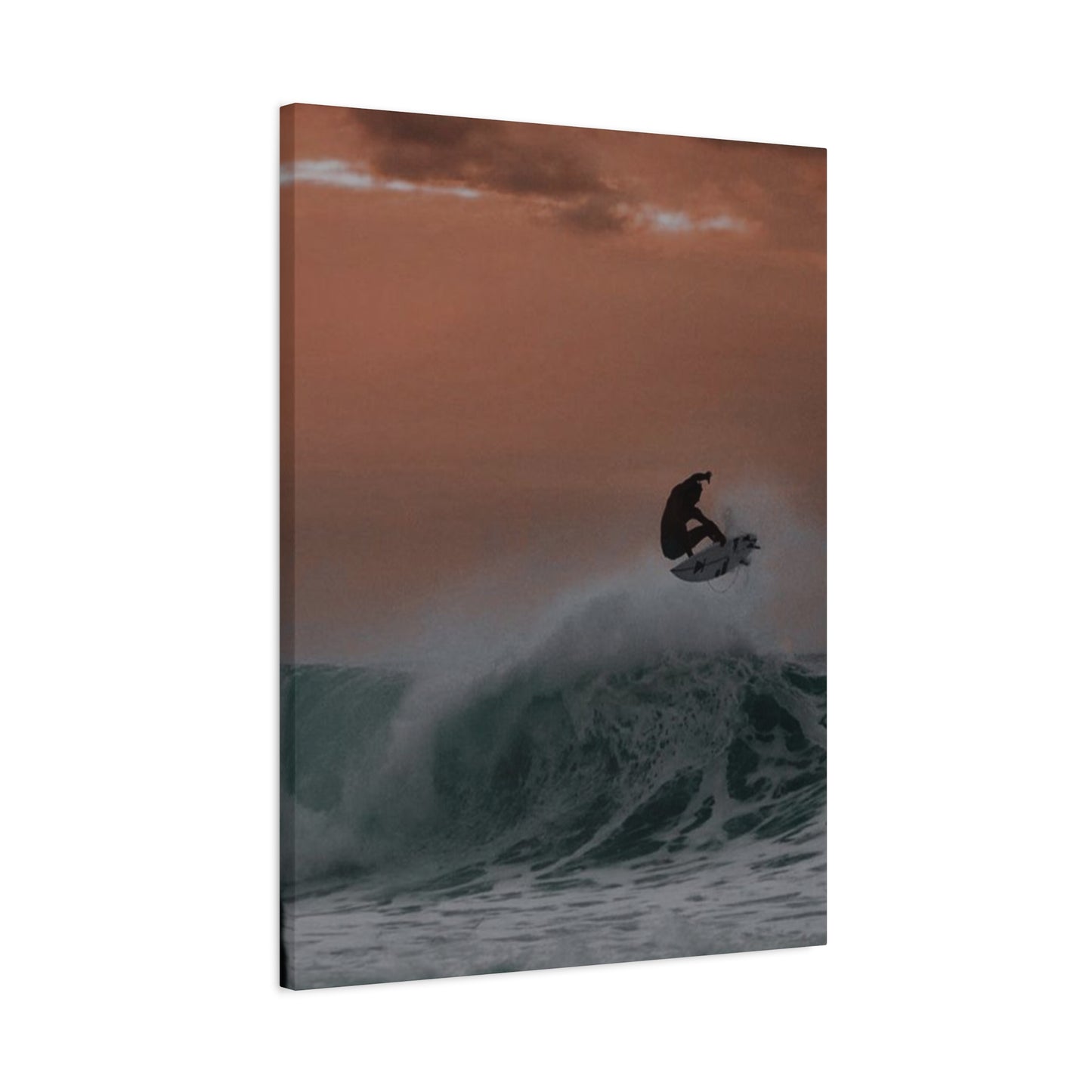
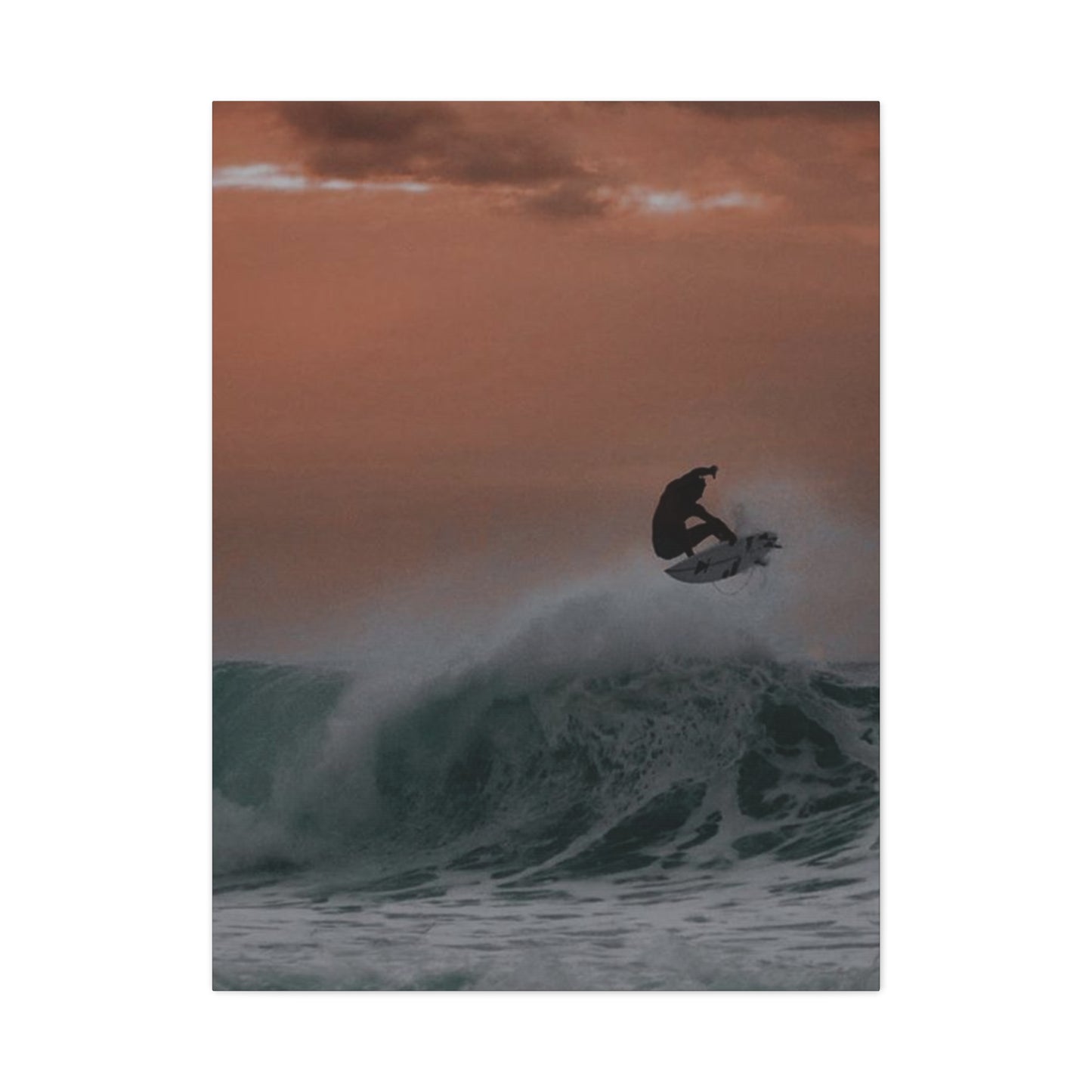
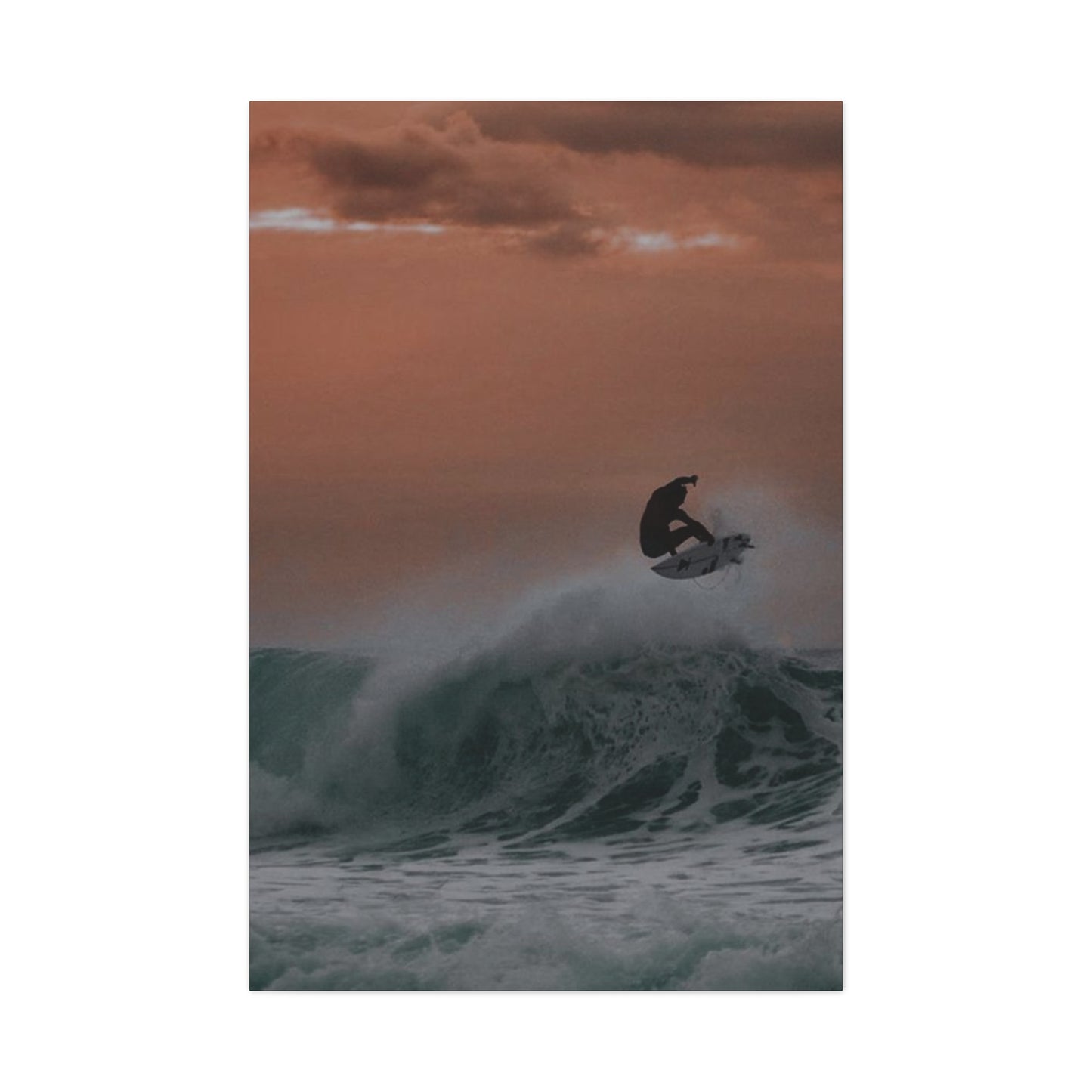
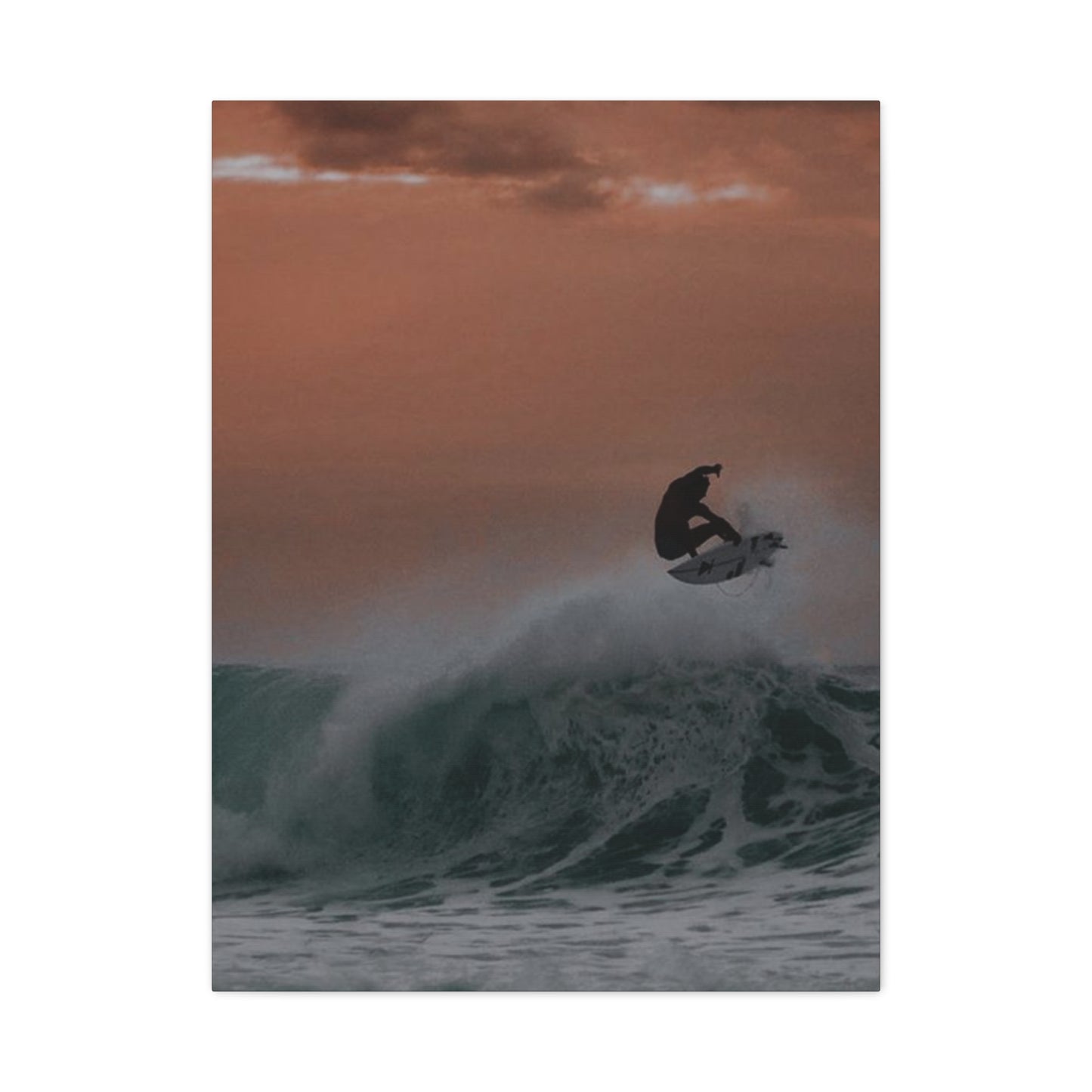
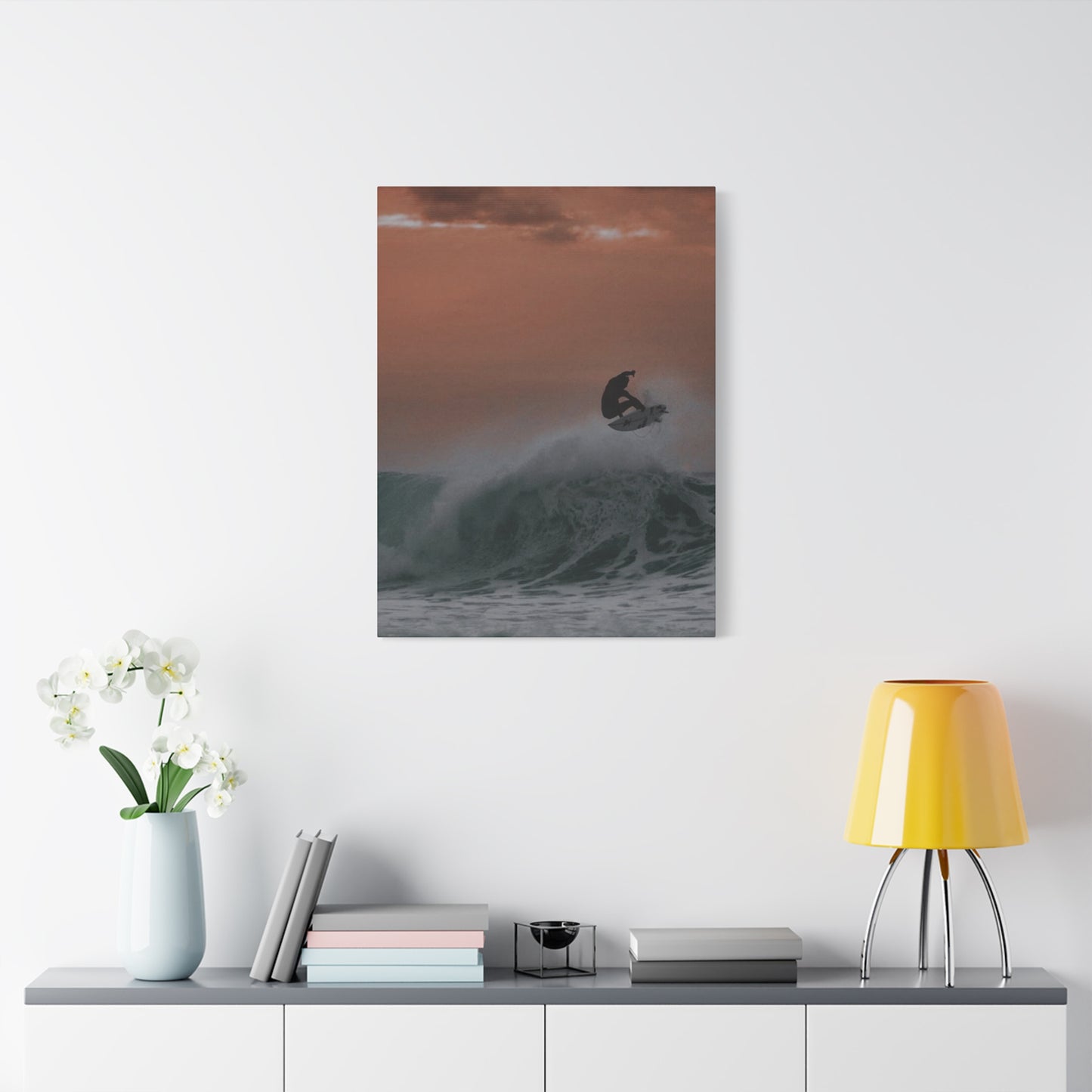
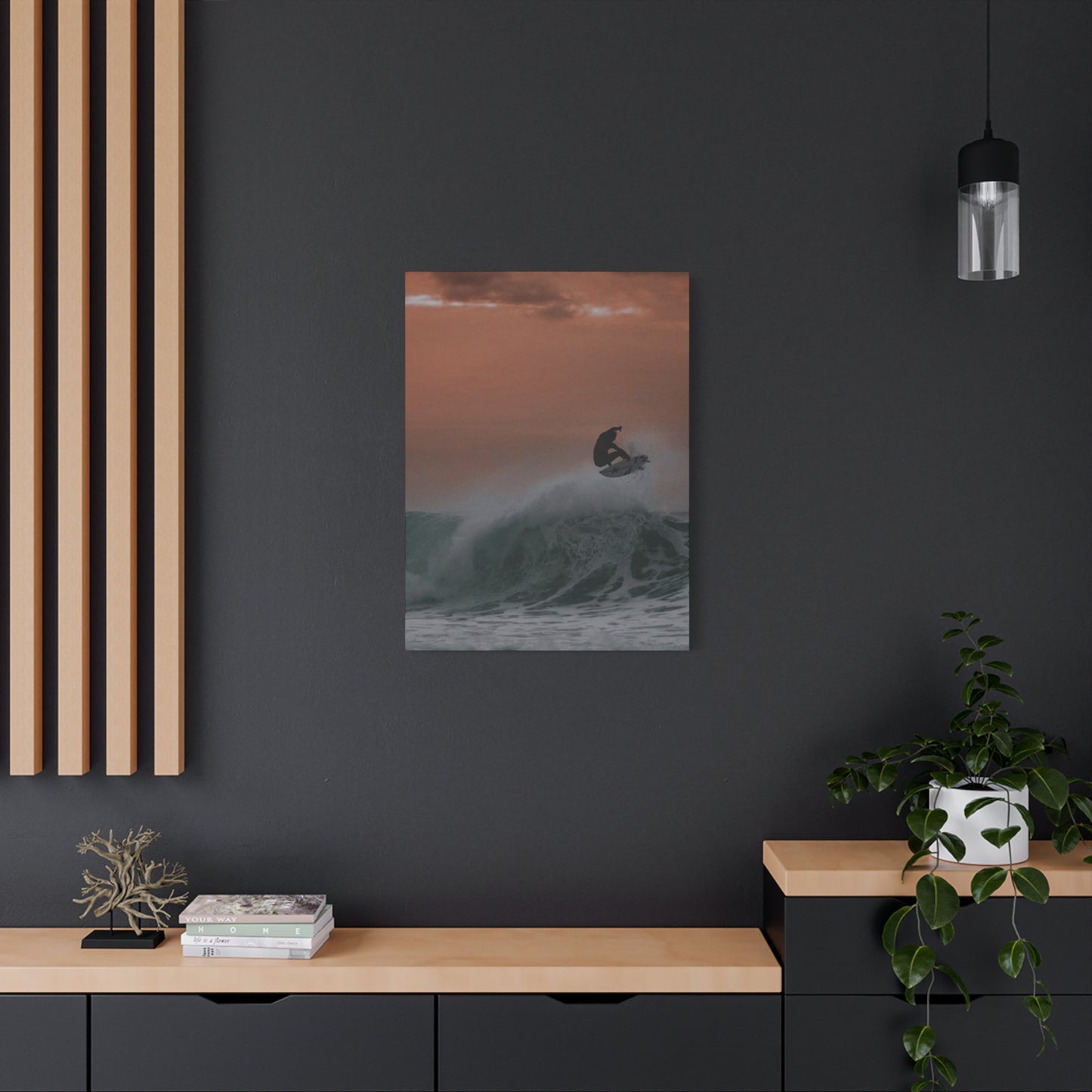
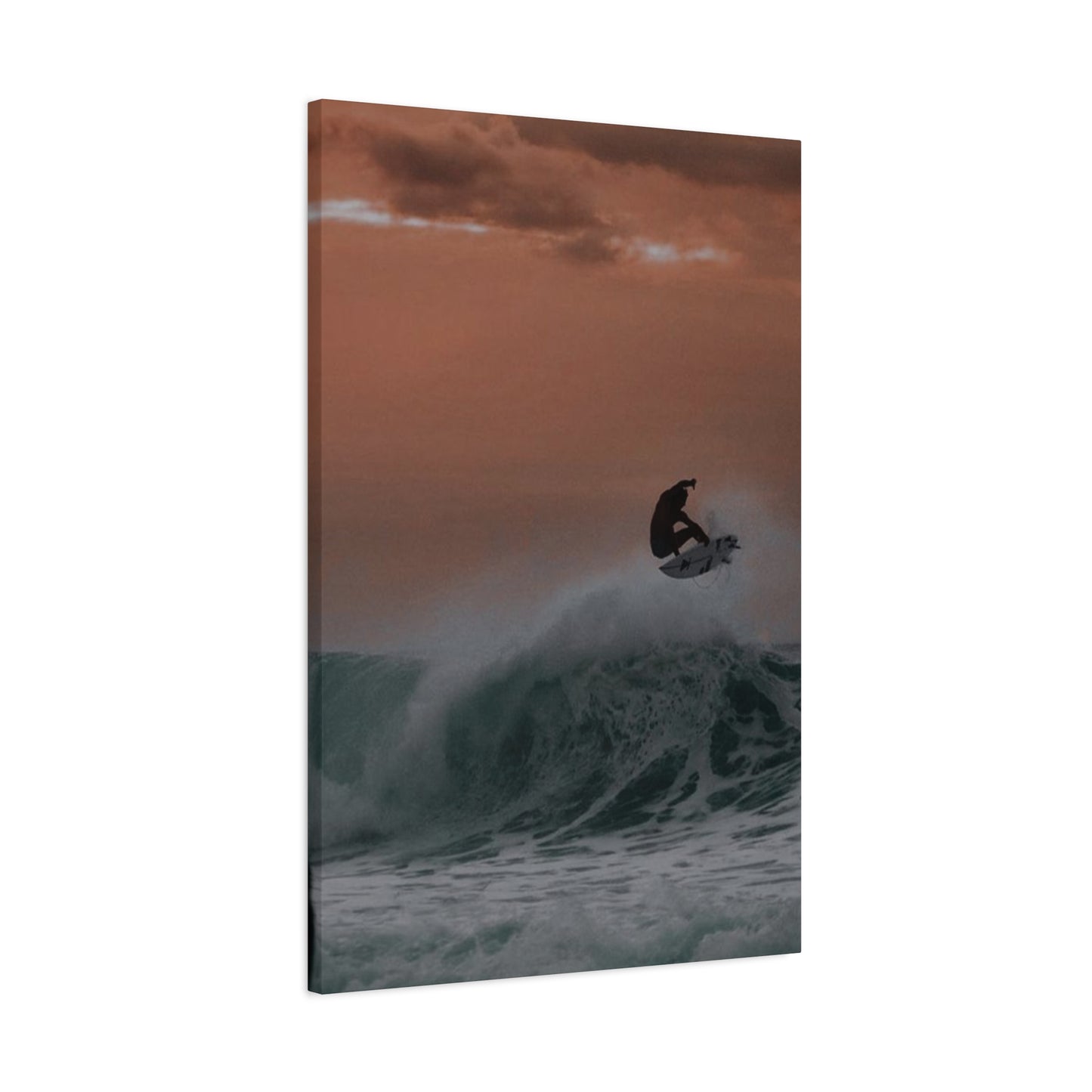
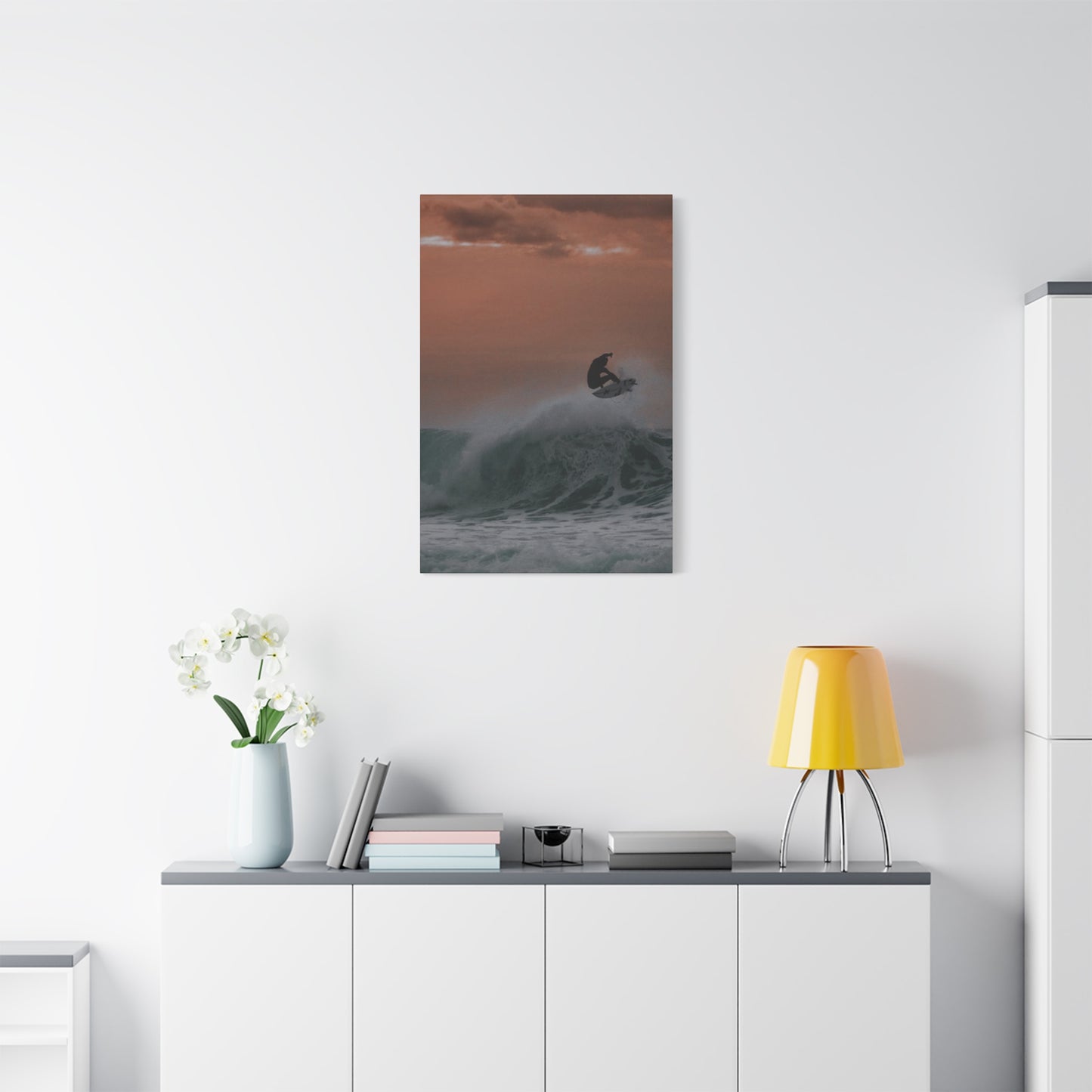
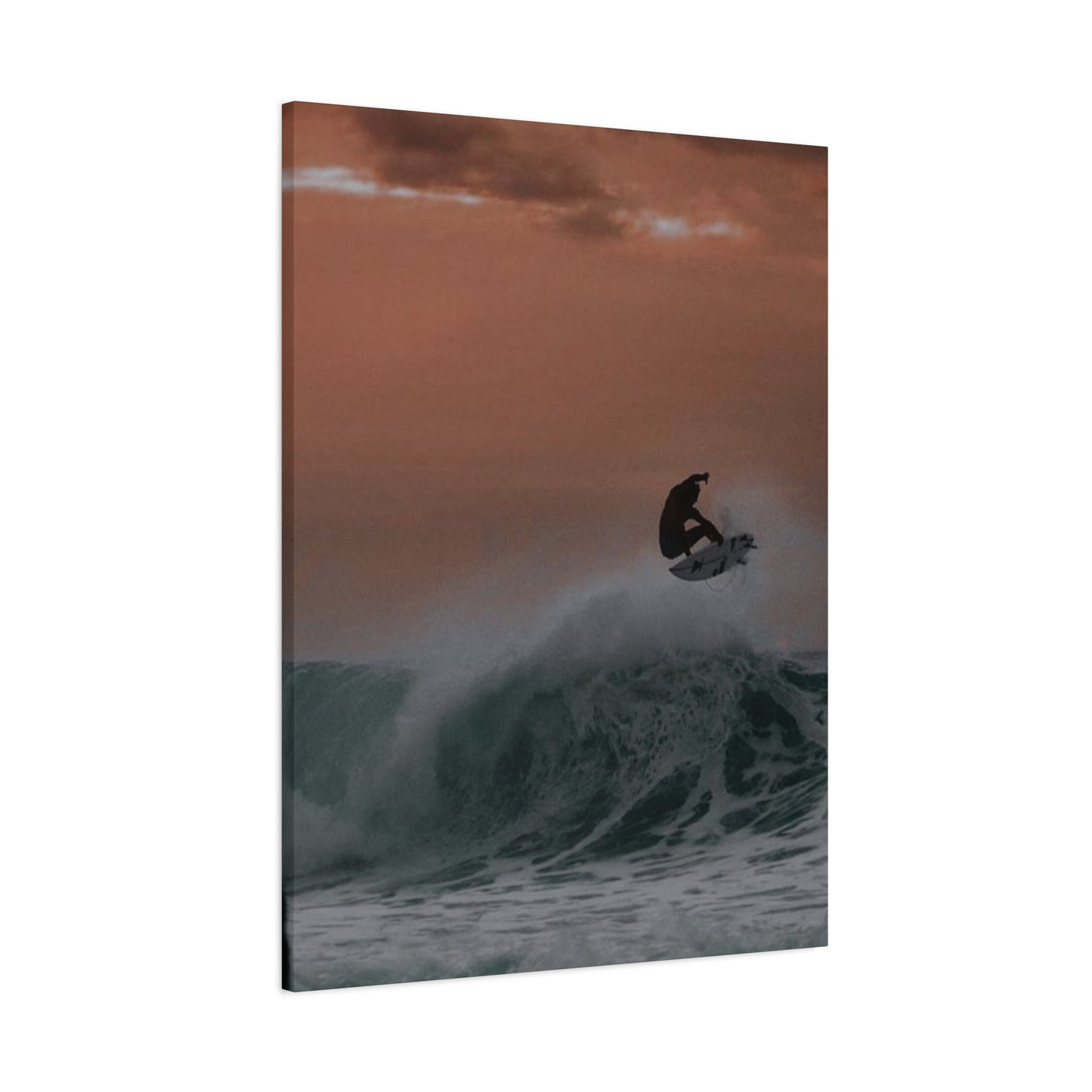
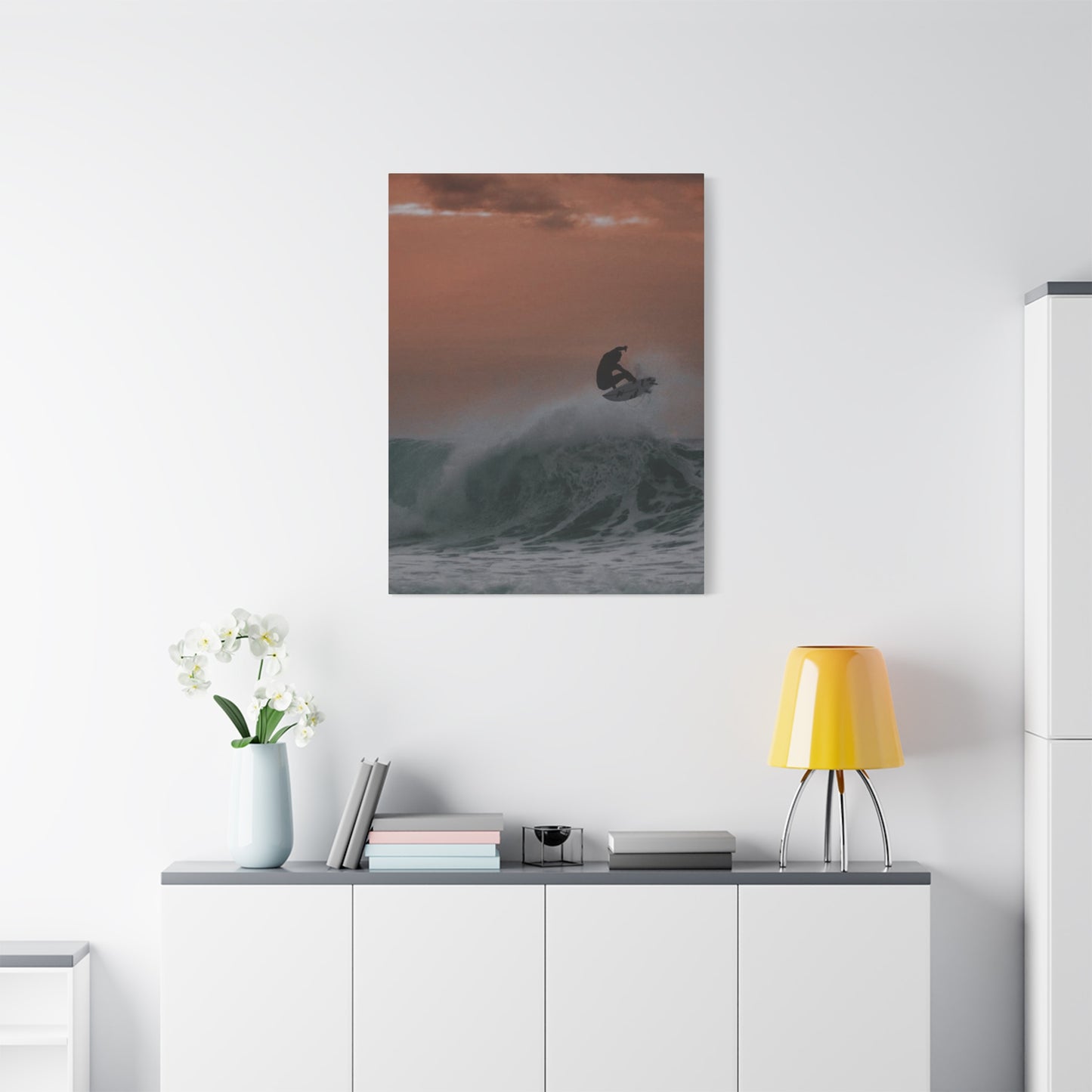
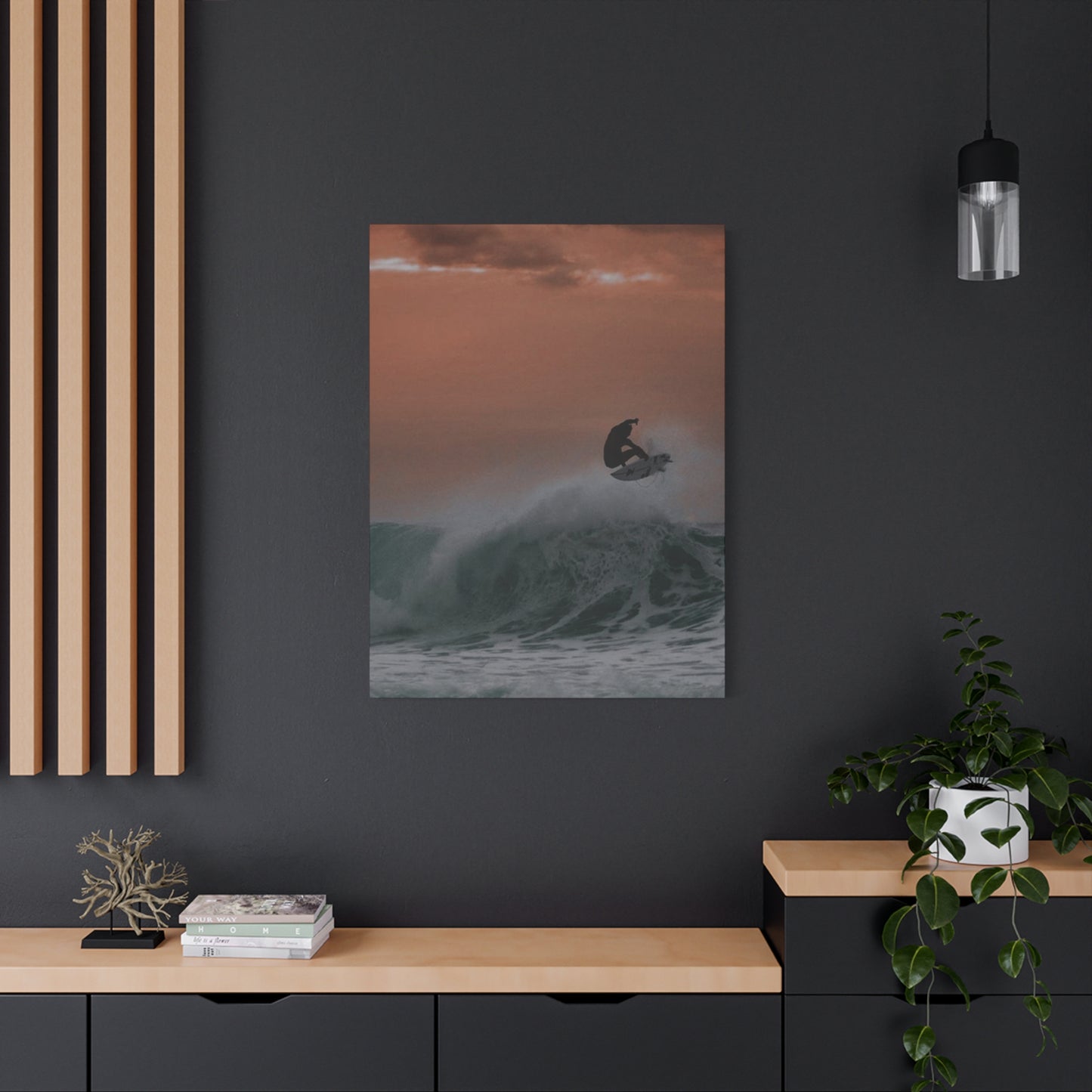
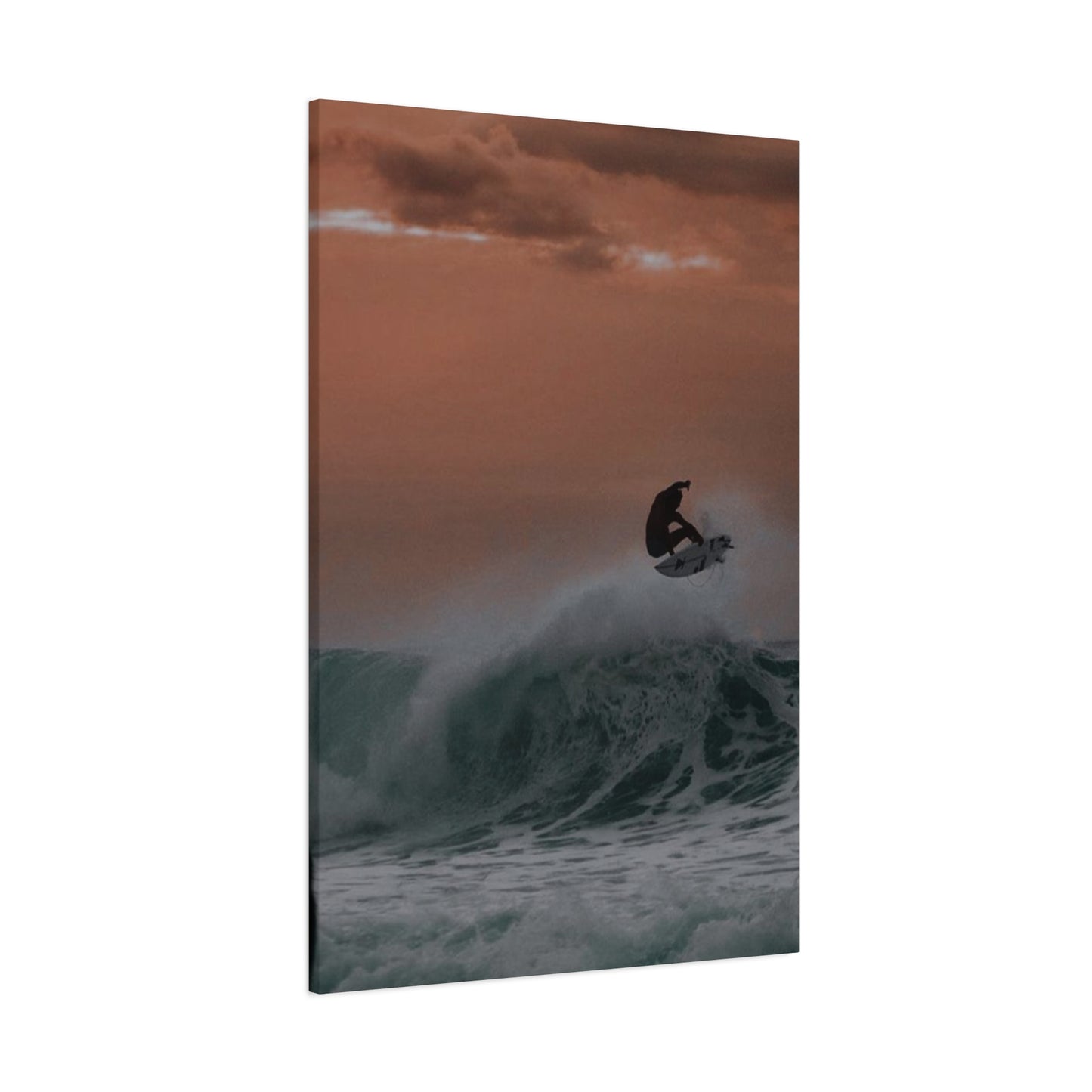
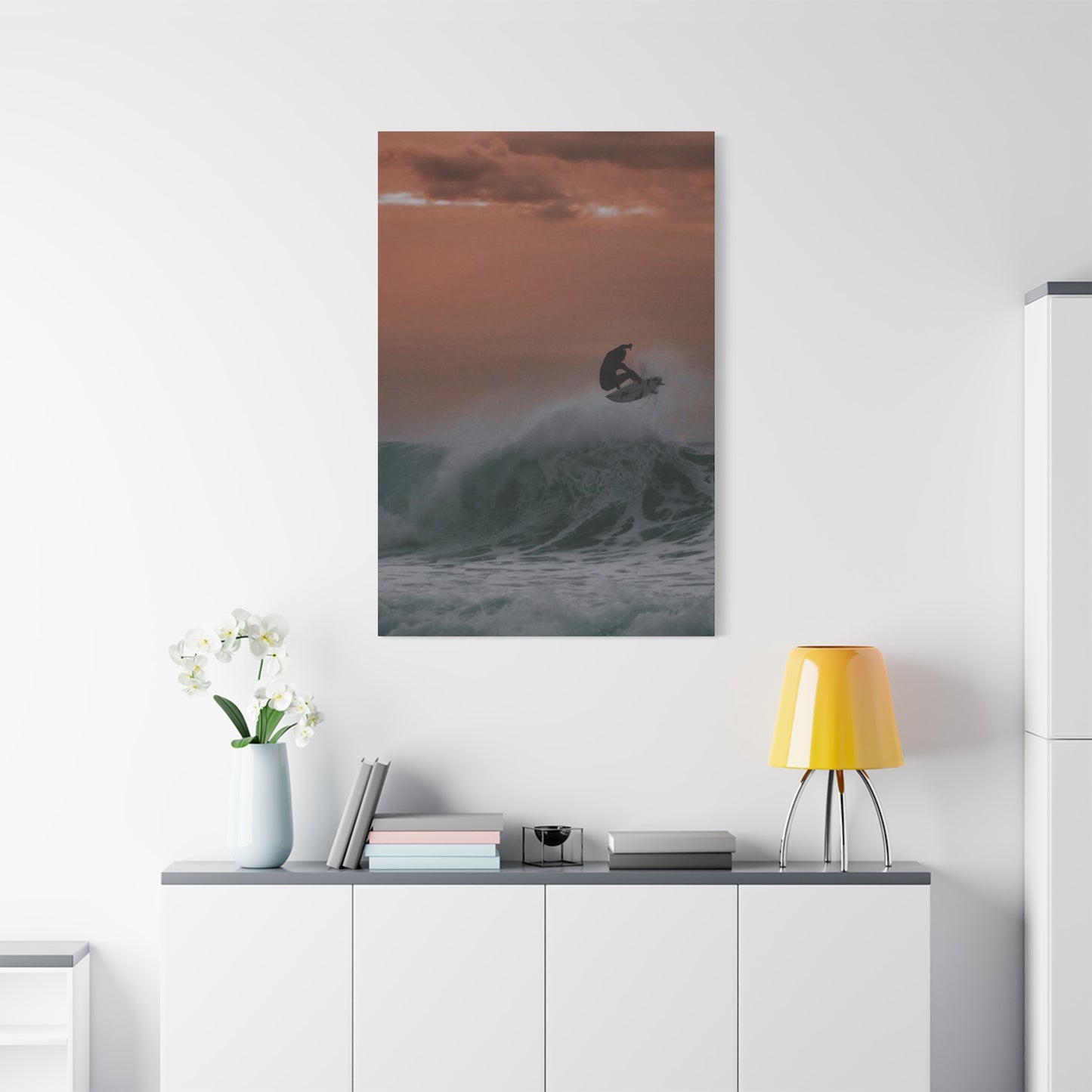
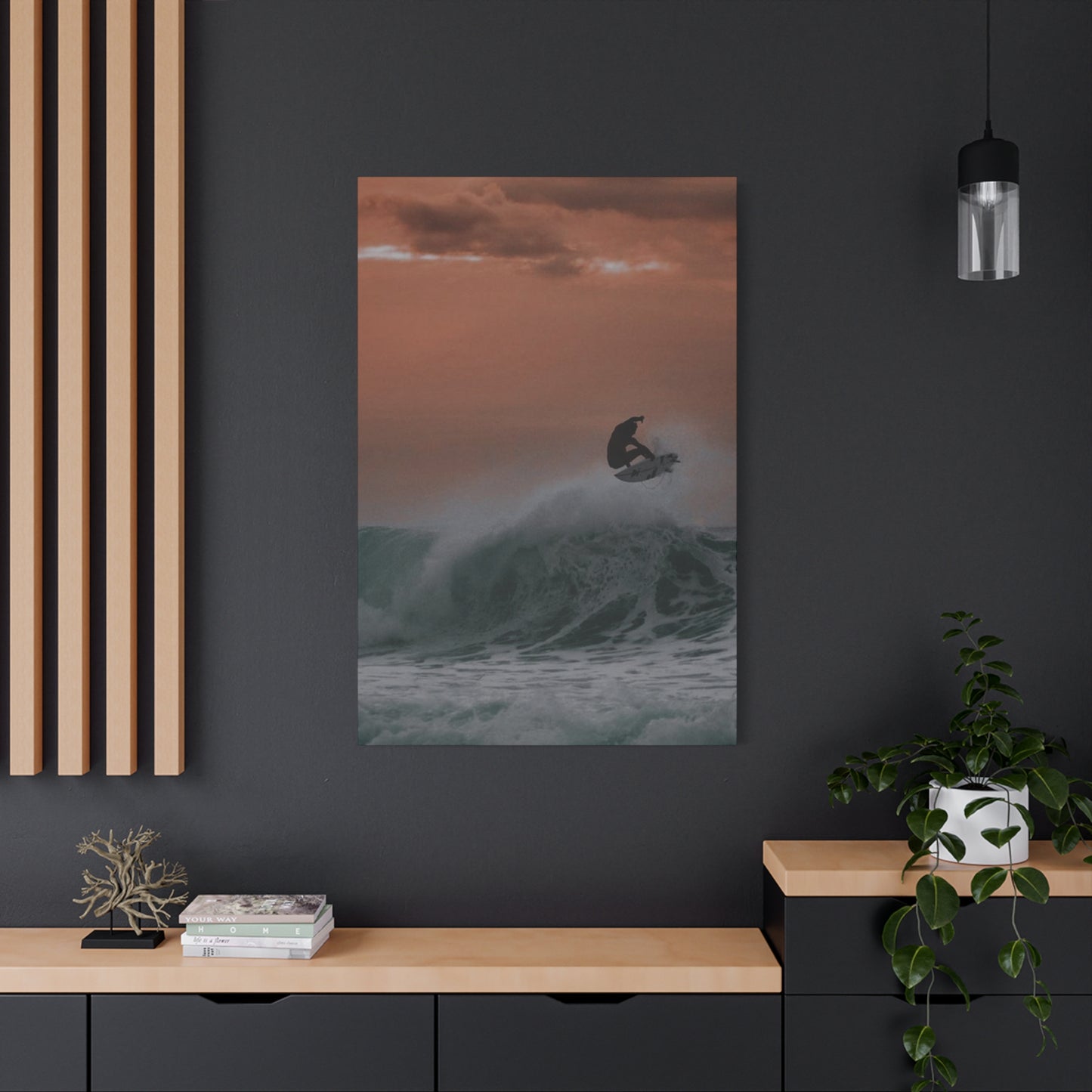
Dawn Surfing Wall Art & Canvas Prints
Dawn Surfing Wall Art & Canvas Prints
Couldn't load pickup availability
Embrace the First Light: Dawn Surfing Wall Art That Captures Ocean Magic at Sunrise
The ethereal beauty of early morning waves crashing against the shore while the sun paints the sky in magnificent hues has captivated artists and ocean enthusiasts for generations. Dawn surfing wall art represents more than just decorative pieces for your living spaces; these carefully crafted visual narratives transport viewers to those precious moments when the world awakens and surfers glide across glassy waters bathed in golden light. This comprehensive exploration delves into every facet of this captivating art form, examining how these pieces transform residential and commercial environments while celebrating the profound connection between humanity and the ocean's rhythmic dance.
The Mesmerizing Allure of Early Morning Wave Riding Imagery
When darkness gradually surrenders to the first rays of sunlight, the ocean transforms into a canvas of extraordinary beauty. Dawn surfing wall art captures this fleeting magic, preserving moments that exist only briefly before the day fully awakens. These artistic representations showcase surfers as silhouettes against spectacular skies, their forms cutting through pristine waves while colors shift from deep purples and midnight blues to brilliant oranges, pinks, and golds. The visual impact of such imagery resonates deeply with viewers, evoking feelings of tranquility, adventure, and connection to nature's raw power.
Artists who specialize in this genre understand the delicate balance between capturing realistic detail and conveying the emotional essence of sunrise sessions. Each piece tells a story of dedication, as surfers wake before dawn to experience conditions often described as magical—glassy surfaces, empty lineups, and the meditative quality of being alone with the ocean. These artworks serve as windows into a world many admire but few experience firsthand, making them particularly compelling for coastal dwellers and landlocked admirers alike.
The composition within dawn surfing wall art typically emphasizes horizontal lines that mirror the ocean's expansive nature, creating a sense of peace and vastness. Photographers and painters alike carefully consider how the low angle of sunrise light creates dramatic contrasts, illuminating spray from breaking waves and highlighting the athletic grace of riders. This interplay between light and shadow, motion and stillness, creates visual tension that draws the eye and engages the viewer's imagination.
Color palettes in these artworks range from subtle pastels that whisper of gentle mornings to vibrant, saturated tones that shout with joy and energy. The specific hues captured depend entirely on atmospheric conditions—scattered clouds create the most spectacular displays, while clear skies offer softer, more gradual transitions. Artists working in this medium become students of meteorology and oceanography, understanding how weather patterns affect both wave quality and light quality, knowledge they incorporate into their creative process.
Artistic Styles That Bring Sunrise Surf Sessions to Life
Dawn surfing wall art manifests across numerous artistic styles, each offering distinct interpretations of this beloved subject matter. Photographic realism stands as perhaps the most popular approach, with skilled photographers positioning themselves at precise locations and times to capture authentic moments. These artists often wade into the water or position themselves on nearby rocks, using specialized equipment to freeze moments of action while maintaining perfect exposure balance between bright skies and darker water.
Impressionistic paintings offer a different perspective, focusing on the emotional resonance rather than precise detail. Artists working in this style use broad brushstrokes and color blending to suggest rather than define forms, creating dreamy interpretations that emphasize mood over literal representation. These pieces often feature visible brushwork that adds texture and depth, inviting viewers to engage with the artwork from different distances, where the image resolves differently depending on proximity.
Abstract interpretations of dawn surfing wall art push boundaries even further, reducing the scene to essential elements—curved lines suggesting waves, gestural marks indicating movement, and color fields representing the transition from night to day. These works appeal to viewers seeking art that complements modern interior design while still nodding toward the ocean theme. The abstraction allows for personal interpretation, making each viewing experience unique and subjective.
Digital art and mixed media approaches combine multiple techniques, layering photographs with painted elements, incorporating collage materials, or applying digital filters that transform captured images into stylized versions. This contemporary approach resonates particularly with younger collectors and those decorating spaces with modern aesthetics. The versatility of digital manipulation allows artists to create limited edition prints with consistent quality while maintaining artistic integrity.
Watercolor renditions bring a fluid, organic quality perfectly suited to depicting water and light. The medium's inherent transparency mimics the translucent nature of waves, while its unpredictability mirrors the ocean's changing character. Skilled watercolorists create luminous pieces where pigments flow and blend, creating gradations that beautifully represent sunrise gradients and water movement.
Selecting Perfectly Sized Pieces for Your Living Spaces
Determining the appropriate dimensions for dawn surfing wall art requires careful consideration of multiple factors that influence visual impact and spatial harmony. The wall space available naturally imposes certain constraints, but understanding proportion principles helps create installations that feel neither overwhelming nor insignificant. Design professionals often recommend that artwork should occupy approximately sixty to seventy-five percent of the available wall width to achieve balanced presence.
For expansive walls in living rooms or open-concept spaces, large-scale pieces measuring five to seven feet wide create dramatic focal points that command attention without dominating. These substantial artworks work particularly well above furniture pieces like sofas or console tables, where they anchor the space and establish the room's aesthetic direction. The horizontal orientation common in dawn surfing wall art naturally complements wide wall spans, echoing architectural lines and creating visual flow.
Medium-sized pieces ranging from three to four feet wide offer versatility for various locations throughout homes and offices. These dimensions work beautifully in bedrooms above beds, in hallways where they create visual interest without obstructing traffic flow, or in dining areas where they contribute to ambiance without distracting from social interaction. Multiple medium pieces can also be arranged in gallery wall configurations, creating dynamic compositions that tell broader visual stories.
Smaller artworks measuring two feet or less serve specific purposes in compact spaces or as complementary elements within larger arrangements. These intimate pieces work wonderfully in bathrooms, home offices, or narrow wall segments that might otherwise remain bare. Their modest scale allows for closer viewing distances, where viewers can appreciate fine details and subtle elements that larger pieces might overwhelm.
Consideration of viewing distance proves crucial when selecting sizes. Artwork that appears perfectly proportioned from ten feet away might feel too small when viewed across a large room, while pieces sized for close viewing in a hallway might overwhelm when placed in compact spaces. Professionals recommend stepping back to the typical viewing distance and imagining the artwork in place, using painter's tape to outline dimensions as a visualization aid.
Framing Choices That Enhance Coastal Artwork
The framing surrounding dawn surfing wall art significantly influences both preservation and presentation, making these decisions worthy of thoughtful consideration. The frame serves multiple purposes—protecting the artwork from environmental damage, creating visual separation between the piece and surrounding walls, and contributing to the overall aesthetic statement. Selecting appropriate framing requires balancing protective functionality with design sensibility.
Natural wood frames bring warmth and organic texture that complements beach-themed interiors beautifully. Light-toned woods like maple, ash, or whitewashed pine echo sandy beaches and driftwood, creating cohesive connections between artwork and theme. Deeper woods like walnut or mahogany add richness and weight, suitable for more formal spaces or when creating contrast with lighter walls. The grain patterns in natural wood add subtle visual interest without competing with the artwork itself.
Metal frames offer sleek, contemporary alternatives that work exceptionally well in modern or minimalist settings. Brushed aluminum, stainless steel, or powder-coated finishes provide clean lines and understated elegance. These frames particularly complement photographic prints and digital art, where their precision matches the crisp detail of the imagery. Thin metal frames create floating effects that emphasize the artwork while maintaining unobtrusive profiles.
Floating frames, where the artwork appears suspended within the frame structure, create sophisticated presentations particularly effective with canvas prints or panel-mounted photographs. This mounting style allows the edges of the artwork to remain visible, adding dimensional interest and contemporary flair. The slight shadow gap between artwork and frame creates visual separation that emphasizes the piece's physical presence.
Matting considerations also influence the final presentation substantially. Wide mats in neutral tones like cream, soft gray, or warm white create breathing room around the artwork, preventing visual crowding and directing focus toward the central image. The mat color should complement both the artwork and room's color scheme—warmer mats enhance golden sunrise tones, while cooler grays complement blue-heavy seascapes.
Glazing options protect artwork while affecting viewing experience. Regular glass provides basic protection but can create significant glare under certain lighting conditions. Non-reflective or museum glass eliminates glare almost entirely, ensuring clear viewing from any angle, though at higher cost. Acrylic glazing offers lightweight alternatives particularly valuable for larger pieces, reducing weight and shipping concerns while providing adequate protection.
Color Coordination Within Your Existing Interior Schemes
Successfully incorporating dawn surfing wall art into established interior design requires thoughtful attention to existing color palettes and how new pieces will interact with surrounding elements. Rather than matching colors exactly, designers recommend identifying complementary or analogous hues that create harmonious relationships while maintaining visual interest. The naturally occurring colors in sunrise scenes offer rich possibilities for coordination.
Rooms dominated by neutral backgrounds—whites, grays, beiges, or taupes—provide ideal canvases for introducing the vibrant colors typical in dawn surfing wall art. The warm oranges, pinks, and golds of sunrise imagery inject energy and warmth into neutral spaces without overwhelming them. These accent colors can be echoed in smaller decorative elements like throw pillows, area rugs, or decorative objects, creating intentional color threads that unify the design.
Coastal-themed interiors often feature blue palettes ranging from soft aqua to deep navy. Dawn surfing wall art naturally contains various blue tones in water and sky elements, but the sunrise colors provide contrasting warmth that prevents schemes from feeling too cool or monotonous. The combination of warm and cool tones creates balance and depth, mimicking the natural color relationships found in coastal environments.
For spaces already featuring warm color schemes—terracottas, corals, or golden yellows—selecting dawn surfing wall art with prominent warm tones creates cohesive, enveloping environments. However, ensuring some cooler elements within the artwork prevents spaces from feeling overly stimulating or monochromatic. The natural presence of blues and purples in sky and water provides necessary visual relief.
Contemporary interiors with bold, saturated color statements require careful consideration when adding artwork. In these scenarios, selecting pieces with more subdued color intensity or abstract interpretations often works better than competing with existing boldness. Alternatively, embracing the maximalist approach by selecting vibrant artwork that matches the room's energy level can create dynamic, personality-filled spaces.
Undertones matter significantly in color coordination. Artwork with cool undertones may clash with spaces featuring warm undertones in wall colors, flooring, or furniture, and vice versa. Evaluating these subtle qualities helps ensure new pieces integrate seamlessly rather than creating unintended discord. Bringing paint chips or fabric samples when selecting artwork helps make informed decisions about compatibility.
Strategic Placement Throughout Residential and Commercial Environments
Where you position dawn surfing wall art dramatically affects its impact and how it integrates with the space's function and flow. Each room in a home or commercial setting offers unique opportunities and considerations for artwork placement. Understanding these spatial dynamics ensures pieces enhance rather than detract from their surroundings.
Living rooms typically serve as primary gathering spaces where artwork creates focal points and establishes atmospheric tone. Positioning dawn surfing wall art above seating areas creates natural visual anchors that draw the eye without requiring uncomfortable neck angles for viewing. The artwork should align with the center of the sofa or seating grouping rather than centering on the wall itself, creating intentional relationships between furnishings and art.
Bedrooms benefit from calming imagery that promotes relaxation and positive associations. Dawn surfing wall art positioned above beds creates the last image viewed before sleep and first upon waking, potentially influencing mood and mindset. The tranquil quality inherent in sunrise scenes supports restful environments, while the aspirational nature of surfing imagery can inspire motivation for the day ahead.
Home offices and workspaces gain character and personality through thoughtfully selected artwork that reflects the occupant's interests and values. Dawn surfing wall art in these settings provides visual breaks during work sessions, offering momentary mental escapes that can reduce stress and refresh perspective. Positioning artwork within the natural sight line when looking up from work provides these benefits without creating constant distraction.
Hallways and transitional spaces often receive less decorating attention despite offering excellent opportunities for artwork. These areas benefit from pieces that create visual interest and guide movement through the home. Dawn surfing wall art's horizontal orientation naturally complements corridor proportions, while its dynamic subject matter adds energy to spaces that might otherwise feel purely functional.
Bathrooms, particularly larger or master bathrooms, can accommodate smaller pieces that enhance the spa-like qualities many homeowners desire. The beach and water connections in dawn surfing wall art naturally complement bathroom environments, creating thematic consistency. Proper framing and positioning away from direct water contact ensures longevity despite humidity concerns.
Commercial environments like coastal restaurants, hotels, surf shops, or hospitality venues benefit substantially from dawn surfing wall art that reinforces brand identity and creates memorable atmospheres. In these settings, larger-scale pieces or multiple coordinating works create significant visual impact that contributes to customer experience and brand storytelling.
Creating Gallery Wall Arrangements With Multiple Pieces
Combining multiple artworks into cohesive gallery wall arrangements allows for more complex visual narratives and fills larger wall spaces with dynamic compositions. Dawn surfing wall art lends itself well to these installations, particularly when pieces share thematic connections while offering enough variety to maintain interest. Several approaches to gallery wall design each create distinct aesthetic effects.
Symmetrical grid arrangements bring order and formality to gallery walls, working particularly well in contemporary or minimalist spaces. This approach uses uniformly sized pieces arranged in evenly spaced rows and columns, creating clean, predictable patterns. For dawn surfing wall art, this might include a series of sequential shots capturing different moments during a single surf session or various sunrise conditions throughout different seasons.
Asymmetrical salon-style arrangements embrace eclectic energy through varied sizes, frame styles, and orientations. This approach, traditional in art galleries and European homes, creates visually rich displays that reward extended viewing as the eye discovers new relationships between pieces. When working with dawn surfing wall art, mixing photographs with paintings, or incorporating related subjects like close-ups of waves or surfboards, adds depth and complexity.
Linear horizontal arrangements position multiple pieces in a row, creating lateral movement across the wall. This approach works beautifully with dawn surfing wall art's natural horizontal orientation, potentially creating panoramic effects when pieces are positioned closely together. The linear arrangement suits spaces above long furniture pieces like sofas or buffets, where vertical stacking would create awkward proportions.
Clustered arrangements group artworks of various sizes around a central focal piece, creating organic, balanced compositions. The largest or most visually compelling piece typically occupies the center position, with smaller works arranged around it in a manner that balances visual weight. This approach allows for mixing sizes while maintaining cohesive presentation.
Successful gallery walls require careful planning before installation. Creating templates from paper or cardboard cut to match each piece's dimensions allows for experimentation with arrangements without creating unnecessary wall damage. Laying the arrangement on the floor first helps visualize the final composition and identify any adjustments needed before committing to hanging.
Spacing between pieces influences the gallery wall's overall effect. Closer spacing creates unified compositions where individual pieces merge into larger visual statements, while wider spacing emphasizes each piece's individual identity. Most designers recommend maintaining consistent spacing between all pieces, typically ranging from two to four inches, creating visual rhythm and intentional relationships.
Acquiring Original Artwork Versus Limited Edition Prints
Understanding the distinctions between original artworks and reproduction prints helps collectors make informed decisions aligned with their preferences, budgets, and collecting goals. Each category offers distinct characteristics, advantages, and considerations that affect both immediate enjoyment and long-term value. Dawn surfing wall art exists across this entire spectrum, from one-of-a-kind paintings to unlimited poster prints.
Original artworks represent singular creations—paintings, drawings, or unique photographic prints created directly by the artist. These pieces carry inherent rarity value, as only one exists in the world. For paintings, this means the actual canvas with paint applied by the artist's hand, complete with visible brushstrokes and textural qualities impossible to fully replicate. Original photographic prints, particularly those printed and signed by the photographer, occupy similar territory in terms of authenticity and collectibility.
Limited edition prints offer middle-ground solutions, providing access to desirable images at more accessible price points while maintaining collectible qualities through controlled scarcity. Artists or publishers establish predetermined edition sizes—perhaps fifty, one hundred, or five hundred prints—after which the image will never be reproduced again. Each print receives individual numbering indicating its position within the edition, such as "23/100," meaning the twenty-third print of one hundred total.
The numbering convention typically affects perceived value, with lower numbers sometimes commanding slight premiums based on collector preference, though photographic prints maintain consistent quality throughout the edition unlike traditional printmaking methods where plates or stones deteriorate. Artist proofs, marked "AP," represent additional prints reserved for the artist's personal use, typically numbering ten to fifteen percent of the edition size.
Open edition prints lack the scarcity factor of limited editions, with publishers maintaining rights to produce quantities based on demand. These prints offer the most accessible entry points for enjoying professional artwork, though they typically hold minimal investment value. Quality can vary substantially within open editions, from museum-quality giclée prints to mass-produced posters, making informed evaluation important.
Giclée printing represents the highest quality reproduction method, using archival pigment inks and fine art papers or canvas to create prints approaching original quality. The term derives from French meaning "to spray," referencing the inkjet technology that deposits microscopic ink droplets with extreme precision. Properly executed giclée prints on quality substrates can last generations without fading when displayed away from direct sunlight.
Authentication and documentation significantly impact artwork value and buyer confidence. Certificates of authenticity from artists or reputable publishers provide provenance documentation, particularly important for limited editions and original works. These documents should detail the piece's title, medium, edition information, artist signature, and creation date, serving as permanent records of authenticity.
Commissioning Custom Pieces From Surf Photographers and Artists
Commissioning custom dawn surfing wall art allows collectors to acquire pieces perfectly tailored to their specific vision, space requirements, and personal connections to particular locations or moments. This process involves collaboration between patron and artist, resulting in unique creations that hold special significance beyond mass-market offerings. Understanding commission processes helps ensure successful outcomes that satisfy all parties.
Identifying artists whose existing work resonates aesthetically represents the crucial first step in commissioning. Reviewing portfolios helps assess whether the artist's style, skill level, and subject matter expertise align with your vision. Surf photographers and marine artists often specialize in particular approaches—some excel at action shots capturing athletic performance, others focus on atmospheric landscape imagery, while still others embrace abstract or interpretive approaches.
Initial consultations establish project parameters including subject matter, size, medium, color preferences, and timeline expectations. Clear communication during this phase prevents misunderstandings that might compromise satisfaction with finished pieces. Providing reference images, describing the intended installation location, and explaining what emotions or qualities you hope the artwork conveys helps artists understand your vision.
Budget discussions should occur early in commission conversations, as custom artwork pricing varies dramatically based on artist reputation, piece size, complexity, and medium. Commissioned paintings typically cost substantially more than photographic prints due to time investment and materials required. Established artists with strong reputations command premium pricing, while emerging artists offer more accessible entry points, often with comparable skill levels.
Commission agreements should be documented in written contracts specifying all terms including final dimensions, medium, subject matter, delivery timeline, payment schedule, and usage rights. Many artists require deposits ranging from thirty to fifty percent to begin work, with remaining balance due upon completion. These agreements protect both parties by establishing clear expectations and legal recourse should disputes arise.
The creation process typically involves progress updates where artists share preliminary sketches, composition studies, or work-in-progress images allowing for feedback and minor adjustments. However, collectors should understand that excessive revision requests or fundamental direction changes after work commences may incur additional charges or timeline extensions. Trusting the artist's expertise while providing clear initial direction typically yields the best results.
Preserving Your Coastal Artwork for Lasting Beauty
Proper preservation ensures dawn surfing wall art maintains its visual impact and physical integrity for decades or even generations. Environmental factors including light exposure, humidity, temperature fluctuations, and air quality all affect artwork longevity. Implementing appropriate protective measures from the moment of acquisition prevents damage that compromises both aesthetic appeal and monetary value.
Light exposure represents the single most destructive force affecting artwork, causing fading, discoloration, and material degradation. Ultraviolet radiation proves particularly harmful, breaking down pigments and paper fibers over time. Positioning artwork away from direct sunlight streaming through windows dramatically extends its lifespan. For pieces that must occupy sunny walls, UV-filtering glazing or window treatments that block harmful rays while admitting visible light offer protective solutions.
Even indirect ambient light causes cumulative damage over time, particularly to delicate media like watercolors or photographic prints. Museums typically illuminate artworks at specific lux levels calculated to balance visibility with preservation, generally not exceeding 150 lux for light-sensitive materials. While measuring light levels at home seems excessive for most collectors, the principle of minimizing exposure remains valid—turning off lights when rooms are unoccupied and avoiding excessive illumination near valuable pieces.
Humidity control prevents multiple problems including mold growth, paper warping, canvas sagging, and adhesive failure in framed pieces. Ideal relative humidity for artwork preservation falls between forty-five and fifty-five percent, avoiding both excessive moisture that promotes biological growth and extreme dryness that causes brittleness. Areas with dramatic seasonal humidity swings benefit from dehumidifiers or humidifiers maintaining consistent conditions.
Temperature stability matters nearly as much as humidity control, with fluctuations causing expansion and contraction cycles that stress artwork materials. Avoiding placement near heating vents, fireplaces, radiators, or air conditioning outputs prevents these damaging cycles. Maintaining moderate temperatures between sixty-five and seventy-five degrees Fahrenheit provides safe conditions for most artwork types.
Air quality considerations include avoiding environments with high particulate levels, cooking fumes, or tobacco smoke, all of which deposit damaging residues on artwork surfaces. Glazed framed pieces receive substantial protection from airborne contaminants, while unglazed canvases or works behind acrylic require periodic gentle cleaning. Dusting glazing with soft, dry microfiber cloths removes surface accumulation without scratching.
Regular inspection allows early detection of developing problems before they become severe. Checking periodically for signs of fading, discoloration, foxing (brown spots on paper), mold growth, or frame separation enables timely intervention. Professional conservators can address most problems if caught early, while neglected damage may become irreversible.
Lighting Strategies That Showcase Artwork Effectively
Strategic lighting transforms how dawn surfing wall art appears, dramatically affecting its visual impact and viewer experience. Proper illumination reveals colors accurately, creates depth through shadow and highlight, and directs attention to focal points within compositions. Understanding lighting principles helps create installations where artwork appears at its best throughout various times of day.
Natural daylight provides the most accurate color rendition, as human vision evolved to process the sun's full spectrum. However, as previously discussed, direct sunlight damages artwork over time, creating the challenge of harnessing daylight's benefits while avoiding its destructive potential. Positioning artwork perpendicular to windows rather than directly opposite them allows natural illumination without direct exposure. Sheer curtains or UV-filtering window films reduce harmful radiation while admitting beneficial visible light.
Ambient room lighting affects artwork appearance substantially but often inconsistently, as general illumination serves multiple purposes rather than specifically highlighting art. Evaluating how existing lighting affects artwork appearance throughout the day helps identify whether supplemental picture lighting would enhance presentation. Rooms with insufficient ambient light leave artwork appearing dull and underappreciated, while overly bright environments create glare on glazed surfaces.
Picture lights mounted directly to frames or walls above artwork provide dedicated illumination specifically highlighting the piece. These fixtures come in various styles from traditional brass swing-arm models to sleek LED strips, each offering distinct aesthetic effects. Proper picture lighting should illuminate the entire artwork evenly from top to bottom without creating hot spots or leaving lower portions in shadow.
LED picture lights represent contemporary standards, offering energy efficiency, minimal heat output, and long lifespans reaching twenty-five thousand hours or more. The reduced heat proves particularly important for artwork preservation, as traditional incandescent and halogen bulbs generate significant warmth that can damage pieces over time. LED technology also allows for dimming and color temperature adjustment, features that enhance versatility.
Color temperature significantly impacts how artwork appears, with different Kelvin ratings creating warm or cool light qualities. Warm white LEDs around 2700-3000K produce yellowish light similar to incandescent bulbs, enhancing warm tones in artwork while potentially muting cooler blues and greens. Neutral white around 3500-4000K provides balanced illumination suitable for most artwork, while cool white above 5000K mimics daylight but may create overly clinical appearances in residential settings.
Track lighting offers flexible solutions for illuminating multiple artworks or accommodating changing installations. Adjustable fixtures mounted to ceiling tracks can be repositioned and reoriented as needs evolve, providing adaptability that fixed installations lack. Quality track systems accept various lamp types and accessories including barn doors and diffusers that control light spread and reduce glare.
Recessed adjustable fixtures provide unobtrusive alternatives to visible track systems, mounting within ceiling structures with only the trim ring and lamp visible. These fixtures work beautifully in contemporary spaces where minimizing visual clutter matters. However, their fixed positions offer less flexibility than track systems, requiring careful planning during installation to ensure proper artwork illumination as collections evolve.
Establishing Cohesive Decorating Themes Around Surf Culture
Dawn surfing wall art often serves as the cornerstone for broader decorating themes celebrating coastal lifestyles and surf culture. Building cohesive environments around these pieces involves selecting complementary furnishings, accessories, and design elements that reinforce the theme without becoming heavy-handed or cliché. Successful thematic decorating balances obvious references with subtle touches creating sophisticated, personally meaningful spaces.
Color palette development begins with analyzing dominant hues within the artwork, then extending those colors throughout the space in varying intensities and proportions. If the dawn surfing wall art features prominent coral-pink skies, introducing that color in larger doses through accent walls, area rugs, or major upholstery pieces creates bold statements, while scattering it sparingly in throw pillows, decorative objects, or flowers provides more restrained approaches.
Natural materials that reference beach environments strengthen thematic connections authentically. Furniture constructed from weathered woods, wicker, rattan, or bamboo carries coastal associations without literal beachy motifs. These materials add organic texture and warmth while remaining versatile enough to transition if decorating preferences eventually shift. Combining multiple natural materials creates layered, sophisticated spaces that avoid flat, one-dimensional appearances.
Textile selections substantially influence how spaces feel and function while offering opportunities to reinforce surf themes. Lightweight, textured fabrics like linen, cotton, and canvas evoke casual coastal sensibilities while providing practical benefits like durability and easy cleaning. Stripe patterns in various scales reference nautical traditions without screaming "beach house," particularly in sophisticated navy and white or subtle sand and cream combinations.
Actual surfboards and related equipment can function as decorative elements when thoughtfully incorporated. Vintage boards with attractive graphics make striking wall sculptures, particularly when mounted horizontally in multiples creating rhythmic patterns. Displaying boards should consider their condition—pristine collectible boards warrant careful mounting that preserves value, while well-loved riders showing honest wear tell authentic stories of time in the waves.
Decorative objects offer opportunities for subtle thematic touches without overwhelming spaces with obvious beach clichés. Collections of natural coral, interesting driftwood specimens, or glass fishing floats displayed with intention create curated rather than cluttered impressions. The key lies in selectivity—a few meaningful objects carry more impact than numerous mass-market "beach décor" items.
Books about surfing, ocean conservation, or coastal regions add intellectual depth while serving practical purposes. Coffee table volumes featuring surf photography complement dawn surfing wall art while providing entertainment for guests and residents. Shelving that displays these books spine-out adds vertical lines and color blocks contributing to overall design composition.
Exploring Various Substrates for Printed Artwork
The material onto which dawn surfing wall art prints are produced significantly affects the piece's appearance, longevity, and price point. Understanding substrate options helps collectors make informed choices matching their preferences, intended display environments, and budgets. Each substrate offers distinct characteristics that influence the final product's tactile and visual qualities.
Paper prints represent traditional and versatile options spanning enormous quality ranges. Fine art papers manufactured specifically for archival printing feature acid-free composition and neutral pH levels preventing degradation over time. These papers come in various weights measured in grams per square meter (gsm), with heavier papers above 250 gsm providing substantial, luxurious feel. Surface textures range from smooth hot-press finishes showing maximum detail to heavily textured cold-press surfaces adding tactile dimension.
Cotton rag papers represent the highest quality paper substrate, manufactured from cotton fibers rather than wood pulp. These archival papers resist yellowing and deterioration far better than wood-based alternatives, making them preferred choices for valuable prints intended for long-term display. The cotton content percentage varies, with 100-percent cotton rag papers commanding premium prices but delivering maximum longevity and quality.
Baryta papers offer characteristics appreciated by photographers, featuring a base layer of barium sulfate that creates brilliant white foundations. These papers produce exceptional tonal ranges and sharp detail rendering, making them particularly suitable for dawn surfing wall art where subtle gradations in sky colors and water textures matter significantly. The semi-gloss surface provides some luminosity without the reflective concerns of glossy papers.
Canvas substrates create different aesthetic effects more closely resembling paintings than traditional photographs. Printing on canvas allows for gallery-wrap mounting where the image continues around frame edges, eliminating the need for traditional framing. This presentation style suits casual and contemporary environments particularly well. Canvas texture adds visual interest but slightly reduces fine detail visibility compared to smooth papers.
Canvas substrate quality varies substantially based on material composition and coating. Polyester canvases offer durability and resistance to sagging but lack the natural texture of cotton or linen canvases. Cotton canvas provides good balance between quality and affordability, while linen represents premium choices with distinctive texture and archival properties. The coating applied to accept ink affects color saturation and longevity, with specialized inkjet coatings optimized for specific printer types.
Metal prints create striking contemporary presentations by infusing dyes directly into specially coated aluminum sheets. This process creates incredibly durable pieces with luminous, almost three-dimensional quality particularly effective for vibrant dawn surfing wall art. Colors appear saturated and brilliant, while the metal substrate provides inherent rigidity eliminating framing requirements. Metal prints suit modern spaces exceptionally well but may feel too contemporary for traditional interiors.
Acrylic mounting presents photographs behind clear acrylic panels, creating depth and luminosity that enhance colors dramatically. This presentation style, also called face-mounting, produces gallery-quality results with stunning visual impact. The acrylic provides protection from environmental factors while eliminating glare concerns associated with traditional glazing. However, acrylic mounting represents premium pricing due to material and production costs.
Wood mounting offers rustic, organic alternatives where images are transferred or printed directly onto wood substrates. This approach creates casual, approachable pieces that complement coastal and farmhouse decorating styles. The wood grain remains visible through lighter portions of the image, adding textural interest and natural character. Various wood species offer different colors and grain patterns affecting the final appearance.
Understanding Print Resolution and Quality Indicators
Print quality dramatically affects how dawn surfing wall art appears, with technical specifications determining whether images appear crisp and professional or pixelated and amateurish. Understanding key quality indicators helps collectors evaluate prints and make informed purchasing decisions. These technical considerations matter increasingly as print sizes increase, where quality deficiencies become more apparent.
Resolution measures the density of image information, typically expressed in dots per inch (DPI) or pixels per inch (PPI). Higher resolution numbers indicate greater detail capability, with prints intended for close viewing requiring higher resolution than those viewed from distance. Professional print standards typically call for minimum 300 DPI resolution at the final print size, ensuring details appear sharp without visible pixelation.
Many consumers misunderstand resolution, assuming that high pixel counts automatically ensure quality prints regardless of size. However, resolution relates directly to print dimensions—an image measuring 3000 x 2000 pixels produces an excellent 10x7 inch print at 300 DPI but becomes only 150 DPI when enlarged to 20x14 inches, resulting in noticeably reduced sharpness. Photographers and print shops calculate maximum recommended print sizes based on available resolution.
Original image quality fundamentally limits print quality regardless of printing equipment or substrate. Images captured with professional cameras using large sensors and quality lenses contain more information and tonal gradations than smartphone photos or heavily compressed web images. This reality explains price variations in dawn surfing wall art, as professional surf photographers invest substantially in equipment allowing them to produce large-format prints maintaining quality.
Color management ensures prints accurately reproduce colors as the artist intended across different displays and printing devices. This complex process involves calibrating monitors, using standardized color spaces like Adobe RGB or sRGB, and employing ICC profiles specific to printer and substrate combinations. Professional photographers and print shops invest in color management systems ensuring consistency, while consumer-level printing often lacks this precision.
Bit depth refers to how much color information each pixel contains, affecting the smoothness of gradations particularly visible in dawn skies transitioning from dark to light. Eight-bit images provide 256 tones per color channel, adequate for many purposes but potentially showing banding in subtle gradations. Sixteen-bit images offer exponentially more tonal information, creating smoother transitions crucial for sunrise scenes with delicate color shifts.
Print inspection under appropriate lighting conditions reveals quality characteristics that specifications alone cannot convey. Viewing prints from intended display distances helps assess whether sharpness meets expectations for the application. Evaluating color saturation, shadow detail, highlight retention, and overall tonal balance requires trained eyes and experience viewing high-quality prints for comparison.
Conclusion
Purchasing dawn surfing wall art directly from local creators offers numerous benefits beyond simple transactions, strengthening community connections while ensuring artists receive fair compensation for their work. This approach to collecting fosters relationships between creators and patrons that can develop into long-term associations with mutual benefits. Understanding the value of supporting local artists helps collectors make purposeful decisions aligned with their values.
Local surf photographers possess intimate knowledge of regional breaks, conditions, and surf culture that translates into authentic, distinctive imagery. These artists wake before dawn countless mornings, enduring cold water and challenging conditions to capture moments that resonate with others who love these places. Their dedication results in images reflecting genuine passion rather than merely fulfilling commercial assignments.
Meeting artists personally provides insights into their creative processes, philosophies, and the stories behind specific images. These conversations enrich ownership experience, transforming artwork from mere decoration into meaningful objects with understood history and context. Learning what conditions created a particular photograph or what inspired a painting's composition deepens appreciation and connection.
Direct purchases eliminate intermediary markups, ensuring artists receive full value for their work. Gallery representation benefits artists through exposure and sales assistance but typically involves fifty-percent commissions that significantly reduce artists' earnings. Buying directly means more money supports the creator's ability to continue producing work while potentially making prices more accessible for collectors.
Custom collaboration opportunities arise naturally when working directly with local artists. Discussing specific vision elements, requesting particular locations or conditions, or commissioning pieces sized perfectly for specific spaces becomes straightforward without negotiating through galleries or publishers. These collaborations often result in pieces holding special significance for both artist and collector.
Supporting local artists contributes to vibrant creative communities that enrich regions culturally and economically. Artists who can sustain themselves through their work remain in communities, participate in local events, mentor emerging creators, and contribute to the distinctive character that makes places special. This cultural ecosystem benefits everyone, not just art collectors.
Discovering emerging talent before widespread recognition allows collectors to acquire excellent work at accessible prices while establishing relationships with artists whose careers may flourish substantially. Many acclaimed artists' early patrons look back appreciatively on prescient purchases made before market prices escalated. Beyond financial considerations, supporting artists during their development stages provides encouragement that might determine whether they continue pursuing their craft.
Share