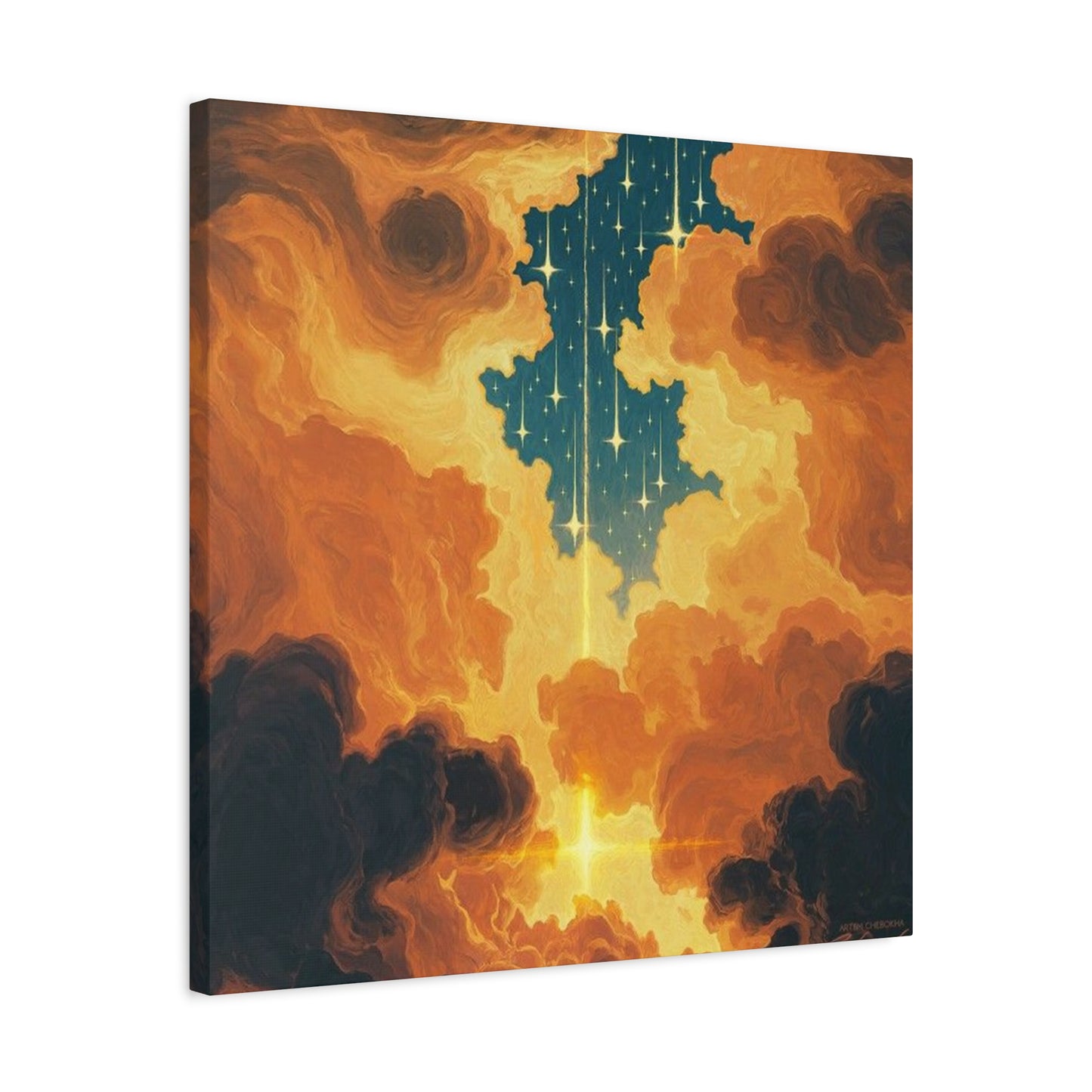
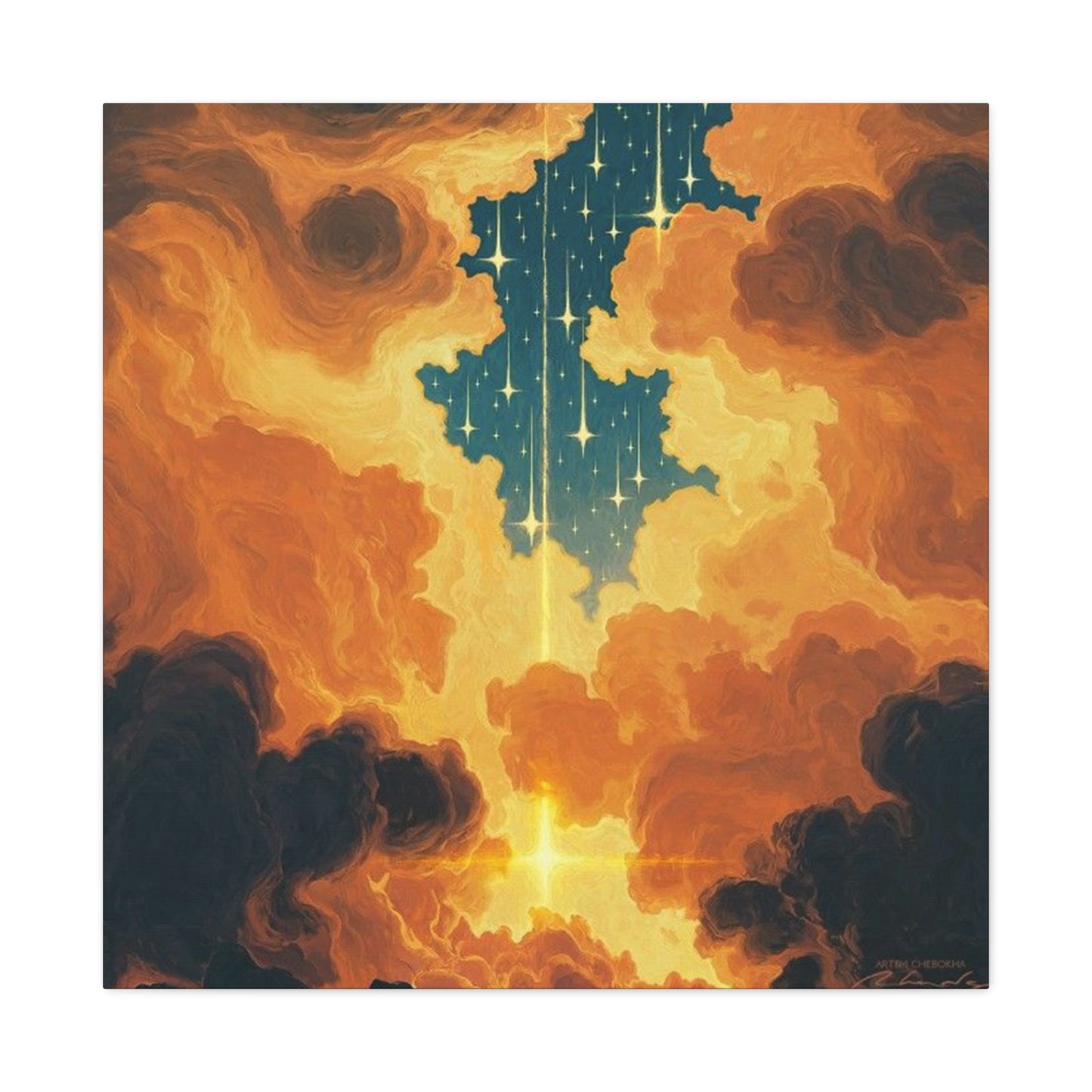
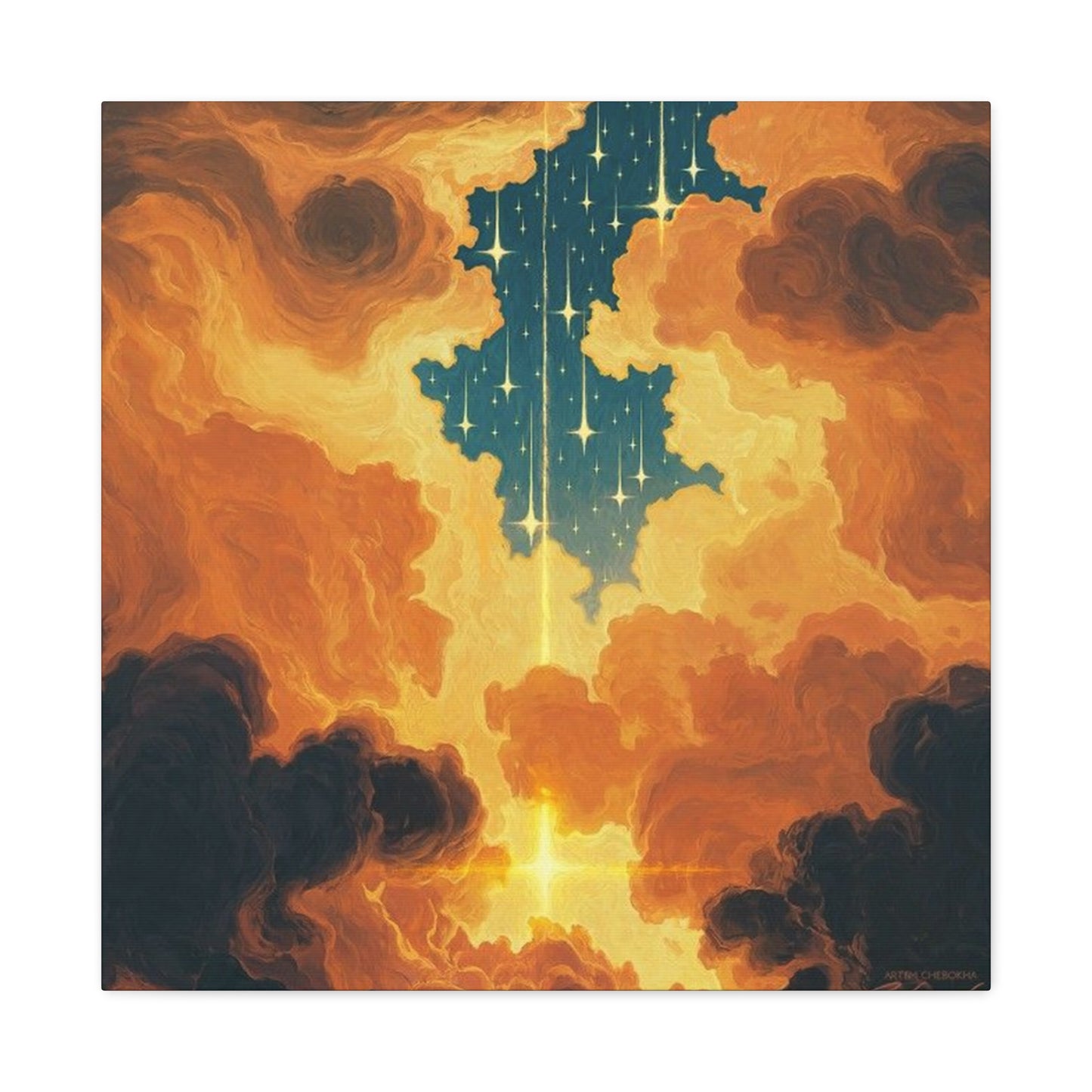
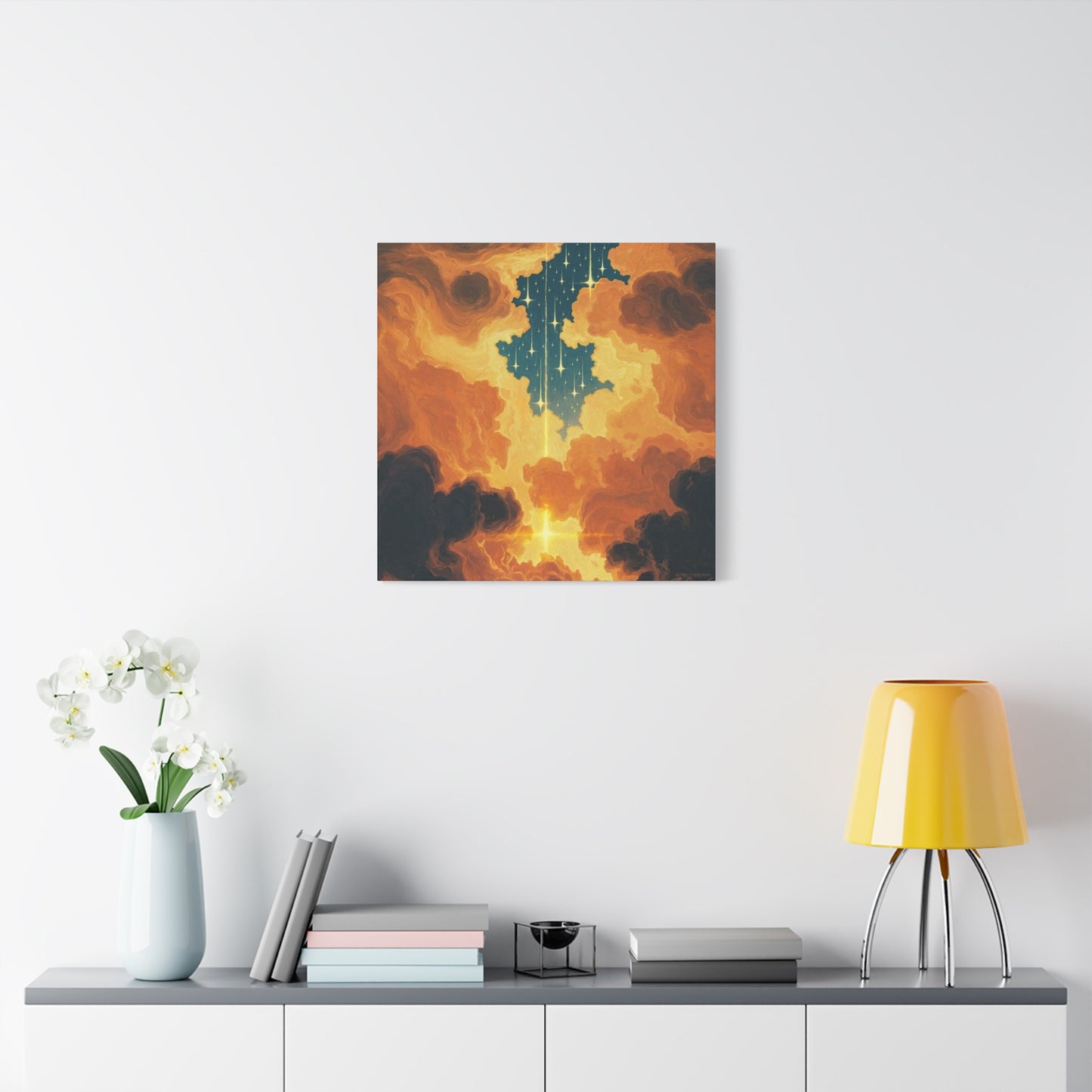
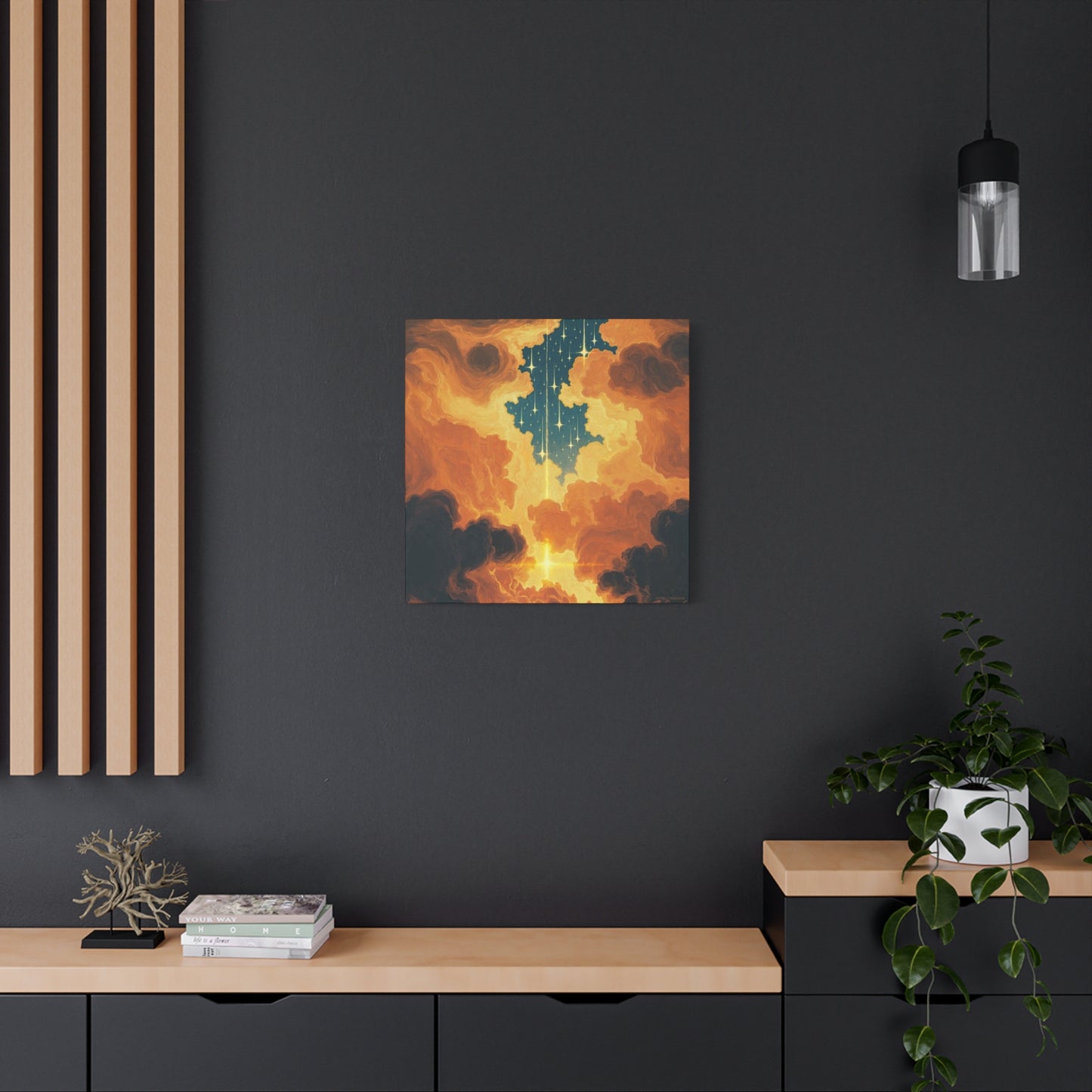
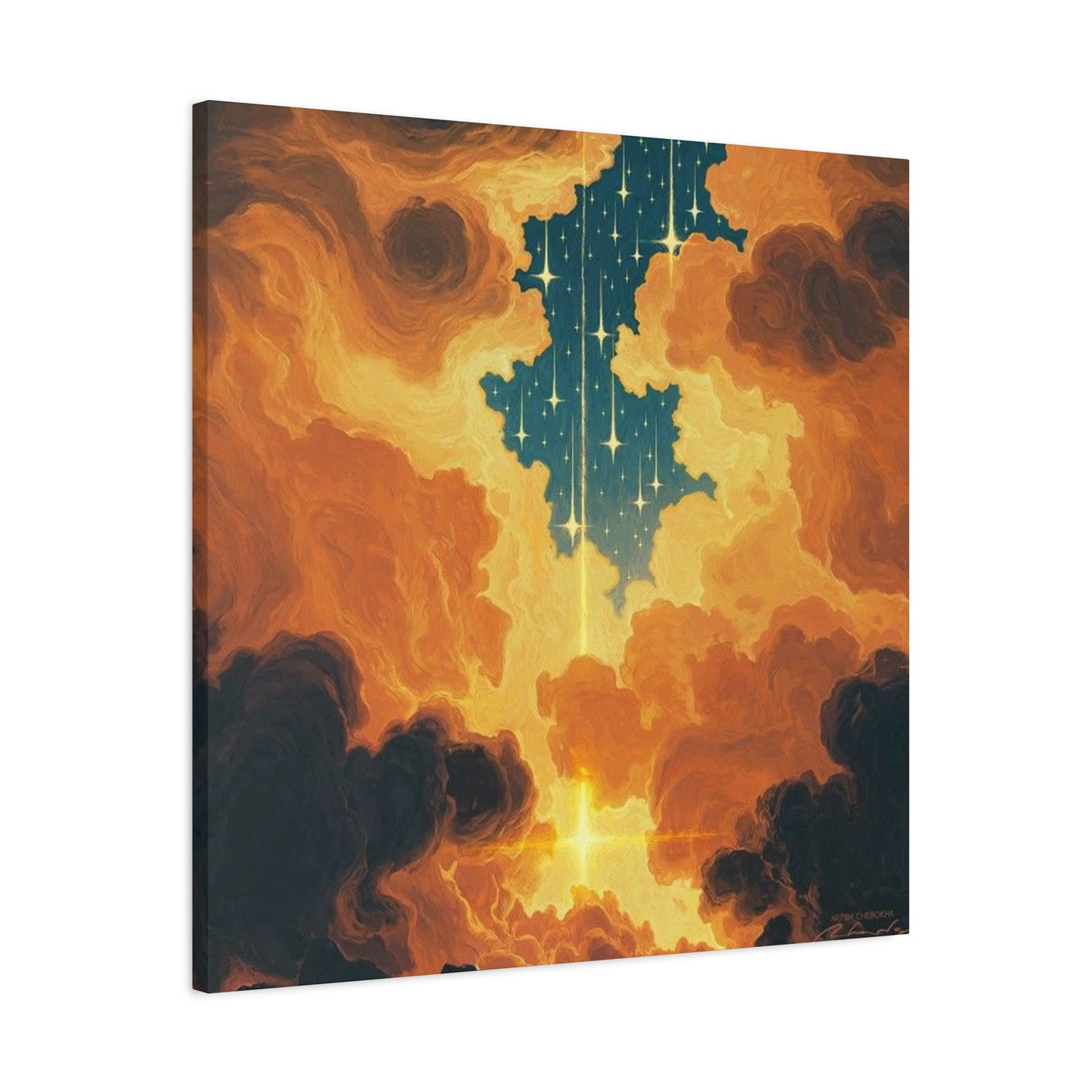
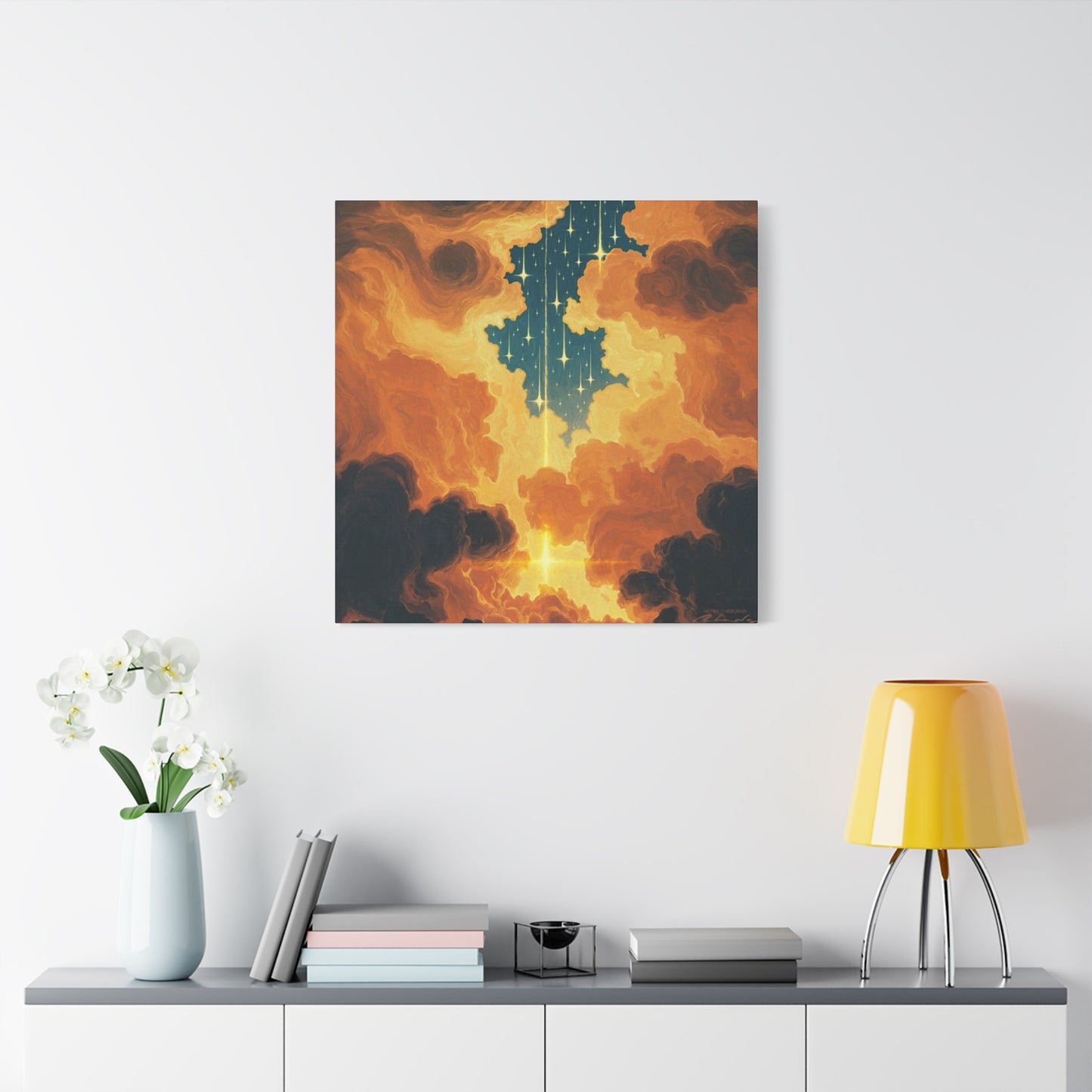
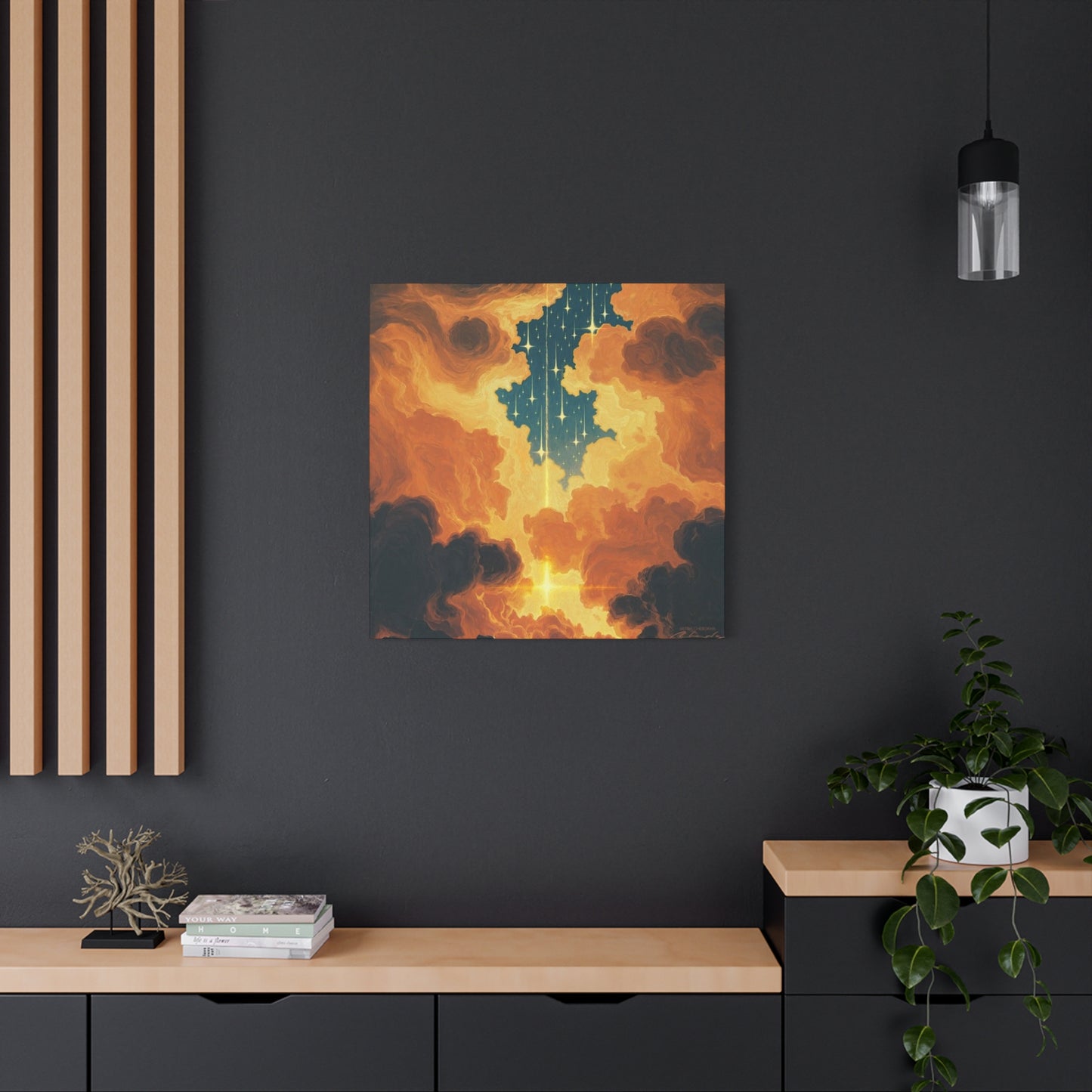
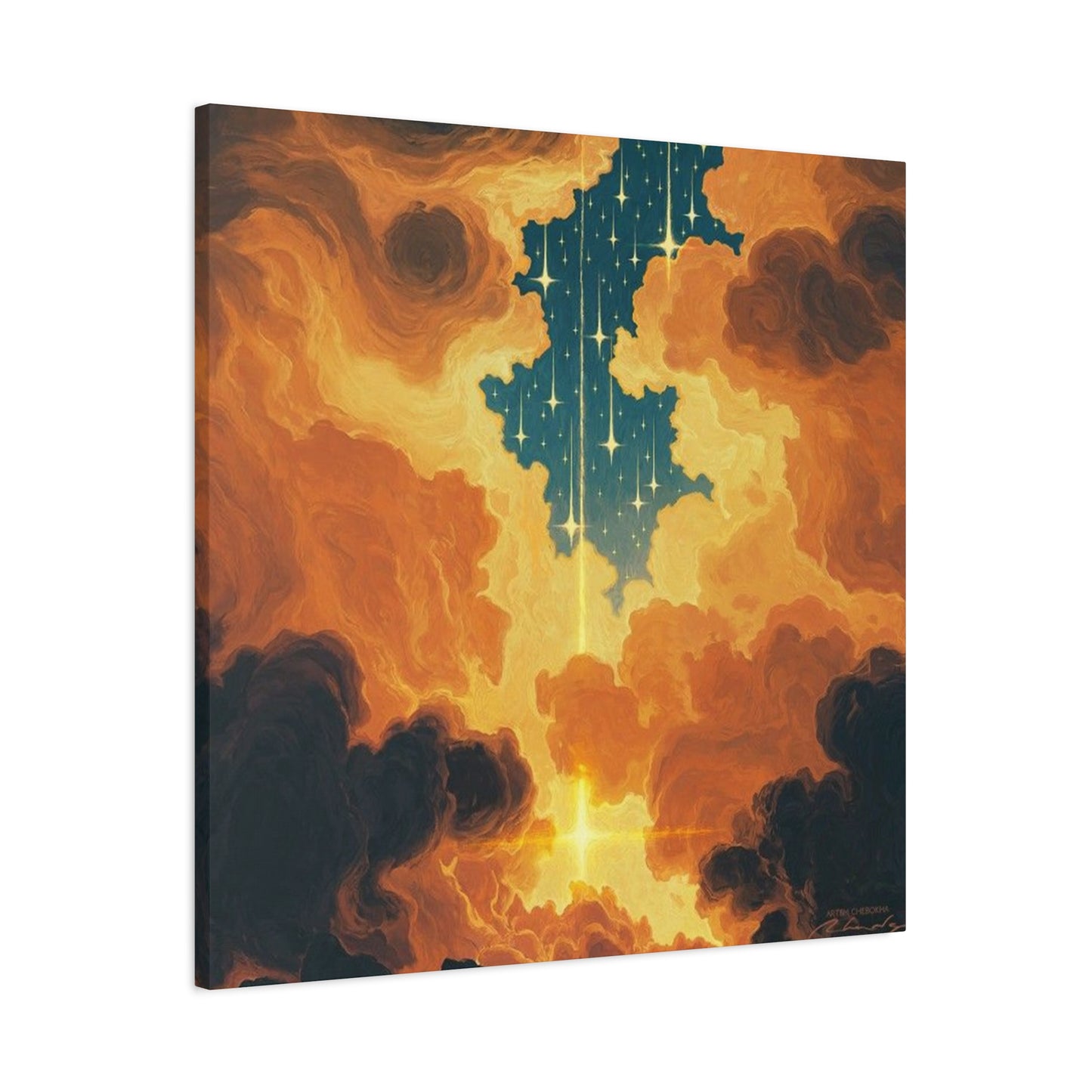
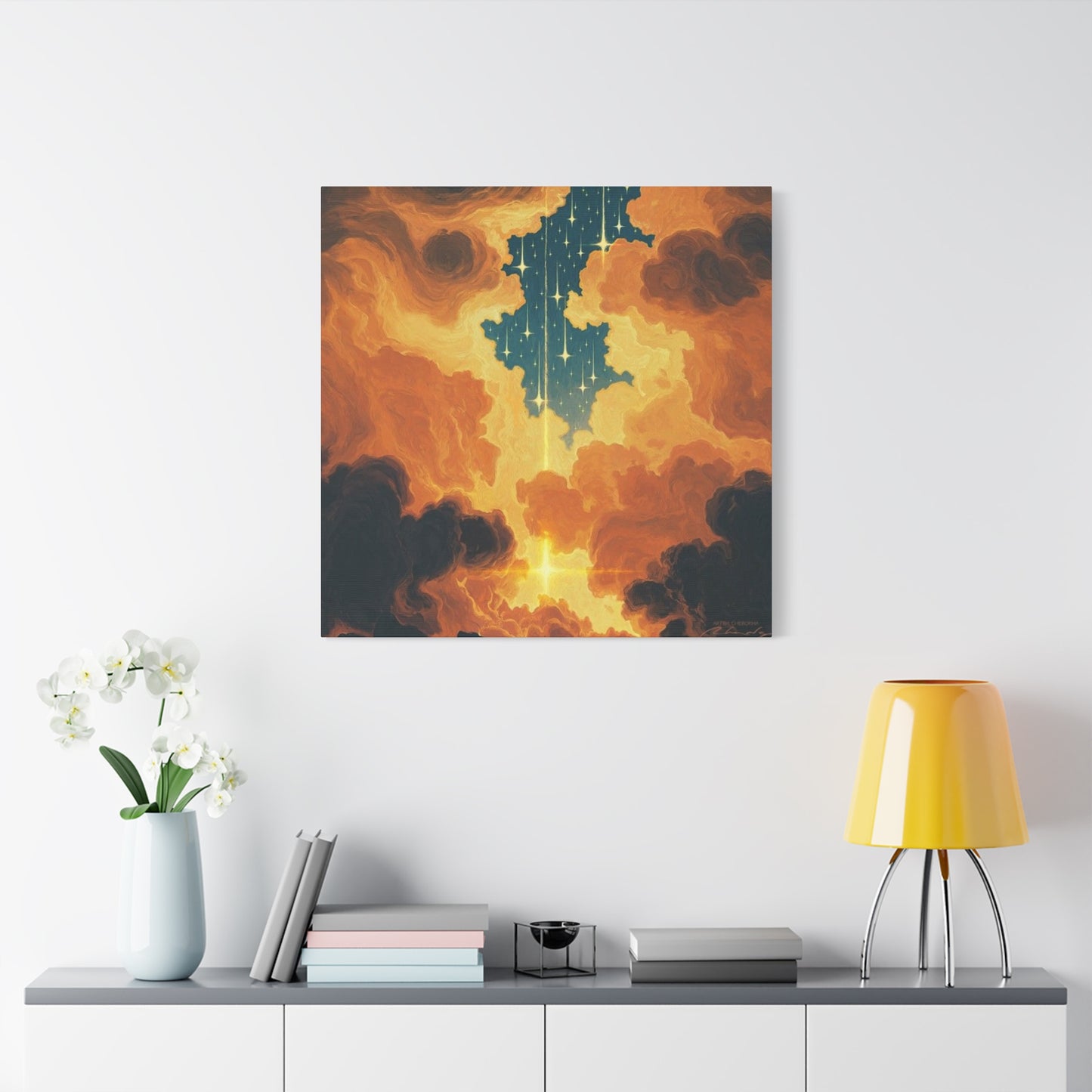
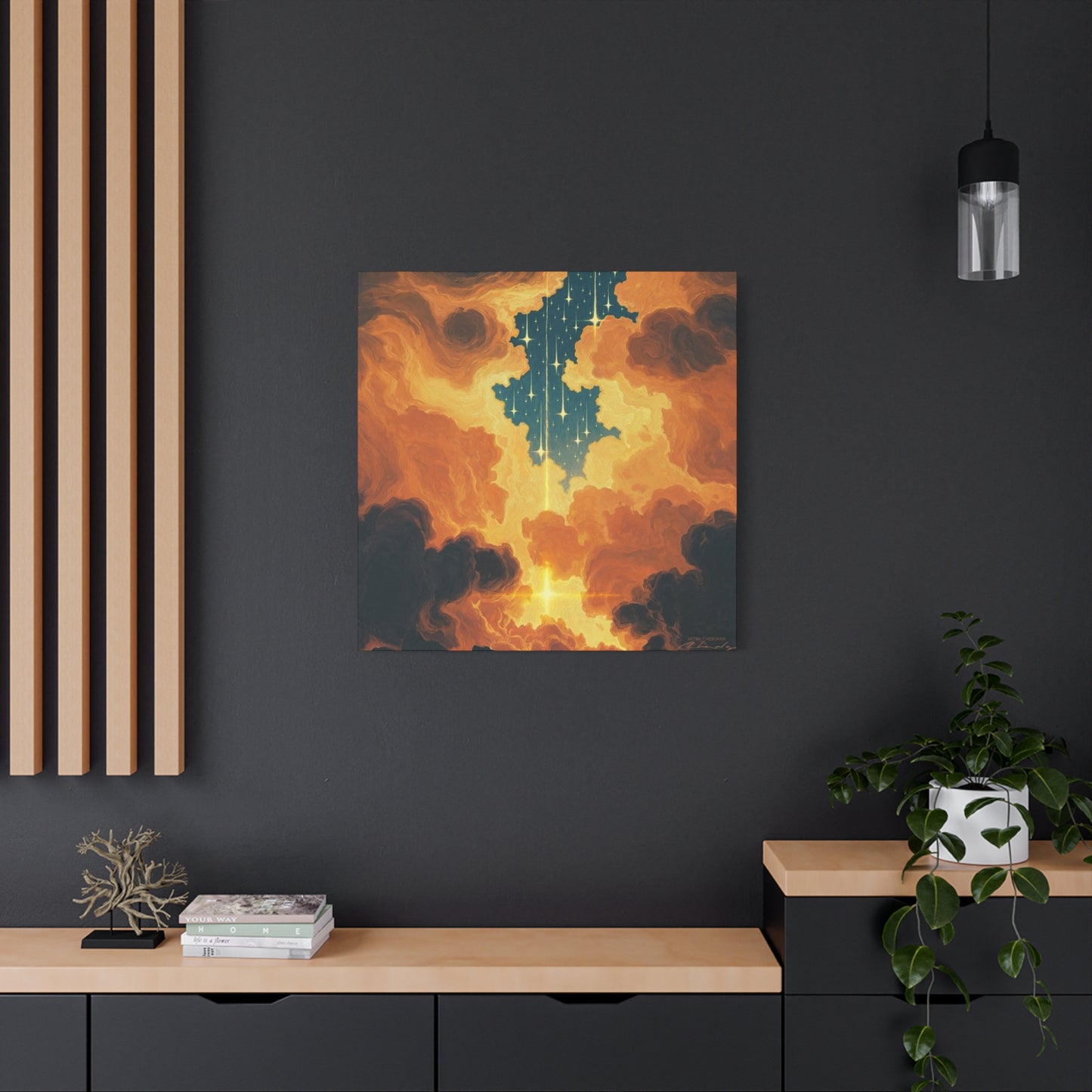
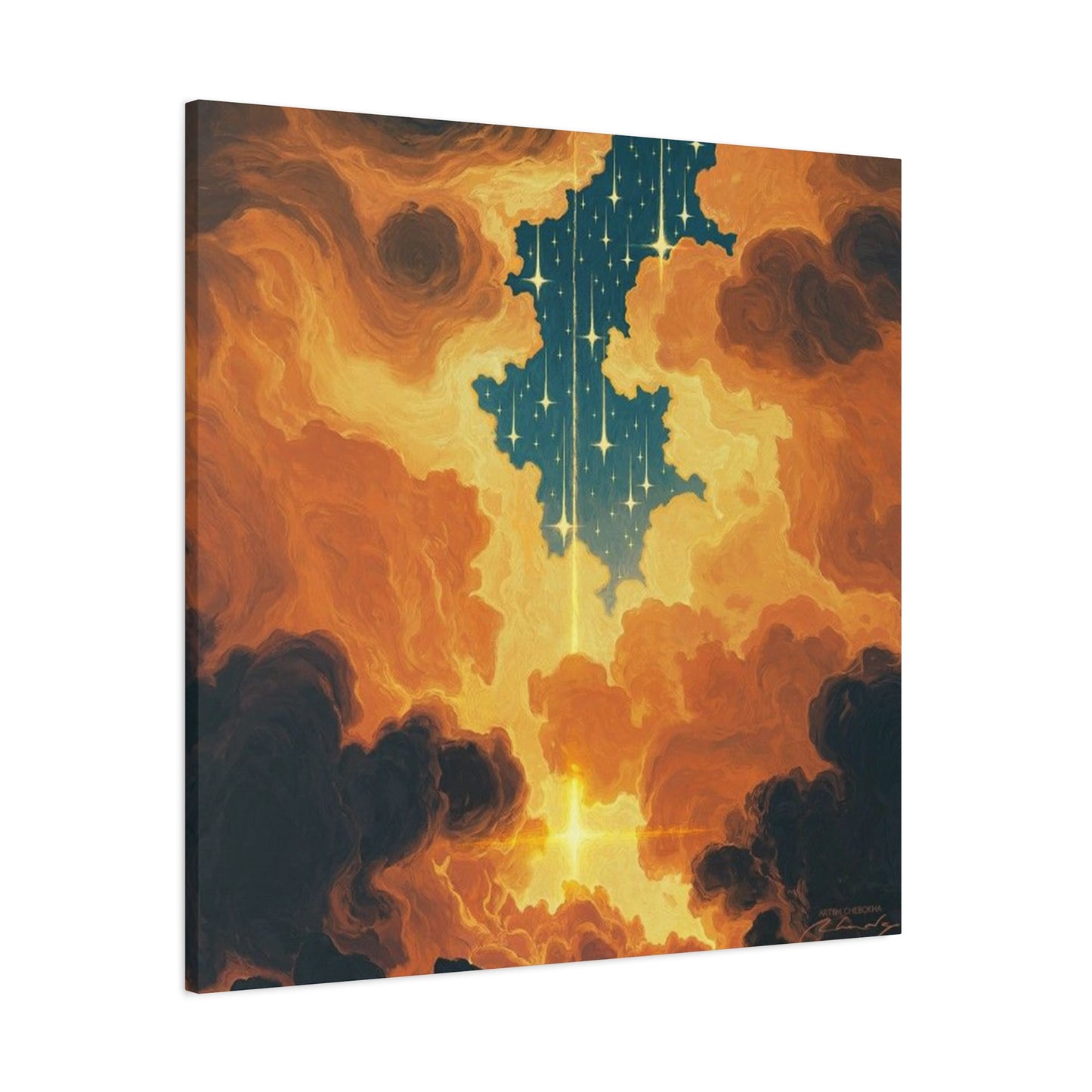
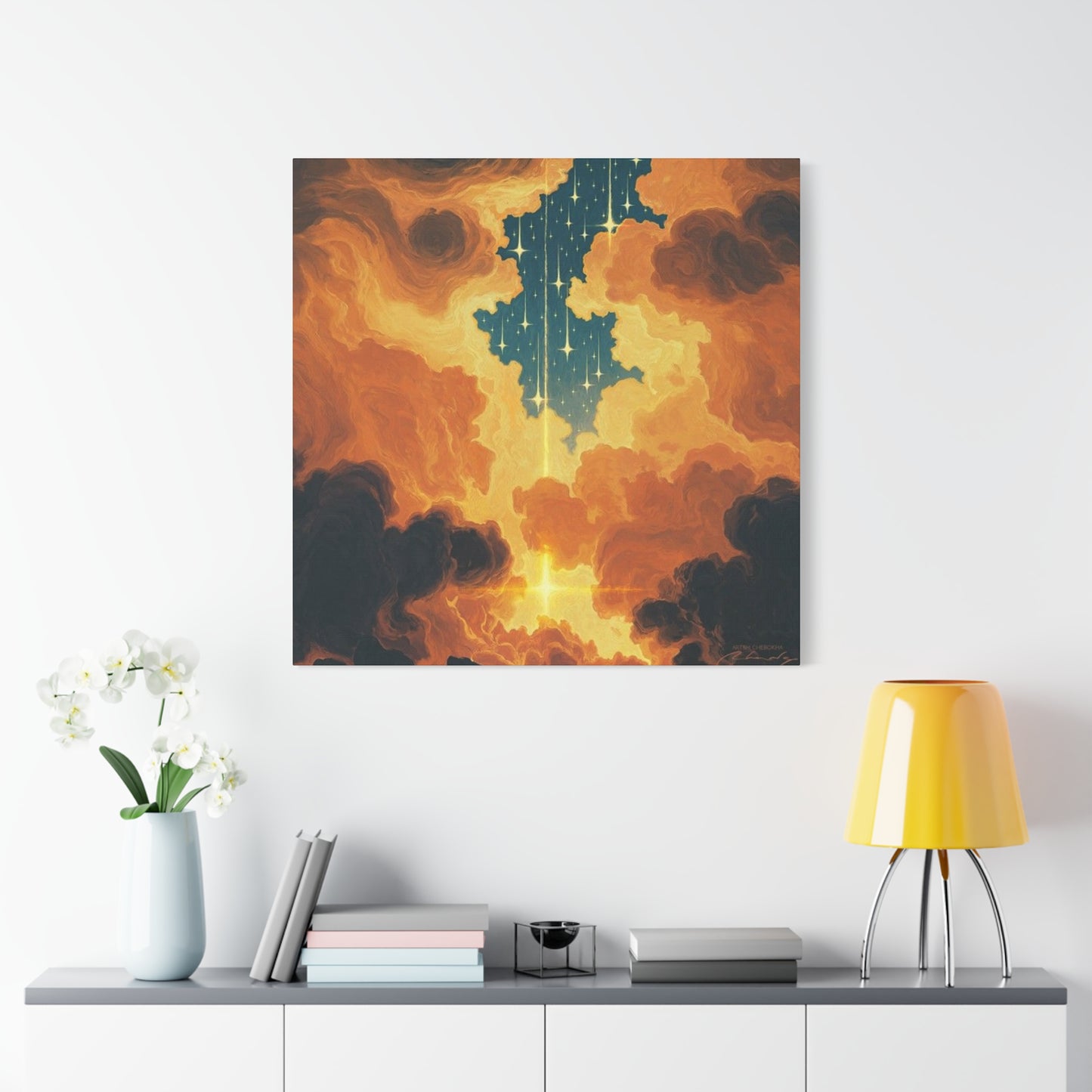
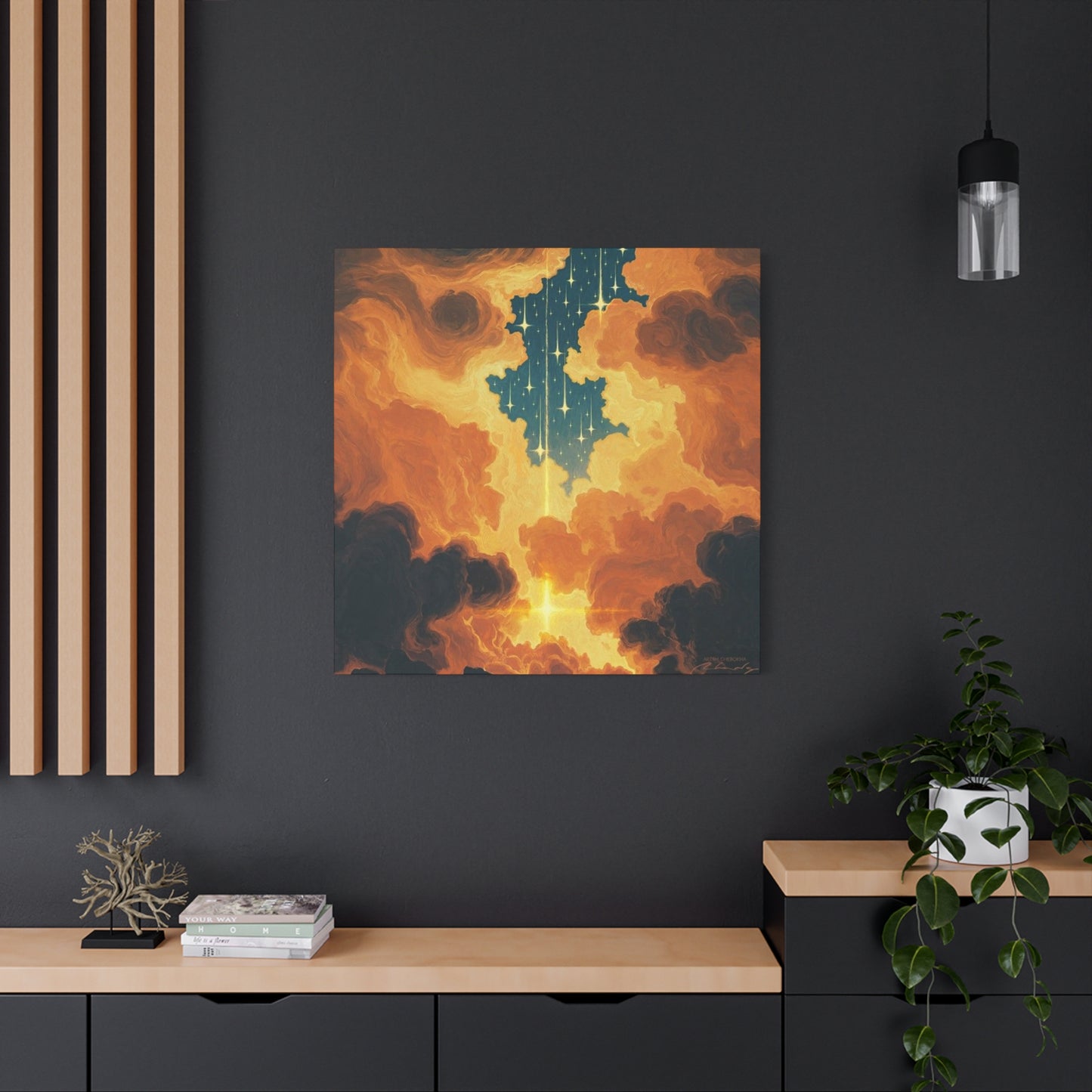
Dawn Color Clouds Wall Art & Canvas Prints
Dawn Color Clouds Wall Art & Canvas Prints
Couldn't load pickup availability
Captivating Dawn Color Clouds Wall Art: Bringing Serene Morning Skies Into Your Living Spaces
The ethereal beauty of sunrise moments captured through dawn color clouds wall art represents one of nature's most magnificent displays translated into interior design elements. When morning light breaks across the horizon, painting atmospheric formations in shades of coral, amber, rose, and soft lavender, photographers and artists seize these fleeting moments to create stunning visual compositions. These captured impressions become transformative decorative pieces that infuse residential and commercial environments with tranquility, warmth, and natural splendor.
Dawn color clouds wall art encompasses photographic prints, canvas reproductions, framed artwork, metal prints, acrylic panels, and digital illustrations depicting sunrise cloudscapes. Each medium offers distinct characteristics that affect how colors appear, how light interacts with the surface, and how the artwork integrates within different spatial contexts. Understanding these variations helps individuals select pieces that resonate with their aesthetic preferences while complementing existing architectural features and furnishing arrangements.
The psychological impact of sunrise imagery extends beyond mere decoration. Research in environmental psychology demonstrates that natural scenes, particularly those featuring soft morning hues, contribute to stress reduction, improved mood regulation, and enhanced cognitive function. Incorporating dawn color clouds wall art into living spaces creates visual anchors that evoke calmness and optimism, establishing atmospheric conditions conducive to relaxation, creativity, and contemplative thought.
Exploring Various Artistic Representations of Morning Sky Phenomena
Artists and photographers employ diverse approaches when capturing dawn cloudscapes, resulting in varied stylistic interpretations. Realistic photographic representations preserve authentic color gradations, cloud textures, and atmospheric depth exactly as witnessed during actual sunrise events. These pieces appeal to individuals seeking genuine natural beauty reproduced with meticulous accuracy, offering windows into specific geographical locations and meteorological conditions.
Impressionistic renditions of morning skies introduce painterly qualities, where brushstrokes and color blending create dreamlike interpretations of dawn moments. These artistic translations emphasize emotional resonance over literal accuracy, allowing creators to amplify certain hues, exaggerate cloud formations, or simplify compositional elements. Such interpretations attract viewers who appreciate subjective artistic vision and expressive color manipulation.
Abstract representations distill sunrise experiences into essential components—color relationships, tonal transitions, and compositional balance—without depicting recognizable cloud formations or horizon lines. These minimalist approaches focus attention on pure visual sensation, creating contemplative pieces that stimulate imagination rather than depicting specific scenes. Abstract dawn-inspired artwork integrates seamlessly into contemporary minimalist interiors while maintaining connections to natural phenomena.
Surrealistic interpretations blend realistic dawn elements with fantastical components, creating otherworldly compositions that transcend conventional landscape representation. Artists might introduce unexpected color combinations, impossible cloud configurations, or dreamlike atmospheric effects that transform familiar sunrise scenes into extraordinary visual experiences. These imaginative pieces serve as conversation starters while injecting personality and whimsy into residential settings.
Selecting Appropriate Print Materials for Dawn-Themed Artwork
Canvas prints remain among the most popular choices for dawn color clouds wall art due to their texture, depth, and traditional artistic associations. High-quality canvas materials accept ink beautifully, producing rich color saturation and subtle tonal variations. The fabric texture adds tactile dimensionality that enhances the organic quality of cloud imagery, creating sophisticated presentations that work equally well in formal and casual environments.
Metal prints offer contemporary alternatives that produce vibrant, luminous results particularly suited to dawn imagery. The printing process infuses dyes directly into specially coated aluminum panels, creating weatherproof, scratch-resistant surfaces with exceptional color vibrancy and dimensional depth. Light reflects off the metallic substrate, giving sunrise colors an inherent glow that mimics the luminosity of actual dawn light. These modern presentations complement industrial, minimalist, and contemporary design schemes.
Acrylic panels provide premium presentations characterized by exceptional clarity, depth, and color brilliance. Printing directly onto acrylic or mounting prints behind clear acrylic creates multi-dimensional effects with stunning visual impact. The transparent material allows light to penetrate the image, creating illuminated qualities especially effective for dawn scenes. Acrylic presentations project contemporary sophistication suitable for upscale residential and corporate environments.
Fine art paper prints cater to collectors and purists who value archival quality and traditional presentation formats. Museum-grade papers paired with archival inks ensure longevity, color stability, and fade resistance over decades. These prints typically require professional framing with conservation materials, resulting in gallery-quality presentations that honor the artistic integrity of dawn photographs and paintings. Such presentations suit formal spaces, galleries, and collections where permanence and authenticity matter most.
Framed photographic prints behind glass offer classic presentations that protect artwork while providing clean, finished appearances. Various frame styles—from ornate traditional designs to sleek contemporary profiles—allow customization to match existing decor. Glass options include regular clear glass, non-reflective museum glass, and UV-protective glazing that prevents fading. Proper framing elevates dawn imagery into heirloom-quality pieces suitable for prominent display locations.
Understanding Color Psychology Within Sunrise Imagery
The specific color palettes present in dawn color clouds wall art significantly influence emotional responses and spatial perceptions. Warm peachy tones and soft coral hues evoke feelings of comfort, optimism, and gentle energy. These inviting colors create welcoming atmospheres in entryways, living rooms, and spaces designed for social gathering. Their warmth counterbalances cool architectural elements like concrete, steel, or white walls.
Lavender and soft purple tones introduce calming, spiritual qualities associated with contemplation and introspection. These cooler dawn colors suit bedrooms, meditation spaces, reading nooks, and areas designated for quiet reflection. Their soothing nature promotes relaxation without inducing sleepiness, maintaining alertness while reducing stress responses.
Golden amber and honey-toned sunrise colors project warmth, vitality, and positive energy. These rich hues stimulate without overwhelming, making them excellent choices for home offices, creative studios, and spaces where sustained focus and motivation prove essential. Their luminous quality brightens rooms while maintaining sophisticated elegance.
Rose and blush pink dawn hues create romantic, gentle atmospheres with feminine sensibilities. These delicate colors suit bedrooms, dressing areas, and intimate spaces where softness and tenderness enhance the environment. Their subtle warmth promotes feelings of comfort and emotional security.
Multi-hued dawn compositions incorporating several color families offer visual complexity and versatility. These varied palettes provide multiple color connection points, allowing easier coordination with existing furnishings, textiles, and decorative elements. Their dynamic quality prevents monotony while maintaining cohesive natural themes.
Determining Optimal Sizes and Scales for Dawn Artwork
Artwork dimensions profoundly affect visual impact and spatial relationships within rooms. Oversized statement pieces measuring 40 by 60 inches or larger create dramatic focal points that anchor entire rooms. These commanding presentations work best on expansive wall surfaces in living rooms, master bedrooms, or above substantial furniture pieces like sofas or king-sized beds. Large-scale dawn imagery immerses viewers in atmospheric beauty, creating powerful emotional connections.
Medium-sized pieces ranging from 24 by 36 inches to 32 by 48 inches offer substantial presence without overwhelming spaces. These versatile dimensions suit various locations including above fireplace mantels, in dining areas, along hallways, or in moderately sized bedrooms. Their balanced proportions complement both large and compact rooms while maintaining visual significance.
Smaller artwork measuring 16 by 20 inches to 20 by 30 inches provides flexibility for gallery wall arrangements, groupings, or placement in confined areas. These modest dimensions work well in bathrooms, home offices, compact bedrooms, or as components within larger wall compositions. Multiple small dawn pieces arranged thoughtfully can create cohesive thematic presentations with collective impact rivaling single large works.
Panoramic formats emphasizing horizontal dimensions capture sweeping dawn horizons particularly effectively. These elongated proportions—such as 12 by 36 inches or 20 by 60 inches—suit placement above furniture pieces, along narrow wall sections, or in spaces with horizontal architectural emphasis. Panoramic presentations create cinematic qualities that enhance the expansive feeling characteristic of open sky scenes.
Vertical orientations work effectively for narrow wall spaces, between windows, or in areas with vertical architectural features. Tall formats direct visual attention upward, creating illusions of increased ceiling height while showcasing dramatic cloud formations rising into morning skies. These orientations suit entryways, staircases, and beside doorways.
Identifying Ideal Room Locations for Dawn-Themed Decorations
Bedrooms represent particularly appropriate locations for dawn color clouds wall art due to natural associations between sunrise imagery and awakening, renewal, and peaceful beginnings. Positioning dawn scenes where they become first visual experiences upon waking establishes positive emotional tones for entire days. The gentle color palettes typical of sunrise imagery promote tranquility conducive to restful sleep environments while providing uplifting motivation during morning hours.
Living rooms benefit from dawn artwork's capacity to create welcoming, serene atmospheres for family gatherings and social interactions. Placing substantial dawn pieces above seating arrangements establishes visual anchors that draw attention without creating distractions. The neutral-leaning warm tones in most sunrise imagery coordinate easily with diverse furnishing styles and color schemes, providing decorative flexibility as tastes evolve.
Home offices and creative workspaces gain inspiration from dawn imagery's associations with fresh starts, clarity, and new possibilities. Morning sky scenes positioned within sight lines from work areas provide visual respites during intensive focus periods, reducing eye strain and mental fatigue. The optimistic qualities inherent in sunrise depictions counteract work-related stress while maintaining professional sophistication.
Meditation rooms, yoga studios, and wellness spaces align perfectly with dawn artwork's inherent tranquility and spiritual associations. The natural beauty and soft color transitions characteristic of sunrise scenes enhance contemplative practices, supporting mindfulness, breath awareness, and present-moment focus. These calming visual elements complement the intentional stillness central to such practices.
Bathrooms transform into spa-like sanctuaries when adorned with dawn color clouds wall art. Morning routines gain ceremonial quality when performed within environments featuring serene natural beauty. Moisture-resistant materials like metal or acrylic prints withstand humid bathroom conditions while maintaining vibrant appearance. Properly sealed canvas and framed works also suit bathrooms with adequate ventilation.
Entryways and foyers create first impressions enhanced by welcoming dawn imagery. Sunrise scenes greet arriving guests with warmth and natural beauty, establishing hospitable tones from the moment they enter. The universal appeal of morning sky beauty transcends stylistic preferences, making dawn artwork appropriate for diverse visitor sensibilities.
Dining areas gain unexpected sophistication from well-chosen dawn pieces. The warm color palettes complement various lighting conditions from bright daylight through intimate evening illumination. Sunrise imagery introduces natural elements into spaces often dominated by manufactured materials, creating balanced environments that feel both refined and organically connected.
Coordinating Dawn Artwork with Various Interior Design Styles
Contemporary minimalist interiors pair excellently with simplified, abstract interpretations of dawn phenomena. Clean compositions featuring soft color gradations without excessive detail maintain the uncluttered aesthetic central to minimalist philosophy while introducing warmth and organic softness. Frameless presentations or simple floating frames preserve streamlined appearances.
Scandinavian design sensibilities embrace dawn artwork's natural themes and soft color palettes. The Nordic emphasis on light, nature connection, and hygge principles aligns perfectly with gentle sunrise imagery. Simple wooden frames or unframed canvas presentations complement Scandinavian furniture's clean lines and natural materials. Muted dawn colors coordinate beautifully with typical Scandinavian neutrals—whites, grays, and natural woods.
Coastal and nautical themes find natural companions in dawn color clouds wall art, particularly pieces featuring water elements beneath morning skies. The soft blues, corals, and warm neutrals common in sunrise imagery echo beach color palettes while reinforcing oceanic connections. Driftwood-style frames or weathered finishes enhance coastal authenticity.
Bohemian and eclectic interiors welcome dawn artwork's organic beauty and color variety. The free-spirited aesthetic embraces nature-inspired elements, making sunrise imagery perfectly at home among diverse textiles, global artifacts, and layered decorative elements. Ornate vintage frames or mixed media presentations suit bohemian sensibilities.
Rustic and farmhouse styles benefit from dawn imagery's connection to rural life and agricultural rhythms. Sunrise holds particular significance in farming traditions, marking the beginning of workdays and symbolizing hope and productivity. Reclaimed wood frames, distressed finishes, or barn wood presentations enhance rustic authenticity while honoring agricultural heritage.
Modern industrial spaces soften through incorporation of dawn color clouds wall art. The organic beauty and warm colors provide essential counterbalance to industrial elements like exposed brick, concrete, metal, and utilitarian lighting. Metal print presentations particularly suit industrial aesthetics, maintaining edgy contemporary qualities while introducing natural warmth.
Traditional and classic interiors accommodate dawn artwork through formal framing and balanced compositions. Ornate gold or dark wood frames elevate sunrise imagery into refined presentations appropriate for conventional spaces. Symmetrical arrangements and careful proportion considerations ensure harmonious integration with traditional architectural details and furnishings.
Transitional styles—blending traditional and contemporary elements—find ideal matches in dawn artwork's timeless appeal. Sunrise imagery transcends stylistic boundaries, working equally well with both classic and modern elements. Neutral frames in brushed metals or simple woods maintain transitional flexibility.
Examining Frame Choices That Enhance Dawn Imagery
Frame selection significantly influences how dawn color clouds wall art appears and integrates within spaces. Natural wood frames in warm tones like oak, cherry, or walnut complement sunrise color palettes beautifully. The organic material creates harmonious connections between natural imagery and presentation, particularly effective in rustic, traditional, or transitional settings. Wood grain variations add subtle texture without competing with artwork.
White and cream-colored frames provide clean, versatile presentations that work across multiple design styles. These light neutrals prevent visual competition with delicate dawn colors while maintaining crisp, finished appearances. White frames particularly suit Scandinavian, coastal, and contemporary minimalist environments where brightness and simplicity prevail.
Black frames create dramatic contrasts that make dawn colors appear more vibrant and luminous. The dark boundary focuses attention inward toward artwork while projecting contemporary sophistication. Black frames suit modern, industrial, and minimalist interiors where bold graphic qualities enhance aesthetic impact.
Metallic frames in gold, silver, bronze, or copper tones introduce luxurious refinement. Gold frames particularly complement warm peachy and amber dawn tones, creating cohesive warm-toned presentations. Silver and brushed nickel frames suit cooler lavender and blue-toned sunrise imagery. Metallic finishes elevate artwork into statement pieces appropriate for formal spaces.
Floating frames—where artwork appears suspended within the frame with visible gaps between image edges and frame—create contemporary three-dimensional effects. These modern presentations add architectural interest while maintaining clean lines. Floating frames particularly enhance canvas and panel prints, adding depth and shadow play.
Gallery-style frames with wide mats create museum-quality presentations that honor artistic integrity. Generous matting draws attention toward central imagery while providing breathing room around compositions. This formal approach suits fine art prints, limited editions, and collections where presentation quality matches artistic significance.
Frameless presentations maintain ultra-modern simplicity, allowing artwork itself to dominate without decorative boundaries. Canvas gallery wraps—where images extend around panel edges—create finished appearances without frames. Frameless acrylic and metal prints project sleek contemporary qualities perfectly suited to minimalist and industrial spaces.
Mastering Lighting Approaches for Maximum Visual Impact
Proper illumination dramatically enhances how dawn color clouds wall art appears and affects surrounding environments. Picture lights mounted directly above or below artwork provide focused illumination that highlights colors and details while creating dramatic shadowing effects. Adjustable picture lights allow customization of beam angles and intensities to suit specific pieces and viewing preferences.
Track lighting systems offer flexible solutions allowing multiple fixtures to illuminate artwork from various angles. This versatility accommodates future artwork changes without requiring new electrical work. Adjustable heads direct light precisely where needed, preventing glare while emphasizing desired features. Dimmer controls enable atmospheric adjustments throughout different times of day.
Recessed ceiling spotlights create clean, architectural lighting solutions without visible fixtures cluttering visual fields. Strategically positioned recessed lights wash walls with even illumination or spotlight specific artworks. This approach suits contemporary minimalist and modern interiors where fixture visibility would compromise aesthetic purity.
Ambient room lighting significantly affects how dawn artwork appears. Natural daylight varies throughout days and seasons, constantly transforming how colors present themselves. North-facing light remains relatively consistent and cool, while southern exposures provide warm, changing illumination. Eastern light creates bright morning conditions, while western light delivers warm afternoon and evening glow. Understanding these patterns helps predict how dawn imagery will appear under different natural lighting conditions.
Artificial lighting color temperatures dramatically influence color perception. Warm white bulbs (2700-3000K) enhance peachy, amber, and coral dawn tones, creating cozy atmospheric conditions particularly suitable for bedrooms and living areas. Neutral white light (3500-4100K) provides balanced illumination that represents colors accurately without cool or warm bias. Cool white light (5000-6500K) suits task-oriented spaces but may diminish warm dawn tones' emotional impact.
LED strip lighting installed behind artwork creates halo effects that make pieces appear to float while adding ambient illumination. This contemporary technique works particularly well with frameless presentations and modern interiors. Color-changing LED systems allow atmospheric customization, though white light typically best preserves artistic color integrity.
Layered lighting combining ambient, task, and accent sources creates sophisticated environments where artwork receives appropriate emphasis while maintaining functional illumination. This comprehensive approach prevents artwork lighting from appearing theatrical or disconnected from overall lighting schemes.
Arranging Multiple Dawn Pieces Within Gallery Wall Compositions
Gallery walls featuring multiple dawn color clouds wall art pieces create dynamic visual narratives and significant decorative impact. Thematic coherence—using pieces depicting similar color palettes, atmospheric conditions, or compositional styles—establishes unified appearances even when incorporating various sizes and frame styles. This approach creates collections that feel intentional rather than random.
Salon-style arrangements featuring tight groupings of varied sizes, orientations, and frame styles project eclectic sophistication. This dense hanging approach originated in European salons and museums, creating visually rich walls that reward extended viewing. Successful salon walls require careful planning to balance visual weight, prevent awkward gaps, and maintain cohesive overall shapes despite varied piece dimensions.
Grid arrangements featuring identical or similarly sized pieces create orderly, contemporary presentations with graphic impact. This systematic approach works particularly well in modern and minimalist interiors where repetition and rhythm enhance architectural clarity. Consistent spacing between pieces maintains the grid's visual integrity.
Asymmetrical balanced arrangements feature varied piece sizes positioned to achieve visual equilibrium without formal symmetry. Larger pieces might anchor one side with multiple smaller pieces balancing opposite areas. This approach creates dynamic interest while maintaining compositional stability, suitable for contemporary and transitional interiors.
Linear horizontal arrangements position multiple pieces along imaginary horizontal lines, creating continuous visual flows. This approach works effectively above furniture pieces like sofas or console tables, where horizontal emphasis complements furnishing lines. Varying sizes within horizontal arrangements prevents monotony while maintaining linear coherence.
Vertical arrangements emphasize height, creating columns of imagery suitable for narrow wall sections or beside architectural features. Stacking pieces vertically draws eyes upward, creating illusions of increased ceiling height—valuable in spaces with limited vertical dimensions.
Clustered focal point arrangements group pieces tightly around central locations—above fireplaces, beds, or key furniture pieces. This approach concentrates visual attention, creating strong anchors for entire rooms. Surrounding the central cluster with negative space prevents visual crowding.
Before committing to permanent hanging, laying out proposed arrangements on floors or using paper templates taped to walls allows experimentation without wall damage. Photographing various arrangements helps visualize options and facilitates decision-making.
Incorporating Dawn Imagery Within Different Architectural Features
Architectural niches and recessed wall sections provide perfect opportunities for featuring dawn color clouds wall art. These built-in spaces create natural frames, focusing attention on displayed pieces. Adding subtle lighting within niches enhances this effect, transforming recesses into illuminated showcases.
Stairway walls offer extensive vertical space ideal for dramatic dawn imagery presentations. Ascending staircases naturally direct vision upward, making them perfect locations for vertical or progressive arrangements featuring multiple dawn pieces. Proper positioning ensures visibility from both ascending and descending perspectives.
Vaulted ceilings and soaring walls in great rooms accommodate oversized statement pieces that would overwhelm standard-height spaces. Large-scale dawn panoramas particularly suit these expansive architectural features, creating immersive experiences proportional to grand spatial volumes.
Above-door spaces often remain underutilized despite offering excellent visibility. Horizontal dawn panoramas work particularly well in these locations, drawing attention while utilizing otherwise empty areas. This placement creates visual interest in circulation spaces like hallways where wall space might be limited.
Bay windows and window seats benefit from dawn imagery positioned to create visual dialogues between actual outdoor views and represented natural beauty. Positioning sunrise artwork adjacent to windows creates interesting juxtapositions between real and depicted light conditions.
Fireplace surrounds traditionally serve as focal points, making them prime locations for significant artwork. Dawn pieces positioned above mantels receive natural visual emphasis, becoming central features around which room arrangements organize. The warm tones typical of sunrise imagery complement fireplace associations with warmth and gathering.
Built-in shelving systems accommodate dawn artwork alongside books, objects, and other decorative elements. Leaning smaller pieces against shelf backs creates casual, curated appearances popular in contemporary residential styling. Rotating displayed pieces prevents visual stagnation.
Architectural columns and pillars provide narrow vertical surfaces suitable for tall-format dawn imagery. These structural elements often interrupt wall continuity; artwork installations transform potential visual obstacles into featured elements.
Balancing Dawn Artwork with Complementary Decorative Elements
Successfully incorporating dawn color clouds wall art requires thoughtful relationships with surrounding furnishings and decorative objects. Throw pillows, blankets, and upholstery featuring colors pulled from dawn imagery create cohesive color stories connecting artwork to furnishings. This intentional color repetition establishes visual harmony and demonstrates decorative sophistication.
Area rugs can echo dawn color palettes, particularly those featuring warm corals, soft blues, or neutral sandy tones reminiscent of beaches at sunrise. Rugs ground spaces while reinforcing color themes established by wall art, creating top-to-bottom visual continuity.
Decorative objects—vases, sculptures, books, and accessories—selected to complement dawn imagery amplify thematic coherence. Natural materials like driftwood, shells, stones, and botanical elements enhance organic connections suggested by nature-based artwork. Metal objects in warm copper or bronze tones complement peachy amber sunrise colors.
Window treatments in complementary colors and textures support overall aesthetic unity. Sheer curtains in cream, blush, or soft gray maintain airy qualities echoing expansive skies. Heavier drapes in coordinating solid colors provide visual weight balancing substantial artwork.
Furniture placement should consider artwork visibility, ensuring pieces remain clearly visible from primary seating positions and circulation paths. Avoid positioning tall furniture directly in front of significant artwork, creating viewing obstructions.
Greenery and botanical elements create living connections to the natural world referenced in dawn imagery. Potted plants, fresh flowers, or preserved branches introduce organic textures and natural color variations that complement rather than compete with artwork.
Layering textures through textiles, materials, and finishes prevents spaces from appearing flat or one-dimensional. Smooth painted walls might be balanced with nubby textiles, rough natural wood, smooth metals, and soft fabrics, creating rich tactile environments that complement visual interest provided by dawn artwork.
Avoiding visual clutter around significant artwork prevents competition for attention. Allowing breathing room with sufficient negative space enables artwork to make intended impacts without visual interference from excessive surrounding decoration.
Exploring Seasonal Rotation Strategies for Dawn Collections
Building collections of dawn color clouds wall art in varied color palettes and moods enables seasonal rotations that refresh spaces throughout the year. Spring-appropriate dawn pieces might emphasize fresh peachy pinks, soft corals, and renewed golden tones reflecting seasonal awakening and growth. These optimistic colors align with spring's associations with rebirth and renewal.
Summer dawn imagery might feature more vibrant, saturated colors—deeper corals, brilliant golds, and richer blues—reflecting intense light and longer days characteristic of summer months. Bolder compositions suit the season's energetic qualities.
Autumn-oriented sunrise pieces could emphasize amber, rust, deep rose, and muted gold tones echoing fall foliage and harvest associations. These warmer, earthier palettes complement seasonal transitions and cozy autumn atmospheres.
Winter dawn selections might lean toward cooler palettes—lavenders, soft blues, silvery grays, and subtle pinks—reflecting crisp winter light and shorter days. These cooler tones create serene winter sanctuaries while maintaining the warmth and hope inherent in sunrise imagery.
Rotating artwork seasonally prevents visual stagnation, maintains fresh perspectives, and allows investment in multiple pieces to be enjoyed rather than stored indefinitely. This practice also enables matching artwork to seasonal decorating efforts, creating cohesive environments that honor changing natural cycles.
Proper storage protects artwork during off-seasons. Canvas and framed works should be stored vertically in climate-controlled environments, never leaning against rough surfaces that might damage surfaces. Wrapping pieces in acid-free paper or cloth prevents dust accumulation while allowing air circulation. Avoid plastic wrapping that might trap moisture.
Commissioning Custom Dawn Photography and Artwork
For truly unique presentations, commissioning custom dawn color clouds wall art from photographers and artists creates one-of-a-kind pieces tailored to specific preferences, dimensions, and color requirements. Custom commissions ensure artwork perfectly suits intended spaces while reflecting personal aesthetic sensibilities.
When commissioning photography, clearly communicate desired color palettes, compositional preferences, and emotional qualities. Some prefer dramatic sunrise explosions with intense color saturation, while others favor subtle, peaceful dawn moments. Specifying these preferences helps photographers capture imagery meeting expectations.
Providing exact dimension requirements ensures custom pieces fit intended locations precisely. Consider surrounding architectural features, furniture dimensions, and viewing distances when determining optimal sizes. Photographers can crop and size images specifically for designated spaces.
Discussing location preferences allows photographers to capture dawn scenes from meaningful places—favorite beaches, memorable travel destinations, or locally significant landscapes. This personal connection amplifies emotional resonance and conversational value.
For painted or illustrated custom artwork, sharing inspiration images, color swatches, and stylistic preferences guides artists toward desired aesthetic directions. Collaborative processes ensure final pieces align with visions while benefiting from artists' expertise and creative interpretation.
Understanding production timelines proves essential when commissioning custom work. Weather-dependent photography might require waiting for ideal atmospheric conditions. Original paintings demand substantial creation time. Planning ahead prevents disappointment when pieces are needed for specific events or completion deadlines.
Discussing pricing structures upfront establishes clear expectations. Custom work pricing considers artist experience, piece complexity, materials, dimensions, and usage rights. Some photographers charge differently for personal residential display versus commercial use. Clarifying these parameters prevents misunderstandings.
Establishing clear usage rights defines how commissioned artwork may be used. Most residential commissions grant buyers unlimited personal use while photographers retain copyrights for portfolio use and potential print sales. Commercial uses often require additional licensing agreements.
Understanding Print Longevity and Preservation Considerations
Archival quality significantly impacts how long dawn color clouds wall art maintains original appearance. Museum-quality giclée prints using archival inks and acid-free papers maintain color integrity for 100+ years under proper conditions. These premium options suit collectors and those viewing artwork as long-term investments.
Pigment-based inks offer superior lightfastness compared to dye-based alternatives. While dye inks may produce initially vibrant colors, they fade more rapidly when exposed to light and environmental pollutants. Pigment inks maintain stability over decades, preserving artists' original color intentions.
Paper quality affects longevity substantially. Acid-free, lignin-free papers prevent yellowing and deterioration over time. Cotton rag papers offer exceptional durability and archival stability. These premium substrates cost more initially but provide vastly extended lifespans.
UV-protective glazing in framed pieces blocks harmful ultraviolet radiation that causes fading and deterioration. Museum glass offers maximum UV filtration while maintaining exceptional clarity. Acrylic glazing provides shatter resistance alongside UV protection, suitable for high-traffic areas or households with children.
Canvas protective coatings shield printed surfaces from dust, moisture, and atmospheric pollutants while maintaining breathability. Quality protective sprays applied after printing extend canvas lifespan without altering appearance or color accuracy.
Environmental factors significantly impact artwork longevity. Direct sunlight causes rapid fading even in archival materials. Positioning artwork away from direct sun exposure preserves colors and materials. High humidity promotes mold growth and paper deterioration, while excessive dryness causes brittle cracking. Maintaining moderate, stable humidity (40-50%) protects prints and canvases.
Temperature fluctuations stress materials through expansion and contraction cycles, eventually causing warping, cracking, or delamination. Maintaining consistent moderate temperatures protects artwork integrity.
Proper hanging hardware prevents physical damage. Quality picture hangers rated for artwork weight prevent falls that damage pieces and walls. Wire hangers should attach to sturdy frame sides, not fragile backing boards. French cleats provide secure mounting for heavy pieces.
Regular dusting prevents accumulation that dulls surfaces and attracts moisture. Soft, dry microfiber cloths gently remove dust from frames and glass. Canvas surfaces should be dusted delicately to avoid surface damage. Compressed air removes dust from detailed frame carvings.
Investigating Various Price Points and Value Considerations
Dawn color clouds wall art spans vast price ranges from affordable mass-produced prints to investment-quality limited editions and original works. Understanding factors influencing pricing helps make informed purchasing decisions aligned with budgets and quality expectations.
Mass-produced prints from major retailers offer accessible entry points, typically ranging from twenty to one hundred fifty dollars depending on size and format. These commercially printed pieces provide attractive decoration without significant financial investment. Print quality varies substantially among manufacturers; examining actual samples when possible helps assess whether quality meets expectations.
Independent photographers and artists selling through online marketplaces typically charge moderate prices reflecting their professional expertise while remaining accessible to broader audiences. Prices generally range from one hundred to several hundred dollars depending on print size, edition limits, and artist recognition. These purchases directly support creative professionals while offering quality exceeding mass-produced alternatives.
Limited edition prints command premium prices due to scarcity and collectability. Photographers limit edition sizes—perhaps printing only 25 or 100 copies—then destroy negatives or files to guarantee exclusivity. Each print includes edition numbering (e.g., "15/100") and artist signatures. Limited editions typically range from several hundred to several thousand dollars depending on edition size and artist prominence.
Gallery-represented artists command higher prices reflecting gallery overhead, curatorial vetting, and established reputations. Gallery pieces provide assurances regarding quality, authenticity, and artist credibility. Prices vary tremendously based on artist recognition but generally start at several hundred dollars for smaller works.
Original paintings represent maximum investment, often requiring thousands or tens of thousands of dollars depending on artist reputation and piece dimensions. Original works offer unique ownership—no identical pieces exist—and potential value appreciation over time. Serious collectors view original artwork as both aesthetic enhancement and financial asset.
Beyond purchase prices, consider framing costs for unframed prints. Custom framing easily adds one hundred to several hundred dollars depending on frame quality, mat selections, and glazing choices. Some retailers offer framed options at purchase, potentially saving money compared to separate framing.
Shipping costs impact total expenses, particularly for large or framed pieces requiring careful packaging and insurance. Local pickup eliminates shipping fees while allowing personal inspection before committing to purchases.
Balancing quality and budget requires identifying priorities. Those viewing artwork primarily as decoration might opt for affordable mass-produced options, accepting potential limitations regarding print quality and longevity. Individuals valuing quality, longevity, and artist support might invest more in professional prints from independent creators. Serious collectors prioritize limited editions, gallery pieces, or originals despite higher costs.
Sourcing Dawn Artwork Through Multiple Marketplace Channels
Numerous venues offer dawn color clouds wall art, each providing distinct advantages, selection characteristics, and shopping experiences. Understanding these differences helps identify ideal sources for specific needs and preferences.
Online marketplaces connecting independent photographers and artists directly with buyers offer vast selections at moderate prices. These platforms feature extensive dawn imagery in diverse styles, color palettes, and price points. User reviews, seller ratings, and detailed product descriptions help assess quality before purchasing. Many sellers offer customization options including sizing and material selections.
Home decor retailers, both online and physical stores, carry curated dawn artwork selections alongside coordinating furnishings and accessories. Seeing artwork displayed within styled room settings helps visualize how pieces might appear in personal spaces. Physical stores allow examining print quality, colors, and frames firsthand before committing.
Fine art galleries specializing in photography or landscape artwork offer curated selections featuring established and emerging artists. Gallery staff provide expertise regarding artists, printing processes, and artwork care. Gallery environments allow viewing pieces under proper lighting conditions, appreciating details and subtle color variations difficult to assess through online images.
Art fairs and craft shows provide opportunities to meet artists personally, discuss their work, and purchase directly. This face-to-face interaction adds personal connections and stories enhancing artwork's meaning and value. Many artists offer show-specific pricing or promotional incentives.
Interior designers often maintain relationships with artists and access to trade-only sources. Hiring designers provides professional guidance coordinating artwork with comprehensive design schemes, though design fees increase overall costs.
Custom framing shops sometimes display local artists' work or maintain catalogs of available prints. These venues offer one-stop shopping combining artwork purchase with professional framing services ensuring proper presentation.
Photography studios specializing in landscape and nature work sell prints directly to clients. These sources provide highest quality control since photographers oversee entire production process from capture through printing and finishing.
When shopping online, requesting actual print samples before large purchases helps verify color accuracy and print quality. Monitor settings vary substantially, making accurate color assessment through screens difficult. Small sample prints provide tangible references ensuring final pieces meet expectations.
Caring for Dawn Artwork to Maintain Pristine Condition
Proper maintenance preserves dawn color clouds wall art's beauty and extends useable lifespan significantly. Regular gentle dusting prevents accumulation that dulls surfaces and attracts damaging moisture. Using soft, lint-free microfiber cloths, gently wipe glass, frames, and accessible surfaces without applying significant pressure that might damage frames or backing materials.
Canvas pieces require particularly gentle treatment since rough contact can damage printed surfaces. Feather dusters or compressed air remove dust without physical contact. Avoid vacuuming canvas surfaces even with brush attachments, as suction can pull and stress fabric.
Glass cleaning should utilize ammonia-free cleaners preventing damage to frames and mats. Spray cleaner onto cloths rather than directly onto glass, preventing liquid from seeping behind glass and damaging prints or mats. Wipe gently in circular motions, avoiding pressure that might shift glass within frames.
Acrylic panels and prints require specific cleaners formulated for acrylic materials. Standard glass cleaners can damage acrylic surfaces or cause clouding. Microfiber cloths minimize scratching risks while effectively removing fingerprints and smudges.
Metal prints withstand more aggressive cleaning than other formats. Mild soap solutions or standard household cleaners safely remove marks and fingerprints. Soft cloths prevent scratching metallic surfaces.
Inspecting hanging hardware periodically ensures continued security. Over time, wall anchors can loosen, wires can fray, and hooks can weaken. Rehang any pieces showing signs of shifting or instability before accidents occur.
Monitoring environmental conditions helps identify potential problems. Visible condensation, unusual odors, or color changes might indicate moisture problems, excessive temperatures, or other environmental issues requiring correction before serious damage occurs.
Rotating canvas pieces occasionally allows different orientations or positions to receive unequal exposure to environmental factors, distributing wear evenly rather than concentrating stress on specific areas or edges.
Professional conservation services can restore damaged artwork, though prevention proves far less expensive than remediation. Conservation treatments can address fading, foxing (brown spots), tears, water damage, and other issues but require specialized expertise and significant costs.
Adapting Dawn Imagery for Specific Cultural and Personal Contexts
Dawn symbolism carries varied cultural meanings across different traditions, influencing how sunrise imagery resonates within diverse contexts. Understanding these associations helps select pieces creating desired emotional and symbolic impacts.
In many Eastern philosophies, dawn represents enlightenment, awakening, and spiritual rebirth. Buddhist and Hindu traditions associate sunrise with consciousness emerging from ignorance, making dawn imagery particularly meaningful in meditation spaces or homes honoring these traditions.
Conclusion
Captivating Dawn Color Clouds wall art brings the serene beauty of morning skies into your home, transforming any room into a peaceful retreat filled with calm and inspiration. The soft, ethereal hues of dawn—blush pinks, warm oranges, and pale blues—captured in the delicate forms of wispy clouds, evoke a sense of renewal, hope, and tranquility. This type of artwork not only brightens your space but also infuses it with a sense of quiet elegance, making it the perfect addition to create a soothing atmosphere in your living areas.
The beauty of dawn clouds lies in their fleeting, almost magical quality. As the sun rises and the sky shifts through layers of color, it represents the beginning of a new day full of possibilities. These morning skies can evoke a sense of calmness and reflection, reminding us of nature’s gentle rhythms and the beauty in stillness. Dawn Color Clouds wall art captures this fleeting moment, offering a visual reminder of new beginnings, peace, and the inherent beauty of the natural world. For those seeking a serene and uplifting atmosphere, this artwork provides the perfect backdrop, encouraging relaxation and setting a positive tone for the day.
This artwork is particularly effective in creating tranquil spaces. Whether it’s a bedroom, living room, or even a home office, the soft colors and gentle imagery of dawn clouds add a soothing and refreshing vibe to any room. The pastel tones lend themselves beautifully to spaces where calmness and relaxation are paramount, helping to create an environment that nurtures restfulness and mental clarity. The artwork invites you to pause and take a deep breath, allowing the serene colors and forms of the sky to inspire a sense of peace, much like the quiet moments before the day begins in earnest.
The versatility of Captivating Dawn Color Clouds wall art further enhances its appeal. The delicate palette of soft pastels can blend seamlessly with various décor styles, whether it’s modern minimalist, coastal, bohemian, or even more traditional themes. In a minimalist setting, the softness of the colors creates an elegant contrast to a clean, uncluttered space. In a coastal or beach-inspired room, the pastel colors echo the softness of ocean skies, bringing the tranquility of the beach indoors. The piece can also brighten up a more traditional room, offering a light and airy feel that balances out heavier furniture and darker tones.
Additionally, the gentle transition of colors in dawn cloud art offers a visual calm that’s especially beneficial in spaces meant for rest and rejuvenation. The gradual fade from deep oranges to soft blues in a dawn sky has a rhythmic quality that feels like an invitation to slow down and reflect. In bedrooms, it can set a peaceful tone for sleep, helping to create an environment that fosters relaxation and unwinding. In a living room, it provides a serene focal point, filling the room with a gentle lightness that promotes relaxation and conversation.
In conclusion, Captivating Dawn Color Clouds wall art is more than just a beautiful decoration; it is an opportunity to infuse your living spaces with the peaceful, uplifting energy of a morning sky. The soft, radiant hues evoke a sense of tranquility, offering a visual experience that encourages calm, reflection, and a connection to nature’s beauty. Whether in a bedroom, living room, or office, this art piece creates a serene and welcoming environment that enhances the overall ambiance of your home. With its gentle colors and soothing presence, Dawn Color Clouds wall art not only brightens your space but also fills it with a sense of renewal and peace, allowing you to embrace the fresh potential of each new day.
Share