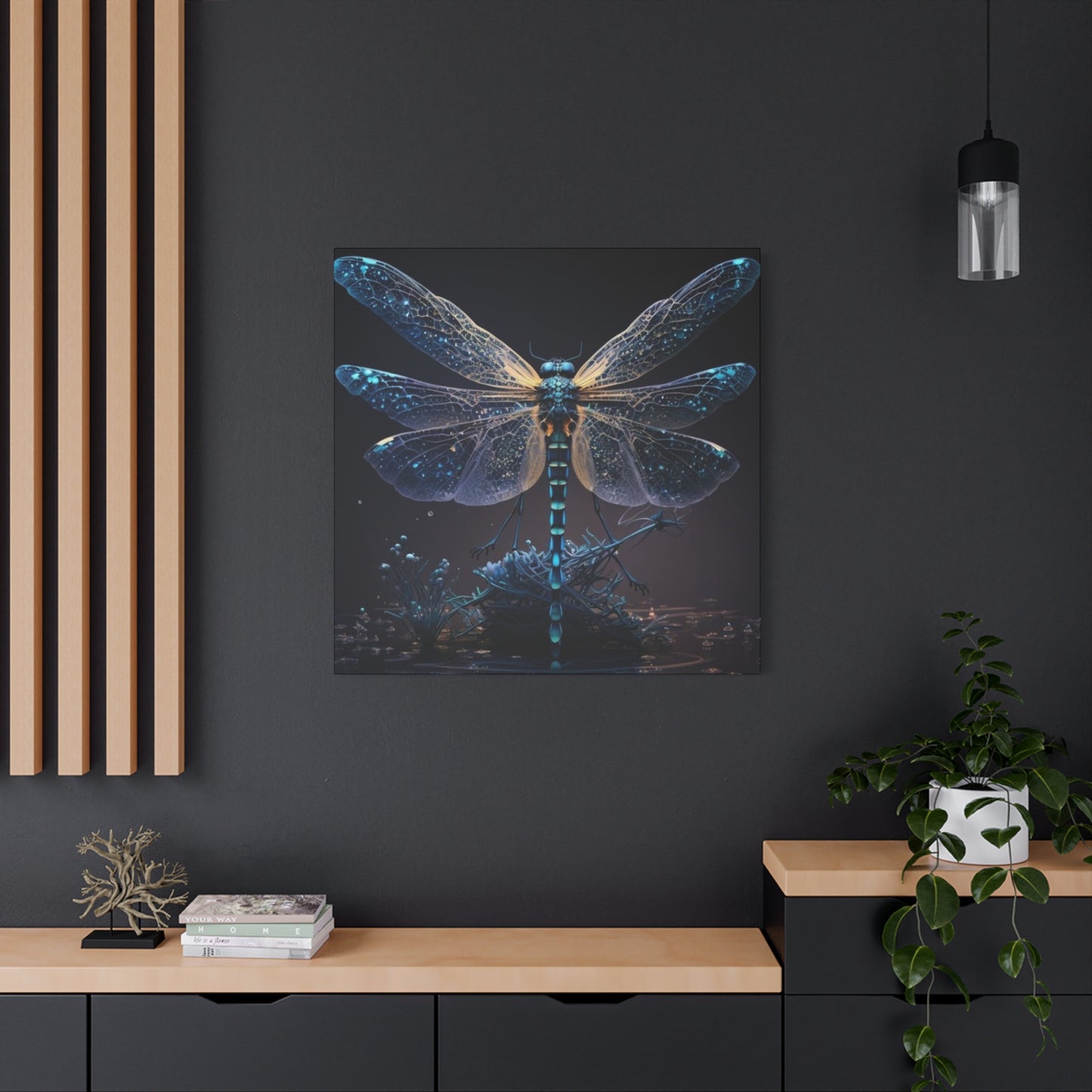


Dark Theme Dragonfly Wall Art & Canvas Prints
Dark Theme Dragonfly Wall Art & Canvas Prints
Couldn't load pickup availability
Enchanting Dark Theme Dragonfly Wall Art: Bringing Mystical Wings and Shadowy Elegance Into Your Living Spaces
The allure of dragonflies has captivated human imagination for centuries, and when combined with darker aesthetic sensibilities, these ethereal creatures transform into mesmerizing focal points for interior decoration. Dark theme dragonfly wall art represents a sophisticated fusion of natural beauty and gothic elegance, offering homeowners and design enthusiasts a unique way to infuse their spaces with both drama and delicate grace. This comprehensive exploration delves into every facet of incorporating these striking pieces into your environment, from selecting the perfect artwork to understanding the cultural significance behind these winged wonders.
The Captivating Symbolism Behind Dragonflies in Darker Artistic Expressions
Dragonflies carry profound meanings across various cultures and spiritual traditions, representing transformation, adaptability, and the ability to navigate between different realms of existence. When rendered in darker palettes and moody atmospheres, these symbolic creatures take on additional layers of meaning that resonate with contemporary sensibilities. The dragonfly's lifecycle itself embodies metamorphosis—spending most of its life underwater as a nymph before emerging into the air as a magnificent flying insect—making it a powerful emblem for personal growth and evolution through challenging circumstances.
In darker artistic interpretations, the dragonfly becomes a messenger between light and shadow, embodying the duality that exists within all aspects of existence. This creature's iridescent wings catch and refract light in ways that seem almost supernatural, and when depicted against somber backgrounds, this quality becomes even more pronounced and visually striking. The juxtaposition of the dragonfly's delicate structure against bold, moody backdrops creates a compelling visual tension that draws viewers in and invites contemplation.
Throughout various mythological traditions, dragonflies have been associated with illusion and the ability to see through deception. In Japanese culture, they symbolize courage, strength, and happiness, while Native American traditions view them as representing swiftness and activity. When these positive attributes are combined with darker aesthetic elements, the resulting imagery speaks to the strength found in shadows and the beauty that emerges from embracing life's more mysterious aspects. This makes dark theme dragonfly wall art particularly meaningful for those who appreciate complexity and depth in their decorative choices.
The metaphysical associations of dragonflies extend to their connection with water and air—two elements that represent emotional depth and intellectual clarity respectively. Darker interpretations of dragonfly imagery often emphasize these elemental connections, portraying the creatures emerging from shadowy waters or silhouetted against stormy skies. These visual narratives resonate with individuals who feel drawn to the interplay between emotion and reason, intuition and logic, making such artwork deeply personal and emotionally resonant.
Exploring Various Artistic Styles for Shadowy Dragonfly Imagery
The realm of dark theme dragonfly wall art encompasses an impressive array of artistic styles, each offering distinct visual characteristics and emotional impact. Gothic revival interpretations feature ornate detailing reminiscent of Victorian mourning jewelry and medieval manuscripts, with dragonflies rendered in intricate linework against backgrounds of deep blacks, rich burgundies, and midnight blues. These pieces often incorporate additional elements such as moon phases, celestial maps, or botanical specimens preserved in the style of vintage scientific illustrations.
Minimalist interpretations take a different approach, stripping away extraneous detail to focus on the essential form of the dragonfly against stark, monochromatic backgrounds. These pieces achieve their dramatic effect through the power of negative space and the careful balance between the subject and its surroundings. A single dragonfly silhouette against a charcoal background can create a sense of meditative calm while still maintaining the mysterious quality associated with darker aesthetics. The simplicity of these designs makes them particularly versatile, allowing them to complement a wide range of interior design schemes.
Contemporary abstract approaches to dark theme dragonfly wall art fragment and reimagine the insect's form, sometimes reducing it to pure geometric shapes or exploding it into dynamic compositions that suggest movement and energy. These pieces might use textured surfaces, metallic accents, or unconventional materials to create dimensional effects that change depending on lighting conditions and viewing angles. The dragonfly becomes less a literal representation and more a conceptual exploration of its essential qualities—flight, grace, and transformation.
Realistic renderings in darker palettes showcase the intricate anatomy of dragonflies with scientific precision while employing dramatic lighting that emphasizes shadows and highlights. These pieces often feature extreme close-ups that reveal the mesmerizing patterns on the wings, the compound structure of the eyes, or the segmented body, all rendered against backgrounds that recede into obscurity. The contrast between the highly detailed subject and the ambiguous darkness surrounding it creates a sense of the creature emerging from or disappearing into shadow, evoking themes of revelation and mystery.
Surrealist interpretations combine dragonfly imagery with unexpected elements—clockwork mechanisms, architectural fragments, human features, or impossible landscapes—to create dreamlike compositions that challenge perception and invite interpretation. In darker palettes, these fantastical combinations take on an almost noir quality, suggesting narratives that exist just beyond conscious understanding. Such pieces appeal to those who appreciate artwork that rewards prolonged contemplation and reveals new details with each viewing.
Material Considerations for Long-Lasting Dragonfly Artwork
The substrate upon which dark theme dragonfly wall art is created significantly impacts both its visual qualities and longevity. Canvas remains one of the most popular choices, offering a classic texture that adds subtle dimension to printed or painted images. Gallery-wrapped canvas—where the image continues around the edges of the frame—creates a polished, contemporary appearance that requires no additional framing. The fabric nature of canvas interacts beautifully with darker pigments, allowing for rich color saturation while maintaining the slight texture that adds visual interest.
Metal prints have gained considerable popularity for darker imagery due to their ability to produce exceptionally vibrant colors and deep blacks. The printing process infuses dyes directly into specially coated aluminum sheets, resulting in artwork that is waterproof, scratch-resistant, and capable of displaying remarkable color intensity. The inherent luminosity of metal substrates makes them particularly effective for dragonfly imagery, as they can capture the iridescent quality of the insect's wings even in darker compositions. The sleek, modern appearance of metal prints complements contemporary interior designs while the durability makes them suitable for various environments.
Acrylic glass mounting creates a high-gloss, ultra-modern presentation that adds depth and dimension to dragonfly imagery. The printing is done on photographic paper or directly on the reverse side of the acrylic, then the transparent acrylic sheet is placed over it, creating a floating effect with incredible color depth. This mounting method produces the deepest blacks achievable in printed artwork, making it ideal for dark theme pieces where shadow detail is crucial. The reflective quality of acrylic also causes the image to subtly shift as viewers move around it, adding dynamic interest to static artwork.
Wood panels offer an organic substrate that pairs beautifully with nature-inspired subjects like dragonflies. The natural grain of the wood can be incorporated into the design, showing through lighter areas or providing textural contrast to darker printed or painted sections. Different wood species offer varying color tones—from light birch to dark walnut—that can be selected to complement the overall palette of the artwork. Wood panels also provide excellent stability, resisting warping and environmental changes better than some other materials.
Textured papers and specialty printmaking materials allow for artistic effects that cannot be achieved on smoother surfaces. Cold-press watercolor paper, for instance, provides a tactile quality that enhances the organic nature of dragonfly subjects, while its ability to absorb darker pigments in varying degrees creates subtle tonal variations. Handmade papers with embedded fibers or metallic inclusions can add unexpected visual elements that catch light and create sparkling accents within predominantly dark compositions.
Strategic Placement Within Your Residence for Maximum Visual Impact
The positioning of dark theme dragonfly wall art within your living environment dramatically affects both its visibility and its contribution to the overall ambiance of the space. Large statement pieces benefit from prominent placement on focal walls—those visible upon entering a room or positioned behind key furniture arrangements. In living rooms, the wall behind a sofa or opposite the main seating area provides excellent visibility, allowing the artwork to serve as a conversation piece and anchor for the room's design scheme. When placing darker pieces in these prominent positions, ensure adequate lighting to prevent them from disappearing into shadow while maintaining the moody atmosphere they're designed to create.
Bedroom environments offer particularly suitable settings for darker dragonfly imagery, as these spaces often benefit from calming, contemplative artwork that encourages relaxation. Positioning such pieces above the headboard creates a focal point that's visible upon waking and before sleep, making the symbolic associations of the dragonfly—transformation, self-realization, and emotional maturity—part of your daily visual experience. The darker palette naturally complements the restful quality appropriate for sleeping quarters while adding sophisticated visual interest that elevates the space beyond mere functionality.
Hallways and transitional spaces provide opportunities to create dramatic moments of discovery as one moves through the home. A series of smaller dragonfly pieces arranged in a gallery wall configuration can guide visitors along corridors, while a single substantial piece positioned at the end of a hallway draws the eye forward and makes the passage feel more intentional and designed. The symbolic significance of dragonflies as creatures that move between realms makes them particularly appropriate for these in-between spaces, creating subtle thematic coherence in your decorating scheme.
Bathrooms, particularly powder rooms, offer unexpectedly perfect venues for darker dragonfly artwork. The association between dragonflies and water makes them thematically appropriate, while the typically smaller scale of these rooms allows for impactful presentations without requiring enormous pieces. The private nature of bathrooms also means you can indulge in more dramatic, unconventional choices that might feel overwhelming in more public areas of the home. The humidity common in bathrooms does require careful material selection—metal prints or properly sealed canvases work best in these environments.
Home offices and creative workspaces benefit from imagery that inspires while maintaining focus. Darker dragonfly artwork provides visual stimulation without the distraction of overly bright or complex compositions. The symbolism of transformation and adaptability inherent in dragonfly imagery can serve as subtle motivation during challenging work sessions. Positioning such artwork within the line of sight when looking up from your computer or desk creates opportunities for visual breaks that rest the eyes while keeping you engaged with aesthetically pleasing imagery.
Color Palette Coordination for Harmonious Interior Schemes
Successfully incorporating dark theme dragonfly wall art into existing interior design requires thoughtful consideration of color relationships and how various hues interact within a space. While these pieces typically feature predominantly dark colors—blacks, charcoals, deep navies, rich burgundies, or forest greens—they often include accent colors that can be echoed elsewhere in the room to create visual cohesion. Identifying these secondary colors and repeating them in textiles, accessories, or other decorative elements establishes connections that make the artwork feel integrated rather than arbitrarily placed.
Monochromatic schemes built around various shades of a single color family create sophisticated, cohesive environments where darker dragonfly artwork can truly shine. A room decorated in graduated tones of gray, for instance, provides the perfect backdrop for black and charcoal dragonfly imagery, allowing the form and detail of the artwork to take precedence over color contrast. This approach works particularly well in modern or minimalist interiors where simplicity and restraint are design priorities. The subtle variations in tone create depth and interest without competition for visual attention.
Complementary color schemes pair colors opposite each other on the color wheel, creating high contrast that energizes a space. If your dark theme dragonfly wall art includes metallic copper or bronze tones in the dragonfly's body or wings, complementing these warm accents with cool blue-gray walls creates dynamic visual tension. Similarly, artwork featuring deep purples or magentas can be dramatically offset by olive or sage green walls. These bold pairings require confidence and careful balance to avoid visual chaos, but when executed successfully, they create memorable, distinctive interiors.
Analogous color schemes use colors adjacent on the color wheel, producing harmonious, naturally pleasing combinations. Artwork featuring deep blues and purples works beautifully in rooms decorated with these related hues, perhaps ranging from midnight blue walls to plum-colored accent pillows and navy upholstery. This approach creates an enveloping, cocoon-like atmosphere that many find comforting and relaxing. The variation in shade and intensity prevents the scheme from feeling flat while maintaining an overall unified impression.
Neutral backgrounds—whites, beiges, grays, or taupes—allow dark theme dragonfly wall art to function as the primary color statement in a room. This approach offers maximum flexibility, as changing accessories or accent pieces can shift the room's personality without requiring replacement of major elements. The contrast between light walls and dark artwork creates immediate visual drama, ensuring the pieces command attention without competing against busy backgrounds. This strategy works particularly well in rental situations or for those who enjoy frequently refreshing their decor.
Lighting Strategies to Showcase Your Dragonfly Collection
Proper illumination is perhaps the most critical factor in successfully displaying dark theme dragonfly wall art, as inadequate lighting can cause these pieces to disappear into shadows while harsh lighting can create unwanted glare and diminish their atmospheric qualities. Picture lights—dedicated fixtures mounted above or below individual artworks—provide focused illumination that brings out detail and color while creating a gallery-quality presentation. Adjustable picture lights allow you to direct the beam precisely where needed, avoiding reflective glare on glass or acrylic surfaces while ensuring even coverage across the entire piece.
Track lighting systems offer flexibility for spaces featuring multiple artworks or for situations where art placement may change over time. Individual fixtures can be positioned and aimed to spotlight specific pieces, and the entire system can be controlled by dimmer switches that allow you to adjust the intensity based on time of day, natural light conditions, or desired ambiance. LED track lights produce minimal heat, reducing concerns about artwork degradation over time, while their color temperature can be selected to either warm or cool the appearance of the displayed pieces.
Recessed ceiling spotlights create clean, unobtrusive lighting that keeps the focus on the artwork rather than the fixtures themselves. When properly aimed and equipped with appropriate lenses or baffles to control beam spread, recessed lights can wash wall-mounted art with even illumination that brings out subtle details in darker compositions. The adjustable nature of many recessed fixtures allows for seasonal adjustments as natural daylight changes throughout the year, maintaining optimal display conditions regardless of external lighting variations.
Ambient lighting from concealed LED strips behind crown molding or wall-mounted panels creates soft, indirect illumination that enhances darker artwork without creating hotspots or glare. This approach produces a gentle glow that makes walls appear to luminously recede while keeping artwork visible and appreciated. The diffused nature of indirect lighting complements the atmospheric quality of dark theme dragonfly wall art, enhancing rather than overwhelming the moody aesthetic. Color-changing LED systems offer creative possibilities for adjusting the lighting mood to match different occasions or preferences.
Natural daylight, while beautiful, requires careful management when displaying any artwork, particularly darker pieces that may fade or degrade under prolonged exposure to UV rays. Positioning artwork perpendicular to windows rather than directly opposite them reduces direct sunlight exposure while still allowing natural illumination. UV-filtering window films or treatments protect artwork from harmful rays while maintaining view and light transmission. During peak sunlight hours, supplemental artificial lighting may be necessary to ensure darker artwork remains sufficiently visible, as natural light alone may not provide adequate contrast.
Framing Options That Enhance Rather Than Distract
The frame surrounding dark theme dragonfly wall art serves multiple purposes—physical protection, visual boundary definition, and aesthetic enhancement—making frame selection a significant consideration in the overall presentation. Black frames create seamless continuation of darker artwork, allowing the image to extend visually right to its edge with minimal interruption. This approach works particularly well for artwork where the composition extends to the edges or for creating clean, modern presentations where the focus should remain entirely on the image itself rather than ornate framing details.
Natural wood frames in darker stains—espresso, walnut, or ebony—provide organic warmth that complements the natural subject matter while maintaining the darker aesthetic. The visible grain and texture of wood add subtle visual interest without competing with the artwork, and the slight color variation inherent in natural materials prevents the presentation from feeling too stark or industrial. Wood frames particularly suit dragonfly imagery that incorporates botanical elements or naturalistic settings, creating thematic consistency between subject and presentation.
Metallic frames in oil-rubbed bronze, aged copper, or blackened steel introduce industrial elegance that pairs beautifully with darker artwork. These finishes suggest history and patina while maintaining clean lines and contemporary sensibilities. The slight sheen of metal frames catches light differently than matte surfaces, creating subtle visual variation as viewers move around the piece. Metallic frames work particularly well for dragonfly artwork that includes metallic accents or iridescent effects, creating material continuity that enhances the overall presentation.
Ornate frames in antique finishes—distressed gold, aged silver, or weathered bronze—suit gothic or Victorian-inspired dragonfly imagery, adding period-appropriate detailing that enhances the romantic, mysterious qualities of such artwork. These elaborate frames become part of the artistic statement rather than mere functional borders, contributing to the overall narrative and emotional impact. When selecting ornate frames, ensure the scale and complexity of the frame details balance appropriately with the artwork itself—neither overwhelming the image nor appearing insufficient for the piece's visual weight.
Floating frames, which create space between the artwork and the frame itself, produce contemporary presentations with dimensional interest. The shadow gap between image and frame boundary adds depth and emphasizes the artwork as an object existing in space rather than merely a flat image on a wall. This presentation style works particularly well for darker artwork, as the shadow within the frame echoes and extends the darker tones of the image itself, creating continuity and coherence.
Creating Gallery Walls with Multiple Dragonfly Compositions
Assembling multiple pieces of dark theme dragonfly wall art into cohesive gallery wall arrangements allows for more extensive storytelling and creates substantial visual impact that single pieces cannot achieve. Symmetrical grid arrangements—artworks of identical size arranged in precise rows and columns—produce orderly, balanced presentations that suit formal spaces and traditional design sensibilities. This structured approach works well for series of dragonfly images depicting different species, various lifecycle stages, or different artistic interpretations of similar subjects, where the uniformity of arrangement allows viewers to appreciate both individual pieces and comparative elements across the collection.
Asymmetrical salon-style arrangements embrace a more organic, collected-over-time aesthetic that allows for mixing different sizes, frame styles, and even artistic media. This approach requires more planning and experimentation to achieve visual balance, but the resulting displays feel personal and curated rather than simply decorative. When creating asymmetrical arrangements with darker artwork, consider the visual weight of each piece—larger, darker pieces anchor the composition while smaller or lighter pieces provide balance and breathing room. Laying out the arrangement on the floor before hanging allows for experimentation without creating unnecessary wall holes.
Vertical arrangements draw the eye upward, making spaces feel taller and more expansive. A column of dragonfly images ascending a wall beside a doorway or flanking a window creates vertical emphasis that counterbalances horizontal elements like sofas or tables. This arrangement style works particularly well in spaces with high ceilings or tall, narrow wall sections that might otherwise feel awkward to decorate. The vertical progression can follow thematic or narrative sequences—perhaps depicting a dragonfly's transformation from nymph to flying insect as the images ascend.
Horizontal arrangements emphasize width and create grounding effects appropriate for placement above long furniture pieces like sofas, buffets, or bed headboards. A series of three to five dragonfly images arranged in a horizontal line creates movement across the wall while anchoring the furniture below and making it feel intentionally placed. When spacing horizontally arranged pieces, maintain consistent gaps between them—typically between two and six inches depending on piece size—to create rhythm and cohesion rather than appearing randomly scattered.
Geometric shape arrangements use the negative space between artworks to create recognizable forms—circles, squares, diamonds, or custom shapes meaningful to the homeowner. This approach requires careful planning and often benefits from creating paper templates of each piece to experiment with placement before committing to nail holes. The resulting arrangements become sculptural installations that transcend simple art display, transforming the wall itself into an artistic composition. Darker dragonfly artwork works particularly well in such arrangements as the consistent darker tones help define the overall geometric shape through contrast with lighter wall colors.
Commissioning Custom Dragonfly Artwork for Personalized Spaces
For those seeking truly unique dark theme dragonfly wall art that perfectly suits specific dimensions, color schemes, or personal preferences, commissioning custom pieces from artists offers unparalleled possibilities. The commissioning process begins with identifying artists whose existing work resonates with your aesthetic vision. Online portfolios, art fairs, gallery exhibitions, and artist-specific platforms provide opportunities to discover creators whose style, skill level, and approach align with your preferences. When evaluating potential artists for commission work, examine not only their finished pieces but also their process documentation—sketches, work-in-progress photos, and artist statements that reveal their working methods and conceptual approaches.
Initial consultations with prospective artists should address practical considerations alongside aesthetic ones. Discuss the intended display location, including dimensions, lighting conditions, existing color palette, and surrounding design elements, as these factors influence appropriate size, orientation, and compositional decisions. Share reference images—not necessarily of other dragonfly artwork but of colors, moods, textures, or compositions that appeal to you—to help the artist understand your vision. Many artists appreciate knowing the intended context and purpose of commissioned work, as understanding whether a piece will inhabit a meditation space, bedroom, or public area influences creative decisions.
Budget transparency at the outset prevents misunderstandings and allows artists to propose appropriate scale and complexity for the available investment. Custom artwork pricing reflects multiple factors including materials, time investment, artist experience and reputation, and the complexity of the requested work. Original paintings command higher prices than prints or reproductions, while size, medium, and level of detail significantly impact cost. Requesting detailed quotes that itemize materials, labor, and any additional services like delivery or installation ensures clear communication and allows for informed decision-making.
The creation timeline for commissioned artwork varies based on the artist's current workload, the complexity of the requested piece, and the medium involved. Oil paintings require significant drying time between layers, potentially extending completion timelines to several months, while watercolors, digital creations, or mixed media pieces may progress more quickly. Establishing clear timelines with milestone checkpoints—initial sketches, work-in-progress reviews, and expected completion—helps manage expectations and allows for input at critical stages. Most artists appreciate reasonable flexibility regarding timelines, as rushing creative work typically compromises quality.
Contract agreements protect both patron and artist by clearly documenting expectations, payment schedules, revision policies, copyright considerations, and cancellation terms. Standard practice involves partial payment upfront—typically one-third to one-half of the total—with the remainder due upon completion. Agreements should specify what happens if either party needs to cancel, how many revision rounds are included, and who retains reproduction rights to the commissioned work. While contracts might seem formal for smaller commissions, even simple written agreements prevent misunderstandings and ensure both parties share clear expectations.
Caring for Your Dragonfly Artwork to Ensure Lasting Beauty
Proper stewardship of dark theme dragonfly wall art protects your investment and ensures these pieces remain visually stunning for years or decades. Dust accumulation, though seemingly innocuous, degrades artwork over time by acting as an abrasive when disturbed and by attracting moisture that can encourage mold or mildew growth. Regular gentle dusting using microfiber cloths or soft-bristled brushes prevents buildup without risking surface damage. For framed pieces under glass, cleaning the glass with appropriate solutions—sprayed onto the cloth rather than directly on the glass to prevent seepage—maintains clarity without introducing moisture to the artwork itself.
Environmental conditions significantly impact artwork longevity, with temperature and humidity fluctuations posing particular risks. Ideally, artwork should be displayed in climate-controlled environments maintaining temperatures between sixty and seventy-five degrees Fahrenheit with relative humidity between forty and fifty-five percent. Extreme fluctuations cause materials to expand and contract at different rates, potentially leading to cracking, warping, or separation of layered components. Avoid placing artwork near heating vents, air conditioning units, fireplaces, or exterior walls that experience significant temperature variations.
Ultraviolet light exposure causes irreversible fading and degradation of artwork, with darker pigments often being particularly susceptible to color shifts over time. While positioning artwork away from direct sunlight provides primary protection, UV-filtering glazing materials—available in both glass and acrylic formulations—add additional defense even for indirectly lit pieces. Museum-quality UV-filtering glazing blocks ninety-seven to ninety-nine percent of harmful rays while remaining nearly invisible, making it worthwhile for valuable or irreplaceable pieces. Window treatments that block UV rays provide room-wide protection benefiting all furnishings and artwork simultaneously.
Physical damage from impacts, scratches, or improper handling necessitates preventive measures particularly in high-traffic areas or homes with children or pets. Corner guards, strategically placed furniture, or even decorative barriers can prevent accidental contact without obviously appearing protective. When moving or cleaning around artwork, maintaining awareness of its location prevents the casual bumps and brushes that accumulate into significant damage over time. For households with curious cats inclined to climbing, ensuring artwork hangs securely and considering protective glazing prevents both artwork damage and potential pet injury.
Professional conservation assessment provides expert evaluation for valuable, antique, or damaged artwork requiring specialized attention beyond basic homeowner stewardship. Conservators trained in specific media—paintings, works on paper, textiles, or mixed media—possess knowledge and techniques for addressing damage, preventing deterioration, and preserving pieces for future generations. Even when immediate intervention isn't necessary, establishing relationships with conservators provides access to expert advice and ensures you have trusted professionals available should damage or deterioration occur. Many conservators offer consultation services that can guide appropriate display, handling, and preventive measures for specific pieces.
Mixing Dragonfly Artwork with Complementary Decorative Elements
Creating cohesive interior environments involves thoughtfully combining dark theme dragonfly wall art with furniture, textiles, accessories, and other decorative elements that enhance rather than compete with these focal pieces. Furniture selection should consider how pieces will interact with artwork placement—a sleek, low-profile sofa allows wall art to shine without visual competition, while ornate or high-backed furniture might echo decorative elements within the artwork itself. Darker leather or velvet upholstery in blacks, deep grays, or midnight blues complements darker dragonfly imagery, creating enveloping, cohesive environments with romantic or mysterious qualities.
Textile selections offer opportunities to echo colors, textures, or themes present in dragonfly artwork throughout the space. Throw pillows featuring iridescent fabrics recall the shimmering wings of dragonflies, while embroidered or printed textiles depicting botanical elements create thematic connections with nature-inspired artwork. Curtains or window treatments in similar darker palettes extend the color story established by the artwork while providing practical light control that protects the pieces from UV damage. Layering different textile textures—velvet, silk, linen, wool—adds tactile dimension that complements visual richness.
Decorative accessories provide finishing touches that complete the design narrative established by dragonfly artwork. Sculptural objects in materials like forged iron, dark bronze, or blackened wood echo the darker palette while adding dimensional interest. Glass or crystal pieces in deep jewel tones—amethyst, sapphire, or emerald—catch light and create sparkle that recalls the iridescence of dragonfly wings. Botanical specimens, either living plants or preserved arrangements, reinforce nature themes while adding organic shapes that contrast with geometric architectural elements.
Lighting fixtures should be considered as sculptural elements that contribute to the overall aesthetic rather than purely functional necessities. Chandeliers, pendant lights, or sconces in dark metals with organic forms—perhaps suggesting insect wings or natural branch structures—create thematic continuity with dragonfly artwork. Exposed bulbs in vintage or Edison styles provide warm ambient glow that complements darker palettes while adding industrial touches appropriate for contemporary spaces. The interplay between decorative light fixtures and the illumination they provide adds complexity and interest to the overall environment.
Secondary artwork and decorative wall elements should complement rather than compete with primary dragonfly pieces. Mirrors in ornate frames multiply light and make spaces feel larger while their reflective surfaces add visual dynamism. Smaller botanical prints, vintage scientific illustrations, or abstract pieces in complementary palettes can be incorporated without overwhelming the dragonfly artwork that serves as the focal point. The key is maintaining clear visual hierarchy—ensuring the primary pieces command attention while supporting elements enhance rather than distract from them.
Seasonal Rotation and Display Variation Strategies
For enthusiastic collectors or those who enjoy regularly refreshing their living environments, rotating dark theme dragonfly wall art seasonally or periodically creates renewed visual interest without requiring new purchases. Establishing a storage system that protects artwork not currently displayed ensures pieces remain in excellent condition regardless of rotation frequency. Climate-controlled storage spaces away from extreme temperatures, humidity fluctuations, and light exposure preserve artwork during storage periods. Wrapping pieces in acid-free paper or archival tissue before storage prevents surface contact and potential transfer of materials, while sturdy containers or portfolios prevent physical damage during handling and storage.
Spring rotations might emphasize dragonfly artwork depicting emergence and transformation themes, perhaps featuring brighter accent colors or images suggesting new growth and renewal. These pieces create psychological alignment with the season's associations with rebirth and fresh beginnings while maintaining the sophisticated darker aesthetic you appreciate. Pairing such artwork with lighter textiles and accessories creates seasonal freshness without requiring complete redecorating, allowing subtle shifts in mood and atmosphere.
Summer displays could feature dragonfly artwork emphasizing motion and energy, perhaps more abstract or dynamic compositions suggesting flight and activity. These pieces capture the vitality of the season when dragonflies are most visible and active in nature. Incorporating additional blue tones—from navy to teal—creates subtle associations with water and sky appropriate to warmer months while maintaining darker overall palettes. The increased natural light during summer months may allow for displaying pieces that might appear too dark during shorter winter days.
Autumn rotations naturally align with transformation themes central to dragonfly symbolism, making this season ideal for displaying metamorphosis-focused artwork. Incorporating warmer accent colors—deep oranges, rich burgundies, or burnished coppers—creates visual resonance with falling leaves and seasonal color changes while maintaining darker palettes. Combining dragonfly artwork with harvest-themed accessories or dried botanical arrangements creates layered seasonal narratives that feel intentional and curated rather than generic.
Winter displays might emphasize introspection and stillness, featuring more contemplative dragonfly compositions perhaps depicting single specimens against stark backgrounds or close-up anatomical studies. These quieter pieces suit the season's tendency toward reflection and interior focus. Deeper, cooler tones—blacks, deep grays, midnight blues—align with longer nights and winter's atmospheric qualities. Layering luxurious textiles like velvet, faux fur, or heavy wool alongside such artwork creates cozy, enveloping environments that invite hibernation and restoration.
Incorporating Three-Dimensional Dragonfly Elements
While wall art provides the foundation for dragonfly-themed interior design, incorporating three-dimensional elements adds depth and tactile interest that purely two-dimensional displays cannot achieve. Sculptural representations in materials like metal, wood, or resin placed on shelves, mantels, or side tables create thematic continuity while adding dimensional variety. Metal sculptures with verdigris or rust patinas suggest age and history, complementing darker aesthetic sensibilities. Wood carvings displaying natural grain and texture emphasize organic qualities while maintaining visual weight appropriate to darker color schemes.
Suspended mobiles featuring dragonfly forms introduce movement and dynamic visual interest particularly effective in spaces with air circulation from vents or open windows. The gentle rotation of mobile elements creates ever-changing shadows and perspectives, adding temporal dimension to static environments. Metal mobiles in darker finishes or glass elements in jewel tones catch light and create sparkle that enlivens darker rooms without requiring bright color introductions. Positioning mobiles near windows where natural breezes provide motion maximizes their kinetic qualities.
Decorative boxes, trays, or containers featuring dragonfly motifs in darker palettes provide both functional storage and aesthetic contribution. These items might display relief carvings, inlaid materials, or painted decorations depicting dragonflies in various artistic styles. Clustered on coffee tables, dressers, or console tables, such objects create curated vignettes that extend the dragonfly theme throughout the space. Their functional nature ensures they feel organic to the room rather than existing purely for decoration.
Table lamps or decorative lighting incorporating dragonfly elements add both illumination and artistic interest. Bases sculpted to suggest dragonfly forms or lampshades featuring dragonfly silhouettes cast interesting shadows when lit, creating secondary layers of decoration. Stained glass lamp designs in darker jewel tones recall Tiffany-style craftwork while providing warm ambient lighting. The combination of functional lighting and decorative elements makes these pieces particularly valuable in creating cohesive, layered interior environments.
Textile applications including throw pillows, blankets, or upholstered pieces featuring dragonfly embroidery, appliqué, or printed designs add tactile dimension to the theme. Three-dimensional embroidery techniques create raised surfaces that invite touch while adding visual texture. Combining these textile elements with wall art creates comprehensive thematic environments where the dragonfly motif appears across multiple surfaces and scales, producing immersive rather than merely decorated spaces.
Conclusion
Dark theme dragonfly wall art adapts surprisingly well across various interior design styles when thoughtfully incorporated. Gothic revival interiors, characterized by pointed arches, heavy drapery, ornate details, and romantic darkness, provide natural homes for darker dragonfly artwork. Pairing such pieces with antique or reproduction furniture in dark woods, luxurious velvet upholstery in deep jewel tones, and decorative elements like candelabras or vintage mirrors creates cohesive environments steeped in mysterious elegance. The dragonfly's ethereal qualities enhance the romantic, otherworldly atmosphere gothic styling seeks to achieve.
Industrial spaces featuring exposed brick, metal fixtures, concrete surfaces, and utilitarian furniture benefit from the organic contrast darker dragonfly artwork provides. The juxtaposition between hard, manufactured materials and delicate natural forms creates visual tension that adds complexity and interest to potentially stark industrial spaces. Oversized dragonfly artwork on brick walls or metal substrates bridges the gap between natural and manufactured, between delicate and durable. The darker palette naturally complements the raw materials and neutral colors typical of industrial design while adding necessary warmth and life.
Modern minimalist environments, characterized by clean lines, uncluttered surfaces, and restrained color palettes, gain focal interest from carefully selected dark theme dragonfly wall art. A single substantial piece on an otherwise empty wall creates dramatic impact without violating minimalist principles of simplicity and restraint. The organic forms of dragonflies provide necessary relief from geometric precision while darker colors maintain the sophisticated, understated quality minimalism requires. The key is selectivity—choosing fewer, more impactful pieces rather than attempting comprehensive collections.
Bohemian or eclectic interiors celebrating personal expression, collected items, and layered patterns embrace dragonfly artwork as another element in rich visual tapestries. These spaces allow for mixing frame styles, combining artwork of various sizes, and pairing darker dragonfly pieces with colorful textiles and globally inspired decorative objects. The freedom inherent in bohemian styling means darker artwork need not dominate the palette but can exist alongside brighter elements, creating visual variety and personal expression. The dragonfly's cross-cultural symbolic significance makes it particularly appropriate for globally inspired designs.
Contemporary transitional spaces bridging traditional and modern sensibilities find darker dragonfly artwork particularly effective as linking elements. These pieces carry enough decorative interest to satisfy traditional tastes while their darker, more sophisticated palettes align with contemporary preferences for restrained elegance. Pairing such artwork with furniture combining classic silhouettes and modern materials, or with color schemes mixing warm and cool neutrals, creates balanced environments appealing to diverse aesthetic preferences. The timeless quality of well-executed dragonfly artwork ensures it won't feel dated as design trends evolve.
Share