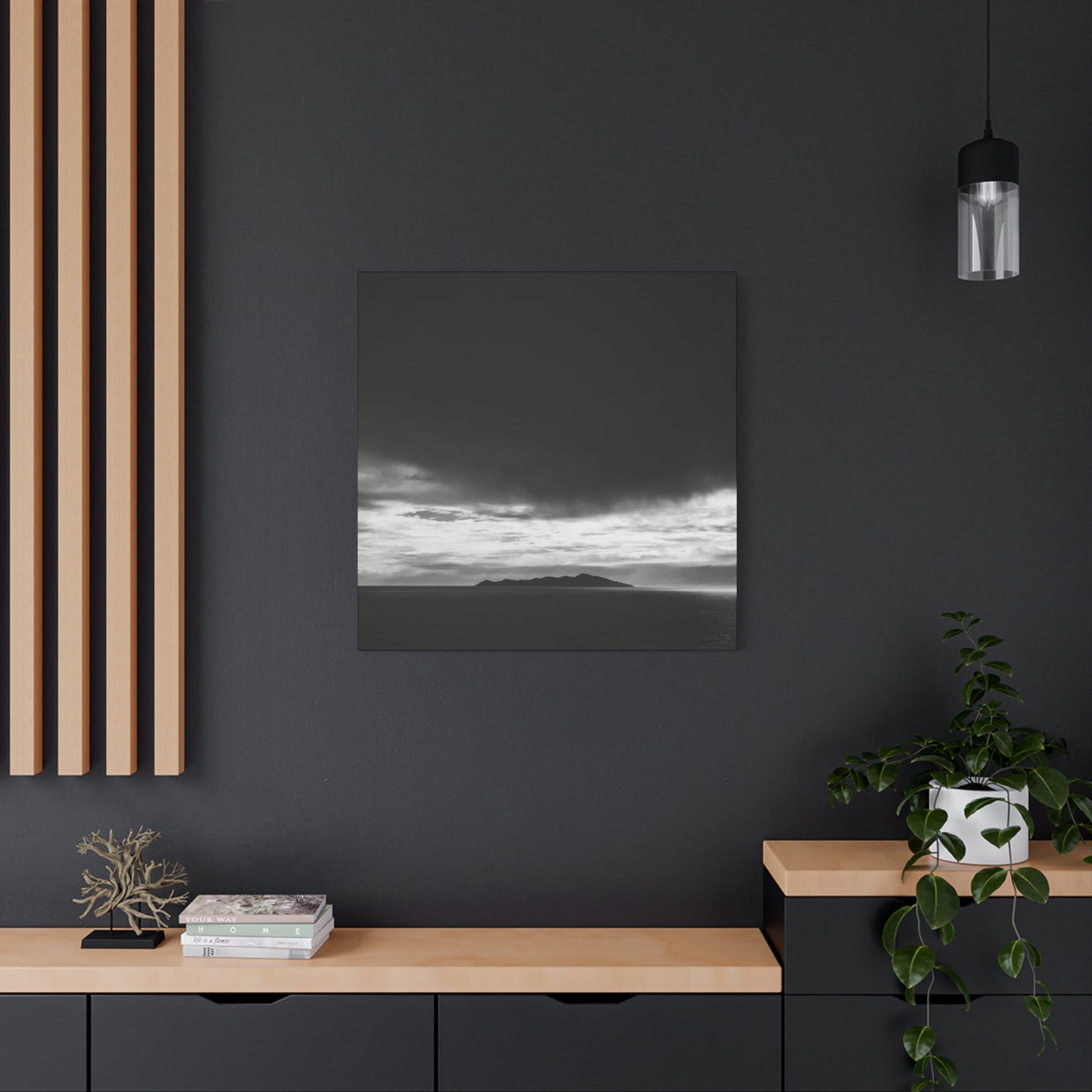
Dark and Stormy Wall Art & Canvas Prints
Dark and Stormy Wall Art & Canvas Prints
Couldn't load pickup availability
Captivating Dark and Stormy Wall Art: Creating Moody Atmospheric Spaces Through Dramatic Visual Expression
The realm of interior design has witnessed a remarkable shift toward embracing bold, emotionally evocative aesthetics that challenge conventional notions of home decor. Among these emerging trends, dark and stormy wall art has carved out a distinctive niche, captivating homeowners, designers, and art enthusiasts who seek to infuse their living spaces with depth, mystery, and raw natural power. This comprehensive exploration delves into every facet of this compelling artistic movement, examining how turbulent skies, crashing waves, and atmospheric drama can transform ordinary rooms into extraordinary sanctuaries of visual intensity.
Discovering the Magnetic Appeal Behind Tempestuous Artistic Expressions
The human psyche harbors an intrinsic fascination with nature's most powerful manifestations. Throughout millennia, storms have represented both destruction and renewal, chaos and cleansing, danger and exhilaration. When captured through artistic media and displayed within domestic spaces, these elemental forces take on new dimensions of meaning. Dark and stormy wall art channels this primordial connection, offering viewers a safe vantage point from which to contemplate nature's fury while remaining sheltered within their own homes.
Contemporary living often distances individuals from authentic encounters with natural phenomena. Urban environments, climate-controlled buildings, and digital distractions create barriers between people and the raw experiences that once defined human existence. Artwork depicting turbulent weather patterns, dramatic cloudscapes, and tempestuous seas provides a visual bridge back to these fundamental experiences. The presence of such imagery in living spaces serves as a constant reminder of forces greater than ourselves, grounding us in humility while simultaneously inspiring awe.
The aesthetic power of dark and stormy wall art derives from its ability to evoke visceral emotional responses. Unlike serene landscapes or cheerful abstracts, these pieces demand attention, creating focal points that command space with undeniable presence. The interplay of shadows and highlights, the tension between destruction and beauty, and the dynamic energy captured in frozen moments all contribute to their magnetic quality. Collectors find themselves drawn to pieces that resonate with their own inner landscapes, selecting works that mirror their emotional complexity or provide cathartic outlets for turbulent feelings.
Tracing the Artistic Lineage of Dramatic Weather Depictions Across Centuries
Artistic fascination with storms predates contemporary interior design trends by centuries. Maritime cultures have long documented the sea's volatile temperament, with ship captains commissioning paintings that honored both the ocean's beauty and its capacity for devastation. Dutch Golden Age painters elevated seascapes to high art, creating masterworks that captured the Netherlands' complex relationship with water. Artists like Willem van de Velde the Younger and Ludolf Bakhuizen rendered ships battling mountainous waves beneath threatening skies, their technical precision matched only by their emotional intensity.
The Romantic movement of the late eighteenth and early nineteenth centuries marked a pivotal moment in storm imagery's evolution. Painters rejected Enlightenment rationality in favor of emotion, imagination, and nature's sublime power. J.M.W. Turner's revolutionary seascapes dissolved distinctions between sea, sky, and atmosphere, creating swirling vortexes of color and light that conveyed storms' overwhelming force. His "Snow Storm: Steam-Boat off a Harbour's Mouth" exemplifies this approach, with the vessel nearly consumed by the tempest surrounding it. These works weren't mere documentation but philosophical statements about humanity's place within nature's vastness.
American landscape painters of the nineteenth century brought their own perspective to storm imagery, particularly through the Hudson River School. While often associated with serene wilderness vistas, artists like Thomas Cole incorporated dramatic weather to heighten emotional impact. His "The Voyage of Life" series uses shifting atmospheric conditions to mirror life's stages, with storm clouds gathering as the protagonist faces maturity's challenges. This symbolic use of weather patterns established precedents that continue influencing contemporary dark and stormy wall art.
The twentieth century saw storm imagery evolve through various artistic movements. Impressionists captured atmospheric effects with unprecedented nuance, while expressionists used turbulent weather as vehicles for emotional intensity. Photographers emerged as significant contributors, with figures like Ansel Adams demonstrating how cameras could capture storms' drama with breathtaking clarity. The medium's documentary quality added new dimensions to storm art, creating records of specific meteorological events while maintaining artistic vision.
Examining Diverse Artistic Approaches to Capturing Atmospheric Turbulence
Contemporary dark and stormy wall art encompasses remarkable stylistic diversity, ranging from photorealistic renderings to abstract interpretations. Each approach offers distinct aesthetic qualities and emotional resonances, allowing collectors to select pieces that align with their sensibilities and spatial requirements.
Photographic storm imagery represents perhaps the most direct approach, documenting actual meteorological phenomena through camera lenses. Storm chasers and landscape photographers dedicate themselves to capturing lightning strikes, supercell formations, wall clouds, and other dramatic atmospheric events. These images possess undeniable immediacy, freezing moments of incredible natural power in stunning detail. Advances in camera equipment allow photographers to capture details invisible to naked eyes—individual lightning bolt structures, cloud formations' intricate textures, and subtle color gradations within seemingly monochromatic storm systems.
Painted interpretations offer different possibilities, with artists imposing personal vision upon natural phenomena. Oil paintings provide rich textures and luminous depth, particularly effective for rendering atmosphere's subtle gradations. Watercolors excel at capturing weather's ephemeral qualities, with pigments bleeding and blending to suggest mist, rain, and atmospheric moisture. Acrylic paintings offer versatility, allowing artists to build layers ranging from transparent glazes to opaque impasto textures. Each medium brings unique characteristics to storm depictions, influencing viewers' sensory experiences.
Abstract approaches to dark and stormy wall art liberate artists from representational accuracy, allowing them to convey storms' emotional essence rather than literal appearance. Swirling compositions in blacks, grays, deep blues, and bruised purples suggest turbulence without depicting specific weather phenomena. These pieces function as visual poetry, inviting viewers to project their own associations and emotions onto ambiguous forms. For spaces requiring strong visual presence without literal subject matter, abstract storm art provides ideal solutions.
Digital art has opened entirely new frontiers for storm imagery, with artists manipulating photographs, creating composite images, or generating entirely original pieces through software. These works can achieve effects impossible through traditional media, combining multiple exposures, enhancing colors beyond natural ranges, or blending photographic elements with painted or drawn components. The resulting hybrid pieces occupy fascinating territory between documentation and imagination.
Mixed media approaches combine multiple materials and methods, creating richly layered works that engage viewers through textural complexity. An artist might begin with a photographic base, overlay painted elements, incorporate collaged materials, and finish with resin coatings that add dimensional depth. These pieces reward close examination, revealing new details with each viewing and creating dialogue between different artistic languages.
Selecting Atmospheric Artwork That Harmonizes With Existing Interior Environments
Successful incorporation of dark and stormy wall art requires thoughtful consideration of existing spatial characteristics and design elements. These powerful pieces can either complement or clash with surrounding environments, making careful selection essential for achieving desired effects.
Color palette compatibility represents a primary consideration. Dark and stormy wall art typically features subdued, cool-toned palettes dominated by blacks, grays, slate blues, deep teals, and charcoal tones. These colors harmonize naturally with contemporary minimalist spaces featuring neutral backgrounds, creating sophisticated dialogues between artwork and environment. In spaces with warmer color schemes—earth tones, wood finishes, warm metals—storm imagery's coolness provides dramatic contrast that can either invigorate the space or create jarring discord depending on execution.
Scale dramatically influences artwork's impact within spaces. Oversized pieces commanding entire walls create immersive experiences, particularly effective in open-concept living areas, primary bedrooms, or home offices where bold statements suit the environment. Conversely, smaller storm studies work beautifully in intimate spaces like reading nooks, personal studies, or powder rooms, where their intensity remains impactful without overwhelming limited square footage. Gallery walls featuring multiple related storm images allow for flexible arrangements that distribute visual weight across broader areas while maintaining thematic coherence.
Lighting conditions profoundly affect how dark and stormy wall art appears within spaces. Natural light fluctuates throughout days and seasons, causing pieces to reveal different qualities at various times. Morning light might emphasize cooler tones and subtle details, while afternoon sun could warm gray tones and create surface reflections. Artificial lighting offers more control but requires careful planning. Track lighting with adjustable heads allows highlighting specific areas, while recessed ceiling fixtures provide even illumination. Picture lights mounted directly above frames create focused attention but may cause glare on glossy surfaces. Considering how lighting interacts with artwork at different times ensures consistent visual satisfaction.
Existing furniture and architectural features influence artwork placement and selection. In rooms with substantial dark furniture, storm art can either blend into a cohesive moody atmosphere or risk creating excessive heaviness that makes spaces feel oppressive. Balancing dark elements with lighter textiles, metallic accents, or strategically placed mirrors helps maintain visual equilibrium. Architectural features like exposed beams, brick walls, or stone fireplaces provide natural companions for storm imagery, their raw textures complementing artwork's elemental subject matter.
Exploring Emotional and Psychological Dimensions of Living With Dramatic Imagery
The decision to display dark and stormy wall art extends beyond aesthetic preferences into deeper realms of emotional expression and environmental psychology. These pieces create distinct atmospheric conditions within homes, influencing occupants' moods, thoughts, and behaviors in subtle but significant ways.
For many individuals, storm imagery serves cathartic functions, providing external mirrors for internal emotional states. People navigating challenging life circumstances—grief, major transitions, relationship difficulties—often find comfort in artwork reflecting their turbulent feelings. Rather than exacerbating distress, these pieces validate emotional complexity, silently acknowledging that darkness and struggle constitute legitimate aspects of human experience. This validation can feel profoundly supportive, particularly in cultures emphasizing relentless positivity and superficial cheerfulness.
Conversely, some viewers find storm art calming through its depiction of controlled chaos. Observing nature's fury from a position of safety creates what psychologists term "sublime" experiences—encounters with overwhelming power that inspire simultaneous awe and comfort in one's protected position. This dynamic can produce meditative effects, with viewers contemplating life's storms—both literal and metaphorical—while feeling anchored in their secure environments.
The intensity of dark and stormy wall art makes it particularly suited to specific room functions and personal temperaments. In creative workspaces, dramatic imagery can stimulate imagination and encourage bold thinking, serving as visual reminders to embrace risk and channel passion into projects. In bedrooms, storm art might initially seem counterintuitive, yet many people find it conducive to rest, its darkness suggesting nighttime and its drama providing sufficiently engaging content to quiet anxious thoughts without causing overstimulation.
Personal aesthetic philosophies strongly influence how individuals respond to storm imagery. Those drawn to Scandinavian hygge concepts emphasizing coziness and comfort might find dark art at odds with their values, or alternatively, they might appreciate how storm imagery enhances feelings of shelter and security within warm, well-furnished spaces. Adherents of minimalism may appreciate storm art's ability to create powerful visual impact through singular focal pieces rather than cluttered collections. Gothic and industrial aesthetic enthusiasts naturally gravitate toward storm imagery's darkness and drama, incorporating it into broader decorative schemes emphasizing raw materials, vintage elements, and unconventional beauty.
Navigating the Procurement Process for Acquiring Atmospheric Artworks
The journey from appreciation to acquisition involves navigating various channels, each offering distinct advantages and challenges. Understanding these options empowers collectors to make informed decisions aligned with their budgets, aesthetic requirements, and purchasing priorities.
Original artwork represents the pinnacle of collecting, offering unique pieces with inherent value and direct connections to creating artists. Purchasing originals through galleries provides several benefits: professional curation ensures quality, expert staff can discuss artists' backgrounds and techniques, and gallery representation often indicates established careers and market recognition. However, gallery pieces typically command premium prices reflecting overhead costs and commission structures. Direct purchases from artists' studios or websites eliminate intermediaries, potentially reducing costs while establishing personal relationships with creators. Many artists maintain active social media presences, regularly posting new works and offering followers first opportunities to purchase pieces.
Art fairs and exhibitions provide concentrated environments for viewing numerous artists' works simultaneously, facilitating comparison and discovery. Regional art walks, open studio events, and community art centers offer accessible entry points for emerging collectors, featuring works at various price points and providing opportunities to meet local artists. These venues often support regional creative economies while offering distinctive pieces unlikely to appear in mass-market channels.
Limited edition prints democratize access to storm imagery, making works by renowned artists available at accessible price points. Giclee printing produces museum-quality reproductions with exceptional color fidelity and archival longevity. Numbered editions with artist signatures retain collectible value while remaining affordable compared to originals. Understanding edition sizes helps assess value—smaller editions (50 pieces or fewer) typically maintain higher per-print values than larger runs.
Print-on-demand services have revolutionized art accessibility, allowing consumers to order reproductions of existing works or commission custom pieces printed to specified dimensions and substrates. These services accommodate diverse preferences regarding size, framing, and material, though quality varies significantly across providers. Researching printing methods, paper or canvas types, and ink longevity ensures satisfactory long-term results.
Vintage and antique markets yield unexpected treasures for patient seekers. Estate sales, antique malls, and online auction platforms occasionally feature overlooked storm paintings, maritime prints, or weather photographs at prices below current market rates. These pieces carry additional appeal through their histories, connecting contemporary collectors with previous owners and earlier aesthetic sensibilities. Authentication and condition assessment become crucial when considering older works, particularly for pieces marketed as valuable antiques.
Commissioning custom dark and stormy wall art provides ultimate personalization, allowing collectors to specify subjects, dimensions, colors, and stylistic approaches. Artists accepting commissions typically begin with consultations discussing clients' visions, spatial contexts, and budget parameters. This collaborative process yields pieces perfectly tailored to specific environments and preferences, though it requires patience as creation timelines extend from weeks to months depending on complexity and artists' schedules.
Implementing Proper Display Methods That Enhance Longevity and Visual Impact
Once acquired, artwork requires thoughtful presentation to maximize its aesthetic impact while ensuring its preservation. Proper display techniques protect investments while creating optimal viewing experiences.
Framing choices dramatically influence how artwork integrates into spaces. For dark and stormy wall art, frame selection should complement rather than compete with imagery's intensity. Simple black frames in various widths provide classic options that recede visually, directing attention toward artwork itself. Metallic frames in silver, gunmetal, or aged bronze add sophistication while harmonizing with storm imagery's industrial aesthetic. Natural wood frames in dark stains—espresso, ebony, walnut—create warmth that balances artwork's coolness. Float mounting techniques suspend artwork within frames, creating shadows that add dimensional depth and contemporary flair.
Matting decisions affect visual presentation significantly. White or cream mats create stark contrasts that amplify darkness and define boundaries between artwork and surroundings. This traditional approach suits many contexts but risks creating jarring transitions. Gray, charcoal, or even black mats provide softer transitions, allowing artwork to emerge more gradually from its surroundings. Mat width influences perception—narrow mats create modern, streamlined appearances while wide mats lend formal elegance. Double matting with coordinating colors adds sophistication and additional visual separation from walls.
Glass selection protects artwork while affecting how viewers perceive it. Regular glass suffices for many contexts but creates surface reflections that sometimes obscure imagery. Non-reflective glass eliminates glare but may slightly mute colors and introduce subtle haziness. Museum glass combines non-reflective properties with exceptional clarity and UV protection, making it ideal for valuable pieces despite premium costs. Acrylic glazing weighs less than glass and resists shattering, making it preferable for large pieces or homes with children, though it scratches more easily and attracts dust through static.
Hanging height follows general guidelines while accommodating specific circumstances. Art professionals typically recommend hanging pieces so their centers align with eye level, approximately 57-60 inches from floors. However, furniture arrangements modify this rule—artwork above sofas should hang 6-10 inches above furniture tops to create cohesive groupings. In rooms with high ceilings, slightly elevated placement prevents pieces from feeling lost in vertical space. Leaning large-scale pieces against walls on floors or mantels creates casual, contemporary presentations suitable for relaxed environments.
Gallery wall arrangements featuring multiple storm images require planning to achieve balanced compositions. Laying out pieces on floors before hanging allows experimentation with arrangements without creating wall damage. Common approaches include grid patterns with uniform spacing, salon-style arrangements with varied spacing and sizes, and horizontal or vertical lines maintaining alignment along one edge. Maintaining consistent spacing between frames—typically 2-4 inches—creates cohesion regardless of overall arrangement style.
Caring for Atmospheric Artworks to Ensure Lasting Beauty and Preservation
Proper care extends artwork's lifespan while maintaining its visual appeal. Different media require specific approaches, though general principles apply broadly.
Environmental conditions significantly impact artwork longevity. Excessive humidity promotes mold growth, paper deterioration, and canvas expansion/contraction that damages paint films. Conversely, very dry conditions cause materials to become brittle and crack. Maintaining relative humidity between 40-50% protects most artworks. Temperature stability matters equally—fluctuations cause materials to expand and contract at different rates, creating stress that accelerates deterioration. Avoiding placement near heat sources, air conditioning vents, or exterior walls subject to temperature variations helps maintain stability.
Light exposure represents artwork's greatest enemy, with both natural and artificial light causing irreversible damage. Ultraviolet radiation breaks down chemical bonds in pigments, papers, and canvases, leading to fading, discoloration, and embrittlement. Even artificial lighting without UV components causes cumulative damage through prolonged exposure. Strategies for minimizing light damage include UV-filtering window films, careful positioning away from direct sunlight, and limiting artificial illumination duration. LED lights generate less heat and contain minimal UV radiation compared to incandescent or fluorescent options, making them preferable for artwork illumination.
Regular dusting prevents accumulation that can attract moisture and pests while maintaining visual clarity. Soft brushes designed for art cleaning gently remove surface dust without scratching frames or glazing. Microfiber cloths work well for glass or acrylic surfaces, though they should never directly contact unprotected artwork surfaces. Cleaning should occur several times yearly depending on environmental dust levels, with attention to frame tops, edges, and hanging hardware where accumulation concentrates.
Periodic inspection identifies developing problems before they become serious. Checking for discoloration, spotting, loose frames, damaged corners, or hardware issues allows timely intervention. Any concerning changes warrant consultation with professional conservators who can assess situations and recommend appropriate actions. Many problems that seem minor initially accelerate rapidly if ignored, making early detection crucial for preservation.
Professional conservation becomes necessary when artwork shows significant deterioration or damage. Conservators possess specialized knowledge and materials for treating various problems while adhering to ethical standards emphasizing minimal intervention and reversibility. Though conservation services represent significant expenses, they preserve both artwork's monetary value and aesthetic qualities. For particularly valuable or sentimentally important pieces, establishing relationships with conservators before problems arise ensures quick access to expertise when needed.
Creating Cohesive Interior Narratives Through Strategic Storm Art Placement
Beyond individual pieces' selection and care, thoughtful integration into broader spatial contexts creates environments where art and surroundings dialogue meaningfully. Strategic placement considers not only aesthetic harmony but also conceptual relationships between artworks and the activities, atmospheres, and intentions characterizing different spaces.
Living rooms serve as primary gathering spaces where families relax, entertain guests, and engage in leisure activities. Dark and stormy wall art in these areas makes bold statements about household members' aesthetic sensibilities while creating conversation pieces that engage visitors. Large-scale pieces above main seating areas anchor spaces visually, establishing focal points around which other elements orbit. The drama inherent in storm imagery energizes living areas without requiring bright colors or busy patterns, achieving visual interest through tonal variations and compositional dynamism rather than chromatic intensity.
Dining spaces benefit from storm art's ability to create intimate, dramatic ambiances conducive to memorable meals and conversations. The contained nature of dining rooms makes them ideal for particularly intense pieces that might overwhelm larger, more frequently occupied spaces. Storm imagery's darkness can make dining areas feel cocooned and special, transforming everyday meals into more ceremonial occasions. Candlelight enhances this effect, with flickering flames echoing lightning's ephemeral illumination and creating constantly shifting interplay between artwork and ambient light.
Home offices and creative studios find natural alignment with storm art's intensity and energy. For individuals whose work demands focus, problem-solving, or creative output, dramatic imagery can inspire bold thinking and sustained concentration. The gravitas of storm scenes subtly reinforces work's seriousness while their natural subject matter provides mental refreshment during breaks from screen-focused tasks. Positioning storm art within sight lines from work positions allows periodic visual engagement that rests eyes and refreshes minds without requiring physical departure from workstations.
Bedroom placement of dark and stormy wall art divides opinion, with some finding it conducive to rest while others consider it too stimulating for sleep spaces. Individual temperaments and sleep patterns determine appropriateness—those who find darkness comforting and whose minds settle through engagement with compelling imagery may welcome storm art in bedrooms. Placement becomes crucial; positioning pieces on walls facing away from beds allows enjoyment while awake without creating visual stimulation visible when settling for sleep. Alternatively, placing storm art in bedroom sitting areas, reading nooks, or dressing spaces reserves its intensity for waking activities while maintaining thematic consistency throughout rooms.
Entryways and hallways benefit from storm art's ability to create immediate impressions and guide movement through homes. A dramatic piece in an entry establishes households' aesthetic character the moment guests arrive, setting tones for experiences to follow. In hallways, series of related storm images create visual progressions that draw people through transitional spaces while preventing these areas from feeling neglected or merely functional. The vertical orientation of many storm compositions suits hallways' proportions particularly well, their height emphasizing corridors' length.
Discovering Emerging Artists Who Reinterpret Stormy Atmospheres Through Contemporary Lenses
While established masters continue commanding attention and market dominance, numerous contemporary artists are pushing boundaries of what dark and stormy wall art can achieve. These creators bring fresh perspectives informed by current environmental concerns, evolving aesthetic sensibilities, and access to tools previous generations couldn't imagine.
Landscape photographers specializing in extreme weather documentation represent one vital contemporary category. These individuals often live in storm-prone regions or travel extensively seeking dramatic conditions. Their work combines athletic endurance—standing in harsh conditions for hours—with split-second timing and technical expertise. Social media platforms have enabled direct artist-to-collector relationships, with photographers building followings through regular posts documenting their adventures and showcasing results. This accessibility has democratized fine art photography, allowing talented individuals without gallery representation to build sustainable careers.
Painters working in realistic modes continue traditions established by maritime and Romantic artists while incorporating contemporary concerns. Many focus on climate change manifestations—intensifying hurricanes, unprecedented flooding, destabilized weather patterns—using traditional techniques to document contemporary realities. Their work carries dual purposes: aesthetic beauty and environmental commentary, inviting viewers to consider humanity's relationship with increasingly volatile natural systems.
Abstract artists interpreting atmospheric phenomena through non-representational approaches create pieces that capture storms' emotional essence without depicting literal forms. These creators often work in large formats with gestural marks, drips, pours, and layered applications suggesting weather's chaos and energy. Their pieces function as pure visual experiences, freeing viewers from representational expectations and allowing more personal, intuitive responses.
Digital artists and illustrators have emerged as significant contributors to contemporary storm imagery. Using tablets, styluses, and sophisticated software, they create works ranging from photorealistic renderings to fantastical interpretations incorporating imaginary elements. Some blur boundaries between photography and painting, beginning with photographic bases then digitally painting over them to enhance drama, adjust compositions, or introduce impossible elements. Others work entirely digitally, building images from scratch through accumulated brushstrokes, textures, and effects.
Multidisciplinary artists incorporating storm imagery into installations, sculptures, or performance works expand definitions of what storm art can encompass. These creators might project storm videos onto sculptural forms, create immersive environments with sound components mimicking thunder and wind, or stage performances responding to weather patterns. While less suited to traditional residential display, these works influence how all artists and viewers think about representing and experiencing atmospheric phenomena.
Examining Cultural Variations in Representing and Interpreting Atmospheric Drama
Storm imagery's meanings and aesthetic treatments vary significantly across cultures, reflecting different environmental contexts, spiritual beliefs, and artistic traditions. Understanding these variations enriches appreciation of dark and stormy wall art's global dimensions while revealing how universal natural phenomena generate culturally specific responses.
Japanese artistic traditions offer distinctive approaches to storm depiction, particularly through woodblock prints. Katsushika Hokusai's famous "The Great Wave off Kanagawa" exemplifies how Japanese artists combine decorative beauty with dramatic power, the stylized wave simultaneously threatening and aesthetically exquisite. This tradition values suggestion over explicit detail, with minimal lines conveying maximum information about water's movement, wind's force, and atmosphere's weight. Contemporary Japanese artists working in storm imagery often reference these traditions while incorporating modern elements, creating dialogue between past and present.
Chinese landscape painting traditions position storms within broader philosophical frameworks emphasizing harmony between humanity and nature. Rather than emphasizing humans' insignificance before nature's power, Chinese storm paintings often include figures whose presence suggests cultivation of wisdom through contemplation of natural forces. Mist-shrouded mountains partially obscured by clouds invoke storms' presence without depicting violent moments, favoring atmospheric suggestion over explicit drama. These subtler approaches to storm imagery offer alternatives to Western traditions' emphasis on sublimity and spectacle.
Nordic cultures' relationships with harsh weather inform their artistic treatments of storms. Long, dark winters and exposure to North Atlantic weather patterns create populations intimately familiar with nature's severity. Contemporary Scandinavian artists often depict storms with matter-of-fact directness rather than romanticized awe, their work reflecting lived experience with challenging conditions. Color palettes tend toward authenticity rather than enhancement, with grays, whites, and muted blues dominating compositions. This approach creates quiet intensity quite different from more theatrical treatments.
Tropical regions' artistic responses to storms often focus on hurricanes, typhoons, and monsoons that dramatically impact local environments and communities. Artists from Caribbean, Pacific, and Southeast Asian contexts document both storms' devastation and their roles in ecological and cultural cycles. Contemporary artists from these regions increasingly address climate change's impacts on storm frequency and intensity, their work carrying urgent environmental messages alongside aesthetic concerns.
Indigenous artistic traditions from various global regions incorporate weather phenomena into broader cosmological frameworks. Storm imagery appears in creation narratives, seasonal cycles, and spiritual practices, its meanings extending beyond aesthetic appreciation into cultural identity and worldview expression. Contemporary Indigenous artists working with storm themes often navigate between traditional symbolic systems and modern artistic languages, creating works that honor heritage while engaging with current environmental and social issues.
Investigating Scientific Documentation as Unintentional Art
The boundary between scientific documentation and aesthetic creation becomes particularly permeable in storm imagery, with numerous examples of meteorological records possessing undeniable artistic merit. This intersection reveals how human impulses toward documentation and aesthetic creation frequently merge when confronting nature's grandeur.
Early weather photography served purely scientific purposes, documenting atmospheric conditions for study and prediction. However, many historical meteorological photographs display remarkable compositional sophistication and tonal beauty. Photographers capturing cloud formations, lightning strikes, or storm structures made aesthetic choices about framing, timing, and exposure even while pursuing documentary goals. These images accumulated in archives now recognized as valuable both scientifically and artistically, with museums and galleries exhibiting historical weather photographs alongside intentionally artistic works.
Satellite imagery provides contemporary examples of this documentation-art intersection. Images captured for meteorological analysis—hurricane formations viewed from space, continental weather systems, polar vortex patterns—possess abstract beauty appreciated by audiences who may not understand their scientific significance. The perspective shift involved in viewing weather from space creates compositions impossible through terrestrial observation, with cloud patterns, land masses, and water bodies forming designs of extraordinary complexity and beauty. Artists increasingly incorporate satellite imagery into works, either reproducing it directly or using it as inspiration for painted, drawn, or digitally manipulated pieces.
Radar imagery represents another scientific tool generating unexpectedly aesthetic results. The color-coded maps showing precipitation intensity, storm cell movement, and atmospheric conditions possess graphic appeal independent of their informational content. The glowing greens, yellows, oranges, and reds against dark backgrounds create drama recalling abstract expressionist paintings. Some artists work directly with radar data, transforming meteorological information into prints, animations, or interactive installations that maintain scientific accuracy while emphasizing visual beauty.
Time-lapse photography of storm formation and dissipation serves both documentary and artistic functions. Meteorologists use time-lapses to study storm structure evolution and atmospheric dynamics. Simultaneously, these compressed temporal sequences reveal beauty invisible to real-time observation, with clouds boiling upward, lightning flickering in rapid succession, and atmospheric conditions shifting with balletic grace. The dual nature of these recordings—simultaneously data and art—challenges conventional categories while demonstrating how scientific and aesthetic observation need not conflict.
Citizen science initiatives encouraging public weather documentation have generated vast archives of storm imagery. Projects collecting photographs and videos from diverse locations create distributed observation networks while producing enormous visual databases. Many submitted images, captured by non-professionals using smartphones and consumer cameras, nonetheless display genuine artistic merit. This democratization of storm documentation blurs distinctions between amateur and professional, scientist and artist, creating new collaborative frameworks for understanding and representing atmospheric phenomena.
Incorporating Atmospheric Artwork Into Unconventional Residential Spaces
While living rooms, bedrooms, and offices represent traditional locations for displaying art, numerous unconventional spaces benefit from thoughtful artwork inclusion. Dark and stormy wall art's particular characteristics make it surprisingly versatile for non-standard locations.
Bathrooms, often overlooked for art display, can accommodate storm imagery remarkably well. The intimacy of bathrooms makes them appropriate for personally meaningful pieces that might feel too vulnerable in public spaces. Storm art's darkness coordinates beautifully with common bathroom materials—tile, stone, brushed metals—creating cohesive aesthetic environments. Moisture concerns require protective framing with proper sealing, but properly displayed pieces withstand bathroom conditions indefinitely. Storm imagery in bathrooms creates spa-like atmospheres, transforming functional spaces into retreat-like environments conducive to relaxation.
Home gyms and exercise spaces benefit from storm art's energy and intensity. The dynamic qualities of turbulent weather imagery complement physical exertion's kinetic nature, providing visual motivation during workouts. Unlike inspirational text-based prints, storm art offers sufficiently complex visual content to maintain interest during repetitive exercises without creating distracting narratives that pull attention from bodily awareness. The gravitas of storm imagery also reinforces dedication and discipline, subtly encouraging persistence through challenging workouts.
Stairwells present unique opportunities for displaying artwork, particularly series of related pieces creating visual progressions as viewers ascend or descend. Storm imagery works beautifully in stairwells because vertical formats complement architectural proportions while darkness prevents these transitional spaces from feeling busy or claustrophobic. Series showing storm progression—formation, intensification, climax, dissipation—create narratives that unfold with physical movement through spaces.
Mudrooms and utility areas, typically treated as purely functional, become more welcoming when adorned with appropriate artwork. Storm imagery suits these spaces' practical nature while acknowledging their role as transitions between outdoor and indoor environments. A dramatic photograph of rain or wind-swept landscapes positioned in mudrooms creates conceptual connections between weather conditions outside and the protective shelter inside, making these spaces feel more intentionally designed rather than merely utilitarian.
Home libraries and reading rooms find natural affinity with storm art. The intellectual contemplation associated with reading parallels the reflective engagement storm imagery invites. Dark, atmospheric pieces create cozy environments that enhance reading's pleasures, particularly during actual stormy weather when external conditions mirror artwork's subject matter. Floor-to-ceiling shelving punctuated by storm art creates rhythm and prevents book-lined walls from becoming visually overwhelming.
Wine cellars, game rooms, home theaters, and other specialized leisure spaces benefit from storm art's ability to create distinctive atmospheres. These rooms often embrace darker, more dramatic design approaches than primary living spaces, making intense artwork feel naturally integrated. Home theaters particularly suit storm imagery, their controlled lighting and entertainment focus aligning well with dramatic visual content. Displaying storm art in these spaces reinforces their special-purpose nature, distinguishing them from everyday living areas.
Pairing Atmospheric Visuals With Complementary Decorative Elements
Dark and stormy wall art achieves maximum impact when thoughtfully coordinated with surrounding decorative elements. Rather than existing in isolation, artwork should participate in broader design conversations encompassing furniture, textiles, lighting, and accessories.
Furniture selection dramatically influences how storm art integrates into spaces. Pieces with clean lines and minimal ornamentation allow artwork to dominate visually without competing for attention. Mid-century modern furniture's simplicity and organic forms complement storm imagery particularly well, their curves suggesting natural forms without literal representation. Industrial-style furniture with metal frames, reclaimed wood, and utilitarian designs harmonizes with storm art's raw, elemental qualities. Conversely, ornate traditional furniture can create interesting tension with storm imagery, the juxtaposition between formal elegance and natural chaos generating unexpected visual interest.
Textile choices offer opportunities to either amplify or balance storm art's intensity. Plush textures—velvet, faux fur, chunky knits—create tactile warmth that offsets visual coolness and introduces cozy elements preventing spaces from feeling stark. These luxurious textures suit living rooms, bedrooms, and reading nooks where comfort prioritizes. Alternatively, crisp linens, smooth cottons, and sleek synthetic fabrics maintain minimalist aesthetics that emphasize artwork without introducing competing visual complexity. Pattern selection requires careful consideration—solid colors or very subtle patterns maintain focus on artwork, while bold patterns risk creating visual chaos unless expertly coordinated.
Lighting design profoundly shapes how both artwork and surrounding spaces appear. Layered lighting approaches combining ambient, task, and accent illumination create flexibility for different activities and times of day. Dimmers allow adjusting overall brightness to suit moods and needs, while directional accent lights highlight artwork during evening hours when natural light disappears. Candlelight introduces warm, flickering illumination that softens storm art's intensity while creating romantic, intimate atmospheres. Modern LED strip lighting concealed behind furniture or architectural features adds contemporary flair while providing adjustable color temperatures ranging from cool whites echoing storm art's tones to warm ambers introducing contrasting warmth.
Metallic accents distributed throughout spaces create cohesion with storm imagery while adding reflective surfaces that brighten environments. Brushed nickel, stainless steel, and chrome finishes echo storms' silvery qualities, their cool tones harmonizing naturally. Warmer metals—brass, copper, bronze, gold—introduce welcome contrast, their richness preventing spaces from becoming monotonously cool-toned. Metallic elements appear in hardware, lighting fixtures, mirror frames, decorative objects, and furniture details, their consistent presence creating subtle patterns that unify diverse elements.
Plant life introduces organic vitality that balances storm art's drama while maintaining nature themes. Living plants—from small succulents to substantial floor specimens—add color, texture, and literal life to spaces dominated by storm imagery's static intensity. The juxtaposition between growing things and captured moments of atmospheric violence creates interesting philosophical dialogue about nature's dual capacity for nurture and destruction. Plant selection should consider lighting conditions, with shade-tolerant species suitable for rooms where storm art's darkness necessitates subdued illumination.
Sculptural objects and decorative accessories distributed thoughtfully throughout spaces extend storm imagery's themes three-dimensionally. Pieces evoking natural forms—driftwood, coral, minerals, fossils—connect with storm art's elemental subject matter. Abstract sculptures suggesting movement, energy, or turbulence reinforce atmospheric themes without literal representation. Vessels in storm-appropriate colors—charcoal ceramics, slate gray glass, deep blue stoneware—create cohesive color stories while serving practical functions.
Conclusion
Captivating dark and stormy wall art brings an intense, dramatic flair to any room, transforming an ordinary living space into one filled with mood and emotion. The raw power of a storm, captured in deep, swirling clouds, crashing waves, and stark contrasts of light and dark, can infuse your home with an atmosphere of mystery, introspection, and intrigue. This type of artwork speaks to those who appreciate the beauty in contrasts and find inspiration in the elements of nature, especially in their most powerful and untamed forms.
The allure of dark and stormy wall art lies in its ability to evoke strong emotional responses. The swirling dark clouds and tumultuous skies can create a sense of tension or anticipation, while flashes of light—whether in the form of distant lightning or the faintest glimmer of sunlight—can symbolize hope, renewal, or even chaos. This balance between light and dark, calm and storm, makes it a perfect representation of the human experience: our struggles, triumphs, and the ever-present dance between challenges and breakthroughs. Whether you’re looking for art that inspires thoughtfulness or evokes a sense of controlled drama, this type of visual expression does so with elegance and strength.
Dark and stormy art is also incredibly versatile in its ability to fit different interior styles. In modern and industrial spaces, the artwork’s intense contrasts and moody tones can complement sleek, minimalist furniture, creating a powerful visual statement. In more traditional or vintage interiors, stormy artwork can add an air of timeless elegance, bringing a sense of depth and character to the space. Its versatility also allows it to work in larger, open areas, where the grandiosity of a stormy landscape can fill the room with energy, or in more intimate settings, like a bedroom or study, where it can create an atmosphere of contemplation and quiet power.
Furthermore, dark and stormy wall art often carries deeper symbolic meanings that resonate with many people. Storms, with their chaotic nature, can be seen as a metaphor for life’s turbulence—its trials and transformations. This makes such artwork ideal for areas where personal growth, resilience, or reflection are key themes. For example, in a home office or creative space, stormy art can serve as a reminder that even in the darkest times, there’s beauty, energy, and opportunity. In a living room or hallway, it can become a focal point that sparks conversation, inviting guests to reflect on the deeper themes of nature and the universe.
In addition to its emotional and symbolic power, dark and stormy art adds a level of sophistication and drama to any space. It challenges conventional notions of beauty, celebrating the power of nature’s most intense expressions. The dark, moody tones can create an intimate, atmospheric environment, perfect for unwinding after a long day, or for evoking creativity and introspection. The contrasts between dark skies and subtle hints of light can also serve as a visual metaphor for hope and possibility, adding a sense of depth and complexity to the room.
In conclusion, captivating dark and stormy wall art is a stunning way to create a bold, atmospheric environment that captivates the imagination. It goes beyond mere decoration, offering an emotional and symbolic narrative that enhances the mood of your living spaces. Whether you are drawn to the raw power of nature, the contrast of light and dark, or the dramatic visual storytelling it provides, this type of artwork will remain a striking and meaningful presence in your home. By choosing dark and stormy wall art, you’re inviting not only visual intrigue and beauty but also a deeper connection to the ever-changing forces of nature, making your living space a reflection of strength, mystery, and emotional depth.
Share