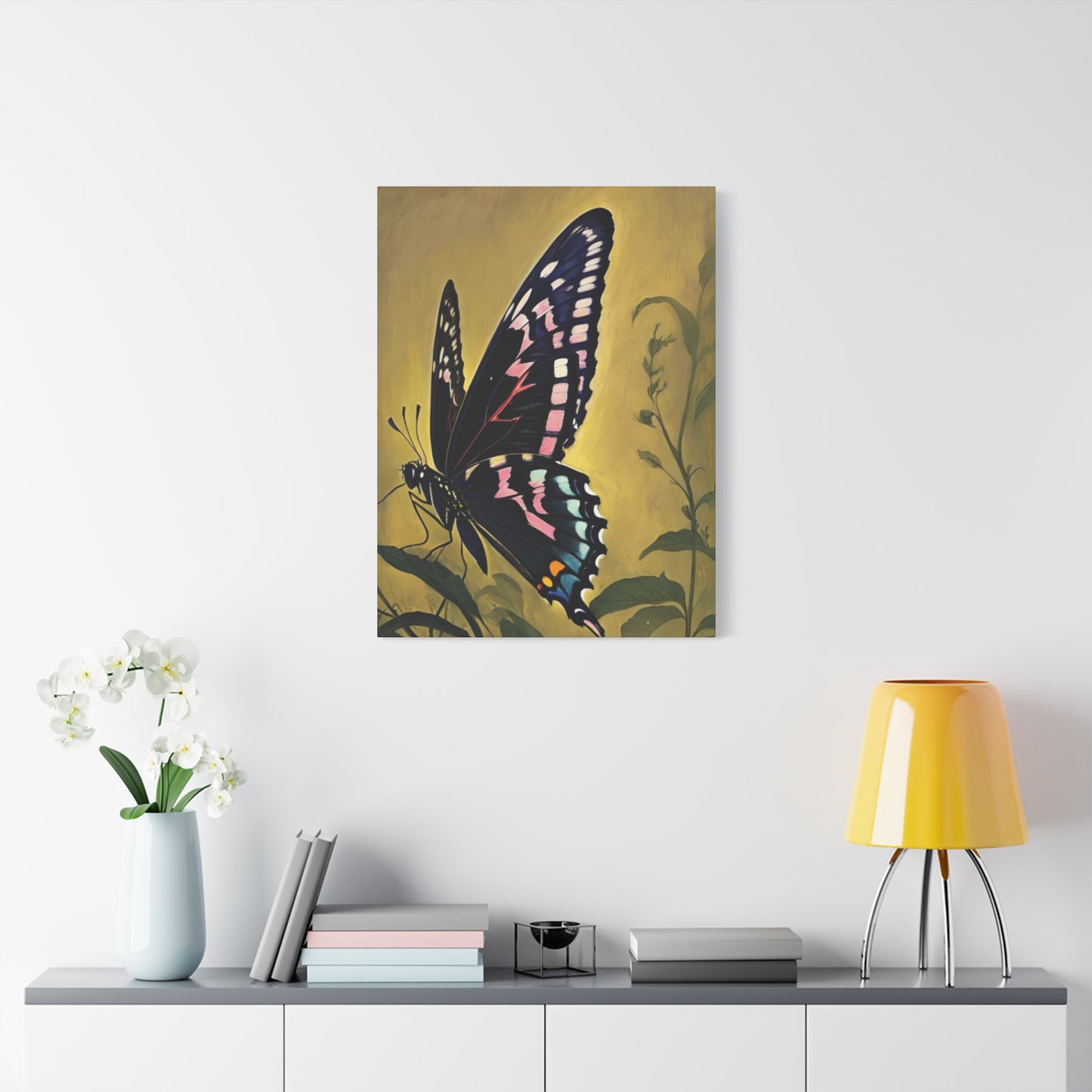
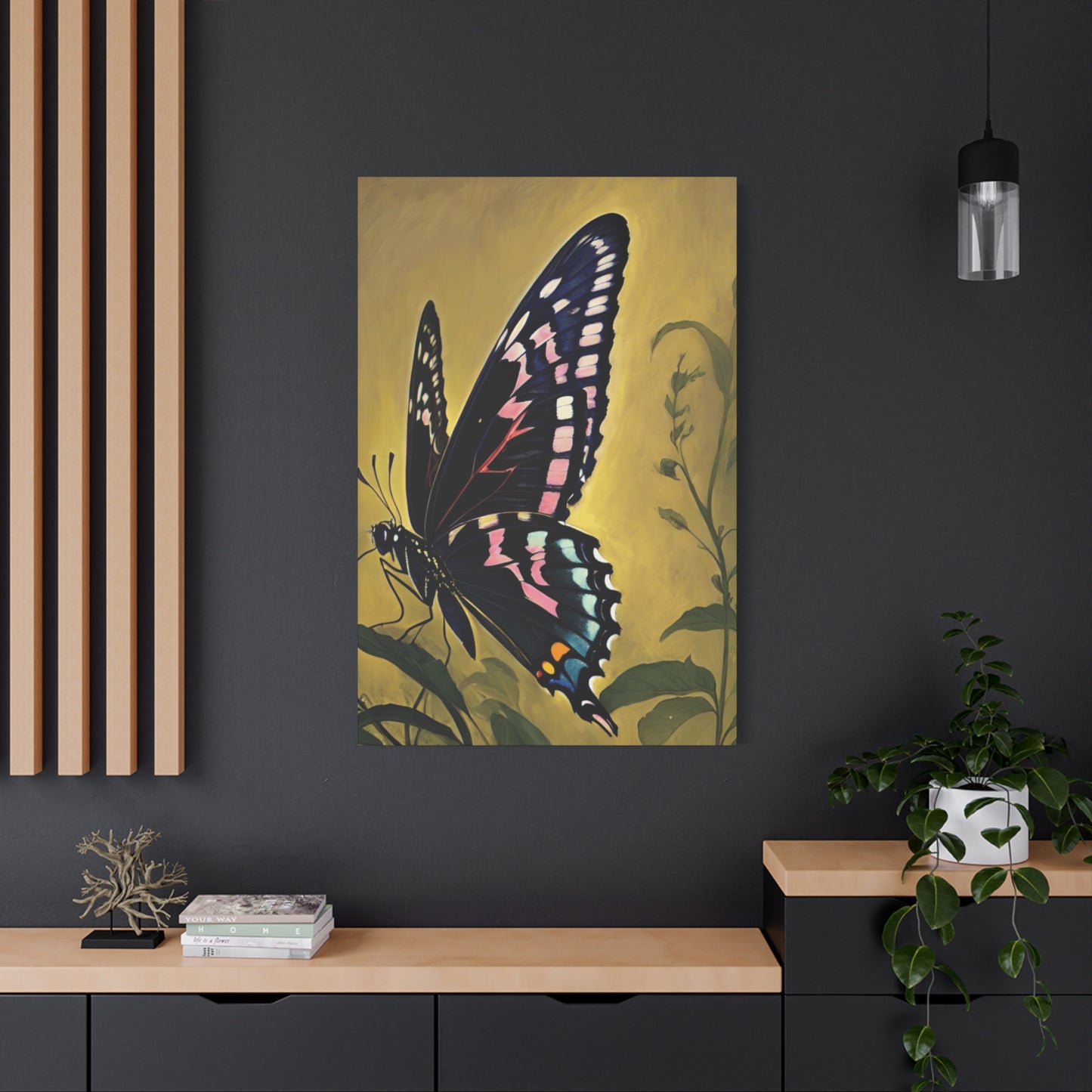
Dark and Bright Butterfly Wall Art & Canvas Prints
Dark and Bright Butterfly Wall Art & Canvas Prints
Couldn't load pickup availability
Stunning Dark and Bright Butterfly Wall Art: Creating Mesmerizing Winged Displays for Your Living Spaces
The ethereal beauty of butterflies has captivated human imagination for centuries, and incorporating these delicate creatures into interior decoration through wall art creates an enchanting atmosphere that transforms ordinary rooms into extraordinary sanctuaries. Dark and bright butterfly wall art represents a perfect marriage between nature's most elegant insects and contemporary design aesthetics, offering homeowners and decorators an exceptional opportunity to infuse spaces with organic charm and visual sophistication.
Why Winged Insect Artwork Has Become Essential in Contemporary Interior Decoration
The rising popularity of lepidopteran-themed decorative pieces reflects a broader cultural shift toward biophilic design principles that seek to reconnect indoor environments with natural elements. Dark and bright butterfly wall art specifically addresses this yearning by bringing the wonder of metamorphosis and flight directly into homes, offices, and commercial establishments. These decorative elements serve multiple purposes beyond mere aesthetics—they function as conversation starters, mood enhancers, and symbolic representations of transformation and renewal.
Lepidopteran imagery carries profound symbolism across various cultures, representing concepts such as rebirth, freedom, joy, and the ephemeral nature of existence. When incorporated into interior spaces, butterfly-themed decorations create focal points that draw the eye while simultaneously softening harsh architectural lines. The contrast between darker and brighter specimens in a single arrangement adds depth and dimension to walls that might otherwise appear flat or uninspiring.
Contemporary homeowners increasingly seek decorative solutions that feel authentic rather than mass-produced, and carefully curated butterfly displays answer this demand perfectly. Unlike generic artwork that lacks personal meaning, collections of winged specimens—whether rendered through photography, illustration, or three-dimensional shadow boxes—tell stories about natural diversity, ecological awareness, and appreciation for delicate beauty that exists beyond human construction.
Exploring Various Formats and Mediums for Lepidopteran Wall Decorations
The world of butterfly wall art encompasses an impressive range of formats, each offering distinct visual qualities and installation considerations. Framed specimen displays represent perhaps the most classic approach, featuring preserved butterflies mounted against neutral backgrounds within glass-fronted cases. These arrangements showcase the intricate wing patterns, antennae structures, and body segmentation that make each species unique, creating miniature natural history exhibits within residential and commercial settings.
Photographic prints have emerged as another popular medium for butterfly artwork, with macro photography revealing stunning details invisible to the naked eye. High-resolution images capture the microscopic scales that create iridescent colors, the delicate venation patterns that support wing membranes, and the subtle gradations between dark and bright pigments. These photographic interpretations can be printed on various substrates including canvas, metal, acrylic, and traditional paper, each material contributing different textural qualities to the final presentation.
Illustrated butterfly art offers artists opportunities to interpret lepidopteran forms through personal creative lenses. Watercolor renderings might emphasize translucent wing qualities, while pen-and-ink drawings highlight structural details and pattern complexity. Digital illustrations allow for imaginative color combinations and stylistic experimentation that pushes beyond naturalistic representation into surreal or abstract territories, expanding the conceptual possibilities of dark and bright butterfly wall art.
Three-dimensional sculptural interpretations add literal depth to butterfly decorations, with metal fabrications, paper constructions, and ceramic creations projecting outward from wall surfaces. These dimensional pieces cast shadows that change throughout the day as natural light shifts, creating dynamic visual experiences that flat artworks cannot match. Laser-cut metal silhouettes, origami-inspired paper sculptures, and hand-formed ceramic butterflies each bring unique material qualities that complement different interior design schemes.
Mixed-media approaches combine multiple elements to create layered, textured compositions that engage viewers on multiple sensory levels. Artists might incorporate actual preserved wings alongside painted backgrounds, embed butterflies within resin panels, or combine photographic elements with hand-drawn details. These hybrid works often prove most successful at bridging the gap between naturalistic representation and artistic interpretation, offering sophisticated visual complexity that rewards prolonged viewing.
Selecting Appropriate Color Palettes for Maximum Visual Impact
The interplay between dark and bright butterfly wall art creates visual tension that energizes spaces without overwhelming them. Understanding color theory principles helps in selecting pieces that harmonize with existing interior color schemes while providing sufficient contrast to command attention. Darker specimens—including varieties with deep purples, midnight blues, charcoal blacks, and rich burgundies—anchor compositions and provide grounding elements that prevent lighter butterflies from appearing to float aimlessly.
Brighter butterflies inject vitality and luminosity into arrangements, with species displaying brilliant yellows, electric blues, vivid oranges, and pristine whites catching light and drawing focus. The strategic placement of these contrasting tones creates visual pathways that guide viewer attention across the entire composition rather than settling on a single focal point. This choreographed eye movement enhances the perceived dynamism of the display, suggesting motion and life despite the static nature of the artwork.
Monochromatic schemes featuring exclusively dark or bright butterflies offer alternative approaches that suit minimalist aesthetics or strongly themed interiors. All-black butterfly arrangements create dramatic silhouettes that emphasize form over color, while collections of white and pale yellow specimens evoke ethereal, dreamlike qualities. These tonal consistencies provide visual coherence that feels intentional and curated rather than accidentally assembled.
Complementary color combinations leverage opposing positions on the color wheel to create maximum vibrancy and visual excitement. Pairing purple-toned dark butterflies with yellow-bright specimens, or positioning orange varieties against blue backgrounds, exploits natural color relationships that human vision finds inherently pleasing. These strategic color juxtapositions elevate butterfly wall art from simple decorative objects to sophisticated color studies that demonstrate understanding of visual design principles.
Neutral backgrounds play crucial roles in allowing butterfly colors to fully shine. White, cream, gray, and beige mounting surfaces provide clean canvases that neither compete with nor diminish the specimens' natural pigmentation. Conversely, darker backgrounds create theatrical presentations where bright butterflies appear to glow against shadowy depths, while dark specimens merge into their surroundings, creating mysterious partially-concealed effects that reward careful observation.
Determining Optimal Placement Locations Throughout Different Room Types
Strategic placement of dark and bright butterfly wall art significantly influences how these pieces impact room atmospheres and inhabitant experiences. Living rooms, as primary gathering spaces, benefit from larger-scale butterfly installations positioned above sofas, mantels, or console tables where they function as commanding focal points that anchor seating arrangements. These prominent placements ensure guests immediately notice and appreciate the decorative investment while providing conversation topics during social gatherings.
Bedroom environments welcome butterfly artwork that promotes tranquility and contemplative moods. Positioning pieces above headboards creates visual interest in otherwise overlooked spaces while maintaining appropriate scale relationships between furniture and wall decorations. Lighter, brighter butterfly arrangements typically prove more suitable for sleeping quarters, as they contribute uplifting energy without the intensity that darker specimens might introduce into restful environments.
Dining areas present opportunities for butterfly displays that enhance mealtime experiences without distracting from food presentations or guest interactions. Moderately sized arrangements on walls adjacent to dining tables provide visual enrichment that diners can appreciate between courses, while avoiding direct sightlines that might compete for attention during active conversations. The symbolic associations between butterflies and transformation make these creatures particularly appropriate for spaces dedicated to nourishment and communion.
Home office and workspace environments benefit from butterfly artwork that inspires creativity while maintaining professional appearances. Collections featuring both dark and bright specimens demonstrate sophisticated taste and biological awareness without appearing overly casual or whimsical. These balanced arrangements can stimulate innovative thinking through their natural associations with change and adaptation, potentially enhancing problem-solving capabilities during challenging work projects.
Entryways and foyer spaces utilize butterfly wall art to establish immediate impressions and set tonal expectations for interior spaces beyond. Dramatic arrangements featuring strong contrasts between dark and bright specimens create memorable first encounters that signal homeowner personality and design sensibilities. These threshold decorations function as transitional elements that psychologically separate exterior public realms from interior private domains.
Bathroom environments, often overlooked in decorative schemes, gain unexpected sophistication through carefully selected butterfly artwork. Moisture-resistant formats such as metal prints or sealed acrylic panels withstand humid conditions while introducing organic elements into spaces typically dominated by hard, manufactured surfaces. Smaller-scale arrangements prevent overwhelming compact rooms while still providing meaningful visual interest.
Hallways and corridors transform from mere connective passages into gallery-like experiences through strategic butterfly display placements. Linear arrangements that progress from darker to brighter specimens, or vice versa, create visual narratives that accompany movement through transitional spaces. These sequential presentations add purpose and destination to otherwise utilitarian areas while maximizing decorative impact in underutilized square footage.
Understanding Size Relationships and Proportional Considerations
Proper scaling between butterfly wall art dimensions and surrounding architectural features determines whether pieces appear purposeful or awkwardly placed. General design principles suggest artwork should occupy approximately two-thirds to three-quarters of the furniture width beneath it, creating visual balance that anchors both elements together rather than allowing them to compete or appear disconnected. This proportional relationship ensures decorations feel integrated into overall room compositions rather than arbitrarily affixed.
Ceiling height significantly influences appropriate artwork sizes, with taller rooms accommodating correspondingly larger butterfly displays without risk of overwhelming spaces. Standard eight-foot ceilings typically work well with pieces ranging from twenty to thirty-six inches in height, while rooms featuring nine-foot or higher ceilings can support substantially larger installations without appearing disproportionate. Undersized artwork in tall rooms creates unfortunate "postage stamp" effects that diminish both the decoration and the space itself.
Gallery wall arrangements featuring multiple smaller butterfly pieces offer alternatives to single large statements, allowing for phased collection building and more flexible budget allocation. These grouped displays should be planned as unified compositions with consistent spacing between elements, typically two to three inches for cohesive appearances. Mixing frame sizes and orientations within gallery walls adds visual interest while maintaining overall compositional balance through careful attention to visual weight distribution.
Vertical versus horizontal orientations carry different spatial implications, with vertical arrangements emphasizing ceiling height and creating aspirational upward movement, while horizontal placements emphasize width and establish grounding stability. Single butterfly specimens naturally lend themselves to vertical presentations that echo their natural proportions, while multiple specimens arranged in rows or clusters often work better in horizontal configurations that spread visual interest across wall expanses.
Negative space surrounding butterfly artwork proves equally important as the pieces themselves, providing visual breathing room that prevents crowded, cluttered appearances. Walls should not be completely covered edge-to-edge with decorations; instead, strategic placement with generous surrounding emptiness allows eyes to rest and appreciate individual elements without visual fatigue. This restraint paradoxically increases perceived value of displayed items by suggesting careful curation rather than indiscriminate accumulation.
Examining Frame Styles and Matting Options for Enhanced Presentation
Frame selection dramatically impacts how dark and bright butterfly wall art appears within interior contexts, with frame materials, colors, widths, and styles all contributing to overall aesthetic effects. Traditional wooden frames in natural finishes complement butterfly specimens by echoing organic origins and creating harmonious relationships between container and content. Rich walnut, warm oak, and refined maple options each contribute different tonal qualities that either emphasize or contrast with butterfly coloration.
Metal frames provide contemporary alternatives that suit modern and industrial interior styles, with finishes ranging from matte black and brushed nickel to polished brass and antiqued copper. These manufactured materials create interesting juxtapositions between natural butterfly subjects and human-made presentation methods, potentially adding conceptual layers about relationships between nature and culture. Slim metal profiles particularly suit minimalist aesthetics where frame presence should remain subordinate to artwork content.
Ornate frames featuring decorative moldings and gilded finishes can elevate butterfly specimens into fine-art territory, suggesting museum-quality presentations worthy of serious aesthetic contemplation. These elaborate surrounds work particularly well with formal interior styles including Victorian, French Country, and traditional designs where decorative abundance complements rather than clashes with overall schemes. However, ornamental frames risk overwhelming delicate butterfly subjects if not carefully selected for appropriate scale relationships.
Shadow box frames add dimensional depth that standard flat frames cannot provide, creating miniature stage-like settings where butterflies appear suspended in three-dimensional space. This presentation format proves especially effective for actual preserved specimens, as it protects fragile wings while simultaneously showcasing them as precious natural artifacts. Varying shadow box depths from one to several inches allows for different presentational effects, from subtle elevation to dramatic projection.
Matting choices significantly influence how butterfly artwork relates to frames and surrounding walls. White and off-white mats create clean, gallery-style presentations that focus attention exclusively on specimens without competing visual noise. Colored mats can either harmonize with dominant butterfly hues for cohesive effects or provide complementary contrasts that heighten color vibrancy. Double and triple matting arrangements add sophisticated layering and increased visual importance to featured specimens.
Frameless presentations eliminate borders entirely, allowing butterfly images to float directly against wall surfaces for seamless integration into surrounding environments. This contemporary approach works particularly well with canvas prints, metal panels, and acrylic-mounted photographs where structural integrity doesn't require frame support. Frameless installations create clean, uncluttered appearances that suit modern minimalist aesthetics emphasizing simplicity and material honesty.
Investigating Diverse Species Suitable for Artistic Representation
The lepidopteran order encompasses approximately 180,000 described species, offering artists and decorators virtually limitless options for dark and bright butterfly wall art compositions. Monarch butterflies remain perpetually popular due to their distinctive orange and black patterning, continental migration behaviors, and widespread cultural recognition. These familiar specimens provide accessible entry points for butterfly-themed decorating while still delivering impressive visual impact through their bold coloration and graceful wing shapes.
Morpho butterflies from Central and South America display brilliant metallic blues that appear almost impossibly vivid, resulting from microscopic wing scale structures that reflect light rather than containing blue pigments. These spectacular insects provide the brightest elements in many butterfly arrangements, creating luminous focal points that capture attention even in peripheral vision. Their striking appearance makes them valuable additions to collections seeking maximum color intensity and visual drama.
Birdwing butterflies, among the largest lepidopteran species, offer impressive scale and dramatic presence that commands attention in ways smaller specimens cannot match. Males typically display vibrant greens and golds combined with deep blacks, while females often feature more subdued brown and cream tones with distinctive patterns. Including birdwing varieties in butterfly displays adds diversity in both size and coloration, creating compositional anchors around which smaller specimens orbit.
Swallowtail varieties present elegant forms distinguished by elongated hindwing tails that create graceful silhouettes. Species within this family range from the predominantly black Pipevine Swallowtail to the bright yellow Tiger Swallowtail and the stunning blue-green Eastern Tiger Swallowtail. These diverse colorations within a single family allow for coordinated collections featuring consistent forms but varying palettes, creating visual unity through repeated shapes while maintaining color interest through strategic variation.
Luna moths, though technically not butterflies, frequently appear in lepidopteran-themed artwork due to their extraordinary pale green coloration and impressive wingspans. These nocturnal creatures contribute ethereal qualities to darker compositions, with their soft coloring and delicate eyespots providing textural and tonal contrasts to more boldly colored true butterflies. Including moths alongside butterflies demonstrates sophisticated understanding of lepidopteran diversity while expanding available color and form vocabularies.
Glass wing butterflies present fascinating transparent wing membranes with minimal scales, creating see-through effects that appear almost supernatural. These unusual specimens add unexpected elements to butterfly collections, introducing negative space concepts directly into individual subjects rather than only between them. Their ghostly appearance creates mysterious qualities that intrigue viewers and prompt closer examination of natural structural variations.
Emperor butterflies display rich purples, deep blues, and luminous whites in species distributed across multiple continents. The Purple Emperor, with its iridescent purple sheen visible only from certain angles, exemplifies how butterfly coloration changes based on viewing perspective, adding interactive elements to static displays. These color-shifting properties create dynamic visual experiences as viewers move past displays, rewarding observation from multiple positions.
Creating Cohesive Collections Through Thoughtful Curation Strategies
Building meaningful dark and bright butterfly wall art collections requires consideration beyond individual specimen beauty, encompassing compositional relationships, thematic connections, and narrative potential. Geographic curation approaches organize collections around butterflies from specific regions or continents, creating educational dimensions that transform decorative displays into informal natural history lessons. Amazonian rainforest species, North American natives, or Asian varieties each tell distinct ecological stories while providing regional color palette consistency.
Taxonomic arrangements group butterflies by family relationships rather than geographic origins, showcasing evolutionary connections and adaptive variations within related lineages. Displaying multiple swallowtail species together, for instance, reveals how common ancestral traits manifest through different color combinations and pattern variations across diverse habitats. These biologically informed presentations appeal to viewers interested in natural sciences while creating visually coherent collections through shared structural characteristics.
Color-gradient organizations arrange specimens from darkest to brightest or through rainbow progressions that create satisfying visual journeys across display surfaces. These chromatic sequences transform butterfly collections into abstract color studies that transcend literal representation, appealing to viewers' innate responses to organized visual information. Gradient arrangements work particularly effectively in long horizontal displays where sequential viewing naturally occurs during passage along corridors or above extended furniture pieces.
Life-cycle storytelling incorporates eggs, caterpillars, chrysalises, and adult butterflies to illustrate complete metamorphosis processes within unified presentations. These educational arrangements hold particular appeal for family homes where children can learn about biological transformation through engaging visual narratives. Combining different life stages adds textural variety and conceptual depth to collections while demonstrating sophisticated curatorial thinking beyond simple aesthetic arrangement.
Seasonal thematic groupings organize butterflies by their natural emergence times or migration patterns, creating displays that resonate with cyclical natural rhythms. Spring arrangements might emphasize bright yellows and fresh greens, summer collections could feature vibrant oranges and bold blues, autumn displays might highlight warm browns and golden tones, while winter presentations could focus on subtle whites and cool grays. These seasonal rotations keep spaces feeling current and responsive to temporal changes.
Size-based arrangements progress from smallest to largest specimens or arrange pieces to create visual pyramids with largest elements centered and progressively smaller butterflies extending outward. These organizational strategies create stable, balanced compositions that feel carefully considered rather than randomly assembled. Size progressions guide viewer attention systematically through collections while creating satisfying visual rhythms through repeated form variations.
Symmetrical versus asymmetrical arrangements produce dramatically different aesthetic effects, with symmetry suggesting formality, order, and classical sensibilities, while asymmetry conveys contemporary dynamism, movement, and creative spontaneity. Mirror-image butterfly placements on either side of central vertical axes create mandala-like compositions with meditative qualities, whereas intentionally unbalanced arrangements generate visual tension and kinetic energy that activates wall surfaces.
Exploring DIY Possibilities for Personalized Butterfly Artwork Creation
Crafting custom dark and bright butterfly wall art enables expression of personal aesthetic preferences while potentially reducing costs compared to purchasing finished pieces. Decoupage approaches transfer butterfly images from printed sources onto wooden panels, canvas boards, or prepared surfaces using adhesive mediums that seal and protect applied images. This accessible technique requires minimal artistic skill while producing professional-appearing results suitable for permanent display.
Watercolor painting allows creation of original butterfly portraits with distinctive handmade qualities that mass-produced prints cannot replicate. Wet-on-wet techniques produce soft, ethereal backgrounds against which carefully rendered butterfly details stand in crisp contrast. Gradual skill development through repeated practice sessions builds confidence and capability, transforming novice attempts into accomplished artworks worthy of prominent placement.
Papercutting and silhouette methods create striking graphic butterfly representations through careful excision of butterfly forms from dark paper mounted against lighter backgrounds. Japanese kirigami traditions particularly emphasize delicate detail work that captures wing venation and body structures through intricate cutting patterns. These high-contrast pieces provide bold graphic impact while demonstrating craftsmanship through evident manual precision.
Embroidery and textile arts translate butterfly imagery into fiber-based three-dimensional renderings with unique textural qualities. French knot bodies, satin-stitched wings, and metallic thread accents create tactile surfaces that invite touch while catching light in ways flat media cannot achieve. Mounting completed embroideries in traditional hoops, stretching them over canvas frames, or incorporating them into mixed-media collages produces diverse presentation possibilities.
Polymer clay sculpting enables creation of dimensional butterfly forms that can be mounted individually or in groups against backing boards. Conditioning, shaping, texturing, and baking moldable clays produces permanent results that accept paints, powders, and surface treatments adding realistic coloration. These handcrafted three-dimensional pieces possess artisanal qualities distinguishing them from commercial manufactures.
Botanical pressing combined with butterfly imagery creates nature-journal aesthetics that pair lepidopteran subjects with flowers, leaves, and botanical specimens butterflies naturally encounter. Arranging pressed materials alongside butterfly illustrations or photographs within glass-fronted frames produces romantic, natural-history-inspired presentations. These mixed-element compositions tell ecological stories about pollinator relationships and habitat dependencies.
Digital manipulation and printing technologies allow amateur creators to design custom butterfly artwork using photograph editing software and online design platforms. Combining multiple butterfly images into new compositions, adjusting colors for specific interior schemes, and adding text or graphic elements produces personalized artwork unavailable through commercial channels. High-quality home printing or professional printing services transfer digital designs onto various substrates for physical display.
Addressing Lighting Considerations for Optimal Visual Enhancement
Proper illumination dramatically affects how dark and bright butterfly wall art appears and how effectively it fulfills decorative intentions. Natural daylight provides truest color rendering and creates dynamic viewing experiences as sunlight angles shift throughout days and seasons. Positioning butterfly displays on walls receiving indirect northern light avoids harsh direct sun that can fade pigments over time while maintaining bright, even illumination that flatters all hues.
Picture lights mounted directly above framed butterfly artwork provide focused illumination that highlights specific pieces while creating dramatic shadowing effects that enhance dimensional depth. These dedicated fixtures draw attention to featured specimens while contributing ambient lighting to surrounding areas. Battery-operated and plug-in options offer installation flexibility without requiring hardwired electrical connections.
Track lighting systems deliver adjustable spotlighting that can be repositioned as butterfly displays evolve or relocate. Directional heads target individual pieces within gallery wall arrangements or create grazing light that emphasizes surface textures and frame profiles. Dimmer controls allow lighting intensity adjustments matching different times of day and various functional needs from close examination to subtle background presence.
Recessed ceiling fixtures provide general ambient illumination that bathes entire walls including butterfly artwork in even, non-directional light. This approach avoids creating harsh shadows or hotspots while ensuring adequate visibility without special highlighting. Combining ambient ceiling lighting with supplementary accent fixtures creates layered lighting schemes offering flexibility for different activities and moods.
Backlighting techniques place light sources behind translucent or transparent butterfly images, creating luminous effects that emphasize wing transparency and color vibrancy. This dramatic presentation method works particularly well with photographic prints on translucent materials or actual specimens mounted between glass layers. Backlit displays transform butterflies into glowing focal points that command attention especially in dimmed room conditions.
LED strip lighting concealed within shadow box frames or behind floating-mounted panels creates contemporary halo effects that separate butterfly artwork from walls while adding gentle indirect illumination. Color-temperature selection influences mood and appearance, with warm whites (2700-3000K) creating cozy traditional ambiance while cool whites (4000-5000K) produce crisp modern effects. RGB color-changing LED options enable chromatic variations matching different occasions or seasons.
Avoiding lighting mistakes preserves butterfly artwork longevity and maintains intended appearances. Direct sunlight exposure causes fading in both natural specimens and printed images, necessitating UV-filtering glass and strategic placement away from windows receiving prolonged direct sun. Excessive heat from closely positioned light fixtures can damage natural specimens, warp frames, and accelerate deterioration of mounting materials, requiring adequate clearances and selection of low-heat LED sources.
Maintaining and Preserving Butterfly Wall Decorations for Lasting Beauty
Proper care extends the lifespan and maintains the visual appeal of dark and bright butterfly wall art regardless of format or materials. Dusting routines using soft, lint-free microfiber cloths or feather dusters prevent particulate accumulation that dulls colors and obscures details. Weekly gentle surface cleaning proves easier than addressing heavy buildup requiring more aggressive intervention that risks damaging delicate elements.
Glass surfaces protecting framed specimens benefit from occasional cleaning using streak-free glass cleaners and soft cloths, taking care not to allow liquid infiltration beneath glass that could damage mounted specimens or backgrounds. Spraying cleaners onto cloths rather than directly onto glass reduces dripping risks. Avoiding ammonia-based products near natural specimens prevents chemical interactions that might discolor or deteriorate organic materials.
Environmental monitoring ensures butterfly displays remain within appropriate temperature and humidity ranges that prevent deterioration. Ideal conditions maintain temperatures between 65-75°F and relative humidity between 40-50%, avoiding extremes that cause warping, mold growth, or desiccation. Room placement away from heating vents, air conditioning ducts, and exterior walls subject to temperature fluctuations protects sensitive materials.
Rotating displayed pieces periodically prevents uneven light exposure that creates differential fading between constantly displayed and stored items. Implementing rotation schedules refreshes visual interest while equalizing preservation stresses across entire collections. Storage of non-displayed pieces in acid-free boxes within climate-controlled spaces prevents deterioration during dormant periods.
Inspection routines identify emerging condition issues before they become severe problems requiring professional conservation intervention. Checking for insect activity, mold growth, adhesive failures, frame damage, and mounting degradation enables timely corrective action. Annual detailed examinations supplement monthly casual observations, ensuring comprehensive condition monitoring.
Professional restoration services address damage exceeding amateur repair capabilities, including broken specimens, severe fading, frame structural failures, and mounting material deterioration. Qualified conservators possess specialized knowledge and materials enabling ethical repairs that preserve original integrity while returning pieces to display-worthy condition. Documenting artwork condition through photographs before professional treatment provides insurance protection and condition comparison records.
Preventive measures protect butterfly wall art from common damage sources including physical impacts, moisture exposure, pest infestations, and inappropriate handling. Installing pieces at appropriate heights reduces accidental collision risks. Maintaining clean homes discourages carpet beetles and other insects that feed on natural materials. Handling only by frames rather than directly touching specimens or prints prevents fingerprint oils and physical damage.
Considering Symbolic Meanings and Cultural Significance Within Décor
Dark and bright butterfly wall art carries layered meanings extending beyond purely decorative functions, with cultural symbolism enriching these pieces with conceptual depth. Metamorphosis metaphors position butterflies as transformation symbols representing personal growth, spiritual evolution, and life transitions. Displaying butterfly artwork during periods of significant life changes—relocations, career shifts, relationship developments—provides visual reminders of change's positive potential.
Freedom and liberation associations connect butterfly flight with release from constraints and achievement of previously unattainable goals. These symbolic connections make butterfly imagery particularly meaningful in spaces dedicated to creative pursuits, strategic planning, or personal development activities where mental freedom and innovative thinking prove essential for success.
Joy and lightness symbolism reflects butterflies' delicate movements and bright colors that evoke happiness and playful spontaneity. Incorporating butterfly artwork into spaces where people gather for celebration and recreation reinforces positive emotional atmospheres that encourage social bonding and shared enjoyment. These uplifting associations make butterflies particularly suitable for spaces dedicated to leisure and entertainment.
Ephemeral beauty concepts acknowledge butterflies' brief adult lifespans, creating memento mori reminders about existence's temporary nature. This philosophical dimension adds contemplative depth to butterfly displays, encouraging mindfulness about present-moment appreciation and recognition of beauty's fleeting character. Dark specimens particularly emphasize mortality themes while bright varieties celebrate vitality during limited temporal windows.
Cultural variations in butterfly symbolism require consideration when decorating diverse spaces or creating collections for clients from various backgrounds. Japanese traditions associate butterflies with young womanhood and marital happiness, Chinese cultures connect them with longevity and immortality, Christian iconography links butterflies with resurrection, while Irish folklore views them as deceased children's souls. Understanding these cultural contexts prevents inadvertent symbolic miscommunications.
Seasonal symbolism positions butterflies as spring and summer emblems representing renewal, vitality, and natural abundance following dormant winter periods. This seasonal connection makes butterfly artwork particularly appropriate for spaces seeking to maintain perpetual springtime freshness regardless of actual calendar seasons or outdoor weather conditions.
Personal meaning creation allows individual interpretation beyond traditional symbolic systems, with specific butterfly species or colors acquiring unique significance based on individual experiences, memories, or associations. Commissioning or creating custom pieces incorporating personally meaningful species transforms generic decorations into autobiographical statements that tell individual stories through natural imagery.
Incorporating Butterfly Artwork Within Various Interior Design Styles
Successfully integrating dark and bright butterfly wall art across diverse interior design styles requires understanding how these natural elements interact with different aesthetic vocabularies. Traditional interiors featuring rich wood tones, classic furniture silhouettes, and formal arrangements accommodate butterfly displays emphasizing natural history presentations. Shadow box specimens, botanical illustration styles, and ornate frame treatments align with traditional design's emphasis on established conventions and time-tested aesthetic principles.
Contemporary spaces characterized by clean lines, neutral palettes, and minimal ornamentation benefit from simplified butterfly presentations that avoid fussy details or excessive decoration. Large-scale photographic prints in slim frames, monochromatic arrangements, and streamlined gallery walls complement contemporary design's restraint and focus on essential elements. Butterfly selections emphasizing graphic impact through strong shapes and bold colors suit contemporary preferences for statement pieces.
Modern interiors embracing industrial materials, asymmetrical arrangements, and innovative forms pair effectively with unconventional butterfly presentations. Metal butterfly sculptures, mixed-media pieces incorporating unexpected materials, and dimensional installations that project into room spaces align with modern design's experimental spirit. Color selections emphasizing cool tones and metallic finishes harmonize with modern palettes while dark and bright contrasts satisfy modern preferences for visual drama.
Bohemian aesthetics celebrating eclecticism, layered textures, and global influences accommodate abundant butterfly displays with rich colors and varied formats. Mixing frame styles, combining specimens with other natural objects, and creating dense gallery walls featuring butterflies alongside diverse artworks reflects bohemian design's abundance and personal narrative emphasis. Bohemian spaces welcome butterfly collecting as accumulation opportunities rather than exercises in careful curation.
Scandinavian design's emphasis on simplicity, functionality, and connection with nature makes butterfly artwork natural complementary elements. Selecting specimens featuring clean silhouettes and limiting color palettes to whites, grays, and single accent hues maintains Scandinavian design's characteristic restraint. Displaying single statement butterflies rather than crowded collections honors Scandinavian preferences for edited, purposeful item selection.
Farmhouse styles combining rustic materials, vintage aesthetics, and comfortable livability incorporate butterfly displays through distressed frames, natural wood mountings, and arrangements suggesting collected-over-time authenticity. Mixing butterfly specimens with botanical prints, vintage natural history illustrations, and garden-themed objects creates farmhouse design's signature layered, accumulated appearance. Choosing frames with weathered finishes and mounting butterflies alongside salvaged architectural elements reinforces farmhouse material preferences.
Coastal interiors inspired by beach environments and maritime traditions pair butterflies with ocean-related decorative elements for nature-themed coherence. Selecting butterflies featuring blues, aquas, sandy tans, and crisp whites creates color palette harmony with coastal design schemes. Mounting specimens in whitewashed frames or combining them with shells, coral, and driftwood produces integrated coastal collections celebrating natural beauty across terrestrial and marine ecosystems.
Sourcing Quality Butterfly Artwork Through Various Acquisition Channels
Locating exceptional dark and bright butterfly wall art requires strategic shopping across multiple marketplaces offering different price points, selection varieties, and quality levels. Online retailers provide convenient browsing, extensive selection, and competitive pricing through reduced overhead costs. However, inability to physically examine pieces before purchase creates uncertainty about actual colors, frame quality, and dimensional accuracy despite detailed product descriptions and customer reviews.
Local art galleries and home décor boutiques enable hands-on examination ensuring accurate color assessment and quality verification before purchase. These venues typically offer curated selections reflecting specific aesthetic perspectives and quality standards. Building relationships with gallery owners and decorative arts specialists provides access to newly arriving pieces and customization possibilities meeting specific dimensional or color requirements.
Antique markets and vintage shops supply authentic natural history specimens and period butterfly displays with historical provenance and unique character. These sources often yield one-of-a-kind finds impossible to replicate through contemporary commercial channels. However, condition varies significantly requiring careful inspection for damage, fading, and structural integrity issues before purchase.
Art and craft fairs connect buyers directly with creating artists, enabling conversation about artistic processes, customization possibilities, and commission opportunities. These personal interactions reveal artist expertise levels and facilitate development of ongoing relationships for future acquisitions. Fair purchases directly support working artists while acquiring pieces unlikely to appear in other collections.
Estate sales and auction houses occasionally feature exceptional butterfly collections assembled by serious naturalists or decorative arts enthusiasts. These dispersals present opportunities for acquiring entire curated collections or exceptional individual pieces at competitive prices. However, auction formats require advance research, confident bidding strategies, and acceptance of as-is condition terms.
Museum shops associated with natural history institutions offer reproduction prints, educational materials, and licensed products featuring butterflies from their permanent collections. These purchases combine decorative value with educational authority while supporting institutional missions. Quality typically meets high standards given institutional reputation considerations.
Commissioning custom pieces from artists or framers creates perfectly specified butterfly artwork meeting exact dimensional, color, and subject requirements. This approach proves most expensive but delivers personalized results impossible through standardized commercial products. Commissioning enables collaboration throughout creative processes ensuring final pieces exceed expectations.
Examining Alternative Insect-Themed Artwork Complementing Butterfly Displays
Expanding beyond exclusively butterfly-focused collections introduces visual variety while maintaining cohesive natural history themes. Dragonfly artwork provides complementary winged subjects with distinctly different body structures and movement styles. These predatory insects display iridescent colors and elongated forms contrasting pleasingly with butterflies' broader wings and compact bodies. Combining dragonflies and butterflies within unified displays celebrates flying insect diversity.
Beetle specimens showcase incredible exoskeleton colorations and sculptural forms worthy of artistic appreciation. Iridescent jewel beetles, patterned longhorn beetles, and metallic ground beetles demonstrate natural design possibilities rivaling human artistic imagination. These harder-bodied insects provide textural contrasts to butterflies' delicate wings while introducing unexpected natural beauty into decorative schemes.
Moth varieties expand lepidopteran representation beyond diurnal butterflies into nocturnal species featuring different wing shapes, color palettes, and pattern strategies. Luna moths, Atlas moths, and hawk moths possess distinctive aesthetics worthy of independent appreciation. Including moths alongside butterflies demonstrates comprehensive lepidopteran knowledge while diversifying collection visual vocabularies.
Cicada specimens contribute sculptural qualities and interesting life-cycle narratives about extended underground immature stages before brief above-ground adult periods. Their distinctive wing venation and prominent eyes create graphic qualities distinct from butterflies. Periodic cicada emergence stories add narrative dimensions to collections focused on insect natural history.
Mantis displays introduce predatory insects with alien appearances and fascinating behavioral characteristics. Their elongated bodies, raptorial forearms, and triangular heads create science-fiction-like forms contrasting dramatically with butterflies' gentle appearances. This juxtaposition emphasizes insect order diversity while creating conceptual conversations about ecological roles and adaptation strategies.
Honeybee and native bee specimens celebrate pollinators' ecological importance while providing fuzzy textured forms differing from butterflies' scale-covered wings. These essential insects carry positive environmental associations and agricultural significance complementing butterflies' aesthetic emphasis. Combining pollinator types within displays creates educational opportunities about ecosystem interdependencies.
Grasshopper and katydid representations showcase herbivorous insects with powerful jumping legs and varied green colorations providing camouflage within vegetation. Their angular forms and prominent antennae contrast with butterflies' rounded wings and club-tipped antennae. Including these terrestrial insects grounds otherwise entirely flying-focused collections.
Evaluating Ecological Considerations and Ethical Sourcing Standards
Responsible acquisition of dark and bright butterfly wall art requires awareness of conservation status, collection methods, and supply chain ethics. Many commercially available butterfly specimens come from sustainable farming operations breeding butterflies specifically for decorative purposes. These facilities operate similarly to greenhouse nurseries, raising insects through complete life cycles in controlled environments without impacting wild populations. Supporting farmed butterfly suppliers ensures decorative purchases don't contribute to ecosystem degradation.
Wild-collected specimens raise ethical concerns when species face population pressures from habitat loss, climate change, or over-collection. Verifying that purchased butterflies come from abundant species rather than threatened populations helps ensure decorative preferences don't accelerate extinction risks. Consulting conservation databases regarding species status before purchases demonstrates environmental responsibility.
CITES regulations govern trade in endangered species including some rare butterflies, making importation and sale of restricted species illegal without proper documentation.
Conclusion
Stunning dark and bright butterfly wall art offers a captivating blend of elegance, transformation, and beauty, bringing dynamic energy into your living space. The delicate wings of a butterfly, with their intricate patterns and stunning contrast of dark and bright hues, can instantly elevate a room, drawing the eye and evoking a sense of wonder and lightness. These winged masterpieces serve as more than just decoration; they symbolize freedom, change, and personal growth—perfect for spaces that encourage reflection, creativity, and optimism.
The contrast between the dark and bright elements in butterfly artwork creates a visual balance that is both mesmerizing and harmonious. The dark tones often represent depth and introspection, while the bright accents—whether in vibrant oranges, radiant yellows, or soft pastels—symbolize hope, joy, and new beginnings. Together, they create a sense of balance between light and dark, representing the beauty that arises from transformation and change. This duality makes butterfly art a perfect choice for those seeking to add both intrigue and warmth to their home décor.
One of the most powerful features of butterfly wall art is its universal symbolism. Butterflies are a timeless representation of transformation, freedom, and beauty. The life cycle of a butterfly—from caterpillar to chrysalis to its eventual emergence as a vibrant winged creature—can serve as a reminder of growth and resilience. This makes butterfly art particularly inspiring for spaces that aim to foster personal development, creativity, or reflection, such as bedrooms, offices, or creative studios. Placing such artwork in these areas can help promote a sense of hope and motivation, reminding you that change and growth, though sometimes challenging, are often followed by beauty and renewal.
The versatility of dark and bright butterfly art further enhances its appeal. It can easily complement a wide range of interior styles, from modern minimalist spaces to more eclectic or bohemian rooms. In a contemporary setting, a single butterfly with bold, vivid colors can act as a striking focal point, while in more traditional or vintage-inspired rooms, it can add a touch of whimsy and grace. Whether framed in a sleek, modern frame or displayed as a part of a gallery wall, butterfly artwork effortlessly fits into both large, open spaces and smaller, more intimate areas. Its ability to seamlessly integrate into various décor styles makes it a flexible and enduring choice for any room in the home.
Additionally, butterfly wall art brings a natural, organic touch to indoor spaces. The fluid movement and graceful curves of a butterfly’s wings evoke a sense of lightness and tranquility, helping to create a calm, inviting atmosphere. Whether hung in a living room, hallway, or bedroom, this artwork can transform your home into a space that feels open and connected to nature. The vibrant, uplifting colors also help to brighten a room, adding warmth and light, which is especially valuable in spaces that need a burst of energy or a sense of cheerfulness.
In conclusion, stunning dark and bright butterfly wall art is a timeless and versatile addition to any living space. Its ability to capture the essence of transformation, freedom, and beauty makes it a meaningful decoration that enhances the energy and aesthetic of a room. Whether you’re looking to add a touch of elegance, create a focal point, or infuse your home with positive, uplifting energy, butterfly artwork is a perfect choice. The mesmerizing wings of these creatures serve as a reminder of the power of change and the beauty that comes with embracing life’s transitions. By bringing butterfly art into your home, you’re not just adding visual appeal—you’re introducing a symbol of resilience, hope, and infinite possibilities into your space.
Share