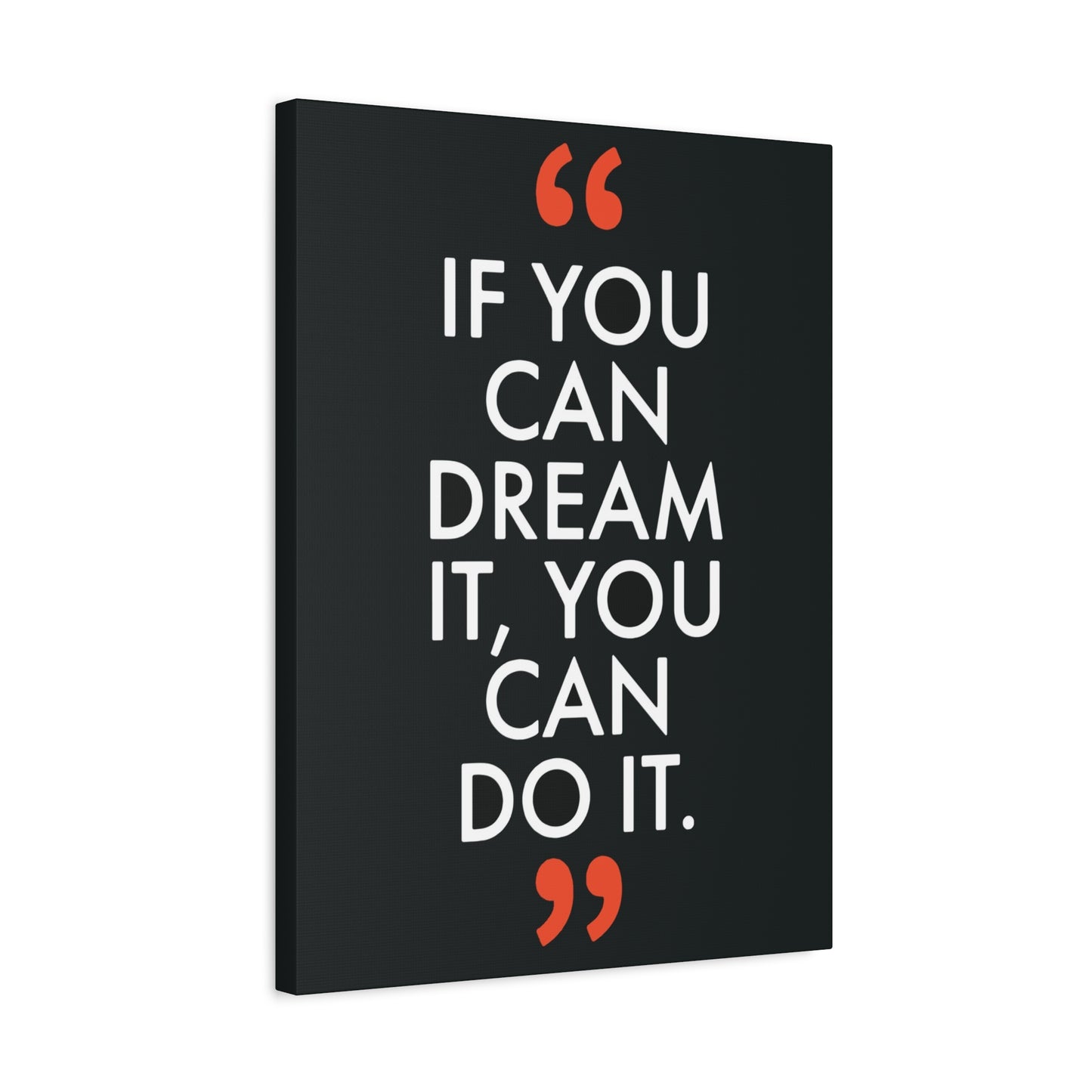
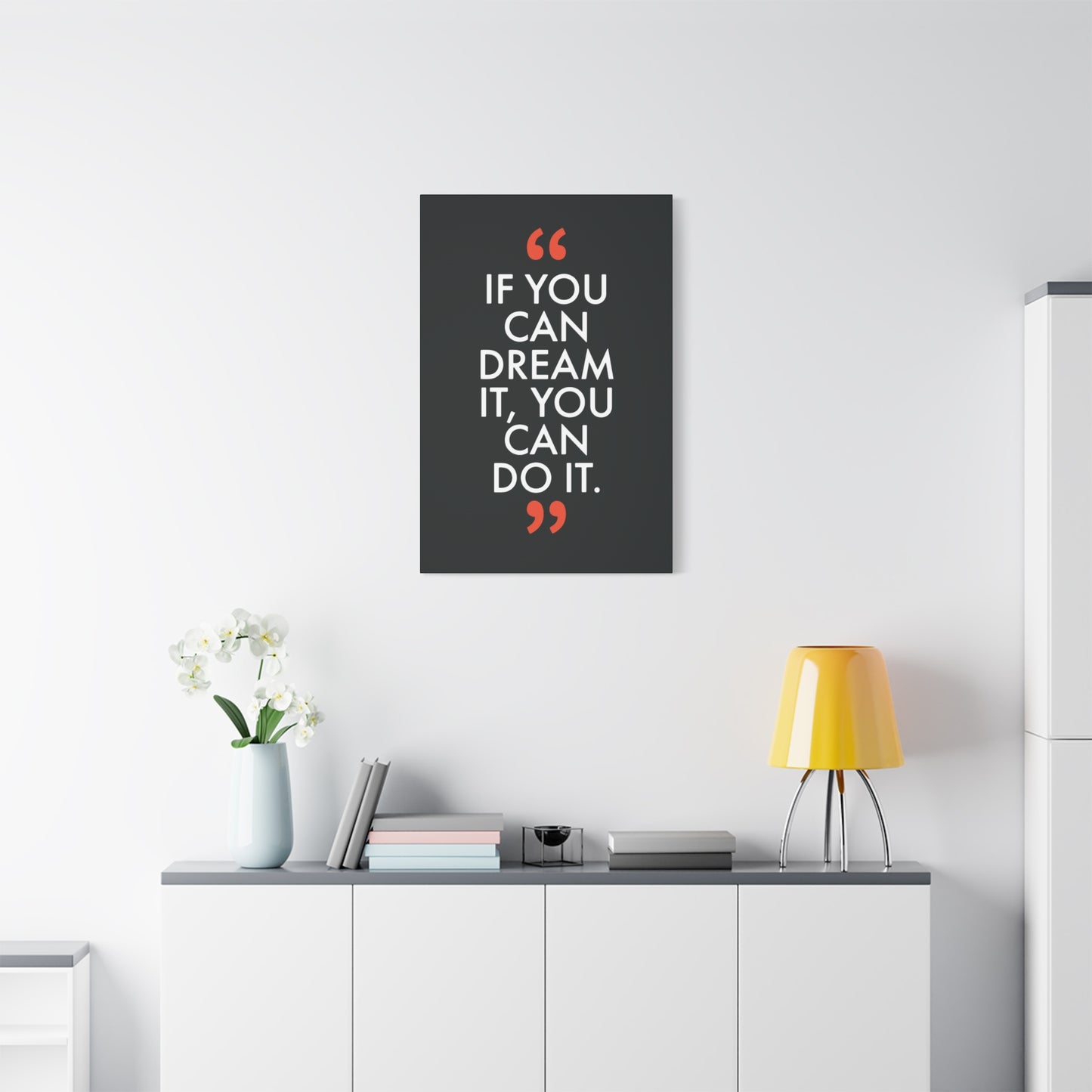
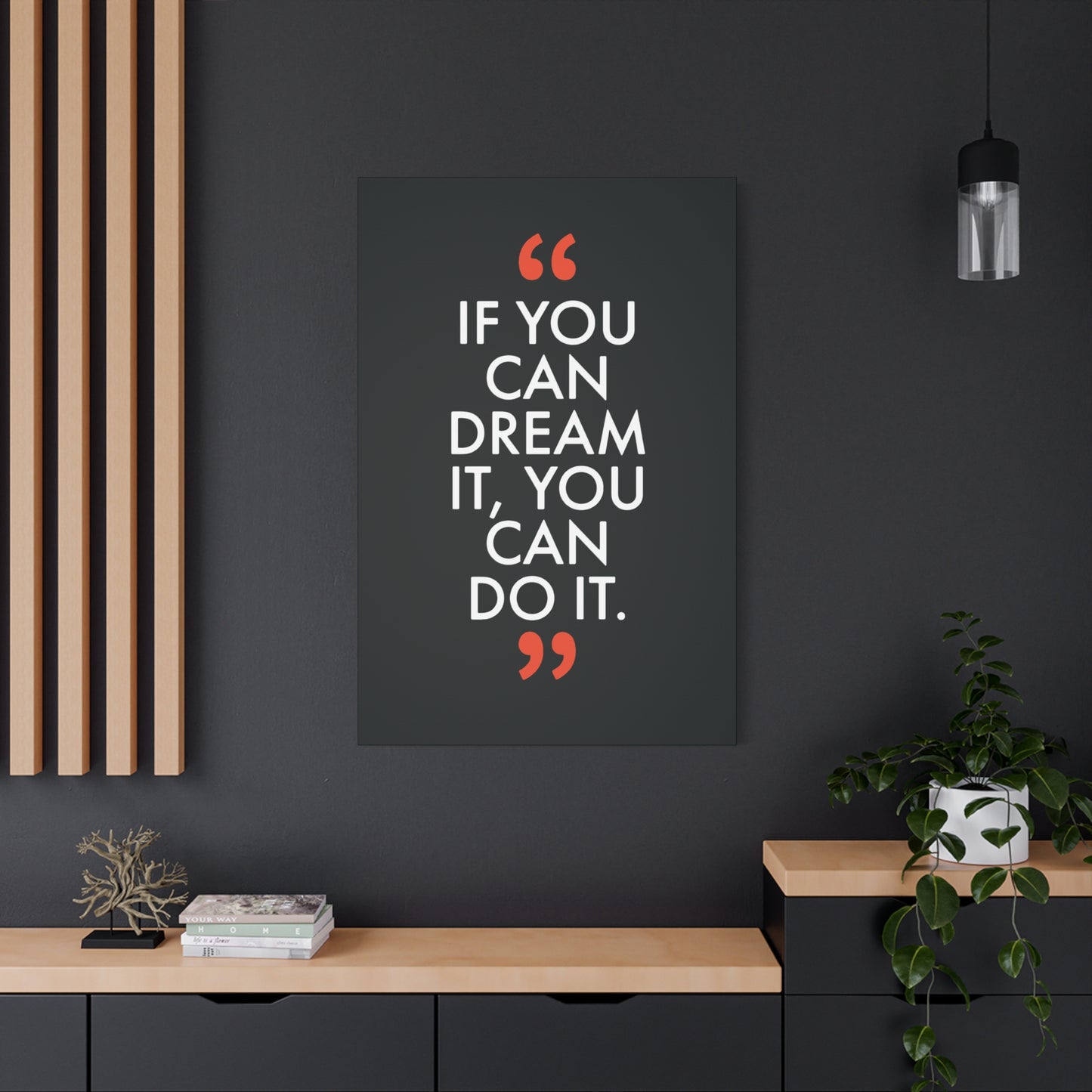
Dare to Dream Wall Art & Canvas Prints
Dare to Dream Wall Art & Canvas Prints
Couldn't load pickup availability
Inspirational Dare to Dream Wall Art: Infusing Your Living Space with Motivation and a Sense of Possibility
The concept of adorning walls with inspirational phrases and artistic designs has revolutionized how individuals perceive their personal and professional environments. Dare to Dream wall art represents more than mere decoration—it embodies a philosophy of courage, aspiration, and relentless pursuit of one's ambitions. This comprehensive exploration delves into every facet of motivational wall décor, examining its profound impact on human consciousness, spatial aesthetics, and the transformative power it holds within residential and commercial settings.
The Profound Connection Between Visual Stimuli and Human Motivation Patterns
Human beings possess an innate responsiveness to visual cues that surround them throughout daily existence. Dare to Dream wall art taps into this fundamental aspect of human psychology, creating tangible reminders of aspirations and objectives. When individuals encounter motivational phrases and imagery repeatedly, these messages gradually infiltrate the subconscious mind, reinforcing positive thought patterns and behavioral modifications.
Scientific research has demonstrated that environmental factors significantly influence cognitive processes and emotional states. The strategic placement of inspirational artwork creates what behavioral scientists term "environmental anchors"—physical touchpoints that trigger specific mental associations and emotional responses. These anchors serve as constant companions in the journey toward self-improvement and goal achievement, offering encouragement during challenging moments and celebration during triumphous occasions.
The neuroscience behind visual motivation reveals fascinating insights into how the brain processes and responds to inspirational imagery. When someone views Dare to Dream wall art, multiple neural pathways activate simultaneously. The visual cortex processes the aesthetic elements—colors, shapes, and compositions—while language centers decode textual messages. Meanwhile, the limbic system, responsible for emotional processing, evaluates the content's personal relevance and emotional resonance.
This multi-layered neural activation creates a powerful cognitive experience that transcends simple visual perception. The brain begins forming associations between the artwork and personal aspirations, strengthening these connections with each subsequent viewing. Over time, these neural pathways become well-established highways of thought, making it progressively easier to access motivational mindsets and maintain focus on long-term objectives.
Exploring the Multifaceted Dimensions of Inspirational Wall Décor Aesthetics
The aesthetic landscape of motivational wall art encompasses extraordinary diversity, ranging from minimalist typographical designs to elaborate illustrative compositions. Dare to Dream wall art exemplifies this versatility, offering countless interpretations that cater to varied personal tastes and interior design philosophies. Some pieces emphasize bold, commanding typography that dominates visual space, while others incorporate subtle messaging within intricate artistic frameworks.
Color psychology plays a pivotal role in the effectiveness of inspirational artwork. Warm hues like amber, crimson, and golden tones evoke feelings of energy, passion, and enthusiasm—emotions that naturally align with motivational messaging. Conversely, cooler palettes featuring azure, emerald, and violet shades promote calmness, clarity, and introspective thought, creating environments conducive to contemplation and strategic planning.
The compositional structure of Dare to Dream wall art significantly influences its psychological impact. Symmetrical arrangements typically convey stability, order, and reliability, subconsciously reassuring viewers about the attainability of their aspirations. Asymmetrical compositions, however, introduce dynamic tension and visual interest, symbolizing the unpredictable yet exciting nature of pursuing ambitious goals.
Texture adds another dimension to motivational wall décor, transforming two-dimensional surfaces into tactile experiences. Canvas prints offer organic warmth and traditional artistic appeal, while metallic finishes provide contemporary sophistication and light-reflective properties that change throughout the day. Wood-mounted pieces introduce natural elements that ground ambitious messaging in earthy authenticity, and acrylic prints deliver ultra-modern clarity with impressive depth and vibrancy.
The scale of inspirational artwork profoundly affects its presence within a space. Large-format Dare to Dream wall art commands attention and establishes a room's emotional tone, functioning as a central focal point around which other design elements orbit. Medium-sized pieces offer flexibility, allowing for gallery-style arrangements that tell visual stories through curated collections. Smaller accent pieces provide intimate moments of inspiration in unexpected locations—personal sanctuaries where private reflection occurs away from public view.
Navigating the Vast Selection of Motivational Artwork Styles and Formats
Contemporary markets offer unprecedented variety in inspirational wall décor, presenting both exciting opportunities and complex decision-making challenges. Dare to Dream wall art manifests across numerous formats, each offering distinct advantages and aesthetic qualities. Understanding these options empowers consumers to make informed choices that align with their personal preferences, spatial requirements, and budgetary considerations.
Canvas prints remain perennially popular due to their classic artistic appeal and versatile presentation options. Gallery-wrapped canvases, where the printed image continues around the frame edges, create seamless, polished appearances suitable for modern and traditional settings alike. Museum-quality canvas materials ensure longevity and color fidelity, preserving motivational messages for years or decades of daily inspiration.
Framed prints provide refined elegance and protective benefits, safeguarding artwork from environmental factors while enhancing visual impact through complementary framing materials. Frame selection dramatically influences overall aesthetic presentation—sleek metallic frames project contemporary sophistication, while ornate wooden frames evoke timeless classicism. The matting choices further customize the presentation, creating visual breathing room that draws attention to the central message.
Metal prints represent cutting-edge printing methodology, infusing dyes directly into specially coated aluminum surfaces. This process yields extraordinarily vivid colors, exceptional durability, and unique luminous qualities. Dare to Dream wall art rendered on metal surfaces acquires an almost ethereal quality, with backlighting effects that shift subtly as viewing angles and ambient lighting conditions change throughout the day.
Wooden signs and plaques offer rustic charm and handcrafted authenticity that resonates with audiences seeking organic, earthy aesthetics. Distressed finishes and weathered appearances convey character and depth, suggesting that aspirational messages possess enduring wisdom that transcends temporal trends. These pieces harmonize beautifully with farmhouse, cottage, and bohemian interior design schemes.
Vinyl wall decals present innovative, non-permanent solutions for renters and individuals who frequently refresh their environments. These removable options allow for seasonal changes, personal growth milestones, or simple aesthetic experimentation without commitment to permanent installations. High-quality vinyl materials adhere smoothly to various wall surfaces and remove cleanly without damaging underlying paint or wallpaper.
Strategic Placement Principles for Maximizing Inspirational Impact Throughout Living Spaces
The effectiveness of Dare to Dream wall art depends not solely on its intrinsic qualities but equally on thoughtful placement within inhabited environments. Strategic positioning transforms ordinary décor into powerful motivational tools that consistently influence thoughts, emotions, and behaviors. Developing placement strategies requires consideration of traffic patterns, visual sightlines, lighting conditions, and functional purposes of different spaces.
Bedrooms serve as intimate sanctuaries where days begin and end, making them prime locations for inspirational messaging. Positioning Dare to Dream wall art directly within the initial line of sight upon waking programs the mind with positive intentions before daily challenges commence. Similarly, placing motivational pieces as the final visual impression before sleep allows subconscious processing of aspirational messages throughout nocturnal rest periods.
Home offices and study areas benefit tremendously from motivational artwork that combats frustration during difficult tasks and maintains focus during extended work sessions. Positioning inspirational pieces at eye level when seated at workstations ensures regular visual contact without requiring conscious effort. This passive exposure creates consistent reinforcement of ambitious mindsets throughout productive hours.
Living rooms, functioning as communal gathering spaces, offer opportunities to share inspirational messages with family members and guests. Dare to Dream wall art in these areas communicates household values and collective aspirations, fostering supportive environments where everyone's ambitions receive recognition and encouragement. The social dimension of these shared spaces amplifies motivational messaging through verbal discussions and mutual reinforcement among inhabitants and visitors.
Entryways and hallways, though often overlooked, provide exceptional opportunities for motivational messaging. These transitional spaces mark psychological boundaries between external world experiences and private sanctuary moments. Positioning Dare to Dream wall art in entryways creates ritual touchpoints—moments of reconnection with personal aspirations during arrivals and departures that bookend daily adventures.
Kitchens and dining areas, where sustenance and social connection converge, benefit from inspirational artwork that elevates mundane routines into meaningful rituals. Motivational messages in these spaces infuse daily nourishment activities with broader purpose, transforming meal preparation and consumption into acts of self-care aligned with larger life objectives.
The Fascinating Journey of Motivational Artwork Manufacturing and Creation Processes
Understanding how Dare to Dream wall art comes into existence deepens appreciation for these pieces and informs quality assessment during purchasing decisions. The creation process involves numerous stages, each contributing to the final product's aesthetic qualities, durability, and emotional impact. From initial concept development through final packaging, skilled artisans and sophisticated machinery collaborate to produce inspirational masterpieces.
The creative journey begins with conceptualization, where designers contemplate the intersection of visual aesthetics and motivational messaging. This phase involves extensive exploration of typography options, compositional arrangements, color harmonies, and symbolic imagery. Designers consider how various elements work synergistically to convey specific emotional tones and motivational intensities.
Digital illustration and graphic design software enable creators to experiment with countless variations before finalizing designs. This iterative process involves adjusting letter spacing, refining color gradients, balancing positive and negative space, and ensuring visual hierarchy guides viewers' eyes through compositions in intentional sequences. The goal is creating designs that communicate instantly while revealing deeper layers upon repeated viewing.
Once designs reach completion, printing processes transform digital files into physical objects. High-resolution printing equipment capable of reproducing millions of color variations ensures faithful translation of designers' visions. Different printing methodologies suit various substrate materials—giclée printing excels on canvas, dye-sublimation produces stunning metal prints, and UV printing delivers weather-resistant results on diverse surfaces.
Quality control measures throughout production verify color accuracy, print resolution, and material integrity. Inspectors examine each piece for imperfections, ensuring only flawless examples reach consumers. This meticulous attention to detail distinguishes premium Dare to Dream wall art from mass-produced alternatives lacking comparable quality standards.
Finishing processes add final touches that elevate products from simple prints to refined artwork. Canvas stretching over wooden frames requires precision to maintain even tension and prevent warping. Frame assembly demands accurate measurements and secure joinery. Protective coatings shield surfaces from ultraviolet degradation, moisture damage, and physical abrasion.
Packaging represents the final production stage, protecting finished pieces during shipping and storage while creating positive unboxing experiences. Thoughtful packaging design balances protective functionality with environmental responsibility, utilizing recyclable materials and space-efficient configurations that minimize waste and shipping costs.
Cultivating Personal Growth Through Consistent Engagement with Inspirational Visual Reminders
The transformative potential of Dare to Dream wall art extends far beyond aesthetic enhancement, offering profound catalysts for personal development and behavioral change. Consistent exposure to motivational messaging creates cumulative effects that gradually reshape self-perception, reinforce positive habits, and sustain momentum toward ambitious objectives. This section explores the mechanisms through which inspirational artwork facilitates meaningful life improvements.
Daily encounters with motivational messages function as micro-interventions that counteract negative thought patterns and self-limiting beliefs. When individuals face setbacks or obstacles, discouragement naturally emerges. However, visual reminders of broader aspirations provide immediate perspective shifts, reframing temporary challenges within contexts of long-term journeys. This reframing prevents momentary difficulties from derailing overall progress.
The consistency of visual stimuli proves particularly valuable in habit formation and maintenance. Behavioral scientists recognize that environmental cues significantly influence automatic behaviors. Dare to Dream wall art serves as a persistent environmental cue that primes mindsets conducive to productive actions. Over time, these repeated exposures strengthen associations between physical spaces and aspirational behaviors, making positive actions feel increasingly natural and effortless.
Inspirational artwork also facilitates goal clarification and refinement. As individuals evolve, their aspirations naturally shift and expand. Regular contemplation of motivational messages prompts periodic reassessment of current objectives, ensuring alignment between daily activities and authentic desires. This ongoing dialogue between visual reminders and inner reflection prevents stagnation and supports continuous growth.
The emotional resonance of well-crafted motivational artwork provides psychological nourishment that sustains resilience during extended challenges. Pursuing ambitious goals inevitably involves periods of doubt, frustration, and exhaustion. During these vulnerable moments, Dare to Dream wall art offers emotional support—wordless companions that validate struggles while affirming the worthiness of continued effort.
Social dimensions amplify personal growth benefits when inspirational artwork exists within shared spaces. Family members, roommates, and romantic partners exposed to the same motivational messages develop shared vocabularies around ambition and perseverance. This common framework facilitates supportive conversations and mutual accountability, strengthening collective resolve to pursue individual and shared aspirations.
Harmonizing Inspirational Artwork with Diverse Interior Design Philosophies and Aesthetic Movements
Successfully incorporating Dare to Dream wall art into existing interior environments requires understanding how motivational pieces interact with various design styles. Rather than viewing inspirational artwork as incompatible with certain aesthetics, skilled decorators recognize opportunities to bridge seemingly disparate elements through thoughtful selection and placement strategies. This section explores integration approaches across popular design movements.
Minimalist interiors, characterized by restraint and intentional simplicity, benefit from inspirational artwork that embraces clean typography and limited color palettes. Dare to Dream wall art featuring single-color text on neutral backgrounds complements minimalist philosophies by adding meaningful content without visual clutter. The motivational messaging provides the emotional warmth that purely functional minimalist spaces sometimes lack, creating balanced environments that feel both serene and purposeful.
Scandinavian design, emphasizing natural materials, soft colors, and cozy comfort, pairs beautifully with inspirational artwork featuring organic motifs and muted earth tones. Wooden-mounted Dare to Dream wall art or pieces incorporating botanical illustrations align perfectly with Scandinavian aesthetics while contributing motivational dimensions. The resulting combination creates spaces that feel simultaneously nurturing and inspiring—sanctuaries that support both rest and ambition.
Industrial-style interiors, celebrating exposed materials and urban rawness, accommodate inspirational artwork through strategic material selections. Metal prints and distressed wood signs echo industrial aesthetic elements while introducing motivational messaging. The juxtaposition of rugged materials with uplifting messages creates compelling tension that embodies resilience—beauty and aspiration emerging from challenging circumstances.
Bohemian spaces, characterized by eclectic collections and vibrant colors, welcome inspirational artwork as natural additions to layered visual narratives. Dare to Dream wall art in bohemian settings often features elaborate illustrations, rich color combinations, and diverse textures. These pieces contribute to the collected-over-time appearance that defines bohemian style while reinforcing free-spirited philosophies of following dreams and embracing authentic paths.
Contemporary interiors, favoring current trends and bold statements, utilize inspirational artwork as attention-commanding focal points. Large-format Dare to Dream wall art with striking color contrasts and innovative typography creates dramatic visual impact that anchors contemporary spaces. These pieces demonstrate that motivational messaging can be simultaneously profound and stylishly current.
Traditional design schemes, honoring classical proportions and timeless elegance, incorporate inspirational artwork through refined presentations. Ornately framed Dare to Dream wall art with sophisticated typography and subdued color palettes respect traditional aesthetic values while introducing contemporary motivational concepts. This fusion honors heritage while embracing forward-looking aspirations.
Examining the Psychological Mechanisms Behind Visual Motivation and Behavioral Influence
The effectiveness of Dare to Dream wall art rests upon well-established psychological principles governing human perception, cognition, and behavior. Understanding these underlying mechanisms illuminates why inspirational artwork produces tangible effects on motivation, productivity, and emotional well-being. This exploration ventures into cognitive science and behavioral research that validates motivational décor as legitimate tools for personal development.
Priming effects represent one fundamental mechanism through which inspirational artwork influences behavior. Cognitive priming occurs when exposure to specific stimuli increases the accessibility of related concepts in memory. When individuals view Dare to Dream wall art, the words and imagery activate associated mental networks—memories of past achievements, visualizations of future success, and beliefs about personal capabilities. These activated networks then influence subsequent thoughts and actions, making ambition-aligned behaviors more likely to occur.
The mere exposure effect, a well-documented psychological phenomenon, explains how repeated encounters with motivational messages gradually increase their positive valence and persuasive power. Initially, individuals might consciously notice inspirational artwork and deliberately consider its message. Over time, however, the constant presence becomes familiar and comfortable, allowing messages to influence attitudes and behaviors through unconscious pathways. This subliminal influence proves particularly powerful because it bypasses conscious resistance and skepticism.
Affirmation theory provides another lens for understanding motivational artwork's effectiveness. Inspirational messages function as external affirmations—positive statements about capabilities, worth, and potential. Psychological research demonstrates that regular exposure to affirmations can strengthen self-efficacy beliefs and reduce the impact of threatening information. Dare to Dream wall art essentially provides continuous affirmation delivery, reinforcing positive self-concepts throughout daily routines.
Goal-setting theory emphasizes the importance of specific, challenging objectives in driving human performance. Inspirational artwork supports goal pursuit by maintaining goal salience—keeping objectives prominent in conscious awareness. When aspirations remain psychologically accessible, individuals more consistently make decisions and take actions aligned with those goals. Visual reminders prevent competing priorities from overwhelming long-term objectives during busy, distracted moments.
Identity-based motivation theory suggests that behaviors align with self-concepts. Dare to Dream wall art influences behavior partly by shaping identity perceptions. When individuals surround themselves with inspirational messages, they begin viewing themselves as the type of people who value growth, embrace challenges, and pursue ambitious objectives. This identity shift then guides behavioral choices as individuals act in ways consistent with their aspirational self-concepts.
The environmental psychology perspective highlights how physical surroundings affect cognitive functioning and emotional states. Inspirational artwork transforms environments from neutral backdrops into active participants in psychological processes. Well-designed spaces featuring Dare to Dream wall art communicate values, establish emotional tones, and structure experiences in ways that support desired outcomes.
Selecting Perfectly Suited Motivational Artwork for Distinct Personality Types and Life Situations
The remarkable diversity within motivational artwork markets ensures suitable options exist for virtually every personality type, life circumstance, and aspiration category. However, this abundance creates decision-making complexity. Effective selection requires honest self-assessment regarding personal preferences, current life situations, and specific areas where motivational support would prove most valuable. This section provides frameworks for matching Dare to Dream wall art to individual needs.
Personality dimensions significantly influence which inspirational messages resonate most powerfully. Individuals high in openness to experience typically gravitate toward artwork featuring creative imagery, abstract concepts, and philosophical messages about exploration and growth. These personalities appreciate Dare to Dream wall art that celebrates curiosity, embraces uncertainty, and encourages unconventional paths.
Conscientious personalities, characterized by organization and goal-directed behavior, respond well to inspirational artwork emphasizing discipline, persistence, and systematic progress. These individuals appreciate messages acknowledging the importance of consistent effort and celebrating incremental advancement toward objectives. Dare to Dream wall art for conscientious types often features structured compositions and clear, direct messaging.
Extraverted personalities benefit from inspirational artwork with bold, energetic aesthetics and messages about social connection, shared experiences, and collective achievement. These individuals thrive on external stimulation and appreciate Dare to Dream wall art that feels vibrant, celebratory, and outward-focused. Colorful pieces with dynamic compositions match extraverted energy levels.
Introverted personalities prefer inspirational artwork with contemplative qualities and messages validating inner worlds and reflective processes. These individuals appreciate Dare to Dream wall art featuring quiet strength, introspective themes, and acknowledgment that meaningful achievements don't require constant social engagement. Softer color palettes and minimalist designs typically appeal to introverted sensibilities.
Life stage considerations also inform appropriate selections. Young adults establishing independence often connect with inspirational artwork emphasizing courage, adventure, and self-discovery. Dare to Dream wall art for this demographic might feature bold declarations of limitless potential and encouragement to take risks during formative years.
Mid-career professionals frequently benefit from motivational messages about resilience, balance, and sustained excellence. These individuals juggle multiple responsibilities and appreciate Dare to Dream wall art acknowledging life's complexity while reinforcing commitment to meaningful pursuits despite competing demands.
Individuals experiencing major life transitions—career changes, relocations, relationship shifts, or personal reinventions—particularly benefit from inspirational artwork validating transformation processes. Dare to Dream wall art for transitional periods might emphasize themes of renewal, courage in uncertainty, and trust in personal growth journeys.
Retirees and older adults often connect with inspirational messages about legacy, wisdom, and continued contribution. These individuals appreciate Dare to Dream wall art celebrating life experience while affirming that aspiration and growth remain relevant throughout entire lifespans.
Addressing Common Challenges and Concerns Regarding Inspirational Wall Décor Selection and Display
Despite the numerous benefits associated with Dare to Dream wall art, potential adopters sometimes hesitate due to practical concerns or philosophical reservations. Addressing these common objections directly helps individuals make informed decisions about whether and how to incorporate motivational artwork into their environments. This section examines frequent concerns and provides balanced perspectives.
Some individuals worry that inspirational artwork might appear trite or overly simplistic, particularly within sophisticated design contexts. This concern merits consideration, as poorly executed motivational pieces can indeed feel superficial. However, the solution lies in selecting Dare to Dream wall art that demonstrates artistic merit alongside inspirational messaging. Many contemporary pieces achieve sophisticated visual aesthetics while conveying meaningful motivational content, proving that inspiration and artistic excellence need not conflict.
Others question whether constant exposure to motivational messages might diminish their impact through habituation—the psychological process whereby repeated stimuli produce progressively weaker responses. This phenomenon does occur with some environmental elements. However, well-crafted Dare to Dream wall art maintains engagement through visual complexity that rewards repeated viewing. Additionally, periodic rotation of inspirational pieces prevents complete habituation while allowing exploration of different motivational themes as personal needs evolve.
Practical concerns about installation processes and potential wall damage discourage some potential adopters, particularly renters lacking permission for permanent modifications. Fortunately, numerous hanging solutions exist that accommodate various situations. Command strips and adhesive hooks provide damage-free options for lightweight pieces. Picture rails and gallery systems allow flexible arrangements without multiple wall penetrations. Leaning large-format Dare to Dream wall art against walls creates casual, changeable displays requiring no installation whatsoever.
Budget considerations naturally influence purchasing decisions, with some individuals perceiving quality inspirational artwork as luxury expenses. While premium pieces do command higher prices, motivational artwork exists across broad price ranges. Prints offer affordable entry points, while original artwork and limited editions serve collectors willing to invest substantially. Considering cost-per-day calculations provides helpful perspective—even moderately priced Dare to Dream wall art that provides daily inspiration for years represents minimal ongoing expense.
Aesthetic compatibility concerns arise when individuals possess existing décor schemes and worry about introducing clashing elements. This challenge responds well to thoughtful selection processes that consider current color palettes, design styles, and spatial characteristics. The extraordinary variety within inspirational artwork markets ensures compatible options exist for virtually any existing aesthetic. When approached strategically, Dare to Dream wall art enhances rather than disrupts established design schemes.
Some people question whether surrounding themselves with motivational messages might create uncomfortable pressure or guilt when falling short of aspirations. This valid concern highlights the importance of selecting messages with tones that feel supportive rather than judgmental. Dare to Dream wall art should inspire without inducing shame, encouraging progress while accepting imperfection. Framing aspirations as invitations rather than obligations prevents motivational décor from becoming sources of stress.
Exploring Creative Arrangements and Gallery Wall Concepts Featuring Inspirational Artwork
Individual inspirational pieces certainly provide motivational value, but thoughtfully curated collections offer amplified impact through visual storytelling and thematic depth. Gallery walls featuring multiple Dare to Dream wall art pieces create dynamic displays that engage viewers more fully than single artworks. This section explores arrangement strategies that maximize aesthetic appeal and motivational effectiveness.
Thematic gallery walls organize multiple pieces around unifying concepts, creating coherent visual narratives. One approach groups inspirational artwork addressing different facets of single aspirations—for instance, combining pieces about creativity, persistence, and authentic expression to create a comprehensive motivation around artistic pursuits. This thematic focus provides multidimensional support for specific objectives.
Chronological arrangements tell stories of personal growth journeys by displaying inspirational pieces reflecting different life phases or developmental stages. Early pieces might feature messages about courage and beginning, while later additions celebrate perseverance and wisdom. This approach transforms gallery walls into visual autobiographies documenting aspirational evolution.
Contrast-based arrangements create visual interest and psychological depth by juxtaposing complementary opposites. Pairing bold, energetic Dare to Dream wall art with serene, contemplative pieces acknowledges that motivation encompasses both action and reflection. These balanced displays resonate with viewers by validating the full spectrum of experiences involved in pursuing meaningful objectives.
Size-gradient arrangements establish visual hierarchy through systematic scale variations. Central pieces command attention through larger dimensions, while surrounding smaller works provide supporting context. This approach guides viewers' eyes through compositions in intentional sequences, controlling the order in which motivational messages are encountered and processed.
Color-coordinated gallery walls create harmonious visual experiences through strategic palette curation. Selecting Dare to Dream wall art pieces sharing similar color families produces cohesive, sophisticated displays that feel professionally designed. Alternatively, rainbow-inspired gradients create energetic, optimistic aesthetics particularly suitable for creative spaces.
Symmetrical arrangements convey stability, order, and intentionality—qualities that subconsciously reinforce messages about disciplined goal pursuit. Grid patterns and mirrored compositions appeal to viewers who value structure and systematic approaches to achievement. These arrangements suit formal spaces and personality types appreciating predictability.
Asymmetrical salon-style arrangements embrace creative spontaneity and eclectic energy. These informal groupings suggest organic growth and authentic personal expression rather than rigid adherence to rules. Dare to Dream wall art displayed in salon arrangements feels collected over time, reflecting evolving interests and accumulated wisdom.
Understanding Material Characteristics and Their Influence on Longevity and Visual Quality
The materials comprising Dare to Dream wall art significantly affect both immediate aesthetic qualities and long-term durability. Informed consumers consider material characteristics when making purchasing decisions, balancing initial costs against expected lifespans and maintenance requirements. This section examines common materials used in inspirational artwork production and their respective advantages.
Canvas remains the most traditional substrate for artistic prints, offering organic texture and flexible display options. High-quality cotton or linen canvas accepts ink beautifully, producing rich colors with subtle textural dimensions. Gallery-wrapped canvases stretched over wooden frames create professional presentations requiring no additional framing. Canvas naturally resists glare, ensuring visibility from various angles and under different lighting conditions. However, canvas requires protection from excessive moisture and direct sunlight to prevent fading and material degradation over time.
Paper-based prints range from basic poster stock to museum-quality archival papers. Premium papers feature acid-free compositions and specialized coatings that resist yellowing and deterioration. Heavyweight papers provide substantial feel and resist cockling or warping. Fine art papers with textured surfaces add tactile dimensions that enhance visual interest. Paper prints typically require protective framing to achieve longevity comparable to other materials.
Metal substrates represent modern innovations in print media, offering exceptional durability and unique visual characteristics. Aluminum sheets receive specialized coatings that bond with dyes during printing processes. The resulting Dare to Dream wall art exhibits extraordinary color vibrancy, superior scratch resistance, and impressive moisture tolerance. Metal prints naturally incorporate subtle sheen that changes with viewing angles and lighting conditions, creating dynamic visual experiences. The contemporary aesthetic suits modern interiors particularly well.
Acrylic materials provide ultra-modern presentations with impressive depth and clarity. Printing on acrylic involves either face-mounting prints behind clear acrylic sheets or direct printing onto acrylic surfaces. Both approaches yield stunning results with glass-like transparency and dimensional qualities. Colors appear intensely saturated, and the material's inherent durability ensures long-lasting beauty. Acrylic Dare to Dream wall art makes bold statements in contemporary settings.
Wood substrates offer rustic charm and natural warmth that synthetic materials cannot replicate. Printing directly onto prepared wood surfaces or mounting prints to wooden panels creates organic presentations with visible grain patterns adding character. Wood naturally varies in color and texture, ensuring each piece possesses unique qualities. These variations contribute authenticity that mass-produced uniform items lack. Wood requires occasional conditioning to prevent drying and cracking in low-humidity environments.
Fabric materials beyond canvas include silk, cotton, and synthetic blends offering diverse textural qualities. Fabric prints work particularly well for oversized Dare to Dream wall art where lightweight materials prove advantageous. Various fabric types accept different printing processes, with some achieving remarkably detailed reproduction. Fabric artwork typically requires more careful handling than rigid substrates but offers portability advantages for temporary installations or frequent moves.
Discovering Inspiration Sources and Design Trends Within Motivational Artwork Markets
The motivational artwork industry continuously evolves, with designers drawing inspiration from diverse sources and responding to shifting cultural currents. Understanding current trends and classic influences helps consumers navigate markets more effectively and make selections likely to remain personally meaningful beyond temporary fads. This section explores inspiration sources shaping Dare to Dream wall art designs.
Literary quotations provide endless inspiration for motivational artwork, with designers pairing powerful words from poets, philosophers, and thought leaders with complementary visual elements. Classic literature offers timeless wisdom that resonates across generations, while contemporary authors contribute fresh perspectives on modern aspirations. The key lies in selecting quotations that feel personally meaningful rather than generically inspirational.
Nature imagery frequently appears in Dare to Dream wall art, leveraging universal appreciation for natural beauty and organic metaphors for growth. Mountain landscapes symbolize ambitious ascents and expanded perspectives. Ocean scenes represent depth, mystery, and powerful forces. Forest imagery suggests growth, interconnection, and finding paths through complexity. These natural elements add visual interest while reinforcing motivational messages through symbolic associations.
Geometric patterns and abstract compositions provide modern alternatives to representational imagery. These designs emphasize form, color, and spatial relationships rather than recognizable objects. Abstract Dare to Dream wall art appeals to viewers preferring contemporary aesthetics and intellectual engagement over literal representation. The interpretive openness allows personal meaning-making as viewers project individual associations onto abstract forms.
Typography-focused designs celebrate language itself as visual art. Skilled typographers transform words into aesthetic objects through font selection, letter spacing, scale variations, and creative arrangements. Pure typography designs possess minimalist elegance that suits diverse interior styles. The absence of competing imagery ensures motivational messages receive undivided attention.
Hand-lettering and calligraphic styles introduce human touches and artistic personality into motivational artwork. Imperfect strokes and organic variations convey authenticity and individual craftsmanship. These styles feel personal and intimate, as though messages were written specifically for viewers. Hand-lettered Dare to Dream wall art particularly appeals to audiences valuing handmade aesthetics and rejecting mass-produced uniformity.
Vintage and retro design elements inject nostalgic qualities into motivational artwork. Distressed finishes, aged color palettes, and period typography evoke specific eras while suggesting motivational messages possess enduring relevance. Vintage-inspired Dare to Dream wall art balances contemporary aspirations with visual nods toward past aesthetic movements.
Multicultural influences enrich motivational artwork by incorporating diverse artistic traditions and symbolic systems. Mandala patterns from Eastern traditions, African geometric designs, Celtic knots, and indigenous artistic vocabularies expand visual possibilities while honoring cultural heritages. These cross-cultural elements create globally-minded Dare to Dream wall art that acknowledges universal human aspirations transcending geographical boundaries.
Examining the Role of Color Theory in Creating Emotionally Resonant Motivational Artwork
Color constitutes one of the most powerful tools available to designers creating Dare to Dream wall art. Different hues trigger distinct emotional responses and psychological associations, influencing how viewers experience motivational messages. Understanding color theory principles enables consumers to select inspirational artwork that aligns with specific emotional tones and spatial purposes.
Warm colors—reds, oranges, and yellows—generate energetic, passionate, and optimistic emotional responses. These hues stimulate physical energy and mental alertness, making them ideal for motivational artwork intended to inspire action and enthusiasm. Red specifically conveys power, courage, and determination—qualities central to ambitious pursuit. Orange combines red's intensity with yellow's optimism, creating approachable energy. Yellow radiates joy, creativity, and intellectual stimulation. Dare to Dream wall art featuring warm palettes suits spaces dedicated to productive activities and energetic pursuits.
Cool colors—blues, greens, and purples—promote calmness, clarity, and introspective thought. Blue inspires trust, stability, and focused concentration while reducing anxiety. Green connects with growth, harmony, and balance, making it particularly appropriate for motivational messages about sustainable progress and holistic development. Purple combines blue's calm with red's passion, resulting in associations with wisdom, creativity, and spiritual depth. Cool-toned Dare to Dream wall art works beautifully in spaces designed for reflection, meditation, or activities requiring sustained mental focus.
Neutral colors—blacks, whites, grays, and beiges—provide versatile foundations that emphasize other design elements. Black conveys sophistication, power, and dramatic contrast. White suggests purity, simplicity, and limitless possibility. Gray offers professional restraint and modern elegance. Beige and other earth tones provide warmth without intensity. Neutral-palette Dare to Dream wall art integrates seamlessly into diverse interior schemes while allowing motivational messages to take visual priority.
Color combinations create additional complexity and nuance. Complementary pairings—colors opposite on color wheels—generate vibrant contrasts and dynamic tension. Analogous combinations—neighboring colors—produce harmonious, cohesive effects. Triadic schemes—three evenly-spaced colors—offer balanced variety. The relationships between colors in Dare to Dream wall art affect overall energy levels and visual complexity.
Saturation levels influence emotional intensity. Highly saturated colors appear vivid and demand attention, creating energetic atmospheres. Desaturated or muted colors feel subdued and sophisticated, producing calm environments. Pastel variations of standard hues combine color's emotional associations with gentleness and approachability. The saturation choices in motivational artwork should align with desired emotional tones.
Cultural color associations add another layer of complexity. While some color responses appear universal, cultural contexts significantly influence meanings. Western traditions associate white with purity and black with mourning, while some Eastern cultures reverse these associations. Red symbolizes luck and celebration in Chinese culture but danger or warning in Western contexts. Culturally-informed Dare to Dream wall art selection ensures appropriate resonance within specific cultural frameworks.
Investigating the Relationship Between Physical Spaces and Motivational Messaging Effectiveness
Environmental psychology research confirms that physical spaces significantly influence human thoughts, emotions, and behaviors. The strategic incorporation of Dare to Dream wall art leverages these spatial influences to create environments that actively support aspirational pursuits. This section examines how different spatial characteristics interact with motivational artwork to produce enhanced effectiveness.
Lighting conditions dramatically affect how inspirational artwork is perceived and experienced. Natural daylight creates constantly shifting presentations as sun angles change throughout days and seasons. This variation keeps Dare to Dream wall art feeling dynamic rather than static. Artificial lighting offers control over presentation but requires thoughtful fixture placement to prevent glare or uneven illumination. Accent lighting specifically highlighting motivational pieces emphasizes their importance within spatial hierarchies.
Ceiling height influences the scale and impact of inspirational artwork. Spaces with soaring ceilings accommodate large-format Dare to Dream wall art that might overwhelm rooms with standard dimensions. Vertical pieces draw eyes upward, emphasizing height and creating feelings of expansiveness. Conversely, intimate spaces with lower ceilings benefit from appropriately-scaled artwork that feels proportionate rather than cramped or lost.
Wall colors and textures provide backgrounds against which motivational artwork appears. Light walls create bright, airy feelings and enhance color vibrancy in artwork. Dark walls generate dramatic contrast and sophisticated ambiance, causing lighter Dare to Dream wall art to glow luminously. Textured walls add dimensional complexity but require consideration regarding how surfaces might interfere with artwork visibility or installation.
Furniture arrangements and spatial layouts determine practical viewing distances and angles. Positioning Dare to Dream wall art where inhabitants naturally spend time ensures regular exposure to motivational messages. Considering sightlines from seated positions, standing locations, and movement paths optimizes placement for maximum impact. Inspirational pieces placed in direct traffic flows receive frequent unconscious attention, while those in destination areas invite deliberate contemplation.
Conclusion
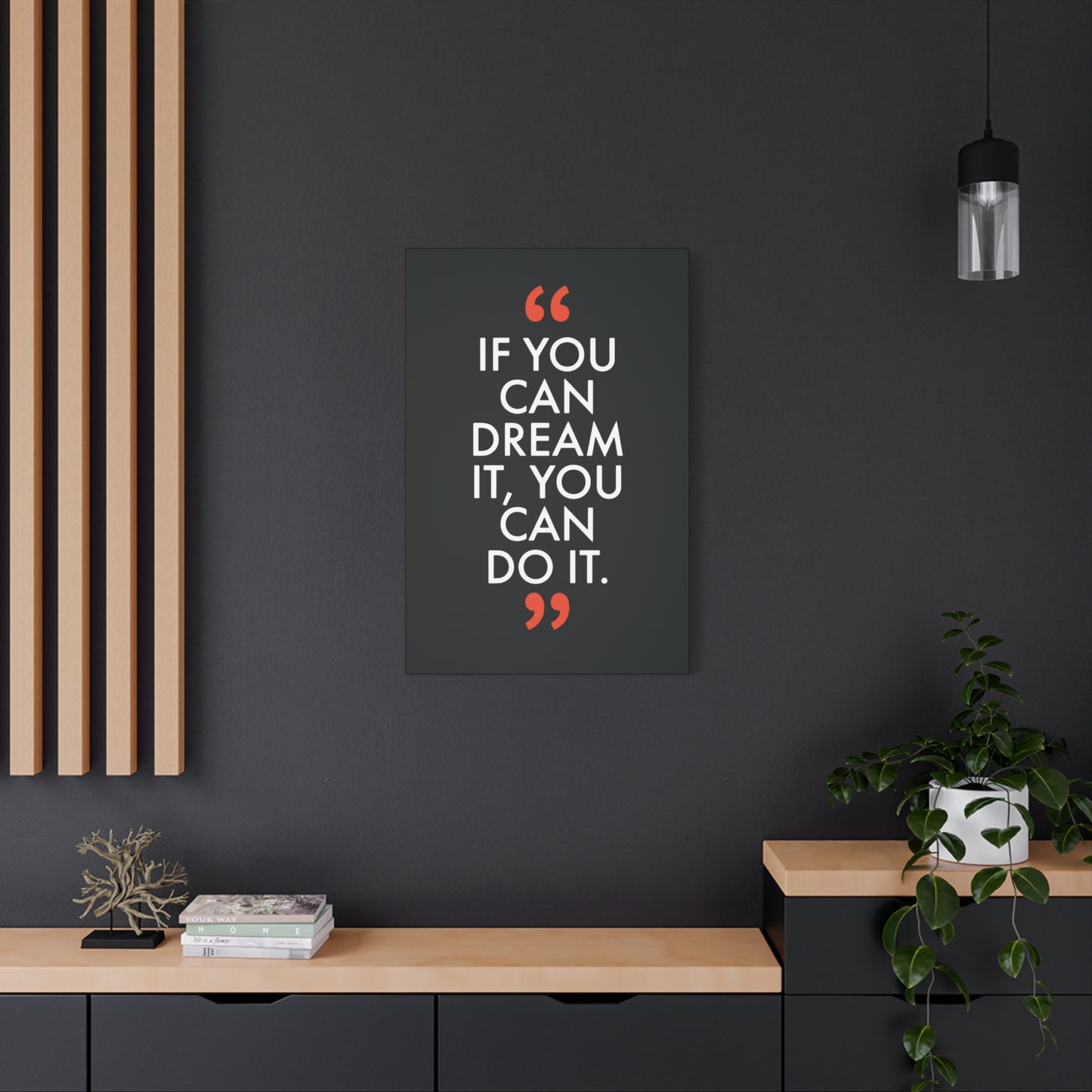
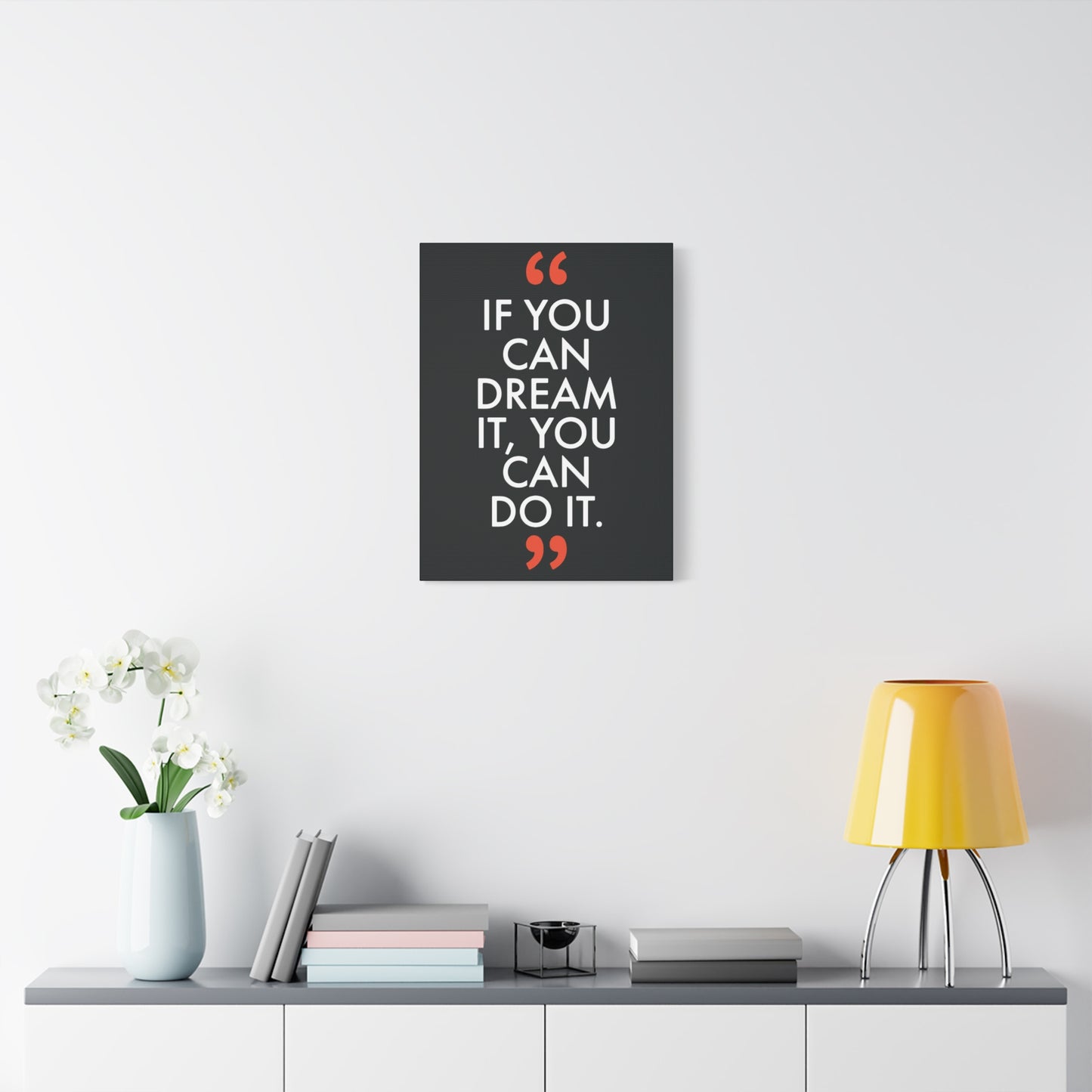
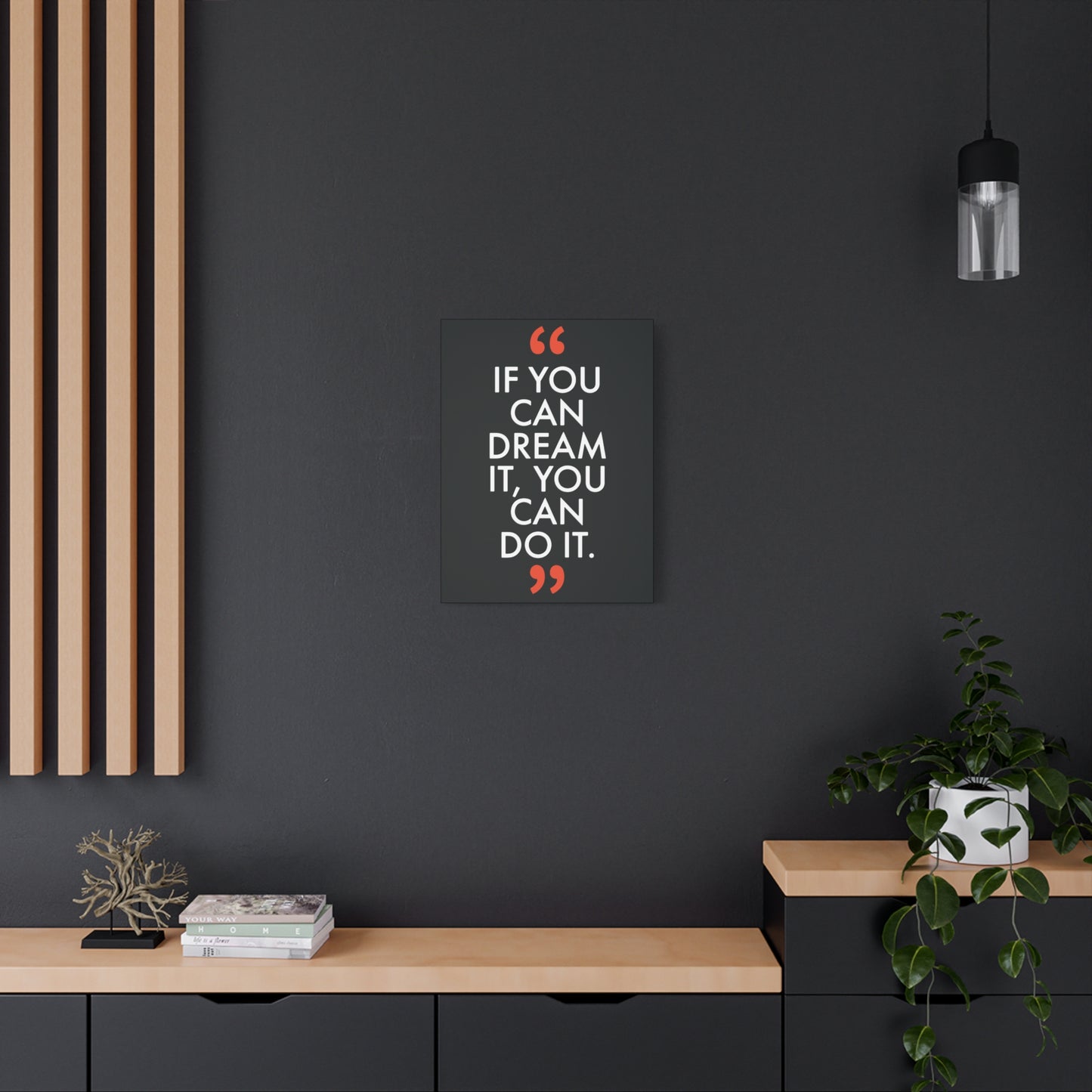
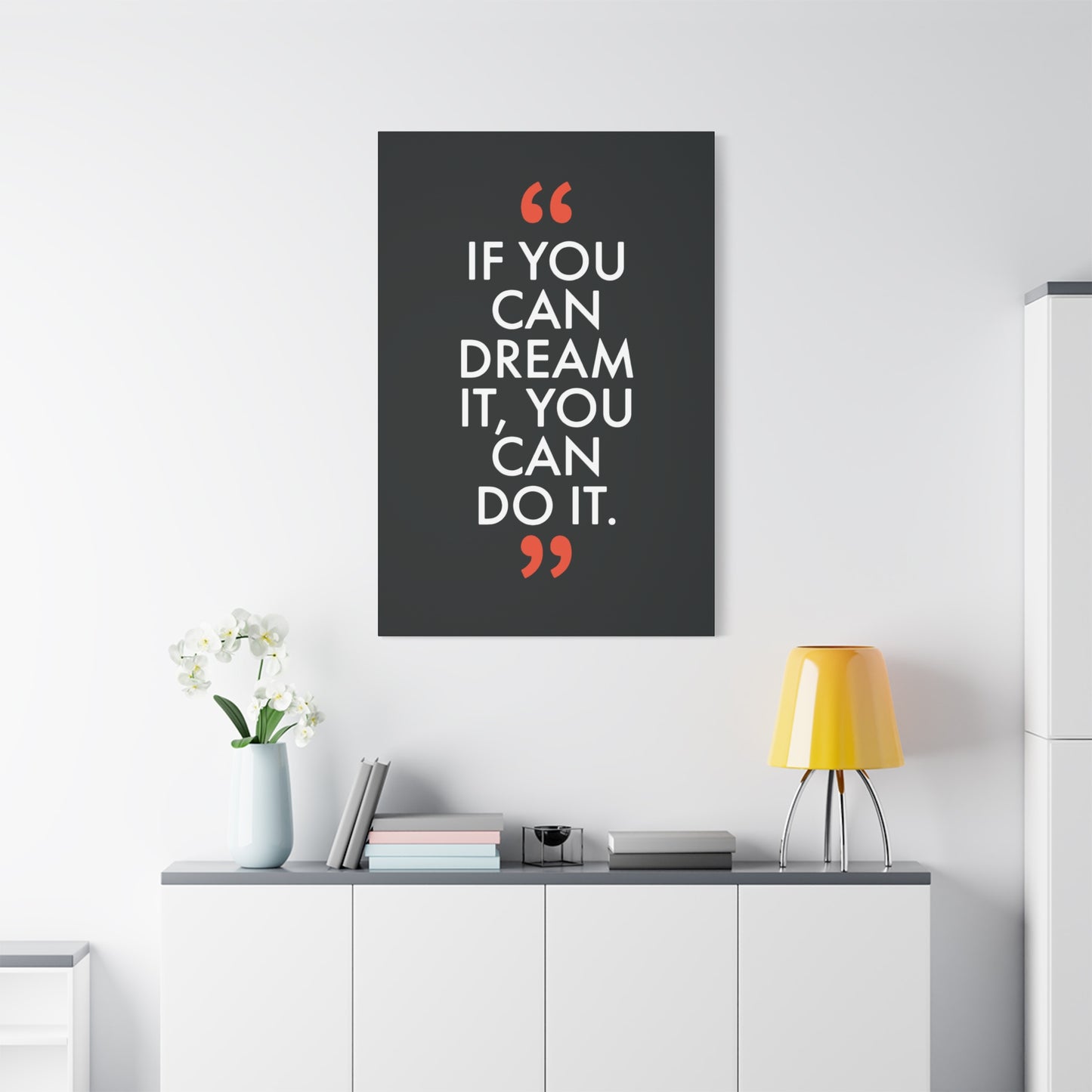
"Dare to Dream" wall art is more than just a decorative piece; it is a powerful, visual reminder of the limitless possibilities and the courage required to pursue your dreams. Incorporating such motivational art into your living space creates an atmosphere that fosters positivity, ambition, and self-belief. The phrase "Dare to Dream" encourages not only a mindset shift but also the visualization of success and personal growth, making it an ideal addition to any space where inspiration and motivation are needed.
One of the most captivating aspects of "Dare to Dream" wall art is its ability to evoke an emotional response. The bold, uplifting message paired with dynamic, artistic design can inspire you each day to push beyond your limits and embrace new opportunities. Whether it’s a minimalist design with a subtle yet empowering typography or a vibrant, colorful abstract interpretation, the artwork serves as a constant source of encouragement. It’s a perfect piece for spaces where creativity, productivity, and self-expression are important, such as a home office, studio, or even a personal study area.
The versatility of motivational wall art like "Dare to Dream" makes it adaptable to virtually any room or décor style. In a modern, minimalist setting, the simplicity of the artwork’s message can stand out, becoming a focal point that draws attention without overwhelming the room. In more eclectic or bohemian interiors, the artwork’s energy can complement and enhance the creative chaos of the space, providing an anchor that encourages focus and purpose amidst the vibrant surroundings. Whether you choose a monochrome style or a more colorful, energetic design, the artwork seamlessly fits into a wide range of styles, making it an easy addition to any room in your home.
Furthermore, the phrase "Dare to Dream" encapsulates a universal theme that resonates with people of all ages and backgrounds. It reminds us to look beyond the ordinary and strive for greatness, no matter how big or small our goals might be. By placing such a motivational piece in your home, you are not just decorating your walls, but inviting an empowering mindset into your environment. The presence of this artwork can serve as a catalyst for positive change, boosting confidence and inspiring action, whether it’s used as a prompt for personal growth or simply as a daily reminder of what’s possible.
Incorporating "Dare to Dream" wall art into your living space can have a profound impact on the overall atmosphere of the room. It encourages a mindset of possibility and action, turning the space into one that supports your goals, dreams, and aspirations. It’s a visual declaration of the importance of setting high standards for yourself and daring to reach for them. The uplifting energy of the artwork can motivate you during moments of doubt or fatigue, helping to reignite your passion and focus when you need it the most.
In conclusion, "Dare to Dream" wall art is more than just a decoration; it is an investment in your personal growth and a beautiful way to infuse your space with energy, hope, and encouragement. Whether displayed in a home office, bedroom, living room, or creative space, it serves as a constant source of inspiration and positivity, reminding you to reach for your dreams and never stop believing in your potential. By choosing this motivational artwork, you’re not just enhancing your décor—you’re creating an environment that nurtures your aspirations and empowers you to take bold steps toward your future.
Share