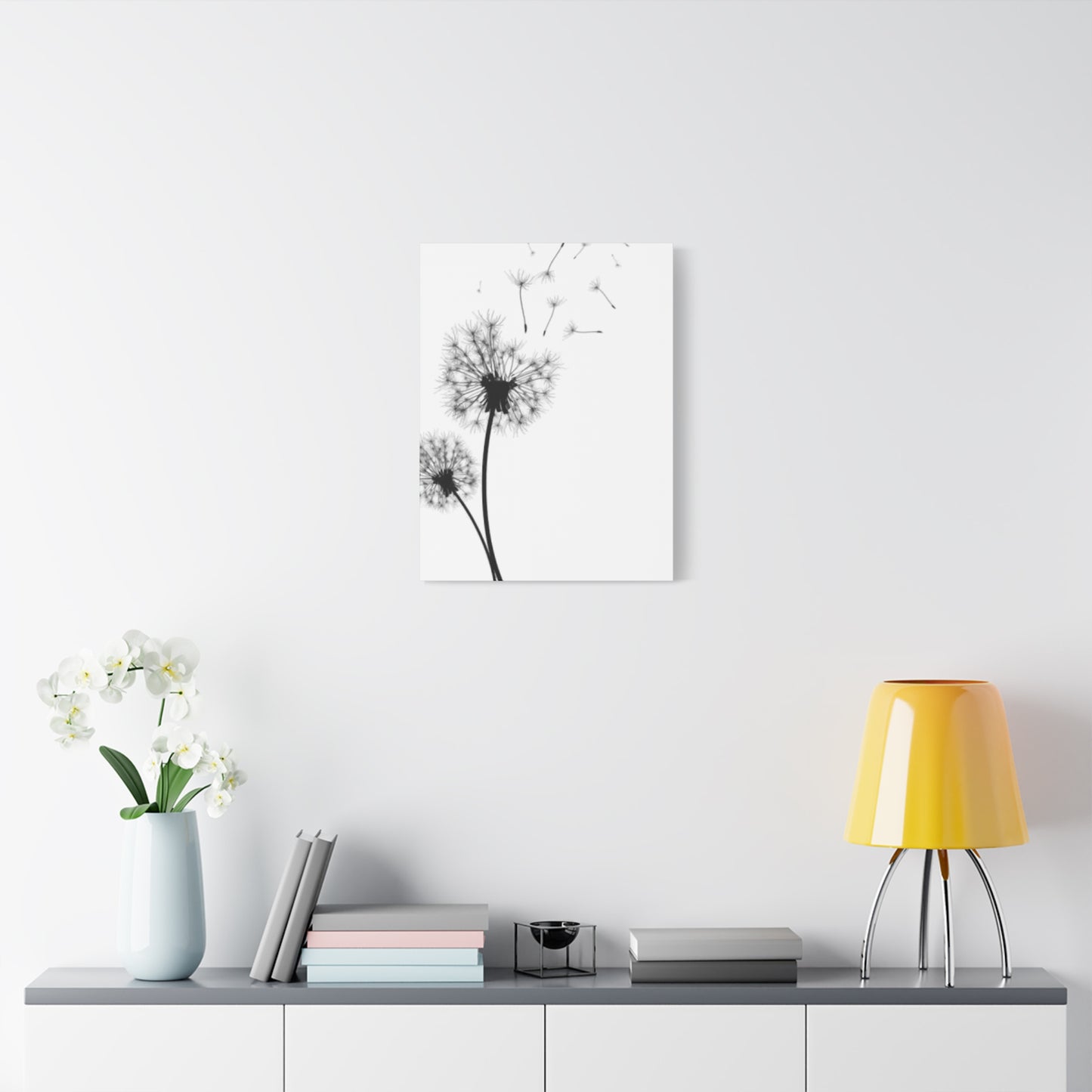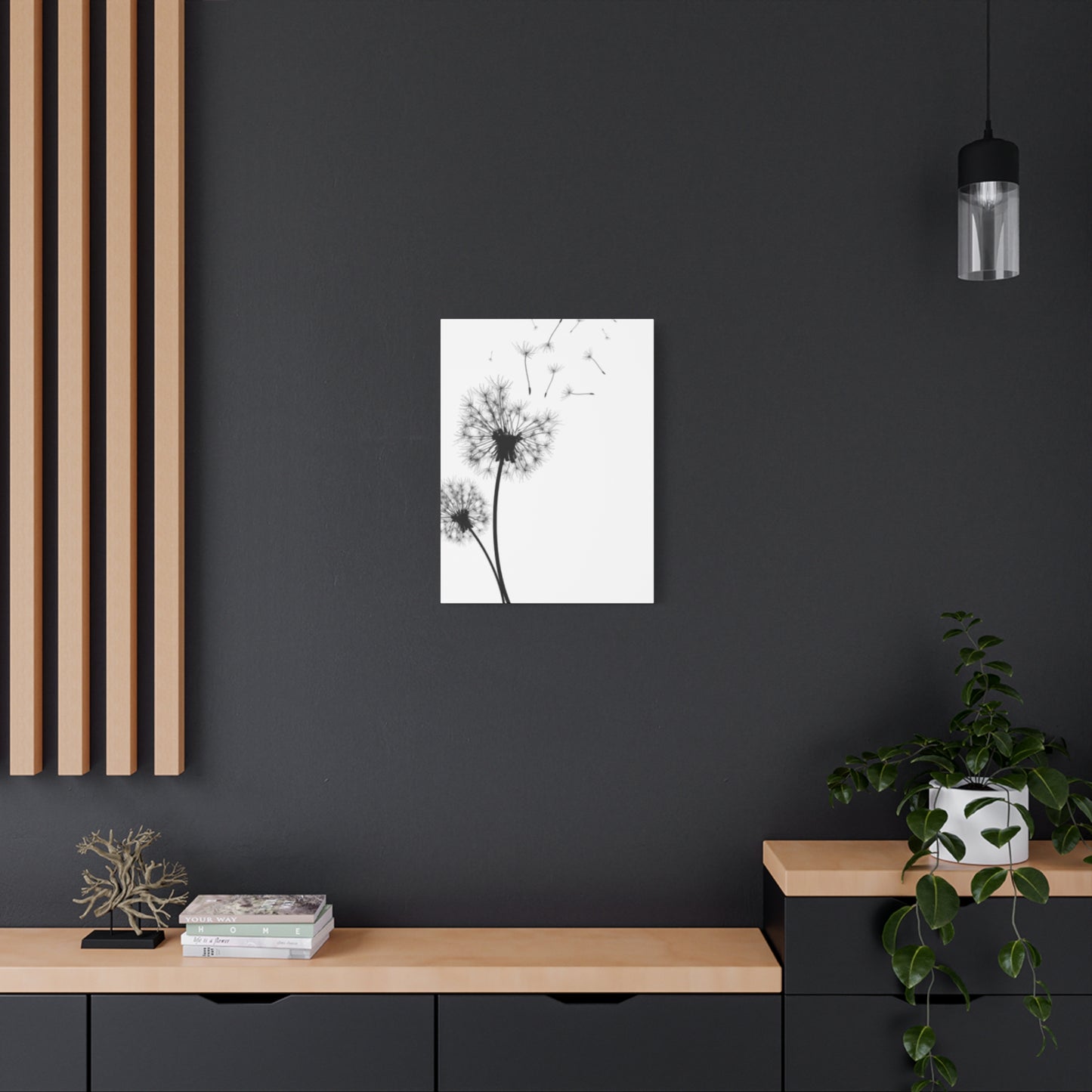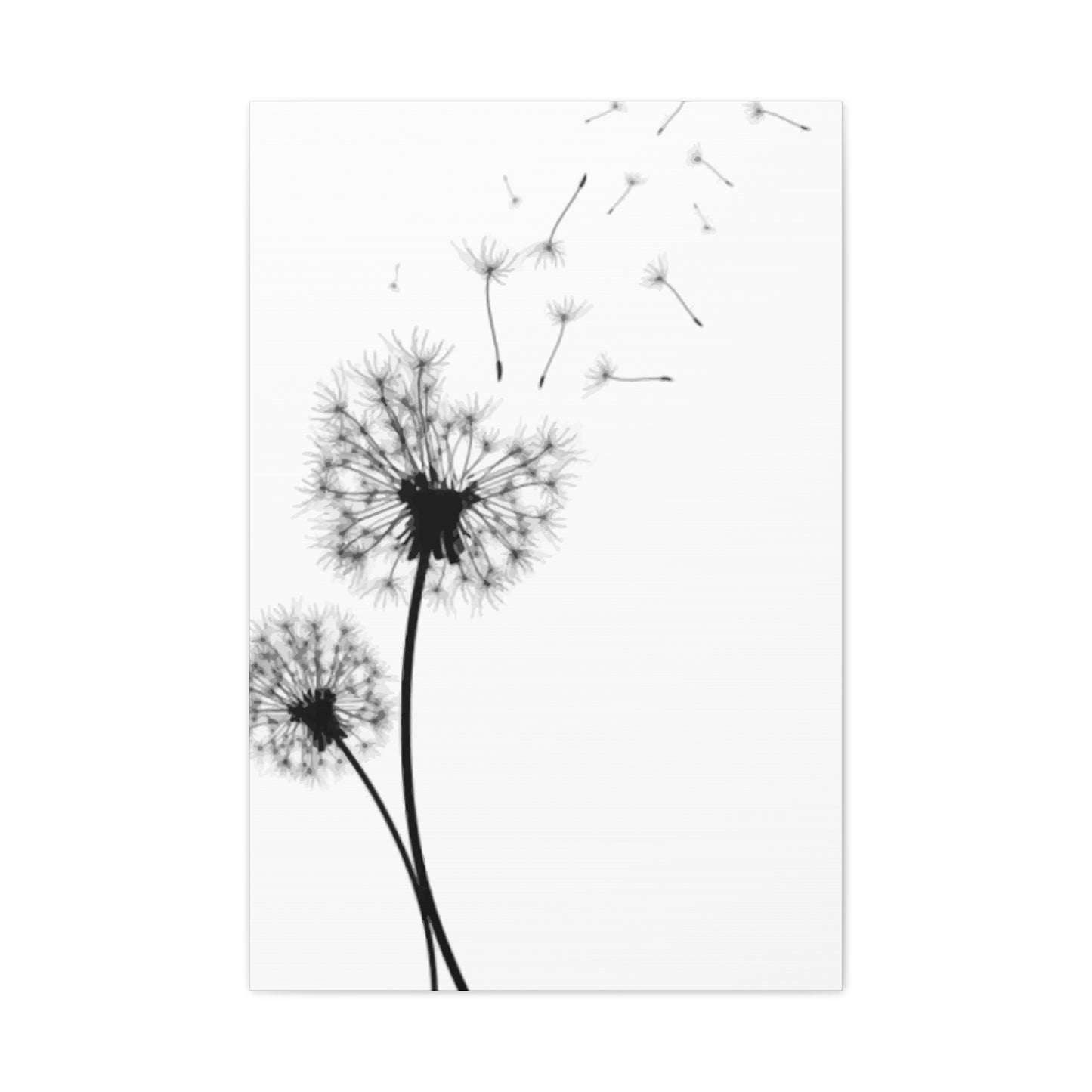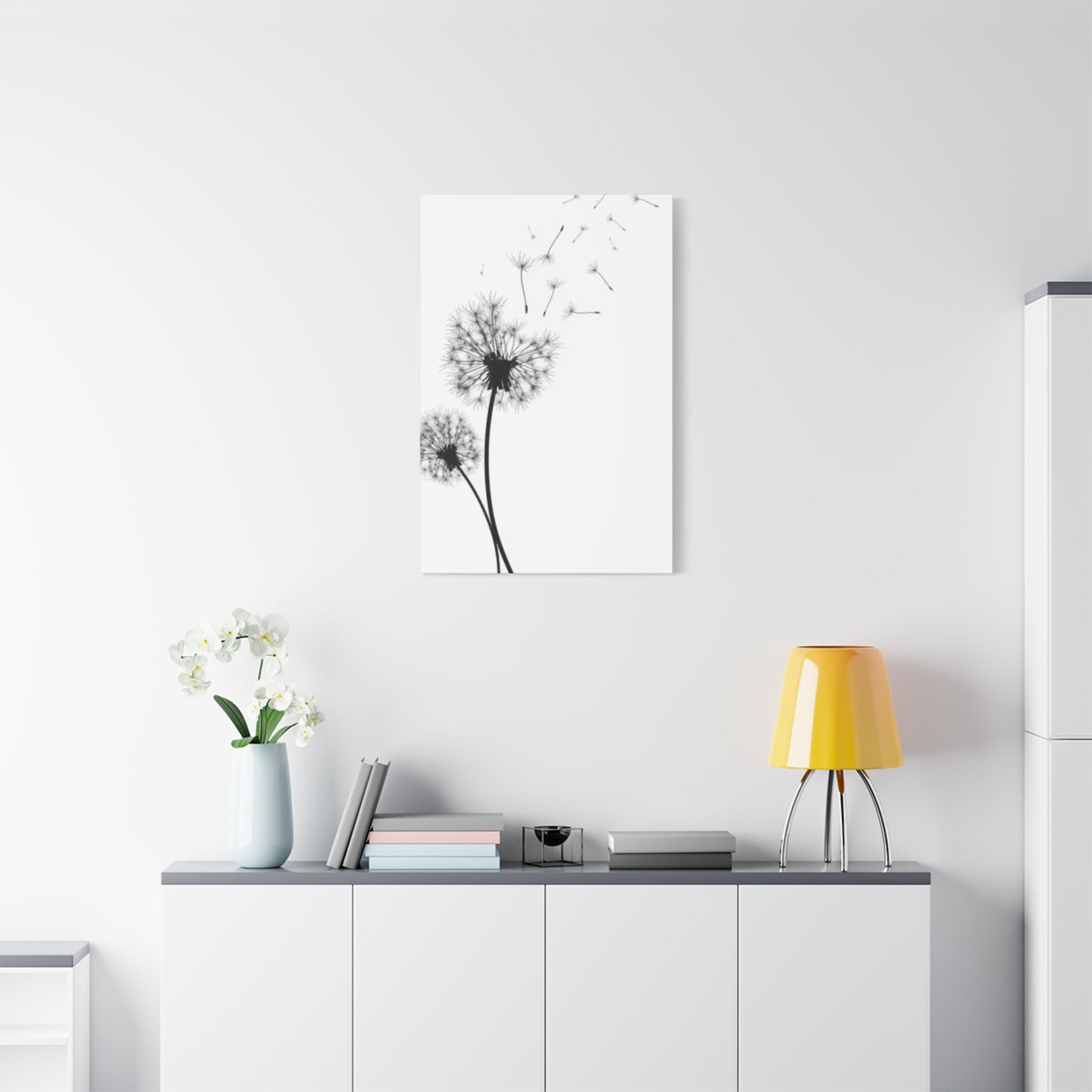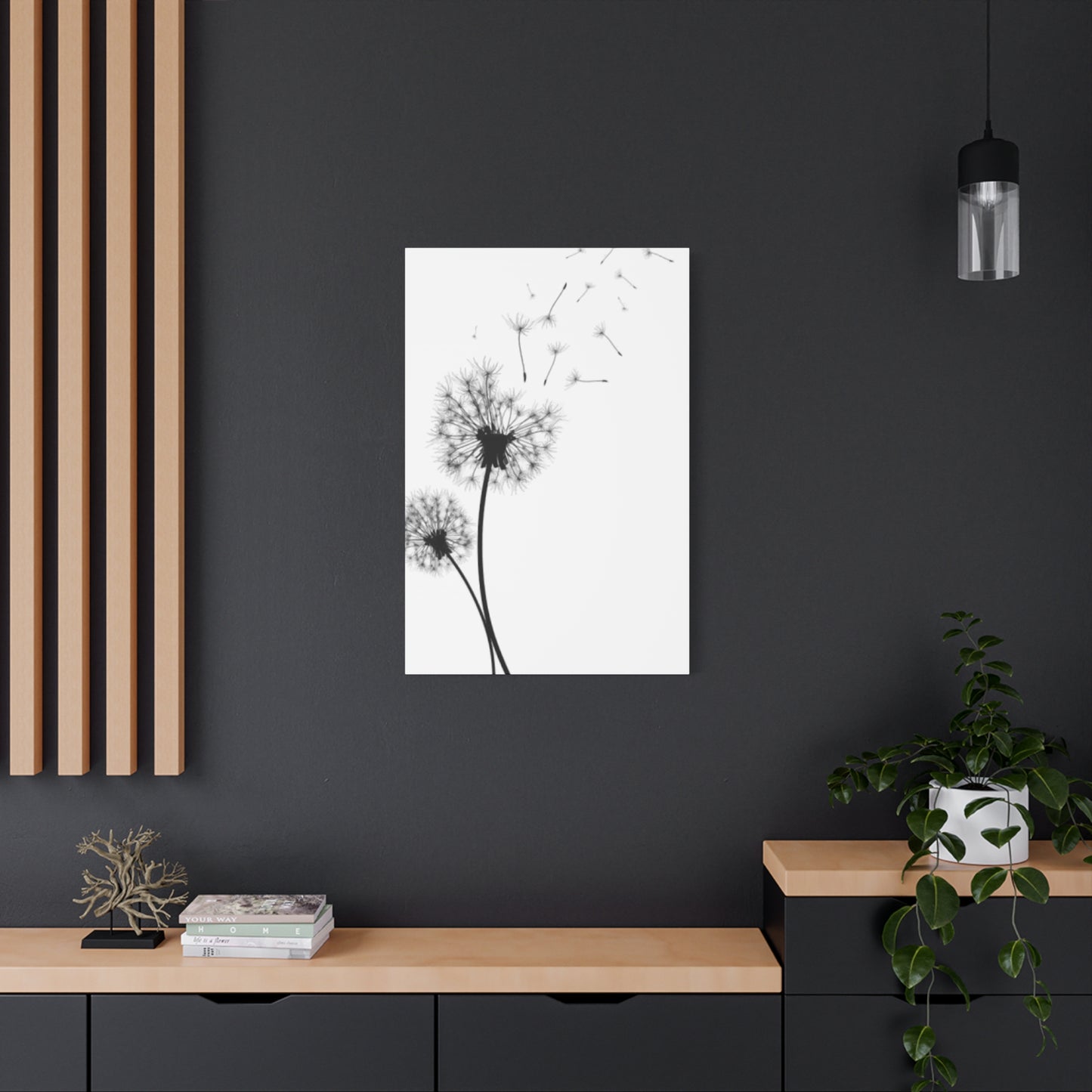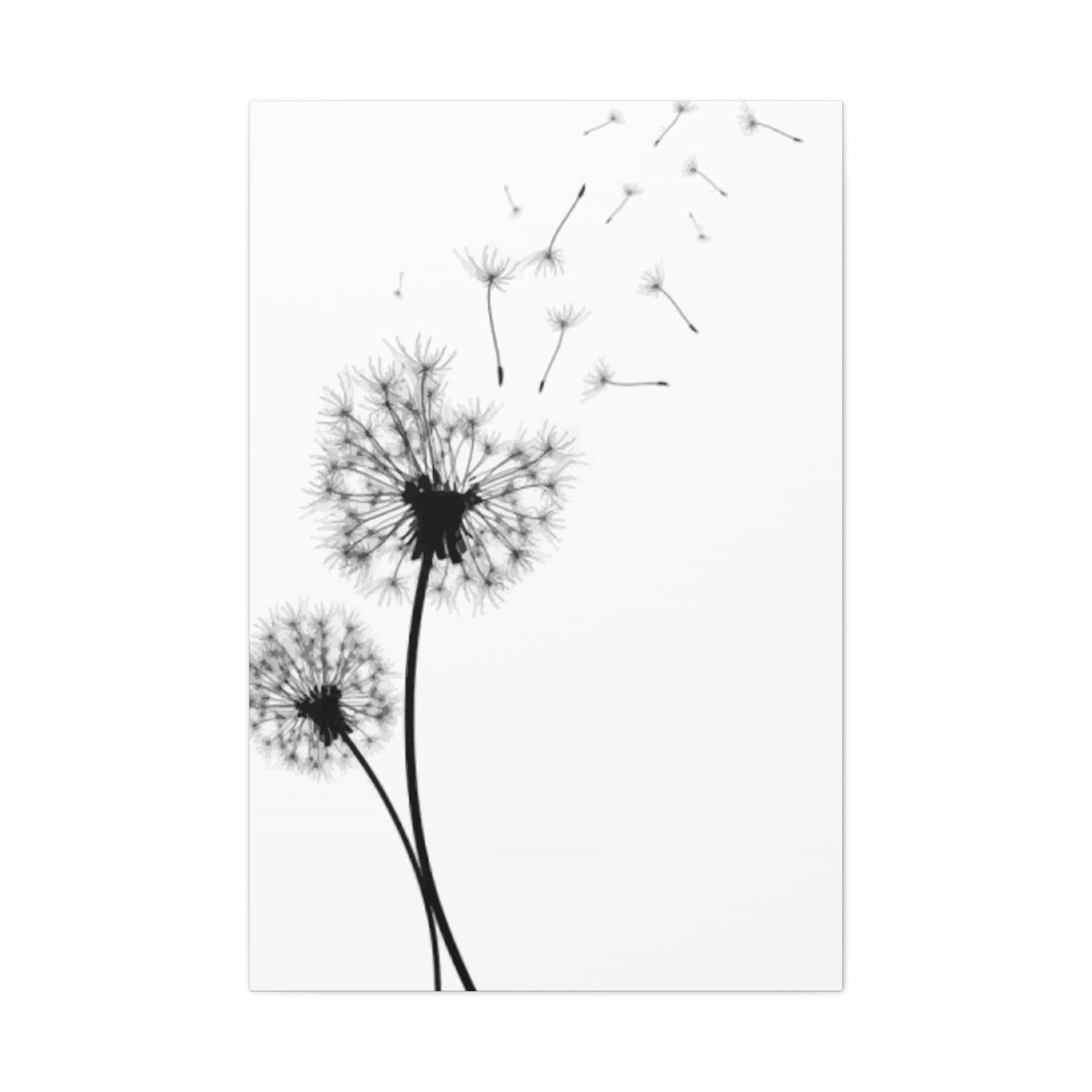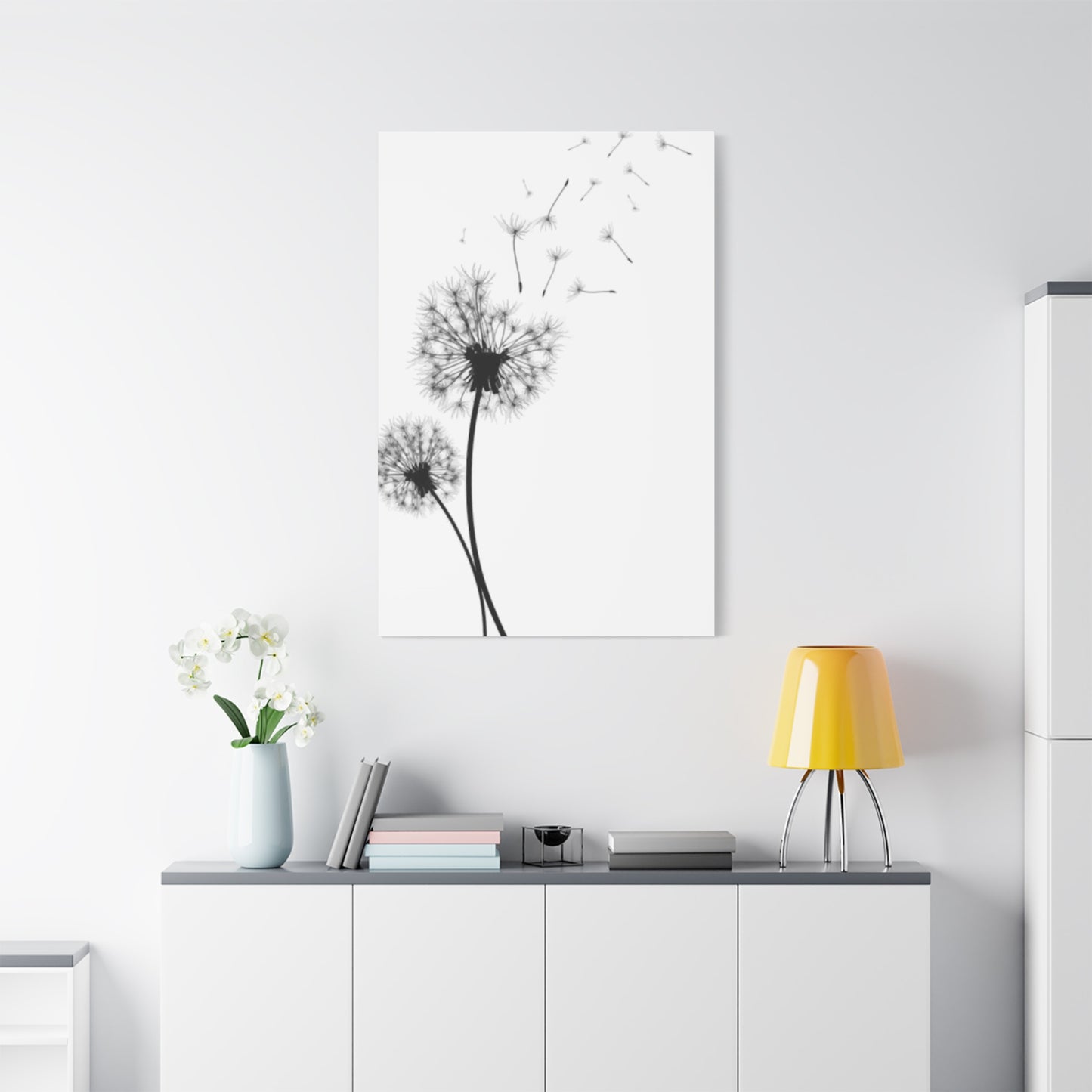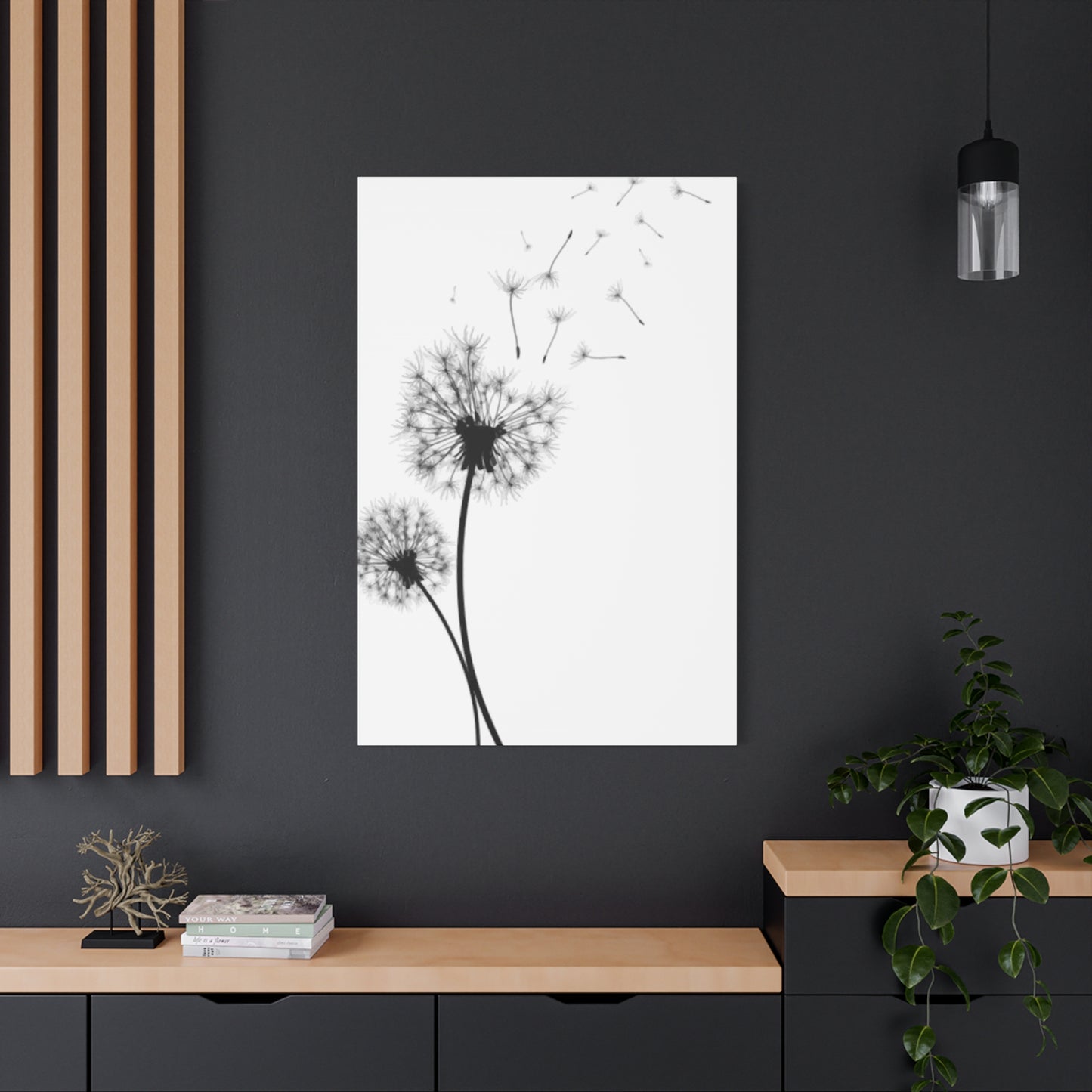


Dandelion Seed Wall Art & Canvas Prints
Dandelion Seed Wall Art & Canvas Prints
Couldn't load pickup availability
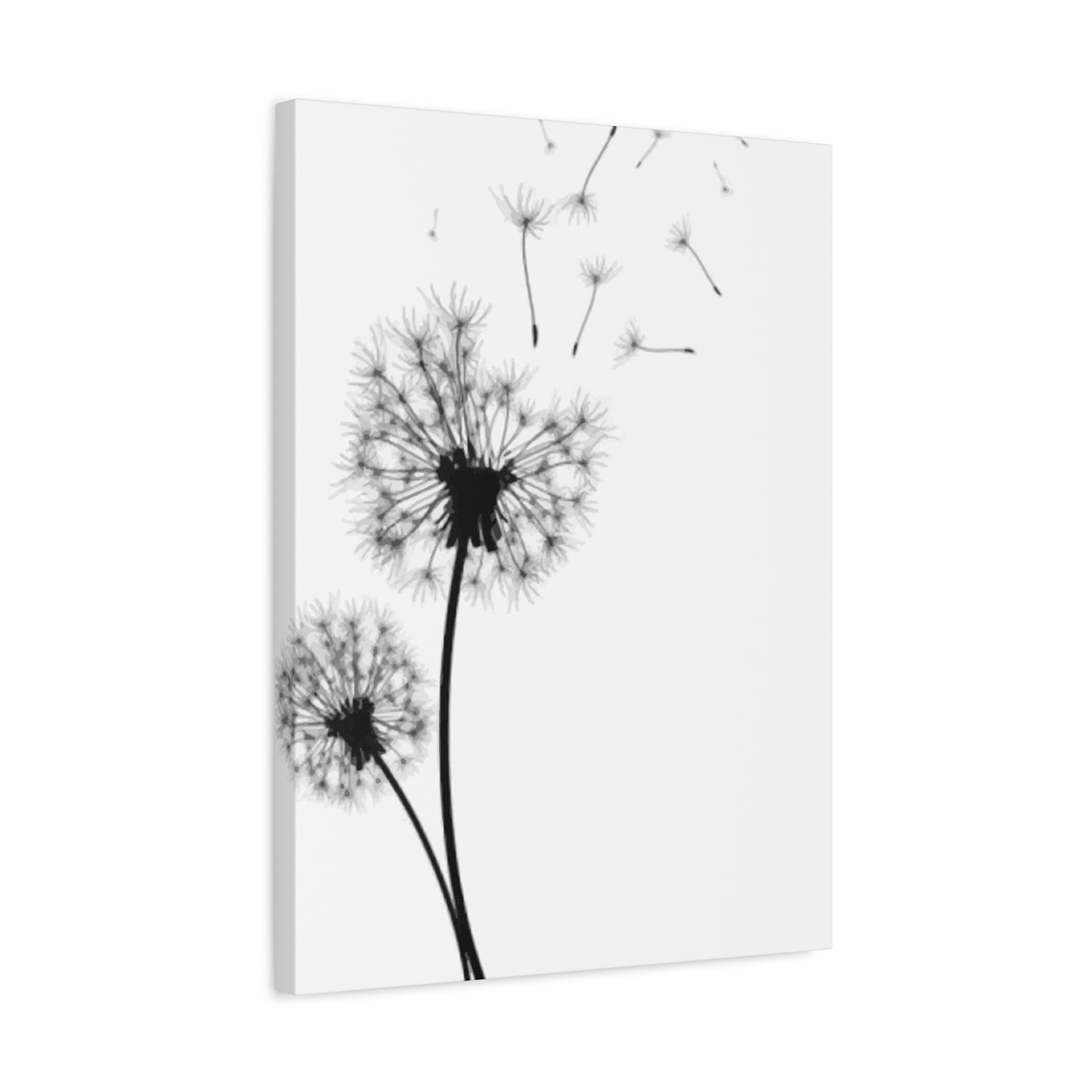
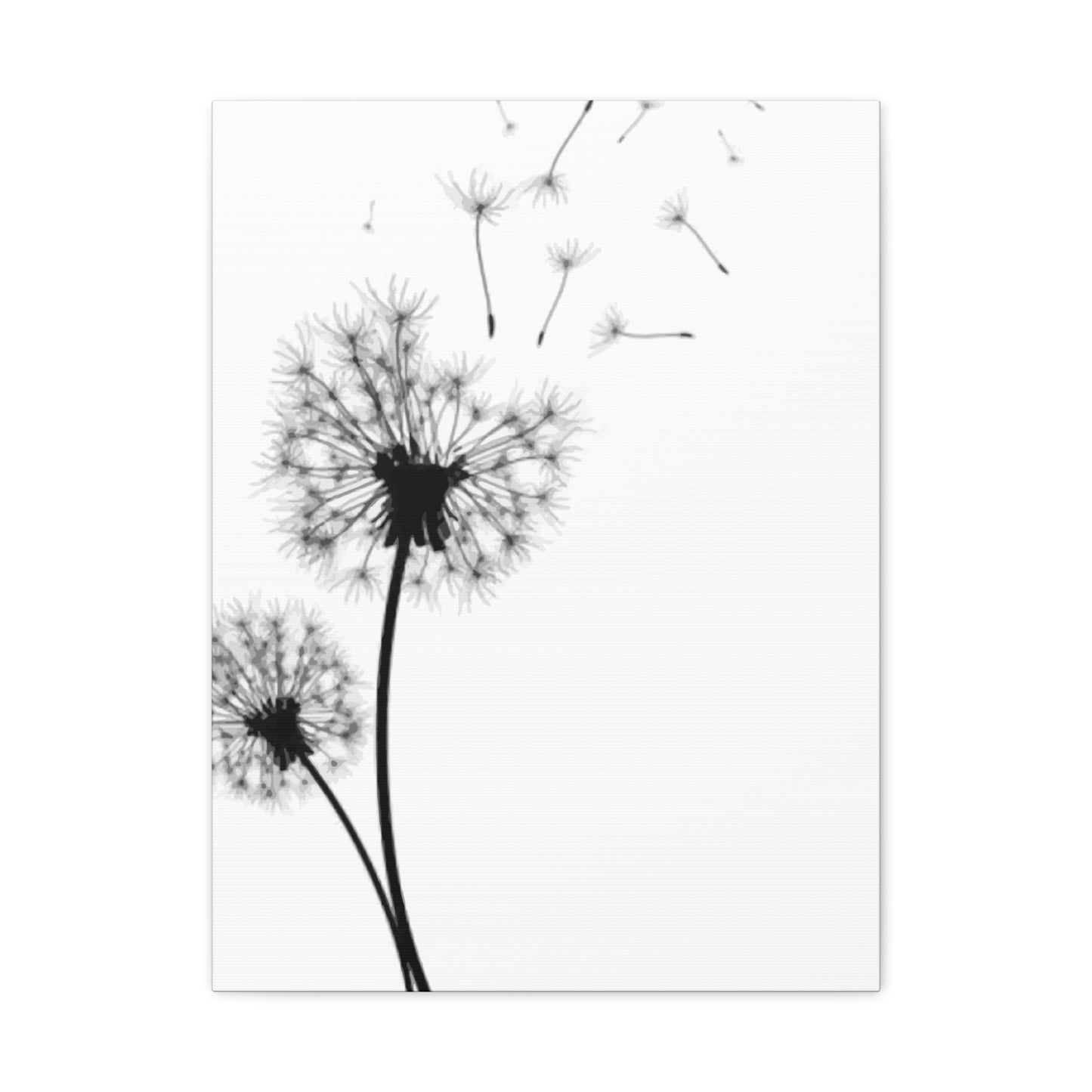
Ethereal Dandelion Seed Wall Art: Transform Your Living Space with Nature-Inspired, Whimsical Decorative Touches
The delicate beauty of dandelion seeds floating through the air has captivated humanity for generations, representing wishes, dreams, and the ephemeral nature of life itself. These wispy, translucent structures have become increasingly popular as subjects for interior decoration, particularly in the form of preserved botanical displays that bring natural elegance into modern homes. The art of capturing these fragile elements and transforming them into lasting decorative pieces combines scientific preservation methods with aesthetic sensibility, resulting in stunning visual statements that resonate with viewers on multiple levels.
Creating wall-mounted displays featuring dandelion seed heads requires patience, skill, and an understanding of botanical preservation principles. Unlike conventional artwork that relies on paint or digital manipulation, these pieces showcase actual organic material suspended in time, maintaining their natural structure while being protected from deterioration. The process begins with careful harvesting during optimal conditions when the seed heads have fully matured but haven't yet dispersed their contents to the wind. This precise timing ensures maximum visual impact while preserving structural integrity.
The Botanical Characteristics That Make Dandelion Seeds Perfect for Artistic Displays
Dandelion seed structures possess unique morphological features that make them exceptionally suitable for decorative purposes. Each seed head consists of dozens of individual seeds, called achenes, attached to delicate parachute-like structures known as pappi. These hair-like filaments create a spherical formation that appears almost supernatural in its geometric perfection. The pappi are composed of fine, unbranched bristles that catch even the slightest air currents, which is precisely what makes them so visually striking when preserved in their natural state.
The scientific name Taraxacum officinale refers to the most common dandelion species, though several varieties exist worldwide. What makes these plants particularly appealing for artistic purposes is their remarkable consistency in seed head formation. Each sphere maintains approximately the same diameter and density, creating predictable results when incorporated into visual compositions. The silvery-white coloration of mature seed heads provides a neutral palette that complements virtually any interior design scheme, from minimalist contemporary spaces to rustic farmhouse aesthetics.
Understanding the lifecycle of dandelions helps artists and collectors appreciate the fleeting nature of these structures. After the familiar yellow flowers fade, the plant channels its energy into seed production. Over several days, the flower head transforms into the characteristic globe of seeds, each perfectly engineered for wind dispersal. This transformation represents one of nature's most elegant survival mechanisms, and capturing it at peak perfection requires observation and timing. The window of opportunity typically lasts only a few days before environmental factors begin to compromise the structural integrity of the seed head.
Harvesting Methods That Preserve Structural Integrity and Visual Appeal
Successful collection of dandelion seed heads demands attention to environmental conditions and handling procedures. The ideal harvesting time occurs on dry, calm days when morning dew has completely evaporated but before afternoon winds begin. Moisture can cause the delicate pappi to clump together or deteriorate, while strong winds risk premature seed dispersal. Collectors should seek specimens in areas free from pesticides and pollutants, as chemical residues can affect both preservation quality and human health if displayed indoors.
The actual harvesting process requires gentle handling to prevent structural damage. Using sharp scissors or pruning shears, cut the stem approximately six inches below the seed head, leaving enough length for manipulation during the preservation process. Avoid touching the seed head itself, as oils from human skin can interfere with preservation treatments and cause discoloration over time. Transport collected specimens in a sturdy container with adequate spacing to prevent compression or contact damage during transit.
Selection criteria should prioritize fully mature seed heads with complete spherical formations. Partially dispersed specimens, while sometimes aesthetically interesting, present preservation challenges and may continue deteriorating even after treatment. The seeds should be firmly attached to the receptacle, the flat disc at the top of the stem where individual seeds connect. Gently blowing on the seed head can test its readiness—if more than a few seeds detach, the specimen may be too mature for optimal preservation results.
Preservation Techniques That Maintain Natural Beauty While Ensuring Longevity
Multiple preservation methods exist for dandelion seed heads, each offering distinct advantages depending on the intended display format and environmental conditions. The most common approach involves chemical desiccation using substances that remove moisture while maintaining structural form. Glycerin-based solutions provide gradual dehydration that prevents the brittleness often associated with air-drying methods. This process typically requires submerging the stem in a glycerin mixture for several days, allowing the solution to replace natural moisture within the plant tissues.
Silica gel desiccation offers faster results with excellent structural preservation. This method involves burying seed heads in food-grade silica gel crystals, which absorb moisture from the plant material over forty-eight to seventy-two hours. The process requires careful monitoring to prevent over-drying, which can cause the pappi to become excessively fragile. Many preservationists prefer color-indicating silica gel that changes hue as it absorbs moisture, providing visual feedback about the drying progress.
Resin encapsulation represents the most permanent preservation method, completely sealing the seed head within a clear polymer matrix. This approach protects against physical damage, humidity, and insect infestation while creating a glass-like finish that enhances visual depth. The process demands precision to avoid air bubbles and ensure even resin distribution around the delicate seed structures. Multiple thin layers of resin are typically applied rather than one thick coating, allowing each layer to cure before adding the next. This gradual building prevents the weight of wet resin from deforming the seed head before hardening occurs.
Design Considerations for Creating Compelling Visual Compositions
Arranging preserved dandelion seed heads into wall-mounted displays requires thoughtful consideration of composition principles that guide the viewer's eye and create visual harmony. Single specimen displays emphasize the individual beauty of each seed head, often positioning it centrally within a frame against a contrasting background. This minimalist approach highlights the intricate details of the pappus structure and creates a meditative focal point suitable for spaces requiring calm, contemplative energy.
Multi-specimen arrangements offer opportunities for more complex compositions that can suggest movement, growth patterns, or abstract concepts. Grouping seed heads in odd numbers typically creates more dynamic visual interest than even-numbered arrangements. Varying the depth at which each specimen is mounted can add dimensional complexity, with some seed heads positioned closer to the viewing surface while others recede slightly into the background. This layering creates shadow effects that change with ambient lighting conditions throughout the day.
Background selection significantly impacts the overall aesthetic of dandelion seed wall art. Neutral tones like cream, soft gray, or muted beige allow the delicate white seed structures to stand out while maintaining a sophisticated appearance. Darker backgrounds create dramatic contrast that emphasizes the ethereal quality of the pappi, though they may feel too intense for some spaces. Textured backgrounds such as linen fabric or handmade paper add tactile interest without competing with the primary subject matter. Some artists incorporate subtle color gradients or watercolor washes that suggest sky or atmospheric effects, creating environmental context for the floating seed forms.
Framing Options That Protect While Showcasing Natural Elements
Proper framing serves dual purposes: protecting fragile preserved specimens while presenting them in aesthetically pleasing formats. Shadow box frames provide the depth necessary for three-dimensional botanical displays, allowing seed heads to maintain their natural spherical form without compression. These frames typically feature spacers that create a gap between the display surface and the protective glass, preventing contact that could damage delicate structures over time. The depth of shadow boxes ranges from half an inch to several inches, with deeper frames accommodating larger specimens or more complex multi-layer arrangements.
Glass selection impacts both preservation and visual presentation. Standard picture glass offers basic protection against dust and physical contact but provides no ultraviolet filtration. Museum-quality conservation glass includes UV-blocking properties that prevent light-induced fading and deterioration, essential for maintaining the natural coloration of preserved botanical materials. Some artists prefer acrylic glazing for its lighter weight and shatter-resistance, though it attracts dust through static electricity and scratches more easily than glass.
Frame materials and finishes should complement rather than overwhelm the delicate nature of dandelion seed displays. Natural wood frames in light finishes like maple, birch, or white oak create organic coherence that emphasizes the botanical subject matter. Painted wooden frames in matte black or white offer contemporary sophistication suitable for modern interiors. Metal frames provide sleek, minimalist presentation but should include proper backing materials to prevent condensation issues that can develop between metal and glass surfaces.
Lighting Strategies That Enhance Dimensional Qualities and Visual Drama
Illumination dramatically affects how dandelion seed wall art is perceived, with lighting choices capable of either highlighting intricate details or flattening the dimensional qualities that make these pieces compelling. Natural daylight provides ideal viewing conditions, revealing the translucent properties of the pappi and creating soft shadows that emphasize three-dimensional form. Positioning displays perpendicular to windows rather than directly opposite prevents glare while allowing diffused light to penetrate the seed structures from various angles throughout the day.
Artificial lighting requires more careful consideration to avoid harsh effects or glare that obscures details. Picture lights mounted above frames provide focused illumination that mimics gallery presentation standards. LED fixtures offer advantages including minimal heat output, which is particularly important for organic materials susceptible to temperature-related degradation. Color temperature selection influences the overall mood—warm white light (2700-3000K) creates cozy, inviting atmospheres while cool white light (4000-5000K) produces crisp, contemporary effects that emphasize the sculptural qualities of seed head formations.
Backlighting represents an alternative approach that transforms dandelion seed art into luminous focal points. This method involves mounting seed heads on translucent surfaces with light sources positioned behind them, causing the pappi to glow ethereally. Battery-operated LED panels provide even illumination without requiring hardwired electrical connections, simplifying installation. The backlighting technique works particularly well for resin-encapsulated specimens, as the polymer material diffuses light evenly while protecting the delicate seed structures from heat exposure.
Placement Strategies for Various Interior Environments and Architectural Contexts
Strategic positioning of dandelion seed wall art maximizes its visual impact while protecting it from environmental factors that accelerate deterioration. Living rooms and main gathering spaces benefit from these pieces as conversation starters and focal points. Mounting displays at eye level ensures comfortable viewing, typically positioning the center of the artwork between sixty and sixty-five inches from the floor. In rooms with high ceilings, creating gallery walls with multiple dandelion seed pieces at varying heights draws the eye upward and emphasizes vertical space.
Bedroom environments suit the calming, contemplative qualities inherent in dandelion seed imagery. Positioning these pieces opposite the bed creates a serene focal point visible upon waking and before sleep. The neutral color palette and organic forms promote relaxation without stimulating the mind, supporting healthy sleep patterns. Smaller specimens work well on bedside tables as three-dimensional objects that combine artistic merit with natural elements, though these unframed pieces require more frequent dusting and careful handling.
Bathrooms and kitchens present preservation challenges due to humidity and temperature fluctuations, making these locations less ideal for botanical displays. However, with proper sealing and dehumidification measures, resin-encapsulated specimens can withstand these environments. Hallways and entryways benefit from dandelion seed art as welcoming natural elements that establish tone for entire homes. These transitional spaces often lack natural light, making them suitable for backlit specimens or pieces incorporating reflective backing materials that maximize available illumination.
Color Variations and Enhancement Methods for Diverse Aesthetic Preferences
While natural dandelion seed heads display characteristic silvery-white coloration, various enhancement methods allow customization to match specific design schemes or personal preferences. Dye absorption during the preservation process creates subtle color shifts without compromising structural integrity. Diluted food coloring or specialized botanical dyes can be added to glycerin preservation solutions, allowing the seed heads to gradually absorb color as they undergo dehydration. This method produces soft, watercolor-like tints rather than saturated hues, maintaining the delicate appearance of natural specimens.
Spray-applied finishes offer more dramatic color transformations, though they require careful application to avoid matting the fine pappi together. Airbrush equipment provides the most controlled application, allowing gradual color building that preserves dimensional depth. Metallic finishes including gold, silver, bronze, and copper create luxurious effects popular for formal spaces or celebratory installations. These metallic treatments catch and reflect light dynamically, adding sparkle and visual interest that changes with viewer position and ambient lighting conditions.
Some artists experiment with ombre effects that transition from natural white bases to colored tips, creating gradient patterns that suggest gentle breeze movements or artistic interpretation. This technique requires exceptional patience and precision, typically applying color to small sections of individual pappi using fine brushes. The resulting pieces occupy space between pure nature preservation and artistic intervention, appealing to collectors who appreciate both botanical accuracy and creative expression. Multi-colored arrangements featuring several seed heads in different hues can represent seasonal transitions, emotional spectrums, or abstract color theory concepts.
Dimensional Variations Including Sculptural Forms and Suspended Installations
Beyond traditional flat wall-mounted formats, dandelion seed heads lend themselves to three-dimensional sculptural presentations that activate space in unexpected ways. Free-standing glass cloches or bell jars create miniature ecosystems that protect specimens while allowing 360-degree viewing. These Victorian-inspired presentations evoke curiosity cabinets and natural history collections, appealing to audiences who appreciate vintage aesthetics. The enclosed environment provides excellent preservation conditions while the transparent container maintains visual access to the delicate seed structures.
Suspended installations transform dandelion seeds into kinetic elements that respond to air currents and create ever-changing compositions. Individual seed heads attached to nearly invisible monofilament lines can be hung at varying heights within a defined space, creating the illusion of seeds floating mid-dispersal. This approach works particularly well in stairwells, over dining tables, or in front of windows where natural light can penetrate the arrangements. The movement introduces a temporal dimension absent from static wall-mounted pieces, with compositions evolving throughout the day as air circulation patterns shift.
Resin casting enables entirely new sculptural possibilities, embedding preserved seed heads within geometric forms that juxtapose organic and architectural elements. Spheres, cubes, pyramids, and irregular free-form shapes can serve as vessels for dandelion seeds, with the transparent resin creating distortion effects and light refraction patterns. These pieces function as paperweights, bookends, or standalone sculptural objects that bring natural elements into unexpected contexts. The permanent nature of resin encapsulation allows these pieces to withstand handling that would destroy conventionally preserved specimens.
Symbolic Meanings and Emotional Resonance in Interior Spaces
Dandelion imagery carries profound symbolic significance across numerous cultures, making displays featuring these plants particularly meaningful for many viewers. The act of blowing dandelion seeds while making wishes represents hope, dreams, and the power of intention—universal themes that resonate across age groups and cultural backgrounds. Incorporating dandelion seed wall art into living spaces serves as daily reminders of aspirations and the importance of maintaining optimistic perspectives even during challenging periods.
The ephemeral nature of dandelion seeds speaks to impermanence and the fleeting beauty of natural phenomena. Buddhist philosophy emphasizes similar concepts through teachings about impermanence and the importance of appreciating present moments. Displaying preserved seed heads paradoxically captures this temporary state, creating lasting records of transient natural forms. This tension between preservation and impermanence adds contemplative depth that elevates these pieces beyond mere decoration into objects that prompt philosophical reflection.
For individuals dealing with significant life transitions—relocations, career changes, relationship shifts, or personal growth journeys—dandelion symbolism offers particularly relevant metaphors. The seeds' ability to travel great distances from their origin points and establish themselves in new environments mirrors human experiences of adaptation and resilience. Gift-givers often select dandelion seed art for friends and family members embarking on new chapters, recognizing the powerful symbolism these humble plants represent.
Creating Personalized Pieces Through Harvesting and Preservation Projects
Engaging in the complete process from harvesting through preservation and display creation transforms dandelion seed wall art from purchased commodity into deeply personal expression. Collecting specimens from meaningful locations—childhood homes, favorite parks, memorable vacation destinations, or property where significant life events occurred—imbues the finished pieces with narrative significance beyond aesthetic value. These location-based collections become physical representations of memories and emotional connections to specific places.
Seasonal collecting rituals establish meaningful routines that connect participants with natural cycles and environmental awareness. Marking late spring and early summer calendars with dandelion harvesting expeditions creates anticipation and provides structured opportunities to spend time outdoors. Families with children can transform collecting into educational experiences that teach botanical concepts, patience, and respect for natural systems. The slower pace required for successful specimen collection offers valuable counterbalance to the rapid digital environments that dominate contemporary life.
Documenting the collection and preservation process through photography or journaling adds additional dimensions to personalized dandelion seed projects. Recording collection dates, locations, weather conditions, and preservation methods creates reference materials for future projects while building personal archives that track skill progression over time. These records become part of the artwork's provenance, adding context and backstory that enhance value and meaning, particularly when pieces are eventually passed to family members or donated to institutions.
Combining Dandelion Seeds With Complementary Botanical Elements
While dandelion seed heads create stunning standalone displays, combining them with complementary botanical materials produces more complex compositions that tell richer visual stories. Dried grasses with delicate seed heads such as fountain grass, bunny tail grass, or pampas grass provide textural contrast while maintaining tonal harmony with dandelion pappi. These companion plants introduce linear elements that can direct viewer attention or create rhythmic patterns within arrangements.
Preserved leaves offer color and shape variations that enhance the ethereal quality of dandelion seeds through contrast. Ferns with their fractal patterns, ginkgo leaves with distinctive fan shapes, or eucalyptus leaves with silvery-blue tones all provide interesting counterpoints without overwhelming delicate seed structures. Pressing and drying leaves flat allows them to serve as background elements, while maintaining their three-dimensional form through glycerin preservation enables more sculptural mixed-media compositions.
Incorporating other wildflower seed heads creates thematic cohesion around the concept of dispersal and regeneration. Queen Anne's lace, with its nest-like seed formation, provides structural similarities to dandelions while introducing slightly different forms. Thistle seed heads contribute spiky textural elements that create visual tension when placed near soft, rounded dandelion forms. These multi-specimen botanical collections celebrate biodiversity while demonstrating the remarkable engineering various plant species employ for seed distribution.
Seasonal Variations and Limited Availability Considerations
Understanding the seasonal nature of dandelion seed production helps collectors plan harvesting schedules and manage expectations regarding specimen availability. In temperate climates, dandelions typically produce their first major seed head flush during late April through May, coinciding with lengthening days and warming temperatures. This spring production generally yields the highest quality specimens, as plants have benefited from winter dormancy and spring moisture. The seed heads from this period often display superior structural integrity and fuller formations compared to later season production.
Many dandelion species produce multiple flowering cycles throughout growing seasons, offering additional harvesting opportunities during summer and early autumn. However, these later seed heads may exhibit variations in quality depending on environmental stressors including heat, drought, or nutrient depletion in soil. Late-season specimens sometimes appear smaller or less densely packed with seeds, though they can still create visually interesting displays with different aesthetic qualities than peak spring production.
Climate variations significantly affect dandelion growing seasons and subsequent seed production patterns. Mediterranean regions with mild winters may see nearly year-round flowering and seed production, while northern climates experience more compressed growing seasons with pronounced peak periods. Collectors in areas with limited growing seasons might consider establishing relationships with contacts in different geographic regions to obtain specimens during their local off-seasons, effectively extending the harvesting calendar through geographic diversity.
Commercial Versus Personal Creation: Weighing Benefits and Considerations
The growing popularity of dandelion seed wall art has spawned a thriving market of professionally created pieces available through online marketplaces, botanical art galleries, and home decor retailers. Purchasing commercially produced works offers several advantages including professional-grade preservation quality, expert framing, and immediate gratification without requiring time investment in creation processes. Established artists often possess years of refinement in their techniques, producing consistently excellent results that justify premium pricing for serious collectors.
However, personal creation projects provide satisfying creative outlets and cost savings that appeal to many enthusiasts. The materials required for basic dandelion seed preservation—glycerin, frames, mounting supplies—represent relatively modest investments compared to purchasing finished pieces. Beyond financial considerations, the act of creation itself holds value as meditative practice and skill-building exercise. Each completed project contributes to growing capabilities and understanding of botanical preservation principles applicable to many plant species beyond dandelions.
Quality considerations become particularly important when comparing commercial and personal creation. Professional artists typically have access to superior preservation materials, controlled drying environments, and refined techniques developed over hundreds or thousands of completed pieces. Beginners should set realistic expectations for initial projects while recognizing that skill progression happens through iterative practice. Some collectors adopt hybrid approaches, creating simpler pieces personally while purchasing complex multi-specimen arrangements or resin-encapsulated works from established artists.
Environmental and Sustainability Considerations for Responsible Collecting
Ethical harvesting practices ensure that dandelion seed collection doesn't negatively impact local plant populations or disturb wildlife dependent on these species. While dandelions are generally considered abundant and even invasive in many regions, responsible collecting still requires thoughtful approaches. Harvesting no more than one seed head from every ten observed ensures adequate seed dispersal for population maintenance. This conservative ratio provides ample specimens for personal projects while preserving natural regeneration cycles.
Property permission represents an essential ethical consideration often overlooked by eager collectors. Even though dandelions commonly grow in public spaces, harvesting plants without property owner consent constitutes trespassing and theft in many jurisdictions. Obtaining explicit permission before collecting from parks, nature preserves, or private property demonstrates respect for land management and establishes positive relationships with property stewards. Some landowners appreciate dandelion removal since many view these plants as weeds, creating mutually beneficial arrangements.
Pesticide and herbicide exposure presents health concerns when collecting dandelions for indoor display. Plants from lawns, roadsides, or agricultural areas may carry chemical residues that off-gas in interior environments or cause allergic reactions in sensitive individuals. Prioritizing specimens from certified organic properties, wilderness areas, or personal gardens managed without synthetic chemicals ensures both personal health safety and environmental responsibility. When uncertainty exists about chemical exposure history, thorough washing and extended drying periods can reduce residue concentrations, though complete elimination cannot be guaranteed.
Storage Methods for Preserved Specimens and Completed Artworks
Proper storage extends the lifespan of preserved dandelion seed heads and protects completed artworks during periods when they're not displayed. For loose preserved specimens awaiting incorporation into displays, archival-quality boxes lined with acid-free tissue paper provide excellent protection. Specimens should be arranged with adequate spacing to prevent contact between delicate pappi, which can cause entanglement and structural damage. Storing boxes in climate-controlled environments away from direct sunlight, heating vents, and moisture sources maintains preservation quality indefinitely.
Framed dandelion seed wall art requires storage conditions that accommodate dimensions while protecting against physical damage. Vertical storage generally proves superior to horizontal stacking, which places pressure on lower pieces and increases fracture risk. Purpose-built artwork storage racks or portfolio boxes sized appropriately for framed pieces prevent warping and maintain frame integrity. Wrapping frames in acid-free glassine paper or bubble wrap provides additional protection during storage periods while allowing easy identification without unpacking.
For collectors amassing significant dandelion seed art collections, creating detailed inventory systems tracks pieces, preservation methods, collection dates, and locations. Photography documenting each piece from multiple angles creates visual records valuable for insurance purposes and appreciation of collection development over time. Digital databases noting dimensions, frame specifications, and condition assessments enable efficient collection management and inform future display planning when rotating pieces through active use in living spaces.
Troubleshooting Common Preservation and Display Challenges
Despite careful attention to proper techniques, preservationists occasionally encounter issues that compromise specimen quality or display integrity. Mold growth represents one of the most concerning problems, typically resulting from inadequate desiccation before sealing or storage in excessively humid environments. At first signs of mold—usually appearing as fuzzy gray or white patches—immediately remove affected specimens from enclosed frames or containers. Gentle brushing with soft paintbrushes can remove surface mold, followed by treatment with diluted hydrogen peroxide and complete re-drying before re-framing.
Structural collapse where seed heads lose their spherical form and flatten usually indicates incomplete preservation or exposure to moisture after preservation completion. Prevention requires thorough desiccation and proper sealing against humidity. For pieces exhibiting early structural weakening, gentle support can sometimes be provided using nearly invisible conservation-grade wire armatures inserted into the receptacle and extending outward to support pappi from within. This intervention requires delicate handiwork but can salvage valuable specimens that would otherwise continue deteriorating.
Color fading affects even properly preserved dandelion seeds over extended periods, particularly when exposed to direct sunlight or intense artificial lighting. While UV-protective glass significantly slows fading, it cannot completely prevent degradation from light exposure. Rotating displays between active use and dark storage extends overall lifespan by reducing cumulative light exposure. For pieces showing significant fading, some preservationists cautiously apply conservation-grade color restoration treatments, though these interventions risk altering the piece's original character and should only be undertaken after careful consideration.
Gift-Giving Contexts and Symbolic Occasions for Dandelion Seed Art
The rich symbolism associated with dandelions makes seed head artwork particularly appropriate for numerous gift-giving occasions. Housewarming presents featuring these pieces welcome new homeowners while suggesting wishes for their prosperity and happiness in their residence. The seeds' association with new beginnings aligns perfectly with the fresh start represented by moving into different living spaces. Including cards explaining dandelion symbolism enhances the gift's meaningfulness and helps recipients appreciate the thoughtfulness behind the selection.
Wedding and anniversary gifts incorporating dandelion seed displays celebrate enduring love while acknowledging the wishes couples made at the beginning of their relationships. Some couples specifically request dandelion-themed artwork for wedding registries, drawn to the romantic notion of making wishes together. Commissioning pieces featuring seeds collected from meaningful locations in the couple's relationship history—where they first met, became engaged, or married—creates deeply personal gifts with lasting sentimental value.
Graduation presents featuring dandelion imagery speak to the recipient's upcoming journey into new phases of life, much as dandelion seeds embark on voyages to establish themselves in unexplored territories. The metaphor resonates particularly strongly during this transitional period when graduates face uncertainty while maintaining optimism about future possibilities. Parents, grandparents, and mentors often select dandelion seed wall art as graduation gifts that combine aesthetic appeal with encouraging messages about embracing change and trusting in one's ability to thrive in new environments.
Incorporating Written Elements and Mixed Media Enhancements
Combining dandelion seed displays with carefully selected text elements adds narrative dimensions and personalizes generic pieces. Meaningful quotes about wishes, dreams, hope, or nature can be incorporated through various methods including calligraphy directly on mounting surfaces, printed text on background papers, or small plaques positioned within frame compositions. The text should enhance rather than compete with botanical elements, typically using subtle sizing and placement that allows the seed heads to remain primary focal points.
Poetry pairings create particularly effective combinations with dandelion seed art, as the compressed language and metaphorical richness of verse complements the symbolic weight these plants carry. Classic poems celebrating nature, contemporary works exploring themes of transformation, or original compositions written specifically for individual pieces all serve as meaningful textual accompaniments. Some artists collaborate with poets to create unified works where visual and linguistic elements develop in dialogue, each informing and enhancing the other.
Mixed media approaches incorporating painting, drawing, or collage elements alongside preserved specimens push dandelion seed art toward fine art rather than craft categorization. Watercolor washes suggesting atmospheric effects, pen and ink drawings of dandelion plants at various life stages, or photographic images of landscapes where specimens were collected all provide contextual enrichment. These hybrid works require careful compositional balance to ensure that added elements support rather than overwhelm the delicate beauty of natural seed head forms.
Photographing Dandelion Seed Art for Documentation and Sharing
Capturing high-quality photographs of dandelion seed displays presents unique challenges due to the translucent nature of pappi and the three-dimensional depth of properly preserved specimens. Lighting becomes the critical factor determining photographic success. Diffused natural light from overcast skies or shaded areas provides even illumination without harsh shadows or blown-out highlights. Golden hour light during early morning or late afternoon creates warm tones and gentle shadows that add dimensional depth to images.
Camera settings should prioritize depth of field to maintain sharpness across the entire seed head structure. Using smaller apertures (higher f-stop numbers like f/8 to f/16) extends depth of field, though this requires longer exposure times that may necessitate tripod use to prevent camera shake blur. Macro photography techniques reveal intricate details invisible to casual observation, transforming simple documentation into compelling imagery that celebrates the architectural complexity of individual pappi and their attachment points.
Post-processing photographs requires restraint to maintain faithful representation of actual artworks. Basic adjustments to exposure, contrast, and white balance correct for camera limitations and ensure images accurately reflect how pieces appear in person. Over-processing that dramatically alters colors, adds artificial sharpening, or introduces heavy filters creates misleading representations that disappoint potential purchasers or gift recipients expecting pieces matching what they've seen in photographs. For artists selling work online, accurate photography builds trust and reduces returns from disappointed customers.
Building Collections That Document Personal Growth and Artistic Evolution
Serious enthusiasts often find that creating dandelion seed art evolves from occasional hobby into sustained practice yielding growing collections that document skill progression over months and years. Early pieces typically display technical limitations and stylistic uncertainty but possess authentic charm reflecting the maker's initial enthusiasm. Preserving these early works rather than discarding them as skills improve creates valuable records of artistic journeys and provides tangible evidence of capability development through persistent practice.
Organizing collections chronologically reveals patterns in stylistic preferences and technical proficiency growth. Makers often notice gradual shifts toward increased complexity, refined preservation quality, or exploration of specific aesthetic directions as their work matures. Some artists periodically revisit earlier compositions with improved skills, recreating similar pieces that demonstrate concrete advancement. These side-by-side comparisons of older and newer versions of essentially identical subjects powerfully illustrate the benefits of continued practice and study.
Thematic series focusing on specific aspects of dandelion seed art provide structure for collection development while challenging creators to explore subjects thoroughly. Series might investigate color variations across multiple pieces, experiment with different framing approaches, or document seeds collected from diverse geographic locations. Working in series encourages deeper engagement with particular aspects of the craft while producing bodies of work with internal coherence that proves more impressive than random individual pieces lacking conceptual connections.
Collaborative Projects and Community Building Around Botanical Art
The rising interest in dandelion seed art has fostered communities of practitioners who share knowledge, techniques, and inspiration. Online forums, social media groups, and dedicated websites provide platforms for enthusiasts to connect regardless of geographic separation. These digital communities facilitate rapid knowledge exchange, with experienced members mentoring newcomers through common challenges and sharing solutions to preservation problems. The collaborative spirit characterizing these groups accelerates individual learning curves while building collective expertise.
Local workshops and classes offer in-person instruction valuable for mastering hands-on preservation techniques difficult to fully convey through written descriptions or video demonstrations. Botanical art centers, nature museums, and craft studios increasingly offer dandelion seed preservation courses recognizing growing public interest. These educational programs provide structured curricula covering harvesting through final display creation while offering opportunities to meet fellow enthusiasts and potentially form lasting friendships based on shared interests.
Collaborative creation projects where multiple artists contribute to unified works demonstrate the social dimensions of botanical art practice. Community mural-scale installations featuring hundreds of seed heads collected and preserved by numerous participants celebrate collective effort while producing impacts beyond individual capabilities. These large-scale works often mark significant events, commemorate losses, or celebrate communities, with each contributed seed head representing individual participation in shared narratives.
Exploring Cultural Variations in Dandelion Symbolism and Artistic Interpretation
While dandelions appear across numerous geographic regions, cultural interpretations of their significance vary considerably, influencing how different societies incorporate them into visual art. European folklore often associates dandelions with rustic simplicity and childhood innocence, themes reflected in pastoral artistic traditions celebrating rural life. Victorian flower language assigned dandelions meanings including faithfulness and happiness, connections that inform contemporary romantic gift-giving practices in Western contexts.
East Asian artistic traditions less frequently feature dandelions as central subjects compared to plants like bamboo, chrysanthemum, or plum blossoms holding deeper cultural significance. However, contemporary Asian artists increasingly explore dandelions as symbols of resilience and adaptation, qualities that resonate with rapid social changes affecting these societies. The plants' ability to thrive in disturbed habitats metaphorically represents perseverance through challenging circumstances, making them relevant emblems for individuals navigating modernization's disruptions.
Indigenous American perspectives on dandelions remain complex, as these plants arrived with European colonization rather than existing as native species. Some indigenous artists intentionally work with dandelions and other introduced species, using them to comment on themes of displacement, adaptation, and hybrid identities emerging from colonial encounters. These politically engaged works challenge romantic nature art aesthetics by confronting uncomfortable histories while finding beauty in organisms that, like indigenous peoples themselves, have demonstrated remarkable resilience despite existential threats.
Scientific Study of Dandelion Seed Dispersal Informing Artistic Practice
Understanding the aerodynamics of dandelion seed dispersal enriches artistic interpretations while suggesting display strategies that honor natural behaviors. Research has revealed that dandelion pappi function as separated vortex rings that generate unexpectedly stable flight characteristics. This mechanism allows seeds to remain airborne up to one hundred times longer than traditional parachute models would predict, enabling dispersal across impressive distances. Visualizing these invisible vortices can inspire dynamic display arrangements that suggest motion and air currents.
The structural engineering of individual pappi demonstrates nature's elegant solutions to complex problems. Each hair-like bristle is positioned at precise angles and distances to optimize drag while minimizing weight, achieving maximum flight duration with minimal material investment. Artists attentive to these biomechanical details develop deeper appreciation for the structures they preserve and display. Some practitioners incorporate educational elements into their presentations, including brief explanations of dispersal mechanics that transform decorative pieces into informal teaching tools.
Climate change research increasingly relies on dandelions as indicator species, studying shifts in their flowering times and geographic ranges as proxies for broader environmental changes. Artists engaging seriously with ecological concerns might incorporate this scientific context into their work, using dandelion seed displays to prompt conversations about environmental stewardship and human impacts on natural systems. These ecologically-informed artworks function as gentle activism, beautifying spaces while encouraging viewers to consider their relationships with the living world.
Alternative Display Formats Including Jewelry and Wearable Art
Miniaturization techniques enable dandelion seed preservation in extremely compact formats suitable for wearable art and jewelry creation. Resin casting small individual seeds or tiny clusters into pendants, earrings, and rings brings natural elements into daily life beyond static wall displays. These jewelry pieces carry particular significance as literal representations of wishes and dreams worn close to the body, serving as personal talismans and conversation starters that reveal wearers' values and aesthetic sensibilities.
Creating wearable dandelion seed art requires specialized techniques addressing unique challenges of small-scale preservation and mounting. Seeds must be carefully selected for appropriate size and structural integrity, as defects invisible in larger displays become glaringly obvious in jewelry-scale works. Resin casting remains the most practical preservation method for wearable pieces, as it provides necessary durability to withstand handling, temperature changes, and moisture exposure that would rapidly destroy unencapsulated seeds.
Beyond jewelry, other wearable formats incorporate dandelion seeds into fabric arts, textile design, and fashion accessories. Some textile artists create prints and patterns inspired by dandelion seed forms, translating three-dimensional botanical structures into two-dimensional designs suitable for fabric application. Others embed actual preserved seeds within clear vinyl or resin layers laminated into purse panels, belt buckles, or shoe decorations. These avant-garde fashion applications push boundaries of how natural materials integrate into clothing and accessories.
Conclusion
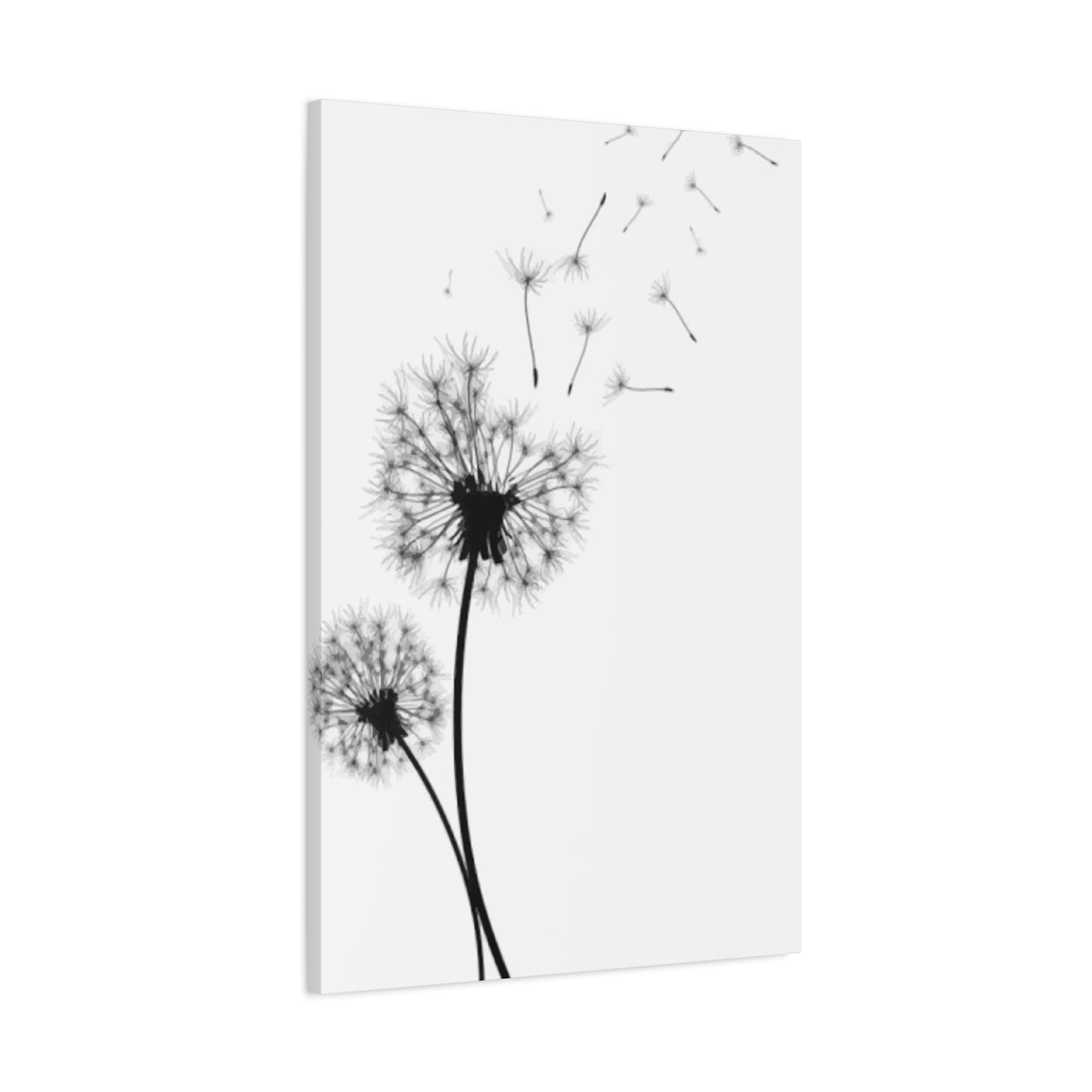
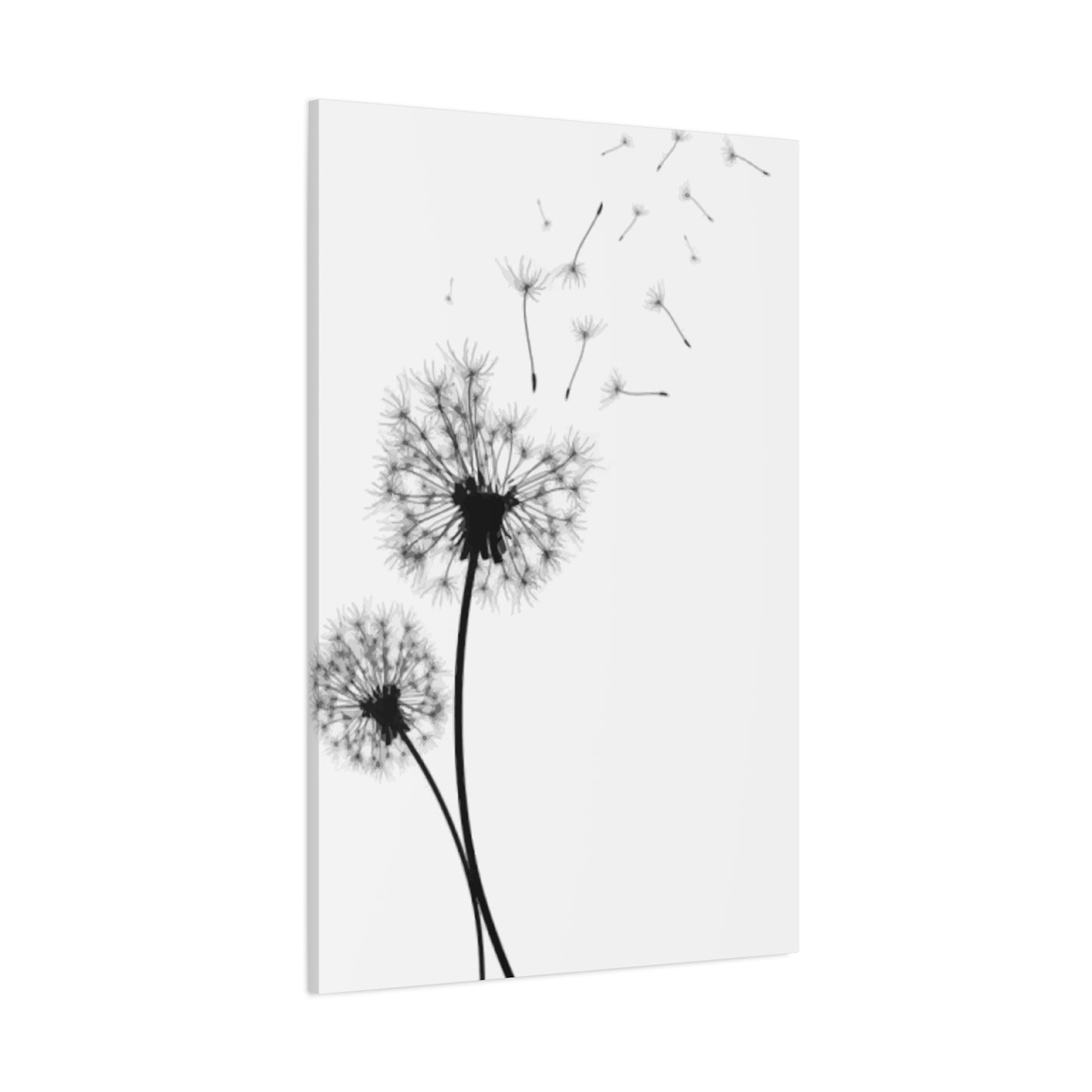
Dandelion seed wall art brings a serene, nature-inspired element to your home, creating an ethereal ambiance that captures the delicate beauty of one of nature’s most iconic symbols. The simple yet profound image of dandelion seeds drifting through the air offers a sense of freedom, transformation, and fleeting beauty. Whether portrayed in soft, subtle tones or vibrant, dynamic strokes, this artwork has the ability to evoke a sense of calm while simultaneously filling your living space with a sense of wonder and tranquility.
The beauty of dandelion seed wall art lies in its simplicity and elegance. The dandelion, often viewed as a symbol of hope, wishes, and new beginnings, represents the idea that even the smallest of things can have a profound impact. The visual of seeds gently floating away in the wind evokes feelings of movement and impermanence, reminding us of the beauty of letting go and embracing change. This makes dandelion wall art particularly fitting for spaces where you want to encourage relaxation, reflection, and peaceful energy—whether it’s a bedroom, a study, or a meditation area.
The versatility of dandelion seed artwork is one of its most appealing qualities. Its minimalistic design and soft, organic shapes can easily complement a wide range of interior styles, from modern and minimalist to bohemian or rustic. The soft, flowing lines of the dandelion seeds can seamlessly blend into any room, adding a touch of natural beauty without overpowering the rest of your décor. In neutral-toned spaces, dandelion seed wall art can serve as a focal point, infusing the room with warmth and visual interest. In more vibrant or eclectic rooms, the artwork provides a soft contrast, balancing bold colors with its gentle aesthetic.
Dandelion seed art also brings a sense of peacefulness and joy, making it ideal for creating a tranquil atmosphere. The idea of dandelion seeds floating through the air represents possibilities and dreams—symbolizing a sense of freedom and hope. It can be a perfect addition to spaces where you seek to foster creativity, contemplation, or inspiration. For example, in a home office or creative studio, dandelion seed wall art can act as a gentle reminder to embrace new ideas and let your creativity “take flight.” In a bedroom, it can contribute to a peaceful, restful environment, encouraging relaxation at the end of a long day.
Additionally, the lightness and delicacy of dandelion seeds can infuse your space with an organic, airy feel that helps bring the outside world indoors. The soft movement of the seeds can evoke a sense of connection to nature, creating a harmonious relationship between your home and the natural world. Even in urban settings, this artwork can remind you of the beauty of simple things, helping to create a grounding, calming environment amidst the hustle and bustle of daily life.
In conclusion, dandelion seed wall art is a beautiful and meaningful way to enhance your living space with the elegance and tranquility of nature. Its subtle beauty and symbolic resonance make it a perfect addition to any room, offering not only a visual focal point but also a deeper connection to the themes of renewal, change, and possibility. Whether you’re looking to add a touch of nature to your home, encourage peaceful energy, or create a space that invites reflection, dandelion seed art provides a timeless and serene way to transform your surroundings. Its ethereal quality ensures that it remains a cherished and calming piece, filling your home with light, beauty, and endless potential.
Share