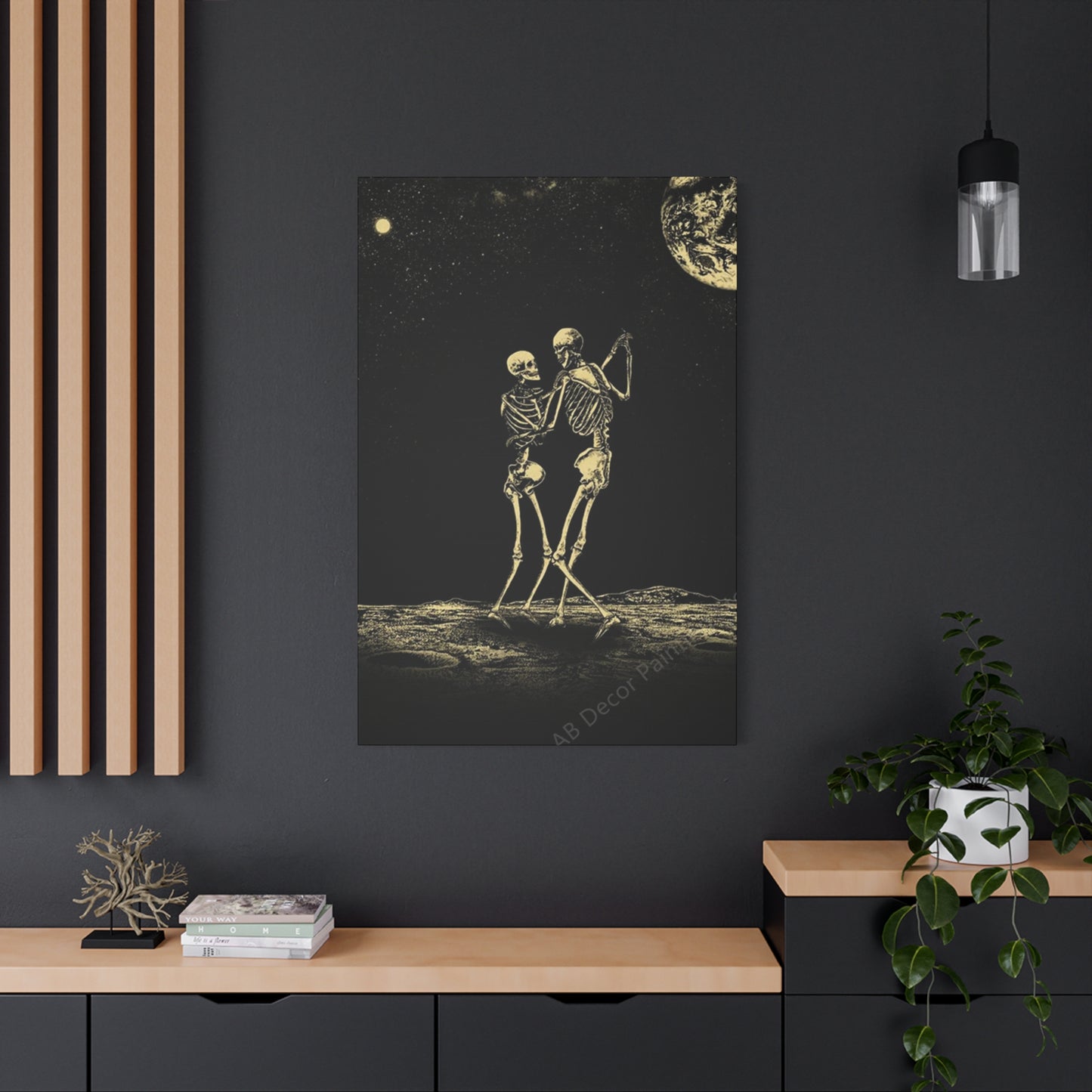
Dancing Skeleton On Moon Wall Art & Canvas Prints
Dancing Skeleton On Moon Wall Art & Canvas Prints
Couldn't load pickup availability
Dancing Skeleton On Moon Wall Art: Celestial Gothic Decor That Brings Cosmic Wonder to Your Living Spaces
The realm of home decoration has witnessed a remarkable shift toward pieces that blend whimsy with darkness, and few items capture this essence better than the dancing skeleton on moon wall art. This particular decorative element has become increasingly sought after by individuals who appreciate the intersection of celestial imagery and gothic aesthetics. The visual narrative presented by a skeletal figure performing ethereal movements upon a lunar surface resonates with those seeking to infuse their environments with both playfulness and mystery.
Contemporary interior design has embraced pieces that tell stories, and artwork featuring animated skeletons against moonlit backdrops serves as conversation starters while maintaining artistic integrity. These decorative items appeal to various demographics, from young adults establishing their first independent living quarters to seasoned collectors who appreciate unconventional artistic expressions. The popularity of such pieces reflects a broader cultural movement toward embracing darker aesthetics without sacrificing lightheartedness or creativity.
Why Skeletal Lunar Imagery Captivates Modern Collectors and Decorators Worldwide
The fascination with skeletal figures positioned against cosmic backgrounds stems from multiple psychological and cultural factors. Humans have long held dual relationships with mortality symbols and celestial bodies, viewing them simultaneously as sources of fear and wonder. When combined in artistic representations, these elements create a unique tension that feels both unsettling and oddly comforting. The dancing skeleton on moon wall art embodies this paradox perfectly, presenting death not as something somber but as a celebration of existence.
Cultural traditions from Mexico's Dia de los Muertos to medieval European danse macabre have depicted skeletons engaged in joyful activities, reminding viewers that mortality is universal and therefore nothing to fear. Modern iterations of these themes maintain this philosophical foundation while incorporating contemporary aesthetic sensibilities. The moon serves as a particularly potent backdrop, representing cycles, transformation, and the mysterious nature of existence itself.
Art enthusiasts gravitate toward these pieces because they challenge conventional notions of what constitutes appropriate decoration. Rather than selecting generic landscapes or abstract compositions, choosing skeletal lunar imagery demonstrates a willingness to embrace unconventional beauty. This choice signals intellectual curiosity, appreciation for symbolism, and a refusal to conform to mainstream decorative standards. The pieces function as visual manifestations of personality, communicating aspects of the owner's worldview without requiring verbal explanation.
Exploring Various Artistic Styles Available in Skeletal Lunar Decoration Pieces
The market offers dancing skeleton on moon wall art in numerous artistic styles, each providing distinct visual experiences. Vintage-inspired illustrations featuring sepia tones and aged paper textures appeal to those drawn to nostalgic aesthetics. These pieces often incorporate Victorian-era scientific illustration styles, presenting the skeletal figure with anatomical precision while maintaining whimsical positioning. The aged appearance creates an impression of historical significance, as though the artwork might have originated from some forgotten manuscript.
Contemporary minimalist interpretations reduce the imagery to essential lines and shapes, creating stark silhouettes against simplified lunar backgrounds. These versions suit modern spaces characterized by clean lines and neutral color palettes. The simplified forms allow the fundamental concept to shine through without visual clutter, making them particularly effective in spaces where subtlety is valued. Despite their restraint, these pieces maintain significant impact through clever composition and strategic negative space usage.
Psychedelic and surrealist versions transform the concept into kaleidoscopic experiences, incorporating vibrant colors, distorted proportions, and dreamlike elements. These interpretations appeal to individuals who appreciate visionary art and altered perspectives. The dancing skeleton becomes a vehicle for exploring consciousness, transformation, and the dissolution of boundaries between life and death. Such pieces often feature swirling cosmic elements, stars that morph into eyes, and moons that pulse with otherworldly energy.
Gothic and horror-influenced versions emphasize darker elements, rendering the skeletal figure with dramatic shadows and ominous atmospheric effects. These pieces might incorporate graveyards, withered trees, or ghostly mists surrounding the lunar scene. The dancing movement takes on a more macabre quality, suggesting rituals or supernatural phenomena rather than pure celebration. These versions resonate with horror enthusiasts and those who appreciate genuinely unsettling imagery.
Materials and Manufacturing Methods That Bring Skeletal Lunar Art to Life
Dancing skeleton on moon wall art manifests through various physical formats, each offering distinct advantages. Canvas prints provide texture and depth, with the woven fabric surface adding tactile dimension to the imagery. High-quality canvas reproduction captures fine details while maintaining durability, making these pieces suitable for long-term display. The slightly textured surface interacts interestingly with light, creating subtle variations in appearance throughout the day as natural illumination shifts.
Metal prints offer contemporary sleekness and exceptional vibrancy. The process of infusing dyes directly into specially coated aluminum surfaces creates images with remarkable depth and luminosity. The dancing skeleton appears almost three-dimensional when rendered on metal, with the reflective surface adding ethereal quality appropriate to the lunar theme. These pieces resist fading, moisture damage, and physical wear, making them particularly suitable for high-traffic areas or environments with challenging conditions.
Wooden panel prints provide rustic charm and organic warmth. The natural grain patterns visible through the printed image add character and uniqueness to each piece. Wood as a medium connects the cosmic imagery back to earth, creating an interesting juxtaposition between the celestial subject matter and the terrestrial material. These versions work particularly well in spaces featuring other natural materials like exposed brick, leather furniture, or stone elements.
Framed paper prints offer traditional elegance and the widest range of artistic possibilities. Various paper types from glossy photo paper to matte fine art stock create different visual effects. The dancing skeleton on moon wall art rendered on high-quality archival paper achieves museum-worthy presentation when paired with appropriate matting and framing. This format allows for the greatest flexibility in customizing the final presentation to match specific decorative contexts.
Textile versions including tapestries and fabric wall hangings provide softness and versatility. These pieces can be easily repositioned, rolled for storage, or even used as unconventional blankets or room dividers. The fabric drape creates gentle dimensionality, with the skeletal lunar imagery taking on a banner-like quality reminiscent of medieval heraldry or carnival flags. Textile versions work particularly well in bohemian or eclectic spaces where rigid structures feel out of place.
Strategic Placement Considerations for Maximum Visual Impact and Aesthetic Harmony
Positioning dancing skeleton on moon wall art requires thoughtful consideration of spatial dynamics and existing decorative elements. The bedroom represents an ideal location for such pieces, particularly positioned above the headboard where it becomes the last image seen before sleep and the first upon waking. This placement creates a meditative focal point that can influence dream content and establish atmospheric continuity between waking and sleeping states. The lunar imagery feels particularly appropriate in spaces dedicated to rest and nocturnal activities.
Living rooms benefit from skeletal lunar artwork when positioned as statement pieces above sofas or entertainment centers. In these communal spaces, the artwork serves as conversation catalyst while establishing the room's tonal character. The piece should command attention without overwhelming other elements, creating visual interest that draws the eye without demanding constant focus. Consideration should be given to viewing angles from various seating positions to ensure the artwork remains impactful from multiple perspectives.
Home offices and creative studios gain inspirational energy from dancing skeleton on moon wall art. The reminder of mortality's universality can actually enhance productivity by providing perspective on daily concerns and encouraging bold creative risks. Positioned within direct sightline from work areas, the piece serves as a visual reminder to approach tasks with both seriousness and playfulness. The cosmic elements encourage expansive thinking while the skeletal figure grounds concepts in physical reality.
Hallways and transitional spaces transform when adorned with skeletal lunar imagery. These often-neglected areas gain purpose and personality when featuring artwork that rewards repeated viewing. The dancing skeleton becomes a familiar companion encountered during daily movements through the home, its presence marking transitions between different functional areas. Narrower hallways particularly benefit from vertically oriented pieces that draw the eye upward and create an illusion of expanded space.
Bathroom placement might seem unconventional, but the private, reflective nature of these spaces makes them surprisingly appropriate for contemplative imagery. The dancing skeleton on moon wall art in a bathroom creates an unexpected juxtaposition that challenges conventional thinking about room-appropriate decoration. Positioned where it can be viewed from the bathtub, the piece enhances relaxation rituals and encourages philosophical reflection during personal care routines.
Color Palette Coordination That Enhances Skeletal Lunar Artwork Effectiveness
Understanding color relationships between the dancing skeleton on moon wall art and surrounding elements ensures cohesive visual experiences. Monochromatic schemes featuring variations of single colors create sophisticated unity. When the artwork incorporates predominantly black, white, and gray tones, surrounding decor in similar values establishes elegant consistency. Introducing texture variation through fabrics, materials, and finishes prevents monotony while maintaining chromatic harmony.
Complementary color approaches pair the artwork with hues opposite on the color wheel from its dominant tones. If the piece features warm oranges or yellows in the lunar depiction, incorporating cool blues or purples in furnishings creates dynamic tension that energizes the space. This approach requires careful balance to avoid visual chaos, with one color family dominating while the other provides strategic accents.
Analogous color schemes utilize hues adjacent on the color wheel, creating smooth transitions and gentle visual flow. Dancing skeleton on moon wall art featuring cool blue-gray tones pairs beautifully with surrounding purples, deeper blues, and blue-greens. This approach feels naturally harmonious and requires less precise execution than complementary schemes while still achieving sophisticated results.
Neutral foundation approaches allow the artwork to function as the primary color source in otherwise neutral spaces. Beiges, creams, grays, and whites throughout the room create a calm backdrop that makes the skeletal lunar imagery pop dramatically. This strategy works particularly well when the artwork features vibrant colors or complex compositions that benefit from visual breathing room. The neutral surroundings prevent competing visual elements from diluting the artwork's impact.
Accent color extraction involves identifying secondary colors within the artwork and echoing them in small doses throughout the space. If the dancing skeleton on moon wall art includes subtle purple shadows or green undertones, incorporating throw pillows, vases, or other small items in these colors creates cohesive connections. This approach demonstrates design sophistication and makes the artwork feel intentionally integrated rather than arbitrarily placed.
Combining Skeletal Lunar Art With Complementary Decorative Elements Successfully
Building cohesive decorative schemes around dancing skeleton on moon wall art involves selecting complementary items that enhance rather than compete with the primary piece. Crystal and mineral specimens provide textural contrast while maintaining thematic consistency. Selenite formations echo lunar qualities through their moon-like glow, while darker stones like obsidian or smoky quartz reinforce the piece's mysterious qualities. Displaying these natural specimens on shelves or surfaces visible near the artwork creates subtle thematic reinforcement.
Vintage scientific instruments and curiosities establish intellectual atmospheres that complement the anatomical precision of skeletal imagery. Antique telescopes, celestial globes, or aged astronomy charts reinforce the cosmic elements while adding layers of meaning. These objects suggest curiosity about the universe and humanity's place within it, themes that resonate with the philosophical implications of dancing skeletal figures against lunar backdrops.
Candlescape arrangements featuring varied heights and holder styles create atmospheric lighting that enhances the artwork's mood. Flickering flames introduce movement that echoes the dancing quality of the skeletal figure while casting shadows that shift and transform the viewing experience. Black, silver, or bronze candleholders maintain visual consistency with common color palettes in skeletal lunar art. The ritual associations of candle lighting also connect to the memento mori traditions that inform skeletal imagery.
Botanical elements provide living counterpoints to the mortality themes in dancing skeleton on moon wall art. Dried flowers, particularly roses or other blooms with romantic associations, reference the Victorian language of flowers and vanitas traditions. Living plants with dramatic forms like snake plants, ferns, or trailing pothos create organic shapes that contrast beautifully with the skeletal figure's rigid structure. The life-death juxtaposition adds philosophical depth to the decorative scheme.
Mirror placement near skeletal lunar artwork creates intriguing multiplicative effects and spatial expansion. Strategically positioned mirrors reflect the artwork from different angles, creating the impression of multiple pieces or revealing details invisible from direct viewing positions. Mirrors also interact with lighting in ways that can enhance the ethereal qualities of lunar backdrops. Ornate frames in gothic or baroque styles add decorative weight that complements the artwork's visual impact.
Lighting Strategies That Transform Skeletal Lunar Art Throughout Daily Cycles
Illumination dramatically affects how dancing skeleton on moon wall art appears and the mood it establishes. Natural light creates ever-changing presentations as solar positions shift throughout the day. Morning light might cast warm tones that soften the skeletal imagery, while harsh afternoon sun could emphasize contrasts and create dramatic shadows. Evening dimness allows the lunar elements to glow with particular resonance, as real moonlight begins filtering through windows. Observing these natural transformations throughout days and seasons provides ongoing visual interest.
Directional spotlighting creates dramatic emphasis by isolating the artwork in a pool of illumination against darker surroundings. Track lighting or picture lights positioned above the piece draw the eye immediately while creating a gallery-like presentation. This approach works particularly well in larger rooms where the artwork might otherwise compete for attention. The focused light creates an island of interest that commands focus without requiring excessive scale.
Ambient lighting provides gentle, diffused illumination that integrates the artwork into the overall atmospheric mood. Soft overhead fixtures or table lamps positioned throughout the space create even lighting that prevents harsh shadows while maintaining visibility. This approach suits spaces where relaxation takes priority and dramatic effects might feel too stimulating. The dancing skeleton on moon wall art becomes a harmonious element within a unified environment rather than a stark focal point.
Colored lighting introduces theatrical possibilities that can completely transform skeletal lunar imagery. LED strips with color-changing capabilities positioned behind or around the artwork create halo effects in various hues. Cool blue lighting emphasizes the cosmic, otherworldly qualities, while warmer tones create earthier, more grounded presentations. Purple lighting adds mystical qualities, green introduces eerie atmosphere, and red creates dramatic intensity. Programmable systems allow mood variations suited to different occasions or times of day.
Backlighting techniques create silhouette effects and ethereal glows. Positioning lights behind semi-transparent materials or mounting the artwork slightly away from the wall with illumination behind creates a floating appearance. This approach works particularly well with metal or acrylic versions of dancing skeleton on moon wall art, where the materials can partially transmit light. The skeletal figure appears to glow from within, as though animated by supernatural energy.
Size Selection Principles for Different Spatial Contexts and Visual Goals
Determining appropriate dimensions for dancing skeleton on moon wall art requires assessing wall space, viewing distances, and desired visual weight. Large-scale pieces measuring four feet wide or more create immediate dramatic impact and work best on expansive, uncluttered walls. These statement sizes suit spacious rooms where the artwork can be viewed from adequate distances. Oversized skeletal lunar imagery commands attention and establishes itself as the undisputed focal point, around which other elements must organize themselves.
Medium-sized pieces ranging from two to four feet wide offer versatility and approachability. These dimensions work well in average residential spaces, providing significant presence without overwhelming rooms. Medium-scale dancing skeleton on moon wall art fits above furniture pieces like sofas and beds while leaving appropriate space above and to the sides. These sizes also work well as components in gallery wall arrangements, where they can serve as anchor pieces surrounded by smaller complementary items.
Smaller pieces under two feet wide function best as accent elements or components within larger arrangements. Individual small-scale skeletal lunar artworks feel intimate and personal, rewarding close inspection with details that might be lost in larger formats. Collections of small pieces arranged in grids or clustered groupings create impactful displays while maintaining individual charm. These sizes suit confined spaces like hallways, bathrooms, or small alcoves where larger pieces would feel cramped.
Vertical orientation suits narrow wall spaces and creates upward visual movement that makes rooms feel taller. Portrait-format dancing skeleton on moon wall art works particularly well flanking doorways, in hallways, or above tall furniture pieces. The vertical arrangement emphasizes the dancing quality of the skeletal figure, suggesting upward movement toward the celestial sphere. This orientation feels dynamic and energetic compared to more stable horizontal compositions.
Horizontal orientation provides stable, grounding effects and suits wider wall expanses. Landscape-format skeletal lunar artwork spreads visual weight across broader areas, creating balance in rooms with low ceilings or long, unbroken walls. The horizontal arrangement can suggest the skeletal figure dancing across the lunar surface rather than reaching upward, creating a different narrative quality. This format works particularly well above beds and sofas where width is more readily available than height.
Creating Gallery Wall Compositions Featuring Skeletal Lunar Centerpieces
Developing multi-piece wall displays with dancing skeleton on moon wall art as the focal element requires understanding compositional principles and visual flow. The skeletal lunar piece should occupy the central or largest position, establishing itself as the anchor around which other elements orbit. Positioning it slightly off-center rather than perfectly centered often creates more dynamic, interesting arrangements that feel less rigid and more organic.
Thematic consistency ensures cohesion while allowing variety within gallery wall arrangements. Surrounding pieces might include other cosmic imagery like star charts, planetary illustrations, or constellation maps. Gothic elements such as ravens, old keys, victorian mourning jewelry photographs, or architectural details from aged cathedrals maintain atmospheric unity. Anatomical drawings, vintage medical illustrations, or other skeletal studies reinforce the primary piece's themes while adding educational dimensions.
Size variation creates visual interest through contrast while maintaining balance. Pairing the central dancing skeleton on moon wall art with progressively smaller pieces radiating outward creates hierarchical organization that guides viewer attention. Alternating between large and small elements prevents monotonous patterns while ensuring the arrangement feels intentional. The spacing between pieces should remain relatively consistent, typically between two and four inches, creating unity through rhythmic repetition.
Frame coordination establishes visual connections between disparate images. Using identical frames throughout creates strong unity, though this approach risks feeling overly matchy and predictable. Mixing frame styles within consistent color families provides variation while maintaining cohesion. Alternating between frames with and without matting adds dimensional variety. Frames surrounding the dancing skeleton on moon wall art might echo decorative elements within the piece itself, such as ornate frames for baroque-styled imagery or simple black frames for minimalist interpretations.
Shape mixing prevents monotony in gallery arrangements. While rectangular and square frames typically dominate, introducing circular or oval pieces creates pleasing contrast. Round frames feel particularly appropriate for lunar imagery, echoing the moon's shape. Octagonal or hexagonal frames add geometric interest while maintaining substantial difference from standard rectangles. The dancing skeleton on moon wall art serves as the stable anchor while surrounding shape variety prevents visual stagnation.
Preserving and Protecting Skeletal Lunar Artwork for Long-Term Enjoyment
Proper care ensures dancing skeleton on moon wall art maintains its visual impact and physical integrity over decades. Ultraviolet light exposure represents the primary threat to most artwork, causing colors to fade and materials to degrade. Positioning pieces away from direct sunlight prevents damage, though this may require compromise in room arrangements. UV-filtering glass for framed pieces provides protection while allowing display in brighter areas. Window treatments that block harmful wavelengths while permitting visible light offer comprehensive room protection.
Humidity control prevents various deterioration modes depending on materials. Excessive moisture encourages mold growth on paper-based pieces and can cause warping, buckling, or adhesive failure. Overly dry conditions make paper brittle and can cause paint cracking. Maintaining relative humidity between 40-55% provides ideal conditions for most artwork. Dehumidifiers, humidifiers, or HVAC systems with humidity controls help maintain appropriate levels. Avoiding placement near bathrooms, kitchens, or exterior walls in humid climates reduces exposure to problematic moisture.
Temperature stability prevents expansion and contraction cycles that stress materials and connections. Dramatic temperature swings cause materials with different expansion rates to separate or crack. Maintaining consistent temperatures between 65-75 degrees Fahrenheit suits most artwork. Avoiding placement near heating vents, fireplaces, or air conditioning units prevents localized temperature extremes. In older buildings with less climate control, positioning dancing skeleton on moon wall art on interior walls away from exterior influences provides greater stability.
Physical protection prevents accidental damage from impacts, abrasion, or handling. Framed pieces benefit from secure hanging systems that prevent tilting or falling. Acrylic glazing provides impact resistance superior to glass while weighing less and eliminating shattering risks. For unframed canvas or metal pieces, maintaining clearance from furniture prevents accidental bumps during room activities. In homes with children or pets, elevated positioning places artwork beyond reach of curious hands or paws.
Regular cleaning removes accumulated dust and environmental contaminants that can cause gradual deterioration. Microfiber cloths designed for delicate surfaces remove dust without scratching. For glass or acrylic-covered pieces, gentle cleaners specifically formulated for these materials prevent streaking and residue. Canvas and unglazed surfaces require careful dusting with soft brushes that don't snag fibers. Metal pieces typically tolerate gentle cleaning with slightly damp cloths. Always testing cleaning methods on inconspicuous areas first prevents unintended damage.
Seasonal Rotation Strategies That Keep Decorative Schemes Fresh and Engaging
Implementing periodic changes in displayed artwork prevents visual fatigue and allows collections to serve different moods throughout the year. Dancing skeleton on moon wall art naturally suits autumn and winter months when darkness arrives earlier and cultural fascination with mortality peaks around celebrations like Halloween and Dia de los Muertos. The skeletal imagery resonates with harvest season's end-of-cycle themes and winter's bare, stripped-down aesthetic.
Spring rotation might temporarily replace skeletal lunar pieces with brighter, more obviously life-affirming imagery. However, those who appreciate the philosophical dimensions of memento mori themes might maintain year-round display, arguing that mortality awareness enhances appreciation for renewal and growth. The decision depends on whether one views the dancing skeleton as purely atmospheric or as a meaningful philosophical statement that transcends seasonal considerations.
Summer months offer opportunities for displaying skeletal lunar artwork in unexpected contexts. The contrast between warm, life-filled days and nighttime visits from the dancing skeleton on moon wall art creates interesting tension. The cosmic elements feel particularly relevant during summer months when warm evenings invite stargazing and contemplation of the universe beyond our daily concerns. The skeletal figure might appear less morbid when balanced against abundant life visible through windows.
Creating themed storage systems organizes rotated artwork and protects pieces during dormant periods. Acid-free boxes sized appropriately to pieces prevent bending and crushing. Archival tissue paper between stacked items prevents scratching and abrasion. Clear labeling indicating contents and ideal display seasons streamlines rotation processes. Climate-controlled storage spaces prevent the damage that can occur in attics, basements, or garages subject to temperature and humidity extremes.
Documenting rotation schedules helps remember successful combinations and prevents repetitive patterns. Photographs of wall arrangements capture positioning and companion pieces for future reference. Notes about why particular combinations succeeded or failed inform future decisions. Tracking which pieces appear during which seasons over multiple years reveals patterns in personal preferences and can inspire new experimental combinations.
Gifting Considerations for Sharing Skeletal Lunar Art With Appreciative Recipients
Selecting dancing skeleton on moon wall art as gifts requires understanding recipients' aesthetic preferences and decorative contexts. Gothic enthusiasts, Halloween devotees, astronomy admirers, and those with philosophical inclinations toward memento mori themes represent ideal candidates. Observing existing decor during visits provides clues about style preferences and available wall space. Recipients who display unconventional or dark-leaning artwork likely appreciate skeletal lunar themes.
Presentation elevates the gifting experience beyond simply handing over a purchased item. Custom wrapping using black paper with silver or white accents echoes the artwork's color palette. Adding celestial-themed ribbon or tags featuring stars and moons creates thematic consistency. Including a card explaining the symbolism of dancing skeletons and lunar imagery adds educational dimension and demonstrates thoughtfulness beyond mere material exchange.
Pairing dancing skeleton on moon wall art with complementary items creates more substantial gift packages. Including candles, crystals, or books on astronomy or gothic culture builds cohesive themed collections. For recipients new to displaying artwork, adding appropriate hanging hardware and instructions demonstrates consideration for practical needs. These additions transform a single item into a curated experience.
Timing gift-giving to meaningful occasions enhances impact and memorability. Birthdays allow personalization based on astrological signs, with lunar imagery carrying particular significance for Cancer individuals ruled by the moon. Halloween or Dia de los Muertos timing creates obvious thematic connections. Housewarming situations where recipients need to fill blank walls make such distinctive pieces particularly welcome. Graduation gifts for students pursuing astronomy, anatomy, or gothic literature studies create meaningful connections to academic passions.
Custom personalization options transform standard pieces into unique, deeply meaningful items. Some artists offer to incorporate recipient names, significant dates, or personal symbols into skeletal lunar compositions. Adding favorite quotes or poetry excerpts that resonate with the piece's themes creates literary-visual fusion. For close relationships, commissioning entirely original pieces based on shared memories or inside references demonstrates extraordinary thoughtfulness.
Commissioning Custom Skeletal Lunar Art for Truly Personalized Spaces
Working with artists to create unique dancing skeleton on moon wall art allows perfect alignment with individual visions and spaces. Identifying appropriate artists requires researching those whose existing styles resonate while demonstrating versatility for custom work. Portfolio review reveals whether artists handle skeletal anatomy convincingly and render cosmic elements effectively. Artist statements provide insight into philosophical approaches and whether they connect meaningfully with memento mori or celestial themes.
Initial consultations establish mutual understanding of project goals, aesthetic preferences, and practical requirements. Providing reference images of favored styles, colors, and compositional approaches helps artists grasp desired directions. Explaining the intended display location, surrounding decor, and lighting conditions ensures final pieces integrate successfully. Discussing personal connections to skeletal or lunar imagery informs emotionally resonant creative decisions.
Budgeting for custom artwork requires understanding that original pieces command significantly higher prices than mass-produced options. Artist experience, piece size, complexity, and materials all influence costs. Original paintings naturally cost more than digital work intended for printing. Negotiating payment schedules that release funds at project milestones protects both parties. Understanding that revisions beyond initially agreed parameters may incur additional charges prevents misunderstandings.
Collaborative revision processes refine initial concepts toward final visions. Artists typically provide preliminary sketches or digital mockups for approval before investing substantial time in final execution. Providing specific, constructive feedback rather than vague reactions helps artists understand desired adjustments. Recognizing that excessive revision requests may indicate mismatched expectations helps determine whether to proceed or part ways professionally.
Delivery and installation considerations ensure safe arrival and proper display of finished custom dancing skeleton on moon wall art. Discussing packaging methods and insurance coverage protects investments during shipping. For local artists, personal delivery allows immediate problem-solving if adjustments are needed. Some artists offer installation services or recommendations for professional hangers familiar with various wall types and artwork weights.
Psychological Effects of Skeletal Imagery in Domestic Environments
Understanding how dancing skeleton on moon wall art influences occupants psychologically helps make informed decorative decisions. Exposure to mortality reminders, a concept called mortality salience, paradoxically often enhances life appreciation rather than increasing depression. When presented in artistic rather than threatening contexts, skeletal imagery can prompt reflection on life's finite nature, encouraging people to prioritize meaningful activities and relationships over trivial concerns.
The dancing quality of the skeletal figure transforms traditional memento mori symbolism from somber warning into celebration. This reframing presents death not as something to fear but as natural and even joyous. The imagery suggests continuing animation beyond physical existence, offering comfort to those pondering mortality. The lunar setting adds transcendent dimensions, placing earthly concerns within vast cosmic contexts that can feel simultaneously humbling and liberating.
Individual responses vary significantly based on cultural background, religious beliefs, and personal experiences with death. Those from cultures celebrating ancestral connections and viewing death as transformation may find skeletal imagery comforting and familiar. Individuals with death anxiety or recent bereavement might initially find such artwork distressing, though some report that gradual exposure in safe, controlled contexts helped them process difficult emotions. Understanding personal reactions requires honest self-assessment.
Environmental psychology research indicates that surrounding ourselves with meaningful symbolism influences thought patterns and behaviors subtly over time. Dancing skeleton on moon wall art serves as daily visual reminder of chosen philosophical perspectives. Those seeking to cultivate courage might find the skeletal figure's fearless dancing inspirational. People working to maintain cosmic perspective on daily annoyances benefit from the lunar backdrop's reminder of their small place in vast universes.
Conversation stimulation represents another psychological effect worth considering. Unusual artwork prompts discussion that reveals beliefs, values, and perspectives. Guests confronting dancing skeleton on moon wall art often share personal thoughts about mortality, meaning, and existence. These conversations can deepen relationships and create memorable shared experiences. For socially anxious individuals, such conversation starters provide welcome structure to hosting situations.
How Skeletal Lunar Art Fits Within Broader Gothic and Dark Academic Aesthetics
The dancing skeleton on moon wall art aligns naturally with gothic decorative movements emphasizing darkness, mystery, and romantic melancholy. Gothic aesthetics celebrate the beauty found in decay, night, and mortality rather than exclusively focusing on light and life. Victorian gothic in particular embraced elaborate mourning customs and memento mori symbolism that find contemporary expression in skeletal artwork. The lunar element adds romantic nocturnal quality central to gothic sensibilities.
Dark academic aesthetics combine scholarly pursuit with gothic undertones, emphasizing old books, candlelight, classical music, and contemplation of profound questions. Dancing skeleton on moon wall art fits perfectly within this framework, suggesting anatomical study combined with astronomical inquiry. The piece implies intellectual curiosity about existence, death, and cosmic mysteries. Combined with bookshelves, vintage globes, and warm lighting, such artwork creates quintessential dark academic atmospheres.
Witchy or mystical decorative schemes incorporate skeletal lunar imagery as representations of natural cycles and hidden knowledge. The moon's phases symbolize transformation and the passage of time in magical practices. Skeletal figures represent the inevitable return to earth and the temporary nature of physical form. Together, these elements speak to practitioners focused on shadow work, ancestral connections, and accepting all aspects of existence rather than avoiding uncomfortable truths.
Contemporary goth movements have evolved beyond pure darkness into more playful, colorful interpretations that maintain the aesthetic's core values. Pastel goth, nu-goth, and romantic goth subcultures might pair dancing skeleton on moon wall art with unexpected color combinations like soft pinks, mint greens, or lavenders. This mixing of traditionally dark imagery with lighter, softer elements creates unique personal expressions that honor gothic traditions while incorporating individual creativity.
Memento mori traditions specifically focused on mortality awareness find perfect expression in skeletal lunar artwork. From medieval European "danse macabre" imagery through Victorian mourning jewelry to contemporary skull appreciation, these traditions maintain that acknowledging death's inevitability enriches life. Dancing skeleton on moon wall art serves as modern iteration of this ancient philosophical approach, making it accessible to those drawn to the concepts but seeking contemporary rather than strictly historical presentations.
Cultural Variations in Skeletal Imagery Interpretation and Acceptance
Different cultural contexts dramatically affect how dancing skeleton on moon wall art is received and interpreted. Mexican and broader Latin American cultures influenced by Dia de los Muertos traditions view decorative skeletons as celebratory and affectionate rather than morbid. Calaveras representing deceased loved ones maintain connection between living and dead, with dancing skeleton imagery fitting naturally within this framework. The artwork resonates as familiar and warm rather than transgressive or shocking.
European contexts with strong Gothic architectural and artistic heritages often embrace skeletal imagery as part of cultural identity. Countries where ossuaries and bone churches exist as tourist destinations demonstrate comfort with using human remains decoratively. Dancing skeleton on moon wall art connects to deep artistic traditions including medieval memento mori, baroque vanitas paintings, and romantic period fascination with ruins and mortality. Historical continuity makes such pieces feel traditional rather than edgy.
East Asian cultural contexts present more complex relationships with skeletal imagery. Traditional beliefs about ancestor veneration and spiritual practices surrounding death create different associations than Western memento mori traditions. Japanese culture's aesthetic appreciation for transience through concepts like mono no aware might find resonance in skeletal lunar imagery, though directness of representation differs from traditional approaches. Individual interpretation varies widely based on exposure to Western influences and personal beliefs.
Middle Eastern and Islamic contexts often approach figurative representation differently due to religious considerations about depicting living beings. Skeletal imagery as representation of humans after death might fall into uncertain territory regarding these prohibitions. Individual Muslims interpret these guidelines differently, with some comfortable displaying such artwork while others avoid it. Lunar imagery alone carries strong Islamic cultural significance as a calendar and religious marker, potentially complicating interpretations.
Contemporary Western secular contexts increasingly embrace unconventional decoration including dancing skeleton on moon wall art as expressions of individuality and aesthetic preference. Declining religious observance in many Western populations reduces stigma around mortality imagery. The rise of Halloween as major cultural celebration and growing interest in gothic aesthetics have normalized skeletal decoration beyond specifically religious or spiritual contexts. The imagery functions as artistic choice rather than necessarily carrying deep philosophical weight.
Incorporating Skeletal Lunar Artwork Into Themed Entertainment Spaces
Home theaters and entertainment rooms gain distinctive character from dancing skeleton on moon wall art that establishes specific atmospheric expectations. The imagery signals appreciation for darker entertainment genres including horror films, gothic dramas, and dark fantasies. Positioned where visible before screenings begin, the artwork sets moods and prepares viewers for particular emotional experiences. The theatrical quality of a skeleton dancing on the moon complements the performative nature of film and television consumption.
Game rooms dedicated to tabletop roleplaying, card games, or video gaming benefit from immersive environmental design that enhances play experiences. Dancing skeleton on moon wall art contributes to fantasy atmospheres appropriate for games set in gothic, horror, or dark fantasy universes. The imagery inspires narrative creativity and helps players mentally transition from mundane reality into imaginative game worlds. For horror-themed games, the skeletal figure's presence intensifies appropriately unsettling ambiance.
Home bars and cocktail spaces take on speakeasy or cabaret character when adorned with skeletal lunar imagery. The combination suggests decadent, slightly dangerous sophistication associated with prohibition-era establishments or Victorian absinthe culture. Dancing skeleton on moon wall art positioned behind bar areas creates dramatic backdrops for drink preparation rituals. The imagery particularly suits craft cocktail enthusiasts who appreciate theater and presentation in beverage service.
Reading nooks and library spaces dedicated to particular genres gain enhanced atmosphere from thematically appropriate artwork. Personal libraries focused on horror literature, gothic fiction, astronomy, anatomy, or philosophy benefit from dancing skeleton on moon wall art reinforcing their specialized nature. The visual presence of the artwork during reading sessions creates environmental consistency between book content and physical surroundings, potentially enhancing absorption and enjoyment.
Music rooms and practice spaces for musicians working in gothic, metal, punk, or alternative genres find inspiration in skeletal lunar imagery. The rebellious, individualistic spirit suggested by unusual decoration aligns with countercultural musical movements. Dancing skeleton on moon wall art serves as visual reminder of artistic values and chosen aesthetic identities. For recording spaces, the imagery creates distinctive backgrounds for video content that establishes artist brands and attracts like-minded audiences.
Conclusion
Painting original versions of dancing skeleton on moon wall art allows complete creative control and personal satisfaction. Acrylic paints offer versatility and beginner accessibility with quick drying times and easy cleanup. Starting with dark backgrounds establishing night skies and lunar surfaces provides foundations for adding skeletal figures. Reference photographs of skeletal anatomy ensure accurate proportions even in stylized representations. Layering techniques building from dark underpainting through mid-tones to bright highlights create dimensional effects.
Digital art creation using tablets and software like Procreate or Photoshop enables infinite revision possibilities without material waste. Digital tools allow easy experimentation with compositions, colors, and effects. The dancing skeleton can be drawn, scanned from traditional sketches, or assembled from photographic references. Lunar backgrounds might incorporate NASA imagery or original cosmic paintings. Completed digital pieces can be printed at desired sizes and formats, with files retained for future reprinting or modification.
Collage techniques combining found images from magazines, books, or printed materials create unique mixed-media interpretations. Victorian anatomy textbook illustrations provide authentic skeletal figures while astronomy publications supply lunar imagery. Arranging elements in dancing compositions then adhering them to substrates creates original pieces with historical authenticity. Additional painting or drawing adds unified elements that blend components seamlessly. Protective sealants preserve delicate paper elements and provide finished surfaces.
Share