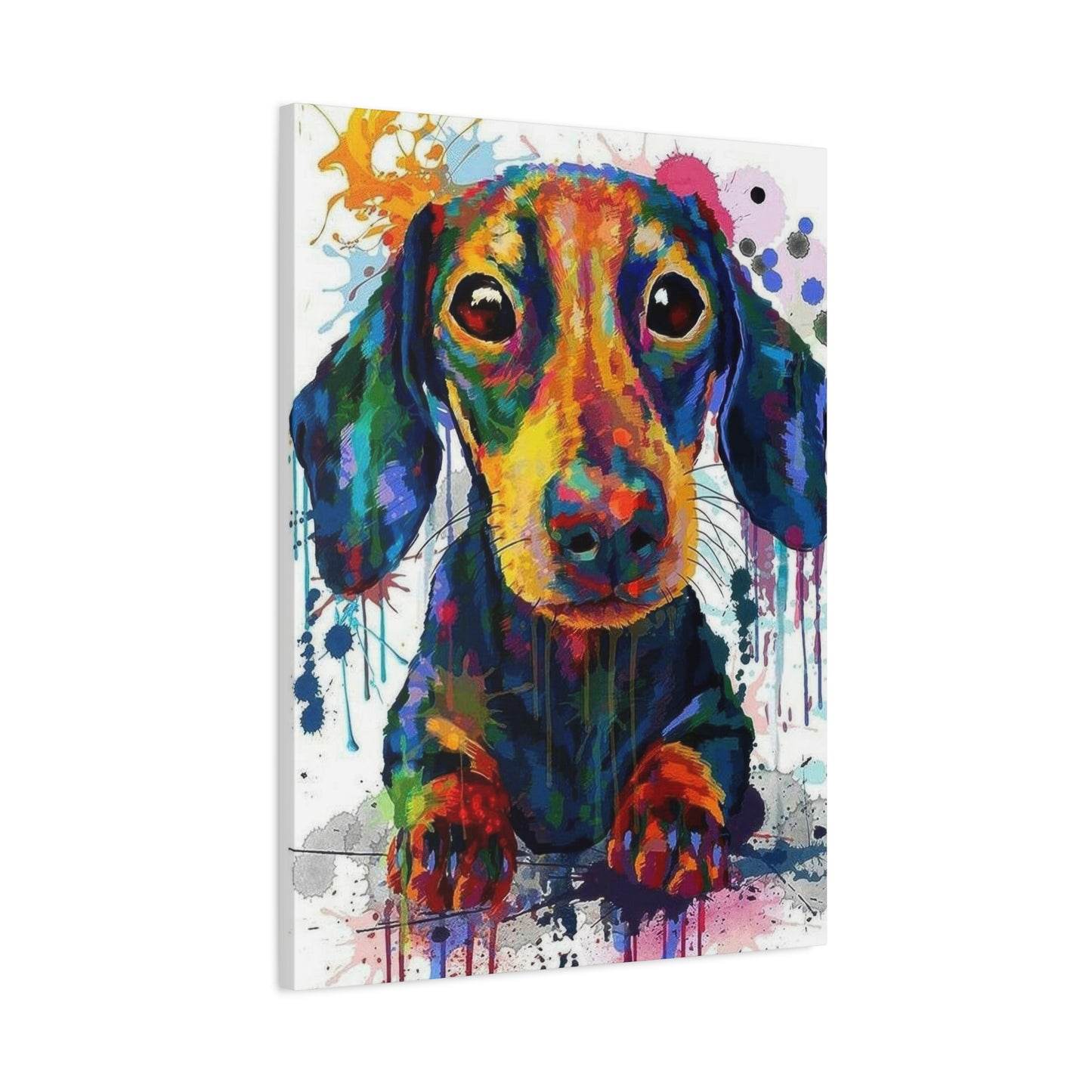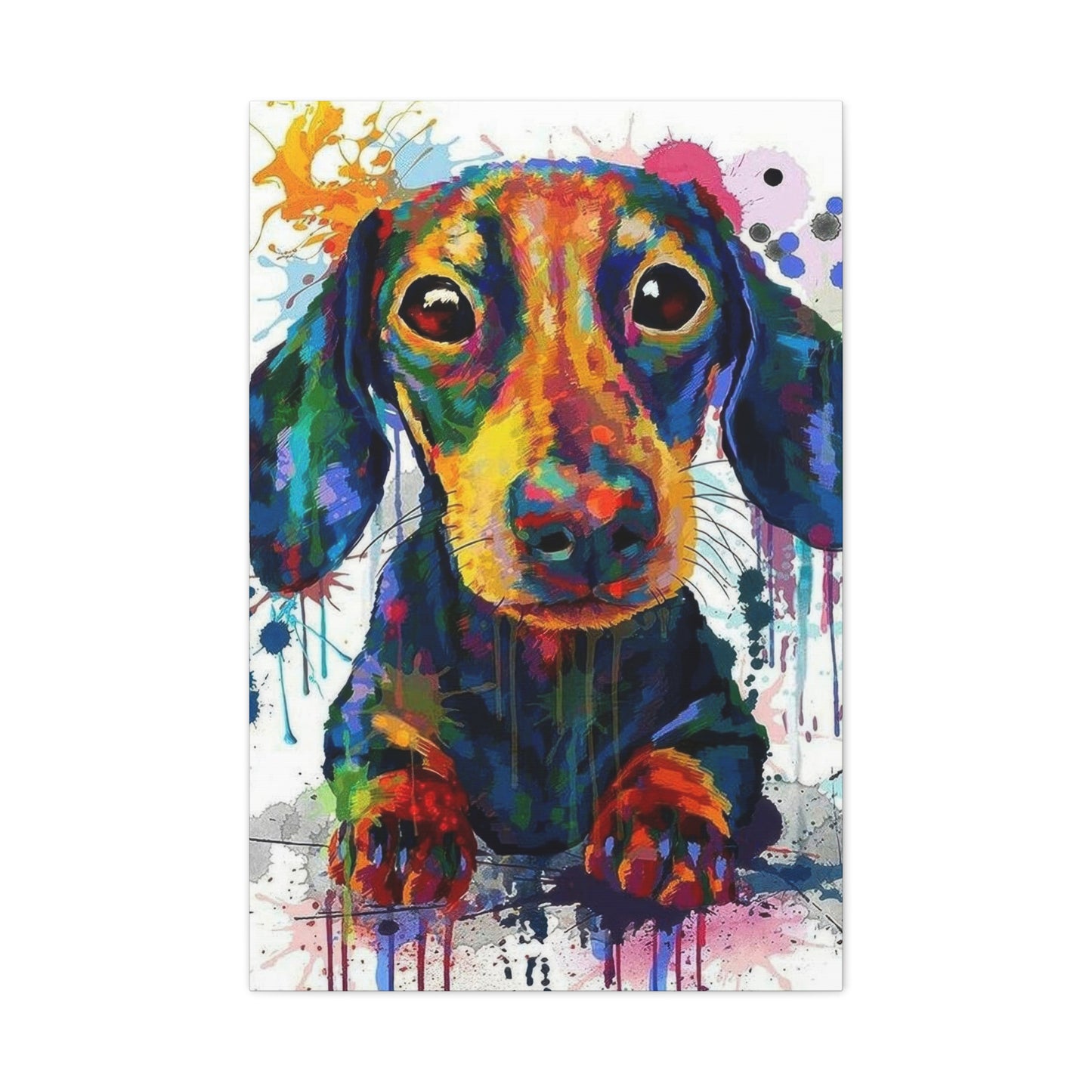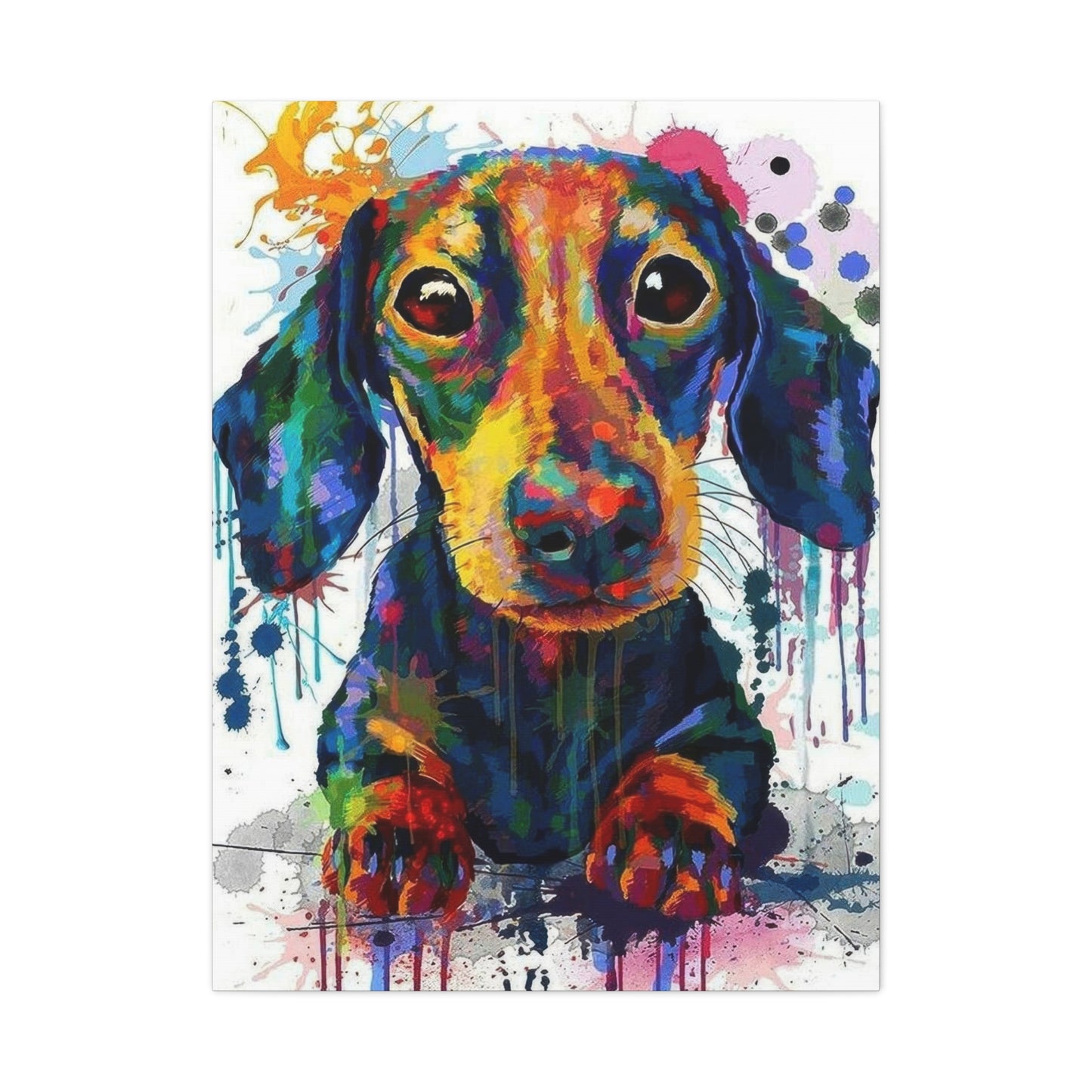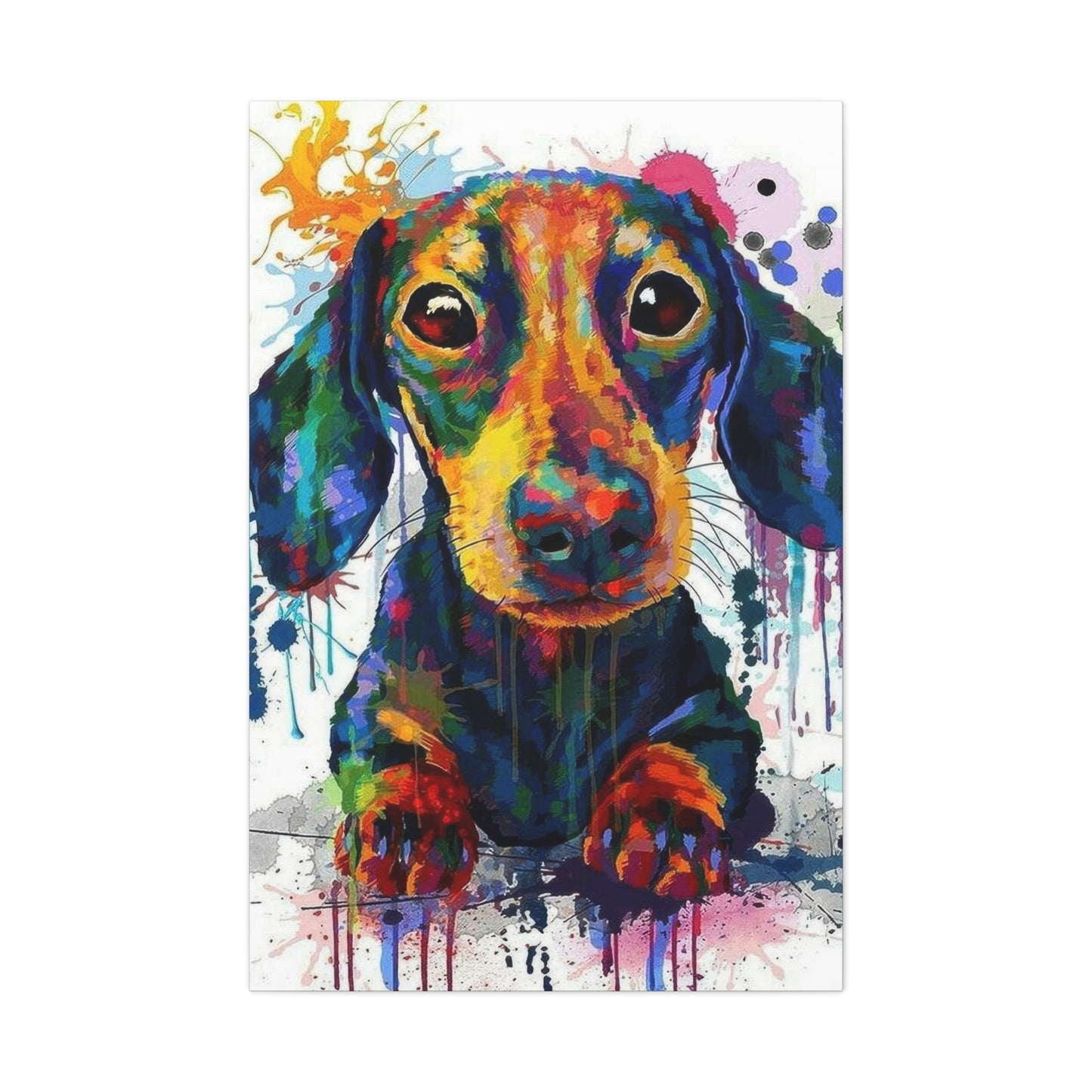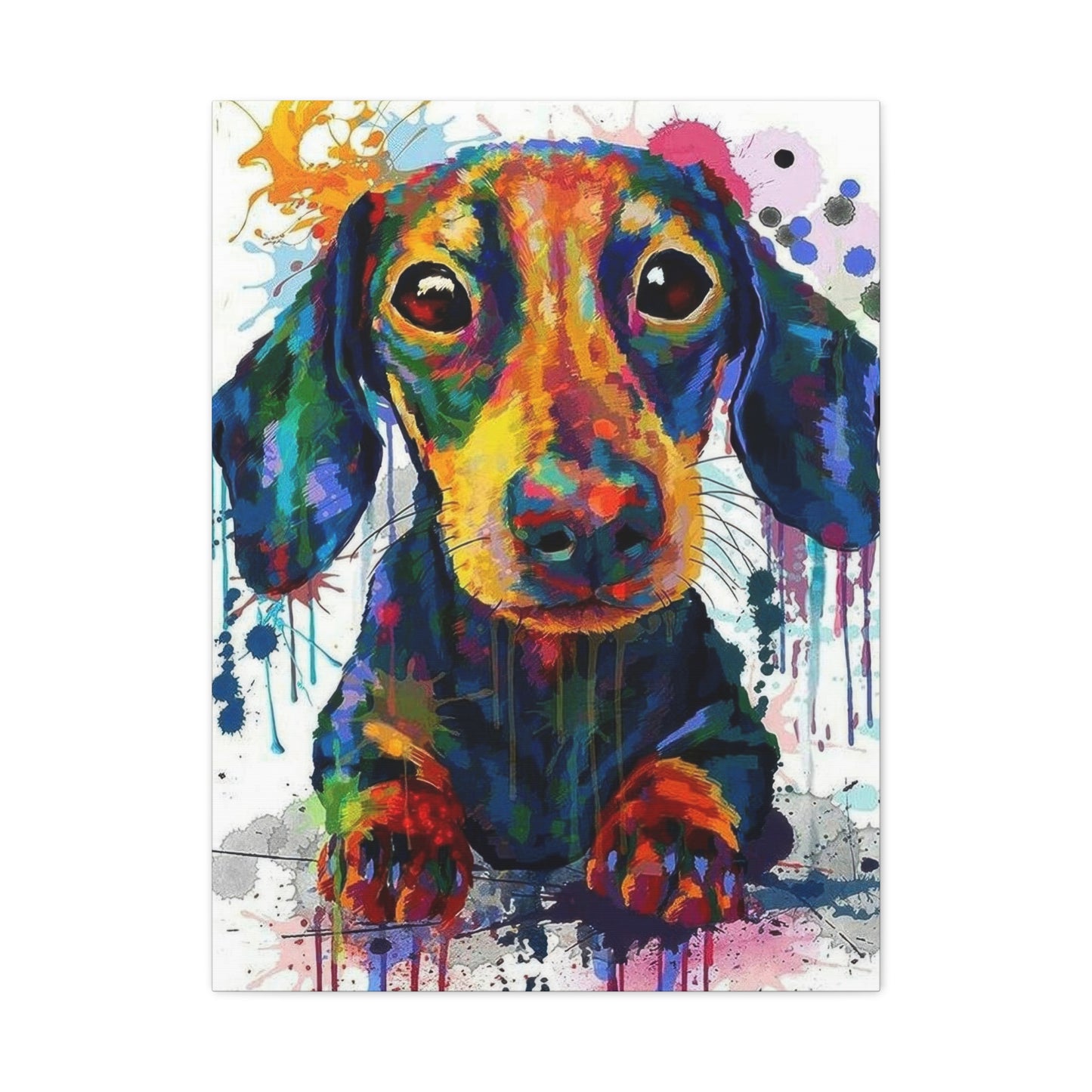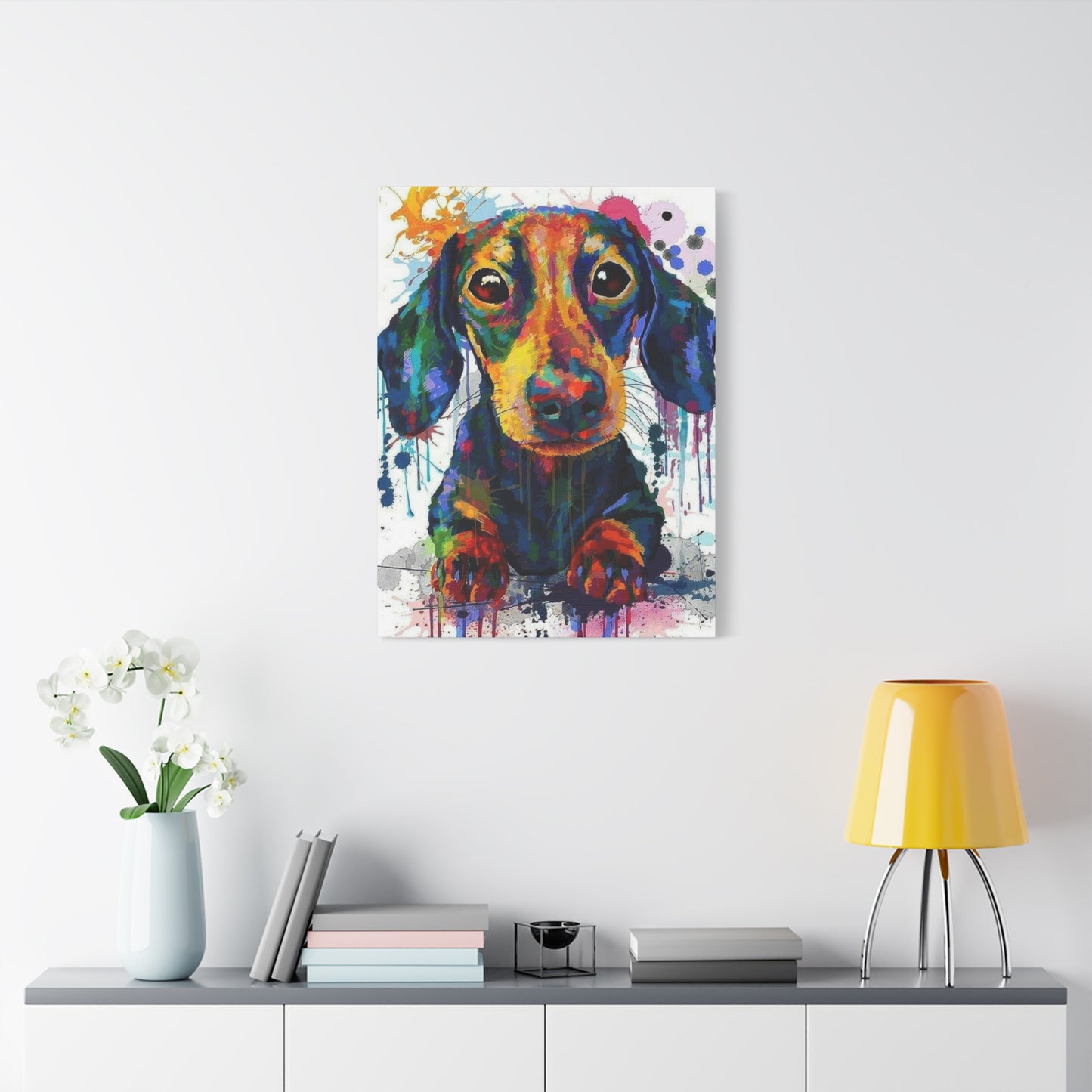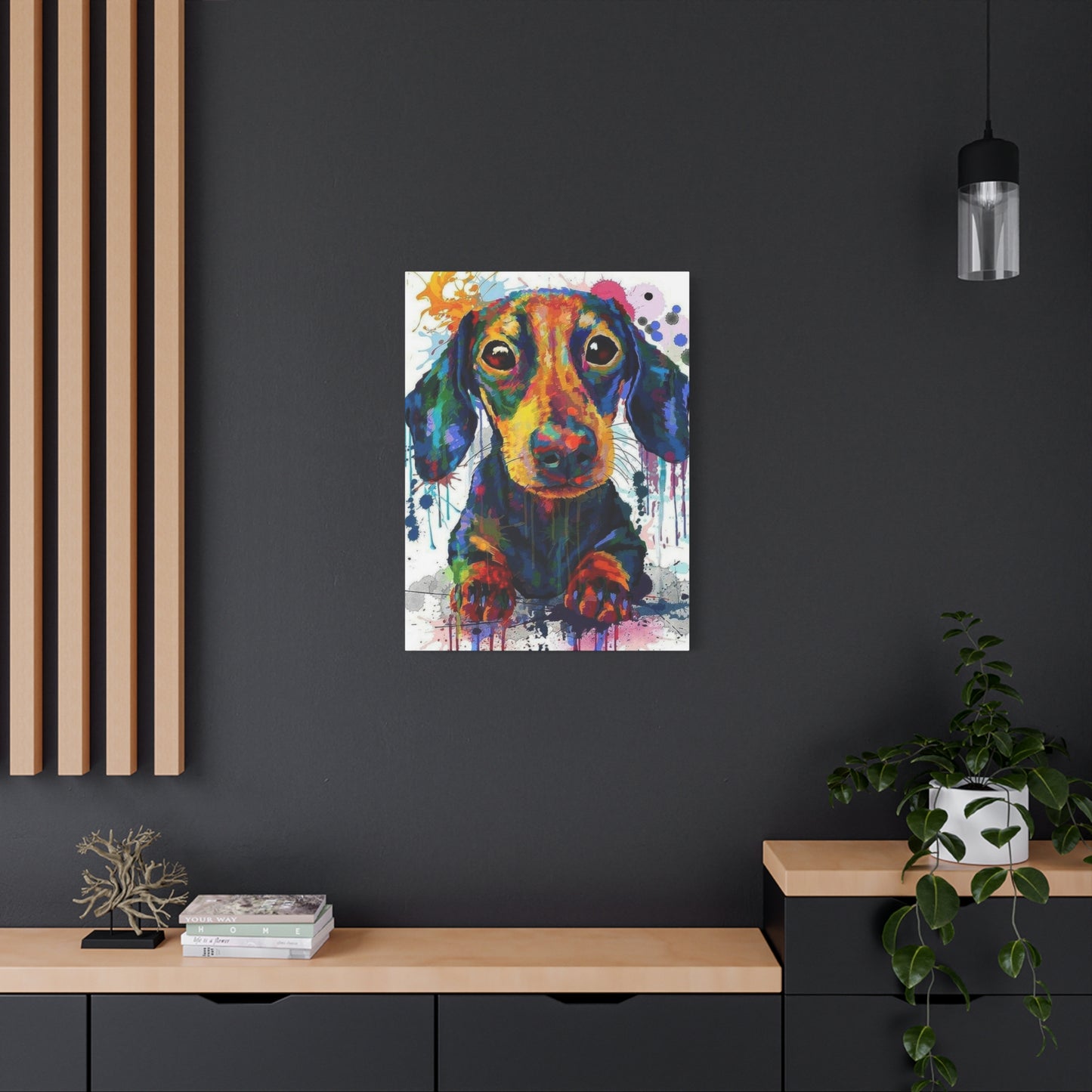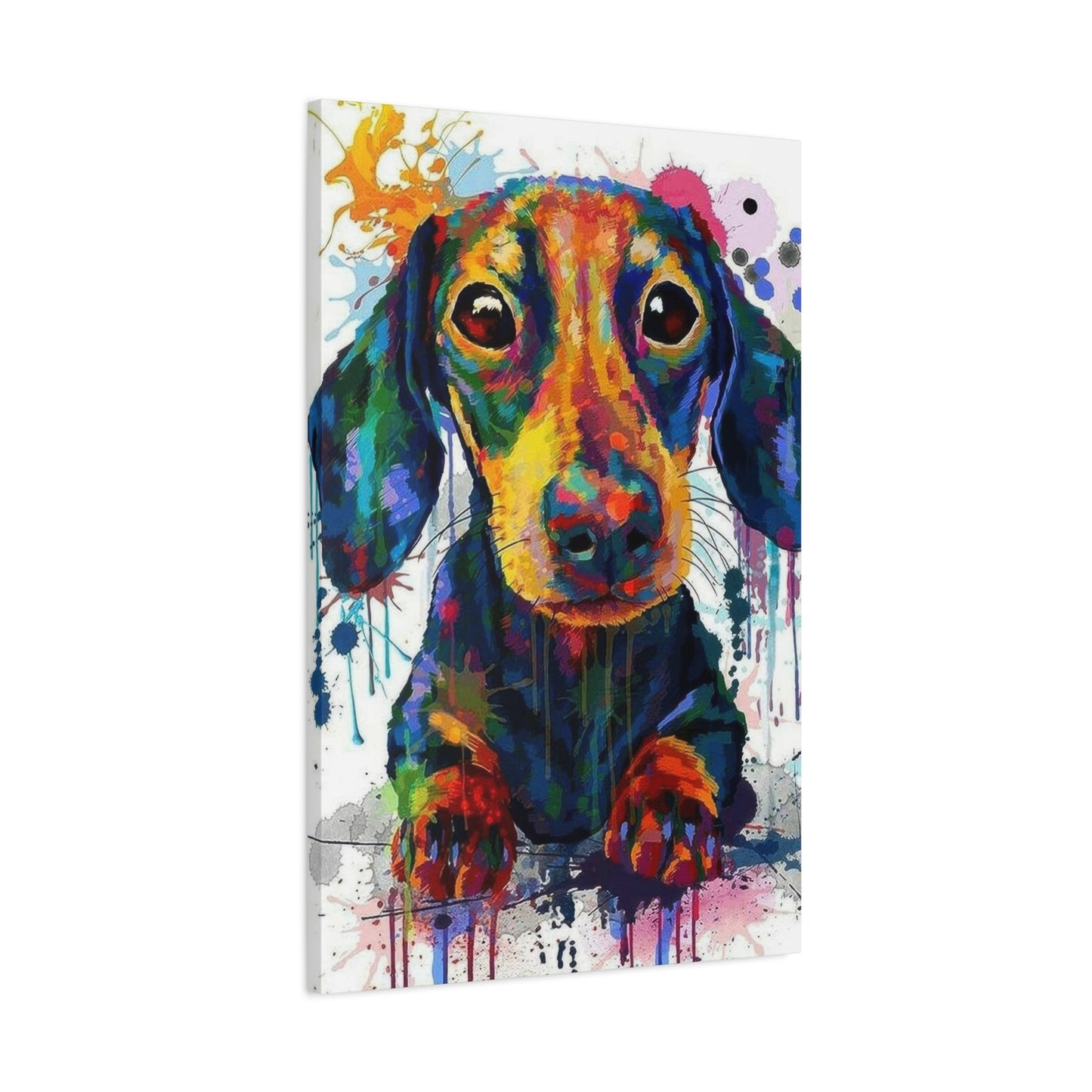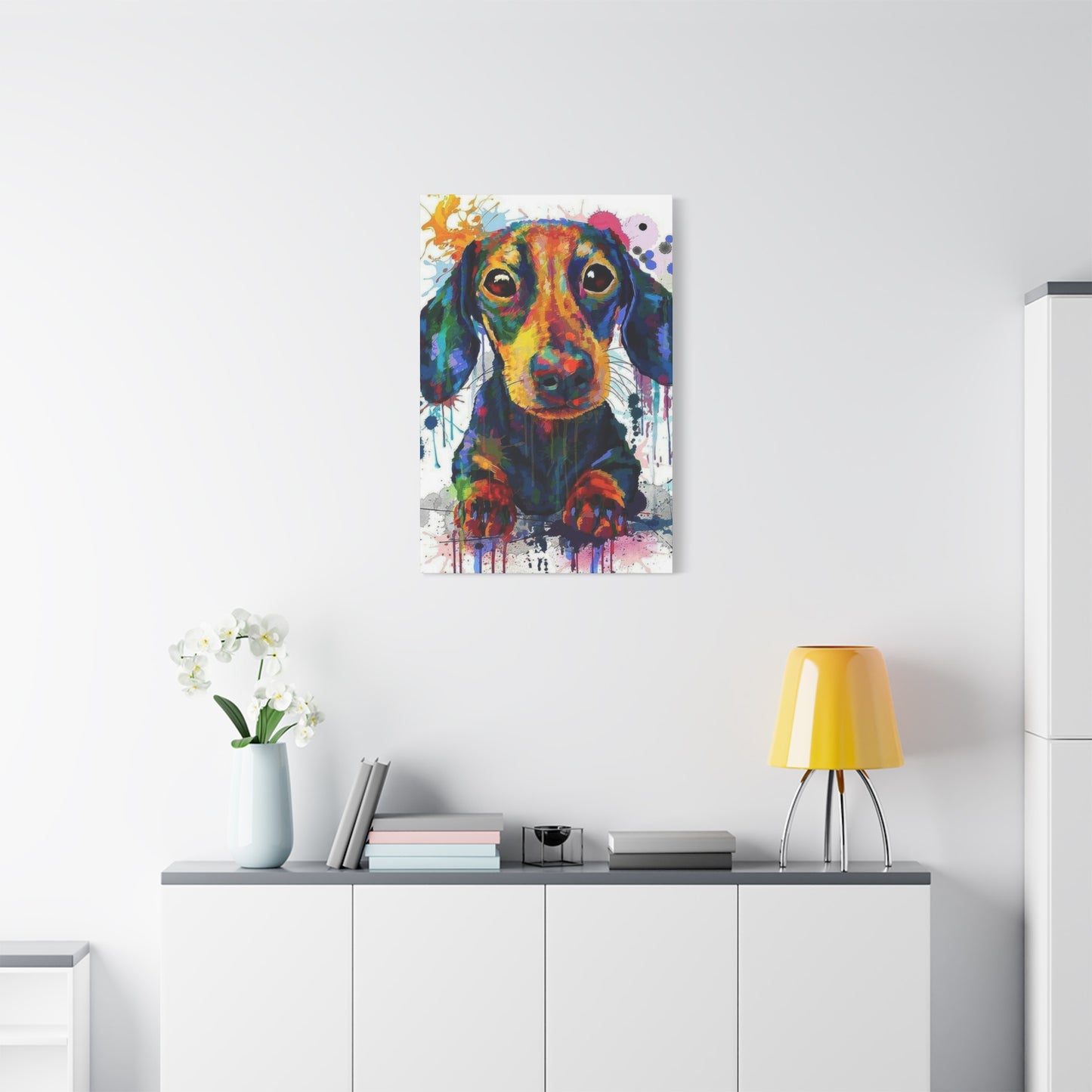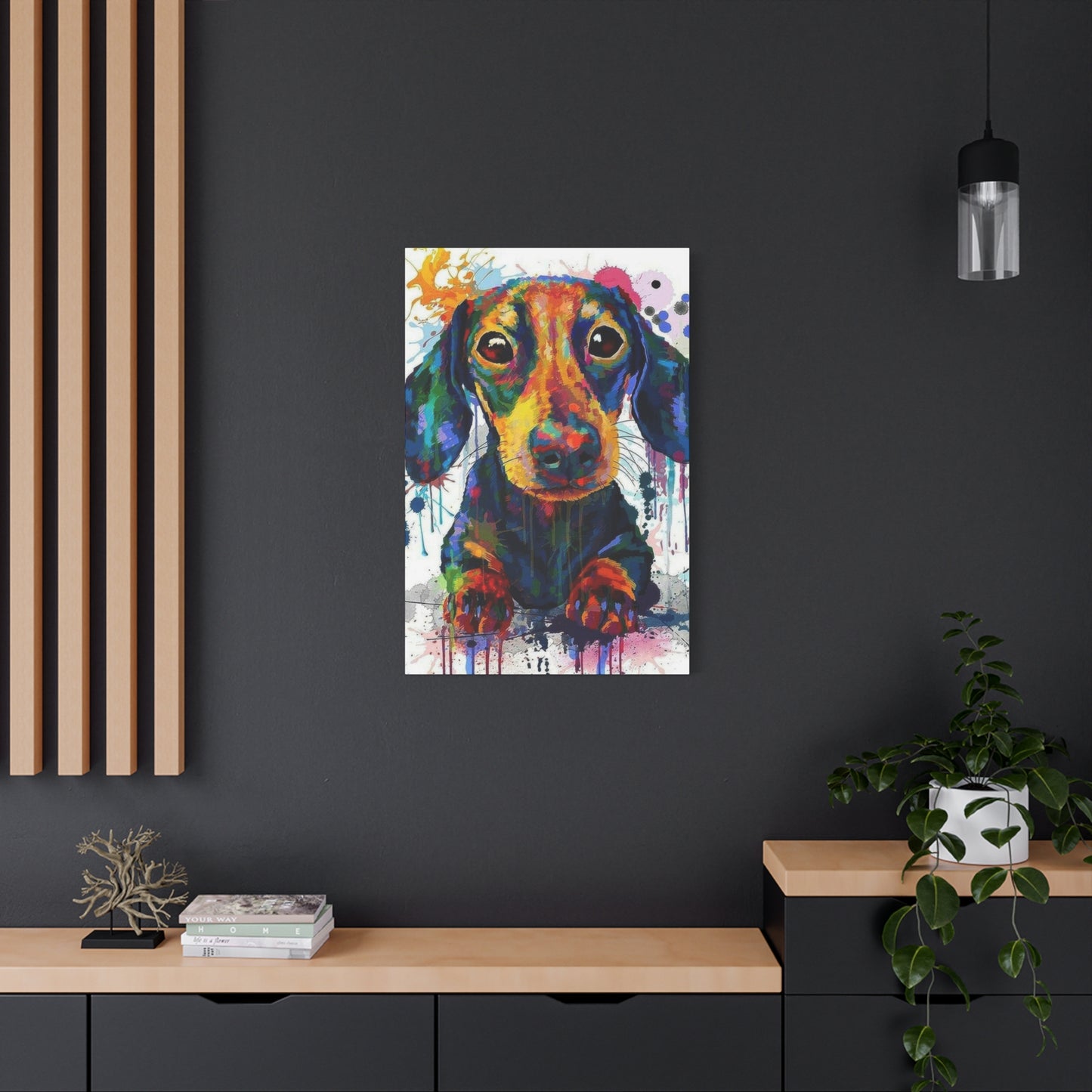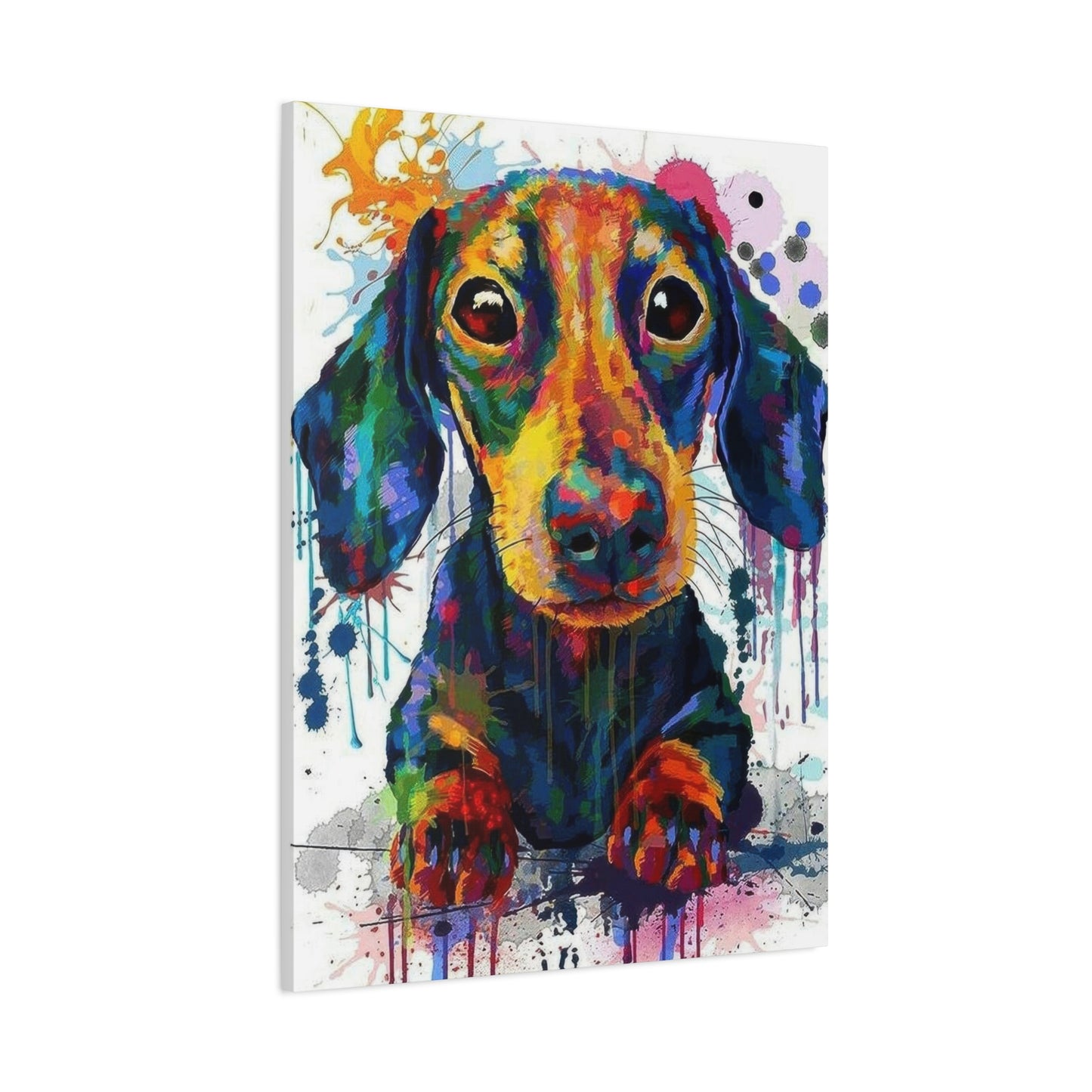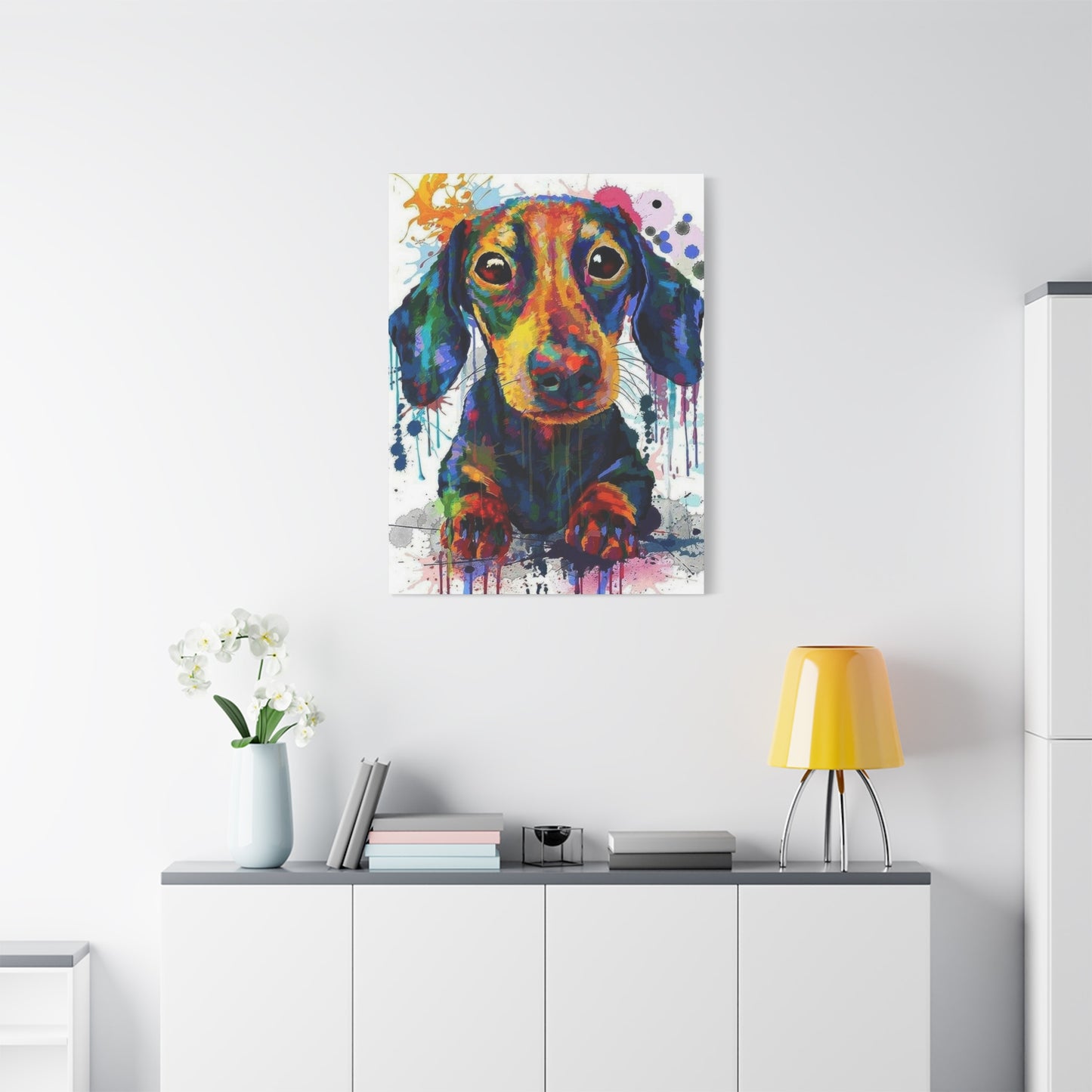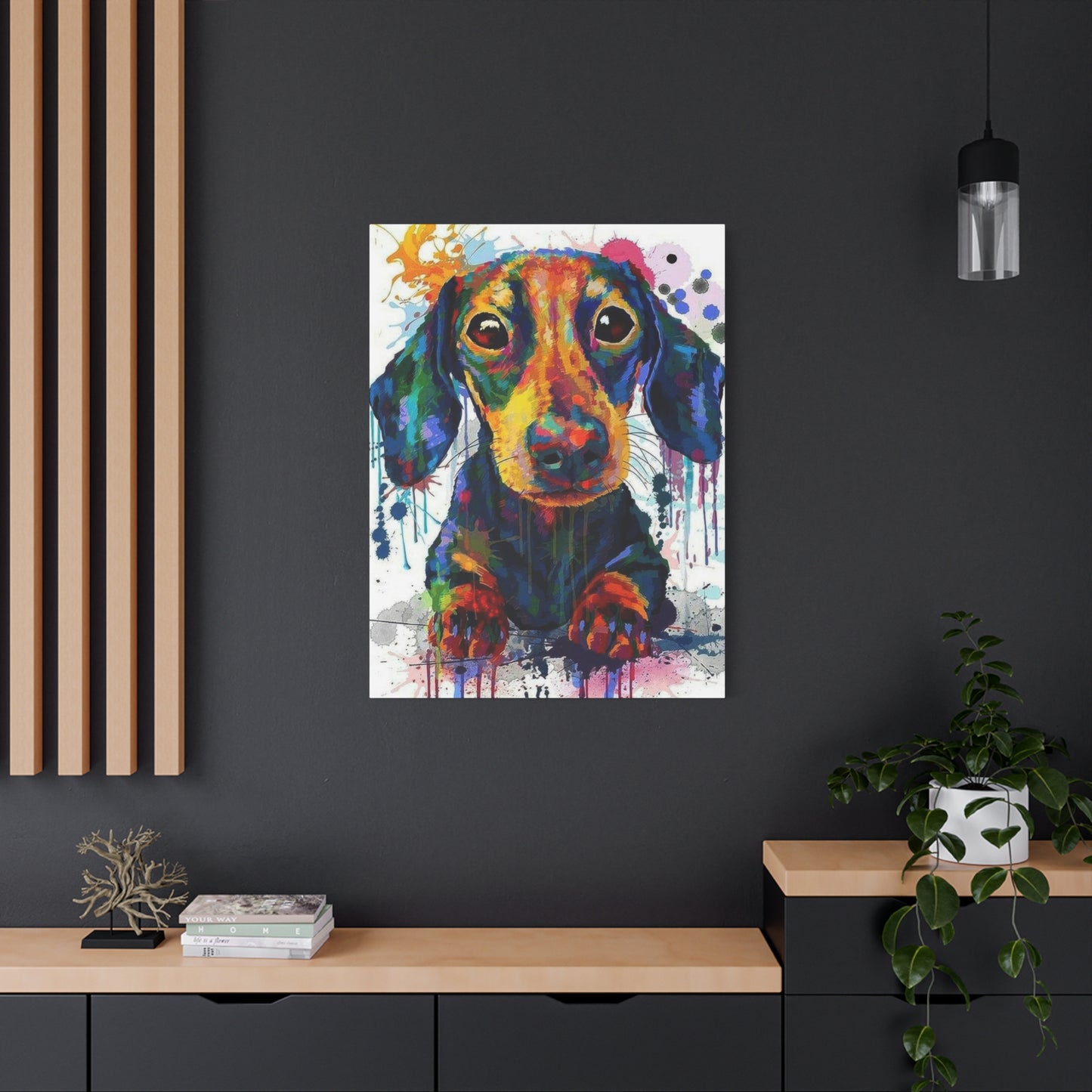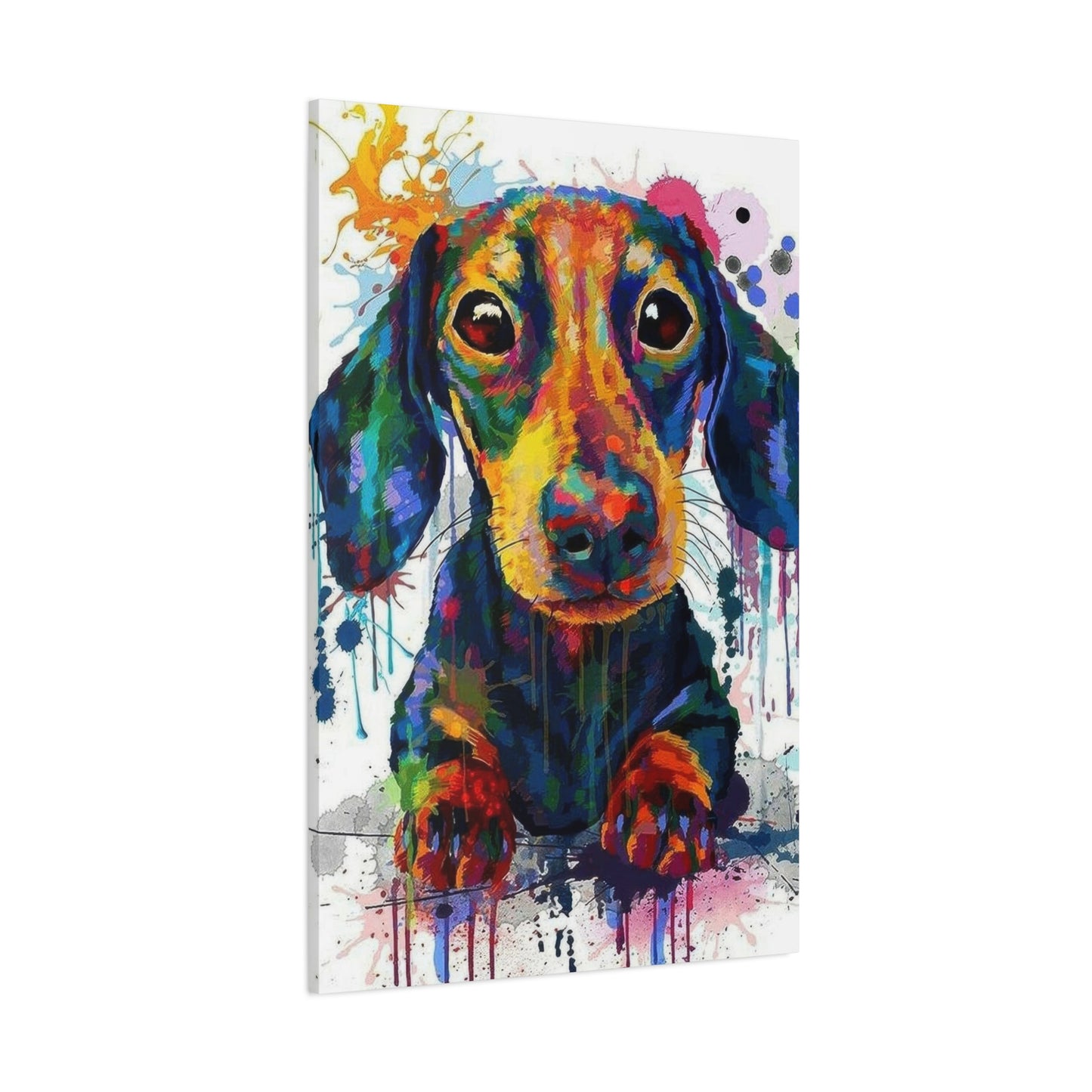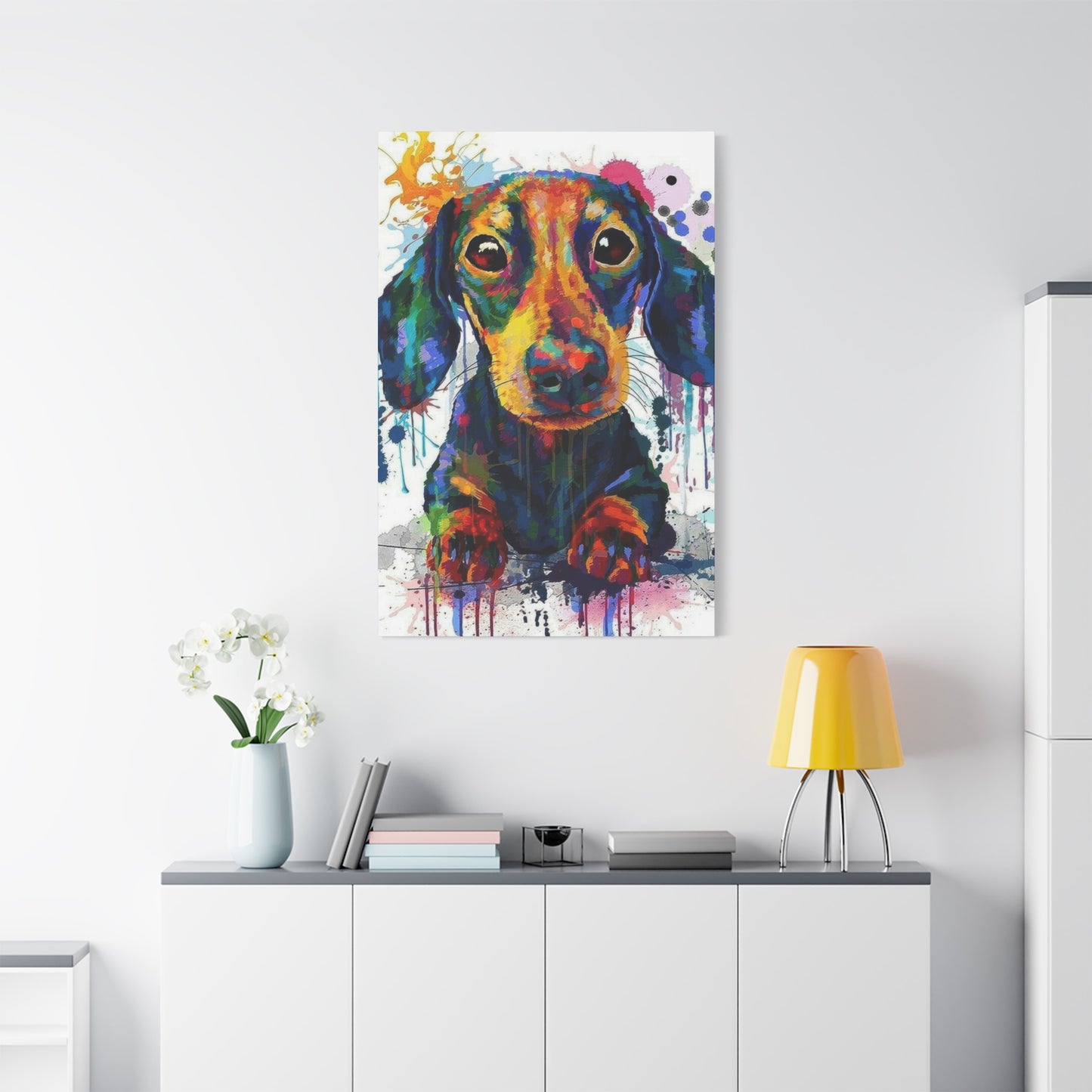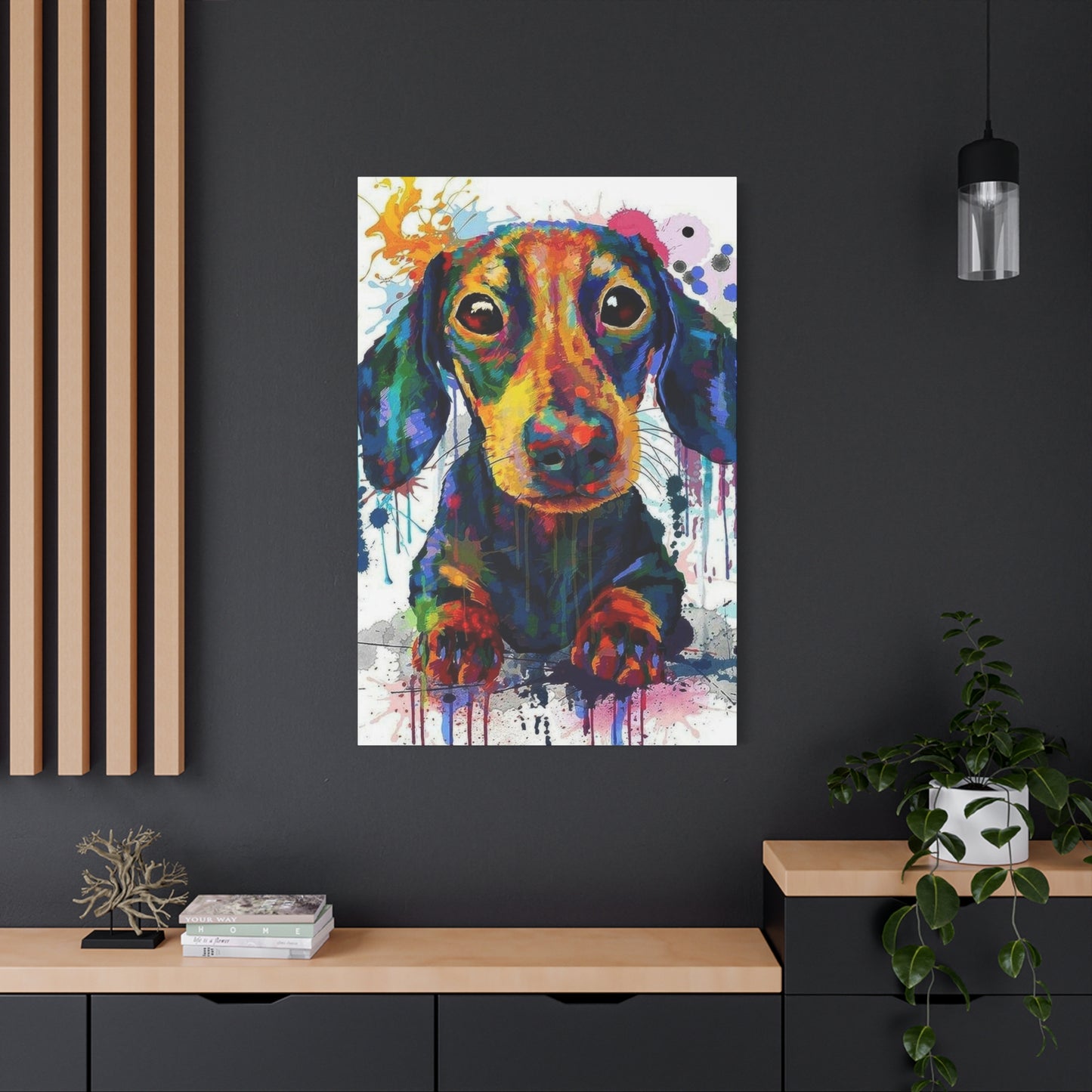


Dachshund Dog Color Wall Art & Canvas Prints
Dachshund Dog Color Wall Art & Canvas Prints
Couldn't load pickup availability
Vibrant Decorative Pieces That Capture The Spirit Of Your Beloved Wiener Dog Through Dachshund Dog Color Wall Art
The charming presence of dachshunds has captivated pet lovers for generations, and now their distinctive silhouette and playful personality can grace your living spaces through stunning visual decorations. These elongated canines, affectionately known as wiener dogs or sausage dogs, possess a unique body structure and expressive faces that translate beautifully into artistic representations. When you incorporate Dachshund Dog Color Wall Art into your home, you're not merely hanging a picture—you're celebrating a breed that has brought joy to countless households worldwide.
The appeal of these decorative pieces extends far beyond simple pet ownership. Even individuals who have never owned a dachshund find themselves drawn to the breed's distinctive appearance and the whimsical nature captured in artistic renditions. From bold, contemporary interpretations featuring vivid hues to delicate watercolor compositions that highlight the breed's gentle side, the variety available ensures that every home can find the perfect piece to complement its existing decor while paying homage to these remarkable creatures.
Why Dachshund-Themed Artwork Resonates With So Many Households Across Different Demographics
The widespread popularity of dachshund-themed decorations stems from multiple factors that transcend typical pet memorabilia. These dogs possess an instantly recognizable profile that artists can manipulate in countless creative directions. Their elongated bodies create natural horizontal compositions that work exceptionally well in various spaces, from narrow hallways to expansive living room walls. The breed's expressive eyes and alert ears provide focal points that draw viewers into the artwork, creating an emotional connection that static geometric patterns simply cannot achieve.
Beyond their physical characteristics, dachshunds represent specific qualities that resonate with homeowners. They symbolize determination, as these small hunters were originally bred to pursue badgers into underground burrows. They embody loyalty, forming strong bonds with their human companions. They demonstrate courage disproportionate to their size, never backing down from challenges. When you display artwork featuring these dogs, you're subtly communicating these values to everyone who enters your space. The visual representation becomes a conversation starter, a reflection of personality, and a statement about what you value in both pets and life.
The emotional connection people feel toward dachshunds also plays a crucial role in the popularity of related artwork. Many individuals have fond memories of childhood pets, or perhaps they currently share their lives with one of these spirited companions. Displaying artwork that features the breed keeps those memories alive and celebrates the ongoing relationship. For those who aspire to one day own a dachshund, the artwork serves as a visual reminder of that goal while adding personality to their current living situation. This emotional investment transforms a simple decorative choice into something far more meaningful and personal.
Exploring The Spectrum Of Artistic Styles Available For Dachshund-Focused Decorative Pieces
The diversity of artistic approaches available for dachshund-themed artwork ensures that every aesthetic preference can be accommodated. Realistic portrayals capture every detail of the breed, from the texture of their coat to the intelligent gleam in their eyes. These pieces often appeal to purists who want an accurate representation that honors the breed standard. Artists who specialize in realistic pet portraits invest considerable time studying canine anatomy, coat patterns, and characteristic expressions to create works that could almost be mistaken for photographs.
Abstract interpretations take a completely different approach, breaking down the dachshund form into shapes, colors, and compositions that evoke the essence of the breed rather than replicating its exact appearance. Bold geometric patterns might suggest the elongated body through angular lines and contrasting color blocks. Fluid, organic shapes could represent the dog's movement and energy. These pieces work exceptionally well in contemporary spaces where traditional representational art might feel out of place. The abstract approach allows the artwork to function on multiple levels—as a celebration of the breed and as a standalone piece of visual interest.
Pop art interpretations bring a playful, energetic quality to dachshund representations. Drawing inspiration from the bold colors and graphic sensibilities of artists like Andy Warhol and Roy Lichtenstein, these pieces transform the familiar dachshund silhouette into something vibrant and attention-grabbing. Repeating images in different color schemes, incorporating Ben-Day dots, or setting the subject against unexpected backgrounds creates artwork that feels both nostalgic and fresh. This style particularly appeals to those who want their decor to make a statement and reflect a fun-loving personality.
Watercolor compositions offer a softer, more delicate approach to dachshund artwork. The translucent quality of watercolor paints creates ethereal representations where colors blend and flow into one another. These pieces often feature muted palettes that work beautifully in serene spaces like bedrooms or reading nooks. The medium's inherent unpredictability means that each piece possesses unique qualities—subtle color variations, interesting edge work, and organic shapes that cannot be perfectly replicated. This uniqueness appeals to collectors who value one-of-a-kind pieces.
The Psychological Impact Of Displaying Animal-Themed Artwork In Your Living Environment
Research into environmental psychology reveals that the images we surround ourselves with significantly influence our emotional state and overall wellbeing. Animal imagery, particularly of species we find endearing, triggers positive emotional responses in most people. When you glance at a charming dachshund portrait while moving through your home, your brain releases small amounts of dopamine and oxytocin—the same chemicals associated with actual pet interaction. This subtle but measurable effect contributes to a more positive emotional baseline throughout your day.
The specific choice of dachshund imagery carries additional implications. Unlike intimidating or fierce animals that might create subconscious tension, dachshunds project approachability and warmth. Their somewhat comical proportions and expressive faces tend to evoke smiles and lighthearted feelings. In spaces where you want to promote relaxation and positive social interaction, such as family rooms or dining areas, this emotional quality becomes particularly valuable. Guests feel more at ease in environments that project warmth and personality rather than cold minimalism or imposing formality.
Color choices within the artwork also contribute to the psychological impact. Warm tones like reds, oranges, and yellows create feelings of energy and enthusiasm, making them excellent choices for social spaces or home offices where you need motivation. Cool tones such as blues, greens, and purples promote calmness and contemplation, working well in private retreats or meditation areas. Many dachshund artworks incorporate multiple colors, allowing you to select pieces that support the emotional atmosphere you want to create in each specific room.
The size and placement of artwork also affects how it influences your psychological state. Large statement pieces command attention and create focal points that organize the visual hierarchy of a room. They make bold declarations about your interests and personality. Smaller pieces or collections of multiple works create more intimate viewing experiences, inviting closer inspection and creating opportunities for discovering new details with repeated viewing. This ongoing discovery process keeps the artwork feeling fresh rather than becoming invisible through familiarity.
Selecting The Perfect Color Palette To Complement Your Existing Interior Design Scheme
The color relationships between your artwork and surrounding decor determine whether the pieces harmonize with or disrupt your overall design vision. Understanding basic color theory helps you make informed decisions that enhance rather than detract from your space. Complementary colors—those opposite each other on the color wheel—create vibrant, energetic combinations. If your room features predominantly blue tones, artwork with orange accents creates visual excitement. Analogous colors—those adjacent on the color wheel—produce harmonious, cohesive effects. A room with green walls pairs beautifully with artwork featuring blue-green or yellow-green tones.
Neutral environments provide the greatest flexibility for introducing colorful dachshund artwork. Gray, beige, white, or black walls serve as blank canvases that allow the artwork to become the primary source of color in the room. This approach works particularly well when you want the artwork to function as the room's focal point. The neutral backdrop ensures that nothing competes with the artwork for visual attention, allowing the colors, composition, and subject matter to shine without interference.
Rooms with already established color schemes require more careful consideration. If your space features multiple colors and patterns, adding artwork that introduces additional hues can create visual chaos. In these situations, look for pieces that echo colors already present in your textiles, furniture, or accessories. This repetition creates visual unity and makes the space feel intentionally designed rather than randomly assembled. Alternatively, you might choose artwork in neutrals or black and white, which can integrate into virtually any color scheme without creating conflicts.
The intensity of colors also matters. Highly saturated, vivid hues create drama and energy, making them ideal for spaces where you want to feel alert and engaged. Muted, desaturated colors promote tranquility and work well in areas designated for relaxation. Many dachshund artworks are available in both vibrant and subdued versions, allowing you to choose the intensity level that supports your room's purpose. A home office might benefit from energizing bright colors, while a bedroom calls for softer, more restful tones.
Framing Considerations That Enhance The Visual Impact Of Your Dachshund Artwork
The frame you select for your artwork profoundly influences its overall appearance and how well it integrates into your space. Frames serve multiple purposes—they protect the artwork, provide visual boundaries that focus attention, and contribute to the overall aesthetic through their material, color, and style. A beautifully rendered dachshund portrait can be elevated by the right frame or diminished by an inappropriate choice. Understanding the principles of effective framing ensures that your investment in artwork yields the maximum visual return.
Frame style should complement both the artwork and your room's design language. Ornate, gilded frames work beautifully with traditional or classical interiors, adding elegance and formality. These frames suit realistic portrait-style artwork particularly well, creating presentations reminiscent of museum-quality pieces. Simple, clean-lined frames in materials like brushed metal or natural wood align with contemporary and minimalist aesthetics. These frames allow the artwork itself to dominate while providing necessary structure and protection. Distressed or rustic frames create casual, approachable presentations appropriate for farmhouse or cottage-style interiors.
Frame color represents another crucial consideration. Frames in colors that appear within the artwork create visual continuity, tying the piece to its presentation. Black frames provide classic elegance and work with virtually any artwork, creating strong contrast that makes images pop. White frames offer crisp, gallery-style presentations that feel fresh and modern. Natural wood tones introduce organic warmth and texture, connecting artwork to natural elements in the room. Colored frames make bolder statements but require careful coordination to avoid clashing with either the artwork or surrounding decor.
The mat board—the border between artwork and frame—provides additional opportunities for customization. Mats create breathing room around the image, preventing it from feeling cramped within the frame. They also introduce additional color options that can bridge the artwork and frame or echo colors in the room. White and cream mats remain popular for their clean, timeless appearance, but colored mats can dramatically alter the artwork's presentation. A bright mat can energize a piece, while a dark mat creates sophistication and drama. Double mats—using two colors in layers—add depth and complexity to the presentation.
Where To Position Your Dachshund Dog Color Wall Art For Maximum Visual Effect
The placement of artwork significantly impacts how effectively it enhances your space. Several factors influence optimal positioning, including viewing distance, lighting conditions, visual flow, and the artwork's relationship to other elements in the room. The most common placement mistake involves hanging artwork too high. The center of the artwork should align with average eye level, typically around 57 to 60 inches from the floor. This height creates comfortable viewing and makes the artwork feel properly integrated into the room rather than floating awkwardly above the functional space.
Over furniture pieces represents one of the most popular placement choices, particularly above sofas, beds, and console tables. When hanging artwork above furniture, leave approximately 6 to 8 inches between the furniture top and the artwork's bottom edge. This spacing creates visual connection between the pieces without making them appear stuck together. The artwork's width should relate to the furniture width as well—ideally between two-thirds and three-quarters of the furniture's width. This proportion creates balanced, intentional-looking arrangements rather than awkward size relationships.
Gallery walls—arrangements of multiple pieces—offer opportunities to display several dachshund artworks together, creating impact through repetition and variety. Planning gallery walls requires more forethought than hanging single pieces. Lay out all pieces on the floor first, arranging them until you find a configuration that feels balanced and visually interesting. Maintain consistent spacing between pieces, typically 2 to 3 inches. Gallery walls can follow formal arrangements with aligned edges and symmetrical layouts, or they can embrace organic, eclectic arrangements that feel more casual and collected over time.
Lighting dramatically affects how artwork appears and how much attention it receives. Natural light creates beautiful, dynamic viewing experiences as it changes throughout the day, but it also poses risks. Direct sunlight can fade colors and damage materials over time. Position artwork away from direct sun exposure, or use UV-protective glazing if sun exposure is unavoidable. Artificial lighting offers more control. Picture lights mounted above frames provide focused illumination that highlights artwork while creating dramatic shadowing. Track lighting or adjustable spotlights allow you to direct light precisely where you want it. Wall washing—using lights to create even illumination across a wall surface—works well for gallery wall arrangements.
How Different Room Functions Influence Appropriate Artwork Selection And Display
Each room in your home serves distinct purposes and creates specific moods, influencing which dachshund artwork selections work best. Living rooms function as social hubs where families gather and guests are entertained. These spaces benefit from artwork that serves as conversation starters and reflects your personality. Larger pieces or impressive gallery wall arrangements work well here, creating focal points that organize the room's visual hierarchy. The artwork can be bold and colorful, making statements that energize the space and reflect your enthusiasm for the breed.
Bedrooms require different considerations, as these private retreats should promote relaxation and tranquility. While you might love bold, vibrant dachshund artwork, such pieces might create too much visual stimulation for a restful sleep environment. Consider softer interpretations—watercolors, muted palettes, or serene compositions that maintain your connection to the breed while supporting the room's restorative purpose. Smaller pieces work well in bedrooms, creating intimate viewing experiences that feel personal rather than overwhelming.
Kitchen and dining spaces benefit from artwork that feels cheerful and welcoming. These areas associated with nourishment and family time can handle playful, whimsical dachshund representations that make people smile. The artwork should be positioned where diners can enjoy it—perhaps on walls visible from the dining table. Consider the color relationships between artwork and your kitchen's palette, ensuring harmony rather than conflict. In kitchens specifically, ensure artwork is positioned away from cooking areas where grease and moisture might damage it over time.
Home offices require artwork that supports productivity while adding personality to what might otherwise feel like purely utilitarian spaces. Dachshund artwork in your workspace communicates that you're a real person with interests beyond work, helping to humanize video call backgrounds and making the space more pleasant for the many hours you spend there. Choose pieces that energize rather than distract—strong compositions with clear focal points work better than highly detailed pieces that might pull attention away from work tasks. Position artwork where you can glance at it during breaks, receiving small emotional boosts throughout your workday.
Bathrooms often get overlooked when considering artwork placement, but these private spaces offer excellent opportunities for smaller pieces. A charming dachshund print in a powder room gives guests something delightful to look at and creates personality in a space that might otherwise feel purely functional. Ensure that artwork in bathrooms is protected from moisture—sealed prints, waterproof canvases, or properly framed pieces behind glass work best. Avoid hanging valuable or delicate pieces in bathrooms where humidity could cause damage.
The Craftsmanship Behind Various Printing And Production Methods For Canvas And Paper Works
Understanding how artwork is produced helps you make informed purchasing decisions and set appropriate expectations for quality and longevity. Giclée printing represents one of the highest-quality reproduction methods available. The term comes from the French word meaning "to spray," referring to how inkjet printers deposit microscopic droplets of archival pigment inks onto the substrate. Giclée prints can reproduce an enormous color gamut with subtle gradations that look remarkably close to original paintings. When properly produced using archival inks and materials, these prints can last decades without noticeable fading.
Canvas prints have become incredibly popular for dachshund artwork, offering texture and presence that paper prints sometimes lack. The process involves printing directly onto canvas material, which is then stretched over wooden frames called stretcher bars. The three-dimensional quality of stretched canvas creates artwork that feels substantial and gallery-worthy. Some canvas prints are left with visible canvas texture, while others receive coating that creates smoother finishes. Canvas naturally resists damage better than paper, making it appropriate for higher-traffic areas where paper might be more vulnerable.
Metal prints represent a more contemporary option that creates stunning visual impact. The dye-sublimation process infuses inks directly into specially coated aluminum sheets, resulting in vibrant colors and incredible detail. The metal surface creates depth and luminosity that other substrates cannot match. These prints are exceptionally durable, resisting moisture, scratches, and UV damage better than traditional printing methods. The modern aesthetic of metal prints works particularly well with contemporary or industrial interiors, though the right image can work in various settings.
Acrylic prints create another dramatic presentation option. The process involves printing the image onto photographic paper, then mounting it behind clear acrylic sheets. The acrylic creates depth and makes colors appear more saturated and vivid. Light passes through the acrylic, bouncing off the print and back through, creating luminosity similar to viewing an image on a backlit screen. These pieces feel very contemporary and create striking focal points. The glossy surface does create reflections, so consider lighting and positioning carefully.
Wood prints offer rustic, organic presentations that appeal to those who appreciate natural materials and textures. The printing process transfers images onto wood surfaces, allowing the wood grain to show through and interact with the image. This creates unique pieces where the natural material contributes to the artwork's overall character. Different wood species create different effects—lighter woods like birch create bright, airy presentations, while darker woods like walnut produce rich, sophisticated results. The organic quality of wood prints works beautifully with farmhouse, rustic, or nature-inspired decor schemes.
Building A Cohesive Collection Of Dachshund-Themed Artwork Throughout Your Home
Developing a collection of related pieces creates more impact than randomly placing unconnected artworks. A cohesive collection demonstrates intentionality and creates visual threads that tie different spaces together. The collection approach allows you to explore various aspects of dachshund representation while maintaining overall unity. Several strategies can guide your collecting efforts, ensuring that individual pieces work well independently while contributing to a greater whole.
One approach involves collecting works by a single artist whose style resonates with you. This creates obvious visual continuity, as each piece will bear the artist's distinctive approach to color, composition, and subject representation. An artist who specializes in dachshunds might offer works showing different coat colors, various poses, or multiple artistic interpretations. Collecting from one artist also creates opportunities to follow their creative evolution, potentially acquiring pieces from different periods in their career that show how their style has developed.
Alternatively, you might build a collection around a specific style or medium rather than a single artist. Perhaps you're drawn to watercolor dachshund representations and want to explore how different artists interpret the breed using this delicate medium. Or maybe abstract interpretations appeal to you, and you want to see how various artists break down the dachshund form into shapes, colors, and compositions. This approach creates unity through shared aesthetic qualities while introducing variety through different artistic voices.
Color provides another organizing principle for collections. You might focus on pieces within a specific color family—all cool blues and greens, or warm reds and oranges. This creates color harmony across multiple rooms, even when the specific artworks vary considerably in style and composition. Alternatively, you might collect works that feature your specific dachshund's coloring—all black and tan pieces if you have a black and tan dachshund, or all red pieces if your dog has a red coat. This personalization makes the collection feel specifically tailored to your circumstances rather than generically dog-themed.
Size relationships matter when building collections displayed together. Gallery walls work best when pieces vary in size but maintain some proportional relationships. An arrangement of all identically-sized pieces can feel rigid and institutional, while pieces with wildly varying sizes might feel chaotic and unplanned. Aim for variation within a controlled range—perhaps pieces ranging from 8x10 inches to 16x20 inches, with most falling somewhere in the middle of that spectrum. This creates visual interest through variety while maintaining enough consistency to feel intentional.
Commissioning Custom Pieces That Feature Your Specific Dachshund Companion
While ready-made artwork offers convenience and affordability, commissioning custom pieces creates truly unique works that celebrate your particular dog. Many artists accept commission work, creating pieces based on photographs you provide. This process transforms your pet from a generic breed representative into the specific subject of artwork. The resulting pieces carry emotional weight that generic artwork cannot match, as they commemorate your unique relationship with your particular companion.
Finding the right artist for commission work requires some research. Review artists' portfolios carefully, looking for work that demonstrates technical skill and an aesthetic that appeals to you. Pay particular attention to how they capture animal personality and expression—the best pet portrait artists don't just replicate physical features but somehow convey the subject's character and spirit. Read reviews or testimonials from previous clients to understand the artist's communication style, reliability, and ability to meet deadlines.
The commission process typically begins with photograph submission. Artists need clear, high-quality images showing your dog from flattering angles with good lighting. Multiple photographs help the artist understand your dog's appearance from different perspectives. Some artists prefer outdoor photography with natural lighting, while others can work with indoor images. Be honest about your preferences and open about any specific elements you want emphasized or minimized. Clear communication at this stage prevents disappointments later.
Pricing for commissioned work varies enormously based on the artist's reputation, the piece's size, the medium used, and the complexity of the composition. Simple portraits in smaller sizes might cost a few hundred dollars, while large, elaborate pieces by established artists can reach thousands. Understand what's included in the quoted price—does it include framing, or just the artwork itself? What about shipping costs? Many artists require deposits before beginning work, with the balance due upon completion. Clarify all financial terms before work begins to avoid misunderstandings.
Timeline expectations require clear communication as well. Custom artwork cannot be rushed, especially if the artist has a queue of other commissions ahead of yours. High-quality work takes time—expect the process to take weeks or even months from initial contact to final delivery. If you're commissioning work for a specific occasion like a holiday gift, start the process well in advance. Most professional artists provide estimated timelines and update clients on progress, but unexpected delays can occur. Building in buffer time prevents disappointment if completion takes longer than anticipated.
The Role Of Dachshund Artwork In Creating Themed Spaces For Dedicated Enthusiasts
Some dachshund devotees take their passion beyond a few pieces of artwork, creating entire rooms or spaces dedicated to celebrating the breed. These themed environments immerse visitors in dachshund imagery, creating experiences that feel like personal museums or galleries. While this level of commitment might not appeal to everyone, for true enthusiasts, it represents the ultimate expression of their connection to these remarkable dogs.
Creating a dedicated dachshund space requires careful planning to avoid overwhelming chaos. Even when focusing on a single theme, design principles still apply. Establish a color scheme that unifies the space despite the variety of specific pieces. Perhaps you choose a sophisticated palette of black, white, and one accent color, then select dachshund items that fit within those parameters. Or maybe you embrace a rainbow approach, celebrating the breed through every color imaginable but maintaining unity through consistent styling of frames or display methods.
The space should tell a story or reflect specific aspects of your relationship with dachshunds. Perhaps you organize artwork chronologically, showing the evolution of dachshund representation in art over decades or centuries. Or you might create geographic sections, featuring German dachshund imagery in one area, American in another, and so forth. Personal collections might be organized by which family member or period of life each piece represents. This narrative approach creates depth and meaning beyond simple visual impact.
Three-dimensional elements enhance themed spaces beyond flat artwork. Sculptures, figurines, and decorative objects add textural variety and create opportunities for interactive displays. Vintage or antique dachshund items contribute character and speak to the breed's long history. Books about dachshunds, both practical guides and coffee table volumes, add substance and invite extended engagement with the theme. Textiles like throw pillows or blankets featuring dachshund patterns introduce softness and comfort to what might otherwise feel too rigid or museum-like.
Lighting becomes particularly crucial in dedicated spaces. Proper illumination shows off your collection while creating ambiance appropriate to the space's function. If the room serves as a reading area or workspace, ensure adequate task lighting alongside accent lighting for artwork. If it's primarily a showcase space, dramatic spotlighting can create gallery-style presentations. Dimmer switches allow you to adjust lighting intensity based on time of day and specific activities, maintaining flexibility within your dedicated space.
Preserving The Quality And Appearance Of Your Artwork Over Extended Periods
Proper care ensures that your dachshund artwork maintains its beauty and value for years or even decades. Different materials and production methods require specific care approaches, but several universal principles apply across all artwork types. Understanding and implementing these practices protects your investment and ensures continued enjoyment of pieces you've carefully selected for your home.
Light exposure represents one of the primary threats to artwork longevity. Ultraviolet radiation from sunlight gradually breaks down pigments, causing colors to fade and paper to yellow and become brittle. While complete darkness isn't practical or desirable, minimizing direct sunlight exposure significantly extends artwork lifespan. Position pieces away from windows, or use window treatments that filter UV rays. For particularly valuable pieces, UV-filtering glazing provides an additional layer of protection. Even artificial light contributes to fading over time, though at much slower rates than sunlight. Using LED bulbs, which emit minimal UV radiation, helps minimize light damage.
Environmental conditions also impact artwork preservation. Excessive humidity promotes mold growth and can cause paper to warp or buckle. Very low humidity makes paper brittle and prone to cracking. Aim for relative humidity levels between 40 and 50 percent. Temperature fluctuations stress materials, causing expansion and contraction that can damage artwork over time. Maintain relatively stable temperatures, avoiding placement near heat sources like radiators or fireplaces. Also avoid exterior walls that experience significant temperature variations between indoor and outdoor conditions.
Dust accumulation dulls artwork appearance and can cause abrasion damage if wiped away improperly. Dust artwork regularly using soft, dry microfiber cloths or artist brushes with gentle strokes. Never use cleaning products or water directly on artwork. For framed pieces behind glass, you can clean the glass with appropriate cleaners, but take care that no liquid seeps under the frame edge where it could contact the artwork. For unframed canvas pieces, dusting requires even more care to avoid damaging the printed surface.
Physical damage prevention requires thoughtful placement. Hang artwork securely using appropriate hanging hardware rated for the piece's weight. Inspect hanging hardware periodically to ensure it remains secure and hasn't loosened over time. In homes with active children or pets, position artwork high enough to avoid accidental contact. In earthquake-prone areas, secure frames to walls using special hardware that prevents them from falling during tremors. Consider acrylic glazing rather than glass for pieces in high-traffic areas or homes with children, as acrylic won't shatter if the frame falls or gets bumped.
Seasonal Rotation Strategies That Keep Your Decor Feeling Fresh And Dynamic
While you might love your dachshund artwork, looking at identical arrangements year-round can lead to visual fatigue where the pieces become invisible through familiarity. Seasonal rotation keeps your decor feeling current and gives different pieces opportunities to shine. This practice also protects artwork by reducing continuous exposure to light and environmental conditions. Building a rotation strategy requires planning but pays dividends in maintaining enthusiasm for your collection.
The simplest rotation approach involves swapping pieces between rooms. That dachshund portrait currently in your living room might feel fresh and exciting when moved to your bedroom, while the bedroom piece creates renewed interest in the living room. This zero-cost strategy requires only your time and effort to rehang pieces. Document your arrangements with photos before starting rotations, so you can return to favored configurations if desired. Keep track of which pieces have been displayed where and for how long, ensuring that all artworks get equal exhibition time.
Seasonal themes provide natural rotation opportunities. Autumn might feature dachshunds among falling leaves or harvest elements, while winter could showcase dogs in snow or wearing festive accessories. Spring brings images of dachshunds in flower gardens, and summer depicts them at beaches or enjoying outdoor activities. If your collection doesn't include explicitly seasonal pieces, you can create seasonal feelings through matting and framing choices. Swapping warm autumn-toned mats for cool winter tones changes a piece's entire feeling without altering the artwork itself.
Storage for rotated pieces requires proper conditions to prevent damage during their off-display periods. Avoid basements or attics where temperature and humidity fluctuate dramatically. Store artwork in dark, dry, stable-temperature locations. Keep framed pieces in upright positions rather than laying them flat, which can stress frames and backing. For unframed pieces, store them flat in archival boxes or portfolios that protect them from light, dust, and physical damage. Include acid-free tissue paper between pieces to prevent them from sticking together or transferring inks.
Creating a rotation calendar helps you remember to make changes and ensures that neglected pieces eventually get display time. You might rotate quarterly, corresponding with seasonal changes. Or perhaps annual rotations work better for your schedule. Some collectors rotate monthly, ensuring constant variety and frequent opportunities to rediscover pieces. The right frequency depends on your collection size and how much variety you crave. Start with longer intervals and increase rotation frequency if you find yourself wanting more change.
Understanding The Investment Value And Collectibility Of Dachshund-Themed Artwork
While most people acquire dachshund artwork for personal enjoyment rather than investment purposes, understanding factors that influence value helps you make informed purchasing decisions. Some pieces appreciate significantly over time, while others remain primarily decorative without substantial monetary value. Recognizing the difference allows you to balance emotional connection with financial considerations.
Limited edition prints hold more potential investment value than open edition prints, which can be reproduced indefinitely. Limited editions restrict the number of prints produced, with each numbered sequentially and often signed by the artist. Lower numbers and smaller edition sizes generally command higher prices. First-edition prints or those from particularly significant editions might appreciate substantially if the artist gains prominence. However, even limited editions require the right combination of artist recognition and collector demand to appreciate meaningfully.
Original artwork—one-of-a-kind paintings or drawings rather than reproductions—represents the highest potential for value appreciation. The uniqueness of original work creates scarcity that drives collector interest. An unknown artist's original work might have modest value, but if that artist gains recognition, early pieces can appreciate dramatically. Provenance matters significantly for original artwork. Documentation of the piece's history, including previous owners and exhibition history, adds credibility and can increase value substantially.
Artist reputation fundamentally influences artwork value. Established artists with strong exhibition histories, critical recognition, and active collector markets command higher prices, with greater potential for appreciation. Emerging artists offer lower entry prices but uncertain value trajectories. Some will achieve recognition and see their work appreciate dramatically, while others remain relatively obscure. Diversifying across established and emerging artists balances immediate prestige with speculative potential.
Subject matter specificity affects collectibility. While dachshund enthusiasts value breed-specific artwork, the overall art market treats it as a niche category. General dog art or animal art reaches broader audiences and potentially more collectors. Artwork featuring specific, identifiable individual dogs (like famous show champions or dogs belonging to notable figures) might have specialized collector markets. Understanding these dynamics helps set realistic expectations about potential appreciation and resale markets.
Condition critically impacts value for any artwork. Pristine pieces command premium prices, while damaged work suffers significant value reduction. When purchasing with investment in mind, scrutinize condition carefully. Fading, stains, tears, foxing (brownish spots on paper), or any damage reduces value. Professional restoration can improve condition but rarely restores full value. Maintaining excellent condition through proper care and storage protects whatever value your pieces possess.
How Dachshund Artwork Reflects Cultural Attitudes Toward Pets Across Different Eras
Examining dachshund art across different time periods reveals fascinating shifts in how societies view pets and their role in human life. Early representations from the breed's German origins often depicted dachshunds as working animals, emphasizing their hunting function. These images showed muscular, serious dogs in active pursuit of quarry, reflecting the breed's purpose as a tool for hunters rather than a companion animal. The artistic style was often realistic and somewhat clinical, documenting the breed's physical characteristics without sentimentality.
Victorian-era artwork began shifting toward more sentimental representations as pets increasingly became family companions rather than purely functional animals. Dachshunds appeared in domestic settings, often with children or as parts of family portraits. The dogs' expressions became softer, more appealing, and less intense than earlier working-dog depictions. This evolution reflected broader social changes where middle-class families had more leisure time and disposable income to devote to pet keeping for companionship rather than utility.
The twentieth century saw dramatic changes in pet representation, with dachshunds becoming subjects of whimsical, humorous, and overtly anthropomorphic artwork. Their unusual proportions made them natural subjects for caricature and comic interpretation. Advertising discovered dachshunds' appeal, using their distinctive silhouette to sell products ranging from hot dogs to household goods. This commercialization reflected pets' complete transition from working animals to beloved family members and cultural icons. The humor in these representations was affectionate rather than mocking, showing genuine fondness for the breed's quirks.
Contemporary dachshund artwork reflects our current relationship with pets as family members deserving respect and celebration. Artists create dignified, beautiful representations that honor the breed while acknowledging its distinctive characteristics. The explosion of custom pet portraits reflects how people now view their individual animals as worthy subjects for serious artistic treatment. Social media influence appears in artwork as well, with pieces designed specifically for sharing online or referencing internet culture and memes. This evolution shows how deeply embedded pets have become in our daily lives and digital identities.
Different cultures worldwide show varying approaches to dachshund representation based on their specific relationships with dogs and pets generally. German artwork often maintains connection to the breed's working heritage, even in contemporary pieces. American representations frequently emphasize the breed's playful, companion qualities. Japanese interpretations might incorporate traditional artistic styles like woodblock printing or manga influences. These cultural variations create rich diversity in available dachshund artwork while revealing different cultural values and relationships with animals.
Conclusion
While dachshund artwork can certainly stand alone, thoughtfully combining it with complementary decorative elements creates richer, more layered visual experiences. The art becomes part of a larger narrative rather than an isolated element. Several strategies help you integrate artwork into broader decorative schemes that feel cohesive and intentionally designed.
Complementary textiles reinforce themes and create visual echoes that tie spaces together. A throw pillow featuring a dachshund pattern on your sofa relates to the artwork above, creating intentional repetition that strengthens the design. The textile doesn't need to match the artwork exactly—in fact, exact matching often feels heavy-handed. Instead, look for complementary colors or similar artistic styles. If your artwork features bold, graphic dachshunds, geometric patterned pillows in coordinating colors create visual harmony without redundancy.
Sculptural elements add three-dimensional interest that contrasts with flat artwork. A small bronze dachshund sculpture on the console table below a dachshund painting creates a delightful conversation between mediums. The sculpture's solid, tactile presence balances the painting's ethereal, visual nature. Mix materials and finishes—if your frames are polished metal, perhaps introduce a rustic wooden sculpture. If frames are wood, metallic sculptures create pleasing contrast.
Share