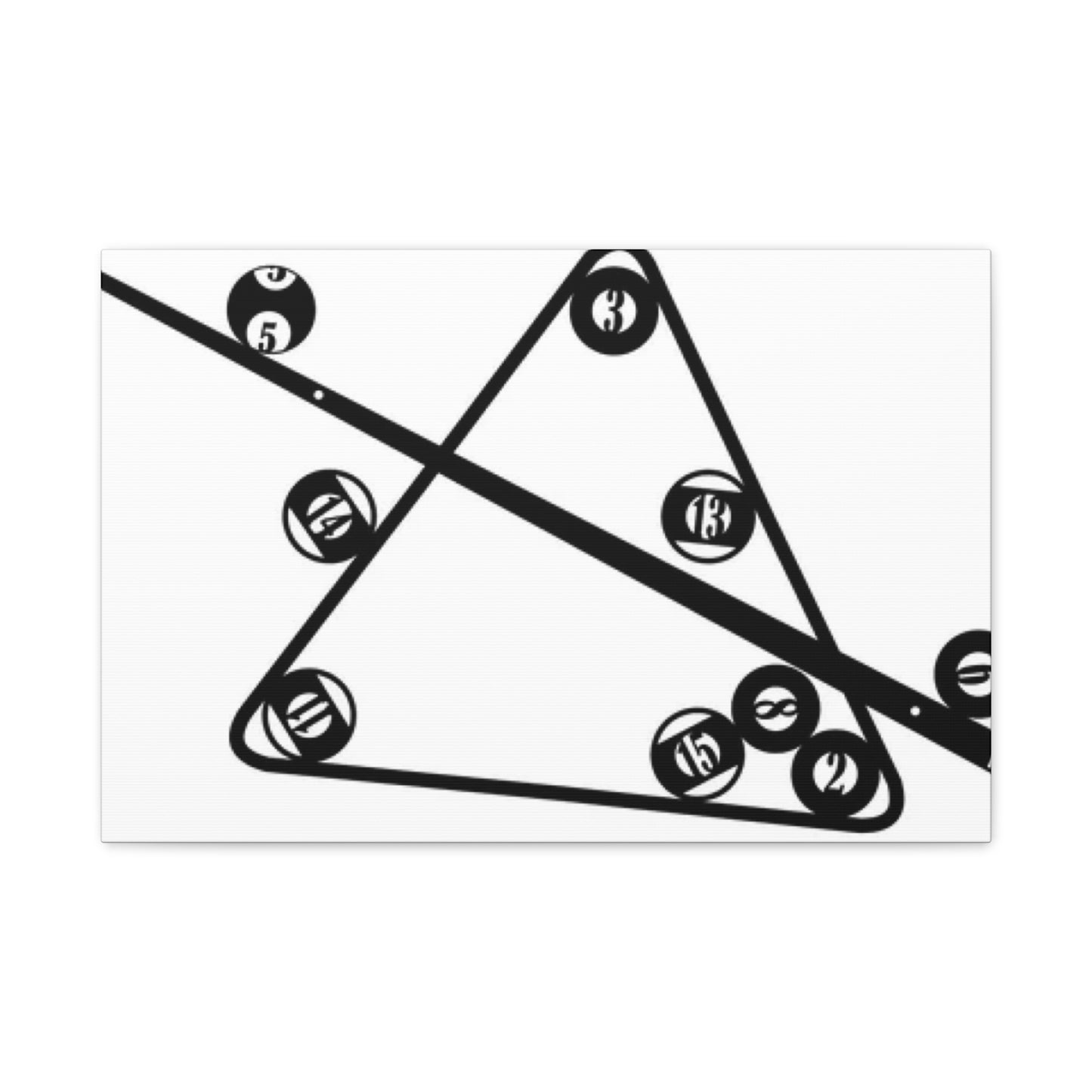
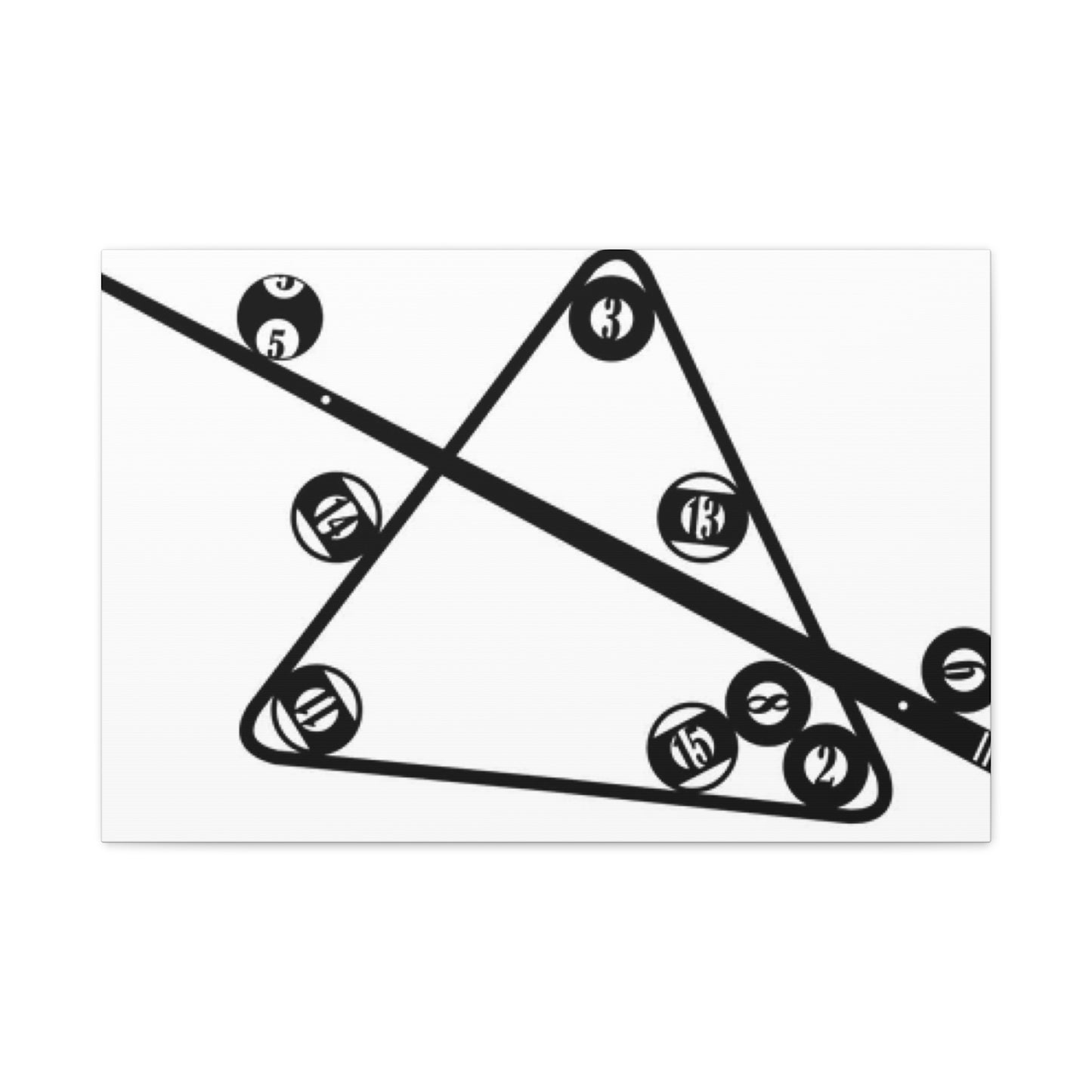
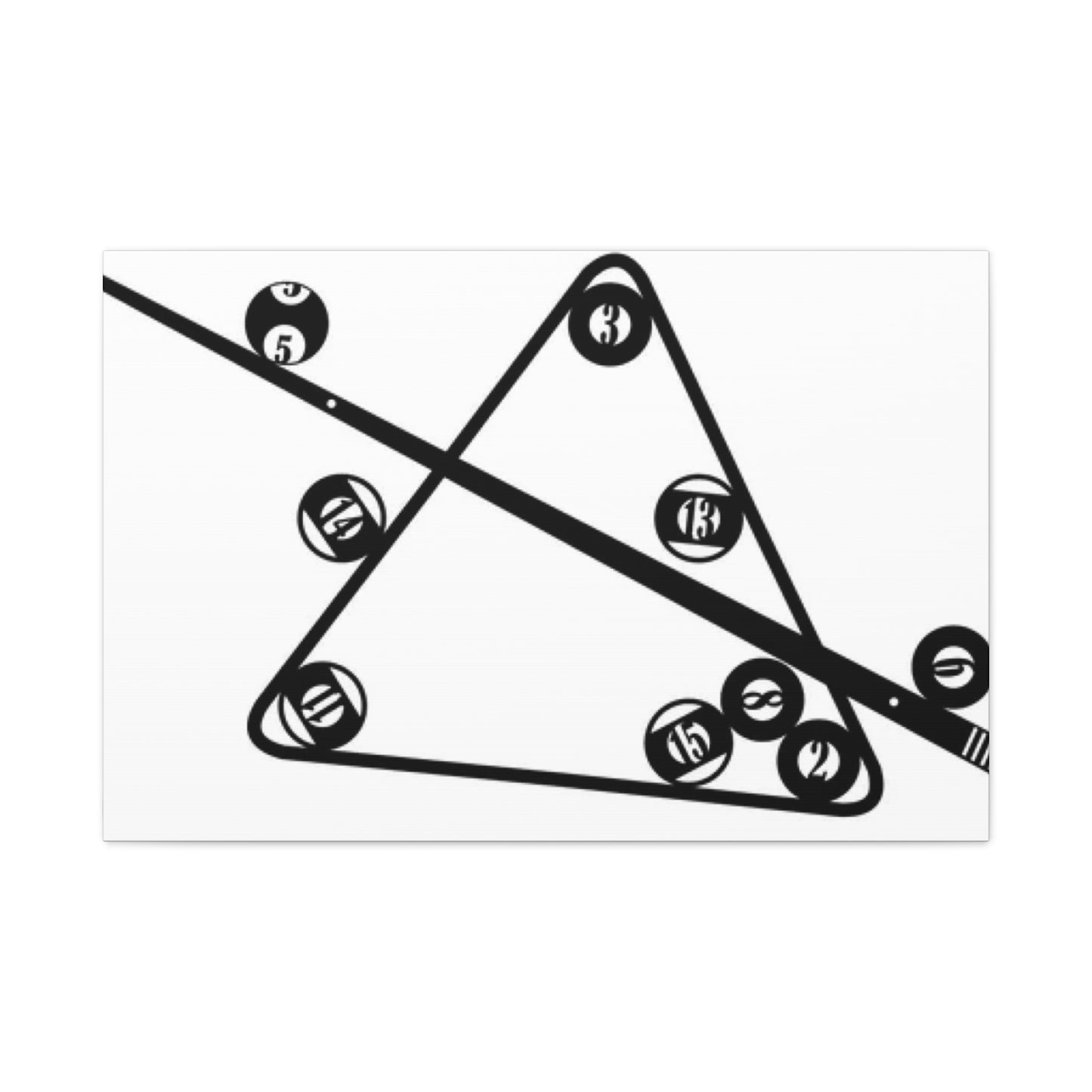
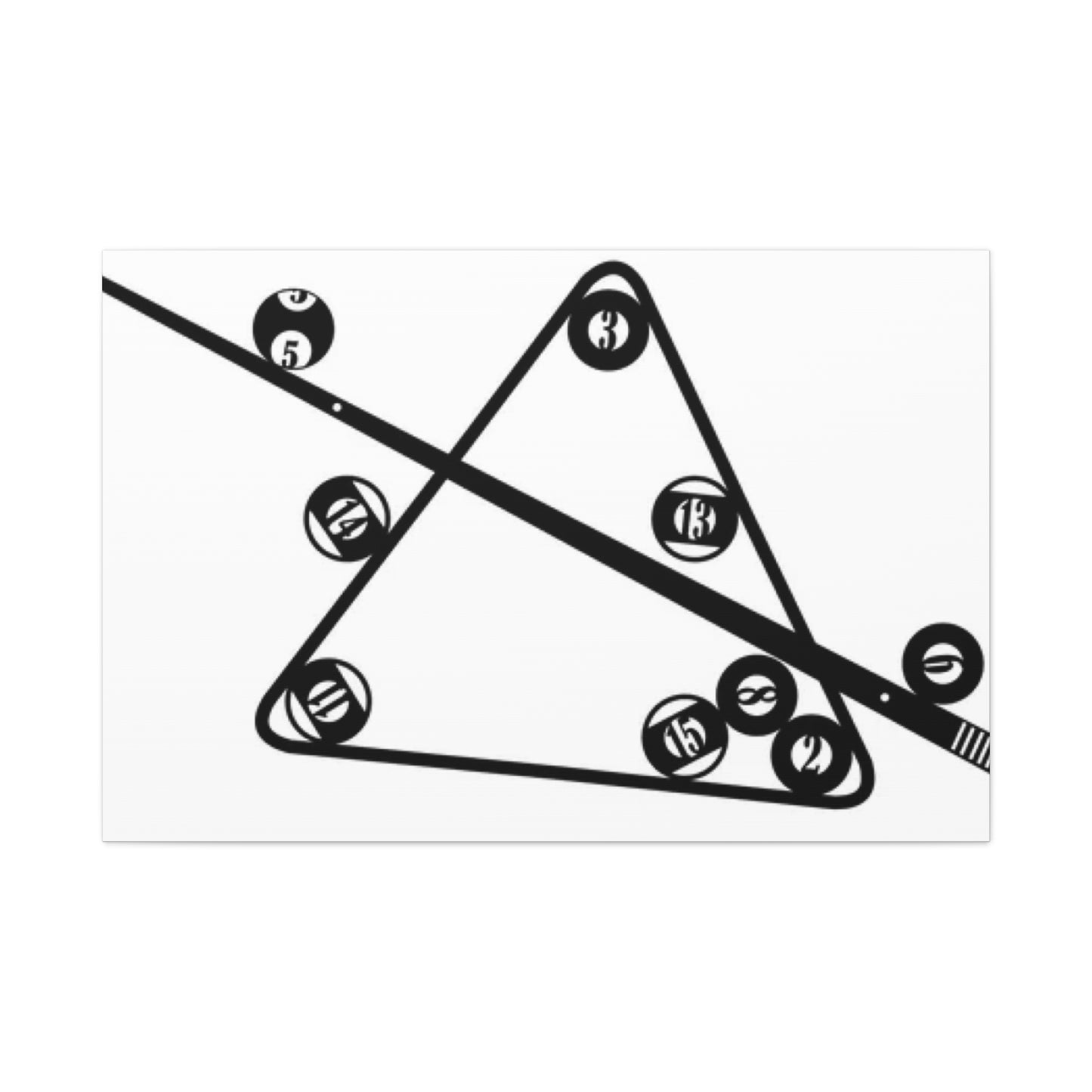
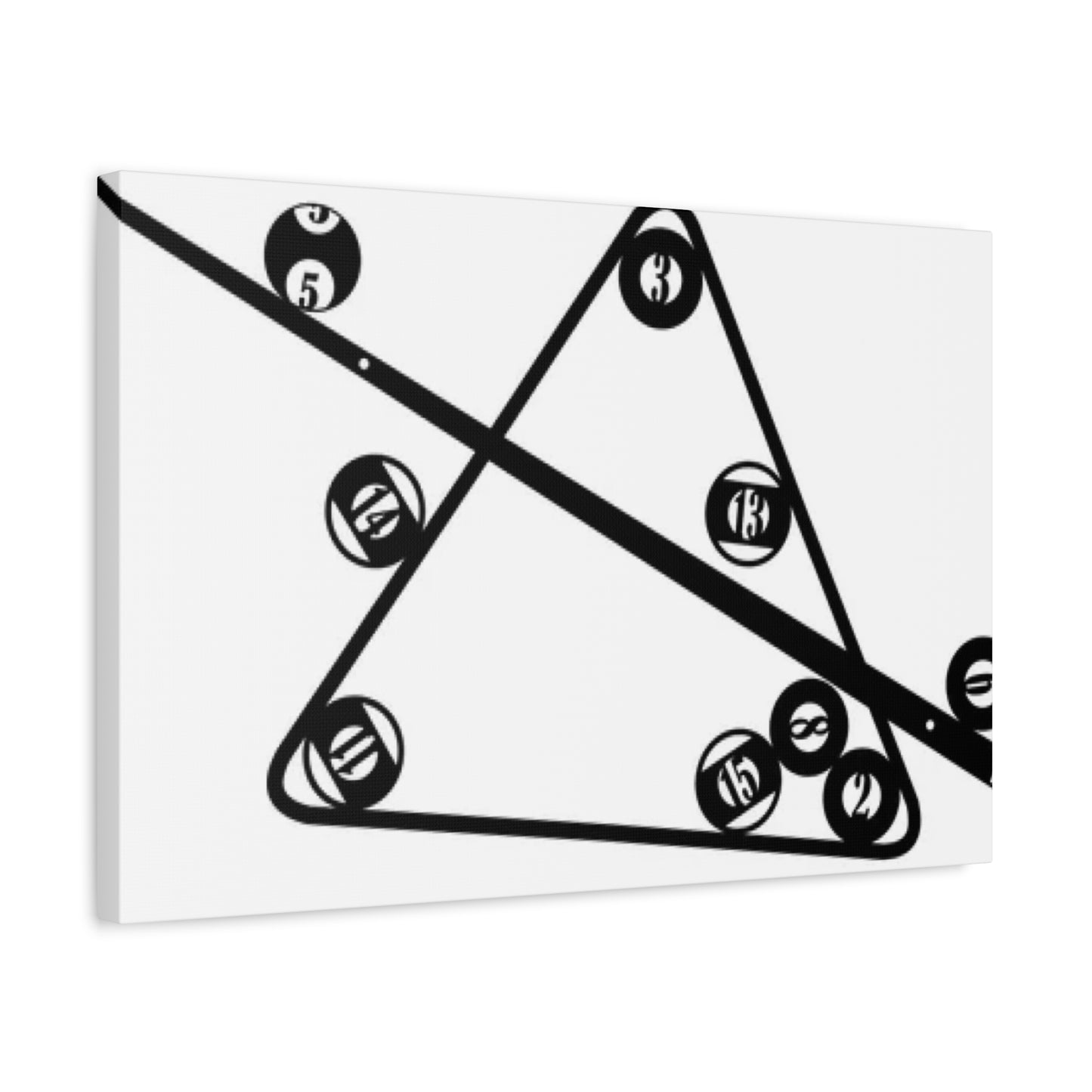
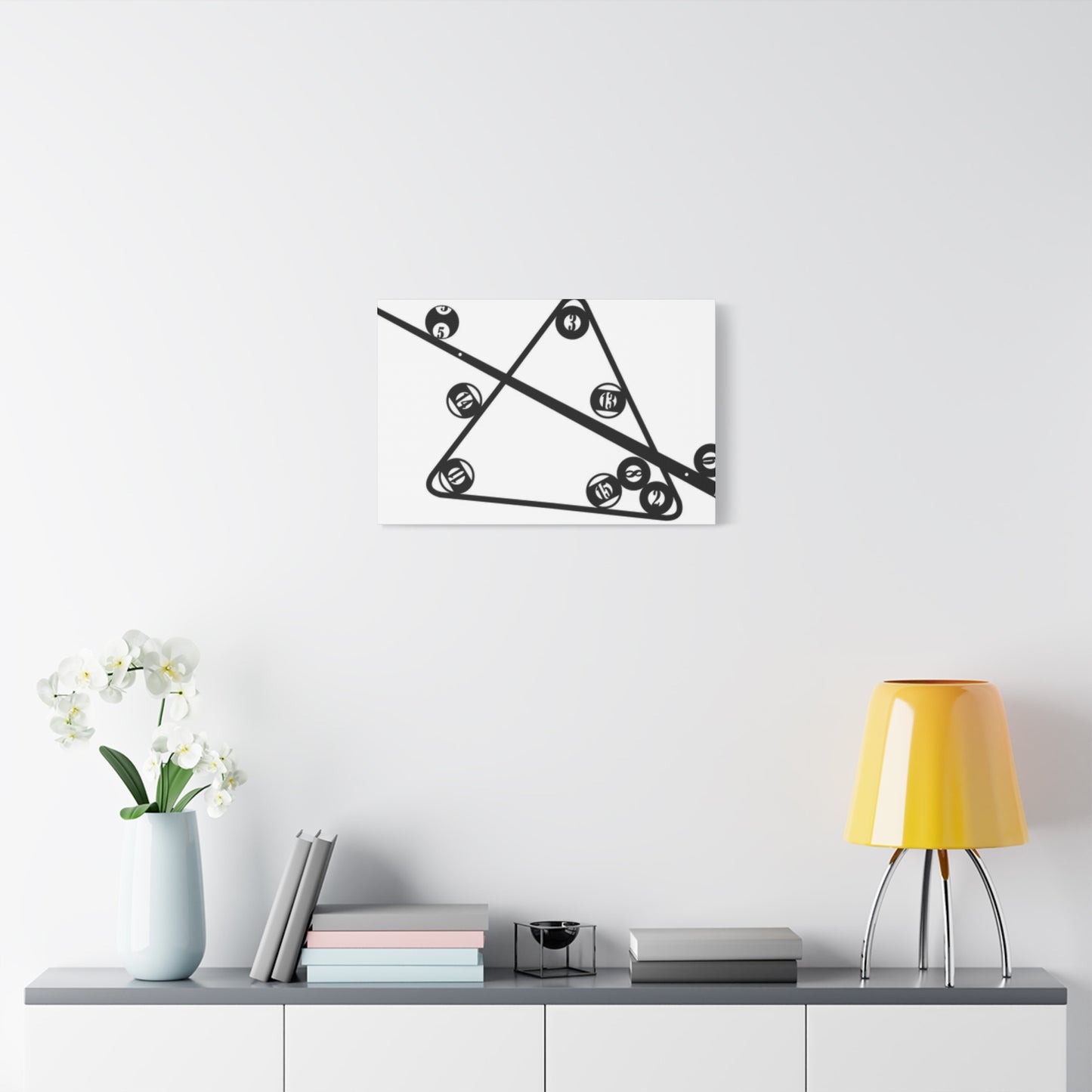
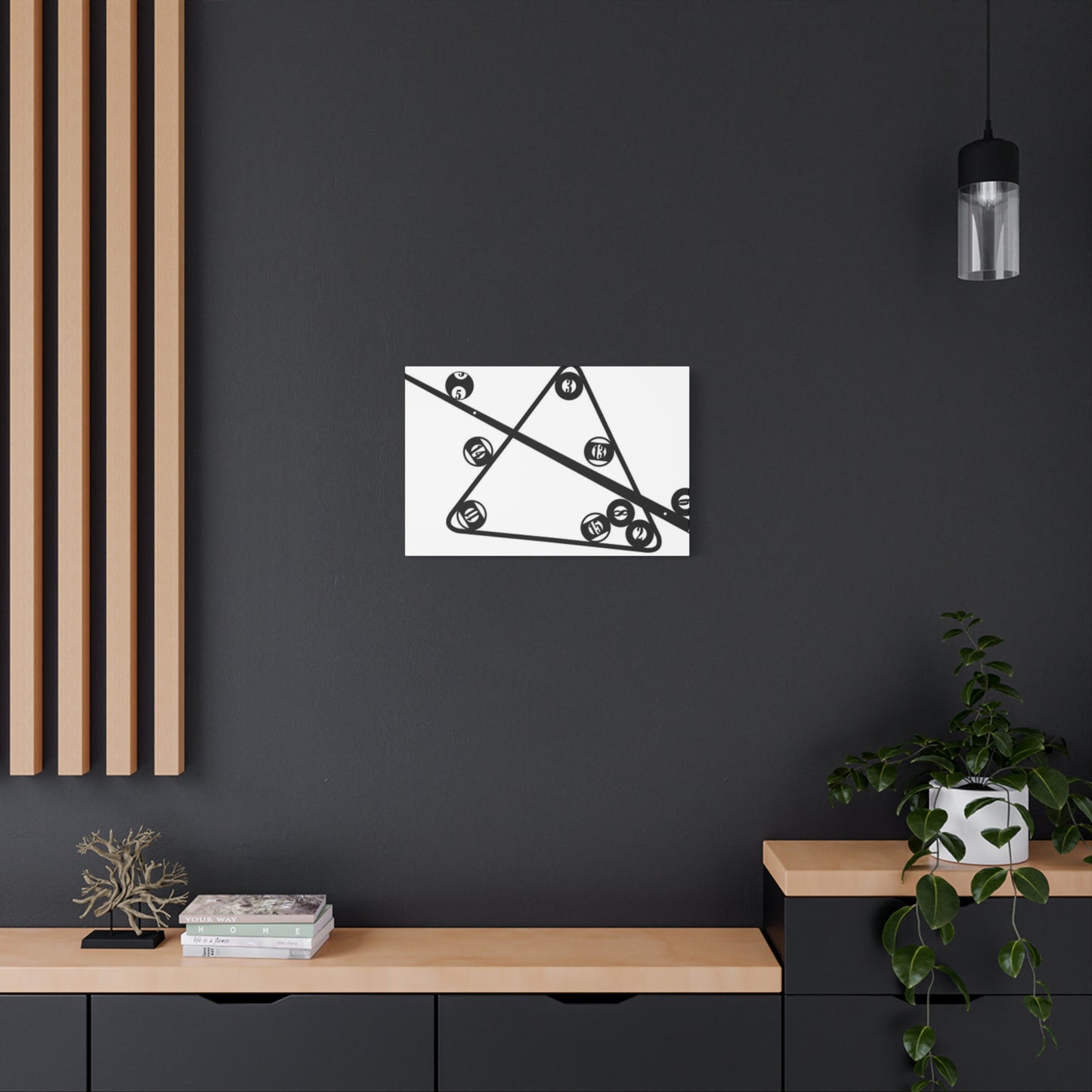
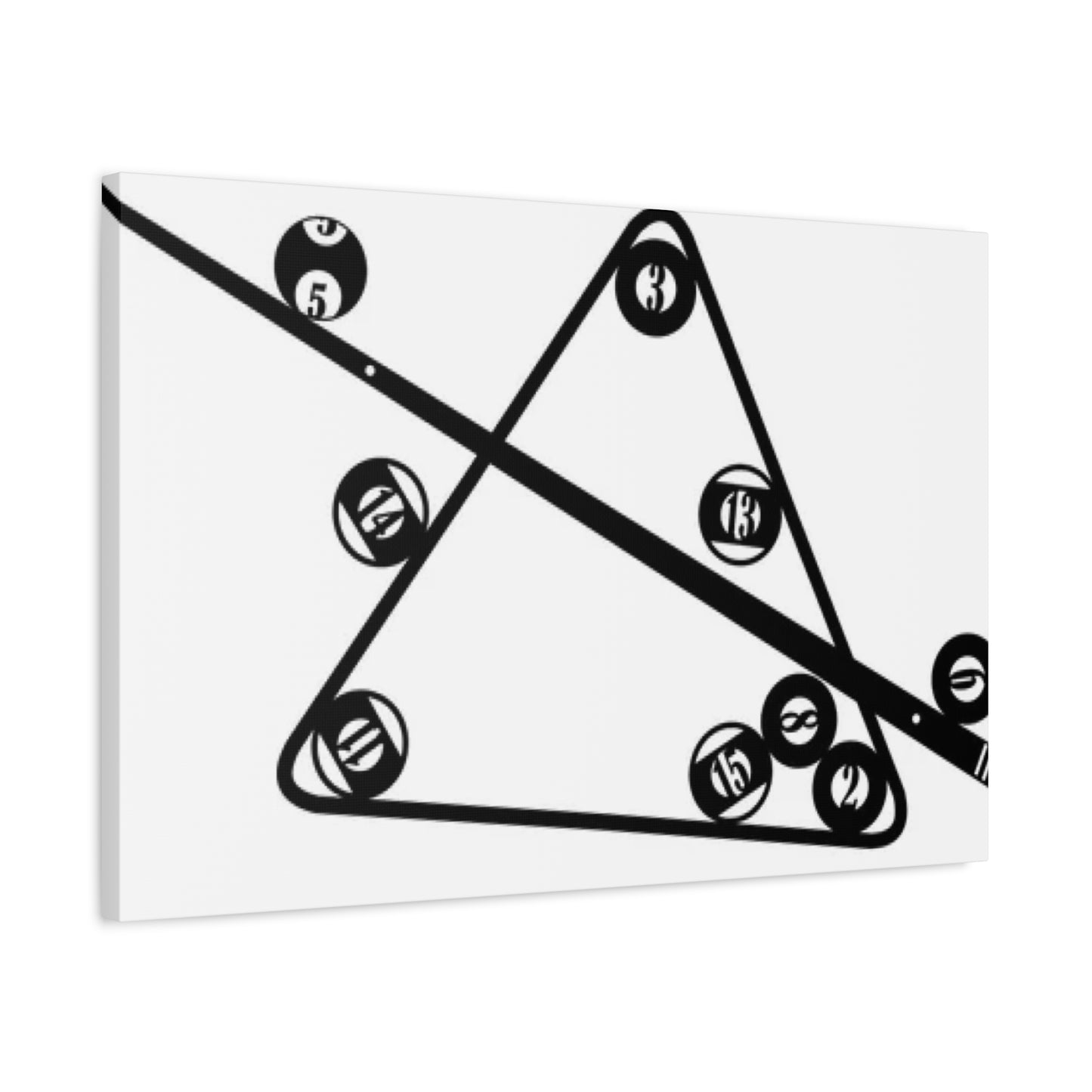
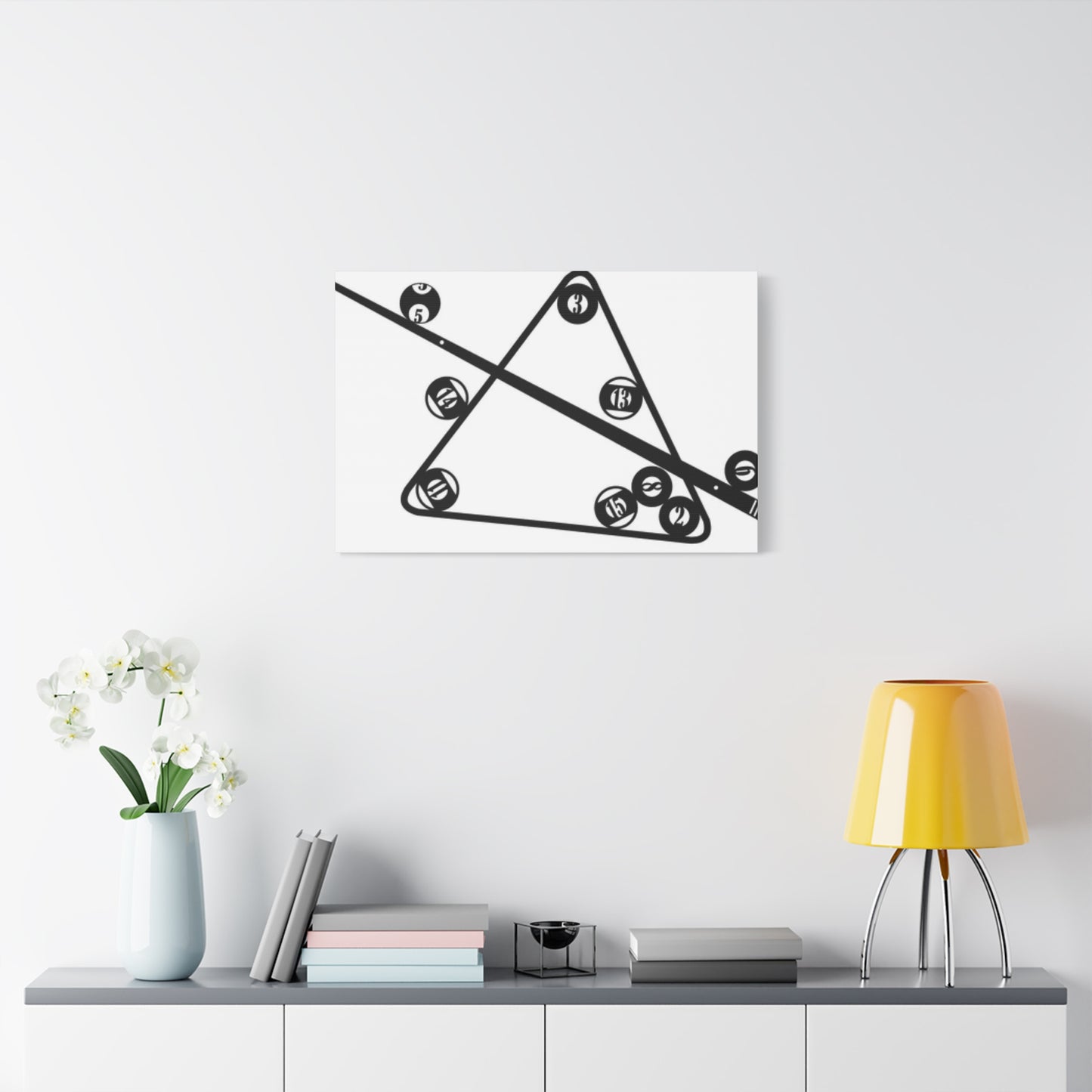
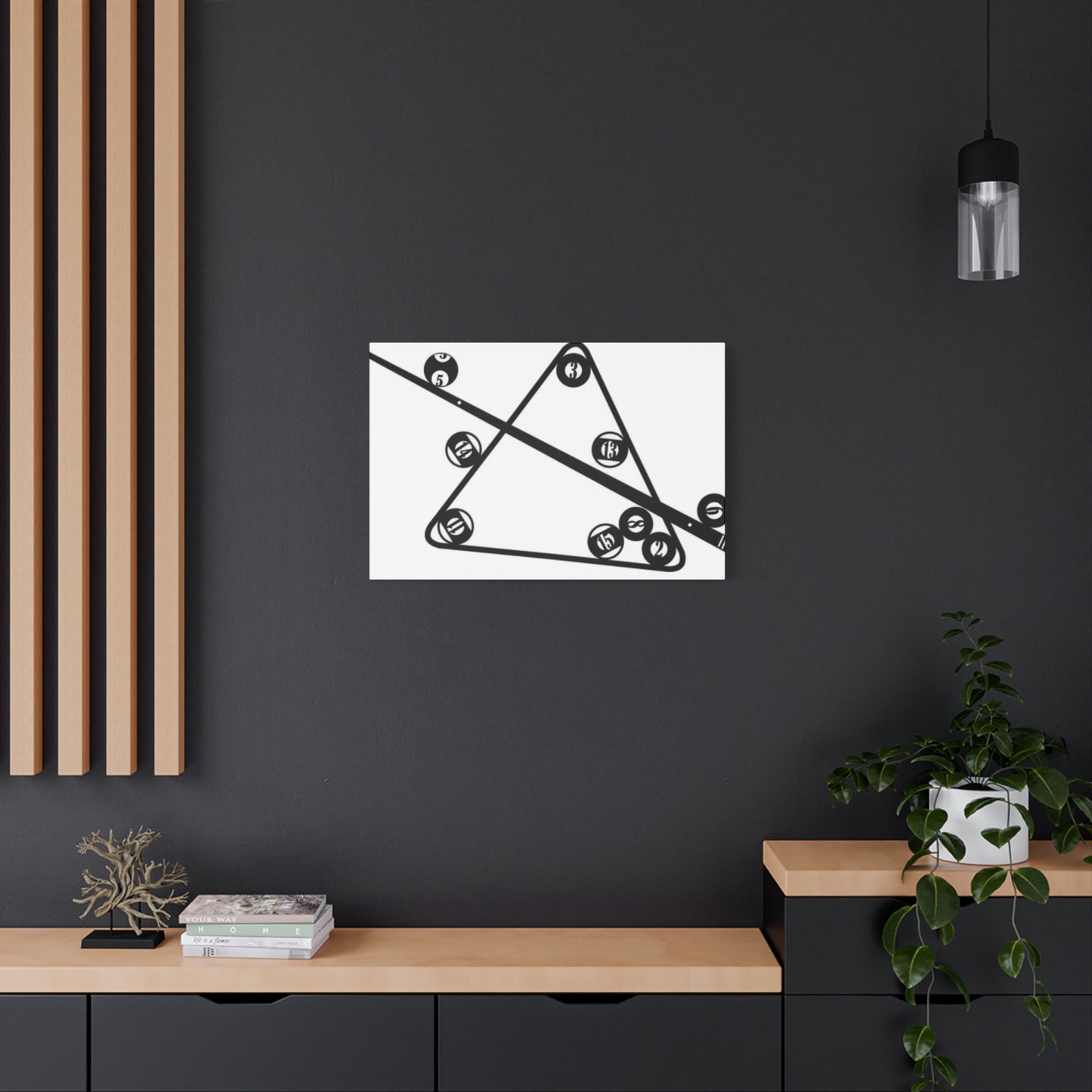
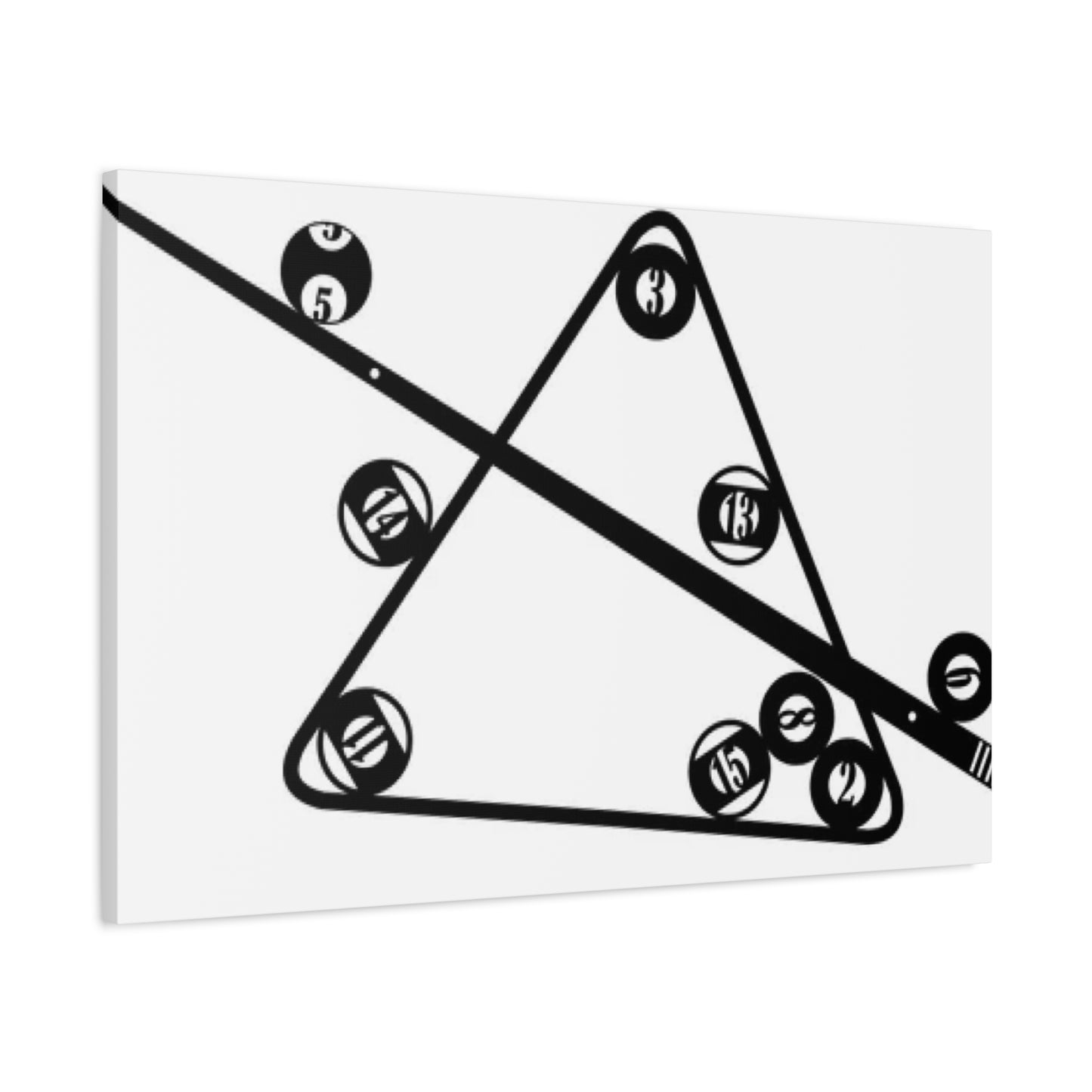
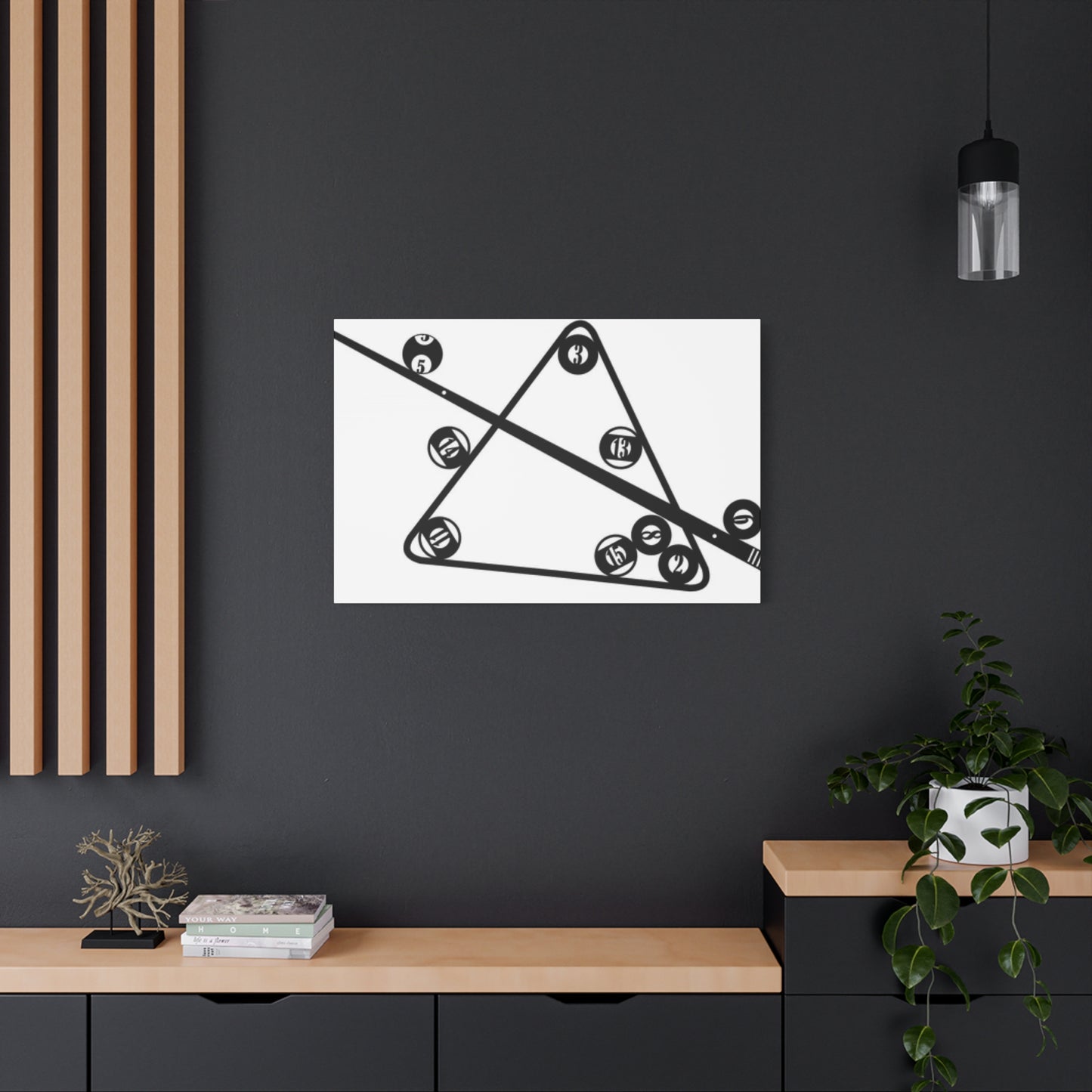
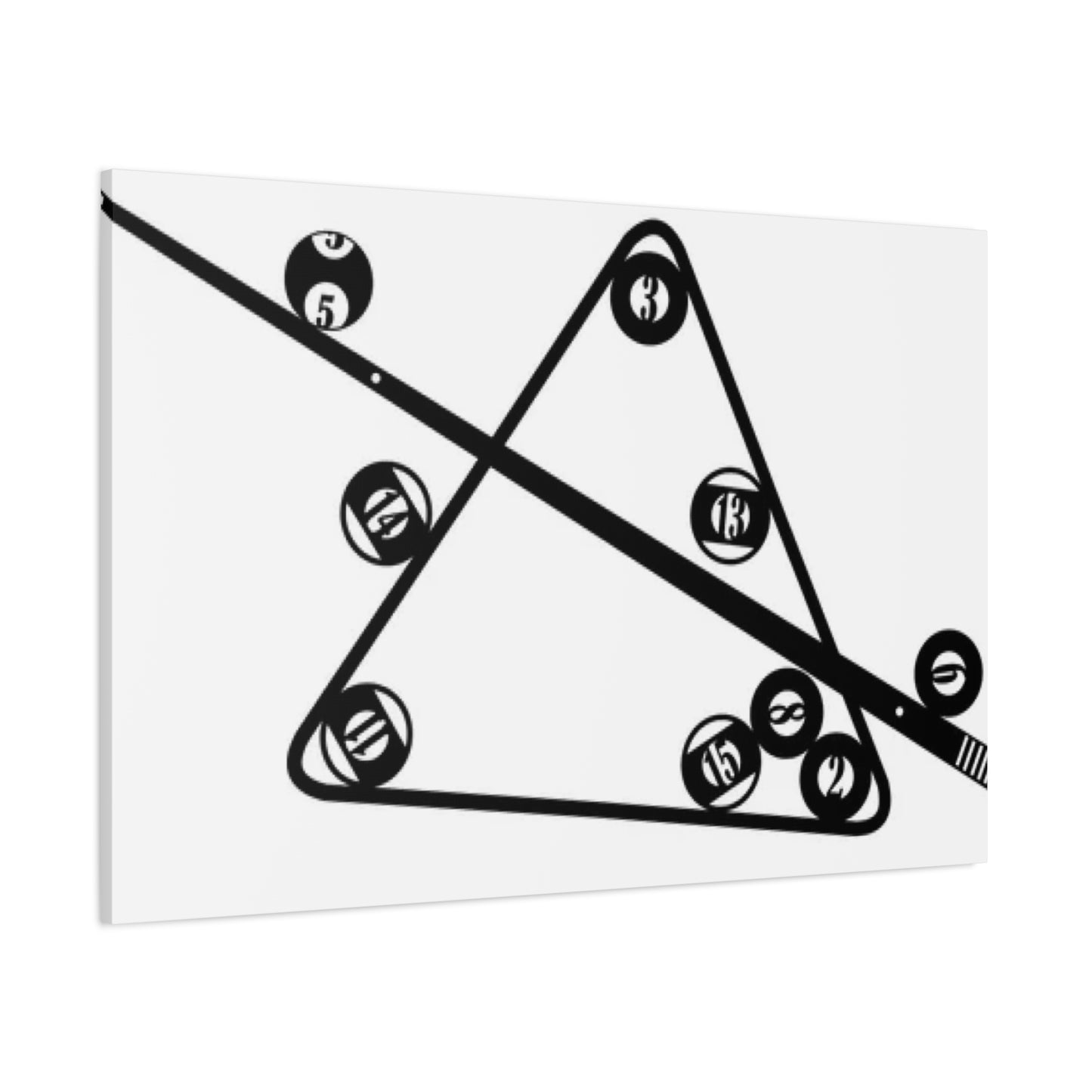
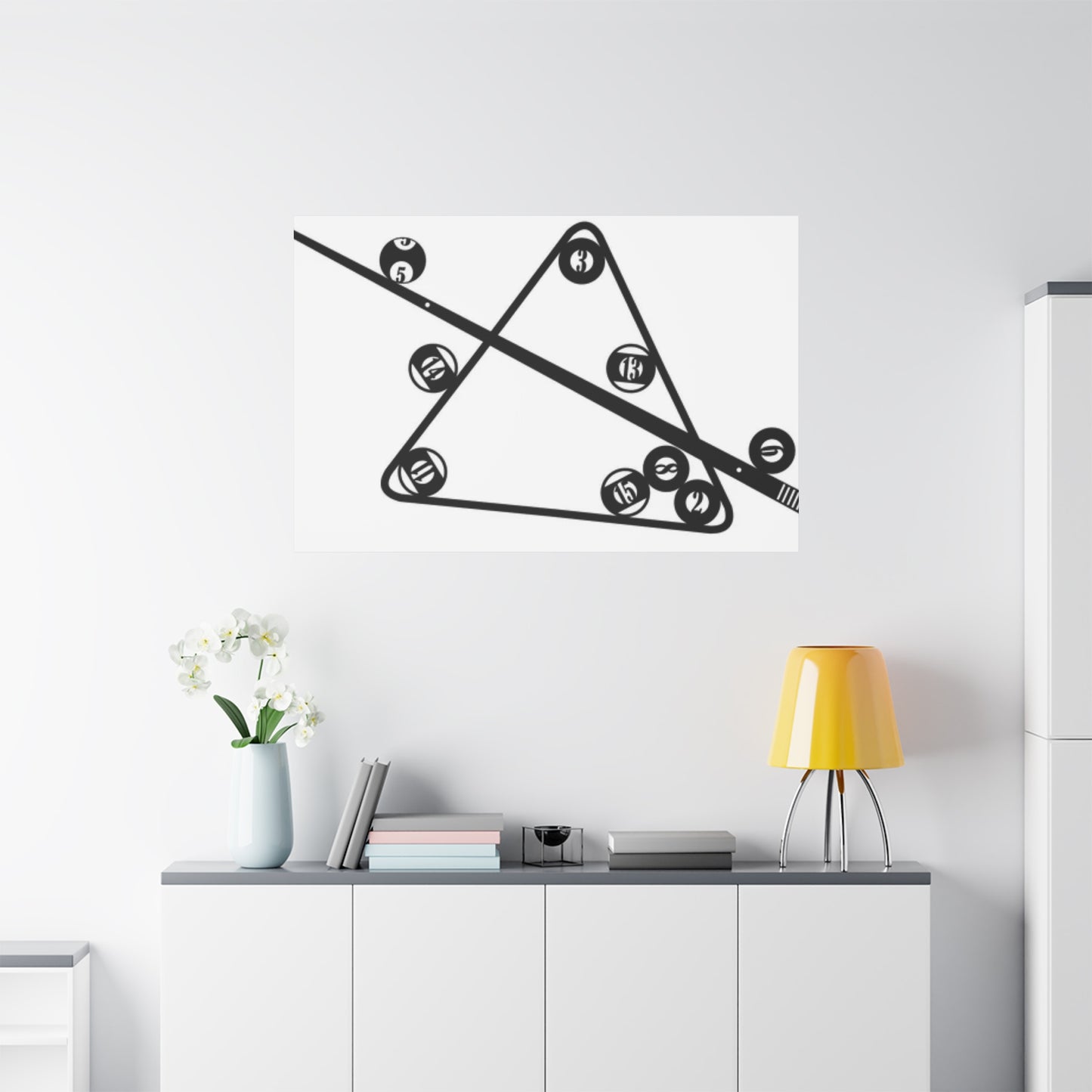
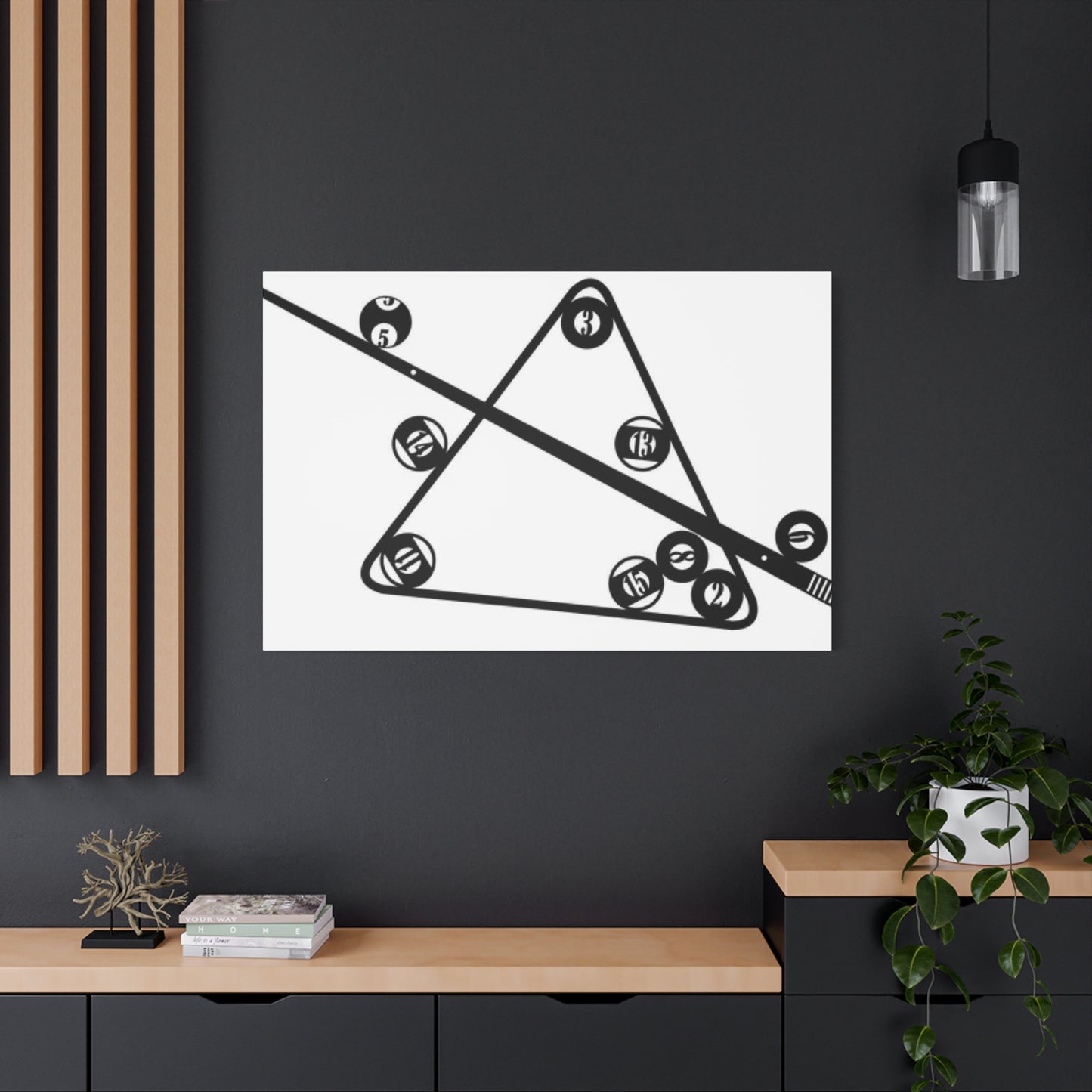
Cue and 8 Ball Wall Art & Canvas Prints
Cue and 8 Ball Wall Art & Canvas Prints
Couldn't load pickup availability
Billiard Artistry: Creating Eye-Catching Cue and 8 Ball Wall Art for the Perfect Gaming Retreat
The world of interior decoration has witnessed a remarkable surge in the popularity of billiard-themed decorative pieces, particularly those featuring cue sticks and the iconic eight ball. These striking visual elements have transcended their original purpose as mere gaming equipment to become sophisticated artistic statements that resonate with enthusiasts and casual admirers alike. The allure of cue and 8 ball wall art lies in its ability to capture the essence of a timeless pastime while adding a distinctive character to any living space.
When we examine the cultural significance of billiards-themed decoration, we discover a rich tapestry of meanings that extend far beyond simple aesthetic appeal. The pool table has long been associated with social gathering, strategic thinking, and the pursuit of precision—qualities that translate beautifully into decorative contexts. Homeowners who choose to incorporate these elements into their interior design schemes are making a statement about their appreciation for classic pastimes, their attention to detail, and their desire to create spaces that reflect their personal interests and passions.
Exploring Various Manifestations of Billiard-Inspired Decorative Elements
The market for billiard-themed decorative pieces has expanded considerably in recent years, offering consumers an impressive array of choices that cater to diverse tastes and interior design philosophies. From minimalist line drawings to elaborate three-dimensional installations, the variety available ensures that every enthusiast can find something that speaks to their unique sensibilities and complements their existing decor.
Metal sculptures representing cue sticks and balls have emerged as particularly popular choices among those seeking to make a bold statement. These pieces often feature intricate detailing, with carefully crafted textures that mimic the leather wrapping of a genuine cue stick or the glossy sheen of a polished ball. The dimensional quality of metal artwork creates fascinating shadow play throughout the day as natural light shifts, adding an element of dynamic visual interest to any room.
Canvas prints and framed photographs offer another avenue for bringing billiard imagery into your home. These can range from vintage-inspired sepia-toned photographs of historic pool halls to modern abstract interpretations that use the geometric forms of balls and tables as compositional elements. The advantage of canvas-based artwork lies in its versatility—it can be easily swapped out or rearranged to refresh a space without requiring significant structural changes or investments.
Wooden reliefs and carved pieces bring an organic warmth to billiard-themed decoration. Craftspeople working in wood can create stunning visual effects through the combination of different wood species, stains, and finishing methods. A carved cue stick rendered in contrasting light and dark woods, for instance, can become a focal point that draws the eye and invites closer inspection. These pieces often carry an artisanal quality that mass-produced items cannot replicate, making them particularly appealing to those who value uniqueness and craftsmanship.
Neon and LED-illuminated signs representing billiard imagery have carved out their own niche in the decorative marketplace. These luminous pieces evoke the atmosphere of classic pool halls while incorporating modern lighting sensibilities. The warm glow of neon or the crisp brightness of LED elements can transform the ambiance of a recreation room, creating an inviting atmosphere that encourages gathering and play. Some sophisticated examples incorporate programmable lighting that can shift colors or patterns, adding a layer of customizability that appeals to those who enjoy personalizing their surroundings.
Selecting the Perfect Placement for Your Billiard-Themed Decorative Pieces
The strategic positioning of cue and 8 ball wall art plays a crucial role in maximizing its visual impact and ensuring it contributes positively to the overall atmosphere of a space. Understanding the principles of spatial arrangement and visual flow can help you make informed decisions about where to hang or mount your billiard-themed pieces.
Recreation rooms and dedicated game spaces represent the most obvious locations for billiard-inspired decoration. In these contexts, such artwork reinforces the room's purpose while contributing to a cohesive thematic environment. When arranging pieces in a game room, consider creating a gallery wall that combines various elements—perhaps a central large-scale canvas flanked by smaller metal sculptures or vintage photographs. This layered approach adds depth and visual interest while preventing any single element from overwhelming the space.
Man caves and personal retreats benefit enormously from the inclusion of billiard-themed decorative elements. These spaces are designed to reflect individual personality and interests, making them ideal venues for more bold or unconventional artistic choices. Consider incorporating oversized cue stick representations or dramatic close-up renderings of the eight ball that command attention and establish the room's character immediately upon entry. The personal nature of these spaces allows for experimentation with more daring color schemes or abstract interpretations that might feel out of place in more public areas of the home.
Home bars and entertainment areas create natural partnerships with billiard-themed artwork. The social nature of both pool playing and cocktail enjoyment means that decorative elements celebrating one can easily complement the other. In these spaces, consider how your wall art interacts with other design elements—bar stools, glassware displays, and bottle shelving. A well-chosen piece of cue and 8 ball wall art can serve as a visual bridge between different functional zones within an entertainment area, creating a sense of unity and intentional design.
Surprisingly, billiard-themed artwork can find successful placement in more formal living areas when selected and positioned thoughtfully. A sophisticated black-and-white photograph of antique cue sticks, for example, or an abstract piece that uses billiard balls as color inspiration can introduce subtle references to the game without overwhelming more refined decorative schemes. The key lies in choosing pieces that balance their thematic content with broader aesthetic qualities—composition, color harmony, and artistic merit—that allow them to function as legitimate works rather than novelty items.
Offices and professional workspaces can also accommodate carefully chosen billiard-themed decoration. The strategic thinking and precision associated with pool playing make it a fitting metaphor for many professional endeavors. A tastefully framed vintage poster or a minimalist line drawing of a cue stick can add personality to a workspace without undermining its professional atmosphere. In shared office environments, such pieces can serve as conversation starters that help humanize the workspace and create connection points among colleagues.
Understanding the Materials and Crafting Processes Behind Quality Pieces
The longevity and visual appeal of billiard-themed decorative elements depend heavily on the materials used in their construction and the skill with which those materials are manipulated. Gaining insight into these aspects helps consumers make informed purchasing decisions and appreciate the artistry involved in creating superior pieces.
Metal fabrication for billiard-themed sculptures typically employs materials like steel, aluminum, or bronze. Steel offers excellent structural integrity and can be finished in numerous ways—from raw industrial aesthetics with visible welding marks to smooth powder-coated surfaces in any conceivable color. Aluminum provides lighter weight options that are easier to mount while still maintaining durability. Bronze carries historical and artistic associations that can elevate a piece from mere decoration to genuine art object. The fabrication process might involve plasma cutting to create intricate silhouettes, hand-hammering to add texture and dimension, or patination to develop rich surface colors and effects.
Canvas-based artwork relies on both print quality and canvas characteristics to achieve visual impact. Museum-quality giclée printing uses archival inks and specialized printers to produce images with exceptional color fidelity and detail resolution. The canvas itself varies in weight and texture—heavier canvases with visible weave patterns create a more traditional fine art appearance, while smoother, lighter canvases suit photographic reproductions. Gallery wrapping, where the image continues around the edges of the stretcher frame, creates a more contemporary finished appearance compared to traditional framing methods.
Wood crafting for billiard-themed pieces involves careful species selection and finishing. Hardwoods like oak, maple, walnut, and mahogany offer different grain patterns and natural colors that craftspeople can exploit for visual effect. Relief carving, where material is removed to create three-dimensional imagery, requires considerable skill and planning to achieve proper depth and proportion. Finishing processes might include staining to enhance or alter natural wood colors, oil treatments that bring out grain patterns while protecting the wood, or lacquer applications that create glossy, reflective surfaces reminiscent of polished billiard balls.
Acrylic and resin-based pieces represent a more contemporary approach to billiard-themed decoration. These materials offer unique possibilities for color manipulation and transparency effects. Colored resins can be layered to create depth and complexity, while clear acrylic can be etched, printed upon, or used as a substrate for other decorative elements. The lightweight nature of these materials makes them practical for larger pieces that would be prohibitively heavy in metal or wood, though they require careful handling during mounting to avoid cracking or warping.
Glass artwork featuring billiard themes brings a different set of aesthetic qualities to bear. Stained glass pieces can incorporate vibrant colors that catch and transform light, creating ever-changing visual displays throughout the day. Fused glass methods allow artists to create dimensional pieces with complex surface textures and color gradations. Etched or sandblasted glass offers subtle, sophisticated imagery particularly suited to more refined interior settings. The fragility of glass requires careful consideration during both mounting and positioning to ensure the piece remains secure and safe.
Creating Harmonious Visual Relationships With Existing Interior Schemes
Successfully incorporating cue and 8 ball wall art into your home requires thoughtful consideration of how these pieces will interact with your existing color palettes, furniture arrangements, and overall design philosophy. The goal is to achieve visual coherence where the billiard-themed elements feel like intentional components of a unified whole rather than disconnected afterthoughts.
Color coordination represents one of the most straightforward yet impactful ways to integrate billiard-themed artwork. The traditional green of pool table felt offers a starting point for color schemes built around earth tones, botanical greens, or even more unexpected pairings with coral or rust. The deep blacks of the eight ball can anchor more monochromatic or high-contrast schemes, while the bright whites of the cue ball introduce opportunities for crisp, clean aesthetic directions. Some enthusiasts choose to reverse this relationship, allowing the colors in their chosen artwork to inspire broader room color decisions—a particularly effective approach when redecorating or designing a space from scratch.
Scale and proportion considerations prevent visual discord between your wall art and surrounding elements. An oversized piece in a small room can feel oppressive, while a tiny piece on a large wall appears lost and insignificant. The standard rule of filling two-thirds to three-quarters of available wall space provides a useful starting point, though this guideline should be adjusted based on surrounding furniture and architectural features. When hanging artwork above furniture pieces like sofas or credenzas, maintaining approximately six to twelve inches of clearance creates visual connection without making the wall art appear to be sitting uncomfortably on the furniture.
Style consistency helps ensure your billiard-themed pieces feel at home within their surroundings. A rustic game room with exposed beams and leather furniture calls for very different artwork than a sleek, modern entertainment space with clean lines and minimalist furnishings. Fortunately, the diversity of available billiard-themed artwork means you can find pieces that align with virtually any aesthetic direction. Vintage posters and distressed wood pieces suit traditional or farmhouse styles, while abstract metal sculptures and minimalist line drawings complement contemporary spaces. Mid-century modern interiors can embrace retro-styled billiard imagery with period-appropriate color palettes and graphic sensibilities.
Lighting plays an often-underestimated role in how wall art appears and functions within a space. Consider both natural and artificial light sources when positioning your pieces. Direct sunlight can cause fading over time, particularly in canvas prints and photographs, suggesting placement away from windows or the use of UV-protective glazing. Artificial lighting can be used strategically to highlight your artwork—track lighting, picture lights, or strategically placed lamps can draw attention to your billiard-themed pieces and enhance their visual impact. Some illuminated pieces, like neon signs, function as both artwork and light sources, requiring consideration of how their glow affects the surrounding environment at different times of day and under various lighting conditions.
Textural variety within a space prevents visual monotony and adds tactile interest. If your walls feature smooth painted surfaces, introducing artwork with dimensional qualities—carved wood reliefs or metal sculptures—creates engaging contrast. Conversely, if your space includes substantial textural elements like exposed brick or stone, smoother artwork forms like canvas prints or framed photographs might provide welcome visual relief. The texture of billiard equipment itself—smooth polished balls, leather-wrapped cue handles, felted table surfaces—offers inspiration for broader textural themes that can unify a space.
Crafting Custom Pieces That Reflect Your Individual Vision
For those seeking truly unique expressions of their passion for billiards, commissioning custom artwork or creating do-it-yourself pieces opens exciting possibilities. These approaches ensure your decorative elements are unlike anything available through mass retail channels while allowing for perfect alignment with your specific vision and spatial requirements.
Working with local artists and craftspeople to commission custom pieces begins with clearly communicating your vision. Gather inspiration images that capture elements you find appealing—not necessarily all billiard-related, but representing colors, styles, compositions, or techniques that resonate with you. When meeting with potential collaborators, discuss not only what you want depicted but also how you want it to feel. Should the piece evoke the energetic atmosphere of a competitive match or the contemplative quiet of a solitary practice session? Understanding the emotional tone you seek helps artists make informed decisions about composition, color, and technique.
Material selection for custom pieces often involves collaboration between client and creator. The artist can explain the practical implications of different choices—how various materials age, their weight and mounting requirements, their maintenance needs—while you provide input about which aesthetic qualities matter most to you. This dialogue might reveal possibilities you hadn't considered, as experienced craftspeople can often suggest innovative material combinations or finishing methods that achieve your desired effect in unexpected ways.
Dimensional considerations for custom work extend beyond simple height and width measurements. Discuss the depth of sculptural elements, the presence or absence of frames for canvas pieces, and whether you envision a single unified work or a multi-panel composition. Some of the most striking billiard-themed installations involve multiple components arranged in relationship to one another, creating visual rhythm and movement across a wall surface. Your spatial limitations, architectural features like doors and windows, and furniture placement all influence these decisions.
Pricing structures for custom artwork vary considerably based on materials, size, complexity, and the artist's experience and reputation. Expect to pay substantially more than mass-produced pieces, but recognize that you're investing in a unique object that reflects your specific vision and supports living artists. Many craftspeople require deposits before beginning work, with the balance due upon completion. Some offer payment plans for larger commissions. Clear communication about budget from the outset prevents misunderstandings and helps artists propose solutions that align with your financial parameters.
Do-it-yourself approaches to creating billiard-themed wall art range from simple to quite complex, depending on your skills and available tools. Even those with limited artistic experience can produce appealing results using techniques like decoupage, where billiard-related images from magazines, vintage posters, or printed sources are arranged and adhered to a substrate like wood or canvas. Distressing and aging methods can transform ordinary materials into pieces with vintage character—sanding edges, applying crackling mediums, or using staining methods that create weathered appearances.
For those with more developed skills, painting billiard-themed imagery on canvas offers complete creative control. Acrylics provide a forgiving medium for beginners, drying quickly and allowing for easy correction of mistakes. Oil paints reward patient work with rich, luminous color and subtle blending possibilities. The choice of realistic representation versus abstract interpretation depends entirely on your comfort level and aesthetic preferences. Simple geometric compositions using the circular forms of balls can yield surprisingly sophisticated results even for those without extensive painting experience.
Woodworking enthusiasts can create striking three-dimensional pieces using basic carpentry skills. A cue stick rendered in relief, with different depths representing the handle, shaft, and tip, becomes a commanding presence on any wall. Careful sanding and finishing transform raw lumber into polished artwork. Some woodworkers incorporate found objects—actual vintage cue sticks or balls—into their creations, blurring the line between pure artwork and functional object display.
Photography as a pathway to creating billiard-themed wall art deserves consideration, particularly for those with decent cameras and an eye for composition. Close-up photographs that emphasize texture—the grain of wooden cue sticks, the glossy curves of balls, the linear patterns of racks—can yield images of surprising abstract beauty. Processing in black and white often enhances these textural studies, removing color as a distraction and focusing attention on form and light. Having your photographs professionally printed and mounted transforms them from casual snapshots into legitimate wall-worthy imagery.
Preserving the Beauty and Integrity of Your Billiard-Themed Decorative Elements
Proper care ensures your cue and 8 ball wall art maintains its visual appeal and structural integrity for years to come. Different materials require different approaches, but some general principles apply broadly across categories.
Dust accumulation represents the most common threat to wall art of all types. Regular gentle dusting with soft, dry cloths prevents buildup that can dull surfaces and work its way into textured areas. For most pieces, monthly dusting suffices, though environments with high dust levels may require more frequent attention. Microfiber cloths work particularly well because their fine fibers capture dust rather than merely redistributing it. For intricate metalwork or carved wood pieces, soft-bristled brushes help remove dust from crevices and detailed areas.
Canvas prints and framed photographs require specific considerations. Avoid hanging these pieces in locations where they'll receive direct sunlight for extended periods, as UV exposure causes fading over time. If repositioning isn't practical, UV-protective glazing or window films can mitigate damage. When cleaning, never spray liquids directly onto canvas or photographs—if cleaning beyond simple dusting becomes necessary, very lightly dampen a cloth and gently wipe the surface, working from top to bottom to prevent drips. For framed pieces behind glass, standard glass cleaner applied to a cloth rather than directly on the glass prevents liquid from seeping behind the frame.
Metal artwork benefits from occasional cleaning with appropriate metal-specific products. Stainless steel pieces maintain their luster with stainless steel cleaner applied according to the grain of brushed finishes. Painted or powder-coated metal requires only mild soap and water, avoiding abrasive cleansers that could scratch the finish. Bronze pieces often develop patinas over time—these color changes represent natural aging that many find appealing, but if you prefer maintaining the original appearance, specialized bronze cleaners can restore brightness. Always test cleaning products on inconspicuous areas before applying them broadly.
Wooden pieces require consideration of the specific finish applied. Oiled wood benefits from periodic reapplication of appropriate wood oils, which nourish the material and enhance grain visibility. Waxed surfaces can be buffed occasionally to restore sheen. Lacquered or polyurethane-finished woods need only gentle cleaning with slightly damp cloths, as these sealants protect the wood beneath from moisture and environmental effects. Avoid placing wooden artwork in locations subject to high humidity or rapid temperature fluctuations, as these conditions can cause warping or cracking.
Illuminated pieces like neon signs require electrical considerations beyond simple aesthetic preservation. Ensure these pieces are installed by or under the guidance of someone knowledgeable about electrical systems to prevent fire hazards. Neon tubes should be handled carefully if ever removed for cleaning or relocation, as they are fragile and contain gases under pressure. LED-based illuminated pieces typically prove more durable, but their electronic components still warrant careful handling. When cleaning illuminated artwork, always disconnect power first and ensure the piece has cooled if it generates significant heat during operation.
Mounting security deserves attention to prevent accidents and damage. Regularly check that mounting hardware remains secure, particularly for heavier pieces. Wall anchors in drywall can work loose over time, especially if subjected to vibration or accidental impacts. For substantial metal sculptures or heavy framed pieces, locating studs and mounting directly into solid wood framing provides the most secure installation. If studs aren't available in optimal positions, high-quality drywall anchors rated for appropriate weight loads offer acceptable alternatives. Some homeowners photograph the back of pieces showing mounting hardware before hanging them, creating a reference for future reinstallation if the piece is temporarily removed for repainting or redecorating.
Environmental monitoring prevents damage from climate extremes. While most wall art tolerates typical household conditions, extreme humidity, persistent dampness, or very dry air can affect certain materials. Basements prone to dampness may not suit wooden pieces or unprotected canvas prints. Similarly, rooms with working fireplaces experience temperature and humidity fluctuations that could prove problematic over time. If you notice warping, cracking, or other signs of environmental stress, consider relocating the affected piece to a more stable climate zone within your home.
Discovering Sources for Exceptional Billiard-Themed Decorative Elements
Finding the perfect cue and 8 ball wall art involves knowing where to look and how to evaluate quality. The marketplace offers numerous avenues, each with distinct advantages and considerations.
Local artisan galleries and craft fairs provide opportunities to examine pieces in person before purchasing, allowing you to assess quality, size, and how the item appears in three dimensions rather than in photographs. You can often meet the creators, discussing their process and possibly commissioning custom work. Supporting local artists contributes to your community's cultural ecosystem while ensuring you're purchasing truly original work rather than mass-produced reproductions. The personal relationships developed through these transactions often lead to ongoing connections where artists inform you of new work that might interest you.
Online marketplaces specializing in handmade goods have democratized access to artisans worldwide. These platforms allow you to search specifically for billiard-themed work, filtering by material, price range, size, and other criteria. Reading reviews from previous customers provides insight into quality and seller reliability. The downside of online purchasing involves inability to examine pieces physically before committing, making detailed photographs and accurate descriptions crucial. Many sellers provide dimension comparisons or photographs of their work in situ to help buyers visualize scale.
Specialty shops focusing on game room furnishings and decoration maintain curated selections of billiard-themed artwork alongside related items like lighting, furniture, and accessories. These retailers understand the specific aesthetic of game room design and stock pieces that align with customer expectations. Staff knowledge can prove valuable when coordinating multiple elements to create a cohesive look. Pricing at specialty retailers typically falls between mass-market and fine art galleries, reflecting the curated nature of their inventory and specialized knowledge.
Antique shops and vintage dealers offer opportunities to find authentic period pieces with genuine patina and history. Vintage billiard posters, signs from old pool halls, or even repurposed equipment transformed into decorative objects carry stories and character that new productions cannot replicate. The hunt itself becomes part of the appeal for many collectors, who enjoy the serendipity of unexpected discoveries. Condition assessment requires careful attention with vintage items—some wear adds desirable character, while structural damage or severe deterioration may limit display options or require professional restoration.
Auction sites create competitive marketplaces where both new and vintage items change hands. Online auctions expand geographic reach, connecting sellers and buyers across great distances. The bidding process can sometimes yield bargains when competition remains light, though desirable pieces may attract sufficient interest to drive prices above retail levels. Understanding the auction platform's buyer protections and return policies protects you if items arrive significantly different from described or damaged during shipping.
Direct commissions from artists represent the ultimate in personalization, though they require more time and typically greater investment than purchasing existing work. Finding artists who work in styles you admire involves research through art association websites, social media platforms where artists showcase their work, and recommendations from galleries or interior designers. The commissioning process typically includes initial consultations to discuss vision and scope, followed by preliminary sketches or concepts for approval, then creation and final installation. This collaborative approach yields pieces perfectly suited to your space and preferences.
Mass retailers offer affordable options for those working within tight budgets or furnishing spaces where investment pieces feel inappropriate. While these items lack the uniqueness of handcrafted work, improvements in printing and manufacturing mean even inexpensive pieces can provide satisfactory visual impact. Quality varies considerably at the budget end of the market, making in-person inspection valuable when possible. These pieces work well for rental properties, dormitory rooms, or spaces where decor might be frequently updated.
Examining the Broader Cultural Resonance of Billiard Imagery
Understanding why cue and 8 ball wall art resonates so strongly with consumers requires examining the broader cultural associations of billiards and how these meanings transfer to decorative contexts. Pool playing occupies a distinctive position in cultural consciousness, carrying associations that make it particularly fertile ground for artistic interpretation.
The pool hall as social space has been romanticized in countless films, books, and songs. These venues represent places where people from diverse backgrounds converge on equal footing, where skill and strategy matter more than wealth or social standing. The hushed concentration during crucial shots contrasts with the convivial atmosphere between games, creating a unique social dynamic. Decorative elements celebrating billiards invoke these associations, transforming domestic spaces into venues with similar inclusive, skill-respecting qualities.
Masculine identity historically intertwines with billiard culture, though this connection has evolved considerably. The pool hall was traditionally male-dominated territory—a place where men gathered away from domestic responsibilities to engage in competition and camaraderie. Contemporary billiard culture includes participants of all genders, but decorative elements still often carry masculine-coded aesthetic qualities: dark colors, strong geometric forms, materials like leather and dark wood. This makes billiard-themed artwork particularly popular for spaces conceived as male retreats, though increasingly, these aesthetic qualities appeal broadly across gender lines.
Working-class authenticity represents another layer of meaning embedded in billiard imagery. Unlike golf or tennis, which carry associations with country clubs and exclusivity, pool playing is perceived as accessible and unpretentious. Pool tables inhabit taverns and social clubs as often as private homes, creating cross-class cultural presence. Decorative elements celebrating billiards can therefore signal authentic, down-to-earth sensibilities rather than aspirational pretension. This quality makes such artwork appealing to those who value sincerity and relatability in their self-presentation.
Strategic thinking and precision execution define successful pool playing, qualities that translate metaphorically to many other life domains. The game rewards patience, planning, and the ability to think several moves ahead—attributes valued in professional contexts and problem-solving generally. Displaying billiard-themed artwork can therefore subtly communicate these values, suggesting the space's inhabitant appreciates careful thought and skillful execution. This symbolic dimension adds depth to what might otherwise be merely decorative choices.
Nostalgia plays a significant role in the appeal of billiard imagery, particularly for those who associate pool playing with particular life periods or relationships. Perhaps you spent memorable evenings shooting pool with friends during college years, or bonded with a parent or mentor over the game. Decorative elements become tangible connections to these meaningful experiences, transforming abstract memories into daily visual reminders. This emotional resonance explains why some people form strong attachments to seemingly simple decorative objects—they represent far more than their material form suggests.
The geometric beauty of billiard equipment provides pure aesthetic appeal independent of cultural associations. The perfect spheres of balls, the clean lines of cue sticks, the rectangular form of tables—these shapes possess inherent visual harmony that artists have recognized and exploited. Abstract compositions using these forms can create visually compelling work that succeeds on purely formal grounds while carrying billiard associations as secondary content. This duality allows billiard-themed artwork to function successfully in contexts where overt game-related symbolism might feel inappropriate.
Coordinating Billiard-Themed Elements With Complementary Decorative Components
Creating truly cohesive spaces requires thinking beyond wall art in isolation to consider how billiard-themed decorative elements interact with furniture, accessories, and functional objects. Strategic coordination amplifies the impact of individual pieces while creating environments that feel thoughtfully composed.
Furniture selection establishes the foundation upon which decorative elements build. For spaces featuring billiard-themed wall art, furniture choices can either reinforce the theme or provide neutral grounding that lets the artwork shine. Leather furniture echoes the traditional materials found on cue stick handles while introducing rich textures and classic forms. The deep browns and blacks typical of leather align naturally with the color palette of pool equipment. Alternatively, more contemporary furniture in clean-lined forms and lighter colors can provide contrasting backdrop that makes bold billiard-themed artwork appear even more striking through juxtaposition.
Lighting fixtures offer opportunities for thematic reinforcement without resorting to novelty. Industrial-style pendant lights with metal shades and exposed bulbs evoke the atmosphere of classic pool halls while providing practical illumination. Adjustable task lighting ensures adequate visibility for actual game playing while creating dramatic shadows and highlights that enhance the visual appeal of surrounding artwork. Vintage-style Edison bulbs add warm amber tones that complement the traditional color palette associated with billiard spaces.
Textile selections including curtains, throw pillows, and area rugs can incorporate colors and patterns that tie back to your billiard-themed artwork. The traditional green of pool table felt offers an obvious connection point, though more unexpected choices can prove equally effective. Geometric patterns featuring circles and lines abstract the basic visual vocabulary of billiards without resorting to literal representation. Textures reminiscent of pool table felt or the smooth surface of balls provide tactile variety while maintaining thematic consistency.
Barware and drink-related accessories naturally complement billiard-themed spaces, as the social aspects of pool playing often involve beverages. Displaying quality glassware, decorative bottles, or vintage bar tools alongside your billiard artwork creates a lifestyle atmosphere rather than mere sports memorabilia collection. The key lies in maintaining aesthetic coherence—choosing items that share material qualities, color relationships, or design sensibilities with your wall art.
Shelving and display surfaces provide opportunities to showcase three-dimensional objects that extend your billiard theme. Vintage balls displayed on simple stands become sculptural elements. Antique cue sticks mounted horizontally on decorative brackets span walls like architectural elements. Books about billiard history or technique provide colorful spines that add visual interest while signaling genuine interest rather than superficial decoration. The arrangement of these objects matters considerably—grouping items in odd numbers, varying heights, and creating visual triangles leads to more dynamic, professional-appearing displays.
Flooring considerations might seem removed from wall art decisions, but floor materials and treatments significantly impact how a space feels and functions. Durable materials like hardwood, luxury vinyl, or concrete suit active recreation spaces where actual pool playing occurs. Area rugs define conversation zones separate from playing areas while introducing pattern, color, and texture. The presence or absence of carpet affects acoustics—harder surfaces create livelier, more energetic sound environments while carpeting absorbs sound for quieter, more intimate atmospheres.
Window treatments balance natural light control with aesthetic contribution. Blackout curtains or shades enable comfortable screen viewing for those whose billiard-themed spaces include entertainment systems. Sheer curtains maintain privacy while allowing diffused light that flatters both artwork and inhabitants. The style of window treatments should align with your broader aesthetic direction—roman shades suit traditional spaces, while simple panels on minimalist rods complement contemporary design.
Architectural elements including trim, molding, and paint color provide the literal framework within which your decorative elements exist. Dark accent walls create dramatic backdrops that make lighter-toned artwork pop visually. Conversely, light neutral walls serve as blank canvases that accommodate artwork in any color scheme. Wood paneling or wainscoting introduces traditional architectural character that pairs beautifully with vintage billiard imagery. The scale of architectural details should relate appropriately to the scale of your artwork—substantial crown molding balances larger pieces, while minimal trim suits more modest artwork.
Exploring Regional Variations in Billiard-Themed Decorative Preferences
Geographic and cultural factors influence how billiard-themed decoration manifests across different regions, creating fascinating variations worth understanding whether you're seeking to represent a specific aesthetic or simply curious about broader trends.
Coastal regions often embrace lighter, breezier interpretations of billiard themes. Rather than the dark, enclosed atmosphere of traditional pool halls, coastal-area billiard spaces might feature white-washed wood, nautical blues and greens, and artwork with airy, spacious compositions. The pool table itself might be finished in lighter wood tones or painted unexpected colors. Billiard-themed wall art in these contexts tends toward photographic imagery with high-key lighting or abstract compositions featuring pale backgrounds with colorful ball imagery providing accent colors.
Urban lofts and converted industrial spaces represent another distinct aesthetic direction. Exposed brick, visible ductwork, concrete floors, and soaring ceilings create dramatically different contexts than traditional finished basements or dedicated game rooms. Billiard-themed artwork in these environments often emphasizes scale—oversized pieces that can hold their own against expansive walls and high ceilings. Industrial materials like raw steel, weathered wood, and aged metal finishes align with the architectural character. The artwork might incorporate mixed media, combining various materials in assemblage-style pieces that echo the layered, accumulated quality of old industrial buildings.
Rural and ranch-style spaces bring yet another set of sensibilities to billiard-themed decoration. Here, natural materials and rustic finishes predominate. Rough-hewn beams, stone accent walls, and furniture built from reclaimed materials set the scene. Billiard artwork might incorporate actual wood from old barns, metal from farm equipment, or other found materials that carry history and patina. Color palettes emphasize earth tones—browns, tans, warm grays—with green billiard felt tones fitting naturally into landscapes of natural colors. Imagery might lean toward vintage Americana, celebrating billiards' place in rural social life through old-fashioned pool hall signs or nostalgic depictions.
Southwestern design traditions offer particularly distinctive approaches to billiard-themed spaces. Adobe-style architecture, terracotta tones, turquoise accents, and Native American or Spanish Colonial influences create unmistakable regional character. Billiard-themed artwork in these contexts might incorporate Southwestern color palettes, integrating the blacks and greens of pool equipment with characteristic turquoise, coral, and sunset tones. Metal artwork might feature copper or brass finishes that relate to Southwestern craft traditions, while carved wood pieces could echo the santos tradition or incorporate geometric patterns from indigenous art.
New England and other traditional Eastern regions tend toward more formal, historically-rooted approaches. Wood paneling, leather furniture, built-in bookshelves, and traditional architectural details create spaces that feel established and permanent. Billiard-themed artwork here often references the game's genteel history—framed vintage prints, tasteful photographs of antique equipment, or restrained compositions that emphasize craft and quality. The overall aesthetic values appearing timeless rather than trendy, with pieces selected to endure through decades rather than following momentary fashions.
Southern spaces frequently emphasize hospitality and comfort, creating billiard areas that feel welcoming and social. Comfortable seating, warm colors, and personal touches characterize these spaces. Billiard-themed wall art might be surrounded by family photographs, personal collections, and memorabilia that situate pool playing within broader life contexts. The artwork itself might incorporate narrative elements or represent specific memories—a custom piece commemorating a particular tournament victory or depicting a beloved local pool hall, for instance.
Western mountain regions blend rustic materials with references to outdoor recreation and natural landscapes. Stone fireplaces, timber framing, and large windows bringing in mountain views create distinctive environments. Billiard-themed artwork competes for attention with dramatic natural scenery visible through windows, suggesting pieces with either substantial scale or strategic positioning away from view corridors. Materials like reclaimed barn wood, river rocks incorporated into mixed-media pieces, or metal with aged patinas align with the overall aesthetic vocabulary.
Conclusion
Cue and 8 ball wall art offers a dynamic way to enhance your personal gaming sanctuary, celebrating the rich history, excitement, and strategy of billiards. The game of pool, with its iconic symbols—the cue stick, the numbered balls, and, of course, the legendary 8 ball—embodies both skill and leisure, making it an ideal subject for artistic expression. By incorporating cue and 8 ball artwork into your home, you not only add a stylish, playful touch but also create a space that reflects your passion for the game and the atmosphere of a true billiard enthusiast’s domain.
Billiards-themed wall art comes in many forms, from vibrant, action-packed depictions of a game in progress to sleek, minimalist designs focusing on the cue ball and the 8 ball in perfect symmetry. Whether you're drawn to the traditional aesthetic of a vintage billiards hall or the modern, sleek vibes of a contemporary game room, cue and 8 ball art can easily complement a wide range of interior styles. This versatility allows you to tailor your gaming space to match your personality, whether you prefer bold and colorful graphics or more understated, monochromatic interpretations of the game.
What makes cue and 8 ball wall art particularly appealing is its ability to evoke the thrill of the game itself. The tension of an intense match, the precision of the cue stick, and the satisfying click of the 8 ball sinking into the pocket—these elements are translated into visual stories that capture the essence of billiards. The 8 ball, often seen as a symbol of both challenge and fate, is particularly powerful as a central image, representing the climactic final shot of a game. It’s a symbol of both skill and suspense, offering a narrative that any avid pool player can appreciate.
For those designing a dedicated game room, a billiard-themed artwork brings focus and energy to the space. It can set the tone for the entire room, acting as a vibrant centerpiece that celebrates your love for the game while providing visual interest and personality. Depending on the design, cue and 8 ball art can also subtly communicate the relaxed, social atmosphere of a game of pool, making it perfect for a space where friends and family gather for fun and competition. Whether you choose a large, striking piece to hang above the pool table or a collection of smaller, complementary artworks throughout the room, cue and 8 ball wall art adds depth and focus, enhancing the overall ambiance.
The color palette of cue and 8 ball wall art is another reason for its broad appeal. The rich greens of the billiard table, the contrasting blacks and whites of the balls, and the vibrant reds, blues, and yellows of the numbered pool balls can be combined to create striking visual contrasts within your decor. These colors can be matched with the rest of your room’s design, from modern sleekness to more rustic or vintage-inspired gaming spaces. Additionally, the use of metallic finishes, such as silver or gold accents, can elevate the artwork further, adding sophistication and a polished look to a game room that feels both fun and refined.
Cue and 8 ball wall art also makes for a great conversation starter, especially in a room where guests can interact and enjoy the game. The symbolic weight of the 8 ball, often seen as a symbol of fate, decision-making, or finality, can spark discussions not only about billiards but about life’s own moments of uncertainty and chance. The artwork creates a mood and atmosphere, inviting players to reflect on both their gameplay and the excitement of competition.
In conclusion, cue and 8 ball wall art is an excellent choice for anyone looking to create a stunning, personalized gaming sanctuary that celebrates the timeless appeal of billiards. These artworks are not only visually striking but also capture the spirit of the game—its challenge, precision, and social energy. By adding cue and 8 ball wall art to your space, you create a dynamic environment where your passion for the game is on full display, while also introducing a visually stimulating and meaningful focal point to the room. Whether you're a seasoned pool player or simply someone who enjoys the atmosphere of a game room, cue and 8 ball art provides a unique way to elevate your space into a true billiard haven.
Share