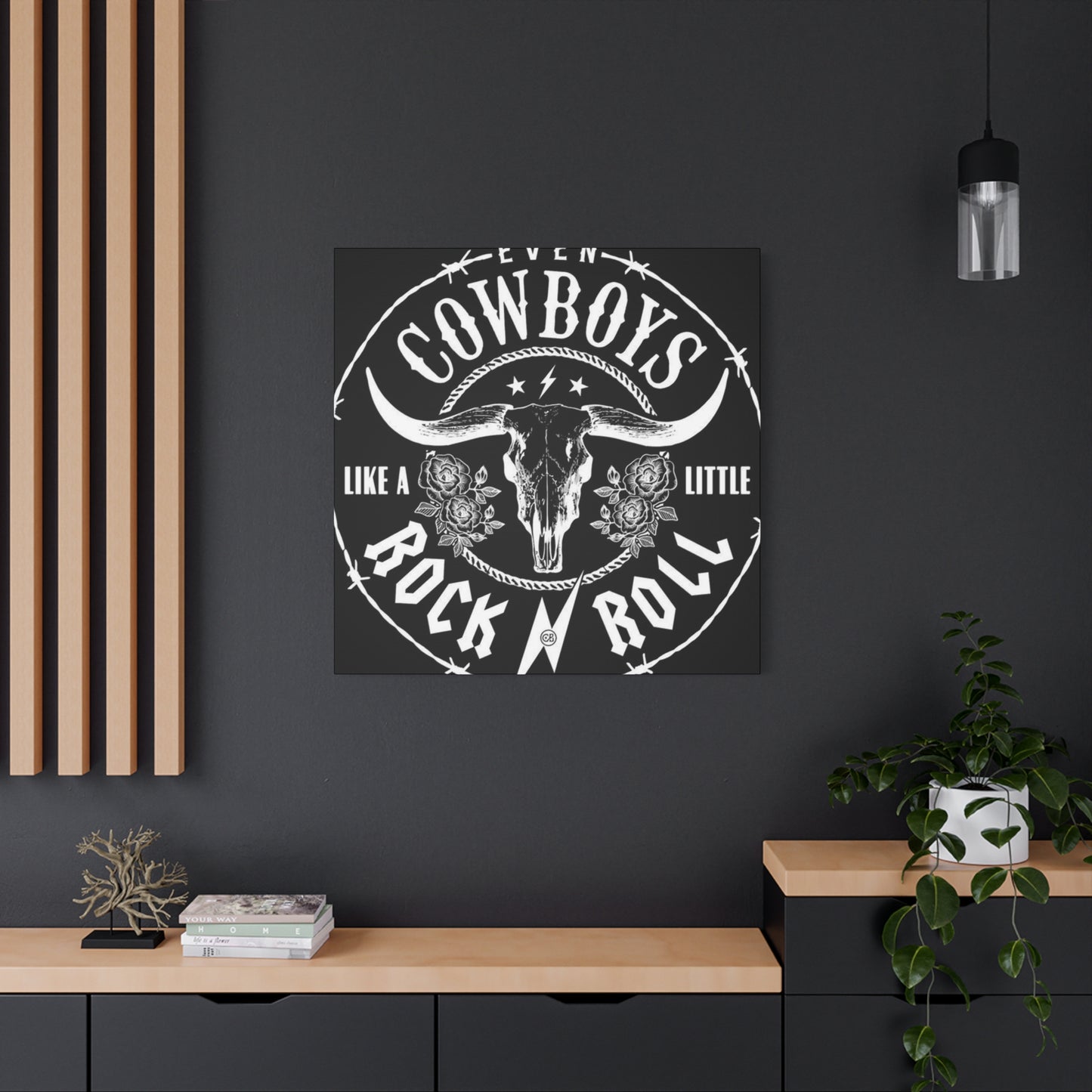
Cowboy Rock N Roll Poster Wall Art & Canvas Prints
Cowboy Rock N Roll Poster Wall Art & Canvas Prints
Couldn't load pickup availability
Cowboy Rock N Roll Poster Wall Art That Captures the Spirit of American Frontier Sound
The intersection of rugged frontier life and rebellious musical expression creates a fascinating visual narrative that continues to captivate collectors and enthusiasts worldwide. When rough-riding cattle herders met the electrifying sounds of guitar-driven melodies, a cultural phenomenon emerged that would forever change how we perceive both Western heritage and modern musical rebellion. This unique fusion manifests beautifully in decorative pieces that celebrate the untamed spirit of both worlds.
The visual celebration of Western musical heritage through artwork represents more than mere decoration. These pieces embody a cultural revolution that swept across America during the mid-twentieth century, when traditional frontier values collided with youthful energy and electronic amplification. The resulting aesthetic creates powerful statements that resonate with anyone who appreciates the raw authenticity of American cultural movements.
The Origins of Western Musical Rebellion and Visual Representation
The connection between frontier culture and rebellious music stretches back further than most people realize. During the 1950s, when young musicians began experimenting with amplified instruments and rhythm-focused compositions, they drew heavily from the storytelling traditions of cattle-driving troubadours. These ranch-working vocalists had spent decades perfecting their craft around campfires, singing tales of adventure, heartbreak, and freedom under vast starry skies.
The visual documentation of this era began with concert promoters who needed eye-catching materials to advertise performances. These early promotional materials featured bold typography, dramatic imagery, and color schemes that reflected the excitement of live performances. Artists working in this field understood that their creations needed to capture the same energy as the music itself, translating sonic excitement into visual impact.
As the 1960s progressed, the relationship between Western imagery and rebellious music deepened. Musicians who had grown up watching frontier films and listening to range-riding vocalists began incorporating these influences into their performances. They wore fringe jackets, silver-studded belts, and leather boots while playing electrified instruments that could shake venue walls. This distinctive aesthetic created a visual language that graphic artists eagerly embraced.
The artwork celebrating this fusion began appearing in various forms throughout the decade. Silkscreen prints, lithographs, and hand-painted canvases all captured different aspects of this cultural phenomenon. Some pieces emphasized the raw power of live performances, while others focused on the romantic mythology of the American West. The best examples managed to balance both elements, creating timeless visual statements that remain compelling decades later.
Visual Elements That Define Western Musical Artwork
Understanding the compositional choices that make these decorative pieces so effective requires examining the specific visual elements artists employ. Color palettes often draw from the natural landscape of the American Southwest, featuring warm earth tones like burnt sienna, dusty orange, and deep ochre. These colors evoke the endless deserts, rugged mountains, and sprawling ranches that form the backdrop of frontier mythology.
Typography plays a crucial role in establishing the proper atmosphere. Many pieces feature bold, angular letterforms reminiscent of wooden signage from frontier towns. These fonts convey strength and permanence while maintaining the rebellious energy associated with youth-oriented music. Some artists incorporate rope-like flourishes or distressed textures that suggest weathering and age, connecting contemporary creations to historical traditions.
Imagery selection ranges from literal to symbolic. Representational pieces might depict musicians with their instruments, wearing characteristic clothing against appropriate backdrops. More abstract compositions might combine silhouettes of horses, guitars, and desert landscapes into layered collages that suggest rather than explicitly state the connection between frontier life and musical rebellion. The most successful pieces find ways to honor both traditions without subordinating one to the other.
Compositional balance determines how viewers experience these works. Many artists employ diagonal lines to create dynamic tension, suggesting movement and energy. Others use symmetrical arrangements to convey stability and authority. The placement of text relative to images requires careful consideration, as poorly positioned words can disrupt visual flow while well-placed typography enhances overall impact.
Textural variety adds depth and interest to flat surfaces. Artists working in this genre often incorporate techniques that create visual texture, whether through brushwork, printing processes, or digital manipulation. These textural elements might suggest weathered wood, worn leather, or the grain of vintage photography. Such details reward close examination while maintaining strong visual impact from a distance.
The Cultural Significance Behind Western Musical Imagery
The enduring appeal of artwork celebrating the fusion of frontier culture and rebellious music reflects deeper currents in American identity. The frontier has long represented freedom, independence, and self-determination in the national imagination. These values resonated powerfully with young people in the post-war era who felt constrained by social expectations and sought authentic forms of self-expression.
Musical rebellion offered a socially acceptable outlet for challenging authority and exploring new possibilities. Unlike political activism, which could carry serious consequences, passionate engagement with guitar-driven music allowed young people to feel revolutionary while remaining within relatively safe boundaries. The visual celebration of this movement through artwork provided tangible symbols that fans could display as markers of identity and allegiance.
The Western aesthetic added an element of historical legitimacy to youthful rebellion. By connecting their movement to frontier mythology, young music enthusiasts could argue that they were actually upholding traditional American values rather than rejecting them. The ranch-working troubadour became a prototype for the rebellious musician, someone who lived by his own code, spoke uncomfortable truths, and refused to compromise his artistic vision for commercial gain.
This connection also provided a masculine archetype that appealed to young men navigating changing social expectations. The frontier hero represented a form of masculinity that was strong but not cruel, independent but not isolated, passionate but not uncontrolled. Musical performers who adopted this persona offered their audiences a model that seemed more authentic than the buttoned-down conformity promoted by mainstream society.
For women, the fusion of Western and musical rebellion imagery offered more complex meanings. While traditional frontier mythology often relegated women to supporting roles, the rebellious music scene created spaces where female performers and fans could claim their own forms of independence and self-expression. Artwork celebrating this movement sometimes reflected these possibilities, though gender dynamics remained complicated throughout the era.
Materials and Methods Used in Creating Western Musical Artwork
The physical creation of decorative pieces celebrating Western musical culture involves various materials and processes, each contributing distinct qualities to finished works. Traditional printing methods like silkscreen and lithography remain popular for their ability to produce bold, graphic images with rich color saturation. These processes require significant skill and offer unique aesthetic qualities that digital reproduction cannot fully replicate.
Silkscreen printing, also known as serigraphy, involves forcing ink through mesh screens onto paper or fabric. Each color requires a separate screen, making the process labor-intensive but allowing for precise color control. The resulting prints feature flat areas of solid color with sharp edges, creating the bold graphic quality associated with vintage concert materials. Many contemporary artists working in this genre deliberately employ silkscreen methods to achieve authentic period aesthetics.
Lithography uses the chemical principle that oil and water do not mix. Artists draw directly onto smooth stones or metal plates with greasy materials, then treat the surface so that ink adheres only to drawn areas. This process allows for subtle gradations and textural variety that other printing methods struggle to achieve. Lithographic prints often feature the rich blacks and nuanced tonal ranges that give images depth and presence.
Hand-painting offers maximum creative control and ensures absolute uniqueness. Artists working in oils, acrylics, or mixed media can build complex layers of color and texture that respond to the specific demands of each composition. While more time-consuming than printing, hand-painting produces one-of-a-kind pieces with tactile qualities that many collectors particularly value. The visible evidence of the artist's hand adds an element of humanity that resonates with the authentic ethos of both Western and musical traditions.
Digital creation has become increasingly sophisticated, allowing artists to combine photographic elements, drawn components, and typographic design in ways that would be impossible or prohibitively expensive using traditional methods. High-quality digital printing can reproduce these compositions with excellent fidelity, making striking imagery accessible to broader audiences. Some purists object to digital methods as lacking the authenticity of traditional processes, while others appreciate how digital tools democratize access to compelling visual art.
Mixed-media approaches combine multiple methods, perhaps beginning with digital design, transferring elements through printing processes, and finishing with hand-painted accents. These hybrid techniques allow artists to leverage the strengths of different methods while creating works that feel both contemporary and rooted in historical craft traditions. The resulting pieces often display remarkable visual complexity and reward extended viewing.
Identifying Authentic Vintage Pieces Versus Modern Reproductions
The market for Western musical artwork includes both genuine vintage items from the 1950s through 1980s and contemporary pieces created in period styles. Distinguishing between these categories requires knowledge of materials, printing processes, and historical context. Authentic vintage pieces possess certain characteristics that modern reproductions rarely perfectly replicate.
Paper quality provides important clues about age and origin. Vintage promotional materials were typically printed on cheaper paper stock that has yellowed and become brittle over decades. This aging process creates a patina that gives vintage pieces distinctive appearance. Modern reproductions often use brighter, whiter paper that immediately signals recent origin. However, some reproduction makers deliberately age their paper through various treatments, complicating identification.
Printing characteristics offer another avenue for authentication. Vintage pieces produced through period-appropriate methods display specific qualities visible under magnification. Offset lithography from the mid-twentieth century shows particular dot patterns, while silkscreen prints reveal slight irregularities in ink coverage that mechanized modern printing typically eliminates. Understanding these technical details requires study but provides reliable authentication criteria.
Typography styles evolved significantly across decades, with certain fonts and design approaches characteristic of specific eras. An experienced observer can often date pieces within a few years based solely on typographic choices. Modern designers sometimes make anachronistic choices, using fonts or layouts that did not exist during the period they are attempting to evoke. These errors help identify contemporary reproductions masquerading as vintage originals.
Provenance documentation significantly impacts valuation and authentication. Original concert promotional materials often include venue names, dates, and other specific details that can be verified through historical records. Performance listings, newspaper archives, and venue records can confirm whether advertised events actually occurred as stated. Pieces with verified provenance command premium prices and offer collectors confidence in their authenticity.
Physical condition tells stories about a piece's history. Genuine vintage items typically show wear consistent with their age and use. Promotional materials might display pin holes from being posted on bulletin boards, or creasing from being folded and transported. These signs of authentic use differ from artificial distressing applied to modern reproductions. Learning to recognize genuine wear patterns helps collectors avoid deliberately aged modern pieces.
Displaying Western Musical Artwork in Contemporary Spaces
Incorporating decorative pieces celebrating Western musical culture into modern living environments requires thoughtful consideration of context, scale, and complementary elements. These bold visual statements can either enhance or overwhelm a space depending on how they are presented. Successful display strategies honor the artwork while creating cohesive environments that feel intentional rather than haphazard.
Wall placement significantly impacts how viewers experience artwork. Eye-level positioning ensures comfortable viewing without strain, while thoughtful spacing between multiple pieces prevents visual crowding. Cowboy rock n roll poster wall art often features strong compositional elements that benefit from surrounding negative space. Allowing adequate breathing room around each piece lets individual works make their full impact rather than competing for attention.
Lighting dramatically affects both artwork preservation and visual presentation. Direct sunlight causes fading and deterioration over time, particularly in pieces created with organic pigments or printed on uncoated paper. Positioning artwork away from windows or using UV-filtering glass protects against light damage while maintaining visibility. Dedicated picture lighting can enhance dramatic impact during evening hours, using adjustable fixtures that prevent heat accumulation while highlighting key compositional elements.
Frame selection bridges the gap between artwork and surrounding environment. Frames should complement rather than compete with the pieces they contain. For bold graphic works, simple frames with clean lines often work best, allowing the artwork itself to remain the focal point. Distressed wood frames can reinforce Western themes, while sleek metal frames might emphasize the rebellious musical aspect. Mat selection provides additional control over presentation, with wider mats creating formal impact while narrow or absent mats maintain casual energy.
Grouping strategies create different effects depending on arrangement approaches. Gallery wall compositions allow multiple pieces to function as a unified installation, telling more complex stories than individual works in isolation. Symmetrical grid arrangements convey order and intentionality, while organic, asymmetrical groupings feel more spontaneous and energetic. Thematic grouping by subject matter, color palette, or era creates narrative coherence that enhances viewer engagement.
Environmental context influences how artwork is perceived and interpreted. A single striking piece in a minimalist space becomes a powerful focal point that commands attention. The same piece in a maximalist environment filled with other visual elements contributes to an overall atmosphere rather than dominating the space. Neither approach is inherently superior, but successful display requires awareness of how individual pieces interact with their surroundings.
The Relationship Between Musical Performers and Visual Artists
The creation of artwork celebrating Western musical culture emerged from genuine collaboration between musicians and visual creators. This partnership produced some of the most iconic imagery in American popular culture, with certain pieces becoming as recognizable as the music they promoted. Understanding this collaborative relationship provides insight into why these works resonate so powerfully with audiences.
Many musicians maintained close working relationships with specific artists, developing visual identities that evolved alongside their musical output. These partnerships allowed for deep understanding of the performer's aesthetic vision and values. Visual creators who truly understood the music they were representing could create imagery that captured not just surface appearances but the underlying spirit and attitude that made the music meaningful.
The creative process often involved extensive consultation and iteration. Musicians might share influences, reference materials, and conceptual ideas that visual artists then translated into compelling imagery. Sketches and proofs moved back and forth until all parties felt satisfied that the final piece authentically represented the musical work it celebrated. This collaborative refinement produced results that neither musicians nor visual creators could have achieved working independently.
Budget constraints shaped aesthetic choices in ways that often enhanced rather than limited final results. Promotional materials needed to make strong impressions without excessive production costs. This necessity drove creativity, with artists developing bold, simplified compositions that translated well to inexpensive printing processes while maintaining visual power. Many now-iconic designs emerged specifically because they worked within tight financial parameters.
Distribution methods influenced design decisions. Pieces intended for display on telephone poles or shop windows needed to communicate effectively from a distance, driving choices toward high contrast, large typography, and simplified imagery. Materials designed for handbills or small advertisements required different approaches, with more complex compositions that rewarded close examination. Artists developed distinct strategies appropriate to different contexts and viewing conditions.
The relationship between performers and visual creators sometimes extended beyond promotional materials into broader artistic collaboration. Album covers, stage designs, and merchandise all required visual components that extended the performer's brand identity. Consistency across these various applications created cohesive artistic statements that reinforced audience connections to the music and the values it represented.
Regional Variations in Western Musical Visual Styles
While Western musical culture emerged from specific geographic regions, it quickly spread across the country and developed distinct regional flavors. These variations manifested in visual representation as artists incorporated local influences and addressed regional audiences. Understanding these geographic distinctions adds depth to appreciation of the overall movement.
Southwestern interpretations emphasized desert landscapes, Native American influences, and Spanish colonial architecture. Color palettes drew from sun-bleached adobe, turquoise jewelry, and the distinctive light of high desert environments. Imagery might incorporate cacti, mesas, and other landscape features specific to Arizona, New Mexico, and similar regions. These pieces often displayed warmer, earthier tones than interpretations from other regions.
California interpretations blended Western themes with surf culture, hot rod aesthetics, and Hollywood glamour. The resulting hybrid style felt more polished and commercial than interpretations from other regions. Bright colors, sleek lines, and references to beach culture distinguished California visual approaches. Artists working in this context often emphasized the rebellious, youthful energy of the music over traditional Western elements.
Texas produced interpretations that emphasized the state's unique cultural identity, blending Western heritage with Southern influences and oil boom prosperity. Visual representations often featured longhorn cattle, oil derricks, and the distinct typography associated with Texas pride. These pieces tended toward bold, unapologetic statements that reflected the state's outsized self-image and fierce regional loyalty.
Nashville and the broader Southeast developed visual styles that incorporated country music traditions alongside the rebellious energy of amplified instruments. These interpretations often felt more refined and commercial, reflecting the music industry infrastructure concentrated in Tennessee. Imagery might reference Grand Ole Opry traditions, rural landscapes, and the intersection of country and rock musical forms.
The Midwest produced grittier, more working-class interpretations that emphasized authenticity and blue-collar values. Imagery might reference factories, highways, and small-town life rather than desert landscapes or ranch culture. These pieces often displayed cooler color palettes and more urban influences than interpretations from regions with stronger Western heritage.
Collecting Strategies for Western Musical Artwork
Building a meaningful collection of artwork celebrating Western musical culture requires strategy, knowledge, and patience. The market includes everything from museum-quality vintage originals to affordable modern reproductions, with price points spanning several orders of magnitude. Successful collectors develop clear goals and educated perspectives that guide their acquisition decisions.
Defining collection scope prevents scattered accumulation and creates coherent themes. Some collectors focus on specific time periods, perhaps concentrating on the initial explosion of Western musical fusion during the 1950s and 1960s. Others might collect works featuring particular performers or venues. Geographic focus provides another organizing principle, with collections documenting how specific regions interpreted and contributed to the broader movement. Thematic approaches might emphasize certain visual styles, printing methods, or subject matter.
Research forms the foundation of informed collecting. Understanding market values prevents overpaying while helping collectors recognize genuine bargains. Following auction results, tracking gallery sales, and studying price guides develops knowledge of current market conditions. Learning to authenticate pieces and recognize important artists protects against fraud while helping collectors identify undervalued works that might appreciate over time.
Condition assessment requires careful attention to numerous factors affecting both aesthetic appeal and long-term value. Tears, creases, stains, and fading all impact desirability and price. Understanding condition grading systems helps collectors evaluate pieces consistently and communicate effectively with sellers. Some collectors prioritize pristine condition regardless of other factors, while others accept condition issues in exceptional pieces that are rarely available.
Building relationships with reputable dealers provides access to quality material and expert guidance. Established dealers with strong reputations offer authentication support, condition guarantees, and market knowledge that benefits collectors. These relationships often provide opportunities to view and acquire pieces before they reach public markets. Supporting dealers who specialize in specific areas helps ensure the continued availability of quality material for the collecting community.
Auction participation offers access to rare pieces but requires preparation and discipline. Setting firm price limits before bidding begins prevents emotional overspending during competitive situations. Understanding buyer's premiums, shipping costs, and other additional expenses ensures accurate budget calculations. Carefully examining condition reports and asking questions before bidding reduces unpleasant surprises when purchased items arrive.
Preservation Strategies for Paper-Based Western Musical Artwork
Proper care ensures that decorative pieces celebrating Western musical culture remain vibrant and intact for future generations. Paper-based artworks face numerous threats including light exposure, humidity fluctuations, atmospheric pollutants, and physical damage. Implementing appropriate preservation strategies protects these cultural artifacts while allowing continued enjoyment of their visual power.
Environmental control provides the foundation for long-term preservation. Maintaining stable temperature and humidity levels prevents the expansion and contraction cycles that stress paper fibers and accelerate deterioration. Ideal conditions typically fall between sixty-five and seventy degrees Fahrenheit with relative humidity between forty-five and fifty-five percent. Significant fluctuations in either parameter cause more damage than maintaining conditions slightly outside ideal ranges.
Light management balances preservation needs against display desires. All light exposure causes gradual fading and degradation, with ultraviolet radiation particularly damaging. Positioning artwork away from direct sunlight provides basic protection. UV-filtering glazing, whether glass or acrylic, blocks harmful wavelengths while allowing visible light transmission. Limiting overall light exposure through strategic positioning or periodic rotation extends the lifespan of vulnerable pieces.
Framing choices impact both protection and presentation. Acid-free materials prevent chemical degradation that occurs when artworks contact acidic papers or adhesives. Window mats should use conservation-grade boards, while backing boards provide structural support without introducing damaging chemicals. Spacers ensure that artwork does not contact glazing, preventing moisture condensation and fungal growth that occur when surfaces touch.
Storage considerations matter even for displayed pieces, as collections often include works not currently on view. Flat storage in acid-free folders or boxes protects against physical damage while maintaining stable conditions. Storing pieces vertically saves space but requires adequate support to prevent warping or bending. Climate-controlled storage environments prevent the extreme temperature and humidity fluctuations that typically occur in attics, basements, and garages.
Handling protocols minimize physical damage during examination or relocation. Clean, dry hands prevent oil and moisture transfer that can cause staining or support fungal growth. Supporting pieces from beneath rather than grasping edges reduces stress on paper fibers. Working on clean surfaces prevents accidental contact with damaging materials. Limiting handling frequency reduces cumulative wear from even careful manipulation.
The Influence of Western Musical Imagery on Contemporary Design
The visual language developed through artwork celebrating Western musical culture continues influencing contemporary graphic design, fashion, and broader visual culture. Elements that originated in mid-twentieth-century promotional materials now appear in contexts far removed from their original purposes. This ongoing influence demonstrates the enduring power and versatility of the aesthetic vocabulary developed during the genre's formative decades.
Graphic designers regularly reference Western musical imagery when seeking to convey authenticity, rebellion, or Americana themes. Bold typography, high-contrast color schemes, and simplified silhouette imagery appear in everything from craft beer labels to motorcycle advertisements. These design choices tap into cultural associations that audiences immediately recognize, even if they lack detailed knowledge of the aesthetic's origins.
Fashion regularly cycles through Western-influenced trends, with musicians and designers reinterpreting classic elements for contemporary audiences. Fringe details, silver hardware, and embroidered motifs appear on runways and in street fashion. These cyclical revivals demonstrate the flexibility of Western visual vocabulary and its capacity to feel both nostalgic and fresh depending on how elements are combined and contextualized.
Music festival and concert promotion continues drawing heavily on the visual traditions established decades ago. Contemporary promotional materials often deliberately evoke vintage aesthetics through distressed textures, period-appropriate typography, and compositional strategies borrowed from historical precedents. This practice maintains continuity with the past while allowing contemporary artists to position themselves within established cultural narratives.
Interior design incorporates Western musical imagery as a shorthand for casual sophistication and cultural literacy. Vintage and vintage-style promotional materials appear in restaurants, hotels, and retail spaces seeking to project particular atmospheres. Cowboy rock n roll poster wall art creates focal points that immediately establish mood and cultural associations, functioning as both decoration and brand signaling.
Digital media adapts Western musical imagery for contemporary platforms and audiences. Social media graphics, website headers, and digital advertisements employ the visual language developed for physical printing, translating analog aesthetics into digital contexts. This translation sometimes produces interesting hybrid forms that maintain connections to historical precedents while embracing contemporary production methods and distribution channels.
The Role of Color Theory in Western Musical Artwork
Color choices in artwork celebrating Western musical culture function as more than aesthetic decisions; they communicate meaning, evoke emotion, and establish visual hierarchies. Understanding the color theory principles underlying effective pieces provides insight into why certain works succeed while others fall flat despite similar subject matter and composition.
Warm color dominance reflects both Western landscape palettes and the energy of live musical performance. Oranges, reds, and yellows create feelings of warmth, excitement, and movement. These hues dominate many successful pieces, immediately establishing appropriate emotional tones. Artists working in this genre understand how warm colors advance visually, commanding attention and creating focal points that draw viewers into compositions.
Cool color accents provide contrast and visual relief within predominantly warm compositions. Blues and greens might represent night skies, water sources in arid landscapes, or the coolness of shadow areas. Strategic cool color placement creates depth and prevents visual monotony while maintaining overall warm atmosphere. The tension between warm and cool colors generates visual interest that sustains viewer engagement.
Saturation levels communicate different messages about energy and authenticity. Highly saturated, vibrant colors suggest excitement, youth, and rebellion. More muted, desaturated palettes evoke vintage aesthetics, weathering, and historical distance. Many contemporary artists working in Western musical genres deliberately reduce saturation to create aged appearances that suggest authenticity and connection to the past.
Value contrast ensures readability and establishes clear visual hierarchies. Strong contrasts between light and dark elements create dramatic impact and ensure that important compositional elements command attention. Insufficient contrast produces weak, muddy compositions that fail to engage viewers effectively. Understanding how to manipulate value relationships separates compelling work from mediocre attempts.
Color symbolism draws from both Western and musical traditions. Browns and tans reference earth, leather, and weathered wood. Red suggests passion, danger, and rebellion. Black conveys sophistication, power, and nighttime performance contexts. Blue might reference sky, loneliness, or the blues musical tradition. Skilled artists deploy these symbolic associations to deepen meaning beyond surface appearances.
Complementary color relationships create visual vibration and energy. Placing colors opposite each other on the color wheel, such as orange and blue or red and green, generates maximum contrast and visual excitement. Many dynamic Western musical compositions employ complementary relationships to achieve the energetic quality appropriate to their subject matter. Understanding color theory allows artists to create these effects intentionally rather than accidentally.
Typography as Visual Voice in Western Musical Artwork
Letterforms in artwork celebrating Western musical culture function as more than information delivery mechanisms; they establish tone, reinforce themes, and contribute to overall compositional strength. The typography choices artists make significantly impact how audiences perceive and interpret their work. Understanding typographic principles reveals another dimension of these visually complex pieces.
Serif versus sans-serif selections communicate different messages about formality and historical period. Heavy slab serif fonts, reminiscent of wooden type used in frontier printing, establish immediate Western associations. These robust letterforms suggest permanence, tradition, and frontier heritage. Sans-serif fonts feel more modern and urgent, capturing the forward-looking energy of rebellious musical movements. Many successful pieces combine both approaches, using different typefaces to distinguish various types of information.
Scale relationships between different text elements create clear information hierarchies. Performer names typically dominate, rendered in the largest, boldest type to ensure immediate recognition. Venue and date information appears in smaller but still readable sizes. Supporting text explaining ticket information or featuring additional performers receives the smallest treatment. These scale relationships guide viewer attention through information in appropriate sequences.
Letter spacing affects both readability and visual texture. Tightly spaced letters create dense, powerful word blocks that function almost as graphic elements. Generous letter spacing feels more elegant and allows individual letterform qualities to register clearly. Artists manipulate spacing to achieve specific effects, sometimes varying spacing within single pieces to create visual variety and emphasis.
Baseline manipulation creates dynamic energy through disruption of horizontal stability. Text that follows curved or angled baselines suggests movement and excitement. Varying baseline heights between words or letters generates visual rhythm and prevents static compositions. These techniques require skill to implement effectively, as excessive manipulation produces chaotic results that confuse rather than engage viewers.
Custom lettering versus standard fonts represents a spectrum of approaches. Hand-drawn lettering allows maximum customization and ensures absolute uniqueness. Each letter becomes an opportunity for individual expression and personality. Standard fonts provide consistency and professional polish while dramatically reducing production time. Many contemporary artists work hybrid approaches, beginning with existing fonts and modifying specific letters to achieve desired character without starting from scratch.
Decorative flourishes extend typography beyond pure information delivery into expressive territory. Rope-like treatments, star accents, drop shadows, and inline details all add visual interest while reinforcing thematic content. These decorative elements require restraint to prevent overwhelming viewers with excessive ornamentation. The best pieces use flourishes strategically, enhancing rather than obscuring core letterforms.
The Economics of Western Musical Artwork Markets
Understanding the financial dimensions of artwork celebrating Western musical culture provides context for collecting decisions and market participation. Prices span enormous ranges depending on factors including authenticity, rarity, condition, featured performers, and market trends. Navigating these markets requires knowledge of valuation principles and awareness of forces driving prices upward or downward.
Vintage promotional materials for legendary performers command premium prices, particularly pieces from important performances or venues. Original materials from historically significant concerts can sell for thousands or even tens of thousands of dollars when condition and provenance are strong. These pieces function as both art objects and historical documents, with values reflecting both aesthetic qualities and cultural significance.
Rarity significantly impacts valuation independent of other factors. Even relatively minor performers or venues can generate strong prices if surviving examples are scarce. Original promotional materials were typically produced in limited quantities and considered ephemeral items to be discarded after serving their immediate purposes. This disposable nature means that surviving examples of any type possess inherent scarcity value.
Artist signatures and edition information affect pricing for intentionally produced art prints as opposed to promotional materials. Signed, numbered limited editions from recognized artists command premium prices over unsigned examples or open editions. Documentation establishing authenticity and edition information significantly enhances value, particularly for pieces by artists whose work has been frequently forged or misrepresented.
Market trends respond to broader cultural forces including musical revivals, museum exhibitions, and generational collecting patterns. Increased attention to specific performers or eras temporarily boosts prices for related visual materials. Savvy collectors monitor these trends, sometimes acquiring materials before widespread attention drives prices upward. However, speculative collecting carries risks when anticipated interest fails to materialize or proves temporary.
Condition dramatically affects pricing in ways that might surprise newcomers to the market. The difference between a pristine example and one with significant condition issues might represent an order of magnitude in valuation. Professional restoration can improve condition but rarely fully recovers value lost to damage. Understanding condition grading and its financial implications protects collectors from overpaying for compromised examples.
Provenance documentation justifies premium pricing through verified authenticity and historical connection. Pieces with documented ownership histories tracing back to original distribution command higher prices than similar examples without such documentation. Exhibition histories, publication records, and other forms of public recognition also enhance values by establishing pieces as noteworthy examples within their category.
Gender Dynamics in Western Musical Visual Culture
The representation of gender in artwork celebrating Western musical culture reflects both the possibilities and limitations of the historical periods that produced these works. While the genre offered certain opportunities for challenging conventional gender roles, it also frequently reinforced problematic stereotypes and exclusions. Contemporary viewers can appreciate these pieces while maintaining critical awareness of their complex gender politics.
Male performers dominated Western musical genres during the formative decades, and visual representations reflected this imbalance. Artwork typically featured men in active, powerful roles, portrayed as independent agents controlling their artistic destinies. These representations drew from frontier mythology that emphasized masculine strength, independence, and freedom from domestic constraints. Visual treatments celebrated male rebellion against social convention while rarely extending similar possibilities to women.
Female representation in Western musical imagery often relegated women to supporting roles as admirers, romantic interests, or decorative elements. When women appeared in promotional materials, they frequently served to enhance male performers' desirability rather than being celebrated for their own artistic contributions. These representational patterns reflected broader social attitudes about appropriate gender roles and women's place in public culture.
Female performers who achieved recognition despite systemic barriers received visual treatment that often emphasized appearance over artistic merit. Promotional materials might focus on physical attractiveness or romantic availability rather than musical skill or creative vision. This aesthetic objectification reflected industry marketing strategies that positioned female performers differently from male counterparts, even when artistic accomplishments were comparable.
Gender-bending aesthetics offered limited challenges to conventional gender presentation within Western musical culture. Some male performers adopted appearance elements that disrupted traditional masculine presentation, including flamboyant clothing, jewelry, and hairstyles. Visual representations sometimes emphasized these unconventional choices, though interpretations varied between celebrating individuality and suggesting transgression. These complicated presentations reflect the era's limited vocabulary for discussing gender nonconformity.
Contemporary artists working in Western musical visual traditions often consciously address historical gender imbalances. Modern interpretations might foreground female performers, challenge objectifying representation patterns, or explore gender nonconformity more explicitly than historical precedents allowed. These contemporary pieces engage with tradition while pushing beyond its limitations, creating more inclusive visual languages for representing Western musical culture.
Feminist scholarship has produced valuable analysis of gender dynamics within Western musical visual culture, revealing how imagery both reflected and reinforced patriarchal social structures. This critical framework helps contemporary viewers understand these works as historical documents that capture specific cultural moments rather than timeless neutral representations. Cowboy rock n roll poster wall art can be appreciated for aesthetic qualities while acknowledging the complex gender politics embedded in these visual traditions.
The Intersection of Western Musical Imagery and Spatial Design
Artwork celebrating Western musical culture functions within architectural environments, interacting with spatial qualities to create cohesive experiential effects. Understanding how these pieces relate to the spaces they inhabit enhances both display strategies and appreciation of their social functions. Visual art does not exist in isolation but constantly dialogues with surrounding environments.
Scale relationships between artwork and architectural space significantly impact visual effectiveness. Large-scale pieces command attention in spacious environments, establishing powerful focal points that organize spatial experience. The same pieces might overwhelm small rooms, creating cramped, uncomfortable atmospheres. Conversely, modestly sized works disappear in vast spaces unless grouped or positioned to create sufficient visual mass for their context.
Architectural style influences appropriate display strategies. Mid-century modern interiors naturally accommodate Western musical imagery through shared emphasis on bold forms, limited color palettes, and honest material expression. Traditional architectural styles present greater challenges, requiring careful selection of pieces and framing approaches that bridge stylistic differences without creating jarring disconnections.
Functional room purposes suggest different display approaches. Living spaces invite conversational artwork that rewards extended viewing and discussion. Pieces with complex compositions, interesting details, or multiple interpretive possibilities work well in settings where people gather and linger. Transitional spaces like hallways benefit from visually striking pieces that register quickly for passing viewers. Bedrooms might display more personal, intimate selections that reflect individual tastes rather than making public statements.
Ceiling height affects viewing angles and display possibilities. Standard eight-foot ceilings limit vertical arrangement options and place artworks within easy viewing range. Higher ceilings enable dramatic vertical stacking or oversized individual pieces that would overwhelm spaces with lower ceilings. Understanding these relationships prevents display decisions that fight against rather than work with existing architectural qualities.
Natural light patterns throughout the day affect how displayed artwork appears under changing conditions. Pieces receiving direct morning sunlight look dramatically different than they do under artificial evening lighting. Considering these variations during display planning ensures that works appear appealing under typical viewing conditions. Some collectors deliberately position pieces to take advantage of changing light qualities, creating dynamic viewing experiences that evolve throughout the day.
Conclusion
Beyond surface appearances, artwork celebrating Western musical culture often engages deeper mythological and quasi-spiritual themes that help explain its enduring resonance. These pieces tap into archetypal narratives about freedom, authenticity, and individual expression that transcend specific historical moments or musical styles. Understanding these deeper dimensions reveals why seemingly simple imagery continues affecting viewers decades after creation.
The frontier functions as mythological space in American imagination, representing limitless possibility and freedom from social constraint. Western musical imagery draws power from this symbolic landscape, positioning performers as contemporary frontier figures exploring cultural rather than geographic territory. This mythological framing elevates musicians beyond mere entertainers, casting them as cultural pioneers mapping new expressive possibilities.
Rebellious music serves quasi-religious functions for devotees who find meaning, community, and transcendent experiences through sonic engagement. Visual representations of this culture function almost like religious iconography, providing focal points for meditation on values and experiences that adherents hold sacred. The reverential treatment serious fans accord certain pieces reflects this quasi-spiritual dimension of musical culture.
The outlaw archetype bridges Western and musical rebellious traditions, representing individuals who reject conventional social rules to follow personal codes of honor and authenticity. This figure appears throughout Western musical imagery, whether explicitly referenced through specific visual elements or implicitly suggested through compositional choices. The outlaw represents freedom as opposition to constraint rather than simple absence of limitation, appealing to audiences navigating complex social expectations.
Transformation narratives underlie many Western musical representations, suggesting that engagement with this culture facilitates personal metamorphosis. The frontier represents space where one can leave behind previous identities and construct new selves aligned with authentic desires. Musical rebellion offers similar possibilities, promising that passionate engagement will reveal and liberate true identity previously suppressed by social convention.
Collective experience creates community among strangers, with musical performance serving as secular communion where individual isolation temporarily dissolves in shared intensity. Visual representations often gesture toward this communal dimension through crowd inclusion or compositional choices that position viewers as participants rather than distant observers. This inclusive approach invites audience identification and reinforces music's community-building functions.
Authenticity operates as cardinal value throughout Western musical culture, functioning almost as spiritual quality that separates legitimate from compromised expression. Visual representations often emphasize rawness, honesty, and directness as markers of authenticity.
Share