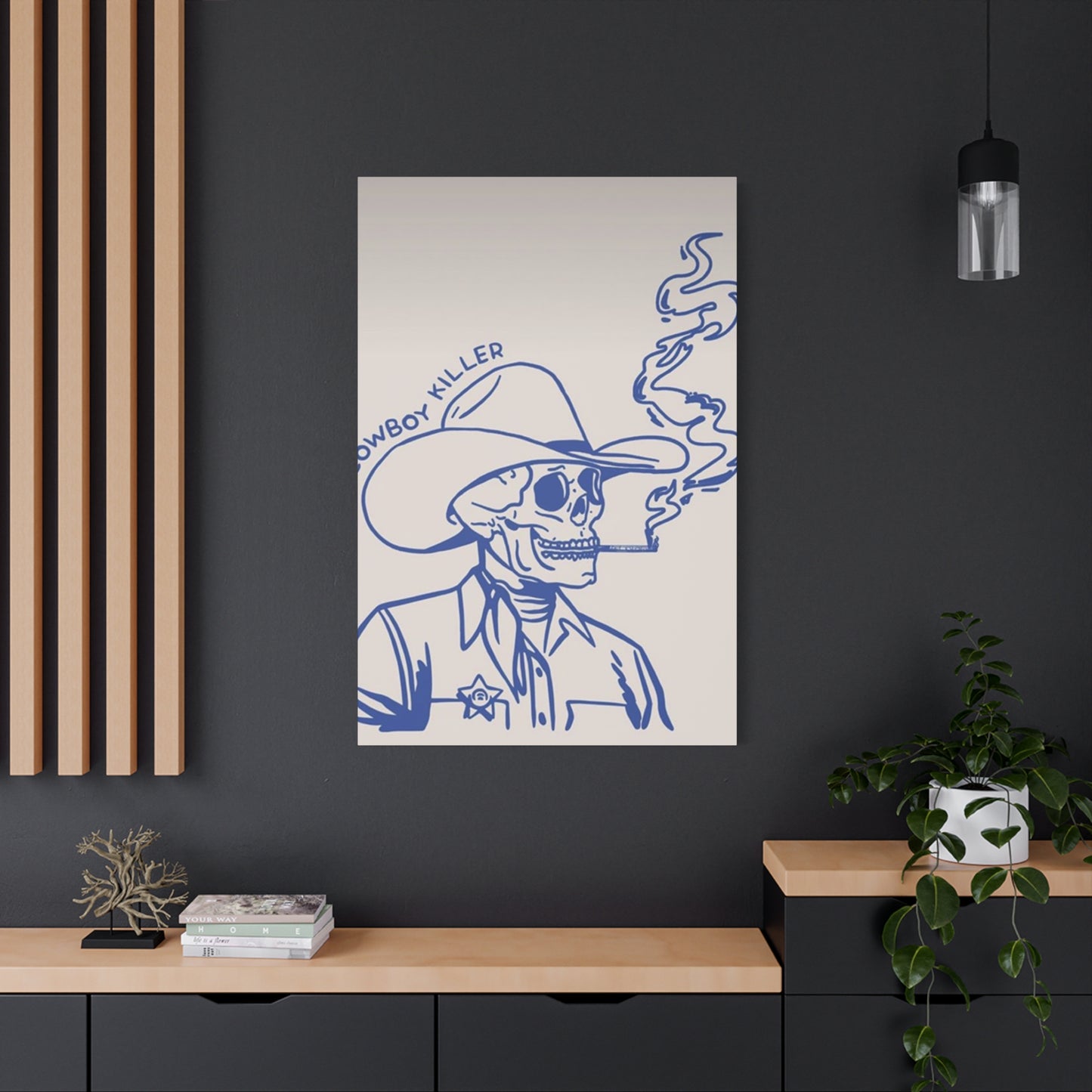
Cowboy Killer Sketch Wall Art & Canvas Prints
Cowboy Killer Sketch Wall Art & Canvas Prints
Couldn't load pickup availability
Cowboy Killer Sketch Wall Art: An Extensive Journey Through Western Imagery and Decorative Masterpieces for Modern Living Spaces
The world of western-themed decorative pieces has experienced a remarkable resurgence in contemporary interior design, with cowboy killer sketch wall art emerging as a distinctive focal point for enthusiasts of rugged aesthetics and nostalgic Americana. This particular genre of visual expression captures the raw essence of frontier life, combining historical authenticity with artistic interpretation to create compelling narratives that resonate across generations. The term itself evokes images of weathered landscapes, untamed spirits, and the complex relationship between humanity and the wilderness that defined an entire era of American consciousness.
The Cultural Significance and Symbolic Resonance Behind Western Frontier Imagery in Contemporary Artistic Expression
Western frontier imagery holds a unique position within the collective consciousness of modern society, representing far more than mere historical documentation. These visual narratives embody the spirit of independence, resilience, and the eternal human quest for freedom that characterized the settlement of the American West. When examining cowboy killer sketch wall art, we encounter a rich tapestry of symbolism that speaks to fundamental aspects of human nature—the struggle for survival, the pursuit of dreams in harsh environments, and the formation of identity through adversity.
The artistic representations found in these sketches often depict solitary figures against vast, unforgiving landscapes, creating a visual dialogue between individual determination and nature's overwhelming power. This juxtaposition resonates deeply with contemporary audiences who navigate their own metaphorical frontiers in an increasingly complex world. The sketches serve as reminders of a time when survival depended on skill, courage, and an intimate understanding of the natural world—qualities that remain relevant despite our modern conveniences.
The symbolism extends beyond mere nostalgia, touching upon themes of masculinity, honor codes, and the establishment of justice in lawless territories. These artworks capture moments of tension, contemplation, and action that defined the lives of those who ventured into uncharted territories. The sketched medium itself adds layers of interpretation, as the incomplete nature of line work suggests stories left untold, allowing viewers to project their own narratives onto the canvas.
Exploring Various Artistic Styles and Visual Approaches Within Western-Themed Sketch Artwork for Residential Decoration
The realm of western-themed sketch artwork encompasses an extraordinary diversity of stylistic approaches, each offering distinct aesthetic qualities and emotional impacts. Traditional realism dominates many collections, where artists meticulously render every detail of weathered faces, worn leather, and dusty trails with photographic precision. These works transport viewers directly into historical moments, preserving the authentic atmosphere of frontier life through careful observation and technical mastery.
Contrasting with hyperrealism, impressionistic interpretations of western scenes employ loose, expressive linework that captures movement and emotion rather than precise detail. These sketches often feature dynamic compositions where figures emerge from swirling marks and gestural strokes, conveying the chaos and energy of cattle drives, gunfights, or wild horse stampedes. The spontaneous quality of impressionistic western art creates an immediate emotional connection, bypassing intellectual analysis to strike directly at visceral responses.
Minimalist approaches to cowboy killer sketch wall art strip away extraneous elements, focusing on essential forms and negative space to create powerful statements. A single figure silhouetted against an empty horizon, rendered in just a few confident strokes, can convey isolation and determination more effectively than elaborate compositions. This reduction to fundamentals demonstrates the enduring strength of simple, well-executed concepts in visual storytelling.
Contemporary artists have also introduced surrealistic elements into western imagery, blending realistic frontier subjects with dreamlike distortions, impossible landscapes, or symbolic additions that transform straightforward historical scenes into complex philosophical statements. These innovative interpretations challenge viewers to reconsider familiar western archetypes through fresh perspectives, creating conversations between past and present, reality and imagination.
Understanding Material Composition and Creation Processes for High-Quality Sketch-Based Decorative Pieces
The materials used in creating and reproducing cowboy killer sketch wall art significantly influence both the visual impact and longevity of these decorative pieces. Original sketches typically employ graphite, charcoal, ink, or combinations thereof on various paper stocks, each medium contributing unique textural qualities and tonal ranges. Graphite offers precision and subtle gradations, perfect for rendering fine details in portraiture or architectural elements of frontier buildings. Charcoal provides dramatic contrasts and atmospheric effects, ideal for capturing the dust, smoke, and harsh lighting conditions of western environments.
Contemporary reproductions utilize various printing methodologies to translate original sketches into accessible formats for collectors. Giclée printing has emerged as the premium standard, employing archival-quality inks and specialized printers to achieve exceptional color accuracy and longevity. This process produces prints virtually indistinguishable from originals in terms of detail and tonal range, making museum-quality artwork available at reasonable price points.
Canvas transfers represent another popular format, where sketch imagery is reproduced on textured canvas surfaces that add dimensional quality to the final product. The canvas weave introduces subtle variations in how light interacts with the image, creating depth and visual interest that flat prints cannot match. Many collectors prefer canvas presentations for their gallery-ready appearance and substantial presence that commands attention in any space.
Metal prints have recently gained popularity for western-themed artwork, particularly sketches with strong contrast and bold compositions. The aluminum substrate creates remarkable luminosity and depth, with whites appearing brilliant and blacks achieving rich intensity. The modern aesthetic of metal prints creates intriguing juxtapositions when paired with traditional western subjects, bridging historical and contemporary design sensibilities.
Paper quality plays a crucial role in archival stability and visual presentation. Acid-free, lignin-free papers prevent yellowing and deterioration over time, ensuring sketches maintain their original appearance for decades. Different paper textures—from smooth hot-press to rough cold-press—affect how media interact with surfaces, influencing the character and mood of finished works.
Strategic Placement Considerations for Maximizing Visual Impact Within Different Residential Environments
The placement of cowboy killer sketch wall art within living spaces requires thoughtful consideration of numerous factors including lighting conditions, surrounding décor, room function, and viewing distances. These elements collectively determine whether artwork achieves its full potential or becomes merely background decoration. Understanding the principles of strategic placement transforms ordinary rooms into carefully curated environments that tell cohesive visual stories.
Natural lighting presents both opportunities and challenges for displaying sketch artwork. North-facing walls receive consistent, indirect illumination throughout the day, preventing harsh sunlight from fading delicate media or creating glare on protective glazing. East and west walls experience dramatic lighting changes as the sun traverses the sky, which can either enhance or diminish artwork depending on viewing times. South-facing walls receive intense, direct sunlight in many climates, necessitating protective measures such as UV-filtering glass or strategic positioning away from direct exposure.
Artificial lighting systems offer precise control over how artwork appears under different conditions. Track lighting allows adjustable spotlights to highlight specific pieces, creating focal points that draw attention across rooms. Picture lights mounted directly above frames provide consistent illumination while adding decorative elements that enhance traditional aesthetics. Ambient lighting from ceiling fixtures or lamps creates overall illumination that should be balanced to prevent excessive brightness differentials between artwork and surroundings.
Room function influences appropriate subject matter and presentation styles for western-themed sketches. Living rooms serve as primary gathering spaces where larger, conversation-starting pieces anchor seating arrangements and establish overall design themes. Dining areas benefit from artwork that encourages contemplation without distracting from social interaction, making quieter, more introspective western scenes ideal choices. Private spaces like bedrooms and studies accommodate more personal selections that reflect individual tastes without concern for broader appeal.
Viewing distance fundamentally affects size selections and detail visibility. Artwork intended for appreciation from across large rooms should feature bold compositions with clear focal points that remain effective at distances of fifteen to twenty feet. Conversely, pieces meant for close examination in hallways or intimate spaces can incorporate intricate details that reward careful observation. Matching artwork scale to viewing parameters ensures proper visual hierarchy and prevents pieces from appearing either overwhelming or insignificant.
Harmonizing Western Sketch Artwork with Various Interior Design Philosophies and Aesthetic Movements
Incorporating cowboy killer sketch wall art into diverse interior design schemes requires understanding both the inherent characteristics of western imagery and the fundamental principles of different aesthetic movements. This knowledge enables collectors to create harmonious environments where artwork enhances rather than conflicts with surrounding elements, resulting in spaces that feel intentional and cohesive.
Rustic design philosophies naturally accommodate western-themed sketches, as both emphasize raw materials, earthy color palettes, and connections to natural environments. Exposed wood beams, stone fireplaces, and leather furnishings create perfect companions for frontier imagery, establishing authentic atmospheres that transport inhabitants to earlier eras. The weathered textures and organic imperfections characteristic of rustic spaces mirror the aged, lived-in quality of historical western subjects, creating seamless visual conversations between artwork and environment.
Industrial aesthetics, characterized by exposed brick, metal fixtures, and minimalist furniture, might seem incompatible with western themes at first consideration. However, the shared emphasis on functionality, honest materials, and unpretentious presentation creates surprising synergies. Black-and-white sketches of frontier scenes complement industrial palettes while adding warmth and narrative depth that softens the sometimes stark quality of purely industrial spaces. The juxtaposition of historical western imagery against contemporary industrial backdrops creates dynamic tension that stimulates visual interest.
Minimalist interiors challenge conventional assumptions about decorating with western artwork, yet carefully selected sketches can enhance these spare environments remarkably effectively. A single, powerful image of a lone cowboy against an empty landscape reinforces minimalist principles of reduction and essential form. The negative space surrounding subject matter in many western sketches mirrors the intentional emptiness valued in minimalist design, creating philosophical alignment between artwork and architectural approach.
Eclectic design schemes, which deliberately combine elements from multiple periods and styles, provide perhaps the most flexible framework for incorporating western sketches. These environments thrive on unexpected combinations and visual diversity, allowing frontier imagery to coexist with Victorian furnishings, mid-century modern chairs, or contemporary abstract paintings. The key to success in eclectic spaces lies in identifying common threads—color harmonies, textural relationships, or thematic connections—that unite disparate elements into cohesive wholes.
Contemporary modern interiors increasingly embrace western motifs as counterbalances to sleek, technology-dominated environments. The organic, handcrafted quality of sketch artwork provides tactile and emotional warmth that softens the sometimes cold precision of modern design. Large-format western sketches make bold statements against white walls and clean architectural lines, serving as focal points that humanize spaces while maintaining sophisticated aesthetics.
Preserving and Protecting Sketch-Based Artwork to Ensure Long-Term Visual Quality and Structural Integrity
Proper preservation of cowboy killer sketch wall art requires understanding the vulnerabilities of sketch media and implementing protective measures that safeguard against environmental threats. Sketches created with dry media such as graphite and charcoal are particularly susceptible to smudging, while ink-based works face fading from light exposure. Addressing these challenges ensures artwork maintains its original appearance for generations.
Environmental controls form the foundation of effective preservation strategies. Temperature stability prevents expansion and contraction of paper fibers that can cause buckling, warping, or stress on mounted sketches. Maintaining temperatures between sixty-five and seventy degrees Fahrenheit minimizes these risks while creating comfortable living conditions. Humidity regulation proves equally critical, as excessive moisture promotes mold growth and paper deterioration while insufficient humidity causes brittleness and cracking. Maintaining relative humidity between forty and fifty percent provides optimal conditions for paper-based artwork.
Light exposure represents the most significant threat to sketch longevity, particularly for works created with fugitive pigments or light-sensitive media. Ultraviolet radiation breaks down molecular structures in papers and pigments, causing irreversible fading and discoloration. Limiting direct sunlight exposure, using UV-filtering glazing materials, and implementing appropriate artificial lighting all contribute to light damage prevention. Museums typically limit light exposure to fifty lux for particularly sensitive works, though residential settings may tolerate slightly higher levels with appropriate precautions.
Framing choices dramatically impact preservation outcomes. Acid-free matting materials prevent chemical migration that causes foxing, discoloration, and paper degradation. Museum-quality frames incorporate sealed backing systems that exclude dust, insects, and airborne pollutants while allowing minimal air exchange to prevent moisture accumulation. Spacers between artwork and glazing prevent contact that could facilitate smudging or media transfer, particularly important for unfixed charcoal or pastel sketches.
Regular inspection routines enable early detection of deterioration signs before significant damage occurs. Examining artwork quarterly for discoloration, foxing, mold growth, or structural issues allows timely intervention. Professional conservation assessment should be sought whenever concerning changes appear, as attempting repairs without proper training often causes additional damage. Documenting artwork condition through photography creates valuable records for insurance purposes and deterioration tracking.
Handling protocols minimize accidental damage during cleaning, relocation, or storage. Clean, dry hands or cotton gloves prevent oil and moisture transfer to artwork surfaces. Supporting framed pieces from beneath rather than grasping frames by top edges prevents stress on hanging hardware and frame joints. When storing artwork temporarily, vertical positioning prevents pressure damage while acid-free tissue paper interleaving protects surfaces from contact with adjacent items.
Authenticating Original Western Sketches and Evaluating Quality in Reproduction Prints for Informed Collecting
The marketplace for western-themed artwork encompasses both original sketches and reproductions across vast quality spectrums, making authentication and quality evaluation essential skills for collectors. Understanding distinguishing characteristics between originals and prints, recognizing signs of quality craftsmanship, and identifying reputable sources protects investments while ensuring acquisition of pieces that deliver lasting satisfaction.
Original sketches possess unique physical characteristics absent from reproductions. Hand-drawn marks exhibit subtle variations in pressure, direction, and intensity that reveal the artist's gestural movements and decision-making processes. Examining works under magnification often reveals these distinctive qualities—the slight texture of paper fibers compressed by drawing implements, the irregular edges of charcoal strokes, or the dimensional quality of ink sitting atop paper surfaces. Reproductions, regardless of quality, lack these three-dimensional characteristics, appearing uniformly flat under magnification.
Signature examination provides crucial authentication information. Original signatures typically exhibit the same media characteristics as the artwork itself, with graphite or charcoal signatures showing physical integration with paper surfaces. Printed signatures appear perfectly consistent across multiple reproductions, lacking the natural variations present in hand-executed marks. However, some artists sign limited-edition prints individually, complicating authentication. Comparing signatures against documented examples and consulting authentication experts helps resolve uncertainties.
Provenance documentation establishes ownership history and validates authenticity claims. Original sketches should ideally include gallery receipts, previous auction records, or certificates of authenticity from recognized authorities. Gaps in provenance raise questions requiring additional investigation. Reproduction prints should clearly state edition numbers and printing methods, with reputable publishers providing detailed information about production processes and materials.
Quality assessment in reproduction prints focuses on technical excellence and material durability. High-quality giclée prints exhibit smooth tonal transitions without visible banding or posterization, accurate color rendering that matches original sketches, and sharp detail preservation even in fine linework. Paper quality should meet archival standards with appropriate weight, texture, and acid-free composition. Canvas prints should feature proper stretching without ripples or sagging, with gallery-wrap edges demonstrating clean, professional finishing.
Printer reputation and production standards significantly influence reproduction quality. Established publishers with long market presence typically maintain stringent quality controls and use premium materials. Limited edition prints from recognized publishers generally command higher values and demonstrate superior craftsmanship compared to mass-market offerings. Researching printer credentials, reading collector reviews, and examining physical samples before purchase helps ensure satisfactory acquisitions.
Price evaluation requires market knowledge and realistic expectations. Original sketches by recognized western artists command premium prices reflecting artistic skill, historical significance, and rarity. Lesser-known artists produce original works at more accessible price points, offering collecting opportunities for those prioritizing originality over famous names. Reproduction prices should align with production quality and edition size, with open-edition prints costing significantly less than limited releases or artist-signed editions.
Discovering Emerging Artists and Established Masters Within the Western Sketch Artistic Community
The western sketch artistic community encompasses diverse talents ranging from emerging artists developing distinctive voices to established masters whose work defines genre standards. Exploring this creative landscape reveals opportunities to support developing talents while appreciating the achievements of recognized authorities whose contributions have shaped western artistic traditions.
Emerging artists bring fresh perspectives to familiar western themes, often incorporating contemporary sensibilities or experimental approaches that challenge conventional representations. These creators might explore environmental themes within frontier contexts, examine often-overlooked perspectives such as indigenous experiences, or apply unconventional media and techniques to traditional subjects. Supporting emerging talent provides financial encouragement while acquiring works that may appreciate significantly as artists gain recognition.
Discovering emerging artists requires active engagement with artistic communities. Attending western art shows, visiting galleries specializing in frontier themes, and participating in online forums dedicated to western artwork exposes collectors to developing talents. Social media platforms have democratized artist exposure, allowing creators to share works directly with global audiences. Following hashtags related to western artwork, sketch art, or frontier themes surfaces numerous talented artists seeking broader audiences.
Regional art associations and western heritage museums often showcase emerging talents through member exhibitions and juried competitions. These venues provide curated selections that undergo expert evaluation, offering quality assurances for collectors unfamiliar with individual artists. Purchasing award-winning works from juried shows demonstrates discernment while supporting artists receiving peer recognition.
Established masters within western sketch artwork have devoted careers to perfecting their craft, developing recognizable styles that command respect and premium valuations. These artists possess deep knowledge of frontier history, anatomy, and environmental detail that informs authentic, compelling representations. Their work demonstrates technical mastery achieved through decades of practice, study, and refinement.
Major western art auctions and premier galleries represent established masters, providing access to significant works with established provenance and authentication. These venues cater to serious collectors willing to invest substantially in iconic pieces that anchor collections. Annual events such as major western art exhibitions bring together leading artists, galleries, and collectors, creating marketplace energy and networking opportunities.
Understanding artistic lineages and mentorship relationships provides context for stylistic developments within western sketch artwork. Many contemporary artists studied under recognized masters, inheriting techniques and perspectives while developing personal interpretations. Tracing these artistic genealogies reveals fascinating connections between historical movements and current practices, enriching appreciation for individual works.
Artist monographs and career retrospectives offer comprehensive examinations of significant artistic contributions. These publications document stylistic evolution, major works, and contextual information that deepens understanding. Building reference libraries of artist monographs creates valuable resources for collection development and investment decisions.
Examining the Color Palette and Tonal Range Considerations for Western-Themed Decorative Pieces
Color and tonal considerations in cowboy killer sketch wall art extend beyond mere aesthetic preferences, encompassing psychological impacts, historical authenticity, and environmental harmony that collectively influence viewer experiences. Understanding these dimensions enables informed selections that achieve desired emotional effects while complementing existing décor schemes.
Traditional western sketches often employ limited color palettes or monochromatic approaches that emphasize form, value, and composition over chromatic variation. Sepia-toned works evoke historical photography, creating immediate associations with frontier-era documentation. These warm brown hues suggest aged documents and vintage imagery, reinforcing temporal distance and nostalgic qualities. Sepia's psychological warmth creates inviting, comfortable atmospheres particularly suited to intimate spaces like libraries and studies.
Black-and-white sketches deliver dramatic impact through pure tonal contrast, eliminating color distractions to focus attention on compositional elements and subject matter. High-contrast imagery creates bold, graphic statements that command attention across rooms, while subtle gradations demonstrate technical mastery and dimensional modeling. Grayscale palettes offer remarkable versatility, complementing virtually any color scheme without creating chromatic clashes.
Selective colorization represents a contemporary approach where predominantly monochromatic sketches incorporate strategic color accents. A single red element—perhaps a neckerchief, sunset, or blood—creates focal emphasis while maintaining overall sketch character. This technique generates visual tension between neutral foundations and chromatic highlights, directing viewer attention while preserving artistic restraint. Selective color adds contemporary sophistication to traditional subjects, appealing to collectors seeking fresh interpretations.
Full-color western sketches capture the vibrant reality of frontier environments—azure skies, ochre landscapes, sage vegetation, and rich leather tones. These works sacrifice some of the timeless quality inherent in monochromatic approaches but gain immediacy and visceral impact. Color accuracy in depicting period-appropriate clothing, equipment, and environments demonstrates research commitment and historical integrity.
Tonal range encompasses the span between lightest highlights and deepest shadows within artwork, fundamentally affecting mood and atmosphere. High-key images featuring predominantly light values create optimistic, open feelings appropriate for cheerful spaces. Low-key compositions dominated by dark values generate mystery, drama, and intensity that enhance sophisticated, moody environments. Mid-tone works balance light and dark, creating stable, harmonious impressions that work universally.
Complementary relationships between artwork and surrounding décor require careful color coordination. Monochromatic sketches simplify coordination, working effectively against virtually any wall color. Colored sketches demand more careful planning, considering existing furniture, accent pieces, and architectural elements. Repeating colors found in sketches throughout rooms creates cohesive design schemes, while contrasting approaches generate visual excitement through opposition.
Lighting conditions dramatically alter color and tonal perception in artwork. Natural daylight reveals colors most accurately but varies throughout days and seasons. Incandescent lighting adds warmth, intensifying reds and oranges while muting blues. LED lighting offers spectrum options from warm to cool, allowing customization based on artwork characteristics and desired effects. Testing artwork under actual display lighting prevents disappointing discrepancies between purchase environments and final installations.
Investigating Historical Accuracy and Narrative Authenticity in Western Frontier Artistic Representations
Historical accuracy in cowboy killer sketch wall art exists on a spectrum from meticulously researched authenticity to romanticized interpretation, with both approaches offering distinct values to collectors. Understanding this range enables informed decisions about which representations align with personal priorities regarding historical fidelity versus artistic license.
Authenticity-focused artists invest considerable effort researching period-specific details including clothing construction, weapon types, saddle designs, architectural styles, and environmental characteristics. These creators consult historical photographs, museum collections, written accounts, and material culture experts to ensure accurate representations. Their sketches function as visual documentation, capturing frontier life with scholarly rigor that appeals to historians and serious western enthusiasts.
Equipment and costume accuracy distinguishes authentic representations from generic western imagery. Specific hat styles, boot designs, holster placements, and clothing materials evolved throughout frontier periods and varied by region and occupation. Authentic artwork reflects these variations, depicting Texas cowboys differently from Montana ranchers, and 1870s figures distinctly from 1890s subjects. Such precision demonstrates artist dedication and provides educational value beyond mere decoration.
Architectural details reveal research depth or lack thereof. Authentic frontier buildings featured specific construction techniques using locally available materials, with regional variations reflecting climate, resources, and cultural influences. Adobe structures dominated southwestern territories while log construction prevailed in forested regions. Window configurations, door styles, and roof materials all followed practical considerations that authentic artwork faithfully renders.
Environmental accuracy encompasses vegetation, geological features, and atmospheric conditions appropriate to depicted regions and seasons. Southwestern desert scenes should feature appropriate cacti species rather than generic "western plants," while northern plains representations require different flora entirely. Sky conditions, lighting angles, and seasonal indicators like snow presence or vegetation state add temporal specificity that distinguishes careful observation from cursory execution.
Romanticized interpretations prioritize emotional impact, symbolic meaning, and aesthetic appeal over documentary accuracy. These works may incorporate anachronistic elements, dramatic exaggerations, or impossible scenarios that enhance narrative power while sacrificing literal truth. Artists creating romanticized western imagery draw from mythology and popular culture as much as history, producing works that capture frontier spirit rather than specific moments.
Both approaches possess legitimate artistic merit. Authentic representations serve educational functions while satisfying collectors valuing historical integrity. Romanticized interpretations embrace art's freedom to transcend literal documentation, creating emotionally resonant works that explore universal themes through western contexts. Collection strategies might incorporate both categories, appreciating each for distinct contributions.
Narrative authenticity addresses whether depicted scenarios plausibly occurred regardless of specific detail accuracy. A sketch showing a lone cowboy confronting a dust storm rings true because such encounters frequently happened, even if the particular figure's clothing includes minor anachronisms. Conversely, imagery depicting impossibly glamorous scenarios with no basis in frontier reality prioritizes fantasy over authenticity. Evaluating narrative plausibility provides a middle ground between demanding documentary precision and accepting complete fabrication.
Understanding Scale Relationships and Proportion Guidelines for Impactful Artwork Display Within Varied Spatial Contexts
Scale and proportion considerations fundamentally influence whether cowboy killer sketch wall art achieves harmonious presence or creates awkward visual relationships within spaces. Mastering these principles transforms arbitrary decoration into intentional design that enhances architectural features and fulfills functional requirements.
The two-thirds rule provides reliable guidance for artwork sizing relative to furniture. Wall art should span approximately two-thirds to three-quarters the width of sofas, beds, or tables it accompanies, creating visual anchoring without overwhelming or appearing insignificant. A seven-foot sofa ideally pairs with artwork measuring fifty to sixty inches wide, while a four-foot console table suits artwork spanning thirty to forty inches. This proportional relationship creates balanced compositions that feel naturally coordinated.
Vertical spacing between furniture and artwork affects perception and functionality. Hanging artwork six to eight inches above furniture creates comfortable visual transitions without excessive gaps. Higher placements risk disconnection between elements, while insufficient spacing creates cramped appearances. This guideline applies to various furniture types including sofas, sideboards, beds, and desks, maintaining consistent proportional relationships throughout spaces.
Eye-level centering represents standard practice for artwork placement, positioning pieces so centers align approximately fifty-seven to sixty inches from floors—the average human eye height in standing positions. This standard creates comfortable viewing angles without excessive looking up or down. Exceptions occur in spaces designed for seated viewing, where lower placements accommodate typical sightlines from chairs or sofas.
Gallery walls and multi-piece arrangements follow distinct guidelines compared to single artworks. Collections should be planned as unified compositions with individual pieces relating to each other through spacing, alignment, and visual weight distribution. Maintaining consistent spacing between pieces—typically two to four inches—creates cohesion while allowing individual works to retain identity. The overall arrangement should occupy wall space using the same proportional guidelines that apply to single pieces.
Room scale influences appropriate artwork dimensions, with larger spaces accommodating or even requiring substantial pieces that smaller rooms cannot support. A spacious living room with twelve-foot ceilings might feature artwork measuring sixty inches or more in dominant dimensions, while a compact bedroom requires modesty restraint. Assessing room volumes rather than merely floor areas provides better scaling guidance, as vertical dimensions dramatically affect spatial perception.
Multiple artworks arranged horizontally should maintain consistent bottom edges or centerlines to create visual stability. Staggered arrangements work when intentionally designed but often appear haphazard without careful planning. Vertical stacking follows similar principles, with pieces aligned along side edges or center axes. These alignment strategies create invisible organizational grids that unify disparate elements.
Negative space surrounding artwork functions as visual breathing room that prevents cluttered appearances. Densely decorated walls can feel overwhelming regardless of individual piece quality, while thoughtful spacing allows each element to make distinct impressions. Balancing decorated and empty wall areas creates rhythm and prevents visual fatigue that occurs when every surface demands attention.
Crafting Cohesive Gallery Walls Featuring Western Themes with Varied Sketch Styles and Subject Matter
Gallery walls offer opportunities to showcase multiple cowboy killer sketch wall art pieces while creating dynamic visual narratives that single artworks cannot achieve. Successful galleries balance diversity with unity, incorporating varied subjects, styles, and formats into cohesive arrangements that tell compelling stories about frontier life and western themes.
Thematic coherence provides foundational organization for western-themed gallery walls. Collections might focus on specific aspects such as cowboy life, Native American subjects, frontier landscapes, or wildlife encounters. This focused approach creates clear narratives while allowing variety within parameters. Alternatively, broader frontier life themes accommodate diverse subjects united by temporal period or geographical region, offering flexibility while maintaining conceptual links.
Visual rhythm emerges through strategic placement of similar and contrasting elements. Alternating large and small pieces creates dynamic flow guiding eyes through arrangements. Grouping similar subjects or styles in clusters creates visual anchors while distributed variety prevents monotony. Color repetition establishes connections across separated pieces, weaving compositions together through chromatic echoes.
Frame selection dramatically impacts gallery wall cohesion. Uniform framing creates strong unity through consistent borders, allowing varied artwork to coexist harmoniously. This approach works particularly well when showcasing multiple artists or styles that might otherwise clash. Alternatively, varied frames add visual interest when artwork itself shares strong commonalities in subject matter or color palette. Mixing frame styles successfully requires careful attention to proportional relationships and finish compatibilities.
Symmetrical arrangements create formal, balanced impressions appropriate for traditional spaces. Central focal pieces establish foundations around which surrounding works are mirrored, creating stable, predictable compositions. This approach particularly suits spaces with architectural symmetry or formal furnishing arrangements. Asymmetrical designs generate contemporary energy through unexpected placements and size variations. These arrangements demand more careful planning to achieve balanced visual weight distribution without geometric regularity.
Template planning prevents costly mistakes and facilitates experimentation. Creating paper templates matching frame dimensions allows arrangement testing before committing to wall damage. Templates can be repositioned repeatedly until optimal configurations emerge, considering factors like spacing, alignment, and sight lines from various room locations. Photographing template arrangements provides documentation during installation and enables comparative evaluation of options.
Layering techniques add dimensional interest to gallery walls. Leaning smaller framed pieces against larger mounted works creates casual, curated appearances while allowing easy rearrangement. Floating shelves accommodate layered displays that can evolve over time without new wall damage. This approach particularly suits collectors who enjoy frequently refreshing displays or who continue acquiring pieces needing incorporation.
Lighting strategies enhance gallery wall impact. Individual picture lights on featured pieces create focal hierarchy while general illumination provides overall visibility. Track lighting systems offer flexible spotlighting options that can be adjusted as arrangements evolve. Consistent lighting across all pieces ensures even visual weight, preventing some works from disappearing into shadows while others dominate through dramatic illumination.
Exploring the Emotional Resonance and Mood-Setting Capabilities of Western Sketch Imagery in Living Environments
The emotional dimensions of cowboy killer sketch wall art extend beyond visual aesthetics, influencing mood, behavior, and psychological states within inhabited spaces. Understanding these impacts enables strategic selections that cultivate desired atmospheres while supporting occupant wellbeing and satisfaction.
Nostalgia represents a primary emotional response to western imagery, evoking longing for simpler times, traditional values, and perceived authenticity absent from contemporary life. This sentiment resonates particularly strongly with individuals who experienced rural lifestyles or who romanticize frontier independence. Nostalgic artwork creates comfortable, emotionally secure environments that serve as retreats from modern complexity. The gentle melancholy inherent in nostalgic reflection adds emotional depth without overwhelming negativity.
Inspiration and aspiration emerge from imagery depicting courage, determination, and triumph over adversity. Sketches showing cowboys confronting challenges, taming wilderness, or demonstrating skill inspire viewers to approach their own obstacles with similar grit. These motivational qualities make western artwork particularly appropriate for personal spaces where individuals prepare to face daily challenges or pursue ambitious goals. Home offices, exercise areas, and private studies benefit from imagery that reinforces determination.
Contemplative quietude characterizes many western sketches, particularly landscapes and solitary figures in vast spaces. These works invite meditative viewing that slows mental activity and encourages present-moment awareness. The spaciousness depicted in frontier landscapes creates visual and mental breathing room that counteracts cramped urban environments and information-saturated lifestyles. Contemplative western artwork enhances spaces dedicated to relaxation, reading, or restorative activities.
Adventure and excitement pulse through action-oriented western sketches depicting bronco riding, cattle stampedes, or dramatic confrontations. These energetic works stimulate rather than calm, making them appropriate for social spaces where lively interaction is desired. Entertainment areas, dining rooms, and conversation spaces benefit from artwork that generates talking points and maintains atmospheric energy.
Masculine identity connection represents another significant emotional dimension. Western imagery heavily features traditionally masculine archetypes—the rugged individual, the skilled craftsman, the protective provider. Male viewers often find these representations affirming and aspirational, connecting with idealized masculine characteristics. This appeal makes western artwork popular in male-dominated spaces like workshops, garages, and man caves, though appreciation extends across gender boundaries.
Melancholy and loss appear in western sketches depicting abandoned homesteads, cattle skulls, or figures contemplating vast, empty spaces. These poignant works acknowledge frontier hardship, failure, and mortality that balanced triumph narratives. Melancholic artwork adds emotional complexity and philosophical depth, preventing collections from becoming one-dimensional celebrations. Such pieces suit mature collectors who appreciate nuanced emotional ranges.
Cultural connection provides emotional satisfaction for individuals with family histories involving frontier settlement, ranching, or western regions. Displaying imagery related to ancestral experiences honors heritage while maintaining connections across generations. This personal significance transcends artistic merit, making specific works irreplaceable regardless of technical quality or market value.
Conclusion
The American West encompasses vast geographic diversity reflected in regional variations within western-themed sketch artwork. Understanding these distinctions enriches appreciation while enabling collectors to celebrate specific regions holding personal or historical significance.
Southwestern desert landscapes dominate imagery from Arizona, New Mexico, and Texas territories, featuring distinctive topography including mesas, buttes, arroyos, and saguaro cacti. The dramatic geology and sparse vegetation create stark, powerful compositions with strong horizontal emphases. Southwestern color palettes favor warm earth tones—ochres, umbers, and siennas—punctuated by brilliant azure skies. Adobe architecture and Spanish colonial influences distinguish southwestern subjects from other western regions.
Northern plains stretching across Montana, Wyoming, and the Dakotas present entirely different visual characteristics. Rolling grasslands extend to distant horizons under expansive skies that dominate compositions. Seasonal extremes manifest in snow-covered winter scenes and harsh, wind-swept conditions that tested inhabitants' endurance. Plains architecture featured log construction or simple board structures offering minimal protection against environmental extremes. Native American presence remained more significant in northern territories, making these subjects more prominent in regional artwork.
Pacific Northwest frontier territories including Oregon and Washington featured dense forests, mountain ranges, and abundant precipitation creating landscapes dramatically different from southwestern deserts or central plains. Logging replaced ranching as primary frontier industry, with corresponding imagery featuring timber operations, mill towns, and related activities. The region's moisture and vegetation created lush, green color palettes contrasting with arid region ochres and browns.
California gold rush country generated distinctive subject matter centered on mining activities, boom towns, and the diverse populations attracted by mineral wealth. Sketches from this context depict prospectors, mining equipment, and the chaotic settlements that materialized rapidly before often disappearing just as quickly. The international character of California gold rush populations adds diversity to human subjects compared to more homogeneous ranching regions.
Rocky Mountain territories featured dramatic vertical landscapes where mountains dominated compositions. Mining replaced ranching in many areas, with artwork depicting mining camps clinging to precipitous slopes. The mountain man archetype emerged from these regions, with associated imagery showing trappers, traders, and individuals who penetrated wilderness before widespread settlement. Alpine environments introduced seasonal variations and wildlife subjects uncommon in plains or desert contexts.
Texas developed unique frontier characteristics influenced by Mexican heritage, cattle industry dominance, and distinctive cultural attitudes. Texas-specific imagery often emphasizes longhorn cattle, expansive ranches, and the iconic cowboy archetype that crystallized in this region. The state's size and environmental diversity encompass multiple landscapes from coastal prairies to northern plains extensions, creating internal variety within regional categorization.
Native American subjects vary significantly by region, reflecting the distinctive cultures of different tribal groups. Plains imagery features Lakota, Cheyenne, and Comanche peoples with their horse-centered lifestyles and nomadic traditions. Southwestern subjects include Navajo, Apache, and Pueblo peoples with sedentary lifeways and distinctive architectural traditions. Pacific Northwest subjects feature coastal tribes with completely different material cultures centered on marine resources. Authentic regional representation requires understanding these distinctions rather than homogenizing diverse peoples.
Share