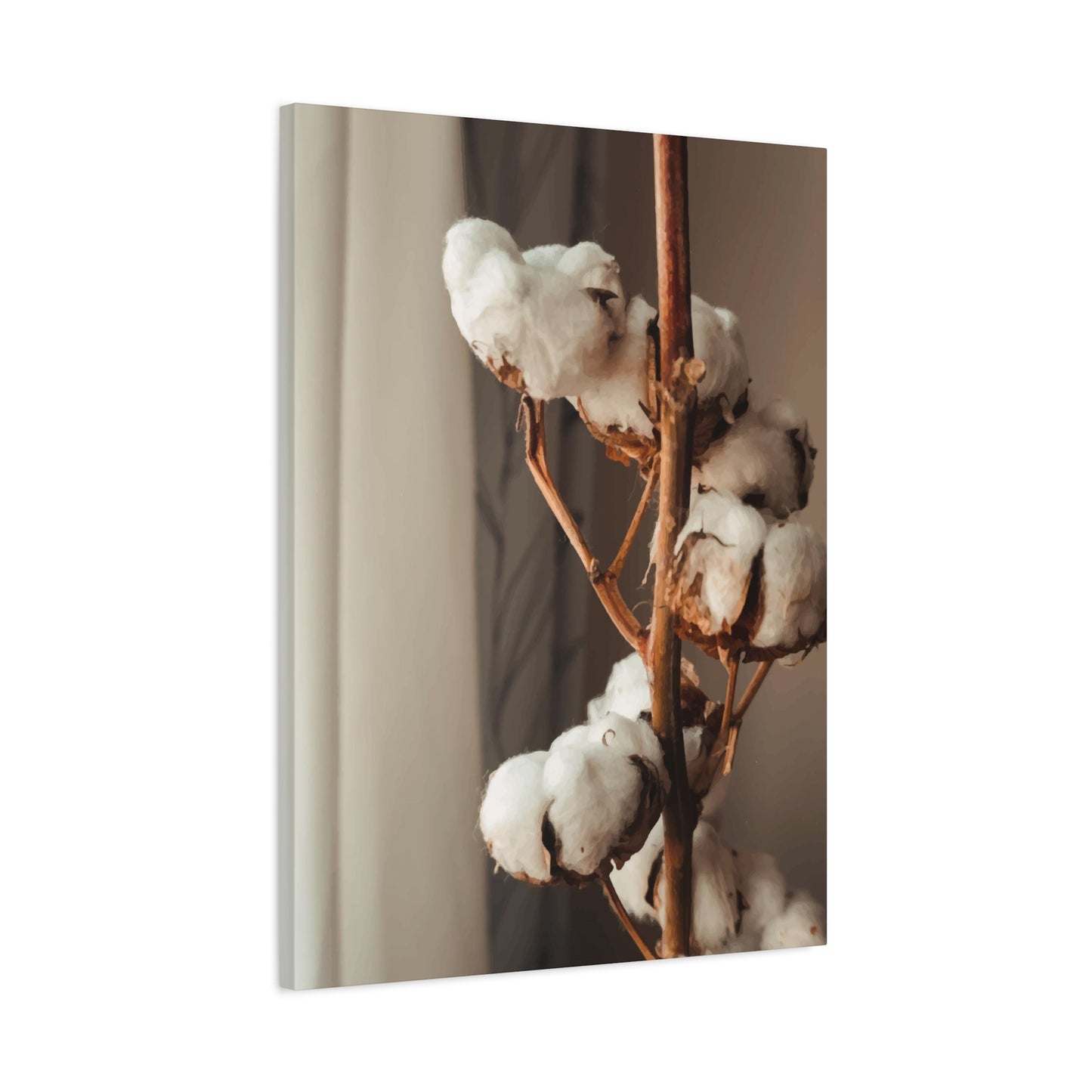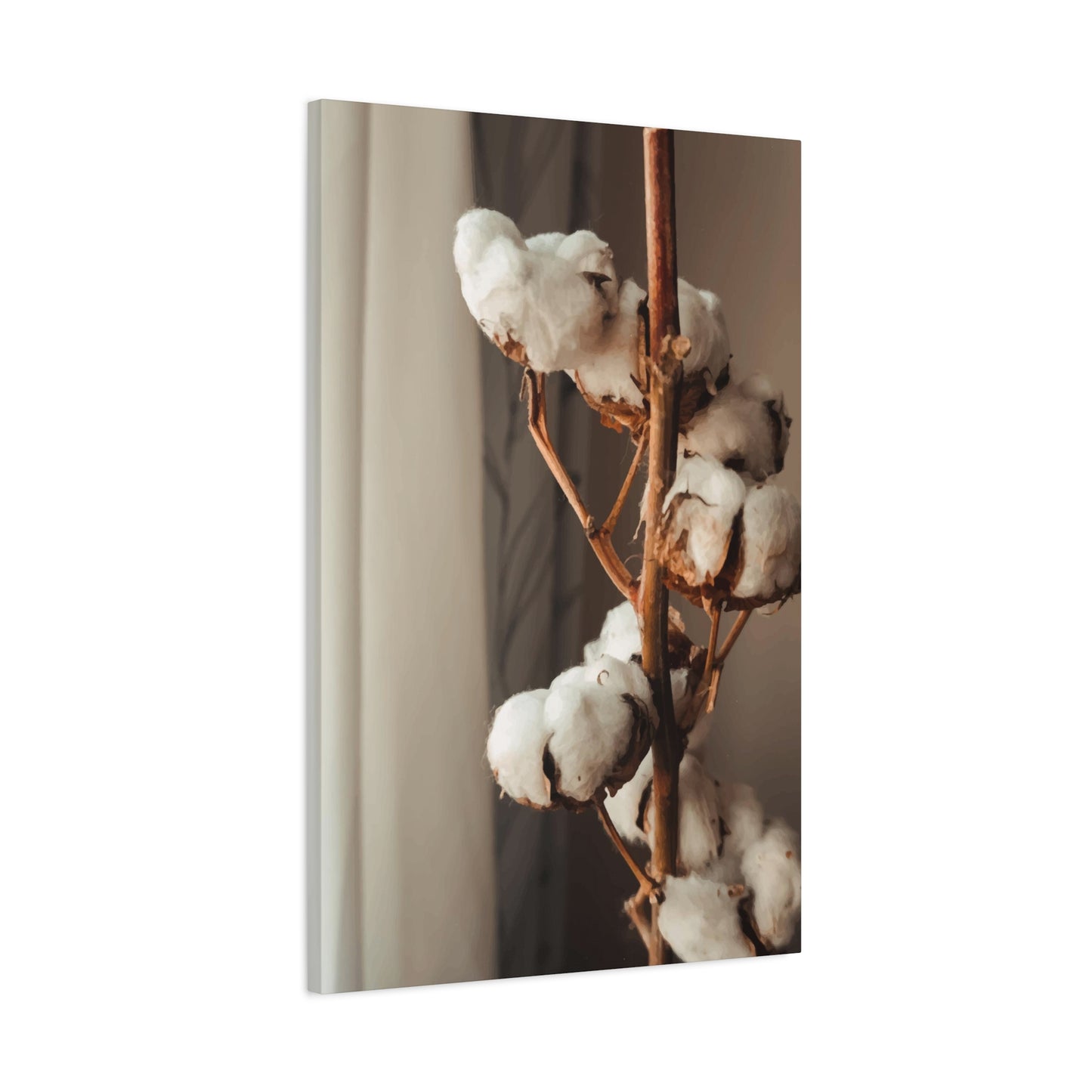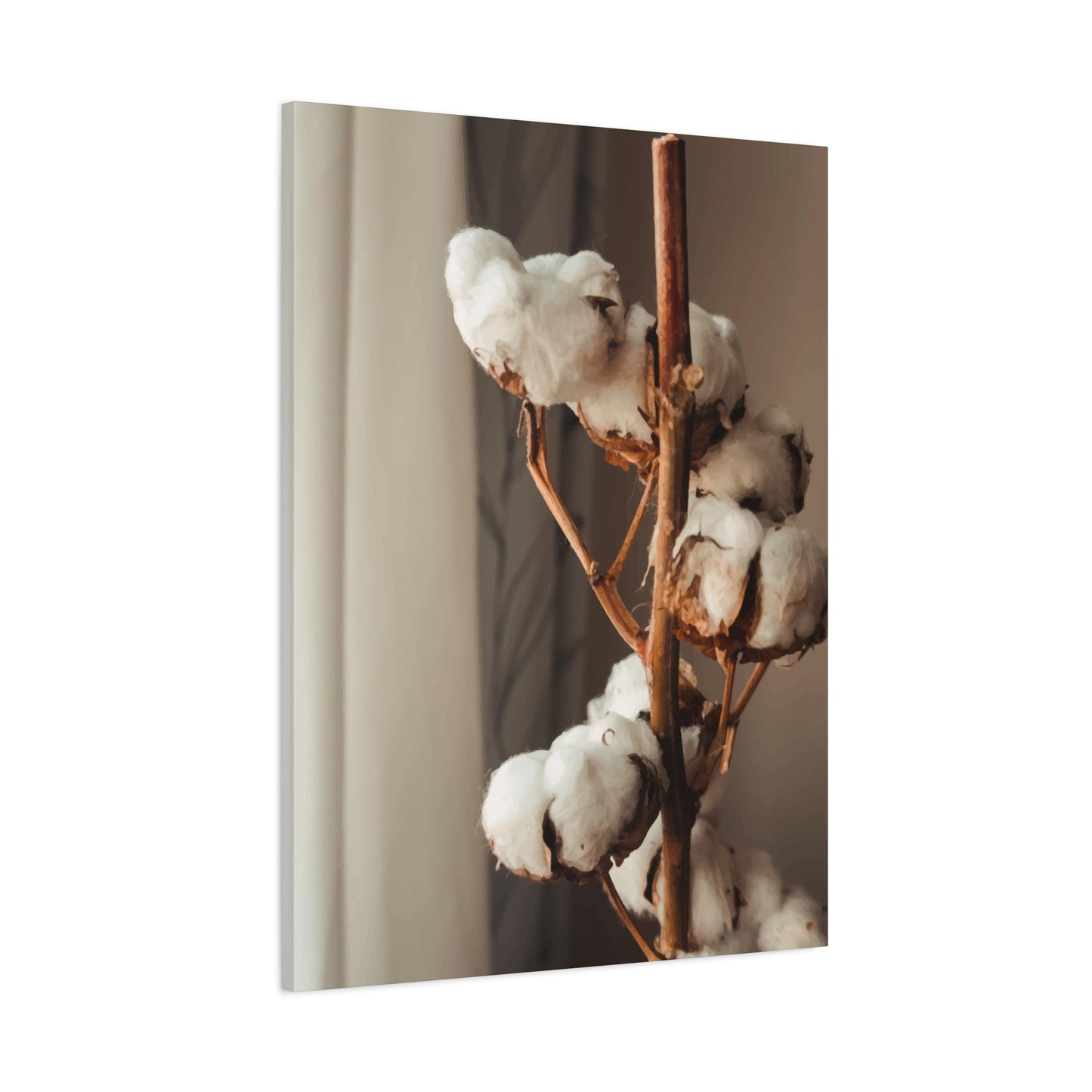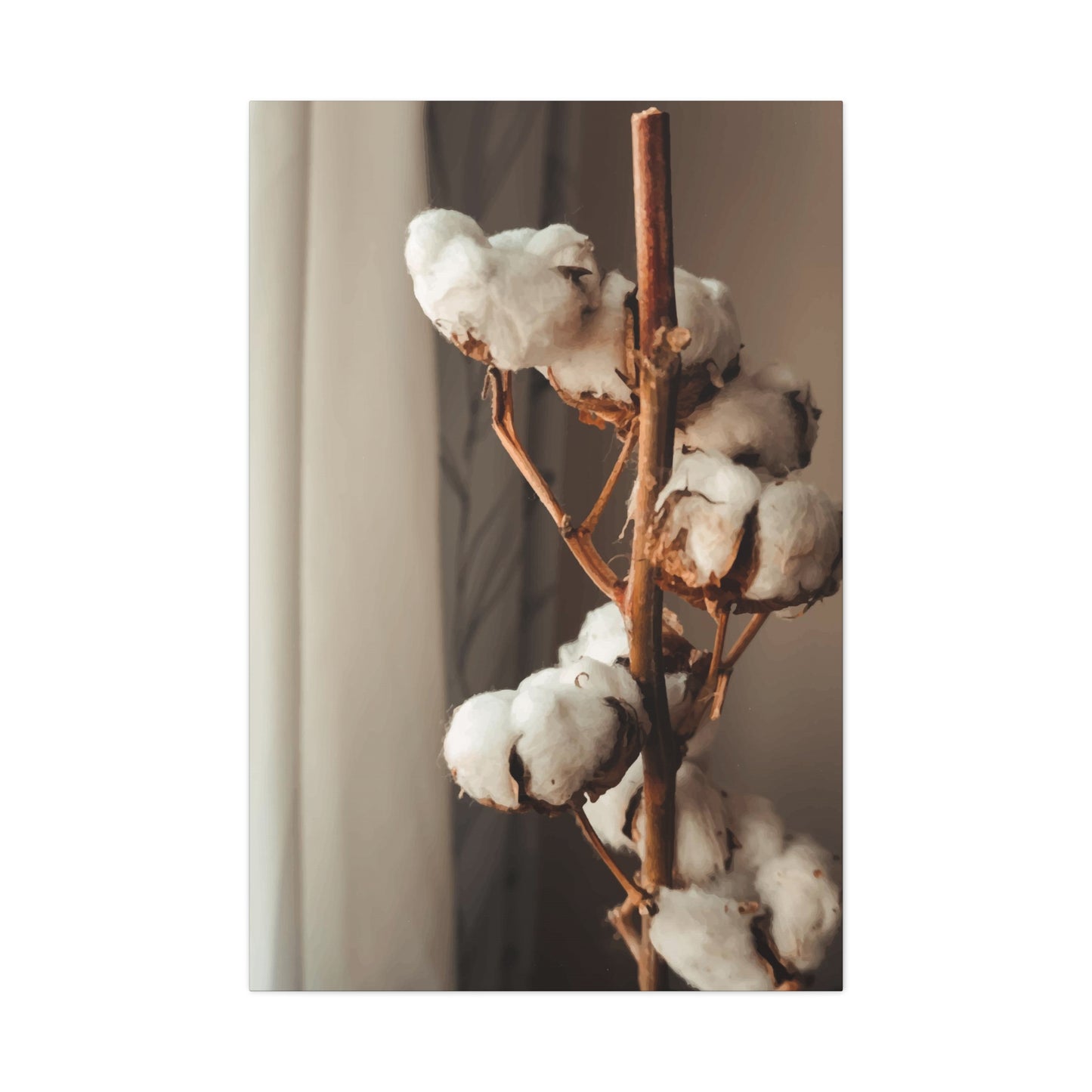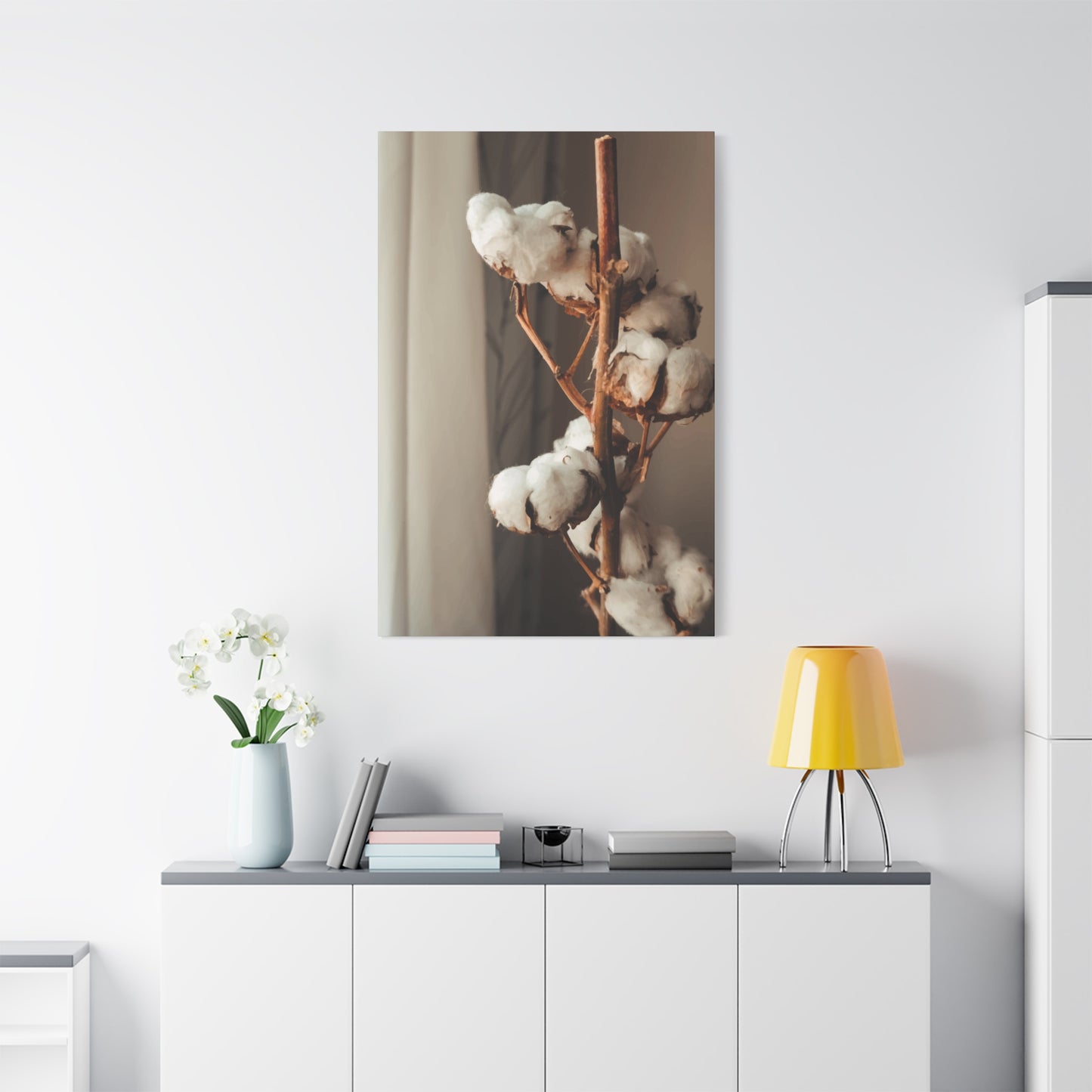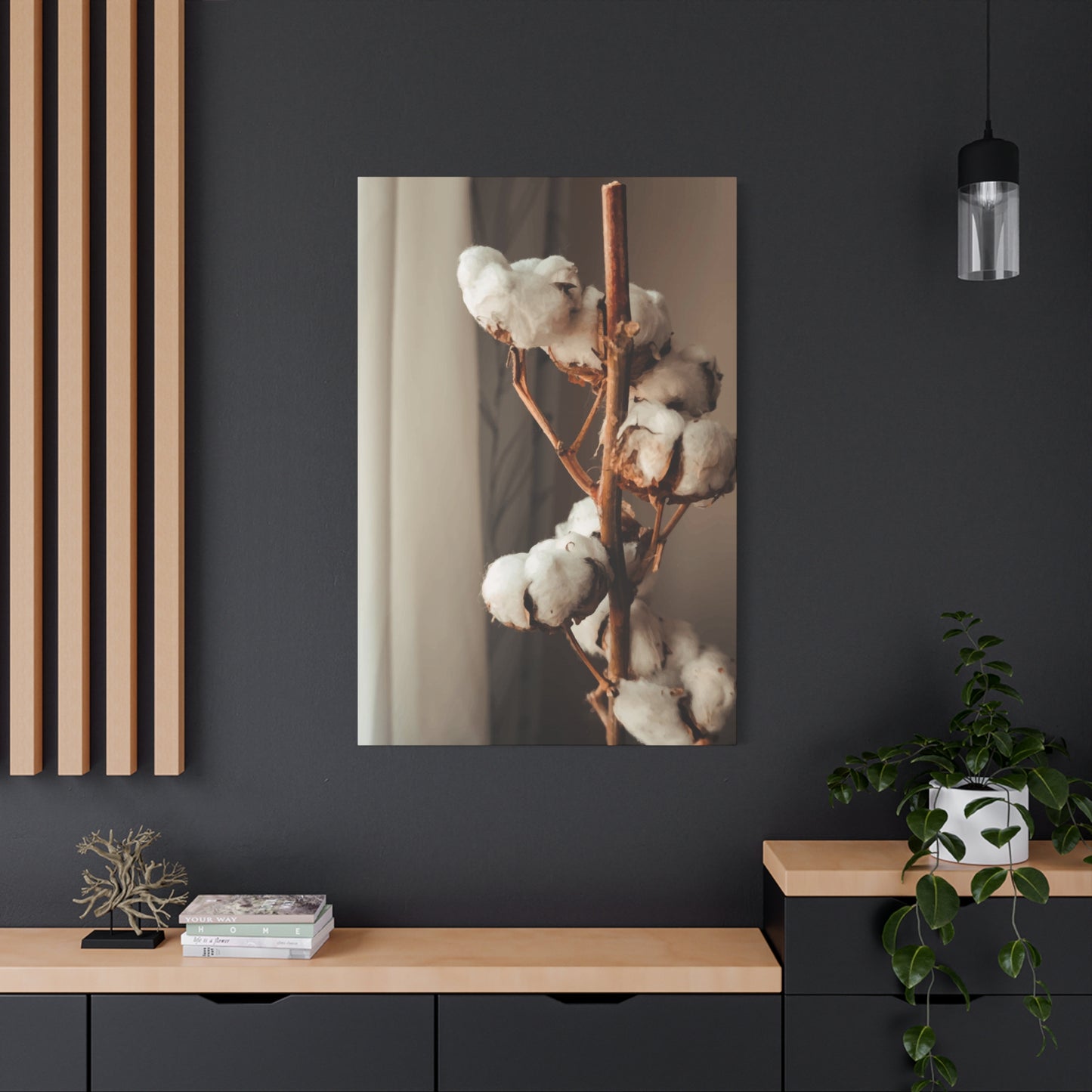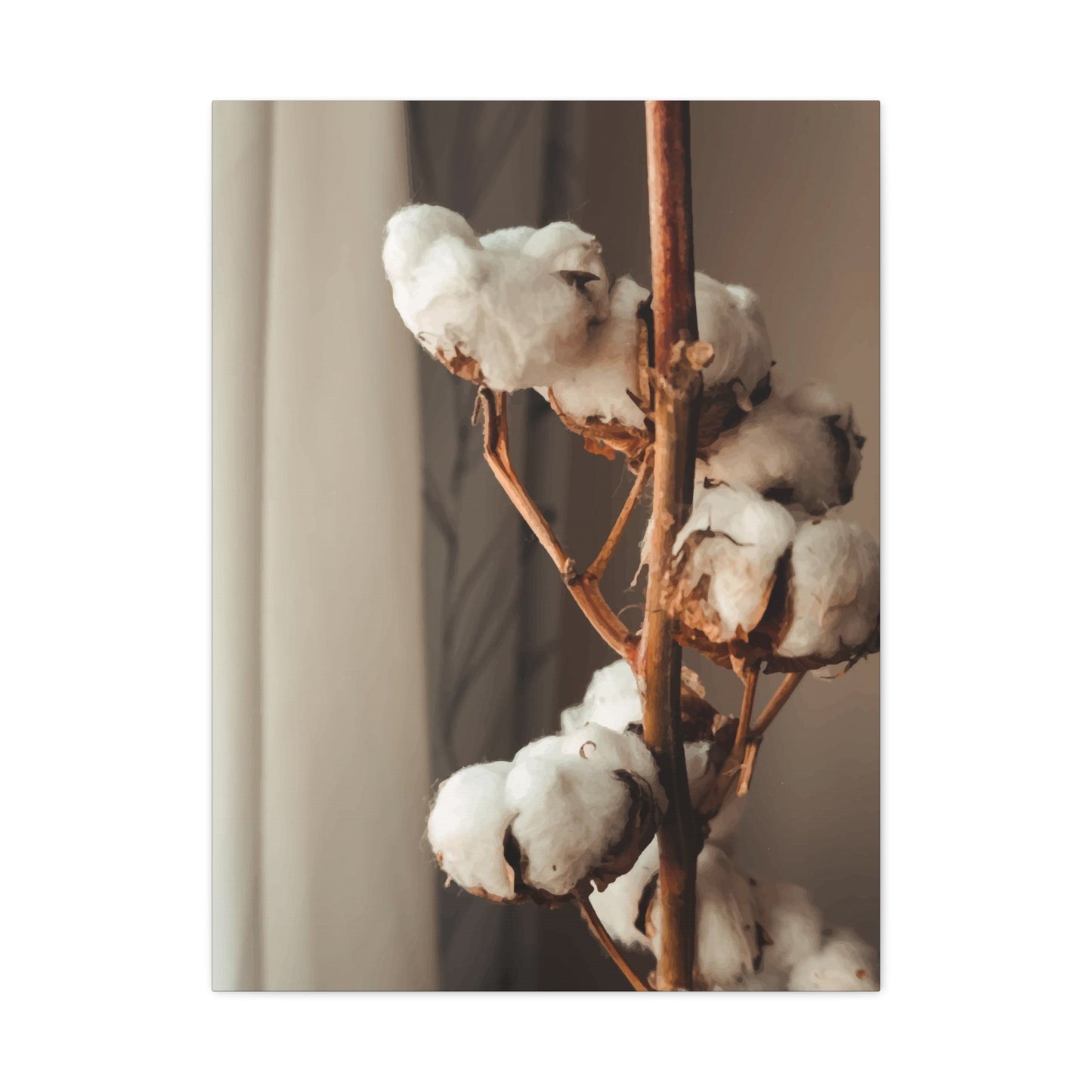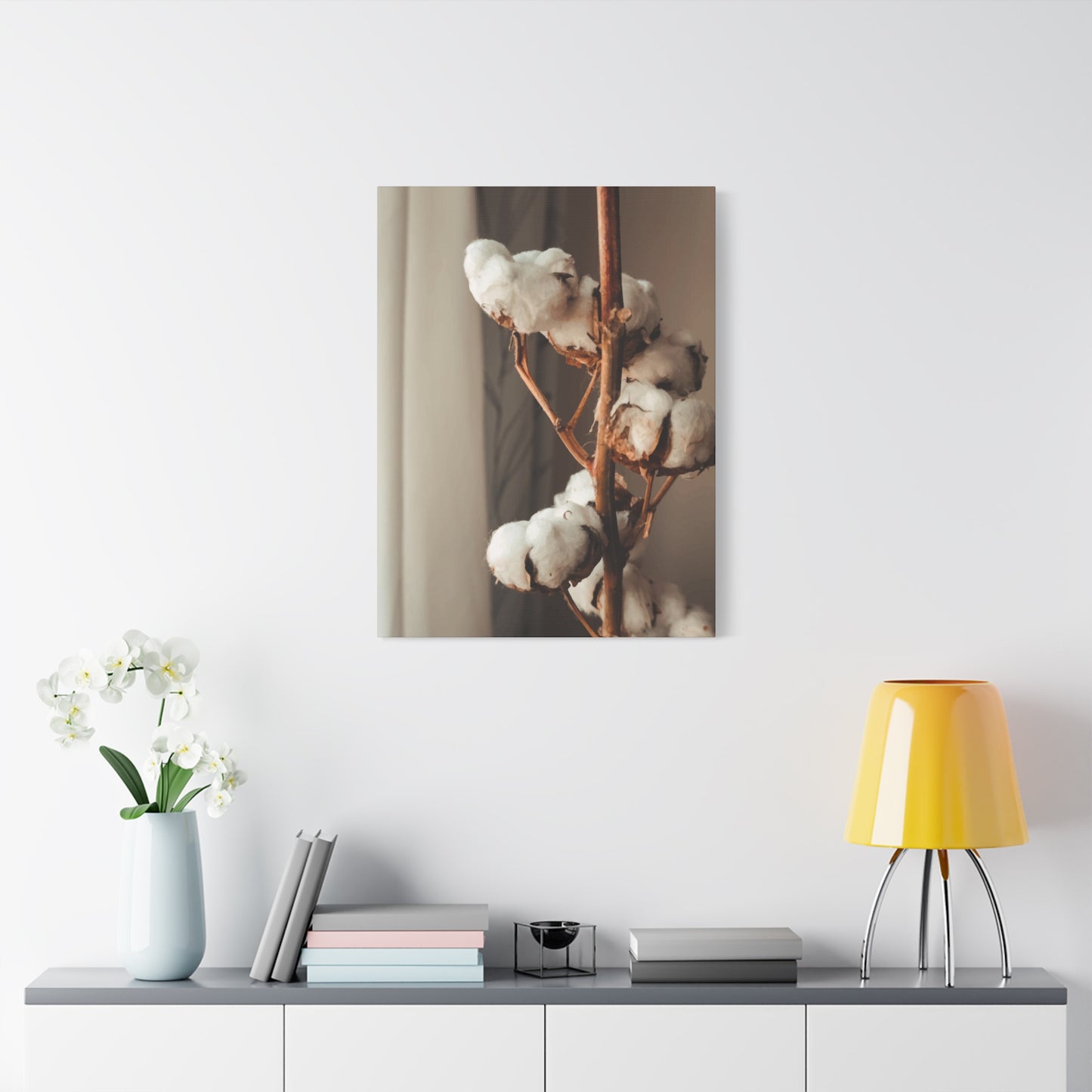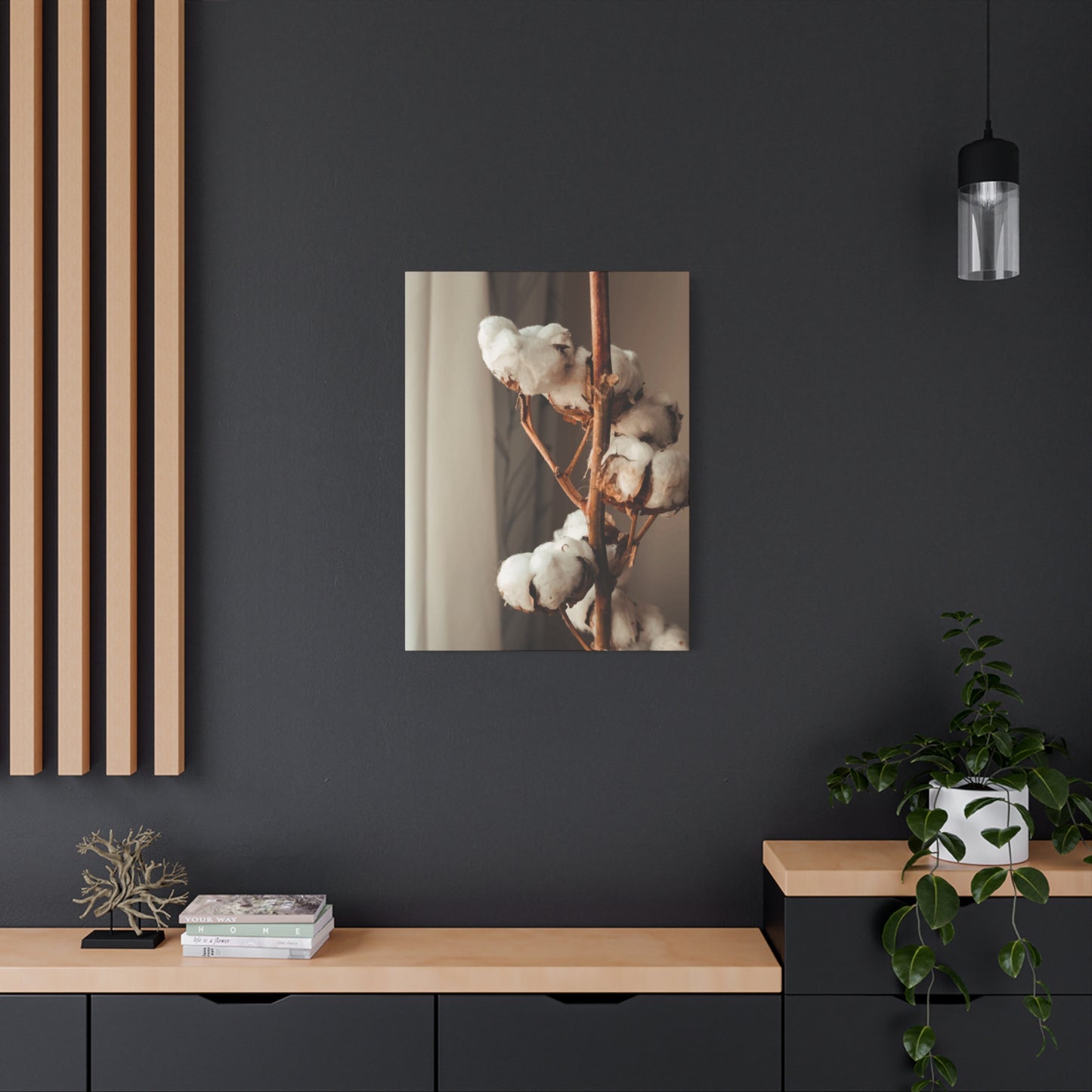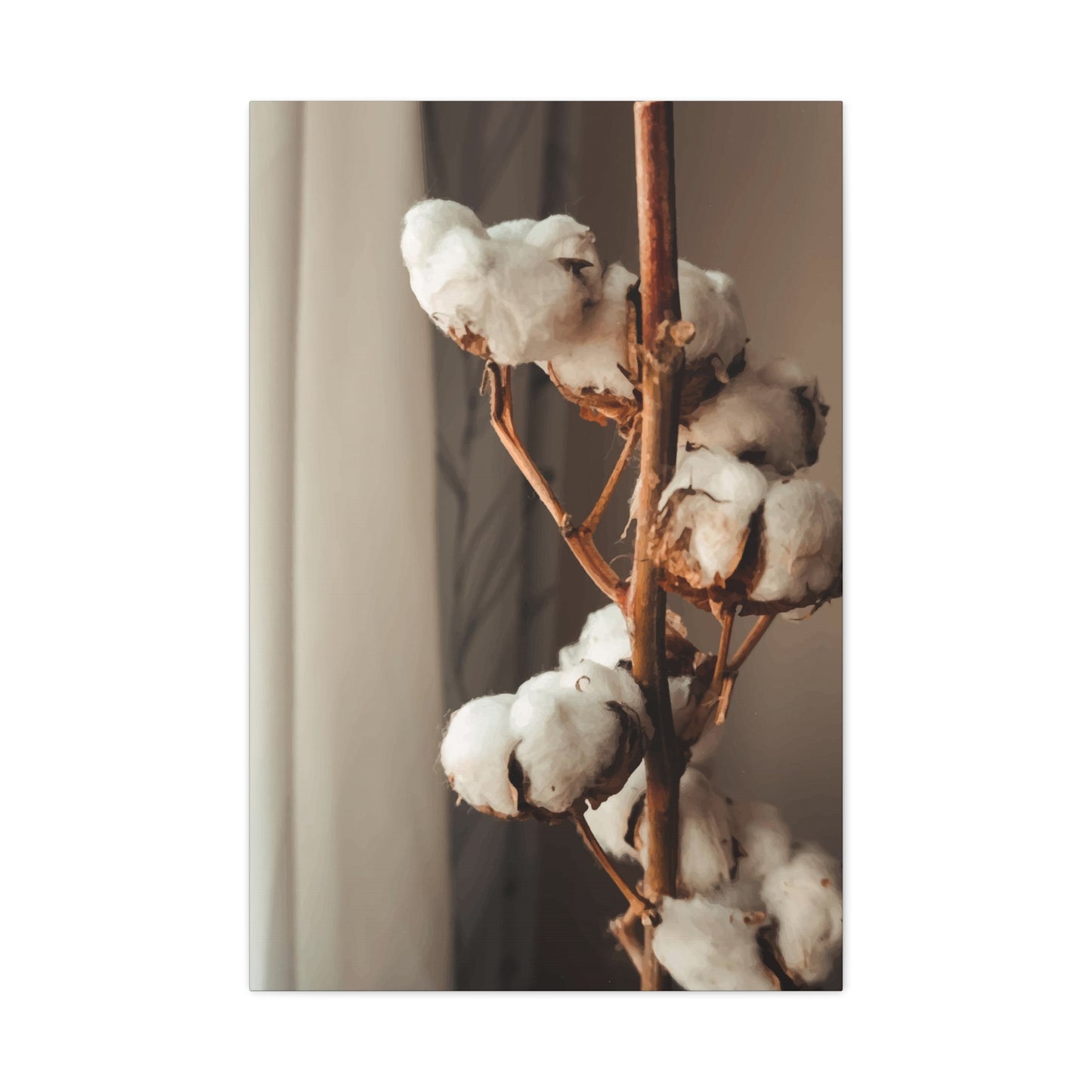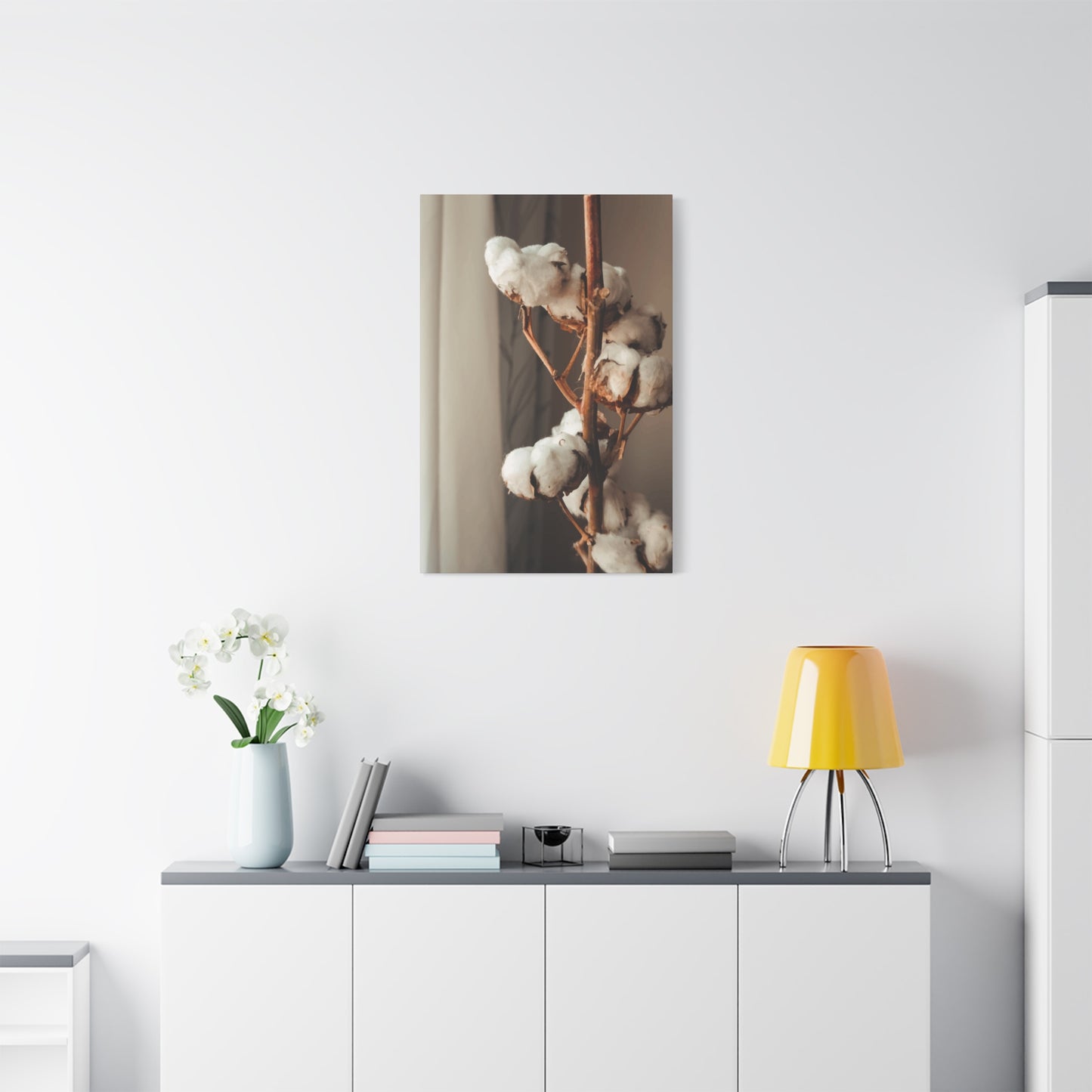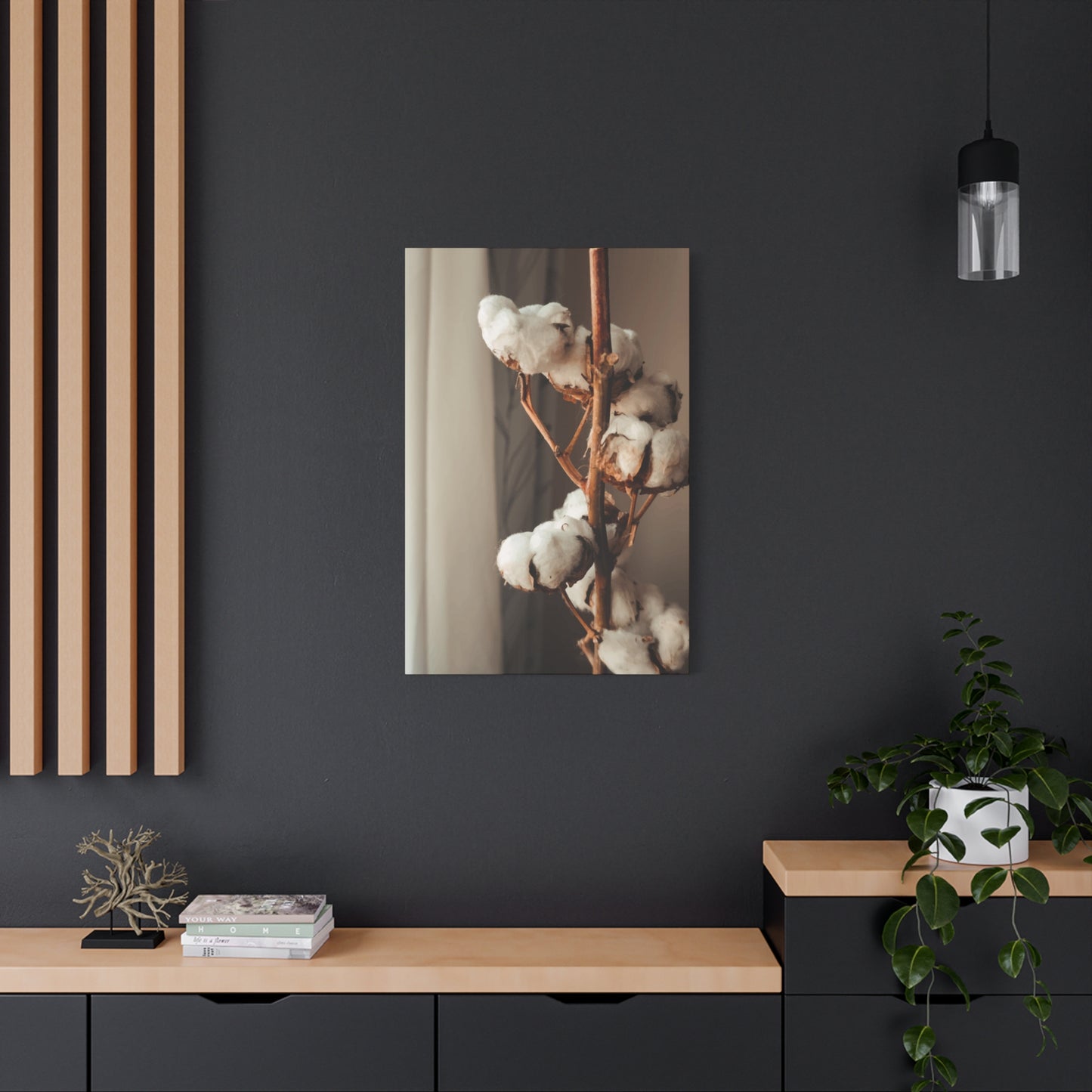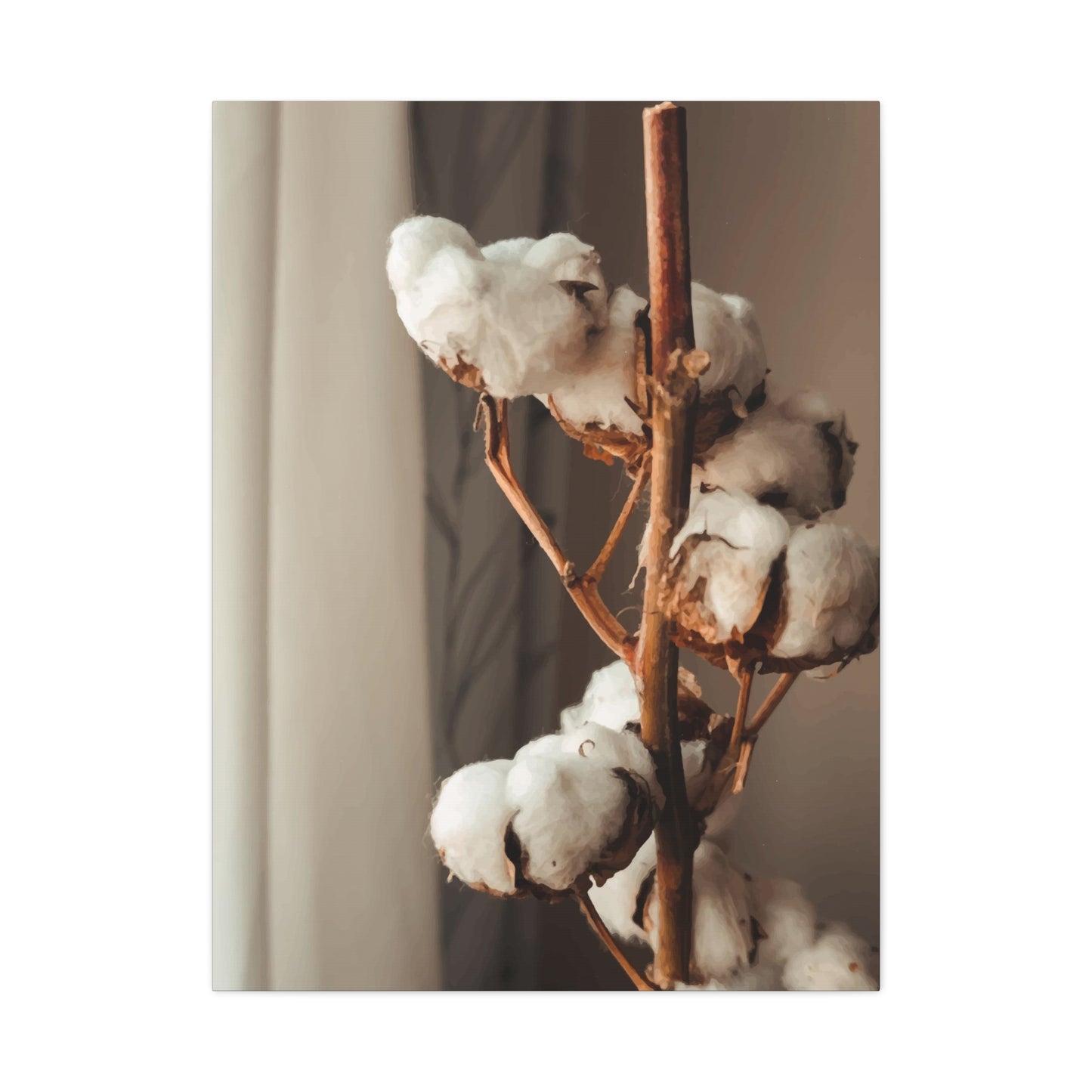


Cotton Balls Wall Art & Canvas Prints
Cotton Balls Wall Art & Canvas Prints
Couldn't load pickup availability
Creative Cotton Balls Wall Art: Innovative Ways to Decorate Your Living Spaces with Fluffy Cloud-Like Masterpieces
Cotton balls represent one of the most versatile and accessible materials for creating stunning wall decorations that transform ordinary spaces into extraordinary visual experiences. These soft, fluffy spheres offer endless possibilities for artistic expression, allowing both beginners and experienced crafters to develop unique pieces that reflect personal style while maintaining budget-friendly approaches to home decoration. The lightweight nature of cotton balls makes them perfect for vertical displays, and their pristine white appearance provides an excellent canvas for various color treatments and design implementations.
Why Cotton-Based Decorative Pieces Are Revolutionizing Modern Interior Design
The contemporary movement toward handmade decorative elements has brought cotton balls into the spotlight as a primary crafting material. Unlike traditional art supplies that require specialized skills or expensive equipment, cotton balls offer immediate accessibility to anyone interested in creating personalized wall hangings. Their affordability means that even large-scale projects remain within reasonable budget constraints, making artistic expression available to households across all economic backgrounds.
The tactile quality of cotton balls adds a dimensional aspect to wall decorations that flat paintings or prints cannot achieve. When properly arranged and secured, these fluffy materials create shadows and depth that change throughout the day as natural light shifts across surfaces. This dynamic quality transforms static decorations into living artworks that evolve with the passage of time, providing continuous visual interest without requiring any electronic components or moving parts.
Environmental consciousness drives many people toward natural fiber crafting materials. Cotton balls, being composed of natural plant fibers, align with sustainable living principles while still delivering impressive aesthetic results. The biodegradable nature of cotton means that even when decorations reach the end of their display life, they can be disposed of responsibly without contributing to long-term environmental damage.
Materials Gathering for Your Cotton-Based Decorative Journey
Before beginning any cotton balls wall art project, assembling the correct materials ensures smooth workflow and professional-looking results. The foundation of every project starts with selecting high-quality cotton balls that maintain their shape throughout the crafting process. Standard cosmetic cotton balls work well for most projects, though some crafters prefer jumbo-sized versions for creating bold, dramatic statements on larger wall surfaces.
Adhesive selection plays a crucial role in determining both the assembly process and the longevity of finished pieces. Hot glue guns provide quick-setting bonds that work exceptionally well with cotton materials, allowing crafters to build complex structures without extended waiting periods. However, craft glue offers advantages for projects involving children or situations where hot temperatures pose concerns. Some advanced crafters experiment with fabric stiffening solutions that add structural integrity while maintaining the natural appearance of cotton fibers.
Background materials provide the foundation upon which cotton elements are arranged and secured. Canvas boards offer traditional artistic appeal and come in various sizes to accommodate projects ranging from small accent pieces to statement walls. Foam core boards provide lightweight alternatives that hang easily without requiring heavy-duty mounting hardware. Wooden panels add rustic charm and durability for pieces intended to withstand frequent handling or outdoor display conditions.
Coloring agents transform plain white cotton balls into vibrant artistic elements. Acrylic paints deliver bold, opaque colors that completely change the appearance of cotton fibers. Watercolors create softer, more translucent effects that allow the natural texture of cotton to show through. Fabric dyes penetrate deep into fibers, creating rich, lasting colors that resist fading even when exposed to direct sunlight. Some innovative crafters use natural dyes extracted from plants, creating unique color palettes while maintaining their commitment to natural materials.
Wire, string, fishing line, and other suspension materials enable crafters to create floating arrangements that appear to defy gravity. These connecting elements allow for three-dimensional compositions that extend outward from wall surfaces, creating dramatic shadow play and spatial depth. Choosing the right suspension material depends on the weight of cotton elements, desired visibility of connection points, and overall aesthetic goals for the finished piece.
Basic Construction Methods for Cotton-Themed Wall Displays
Creating simple yet elegant cotton balls wall art begins with understanding fundamental construction principles that ensure both visual appeal and structural stability. The most straightforward approach involves direct attachment of cotton balls to a flat background surface, creating patterns and images through careful placement and arrangement. This method works particularly well for beginners because it requires minimal materials and allows for easy adjustments before final adhesion.
Starting with a clear design concept prevents random placement that might result in cluttered or confusing final products. Sketching the intended design directly onto the background material using light pencil marks provides guidelines for cotton ball placement. These preliminary marks ensure that individual elements align properly to create the desired overall effect, whether that involves representational images, abstract patterns, or geometric arrangements.
Applying adhesive to cotton balls requires delicate handling to avoid crushing or distorting their natural round shape. For hot glue applications, placing a small dot of adhesive on the background material rather than directly onto the cotton ball prevents heat damage to delicate fibers. Pressing the cotton ball gently but firmly into the adhesive creates strong bonds without flattening the dimensional quality that makes cotton elements visually interesting.
Layering techniques add depth and complexity to cotton-based compositions. Starting with a base layer of cotton balls creates the foundation, then adding subsequent layers in slightly different positions generates shadows and texture that elevate simple designs into sophisticated artworks. Some crafters create gradient effects by gradually changing the density of cotton ball placement, transitioning from tightly packed areas to more sparse regions that allow background colors or patterns to show through.
Border creation frames cotton-based designs and provides visual definition that helps pieces integrate smoothly into existing room decor. Cotton ball borders can be made uniform, with consistent spacing and identical coloring, or varied to create rhythm and movement around the periphery of the composition. Some innovative approaches involve using different sizes of cotton balls along borders, creating transition zones that guide viewer attention toward central design elements.
Color Treatment Strategies for Enhanced Visual Impact
Transforming white cotton balls into colorful artistic elements opens up unlimited creative possibilities for personalized wall decorations. Pre-coloring cotton balls before assembly allows for even, consistent color saturation and eliminates concerns about damaging background materials during the painting process. This approach works particularly well for projects requiring specific color placements or intricate color patterns that would be difficult to achieve after assembly.
The dipping method provides quick, efficient color application for large quantities of cotton balls. Preparing shallow containers filled with diluted paint or dye allows multiple cotton balls to be processed simultaneously. Submerging cotton balls completely ensures thorough color penetration, while partially dipping creates ombre effects with gradual color transitions. After dipping, placing colored cotton balls on absorbent paper or wire racks allows excess moisture to drain while preventing colors from bleeding onto work surfaces.
Spray painting offers rapid color application across large surfaces, making it ideal for projects requiring uniform background colors or overall tone adjustments. Arranging cotton balls on protected surfaces in well-ventilated areas allows for even paint distribution from multiple angles. Multiple light coats produce better results than single heavy applications, which can cause paint pooling or dripping that obscures the natural texture of cotton fibers.
Hand-painting individual cotton balls provides maximum control over color placement and intensity. Using small brushes or sponge applicators allows crafters to add subtle color variations, highlights, or shadows that enhance three-dimensional appearance. This meticulous approach works exceptionally well for representational designs where specific colors must appear in precise locations to create recognizable images or patterns.
Mixed-media coloring combines multiple treatment methods to achieve unique effects impossible with single techniques. For example, spray painting cotton balls in base colors, then adding hand-painted details or highlights, creates depth and complexity that elevates simple materials into sophisticated artistic statements. Experimenting with metallic paints, glitter additives, or iridescent finishes adds contemporary flair to traditional cotton-based compositions.
Three-Dimensional Sculptural Approaches Using Cotton Materials
Moving beyond flat wall hangings, three-dimensional cotton balls wall art creates dramatic focal points that capture attention and generate conversation. These sculptural pieces extend outward from wall surfaces, creating depth and shadow play that changes dramatically throughout the day as lighting conditions shift. Building stable three-dimensional structures requires careful planning and appropriate internal support systems that remain hidden within finished pieces.
Wire armatures provide invisible frameworks that support cotton elements in desired positions. Shaping sturdy wire into basic structural forms creates skeletons that can be covered completely with cotton balls, concealing the supporting framework while maintaining intended shapes. This approach works particularly well for creating organic forms like trees, flowers, or clouds that benefit from flowing, irregular outlines rather than rigid geometric precision.
Suspended elements create the illusion of floating cotton formations that appear to drift across wall surfaces. Attaching individual cotton balls or clusters to clear fishing line at varying lengths generates layered compositions with genuine spatial depth. These hanging arrangements move gently in response to air currents, adding subtle animation that brings static displays to life without requiring any mechanical components.
Relief sculptures emerge from background surfaces at varying depths, creating bold statements through dramatic shadow casting. Building up multiple layers of cotton balls in strategic locations generates hills and valleys across the composition surface. Some areas remain flush with the background while others protrude significantly, establishing visual hierarchy that guides viewer attention through the artwork according to the creator's intentions.
Negative space utilization balances dense cotton clusters with empty areas, preventing visual overwhelming while maintaining clear design intent. Strategic placement of cotton elements creates implied shapes and patterns that viewers' minds complete automatically, engaging imagination and making finished pieces more memorable than completely filled compositions might achieve.
Representational Imagery Through Strategic Cotton Placement
Creating recognizable images using cotton balls wall art requires careful planning and precise placement to translate visual ideas into physical reality. Simple subjects with clear outlines work best for initial projects, allowing crafters to develop skills before attempting more complex representational challenges. Silhouette-based designs eliminate internal detail requirements, focusing attention on overall shape recognition rather than intricate rendering.
Animal figures rank among the most popular representational subjects for cotton-based wall decorations. Fluffy creatures like sheep, rabbits, or polar bears naturally lend themselves to cotton ball construction, as the material's inherent texture mimics the actual appearance of animal fur or wool. Creating these figures involves establishing the basic body outline first, then filling interior spaces with appropriately colored cotton balls while maintaining awareness of proportions and anatomical accuracy.
Botanical representations transform cotton materials into flowers, trees, or garden scenes that bring natural beauty indoors regardless of climate or season. Flower petals formed from colored cotton balls arranged in circular patterns create blooms that never wilt or require watering. Tree foliage built from green-tinted cotton clusters provides year-round verdant displays that maintain their fresh appearance indefinitely.
Celestial themes translate beautifully into cotton-based compositions, with clouds, moons, stars, and atmospheric phenomena all well-suited to the soft, billowy nature of cotton materials. White cotton balls arranged in irregular, organic clusters create realistic cloud formations that seem to drift across painted blue backgrounds. Adding subtle gray shading to some cotton balls generates the appearance of storm clouds or three-dimensional atmospheric depth.
Seasonal imagery allows for rotating displays that keep home decor fresh and relevant throughout the year. Snowflakes constructed from white cotton balls celebrate winter months, while pastel-colored flower gardens welcome spring. Summer sun designs featuring yellow cotton rays radiating from circular centers bring warmth to interior spaces, and autumn foliage created with orange, red, and brown cotton elements acknowledge the changing seasons.
Abstract Design Principles for Non-Representational Cotton Compositions
Not all cotton balls wall art needs to depict recognizable subjects; abstract designs offer freedom from representational constraints while still delivering powerful visual impact. Color field compositions use large areas of single colors or subtle color gradations to create mood and atmosphere rather than depicting specific objects or scenes. These minimalist approaches allow the inherent beauty of materials and colors to become the primary focus.
Geometric patterns bring order and structure to abstract cotton compositions through repetition of shapes, colors, or spatial relationships. Regular arrangements of cotton balls in grids, spirals, or radiating patterns create hypnotic visual rhythms that draw and hold viewer attention. Mathematical precision in geometric designs contrasts beautifully with the soft, organic nature of cotton materials, creating interesting tensions between rigid structure and natural irregularity.
Organic abstraction embraces random or semi-random placement strategies that mimic natural growth patterns without attempting to recreate specific natural forms. These compositions often evoke feelings or impressions rather than depicting literal subjects, allowing viewers to interpret meanings based on personal experiences and emotional responses. The ambiguity of abstract work makes it universally appealing across diverse audiences with varying aesthetic preferences.
Color theory applications elevate abstract cotton compositions through intentional use of complementary, analogous, or triadic color schemes. Understanding relationships between colors helps crafters make deliberate choices that enhance visual harmony or create desired contrasts. Warm color palettes featuring reds, oranges, and yellows generate energetic, stimulating atmospheres, while cool blues, greens, and purples promote calm, relaxing environments.
Textural variation within abstract compositions adds complexity and visual interest even when color palettes remain limited or monochromatic. Combining densely packed cotton clusters with sparse regions creates textural contrast that engages viewers' eyes and invites closer examination. Some crafters enhance textural variety by using cotton balls of different sizes or by partially pulling apart some cotton elements to create wispy, irregular edges.
Size Scaling Considerations for Various Display Locations
Determining appropriate dimensions for cotton balls wall art projects requires careful consideration of intended display locations and viewing distances. Small-scale pieces measuring less than twelve inches in any dimension work well as accent elements within gallery walls or grouped arrangements. These compact compositions allow for quick completion while still delivering satisfying creative results, making them ideal for beginners testing new techniques or experienced crafters exploring fresh design concepts.
Medium-sized artworks ranging from one to three feet in width or height serve as focal points within rooms without overwhelming other decorative elements. These moderately scaled pieces strike balance between visual impact and reasonable resource investment, requiring manageable quantities of materials while still creating significant presence within living spaces. Medium formats work particularly well above furniture pieces, in hallways, or flanking windows and doorways.
Large-scale installations measuring four feet or greater in any dimension make bold statements that dominate entire walls and define room character. These ambitious projects require substantial material investments and extended construction time but deliver unmatched visual impact that transforms ordinary spaces into extraordinary environments. Planning large installations carefully prevents resource waste and ensures that finished pieces integrate harmoniously with existing architectural features and furniture arrangements.
Vertical versus horizontal orientation affects how cotton-based compositions interact with surrounding space and furniture. Tall, narrow pieces draw eyes upward, making rooms with low ceilings appear taller than actual measurements might suggest. Wide, horizontal compositions emphasize room breadth and work particularly well above sofas, beds, or long tables where their proportions mirror the furniture shapes below.
Multi-panel installations distribute single designs across several separate canvases or boards, creating unified compositions through coordinated elements. This approach allows for creative arrangement options, with panels displayed in traditional grid patterns or staggered in more dynamic configurations. Multi-panel designs also facilitate easier transportation and storage compared to single large pieces of equivalent total dimensions.
Themed Collection Development for Cohesive Room Decoration
Creating coordinated sets of cotton balls wall art pieces establishes visual continuity that ties together entire rooms or multiple spaces within homes. Monochromatic collections use varying shades of single colors across multiple pieces, generating sophisticated, harmonious displays that feel intentionally curated. This approach works exceptionally well in minimalist or contemporary interiors where color restraint creates calm, focused atmospheres.
Rainbow progressions arrange cotton-based artworks in spectral order, creating cheerful, energetic displays particularly well-suited to children's rooms or creative spaces. Each piece in the collection features a different color, and when displayed together, they form complete color spectrums that celebrate diversity and vibrancy. This approach encourages experimentation with full color ranges while maintaining overall collection coherence through consistent size, format, or design structure.
Seasonal rotations allow homeowners to refresh room appearance throughout the year without investing in completely new furnishings or major renovations. Creating four distinct cotton-based collections representing spring, summer, autumn, and winter provides year-round decoration options that keep spaces feeling current and relevant. Storing off-season pieces properly ensures they remain in excellent condition for repeated display cycles over many years.
Size progression series arrange multiple cotton artworks of incrementally increasing or decreasing dimensions, creating dynamic visual flow that guides attention through spaces. Starting with small pieces and building toward larger focal point artworks establishes natural viewing hierarchies that help organize complex room arrangements. This graduated approach works particularly well along staircases, down hallways, or across large, uninterrupted wall expanses.
Style consistency across collections ensures that individual pieces complement rather than compete with each other. Maintaining similar approaches to color treatment, dimensional construction, or design philosophy throughout collection pieces creates family resemblances that unify separate artworks into cohesive wholes. This doesn't require identical replication; subtle variations on consistent themes often generate more interesting results than exact repetition.
Children-Friendly Cotton Crafting Projects for Family Participation
Cotton balls wall art provides excellent opportunities for family bonding through shared creative activities that accommodate participants of varying ages and skill levels. Simplified designs with large, easily manipulated components allow young children to contribute meaningfully without becoming frustrated by complexity beyond their developmental capabilities. Projects designed specifically for family participation often emphasize process enjoyment over perfect results, valuing time spent together more highly than professional polish.
Safety considerations guide material selections and construction methods when children participate in cotton-based crafting. Eliminating hot glue guns in favor of school glue or glue sticks prevents burn injuries while still achieving adequate adhesion for most purposes. Choosing non-toxic paints and dyes ensures that accidental ingestion or skin contact won't cause medical emergencies. Supervising scissors use and providing age-appropriate cutting tools prevents injuries while teaching important tool-handling skills.
Simple designs like handprint compositions allow even very young children to create personalized artworks that families treasure for years. Tracing hands onto background materials provides outlines that children fill with colored cotton balls, creating tactile mementos that document growing hands at specific moments in time. Dating finished pieces and displaying them chronologically creates visual growth records that become increasingly precious as years pass.
Collaborative large-scale projects distribute tasks among multiple family members, allowing each person to contribute according to individual abilities and interests. One person might handle background preparation while another manages cotton ball coloring, and someone else focuses on final assembly. This division of labor teaches cooperation and interdependence while producing impressive results that exceed what any single participant could achieve alone.
Story-based designs encourage children to illustrate favorite tales or invent original narratives expressed through cotton-based imagery. Creating scenes from beloved books or movies helps children engage more deeply with stories while developing visual interpretation skills. Displaying these story illustrations in reading nooks or bedrooms reinforces the connection between literacy and creative expression.
Seasonal and Holiday-Specific Cotton Decoration Ideas
Marking special occasions with themed cotton balls wall art creates memorable decorative displays that enhance celebratory atmospheres. Winter holiday decorations often feature white cotton balls arranged as snowflakes, snowmen, or snowy landscapes that bring seasonal magic indoors. Adding subtle blue or silver accents to white cotton creates icy, crystalline effects that capture the essence of frozen winter beauty without requiring cold temperatures.
Spring celebrations welcome pastel-colored cotton flowers arranged in garden scenes or simple floral arrangements. Baby animals constructed from soft cotton clusters acknowledge new life and renewal themes central to springtime symbolism. Easter-specific designs might incorporate egg shapes or bunny silhouettes, while more generic spring decorations focus on blossoms, butterflies, and sunshine motifs that work throughout the season.
Summer displays might feature beach scenes with cotton ball clouds drifting above painted ocean backgrounds, or sunshine designs with yellow cotton rays extending from circular centers. Tropical flower arrangements using vibrant cotton colors bring vacation atmospheres home, allowing families to enjoy island aesthetics regardless of actual geographical location. Independence Day decorations incorporate red, white, and blue cotton arrangements in patriotic patterns celebrating national pride.
Autumn decorations embrace harvest themes through cotton ball arrangements in warm orange, red, brown, and gold tones. Pumpkin patches, falling leaves, and harvest moons all translate effectively into cotton-based compositions. Thanksgiving-specific displays might include turkey figures or cornucopia arrangements, while more general autumn pieces focus on foliage changes and seasonal color transitions.
Birthday decorations personalized for specific recipients make celebratory events more special and memorable. Cotton ball arrangements spelling out birthday messages, age numbers, or representing favorite interests show recipients that decorations were created specifically for them rather than being generic store-bought items. Reusing and updating birthday decorations annually establishes traditions while documenting personal growth and changing interests over time.
Lighting Considerations for Maximum Cotton Artwork Enhancement
Strategic lighting dramatically affects how cotton balls wall art appears and can transform good pieces into spectacular displays. Natural daylight provides constantly changing illumination that keeps cotton-based compositions dynamic throughout the day. Positioning cotton artworks where they receive indirect natural light prevents fading from prolonged sun exposure while still benefiting from the superior color rendering that daylight provides.
Directional spotlighting emphasizes the three-dimensional qualities of cotton compositions through dramatic shadow casting. Positioning adjustable spotlights at angles to wall surfaces creates strong shadows that emphasize texture and depth, particularly effective for relief-style compositions with significant dimensional variation. Experimenting with different lighting angles reveals how dramatically shadow patterns can change, sometimes creating entirely different visual effects from the same physical artwork.
Backlighting creates ethereal, glowing effects when cotton pieces are mounted slightly away from wall surfaces. Installing LED strip lights behind cotton compositions allows light to filter through and around cotton elements, creating halos and highlighting translucent qualities. This dramatic lighting approach works particularly well with cloud-themed compositions, where backlighting mimics natural atmospheric luminescence.
Color-changing LED systems allow single cotton artworks to appear different at various times or in response to mood preferences. Programming lighting systems to shift colors throughout evenings creates dynamic displays that never feel static or boring. Some sophisticated systems respond to music or movement, adding interactive dimensions that transform static artworks into responsive installations.
Ambient lighting creates subtle, diffused illumination that prevents harsh shadows while still providing adequate visibility for cotton artwork appreciation. Wall-washing techniques direct light across entire wall surfaces rather than focusing on specific spots, creating even, gentle illumination that reveals details without creating uncomfortable glare. This approach works well in spaces where cotton artworks form part of larger decorative schemes rather than serving as isolated focal points.
Preservation Strategies for Long-Lasting Cotton Displays
Maintaining cotton balls wall art in excellent condition requires understanding potential degradation factors and implementing protective measures. Dust accumulation represents the most common preservation challenge, as cotton fibers naturally attract and trap airborne particles. Regular gentle cleaning using soft brushes or low-power vacuum attachments removes dust before heavy buildup occurs, preventing dingy appearance that diminishes visual appeal.
UV protection prevents color fading in cotton pieces treated with dyes or paints. Displaying artworks away from direct sunlight limits UV exposure, while UV-filtering glazing on frames or protective sprays formulated for fabric artwork provides additional defense. Even naturally white cotton benefits from UV protection, as prolonged sun exposure can cause yellowing or degradation of cotton fibers themselves.
Humidity control prevents moisture-related problems like mold growth or adhesive failure. Cotton naturally absorbs moisture from surrounding air, and in very humid environments, this absorption can lead to problems. Maintaining moderate, consistent humidity levels through climate control systems or dehumidifiers protects cotton artworks while also benefiting other household items and occupant comfort.
Pest prevention protects cotton materials from insects that might damage natural fibers. Regular inspection for signs of insect activity allows for early intervention before significant damage occurs. Storing seasonal cotton decorations in sealed containers with natural pest deterrents like cedar or lavender prevents infestations during storage periods.
Structural monitoring involves periodically checking adhesive bonds and support systems to ensure cotton elements remain securely attached. Over time, adhesives may weaken, or weights may cause sagging in suspended elements. Proactive repairs maintain artwork integrity and prevent sudden failures that could result in irreparable damage.
Framing and Mounting Solutions for Professional Presentation
Proper framing elevates cotton balls wall art from craft projects to gallery-worthy pieces that command respect and attention. Shadow box frames with adequate depth accommodate three-dimensional cotton compositions without crushing delicate protrusions. These specialized frames include spacers that keep glazing surfaces away from artwork, preventing contact that could flatten cotton elements or transfer moisture condensation onto materials.
Floating mounts create the illusion that cotton artworks hover within frames without visible attachment points. This sophisticated presentation method draws attention to compositions themselves rather than mounting hardware, allowing artistic content to dominate viewer perception. Achieving floating effects requires careful planning during construction phases to ensure adequate edge finishing and structural stability.
Gallery-style presentation without frames suits certain cotton compositions, particularly large-scale pieces or contemporary minimalist designs. Mounting cotton artworks directly to walls using museum-quality hanging systems creates clean, professional appearances while eliminating visual competition from frame elements. This approach requires exceptionally neat edge finishing since all artwork peripheries remain visible.
Custom frame construction allows crafters to create presentation solutions perfectly matched to specific cotton artworks and room decor. Building simple wooden frames from basic lumber requires only elementary woodworking skills and tools available to most households. Custom sizing ensures perfect fits without the compromise sometimes necessary when working with standard commercial frame dimensions.
Matting options provide transition spaces between cotton artworks and frames, creating breathing room that prevents visual crowding. Selecting mat colors that complement rather than compete with cotton compositions helps integrate framed pieces into room color schemes. Multiple mat layers add depth and sophistication to presentations, elevating simple cotton projects through professional finishing details.
Repurposing and Updating Existing Cotton Decorations
Cotton balls wall art need not remain static throughout its existence; updating and repurposing extends the lifespan and relevance of previously created pieces. Seasonal refreshment involves adding or removing elements that reflect current times of year, transforming summer pieces into winter displays through simple modifications. This economical approach maximizes return on initial creative investments while keeping decorative displays feeling fresh and current.
Color adjustments breathe new life into cotton compositions that no longer match evolved room color schemes. Carefully applied new paint or dye layers can completely transform the appearance of existing pieces without requiring full reconstruction. This updating approach works particularly well when moving cotton artworks to new rooms with different color palettes or when refreshing entire rooms through repainting or new furnishing acquisitions.
Element additions expand original compositions beyond initial boundaries, allowing for growth and evolution that mirrors changing personal aesthetics or household dynamics. Adding cotton ball borders to previously unframed compositions, or extending existing designs with new sections, demonstrates that artworks remain living creations rather than fixed artifacts frozen at completion.
Combination projects repurpose cotton elements from multiple older pieces into entirely new compositions. Dismantling artworks that no longer serve current needs allows valuable materials to be recycled into fresh designs rather than being discarded wastefully. This sustainable approach acknowledges that creative interests evolve while respecting the time and resources invested in earlier projects.
Documentary purposes preserve cotton creations that hold sentimental value even after their decorative utility has passed. Photography captures cotton artworks at their peak condition, creating permanent records that occupy no physical space while preserving memories associated with creation and display periods. Digital archives allow for infinite sharing and reminiscing without requiring continued physical storage.
Cost-Effective Sourcing for Budget-Conscious Cotton Crafters
Creating impressive cotton balls wall art doesn't require significant financial investment when crafters employ smart sourcing strategies. Bulk purchasing of cotton balls from wholesale retailers or online suppliers dramatically reduces per-unit costs compared to small-package retail purchases. Many suppliers offer substantial discounts for larger quantities, making ambitious projects more affordable when materials are acquired efficiently.
Alternative cotton sources beyond traditional cosmetic cotton balls expand budget options while potentially offering unique aesthetic qualities. Cotton batting intended for quilting purposes can be shaped and manipulated to create custom forms unavailable with pre-formed balls. Raw cotton fiber sold for spinning allows ultimate control over final element appearance and size, though working with unprocessed cotton requires additional time investment.
Recycled background materials eliminate major expense categories from project budgets. Repurposing cardboard from shipping boxes, salvaging wood from renovation projects, or using fabric scraps as backing surfaces transforms waste materials into artistic substrates. These economical choices often add interesting textures or history to finished pieces, creating character that pristine new materials might lack.
Natural coloring agents provide free or extremely low-cost alternatives to commercial paints and dyes. Kitchen ingredients like turmeric, beet juice, or coffee create beautiful natural colors while avoiding chemical exposure. Experimenting with plant-based dyes connects crafters to historical practices while generating unique, organic color palettes impossible to achieve with manufactured pigments.
Tool sharing within crafting communities eliminates redundant purchases while fostering social connections. Joining local crafting groups or online communities provides access to specialized equipment needed only occasionally, like die-cutting machines or professional heat-setting tools. Collaborative purchasing of materials benefits all participants through bulk discounts while building supportive creative networks.
Room-Specific Design Considerations for Optimal Visual Integration
Different rooms within homes present unique opportunities and challenges for cotton balls wall art display. Living room installations often serve as conversation pieces that reflect household personality and creative interests. Larger-scale, more polished cotton compositions work well in these public spaces where guests gather and first impressions form. Color coordination with existing furniture, curtains, and paint ensures cotton artworks enhance rather than clash with established decor schemes.
Bedroom decorations benefit from calming, restful cotton compositions that promote relaxation and sleep. Soft color palettes featuring blues, greens, or neutral tones create tranquil atmospheres conducive to rest and rejuvenation. Personalized designs reflecting individual interests or dreams make private spaces feel more intimately connected to occupants, strengthening sense of ownership and comfort.
Kitchen displays often embrace themes related to food, nature, or family gathering. Cotton-based compositions depicting fruits, vegetables, or herb gardens bring organic beauty into culinary spaces while maintaining thematic relevance. Moisture-resistant sealants protect cotton artworks in these potentially humid environments where cooking activities generate steam and temperature fluctuations.
Bathroom cotton decorations require careful moisture management to prevent deterioration in high-humidity environments. Limiting cotton artwork to powder rooms or well-ventilated bathrooms with adequate exhaust fans reduces moisture exposure. Applying protective sealants creates barriers against humidity while maintaining the visual appeal that makes cotton materials attractive for crafting purposes.
Children's room decorations often feature playful, colorful cotton compositions that stimulate imagination and creativity. Themes reflecting current interests keep young occupants engaged with their spaces, though designing with some timeless elements allows decorations to remain relevant as children grow and interests evolve. Involving children in creation processes increases their attachment to finished pieces and teaches valuable creative skills.
Combining Cotton with Other Materials for Mixed-Media Compositions
Expanding cotton balls wall art beyond single-material approaches opens unlimited creative possibilities through mixed-media combinations. Painted backgrounds provide colored foundations that enhance cotton elements through contrast or harmony. Acrylic paints applied to canvas or board backgrounds create vibrant settings that make white or lightly colored cotton elements stand out dramatically, while neutral backgrounds allow brightly colored cotton to command full attention.
Fabric integration combines cotton balls with textile elements like felt, burlap, or decorative cloth. These material marriages create interesting textural contrasts while expanding color and pattern options beyond what cotton alone can provide. Fabric backgrounds offer softer, warmer alternatives to rigid boards or canvases, creating more organic, approachable final pieces particularly well-suited to cozy, comfortable living spaces.
Natural element incorporation brings outdoor beauty into cotton compositions through inclusion of preserved leaves, flowers, twigs, or seed pods. These organic materials complement cotton's natural origins while adding intricate details and unique shapes difficult to recreate using cotton alone. Combining fluffy cotton clouds with real pressed flowers, for example, creates enchanting scenes that blend imaginative interpretation with authentic botanical elements.
Paper crafting techniques integrate origami elements, paper cutouts, or layered paper constructions into cotton-based compositions. The crisp precision of paper forms provides pleasing contrast to cotton's soft irregularity, creating visual tension that makes combined pieces more engaging than single-material alternatives. Color coordination between paper and cotton elements ensures unified appearances despite material diversity.
Found object additions transform cotton artworks into assemblages that tell stories through diverse materials. Buttons, beads, wire, or small toys embedded within cotton compositions add personal significance and visual interest that purely abstract arrangements might lack. These eclectic mixed-media pieces often become treasured keepsakes that document specific life periods through the particular objects chosen for inclusion.
Gallery Wall Integration for Comprehensive Display Strategies
Incorporating cotton balls wall art into gallery walls alongside photographs, prints, and other artworks creates dynamic, layered displays that prevent visual monotony. Size variation within gallery arrangements maintains visual interest through rhythm and contrast. Mixing large cotton statement pieces with smaller photographs or prints creates focal hierarchies that guide viewer attention through collections in intentional sequences.
Style mixing demonstrates sophisticated curatorial judgment when done thoughtfully. Combining cotton-based three-dimensional pieces with flat prints and photographs creates depth variation that makes gallery walls more engaging than collections of identical format artworks. Maintaining some unifying elements like color palettes, frame styles, or thematic connections prevents mixed arrangements from appearing chaotic or random.
Arrangement planning prevents costly mistakes and unnecessary wall damage. Creating paper templates matching dimensions of all gallery wall components allows for experimentation with various layouts before committing to nail or hook placement. Testing multiple arrangements reveals which configurations create most pleasing visual balance and optimal use of available wall space.
Symmetrical layouts create formal, traditional appearances through balanced, mirror-image arrangements. These organized configurations work particularly well in conventional interiors or when showcasing cotton artworks with representational imagery that benefits from stable, predictable presentation. Symmetry implies intention and control, communicating deliberate curatorial choices rather than haphazard accumulation.
Asymmetrical arrangements generate more dynamic, contemporary energy through intentional imbalance and unexpected relationships. These less predictable configurations often feel more personal and creative, suggesting collected accumulation over time rather than single-moment installation. Asymmetry requires more careful planning than symmetrical layouts to ensure that visual weight remains distributed adequately despite lack of mirror-image balance.
Portable and Temporary Cotton Displays for Flexible Living
Not all cotton balls wall art needs permanent installation; temporary and portable designs accommodate rental living situations or frequent redesign preferences. Freestanding displays using easels or tabletop stands allow cotton artworks to be enjoyed without wall mounting. These flexible presentation methods suit people who hesitate to put holes in walls or who anticipate relocating frequently and want easily portable decorations.
Command strips and removable mounting solutions provide damage-free hanging options that protect walls while securing artworks firmly. These modern mounting products have improved dramatically in recent years, now supporting substantial weight while still removing cleanly when no longer needed. Following manufacturer weight guidelines and surface preparation instructions ensures reliable performance throughout display periods.
Seasonal rotation storage requires organized systems that protect cotton pieces during off-display periods. Acid-free tissue paper wrapped around individual artworks prevents color transfer between pieces and provides cushioning against crushing. Sturdy boxes sized appropriately for cotton artwork dimensions prevent bending or compression damage during storage, ensuring pieces emerge ready for display when their seasons return.
Event-specific decorations serve single occasions before being dismantled or gifted to event participants. Birthday parties, baby showers, or graduation celebrations benefit from customized cotton decorations that create personalized atmospheres. Designing these temporary pieces with gift potential in mind adds value beyond single-event use, transforming decorations into mementos guests appreciate receiving.
Display rotation schedules keep living spaces feeling fresh without requiring constant creation of new artworks. Alternating between multiple sets of cotton pieces prevents viewer fatigue while maximizing return on creative investments. Digital documentation of previous display arrangements helps track rotation schedules and prevent unintentional repetition patterns.
Conclusion
Drawing inspiration from diverse cultural artistic traditions enriches cotton balls wall art with depth and meaning beyond simple decoration. Mandala-inspired designs incorporating circular symmetry and spiritual symbolism create meditative cotton compositions that invite contemplation. These sacred geometry patterns translate effectively into cotton medium, with individual balls forming pixels in larger symbolic images representing cosmic order and spiritual balance.
Japanese aesthetic principles like wabi-sabi embrace imperfection and transience, philosophies that align naturally with handcrafted cotton artwork. Accepting slight irregularities in cotton placement and celebrating the organic nature of natural materials creates pieces that feel authentic and honest rather than mechanically perfect. This approach relieves performance pressure while producing artworks with genuine character and warmth.
African textile pattern influences inspire bold geometric cotton arrangements using vibrant colors and strong contrasts. These dynamic designs bring energy and cultural richness to contemporary interiors while honoring traditional crafting wisdom. Mud cloth patterns, kente cloth geometries, or Ankara print motifs all adapt successfully to cotton ball medium through thoughtful color selection and pattern planning.
Aboriginal dot painting techniques find modern expression through cotton ball arrangements where individual elements function as dimensional dots. These culturally significant patterns traditionally represent dreamtime stories, landscapes, and spiritual knowledge.
Share