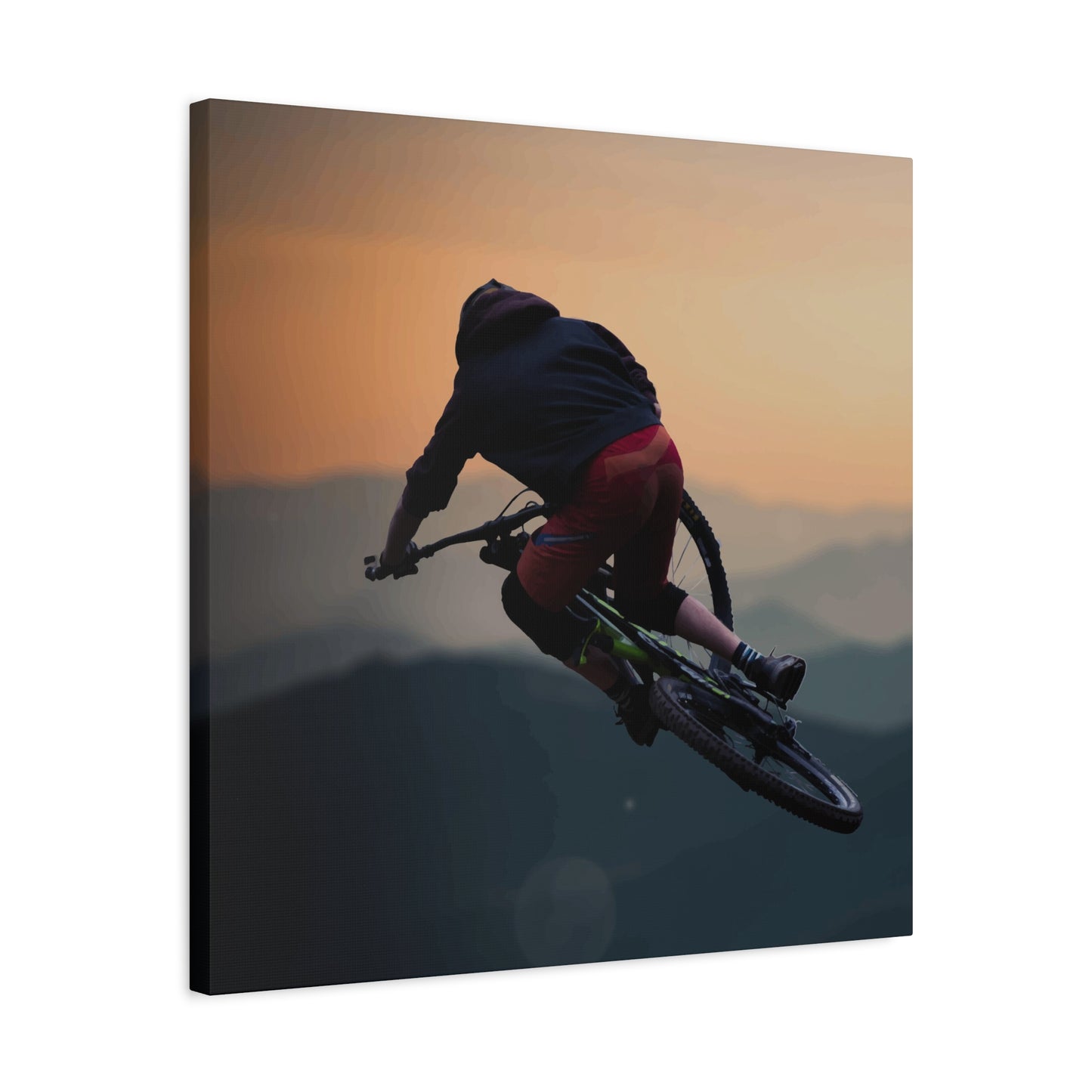
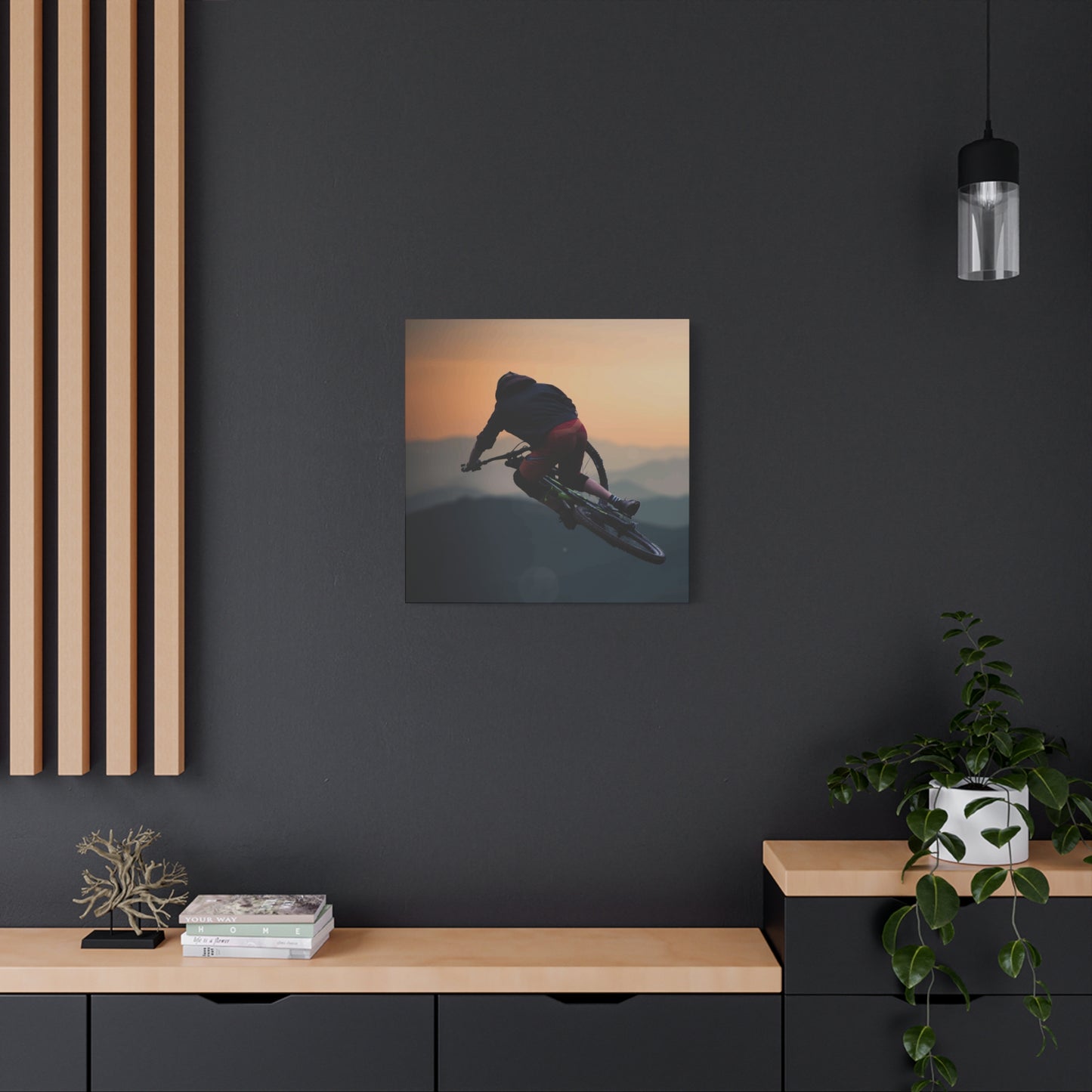
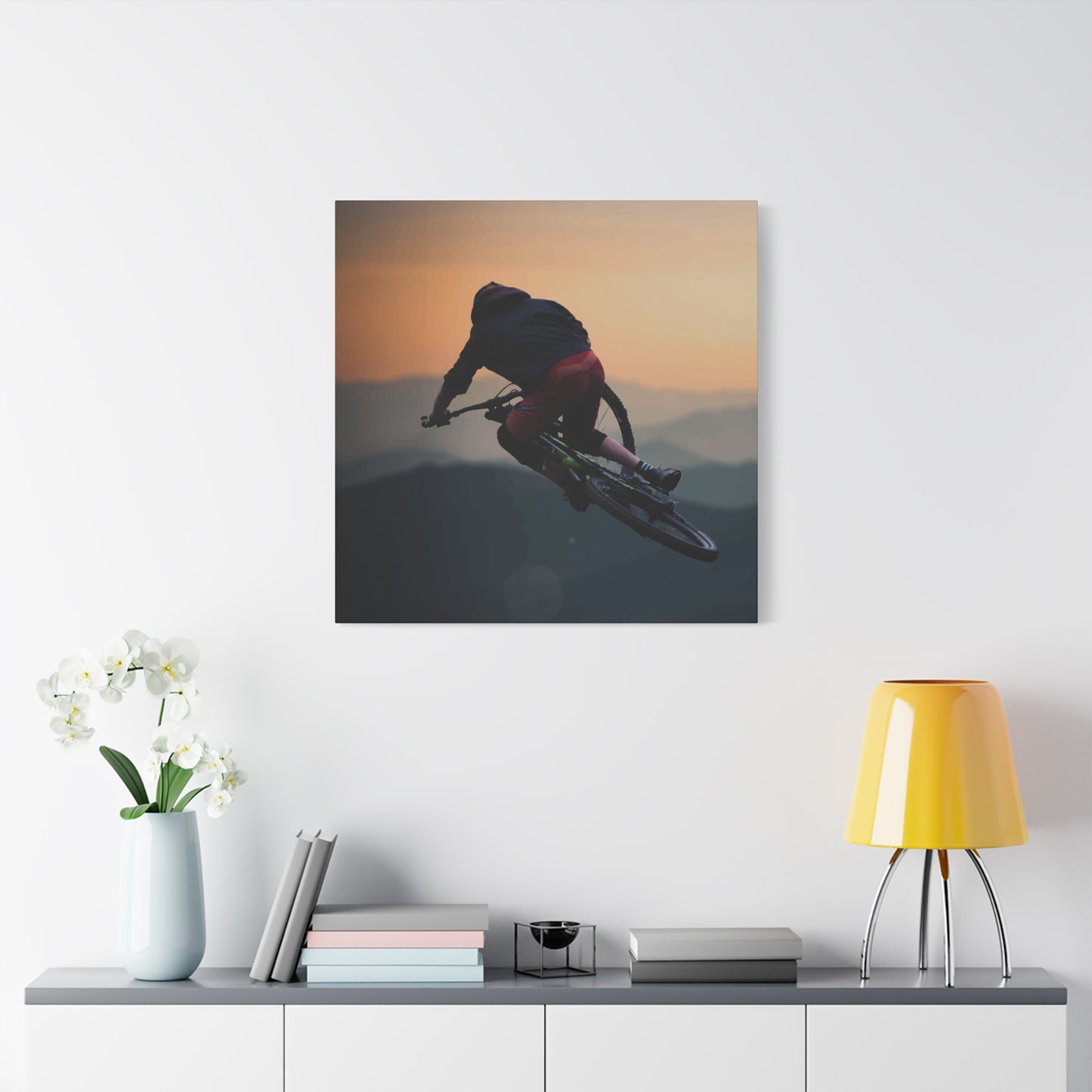
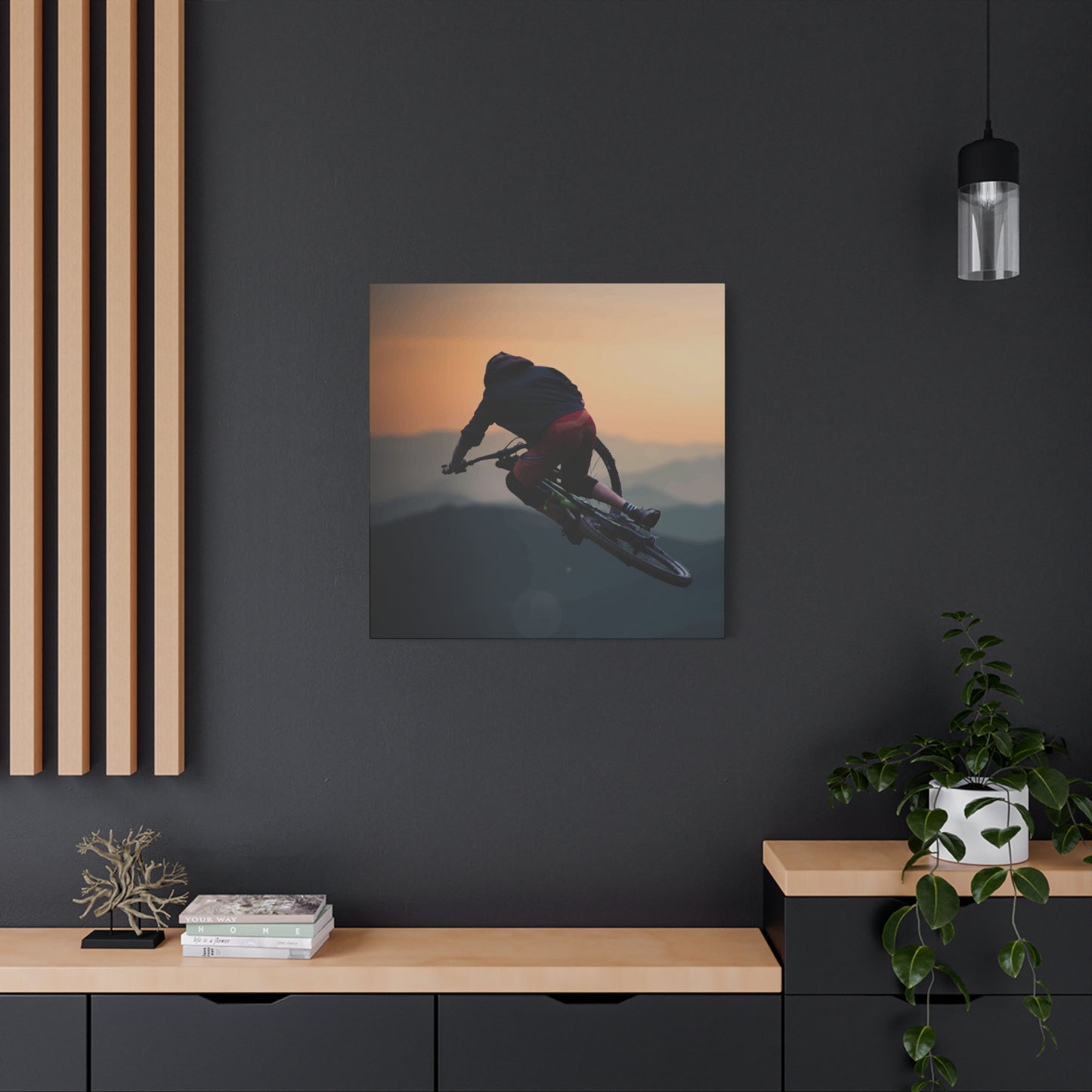
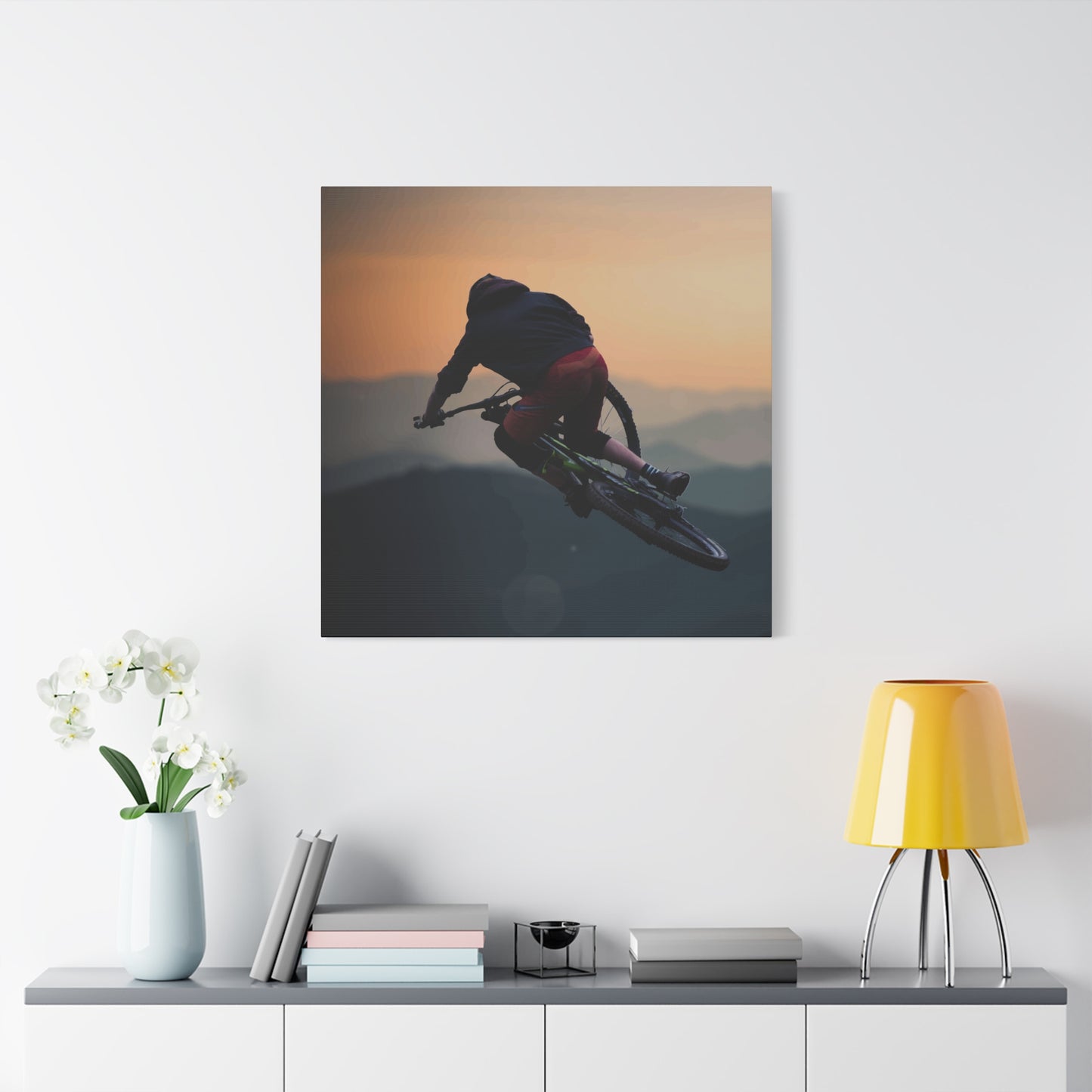
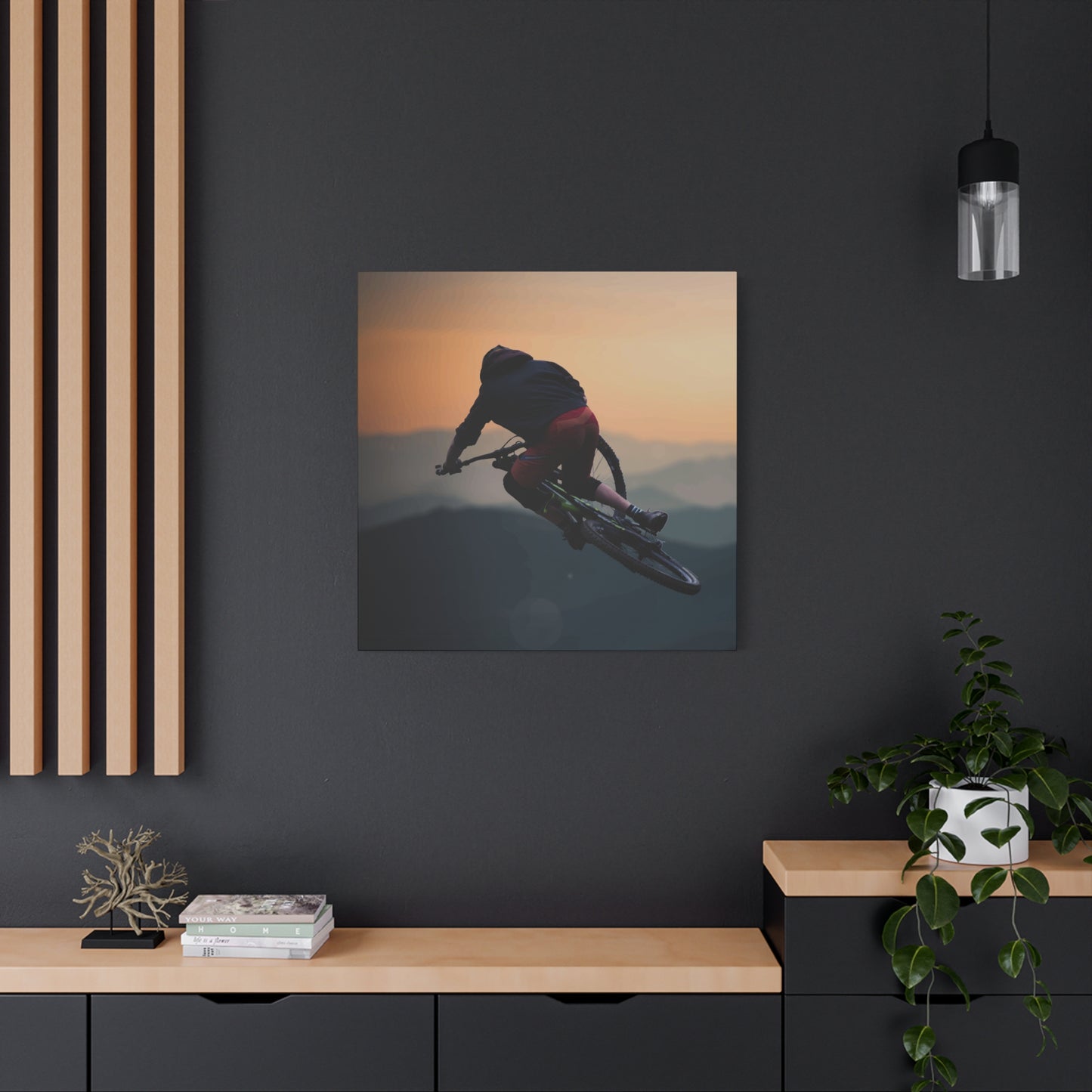
Bike Wall Art & Canvas Prints
Bike Wall Art & Canvas Prints
Couldn't load pickup availability
Creative Ways to Showcase Your Passion for Cycling Through Stunning Bike Wall Art in Your Living Spaces
The world of interior design has witnessed a remarkable transformation in recent years, with enthusiasts seeking distinctive methods to express their personal interests and hobbies through their living environments. Among the most captivating trends that have emerged is the incorporation of bike wall art into residential and commercial spaces, offering cycling aficionados an exceptional opportunity to celebrate their passion while simultaneously enhancing the aesthetic appeal of their surroundings. This comprehensive exploration delves into the multifaceted realm of bicycle-themed decorative pieces, examining everything from selection criteria to placement strategies, ensuring that your spaces reflect your love for two-wheeled adventures in the most visually striking manner possible.
The phenomenon of displaying cycling-related artwork has transcended mere decoration, evolving into a sophisticated form of self-expression that resonates with individuals who view cycling not merely as a mode of transportation or exercise, but as a lifestyle choice that defines their identity. Whether you are an avid mountain biker, a road cycling enthusiast, a vintage bicycle collector, or simply someone who appreciates the elegant engineering and aesthetic beauty of bicycles, incorporating bike wall art into your spaces provides an unparalleled opportunity to showcase your dedication to this timeless activity while creating conversation-starting focal points that captivate visitors and inspire fellow cycling enthusiasts.
Exploring the Diverse Range of Artistic Styles Available for Cycling Enthusiasts to Adorn Their Walls
The marketplace for bicycle-themed decorative pieces has expanded exponentially, offering an astonishing variety of styles, mediums, and artistic interpretations that cater to virtually every taste and preference imaginable. From photorealistic representations of vintage velocipedes to abstract interpretations that capture the essence of motion and freedom associated with cycling, the options available to decorators are virtually limitless. Understanding the different categories of bike wall art available empowers you to make informed decisions that align perfectly with your existing decor scheme while authentically representing your personal connection to the cycling world.
Contemporary minimalist designs have gained tremendous popularity among those who prefer clean lines and understated elegance in their living spaces. These pieces typically feature simplified silhouettes of bicycles rendered in monochromatic color schemes or subtle metallic finishes, creating a sophisticated ambiance that complements modern architectural elements without overwhelming the visual landscape. The beauty of minimalist bicycle artwork lies in its ability to make a statement through restraint, allowing the fundamental form of the bicycle to speak for itself without unnecessary embellishment or ornamentation.
Vintage and retro-inspired artwork transports viewers to different eras of cycling heritage, celebrating the golden age of bicycle design when craftsmanship and aesthetic beauty were paramount considerations in the manufacturing process. These pieces often incorporate nostalgic elements such as penny-farthings, classic road bikes from the mid-twentieth century, or advertisement posters from bygone decades that evoke a sense of romanticism and connection to cycling's illustrious past. The warm, faded color palettes and aged textures characteristic of vintage-style bike wall art create an atmosphere of timeless charm that resonates particularly well with collectors and history enthusiasts who appreciate the evolution of bicycle design throughout the decades.
Abstract and expressionistic interpretations offer a more conceptual approach to celebrating cycling, focusing on the emotional and experiential aspects of riding rather than literal representations of bicycles themselves. These artworks might employ bold brushstrokes, vibrant color combinations, and dynamic compositions that capture the sensation of speed, the exhilaration of descending mountain trails, or the meditative rhythm of a long-distance ride. Abstract bike wall art appeals to those who view cycling as a transformative experience that transcends the physical act of pedaling, resonating on deeper psychological and emotional levels.
Photographic prints represent another substantial category within the bicycle artwork spectrum, ranging from black-and-white documentary-style images that capture the gritty reality of competitive cycling to carefully composed artistic photographs that highlight the sculptural qualities of bicycles as objects of industrial design. High-quality photographic bike wall art can transport viewers to iconic cycling locations around the world, from the cobblestone climbs of European classics to the sun-drenched coastal roads of California, offering vicarious experiences that inspire wanderlust and adventure.
Three-dimensional sculptural pieces have emerged as increasingly popular alternatives to traditional flat artworks, introducing textural depth and physical presence that creates dramatic visual impact. These might include metal wall sculptures crafted from recycled bicycle components, wooden relief carvings depicting cycling scenes, or mixed-media assemblages that incorporate actual bicycle parts into artistic compositions. The tactile quality of sculptural bike wall art adds an additional sensory dimension to your spaces, inviting closer inspection and creating shadow patterns that change throughout the day as natural light shifts across surfaces.
Selecting the Perfect Bicycle-Themed Artwork That Harmonizes With Your Existing Interior Design Scheme
The process of choosing appropriate cycling-related decorative pieces requires careful consideration of numerous factors that extend beyond simple aesthetic preferences. Successful selection involves analyzing your existing color palette, architectural features, furniture styles, and the overall atmosphere you wish to cultivate in each particular space. By approaching this decision systematically and thoughtfully, you can ensure that your bike wall art enhances rather than conflicts with the carefully curated environment you have worked to create.
Color coordination represents one of the most critical aspects of selecting complementary artwork for any space. Begin by identifying the dominant and accent colors present in your room, including wall paint, upholstery, flooring, and decorative accessories. Your bicycle-themed artwork should either harmonize with these existing colors by incorporating similar hues or provide strategic contrast that creates visual interest without causing jarring discord. For instance, a living room decorated in neutral tones of beige, gray, and white might benefit from bike wall art featuring pops of vibrant color that inject energy and personality into the space, while a room already bursting with bold colors might be better served by more subdued monochromatic bicycle imagery that provides visual relief.
Scale considerations cannot be overlooked when selecting artwork for your walls. A common mistake involves choosing pieces that are too small for the available wall space, resulting in insignificant visual impact that gets lost among surrounding elements. As a general guideline, artwork should occupy approximately two-thirds to three-quarters of the width of the furniture piece it hangs above, whether that is a sofa, console table, or bed. For standalone wall installations not anchored by furniture, consider the entire wall as your canvas and select bike wall art that creates sufficient presence without overwhelming the space. Large-scale bicycle imagery works particularly well in spacious rooms with high ceilings, while smaller pieces or collections of multiple artworks may be more appropriate for compact areas.
The stylistic consistency between your artwork and existing decor elements significantly impacts the overall cohesiveness of your space. If your home features predominantly traditional furnishings with ornate details and classic silhouettes, vintage-inspired bicycle posters or realistic paintings of antique velocipedes might integrate more seamlessly than ultra-modern abstract pieces. Conversely, contemporary interiors characterized by clean lines, minimalist aesthetics, and sleek materials typically pair beautifully with simplified bicycle silhouettes or bold graphic interpretations. This does not mean you cannot introduce contrasting elements for visual interest, but such juxtapositions should be deliberate and executed with careful attention to balance.
Material and finish selections also play crucial roles in how effectively your bike wall art integrates with surrounding elements. Metal artwork with brushed aluminum or copper finishes might echo similar materials found in light fixtures, cabinet hardware, or furniture accents, creating subtle visual connections that tie disparate elements together. Wooden pieces can complement flooring, cabinetry, or furniture, particularly when wood tones are thoughtfully matched. Canvas prints offer versatility and can be found in various textures and finishes, from matte to glossy, allowing you to coordinate with other decorative elements in your space.
Personal connection and emotional resonance should ultimately guide your selection process. The most successful decorative choices are those that speak to you on an individual level, evoking memories of favorite rides, representing aspirational cycling goals, or simply bringing joy every time you encounter them. Your bike wall art should tell your unique story, whether that involves commemorating a memorable cycling vacation, celebrating a particular bicycle model that holds special significance, or expressing your affinity for a specific cycling discipline like mountain biking, road racing, or urban commuting.
Strategic Placement Principles That Maximize Visual Impact and Create Cohesive Interior Environments
The location and arrangement of your bicycle-themed artwork significantly influences its effectiveness as a decorative element and the overall atmosphere of your space. Strategic placement involves considering sightlines, lighting conditions, room functionality, and the relationship between the artwork and surrounding architectural features and furnishings. By applying thoughtful placement principles, you can ensure that your bike wall art receives the attention it deserves while contributing to a balanced, harmonious environment.
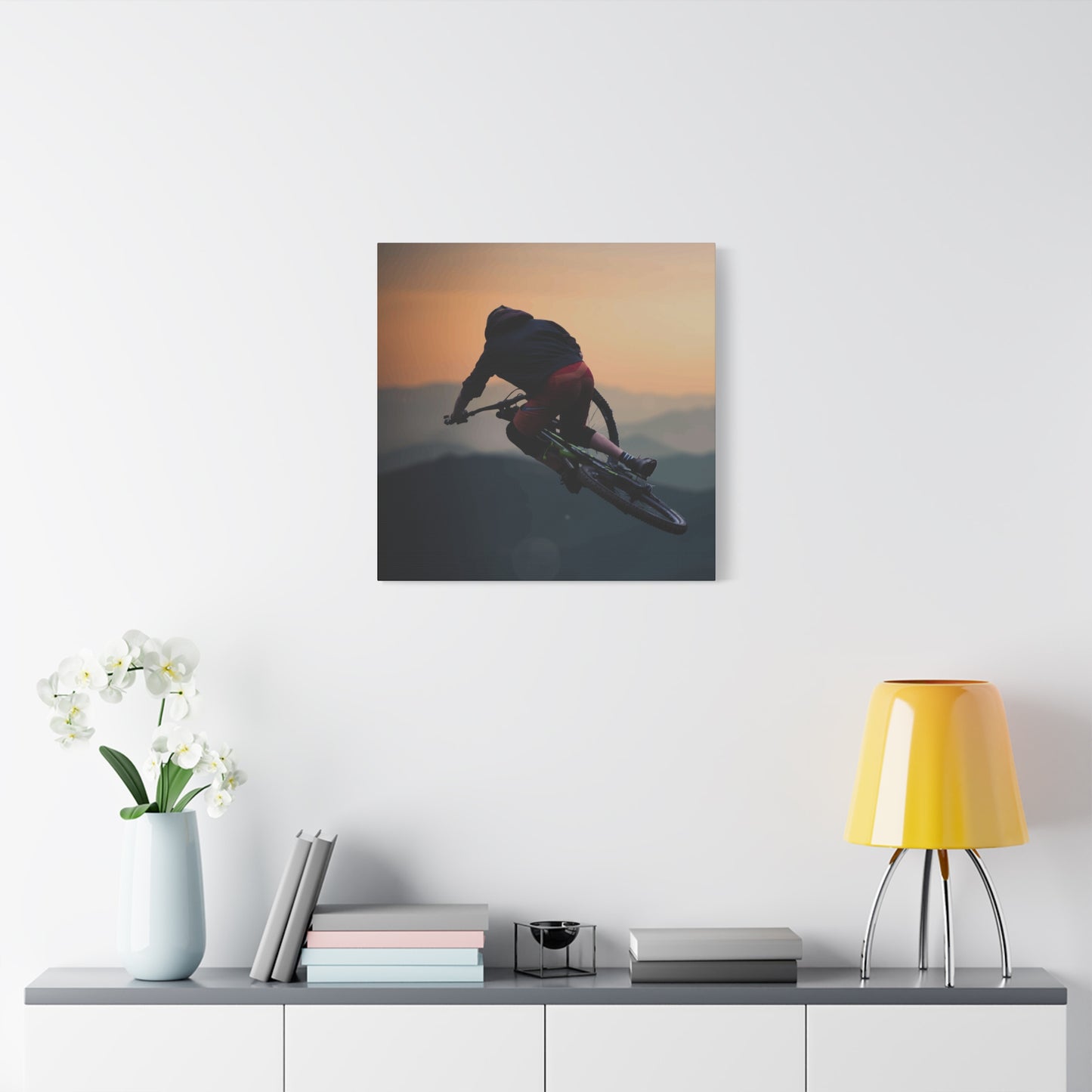
The living room typically serves as the primary gathering space in most homes, making it an ideal location for showcasing impressive bicycle artwork that sparks conversation and reflects your personality to guests. Consider positioning a large-scale bike wall art piece above the sofa as a focal point that anchors the seating area and draws the eye upon entering the room. This placement naturally commands attention while maintaining appropriate visual balance with the substantial furniture piece below. Alternatively, you might create a gallery wall arrangement featuring multiple smaller bicycle-themed pieces clustered together, combining different styles, sizes, and formats to create an eclectic yet cohesive display that adds visual complexity and interest.
Home offices and personal workspace areas offer excellent opportunities for incorporating motivational cycling imagery that inspires productivity and reminds you of your passion during long working hours. Positioning bike wall art within your direct line of sight while seated at your desk provides visual respite during mentally demanding tasks and can serve as a prompt for taking necessary breaks to stretch or engage in physical activity. Consider placing inspirational cycling photography depicting challenging climbs or epic landscapes behind your monitor or on the wall opposite your desk where it catches your eye when you look up from your work.
Bedroom environments benefit from more subdued, contemplative bicycle artwork that promotes relaxation rather than stimulation. Consider softer color palettes, serene cycling landscapes, or artistic interpretations that evoke the meditative aspects of riding rather than the competitive or adrenaline-fueled dimensions. Positioning bike wall art above the headboard creates a natural focal point in the room while remaining outside your direct line of sight when lying down, preventing visual overstimulation that might interfere with sleep. Alternatively, placing bicycle-themed pieces on walls perpendicular to the bed allows you to enjoy them while moving about the room without them dominating your field of vision during rest periods.
Hallways and transitional spaces often represent underutilized decorating opportunities that can be transformed into engaging galleries showcasing your cycling passion. The linear nature of hallways makes them particularly well-suited for creating sequential displays that guide viewers through a visual narrative, perhaps chronicling your cycling journey, showcasing different bicycle styles through history, or presenting a curated collection of cycling photography from various locations. When hanging bike wall art in narrow corridors, be mindful of maintaining adequate clearance for comfortable passage, typically leaving at least thirty-six inches of open width to prevent the space from feeling cramped or crowded.
Staircases present unique challenges and opportunities for artwork placement, with sloped walls requiring careful consideration of sight lines and hanging heights. A progressive arrangement of bicycle-themed pieces ascending alongside the staircase creates dynamic visual movement that complements the architectural flow of the space. When installing bike wall art on stairway walls, maintain consistent spacing between pieces and align them in relation to the stair angle rather than trying to keep them horizontally level, which would create an awkward, disjointed appearance.
Dedicated cycling spaces such as home gyms, training rooms, or areas where you store and maintain your bicycles benefit enormously from concentrated doses of motivational bicycle artwork. These spaces allow for more intensive theming without overwhelming the rest of your home, providing opportunities to display competition memorabilia, jerseys, race numbers, and other cycling ephemera alongside traditional bike wall art pieces. Creating an immersive environment in these dedicated spaces reinforces your commitment to the sport and provides psychological motivation during challenging indoor training sessions.
Illuminating Your Bicycle-Themed Artwork to Enhance Visual Drama and Protect Long-Term Condition
Proper lighting represents a critical yet frequently overlooked aspect of displaying artwork effectively, with the right illumination dramatically enhancing visual appeal while inadequate lighting can render even the most spectacular pieces virtually invisible. Understanding the interplay between natural and artificial light sources, the specific requirements of different artwork mediums, and the potential dangers of improper illumination empowers you to showcase your bike wall art in the most flattering manner possible while preserving its condition for years to come.
Natural daylight offers the most accurate color rendering and creates dynamic viewing experiences as shifting light conditions throughout the day transform the appearance of your bicycle-themed artwork. However, direct sunlight poses significant risks to many art mediums, causing fading, discoloration, and deterioration over time, particularly affecting prints, photographs, and canvas pieces. When positioning bike wall art in naturally lit spaces, avoid placing pieces directly opposite windows where they will receive prolonged exposure to intense sunlight. Instead, install them on walls perpendicular to windows or in areas that receive only indirect natural light. Window treatments such as sheer curtains, blinds, or UV-filtering films can help mitigate sun damage while still allowing beneficial natural illumination to enter your space.
Picture lights mounted directly to the frame or wall above your artwork provide focused illumination that highlights your bike wall art while creating dramatic visual emphasis. These specialized fixtures typically feature adjustable arms or heads that allow you to direct light precisely where needed, minimizing glare and unwanted reflections. LED picture lights have become increasingly popular due to their energy efficiency, minimal heat output, and long lifespan, eliminating concerns about heat damage to sensitive artworks. When selecting picture light fixtures, ensure the length spans at least two-thirds the width of your artwork to provide even illumination across the entire piece.
Track lighting systems offer exceptional flexibility for illuminating multiple bicycle-themed pieces or adjusting focus as you rearrange your decorative scheme. Individual fixtures mounted on the track can be positioned and angled independently, allowing you to direct light exactly where needed while avoiding problematic reflections on glazed surfaces. This versatility makes track lighting particularly valuable for gallery walls or collections of bike wall art where individual pieces may require different illumination intensities based on their colors, mediums, and visual impact.
Recessed ceiling fixtures or can lights provide ambient illumination that can be enhanced with directional trims or adjustable heads to highlight specific artworks. When using recessed lighting to illuminate bicycle-themed pieces, position fixtures approximately thirty inches from the wall and aim them at a thirty-degree angle toward the artwork, creating optimal illumination while minimizing glare. Dimmer switches allow you to adjust light intensity based on time of day, activity, and desired ambiance, providing flexibility to showcase your bike wall art under various conditions.
Wall washing techniques involve positioning lights to create even illumination across entire wall surfaces, which works particularly well when displaying multiple bicycle-themed pieces in a gallery arrangement. This approach minimizes shadows and creates a cohesive, museum-quality presentation that allows viewers to appreciate your entire collection simultaneously. Wall washing typically requires multiple fixtures spaced evenly along the ceiling or upper wall area, positioned to overlap their light pools and eliminate dark spots or excessive contrast.
Accent lighting using uplights, downlights, or spotlights creates dramatic focal points that draw attention to particularly significant pieces within your bike wall art collection. This approach works especially well for three-dimensional sculptural pieces or artworks with textured surfaces, as angled lighting enhances depth perception and reveals subtle details that might be invisible under flat, frontal illumination. When employing accent lighting, carefully control the intensity to avoid overwhelming the piece or creating harsh shadows that distract from the artwork itself.
Constructing Captivating Gallery Walls That Tell Your Personal Cycling Story Through Thoughtful Arrangement
Gallery walls have surged in popularity as a method of displaying multiple artworks collectively, creating visual impact that exceeds the sum of individual pieces. When executed thoughtfully, a bicycle-themed gallery wall becomes a dynamic focal point that narrates your cycling journey, celebrates your passion, and demonstrates sophisticated design sensibilities. Successful gallery wall creation requires careful planning regarding composition, spacing, color balance, and thematic cohesion to avoid the chaotic appearance that results from haphazard arrangement.
Begin the planning process by gathering all the bicycle-themed pieces you wish to include in your gallery wall, laying them on the floor to experiment with various arrangements before committing to wall placement. This preliminary step allows you to evaluate how different pieces interact visually, ensuring complementary color relationships, balanced distribution of visual weight, and pleasing compositional flow. Photograph promising arrangements from above to create reference images that guide your installation process, eliminating guesswork and reducing the likelihood of placement errors that require time-consuming corrections.
Symmetrical grid arrangements create orderly, formal presentations that work particularly well in traditional or transitional interiors where consistency and balance are valued aesthetic principles. This approach involves selecting bike wall art pieces of identical or very similar sizes and arranging them in regular rows and columns with uniform spacing between frames. Grid arrangements project sophistication and intentionality, suggesting curatorial expertise and design confidence. This format works especially well when your bicycle-themed pieces share common elements such as matching frames, similar color palettes, or related subject matter that creates visual continuity across the collection.
Asymmetrical salon-style arrangements embrace a more organic, collected-over-time aesthetic that suggests personal history and evolving tastes. This approach allows you to incorporate bike wall art pieces of varying sizes, formats, frames, and styles into a cohesive display that feels curated rather than overly planned. The key to successful asymmetrical arrangements lies in achieving visual balance despite irregularity, typically accomplished by distributing larger, darker, or more visually complex pieces throughout the arrangement rather than clustering them in one area. Salon-style galleries work beautifully in eclectic or bohemian interiors where personality and individuality take precedence over strict design rules.
Central anchor arrangements build outward from a significant focal piece, typically the largest or most visually striking artwork in your bicycle collection. Position this anchor piece first, establishing the center point around which smaller supporting pieces will be arranged. This approach creates clear hierarchy within your gallery wall, ensuring viewers immediately identify the primary artwork while still appreciating the supporting pieces that enhance and complement the central focal point. Central anchor arrangements work well when you own one particularly meaningful or impressive piece of bike wall art that deserves featured status within the collection.
Linear arrangements extend horizontally or vertically in straight lines, creating clean, contemporary presentations that complement modern architectural features. Horizontal linear arrangements work beautifully above long furniture pieces such as sofas or console tables, while vertical arrangements can emphasize ceiling height in rooms with impressive vertical proportions. When creating linear bike wall art displays, maintain consistent spacing between pieces and align them along a central horizontal or vertical axis to reinforce the intentional linear quality of the arrangement.
Clustered groupings involve positioning related bicycle-themed pieces in tight arrangements with minimal spacing, creating unified blocks that function as single decorative elements from a distance while revealing individual pieces upon closer inspection. This approach works particularly well with smaller artworks that might get lost if displayed individually or spaced too far apart. Clustered arrangements can be scattered across a wall in asymmetrical fashion or organized into more formal configurations depending on your aesthetic preferences and the character of your space.
Spacing considerations significantly impact the overall effectiveness of your gallery wall arrangement. As a general guideline, maintain two to three inches of space between frames in tight, cohesive arrangements, or increase spacing to four to six inches for more breathable, open presentations. Consistency in spacing creates visual harmony even when frame sizes and artwork dimensions vary significantly. Use painter's tape to mark frame positions on the wall before hanging, allowing you to evaluate spacing and make adjustments without damaging walls or artwork.
Framing Strategies That Enhance and Protect Your Bicycle-Themed Artwork While Complementing Interior Aesthetics
Frame selection represents far more than a practical necessity for protecting and mounting your bike wall art; it constitutes a crucial design decision that dramatically influences how the artwork appears and integrates with your overall decor scheme. The right frame enhances and complements the bicycle imagery while the wrong choice can diminish even the most spectacular piece. Understanding frame styles, materials, colors, and matting options empowers you to make informed decisions that elevate your cycling-themed artwork to its fullest potential.
Traditional wooden frames offer timeless appeal and natural warmth that complements a wide range of interior styles from rustic to refined. The grain patterns, color variations, and organic textures inherent in wood create visual interest that synthetic materials cannot replicate. When selecting wooden frames for your bike wall art, consider how the wood tone relates to other wooden elements in your space, including flooring, furniture, and architectural trim. Matching or complementary wood tones create visual connections that tie disparate elements together, while contrasting woods can be employed strategically to make your artwork stand out as a distinct focal point.
Metal frames project contemporary sophistication and industrial edge that pairs beautifully with modern and minimalist interiors. The sleek profiles and cool finishes of metal frames allow bicycle imagery to take center stage without competing for attention, making them particularly appropriate when your bike wall art features bold colors, complex compositions, or busy details that require simple, understated framing. Aluminum frames offer lightweight durability and come in numerous powder-coated color options, while steel frames provide substantial presence and authentic industrial character. Brushed metal finishes create subtle, understated elegance, while glossy or polished finishes make bolder statements that draw more attention to the frame itself.
Black frames represent the most versatile framing option, complementing virtually any color palette, artwork style, or interior aesthetic. The neutral, recessive quality of black frames allows your bicycle-themed imagery to command full attention without distraction from the framing treatment. Black works particularly well for creating cohesive gallery walls that include diverse bike wall art pieces, as it provides consistent framing that unifies disparate elements while allowing each individual artwork to maintain its unique character. Matte black finishes create sophisticated, contemporary presentations, while glossy black adds drama and formality.
White and natural wood frames project lighter, airier aesthetics that work beautifully in spaces decorated with coastal, Scandinavian, or farmhouse influences. These lighter framing options prevent visual heaviness that can make spaces feel closed-in or oppressive, particularly beneficial in smaller rooms or areas with limited natural light. White frames create clean, gallery-like presentations that emphasize the artwork itself, while natural wood frames introduce organic warmth without the weight of darker wood tones. When using light-colored frames for bike wall art, ensure sufficient contrast exists between the frame and wall color to prevent the artwork from visually disappearing into the background.
Colored frames offer opportunities for creative expression and can be employed to pull specific hues from your bicycle artwork into the broader room palette. For instance, if your bike wall art features a prominent blue bicycle against a neutral background, framing it in a complementary blue creates visual connection and emphasizes that particular color element. However, colored frames require careful consideration to avoid clashing with other elements or overwhelming the artwork itself. Generally, colored frames work best when they echo colors already present in the artwork or room rather than introducing entirely new hues.
Matting provides breathing room between the artwork and frame, creating visual separation that prevents the piece from feeling cramped or constrained. White and off-white mats represent the most traditional and versatile options, creating clean presentations that work with virtually any bicycle imagery and interior style. The width of the mat significantly impacts visual perception, with wider mats creating more formal, museum-quality presentations and narrower mats generating tighter, more contemporary appearances. Double matting, which layers two different colored mats with the lower mat visible as a thin border around the upper mat, adds depth and sophistication to your framing treatment. When selecting mat colors for your bike wall art, consider pulling tones directly from the imagery itself or choosing neutral options that allow the artwork to speak for itself.
Floating mounts create the illusion that your bicycle-themed artwork hovers within the frame, separated from the backing by a small gap that introduces dimensionality and visual interest. This mounting technique works particularly well for pieces printed on thick paper stocks, canvas boards, or panels where the edges of the artwork itself possess aesthetic value worth displaying. Floating mounts project contemporary sensibilities and work beautifully in modern interiors where clean lines and spatial relationships are emphasized.
Glass or acrylic glazing protects your bike wall art from dust, moisture, and physical damage while potentially impacting viewing experience through reflections or color shifts. Standard glass offers excellent clarity at accessible price points but adds considerable weight and poses breakage risks. UV-filtering glass provides crucial protection against sun damage for pieces displayed in naturally lit areas, preventing fading and deterioration over time. Non-reflective or museum glass virtually eliminates reflections that can obscure artwork, creating crystal-clear viewing experiences from any angle. Acrylic glazing offers lightweight, shatter-resistant alternatives to glass, making it preferable for large pieces, installations in high-traffic areas, or situations where safety concerns exist. However, acrylic scratches more easily than glass and can develop static charges that attract dust.
Incorporating Three-Dimensional Bicycle Elements That Add Sculptural Interest to Your Wall Displays
Moving beyond traditional two-dimensional artwork, three-dimensional bicycle-themed elements introduce tactile depth, shadow play, and sculptural interest that creates dramatic visual impact impossible to achieve with flat pieces alone. These dimensional installations transform walls from passive surfaces displaying images into dynamic sculptural environments that engage viewers through physical presence and spatial relationships. Whether incorporating actual bicycle components, purpose-built sculptures, or creative mixed-media assemblages, three-dimensional bike wall art offers endless possibilities for innovative self-expression.
Actual bicycle wheels mounted as wall sculptures create striking focal points that celebrate the elegant engineering and aesthetic beauty of these functional objects. Vintage wheels with classic spoke patterns and weathered finishes bring nostalgic charm and industrial character to spaces, while modern carbon fiber race wheels project sleek, high-performance aesthetics. Wheels can be mounted individually as standalone sculptural elements or arranged in multiples to create rhythm and repetition. Consider painting wooden walls or accent sections in contrasting colors behind mounted wheels to enhance their silhouettes and create graphic impact. Some cycling enthusiasts incorporate LED lighting behind or around mounted wheels, creating dramatic halo effects that emphasize their circular forms and create ambient illumination.
Bicycle frames themselves function as sculptural wall elements, particularly vintage or antique models with distinctive geometries and decorative details rarely seen on contemporary bicycles. Mounting a complete frame with handlebars, saddle, and components creates a comprehensive display that functions as both decoration and tribute to cycling history. Alternatively, frame fragments or specific components such as forks, stays, or lugged connections can be displayed as abstract sculptural elements that cycling aficionados will recognize and appreciate while remaining intriguing to viewers less familiar with bicycle anatomy. Powder coating frames in custom colors allows you to coordinate with existing room palettes or create bold contrast that makes the piece pop against wall surfaces.
Metal wall sculptures crafted from recycled bicycle components represent an increasingly popular category of bike wall art that combines environmental consciousness with creative ingenuity. Talented artisans weld, bolt, and assemble discarded chains, sprockets, gears, pedals, handlebars, and other cycling detritus into representational or abstract sculptures ranging from realistic bicycle silhouettes to fantastical creatures and artistic interpretations. These pieces carry inherent narratives about sustainability, transformation, and finding beauty in cast-off materials, adding conceptual depth to their aesthetic appeal. The industrial textures and mechanical details of component-based sculptures create visual complexity that rewards close inspection while making bold statements from across the room.
Wooden relief carvings depicting cycling scenes or bicycle silhouettes introduce organic warmth and artisanal craftsmanship to wall displays. Hand-carved pieces carry the marks of their makers, with tool impressions and surface variations that communicate human touch and creative labor in ways mass-produced items cannot. Relief depths can range from subtle bas-relief with minimal projection from the background plane to high-relief sculptures where elements extend substantially into space, creating dramatic shadow patterns as light moves across surfaces throughout the day. Wood species selection impacts both color and character, with light woods like maple and birch projecting clean, contemporary aesthetics while darker varieties like walnut and mahogany convey traditional elegance.
Mixed-media assemblages combine diverse materials and found objects into cohesive compositions that blur boundaries between painting, sculpture, and collage. These pieces might incorporate actual bicycle components alongside painted or printed imagery, text elements, maps from favorite cycling routes, vintage cycling advertisements, competition memorabilia, and other ephemera that holds personal significance. The layered, complex nature of assemblage work creates visual richness that engages viewers over extended periods, with new details revealing themselves upon repeated viewings. Creating your own mixed-media bike wall art allows for ultimate personalization, incorporating specific elements from your cycling journey into singular artistic expressions that literally cannot be replicated.
Shadow boxes provide contained environments for displaying treasured cycling memorabilia three-dimensionally while protecting delicate items from dust and damage. These enclosed cases can showcase race medals, competition numbers, jersey patches, photographs, maps, and small components arranged in thoughtful compositions that tell specific stories about memorable rides, races, or cycling achievements. The depth of shadow boxes accommodates objects that would be impossible to display using traditional framing methods, while their glass fronts allow full visibility from multiple angles. Custom-built shadow boxes can be sized to accommodate specific items or collections, creating perfectly tailored presentations for your most meaningful cycling treasures.
Pedal and cleat displays mounted on decorative backing boards create quirky, conversation-starting wall elements that cycling enthusiasts immediately recognize and appreciate. Arranging multiple pedal systems chronologically demonstrates the evolution of this crucial component over your cycling career, while displaying pedals from different cycling disciplines highlights the breadth of your two-wheeled experience. Small plaques or labels identifying each pedal system and its associated memories transform these functional items into narrative elements that document your personal cycling history.
Commissioning Custom Artwork That Perfectly Captures Your Individual Cycling Journey and Aesthetic Vision
While commercially available bicycle-themed artwork offers tremendous variety, commissioning custom pieces created specifically for you by talented artists provides unparalleled opportunities for personalization and ensures your bike wall art perfectly aligns with your unique vision, memories, and design requirements. Custom commissioned artwork carries emotional significance and investment value beyond mass-produced alternatives, creating singular pieces that authentically represent your relationship with cycling while contributing to the livelihood of working artists.
Identifying artists whose existing bodies of work resonate with your aesthetic sensibilities represents the crucial first step in the commissioning process. Research cycling-focused artists through online portfolios, social media platforms, art fairs, cycling exhibitions, and recommendations from fellow enthusiasts. Examine how potential artists approach bicycle subjects, noting their stylistic tendencies, preferred mediums, color sensibilities, and the overall mood their work evokes. The most successful commissions result from partnerships between clients and artists whose visions naturally align, minimizing the potential for disappointment or extensive revision requirements.
Painting commissions allow for classical artistic interpretations of your cycling passion, whether rendered in oils, acrylics, watercolors, or mixed media. Portrait paintings of your beloved bicycle capture its unique character and significance with the depth and nuance that photography cannot always achieve. Commissioning paintings that depict you riding in favorite locations memorializes meaningful experiences while creating decorative bike wall art that functions as both personal history and visual enhancement. When working with painters, discuss your preferences regarding style (realistic, impressionistic, expressionistic), composition, color palette, and mood to ensure the finished piece aligns with expectations. Providing reference photographs, though not necessary for abstract or conceptual work, helps realistic painters accurately render specific details.
Illustration and graphic design commissions result in stylized representations that might incorporate text, patterns, decorative elements, and bold graphic treatments impossible or impractical in photographic or painterly approaches. Custom illustrations can adopt vintage poster aesthetics, modern minimalist styles, detailed technical drawing approaches, or whimsical cartoon sensibilities depending on your preferences and intended placement. Digital illustration processes often allow for easier revision and adjustment compared to traditional media, as artists can modify specific elements without starting entirely anew. Discuss file formats and resolution requirements to ensure the finished artwork can be printed at your desired size with appropriate quality for your intended display method.
Photography commissions provide opportunities to capture your specific bicycle, favorite riding locations, or personal cycling moments through the lens of skilled photographers who understand how to craft compelling imagery. Unlike casual snapshots, commissioned cycling photography incorporates professional lighting, composition, and post-processing that elevates your subject matter into genuine artwork worthy of prominent display. Discuss your vision for the shoot including locations, lighting conditions (golden hour, overcast, dramatic clouds), whether you wish to appear in the images, and any specific shots or angles you particularly want captured. Professional cycling photographers bring expertise regarding camera settings, lens choices, and timing that result in dramatically superior images compared to amateur efforts.
Sculptural commissions result in unique three-dimensional bike wall art pieces created exclusively for you by metalworkers, woodcarvers, ceramic artists, or mixed-media sculptors. These pieces might incorporate your actual bicycle components, represent your specific bike in sculptural form, or create abstract interpretations of cycling themes meaningful to you personally. Sculptural commissions typically require more extensive planning and communication compared to two-dimensional work due to structural, spatial, and mounting considerations. Discuss dimensions, weight, mounting requirements, and material preferences early in the process to ensure the finished piece will work practically in your intended location.
Digital art commissions embrace contemporary creative tools, resulting in artwork that exists initially as digital files before being printed for physical display. Digital artists might create photo manipulations, digital paintings, vector graphics, or generative algorithmic art based on parameters and inputs you provide. The digital nature of these works offers advantages including easy resizing for different display applications, modification potential, and the ability to produce multiple prints without quality degradation. When commissioning digital bike wall art, clarify ownership and usage rights to ensure you can print the artwork as needed without additional fees or restrictions.
Commission agreements should clearly outline deliverables, timelines, pricing, payment schedules, revision allowances, and intellectual property considerations before work commences. Typical arrangements involve initial deposits when the project begins, with remaining payments due upon completion and approval. Discuss how many revision rounds are included in the commission fee and what additional charges might apply for extensive changes. Clarify whether you will own the physical artwork exclusively or if the artist retains rights to reproduce the image for promotional purposes, additional prints, or licensing. Clear communication and documented agreements prevent misunderstandings that could sour what should be an exciting, collaborative creative process.
Timeline expectations should be realistic, recognizing that custom artwork cannot be rushed without compromising quality. Depending on the medium, complexity, and the artist's existing workload, commissions might require weeks or months from initial agreement to final delivery. Discuss timing upfront, particularly if you need the bike wall art completed for specific events, gift-giving occasions, or interior design projects with firm deadlines. Most artists appreciate clients who respect their creative processes and allow adequate time for thoughtful execution rather than demanding impossible turnarounds.
Conclusion
Proper care and preservation of your bike wall art investments protects both their aesthetic appeal and monetary value, ensuring these meaningful pieces continue enhancing your spaces for decades. Different mediums and materials require specific maintenance approaches, with preventative measures far more effective than attempting to repair damage after it occurs. Understanding appropriate cleaning methods, environmental considerations, and handling practices empowers you to serve as responsible steward of your cycling-themed collection.
Dust accumulation represents the most common threat to displayed artwork, settling on surfaces and gradually dulling appearance while potentially causing abrasion if inappropriately removed. For framed bike wall art protected behind glass or acrylic, regular gentle dusting with soft, lint-free microfiber cloths prevents buildup and maintains clarity. Never spray cleaning solutions directly onto glazed artwork, as liquid can seep behind glass and damage the art itself; instead, lightly dampen the cloth if needed to remove stubborn smudges or fingerprints. For unglazed pieces such as canvas paintings or textile works, use soft brushes or low-suction vacuum attachments held slightly away from surfaces to avoid direct contact that might cause damage.
Environmental conditions significantly impact the longevity of displayed artwork, with temperature fluctuations, humidity extremes, and light exposure causing cumulative damage over time. Maintain relatively stable temperatures between sixty-five and seventy-five degrees Fahrenheit, avoiding areas subject to dramatic heating and cooling cycles such as walls adjacent to exterior doors, fireplaces, or heating vents. Humidity levels should remain between forty and fifty-five percent, as excessive moisture encourages mold growth, paper deterioration, and adhesive failures while overly dry conditions cause embrittlement and cracking. In climates with significant seasonal humidity variations, consider using humidifiers or dehumidifiers to maintain appropriate levels year-round.
Share