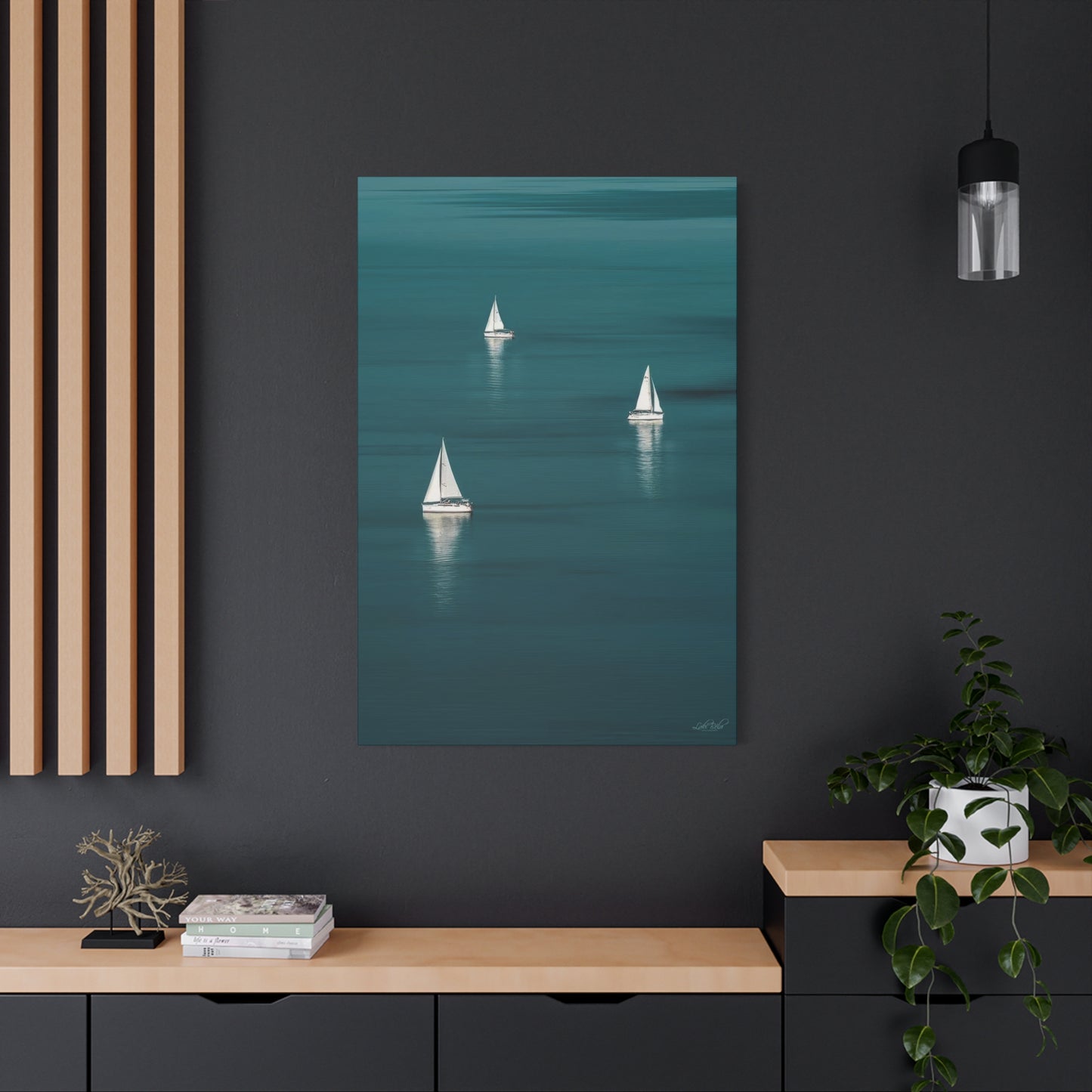
Cool Calm Sea Wall Art & Canvas Prints
Cool Calm Sea Wall Art & Canvas Prints
Couldn't load pickup availability
Serenity by the Sea: Crafting a Cool Calm Sea Wall Art Space with Ocean-Themed Wall Decor
The allure of oceanic imagery has captivated humanity for centuries, and in modern interior design, cool calm sea wall art represents one of the most sought-after decorative elements for creating peaceful, harmonious living spaces. This comprehensive exploration delves into every aspect of incorporating marine-themed artwork into residential and commercial environments, examining the profound impact these visual representations have on our daily lives and psychological well-being.
The Profound Impact of Marine Imagery on Human Consciousness and Living Spaces
Marine-themed artwork possesses an extraordinary ability to transform ordinary rooms into sanctuaries of tranquility. When we examine the fundamental reasons behind this phenomenon, we discover that cool calm sea wall art taps into deep-rooted human connections with water and nature. Scientific research has demonstrated that viewing images of peaceful water scenes can lower cortisol levels, reduce heart rate, and promote a sense of mental clarity that few other decorative elements can achieve.
The visual representation of serene oceanic scenes works on multiple levels within our consciousness. First, there exists the immediate aesthetic pleasure derived from the interplay of blues, greens, and whites that characterize maritime landscapes. These color combinations naturally complement a wide range of interior design schemes while maintaining their distinctive character. Second, the symbolic associations with water—representing life, renewal, and endless possibility—create subconscious connections that resonate with viewers on an emotional level.
When individuals select cool calm sea wall art for their homes, they are not merely choosing decoration; they are actively creating an environment that supports mental restoration and emotional balance. The gentle movement suggested by wave patterns, the vast expanse of horizon lines, and the interplay of light on water surfaces all contribute to a viewing experience that encourages contemplation and stress relief. Research in environmental psychology has shown that people who regularly interact with nature imagery, including maritime scenes, report higher levels of life satisfaction and improved mood regulation.
The placement of ocean-inspired artwork within living spaces creates focal points that draw the eye while simultaneously encouraging relaxation. Unlike more stimulating forms of art that demand active engagement, cool calm sea wall art invites passive appreciation, allowing viewers to project their thoughts and emotions onto the tranquil scenes depicted. This quality makes such artwork particularly valuable in spaces designated for rest, meditation, or creative work.
Exploring the Rich Variety of Styles Within Marine Artwork Collections
The world of cool calm sea wall art encompasses an astonishing diversity of artistic expressions, each offering unique aesthetic qualities and emotional resonances. Understanding these various styles enables individuals to make informed choices that align with their personal preferences and interior design objectives.
Photographic representations of marine environments capture reality with stunning precision, offering viewers windows into actual moments of oceanic beauty. These pieces range from dramatic wave formations frozen in time to expansive panoramas of coastlines stretching toward infinity. The advantage of photographic cool calm sea wall art lies in its ability to transport viewers to specific locations, evoking memories of personal experiences or inspiring dreams of future travels. High-resolution imagery reveals intricate details—the texture of seafoam, the subtle gradations of color in shallow waters, the play of sunlight through translucent waves—that create almost tangible connections with the marine environment.
Abstract interpretations of oceanic themes offer an entirely different aesthetic experience. These works use color, form, and texture to evoke the essence of the sea without literal representation. Flowing brushstrokes might suggest wave motion, while layered applications of paint create depth reminiscent of looking through water toward the ocean floor. Abstract cool calm sea wall art provides flexibility in interpretation, allowing viewers to find personal meaning within the composition. This style particularly appeals to those who appreciate contemporary design aesthetics and prefer artwork that stimulates imagination rather than presenting fixed imagery.
Minimalist approaches to marine artwork strip away excess detail to focus on essential elements—a single horizon line, a gradation from deep blue to pale sky, or the simplified silhouette of a distant sailboat. This reductionist philosophy aligns perfectly with modern design principles that emphasize clean lines and uncluttered spaces. Minimalist cool calm sea wall art creates powerful visual impact through restraint, proving that sometimes less truly becomes more when executed with thoughtful intention.
Impressionistic renderings of oceanic scenes capture the ephemeral qualities of light and atmosphere that characterize coastal environments. These works prioritize mood and sensory impression over photographic accuracy, using broken color and visible brushwork to convey the experience of standing beside the sea. The slightly dreamlike quality of impressionistic cool calm sea wall art makes it particularly effective in bedrooms and meditation spaces, where the goal is to create an atmosphere of gentle repose.
Traditional maritime paintings, with their careful attention to realistic detail and classical composition, appeal to those who appreciate timeless aesthetics. These pieces often feature elements like sailing vessels, lighthouses, or seabirds, adding narrative interest to the oceanic setting. While maintaining the peaceful qualities associated with cool calm sea wall art, traditional works often incorporate human elements that create points of identification and storytelling potential.
Mixed media creations combine various materials and methods to produce textured, dimensional works that engage multiple senses. Artists might incorporate actual sand, crushed shells, or metallic elements that catch light, creating pieces that change appearance throughout the day as lighting conditions shift. These innovative approaches to cool calm sea wall art particularly appeal to collectors seeking unique statement pieces that transcend conventional boundaries between painting and sculpture.
The Science Behind Color Selection in Ocean-Themed Artwork
Color choice represents one of the most critical factors determining the emotional impact of cool calm sea wall art. The palette associated with marine environments—primarily blues, greens, whites, and sandy neutrals—carries specific psychological associations that influence how viewers experience these artworks.
Blue, the dominant color in most ocean imagery, has been extensively studied for its effects on human psychology and physiology. Lighter shades of blue promote feelings of spaciousness and freedom, making rooms appear larger and more open. These tones work particularly well in smaller spaces where creating an impression of expansiveness is desirable. Medium blues convey stability and reliability, offering visual anchors within a room's design scheme. Deeper navy tones introduce sophistication and depth, creating dramatic contrast when paired with lighter elements in the composition or surrounding décor.
The specific shade of blue featured in cool calm sea wall art significantly affects the overall atmosphere created. Aquamarine and turquoise blues evoke tropical waters and vacation destinations, bringing energy and vitality to spaces while maintaining the inherent calmness of marine imagery. These vibrant hues work exceptionally well in coastal properties or homes seeking to capture a resort-like atmosphere. In contrast, the cooler, grayer blues associated with temperate waters create more subdued, contemplative moods suitable for professional environments or spaces dedicated to quiet reflection.
Green tones within oceanic artwork add complexity and natural richness to compositions. The blue-greens of shallow tropical waters suggest warmth and accessibility, while the darker greens of deep ocean scenes introduce mystery and depth. These colors bridge the gap between the cool blues of water and the warmer tones often found in interior design schemes, making cool calm sea wall art featuring green elements particularly versatile for integration into diverse décor styles.
White and cream elements within marine artwork serve multiple purposes. Seafoam and wave caps introduce movement and visual interest, breaking up expanses of solid color. Sandy beaches and pale skies provide contrast and breathing room within compositions, preventing visual overwhelm. These lighter tones also reflect natural and artificial light, contributing to the brightening effect that cool calm sea wall art often brings to interior spaces.
The interaction between colors within a piece of marine artwork creates additional layers of visual interest. Gradual transitions from deep ocean blues to pale sky tones guide the eye through the composition while mirroring the natural progression found in actual seascapes. Complementary accents—perhaps a touch of coral, a hint of golden sunlight, or the warm brown of driftwood—add warmth and prevent the color scheme from feeling too cold or clinical.
Understanding color theory enables more strategic selection of cool calm sea wall art that will harmonize with existing décor or serve as inspiration for room redesign. Analogous color schemes, using adjacent hues on the color wheel, create cohesive, harmonious environments. Complementary approaches, pairing ocean blues with warm oranges or corals, generate visual excitement and balanced contrast. Monochromatic schemes using various shades of a single color create sophisticated, unified spaces with subtle variation providing visual interest.
Strategic Placement Principles for Maximum Visual and Emotional Impact
The location and arrangement of cool calm sea wall art within a space dramatically affects both its aesthetic contribution and its ability to influence mood and atmosphere. Thoughtful placement transforms artwork from mere decoration into an integral element of interior design that shapes how spaces are experienced and utilized.
Living rooms, as primary gathering spaces, benefit enormously from substantial pieces of cool calm sea wall art that serve as conversation starters and focal points. Positioning a large-scale marine artwork above a sofa creates a natural center of attention, grounding the seating area and providing visual weight that balances furniture arrangements. The expansive nature of oceanic imagery complements the openness typically desired in living spaces, and the calming qualities of such artwork counterbalance the activity and energy that these rooms often contain.
When selecting cool calm sea wall art for living areas, scale becomes paramount. Pieces should be substantial enough to hold their own against furniture and architectural features without overwhelming the space. A common guideline suggests artwork should span approximately two-thirds to three-quarters of the furniture width it hangs above, creating visual harmony between wall decoration and room furnishings. However, this rule should be adapted based on ceiling height, room size, and personal preference.
Bedrooms represent ideal locations for cool calm sea wall art due to the natural alignment between the peaceful qualities of marine imagery and the restful purpose of sleeping spaces. Positioning serene oceanic scenes where they are visible from the bed creates opportunities for pre-sleep relaxation and peaceful morning awakenings. The consistent blue tones found in most sea-themed artwork support healthy sleep patterns by avoiding the stimulating reds and bright colors that can interfere with rest.
In bedroom settings, consider the viewing angle from the bed when hanging cool calm sea wall art. Artwork should be positioned low enough that reclining viewers can comfortably appreciate it without straining. The content of bedroom artwork might lean toward especially calm representations—gentle waves, misty horizons, or abstract water impressions—that promote rather than distract from rest.
Bathrooms and powder rooms offer unique opportunities for thematic decoration with cool calm sea wall art. The natural association between water-related spaces and oceanic imagery creates satisfying visual coherence. These typically smaller spaces can accommodate bold choices that might overwhelm larger rooms—dramatic close-ups of waves, vibrant tropical water scenes, or intensely saturated abstract pieces inspired by marine environments.
Moisture resistance becomes a critical consideration when selecting cool calm sea wall art for bathrooms. Canvas prints should be properly sealed, metal prints offer excellent durability in humid environments, and glass-fronted frames protect artwork from moisture damage. Positioning pieces away from direct water exposure—opposite the shower rather than adjacent to it—extends longevity while maintaining the desired aesthetic effect.
Home offices and workspaces benefit significantly from the stress-reducing properties of cool calm sea wall art. The demanding nature of focused work creates mental tension that peaceful marine imagery helps counterbalance. Positioning oceanic artwork within the line of sight during breaks from screen time provides opportunities for visual rest and mental reset, potentially improving productivity and reducing eye strain.
For workspace applications, consider the specific qualities you wish to encourage. Expansive horizon views might support big-picture thinking and creativity, while close-up water textures could aid focus and concentration. The specific shade palette of cool calm sea wall art in work environments should energize without overstimulating—medium blues and blue-greens often strike this balance effectively.
Hallways and transitional spaces frequently become overlooked in decorating schemes, yet these areas present valuable opportunities for creating cohesive design narratives. A series of smaller cool calm sea wall art pieces arranged gallery-style along a hallway creates visual interest while guiding movement through the space. Thematic consistency—perhaps various interpretations of waves, or a collection showing different coastal locations—provides unity while allowing for variety.
Dining areas can incorporate cool calm sea wall art to create refreshing, pleasant atmospheres for meals and gatherings. The colors associated with marine themes complement many table settings and create versatile backdrops for entertaining. Scale considerations in dining spaces should account for furniture height and the typical viewing distance from the table, ensuring artwork remains visually accessible to both standing and seated viewers.
Multi-panel installations, also called triptychs or polyptychs, offer dynamic alternatives to single-piece displays. These arrangements allow cool calm sea wall art to span larger wall areas while creating rhythm and movement through the repetition and variation of related images. Split panoramic seascapes stretched across multiple panels can create stunning focal walls that dramatically transform spaces.
Height guidelines for hanging artwork suggest positioning pieces so their centers align approximately with average eye level, typically around 57 to 60 inches from the floor. However, this standard should be adjusted based on ceiling height and viewing context. In spaces where viewers are typically seated, such as dining areas, slightly lower placement ensures comfortable viewing. Rooms with high ceilings may benefit from slightly elevated placement to maintain visual connection with architectural proportions.
Lighting dramatically affects how cool calm sea wall art appears and how effectively it creates the desired atmosphere. Natural light brings out the truest colors and creates dynamic viewing experiences as illumination changes throughout the day. However, direct sunlight can cause fading over time, so consider UV-protective glass or positioning artwork to receive indirect natural light. Artificial lighting should be carefully directed to illuminate artwork without creating glare on protective glazing or reflective surfaces. Picture lights, track lighting, or carefully aimed spotlights can dramatically enhance nighttime viewing while creating ambient lighting that contributes to overall room atmosphere.
Framing Options and Presentation Styles That Enhance Visual Appeal
The presentation format of cool calm sea wall art significantly influences its overall aesthetic impact and compatibility with various interior design styles. Modern printing and framing options provide extensive choices for customizing how marine imagery is displayed.
Canvas prints remain among the most popular formats for cool calm sea wall art due to their painterly appearance and versatility across design styles. Gallery-wrapped canvases, where the image extends around the edges of the stretcher frame, offer clean, contemporary presentations that require no additional framing. This format works particularly well with abstract and photographic marine imagery, creating seamless visual experiences that emphasize the artwork itself. Canvas texture adds subtle dimensional quality that enhances organic subjects like water and sky, creating visual interest even in closely approached viewing.
Framed prints provide more traditional presentations with extensive customization possibilities. Frame selection dramatically affects how cool calm sea wall art integrates with room décor. White or light-colored frames create fresh, coastal atmosphics that emphasize the airy qualities of marine scenes. Natural wood frames in driftwood grays or weathered finishes reinforce nautical themes while adding organic warmth. Sleek metal frames in silver, gold, or bronze tones introduce contemporary sophistication that elevates photographic and minimalist marine imagery. Black frames create dramatic contrast and work particularly well with pieces featuring significant white space or light tones.
Matting within frames adds additional customization layers. Single mats in crisp white create classic, gallery-style presentations, while double matting with an accent color drawn from the artwork adds depth and visual sophistication. Wider mats create breathing room around imagery, allowing cool calm sea wall art to make bold statements even at smaller sizes. Conversely, minimal or absent matting creates more immersive viewing experiences where artwork extends closer to frame edges.
Metal prints represent increasingly popular alternatives for displaying cool calm sea wall art, particularly photographic images. This process infuses inks directly into specially coated aluminum sheets, creating vibrant, luminous results with exceptional durability and moisture resistance. The subtle sheen of metal surfaces adds contemporary elegance while enhancing the reflective qualities naturally associated with water imagery. Metal prints work exceptionally well in modern and minimalist interiors, and their resistance to humidity makes them ideal for bathroom installations.
Acrylic prints mount photographic images behind clear acrylic panels, creating depth and luminosity that seems to make the image glow from within. This premium presentation format works beautifully with high-resolution photography of marine scenes, adding contemporary sophistication and museum-quality appearance. The dimensional quality created by the acrylic layer adds literal depth that metaphorically enhances the sense of looking into water or across expansive seascapes. These pieces make particularly striking focal points in contemporary interiors where their technical refinement complements modern design aesthetics.
Wood-mounted prints, where images are transferred directly onto wood panels, create rustic, organic presentations perfectly suited to coastal and farmhouse design styles. The visible wood grain showing through the image adds textural interest and natural character that reinforces connections between cool calm sea wall art and the natural world. These pieces work exceptionally well in casual, comfortable spaces where approachable, lived-in aesthetics are desired.
Floating frames create the illusion that artwork hovers within the frame, separated from the backing by a small gap. This contemporary presentation style adds architectural interest and works particularly well with canvas and wood-mounted cool calm sea wall art. The dimensional quality created by floating installations adds subtle sophistication that elevates artwork presentation without overwhelming the imagery itself.
For those seeking truly unique presentations, alternative materials and formats offer creative possibilities. Fabric wall hangings bring textile softness to marine imagery, creating cozy, approachable presentations well-suited to bohemian and eclectic interiors. Bamboo or reclaimed wood frames reinforce environmental consciousness while adding organic character. Shadowbox frames can incorporate dimensional elements—perhaps actual shells, sand, or beach findings—alongside printed imagery, creating mixed-media presentations that engage multiple senses.
Size considerations interact significantly with presentation format. Large-scale cool calm sea wall art makes bold statements and works best in spacious rooms with ample wall space. These oversized pieces can anchor entire design schemes, establishing color palettes and atmospheric qualities that influence all other décor decisions. Medium-sized pieces offer versatility, working well individually as focal points or grouped in collections to create gallery walls. Smaller artworks allow for creative clustering and layering, building visual interest through arrangement rather than individual scale.
The decision between single large pieces and multiple smaller works affects spatial perception and design flexibility. A single substantial piece of cool calm sea wall art creates dramatic impact with straightforward installation and confident visual presence. Multiple pieces allow for more complex narratives and visual rhythms, with arrangement patterns creating additional layers of design interest. Grid arrangements provide orderly, contemporary aesthetics, while asymmetrical groupings offer more casual, collected-over-time appearances.
The Profound Influence of Marine Imagery on Mental and Emotional States
The psychological effects of cool calm sea wall art extend far beyond simple aesthetic pleasure, touching fundamental aspects of human wellbeing and cognitive function. Understanding these influences helps explain the enduring popularity of marine-themed décor and supports strategic usage for specific wellness goals.
Biophilic design theory posits that humans possess innate tendencies to seek connections with nature and natural systems. This evolutionary inheritance means that representations of natural environments, including marine scenes, activate deep psychological responses that support wellbeing. Cool calm sea wall art satisfies biophilic needs within built environments where actual nature access may be limited, serving as visual proxies for beneficial nature exposure.
The specific characteristics of water and marine environments create particularly strong biophilic responses. Water represents life, safety, and sustenance at fundamental biological levels. Calm water scenes signal safety and resource availability, triggering relaxation responses through ancient associations. The rhythmic nature of waves mirrors biological rhythms like breathing and heartbeat, creating subconscious harmony between internal and external patterns. The vast openness of ocean views activates systems related to spatial cognition and wayfinding, engaging brain regions in ways that refresh mental resources depleted by focused attention.
Color psychology explains much of the calming effect associated with cool calm sea wall art. Blue, the predominant color in marine imagery, has been consistently shown to reduce blood pressure, lower heart rate, and decrease respiration rate—all markers of physiological relaxation. This color activates parasympathetic nervous system responses, shifting the body from stress states toward rest and restoration. The specific wavelengths of light reflected by blue surfaces interact with photoreceptors in ways that signal safety and openness to the brain.
The horizontal emphasis in most seascapes—with prominent horizon lines dividing sky and water—creates compositional stability that subconsciously communicates balance and order. Unlike vertical compositions that convey ambition and upward striving, or diagonal compositions suggesting movement and dynamism, horizontal arrangements in cool calm sea wall art promote feelings of rest and equilibrium. This compositional quality makes marine artwork particularly effective in spaces designated for relaxation and stress reduction.
Attention restoration theory suggests that certain environmental qualities allow mental resources depleted by directed attention to regenerate naturally. Natural scenes, including ocean views, provide "soft fascination"—engagement that captures attention effortlessly without demanding cognitive effort. Cool calm sea wall art creates opportunities for this restorative attention, allowing viewers to rest their mental focus while remaining pleasantly engaged with visual stimuli. The result is cognitive refreshment that improves subsequent performance on demanding tasks.
The sense of perspective and scale conveyed by ocean imagery may contribute to its psychological benefits. Vast seascapes remind viewers of the enormity of the natural world relative to human concerns, creating what psychologists call "self-transcendent emotions." These feelings of connection to something larger than oneself correlate with improved wellbeing, reduced stress, and greater life satisfaction. Spending time with cool calm sea wall art that effectively conveys oceanic vastness may trigger similar beneficial emotions.
Different individuals respond to various qualities within marine imagery based on personal experiences and associations. Those with positive memories of beach vacations find cool calm sea wall art triggers pleasant reminiscence and associated positive emotions. People who have never visited oceans may respond to archetypal associations with freedom, adventure, or the unknown. Understanding personal responses helps guide selection toward imagery that resonates most powerfully on individual levels.
The absence of threatening elements in calm marine scenes contributes to their stress-reducing effects. Unlike imagery depicting storms, rough seas, or maritime dangers, peaceful ocean artwork presents nature in its most approachable, benign aspects. This safety signaling allows full relaxation responses without activating vigilance systems that monitor for potential threats. The result is more complete stress reduction than might be achieved with more dramatic natural imagery.
Seasonal and lighting variations depicted in cool calm sea wall art can influence emotional responses in subtle ways. Bright, sunny beach scenes energize and uplift, making them suitable for spaces where motivation and activity are desired. Misty, overcast coastal views create more introspective moods, working well in quiet spaces devoted to contemplation. Understanding these nuances allows strategic matching of specific imagery to intended room functions and emotional atmospheres.
Harmonizing Marine Artwork with Diverse Interior Design Schemes
Successfully incorporating cool calm sea wall art into established interior design requires understanding how marine imagery interacts with various style aesthetics. While ocean themes naturally complement coastal designs, thoughtful selection and placement allow these artworks to enhance virtually any decorating approach.
Coastal and nautical styles represent the most obvious aesthetic homes for cool calm sea wall art. These design schemes explicitly embrace maritime themes, using colors, materials, and motifs directly inspired by seaside environments. Within these contexts, ocean artwork reinforces and amplifies existing design narratives. However, even within coastal styling, thoughtful selection prevents spaces from becoming thematic clichés. Mixing photographic realism with abstract interpretations, varying color intensities across pieces, and including unexpected elements alongside traditional nautical motifs creates sophisticated, layered coastal interiors that feel curated rather than formulaic.
Contemporary and modern design styles emphasize clean lines, minimal ornamentation, and sophisticated color palettes—qualities that can beautifully accommodate cool calm sea wall art when pieces are carefully selected. Abstract marine imagery, minimalist seascapes with strong geometric qualities, and high-contrast black-and-white ocean photography all work exceptionally well in contemporary settings. The key lies in choosing pieces that emphasize form and composition over decorative detail, maintaining the restraint and clarity that define modern aesthetics. Large-scale works with bold simplicity create appropriate focal points without compromising stylistic integrity.
Scandinavian design, with its emphasis on natural light, pale color palettes, and connection to nature, provides welcoming contexts for certain types of cool calm sea wall art. Soft, muted marine imagery in pale blues, grays, and whites harmonizes beautifully with the characteristic Scandinavian aesthetic. Photographs or paintings depicting Nordic coastlines—with their distinctive light quality and spare landscapes—feel particularly authentic within this design vocabulary. The biophilic tendencies inherent in Scandinavian design align perfectly with the nature connection provided by ocean imagery.
Industrial style interiors, characterized by exposed structural elements, raw materials, and urban aesthetics, might seem unlikely partners for cool calm sea wall art. However, strategic incorporation of marine imagery creates compelling contrasts that soften industrial edges while maintaining design integrity. Black-and-white ocean photography, marine images printed on metal or mounted on reclaimed wood, and large-scale abstract works in muted colors can bridge the gap between hard industrial finishes and the fluidity of water imagery. The contrast between organic water forms and rigid industrial elements creates visual tension that adds interest and depth to interior narratives.
Traditional and classic design styles, with their emphasis on symmetry, formal arrangements, and refined details, can incorporate cool calm sea wall art that respects these aesthetic values. Traditional maritime paintings in ornate frames, formal seascapes with classical compositions, and series of smaller coordinated pieces arranged symmetrically all work within traditional design frameworks. Richer, deeper blues rather than bright turquoises, and formal framing in wood or gilded finishes help marine artwork speak the visual language of traditional interiors.
Minimalist interiors require especially careful selection of cool calm sea wall art, as these spaces tolerate little visual clutter or complexity. Single, highly refined pieces with exceptional compositional clarity work best. Imagery featuring vast expanses of water or sky with minimal detail, monochromatic or near-monochromatic color schemes, and pristine presentation in sleek frames or as float-mounted canvases maintain minimalist principles while adding necessary visual interest and emotional warmth.
Bohemian and eclectic styles, with their embrace of color, pattern, and collected-over-time aesthetics, offer perhaps the most flexibility for incorporating cool calm sea wall art. These relaxed, layered approaches welcome marine imagery alongside diverse decorative elements without requiring strict coordination. Vibrant tropical water scenes, mixed-media pieces incorporating texture and dimension, and creative groupings of various ocean-inspired artworks all thrive in bohemian contexts. The free-spirited nature of these design approaches allows personal connection and emotional resonance to trump strict adherence to matching or coordination.
Transitional style, which bridges traditional and contemporary aesthetics, provides moderate contexts where cool calm sea wall art can easily find appropriate expression. These balanced interiors welcome marine imagery that splits the difference between classical and modern—perhaps photographic seascapes in traditional frames, or lightly abstracted ocean paintings with both gestural freedom and compositional structure. The flexibility of transitional design allows ocean artwork to lean slightly toward either traditional or contemporary expression while maintaining overall harmony.
Farmhouse and rustic styles can surprisingly accommodate cool calm sea wall art when pieces are selected to emphasize organic, unpretentious qualities. Ocean imagery printed on wood, paintings with visible texture and handcrafted qualities, and vintage-style nautical artwork all work within farmhouse aesthetics. The key lies in avoiding overly polished or sophisticated presentations in favor of approachable, comfortable expressions that feel collected rather than carefully curated.
Material Considerations for Longevity and Aesthetic Quality
The physical materials and production methods used to create cool calm sea wall art significantly affect both its appearance and its durability over time. Understanding these factors enables informed purchasing decisions that balance aesthetic preferences with practical considerations.
Canvas remains the most traditional substrate for cool calm sea wall art, offering natural texture and painterly qualities that suit both photographic and artistic reproductions. High-quality canvas prints use tightly woven, acid-free materials that resist yellowing and deterioration. The canvas surface accepts pigment-based inks that resist fading better than dye-based alternatives, ensuring color longevity even in rooms receiving natural light. Protective coatings applied to finished canvas prints provide moisture resistance and surface protection while maintaining the matte finish that characterizes traditional canvas artwork.
The stretching and mounting process affects canvas artwork quality and longevity. Gallery-wrapped canvases stretched over wooden frames should use kiln-dried wood resistant to warping and adequate thickness to prevent sagging over time. Corner construction should employ secure methods—either carefully positioned staples or tensioning systems—that maintain even fabric tension across the entire surface. Higher-quality canvas works incorporate "stretcher bars" with beveled edges that prevent the wooden frame from creating visible lines on the canvas surface.
Paper substrates for cool calm sea wall art range from standard photo papers to fine art papers with unique textural qualities. Archival papers manufactured without acids or lignins resist yellowing and brittleness, maintaining appearance far longer than standard papers. Fine art papers often incorporate cotton or other textile fibers, creating surfaces with subtle texture that adds depth and interest to printed images. Various surface finishes—from matte to glossy, with semi-gloss and luster options between—affect how light interacts with the image and how fingerprints or dust appear on the surface.
Metal printing, also called dye-sublimation metal prints, involves infusing dyes directly into specially coated aluminum sheets through heat and pressure. This process creates extraordinarily durable cool calm sea wall art essentially impervious to moisture, scratches, and fading. The metal surface adds luminosity and depth to images, particularly benefiting photography with strong contrast and vibrant colors. Marine imagery printed on metal gains added dimension, with the reflective substrate enhancing the illusion of light on water. Metal prints work exceptionally well in bathrooms and other high-humidity environments where paper or canvas might deteriorate.
Acrylic printing produces highly polished, gallery-quality cool calm sea wall art by mounting photographic prints behind clear acrylic panels. The acrylic layer adds considerable depth and intensity to colors while creating reflective qualities that change as viewing angles shift. This premium presentation format suits high-resolution ocean photography, where fine detail and color accuracy merit showcase treatment. The weight and substantial feel of acrylic-mounted artwork communicates quality and permanence, making these pieces feel like significant design investments.
Wood substrates for cool calm sea wall art create rustic, organic presentations perfectly aligned with coastal and farmhouse aesthetics. Image transfer processes apply photographic images directly to wood surfaces, allowing natural grain patterns to show through and interact with the composition. The resulting pieces possess unique character, as each wood panel's individual grain pattern creates subtle variations even among prints of the same image. Bamboo represents an increasingly popular wood option, offering sustainability alongside distinctive grain patterns and natural water resistance.
Glass printing, similar to acrylic mounting but using glass rather than plastic substrates, creates brilliant, highly reflective surfaces with exceptional clarity. These pieces possess museum-quality appearance suitable for formal settings and collectors seeking premium presentations. The weight and fragility of glass require more careful installation than other materials, but the resulting visual impact justifies extra care for many applications.
Protective coatings and glazing significantly extend the life of cool calm sea wall art while affecting appearance. UV-protective glass or acrylic glazing blocks harmful ultraviolet light that causes fading, particularly important for artwork displayed in sunlit rooms. Anti-reflective coatings reduce glare, allowing comfortable viewing from various angles and in diverse lighting conditions. Moisture-resistant sealants on canvas and paper prints provide critical protection in humid environments without significantly altering appearance.
Ink quality represents another crucial factor in longevity and color accuracy. Pigment-based inks, while more expensive than dye-based alternatives, offer superior fade resistance and color stability over decades. These inks create cool calm sea wall art that maintains its appearance through years of display, even in challenging conditions. Professional-grade printing equipment and color management systems ensure accurate color reproduction, making printed pieces match artists' original intentions and providing consistency across multiple pieces in a series.
The backing and mounting systems for cool calm sea wall art affect both installation ease and long-term stability. Rigid backings prevent warping and provide sturdy surfaces for hanging hardware. Professional mounting board, particularly acid-free materials, prevent acid migration that can discolor artwork over time. Hanging systems should distribute weight appropriately, with multiple point attachments for larger pieces ensuring even weight distribution that prevents sagging or tilting.
Creating Cohesive Multi-Piece Collections for Dynamic Visual Impact
While single pieces of cool calm sea wall art create powerful focal points, curated collections of related works offer opportunities for more complex visual narratives and dynamic spatial effects. Understanding collection-building principles enables creation of sophisticated gallery-style displays that elevate interior design.
Thematic unity provides the foundation for successful multi-piece collections. Related cool calm sea wall art pieces might share subject matter—various wave studies, different beach locations, or diverse perspectives on coastal environments. Alternatively, unity might emerge from consistent artistic style, with abstract interpretations or photographic approaches creating visual connections between different subjects. Color palette consistency represents another powerful unifying strategy, with various pieces sharing dominant hues or tonal ranges that create harmony despite depicting different scenes.
Scale relationships within collections significantly affect overall impact. Collections might use identical-sized pieces arranged in grid patterns for orderly, contemporary aesthetics. Alternatively, varying sizes create dynamic visual rhythms, with larger pieces anchoring arrangements while smaller works provide counterpoint and detail. Symmetrical arrangements with a central large piece flanked by smaller coordinating works create formal, balanced compositions. Asymmetrical layouts with organic size relationships produce more casual, collected-over-time appearances.
Spacing between pieces in cool calm sea wall art collections affects whether they read as unified groups or individual artworks. Closer spacing—typically 2-4 inches between frames—creates visual connections, encouraging viewers to perceive the collection as a single entity. Wider spacing allows each piece more individual presence while maintaining group relationships through alignment and thematic similarities. Consistent spacing throughout a grouping creates order and intentionality, while varied spacing can create visual dynamics and hierarchy.
Alignment strategies determine the overall shape and structure of multi-piece arrangements. Top alignment creates strong horizontal emphasis, with all pieces sharing a common upper edge. Bottom alignment similarly emphasizes horizontality while leaving the upper edges organic. Center alignment on a horizontal axis creates more fluid arrangements where pieces of varying heights dance around a common midline. Grid arrangements align pieces on both axes, creating highly structured, contemporary compositions particularly suited to modern interiors.
Salon-style arrangements, featuring numerous pieces of varying sizes arranged organically across entire walls, create dramatic, gallery-inspired presentations. Successfully executing salon walls with cool calm sea wall art requires careful planning despite their spontaneous appearance. Starting with the largest or most important piece and building outward ensures proper weight distribution and visual balance. Maintaining consistent spacing and ensuring outer edges form a coherent overall shape—whether rectangular, square, or organic—prevents the arrangement from appearing haphazard.
Progressive collections that tell visual stories through sequence create engaging narratives within spaces. A series of cool calm sea wall art pieces might follow a single wave from formation through breaking to dissipation, creating motion and temporal progression. Alternatively, progressive collections might explore a theme through different times of day, showing how light and atmosphere change coastal appearances from dawn through dusk. These narrative approaches invite sustained viewing and discovery, rewarding return attention with new observations.
Diptychs and triptychs—two or three-panel works displaying portions of a single image—create contemporary drama through both unity and division. The split within the composition creates visual interest while the continued image across panels maintains cohesion. Cool calm sea wall art lends itself beautifully to multi-panel treatment, with panoramic seascapes stretched across multiple canvases or close-up wave studies showing different portions of a single moment. The gaps between panels create rhythm and breathing room while the image continuity maintains focus and unity.
Vertical arrangements suit narrow wall spaces and create upward visual movement that draws the eye and emphasizes ceiling height. Stacking cool calm sea wall art vertically, particularly pieces with natural vertical emphasis like lighthouses or sailboats, accentuates room height and creates elegant, efficient use of limited horizontal space. These arrangements work particularly well in hallways, beside doorways, and in other narrow spaces where horizontal arrangements would feel cramped.
Mixing frame styles within collections adds visual interest and personal character while requiring careful execution to avoid chaotic appearance. Successfully mixed collections maintain unifying elements—perhaps consistent frame colors with varying widths, or different colors within a single material type. The cool calm sea wall art itself might provide sufficient unity to support diverse framing, particularly when pieces share strong color or stylistic relationships. Mixed frame collections create more casual, collected aesthetics than uniform framing, suggesting pieces acquired over time according to preference rather than purchased as coordinated sets.
Creating corners and wrapping cool calm sea wall art around architectural features adds architectural interest and makes artwork feel integral to the space rather than simply applied to walls. L-shaped arrangements that continue across two perpendicular walls create visual connections between spaces while emphasizing the corner itself as a focal point.
Conclusion
Cool calm sea wall art has the unique ability to transform a space into a serene sanctuary, blending the natural beauty of the ocean with the tranquil atmosphere of modern interior design. The gentle rhythms of the sea, captured in art, evoke feelings of peace, calm, and relaxation—qualities that are especially valued in today’s fast-paced, often stressful world. By bringing ocean-inspired imagery into the home, whether through expansive seascapes, minimalist interpretations, or abstract renditions, you can create an environment that feels both refreshing and restorative.
The inherent beauty of the ocean, with its soothing colors, flowing lines, and timeless symbolism, makes it an ideal subject for wall art. From soft pastel skies and the deep blues of the ocean to the subtle gradients of water and sand, cool calm sea wall art incorporates a palette that can effortlessly blend with various interior styles. Whether you prefer the understated elegance of a monochromatic piece or the bold contrast of a dramatic seascape, ocean-inspired art can easily enhance the ambiance of any room—be it a living room, bedroom, or even a spa-like bathroom. It’s a universal style that appeals to those seeking relaxation, nature, or a sense of escape.
One of the most significant advantages of incorporating ocean-themed artwork into your design is its ability to establish a sense of tranquility and balance. The vastness and constant motion of the sea remind us of the importance of calmness and the restorative power of nature. For many, these pieces act as visual anchors in the home, offering a sense of peace and quietude amidst the hustle and bustle of everyday life. Ocean-inspired art not only brings beauty to your walls but also serves as a therapeutic reminder of the natural world’s calming influence, allowing you to mentally “escape” to a coastal haven each time you gaze upon it.
In addition to its calming effect, cool calm sea wall art has a way of evoking a timeless, ethereal quality. The ocean is both an eternal and ever-changing entity, and this dynamic nature translates beautifully in the art world. Whether the piece is a serene sunrise over the ocean, a dramatic stormy sea, or the gentle ripples of waves lapping the shore, the emotional connection to the water is universal. For some, it brings feelings of nostalgia for vacations spent by the sea; for others, it may evoke a deeper connection to the concept of infinity, freedom, and the natural world’s unbounded energy. This versatility makes ocean-inspired art an excellent choice for a wide range of tastes and design preferences.
In terms of design versatility, ocean-inspired art can complement a variety of interior styles. For modern interiors, abstract ocean artwork or minimalist renditions of the sea work well, offering clean lines and subtle gradations of color that are both contemporary and peaceful. For coastal or nautical themes, more literal representations of the sea—complete with crashing waves, golden sands, and beach imagery—are perfect for creating a beach house or seaside-inspired vibe. The fluidity of the sea’s form also lends itself beautifully to more organic, bohemian, or nature-inspired designs, where the focus is on creating a space that feels free-flowing, connected to the earth, and grounded in the natural world.
Not only does ocean-inspired art serve as a visual focal point, but it can also play an integral role in shaping the overall atmosphere of a room. The cool tones of the sea—soft blues, aquas, and greens—naturally promote feelings of relaxation and tranquility. These colors are ideal for spaces designed for unwinding, such as bedrooms, reading nooks, or meditation areas. In a living room, a large-scale ocean print can become the centerpiece that unites the room’s design, evoking a sense of harmony and peacefulness that enhances the overall mood. By using the calming palette of the sea, you can create a sanctuary that encourages rest and rejuvenation.
Another noteworthy aspect of ocean-inspired wall art is its timeless appeal. The ocean has been an enduring subject in art for centuries, from classical seascapes to modern interpretations, and its relevance in interior design remains strong. This ensures that your cool calm sea wall art will never go out of style. As trends come and go, the eternal charm of the ocean stays constant, allowing these pieces to remain relevant and captivating over time. Additionally, these works often appreciate in sentimental value, as they represent personal connections to the sea or nature, making them more than just decorative pieces but cherished focal points that tell a story.
In conclusion, cool calm sea wall art offers an exceptional way to infuse your space with the tranquil beauty of the ocean. It not only enhances the aesthetic appeal of any room but also creates an environment that promotes peace, serenity, and emotional well-being. Whether you’re looking to evoke a sense of escape, introduce calming colors into your home, or celebrate nature’s grandeur, ocean-inspired art provides an unmatched way to bring the beauty of the sea into your living spaces. With its timeless design, versatility, and emotional resonance, cool calm sea wall art is more than just decoration; it’s a pathway to creating a sanctuary that nurtures your mind, body, and spirit.
Share