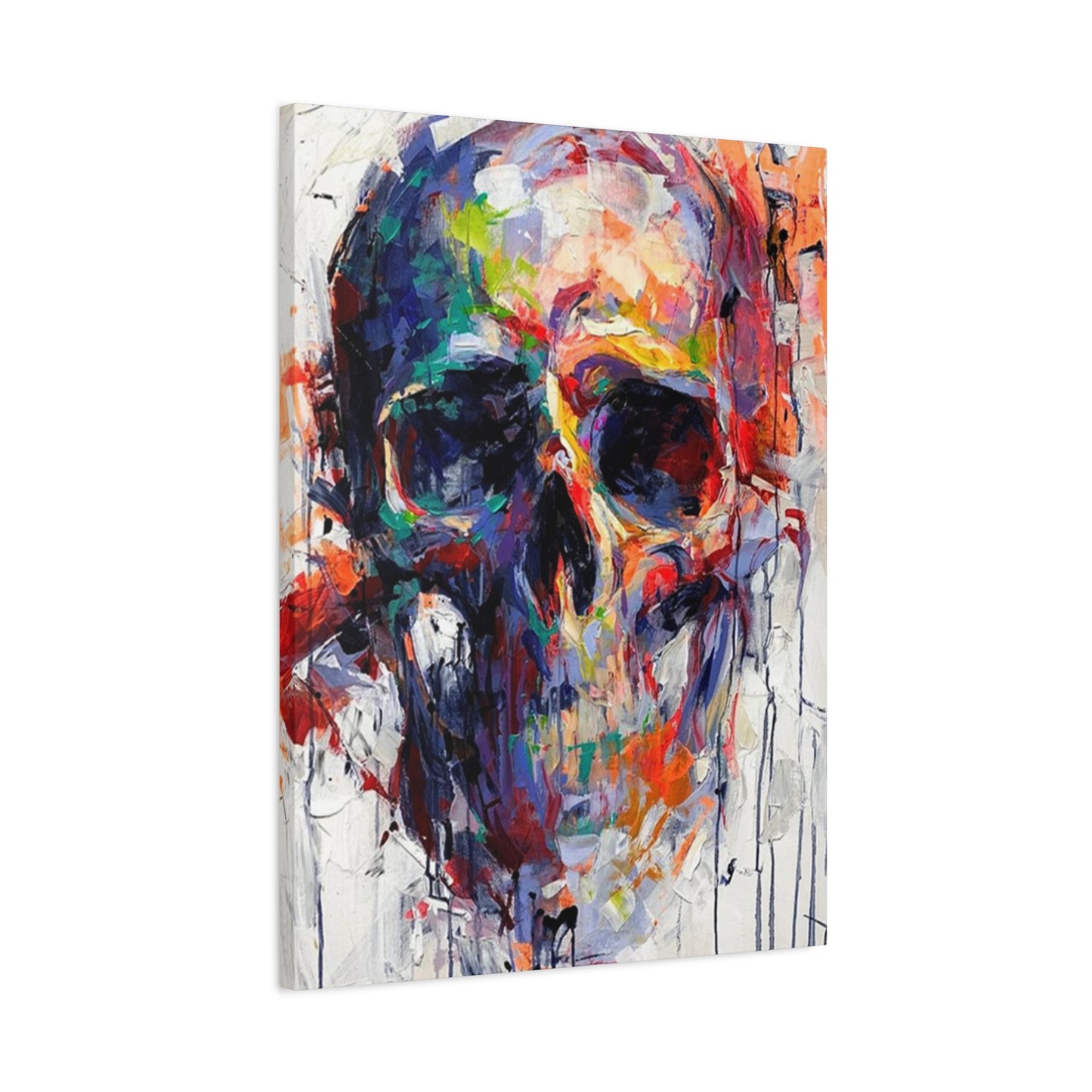
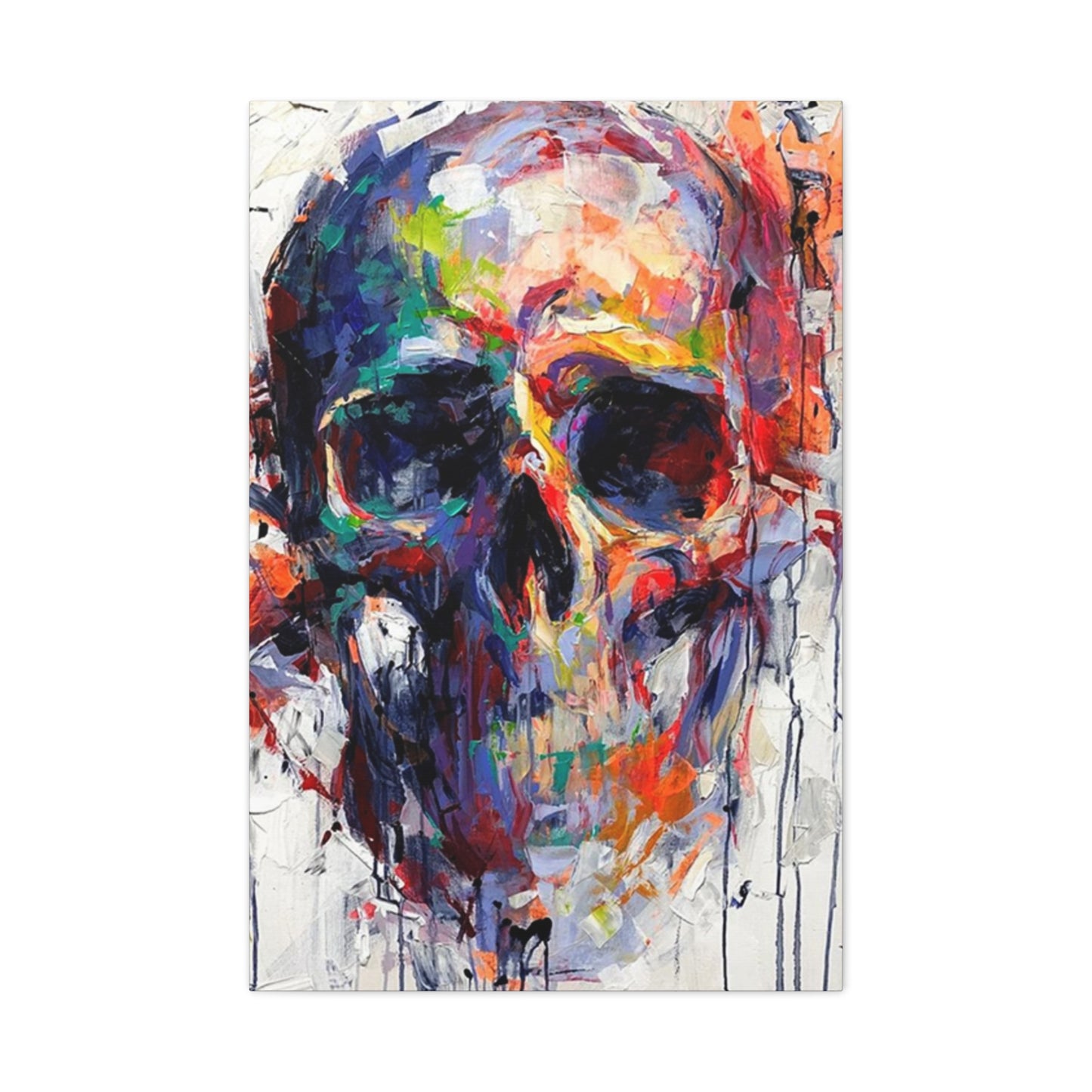
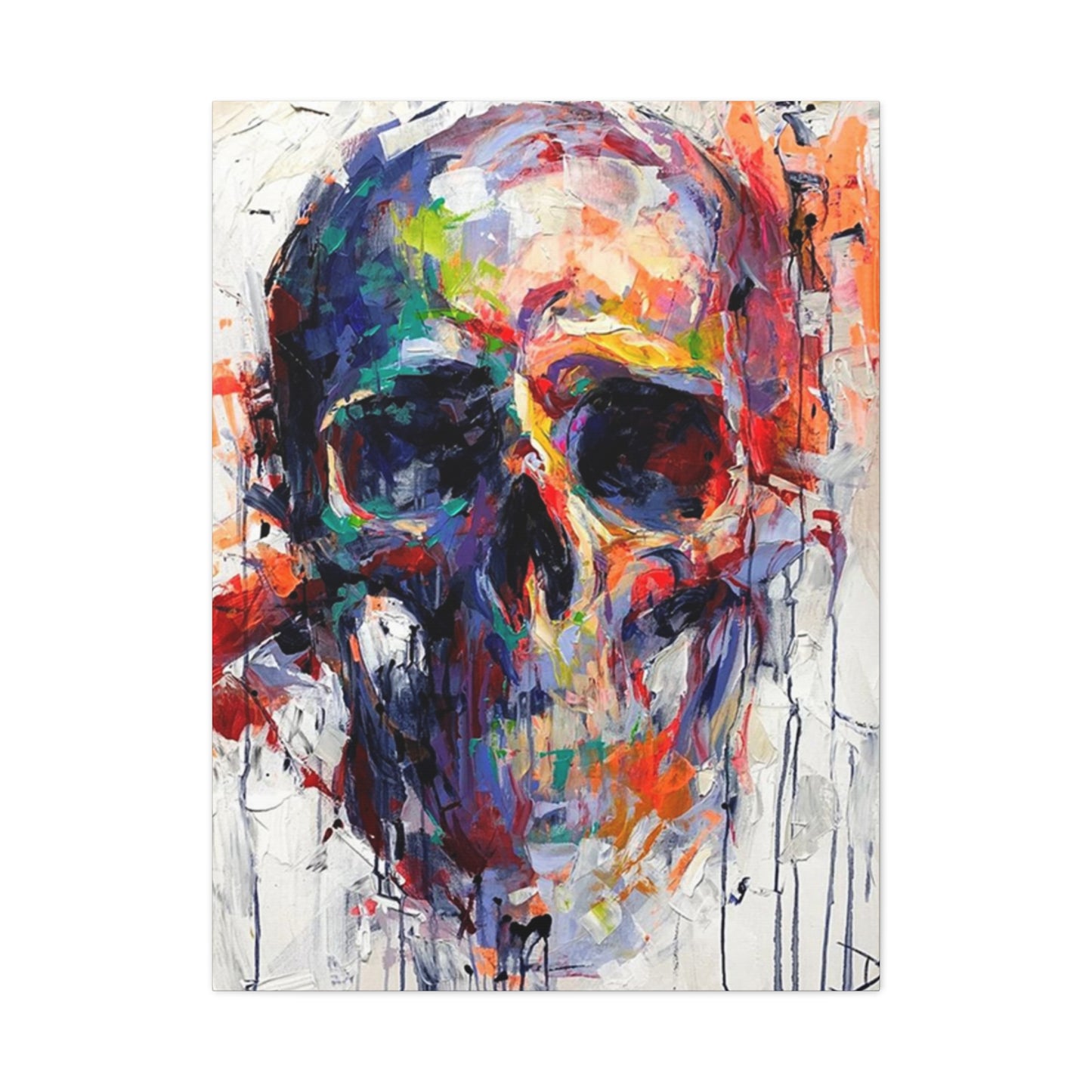
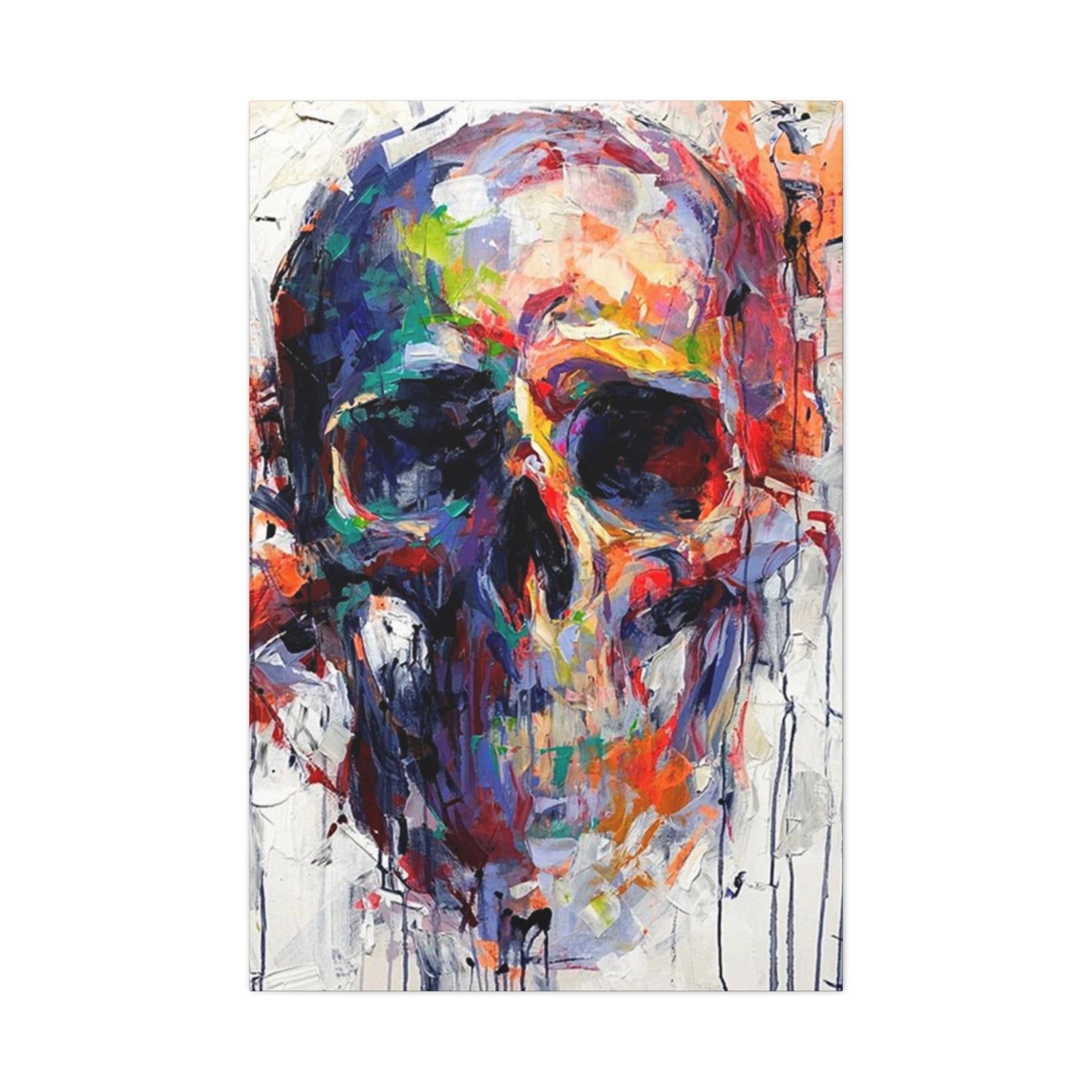
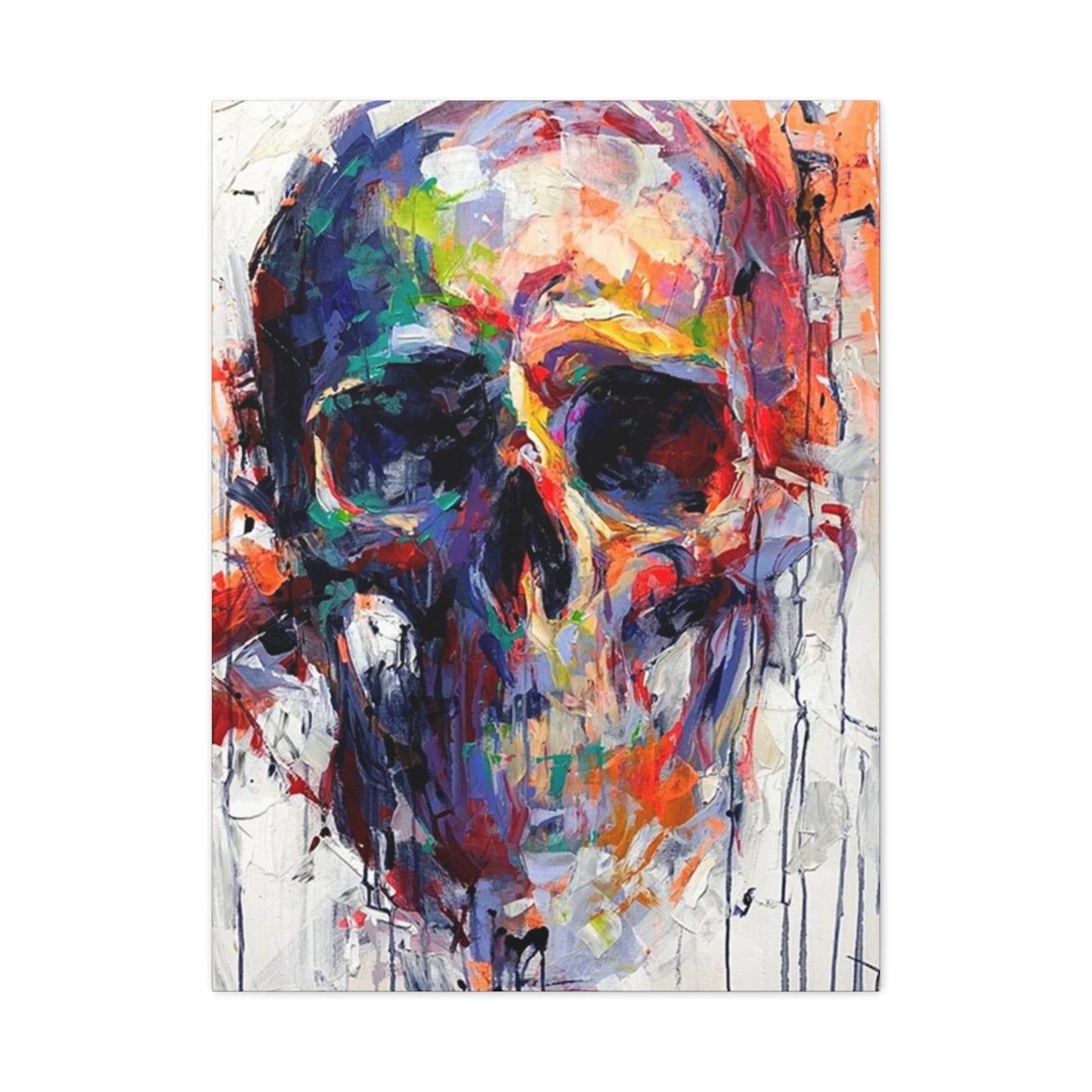
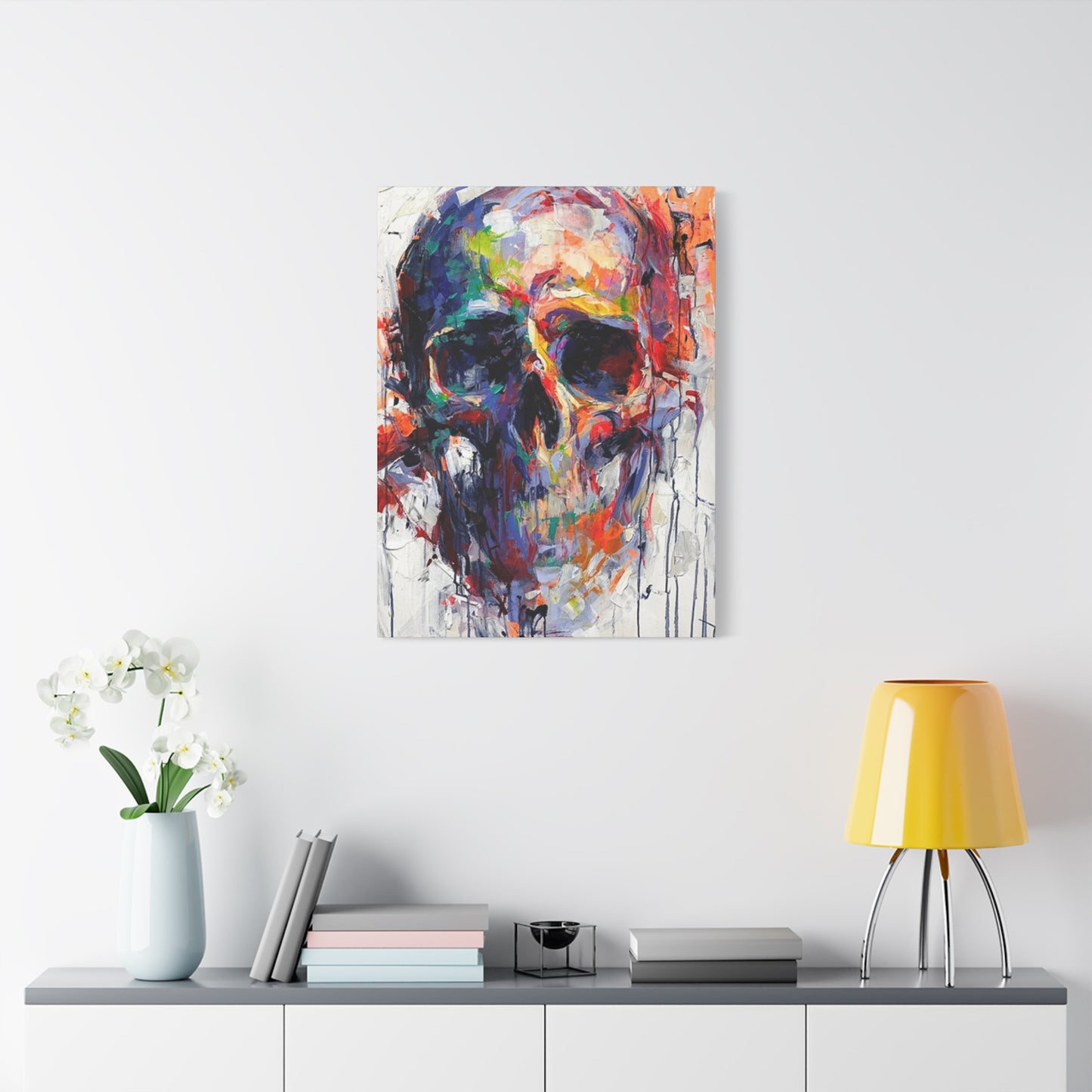
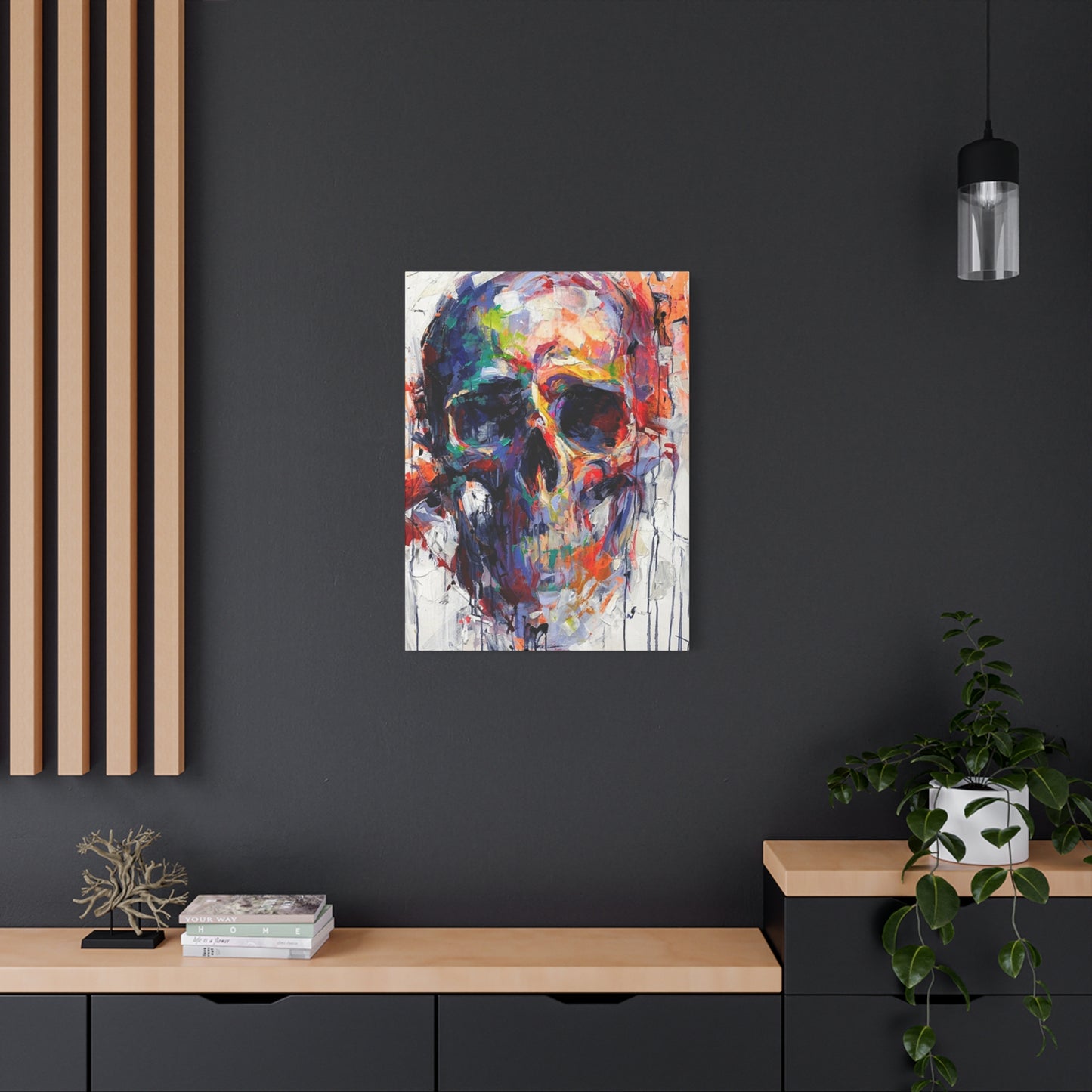
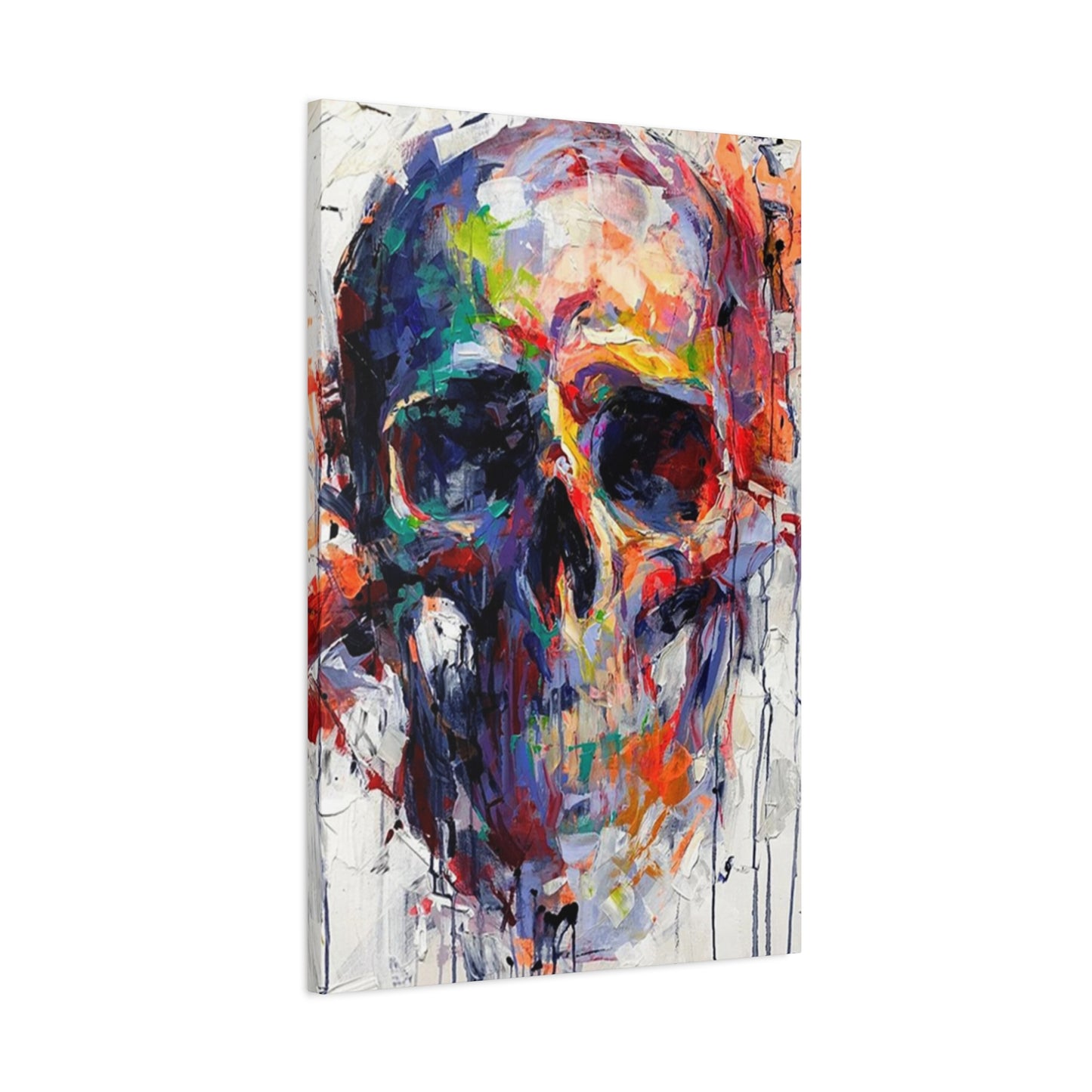
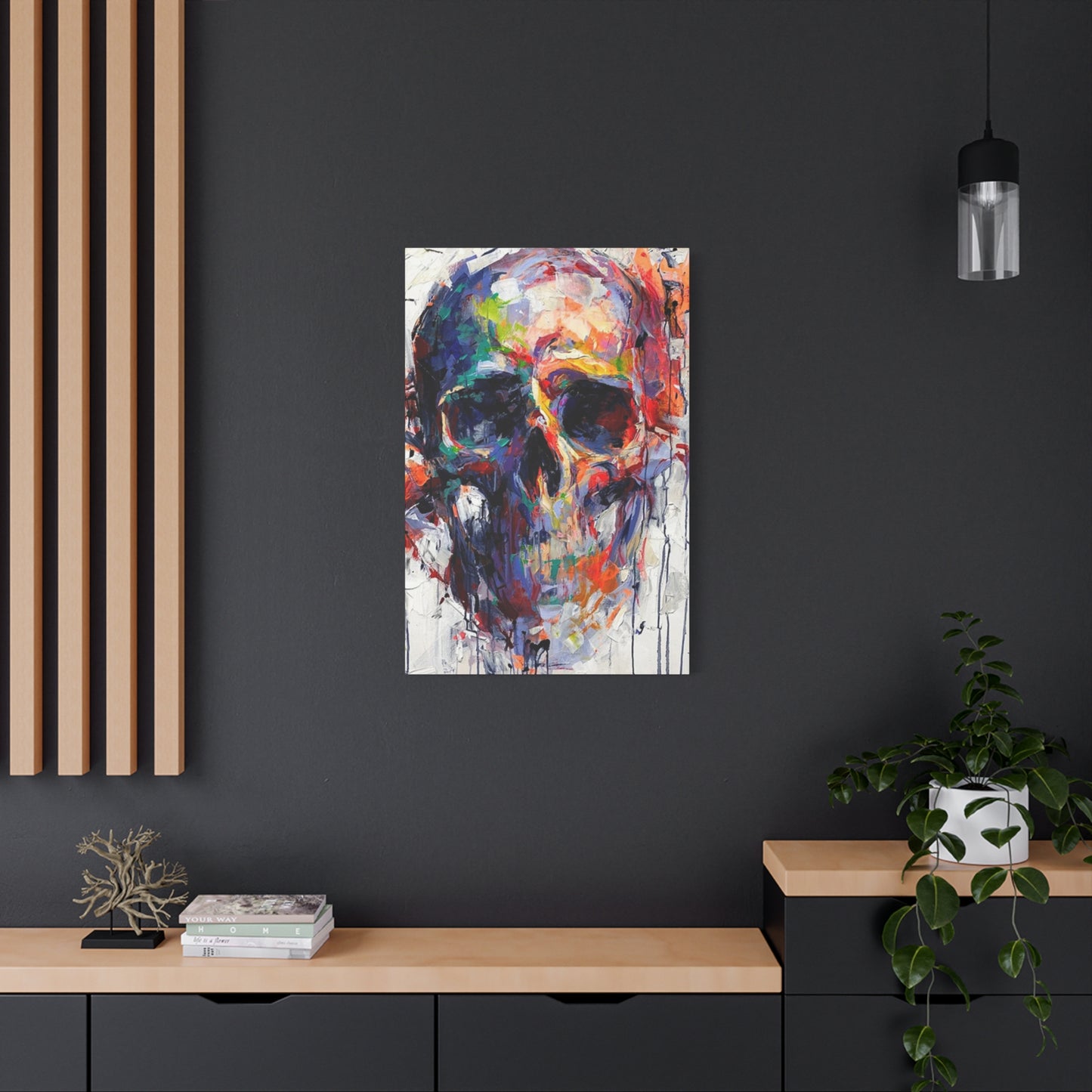
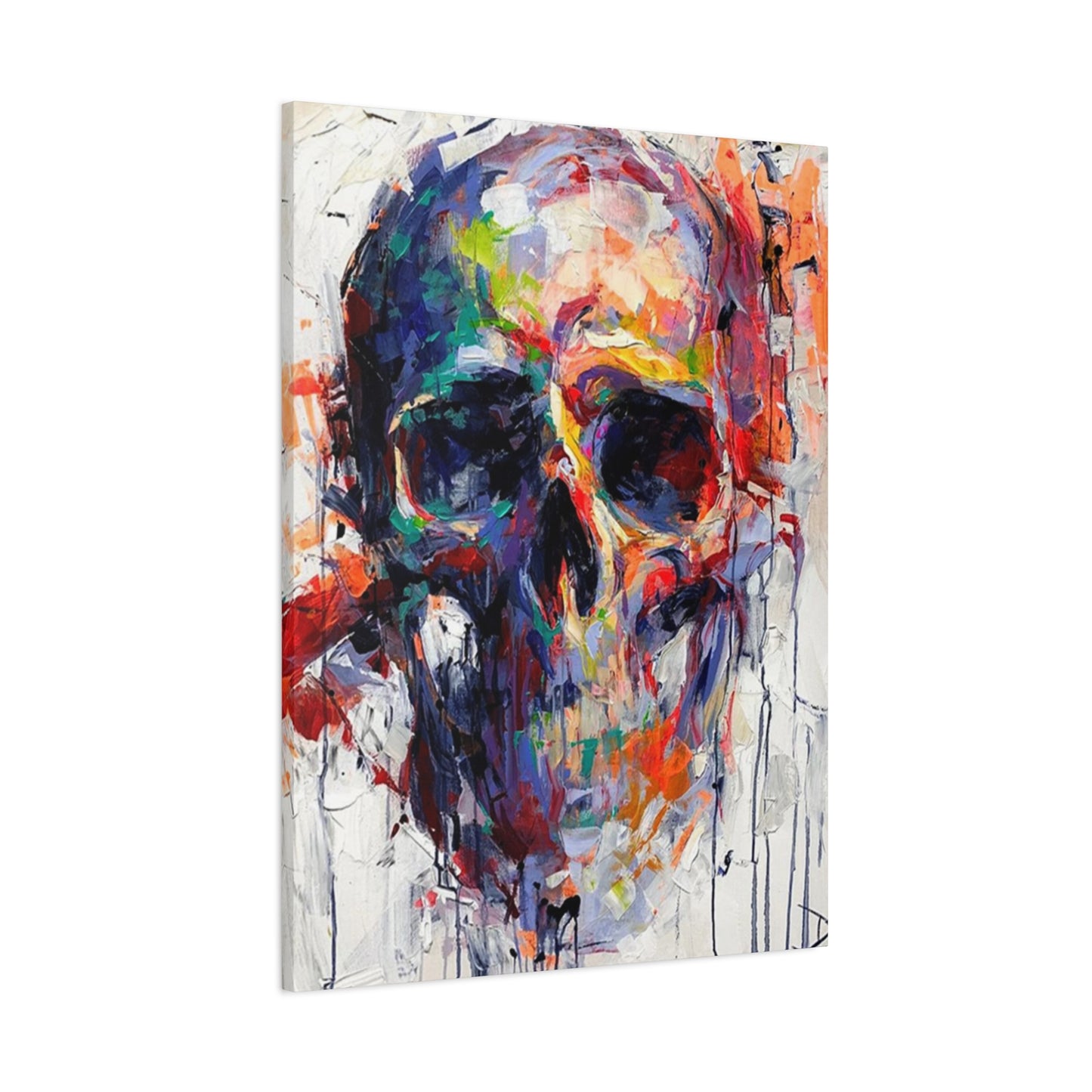
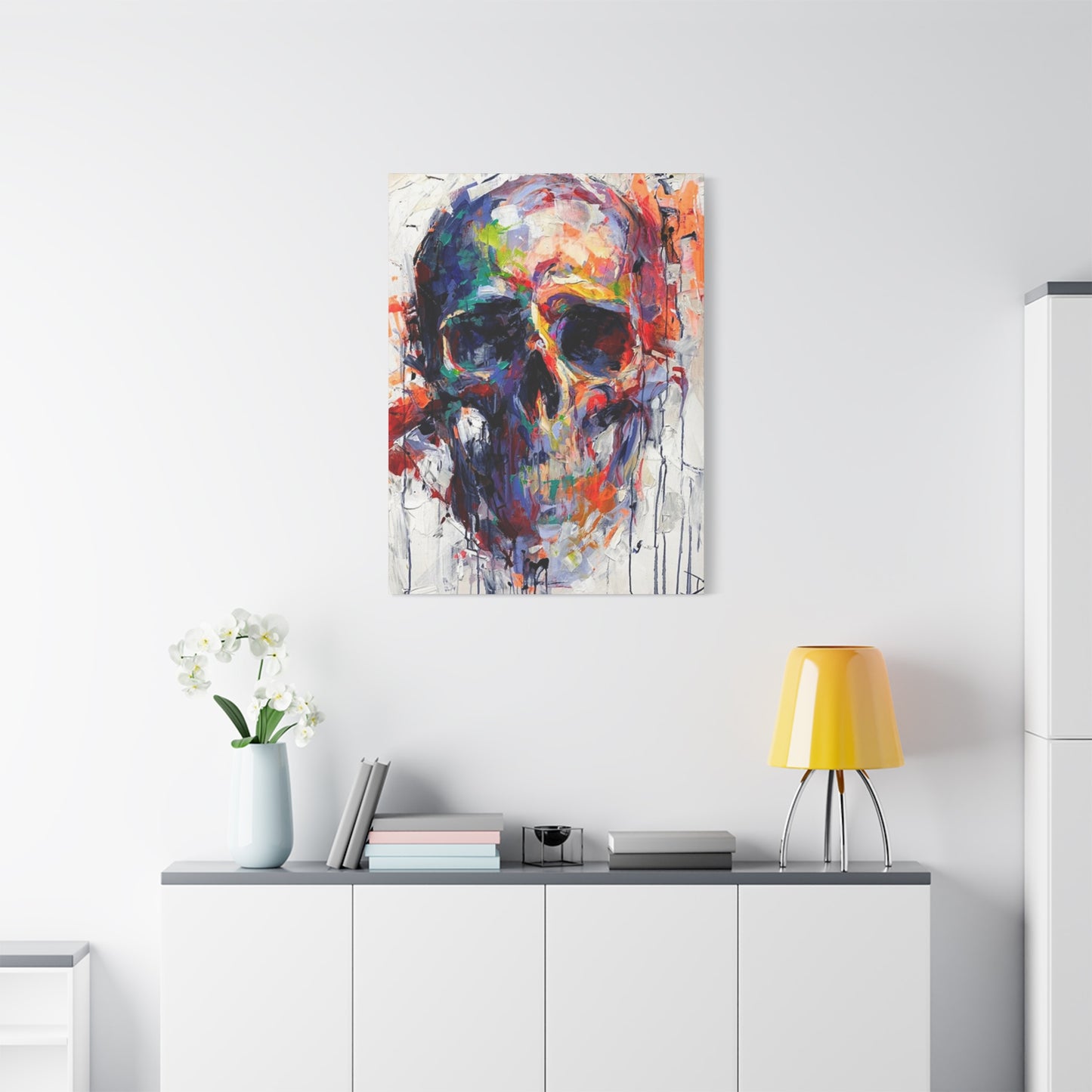
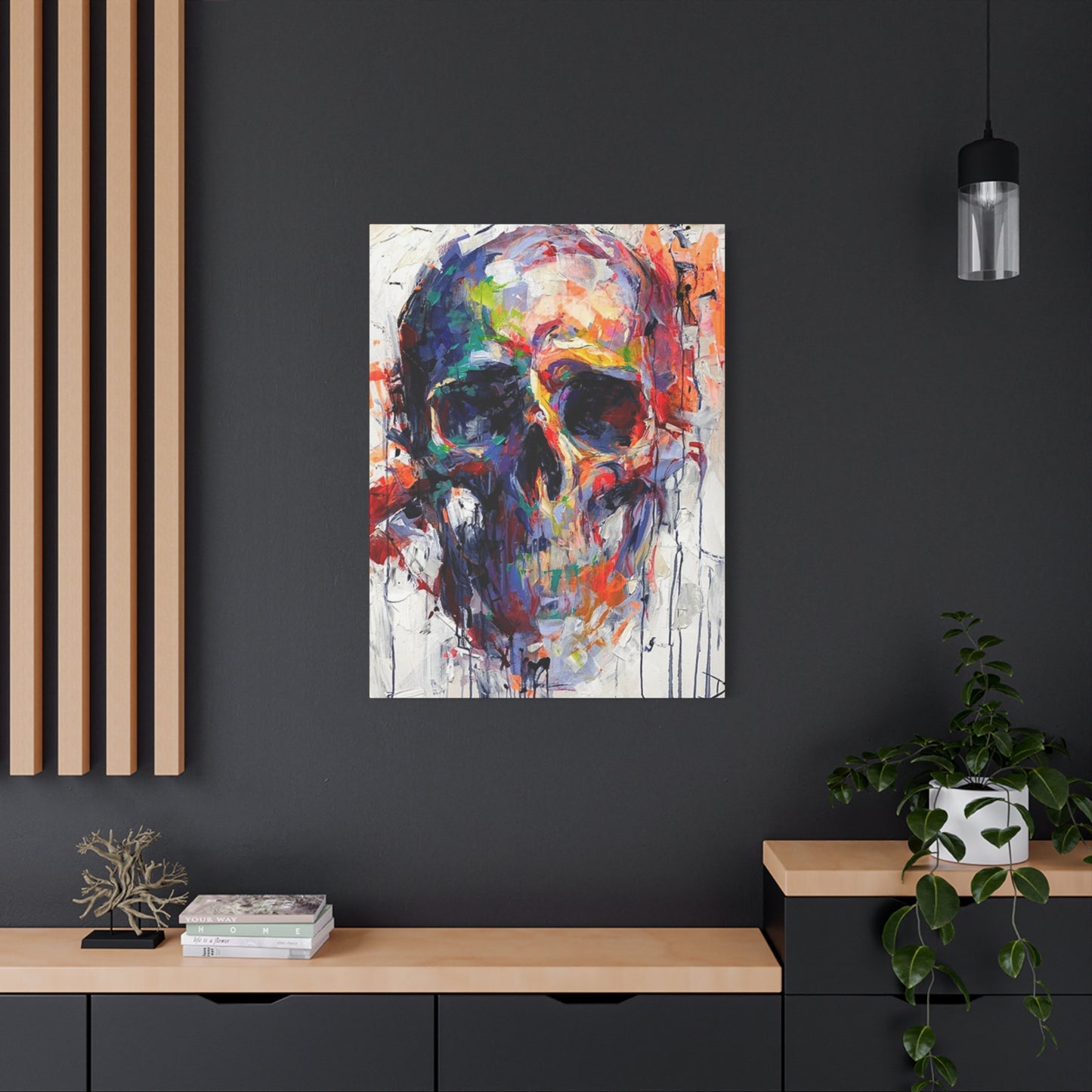
Colorful Skull Painting Wall Art & Canvas Prints
Colorful Skull Painting Wall Art & Canvas Prints
Couldn't load pickup availability
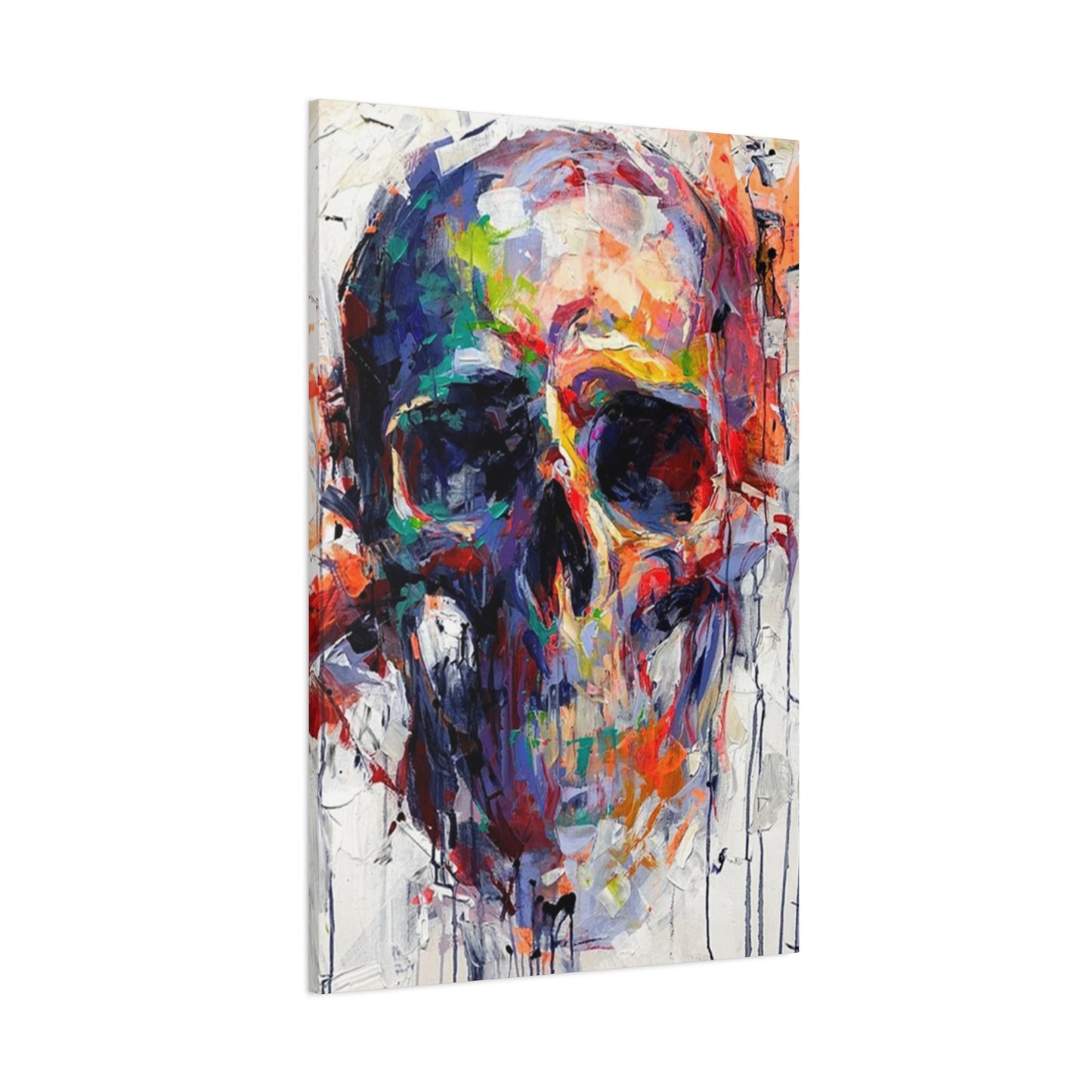
Create Bold, Mesmerizing Spaces with Colorful Skull Painting Wall Art Featuring Eye-Catching Cranium Imagery
The realm of home decoration has witnessed a remarkable surge in the popularity of cranium-themed artwork, particularly pieces that showcase vivid hues and dramatic visual presentations. These striking displays have transcended traditional boundaries, becoming powerful statements that reflect personal style, cultural appreciation, and artistic sensibility. The emergence of colorful skull painting wall art as a dominant decorative element represents more than just a passing trend; it embodies a fusion of ancient symbolism with contemporary aesthetic values, creating pieces that resonate deeply with modern sensibilities while honoring timeless traditions.
Exploring the Captivating World of Cranium-Themed Artwork and Its Growing Prominence in Contemporary Interior Spaces
The fascination with cranium imagery in decorative arts extends far beyond simple morbidity or gothic aesthetics. This artistic movement represents a profound celebration of life, mortality, and the human experience. When executed with vibrant palettes and imaginative compositions, these pieces transform potentially somber subjects into exuberant celebrations of color, form, and meaning. The contemporary interpretation of skull imagery has evolved significantly, moving away from dark, foreboding representations toward brilliant, life-affirming expressions that capture attention and spark conversation.
Modern homeowners and design enthusiasts increasingly recognize the transformative power of bold artistic statements. The colorful skull painting wall art phenomenon demonstrates how traditional symbols can be reimagined through fresh creative lenses, resulting in pieces that feel simultaneously ancient and cutting-edge. These artworks serve multiple purposes within living spaces, functioning as focal points that anchor entire rooms, conversation starters that reveal the owner's personality, and bridges between different design elements that might otherwise feel disconnected.
The versatility of cranium-themed artwork allows it to complement various interior design schemes. Whether adorning minimalist spaces where they provide dramatic contrast, enhancing eclectic environments where they blend seamlessly with diverse elements, or elevating traditional settings through unexpected juxtaposition, these pieces demonstrate remarkable adaptability. The strategic placement of such artwork can dramatically alter the perceived energy and character of a room, transforming mundane walls into dynamic visual experiences that engage viewers and create memorable impressions.
The Cultural Significance and Symbolic Resonance Behind Cranium Imagery Across Different Civilizations and Time Periods
Throughout human civilization, skull imagery has carried profound symbolic weight across diverse cultures and epochs. Ancient societies viewed craniums as vessels of consciousness, repositories of wisdom, and bridges between the physical and spiritual realms. In pre-Columbian Mesoamerican cultures, particularly among the Aztec and Maya civilizations, skull representations played central roles in religious ceremonies, architectural ornamentation, and artistic expression. These societies saw no contradiction between the celebration of life and the acknowledgment of mortality; rather, they understood death as an integral part of existence's cyclical nature.
The Mexican Day of the Dead tradition, or Día de los Muertos, exemplifies this life-affirming approach to mortality. The sugar skulls and calaveras associated with this celebration burst with colors, patterns, and decorative elements that honor deceased loved ones while celebrating the joy and beauty of life. This tradition has profoundly influenced contemporary skull artwork, inspiring artists worldwide to create pieces that embrace similar vibrancy and celebratory spirit. The colorful skull painting wall art that adorns modern homes often draws directly from these cultural wellsprings, adapting traditional motifs for contemporary contexts.
Eastern philosophies offer different perspectives on skull symbolism, particularly within Buddhist traditions. Here, cranium imagery serves as a meditation tool, reminding practitioners of impermanence and encouraging detachment from material concerns. Tibetan traditions incorporate skull imagery into religious art, ritual objects, and sacred spaces, viewing these representations as powerful reminders of life's transient nature and the importance of spiritual cultivation. This contemplative approach has also influenced modern skull artwork, contributing philosophical depth to pieces that might otherwise be appreciated solely for their aesthetic qualities.
European artistic traditions have long incorporated skull imagery, particularly during the Renaissance and Baroque periods. The memento mori tradition—artwork designed to remind viewers of mortality—produced numerous masterworks featuring craniums alongside symbols of earthly pleasure and achievement. These pieces encouraged viewers to contemplate life's brevity and focus on spiritual rather than material pursuits. Contemporary colorful skull painting wall art often inverts this somber tradition, using vibrant hues and dynamic compositions to celebrate life's vitality while acknowledging its finite nature.
Examining Various Artistic Styles and Approaches in Creating Compelling Cranium-Themed Visual Compositions
The creation of striking skull artwork involves numerous stylistic approaches, each offering distinct aesthetic qualities and emotional resonances. Realistic representations capture anatomical accuracy with meticulous detail, showcasing the intricate structures, textures, and forms that comprise actual craniums. These pieces often serve educational purposes while maintaining artistic appeal, demonstrating the intersection of scientific observation and creative expression. When rendered in vibrant colors that deviate from naturalistic palettes, realistic skull paintings create fascinating tensions between familiar forms and unexpected presentations.
Abstract interpretations deconstruct cranium imagery, reducing forms to essential shapes, lines, and color relationships. These pieces prioritize emotional impact and compositional dynamics over literal representation, allowing artists tremendous creative freedom. Abstract skull artwork might fragment the form, multiply and overlap elements, or dissolve recognizable features into pure color and gesture. Such approaches invite viewers to engage more actively with the work, projecting their own interpretations and emotional responses onto ambiguous visual information.
Pop art influences have produced some of the most recognizable contemporary skull imagery. Building on the legacy of artists like Andy Warhol and Roy Lichtenstein, pop-influenced skull artwork employs bold colors, graphic simplicity, and commercial art aesthetics. These pieces often incorporate repetition, high-contrast palettes, and simplified forms that recall vintage advertisements and comic books. The pop art approach democratizes skull imagery, making it accessible and appealing to broad audiences while maintaining sophisticated artistic merit.
Street art and graffiti traditions have contributed significantly to contemporary skull artwork, bringing raw energy, social commentary, and urban aesthetics to the genre. Artists working in these modes often combine cranium imagery with text, symbols, and layered visual elements that create complex, dense compositions. The spontaneous quality and bold color choices characteristic of street art translate effectively to canvas and panel paintings, bringing outdoor art's vitality into interior spaces. Many collectors specifically seek pieces that capture street art's rebellious spirit and visual impact.
Surrealist approaches transform skull imagery through unexpected combinations, impossible scenarios, and dreamlike atmospheres. These pieces might show craniums blooming with flowers, dissolving into landscapes, or inhabited by unexpected creatures. Surrealist skull artwork challenges viewers' perceptions, creating visual puzzles that reward extended contemplation. The genre's emphasis on subconscious expression and symbolic meaning adds psychological depth to pieces that might otherwise function purely as decoration.
Understanding Color Theory Principles and Their Application in Creating Visually Dynamic Cranium Artwork
Color selection represents perhaps the most critical decision in creating impactful skull artwork. The psychological and emotional effects of different hues profoundly influence how viewers perceive and respond to pieces. Warm colors—reds, oranges, and yellows—convey energy, passion, and vitality. When applied to skull imagery, these hues create fascinating paradoxes, infusing symbols traditionally associated with death with life-affirming vibrancy. A cranium rendered in brilliant reds and oranges becomes a celebration rather than a reminder of mortality.
Cool colors—blues, greens, and purples—evoke different emotional landscapes, suggesting contemplation, mystery, and tranquility. Blue skulls might convey spiritual dimensions, while green variations suggest nature, growth, and renewal. Purple tones introduce regal qualities and mystical associations. Artists strategically deploy cool palettes to create pieces that feel meditative rather than aggressive, sophisticated rather than shocking.
Complementary color schemes—combinations of hues opposite each other on the color wheel—generate maximum visual impact through contrast. Orange and blue, red and green, yellow and purple: these pairings create vibrant tensions that capture attention and maintain viewer interest. Skull artwork employing complementary schemes often features dramatic shifts between warm and cool zones, creating dynamic visual rhythms that guide the eye through compositions.
Analogous color schemes utilize hues adjacent on the color wheel, creating harmonious, unified compositions. A piece might progress from yellow through orange to red, or from blue through purple to magenta. These schemes produce sophisticated, cohesive results that feel carefully orchestrated rather than chaotic. Analogous palettes work particularly well in spaces requiring visual calm despite bold subject matter.
Monochromatic approaches explore single hues through variations in saturation and value. A monochromatic skull painting might range from pale pink through deep crimson, creating subtle complexity within apparent simplicity. These pieces demonstrate refined color sensitivity and often feel more sophisticated than multi-hued alternatives, making them suitable for minimalist or refined interiors.
Triadic color schemes employ three hues evenly spaced around the color wheel, such as red, yellow, and blue, or orange, green, and purple. These combinations offer variety while maintaining balance, creating lively compositions that avoid visual chaos. Many successful colorful skull painting wall art pieces employ triadic schemes to achieve maximum impact while preserving compositional coherence.
Selecting the Perfect Cranium Artwork to Complement Your Living Space and Personal Aesthetic Preferences
Choosing appropriate skull artwork requires careful consideration of multiple factors, beginning with spatial dimensions and proportions. Oversized pieces make bold statements suitable for large walls with minimal competing elements, while smaller works integrate more easily into gallery walls or crowded spaces. The relationship between artwork size and wall dimensions significantly impacts visual balance; pieces too small appear lost and insignificant, while excessively large works overwhelm spaces and create claustrophobic feelings.
Color coordination between artwork and existing decor determines whether pieces harmonize or clash with their surroundings. Some collectors prefer artwork that echoes existing color schemes, creating cohesive, unified environments where every element supports an overall vision. Others deliberately select pieces that contrast with their surroundings, using artwork to introduce energy and variety into otherwise predictable spaces. Both approaches succeed when executed thoughtfully, but require different sensibilities and risk tolerances.
Room function influences appropriate artwork selection. Spaces dedicated to relaxation and contemplation benefit from pieces that evoke calm and contemplation, perhaps featuring cooler palettes or more abstract interpretations. Social spaces where guests gather accommodate bolder, more provocative pieces that stimulate conversation and create memorable impressions. Private areas like bedrooms allow for deeply personal selections that might feel too intimate or vulnerable for public display.
Lighting conditions dramatically affect how artwork appears and should inform selection decisions. Natural light changes throughout the day, altering colors and revealing different aspects of pieces as sun angles shift. Artificial lighting—its color temperature, intensity, and direction—also profoundly impacts appearance. Prospective buyers should evaluate potential purchases under lighting conditions similar to those in their intended locations, ensuring pieces will look as desired once installed.
Personal resonance matters more than any design principle or expert recommendation. The most successful artwork selections are pieces that speak to individual collectors on emotional, intellectual, or spiritual levels. A technically perfect piece that leaves you cold will never satisfy like a slightly flawed work that genuinely moves you. Trust your instincts and select pieces that create authentic connections rather than merely fulfilling design requirements.
Frame and presentation choices significantly impact how artwork integrates into spaces. Floating frames create modern, gallery-like presentations, while traditional frames add formality and protection. Some pieces benefit from glass or acrylic glazing that protects surfaces while introducing reflective qualities, while others look best without barriers between artwork and viewers. Matting adds visual breathing room and can coordinate artwork with surrounding decor.
Creating Harmonious Gallery Walls and Multi-Piece Arrangements Featuring Cranium-Themed Visual Elements
Gallery walls represent sophisticated approaches to displaying multiple artworks, creating unified visual statements from diverse individual pieces. Successful gallery walls balance repetition with variety, establishing coherent themes while avoiding monotony. Skull-themed gallery walls might incorporate pieces in different sizes, styles, and color schemes united by common subject matter. The arrangement process requires patience and experimentation, as relationships between pieces emerge only when viewing them together.
Grid arrangements provide structured approaches to multiple-piece displays, organizing artworks into regular patterns with consistent spacing. This approach suits minimalist sensibilities and works particularly well with pieces of similar sizes and proportions. Grid galleries create order and predictability, making them appropriate for professional spaces or contemporary interiors that prioritize clean lines and geometric precision.
Salon-style arrangements embrace organized chaos, combining pieces of various sizes in asymmetrical compositions. This traditional approach allows greater flexibility and can accommodate diverse artworks that might not work in rigid grids. Salon walls feel collected and personal, suggesting galleries curated over time rather than purchased as coordinated sets. Creating successful salon arrangements requires strong visual intuition and willingness to adjust positions until relationships feel right.
Thematic groupings organize multiple pieces around conceptual connections beyond shared subject matter. A skull-themed grouping might progress from warm to cool colors, abstract to realistic representations, or small to large scales. These narrative approaches create visual journeys that reward extended viewing, revealing new relationships and meanings as viewers study arrangements.
Spacing and alignment significantly impact gallery wall success. Consistent spacing between pieces creates visual rhythm and unity, while varied spacing introduces hierarchy and emphasis. Aligning pieces along common horizontal or vertical axes creates structure even in asymmetrical arrangements, helping disparate elements feel intentionally related rather than randomly assembled.
Background wall colors profoundly affect gallery wall appearance. Light walls make artworks pop and feel more separate, while dark backgrounds unify diverse pieces and create dramatic presentations. Some designers paint gallery walls in colors pulled from featured artworks, creating sophisticated color relationships that tie entire spaces together.
Exploring Different Mediums and Materials Used in Producing Cranium-Themed Decorative Artwork
Canvas remains the most popular substrate for skull paintings, offering versatility, durability, and familiar aesthetic qualities. Gallery-wrapped canvases—stretched around wooden frames so images continue around edges—eliminate framing requirements and create contemporary presentations. Traditional stretched canvases require framing but allow for more display options and protective glazing. Canvas texture varies significantly, from smooth surfaces suited to detailed work to rough weaves that add visible texture and character.
Wood panels provide rigid, stable surfaces that won't warp or sag over time. Artists appreciate panels for their smooth surfaces, which allow precise brushwork and fine details. Wood's rigidity also makes it suitable for pieces incorporating heavy texture through impasto techniques or mixed media elements. However, panels' weight limits practical size, and their opacity prevents interesting backlighting effects possible with canvas.
Metal prints represent modern alternatives that reproduce artwork through dye sublimation processes. These pieces feature extraordinary color vibrancy and unique luminous qualities impossible to achieve through traditional methods. Metal's reflective properties add dimensionality and change appearance based on viewing angles and lighting. Aluminum's durability suits high-traffic commercial spaces or outdoor installations, though metal prints lack the warmth and tradition of painted canvases.
Acrylic panels create stunning contemporary presentations with remarkable depth and dimensionality. Printing directly onto acrylic or mounting artwork behind clear acrylic produces jewelry-like quality with intense colors and glossy surfaces. These pieces feel modern and luxurious, though their weight and cost exceed traditional alternatives. Acrylic's reflective qualities can be features or bugs depending on lighting conditions and viewer preferences.
Mixed media approaches combine various materials—paint, collage elements, found objects, textural additives—creating complex, layered artworks with tactile interest. These pieces often feel more personal and handcrafted than straightforward paintings, with visible evidence of artistic process. Mixed media skull artworks might incorporate flowers, fabric, metal leaf, beads, or countless other elements that add symbolic meaning alongside visual interest.
Digital prints democratize artwork, making striking pieces accessible at various price points. Modern printing produces excellent color fidelity and detail, though prints lack the unique character and value of original paintings. Limited edition prints signed and numbered by artists offer middle ground between mass-produced posters and one-of-a-kind originals. The colorful skull painting wall art market includes options across this entire spectrum.
Examining the Relationship Between Cranium Imagery and Various Interior Design Movements and Philosophies
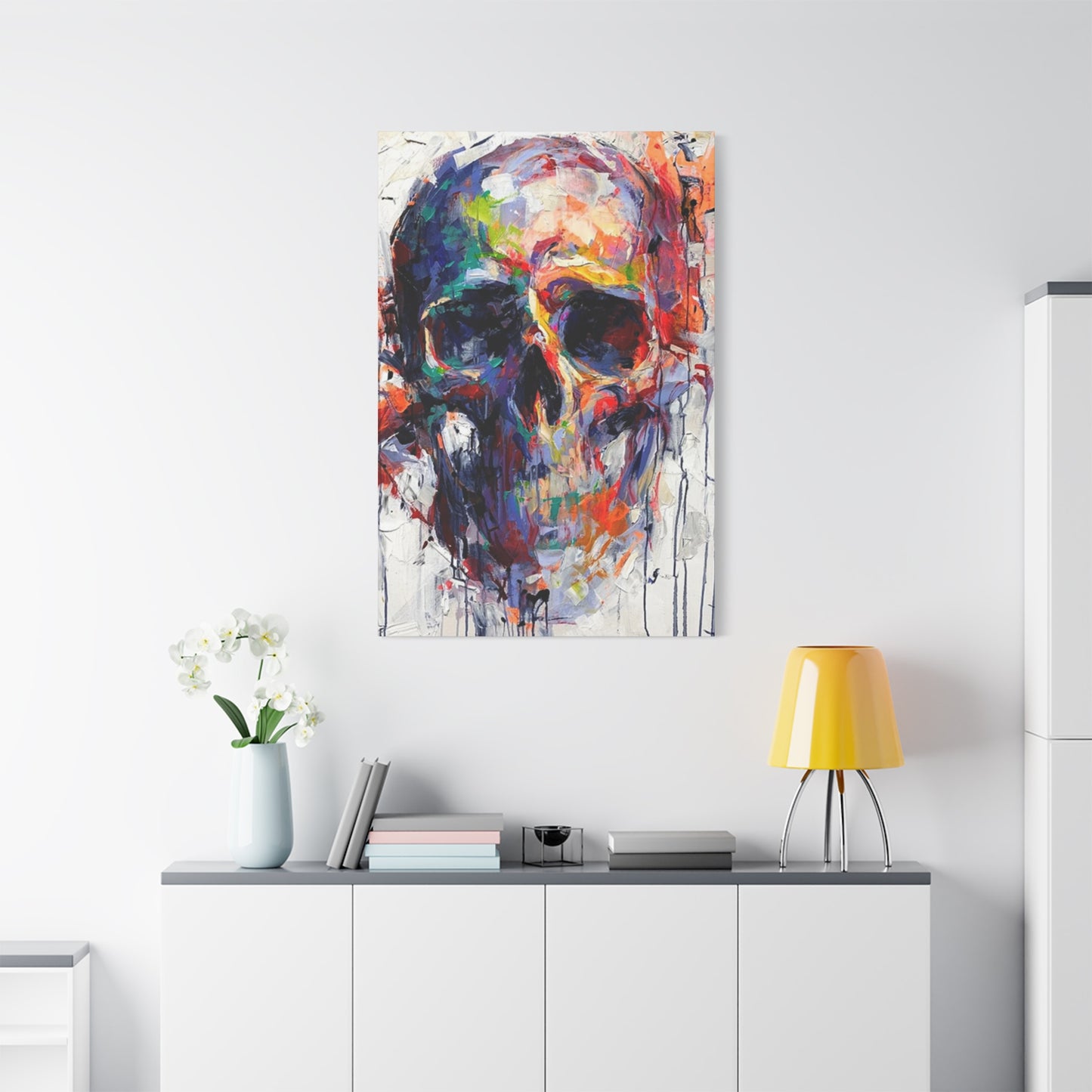
Modern design sensibilities emphasizing clean lines, minimal ornamentation, and functional beauty might seem incompatible with bold skull imagery, yet thoughtful combinations create striking results. Minimalist spaces benefit from carefully selected statement pieces that provide visual interest without cluttering environments. A single large-scale colorful skull painting wall art piece against white walls creates dramatic focal points that honor minimalism's principles while preventing sterile emptiness.
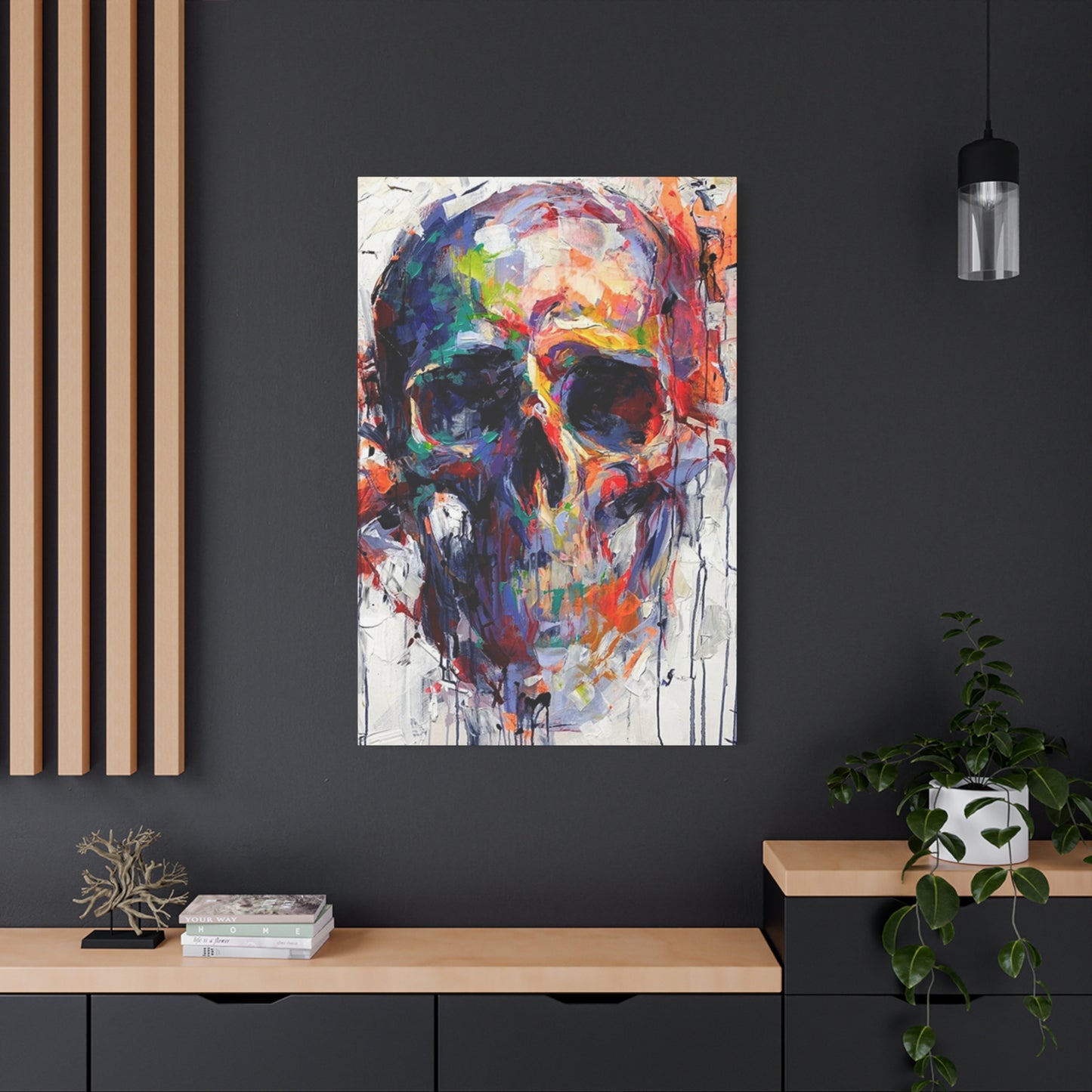
Industrial aesthetics celebrating raw materials, exposed structures, and urban influences naturally accommodate edgy skull artwork. The genre's association with street art and counter-culture movements aligns well with industrial design's rebellious spirit. Brick walls, metal accents, and concrete surfaces provide perfect backdrops for bold cranium imagery that amplifies rather than contradicts these spaces' character.
Bohemian interiors embracing eclecticism, global influences, and personal expression welcome diverse artwork including vibrant skull pieces. These spaces thrive on visual abundance and unexpected combinations, making them ideal settings for cranium artwork in various styles and colors. Boho environments allow skull imagery to coexist with nature-inspired elements, ethnic textiles, and vintage furnishings, creating rich visual tapestries.
Scandinavian design principles prioritizing simplicity, functionality, and connection to nature might initially seem incompatible with bold skull imagery. However, contemporary Scandinavian interiors increasingly incorporate strategic pops of color and personality that prevent spaces from feeling too austere. A carefully selected skull painting with clean composition and sophisticated palette can provide necessary visual interest while respecting Scandinavian restraint.
Mid-century modern aesthetics celebrating organic forms, clean lines, and optimistic color palettes create interesting contexts for skull artwork. The juxtaposition between mid-century optimism and skull imagery's mortality themes creates productive tensions. When skull artwork adopts mid-century color schemes and geometric sensibilities, the combination feels surprisingly natural rather than discordant.
Contemporary maximalist movements embracing abundance, pattern, and saturated color provide perfect homes for exuberant skull artwork. These spaces celebrate visual intensity rather than restraint, making bold cranium imagery feel right at home among busy wallpapers, layered textiles, and diverse collections. Maximalist interiors allow for multiple skull pieces in different styles, creating skull-themed gallery walls or collecting entire series.
Investigating the Process Behind Creating Original Cranium Artwork from Initial Concept Through Final Execution
Artistic creation begins with inspiration and conceptual development, as artists explore ideas about composition, color, meaning, and emotional impact. Some creators work from photographs or actual craniums, while others rely on imagination and anatomical knowledge. The conceptual phase establishes what the piece will communicate beyond its literal subject matter—joy, contemplation, rebellion, spirituality, or countless other themes.
Preliminary sketches allow artists to experiment with compositions before committing to final surfaces. These explorations test different arrangements, proportions, and design elements, revealing what works and what falls short. Some artists create numerous small studies, while others sketch directly onto final surfaces. Digital tools enable quick experimentation with colors and compositions, though many artists prefer traditional sketching's immediacy.
Surface preparation significantly impacts final results. Canvases typically receive gesso coats that seal surfaces and create uniform textures. Some artists prefer smooth, sanded gesso for detailed work, while others appreciate visible texture. Wood panels may be sealed, sanded, and primed multiple times to create perfect surfaces. The preparation stage demonstrates craftsmanship that viewers may never notice yet fundamentally affects artwork quality.
Underpainting establishes compositions' basic structures before adding final colors and details. Traditional approaches might employ monochromatic underpaintings that map values and forms, while contemporary methods sometimes use vibrant underpainting colors that influence final layers. The underpainting stage allows artists to work out compositional challenges without committing to final color schemes.
Color application represents the heart of the creative process. Some artists work fat-over-lean—applying thin layers first and progressively thicker applications—following traditional oil painting principles. Others build colors through glazing, applying transparent layers that create luminous, complex hues. Direct painting approaches apply colors in single opaque layers, creating fresh, immediate results.
Detail work brings pieces to life, adding highlights, shadows, texture, and fine elements that reward close inspection. This phase requires patience and precision, as small mistakes can compromise otherwise successful compositions. The level of detail varies tremendously based on artistic style; photorealistic work demands painstaking attention, while loose, gestural approaches embrace spontaneity.
Finishing and protection ensure longevity and proper presentation. Varnishes protect painted surfaces from dust, UV light, and physical damage while unifying surface sheen. Artists choose between gloss, satin, and matte varnishes based on desired appearance. Final inspection catches any necessary touch-ups before pieces are released.
Discovering Prominent Artists and Creators Who Specialize in Vibrant Cranium-Themed Visual Artwork
Contemporary art world includes numerous creators who have made skull imagery central to their practices. These artists approach the subject from diverse perspectives, creating bodies of work that demonstrate the genre's remarkable range. Some pursue photorealistic renderings that showcase technical virtuosity, while others embrace abstraction, graphic simplicity, or conceptual approaches that prioritize ideas over craftsmanship.
Street artists have particularly embraced skull imagery, creating murals and canvas works that bring urban art sensibilities to gallery contexts. These creators often combine craniums with text, patterns, and cultural references, producing layered works that reward extended study. Their pieces frequently carry social commentary, using skull imagery to address mortality, social justice, violence, or human condition themes.
Pop artists working in contemporary contexts update Warhol's legacy for new generations. These creators employ bold graphics, commercial aesthetics, and repetition to produce instantly recognizable imagery. Their skull works often feature high-contrast palettes, simplified forms, and serial presentations that explore variations on common themes. These pieces appeal to collectors seeking accessible, visually impactful artwork without demanding extensive art historical knowledge.
Fine artists with gallery representation create skull works that function within established art world contexts. These pieces often carry substantial price tags reflecting artists' reputations, technical skills, and conceptual sophistication. Gallery artists might explore skull imagery as ongoing series or occasional diversions within broader practices, bringing their signature styles to this specific subject matter.
Emerging artists leverage social media and online marketplaces to build audiences and sell work directly. These creators often work in contemporary styles informed by street art, pop culture, and digital aesthetics. Their accessibility and reasonable prices make them attractive to younger collectors beginning to acquire art. Many emerging artists specialize in skull imagery, recognizing the subject's popularity and commercial viability.
Indigenous and cultural artists create skull imagery rooted in specific traditions. Mexican artists working within Day of the Dead traditions produce pieces that honor cultural heritage while appealing to contemporary sensibilities. These works carry authentic cultural connections that mass-produced pieces lack, making them especially meaningful for collectors valuing genuine cultural expression.
Analyzing Current Market Trends and Collecting Strategies for Cranium-Themed Decorative Artwork
The art market for skull imagery has expanded dramatically in recent decades, moving from niche interest to mainstream popularity. This growth reflects broader cultural shifts toward embracing symbols previously considered morbid or inappropriate for home display. Collectors now range from tattoo enthusiasts and rock music fans to design-conscious professionals and suburban homeowners seeking distinctive decor.
Price points vary enormously based on factors including artist reputation, piece size, medium, and whether works are originals or reproductions. Mass-produced prints sell for tens or low hundreds, while original paintings from emerging artists might range from hundreds to low thousands. Established artists command significantly higher prices, with some pieces reaching tens of thousands. Understanding price determinants helps collectors make informed purchases aligned with budgets and expectations.
Online marketplaces have revolutionized art acquisition, allowing buyers to access global inventories from home. These platforms range from mass-market retailers selling inexpensive reproductions to specialized sites connecting collectors with independent artists. Virtual galleries offer curated selections with detailed artist information, while auction sites enable competitive bidding. The online shift has democratized collecting while requiring buyers to evaluate quality from photographs rather than personal inspection.
Limited edition pieces offer middle ground between mass-produced prints and unique originals. Artists create small numbered series—often under 100 pieces—that maintain relative exclusivity while remaining affordable. These works typically include artist signatures and certificates of authenticity. Limited editions appeal to collectors wanting something special without original artwork's cost.
Investment potential varies significantly within the skull art market. Works by established, collected artists may appreciate substantially, while pieces by unknown creators typically hold minimal resale value. Collectors focused on investment should research artist trajectories, market demand, and comparable sales. However, most decorative art purchases should prioritize personal enjoyment over financial returns.
Authentication and provenance matter increasingly as skull imagery's popularity has spawned numerous unauthorized reproductions and forgeries. Purchasing directly from artists or reputable galleries ensures authenticity, while secondary market acquisitions require more scrutiny. Certificates of authenticity, artist signatures, and documentation of previous ownership establish pieces' legitimacy.
Understanding Proper Display Methods and Environmental Considerations for Preserving Cranium Artwork
Hanging hardware selection impacts both security and artwork preservation. D-rings screwed into frames provide secure attachment points for wire, distributing weight across two points. Sawtooth hangers work for lightweight pieces but can damage walls and feel less secure. Professional installations often employ French cleats—interlocking wood strips—that allow easy adjustment while providing maximum stability.
Wall anchors become essential when hanging substantial pieces on drywall. Stud-mounted hangers support maximum weight but limit placement options. Drywall anchors, particularly toggle bolts or molly bolts, allow secure mounting anywhere while supporting significant loads. Proper anchor selection prevents disasters and protects both artwork and walls.
Height conventions suggest hanging artwork so centers sit approximately 57-60 inches from floors, placing pieces at average eye level. However, furniture arrangements, ceiling heights, and viewing contexts may justify deviations. In dining areas, for instance, artwork should relate to table height rather than standing eye level. Hallways might accommodate slightly higher placement to suit viewing while walking.
Lighting design dramatically affects artwork appearance and preservation. Direct sunlight causes fading and damage over time, requiring UV-filtering glazing or strategic placement away from windows. Artificial lighting should illuminate pieces without causing glare or hot spots. Picture lights, track lighting, or recessed fixtures can highlight artwork effectively. LED lighting offers advantages including minimal heat production, energy efficiency, and favorable color rendering.
Environmental conditions influence artwork longevity. Excessive humidity promotes mold growth and causes canvas sagging, while extreme dryness leads to cracking and brittleness. Fluctuating conditions prove more damaging than stable extremes. Climate-controlled environments with 40-50% relative humidity protect investments. Avoid placing artwork near heat sources, air conditioning vents, or exterior walls subject to temperature fluctuations.
Regular maintenance preserves appearance and value. Dust accumulation dulls colors and damages surfaces over time, requiring periodic gentle cleaning with soft brushes or microfiber cloths. Avoid chemical cleaners, which might damage paint or finishes. Professional conservation may become necessary for valuable pieces showing deterioration, as amateur repair attempts often worsen problems.
Examining the Psychological Impact and Emotional Responses Elicited by Cranium Imagery in Living Spaces
Skull imagery provokes complex psychological responses rooted in evolutionary programming, cultural conditioning, and individual experiences. Human brains rapidly recognize faces and face-like patterns, with skull structures triggering particularly strong reactions. These responses blend instinctual aversion to death reminders with fascination toward forbidden or dangerous subjects. The resulting tension between attraction and repulsion creates memorable, emotionally charged viewing experiences.
Color significantly modulates emotional responses to skull imagery. Vibrant hues transform potentially disturbing subjects into celebrations, activating pleasure centers associated with beauty and visual delight. The colorful skull painting wall art phenomenon succeeds partly by leveraging this psychological mechanism, allowing viewers to enjoy skull imagery's edgy appeal without confronting mortality's darker aspects.
Personal associations strongly influence how individuals respond to skull artwork. Those who have experienced recent loss might find such imagery painful, while others find it comforting or cathartic. Cultural background also matters enormously; individuals from traditions celebrating death as life's natural partner likely respond more positively than those from cultures emphasizing death avoidance.
Conversational dynamics shift when skull artwork occupies spaces. These pieces inevitably draw comments and questions, creating opportunities for hosts to share interests, values, and stories. Some collectors deliberately select provocative artwork to stimulate discussion, while others enjoy challenging guests' expectations. The social function of artwork as conversation catalyst shouldn't be underestimated when considering acquisitions.
Mood and atmosphere correlate with color choices and stylistic approaches. Warm-toned skull artwork energizes spaces, while cool palettes create contemplative environments. Abstract interpretations feel more decorative and less literal, making them suitable for spaces where anatomically accurate craniums might feel uncomfortable. Artistic style choices essentially allow collectors to calibrate how much edge versus accessibility their skull artwork provides.
Daily exposure to skull imagery normalizes these symbols, potentially diminishing initial shock value. What first feels bold and transgressive becomes familiar and comfortable through repeated viewing. This habituation suggests collectors should select pieces that maintain interest beyond novelty, with sufficient complexity, beauty, or meaning to reward extended relationship.
Investigating DIY Approaches and Personal Creation of Custom Cranium-Themed Artwork
Creating personal skull artwork offers numerous advantages including customization, creative satisfaction, and cost savings. Even without extensive training, motivated individuals can produce impressive pieces through accessible methods. Success requires realistic goal-setting, patience with learning curves, and willingness to experiment.
Paint-by-numbers kits provide structured entries into creating skull artwork. These kits include pre-printed canvases with numbered sections corresponding to specific paint colors. While requiring minimal creativity, they produce satisfying results and teach color relationships and brush techniques. Completed paint-by-numbers pieces can look quite sophisticated when executed carefully.
Stenciling allows creating graphic skull designs without freehand drawing skills. Commercially available stencils range from simple shapes to intricate designs. Users position stencils on surfaces and apply paint through openings, creating clean, professional-looking results. Layering multiple stencils builds complexity, while color variations personalize generic designs. Stenciling works on canvases, wood panels, walls, furniture, and countless other surfaces.
Acrylic pouring techniques create abstract backgrounds perfect for skull imagery. These methods involve mixing fluid acrylics with pouring medium, then manipulating the flowing paint to create organic patterns. After backgrounds dry, artists add skull imagery through painting, stenciling, or collage. The contrast between organic, flowing backgrounds and structured skull forms creates dynamic visual interest.
Transfer methods allow incorporating printed images into original compositions. Users print desired skull images on special transfer paper, then apply to painted surfaces through heat or solvent. This approach combines printmaking with painting, enabling complex imagery without requiring advanced drawing skills. Transferred images can be further modified through painting, creating unique hybrid pieces.
Mixed media approaches encourage experimentation with diverse materials. Artists might collage magazine images, incorporate fabric or paper textures, add dimensional elements like beads or found objects, or combine painting with drawing media. These explorations often yield happy accidents and unexpected discoveries, producing pieces with character impossible to achieve through straightforward painting.
Digital creation tools offer risk-free experimentation. Numerous apps and software allow creating skull artwork using touchscreens or drawing tablets. Digital pieces can be refined infinitely without wasting materials, then printed for physical display. This approach suits individuals intimidated by traditional media or preferring precise control over spontaneous expression.
Exploring Complementary Decorative Elements that Enhance Cranium-Themed Artwork Within Interior Spaces
Successful interior design considers how elements interact rather than treating pieces in isolation. Skull artwork becomes more impactful when thoughtfully surrounded by complementary décor. Textile selections significantly affect how artwork reads within spaces. Throw pillows, blankets, or curtains pulling colors from skull paintings create intentional connections that unify rooms. Conversely, neutral textiles allow artwork to dominate visually without competing with busy patterns.
Furniture styles and finishes should relate to artwork's aesthetic. Industrial metal furnishings complement edgy skull imagery with urban sensibilities, while rustic wood pieces create interesting contrasts between refined artwork and organic materials. Mid-century modern furniture shares skull art's bold, graphic qualities when pieces embrace similar color palettes and clean lines.
Lighting fixtures offer opportunities to reinforce artistic themes. Statement pendants or dramatic floor lamps become sculptural elements that echo skull artwork's presence. Industrial fixtures with exposed bulbs and metal construction particularly suit skull-themed spaces, while organic forms might provide counterbalance in rooms needing softer elements.
Plant selections introduce living elements that contrast meaningfully with skull imagery's mortality themes. Lush greenery creates life-death juxtapositions that add depth to decorative schemes. Flowering plants bring additional color that can coordinate with or contrast against artwork palettes. Sculptural plants like succulents or air plants offer modern aesthetics compatible with contemporary skull artwork.
Decorative objects including vases, sculptures, or books create layered visual interest. Collections displayed on shelves or surfaces shouldn't compete with artwork but rather support overall aesthetics. In skull-themed rooms, additional skull objects risk redundancy, though carefully curated collections can work. More often, complementary objects in coordinating colors or related themes prove more effective.
Architectural elements including molding, wall paneling, or exposed brick provide textural contrast to smooth artwork surfaces. These elements shouldn't overwhelm pieces but rather frame and highlight them. Painted accent walls behind artwork create boundaries that focus attention, though color selection requires care to enhance rather than clash with pieces.
Investigating Regional and Cultural Variations in Cranium Imagery Across Global Artistic Traditions
Mexican artistic traditions particularly celebrate skull imagery through sugar skulls, calaveras, and Day of the Dead celebrations. These cheerful skulls burst with colors, patterns, and decorative elements honoring deceased loved ones. Mexican skull art emphasizes joy, remembrance, and family connections rather than morbidity. Contemporary artists draw heavily from these traditions, creating pieces that honor Mexican heritage while appealing to global audiences.
Tibetan Buddhist art employs skull imagery with entirely different significance. Kapala (skull cups) and skull ornaments on protective deities remind practitioners of impermanence and encourage detachment from worldly concerns. Tibetan skull imagery often appears alongside other tantric symbols within complex religious compositions. While these pieces carry profound spiritual meaning, their visual impact also appeals aesthetically to secular audiences.
European artistic traditions from medieval times through Baroque periods frequently incorporated skull imagery. Memento mori paintings reminded viewers of mortality and life's vanity, encouraging spiritual rather than material focus. These somber pieces typically showed skulls alongside luxury objects, flowers, and other symbols of earthly pleasure and achievement. Contemporary artists sometimes reference these traditions, updating them with modern sensibilities and palettes.
Gothic subculture across Western societies embraced skull imagery as aesthetic and philosophical statement. Gothic art often combines Victorian romanticism with darker themes, creating imagery that's simultaneously beautiful and unsettling. Black-based palettes with dramatic color accents characterize gothic skull art, which often incorporates roses, ravens, and other symbolic elements.
Japanese artistic traditions approach skull imagery through contexts including Buddhism, samurai culture, and contemporary manga/anime aesthetics. Traditional Japanese skull imagery often appears in warrior contexts, symbolizing courage and acceptance of mortality. Contemporary Japanese artists create skull artwork that blends traditional motifs with modern graphic design, producing pieces that feel simultaneously ancient and futuristic.
Polynesian and tribal traditions worldwide incorporate skull imagery within broader symbolic systems. These representations often carry ancestor worship significance or connect to spiritual beliefs about death and afterlife. The bold, graphic quality of traditional tribal art translates effectively to contemporary skull imagery, producing pieces with primal visual power.
Understanding Commercial Markets and Retail Environments Offering Cranium-Themed Decorative Pieces
Mass market retailers increasingly stock skull-themed décor, responding to mainstream acceptance of previously niche imagery. These stores offer accessible price points and convenient shopping experiences, though selections typically emphasize safe, broadly appealing designs rather than edgy or challenging pieces. Quality varies significantly, with some mass-market items offering excellent value while others disappoint.
Home goods boutiques often curate more distinctive skull art selections than big-box retailers. These shops prioritize unique pieces that appeal to design-conscious shoppers seeking items that feel special rather than mass-produced. Boutique environments allow touching and closely inspecting pieces before purchasing, advantaging them over online shopping despite typically higher prices.
Gallery spaces represent traditional fine art venues where serious collectors acquire investment-quality pieces. Gallery purchases include expert curation, authenticity guarantees, and often direct artist access. Galleries may offer installation services, framing consultation, and collection planning advice. While gallery pieces command premium prices, buyers receive commensurate quality, service, and prestige.
Craft fairs and art markets connect buyers directly with artists in casual, accessible environments. These venues allow meeting creators, discussing work's inspiration and process, and sometimes negotiating prices.
Conclusion:
Vibrant colorful skull painting wall art is an electrifying and bold addition to any living space, offering a dynamic interplay of edgy symbolism, rich colors, and powerful visual elements. Far from being a mere decorative accent, skull art—especially when combined with vibrant hues—becomes a conversation piece that resonates with depth and intrigue. The bold cranium imagery represents a striking fusion of life, death, and rebirth, while the striking colors breathe new life into the traditionally dark and macabre symbol. By infusing your space with this artwork, you create an environment that is both visually stimulating and emotionally evocative, transforming the room into a mesmerizing sanctuary of artistic expression.
The most captivating aspect of vibrant skull painting art is its ability to evoke a wide array of emotions through color and contrast. Traditionally, skull imagery has been associated with mortality, transience, and the impermanence of life. However, when painted in vivid colors like neon pinks, electric blues, fiery reds, or psychedelic greens, the skull takes on a completely different identity. The bright, energetic palette contrasts sharply with the darker, more somber connotations of the skull, creating a tension that can be both thrilling and thought-provoking. These lively colors infuse the skull with a sense of vibrancy and life, making it a symbol of transformation, resilience, and the constant renewal of life, rather than a simple reminder of death.
This juxtaposition of life and death, of color and darkness, makes vibrant skull paintings deeply symbolic. They invite contemplation on the duality of existence—the tension between creation and destruction, the inevitable passage of time, and the cycle of life and death. The skull, often seen as a symbol of mortality, becomes a powerful reminder of life's fragility, but the infusion of vivid colors suggests that even in death, there is beauty and energy. This powerful contrast makes the artwork not only visually captivating but also emotionally resonant, encouraging a deeper reflection on the transient nature of life and the enduring spirit that continues to live on in art, culture, and memory.
The boldness of colorful skull art allows it to serve as a focal point in any room, effortlessly commanding attention and sparking conversation. Whether hanging in a living room, art studio, or even a private study, this type of artwork adds a layer of intensity and intrigue to your space. The larger-than-life cranium imagery, with its mesmerizing swirls of color, can fill an otherwise muted room with a striking visual impact, transforming it from a simple living area to an artistic showcase that challenges conventions and celebrates bold creativity. The powerful imagery of the skull demands engagement from the viewer, making it the perfect choice for a space meant to inspire thought, creativity, and emotional expression.
In terms of design versatility, colorful skull paintings also complement a variety of interior styles, from contemporary and industrial to eclectic and even bohemian. In modern minimalist spaces, a vibrant skull painting can add a burst of color and energy, serving as an exciting contrast to otherwise neutral décor. For more eclectic or bohemian-inspired interiors, the vivid, sometimes psychedelic elements of skull art blend seamlessly with other artistic and nature-inspired elements, creating a dynamic, free-spirited atmosphere. The artwork’s versatility allows it to fit seamlessly into various aesthetic environments, whether you want it to serve as the centerpiece of the room or to subtly enhance an existing collection of art and décor.
Additionally, colorful skull paintings create a unique fusion of edgy, rebellious energy and sophisticated artistic expression. While skulls are often linked to counterculture, rebellion, and the alternative scene, the vibrant colors soften the rough edges, transforming the cranium into a captivating artistic expression. This blend of edginess and elegance makes the artwork highly adaptable to spaces that aim to balance boldness with sophistication. In a home office, for example, a vibrant skull painting can infuse the room with creative energy, encouraging focus and inspiration, while in a living room, it can act as both a statement piece and a reflection of personal style. This balance between energy and elegance allows colorful skull art to enhance any environment, making it a powerful tool for shaping the mood and atmosphere of the room.
In terms of emotional resonance, vibrant skull art holds the potential to evoke a wide spectrum of emotions. The skull itself may trigger thoughts of mortality or existential reflection, but the infusion of bright colors can imbue the piece with a sense of hope, vitality, and transformation. The boldness of the image invites a sense of rebellion and individuality, making it an ideal choice for anyone who seeks to break free from convention and embrace a more unorthodox, personal style. Whether you view the skull as a symbol of life’s fragility, a reflection of the human experience, or simply as an expression of artistic innovation, vibrant colorful skull wall art can transform your space into a place of introspection, creativity, and visual intrigue.
In conclusion, vibrant colorful skull painting wall art offers a unique and powerful way to create mesmerizing spaces that are both visually dynamic and emotionally resonant. The bold imagery of the skull, combined with striking, lively colors, challenges traditional notions of life and death, injecting your home with energy, depth, and complexity. Whether you're drawn to the artwork for its symbolism, its stunning color contrasts, or its ability to make a bold statement, this type of wall art offers an exciting opportunity to infuse your space with personality, creativity, and timeless artistic appeal. With its ability to transform any room into a conversation-worthy sanctuary, vibrant skull paintings remain a symbol of the strength, resilience, and beauty that exist in even the darkest corners of existence.
Share