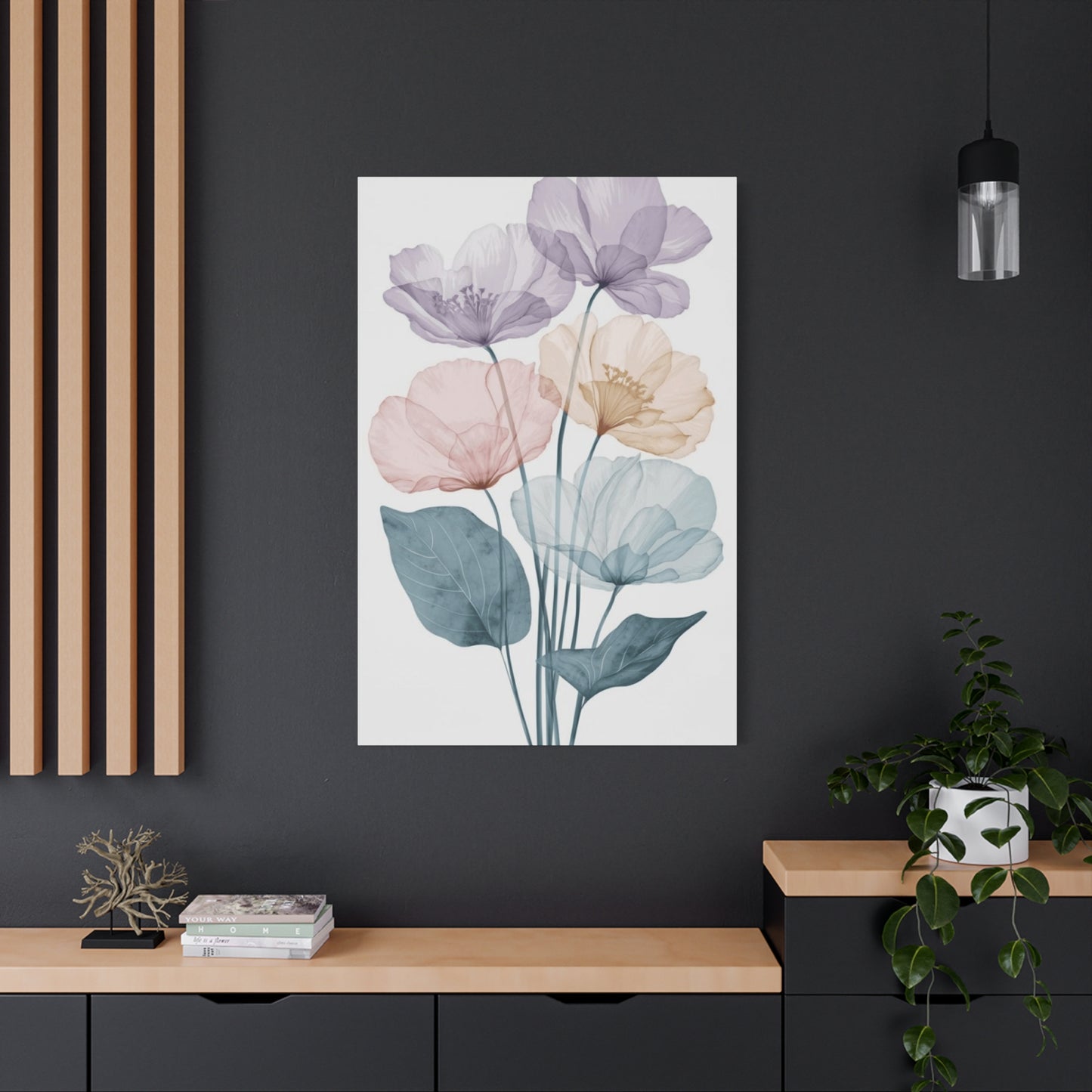
Colorful Flower Petals Painting Wall Art & Canvas Prints
Colorful Flower Petals Painting Wall Art & Canvas Prints
Couldn't load pickup availability
Vibrant Blooms on Canvas: Creating Your Perfect Colorful Flower Petals Painting Wall Art Collection for Modern Living Spaces
The world of interior decoration has witnessed a remarkable transformation in recent years, with homeowners and design enthusiasts gravitating toward nature-inspired elements that breathe life into their living environments. Among the most captivating trends that have emerged is the incorporation of colorful flower petals painting wall art, which serves as both a focal point and a conversation starter in any room. This artistic expression combines the delicate beauty of botanical subjects with the bold creativity of contemporary painting styles, resulting in pieces that can dramatically alter the ambiance of a space. Whether you're drawn to abstract interpretations or photorealistic renderings, floral artwork offers endless possibilities for personalizing your home while connecting with the natural world.
The popularity of botanical-themed decorations stems from humanity's innate connection to nature, a phenomenon that psychologists and designers have long recognized as essential to our wellbeing. When we surround ourselves with images of flowers, petals, and organic forms, we create sanctuaries that promote relaxation, inspire creativity, and foster positive emotions. Unlike other decorative choices that may feel cold or impersonal, floral paintings carry an inherent warmth and vitality that resonates with people across different cultures and aesthetic preferences. The versatility of this art form allows it to complement virtually any interior design scheme, from minimalist modern spaces to richly layered traditional settings.
Creating or selecting the perfect colorful flower petals painting wall art requires understanding various factors that contribute to a successful outcome. These considerations range from the practical aspects of color theory and composition to the more personal elements of individual taste and emotional resonance. Throughout this comprehensive exploration, we'll delve into every aspect of floral artwork, providing you with the knowledge and inspiration needed to make informed decisions about incorporating these beautiful pieces into your home. Whether you're an aspiring artist looking to create your own masterpieces or a collector seeking to curate a stunning gallery wall, this guide will illuminate the path toward achieving your vision.
Exploring the Diverse Spectrum of Botanical Artwork Styles and Their Impact on Interior Spaces
The realm of floral paintings encompasses an extraordinary variety of styles, each offering distinct visual characteristics and emotional qualities. Realistic depictions capture every intricate detail of petals, stamens, and leaves with meticulous precision, often employing techniques that create almost photographic accuracy. Artists working in this tradition spend countless hours studying their subjects, observing how light plays across surfaces, how shadows define form, and how subtle color variations contribute to the overall impression of life and dimensionality. These works appeal to viewers who appreciate technical mastery and find comfort in representations that closely mirror nature's actual appearance.
Impressionistic approaches to colorful flower petals painting wall art take a different direction, prioritizing the capture of mood and atmosphere over exact detail. Inspired by masters who revolutionized art in the late nineteenth century, contemporary artists employing this method use loose brushstrokes, vibrant color palettes, and a focus on the play of light to evoke the essence of their floral subjects. The resulting paintings possess a dreamy quality that invites viewers to experience flowers not as static objects but as living entities that shimmer and dance in changing light conditions. This style particularly suits spaces where you want to create a sense of movement and energy without overwhelming the senses with too much visual information.
Abstract interpretations push the boundaries even further, deconstructing floral forms into their most fundamental elements of color, shape, and gesture. These works may bear little resemblance to actual flowers in a literal sense, yet they capture something profound about the experience of encountering botanical beauty. An abstract artist might reduce a rose to a spiral of crimson brushstrokes, or translate a field of wildflowers into a symphony of overlapping color fields. Such pieces invite personal interpretation and can serve as visual poetry within your home, offering different revelations depending on your mood and perspective. They work exceptionally well in contemporary settings where clean lines and bold statements define the aesthetic approach.
Watercolor renditions of flowers bring a delicate, ethereal quality to wall art that distinguishes them from works in other media. The translucent nature of watercolor paints allows colors to blend and flow in ways that perfectly capture the fragile beauty of petals and blooms. Artists working with this medium must embrace a certain surrender to the material's inherent unpredictability, allowing water and pigment to interact in ways that create unexpected effects. The resulting paintings often possess a luminous quality that seems to glow from within, making them ideal for spaces where you want to introduce softness and serenity. Watercolor florals pair beautifully with natural materials like wood and linen, enhancing their organic appeal.
Mixed media approaches combine various materials and techniques to create richly textured works that engage multiple senses. An artist might begin with an acrylic or oil base, then incorporate elements like tissue paper, fabric scraps, metallic leaf, or even dried petals from actual flowers. These layers build up to create surfaces that invite closer inspection, revealing new details and dimensions as you study them. The tactile quality of mixed media colorful flower petals painting wall art adds sculptural interest to wall displays, casting subtle shadows that change throughout the day as natural light shifts across the room. This approach works particularly well for statement pieces designed to anchor a space and draw the eye.
Mastering Color Harmony and Palette Selection for Maximum Visual Impact in Your Living Environment
Color selection stands as perhaps the most crucial decision when choosing or creating floral artwork, as hues possess remarkable power to influence mood, perceived room temperature, and spatial dynamics. Warm color schemes featuring reds, oranges, yellows, and warm pinks create environments that feel inviting, energetic, and cozy. These palettes stimulate conversation and activity, making them excellent choices for social spaces like living rooms, dining areas, and kitchens. A colorful flower petals painting wall art piece dominated by sunset-inspired hues can transform a neutral room into a vibrant gathering place that radiates warmth and hospitality.
Cool color palettes incorporating blues, purples, greens, and cool pinks produce entirely different effects, promoting calmness, concentration, and relaxation. These hues recede visually, which can make small rooms feel more spacious and open. Bedrooms and home offices particularly benefit from artwork featuring cool-toned florals, as these colors support the activities typically performed in these spaces. A painting of lavender fields or blue hydrangeas can create a serene retreat where stress melts away and mental clarity emerges. The psychological impact of cool colors should not be underestimated when designing spaces intended for rest and focused work.
Complementary color schemes pair hues that sit opposite each other on the color wheel, creating dynamic visual tension that energizes compositions. Purple and yellow, red and green, orange and blue—these combinations produce artwork that vibrates with life and demands attention. When employed in floral paintings, complementary schemes can elevate simple subjects into extraordinary visual experiences. However, this approach requires skillful handling to avoid overwhelming viewers or creating discord. The most successful pieces balance these opposing forces through careful attention to proportions, using one color dominantly while allowing its complement to provide accent notes that enliven the overall composition.
Analogous color schemes utilize hues that sit adjacent to each other on the color wheel, resulting in harmonious, cohesive artworks that feel naturally unified. A painting might flow through various shades of red, orange, and yellow, or transition smoothly from blue through purple to red-violet. These schemes create a sense of continuity and flow that many find deeply satisfying. Colorful flower petals painting wall art employing analogous palettes integrates easily into existing decor schemes, as the color harmony makes it simple to pull accent colors for other room elements. This approach suits those who prefer understated elegance over bold statements.
Monochromatic approaches explore the full range of values within a single hue, from the palest tints to the deepest shades. A painting might investigate every possible variation of blue, from sky-light pastels to midnight navy, revealing the surprising complexity hidden within what initially appears to be a single color. These subtle works reward sustained attention, offering a meditative quality that encourages quiet contemplation. They serve as sophisticated choices for minimalist interiors or spaces where you want art to provide interest without introducing additional colors that might complicate the design scheme. The discipline required to work within such constraints often results in paintings of remarkable depth and nuance.
Understanding Compositional Principles That Create Balance, Movement, and Visual Interest in Floral Artworks
The arrangement of elements within a painting determines how effectively it communicates with viewers and whether it succeeds in holding their attention over time. Symmetrical compositions create a sense of formal order and stability, with floral elements balanced equally on either side of a central axis. This approach suits traditional interiors and spaces where you want to establish a feeling of permanence and classical beauty. A symmetrically arranged bouquet painting can serve as a calming presence, offering visual respite in homes filled with the chaos of daily life. The predictability of symmetrical design provides comfort to those who find security in order and structure.
Asymmetrical balance achieves equilibrium through the strategic placement of varied elements rather than mirror-image repetition. An artist might position a large bloom on one side of the canvas, balancing it with several smaller flowers and interesting negative space on the opposite side. This approach feels more dynamic and contemporary, reflecting the organic, unpredictable patterns found in nature itself. Colorful flower petals painting wall art employing asymmetrical composition tends to feel more spontaneous and alive, drawing the eye on an active journey across the canvas rather than allowing it to rest in comfortable predictability. This style appeals to those who embrace change and find beauty in imperfection.
The rule of thirds, borrowed from photography, divides the canvas into a grid of nine equal sections using two horizontal and two vertical lines. Placing key elements at the intersections of these lines or along the lines themselves creates compositions that feel balanced yet interesting. Rather than centering the main subject, which can produce static, bulletin-board-like results, positioning it according to this principle introduces subtle tension that keeps the viewer engaged. Many successful floral paintings place the most visually striking bloom at one of these power points, allowing secondary elements to support and enhance without competing for dominance.
Leading lines guide the viewer's eye through the composition, creating pathways that control how the artwork is experienced. In floral paintings, stems, leaves, and the natural curves of petals can serve as these directional elements, pulling attention from the entry point through the various areas of interest before leading the eye back into the composition again. Skillful use of leading lines prevents the viewer's gaze from sliding off the edges of the canvas, instead creating a self-contained visual journey that can be repeated endlessly without boredom. This technique separates masterful compositions from haphazard arrangements that fail to engage viewers beyond an initial glance.
Focal points determine where the viewer's attention lands first and most powerfully within a painting. Artists create these areas of emphasis through various means: increased contrast, sharper detail, brighter or more saturated color, or strategic isolation from surrounding elements. In colorful flower petals painting wall art, the focal point might be a single perfect bloom rendered in exquisite detail while surrounding flowers blur into soft suggestion. Establishing clear hierarchy within a composition prevents the confusing effect of everything competing equally for attention, instead providing an entry point that welcomes viewers and invites them to explore the rest of the artwork from this secure starting place.
Examining Various Media and Painting Methods That Bring Floral Subjects to Life on Canvas
Oil paints have dominated fine art for centuries, prized for their rich pigmentation, slow drying time, and exceptional blending capabilities. Artists working in oils can achieve subtle gradations of color and value that capture the complex play of light across flower petals with unmatched sophistication. The medium's forgiving nature allows for extensive reworking and correction, as wet paint can be manipulated for hours or even days before it sets. Finished oil paintings possess a depth and luminosity that continues to captivate viewers centuries after creation, making them valuable investment pieces as well as beautiful decorations. The traditional association between oil painting and fine art lends these works an air of prestige and cultural significance.
Acrylic paints offer many advantages that have made them increasingly popular among contemporary artists. They dry quickly, allowing for rapid layering and experimentation without the long waiting periods required by oils. Their water-based nature makes cleanup simple and eliminates concerns about toxic fumes or solvents, important considerations for artists working in home studios. Modern acrylic formulations can mimic the appearance of oils when desired or embrace their own distinct characteristics, from transparent glazes to thick impasto applications. Colorful flower petals painting wall art created with acrylics often displays bold, saturated colors and crisp edges that suit contemporary aesthetics. The medium's versatility allows it to adapt to virtually any painting style or approach.
Watercolors demand a different mindset, requiring artists to think in reverse by preserving white areas rather than adding highlights after the fact. The transparency of the medium means that light bounces off the paper surface and back through the pigment layers, creating an inner glow unique to watercolor. Controlling water flow and pigment concentration requires practice and confidence, as excessive fussing can result in muddy, overworked passages. Successful watercolor florals capture a sense of spontaneity and freshness that reflects the ephemeral nature of flowers themselves. The delicate appearance of watercolor paintings makes them particularly suited to intimate spaces and traditional decorating schemes that value subtlety over bold statements.
Gouache combines characteristics of both watercolor and acrylic, offering opacity while remaining water-soluble even after drying. This allows artists to work from dark to light, building up layers and making corrections more easily than with traditional watercolors. The matte finish of dried gouache gives paintings a distinctive velvety appearance that differs markedly from the glossy surface of oils or the variable sheen of acrylics. Gouache florals often possess a graphic quality that works beautifully in modern interiors, with flat areas of color and crisp boundaries between shapes. The medium enjoyed particular popularity among designers and illustrators throughout the twentieth century, and contemporary artists are rediscovering its unique properties for fine art purposes.
Pastel painting occupies a unique position between drawing and painting, with sticks of pure pigment creating both linear marks and broad areas of color. The dusty, soft quality of pastels perfectly captures the velvety texture of many flower petals, while the medium's immediacy allows for spontaneous, expressive mark-making. Artists working in pastels can achieve both precise detail and atmospheric effects, often within the same piece. The finished works require special handling and framing considerations to prevent smudging, but properly protected pastel paintings maintain their vibrancy indefinitely without the darkening or cracking that can affect oil paintings over time. The luminous quality of colorful flower petals painting wall art created in pastels makes them standout choices for collectors seeking something distinctive.
Investigating Size Considerations and Scale Relationships for Optimal Room Integration and Visual Balance
Oversized artworks measuring five feet or larger create dramatic focal points that command immediate attention upon entering a room. These statement pieces work best in spaces with adequate wall area and appropriate viewing distances, where their full impact can be appreciated without overwhelming the environment. A large-scale colorful flower petals painting wall art piece above a sofa or bed establishes the room's aesthetic direction, with all other design elements supporting and complementing this central feature. The bold confidence of oversized art suits spacious modern homes and lofts, where expansive walls might otherwise feel empty or institutional without substantial artwork to anchor them.
Medium-sized paintings ranging from two to four feet in any dimension offer versatility, working effectively both as standalone pieces and as components within gallery wall arrangements. These dimensions suit most residential spaces, providing visual interest without dominating the environment or requiring extensive blank wall space. Multiple medium-sized florals can be arranged to create narrative sequences or explore variations on a theme, offering complexity beyond what a single large piece provides. This size range often represents the sweet spot for collectors, balancing affordability with impact while remaining practical for homes of various scales.
Smaller artworks measuring under two feet serve important roles as accent pieces, providing color and interest in areas where larger paintings wouldn't fit. Powder rooms, hallway niches, small walls between windows or doorways, and spaces above side tables or desks all benefit from appropriately scaled artwork. Collections of small florals can be grouped to create impact through repetition and variation, telling stories through accumulated details that unfold gradually. Small paintings also offer opportunities for beginning collectors to acquire multiple pieces from different artists, building diverse collections that reflect evolving tastes without requiring major financial commitments.
The relationship between furniture dimensions and artwork size determines whether a space feels balanced or disjointed. As a general guideline, artwork hung above a sofa should measure between two-thirds and three-quarters of the furniture's width to achieve visual harmony. However, contemporary design increasingly embraces unexpected proportions, with oversized pieces extending beyond furniture edges or tiny artworks creating striking contrasts. Consider the entire wall as your canvas rather than viewing the painting as merely filling the space above specific furniture pieces. Colorful flower petals painting wall art that relates thoughtfully to surrounding elements creates cohesive environments that feel intentionally designed rather than haphazardly decorated.
Ceiling height influences optimal artwork dimensions, with taller rooms accommodating vertically oriented paintings that draw the eye upward and emphasize the space's generous proportions. Standard eight-foot ceilings work well with horizontal or square formats, while homes with soaring ceilings benefit from vertical pieces that prevent the space from feeling bottom-heavy. Consider the visual weight of a painting as well as its physical dimensions, remembering that dark colors and busy compositions appear heavier than light, simple ones. Balancing these factors ensures that artwork enhances rather than fights against a room's inherent architectural characteristics.
Analyzing Frame Choices and Presentation Methods That Enhance Without Overwhelming Floral Artwork
Traditional wooden frames offer timeless elegance, with various profiles, finishes, and ornamental details allowing customization to suit any style from rustic farmhouse to formal Victorian. Wide, ornate frames create drama and emphasize the importance of the enclosed artwork, essentially declaring that what lies within deserves special attention. These substantial frames work particularly well with classical realistic paintings, where the formal presentation aligns with the artist's meticulous approach to the subject matter. Carved or gilded frames add luxury and can elevate even modest paintings, while simpler wood frames with visible grain patterns complement casual, organic decorating schemes that celebrate natural materials.
Modern metal frames in finishes ranging from brushed brass to matte black provide clean, contemporary presentations that keep attention focused on the artwork itself. Thin metal profiles create minimal visual separation between the painting and its environment, suiting gallery-style presentations where artworks appear to float on the wall. These frames work beautifully with abstract or minimalist floral paintings, where elaborate frames might introduce unwanted fussiness. The durability and low profile of metal frames make them practical choices for high-traffic areas and family homes where artwork might be bumped or handled. Their crisp lines align with modern architectural details and contemporary furnishings.
Float mounting presents paintings suspended within deep frames, creating shadow gaps between the artwork and frame that add dimensionality. This presentation method works spectacularly with paintings on canvas, wood panels, or heavy watercolor paper, allowing viewers to appreciate the full dimensionality of the piece including its edges. The shadow effect draws attention to the artwork's physical presence as an object, not merely an image. Colorful flower petals painting wall art displayed using float mounting gains sculptural qualities that standard flush-mounted frames cannot provide, making this an excellent choice for contemporary spaces where three-dimensional interest is valued.
Frameless presentations have gained popularity, particularly for canvas paintings where the image wraps around the stretcher edges. Gallery-wrapped canvases finished on all sides allow the painting to exist as a complete object without need for additional framing. This approach suits casual, relaxed interiors and contemporary spaces where formal framing might feel pretentious or outdated. The absence of a frame also provides cost savings and eliminates decision-making about frame styles and colors. However, unframed paintings require careful wall placement and lighting to prevent them from appearing incomplete or temporary, more like unfinished projects than intentional design choices.
Matting creates breathing room between artwork and frame, particularly important for works on paper including watercolors, gouaches, and prints. The mat's color and width dramatically influence how the artwork appears, with wider mats lending importance and formality while narrow mats provide minimal separation. White and off-white mats remain classic choices that work with nearly any painting, but colored mats can either pull accent colors from the artwork or introduce complementary hues that enhance specific elements. Double matting adds depth and sophistication, with an inner mat in a contrasting color creating a subtle detail that elevates the overall presentation. The quality of matting materials affects longevity, with acid-free conservation materials protecting artwork from deterioration over decades.
Discovering Ideal Placement Locations Throughout Your Home for Maximum Enjoyment and Proper Preservation
Living room walls provide prime real estate for showcasing colorful flower petals painting wall art, as these social spaces receive more viewing time and guest attention than any other area of the home. The wall above the sofa traditionally serves as a focal point, but consider alternative locations that might prove equally or more interesting. A large painting hung opposite the main seating arrangement creates a view to admire during conversation, while artwork flanking a fireplace adds symmetry and frames this architectural feature. Living rooms typically benefit from larger-scale pieces that can hold their own against furniture and other decorating elements, though groupings of smaller works can create equally impactful displays.
Bedroom walls offer opportunities for more personal, intimate artwork selections that reflect individual tastes without needing to appeal to broader audiences. The wall above the bed serves as a natural focal point, visible from the doorway and upon waking each morning. Consider how the artwork's colors and mood align with the bedroom's purpose as a restful retreat. Soft, cool-toned florals promote relaxation and ease the transition to sleep, while energizing warm palettes might work better in dressing areas where you prepare to face the day. Bedrooms also provide wall space on either side of the bed, perfect for matching or complementary pieces that create symmetry and balance.
Dining room artwork should complement but not compete with the experience of sharing meals and conversation. Florals work beautifully in dining spaces, connecting to the natural origins of food and adding organic warmth to what can sometimes become purely functional areas. Consider the wall most visible when seated at the table, ensuring artwork enhances the dining experience without causing awkward craning or repositioning. The colors should harmonize with your dishware and table linens, creating a cohesive aesthetic that makes every meal feel like a special occasion. Dining rooms often work well with series or sets of paintings that create rhythm and repetition around the space.
Hallways and stairwells present unique opportunities and challenges for artwork placement. These transitional spaces benefit from visual interest that transforms them from mere pass-throughs into gallery experiences worth savoring. Groupings of smaller florals arranged along a hallway create a procession that draws people forward and makes the journey as interesting as the destination. Stairwell walls ascending alongside steps provide vertical space perfect for tall paintings or ascending arrangements that guide the eye upward. Consider lighting carefully in these areas, as hallways often lack natural light and require artificial sources to properly illuminate artwork and prevent these spaces from feeling dingy or neglected.
Bathrooms and powder rooms shouldn't be overlooked as potential homes for colorful flower petals painting wall art, though moisture and temperature fluctuations require careful material consideration. Small florals above towel bars or on walls opposite vanities add personality to otherwise purely functional spaces. Avoid placing valuable originals in steamy shower areas, reserving these locations for prints or more resilient pieces. Powder rooms offer delightful opportunities for whimsical or bold artwork choices that might feel too risky in more public areas of the home, allowing you to experiment with styles and colors outside your usual comfort zone.
Exploring Creative Gallery Wall Arrangements That Tell Stories Through Multiple Floral Artworks
Symmetrical grid arrangements create orderly, museum-quality displays that work beautifully with collections of similarly sized pieces. The precision and balance of this approach suit traditional interiors and collectors who appreciate structure and organization. Grids can feature identical frames for maximum cohesion or varied frames unified by consistent matting, depending on whether you prioritize uniformity or individuality. When working with colorful flower petals painting wall art in grid formation, consider how colors and subjects interact across the arrangement, ensuring that visual weight distributes evenly rather than clustering all the bold pieces in one corner while lighter works gather in another.
Salon-style arrangements embrace organized chaos, covering walls from floor to ceiling with artworks of varied sizes, frames, and subjects. This approach requires careful planning despite its casual appearance, with floor layouts preceding any hanging to ensure balanced distribution of visual weight, color, and spacing. Salon walls suit eclectic decorating styles and homes filled with collected objects that tell stories about the inhabitants' interests and travels. When building a salon wall featuring florals, include variety in painting styles, scales, and color palettes to create the rich visual texture that makes these arrangements so captivating. Don't fear occasional empty spaces or unconventional alignments that add to the casual, layered feel.
Linear arrangements place multiple artworks in a single horizontal or vertical line, creating rhythm and movement through repetition. This approach works particularly well in hallways, above long sofas or credenzas, and along stairwells. Consistent spacing between pieces creates a polished look, while the repetition of similar sizes and frames unifies diverse subjects and styles. A linear arrangement of colorful flower petals painting wall art exploring different flowers or various interpretations of similar blooms can tell botanical stories that unfold as viewers move along the display. This format also simplifies expansion, as you can add new pieces to either end as your collection grows.
Clustered groupings feel organic and approachable, with artworks arranged in loose formations rather than strict geometric patterns. These arrangements often feature one larger central piece surrounded by smaller satellites, creating a constellation effect. The asymmetrical nature of clusters makes them ideal for contemporary spaces where rigid symmetry might feel stiff or outdated. When creating a cluster, start with your focal piece and build outward, stepping back frequently to assess balance and ensuring no area becomes too crowded or too sparse. The conversational quality of clustered arrangements invites closer inspection and discovery of relationships between individual pieces.
Ascending or descending arrangements follow the lines of staircases or create diagonal movements across flat walls, introducing dynamic energy through tilted orientations. These unconventional approaches suit creative spaces and individuals comfortable with breaking traditional design rules. An ascending arrangement might begin with smaller, lighter florals that gradually increase in size and visual weight as they climb the wall, creating implied movement and narrative progression. This format requires confidence to execute successfully but results in memorable displays that distinguish your home from conventionally decorated spaces.
Investigating Proper Lighting Strategies That Reveal True Colors and Enhance Three-Dimensional Qualities
Natural daylight provides the truest color rendering, allowing you to see artwork as the artist intended during its creation. Positioning colorful flower petals painting wall art where it receives indirect natural light brings colors to life while avoiding the damaging effects of direct sun exposure, which causes fading and deterioration over time. East-facing walls receive gentle morning light ideal for artworks, while north-facing walls provide consistent, cool illumination throughout the day. South and west exposures require more caution due to intense afternoon and evening sun, necessitating window treatments that filter harsh rays while still allowing sufficient light to appreciate your artwork.
Picture lights mounted directly above or below artworks provide focused illumination that makes paintings glow even in dim rooms. These specialized fixtures typically feature adjustable arms and shielded bulbs that prevent glare while directing light precisely where needed. LED picture lights have largely replaced incandescent versions, offering better color rendering, lower heat output, and dramatically reduced energy consumption. The warm glow of a picture light creates an intimate relationship between viewer and artwork, making evening viewing experiences feel special and intentional. This lighting approach works particularly well for featured pieces deserving individual attention rather than competing within larger gallery wall arrangements.
Track lighting systems offer flexibility for illuminating multiple artworks or adjusting as collections change over time. Adjustable heads can be repositioned and redirected to accommodate new acquisitions without requiring additional electrical work. When using track lighting for florals, position fixtures to strike the painting surface at approximately thirty-degree angles, minimizing glare and reflection while evenly illuminating the entire composition. Avoid steep angles that create hot spots and leave edges in shadow, or flat angles that cause excessive glare from protective glazing. The right balance creates three-dimensional presence that brings paintings forward from the wall plane.
Ambient room lighting influences how artwork appears throughout the day and evening hours. Recessed ceiling fixtures, chandeliers, and floor lamps all contribute to overall illumination levels that either enhance or detract from artwork viewing. Warm-toned ambient lighting suits traditional interiors and creates cozy evening atmospheres, while cooler color temperatures align with contemporary aesthetics and provide better color accuracy for evaluating artwork. Dimmer switches allow adjustment to suit different activities and moods, brightening lights for active tasks while reducing them for relaxation and entertainment. Consider how colorful flower petals painting wall art appears under all lighting conditions you regularly use, ensuring it remains attractive morning through evening.
Avoiding common lighting mistakes preserves artwork while ensuring optimal viewing experiences. Never hang paintings opposite or adjacent to windows where direct sunlight strikes them, as UV radiation causes irreversible fading within months or years depending on exposure intensity. Similarly, position artwork away from heat sources including radiators, fireplaces, and heating vents, as temperature fluctuations and dry heat damage canvas, paper, and paint layers. Be cautious with strong artificial lights positioned too close to artwork, particularly older incandescent bulbs that generate significant heat. Museum-quality LED lights with appropriate UV filtering provide the safest artificial lighting for valuable pieces.
Understanding the Process of Commissioning Original Artwork Tailored to Your Specific Vision and Space
Identifying the right artist for commissioned work requires research into various creators' styles, approaches, and personalities to find alignment with your vision. Browse artist websites, social media profiles, and online galleries to understand their typical subjects, color preferences, and compositional tendencies. Read artist statements to gauge whether their conceptual interests resonate with your goals for the piece. Consider whether you want an artist who will faithfully execute your precise specifications or one who will interpret your general direction through their unique creative lens. Both approaches have merit depending on whether you prioritize control or the excitement of collaborative creation.
Initial consultations establish expectations, timelines, and practical details before committing to commissioned colorful flower petals painting wall art. Discuss your color preferences, desired dimensions, and the space where the painting will hang, ideally providing photographs that show wall color, lighting, and surrounding decor. Share images of artwork you admire, explaining what specifically appeals to you about each piece—color palette, compositional style, level of detail, or overall mood. Be clear about your budget and timeline, as custom work requires significant time investment and artists often balance multiple projects simultaneously. Transparent communication from the outset prevents misunderstandings and ensures both parties enter the arrangement with compatible expectations.
Contracts protect both commissioner and artist, documenting agreed terms regarding size, subject matter, color scheme, timeline, payment schedule, and revision policies. Specify whether preliminary sketches or color studies will be provided for approval before proceeding to the final painting. Clarify how many rounds of revisions are included and what additional costs might apply if changes exceed the agreed scope. Define payment terms, typically structured as partial deposit upon contract signing, progress payment at an agreed milestone, and final payment upon completion before delivery. Address what happens if either party cannot fulfill the agreement, whether due to dissatisfaction, health issues, or other unforeseen circumstances. Written agreements prevent disputes and create accountability.
The creation process unfolds over weeks or months depending on the painting's complexity and the artist's schedule. Many artists provide periodic updates through photographs or video clips showing work in progress, allowing commissioners to feel connected to the painting's evolution. Some welcome studio visits where you can observe work firsthand and discuss emerging elements, while others prefer working privately without client presence until completion. Trust your chosen artist's process while remaining available to answer questions or provide feedback at agreed checkpoints. Remember that artistic creation involves problem-solving and experimentation, meaning the journey from concept to completion rarely follows perfectly straight lines.
Final acceptance involves reviewing the completed painting to confirm it meets specified requirements and your aesthetic expectations. Examine the work in various lighting conditions, ensuring colors read correctly and the piece achieves the desired impact in its intended location. If minor concerns arise, discuss them diplomatically, understanding that artists take pride in their work and respond better to respectful feedback than harsh criticism. Once satisfied, complete final payment and arrange delivery or pickup, ensuring the painting is properly packaged for safe transport. Many artists provide care instructions and certificates of authenticity for commissioned pieces, documentation that adds value and helps future owners understand proper handling and display requirements.
Conclusion
Giclee prints represent the highest quality reproduction method available, using archival inks and premium papers or canvases to create prints virtually indistinguishable from original paintings. Museums and galleries employ giclee printing for reproductions sold in their gift shops, testament to the method's quality and longevity. Multiple printer passes build up ink layers that capture subtle color gradations and tonal transitions impossible with conventional printing. When matted and framed properly, giclee reproductions of colorful flower petals painting wall art offer beauty and sophistication at fractions of original artwork costs, making them ideal for budget-conscious decorators who refuse to compromise on quality.
Canvas prints stretched over wooden frames provide affordable alternatives that mimic the appearance of original paintings without protective glazing's weight and fragility. The texture of canvas lends dimensionality that flat paper prints cannot match, while the ability to wrap images around frame edges creates gallery-wrapped presentations requiring no additional framing. However, canvas prints vary dramatically in quality depending on ink, canvas weight, and printing resolution. Higher-end versions employ fade-resistant inks on heavyweight canvas with proper tension and corner finishing, while bargain prints may use inferior materials prone to sagging, fading, or delamination. Invest in quality versions that will maintain their appearance for years rather than needing replacement after brief periods.
Paper prints remain popular for their affordability and the traditional fine art association people make with works on paper. Quality varies enormously from mass-produced posters to fine art prints on heavyweight acid-free papers using archival inks. Consider the paper's weight, texture, and brightness when selecting prints, understanding that these factors dramatically influence the final appearance and longevity. Smooth papers suit contemporary graphics and photographs, while textured papers complement paintings and add visual interest. Prints on paper require glass or acrylic glazing for protection, adding cost and weight to framing but protecting against moisture, dust, and handling damage.
Metal prints offer contemporary alternatives that produce stunning vibrancy and unusual visual effects. The printing process infuses dyes directly into specially coated aluminum sheets, creating images that appear to glow with inner light. The metallic surface adds luminescence impossible with other media, making colors extraordinarily saturated and vivid. Metal prints resist fading, require no additional framing, and can be wiped clean with damp cloths, making them practical for high-humidity environments like bathrooms or kitchens. The modern aesthetic suits contemporary interiors but might feel out of place in traditional settings. Colorful flower petals painting wall art reproduced on metal takes on unexpected drama and contemporary edge.
Acrylic face mounting places prints behind clear acrylic sheets, creating depth and protection while adding gallery-quality polish to reproductions. The acrylic layer intensifies colors and adds reflective qualities that draw viewers' attention. These presentations work beautifully in modern interiors and professional settings where impact and sophistication matter. The process is more expensive than simple framing but creates presentations that rival original artwork in visual impact. Acrylic-mounted prints resist damage from handling and environmental factors, making them practical for high-traffic commercial spaces as well as homes with children or pets.
Share