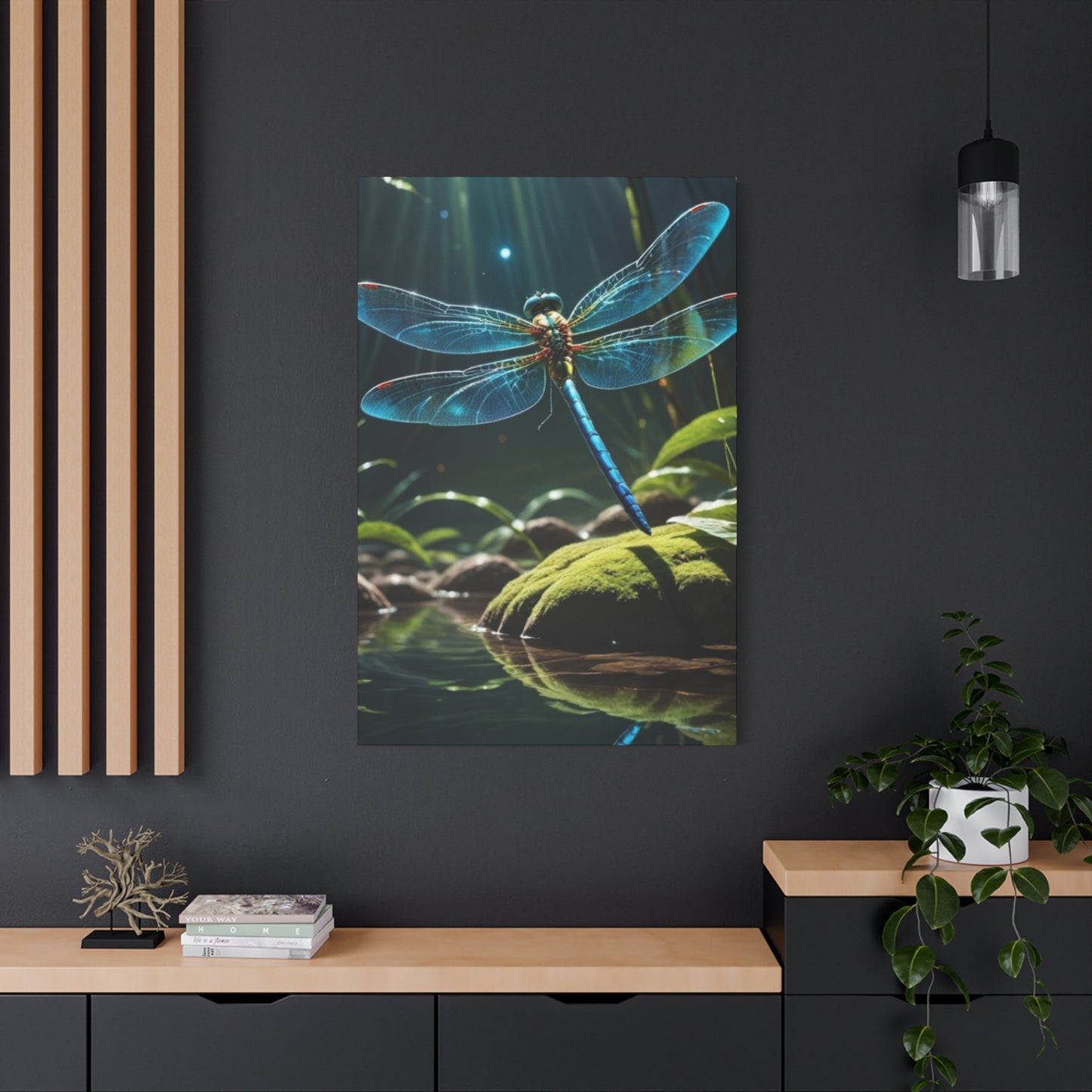
Colorful Dragonfly Wings Wall Art & Canvas Prints
Colorful Dragonfly Wings Wall Art & Canvas Prints
Couldn't load pickup availability
Colorful Dragonfly Wings Wall Art: Bringing the Delicate, Ethereal Beauty of Nature into Your Living Room
The mesmerizing allure of dragonfly wings has captivated human imagination for centuries, with their iridescent patterns and delicate structures representing nature's most exquisite craftsmanship. When translated into decorative pieces for residential and commercial environments, colorful dragonfly wings wall art becomes more than mere ornamentation—it transforms into a statement of personal taste, a celebration of natural wonder, and a gateway to creating atmospheres that resonate with tranquility and sophistication.
Throughout diverse cultures spanning millennia, these remarkable insects have symbolized transformation, adaptability, and the ephemeral nature of existence. Their wings, composed of thousands of microscopic structures that refract light into spectacular rainbow patterns, serve as inspiration for artists and designers seeking to capture movement, grace, and the intersection between fragility and strength. Contemporary interpretations of these natural marvels have evolved from simple botanical illustrations to sophisticated multimedia installations that challenge conventional perceptions of interior decoration.
The phenomenon of incorporating insect-inspired artwork into living spaces represents a broader movement toward biophilic design principles—the inherent human tendency to seek connections with nature and other forms of life. This approach acknowledges that our wellbeing is fundamentally intertwined with our environment, and that bringing elements of the natural world indoors can significantly impact our mental clarity, emotional balance, and overall satisfaction with our surroundings.
Discovering the Multifaceted Appeal of Dragonfly-Themed Decorative Panels
The popularity of dragonfly-inspired artwork extends far beyond temporary trends in interior decoration. These pieces resonate with homeowners, designers, and art collectors because they embody qualities that transcend stylistic movements and cultural boundaries. The wings of these creatures display structural complexity that scientists continue to study for biomimetic purposes, while simultaneously presenting aesthetic qualities that appeal to our innate appreciation for symmetry, pattern, and color.
When examining why colorful dragonfly wings wall art maintains enduring appeal, several interconnected factors emerge. The translucent quality of these insects' wings creates a unique visual experience that changes depending on lighting conditions, viewing angles, and surrounding elements. This dynamic characteristic means that a single piece can present different moods throughout the day, responding to natural sunlight in morning hours versus artificial illumination during evening gatherings.
The color palette associated with dragonfly wings encompasses virtually the entire visible spectrum. From deep indigos and purples that evoke twilight skies to brilliant turquoises and emeralds reminiscent of tropical waters, from warm ambers and golds suggesting autumn sunlight to ethereal silvers and whites that capture moonbeam essence—these creatures display chromatic diversity unmatched in the animal kingdom. Artists interpreting these patterns have unprecedented freedom to emphasize particular hues while maintaining biological authenticity.
Scale considerations further enhance the versatility of this artistic subject matter. Dragonfly wings possess intricate vein patterns that remain compelling whether rendered at actual size or magnified to reveal microscopic details invisible to unaided observation. This scalability allows creators to produce pieces suitable for intimate spaces like powder rooms and reading nooks, or expansive installations designed for lobbies, conference rooms, and great halls.
Exploring Various Artistic Interpretations and Material Choices for Wing-Inspired Creations
The realm of dragonfly-themed decorative panels encompasses remarkable diversity in execution, materials, and conceptual approaches. Contemporary artists employ traditional painting methods alongside cutting-edge fabrication processes, each technique offering distinct advantages and creating different experiential qualities for viewers.
Photographic reproductions utilizing macro lens capabilities reveal wing structures with scientific precision, capturing the hexagonal patterns of cellular formations and the microscopic hairs that line wing edges. These images, when printed on high-quality substrates using archival inks, preserve incredible detail that rewards close examination while maintaining overall compositional strength when viewed from distance. The photographic approach appeals particularly to those who appreciate documentary accuracy and want their decorative choices to reflect genuine natural phenomena.
Watercolor interpretations bring different qualities to the subject matter. The medium's inherent fluidity and transparency naturally complement the delicate, luminous character of dragonfly wings. Skilled practitioners can create pieces that seem to glow from within, using layered washes to build depth and complexity while maintaining the airy quality essential to capturing these creatures' essence. The unpredictability of watercolor techniques—the way pigments blend and separate, how water carries color across paper surfaces—introduces organic spontaneity that enhances the connection to living subjects.
Metal fabrication offers yet another avenue for expression. Artisans working in copper, bronze, aluminum, or steel can create three-dimensional representations that interact with light in ways two-dimensional works cannot achieve. Patination processes develop color variations that echo natural wing pigmentation, while cut metal work can replicate the negative spaces within wing structures. These pieces often incorporate kinetic elements, allowing portions to move with air currents and creating ever-changing shadow patterns on surrounding walls.
Glass artists have embraced dragonfly motifs with particular enthusiasm, as their medium shares fundamental qualities with the subject matter. Stained glass techniques using colored and textured panes can suggest cellular wing patterns, while fused glass methods allow for more abstract interpretations that capture essence rather than literal representation. The translucent nature of glass means these pieces transform when backlit, creating entirely different visual experiences depending on lighting conditions.
Mixed media approaches combine multiple materials and methods within single compositions. An artist might begin with photographic or painted backgrounds, then overlay metal framework representing wing veins, add glass or resin elements to suggest membrane surfaces, and incorporate fiber components for textural contrast. These complex pieces offer visual richness that rewards repeated viewing, with different elements commanding attention depending on context and perspective.
Understanding the Symbolic Significance That Resonates Across Cultures and Epochs
The symbolic weight carried by dragonflies enriches the experience of displaying their imagery within personal spaces. These associations add layers of meaning that transform decorative objects into conversation pieces and meditation focal points.
In numerous Asian traditions, dragonflies represent summer, prosperity, and good fortune. Japanese culture particularly venerates these insects, associating them with courage, strength, and happiness. The samurai class adopted dragonfly imagery in their armor decorations and family crests, appreciating how these creatures fly forward without retreat—a quality warriors sought to emulate. This martial association coexists with gentler interpretations emphasizing grace and the fleeting nature of life, themes central to Buddhist and Shinto philosophy.
Native peoples throughout the Americas have developed diverse dragonfly associations. Some traditions view them as messengers between worlds, capable of crossing boundaries between physical and spiritual realms. Others emphasize their connection to water—the element essential for dragonfly reproduction and early life stages—seeing them as symbols of emotional depth, purification, and the subconscious mind. Certain creation stories describe dragonflies as helpers or guides who assisted in forming the world or teaching humans important survival skills.
European folklore presents more varied perspectives. Some regional traditions associated dragonflies with negative forces—the common names "devil's darning needle" and "horse stinger" reflect these darker interpretations. However, other European communities recognized their beneficial role in controlling mosquito populations and their presence as indicators of healthy aquatic ecosystems. Contemporary European appreciation tends toward scientific and aesthetic admiration, with particular interest in the biomechanical sophistication of dragonfly flight.
The transformative life cycle of dragonflies carries profound symbolic resonance regardless of cultural context. These creatures spend the majority of their lives as aquatic nymphs, breathing through gills and hunting prey in pond and stream environments completely unlike the aerial realm they'll eventually inhabit. When the time arrives, they emerge from water, shed their nymphal skin, and unfold wings that enable them to become masters of three-dimensional flight. This dramatic metamorphosis serves as metaphor for personal growth, spiritual awakening, and the capacity to transcend limitations.
The brief adult lifespan of many dragonfly species—some living only weeks or months after emergence—reinforces themes of living fully in the present moment. Their spectacular aerial displays, intensive hunting behavior, and complex mating rituals demonstrate commitment to experiencing life completely within temporal constraints. For those incorporating colorful dragonfly wings wall art into their environments, these associations can serve as daily reminders to embrace change, appreciate transient beauty, and pursue authentic expression.
Selecting Appropriate Locations and Arrangements Within Residential Environments
The placement of dragonfly-themed artwork significantly impacts both its visual effectiveness and the atmospheric qualities it contributes to spaces. Thoughtful positioning considers factors including lighting conditions, surrounding colors and textures, viewing angles, and the room's functional purpose.
Living rooms and family gathering spaces benefit from larger statement pieces that anchor seating arrangements and provide visual focal points. A substantial colorful dragonfly wings wall art installation positioned above a fireplace mantel or behind a sofa creates conversational interest while establishing the room's aesthetic tone. In these social settings, pieces with bold color palettes and clear compositional structures work well, as they remain legible even when viewed peripherally during conversations and activities.
Bedroom environments invite more intimate, contemplative approaches. Dragonfly imagery's associations with transformation and spiritual awareness make it particularly appropriate for private spaces dedicated to rest and reflection. Positioning pieces where they're visible from the bed—either on the wall opposite the headboard or on side walls within the sleeper's natural sight lines—allows for peaceful contemplation before sleep and upon waking. In bedrooms, consider artwork with cooler color palettes dominated by blues, greens, and purples, as these hues generally promote calmness and relaxation.
Home office spaces present opportunities to leverage dragonfly symbolism of focus, agility, and adaptability—qualities valuable in professional contexts. Positioning artwork at eye level when seated at a desk provides a visual respite during work sessions, while the wings' intricate patterns can serve as meditation objects during brief mental breaks. In these functional environments, pieces with crisp detail and dynamic compositions complement the goal-oriented energy appropriate for productive spaces.
Bathrooms, particularly larger master bathrooms designed as spa-like retreats, naturally accommodate dragonfly themes given these insects' connection to water environments. The often humid conditions in bathrooms require consideration of material durability—metal, glass, and properly sealed canvas or wood panels withstand moisture better than unprotected paper or certain textiles. Positioning pieces to avoid direct water spray while remaining visible from soaking tubs creates opportunities for extended contemplation during bathing rituals.
Dining areas benefit from dragonfly artwork's capacity to stimulate conversation while maintaining sophisticated ambiance. The natural world subject matter complements the nourishment focus of dining spaces, and the varied interpretations possible with dragonfly themes allow coordination with everything from rustic farmhouse aesthetics to sleek contemporary styling. Consider how artwork interacts with table settings and serving pieces, creating cohesive visual experiences during meal service.
Transitional spaces including hallways, staircases, and entryways offer opportunities for creating narrative sequences with multiple pieces. A series of smaller dragonfly panels can guide movement through spaces while building visual interest in areas that might otherwise feel utilitarian. These locations also allow for experimental arrangements—asymmetrical groupings, varied heights, and unexpected juxtapositions that would feel overwhelming in more static rooms.
Coordinating Color Schemes and Design Elements for Cohesive Interior Aesthetics
Successful incorporation of colorful dragonfly wings wall art requires attention to existing color palettes, material textures, and stylistic elements within spaces. Rather than viewing artwork as isolated objects, consider how pieces dialogue with surrounding design components.
Color coordination begins with identifying dominant, secondary, and accent hues in a room's existing scheme. Dragonfly artwork can harmonize with these established colors or provide deliberate contrast that energizes the space. For rooms decorated in neutral palettes—whites, grays, beiges, and taupes—dragonfly pieces with vibrant wing colors become stunning focal points that inject personality without overwhelming the serene foundation. In these contexts, even a single piece with brilliant turquoise, emerald, or amber tones can dramatically shift a room's character.
Spaces already featuring strong colors require more careful consideration. One approach involves selecting artwork that amplifies existing hues, creating cohesive monochromatic or analogous color schemes. A room with blue upholstery and accessories benefits from dragonfly pieces emphasizing sapphire, cerulean, and teal tones in the wing patterns. This creates visual harmony and reinforces the established mood.
Alternatively, complementary color strategies employ dragonfly artwork containing hues opposite primary room colors on the color wheel. This creates dynamic visual tension that feels energizing rather than jarring when executed skillfully. A predominantly warm-toned room with terracotta, rust, and gold accents gains visual interest from dragonfly pieces featuring cool blue and purple wing patterns. The biological accuracy of dragonfly coloration provides natural justification for these bold color combinations.
Texture coordination extends beyond color considerations. Smooth, glossy dragonfly images on acrylic or glass surfaces complement contemporary interiors featuring polished metals, lacquered furniture, and seamless architectural elements. Conversely, dragonfly artwork on canvas with visible brushwork or metal pieces with hammered or patinated surfaces harmonize with spaces emphasizing natural materials, exposed beams, and tactile variety.
The level of realism versus abstraction in dragonfly pieces should align with overall interior styling. Photorealistic representations suit spaces with traditional leanings or scientific aesthetics, while abstract interpretations that deconstruct wing patterns into geometric forms complement modernist and contemporary environments. Mid-century modern interiors particularly benefit from stylized dragonfly artwork that emphasizes clean lines and simplified forms while maintaining organic inspiration.
Scale relationships between artwork and surrounding furnishings require careful calibration. A massive dragonfly piece overwhelms a room with delicate furniture and subtle decorative elements, while a small print disappears in spaces dominated by substantial architectural features and oversized seating. The golden ratio—roughly 1.618:1—provides useful guidance for proportional relationships, though ultimately the human eye judges whether scales feel balanced or discordant.
Examining Different Artistic Styles and Their Impact on Spatial Atmosphere
The stylistic approach taken in rendering dragonfly subjects profoundly influences the emotional and psychological effects artwork produces. Understanding how different artistic movements and techniques shape viewer experience enables more intentional selection aligned with desired spatial qualities.
Realist approaches prioritizing accurate representation of dragonfly anatomy and wing structures create connections to the natural world that feel direct and unmediated. These pieces appeal to viewers who appreciate scientific observation and want their decorative choices to reflect genuine biological phenomena. The meticulous detail in realist work rewards close examination, revealing aspects invisible in casual observation—the microscopic hairs along wing veins, subtle color gradations within individual wing cells, the precise geometry of skeletal structures.
Impressionist interpretations sacrifice anatomical precision in favor of capturing light effects and atmospheric qualities. These pieces emphasize the shimmering, ethereal nature of dragonfly wings through broken color application and visible brushwork that suggests rather than delineates form. Impressionist dragonfly artwork tends to create dreamy, contemplative moods particularly suitable for spaces designed for relaxation and quiet reflection.
Expressionist approaches use dragonfly subjects as vehicles for emotional communication rather than naturalistic representation. Exaggerated colors, distorted proportions, and dynamic compositions convey feelings and psychological states. These pieces command attention and create dramatic focal points, working well in spaces where stimulation and energy are desired outcomes. The bold mark-making and intense palette choices typical of expressionism complement confident, personality-driven interior design schemes.
Abstract renditions deconstruct dragonfly forms into component elements—line, shape, color, and pattern—that maintain essential character while departing from literal representation. These pieces offer maximum flexibility for coordination with existing décor, as their non-representational nature prevents stylistic conflicts. Abstract dragonfly artwork particularly suits contemporary minimalist environments where figurative imagery might feel too busy or traditional.
Surrealist interpretations place dragonflies in unexpected contexts or combine them with unrelated elements to create dreamlike or thought-provoking compositions. A dragonfly with clock face wings, or wings made from flower petals, or wings that transition into architectural elements engages viewers' imagination and invites interpretation. These pieces work well in creative spaces—studios, offices, and areas dedicated to brainstorming and innovation.
Stylized graphic approaches reduce dragonfly forms to essential elements using simplified shapes, limited color palettes, and strong compositional structures. This style bridges traditional and contemporary aesthetics, making it versatile for various interior types. The clarity and boldness of graphic dragonfly designs creates immediate visual impact while maintaining sophistication and refinement.
Investigating the Science Behind Natural Wing Structure and Coloration Phenomena
Understanding the biological and physical principles underlying dragonfly wing appearance enhances appreciation for both living creatures and artistic interpretations. The extraordinary visual qualities of these structures result from evolutionary adaptations refined over millions of years.
Dragonfly wings consist of thin chitinous membranes stretched across intricate vein frameworks. The veins provide structural support while maintaining flexibility necessary for the complex wing movements enabling these insects' remarkable flight capabilities. The membrane itself is typically transparent or lightly tinted, yet dragonfly wings display spectacular colors through several distinct mechanisms.
Structural coloration produces many of the most brilliant hues visible in dragonfly wings. Unlike pigment-based colors that result from molecules absorbing certain wavelengths while reflecting others, structural colors arise from microscopic physical features that interfere with light waves. The wings contain nanoscale ridges, layers, and other architectural elements that cause certain wavelengths to reinforce while others cancel out. This produces iridescent effects that change depending on viewing angle and lighting conditions.
The specific nanostructures responsible for structural coloration vary among species but commonly include multilayer thin films and photonic crystals. These arrangements create interference patterns similar to those producing rainbow effects in soap bubbles or oil slicks on water. However, the biological structures are far more sophisticated, often involving multiple layers of differing refractive indices precisely spaced to maximize particular color effects.
Some dragonfly species also employ pigment-based coloration, particularly in wing spots called pterostigmas found near the leading edge of wings. These darkened areas, often amber or dark brown, serve aerodynamic functions by stabilizing wing movement during flight while providing additional visual markers used in species recognition and mate selection.
The transparency of most wing membrane allows these insects to remain relatively camouflaged while perched, despite their often brilliant body colors. This selective visibility—colorful from certain angles or in specific lighting, nearly invisible from other perspectives—provides both protective camouflage and visual signaling capabilities. Artists interpreting dragonfly wings must decide whether to emphasize the transparent quality or to amplify colors for maximum decorative impact.
Wing damage and wear patterns tell stories of individual dragonflies' lives. Older individuals often show tattered wing edges and missing membrane sections from encounters with predators, collisions with vegetation, and general wear from thousands of wing beats. Some artists incorporate these imperfections into their work, finding beauty in evidence of survival and lived experience rather than presenting only idealized pristine specimens.
The biomechanical sophistication of dragonfly wings continues to inspire engineering research. The corrugated structure provides exceptional strength while minimizing weight—principles aerospace engineers study for aircraft design. The flexibility allowing wings to twist during flight creates efficiency that roboticists seek to replicate in micro air vehicles. These practical research directions add contemporary relevance to ancient aesthetic appreciation.
Creating Gallery Wall Arrangements Featuring Multiple Dragonfly-Themed Pieces
Gallery walls combining multiple artworks offer opportunities for creating complex visual narratives and filling larger wall expanses with coordinated collections. Dragonfly themes lend themselves particularly well to this approach, as the natural variety among species and life stages provides rich material for multi-piece installations.
Symmetrical gallery arrangements create formal, balanced compositions that suit traditional and transitional interior styles. A central large piece flanked by smaller coordinating images establishes clear hierarchy while filling space efficiently. When using colorful dragonfly wings wall art in symmetrical layouts, maintain consistent framing styles and mat colors to emphasize the intentional geometry of the arrangement. The dragonfly subjects themselves can vary—different species, life stages, or artistic interpretations—while the uniform presentation maintains cohesion.
Asymmetrical arrangements offer more dynamic, contemporary character. These layouts depend on visual weight distribution rather than mirrored positioning to achieve balance. Larger, darker, or more complex pieces carry greater visual weight and typically anchor arrangements in lower positions or toward composition edges. Smaller, lighter pieces balance these anchors without mirroring them. When working with dragonfly artwork in asymmetrical groupings, vary sizes and orientations to create movement and interest while ensuring the overall composition feels intentionally designed rather than haphazard.
Grid-based galleries impose order on multiple pieces through consistent spacing and alignment. Perfect grids work well with uniform-sized dragonfly prints or photographs, creating pattern-like effects that emphasize the collection as a unified whole rather than individual pieces. Looser grid arrangements allow size variation while maintaining horizontal and vertical alignment at key points. This approach suits spaces with strong architectural lines and contemporary minimalist sensibilities.
Salon-style arrangements pack multiple artworks closely together, covering walls nearly edge-to-edge with varied sizes and orientations. This maximalist approach originated in 18th and 19th century exhibition practices and creates exuberant, layered visual experiences. When using dragonfly themes in salon arrangements, the consistent subject matter provides unity despite the dense arrangement. This style particularly suits eclectic, bohemian, or vintage-inspired interiors where abundance and personality trump restraint.
Narrative sequences arrange pieces to suggest stories or progressions. A dragonfly gallery might show life cycle stages from aquatic nymph through emergence to adult flight. Alternatively, pieces might depict different times of day, seasonal variations, or increasing levels of abstraction. These sequential arrangements work especially well in hallways and along staircases where viewers naturally progress past multiple pieces.
Themed collections focusing on specific aspects of dragonfly imagery create coherent installations. Collections might emphasize particular color ranges—all blue-toned pieces, or works progressing through the spectrum from warm to cool hues. Alternatively, themes might center on artistic medium—all watercolors, all photography, or all metal work. These focused collections demonstrate intentionality while allowing individual piece appreciation.
Illuminating Artwork Effectively to Maximize Visual Impact and Dramatic Effect
Lighting profoundly influences how dragonfly artwork appears and the atmospheric qualities it contributes to spaces. Thoughtful illumination enhances colors, reveals details, and creates focal emphasis while protecting pieces from damaging light exposure.
Natural daylight provides the truest color rendering and changes throughout the day, creating dynamic viewing experiences. Positioning colorful dragonfly wings wall art where morning or afternoon sun illuminates it showcases how lighting angles affect appearance—similar to how natural wing iridescence shifts with the sun's position. However, direct sunlight fades pigments and damages many materials over time, requiring protective measures including UV-filtering glazing on framed works and limiting exposure duration through window treatments.
Ambient room lighting from ceiling fixtures provides base illumination that makes artwork visible without dramatic emphasis. This even lighting suits casual viewing and maintains comfortable overall brightness. For dragonfly pieces serving as general décor rather than primary focal points, ambient lighting may suffice, particularly in rooms with multiple visual elements competing for attention.
Accent lighting using focused beams dramatically increases artwork visibility and creates hierarchy within spaces. Track lighting with adjustable heads, picture lights mounted above frames, and recessed ceiling fixtures with directional trim all serve this purpose. When lighting dragonfly artwork, position fixtures to minimize glare on glazing surfaces while maximizing illumination of the actual image. The standard angle—approximately 30 degrees from the wall—typically achieves this balance, though experimentation with specific pieces and mounting locations may require adjustment.
Backlighting creates entirely different effects, particularly with translucent or transparent dragonfly pieces made from glass, acrylic, or other light-transmitting materials. LED panels mounted behind artwork simulate the effect of illuminated stained glass, making colors glow brilliantly. This dramatic lighting approach works well for featured pieces in dedicated niches, behind bars, or in other locations where theatrical presentation suits the overall design concept.
Color temperature of artificial lighting influences artwork appearance significantly. Warm white bulbs (2700-3000 Kelvin) emphasize red, orange, and yellow tones while muting blues and greens. Cool white bulbs (4000-5000 Kelvin) provide more neutral rendering across the spectrum, while daylight bulbs (5500-6500 Kelvin) most closely approximate natural sunlight. For colorful dragonfly wings wall art containing the full spectrum, neutral to cool color temperatures typically provide most accurate rendering, though personal preference and surrounding décor considerations may justify warmer choices.
Dimming capabilities add flexibility, allowing lighting intensity adjustment for different activities and times of day. Dramatic accent lighting during evening entertaining can soften during quiet evenings, and bright gallery-style illumination for viewing sessions can reduce to gentle ambient glow during movie watching. Smart lighting systems enable programming multiple scenes suited to various circumstances.
Avoiding common lighting mistakes protects artwork and ensures optimal appearance. Lighting from too-steep angles creates harsh shadows and hot spots that obscure portions of images. Insufficient light output leaves pieces dim and muddy. Mismatched color temperatures between accent lights on artwork and room lighting create jarring visual discontinuities. Excessive light levels accelerate fading and material degradation. Careful planning and willingness to adjust after observing results in actual conditions produces best outcomes.
Maintaining and Preserving Artwork to Ensure Longevity and Continued Beauty
Proper care extends the life of dragonfly-themed artwork and maintains its visual qualities through years of display. Different materials and construction methods require specific approaches, though general principles apply broadly.
Dust accumulation dulls colors and obscures fine details. Regular gentle cleaning removes particulates before they bond with surfaces or scratch delicate finishes. For framed works behind glass or acrylic glazing, microfiber cloths slightly dampened with water suffice for routine cleaning. Avoid commercial glass cleaners containing ammonia or other harsh chemicals that might seep behind glazing and damage artwork. For unglazed paintings on canvas or panel, soft natural-bristle brushes gently whisk away dust without abrading paint surfaces.
Environmental conditions significantly impact artwork longevity. Relative humidity between 40-50% prevents many common damage mechanisms. Lower humidity causes materials to dry excessively, leading to cracking in paint films and brittleness in paper and canvas. Higher humidity promotes mold growth, encourages adhesive failure in framed works, and accelerates chemical deterioration. In climates with seasonal humidity extremes, dehumidifiers and humidifiers maintain stable conditions.
Temperature stability matters almost as much as humidity control. Extreme heat accelerates chemical breakdown of materials, while cold makes some substances brittle. More importantly, temperature fluctuations cause expansion and contraction cycles that stress materials and work structures. Positioning artwork away from heating vents, fireplaces, and exterior walls with poor insulation minimizes temperature-related damage.
Light exposure, already mentioned in the lighting section, deserves emphasis in preservation discussions. All light—natural and artificial—gradually degrades artwork materials. Ultraviolet radiation proves particularly destructive, breaking chemical bonds in pigments, dyes, and structural materials. UV-filtering glazing blocks most harmful wavelengths while allowing visible light through. Even with protective glazing, limiting light exposure through rotation of displayed works or selective illumination extends piece longevity.
Physical damage from impacts, abrasion, and handling requires preventive measures. Securely mounting artwork prevents falls that crack frames, tear canvases, or shatter glass. Positioning pieces away from high-traffic areas reduces risk of accidental contact. When moving or handling artwork, always grasp frames rather than the artwork itself, and avoid touching surfaces where skin oils might transfer.
Framing choices influence preservation outcomes. Acid-free mats and backing boards prevent chemical migration that discolors and weakens paper-based artworks. Proper spacing between artwork and glazing prevents condensation contact and adhering. Sealed backing packages protect against dust, insects, and environmental contaminants entering frame structures. Professional framers specializing in conservation-grade materials and techniques provide guidance suited to specific pieces and display conditions.
Metal artwork requires material-specific care. Untreated metals develop patinas over time—desirable for some aesthetic intentions, problematic for others. Clear coating preserves original finishes, while periodic waxing provides renewable protection. Outdoor or high-humidity display locations demand additional protective measures including marine-grade sealants and corrosion-resistant alloys.
Documenting artwork through photographs and descriptions creates records useful for insurance, estate planning, and restoration needs. Include images from multiple angles and distances, close-ups showing condition details, photos of signatures or marks, and images of framing and hanging hardware. Store documentation separately from artwork to ensure survival if disaster strikes display locations.
Shopping Considerations When Acquiring New Pieces for Your Collection
Purchasing colorful dragonfly wings wall art involves balancing aesthetic preferences, quality considerations, budget constraints, and practical factors. Informed decision-making increases satisfaction with acquisitions and ensures pieces serve their intended purposes effectively.
Original artwork offers unique pieces created directly by artists rather than reproduced mechanically. Paintings, drawings, and handcrafted items each exist as singular objects, making them inherently valuable. Collectors appreciate owning one-of-a-kind works, and original pieces often appreciate in value over time, particularly for artists whose reputations grow. However, original art typically commands premium prices, and finding pieces that meet specific size, color, or style requirements may require extended searching.
Limited edition prints balance uniqueness with affordability. Artists create small numbers of high-quality reproductions—often hand-signed and numbered—that maintain exclusivity while reaching broader audiences. Edition sizes vary from single digits to several hundred, with smaller editions generally commanding higher individual prices. Purchasing from reputable galleries or directly from artists ensures authenticity and proper edition documentation.
Open edition prints and mass-produced reproductions provide maximum affordability and availability. These pieces suit decorators who prioritize specific aesthetic qualities over investment value or exclusivity. Quality varies enormously in this market segment, from museum-quality giclée prints on archival substrates to disposable poster-grade products. Examining specifications including printing method, substrate type, and ink permanence helps identify pieces likely to maintain appearance through years of display.
Size considerations extend beyond simply measuring available wall space. Viewing distance affects optimal artwork size—larger pieces suit spaces where viewers stand back, while smaller works reward close examination. Room proportions influence appropriate scale, with high ceilings and expansive floor plans accommodating substantial pieces that would overwhelm modest rooms. Leaving adequate breathing room around artwork prevents cramped appearances and allows pieces to command proper attention.
Framing significantly impacts final appearance and cost. Ready-made frames offer economical solutions for standard sizes, though quality and style options are limited. Custom framing accommodates unusual dimensions and allows precise control over mats, moldings, and glazing, but increases project costs substantially. Some artwork arrives ready to hang without framing—gallery-wrapped canvases with painted edges, mounted metal works, and dimensional pieces designed as complete objects. Consider framing when budgeting to avoid sticker shock after purchasing artwork itself.
Artist reputation and exhibition history provide context for evaluating artwork value. Established artists with gallery representation, critical recognition, and strong sales records command prices reflecting their market positions. Emerging artists offer opportunities to acquire quality work at accessible prices while potentially benefiting from future appreciation. Researching artists through online portfolios, exhibition records, and collector reviews informs purchasing decisions.
Return policies and satisfaction guarantees reduce purchasing risk, particularly for online acquisitions where seeing actual pieces before commitment proves impossible. Reputable sellers offer trial periods allowing in-home viewing before final decisions. Understanding return conditions—who pays shipping, whether refunds are complete or store-credit-only, time limits, and condition requirements—prevents disappointment if pieces don't meet expectations.
Provenance documentation matters for valuable pieces, establishing ownership history and confirming authenticity. Certificates of authenticity from artists or galleries, sales receipts, exhibition labels, and previous owners' information all contribute to provenance records. While less critical for modestly priced decorative works, maintaining documentation as a matter of habit proves beneficial if pieces appreciate unexpectedly or insurance claims become necessary.
Examining Cultural Representations and Mythological Connections Throughout Civilizations
The rich tapestry of dragonfly symbolism across cultures adds depth to the experience of displaying these creatures' imagery. Understanding diverse interpretations enriches personal relationships with artwork while providing conversation material for guests who inquire about décor choices.
Ancient Egyptian art occasionally featured dragonfly motifs, though less prominently than scarab beetles and other insects holding greater religious significance. The creatures' association with the Nile's life-giving waters and their predatory nature made them symbols of power and control over one's environment. Hieroglyphic representations emphasized the elongated body form and distinctive wing structure, identifying the insects unambiguously despite stylistic simplifications typical of Egyptian artistic conventions.
Greek and Roman classical cultures included dragonflies in natural philosophy discussions though rarely in decorative arts. Aristotle described these insects in his natural philosophy writings, categorizing them among creatures born from mud and water—a characterization reflecting limited understanding of their life cycles but accurate observation of their aquatic origins. The insects' name in various European languages derives from imagined resemblance to dragons, mythical creatures occupying very different symbolic territory than the actual insects inspire.
Scandinavian folklore attached sinister associations to dragonflies, considering them instruments of malevolent forces. The Swedish name for dragonflies translates roughly to "devil's steel needles," while Norwegian traditions warned that these creatures could sew closed the mouths or ears of misbehaving children. These darker interpretations contrast sharply with the predominantly positive symbolism prevalent in Asian traditions, demonstrating how the same organism can inspire vastly different cultural responses.
Polynesian cultures incorporated dragonfly imagery into tattoo traditions and decorative arts. In these contexts, the insects often symbolized agility, speed, and the ability to navigate between different realms. The creatures' capacity to hover, dart suddenly, and change direction instantaneously made them emblems of spiritual and physical skill. Traditional Maori artwork sometimes featured stylized dragonfly forms within larger compositional contexts, integrated with other natural and mythological elements.
Celtic traditions held mixed views of dragonflies, with regional variations spanning from fairy creatures to shape-shifters to messengers from the otherworld. Some accounts described dragonflies as steeds ridden by fairies, their shimmering wings perfectly suited to magical beings. Other stories cast them as creatures of in-between states—neither fully of water nor air, neither clearly beneficial nor threatening—making them appropriate symbols for liminal spaces and transitional life stages.
Australian Aboriginal Dreamtime stories from various language groups include dragonfly characters in creation narratives and moral tales. Some accounts describe dragonflies as curious creatures whose investigation of the world helped establish important features of the landscape and natural order. Others portray them as messengers carrying information between groups or as indicators helping people locate water sources during dry seasons—practical associations reflecting the insects' actual behavior.
Contemporary symbolic interpretations often blend traditional associations with modern psychological and spiritual frameworks. The transformation from aquatic nymph to aerial adult resonates with personal growth narratives and recovery journeys. The brief but intense adult lifespan encourages mindfulness and presence. The iridescent wings symbolize the importance of viewing situations from multiple perspectives, as colors shift depending on viewing angle. These evolving interpretations keep dragonfly symbolism relevant for contemporary audiences while honoring ancient recognition of these creatures' special qualities.
Incorporating Dragonfly Themes Into Broader Decorating Schemes and Seasonal Displays
While colorful dragonfly wings wall art can certainly stand alone as isolated decorative elements, integrating these pieces into larger thematic schemes creates more cohesive and immersive environmental experiences. Coordination with complementary elements amplifies impact while demonstrating design intentionality.
Water-themed décor naturally complements dragonfly imagery given these insects' biological dependence on aquatic habitats. Incorporating fountain features, aquarium installations, or decorative elements suggesting rivers, ponds, and wetlands creates ecological context for dragonfly artwork. Material choices including smooth river stones, weathered driftwood, and blue-green color palettes reinforce aquatic associations without becoming overly literal.
Botanical elements pair beautifully with dragonfly themes, as these insects frequently perch on reeds, cattails, water lilies, and other wetland plants. Incorporating live or artificial plants with linear forms and waterside associations builds environments suggesting the natural habitats where dragonflies thrive. This combination works particularly well in sunrooms, enclosed patios, and bathrooms where humidity-tolerant plants flourish.
Conclusion
Vibrant colorful dragonfly wings wall art brings nature’s delicate, ethereal beauty into your home, transforming any room with its mesmerizing colors, intricate patterns, and symbolism. The dragonfly, with its graceful flight and stunning wings, serves as a perfect representation of freedom, transformation, and vitality. When captured in artwork, these qualities are amplified, infusing your space with a sense of serenity, movement, and renewal. Whether placed in a living room, bedroom, or home office, dragonfly wings wall art creates an enchanting focal point that adds depth and meaning to your décor.
One of the most striking features of dragonfly wings art is the vivid color palette that characterizes these pieces. From the iridescent blues, greens, and purples to the fiery oranges and reds, the wings of the dragonfly create an eye-catching visual experience. The way the colors shimmer and shift, reminiscent of the dragonfly’s actual wings in sunlight, adds a dynamic energy to the room, giving it an almost magical feel. These radiant colors evoke a sense of vitality and optimism, making the room feel more alive and joyful. The intricate detailing of the wings, with their delicate veins and translucent appearance, only adds to the ethereal quality of the art, creating a dreamlike effect that transports you to the natural world.
Beyond their visual appeal, dragonfly wings are rich in symbolism, adding a deeper layer of meaning to the artwork. In many cultures, dragonflies are seen as symbols of change, renewal, and the beauty of transformation. Their life cycle—from water-dwelling larvae to airborne adult—symbolizes the capacity for growth, adaptability, and evolution. By incorporating dragonfly wings wall art into your home, you invite these qualities into your space. It serves as a reminder of the beauty of personal transformation, encouraging an environment of positivity and growth. Whether displayed in a bedroom to inspire restful reflection or in a living room to foster uplifting energy, this artwork serves as a visual affirmation of life’s ever-changing journey.
The intricate beauty and symbolism of dragonfly wings also make them an ideal choice for creating a calming, peaceful atmosphere. The flowing, organic lines of the wings paired with their vibrant colors bring a sense of lightness and serenity to the room. Dragonfly wings art has the ability to evoke the tranquil feeling of being surrounded by nature, evoking thoughts of outdoor settings, lakesides, and quiet gardens. This connection to nature is particularly important in modern interiors, where the pace of daily life can sometimes feel disconnected from the natural world. By introducing dragonfly wings art, you infuse your space with a sense of calm and rejuvenation, making it an ideal piece for spaces meant for relaxation, such as bedrooms, reading nooks, or meditation areas.
Dragonfly wings art is also highly adaptable, making it a versatile addition to various interior styles. Whether your décor leans toward minimalist, bohemian, or eclectic, dragonfly wings can complement any aesthetic. In minimalist spaces, the vibrant wings provide a striking focal point, drawing the eye and adding depth without overwhelming the room. In more eclectic or nature-inspired interiors, the intricate patterns and radiant colors of the wings seamlessly blend with natural textures like wood, stone, and plants, enhancing the organic flow of the space. No matter the style of your home, dragonfly wings wall art serves as a dynamic and versatile piece that elevates your décor with its delicate beauty and powerful symbolism.
In addition to its visual and symbolic qualities, dragonfly wings art can help create a sense of balance and harmony within your home. The symmetry and fluidity of the wings contribute to the artwork’s soothing, balanced energy. It can help soften the structure of a room, providing a natural contrast to more rigid furniture and architectural elements. The wings themselves, with their gentle curves and expansive form, exude a sense of openness and freedom, allowing the space to feel larger and more expansive. This visual lightness can help create a sense of peace and flow, making the room feel more welcoming and serene.
In conclusion, vibrant colorful dragonfly wings wall art is a powerful and meaningful way to bring the beauty of nature into your living spaces. The combination of ethereal wings, vibrant colors, and rich symbolism creates a transformative visual experience that enhances the emotional atmosphere of your home. Whether you’re looking to evoke a sense of serenity, inspiration, or renewal, dragonfly wings art serves as a constant reminder of the beauty of change, growth, and freedom. Its graceful elegance and symbolic depth make it a timeless addition to any home, bringing a touch of nature’s magic and wonder to your living spaces. Whether displayed as a striking centerpiece or part of a larger nature-inspired collection, dragonfly wings wall art has the power to elevate the mood of your room, creating a space that is both tranquil and full of life.
Share