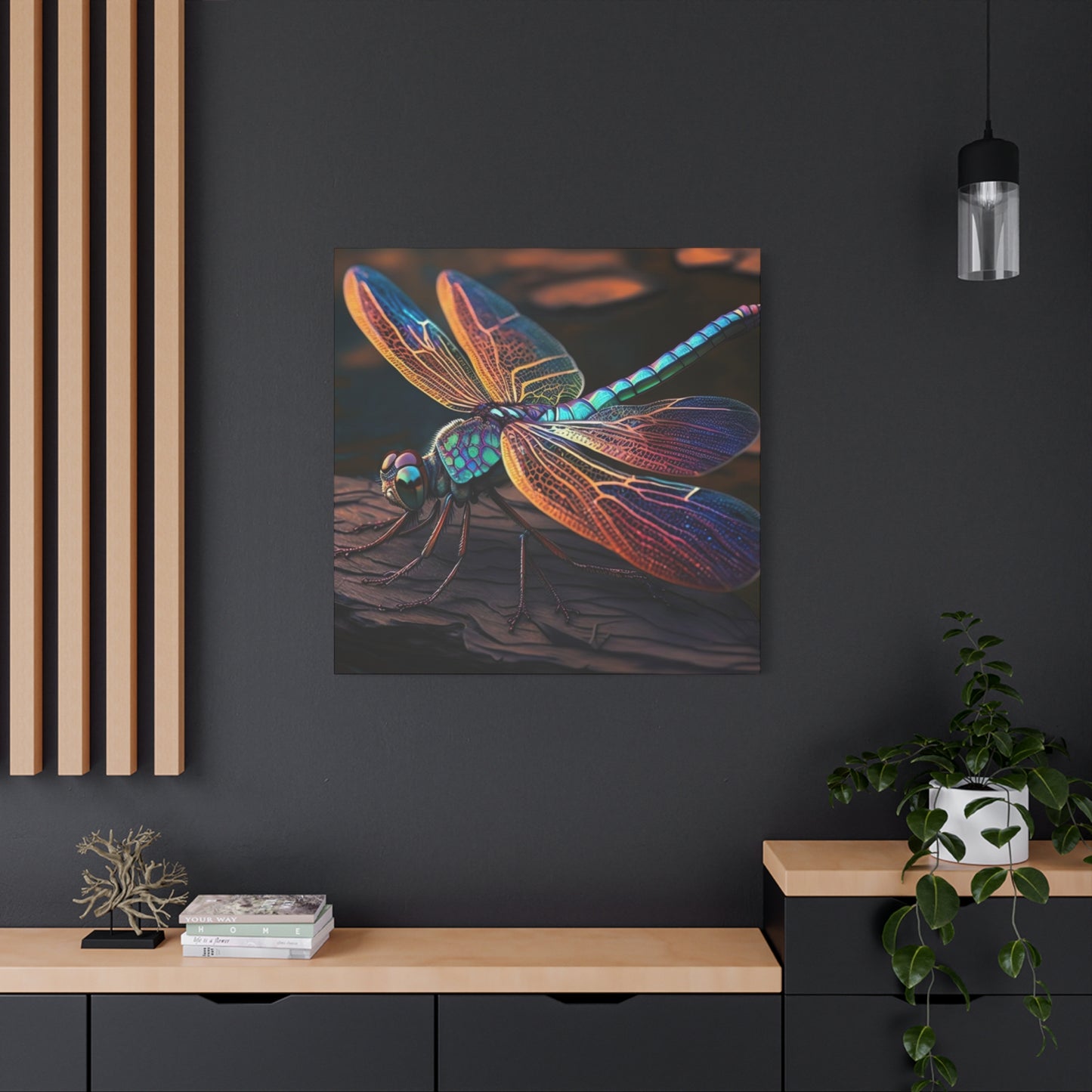
Colorful Dragonfly Candid Wall Art & Canvas Prints
Colorful Dragonfly Candid Wall Art & Canvas Prints
Couldn't load pickup availability
Transform Your Home with Colorful Dragonfly Candid Wall Art That Captures the Elegance of Nature’s Jewels
The delicate wings of dragonflies shimmer with iridescent beauty as they hover near water sources, creating captivating moments that photographers and nature enthusiasts strive to capture. These magnificent insects, with their gossamer wings and vibrant bodies, have become increasingly popular subjects for home decoration, particularly through stunning photographic prints that showcase their ethereal qualities. When you bring colorful dragonfly candid wall art into your residence, you're not merely hanging a picture on your wall—you're inviting a piece of nature's intricate artistry into your daily environment, transforming ordinary spaces into extraordinary sanctuaries of natural wonder.
The fascination with dragonflies extends far beyond their visual appeal. These ancient creatures have existed for over 300 million years, predating dinosaurs and witnessing countless evolutionary changes across our planet. Their remarkable flying abilities, complex life cycles, and stunning color variations make them perfect subjects for artistic representation. The emergence of high-quality photographic equipment and skilled nature photographers has made it possible to capture these fleeting moments of dragonfly beauty in extraordinary detail, preserving split-second encounters that would otherwise vanish in the blink of an eye.
Why Dragonfly Imagery Captivates Homeowners and Interior Design Enthusiasts Worldwide
Dragonflies possess an inherent symbolic significance that resonates deeply with people across various cultures and belief systems. In Japanese culture, these insects represent courage, strength, and happiness. Native American traditions view them as symbols of renewal and positive transformation. European folklore associates dragonflies with adaptability and self-realization. This rich tapestry of meanings adds layers of depth to dragonfly artwork, making it more than mere decoration—it becomes a conversation piece imbued with significance.
The visual characteristics of dragonflies make them extraordinary subjects for wall art. Their transparent wings catch and refract light in ways that create natural rainbows, while their elongated bodies display colors ranging from metallic blues and greens to vibrant reds, yellows, and purples. The compound eyes of dragonflies, composed of thousands of tiny lenses, create distinctive patterns that add geometric interest to photographs. When captured in their natural habitat, dragonflies are often surrounded by complementary elements like water lilies, reeds, morning dew, or rippling water surfaces, creating compositionally rich images that work beautifully in various interior settings.
The candid nature of dragonfly photography particularly appeals to those seeking authentic, unposed representations of wildlife. Unlike studio photography, which can sometimes feel sterile or artificial, candid nature photography captures genuine moments of behavior, interaction, and natural beauty. A dragonfly perched on a twig, its wings still glistening with moisture from emergence, or one hovering above water with wings spread in full flight—these genuine moments carry an energy and vitality that staged photographs simply cannot replicate.
Exploring the Diverse Species and Color Variations Found in Dragonfly Photography
The world contains approximately 7,000 species of dragonflies, each with unique coloration, patterns, and physical characteristics. This incredible diversity provides photographers and art collectors with an endless variety of visual options. The Blue Dasher, with its powder-blue abdomen and green thorax, creates striking color contrasts that photograph beautifully against natural backgrounds. The Scarlet Skimmer displays brilliant red coloration that intensifies as males mature, providing photographers with subjects ranging from golden-yellow juveniles to deep crimson adults.
Emerald dragonflies shimmer with metallic green bodies that seem to glow from within, particularly when photographed in morning or evening light. The Eastern Pondhawk transitions from green to blue as it matures, offering photographers different color palettes depending on the age of their subject. Sunset-colored species like the Flame Skimmer and Red Saddlebags provide warm tones that complement traditional interior color schemes, while the cool blues and purples of species like the Common Blue Darner work beautifully in contemporary settings.
Wing patterns add another dimension to dragonfly photography. Some species have completely transparent wings with minimal veining, creating an almost glass-like appearance. Others display intricate patterns of amber, brown, or black markings that create stained-glass effects when light passes through. The Calico Pennant features distinctive wing patterns that resemble delicate lacework, while the Halloween Pennant displays orange and brown markings that create dramatic visual interest. These variations ensure that collectors can find dragonfly art matching virtually any color scheme or design aesthetic.
Selecting the Perfect Dragonfly Artwork for Different Rooms and Decorating Styles Throughout Your Home
Living rooms serve as gathering spaces where families and guests congregate, making them ideal locations for statement pieces of dragonfly art. Large-scale prints featuring multiple dragonflies or dramatic close-ups of single specimens create focal points that anchor the room's visual composition. Consider placement above sofas, mantels, or console tables where the artwork can command attention without overwhelming the space. Colorful dragonfly candid wall art in living areas works particularly well when it incorporates colors already present in the room's palette, creating visual harmony while adding natural elements that soften hard-edged furniture and architectural features.
Bedrooms benefit from the calming presence of nature imagery, and dragonfly art excels in creating tranquil environments conducive to rest and relaxation. Softer, more muted dragonfly photographs work well in sleeping spaces, particularly images captured during golden hour when light creates warm, peaceful atmospheres. Consider diptychs or triptychs that spread a single scene across multiple panels, creating visual interest without the busy-ness that can interfere with bedroom serenity. Placing dragonfly art opposite the bed ensures it's the first thing you see upon waking, starting each day with a reminder of nature's beauty and resilience.
Bathrooms naturally align with dragonfly imagery since these insects are intimately connected with aquatic environments. The moisture resistance of properly sealed canvas or acrylic prints makes them suitable for bathroom conditions. Consider smaller prints positioned near mirrors or above towel bars, where the reflective qualities of dragonfly wings can play off bathroom lighting and mirror surfaces. The presence of water-associated imagery in bathrooms creates thematic consistency that enhances the room's identity as a cleansing, refreshing space.
Home offices and workspaces benefit from artwork that inspires without distracting. Dragonfly images featuring these insects in flight can subtly suggest movement, progress, and achievement—qualities that align well with productive work environments. The precise geometry of dragonfly wings and bodies appeals to analytical minds, while the natural subject matter provides welcome relief from screens and paperwork. Position dragonfly art where it's visible during brief breaks from focused work, allowing it to serve as a mental reset point that refreshes concentration.
Dining rooms offer opportunities for more dramatic or artistic dragonfly representations. Since dining spaces typically see use during specific times rather than constant occupation, they can accommodate bolder color choices and more striking compositions. Consider groupings of smaller dragonfly prints arranged in gallery walls, or large-scale pieces that create impact in spaces often dominated by tables and seating. The jewel-tone colors common in dragonfly species complement formal dining room aesthetics while adding organic elements that balance polished wood and glass surfaces.
Understanding How Lighting Conditions Dramatically Affect the Appearance and Impact of Your Dragonfly Wall Art
Natural light transforms dragonfly artwork throughout the day, creating an ever-changing display that maintains visual interest. Morning light, typically cooler and softer, emphasizes blues and greens in dragonfly photographs while creating gentle shadows that add depth. Afternoon light intensifies colors and increases contrast, making reds, oranges, and yellows particularly vibrant. Evening light casts warm golden tones that can enhance already-warm dragonfly images or create interesting color contrasts with cooler-toned photographs. Understanding these shifts allows you to position artwork where natural light enhances rather than detracts from its appearance.
Rooms with southern exposure receive the most consistent natural light throughout the day in the northern hemisphere, making them excellent locations for dragonfly art with subtle color gradations that benefit from steady illumination. Northern exposure provides even, indirect light that minimizes glare and color shifts—ideal for detailed close-up photographs where you want viewers to appreciate intricate wing patterns or compound eye structures. Eastern exposure creates dramatic morning light that can make dewdrop-covered dragonfly images particularly striking, while western exposure generates intense afternoon and evening light suitable for bold, high-contrast prints.
Artificial lighting requires careful consideration to properly showcase dragonfly artwork. LED picture lights mounted directly above frames provide focused illumination that draws attention to the artwork without affecting room lighting schemes. Track lighting offers flexibility, allowing you to adjust beam angles and intensity to accommodate different pieces or changing preferences. Recessed spotlights create clean, architectural lighting that works particularly well in contemporary spaces, though positioning requires precision to avoid glare on glass or acrylic surfaces.
The color temperature of bulbs significantly impacts how dragonfly colors appear. Warm white bulbs (2700-3000K) enhance reds, oranges, and yellows while slightly dulling blues and greens—excellent for sunset dragonfly scenes or species with warm coloration. Cool white bulbs (3500-4100K) provide neutral light that represents colors more accurately, suitable when you want the artwork to appear as the photographer intended. Daylight bulbs (5000-6500K) emphasize blues and greens while potentially washing out warm tones—ideal for images featuring blue or green dragonfly species.
Avoid positioning dragonfly artwork where direct sunlight will strike the surface for extended periods. UV radiation causes fading in both photographic prints and printing inks, gradually diminishing color intensity and detail. If a sun-exposed location is unavoidable, invest in UV-protective glass or acrylic glazing and consider museum-quality archival prints with enhanced fade resistance. Window films that filter UV radiation while maintaining transparency offer another solution, protecting artwork throughout your home while preserving natural light.
Examining the Various Printing Methods and Material Options Available for Dragonfly Photography Reproductions
Canvas printing remains one of the most popular choices for nature photography reproduction. The texture of canvas lends organic artwork a tactile quality that enhances its natural subject matter. Gallery-wrap canvas, where the image extends around the stretcher frame sides, eliminates the need for traditional framing while creating a modern, finished appearance. The matte surface of canvas resists glare, making it suitable for rooms with complex lighting situations. However, canvas typically requires larger print sizes to maintain detail—the texture that adds character to large prints can obscure fine details in small formats.
Metal prints create striking, contemporary presentations particularly suited to dragonfly photography. The dye sublimation process infuses inks directly into specially coated aluminum, creating images with exceptional color saturation, sharpness, and depth. The glossy surface enhances the reflective, iridescent qualities of dragonfly wings, creating almost three-dimensional visual effects. Metal prints resist moisture, fading, and scratching, making them extremely durable options for high-traffic areas or humid environments like bathrooms. The modern aesthetic works particularly well in minimalist or contemporary spaces, though traditional settings may benefit from framing that softens the industrial metal edge.
Acrylic face mounting produces museum-quality presentations with extraordinary depth and clarity. In this process, photographic prints are mounted behind clear acrylic sheets, creating the impression that images float within the material. Light penetrates the acrylic and reflects off the print surface, generating luminosity and color intensity unmatched by other printing methods. The highly polished surface requires careful placement to manage reflections, but properly positioned acrylic prints create stunning focal points. The substantial weight and cost make acrylic mounting best suited to important pieces in prominent locations rather than casual decoration.
Traditional photographic prints framed behind glass offer timeless elegance and maximum protection. This classic presentation method suits any decorating style and provides the flexibility to change frames as tastes evolve without replacing the print itself. Glass options include standard, non-glare, and museum-quality conservation glass with UV protection. Mat boards create visual breathing room around images, preventing direct contact between prints and glass while adding design elements through color and width choices. Multiple mat layers create dimension and formality, while simple single mats maintain clean, modern appearances.
Wood prints create rustic, organic presentations particularly appropriate for cabin, farmhouse, or nature-inspired interiors. Printing processes that transfer images onto natural wood surfaces preserve visible grain and texture, creating unique pieces where the wood itself becomes part of the artwork. Some processes print directly on wood panels, while others use thin photographic prints mounted to wood substrates. The natural variations in wood ensure each piece is genuinely one-of-a-kind, though color accuracy may suffer compared to other printing methods. Wood prints work beautifully in casual spaces and pair naturally with other organic materials like stone, leather, and natural fibers.
Creating Cohesive Gallery Walls and Multi-Panel Displays Using Dragonfly Imagery Throughout Your Home
Gallery walls allow you to display multiple dragonfly images in curated collections that create impact impossible to achieve with single pieces. Begin by selecting a unifying theme—you might focus on a single species shown in various poses and life stages, create color-based groupings featuring warm or cool-toned species, or curate collections showing dragonflies in different habitats and seasons. Consistency in framing helps disparate images cohere into unified displays, though mixing frame styles intentionally can create eclectic looks suitable for bohemian or maximalist interiors.
Layout planning determines whether gallery walls feel intentional or haphazard. Create paper templates matching your frame sizes and experiment with arrangements on the floor before hammering any nails. Grid arrangements with consistent spacing create orderly, formal presentations suitable for traditional spaces. Salon-style arrangements with varied frame sizes and spacing create relaxed, collected-over-time appearances. Horizontal arrangements work well above sofas, beds, or console tables, while vertical arrangements suit narrow wall spaces or areas beside doorways and windows.
Triptychs divide single dragonfly scenes across three panels, creating drama and movement impossible in single images. This format works particularly well for dragonflies in flight, where each panel captures a different moment in the wing cycle, or for environmental shots where the subject is positioned off-center with habitat extending across the panels. Consistent small gaps between panels maintain visual unity while creating rhythm and dimension. The horizontal format suits wide wall spaces above furniture, while vertical triptychs draw the eye upward in rooms with high ceilings.
Matching sizes create visual harmony in multi-piece displays. Three or four identical-sized square prints arranged in a horizontal row work beautifully in dining rooms, hallways, or above long furniture pieces. Stacked squares in vertical arrangements suit narrow wall spaces. Grid arrangements of four, six, or nine identical prints create bold statements in large spaces while allowing you to showcase different aspects of dragonfly life—various species, behaviors, or seasonal variations—within a cohesive framework.
Asymmetrical groupings of varied sizes require careful balance to feel intentional rather than random. Use a large anchor piece as your starting point, typically positioned off-center rather than perfectly centered on the wall. Arrange smaller pieces around the anchor, maintaining relatively consistent spacing while varying exact positioning to create visual interest. Step back frequently during arrangement to assess balance, ensuring no area feels too heavy or sparse. Photography with directional elements—like dragonflies facing particular directions—should be positioned so subjects face into the composition rather than off the edges.
Pairing Dragonfly Wall Art with Complementary Decor Elements to Maximize Visual Impact and Create Cohesive Spaces
Natural materials echo the organic origins of dragonfly subjects while adding textural variety to spaces. Weathered wood furniture, whether rustic farmhouse tables or sleek modern pieces with visible grain, creates physical and thematic connections with nature photography. Woven elements like rattan chairs, seagrass baskets, or jute rugs add tactile interest while maintaining neutral tones that avoid competing with colorful dragonfly images. Live plants bring actual nature indoors, creating continuity between artwork and living elements while improving air quality and adding varying heights and forms to room compositions.
Water features create thematic connections with dragonfly artwork since these insects are intrinsically linked to aquatic environments. Tabletop fountains generate soothing sounds that enhance the peaceful qualities of nature imagery. Aquariums, whether freshwater community tanks or specialized biotope setups mimicking dragonfly habitats, create living complements to static artwork. Even simple elements like glass vases filled with water and aquatic plants establish conceptual relationships that deepen the connection between decoration and theme.
Color coordination prevents dragonfly art from feeling disconnected from broader room palettes. Extract accent colors from your dragonfly prints and echo them in smaller decor elements like throw pillows, vases, or decorative objects. If your colorful dragonfly candid wall art features prominent blues, incorporate blue elements in varying shades throughout the space without necessarily matching exact tones—variations create depth and interest. Complement rather than match colors for more sophisticated results—pair blue-green dragonflies with coral or terracotta accents, or match golden-hour amber dragonfly images with sage green and cream elements.
Lighting fixtures can reinforce themes established by dragonfly artwork. Organic forms like branch-inspired chandeliers or sculptural lamps with flowing, nature-inspired lines create visual connections with natural subjects. Artisan lighting made from natural materials like hand-blown glass, ceramic, or wood adds unique character while maintaining thematic consistency. Even practical task lighting can contribute when chosen thoughtfully—aged brass or copper finishes reference the metallic sheens of dragonfly bodies, while fixtures with clean, geometric lines echo the precise structures of wings and exoskeletons.
Sculptural elements add dimensional interest that complements two-dimensional photography. Abstract pieces suggesting natural forms—curved wood, flowing metal, or organic stone shapes—avoid literal dragonfly repetition while maintaining thematic unity. If you choose representational dragonfly sculptures, ensure they differ significantly from your wall art in style, scale, or material to avoid redundant repetition. A large metal dragonfly sculpture might complement small photographic prints, while a tiny dragonfly figurine could accent a console table beneath a large canvas print.
Discovering Where to Source High-Quality Dragonfly Photography That Meets Your Aesthetic and Budget Requirements
Independent photographers offer unique perspectives and often provide superior image quality compared to mass-market reproductions. Many nature photographers sell prints directly through personal websites, eliminating middlemen and often providing more affordable pricing. Direct purchases from artists ensure photographers receive fair compensation for their work while giving you access to their full portfolios. Many photographers offer various print sizes and mounting options, providing flexibility to match your specific needs. Some photographers also accept commissions to create custom work featuring specific species, compositions, or color palettes.
Online marketplaces connect buyers with diverse creators worldwide. These platforms feature photographers at various skill levels and price points, offering unprecedented selection. Search functions allow filtering by color, size, orientation, and subject specifics, helping narrow vast inventories to pieces meeting your criteria. Customer reviews provide insight into product quality, shipping reliability, and seller responsiveness. Many marketplaces offer buyer protection policies that safeguard your investment. Be aware that reproduction quality varies significantly between sellers—carefully read product descriptions and examine customer photos showing actual received items rather than relying solely on listing images.
Local art fairs and nature photography exhibitions provide opportunities to view dragonfly artwork in person before purchasing. Seeing actual prints allows you to assess color accuracy, detail quality, and material characteristics impossible to judge from online images. You can often meet photographers personally, learning about their processes and potentially negotiating pricing or custom work. Supporting local artists strengthens your community's cultural ecosystem while often providing access to regional species and habitats unique to your area. Many photographers attend multiple events throughout the year, so even if a piece you love exceeds your current budget, you can establish relationships that might lead to future acquisitions.
Photography cooperatives and nature photography organizations often operate galleries or online stores featuring work from multiple member photographers. These curated collections typically maintain quality standards that screen out inferior work, saving you time filtering options. Cooperative galleries sometimes offer better pricing than individual photographer websites since members share operational costs. These organizations frequently host shows and events where you can meet artists, attend talks about nature photography, and deepen your appreciation for the art form beyond mere decoration.
Licensing stock photography provides affordable access to professional images, particularly useful when decorating on tight budgets or creating temporary displays. Numerous stock photography websites offer vast dragonfly image libraries searchable by species, composition, and color. Once licensed, you arrange printing through local or online print services. This approach separates image acquisition from print production, allowing you to select exactly the print method and materials you prefer. However, stock images lack the exclusivity of limited edition artist prints—the same image you select might appear in numerous homes, offices, or publications.
Caring for Your Dragonfly Wall Art to Ensure Lasting Beauty and Color Vibrancy for Years to Come
Dust accumulation dulls colors and obscures details in all types of wall art. Canvas prints benefit from gentle dusting with microfiber cloths or soft, natural-bristle brushes every few months. Avoid applying pressure that might abrade the canvas surface or push dust particles into the weave. For stubborn dirt, very slightly dampened microfiber cloths can be used sparingly, but test in an inconspicuous area first and ensure no moisture penetrates behind the print surface where it could damage adhesives or cause mold growth. Never use commercial cleaning products, which may contain chemicals that damage inks or coatings.
Glass-covered prints require different care since glass attracts dust through static electricity. Use glass cleaner formulated specifically for artwork or simple solutions of equal parts water and white vinegar. Apply cleaning solution to your cloth rather than directly on glass to prevent liquid from seeping behind glazing. Microfiber cloths clean effectively without leaving lint or streaks. Newspaper, once recommended for glass cleaning, is no longer advisable due to modern printing processes that may transfer ink. Clean from top to bottom using overlapping horizontal strokes, then buff with dry cloth to eliminate streaking.
Metal prints resist most damage but can show fingerprints, especially around edges where people might grab them during repositioning. Clean metal prints with slightly dampened microfiber cloths using gentle circular motions. The coated surface withstands light cleaning better than canvas but can scratch if abrasive materials or excessive pressure are used. Specialized metal cleaning wipes designed for electronics or appliances work well but avoid anything containing harsh chemicals or abrasives. Dry thoroughly to prevent water spots, which can be difficult to remove once set.
Acrylic face-mounted prints showcase dust and fingerprints prominently due to their highly polished surfaces. Clean them similarly to glass-covered pieces, but use cleaning products specifically designated as acrylic-safe—some chemicals that safely clean glass can craze or cloud acrylic. Static electricity causes dust to cling persistently to acrylic surfaces, so anti-static cleaning solutions help reduce how quickly dust reaccumulates. The weight and fragility of acrylic pieces require extra caution during cleaning—always support the print from behind while cleaning the face to prevent flexing that could separate the print from its acrylic cover.
Wood prints require minimal intervention beyond occasional dusting with dry, soft cloths. Avoid any moisture, which wood readily absorbs, potentially causing warping, splitting, or mold. If wood prints appear dry or faded over time, specialized wood conditioners designed for furniture can sometimes be applied, but test in inconspicuous areas first and use extreme moderation—too much conditioning product will create sticky surfaces that attract dust and dirt. Generally, maintaining consistent household humidity levels prevents most wood-related problems rather than requiring specific treatments.
Exploring the Symbolic Meanings and Cultural Significance of Dragonflies Across Different Societies Worldwide
Japanese culture venerates dragonflies as symbols of courage, strength, and good fortune. The Japanese name for dragonfly, tombo, appears in numerous traditional poems and songs. Samurai warriors adopted dragonfly imagery on armor and weapons, drawn to its fearless nature and agile flight. Japanese art frequently depicts dragonflies in paintings, textiles, and decorative objects. The Yamato people used the ancient name Akitsushima, meaning "Island of the Dragonfly," for Japan itself, demonstrating how deeply these insects are woven into national identity. Displaying colorful dragonfly candid wall art in your home thus connects you to centuries of Japanese artistic tradition and symbolic meaning.
Native American traditions ascribe powerful spiritual significance to dragonflies. Many tribes view them as messengers between the human and spirit worlds. The Navajo associate dragonflies with pure water and link them to sacred spring sites. Pueblo peoples incorporate dragonfly symbols into pottery, jewelry, and ceremonial objects, connecting them to agricultural abundance and summer rains. The Zuni, skilled jewelry makers, craft intricate dragonfly fetishes from turquoise, jet, and other semiprecious stones, believing they carry protective powers. These rich symbolic associations add depth to dragonfly artwork beyond mere aesthetic appeal.
European folklore contains more ambivalent attitudes toward dragonflies. Some medieval traditions associated them with darker forces, calling them "devil's needles" or "horse stingers" despite their harmless nature. However, other traditions recognized their beneficial qualities as insect predators and symbols of change. Romanian folklore claims dragonflies were once horses ridden by devils until divine intervention transformed them, while Swedish tales suggest dragonflies measure whether souls are worthy. These varied stories reflect the complex relationship between humans and these mysterious insects throughout history.
Celtic traditions connect dragonflies with mysticism and the realm of fairies. Their iridescent wings and seemingly magical flight abilities suggested supernatural origins. Celtic artists incorporated dragonfly motifs into jewelry and decorative objects, often combining them with other nature symbols. The Celtic reverence for transformation and life cycles found perfect expression in dragonfly metamorphosis—the dramatic shift from aquatic nymph to aerial adult resonated with spiritual beliefs about death, rebirth, and the soul's journey. This symbolism makes dragonfly art particularly meaningful for those drawn to Celtic spirituality.
Chinese culture views dragonflies as symbols of summer and prosperity. Classical Chinese poetry frequently mentions dragonflies as harbingers of warm weather and abundant harvests. Chinese watercolor painting often depicts dragonflies with lotus blossoms, creating compositions laden with symbolic meaning—the lotus represents purity and enlightenment, while the dragonfly suggests harmony and elegance. Together, these elements create artwork embodying ideals of beauty, grace, and spiritual perfection. Traditional Chinese medicine also references dragonflies, though uses that might today be considered problematic.
Understanding the Remarkable Life Cycle and Behaviors That Make Dragonflies Worthy Subjects for Artistic Representation
Dragonfly metamorphosis represents one of nature's most dramatic transformations. Female dragonflies deposit eggs in or near water, sometimes directly on the surface, sometimes on submerged plants, and sometimes in mud or soil near water edges. Eggs hatch into aquatic nymphs, also called naiads, which look completely unlike adult dragonflies. These underwater predators feature squat bodies, powerful jaws, and specialized labium—a hinged lower lip that shoots forward to snag prey. Nymphs are voracious hunters, consuming mosquito larvae, tadpoles, and even small fish, playing crucial roles in aquatic ecosystem balance.
The nymph stage lasts from several months to several years depending on species and environmental conditions. During this period, nymphs molt repeatedly as they grow, sometimes shedding their exoskeletons a dozen or more times. Each molt brings them closer to their final transformation. When ready to emerge, nymphs climb out of the water onto plants, rocks, or other structures. The timing is crucial—emergence typically occurs at night or dawn when predators are less active and humidity is high.
The emergence process is simultaneously vulnerable and miraculous. The nymph's exoskeleton splits along the back, and the adult dragonfly slowly pulls itself free. At first, the adult appears soft and pale, with crumpled wings. Over several hours, fluids pump through wing veins, expanding them to full size and rigidity. Colors develop gradually as the exoskeleton hardens. During this teneral period, newly emerged adults cannot fly and are extremely vulnerable to predators. Photographers who capture dragonflies during emergence document rare, fleeting moments that showcase the delicate beauty of transformation.
Adult dragonflies live from several weeks to several months, dedicating their brief aerial lives to hunting and reproduction. They are accomplished predators, catching nearly 95% of prey they pursue—a success rate unmatched by any other predator. Dragonflies hunt primarily through sight, their enormous compound eyes providing nearly 360-degree vision. They can see wavelengths humans cannot detect and process visual information so quickly they perceive the world in slow motion compared to human perception. This extraordinary vision allows them to calculate prey trajectories, adjust their own flight paths, and intercept victims with stunning precision.
Flight mechanics make dragonflies supreme aerial acrobats. Unlike most insects, dragonflies can move each of their four wings independently. This gives them unparalleled maneuverability—they can hover in place, fly backward, change direction instantly, and reach speeds exceeding 30 miles per hour. Their flight muscles connect directly to wings rather than moving wings indirectly through thorax deformation, providing exceptional control. This remarkable flight ability captivates photographers and artists, who attempt to freeze moments of aerial grace that human eyes can barely perceive in real-time.
Examining How Photographers Capture Stunning Dragonfly Images Through Skill, Patience, and Specialized Equipment
Macro photography reveals details invisible to the naked eye, transforming small subjects into dramatic, larger-than-life images. Photographing dragonflies with macro lenses requires specialized equipment and considerable skill. True macro lenses reproduce subjects at life-size (1:1 magnification) or greater, filling the frame with a dragonfly's head or capturing intricate wing patterns at microscopic scales. Focal lengths between 90mm and 200mm provide working distances that avoid disturbing subjects while allowing proper framing. Longer focal lengths compress perspective differently than shorter lenses, affecting background rendering and depth-of-field characteristics.
Depth of field becomes extremely shallow at macro magnifications, sometimes measuring mere millimeters. Photographers must decide what to hold in sharp focus while allowing other areas to blur. Focusing on the eyes creates engaging images that seem to make eye contact with viewers, but this often means wings or bodies fall out of focus. Some photographers use focus stacking, capturing multiple images with slightly different focus points, then combining them in post-processing to create impossible depth of field. This technique produces images with front-to-back sharpness unachievable in single exposures.
Lighting determines mood, texture, and color in dragonfly photography. Natural light produces the most authentic results but can be challenging to work with. Early morning light is often ideal—temperatures remain cool, keeping dragonflies less active and easier to approach, while low-angle light creates warm tones and long shadows that add dimension. Dew-covered dragonflies at dawn provide magical photographic opportunities as water droplets act as tiny lenses and reflectors. Overcast conditions create soft, even illumination that reveals subtle colors without harsh shadows or blown highlights, though images may lack the dramatic impact of directional sunlight.
Flash photography allows photographers to work in any light and freeze rapid movements, but requires skill to avoid harsh, unnatural results. Ring flashes encircle the lens, creating even, shadowless illumination ideal for scientific documentation but sometimes criticized as flat or sterile for artistic purposes. Twin flash units mount on either side of the lens, allowing photographers to adjust ratios between left and right flashes to create directional lighting that models form while maintaining sufficient illumination for small apertures. Off-camera flash provides maximum control but requires stands, triggers, and considerable setup time that dragonflies may not tolerate.
Backgrounds dramatically affect dragonfly image impact. Cluttered backgrounds distract from subjects, while complementary backgrounds enhance them. Photographers often position themselves to place dragonflies against water, sky, or uniform vegetation. Differential focus throws backgrounds out of focus, transforming potentially distracting elements into soft washes of color. Distance between subject and background increases blur—dragonflies perched on plants extending over water photograph against blurred reflections creating abstract color fields. Some photographers use portable backgrounds, positioning colored fabric or paper behind subjects, though this technique is controversial among nature photography purists who prefer only natural elements.
Creating Themed Room Designs Where Dragonfly Wall Art Serves as the Cornerstone of Your Decorating Vision
Naturalist studies evoke Victorian-era cabinets of curiosities, where specimens, illustrations, and natural objects were displayed for education and wonder. This aesthetic works beautifully with dragonfly artwork, particularly when combined with other natural history elements. Display shadow boxes containing preserved insects alongside photographic prints. Add vintage natural history prints featuring botanical illustrations or bird studies. Include antique books about entomology, ecology, or natural science on shelves or stacked on tables. Incorporate collection displays using glass cloches or display cases showing interesting natural objects like geodes, fossils, or pressed botanicals. The result feels collected, intellectual, and deeply connected to the natural world.
Zen minimalism creates calm, uncluttered spaces where carefully selected dragonfly artwork becomes a contemplative focal point. This approach requires restraint—resist the temptation to fill every wall. Choose one significant piece of colorful dragonfly candid wall art rather than multiple smaller prints. Select images emphasizing simplicity, perhaps showing a single dragonfly against a clean background rather than busy, complex compositions. Keep surrounding decor minimal, favoring quality over quantity. Low furniture in natural materials, neutral color palettes emphasizing whites, grays, and natural wood tones, and the careful absence of clutter all support this aesthetic. Add simple natural elements like a single perfect stone, a spare flower arrangement, or a shallow dish of water to reinforce connections with nature.
Cottage core embraces romantic, nostalgic ruralism celebrating simpler times and countryside living. Dragonfly artwork fits naturally into this aesthetic, particularly softer images suggesting lazy summer afternoons by ponds and streams. Combine dragonfly prints with floral patterns in wallpapers, textiles, and upholstery. Choose vintage or vintage-inspired furniture, favoring painted finishes, distressed wood, and curved lines over modern straight edges. Display dragonfly art in ornate, decorative frames—gilded frames, whitewashed frames, or frames with carved details. Add fresh flowers, particularly wildflowers in simple vases or pitchers. Incorporate handmade or handmade-appearing elements like quilts, embroidered pillows, or crocheted throws. The result feels warm, welcoming, and timelessly charming.
Modern bohemian blends contemporary clean lines with eclectic, globally-inspired accents. This style accommodates colorful, vibrant dragonfly photography beautifully. Mix dragonfly prints with other artwork in various styles, creating gallery walls that feel collected over time from different places. Incorporate textiles with diverse patterns and textures—Moroccan rugs, Indian block prints, Mexican weavings, and Japanese ikats might all coexist. Layer patterns and colors more freely than in minimalist approaches, but maintain cohesion through repeated accent colors drawn from your dragonfly artwork. Add plants liberally, using various sizes and types to create lush, jungle-like atmospheres. Include global craft objects like ceramics, basketry, and textiles that add handmade character.
Coastal contemporary adapts beach house aesthetics for sophisticated spaces that feel relaxed without becoming casual or kitschy. Dragonflies naturally fit this theme through their aquatic associations. Choose dragonfly images featuring cool blues and greens or those photographed near water with aquatic plants visible. Combine dragonfly art with seafoam, sand, driftwood gray, and crisp white color palettes. Incorporate weathered wood, white-painted furniture, and natural fiber textiles like linen and jute. Add subtle nautical elements through rope accents, glass floats, or coral branches, but avoid cartoon sea creatures or anchor motifs that push the look into theme park territory. Large windows, flowing curtains, and abundant natural light complete the aesthetic, creating spaces that feel like they exist at the intersection of water and sky.
Conclusion: The Intricate Beauty of Vibrant Dragonfly Imagery in Your Living Spaces
Vibrant dragonfly imagery in wall art serves as a stunning tribute to nature’s delicate yet powerful creatures, transforming any room with their captivating presence. Dragonflies, often described as nature’s flying jewels, are known for their intricate wing patterns, vibrant colors, and graceful movements. When captured in colorful, candid wall art, these remarkable insects add both elegance and energy to your home, evoking feelings of transformation, freedom, and beauty. Whether displayed in the living room, bedroom, or study, dragonfly wall art infuses your space with a dynamic sense of wonder and tranquility.
One of the most alluring qualities of dragonfly art is its ability to capture the essence of nature in motion. The dragonfly’s wings, often iridescent and delicately veined, have a mesmerizing quality that can bring a touch of ethereal elegance to any room. The vibrant colors seen in dragonfly art—ranging from rich blues and greens to fiery oranges and purples—create an explosion of life and energy. This natural spectrum of colors not only adds visual interest but also brings a sense of movement and vitality into the room. Whether the dragonfly is portrayed in flight or at rest on a flower, the artwork radiates a feeling of lightness and freedom, making it an ideal addition to spaces that promote relaxation, creativity, or rejuvenation.
The dragonfly itself is rich in symbolism, making it a powerful and meaningful subject for wall art. In many cultures, dragonflies symbolize change, transformation, and adaptability. Their life cycle—from aquatic larvae to airborne adults—represents the idea of personal growth, resilience, and the ability to adapt to life’s challenges. The dragonfly is also associated with light, joy, and the ability to live fully in the present moment, making it a perfect addition to spaces where you want to foster an uplifting and positive atmosphere. By introducing dragonfly art into your living spaces, you not only enhance your home’s décor but also invite the energy of transformation and renewal into your environment.
The versatility of vibrant dragonfly imagery allows it to blend seamlessly with a variety of interior styles. In a modern, minimalist setting, the delicate details and vivid colors of the dragonfly become a striking focal point against neutral or muted backgrounds. In more eclectic or nature-inspired interiors, the natural elegance of dragonfly wall art can complement earthy tones, floral patterns, or other wildlife-inspired elements, creating a harmonious and cohesive look. The fluid, organic forms of the dragonfly pair well with a range of décor styles, from bohemian to contemporary, making it a versatile piece that can adapt to different aesthetic preferences.
Another key feature of dragonfly wall art is its ability to bring the outdoors inside, creating a sense of connection to the natural world. The imagery of a dragonfly in flight or perched delicately on a plant evokes the peacefulness and beauty of being in nature. This connection to the natural world is particularly powerful in urban environments, where nature may feel distant. Whether you live in a city apartment or a countryside home, dragonfly wall art offers an opportunity to incorporate the peaceful presence of wildlife into your living spaces. This not only enhances the beauty of the room but also promotes a sense of tranquility and groundedness, helping you reconnect with the natural rhythms of the earth.
In terms of emotional impact, dragonfly art brings a refreshing sense of calm and serenity. The smooth lines and gentle curves of the dragonfly's body and wings create a soft, fluid quality that contrasts beautifully with more rigid and structured design elements in a room. This softness helps balance the energy of the space, making dragonfly wall art a perfect addition to rooms where you seek a calming atmosphere. Whether in the bedroom, where it can inspire restful sleep, or in a living room where you wish to create a welcoming, peaceful environment, the artwork adds a layer of emotional depth that fosters relaxation and joy.
In conclusion, vibrant dragonfly imagery in wall art serves as a perfect way to infuse your home with the beauty, energy, and symbolism of nature’s flying jewels. Their intricate details, dynamic colors, and powerful symbolism of transformation and freedom make dragonfly art an ideal addition to any living space. Whether you seek to create a calming sanctuary, add a pop of color to your décor, or invite a sense of growth and renewal into your environment, dragonfly wall art offers endless possibilities. By capturing the essence of these graceful creatures in candid, colorful artwork, you can transform your living spaces into a sanctuary of beauty, energy, and inspiration—an eternal reminder of the delicate wonders of the natural world.
Share