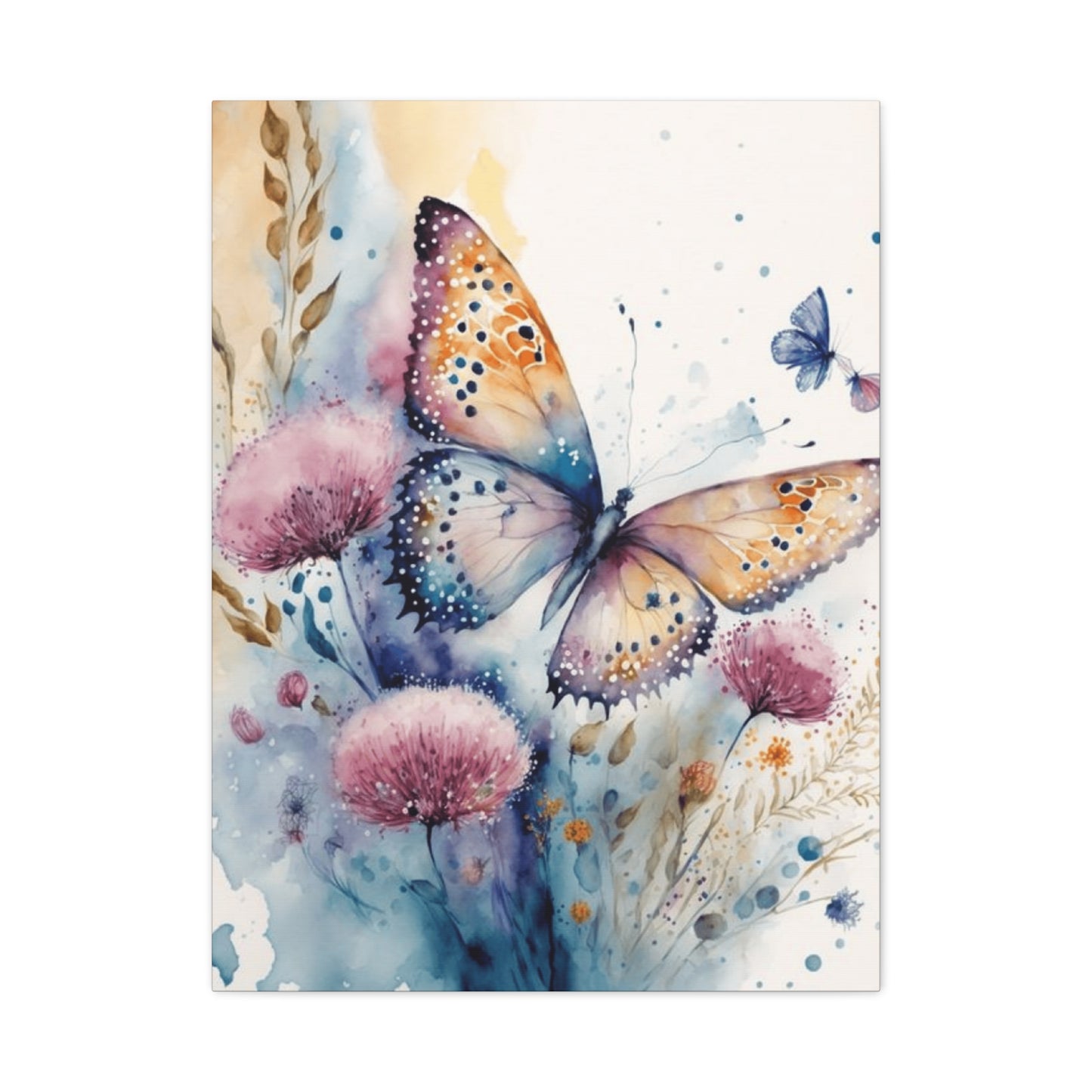
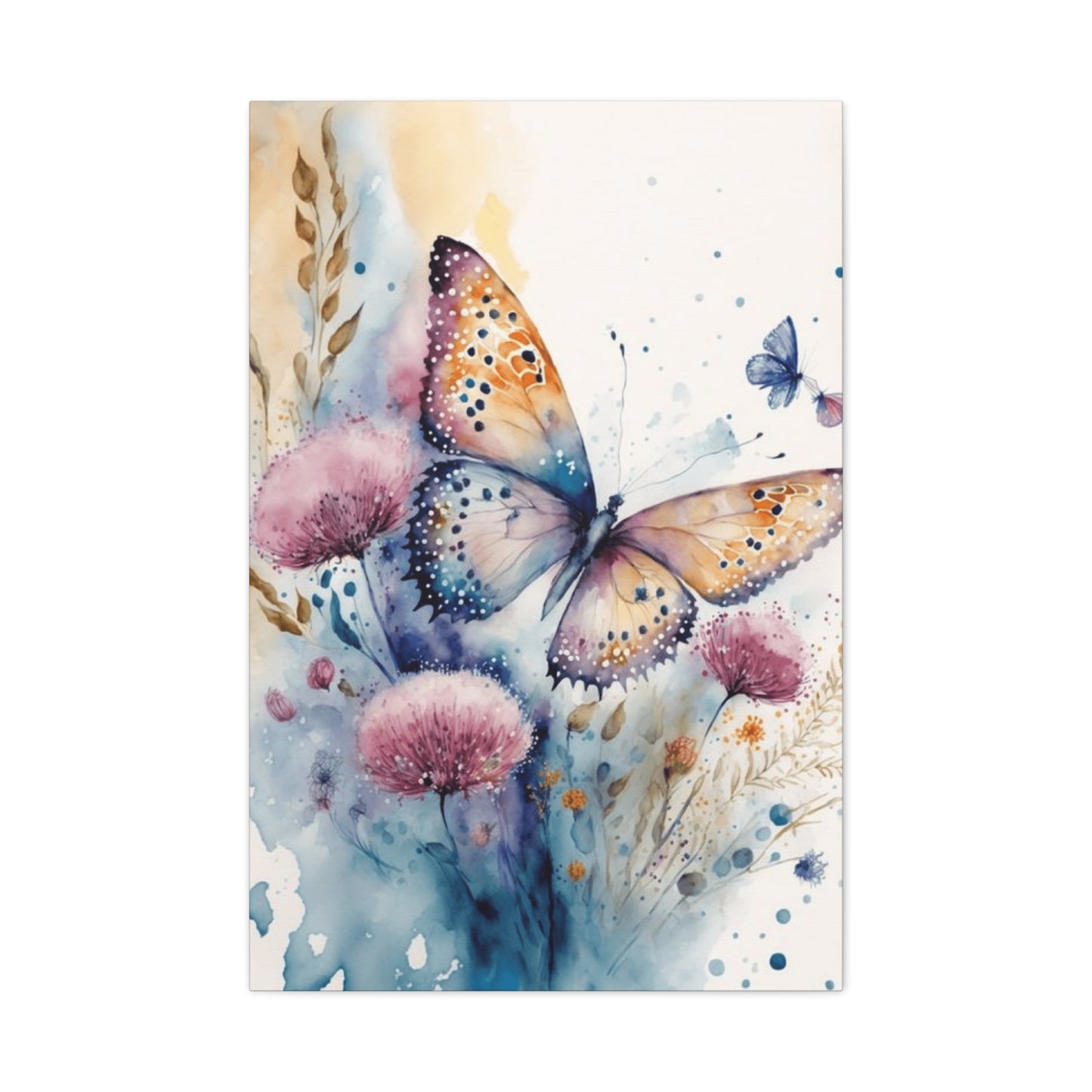
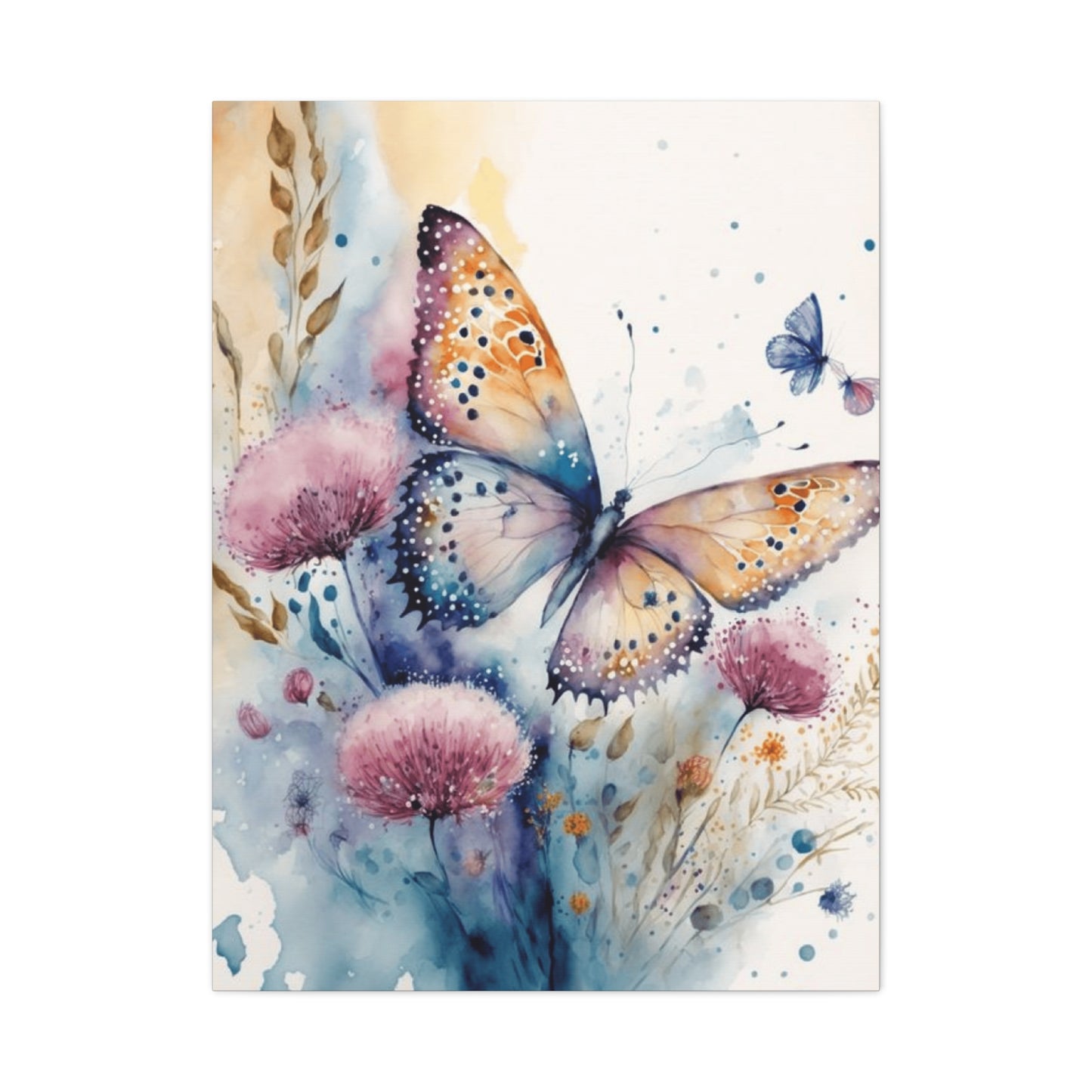
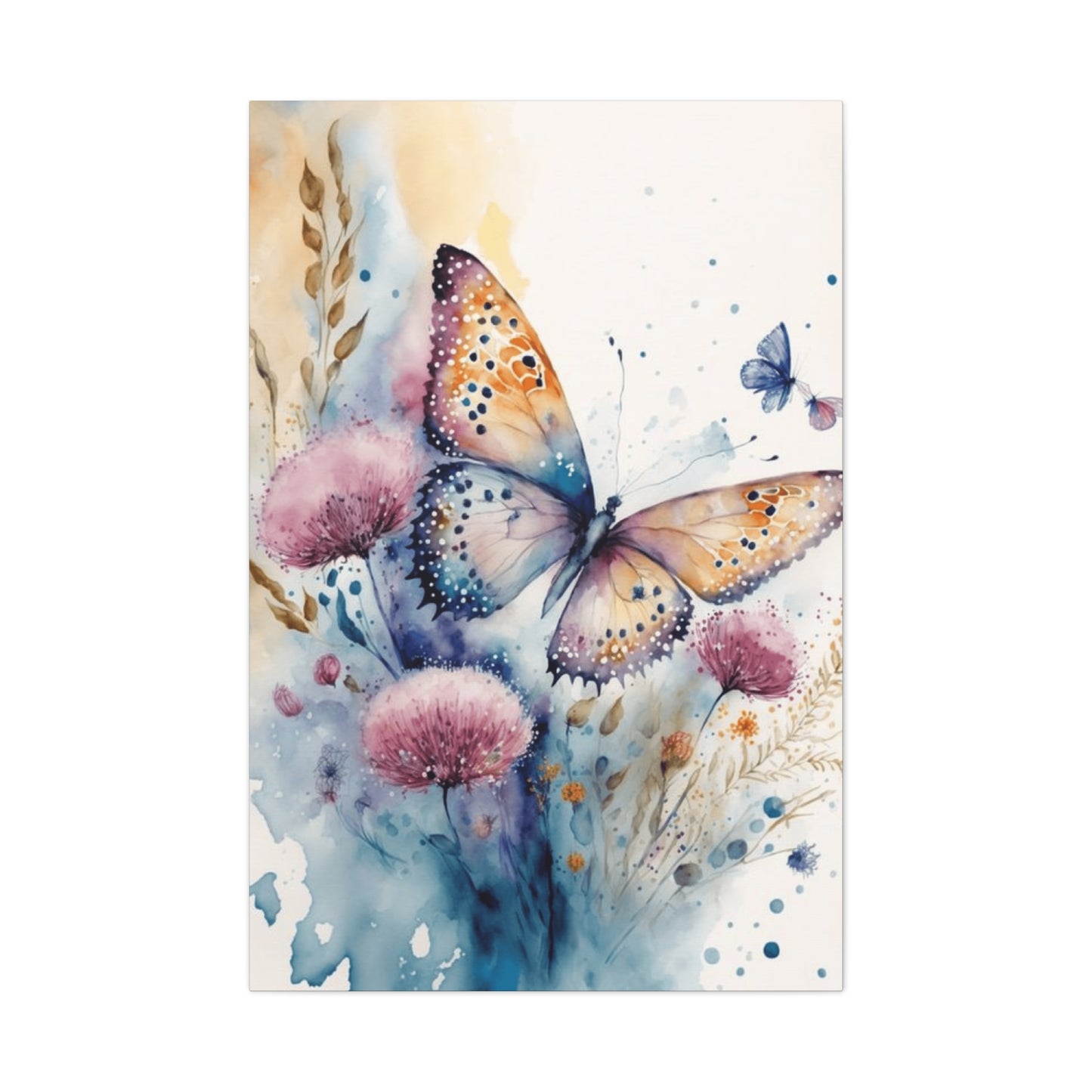
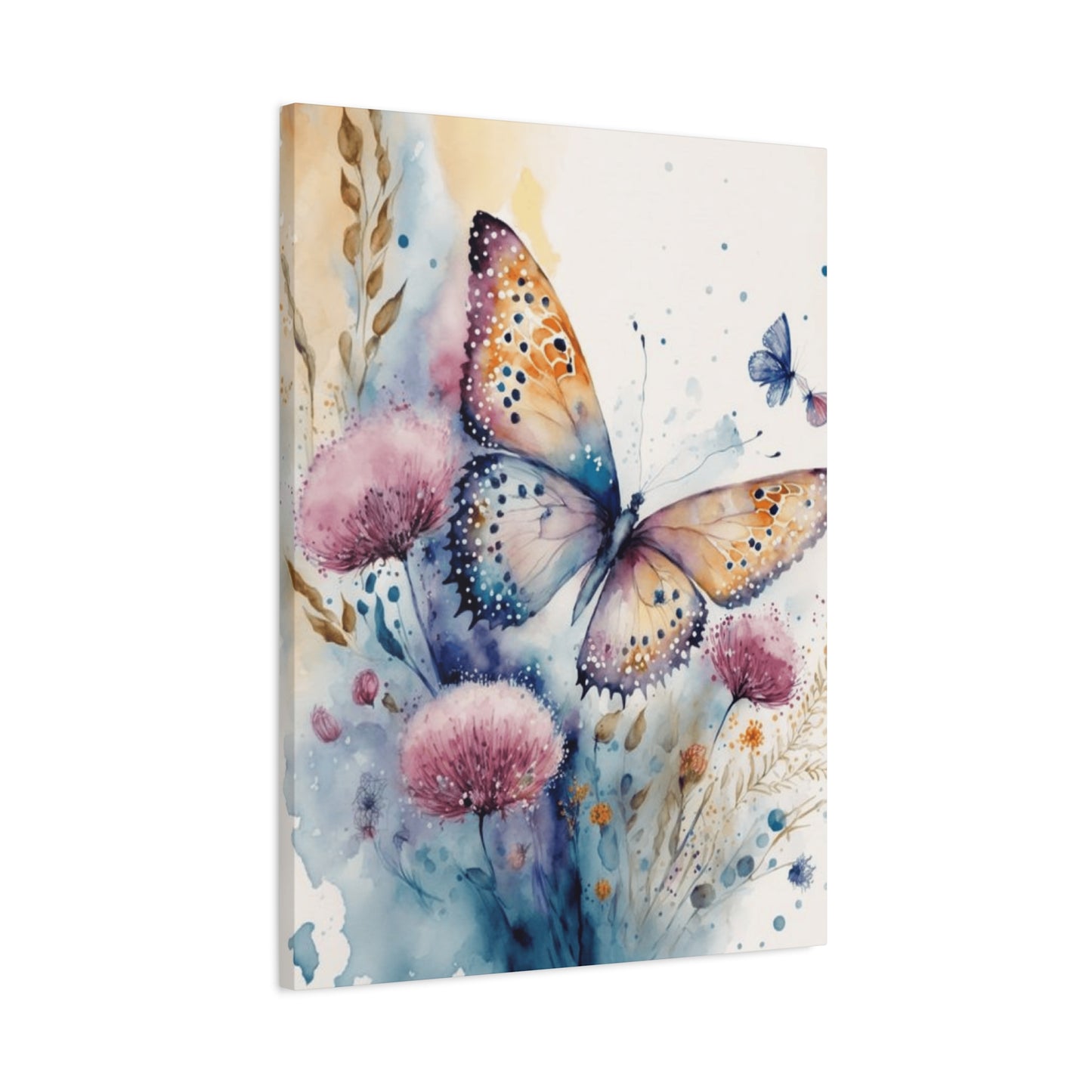
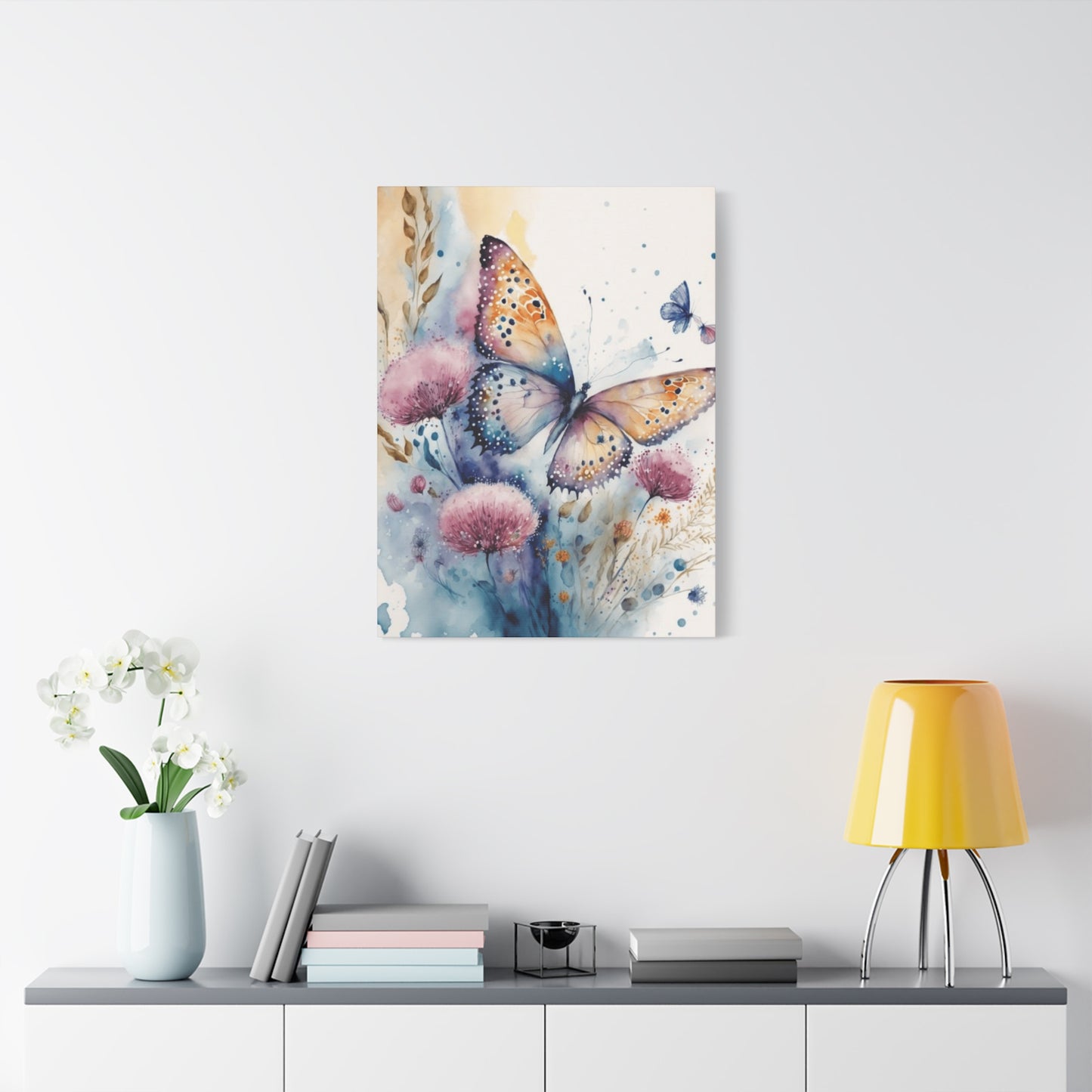
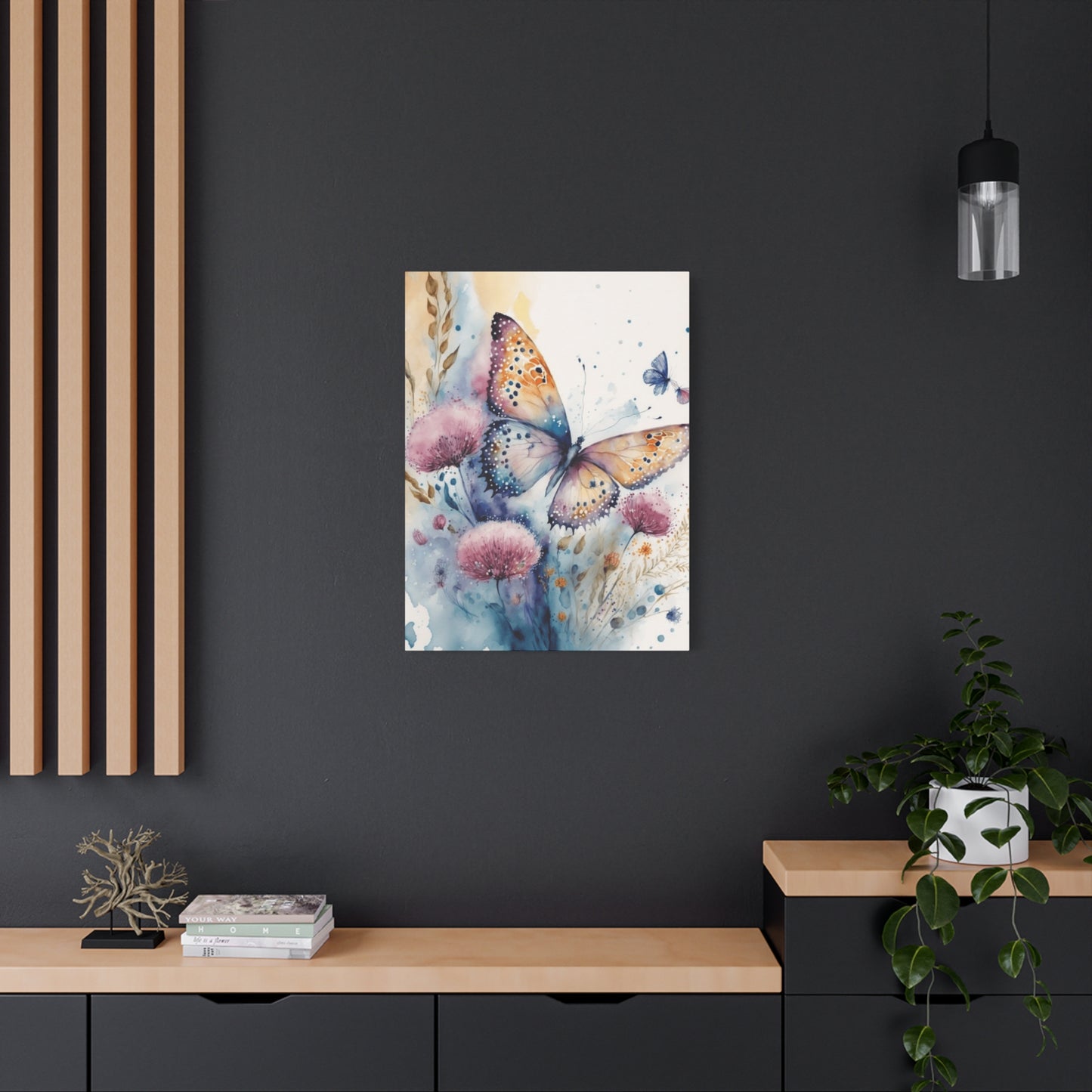
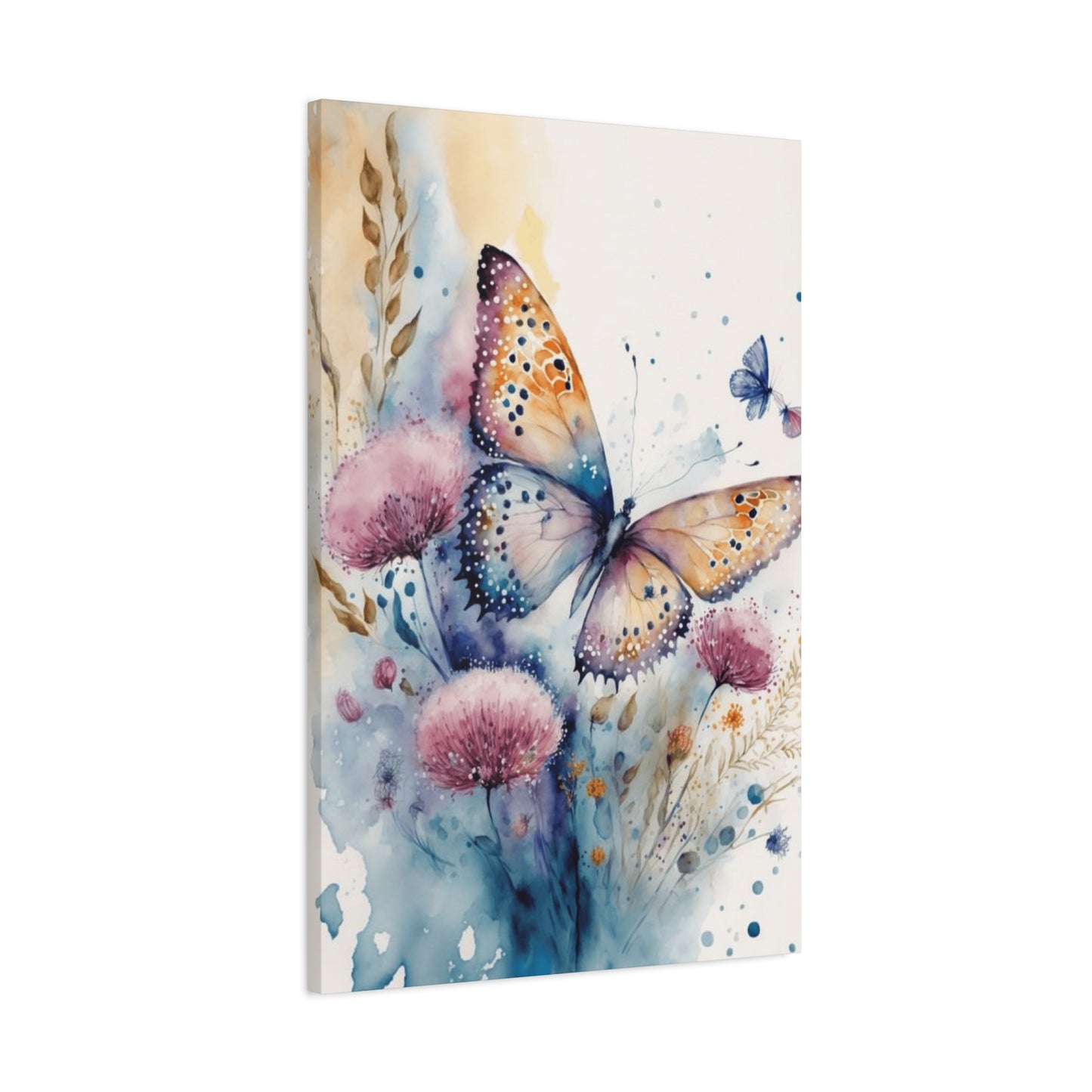
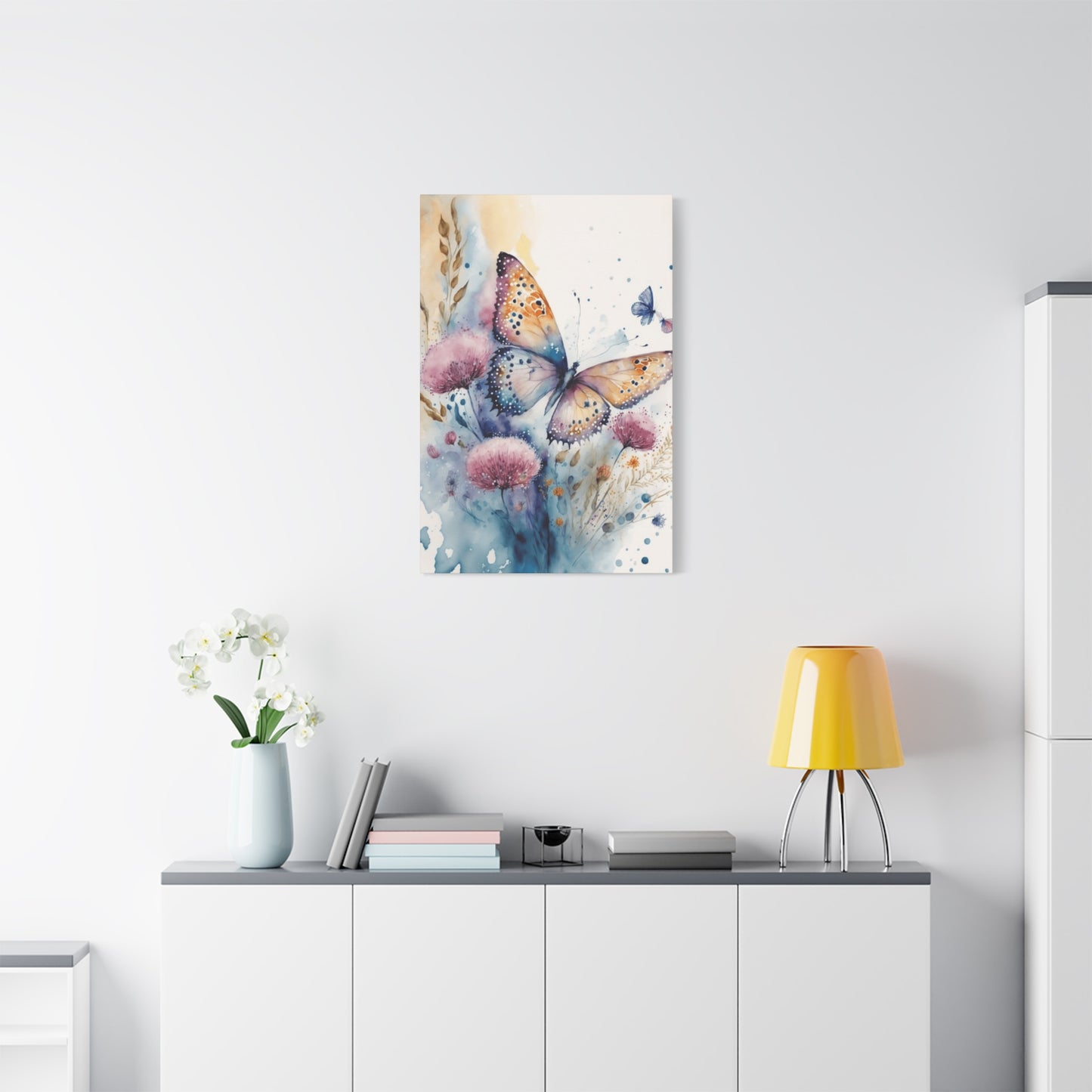
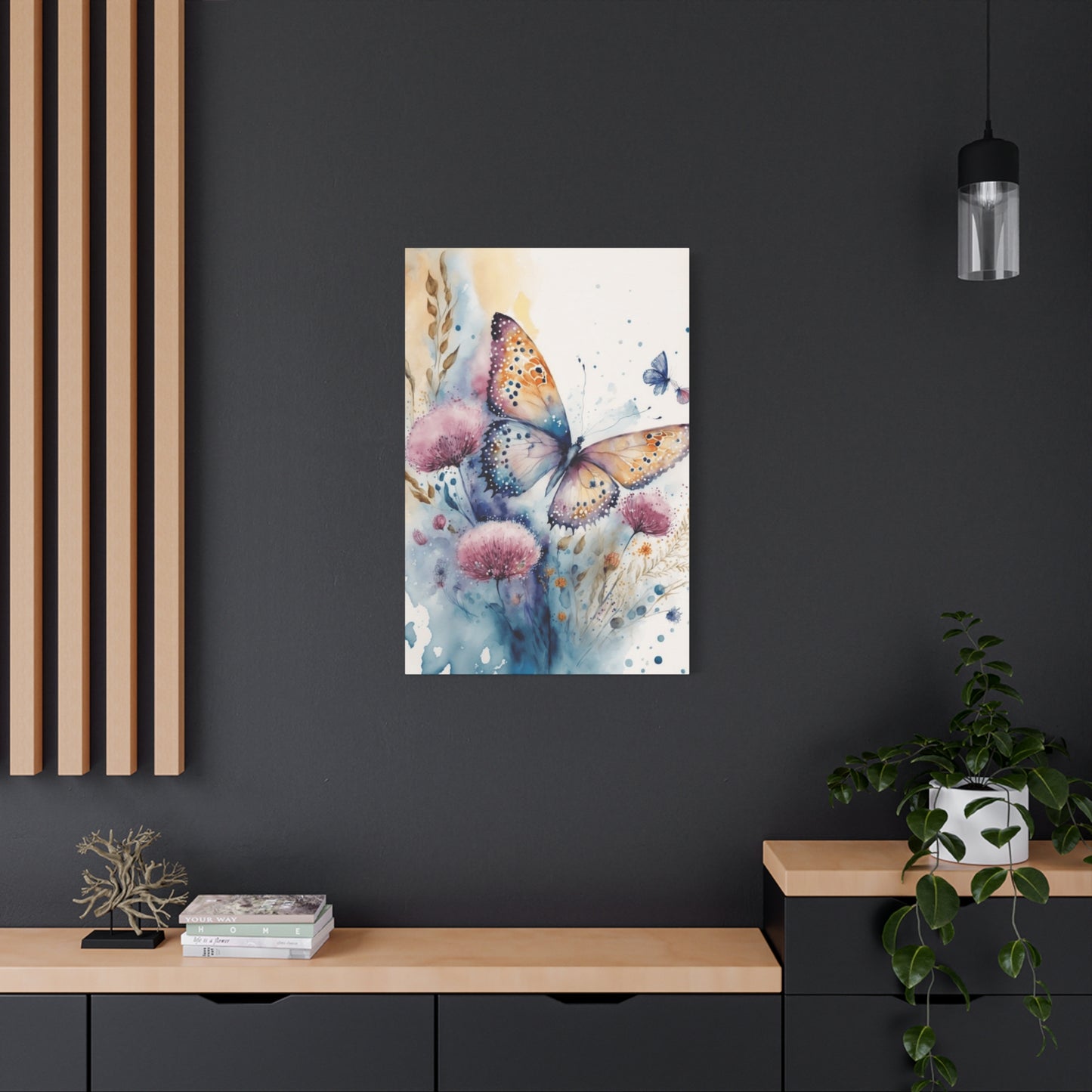
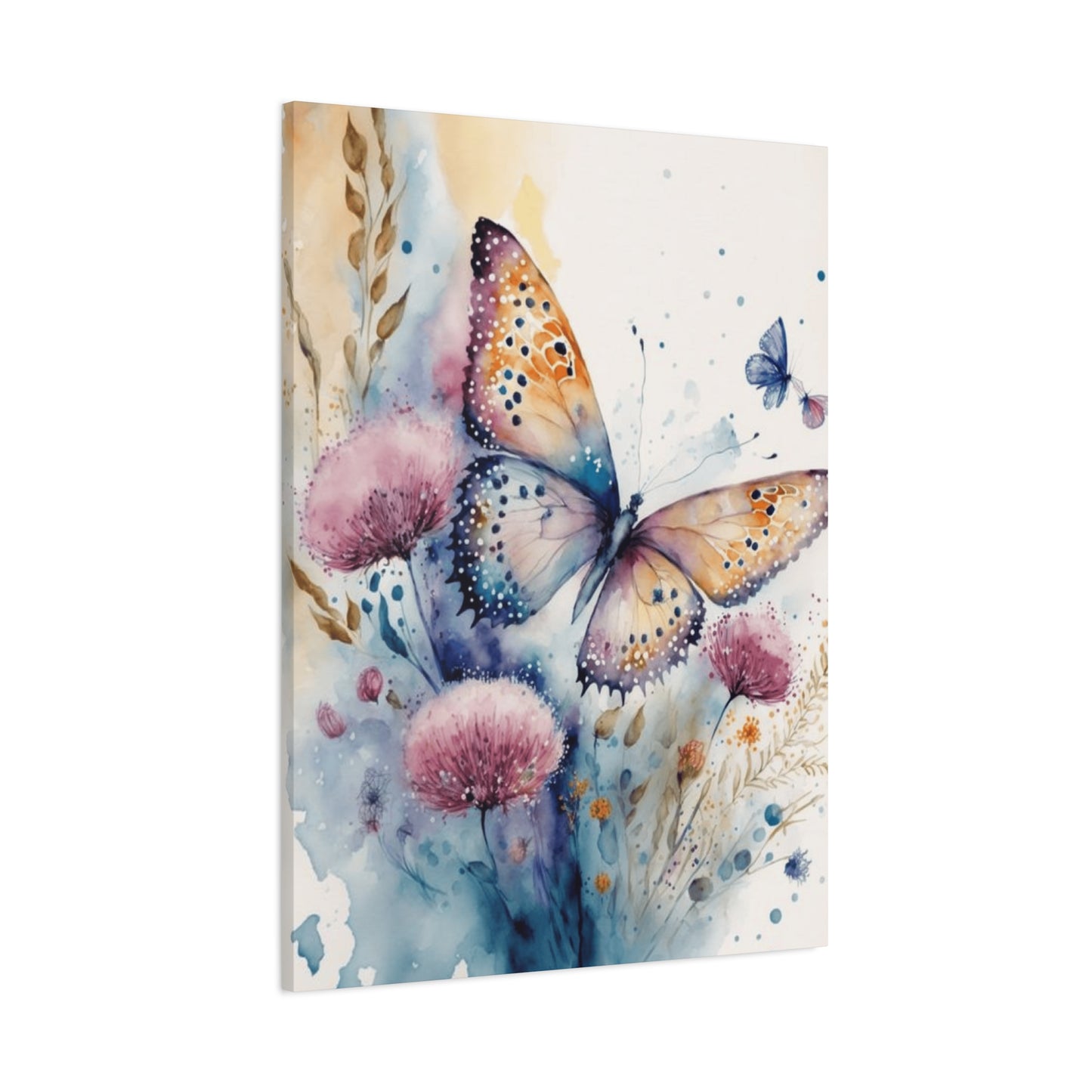
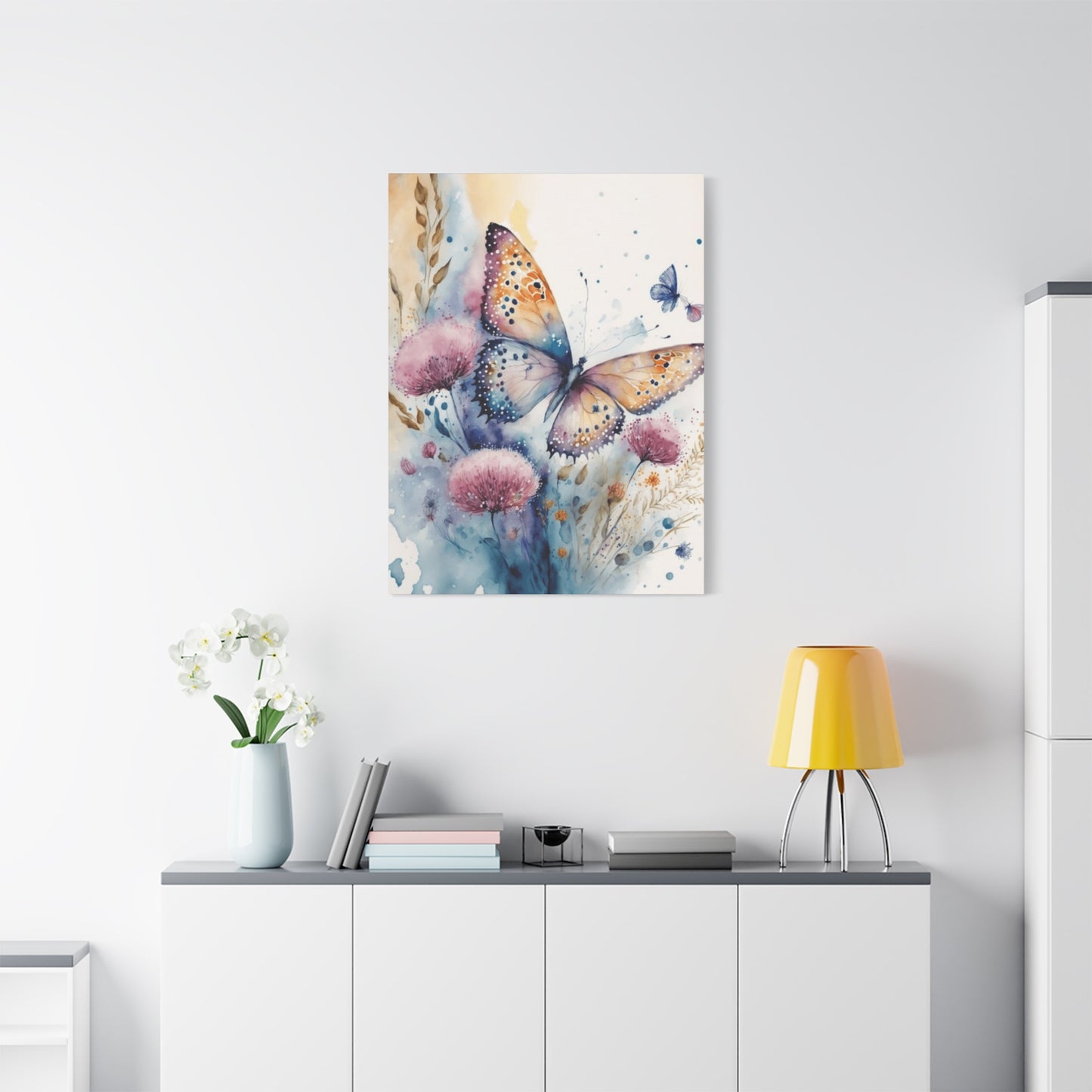
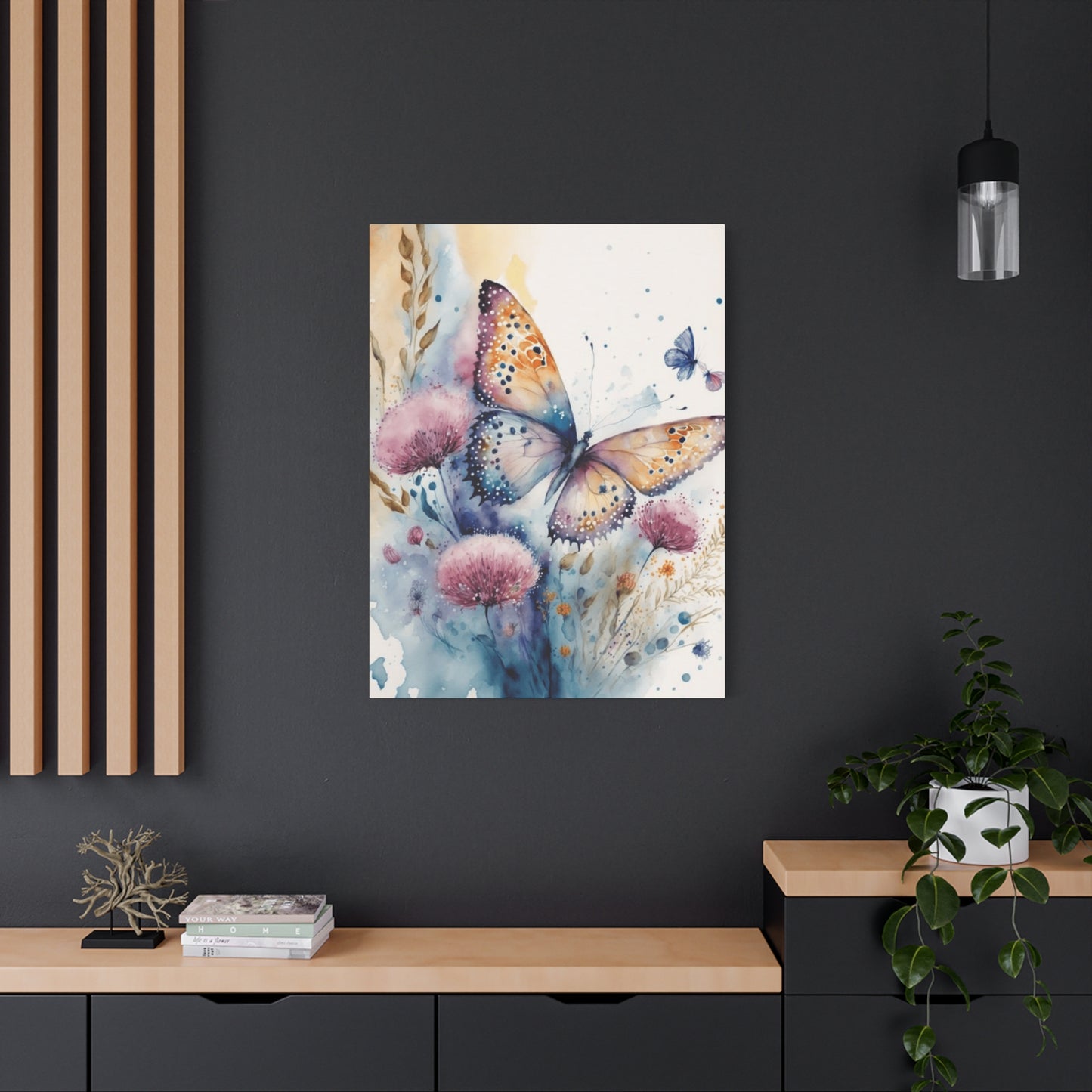
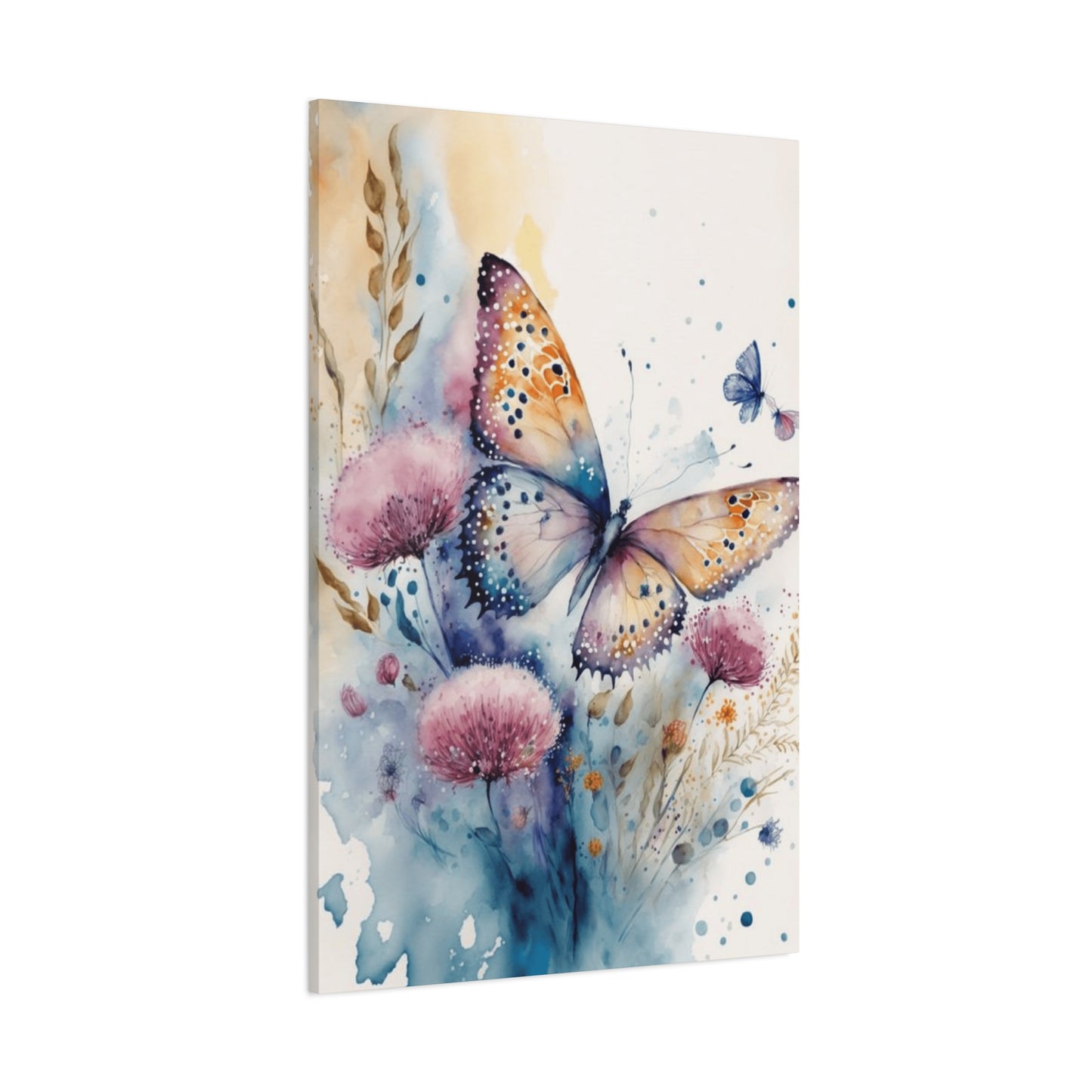
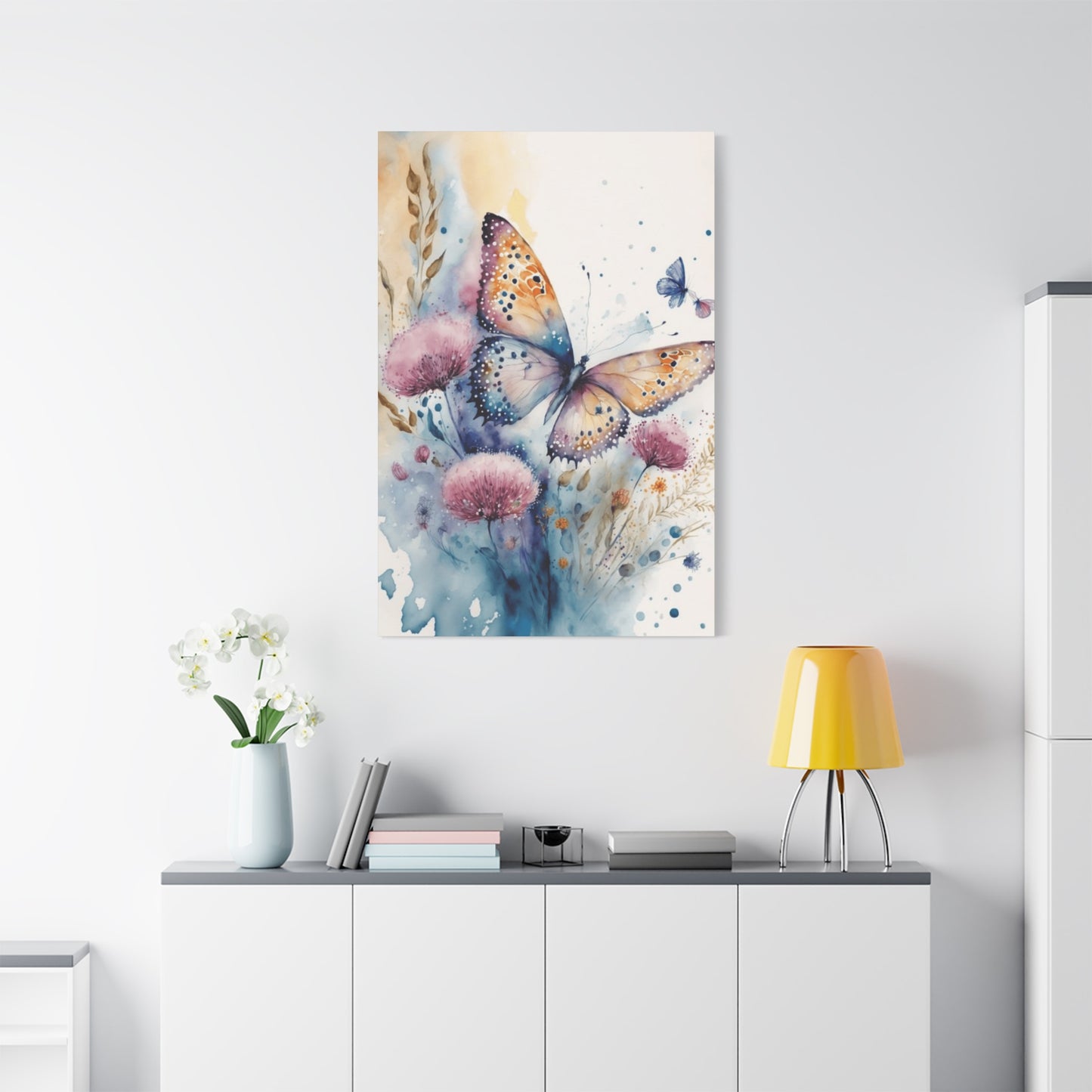
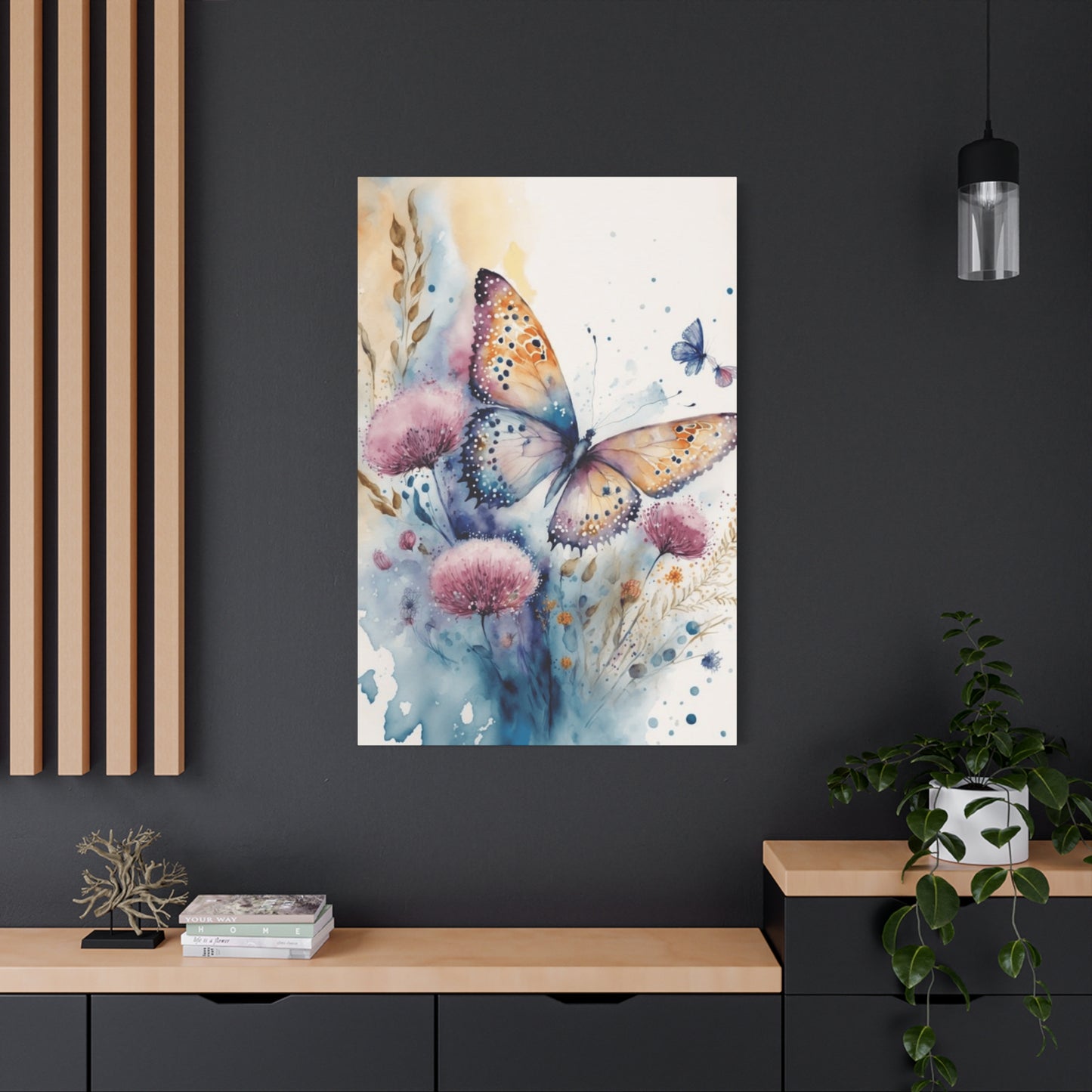
Colorful Butterfly with Dandelions Painting Wall Art & Canvas Prints
Colorful Butterfly with Dandelions Painting Wall Art & Canvas Prints
Couldn't load pickup availability
The Magical World of Colorful Butterfly with Dandelions Painting Wall Art: A Vibrant Home Decor Experience
The intersection of nature's most delicate creatures with wildflower imagery creates a visual symphony that resonates deeply within contemporary interior design. When lepidopteran subjects merge with the ethereal beauty of seed-dispersing flora, the result becomes more than mere decoration—it transforms into a narrative piece that speaks to transformation, freedom, and the cyclical nature of existence. This comprehensive exploration delves into every facet of acquiring, displaying, and appreciating artwork that features these magnificent winged insects alongside dandelion imagery.
The Captivating Appeal Behind Lepidopteran and Seed Head Imagery in Modern Home Décor
The magnetic pull toward artwork featuring butterflies paired with dandelions stems from multiple psychological and aesthetic dimensions. These visual elements tap into universal human experiences—the metamorphosis of caterpillar to winged beauty mirrors our own journeys through change, while dandelion seeds catching wind embody wishes, dreams, and new beginnings. The colorful butterfly with dandelions painting wall art serves as a daily reminder of nature's resilience and beauty, qualities increasingly sought after in our rapidly urbanizing world.
Research in environmental psychology demonstrates that natural imagery within living spaces reduces cortisol levels and enhances overall wellbeing. The specific combination of vibrant butterfly wings—often displaying iridescent blues, fiery oranges, or royal purples—against the soft, neutral tones of dandelion seed heads creates visual balance that feels simultaneously energizing and calming. This duality makes such artwork exceptionally versatile for various residential and commercial environments.
The symbolic weight carried by these subjects cannot be overstated. Butterflies have represented the soul, resurrection, and joy across countless cultures spanning millennia. Meanwhile, dandelions—despite being dismissed as common weeds by some—carry profound significance as harbingers of survival, adaptability, and the power of wishes. When combined in artistic representation, these elements create layered meaning that invites repeated contemplation and discovery.
Diverse Artistic Interpretations of Winged Beauties Among Flowering Weeds
The realm of butterfly and dandelion artwork encompasses an astonishing spectrum of artistic approaches. Photorealistic renderings capture every delicate scale on butterfly wings and every intricate filament of dandelion clocks with scientific precision. These pieces appeal to nature enthusiasts and those who appreciate meticulous craftsmanship, offering windows into nature's micro-world that rival what can be observed with the naked eye.
Conversely, abstract interpretations deconstruct these natural forms into emotional expressions of color, movement, and energy. Impressionistic approaches might suggest butterfly wings through bold brushstrokes of complementary colors, while dandelion forms dissolve into suggestions of light and air. Such pieces prioritize emotional resonance over literal representation, allowing viewers to project their own experiences and interpretations onto the canvas.
Watercolor renditions of colorful butterfly with dandelions painting wall art possess an inherent softness and translucency that mirrors the delicate nature of the subjects themselves. The medium's unpredictable blooms and flows create organic textures that feel authentically connected to the natural world. Conversely, acrylic and oil paintings offer intensity and depth, with the ability to build luminous layers that make butterfly wings appear to glow from within.
Mixed media approaches introduce unexpected elements—metallic leaf accents that catch light like actual wing scales, three-dimensional embellishments that add tactile interest, or collage elements incorporating actual botanical materials. These innovative pieces challenge traditional boundaries between painting and sculpture, offering multisensory experiences that engage viewers beyond visual perception alone.
Strategic Color Palette Selection for Maximum Visual Impact Within Your Space
The chromatic choices within butterfly and dandelion artwork profoundly influence both the piece's aesthetic impact and its compatibility with existing interior design schemes. Vibrant, saturated palettes featuring electric blues, sunset oranges, and magenta purples create focal points that energize spaces and draw the eye immediately upon entering a room. These bold color choices work exceptionally well in minimalist settings where the artwork serves as the primary decorative element, or in eclectic spaces where visual richness is celebrated.
Subtle, muted color schemes offer a different kind of sophistication. Pastel butterflies in soft pinks, mint greens, and powder blues paired with cream and taupe dandelion backgrounds create serene atmospheres perfect for bedrooms, meditation spaces, or professional environments requiring calm focus. These gentler palettes demonstrate that colorful butterfly with dandelions painting wall art need not sacrifice visual interest to achieve tranquility.
Monochromatic approaches, while less common, can produce striking results. Black and white renderings emphasize form, texture, and composition over chromatic impact, creating timeless pieces that transcend temporary design trends. Meanwhile, near-monochromatic schemes—perhaps various shades of blue from navy to sky, or earth tones spanning ochre to deep umber—offer cohesion while maintaining visual depth.
The relationship between artwork colors and surrounding wall tones deserves careful consideration. Complementary color relationships create maximum contrast and visual vibrancy—imagine orange-winged butterflies against a cool gray wall, or purple specimens against pale yellow surfaces. Analogous color schemes, where artwork hues sit adjacent on the color wheel to wall colors, produce harmonious, cohesive environments that feel carefully curated without being matchy or predictable.
Material Considerations and Medium Characteristics for Longevity and Aesthetic Quality
The substrate upon which butterfly and dandelion imagery appears dramatically affects both the artwork's visual characteristics and its durability over time. Traditional stretched canvas remains perpetually popular for its classic gallery appearance and the dimensional quality created by its depth. The woven texture of canvas adds subtle surface interest that complements organic subjects, while the stretched format's self-contained nature eliminates the need for separate framing.
Metal prints represent contemporary innovation in display formats, with dye-sublimation processes bonding images directly to aluminum surfaces. This approach yields extraordinary luminosity and color saturation, with light reflecting off the metal substrate creating an almost backlit effect. The medium's modern aesthetic particularly suits urban and contemporary interiors, while its exceptional durability makes it ideal for high-humidity environments like bathrooms or coastal properties.
Wood panel substrates offer warmth and organic character that resonates beautifully with nature subjects. Whether smooth birch plywood or rustic reclaimed barn wood, these surfaces bring inherent texture and variation that becomes part of the artwork's story. Some pieces intentionally allow wood grain to show through lighter paint areas, creating dialogue between the depicted natural elements and the natural material bearing them.
Acrylic glass prints deliver museum-quality presentation with images printed on photographic paper or directly onto acrylic sheets. The resulting depth, color accuracy, and glossy finish create stunning visual impact, particularly with highly detailed photographic or digital art. However, the weight and fragility of these pieces require more substantial mounting solutions than lighter alternatives.
Paper-based fine art prints, when executed on archival-quality substrates using pigment-based inks, offer affordability without sacrificing longevity or beauty. Modern giclée printing processes achieve color fidelity and detail resolution that rivals original paintings, democratizing access to sophisticated butterfly and dandelion imagery. Proper framing behind UV-protective glass ensures these pieces endure for generations.
Dimensional Specifications and Proportional Planning for Harmonious Wall Composition
Selecting appropriately sized colorful butterfly with dandelions painting wall art requires understanding both the physical dimensions of your display location and the visual weight needed to anchor or accent that space effectively. Oversized statement pieces—those exceeding 40 inches in any dimension—command attention and can serve as room focal points around which other design elements orbit. These substantial artworks work magnificently above sofas, beds, or dining buffets, where their scale balances significant furniture pieces below.
Medium-sized works, typically ranging from 20 to 40 inches, offer versatility for various locations throughout the home. They provide sufficient visual presence to stand alone on walls while remaining manageable enough for grouping arrangements. This size range particularly suits hallways, home offices, or secondary living areas where impactful decoration is desired without overwhelming smaller spatial proportions.
Smaller pieces under 20 inches excel within gallery walls, clustered arrangements, or intimate spaces like powder rooms, entryways, or cozy reading nooks. Their modest dimensions invite closer inspection, rewarding viewers who approach with details that might be lost in larger-scale works. Collections of small butterfly and dandelion pieces in varied artistic styles create dynamic visual narratives that unfold across wall expanses.
The golden ratio—approximately 1:1.618—provides time-tested guidance for pleasing proportions. Artwork following these dimensions feels inherently balanced to human perception. However, intentional deviation from this ratio can create visual tension that adds interest, particularly in contemporary or eclectic design schemes where unexpected elements are welcomed rather than avoided.
Consideration of negative space proves equally important as the artwork's physical dimensions. As a general principle, artwork should occupy roughly two-thirds to three-quarters of the width of the furniture it hangs above. This creates visual connection between pieces while preventing the artwork from appearing either diminutive or overwhelming relative to its surroundings.
Curatorial Approaches for Displaying Multiple Pieces with Thematic Cohesion
Gallery walls featuring butterfly and dandelion imagery offer opportunities for creative expression through thoughtful arrangement. Symmetrical grid layouts convey order and intentionality, working beautifully in traditional or transitional interiors where structure and balance are valued. This approach works best with pieces sharing consistent framing styles and similar dimensions, creating cohesive visual fields where individual artworks function as parts of a unified whole.
Asymmetrical salon-style arrangements embrace organized chaos, mixing various sizes, orientations, and even frame styles to create dynamic, collected-over-time aesthetics. This approach particularly suits bohemian, eclectic, or artist-loft interiors where personality and individuality take precedence over formal design rules. The key to successful asymmetry lies in achieving balance through distributed visual weight rather than mirrored placement.
Linear arrangements—single horizontal rows of similarly-sized pieces—offer clean, contemporary solutions perfect for long, narrow wall spaces like hallways or above console tables. This format works exceptionally well with a series concept, perhaps depicting different butterfly species or dandelions at various stages from flower to seed head, creating narrative progression across the sequence.
Clustered groupings typically feature three to five pieces arranged in close proximity, creating concentrated visual interest without the commitment required for full gallery walls. The classic three-piece arrangement might feature a larger central work flanked by smaller complementary pieces, while five-piece clusters often utilize corner positioning to direct eye movement around the composition.
When combining colorful butterfly with dandelions painting wall art with other nature subjects or abstract pieces, maintaining thematic or chromatic threads ensures coherence despite diversity. Perhaps all pieces share a color palette, or natural subjects throughout the collection maintain consistent representational styles. These subtle connections allow for variety while preventing visual fragmentation.
Strategic Positioning Within Architectural Contexts and Lighting Conditions
The specific architectural features and natural light patterns of your space should inform placement decisions for butterfly and dandelion artwork. South-facing walls in northern hemisphere locations receive intense, direct sunlight that can fade pigments over time, making these positions suitable only for pieces with UV-protective glazing or those created with lightfast materials. Conversely, north-facing walls receive consistent, indirect illumination ideal for showcasing artwork without preservation concerns.
Vertical wall space adjacent to windows capitalizes on natural side-lighting that creates dimensional effects, with shadows and highlights revealing texture and brushwork. This positioning works magnificently for pieces with heavy impasto or three-dimensional elements, as the changing quality of daylight throughout the day creates an evolving viewing experience.
Focal walls—typically the first vertical surface visible upon entering a room—represent prime real estate for your most impactful butterfly and dandelion pieces. These locations receive maximum viewing time and attention, making them worthy of your finest or most meaningful artworks. Consider architectural features like fireplaces, built-in shelving, or distinctive wall treatments when identifying natural focal points.
Above furniture placement requires attention to proportional relationships and functional clearances. Artwork should hang with its center approximately 57 to 60 inches from the floor—the average human eye level used by museums and galleries. When hanging above sofas, beds, or consoles, leave 6 to 12 inches of space between the furniture top and the artwork's bottom edge to create visual connection without crowding.
Artificial lighting dramatically affects how artwork appears during evening hours. Picture lights mounted directly to frames or walls above provide focused illumination that eliminates glare while highlighting details. Track lighting offers flexibility to adjust beam direction and intensity, accommodating future artwork changes. Ambient lighting from floor and table lamps creates softer, more diffused illumination that can enhance mood but may not showcase fine details as effectively as directed light sources.
Sourcing Authentic and Quality Pieces from Various Marketplace Channels
The proliferation of online marketplaces has democratized access to butterfly and dandelion artwork from creators worldwide, yet this abundance requires discernment to ensure quality and authenticity. Dedicated art platforms featuring juried artist collections provide curation that filters work based on craftsmanship and originality standards. These venues often include artist biographies, creation processes, and authenticity guarantees that add value beyond the artwork itself.
Direct artist websites and studio shops eliminate intermediary markups while establishing personal connections with creators. Many artists share creative processes through blog posts or studio tours, allowing collectors to understand the vision and effort behind pieces they're considering. Commissioning custom colorful butterfly with dandelions painting wall art directly from artists ensures perfectly sized, colored, and styled pieces that address your specific spatial and aesthetic requirements.
Brick-and-mortar galleries offer tactile, immersive experiences impossible to replicate digitally. Seeing how light interacts with surface textures, observing true color accuracy without screen mediation, and experiencing scale in person provide information crucial for confident purchasing decisions. Gallery staff expertise can guide selections based on described spaces and preferences, while relationships with represented artists sometimes enable custom requests or early access to new collections.
Art fairs and festivals create opportunities to meet multiple artists in single visits, comparing styles and prices while enjoying the energetic atmosphere of creative communities. These events often feature artist demonstrations, allowing observation of techniques that inform appreciation for the skill involved. Many artists offer show discounts or special editions available exclusively at these venues.
Print-on-demand services provide affordable entry points to butterfly and dandelion imagery, though quality varies significantly between providers. Premium services utilize archival papers, pigment inks, and careful color management to produce prints indistinguishable from original artworks except upon closest inspection. Budget options may cut corners with inferior materials that fade quickly or exhibit poor color accuracy, making careful research of provider reputations essential.
Preservation Practices and Environmental Factors Affecting Artwork Longevity
Protecting your butterfly and dandelion artwork from environmental degradation ensures enjoyment for decades or generations. Ultraviolet radiation represents the primary threat to artwork longevity, breaking down pigment molecules and causing irreversible fading. UV-filtering glazing for framed pieces blocks these harmful wavelengths while remaining optically clear, providing invisible protection. For canvas or panel pieces without glass, UV-filtering varnishes offer similar protection while enhancing color saturation and surface durability.
Temperature fluctuations and extreme values threaten artwork through expansion and contraction cycles that stress materials, potentially causing cracking, warping, or delamination. Maintain environments between 65 and 75 degrees Fahrenheit with minimal daily variation. Avoid hanging precious pieces near heating vents, air conditioning returns, radiators, or exterior walls that may transmit outdoor temperature extremes.
Humidity levels dramatically affect organic materials in artwork, with excessive moisture promoting mold growth, paper buckling, and canvas sagging, while overly dry conditions cause brittleness and cracking. Target relative humidity between 40 and 55 percent, using humidifiers during dry winter months and dehumidifiers in humid climates. Bathrooms and kitchens, where humidity spikes occur regularly, suit only artwork specifically selected for moisture resistance.
Particulate matter—dust, cooking grease, smoke residues—accumulates on artwork surfaces over time, dulling colors and potentially causing permanent discoloration. Gentle dusting with soft, clean microfiber cloths removes loose particles from frames and protective glazing. For bare canvas or panel surfaces, use soft brush attachments on low-suction vacuum settings held slightly away from surfaces to avoid contact damage.
Physical damage prevention involves strategic placement away from high-traffic areas where accidental contact might occur. Avoid hanging above radiators or heating elements where rising heat plumes create air currents carrying dust and potentially causing thermal damage. In households with active children or pets, mounting artwork higher than typically recommended reduces risk from thrown toys or exuberant tail wags.
Chromatic Harmony and Contrast Principles Within Broader Interior Color Schemes
The interplay between your colorful butterfly with dandelions painting wall art and surrounding wall colors creates either harmonious integration or dynamic contrast, each approach offering distinct aesthetic outcomes. Monochromatic schemes, where artwork and walls share base hues but vary in saturation and value, create sophisticated, cohesive environments. Imagine sage green walls adorned with artwork featuring green-tinted butterfly wings and olive-hued dandelion stems—the result feels intentional and curated without appearing overly matched.
Analogous color relationships utilize hues adjacent on the color wheel, such as blue-green walls with artwork featuring blue butterfly wings and yellow dandelion flowers. These combinations feel naturally harmonious, as they frequently appear together in nature. The gentle color progression creates visual interest while maintaining a peaceful, unified atmosphere particularly suited to personal spaces like bedrooms or reading rooms.
Complementary color schemes pair opposites from across the color wheel—purple walls with yellow-accented artwork, or orange butterfly wings against blue-gray wall treatments. These high-contrast combinations create vibrant, energetic environments that feel dynamic and intentional. The approach works magnificently in spaces where visual stimulation is desired, such as creative studios, playrooms, or modern living areas embracing bold design choices.
Triadic color schemes, utilizing three hues equally spaced around the color wheel, offer balanced complexity. A piece featuring purple butterflies, orange dandelion flowers, and green stems against neutral walls draws from this relationship, creating richness without overwhelming. This approach requires careful calibration of proportions, typically allowing one color to dominate while others accent.
Neutral wall treatments—whites, grays, beiges, or greiges—provide versatile backdrops that allow artwork colors to express fully without competition. This approach gives maximum flexibility for future artwork changes while creating gallery-like environments where art takes absolute precedence. The strategy particularly suits collectors who rotate pieces seasonally or frequently acquire new works.
The Symbolic Resonance and Cultural Significance of Lepidopteran Imagery Across Civilizations
Butterflies have captivated human imagination across virtually every culture throughout recorded history, accumulating layers of symbolic meaning that enrich their artistic representation. Ancient Greek mythology associated butterflies with Psyche, the personification of the soul, establishing connections between these delicate creatures and human spirituality that persist in Western consciousness. This association imbues butterfly artwork with deeper significance beyond mere decoration, suggesting themes of soul, consciousness, and the ethereal aspects of existence.
Japanese cultural traditions revere butterflies as emblems of joy, longevity, and marital happiness. Classical paintings often depicted butterfly pairs as representations of wedded bliss, while solitary specimens symbolized young women. This cultural context adds romantic and celebratory dimensions to butterfly imagery, making it particularly meaningful for bedroom spaces or as gifts celebrating relationships and unions.
Chinese symbolism views butterflies as representations of immortality and eternal love, often appearing in artwork alongside peonies or plum blossoms to reinforce these associations. The homophone relationship between the Mandarin word for butterfly and that for elderly men creates additional layers of meaning related to longevity and wisdom. Understanding these cultural dimensions can inform artwork selection that resonates with personal heritage or values.
Native American traditions across various tribes perceived butterflies as carriers of wishes, dreams, and prayers to the spirit world. Their transformation from earthbound caterpillars to airborne butterflies served as powerful metaphors for personal metamorphosis and spiritual ascension. This perspective imbues colorful butterfly with dandelions painting wall art with aspirational qualities, making such pieces particularly appropriate for spaces dedicated to personal growth, meditation, or goal-setting.
Christian symbolism adopted butterfly imagery as representing resurrection and eternal life, drawing parallels between the chrysalis stage and Christ's tomb, and emergence with resurrection. Renaissance religious paintings occasionally incorporated butterflies as subtle references to these themes. This spiritual dimension may resonate with viewers seeking artwork that acknowledges faith traditions without obvious religious iconography.
Dandelion Symbolism and the Metaphorical Power of Seed Dispersal in Artistic Context
While often dismissed as common weeds in lawn-focused suburban cultures, dandelions carry profound symbolic weight that adds depth to artistic representations. The plant's remarkable resilience—thriving in cracks, compacted soil, and disturbed ground where delicate species fail—symbolizes survival, adaptability, and the power to flourish despite adversity. This metaphorical dimension makes dandelion imagery particularly meaningful for those navigating challenging life circumstances or celebrating personal resilience.
The transformation from bright yellow flower to delicate seed head mirrors butterfly metamorphosis, creating thematic resonance when these subjects combine in artwork. Both undergo dramatic physical changes while remaining essentially themselves, serving as visual metaphors for personal growth that maintains core identity despite external transformation. This parallel reinforces the appropriateness of their pairing in artistic compositions.
Dandelion seed dispersal carries almost universal associations with wishes and dreams. The childhood ritual of blowing seeds while making wishes has imprinted this connection across cultures worldwide. Artwork featuring dandelion clocks releasing seeds into breezes thus carries inherent optimism and hope, suggesting the release of intentions into the universe and trust in unseen forces to bring desires to fruition.
The plant's medicinal and nutritional properties, utilized across traditional healing systems worldwide, add layers of meaning related to healing, nourishment, and natural wellness. From root to flower, every dandelion part serves human needs—roots for liver support, leaves for nutrition, flowers for wine and syrup, seeds for reproductive propagation. This holistic utility mirrors artistic intentions to serve multiple purposes—aesthetic beauty, emotional resonance, and conceptual depth.
The incongruity between dandelion's botanical success and its cultural dismissal as mere weed creates subversive symbolic potential. Celebrating this maligned plant through fine art challenges conventional valuations of beauty and worth, suggesting that significance lies not in rarity or cultivation but in resilience, usefulness, and inherent beauty regardless of social assessment. This countercultural dimension may appeal to viewers who identify with underdog narratives or question mainstream value systems.
Seasonal Considerations and Thematic Rotation Strategies for Dynamic Interior Environments
While colorful butterfly with dandelions painting wall art typically features subjects associated with spring and summer months, thoughtful curation can create year-round relevance or embrace seasonal rotation strategies. Spring-themed pieces might emphasize emergence—butterflies newly hatched, dandelions in full yellow bloom, fresh greens and pastel backgrounds suggesting renewal and rebirth. These works naturally complement seasonal décor featuring fresh flowers, lighter textiles, and the optimistic energy of lengthening days.
Summer representations might showcase butterflies in full chromatic glory—Monarchs in peak orange brilliance, Swallowtails displaying dramatic tail extensions, Blues revealing iridescent wing surfaces. Dandelions transition to seed heads caught in golden afternoon light, some seeds drifting away on warm breezes. These pieces radiate the season's abundance, vitality, and full expression of natural potential.
Autumn interpretations can feature warmer palettes—butterflies in rust, amber, and deep burgundy tones against backgrounds of ochre and burnt sienna. Dandelions might appear as dried seed heads, their structural elegance emphasized over chromatic vibrancy. These works create visual bridges between summer's exuberance and winter's contemplative minimalism, honoring transition and the beauty found in letting go.
Winter butterfly and dandelion artwork might seem counterintuitive, yet thoughtful approaches create seasonal relevance. Monochromatic or near-monochromatic pieces in silver, white, and pale blue suggest frost-covered butterflies preserved in hibernation or dandelion structures stripped to essential forms by winter weather. These contemplative pieces complement the season's introspective quality while maintaining connection to natural subjects even during dormant months.
Rotation strategies that change artwork seasonally keep interior environments dynamic and responsive to changing light, temperatures, and moods. This approach requires storage solutions for off-season pieces, but rewards with spaces that feel attuned to natural cycles rather than static. Seasonal rotation also allows enjoyment of more artwork than wall space might otherwise accommodate, building collections that unfold throughout the year.
Creating Visual Narratives Through Sequential or Series Artwork Arrangements
Series artwork featuring butterflies and dandelions at various life stages creates powerful visual narratives that engage viewers beyond single-image impact. Chronological progressions might begin with tightly closed dandelion buds, advance through full yellow flower bloom, continue with seed head formation, and culminate in complete seed dispersal. Parallel butterfly imagery could span egg, caterpillar, chrysalis, and emerged butterfly stages, creating dual transformation narratives that mirror and reinforce each other.
Seasonal series capture the same butterfly species or dandelion specimens across different times of year, documenting how light, color, and environmental conditions affect appearance. Such sequences celebrate change while emphasizing continuity, as recognizable subjects persist despite seasonal transformations. These arrangements work beautifully in hallways or dining rooms where extended wall expanses accommodate multiple pieces viewed in sequence.
Species variety series showcase different butterfly types—perhaps local species from your region, or spectacular examples from around the world. Each piece maintains compositional similarity through consistent dandelion inclusion, creating thematic cohesion despite subject variety. This approach educates viewers about lepidopteran diversity while maintaining aesthetic unity through repeated design elements.
Stylistic progression series feature the same compositional subject rendered in different artistic approaches—perhaps photorealistic, impressionistic, abstract, and minimalist interpretations of identical butterfly and dandelion arrangements. These progressions explore how artistic lens transforms subject perception, inviting contemplation about representation, interpretation, and the nature of seeing itself.
Scale progression arrangements feature the same image at dramatically different sizes, from miniature to oversized, creating dynamic visual rhythms through repetition with variation. This approach works particularly well in contemporary or eclectic spaces where unexpected design choices are celebrated rather than avoided.
Commissioning Custom Pieces Tailored to Personal Spaces and Preferences
Commissioning custom colorful butterfly with dandelions painting wall art ensures perfect alignment between artwork and your specific spatial, aesthetic, and personal requirements. This collaborative process begins with articulating your vision—desired dimensions, preferred color palette, artistic style, and any symbolic or personal elements you wish incorporated. Collecting inspiration images from various sources helps communicate aesthetic preferences more effectively than verbal descriptions alone.
Selecting the right artist involves researching portfolios to identify creators whose existing work demonstrates the style, subject matter mastery, and quality level you seek. Many artists specialize in nature subjects, with some focusing specifically on botanical or entomological subjects. Review multiple examples of their butterfly and dandelion work to ensure consistent quality rather than judging based on single pieces that might represent anomalies.
The commission agreement should detail all specifications—exact dimensions, medium, substrate, color palette, timeline, payment schedule, revision policy, and shipping arrangements. Comprehensive contracts prevent misunderstandings while protecting both parties. Discuss how many revision rounds are included and what additional charges might apply for substantial changes requested after work begins.
Progress updates throughout the creation process allow course corrections before completion, when changes become difficult or impossible. Many artists provide photographs at key stages—initial sketch, underpainting, midpoint, and near completion—inviting feedback that guides the work toward your vision. This collaborative approach yields results that truly reflect your intentions while respecting artist expertise.
Upon completion, request detailed care instructions specific to the materials and techniques used in your piece. Original artworks often require different handling than reproductions, with factors like varnish application, frame requirements, and cleaning methods varying based on medium. Following artist recommendations ensures your commissioned work remains in optimal condition for maximum longevity.
The Role of Framing in Presentation, Protection, and Aesthetic Completion
Frame selection dramatically influences how butterfly and dandelion artwork appears while providing essential physical protection. Wood frames offer warmth and traditional elegance, with species selection—from light maple to rich walnut—creating different aesthetic effects. Distressed or weathered wood finishes enhance rustic or farmhouse décor schemes, while smooth, polished woods suit traditional or transitional interiors.
Metal frames deliver contemporary sophistication with clean lines and minimalist profiles that focus attention on artwork rather than surrounding elements. Floater frames, where artwork appears to hover within the frame perimeter, create modern, gallery-style presentations perfect for stretched canvas pieces. These specialized frames add dimensional interest while maintaining the clean aesthetics valued in contemporary design.
Ornate frames with decorative moldings suit traditional or maximalist interiors where embellishment is celebrated. Gilded finishes add luxury and formality, while painted decorative frames in colors coordinating with artwork hues create custom appearances. These substantial frames make bold statements, transforming artwork into commanding focal points within rooms.
Mat selection for works under glass offers additional design opportunities. Multiple mat layers create depth and visual interest, while mat colors can either blend neutrally or introduce accent colors that tie artwork to surrounding décor. Conservation-grade mats with acid-free backing prevent chemical migration that discolors artwork over time, representing worthwhile investments for pieces of significant monetary or sentimental value.
Glazing options for framed work balance protection needs with aesthetic preferences. Regular glass provides basic protection but reflects light, creating glare that obscures viewing from certain angles. Non-glare glass diffuses reflections but can slightly soften image clarity. Museum glass eliminates reflections while maintaining perfect clarity but commands premium prices. Acrylic glazing offers shatter-resistance and lighter weight than glass, making it preferable for large pieces or installations where safety concerns exist.
Feng Shui Principles and Energy Flow Considerations in Artwork Placement
Eastern spatial arrangement philosophies offer alternative frameworks for positioning butterfly and dandelion artwork in ways that enhance environmental energy. Feng shui principles suggest butterflies, as symbols of transformation and joy, belong in the relationship area of spaces—the far right corner from the entrance. Placing colorful butterfly with dandelions painting wall art in this location theoretically enhances romantic relationships and invites positive transformations within partnerships.
The wealth and prosperity area, located in the far left corner from entry points, also welcomes butterfly imagery according to feng shui interpretation. The transformation symbolism suggests positive changes in financial circumstances, while vibrant colors particularly purple, red, and gold create activating energy supportive of abundance intentions. Dandelion imagery reinforces these associations through seed dispersal metaphors of spreading prosperity.
Elemental correspondences within feng shui suggest butterfly artwork carries strong fire and air element qualities through their colors, movement, and flight associations. These pieces therefore enhance spaces designated for creativity, communication, and social interaction. Living rooms, studios, and collaborative workspaces benefit from the activating, inspirational energy butterfly imagery generates.
Yin-yang balance considerations suggest that highly colorful butterfly pieces carry strong yang energy—active, bright, and stimulating. Rooms requiring calming, restful qualities might benefit from more yin interpretations featuring softer colors, less contrast, and gentler compositions. Bedrooms particularly benefit from yin-leaning artwork that promotes rest rather than stimulation, though butterfly imagery's positive associations can work if rendered in appropriately soothing color palettes.
The bagua map overlay places different life aspects—health, career, knowledge, family, fame, relationships, creativity, travel, and wealth—in specific zones of rooms or entire homes. Identifying which bagua area would most benefit from butterfly and dandelion artwork's specific symbolic associations allows intentional placement that supports desired life enhancements according to feng shui philosophy.
Contemporary Trends in Nature-Inspired Artwork and Evolving Aesthetic Movements
Current interior design movements increasingly embrace biophilic principles that integrate natural elements into built environments, creating profound impacts on artwork preferences. Colorful butterfly with dandelions painting wall art perfectly aligns with these trends, offering concentrated nature experiences for urban dwellers with limited access to outdoor spaces. The movement toward nature-inspired design reflects growing recognition of human psychological needs for natural connection, validated by research demonstrating stress reduction and wellbeing improvements from nature exposure even through representational imagery.
Maximalist design resurgence celebrates abundance, pattern, and color richness after years of minimalist dominance. This trend embraces artwork featuring elaborate details, saturated colors, and complex compositions—precisely the qualities found in detailed butterfly and dandelion pieces. Maximalist spaces layer multiple patterns, textures, and colors, with artwork serving as anchor pieces that establish palette foundations around which other elements coordinate.
Sustainable and conscious consumption movements influence art acquisition, with collectors increasingly valuing provenance, artist ethics, and environmental impact. Artists using reclaimed materials, non-toxic mediums, or donating portions of proceeds to conservation causes appeal to buyers whose values extend beyond aesthetics. Butterfly and dandelion subjects naturally align with environmental consciousness, their selection potentially reflecting conservation awareness and nature appreciation.
Digital art and NFT phenomena introduce new collection possibilities, though physical artwork retains irreplaceable qualities including tangible presence, light interaction, and tactile surface variations. Many collectors appreciate both formats differently—digital work for its innovative nature and accessibility, physical pieces for their material reality and traditional artistic skill demonstration. Hybrid approaches print digital creations onto physical substrates, bridging these worlds.
Personalization trends see buyers seeking unique pieces reflecting individual identities rather than mass-produced decoration. Custom commissions, limited edition prints, and one-of-a-kind works gain favor over generic reproductions. This movement toward distinctive, meaningful artwork elevates pieces from mere decoration to treasured possessions carrying personal significance, relationship to creator stories, or connections to specific memories and experiences.
Butterfly Species Variety and Scientific Accuracy in Artistic Representations
The incredible diversity within Lepidoptera order provides endless artistic inspiration, with approximately 17,500 butterfly species worldwide displaying astounding variety in size, color, pattern, and form. Artistically accurate representations of specific species add educational dimensions to aesthetic appeal, allowing viewers to identify depicted specimens and potentially research their characteristics, habitats, and conservation status.
Monarch butterflies rank among the most recognized and frequently depicted species, their distinctive orange and black patterning and remarkable migration journeys making them cultural icons. Accurate Monarch representation includes specific wing vein patterns, black borders with white spot series, and the sexual dimorphism where males display small black patches on hindwings that females lack. Artwork featuring Monarchs carries implicit conservation messages, as populations face significant threats from habitat loss.
Swallowtail species across multiple genera offer spectacular visual drama through their large size and distinctive tail projections from hindwings. The Tiger Swallowtail's yellow and black striping, Eastern Black Swallowtail's blue hindwing scaling, and Zebra Swallowtail's elongated tails each provide distinctive characteristics. Accurate representation requires attention to these diagnostic features that distinguish species.
Blue butterflies, despite their common name suggesting simplicity, encompass hundreds of species with subtle variations that taxonomy experts distinguish. Artistic interpretations might showcase the Common Blue's delicate violet-blue males and brown females, or the Holly Blue's paler coloration and distinctive markings. The iridescence characteristic of many blues presents artistic challenges, requiring techniques that suggest metallic sheen.
Fritillary species feature intricate spotted and checkered patterns in oranges and blacks across their wings' dorsal surfaces, with many species displaying silver markings ventrally. These complex patterns test artistic skill, rewarding careful observation and precise execution. Their visual complexity creates rich, detailed artworks that invite prolonged viewing and discovery of subtle pattern elements.
Conclusion
The captivating blend of colorful butterflies and delicate dandelions in painting wall art brings an enchanting, natural beauty into any room, transforming your living space into a serene and magical haven. The gentle flight of the butterfly and the soft, fleeting nature of dandelions are symbols of transformation, hope, and the ephemeral beauty of life. This artwork not only captures the essence of nature but also infuses your home with vibrancy, lightness, and a sense of renewal. Whether displayed in a living room, bedroom, or entryway, the fusion of butterflies and dandelions offers a unique way to elevate your space with both visual and emotional appeal.
One of the most striking qualities of butterfly and dandelion paintings is their ability to convey movement and life. Butterflies, with their graceful flight and delicate wings, represent freedom, transformation, and the beauty of impermanence. Dandelions, often symbolizing wishes, hope, and new beginnings, bring a sense of lightness and whimsy to the artwork. Together, they create a narrative of dreams taking flight and possibilities unfolding, inviting positive energy and optimism into your home. This blend of symbolism and beauty makes the artwork feel both uplifting and introspective, encouraging reflection and inspiration in those who view it.
The vivid colors of the butterflies contrast beautifully with the soft, gentle tones of the dandelions, adding a dynamic visual element to the painting. The butterfly’s intricate wing patterns, rendered in a spectrum of bright hues, bring a pop of color that draws the eye and adds vibrancy to any space. In contrast, the dandelions, with their feathery, ethereal appearance, add a sense of delicacy and tranquility. This combination of boldness and softness creates a harmonious balance in the artwork, allowing it to be both striking and serene. Whether the colors are subtle and pastel or bold and vibrant, the visual impact of the piece adds energy and warmth to the room, creating an atmosphere that feels alive and full of potential.
Beyond their aesthetic charm, butterfly and dandelion paintings also evoke deep emotional responses. Butterflies symbolize transformation and personal growth, while dandelions often represent the power of wishes, dreams, and letting go. This powerful symbolism can imbue a space with feelings of hope, renewal, and freedom. It’s the perfect addition to spaces where you seek inspiration, such as a home office, study, or reading nook. In a bedroom, the peaceful and airy nature of the painting can promote relaxation and a sense of serenity. The connection between these two natural elements reminds us of life’s beauty and the importance of embracing change, letting go, and moving forward with hope and positivity.
The versatility of butterfly and dandelion wall art makes it an ideal choice for various interior styles. Whether your home is modern, bohemian, or traditional, the piece can adapt to a range of settings. In minimalist spaces, the vivid colors of the butterflies provide a bold, striking focal point against neutral backgrounds. In more eclectic or nature-inspired interiors, the soft, flowing imagery of dandelions and butterflies can enhance the organic, free-spirited vibe of the room. Whether you choose a large, bold canvas to serve as the room’s centerpiece or smaller prints scattered throughout your home, the artwork's flexibility ensures that it will fit seamlessly into your personal style.
Additionally, the light and airy aesthetic of butterfly and dandelion paintings creates a soothing and tranquil atmosphere, making them perfect for spaces where relaxation and introspection are key. The fluidity of the dandelions’ seeds drifting in the wind adds a peaceful, almost meditative quality to the artwork. This makes it an excellent choice for bedrooms or any space where you wish to promote calm and peace of mind. The imagery of butterflies fluttering amidst dandelions also evokes the carefree feeling of being in nature, bringing a sense of joy and lightness to your home.
In conclusion, the enchanting world of colorful butterfly and dandelion painting wall art offers a beautiful way to bring nature’s delicate and transformative energy into your living spaces. The symbolism of transformation, hope, and freedom, coupled with the vibrant yet delicate visual elements, makes this artwork both a spiritual and aesthetic addition to any home. Whether displayed in a central living area, a peaceful bedroom, or a personal nook for creativity, this art piece infuses your home with positive energy, joy, and a connection to the beauty of the natural world. With its captivating colors and soothing, dreamlike imagery, butterfly and dandelion wall art will not only enhance your space but also inspire feelings of peace, renewal, and the limitless possibilities that come with embracing life’s changes.
Share