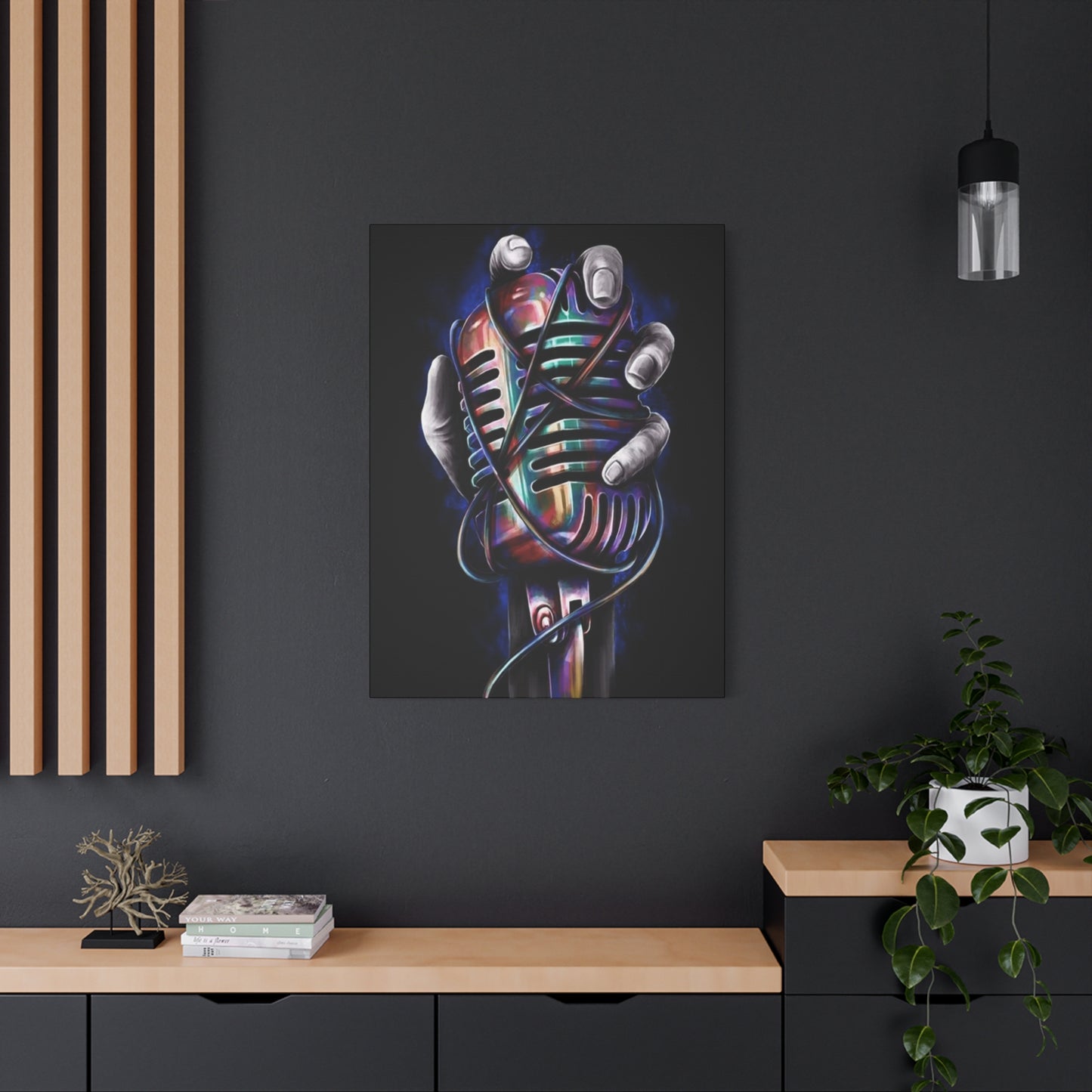
College Room Decor Wall Art & Canvas Prints
College Room Decor Wall Art & Canvas Prints
Couldn't load pickup availability
Creative Ways to Personalize Your Dorm Space with College Room Decor Wall Art That Reflects Your Personality
Moving into a college dormitory represents one of the most exciting transitions in a young person's life. The walls that surround you during these formative years become more than just boundaries; they transform into canvases for self-expression, motivation, and comfort. When students first step into their assigned living quarters, they often encounter stark, uninspiring walls that lack character and warmth. This is where the magic of college room decor wall art comes into play, offering endless possibilities to craft a space that genuinely feels like home while away from home.
The atmosphere you cultivate in your dormitory directly influences your mental state, productivity levels, and overall satisfaction with your collegiate experience. Scientific research has consistently demonstrated that our surroundings profoundly affect our mood, concentration abilities, and emotional well-being. When you surround yourself with visually appealing elements that resonate with your interests and aspirations, you create an environment that nurtures growth and provides solace during challenging times.
Students who invest time in personalizing their living quarters report higher satisfaction rates with their college experience compared to those who leave their spaces unchanged. The psychological comfort derived from familiar and meaningful decorations cannot be overstated. College room decor wall art serves as a constant reminder of your identity, goals, and the people who matter most in your life. During late-night study sessions or moments of homesickness, glancing at carefully chosen artwork can provide the emotional boost needed to persevere through difficulties.
Beyond emotional benefits, a well-decorated space demonstrates maturity and personal pride. When friends visit your dorm, they immediately gain insight into your personality through your decorative choices. Your walls become conversation starters, displaying your creativity, humor, passions, and values without requiring verbal explanation. This visual storytelling creates connections with others who share similar interests and helps forge friendships that may last a lifetime.
Why Your Living Environment Matters More Than You Realize During College Years
The world of decorative art encompasses countless styles, each offering unique aesthetic qualities and emotional resonances. Understanding various artistic movements and contemporary trends empowers you to make informed decisions that align with your personal taste while creating a cohesive visual narrative throughout your space.
Minimalist designs have gained tremendous popularity among college students who appreciate clean lines, simple color palettes, and uncluttered compositions. These pieces often feature geometric shapes, monochromatic schemes, or single striking images against neutral backgrounds. The beauty of minimalist college room decor wall art lies in its versatility and timeless appeal. Such pieces complement virtually any color scheme and won't visually compete with other decorative elements in your room. They create a sense of calm and order, which can be particularly valuable in small dormitory spaces where visual clutter might otherwise feel overwhelming.
Vintage and retro aesthetics transport viewers to different eras, evoking nostalgia and timeless charm. Whether you gravitate toward mid-century modern designs, 1970s bohemian vibes, or 1990s pop culture references, vintage-inspired artwork adds character and depth to your environment. These pieces often spark conversations about cultural history and shared memories, connecting you with peers who appreciate similar periods. Faded color palettes, distressed finishes, and iconic imagery from past decades create warmth and authenticity that mass-produced contemporary pieces sometimes lack.
Abstract expressionism offers intellectually stimulating visuals that invite interpretation and contemplation. Bold brushstrokes, unexpected color combinations, and non-representational forms encourage viewers to engage actively with the artwork, finding personal meaning in seemingly random compositions. For students pursuing creative fields or those who simply appreciate art that challenges conventional perspectives, abstract pieces provide daily inspiration and mental stimulation. The ambiguity inherent in abstract art means these pieces never become boring; you'll continually discover new details and interpretations as your mood and circumstances evolve.
Photographic prints bring realism and documentary beauty into your living space. Whether capturing breathtaking landscapes, urban architecture, wildlife moments, or candid human expressions, photography connects you with the wider world beyond campus boundaries. Nature photography in particular has demonstrated measurable stress-reduction benefits, with studies showing that viewing natural scenes lowers cortisol levels and promotes relaxation. For students feeling confined by dormitory walls or overwhelmed by academic pressures, college room decor wall art featuring expansive natural vistas provides psychological escape and restoration.
Typography-based designs merge visual appeal with linguistic meaning, featuring inspirational quotes, song lyrics, poetry excerpts, or humorous phrases rendered in creative fonts and arrangements. These pieces serve dual purposes as both aesthetic elements and daily affirmations or reminders. Motivational quotes positioned above your desk can provide encouragement during challenging assignments, while humorous phrases near your doorway might bring smiles to both you and your visitors. The specific words you choose to display reveal your values, sense of humor, and sources of inspiration, making typography art deeply personal despite often featuring well-known phrases.
Pop art and contemporary graphic designs inject energy and playfulness into dormitory environments. Drawing inspiration from commercial imagery, comic books, advertising aesthetics, and digital culture, these bold pieces command attention and create focal points within your room. Bright colors, sharp contrasts, and recognizable iconography make pop art immediately accessible and engaging. For students who want their space to feel vibrant and dynamic rather than serene and subdued, this style offers perfect solutions.
Practical Considerations When Selecting Artwork for Dormitory Constraints
College dormitories present unique challenges that differ significantly from decorating permanent residences. Understanding these limitations helps you make smart choices that maximize visual impact while respecting housing regulations and practical constraints.
Most residential life offices enforce strict policies regarding wall damage, prohibiting nails, screws, or adhesives that leave permanent marks. Familiarizing yourself with your specific institution's guidelines prevents conflicts with residence hall staff and ensures you receive your damage deposit back at year's end. Many students have successfully utilized command strips, removable hooks, poster putty, and magnetic systems that leave walls pristine upon removal. When shopping for college room decor wall art, consider not just the piece itself but also the mounting method you'll employ.
Dormitory rooms typically feature limited square footage, requiring strategic decisions about how to maximize visual impact without creating cluttered appearances. Large statement pieces can overwhelm small spaces, while numerous tiny items might create visual chaos. Finding balance involves considering the scale relationship between your artwork and your available wall space. A general guideline suggests that artwork should occupy roughly two-thirds to three-quarters the width of the furniture piece it hangs above, though these proportions can be adjusted based on personal preference and specific spatial configurations.
Lighting conditions in dormitories vary considerably, with some rooms receiving abundant natural light while others depend primarily on artificial illumination. Understanding your lighting situation influences color and finish choices. Glossy or reflective surfaces may create glare problems in rooms with strong direct sunlight or harsh overhead lighting, while matte finishes absorb light and work well in various conditions. Colors also appear differently under various lighting types; warm incandescent bulbs enhance reds and yellows, while cool fluorescent lights emphasize blues and greens. Whenever possible, view potential artwork under lighting conditions similar to those in your dorm room.
Temporary living situations require portability considerations. Unlike homeowners who can purchase heavy framed pieces or permanent installations, college students must think about how they'll transport decorations between home and campus multiple times throughout their academic careers. Lightweight materials, rolled prints, and easily disassembled displays prove far more practical than fragile or bulky alternatives. When you'll potentially move several times during your college years, investing in durable pieces that withstand repeated packing and unpacking becomes paramount.
Budgetary restrictions significantly influence decoration decisions for most college students. Balancing the desire for quality, meaningful artwork with limited finances requires creativity and resourcefulness. Fortunately, contemporary printing technologies and online marketplaces have democratized access to affordable college room decor wall art options. Students can find beautiful pieces at various price points, from ultra-budget prints to investment-worthy originals. Establishing a realistic budget before shopping prevents impulse purchases you might later regret and helps you prioritize which pieces matter most.
Methods for Creating Cohesive Visual Narratives Throughout Your Living Space
Rather than randomly placing disparate pieces wherever wall space exists, thoughtful curation creates intentional visual stories that enhance your environment's overall aesthetic appeal. Professional designers employ specific strategies to achieve cohesion, and adapting these principles to dormitory decorating yields impressive results.
Color palette coordination forms the foundation of cohesive design. Selecting a limited color scheme that repeats throughout your decorative elements creates harmony and intentionality. You might choose three to five colors that appear in varying proportions across your artwork, bedding, storage containers, and accessories. This doesn't mean everything must match perfectly; rather, colors should relate to each other in ways that feel deliberate. Complementary colors (opposite on the color wheel) create vibrant contrast, while analogous colors (adjacent on the wheel) produce serene harmony. Neutral foundations with colorful accents allow flexibility as your tastes evolve.
Thematic consistency strengthens narrative coherence without requiring visual monotony. You might select a broad theme like nature, urban exploration, musical passion, or literary inspiration, then choose diverse pieces that relate to this central concept. This approach allows variety in style, color, and composition while maintaining underlying connections that make your space feel curated rather than haphazard. Thematic decorating also simplifies future acquisitions; when you encounter new college room decor wall art, you can easily assess whether it contributes to your established narrative.
Frame uniformity represents another powerful cohesion tool, particularly when displaying multiple pieces. Using identical or similar frames creates gallery-like sophistication even when the artwork itself varies considerably in subject matter and style. Black frames offer classic versatility, white frames project contemporary cleanness, and natural wood frames provide warmth and organic texture. Alternatively, embracing frameless displays or mixing frame styles can work successfully if executed with careful attention to balance and proportion. The key lies in making deliberate choices rather than accidentally accumulating whatever frames happen to be convenient.
Symmetrical arrangements appeal to our innate appreciation for balance and order. Centering a single large piece above your bed or desk creates a focal point that anchors the space. Flanking this central artwork with matching or similarly sized pieces establishes formal symmetry that feels composed and intentional. This classical approach works particularly well in small dormitory rooms where complex asymmetrical arrangements might create visual confusion.
Asymmetrical compositions offer dynamic energy and contemporary flair when executed thoughtfully. Gallery walls featuring various sizes arranged in irregular patterns demonstrate curatorial sophistication. Creating successful asymmetrical displays requires careful planning; many designers recommend arranging pieces on the floor first, photographing various configurations, and selecting the most pleasing option before committing to wall placement. Balancing visual weight ensures asymmetrical arrangements still feel stable despite lacking formal symmetry. Larger, darker, or more visually complex pieces carry more weight and should be balanced by appropriate counterweights elsewhere in the composition.
Vertical and horizontal orientations influence how spaces feel dimensionally. Vertically arranged college room decor wall art draws eyes upward, making ceilings appear higher and creating impressions of expanded space. This proves particularly valuable in dormitories with low ceilings or cramped feelings. Horizontal arrangements emphasize width and can make narrow rooms feel broader. Understanding these psychological effects allows you to manipulate your space's perceived proportions through strategic artwork placement.
Creative Alternatives Beyond Traditional Framed Prints That Add Dimensional Interest
While conventional framed posters and prints constitute the majority of dormitory artwork, exploring alternative formats adds textural variety and dimensional depth that makes spaces more visually compelling and personally distinctive.
Tapestries and fabric hangings introduce softness and warmth that contrasts beautifully with hard surfaces dominating most dormitory rooms. These textile-based decorations range from intricate woven designs to printed fabric panels featuring photographic or illustrated imagery. Beyond their aesthetic contributions, tapestries offer practical benefits including sound dampening in echoing concrete-block dormitories and additional insulation against drafty windows or exterior walls. The lightweight, packable nature of fabric hangings makes them ideal for students who relocate frequently. Hanging tapestries requires minimal hardware, often just a tension rod or command hooks positioned along the top edge.
String lights combined with photographs or artwork create enchanting displays that serve decorative and functional purposes. Draping lights around your desk area, headboard, or along walls establishes ambient lighting that's far more inviting than harsh overhead fluorescents. Attaching photographs, postcards, or lightweight prints to light strings using small clothespins or clips transforms functional lighting into personalized college room decor wall art installations. This approach works particularly well for displaying numerous small items that might otherwise require complicated arrangement planning.
Removable wall decals and peel-and-stick murals offer bold visual impact without permanence concerns. Contemporary printing technologies produce stunning large-scale designs that adhere smoothly to walls and remove cleanly without residue or damage. Decal options span from realistic nature scenes and architectural trompe-l'oeil effects to abstract patterns and inspirational text. Particularly dramatic is using an accent wall approach, covering one wall with a large-scale mural while keeping other walls relatively simple. This creates strong focal points and architectural interest in otherwise generic rectangular rooms.
Floating shelves provide opportunities to display three-dimensional objects alongside traditional flat artwork. Combining framed pieces with sculptural elements, plants, books, and personal mementos creates layered, collected-over-time aesthetics that feel more personalized than walls featuring only flat art. Shallow floating shelves designed specifically for picture ledges allow you to lean multiple pieces in overlapping arrangements, creating gallery-like displays that can be easily rearranged without new holes or adhesive application. This flexibility proves particularly valuable for students whose aesthetic preferences evolve throughout their college years.
Corkboards, pegboards, and grid panels transform functional storage into decorative statements. Rather than hiding these organizational tools in closets, mounting them prominently and treating them as both practical and aesthetic elements serves dual purposes. Painting pegboards in accent colors, arranging items with attention to color and composition, and integrating these utilitarian pieces into your overall design scheme demonstrates sophisticated space planning. These systems particularly benefit students who need to display schedules, reminders, tickets, and other ephemera alongside purely decorative college room decor wall art.
Mirror arrangements expand spaces visually while reflecting light to brighten darker dormitories. While mirrors serve obvious functional purposes, thoughtfully arranged groupings of various sized mirrors become artistic installations that contribute significantly to overall aesthetics. Mixing different shapes, frames, and finishes creates eclectic collections with personality. Positioning mirrors opposite windows maximizes natural light reflection, making rooms feel larger and more open. The reflective surfaces also create interesting interactions with other decorative elements, essentially doubling their visual presence.
Discovering Affordable Sources for Quality Decorations on Student Budgets
Financial constraints need not prevent creating beautifully decorated spaces. Numerous resources provide access to attractive, meaningful college room decor wall art at prices compatible with typical student budgets, and creative approaches further stretch limited funds.
Online print-on-demand marketplaces have revolutionized affordable art accessibility. These platforms connect consumers directly with artists and designers worldwide, eliminating traditional gallery markups and distribution costs. You can find countless designs spanning every imaginable style, subject, and aesthetic preference. Many sites allow you to select print sizes, paper types, and framing options to fit your budget and needs. The sheer variety available online means you're far more likely to find pieces that genuinely resonate with your personal taste rather than settling for whatever happens to be available at local retailers.
Campus art shows and student exhibitions offer opportunities to acquire original works while supporting fellow students. Many colleges host regular showcases where student artists display and sell their creations. Purchasing directly from creators often yields reasonable prices while providing meaningful connections to the artists behind the work. These pieces carry special significance, representing not just decorative elements but also tangible support for emerging talent within your community. Additionally, student-created work often reflects the experiences, concerns, and aesthetics of your generation in ways that commercially produced art may not capture.
Thrift stores, estate sales, and secondhand markets provide treasure-hunting opportunities for unique finds at minimal costs. The unpredictability of these sources adds adventure to the decorating process; you never know what hidden gems might await discovery. Vintage frames found at thrift shops can be repurposed with new prints, while dated artwork might be given fresh life through creative reframing or incorporation into unexpected contexts. The sustainable aspect of secondhand shopping appeals to environmentally conscious students who prefer reusing existing items rather than contributing to new production.
Do-it-yourself creation allows maximum personalization at minimal expense. Students with artistic inclinations can produce original college room decor wall art using supplies from craft stores or even repurposed materials. Painting canvases requires only modest investment in paints and surfaces. Photography enthusiasts can print their own shots captured during campus adventures or travel experiences. Collage techniques combine magazine clippings, personal photographs, fabric scraps, and found materials into unique compositions that tell highly personal stories. Even those who don't consider themselves particularly artistic can create meaningful pieces using templates, stencils, or digital design tools that simplify the creative process.
Free printable resources scattered across the internet provide no-cost decoration options. Numerous websites offer downloadable designs specifically created for personal use, spanning motivational quotes, botanical illustrations, abstract patterns, and photographic scenes. While quality varies considerably, careful searching yields genuinely attractive options. Printing these files at campus facilities or through affordable online services puts professional-looking college room decor wall art on your walls for pennies. Creating custom frames using materials from dollar stores or craft shops completes these projects economically.
Poster sales and vendor events that regularly visit college campuses during the beginning of academic terms provide convenient shopping opportunities specifically targeting student needs and budgets. These temporary retailers understand dormitory constraints and student preferences, offering appropriate sizes, styles, and price points. While these sources may lack the uniqueness of curated online marketplaces or student exhibitions, they provide reliable access to popular designs that appeal to broad audiences. Taking advantage of end-of-event discounts can yield particularly good values.
Borrowing and swapping arrangements with friends establishes informal circulation systems that provide variety without additional expenditure. After several months living with particular pieces, you might crave change even if you still appreciate the artwork. Trading temporarily with friends offers fresh perspectives for everyone involved. This approach works particularly well for students living in the same residence hall or among friend groups with similar aesthetic sensibilities. Establishing clear agreements about care and return timelines prevents misunderstandings.
Strategic Placement Principles That Maximize Visual Impact and Functional Benefit
Even the most beautiful college room decor wall art fails to achieve its potential if poorly positioned. Understanding strategic placement principles ensures your carefully selected pieces contribute maximally to your environment's aesthetics and functionality.
Eye-level hanging represents the most fundamental placement guideline. Art positioned at average eye level (approximately fifty-seven to sixty inches from floor to the center of the piece) feels naturally comfortable to view. This standard gallery height creates visual harmony and ensures artwork integrates comfortably into the space rather than floating awkwardly high or hanging too low. In dormitories where you'll primarily view artwork while standing, walking, or sitting at desks, maintaining this standard height creates pleasing proportions.
Above furniture placement requires different calculations. When hanging pieces above beds, desks, or dressers, the bottom edge should typically sit six to twelve inches above the furniture top. This creates clear visual association between furniture and artwork while maintaining appropriate separation. Artwork that hangs too high above furniture appears disconnected and awkward, while pieces positioned too close feel cramped. The specific distance depends partly on artwork size; larger pieces can sit slightly higher while maintaining good proportions, whereas smaller pieces benefit from closer positioning.
Grouping arrangements demand careful spatial planning to achieve cohesive appearances rather than scattered randomness. When creating gallery walls featuring multiple pieces, maintain consistent spacing between items. Two to four inches between frames creates unity while allowing each piece to breathe independently. Treating the entire arrangement as a single unit helps ensure proper placement; finding the center point of the complete grouping and positioning that at standard eye level generally produces pleasing results.
Focal point creation directs attention and establishes visual hierarchy within your space. Identifying the natural focal point in your dormitory—typically the wall visible when entering the room—and positioning your most impactful college room decor wall art there ensures immediate positive impressions. This prime location deserves your favorite or most striking piece, while secondary walls can accommodate supporting elements that complement without competing with the main attraction.
Negative space consideration prevents overcrowding and maintains visual clarity. While the temptation to cover every available surface can be strong, especially when you have many meaningful items to display, exercising restraint produces more sophisticated results. Empty wall space provides breathing room that allows featured pieces to command appropriate attention. The Japanese aesthetic principle of ma (negative space) recognizes that emptiness itself contributes meaningfully to overall composition. Particularly in small dormitories, maintaining some bare walls prevents claustrophobic feelings and makes spaces appear larger.
Corner and unconventional space utilization demonstrates creative thinking. While most people focus on obvious large wall expanses, corners, spaces above doorways, and narrow sections beside windows offer underutilized opportunities. Smaller pieces that might disappear on expansive walls can shine in these intimate locations. Vertical arrangements work particularly well in narrow spaces, while corners can accommodate two pieces meeting at right angles to create interesting dialogues between images.
Desk area decoration serves both motivational and practical purposes. Positioning inspirational quotes, favorite photographs, or visually engaging pieces directly in your line of sight while working provides mental breaks and emotional support during long study sessions. However, avoid overwhelming your workspace with so many visual elements that they become distracting. A carefully selected few pieces directly ahead or slightly to the side of your computer monitor can provide perfect balance between stimulation and focus.
Bed area personalization creates sanctuary feelings that make your sleeping space feel genuinely yours. The wall behind your headboard offers prime real estate for meaningful college room decor wall art that you'll see first thing each morning and last thing each night. Consider what emotional tone you want to establish in this intimate area. Calming nature scenes, beloved personal photographs, or inspirational messages can all contribute positively depending on your needs and preferences.
Seasonal Rotation Strategies That Keep Your Environment Fresh and Engaging
Static environments become invisible over time as our brains filter out unchanging stimuli. Periodically refreshing your decorative schemes maintains engagement with your surroundings and allows you to honor different aspects of your personality throughout the year.
Academic term transitions provide natural opportunities for decoration updates. Starting each semester with slight environmental changes creates psychological fresh starts that complement new courses, schedules, and goals. This need not involve complete overhauls; even swapping a few key pieces introduces enough novelty to shift the space's feeling. Beginning fall semester with warmer, cozier aesthetics, then transitioning to lighter, brighter schemes for spring term aligns your environment with seasonal energies and natural world changes happening outside your windows.
Holiday and celebration acknowledgment allows you to participate in communal festivities while expressing personal cultural traditions. Whether you observe Halloween, Thanksgiving, winter holidays, Lunar New Year, or other significant dates, temporary decorative additions that honor these occasions create connections to larger communities and cherished traditions. These seasonal elements need not be overtly thematic or childish; sophisticated seasonal color palettes, subtle symbolic imagery, or elegant seasonal motifs can reference holidays without overwhelming your primary aesthetic.
Mood-based flexibility recognizes that your emotional needs vary throughout the year. During particularly stressful periods like midterms and finals, you might benefit from calming, serene college room decor wall art that promotes relaxation. During more energetic, social periods, vibrant, playful pieces might better match your state of mind. Building a small rotation collection that includes pieces suitable for different moods allows you to adjust your environment to support your current needs rather than fighting against mismatched atmospheres.
Achievement celebration through decoration acknowledges personal milestones and accomplishments. After completing particularly challenging courses, winning competitions, publishing work, or achieving personal goals, adding pieces that commemorate these successes creates ongoing reminders of your capabilities. These might include certificates, photographs from significant events, or symbolic artwork that represents areas where you've grown. Visible achievement reminders boost confidence during subsequent challenges.
Minimalist rotation approaches recognize that constant change isn't necessary or desirable for everyone. Some individuals thrive with consistent, unchanging environments that provide stability and familiarity. If you identify more with consistency than novelty, selecting timeless pieces that maintain long-term appeal serves you better than trend-driven choices you'll tire of quickly. However, even stability-preferring individuals often benefit from one or two easily swappable pieces that introduce controlled novelty without disrupting overall continuity.
Storage solutions for rotated pieces prevent damage and keep alternatives accessible. Flat storage under beds works well for unframed prints, while closet space might accommodate a few framed alternatives. Keeping rotated pieces readily available encourages actually implementing changes rather than defaulting to static displays simply because alternatives remain packed away inaccessibly. Protective sleeves or folders prevent tears, creases, and fading during storage periods.
Cultural Expression Through Decorative Choices That Honor Heritage and Identity
Your living space offers opportunities to celebrate cultural backgrounds, honor family traditions, and explore identities in ways that educate both yourself and others who enter your environment. College room decor wall art serves as powerful medium for cultural storytelling and identity assertion.
Traditional art forms from your cultural background create visual connections to heritage. Whether through classical paintings, folk art styles, traditional textile patterns, calligraphy, or indigenous designs, incorporating culturally significant artistic traditions maintains connections to your roots while away from family and familiar communities. These pieces often spark conversations that allow you to share aspects of your background with peers who may be unfamiliar with your culture, fostering cross-cultural understanding and appreciation.
Language inclusion through multilingual text displays celebrates linguistic diversity. If you speak languages other than English, featuring artwork that incorporates your native language maintains daily connection to that linguistic identity. Quotes from poets, philosophers, or spiritual texts in your heritage language can provide comfort and grounding. For bilingual or multilingual individuals, mixing languages throughout your decorative scheme reflects the cognitive reality of navigating multiple linguistic worlds simultaneously.
Diaspora experiences deserve acknowledgment through thoughtful decoration that honors complex relationships between heritage cultures and current environments. For students whose families emigrated from other countries, college room decor wall art might bridge ancestral homelands and current realities. Maps showing family migration patterns, photographs of places significant to your family story, or artistic representations that blend traditional and contemporary aesthetics can articulate the rich complexity of diaspora identities.
Religious and spiritual expression through sacred imagery, symbols, or text creates spaces for contemplation and practice. Whether you observe established religions or personal spiritual practices, incorporating meaningful symbols provides daily connection to your faith. This might include iconography, prayer texts, mandala designs, nature scenes that evoke spiritual feelings, or abstract representations of transcendent concepts. Creating small altar-like spaces that combine artwork with ritual objects establishes dedicated areas for spiritual practice within otherwise secular dormitory environments.
Social justice commitments can be articulated through art featuring relevant imagery, activist messages, or representations of movements important to you. College years often involve developing political consciousness and discovering causes you feel passionate about supporting. Displaying artwork related to social issues signals your values to visitors and serves as personal reminder of commitments you've made to specific causes. This creates opportunities for meaningful conversations with like-minded individuals while potentially challenging others to reconsider their perspectives.
Intersectional identity acknowledgment recognizes that individuals embody multiple overlapping identities simultaneously. Rather than compartmentalizing different aspects of yourself, curating college room decor wall art that reflects your full, complex identity creates authentic representation. This might mean combining pieces that reference different aspects of your identity—cultural background, gender identity, sexual orientation, religious beliefs, political commitments, hobby passions, and academic interests—in ways that illustrate how these elements interconnect rather than exist separately.
Photographic Displays That Preserve Memories While Decorating Walls
Personal photographs transform dormitory walls into visual autobiographies, surrounding you with reminders of beloved people, cherished experiences, and significant moments. Thoughtful curation and display of photographic collections creates deeply meaningful college room decor wall art that evolves alongside your life.
Friend and family galleries combat homesickness while celebrating important relationships. Particularly during first years when students struggle with transition challenges, surrounding yourself with familiar faces provides comfort and connection. Rather than keeping photographs hidden in albums or phones, displaying them prominently acknowledges these relationships' importance and keeps loved ones psychologically present in your daily life. Updating these displays periodically to include new friendships formed at college demonstrates how your social world expands while maintaining connections to pre-college relationships.
Travel documentation preserves adventure memories and inspires future explorations. Photographs from family vacations, study abroad experiences, campus trips, or weekend adventures serve as visual journals of places you've been and experiences you've had. These images often carry strong emotional resonances, transporting you mentally back to those moments when you need escape from current pressures. For students planning future travels, displaying aspirational images of places you hope to visit creates vision boards that keep goals visually present.
Candid moment captures often prove more meaningful than formal portraits. While posed photographs have their place, spontaneous shots that capture genuine laughter, surprise, concentration, or emotion convey authentic life in ways staged images cannot. These slices of real life remind you not just how people look but how they really are—your best friend's characteristic expression, your sibling's laugh, your parent's thoughtful face. Prioritizing candid shots creates galleries that feel alive and genuine.
Black-and-white conversions lend timeless elegance to contemporary photographs. While color photography captures reality as we see it, black-and-white translation emphasizes composition, texture, light, and emotion in ways color sometimes obscures. Converting even smartphone snapshots to black-and-white through simple editing apps creates sophisticated appearances suitable for gallery-style displays. This approach works particularly well when creating cohesive collections from photographs taken at different times under varying lighting conditions; removing color creates consistency that makes diverse shots feel intentionally related.
Grid arrangements provide clean, contemporary frameworks for multiple photographs. Uniform spacing and sizing creates order that allows numerous images to coexist without visual chaos. Photo grid systems available from various retailers simplify creating these arrangements, though you can achieve similar effects using individual frames carefully measured and positioned. Grid displays work particularly well for documenting sequential experiences like study abroad programs or tracking changes over time.
Eclectic mixing of photographic and artistic elements creates collected-over-time aesthetics that feel personal and unique. Rather than segregating photographs from other art forms, integrating them throughout mixed galleries demonstrates that your own life experiences hold equal importance to professionally created works. This approach reflects how memories and experiences shape us alongside cultural influences and artistic inspiration.
Instant camera creativity brings analog charm and spontaneity to digital-dominated lives. Despite smartphone convenience, instant cameras have experienced resurgence among young people who appreciate their immediacy and tangible results. The slightly unpredictable quality of instant photographs, with their characteristic color casts and vignetting, creates distinctive aesthetics that digital perfection cannot replicate. Displaying instant prints using strings, clipboards, or magnetic systems creates casual, friendly atmospheres appropriate to dorm living.
Typography and Text-Based Designs That Inspire and Motivate Daily
Words carry tremendous power to influence our thoughts, emotions, and behaviors. Incorporating meaningful text into your college room decor wall art harnesses language's motivational potential while contributing to your space's visual appeal.
Inspirational quotations from admired figures provide daily encouragement. Selecting quotes that genuinely resonate with your values and aspirations rather than generic platitudes ensures these words maintain meaning over time. Consider quotes from authors, scientists, activists, artists, or historical figures whose work or lives inspire you personally. Seeing these words daily reinforces principles you want to embody and provides perspective during challenging moments. The specific individuals you choose to quote reveal your intellectual influences and heroes, adding another layer of self-expression to your decorations.
Song lyric excerpts celebrate musical connections and emotional associations. Music provides soundtracks to our lives, with particular songs becoming inextricably linked to specific memories, periods, or emotional states. Displaying meaningful lyrics keeps these connections visible and provides comfort through reminding you of songs that have sustained you through previous challenges. For musicians and music enthusiasts, lyric displays demonstrate passion for this art form and create conversation opportunities with others who recognize and love the same songs.
Poetry fragments bring literary beauty into daily environments. Unlike prose, poetry compresses intense meaning into minimal words, making it particularly suitable for visual display. Whether you prefer classical poetry or contemporary verse, displaying lines that move you creates ongoing relationships with these texts. Poetry's often ambiguous nature means you'll likely discover new interpretations over time, keeping these pieces intellectually engaging throughout repeated viewings.
Personal mantras and affirmations articulate intentions and self-talk patterns you want to cultivate. Unlike externally sourced quotes, these self-created phrases speak directly to your specific needs, challenges, and goals. A mantra reminding you of your capabilities might hang above your desk, providing encouragement precisely when you need it most. Affirmations addressing specific insecurities or supporting behavioral changes you're working toward serve as gentle reminders of commitments you've made to yourself.
Humorous text creates levity and reflects your sense of humor. College involves considerable stress, and reminding yourself not to take everything too seriously provides valuable balance. Witty phrases, clever puns, or absurdist humor displayed prominently signals to both yourself and visitors that you value laughter and perspective. Humor also creates welcoming atmospheres that help put guests at ease, establishing your space as comfortable and fun rather than overly serious.
Academic subject enthusiasm expressed through discipline-specific quotes, equations, diagrams, or terminology demonstrates intellectual passion. For students deeply engaged with particular fields, surrounding yourself with relevant content reinforces your academic identity. A mathematics student might display elegant equations, while literature majors might feature quotes from favorite authors. These displays serve dual purposes as both decoration and study aids, keeping important concepts visually present during the significant time spent in your room.
Multiple language text celebrates multilingual abilities while maintaining connections to all languages you speak. For bilingual or multilingual students, featuring text in various languages throughout your college room decor wall art reflects your cognitive reality and honors all aspects of your linguistic identity. This might mean parallel translations, mixed-language phrases that blend multiple tongues, or separate pieces featuring different languages. Language mixing has increasingly been recognized as legitimate sophisticated communication rather than confused interference, and your decorative choices can reflect this understanding.
Conclusion
Colors profoundly influence our psychological states, with specific hues triggering predictable emotional and physiological responses. Understanding basic color psychology allows you to make informed decisions about which colors to emphasize in your college room decor wall art based on how you want your space to feel.
Blue tones promote calmness, focus, and intellectual work. Research consistently demonstrates that blue environments enhance productivity and concentration, making blue-heavy artwork particularly appropriate for study areas and desk surroundings. Lighter blues create serene, peaceful feelings suitable for relaxation and stress reduction, while deeper navy or teal shades provide richness without sacrificing blue's calming qualities. For students who struggle with anxiety or sleep difficulties, incorporating blue into bedroom areas may provide subtle beneficial effects.
Green shades evoke nature, growth, and renewal. As the dominant color in natural environments, green creates subconscious associations with outdoors and living things, producing refreshing, restorative effects. Studies examining color's impact on creativity suggest green enhances divergent thinking and novel idea generation. For students in creative fields or anyone seeking to foster innovative thinking, emphasizing green in their surroundings may support these cognitive processes. Green also represents balance, occupying middle positions in both color temperature and brightness spectrums.
Warm reds, oranges, and yellows stimulate energy and optimism. These activating colors increase heart rate and create feelings of excitement, warmth, and vitality. However, their stimulating effects can prove overwhelming in excess, potentially increasing stress rather than motivation. Strategic use of warm colors as accents rather than dominant themes often works best—perhaps energizing artwork near dressing areas to promote morning motivation while keeping sleep areas cooler toned. Yellow particularly deserves careful handling; while cheerful in moderation, excessive yellow can induce anxiety and agitation.
Purple combines red's energy with blue's calm, creating associations with creativity, luxury, and spirituality. Historically connected with royalty due to dye rarity and expense, purple retains sophisticated, special-occasion feelings. Lighter lavenders create gentle, dreamy atmospheres, while deep purples project drama and richness. For students interested in developing creative or spiritual aspects of themselves, purple college room decor wall art supports these intentions while adding distinctive flair that many dormitories lack.
Share