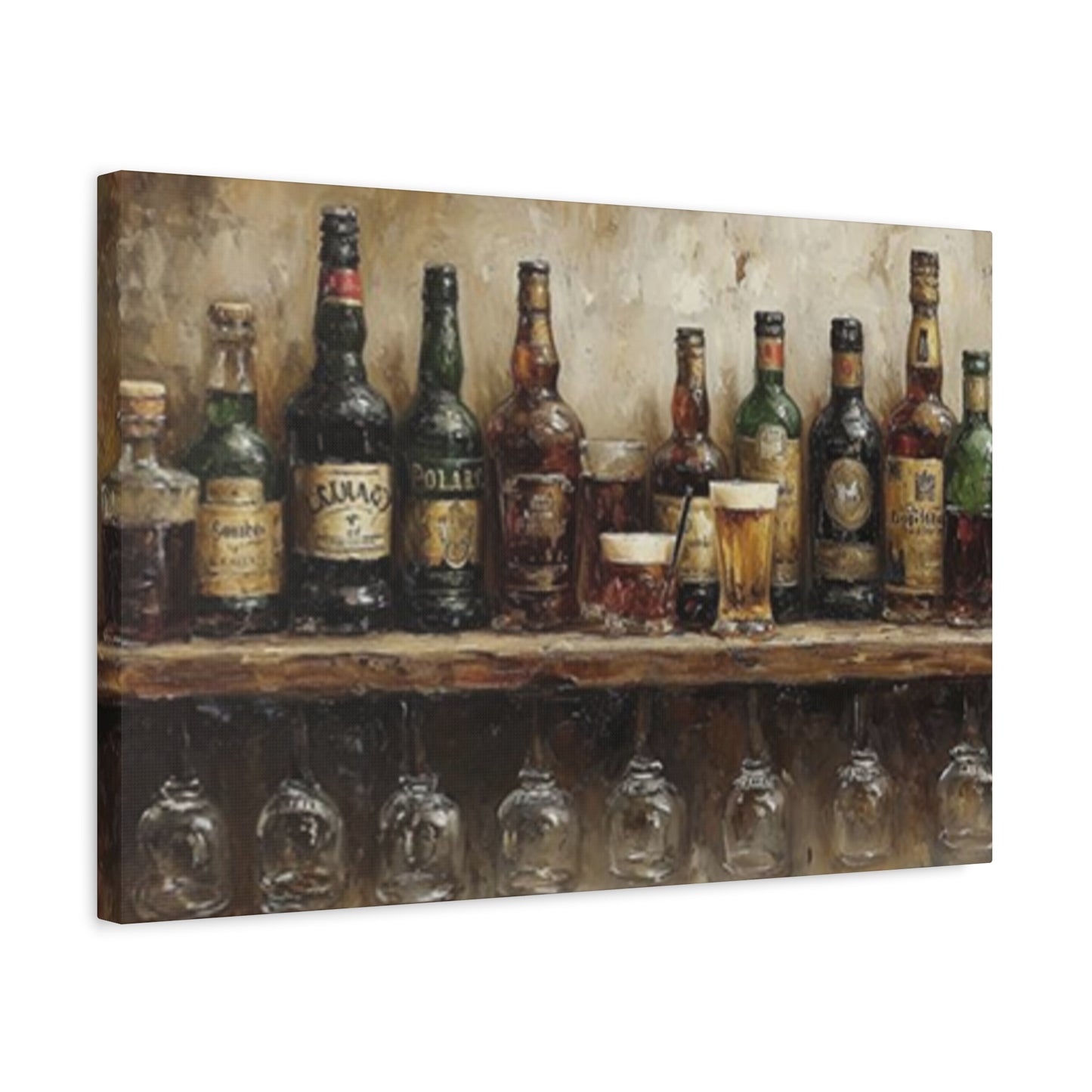
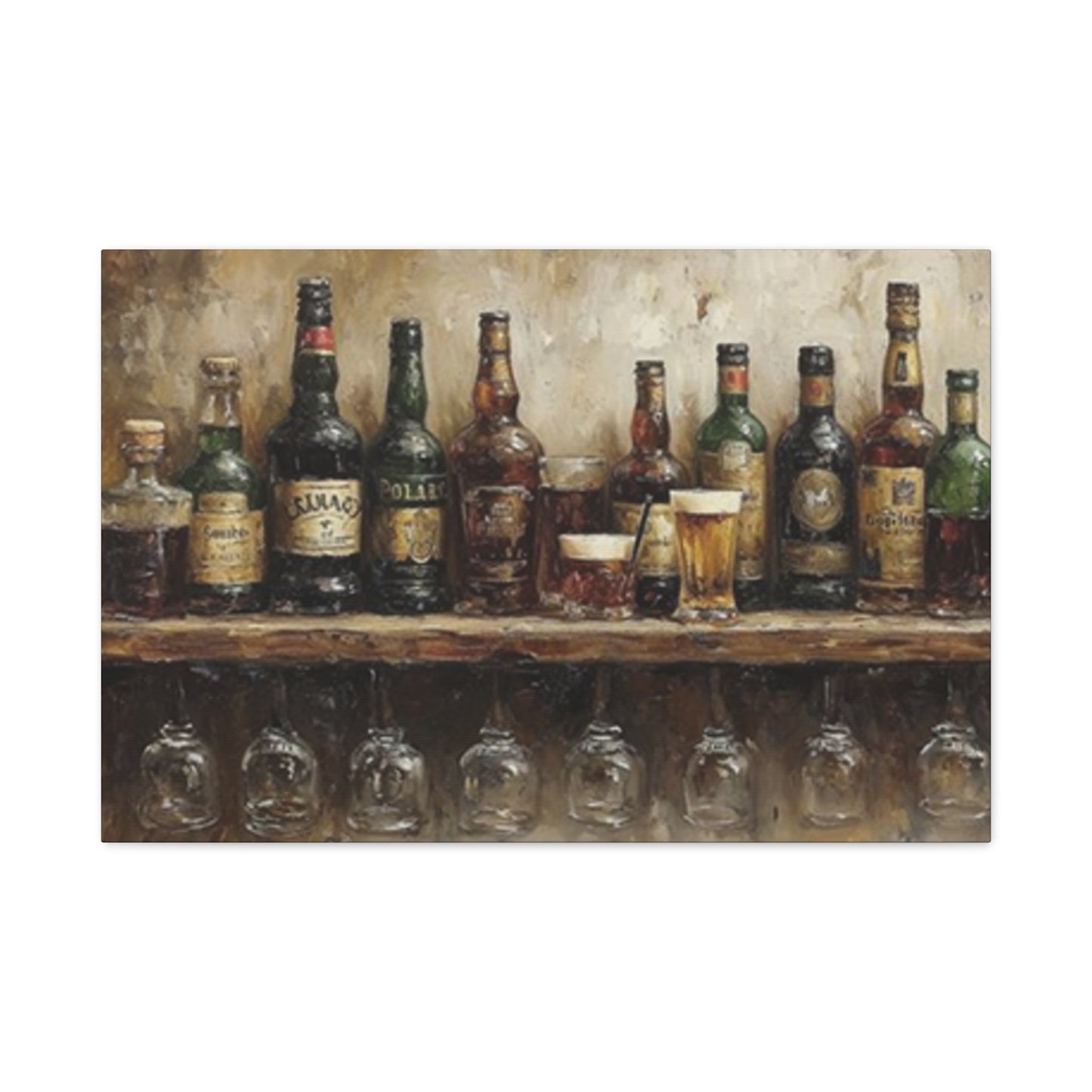
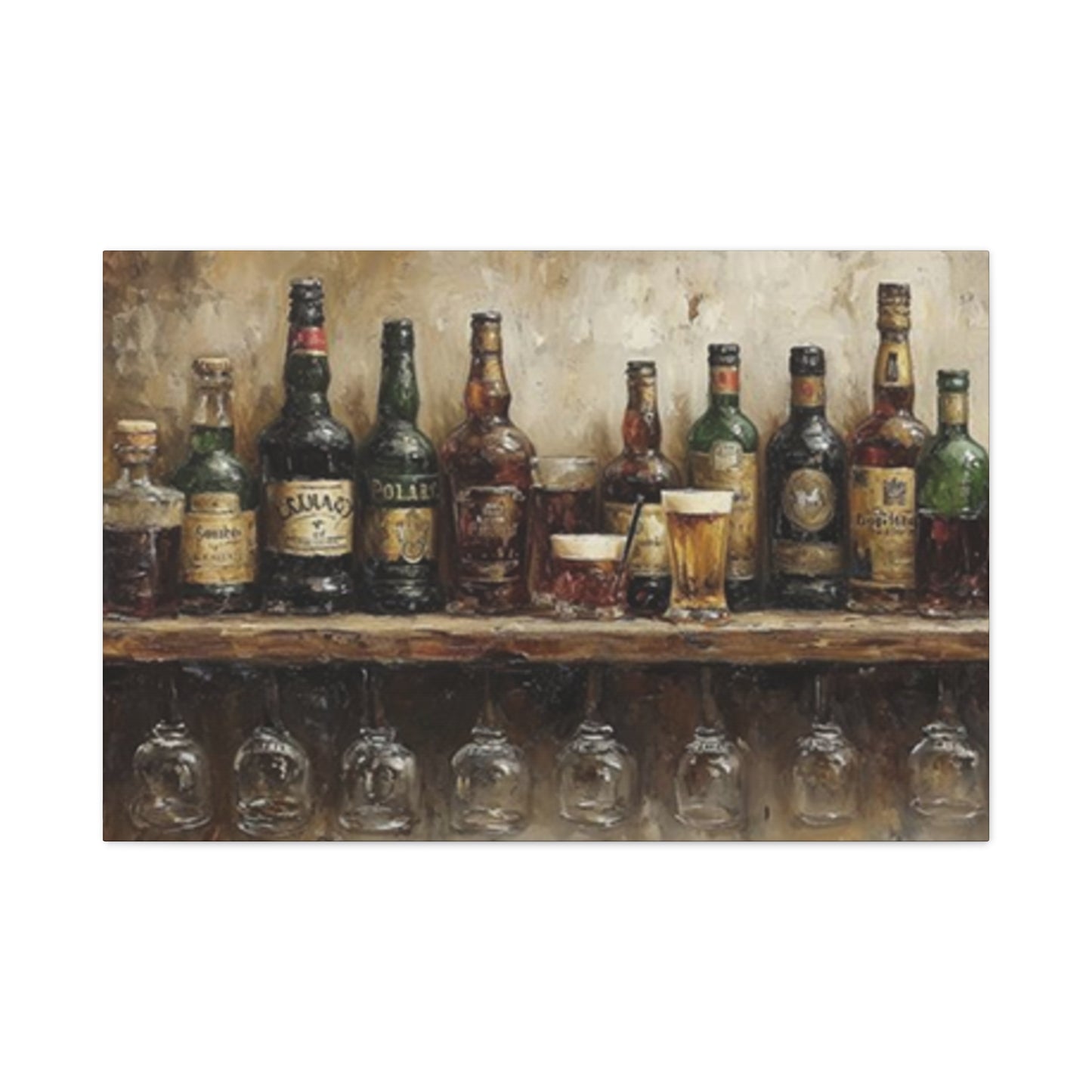
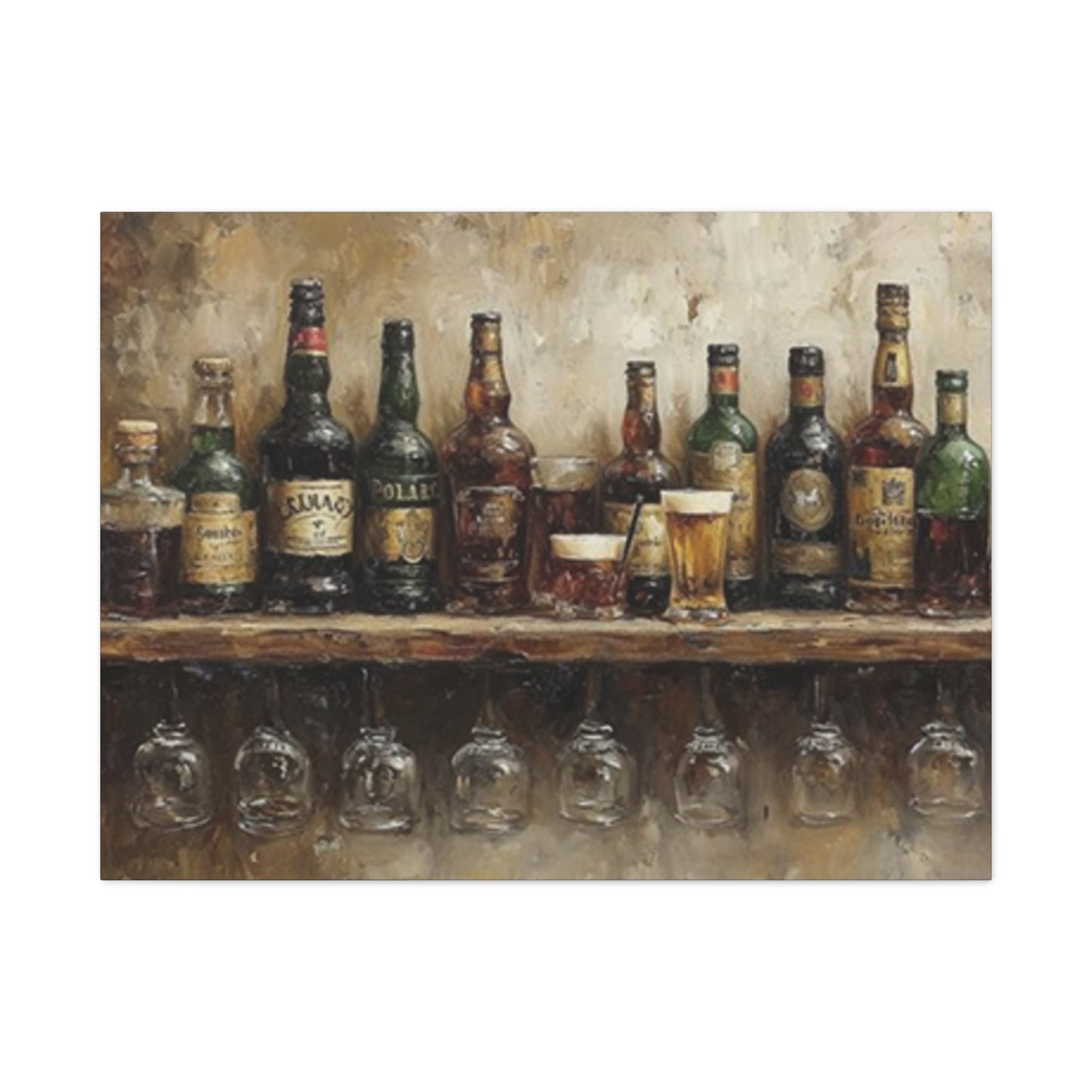
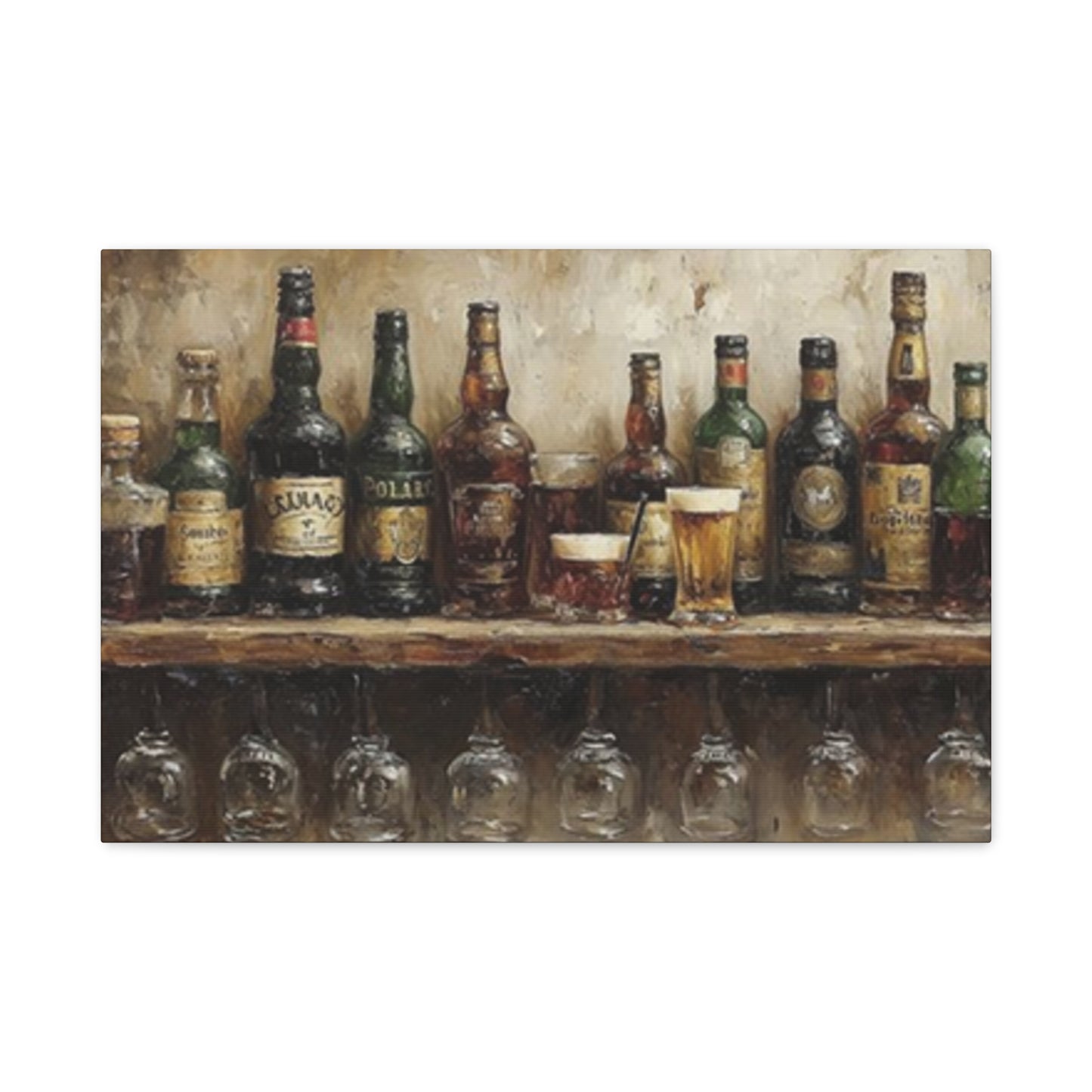
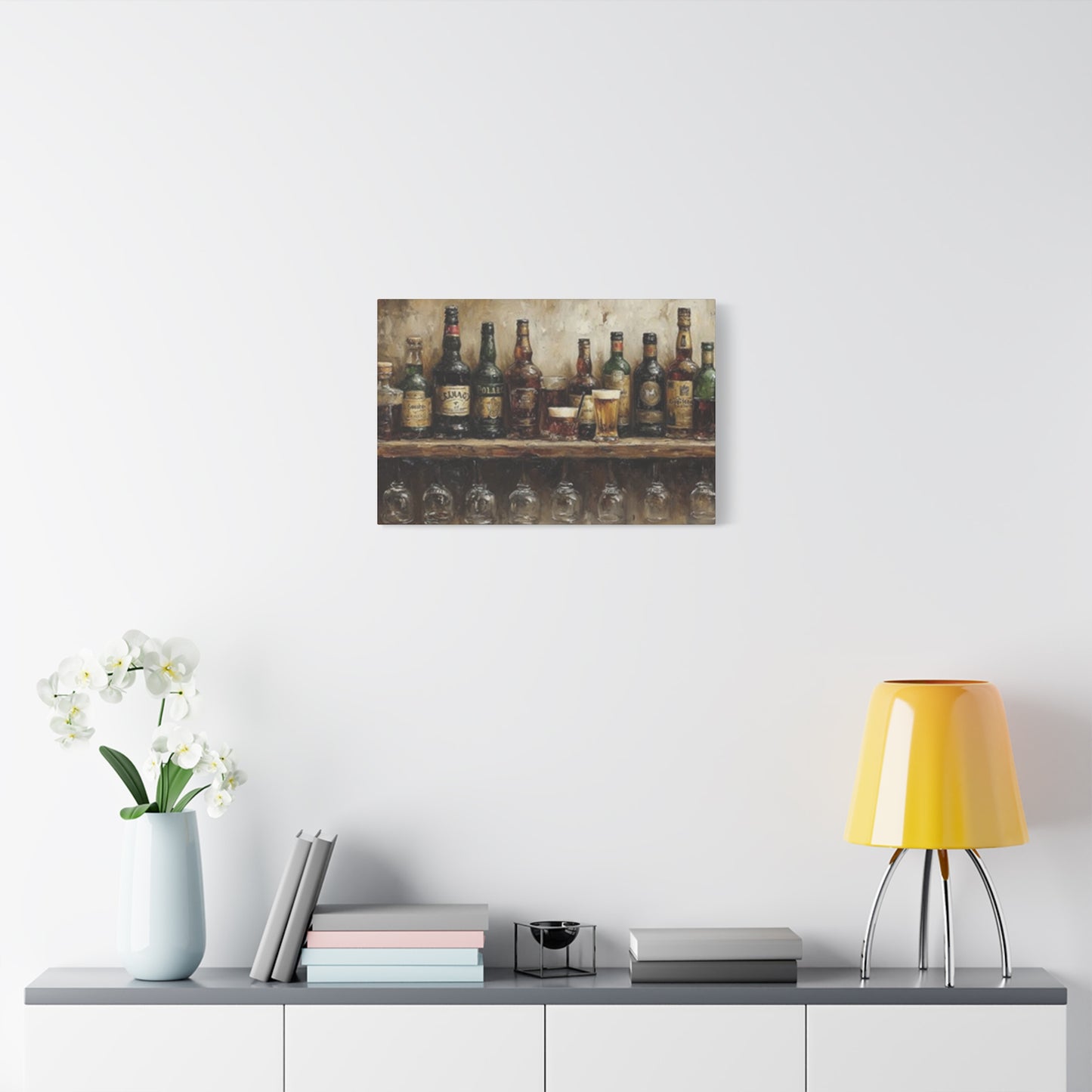
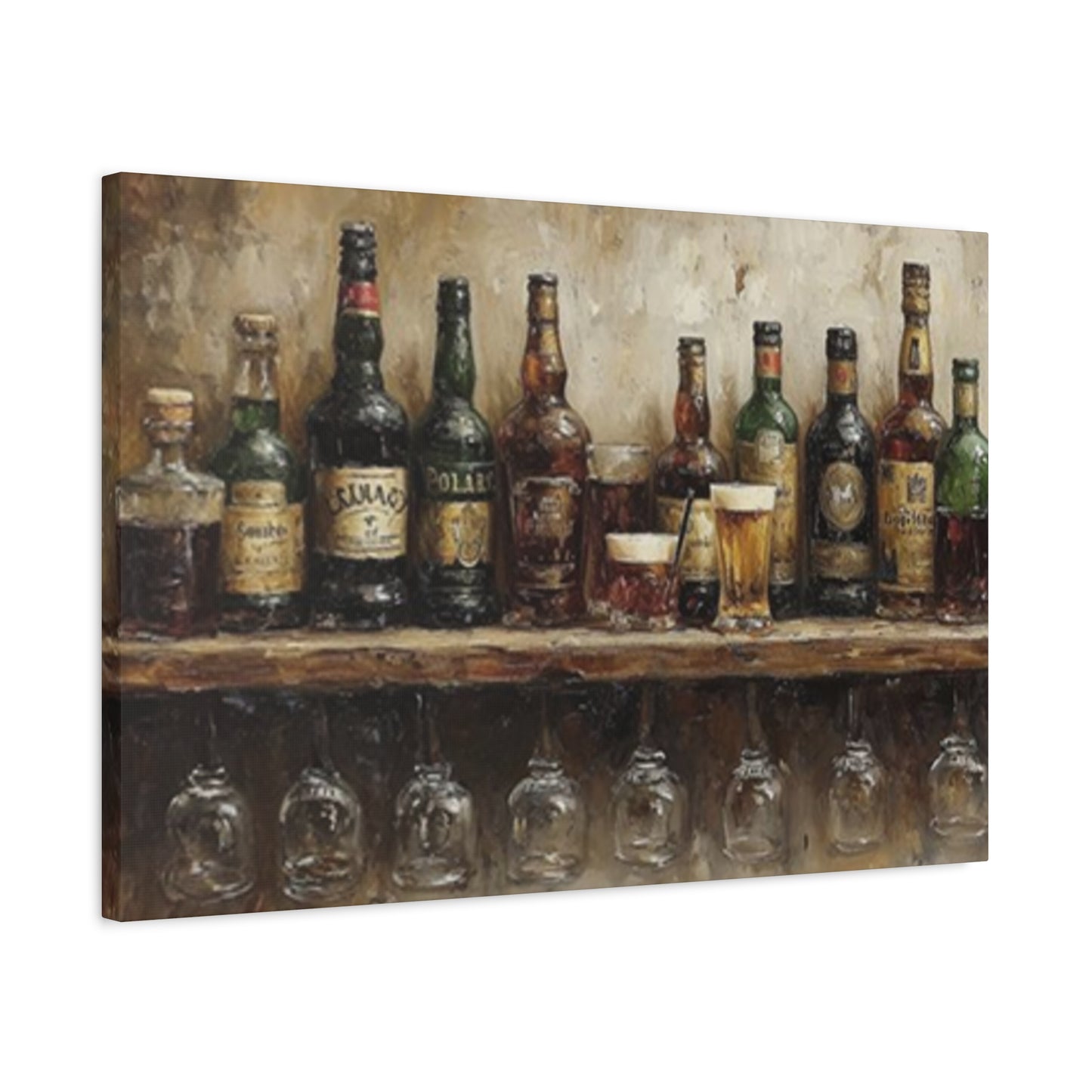
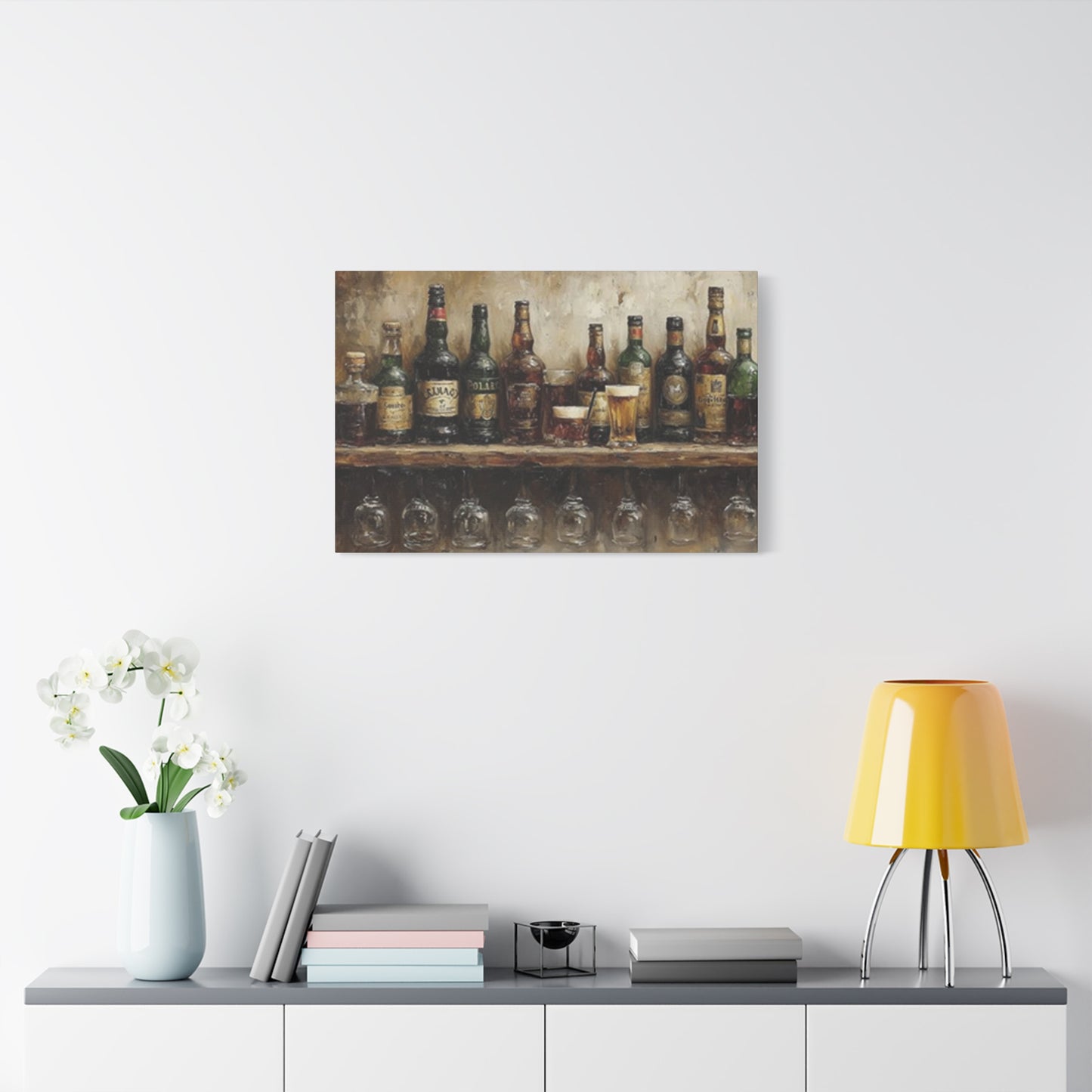
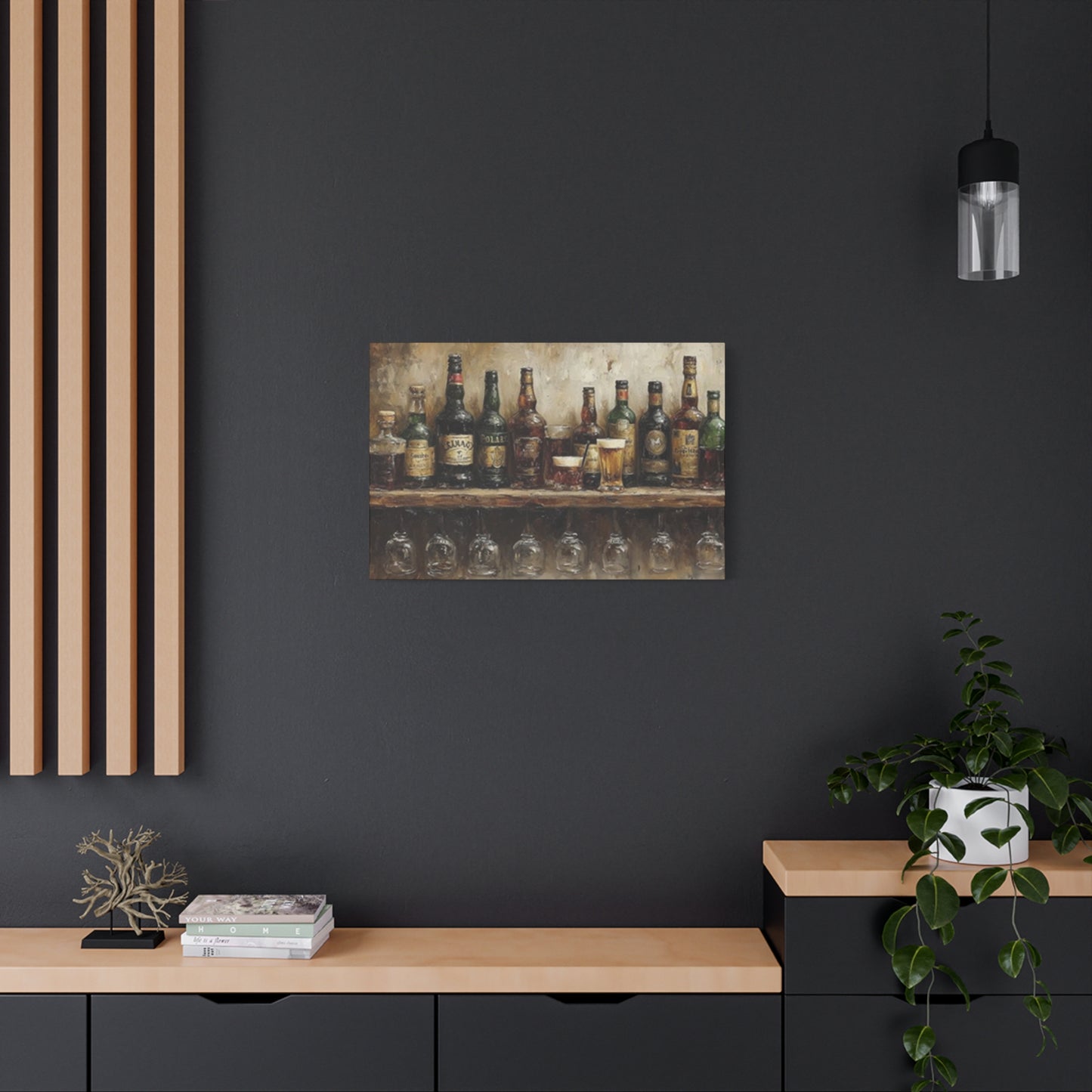
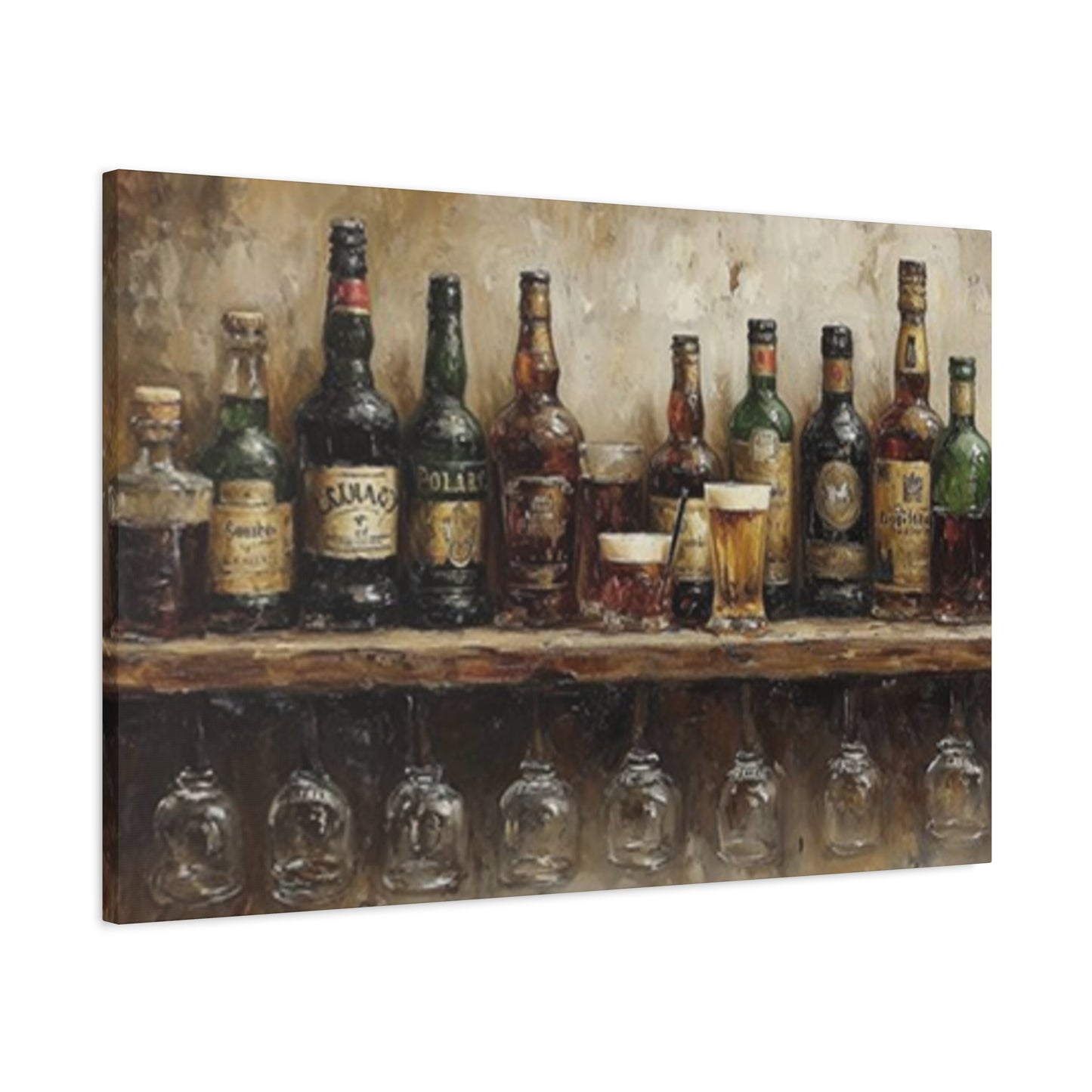
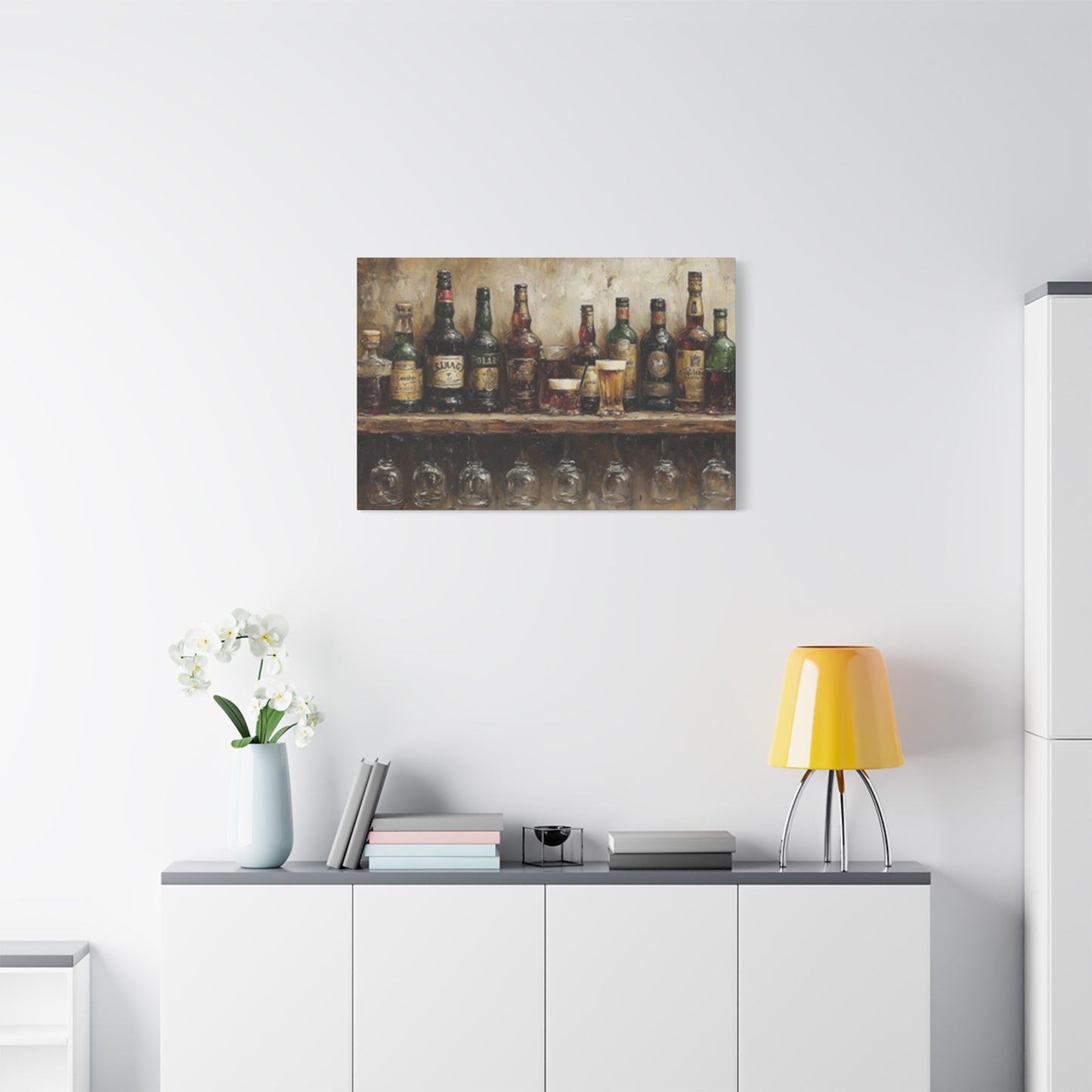
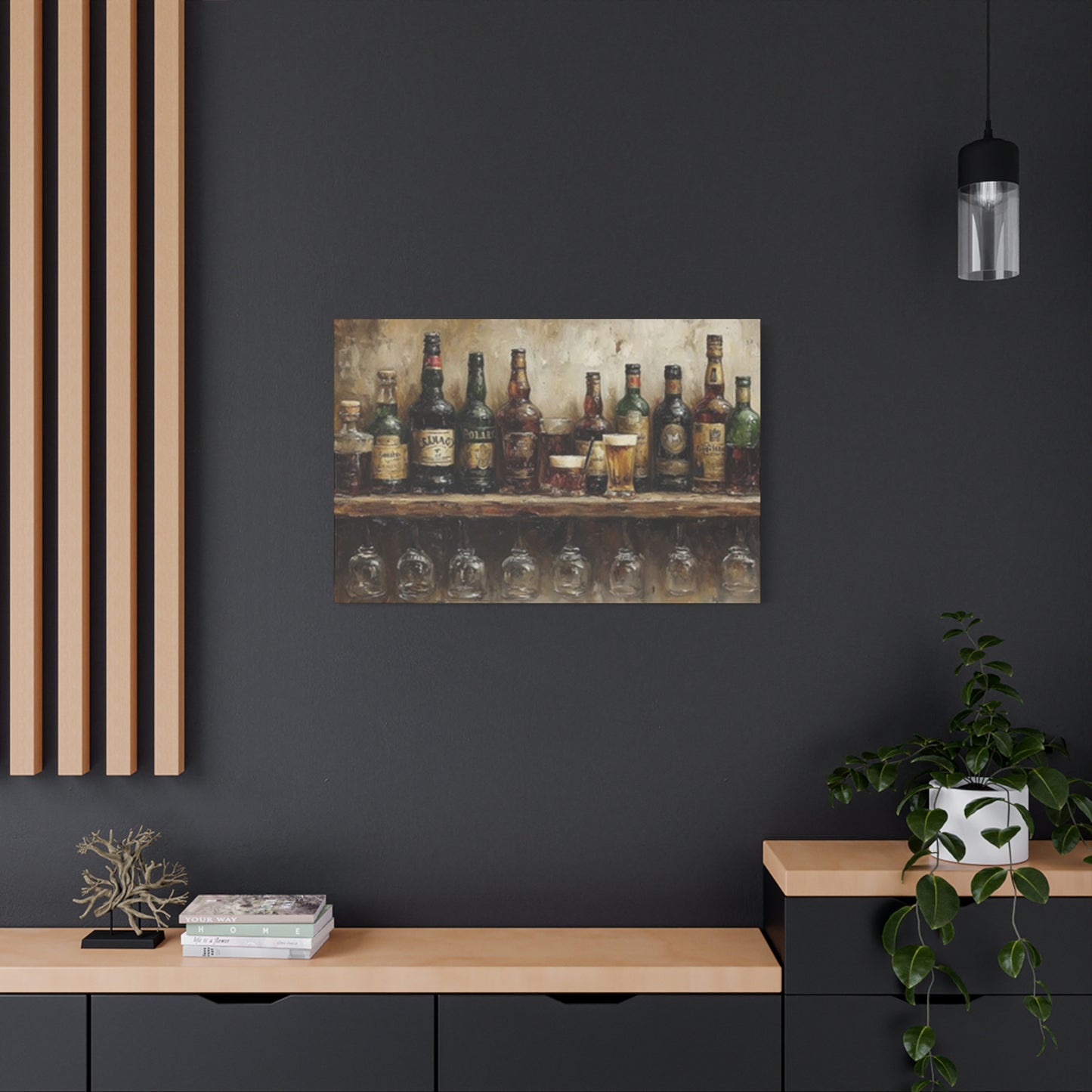
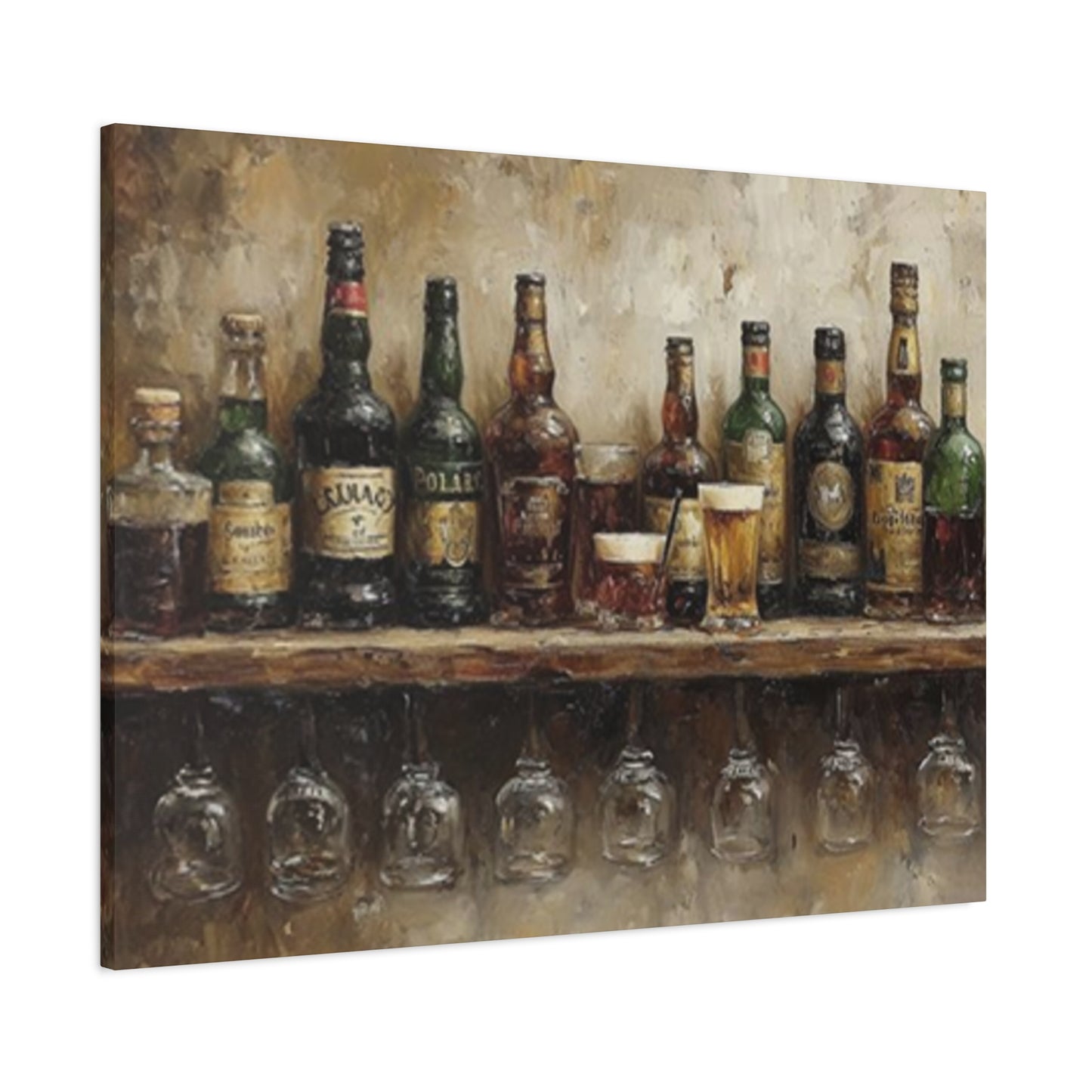
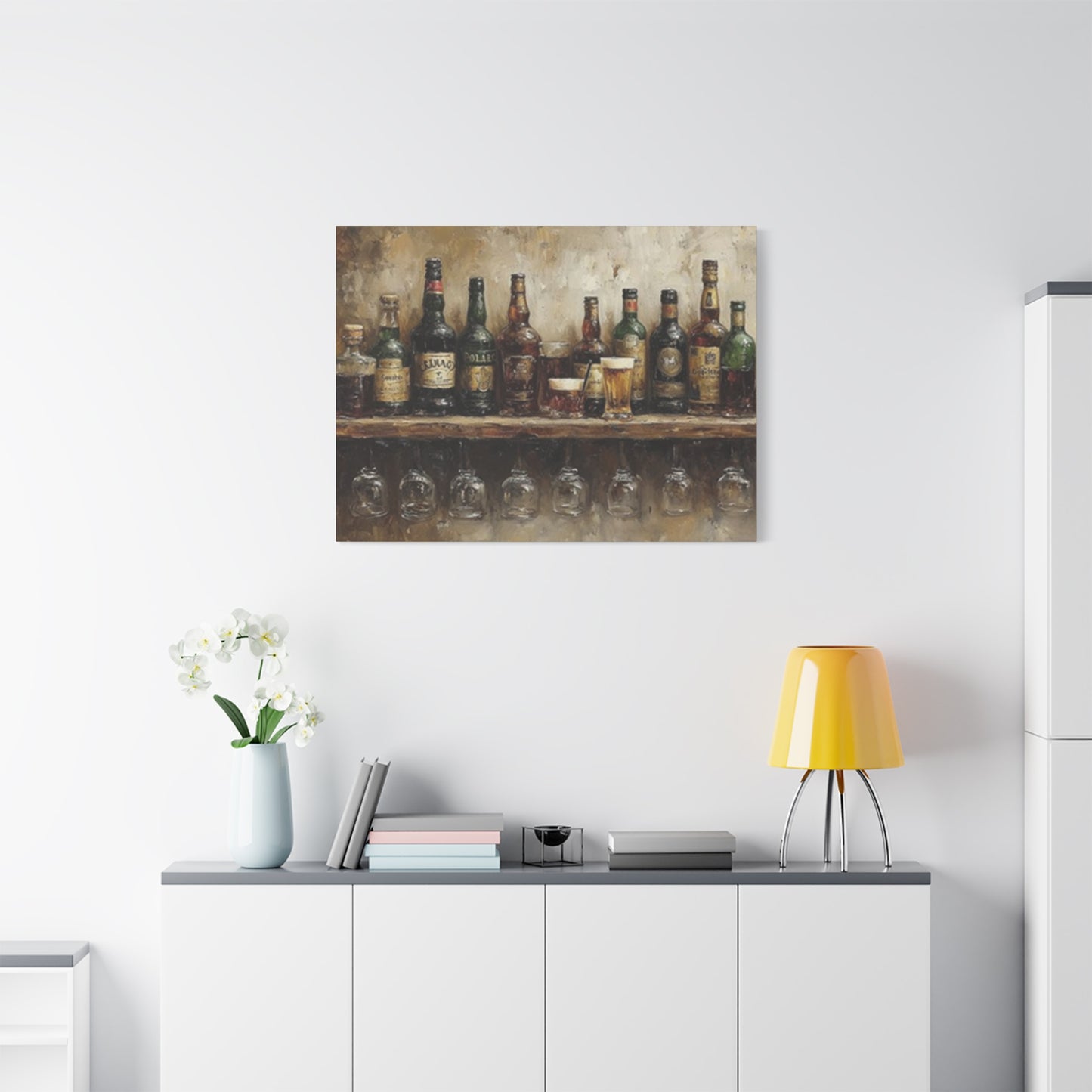
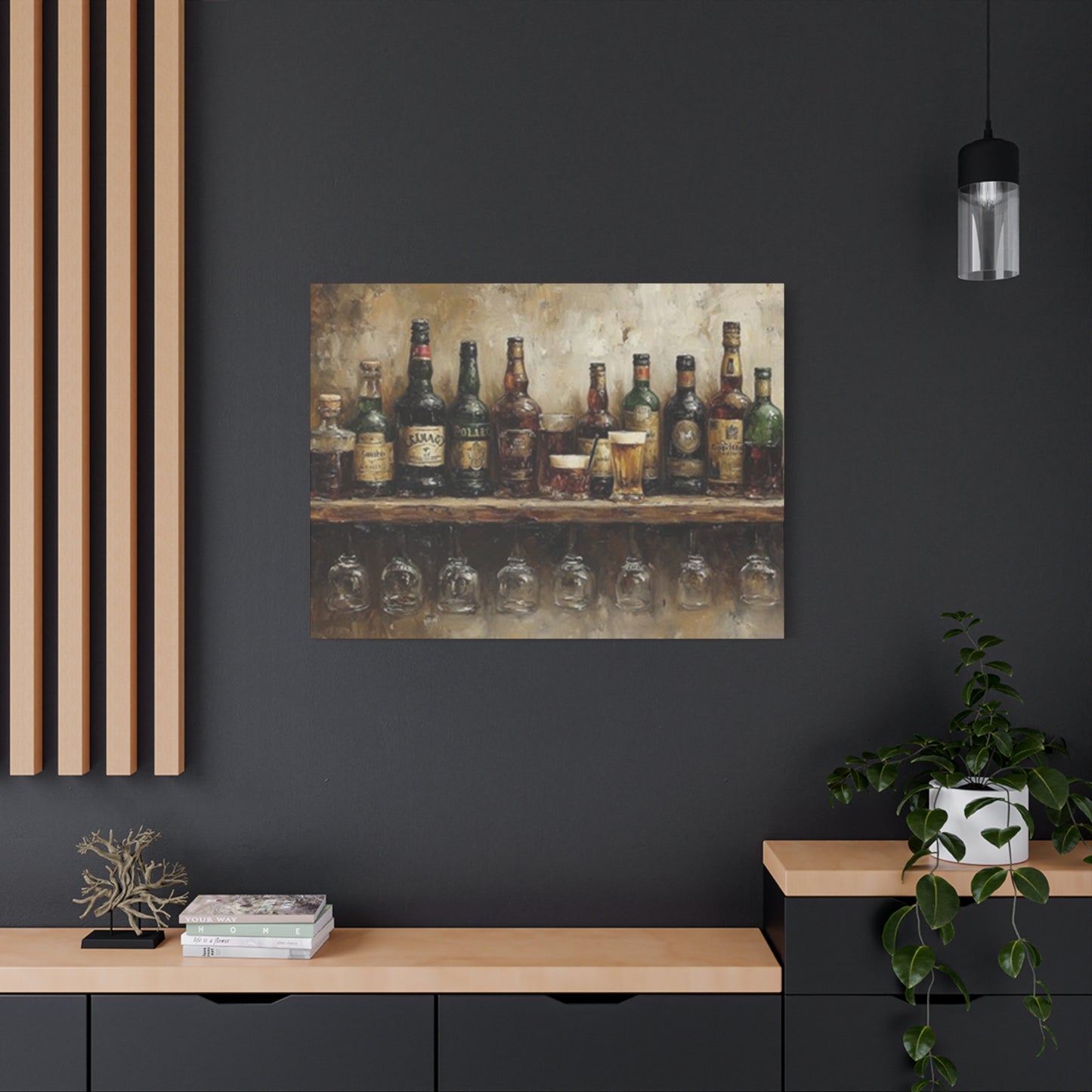
Cocktails Painting Wall Art & Canvas Prints
Cocktails Painting Wall Art & Canvas Prints
Couldn't load pickup availability
From Cocktail Glasses to Canvas: How Cocktails Painting Wall Art Brings a Creative Touch to Your Home Décor
The realm of artistic expression has witnessed a remarkable surge in the popularity of beverage-themed visual compositions, particularly those featuring colorful mixed drinks that capture the essence of celebration and sophistication. When you step into contemporary living spaces today, you'll frequently encounter stunning visual representations of martinis, mojitos, and margaritas adorning the walls, transforming ordinary rooms into vibrant social hubs that echo the ambiance of upscale lounges and tropical paradises.
These artistic creations serve as more than mere decorative elements; they represent a lifestyle choice that celebrates conviviality, leisure, and the art of savoring life's pleasurable moments. The increasing demand for such artwork stems from a collective desire to infuse residential and commercial environments with energy, color, and a sense of perpetual festivity. Whether displayed in home bars, dining areas, kitchens, or entertainment spaces, these visual masterpieces create an atmosphere that invites relaxation and social engagement.
The aesthetic appeal of beverage-themed artwork lies in its remarkable versatility and universal recognition. Almost everyone can identify with the imagery of a refreshing drink, making these pieces instantly relatable and conversation-starting. The vibrant hues of tropical beverages, the elegant simplicity of classic cocktails, and the playful presentation of contemporary mixology all translate beautifully onto canvas, creating visual feasts that stimulate both the eyes and the imagination.
Exploring Various Artistic Styles and Visual Representation Methods for Beverage-Themed Artwork
The artistic landscape of drink-themed visual compositions encompasses an impressive spectrum of stylistic approaches, each offering unique aesthetic qualities and emotional resonances. Realistic renderings capture every droplet of condensation on a chilled glass, every garnish detail, and every subtle gradation of color within the liquid itself. These meticulously crafted pieces often resemble high-quality photography, inviting viewers to almost taste the beverages depicted.
Abstract interpretations take a dramatically different approach, distilling the essence of cocktails into bold shapes, splashes of color, and dynamic compositions that suggest movement and energy rather than literal representation. These pieces might feature sweeping brushstrokes in tropical hues, geometric arrangements suggesting glassware, or explosive bursts of color representing the sensory experience of consuming a perfectly crafted beverage.
Pop art influences have also left an indelible mark on this genre, with artists creating bold, graphic representations that employ high contrast, limited color palettes, and simplified forms reminiscent of commercial advertising from the mid-twentieth century. These pieces often feature iconic drink imagery repeated in various color combinations, creating visually striking arrangements that celebrate consumer culture while simultaneously critiquing it.
Minimalist approaches strip away unnecessary details, focusing on essential shapes and limited color schemes to suggest rather than explicitly depict cocktails. A single line suggesting the stem of a martini glass, a perfect circle representing a lime slice, or a simple gradient evoking a layered shooter can create surprisingly powerful visual statements that appeal to those who appreciate subtlety and restraint in their décor.
Vintage-inspired artwork draws from the golden age of cocktail culture, incorporating retro typography, mid-century color palettes, and nostalgic imagery that evokes the glamour of bygone eras. These pieces often feature classic cocktails like Old Fashioneds, Manhattans, and Sidecars, presented with the sophisticated aesthetic sensibility that characterized pre-prohibition and post-war drinking establishments.
Contemporary mixed-media approaches combine various materials and techniques, incorporating textured elements, metallic accents, three-dimensional components, and even actual beverage-related objects into the artwork itself. These innovative pieces push the boundaries of what constitutes cocktails painting wall art, creating multisensory experiences that engage viewers on multiple levels.
Selecting Perfect Color Schemes and Palettes That Enhance Your Living Environment
The chromatic choices within beverage-themed artwork profoundly influence the atmosphere and emotional impact of any space. Tropical palette selections featuring vibrant turquoise, sunny yellow, coral pink, and lime green evoke beach vacations, poolside relaxation, and carefree summer afternoons. These energetic color combinations work exceptionally well in entertainment areas, outdoor living spaces, and anywhere you want to cultivate a perpetually vacation-like atmosphere.
Sophisticated monochromatic schemes utilizing various shades of a single hue create elegant, cohesive presentations that complement refined interior design approaches. Black and white compositions with subtle gray tones suggest classic cocktail culture and timeless sophistication, while sepia-toned pieces evoke nostalgia and vintage charm. These restrained palettes work beautifully in formal dining rooms, professional home offices, and minimalist living spaces where bold colors might feel overwhelming.
Jewel-tone selections incorporating deep emerald, ruby red, sapphire blue, and amethyst purple create luxurious, opulent atmospheres reminiscent of exclusive nightclubs and upscale cocktail lounges. These rich, saturated colors add depth and drama to spaces, working particularly well in rooms with darker furniture or in areas where you want to create an intimate, cozy ambiance.
Pastel interpretations featuring soft peach, mint green, lavender, and butter yellow offer gentler alternatives that maintain the playful spirit of cocktail imagery while providing more subtle visual impact. These softer palettes work wonderfully in bedrooms, breakfast nooks, and spaces where you want to maintain a light, airy feeling while still incorporating thematic elements.
Metallic accents within color schemes add glamorous touches that catch light and create visual interest. Gold foiling, silver leafing, and copper details transform ordinary beverage imagery into luxurious focal points that command attention without overwhelming surrounding décor elements. These shimmering additions work particularly well in spaces with good natural or artificial lighting where they can truly sparkle and shine.
Complementary color schemes employing hues opposite each other on the color wheel create dynamic, energetic compositions that naturally draw the eye. The pairing of orange citrus elements with blue backgrounds, or red strawberries against green mint leaves, creates visual tension that makes artwork feel alive and vibrant. These bold combinations work best in spaces where you want artwork to serve as a primary focal point rather than a subtle accent.
Determining Appropriate Dimensions and Spatial Arrangements for Maximum Visual Impact
The physical size of artwork dramatically affects how it functions within a space and how viewers perceive it. Large-scale statement pieces measuring several feet across create immediate focal points that anchor entire rooms, providing visual weight and establishing the dominant aesthetic tone for their surroundings. These commanding presences work exceptionally well above substantial furniture pieces like sofas, beds, or sideboards, where they can properly balance the visual composition.
Medium-sized compositions offer versatility, fitting comfortably in various locations without overwhelming spaces. These flexible pieces work well as components of gallery walls, as standalone features in smaller rooms, or as coordinating elements in larger spaces where multiple artworks create a cohesive narrative. Their moderate dimensions make them accessible for most residential and commercial environments.
Small-format pieces provide opportunities for creating interesting collections and arrangements. Grouped together, these compact artworks can form engaging visual stories, particularly when featuring complementary subjects like a series depicting different classic cocktails or various colorful tropical drinks. Their modest size makes them perfect for filling awkward spaces, creating visual interest in narrow hallways, or adding personality to small powder rooms and compact dining areas.
Vertical orientations emphasize height, drawing the eye upward and making spaces feel taller and more expansive. Portrait-oriented beverage artwork works particularly well in narrow spaces, flanking doorways, or creating vertical visual movement in rooms with low ceilings. These tall compositions often feature elegant stemware or stacked arrangements that naturally suit the vertical format.
Horizontal layouts emphasize width, creating grounding effects that make spaces feel more expansive and relaxed. Landscape-oriented cocktail artwork works beautifully above horizontal furniture arrangements, in dining rooms where they echo the length of tables, and in spaces where you want to visually widen narrow rooms. These wide compositions often feature multiple drinks arranged in rows or panoramic bar scenes.
Square formats provide balanced, harmonious presentations that work in virtually any context. These versatile shapes can be easily incorporated into symmetrical arrangements, work well as standalone pieces, or serve as building blocks for larger gallery wall compositions. The equal proportions of square artwork create a sense of stability and completeness that appeals to many design sensibilities.
Triptych and multi-panel arrangements divide single images across multiple canvases, creating sophisticated presentations that add architectural interest to walls. These segmented compositions work particularly well in contemporary settings, allowing for creative spacing between panels that adds depth and dimension to the overall presentation. The separated elements create visual rhythm and can be arranged to fit specific wall dimensions.
Examining Various Materials and Production Methods for Creating Lasting Artwork
Canvas prints represent the most popular medium for beverage-themed artwork, offering texture, durability, and a traditional artistic appearance that appeals to diverse tastes. Gallery-wrapped canvases with images extending around the edges eliminate the need for framing, creating clean, contemporary presentations that seem to float on walls. The woven texture of canvas adds depth to digital prints while providing sufficient weight to hang properly without sagging.
Framed paper prints provide traditional presentation methods that incorporate protective glass or acrylic, preserving delicate surfaces from environmental damage. These classic presentations work particularly well with vintage-inspired imagery and more formal interior design schemes. The variety of available frame styles—from ornate gilded options to sleek modern metals—allows for extensive customization to match existing décor elements.
Metal prints transfer images onto specially coated aluminum surfaces, creating luminous, contemporary presentations with exceptional color vibrancy and detail clarity. These modern options offer remarkable durability, resisting fading, moisture, and scratching far better than traditional materials. The reflective quality of metal surfaces adds unique visual dimension, with images appearing to glow from within when properly lit.
Acrylic prints sandwich images between clear acrylic panels or mount them behind glossy acrylic surfaces, creating depth and brilliance that makes colors appear exceptionally vivid. These high-end presentations offer gallery-quality aesthetics with museum-level preservation qualities. The crystal-clear surfaces and dimensional depth create stunning visual effects that work beautifully in contemporary and luxury settings.
Wood panel prints transfer images onto natural wood surfaces, allowing grain patterns to show through and add organic texture to compositions. These rustic presentations work wonderfully in casual, farmhouse-style, or industrial settings where the natural material complements surrounding décor elements. The warmth of wood adds earthy character to colorful cocktail imagery, creating interesting juxtapositions between refined subject matter and rustic presentation.
Removable wall decals offer temporary solutions perfect for renters, frequent redecorators, or those who prefer flexibility in their décor choices. These adhesive vinyl graphics can be easily applied and removed without damaging wall surfaces, making them ideal for creating seasonal displays or experimenting with different arrangements before committing to permanent installations.
Hand-painted original artwork provides unique, one-of-a-kind pieces with distinctive character and investment value. Commissioning artists to create custom cocktail paintings allows for complete control over subject matter, color schemes, dimensions, and stylistic approaches. Original artwork carries prestige and personality that reproductions cannot match, making it ideal for collectors and those seeking truly distinctive décor elements.
Identifying Ideal Locations Within Residential Spaces for Displaying Beverage Artwork
Home bar areas represent natural habitats for cocktail-themed artwork, where the visual subject matter directly relates to the space's function. Displaying vibrant drink imagery in home bars reinforces the room's purpose while creating an immersive atmosphere that enhances the experience of preparing and enjoying beverages. Consider creating gallery walls featuring multiple pieces that showcase various drinks, or select a single large-scale statement piece that serves as the room's centerpiece.
Kitchen environments benefit from the addition of beverage-themed artwork that adds color, personality, and thematic consistency to cooking and gathering spaces. The connection between food and drink makes cocktail imagery naturally appropriate in these areas, particularly when selected in color schemes that complement existing cabinetry, countertops, and appliances. Consider placing artwork above dining tables, on breakfast nook walls, or in spaces between upper cabinets where decorative elements are needed.
Dining room walls provide excellent display opportunities for drink-themed compositions that enhance mealtime experiences and create conversation-starting focal points. The social nature of dining spaces aligns perfectly with cocktail imagery, which evokes conviviality and celebration. Consider coordinating artwork colors with table settings, window treatments, and furniture upholstery to create cohesive design schemes.
Living room arrangements often incorporate beverage artwork as part of broader gallery wall compositions or as standalone statement pieces above sofas and entertainment centers. The casual, relaxed atmosphere of family rooms makes them perfect for displaying fun, colorful cocktail imagery that reflects the homeowners' personalities and interests. Consider balancing drink-themed pieces with complementary artwork featuring related subjects like citrus fruits, tropical flowers, or abstract color compositions.
Entertainment and game room environments practically demand playful, energetic artwork that reinforces these spaces' recreational purposes. Bold, colorful cocktail paintings create perfect atmospheres for hosting gatherings, playing games, and enjoying leisure time. Consider selecting pieces with humor, vintage advertising aesthetics, or bold graphic qualities that match the casual, fun nature of these spaces.
Outdoor living areas including covered patios, screened porches, and poolside lounges benefit from weather-resistant beverage artwork that withstands humidity and temperature fluctuations. Metal prints and specially sealed canvases work well in these environments, bringing indoor sophistication to outdoor entertaining areas. The tropical, vacation-like qualities of many cocktail paintings naturally suit outdoor settings where relaxation and entertainment occur.
Master bedroom suites occasionally incorporate sophisticated cocktail imagery, particularly when residents want to create luxurious, hotel-like atmospheres in their private retreats. Elegant, understated pieces featuring classic cocktails in refined color palettes work best in these intimate spaces, avoiding overly bold or energetic compositions that might disrupt the room's restful purpose.
Bathroom and powder room walls offer surprising opportunities for incorporating playful beverage artwork in spaces where guests appreciate unexpected decorative touches. Small-format pieces work particularly well in these compact areas, adding personality without overwhelming limited wall space. Consider selecting pieces with colors that complement existing tile, fixtures, and accessories.
Coordinating Artwork with Existing Interior Design Schemes and Décor Elements
Contemporary minimalist environments benefit from cocktail artwork featuring clean lines, limited color palettes, and simplified forms that echo the restrained aesthetic of surrounding décor. Select pieces with significant negative space, geometric compositions, and sophisticated color selections that complement rather than compete with the room's overall design philosophy. Avoid overly busy or ornate pieces that would feel out of place in streamlined modern settings.
Traditional and classic interior schemes accommodate beverage artwork when pieces feature vintage aesthetics, formal presentations, and subdued color palettes that respect the timeless quality of surrounding furnishings. Look for artwork with ornate frames, sepia tones, or classical composition techniques that blend seamlessly with antique furniture, oriental rugs, and formal window treatments. Select subjects featuring classic cocktails like Manhattans and Old Fashioneds rather than contemporary colorful drinks.
Coastal and nautical themes naturally align with tropical cocktail imagery featuring beach bars, tiki drinks, and vacation beverages. The connection between seaside leisure and refreshing drinks creates logical thematic consistency. Select pieces featuring blues, turquoises, sandy neutrals, and coral accents that echo coastal color palettes while incorporating beverage subjects that reinforce the beachy, relaxed atmosphere.
Industrial and urban loft settings accommodate bold, edgy cocktail artwork with raw, unfinished qualities that complement exposed brick, metal fixtures, and concrete surfaces. Consider pieces on wood panels, metal prints, or canvases with visible texture that echo the utilitarian aesthetic. Select artwork featuring bold graphics, high contrast, and contemporary mixed-media approaches that feel at home in converted warehouse spaces.
Bohemian and eclectic environments welcome colorful, artistic cocktail paintings that contribute to the collected, worldly atmosphere characteristic of these design approaches. Mix beverage artwork with diverse pieces featuring various subjects, styles, and origins to create the layered, well-traveled look that defines boho style. Select pieces with rich colors, artistic brushwork, and unique presentation methods that add to the room's creative, unconventional character.
Farmhouse and rustic interior schemes benefit from cocktail artwork presented on wood panels or in distressed frames that complement the style's emphasis on natural materials and vintage character. Look for pieces featuring simple compositions, muted color palettes, and casual presentation methods that align with the unpretentious, comfortable nature of farmhouse design. Consider artwork depicting classic drinks in mason jars or vintage glassware that reinforces the rustic aesthetic.
Glamorous and luxury settings demand sophisticated cocktail artwork featuring rich colors, metallic accents, and high-quality presentation methods that match the opulent surroundings. Select pieces on acrylic or metal with gold or silver elements that catch light and create visual drama. Choose subjects featuring elegant champagne flutes, sophisticated martinis, or artfully composed drink arrangements that convey refinement and exclusivity.
Discovering Unique Subject Matter and Thematic Variations Within the Genre
Classic cocktail representations focus on timeless beverages with established histories and enduring popularity. Artwork depicting martinis, Manhattans, Old Fashioneds, and other iconic drinks appeals to traditionalists and those who appreciate cocktail culture's sophisticated heritage. These pieces often feature elegant glassware, simple garnishes, and refined color palettes that convey timeless sophistication.
Tropical drink imagery celebrates vacation beverages like piña coladas, mai tais, and margaritas, evoking beach resorts, island getaways, and carefree leisure. These colorful compositions typically feature vibrant hues, elaborate garnishes, and playful presentations that create immediate vacation vibes. The bold colors and festive nature of tropical drink artwork make them popular choices for entertainment spaces and casual environments.
Champagne and sparkling wine compositions convey celebration, luxury, and special occasions through elegant presentations featuring flutes, bottles, and effervescent bubbles. These sophisticated pieces work beautifully in formal dining rooms, master bedrooms, and anywhere you want to create an atmosphere of refinement and festivity. The vertical lines of champagne flutes naturally suit portrait-oriented compositions.
Wine-themed artwork, while technically beyond the cocktail category, shares thematic connections through its celebration of beverage culture. Pieces featuring wine glasses, vineyards, and bottles complement cocktail artwork in spaces dedicated to entertaining and culinary pursuits. The rich reds and deep purples of wine imagery add warmth and sophistication to dining areas.
Beer and craft brew representations celebrate more casual drinking culture through artwork featuring pints, flights, and brewing imagery. These pieces work particularly well in basement bars, game rooms, and casual entertainment spaces where craft beer culture thrives. The golden amber colors and frothy white heads of beer create visually appealing compositions with masculine appeal.
Molecular mixology and contemporary cocktail artistry inspire artwork featuring dramatic presentations, unusual glassware, and visually striking modern drinks. These pieces appeal to those interested in cutting-edge cocktail culture and experimental beverage creation. The unexpected colors, shapes, and presentations in molecular mixology artwork create conversation-starting focal points.
Vintage cocktail advertising reproduces or reinterprets classic promotional materials from the golden age of cocktail culture. These nostalgic pieces feature retro typography, mid-century models, and period-appropriate styling that evokes specific eras in drinking culture. The historical character of vintage advertising artwork adds authenticity and character to themed bars and retro-inspired interiors.
Humorous and whimsical interpretations take playful approaches to beverage imagery, incorporating puns, clever visual jokes, and lighthearted presentations. These fun pieces work wonderfully in casual settings where humor and personality are welcome. Subjects might include anthropomorphized cocktails, clever wordplay, or absurdist takes on drink culture.
Botanical and ingredient-focused compositions highlight the natural elements that flavor cocktails, featuring citrus fruits, herbs, berries, and botanical garnishes. These pieces provide sophisticated alternatives to literal drink depictions while maintaining thematic connections. The organic beauty of ingredient-focused artwork appeals to those who appreciate natural elements and farm-to-table sensibilities.
Implementing Professional Display Methods and Proper Hanging Practices
Determining appropriate hanging heights requires understanding standard guidelines while accounting for specific circumstances. The general rule suggests centering artwork at approximately fifty-seven to sixty inches from the floor, which places pieces at average eye level for most viewers. However, adjustments become necessary based on ceiling height, furniture relationships, and the specific dimensions of the artwork itself.
When hanging pieces above furniture, maintain consistent spacing between the furniture's top and the artwork's bottom edge. Generally, six to twelve inches of vertical space creates visual connections between furniture and artwork without making pieces appear to float disconnected from their surroundings. Larger furniture pieces can accommodate greater spacing, while smaller items require closer positioning.
Wall anchor selection depends on wall construction and artwork weight. Drywall installations require proper anchors to support anything heavier than a few pounds, while plaster walls, concrete, and brick demand specific fastener types. Always verify that hanging hardware can support significantly more weight than the artwork requires, providing safety margins that prevent accidents.
Level and precise alignment dramatically affect how professional artwork installations appear. Even slight deviations from horizontal become glaringly obvious, particularly with pieces featuring strong horizontal elements like horizon lines or bar tops. Invest in quality levels and take time to ensure perfect alignment before finalizing installations.
Gallery wall arrangements require careful planning to create cohesive, balanced compositions from multiple pieces. Begin by arranging elements on the floor, experimenting with various configurations until you achieve satisfying balance and flow. Photograph successful arrangements for reference during actual hanging, and create paper templates matching each piece's dimensions to tape on walls for precise positioning before hammering a single nail.
Lighting considerations dramatically impact how artwork appears and how well viewers can appreciate details and colors. Natural light from windows creates ideal viewing conditions but can cause fading over time, particularly with pieces not printed on archival materials. Track lighting, picture lights, and directional fixtures allow you to highlight artwork while controlling exactly where light falls, creating dramatic presentations that make pieces truly shine.
Spacing between multiple pieces affects how arrangements function visually. Generally, maintain two to four inches between pieces in tight gallery wall groupings, while allowing greater separation for more relaxed, casual arrangements. Consistent spacing creates order and intentionality, while varied spacing can feel haphazard unless executed with considerable skill.
Preserving and Protecting Your Cocktails Painting Wall Art Investment
Environmental factors significantly impact artwork longevity. Humidity fluctuations cause canvas expansion and contraction, potentially damaging prints and causing warping. Maintain consistent humidity levels between thirty and fifty percent, using humidifiers or dehumidifiers as necessary. Avoid hanging valuable pieces in bathrooms or other high-humidity environments unless they're specifically designed for such conditions.
Direct sunlight represents artwork's greatest enemy, causing irreversible fading that gradually robs pieces of their vibrancy and detail. Position artwork away from windows receiving direct sun exposure, or install UV-filtering window treatments that block damaging wavelengths while still admitting visible light. If pieces must hang in sunny locations, consider reproductions rather than valuable originals, accepting that eventual replacement may become necessary.
Temperature stability prevents material degradation and dimensional changes that can damage artwork over time. Avoid hanging pieces above heat sources like radiators, fireplaces, or heating vents where temperature fluctuations and excessive heat accelerate deterioration. Similarly, avoid locations near air conditioning vents where cold air blasts directly onto artwork.
Regular cleaning maintains appearance while preventing dust accumulation that can become embedded in canvas texture. Use soft, dry microfiber cloths to gently wipe surfaces, avoiding any cleaning solutions unless specifically recommended for the particular material. For framed pieces behind glass, use appropriate glass cleaners applied to the cloth rather than sprayed directly on the glass, preventing solution from seeping behind frames.
Professional conservation treatments become necessary for valuable or damaged pieces. Trained conservators can repair tears, restore faded colors, and address various condition issues that arise over time. While conservation services represent significant investments, they preserve artwork value and extend usable lifespans considerably.
Periodic inspection catches developing problems before they become serious. Regularly examine artwork for signs of fading, discoloration, warping, or other condition changes. Early intervention prevents minor issues from escalating into major damage requiring extensive restoration or rendering pieces beyond repair.
Insurance considerations become important for valuable collections. Document your artwork through detailed photographs and maintain records of purchase prices, appraisals, and artist information. Many homeowner's insurance policies provide limited coverage for artwork, making riders or specialized insurance necessary for significant collections.
Creating Cohesive Thematic Environments Through Strategic Artwork Selection
Establishing consistent color stories throughout spaces creates visual harmony and intentional design. When selecting multiple cocktail paintings for a room or connected spaces, maintain consistent palette selections that complement each other while providing enough variation to maintain interest. Consider pulling colors from a favorite piece and using those hues as guidelines for selecting additional artwork.
Varying scale and format prevents monotony while maintaining cohesion. Combine large statement pieces with smaller supporting elements, vertical orientations with horizontal layouts, and different frame styles that nonetheless share unifying characteristics. This intentional variation creates dynamic, engaging environments that feel curated rather than formulaic.
Balancing subject matter ensures comprehensive thematic development without excessive repetition. Rather than displaying five identical martini paintings, consider combining classic cocktails with tropical drinks, champagne flutes, and botanical ingredient studies. This varied approach maintains thematic consistency while providing visual diversity that rewards repeated viewing.
Incorporating complementary elements extends themes beyond artwork alone. Consider adding decorative objects like vintage cocktail shakers, interesting glassware, bar accessories, and related items that reinforce the beverage theme. These three-dimensional elements add depth to the thematic experience while providing functional purposes in entertainment spaces.
Seasonal rotation keeps environments fresh and allows you to display larger collections without overwhelming spaces. Store some pieces during certain seasons while displaying others, then swap selections periodically. This practice prevents visual fatigue while letting you enjoy more artwork than you have simultaneous display space for.
Personal significance should guide selections, ensuring displayed artwork resonates with your experiences, preferences, and personality. Choose pieces depicting your favorite drinks, styles that appeal to your aesthetic sensibilities, and imagery that evokes pleasant memories or aspirational experiences. Artwork should feel personally meaningful rather than selected merely because it's trendy or popular.
Exploring Creative DIY Methods for Producing Custom Beverage Artwork
Photography-based approaches allow you to create personalized artwork using your own images. Capture photographs of cocktails you prepare, drinks from favorite establishments, or creative beverage compositions staged specifically for artistic purposes. Edit images to enhance colors, adjust contrast, and refine compositions before printing them as wall art through various online services offering custom printing on canvas, metal, or other materials.
Painting original compositions provides maximum creative control and results in truly unique pieces. Even those without extensive painting experience can create appealing abstract interpretations using bold colors and expressive brushwork. Acrylic paints work particularly well for beginners due to their forgiving nature, quick drying times, and ease of cleanup. Consider taking inspiration from photographs while allowing yourself freedom to interpret subjects creatively rather than striving for photorealistic accuracy.
Mixed media approaches combine various materials and techniques for unique results. Consider incorporating fabric, paper collage elements, metallic leaf, textured mediums, and three-dimensional embellishments into cocktail compositions. These layered creations add tactile interest and dimensional depth that purely painted or printed pieces cannot match.
Stenciling techniques allow those uncertain about freehand abilities to create clean, professional-looking artwork. Purchase or create stencils featuring cocktail glasses, garnishes, or related imagery, then use them with spray paint, brush-applied paint, or other mediums to build compositions. Layering multiple stencils in different colors creates complex, visually interesting results.
Digital art creation using drawing tablets and software provides modern alternatives to traditional painting. Programs offering various brushes, effects, and editing capabilities allow you to create artwork entirely digitally before printing final compositions. This approach permits unlimited experimentation and revision without wasting materials, making it ideal for perfectionists who appreciate the ability to endlessly refine their work.
Assemblage and found object incorporation creates unique three-dimensional artwork by mounting actual cocktail-related objects on backing boards or canvas. Consider arranging vintage cocktail picks, citrus zesters, stirrers, coasters, and other bar ephemera into interesting compositions that function as sculptural wall art. Seal and preserve these assemblages under glass or acrylic for lasting protection.
Transfer methods allow you to reproduce existing images onto various surfaces through gel medium transfers, mod podge techniques, or commercial transfer products. These approaches let you incorporate vintage cocktail advertisements, personal photographs, or other found imagery into custom artwork without extensive artistic skill requirements.
Investigating Cultural Significance and Social Meaning Behind Cocktail Imagery
The golden age of cocktails spanning the late nineteenth through mid-twentieth centuries established drinking culture's sophisticated image that cocktail artwork often references. This era saw the invention of most classic cocktails, the rise of professional bartending as respected craft, and the establishment of cocktail lounges as social institutions. Artwork evoking this period taps into nostalgia for perceived glamour and elegance.
Prohibition's cultural impact created contradictory attitudes toward alcohol that persist in contemporary society. The romanticization of speakeasies, bootleggers, and the rebellious thrill of illicit drinking during the prohibition years contributes to cocktails' ongoing association with sophistication, exclusivity, and countercultural cool. Vintage cocktail artwork often references prohibition aesthetics, whether explicitly or through subtle visual cues.
Mid-century modernism's influence on cocktail culture produced distinctive visual aesthetics that remain popular in contemporary artwork. The clean lines, bold colors, and optimistic futurism characteristic of 1950s and 1960s design translate beautifully to cocktail imagery. This era's association with suburban prosperity, sophisticated entertaining, and casual elegance makes its aesthetic particularly appealing for residential décor.
Tiki culture's explosion in post-World War II America created entire visual vocabularies around Polynesian-inspired tropical drinks. The elaborate carved mugs, exotic garnishes, and South Pacific mythology associated with tiki bars produced distinctive artistic styles that continue influencing cocktail artwork today. Tiki aesthetics evoke escapism, exoticism, and the American fascination with tropical paradises.
Contemporary craft cocktail movements emphasizing quality ingredients, artisanal production methods, and creative presentations have reinvigorated cocktail culture and expanded visual vocabulary available to artists. The beautiful, Instagram-worthy presentations in modern cocktail bars inspire artwork featuring unusual glassware, dramatic garnishes, smoking effects, and other theatrical elements.
Gendered associations with certain drinks and drinking contexts influence how cocktail imagery functions culturally. Historically, some beverages were coded as masculine while others were considered feminine, associations that contemporary culture increasingly questions and subverts. Artwork can either reinforce or challenge these stereotypes depending on presentation choices and contextual framing.
Social class implications of cocktail consumption affect how imagery is perceived and the contexts where it feels appropriate. Certain drinks carry associations with luxury, exclusivity, and refined taste, while others suggest casualness, approachability, and democratic accessibility. Understanding these connotations helps in selecting artwork that sends intended messages about space and values.
Celebration and leisure connections make cocktail imagery universally associated with relaxation, enjoyment, and special occasions. This positive emotional valence explains why people welcome beverage artwork into their homes—it serves as perpetual reminder to savor life, celebrate connections, and embrace moments of pleasure. The optimistic, festive quality of cocktail paintings makes them psychological mood enhancers that contribute to residential atmosphere.
Analyzing Market Trends and Collecting Considerations Within the Genre
Emerging artists specializing in beverage-themed artwork represent opportunities to acquire original pieces at accessible prices while supporting developing talent. Following artists through social media platforms allows you to discover work before artists achieve widespread recognition and corresponding price increases. Building relationships with emerging artists can result in commissioned pieces tailored exactly to your specifications.
Limited edition prints offer middle ground between expensive originals and mass-produced reproductions. These numbered prints produced in restricted quantities maintain exclusivity and collectibility while remaining more affordable than unique paintings. Understand edition sizes and whether prints are signed and numbered by artists, factors that significantly affect value and desirability.
Investment potential exists within cocktail-themed artwork, particularly for pieces by recognized artists or vintage advertising materials. As with any art collecting, investment should never be the primary motivation unless you possess considerable expertise. However, carefully selected pieces can appreciate substantially over time, particularly if you acquire work by artists who subsequently achieve greater recognition.
Authentication and provenance matter when purchasing vintage cocktail advertising or claimed original artwork. Request certificates of authenticity, research artist backgrounds, and purchase from reputable dealers when investing significant amounts. For vintage materials, understand the difference between original advertisements and later reproductions, which carry dramatically different values.
Online marketplaces have democratized access to cocktail artwork, allowing buyers to browse vast selections from artists and sellers worldwide. However, quality varies enormously, and photographs don't always accurately represent actual pieces. Read seller reviews, understand return policies, and ask detailed questions about materials, dimensions, and production methods before purchasing sight unseen.
Local art fairs, gallery openings, and craft shows provide opportunities to view artwork in person before purchasing while supporting local creative communities. These events allow you to meet artists, discuss their work, and sometimes negotiate pricing. The ability to examine pieces closely before buying eliminates uncertainties inherent in online purchasing.
Custom commissioning ensures artwork perfectly matches your vision, space requirements, and color preferences. Working directly with artists allows you to specify subjects, dimensions, color palettes, and stylistic approaches. Commissioned pieces carry premium pricing reflecting the personalized service and exclusive results, but the perfect fit with your needs often justifies the investment.
Examining Psychological Effects and Emotional Responses to Beverage Imagery
Color psychology principles explain why certain cocktail artwork creates specific emotional responses. Warm colors like reds, oranges, and yellows associated with many tropical drinks stimulate energy, appetite, and social engagement, making them ideal for entertainment spaces. Cool colors like the blues and greens in certain cocktails create calming, relaxed atmospheres more suitable for private retreats.
Nostalgia triggers activated by vintage cocktail imagery explain its enduring popularity. These pieces evoke simpler times, elegant social rituals, and romanticized pasts that provide psychological comfort. Even those with no personal memories of depicted eras respond to cultural nostalgia embedded in collective consciousness through media representations.
Aspiration fulfillment occurs when cocktail artwork represents lifestyles or experiences viewers desire. Images of tropical beach bars might appeal to those dreaming of vacation escapes, while sophisticated martini compositions might resonate with those aspiring to cultivated refinement. Surrounding yourself with aspirational imagery serves as daily reminder of goals and desired experiences.
Social signaling through décor choices communicates values, interests, and identity to visitors. Displaying cocktail artwork signals that you value leisure, appreciate culinary culture, enjoy entertaining, and possess sophisticated tastes. These messages help establish social identity and connect you with like-minded individuals who recognize and appreciate similar cultural references.
Mood enhancement results from exposure to images associated with positive experiences. Viewing artwork depicting refreshing drinks can mentally transport viewers to relaxed states associated with actually consuming beverages, triggering associated positive emotions. This psychological phenomenon explains why vacation-themed artwork remains popular even among those who rarely vacation—the imagery alone provides emotional benefits.
Conversation catalysts turn artwork into social objects that facilitate interaction between household members and guests. Interesting cocktail paintings naturally prompt comments, questions, and discussions about favorite drinks, memorable bars, travel experiences, and aesthetic preferences. This social lubricant quality makes beverage artwork particularly valuable in entertainment areas.
Attention restoration occurs when viewing engaging artwork provides mental breaks from demanding cognitive tasks. The visual interest and positive associations of cocktail paintings offer opportunities for brief mental respites that refresh attention and reduce stress. This restorative capacity makes artwork valuable in home offices and workspaces where mental fatigue accumulates.
Understanding Commercial Usage and Licensing for Hospitality Venues
Restaurant and bar environments represent primary commercial contexts for cocktail artwork, where thematic appropriateness and atmosphere creation justify significant décor investments. Large-scale installations, murals, and extensive artwork collections transform drinking and dining establishments into immersive experiences that enhance brand identity and customer enjoyment. Commercial venues should ensure they possess appropriate licenses for any copyrighted artwork they display.
Licensing requirements vary depending on whether establishments display original artwork, limited edition prints, or reproductions of commercial imagery. Original pieces purchased outright typically include display rights without additional licensing, though artists may retain reproduction rights. Licensed prints often come with terms specifying allowable display contexts and sometimes requiring visible attribution.
Custom murals commissioned specifically for commercial spaces provide unique branded elements that distinguish venues from competitors. These permanent installations become identifying features that customers associate with specific establishments.
Conclusion
Cocktail painting wall art offers a colorful, spirited, and stylish way to bring a touch of vibrancy into your home. Whether you're an aficionado of mixology, a lover of art, or simply someone who enjoys the lively ambiance of a well-designed space, cocktail-themed art can elevate your décor in ways that are both fun and sophisticated. These works of art celebrate the creativity, color, and craftsmanship involved in making cocktails, while simultaneously bringing a sense of relaxation and celebration into your living space. From the vivid hues of mixed drinks to the bold compositions that capture the essence of the bar scene, cocktail paintings inject a sense of energy and joy into any room.
One of the reasons why cocktail paintings have such enduring appeal is their ability to evoke a sense of indulgence and leisure. A cocktail is often associated with moments of enjoyment, whether it’s a casual gathering with friends, a festive celebration, or a quiet evening unwinding after a long day. By incorporating cocktail art into your home, you invite that same spirit of relaxation, fun, and social connection into your space. The lively colors and dynamic compositions in these pieces act as reminders of life's lighter, more joyful moments, encouraging a laid-back atmosphere in any room.
In addition to their lively energy, cocktail paintings are also versatile pieces of décor that can suit a wide range of interior styles. Whether your home embraces a modern, minimalist design, a vintage-inspired retro look, or even a cozy, rustic charm, cocktail art can complement and enhance the space. For contemporary interiors, abstract depictions of cocktails or sleek, modern designs can add a sophisticated pop of color. In more traditional or retro-inspired spaces, vintage cocktail posters or classic depictions of iconic drinks can evoke nostalgia and a sense of timeless style. This versatility makes cocktail paintings a great choice for various rooms, including kitchens, dining areas, home bars, and living rooms.
The creativity inherent in cocktail art also makes it a great way to express your personal taste and style. Just as cocktails can be made to reflect individual preferences—whether it's a classic martini, an exotic tiki drink, or a handcrafted craft cocktail—your choice of cocktail painting allows you to personalize your space in a way that’s meaningful to you. From detailed portraits of bartender techniques to vibrant, abstract representations of cocktails in motion, the possibilities are endless. By selecting artwork that resonates with your aesthetic or your love of mixology, you create a space that feels uniquely yours, filled with personality and flair.
Another important aspect of cocktail wall art is its ability to create a lively focal point. The bold colors and dynamic forms of cocktail paintings naturally draw the eye, making them an excellent choice for creating visual interest in a room. Whether it’s a large canvas print hanging above a bar area or a small, vibrant piece in a nook, cocktail art becomes an instant conversation starter. It’s an art form that invites interaction, whether it’s discussing your favorite drink, the artistic techniques used, or simply appreciating the beauty of the piece itself.
Beyond its decorative value, cocktail art also brings a sense of celebration and joy into your home. Whether displayed in a home bar, kitchen, or dining room, cocktail-themed art can set the tone for relaxed gatherings, socializing, and enjoyable moments with friends and family. It conjures up images of bar culture, mixology, and the rituals of crafting the perfect drink—adding a sense of excitement and elegance to the space. These pieces become more than just art; they act as invitations to celebrate, to share, and to enjoy life’s simple pleasures.
In conclusion, discovering the vibrant world of cocktail painting wall art offers an exciting opportunity to enhance your home with creative, colorful, and playful décor. Whether you’re drawn to the rich, bold colors of a cocktail in motion, the nostalgic charm of vintage drink posters, or the abstract, contemporary styles that reinterpret classic beverages, cocktail art brings a sense of energy and sophistication to any room. Its versatility, creativity, and ability to reflect personal style make it an ideal choice for those looking to inject a bit of fun and flair into their living spaces. Cocktail paintings don’t just decorate your home—they create an atmosphere of joy, celebration, and relaxed elegance, making them the perfect addition to any modern or eclectic interior.
Share