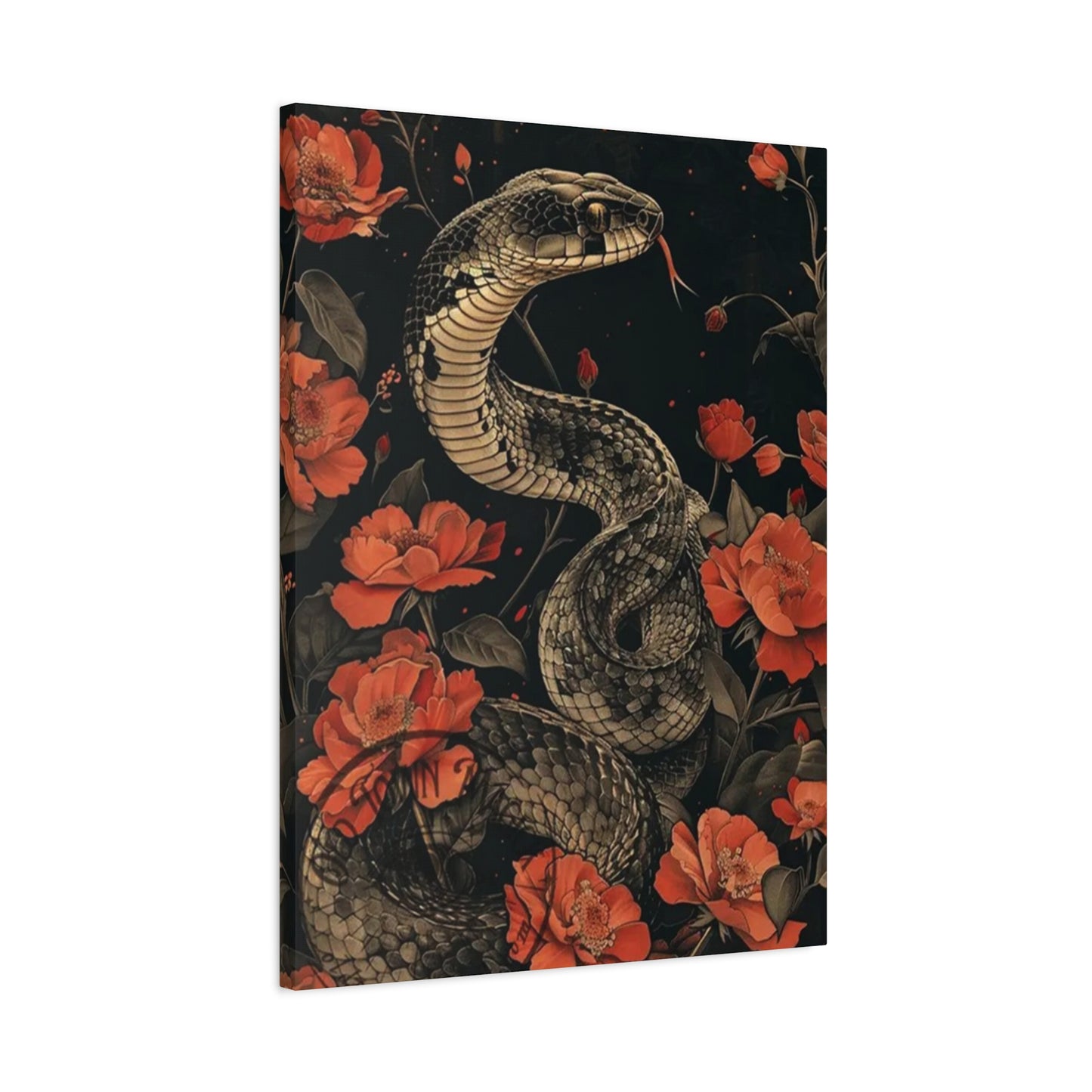
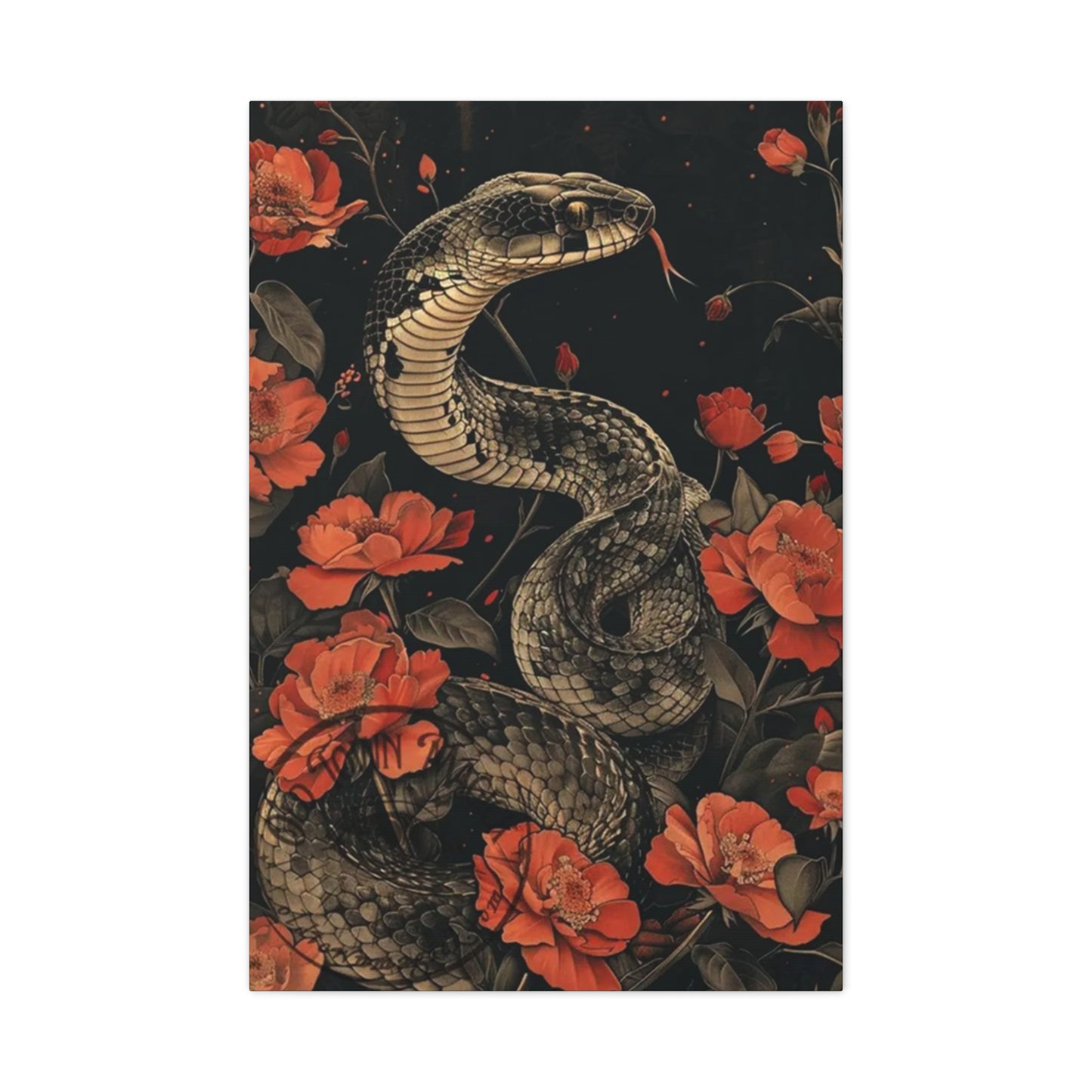
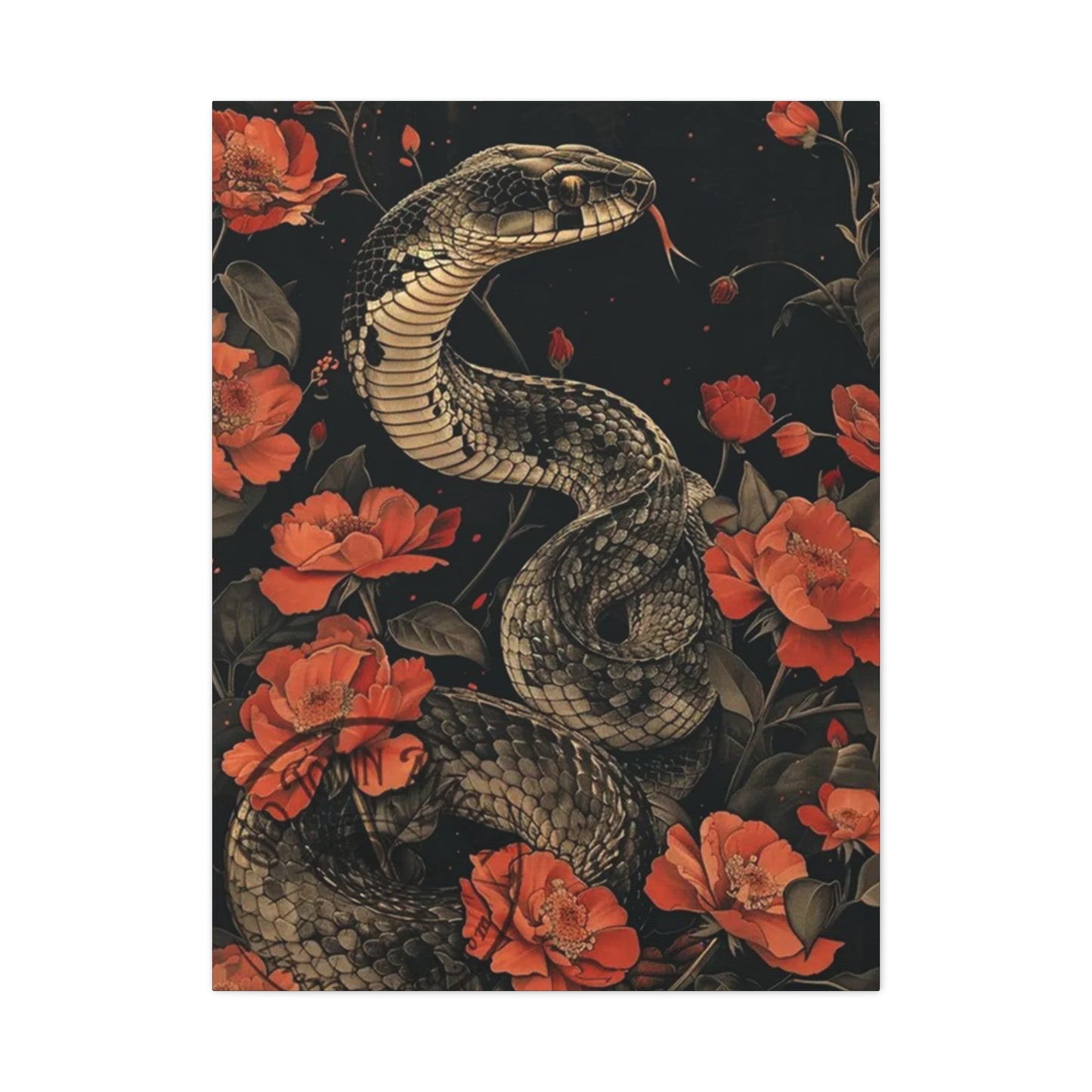
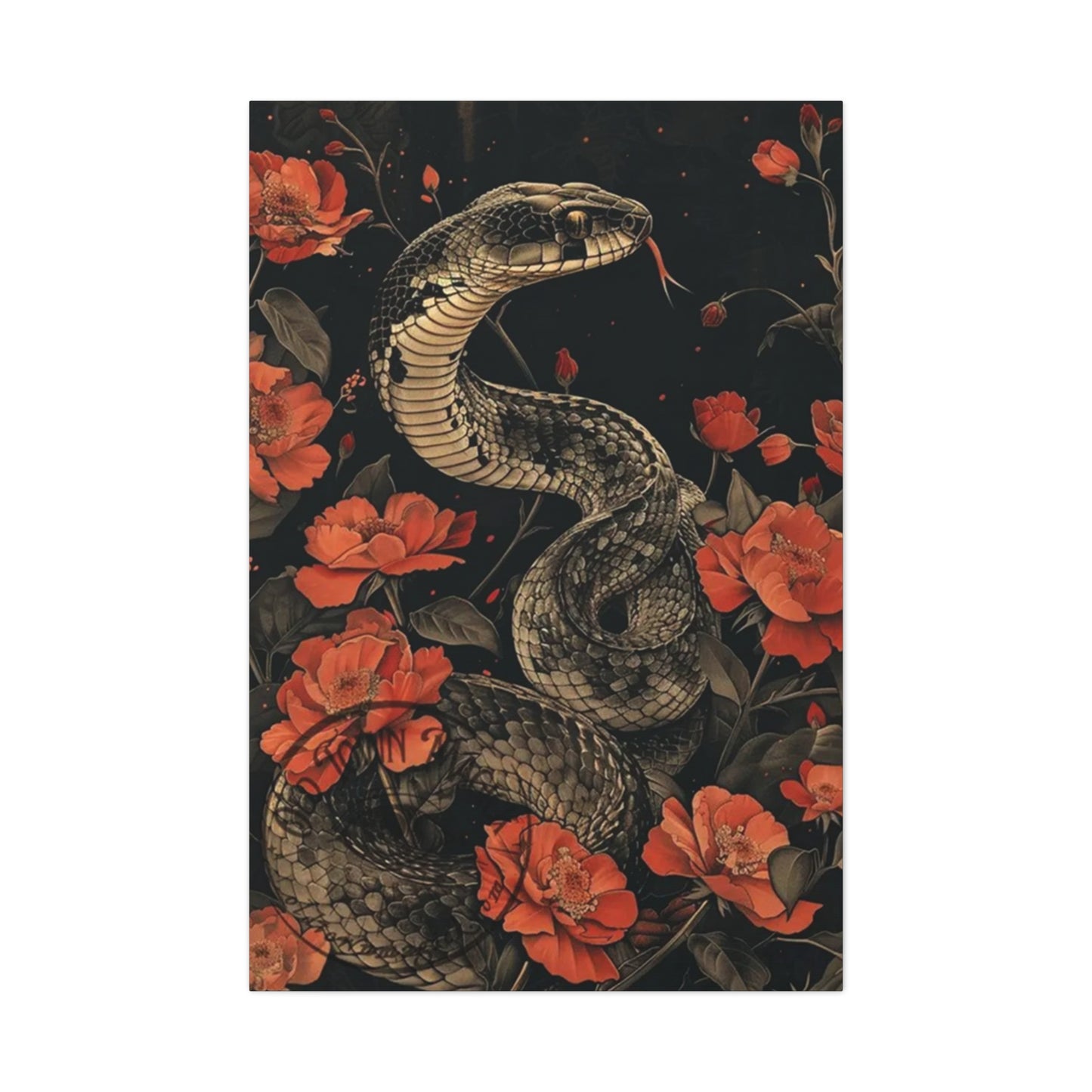
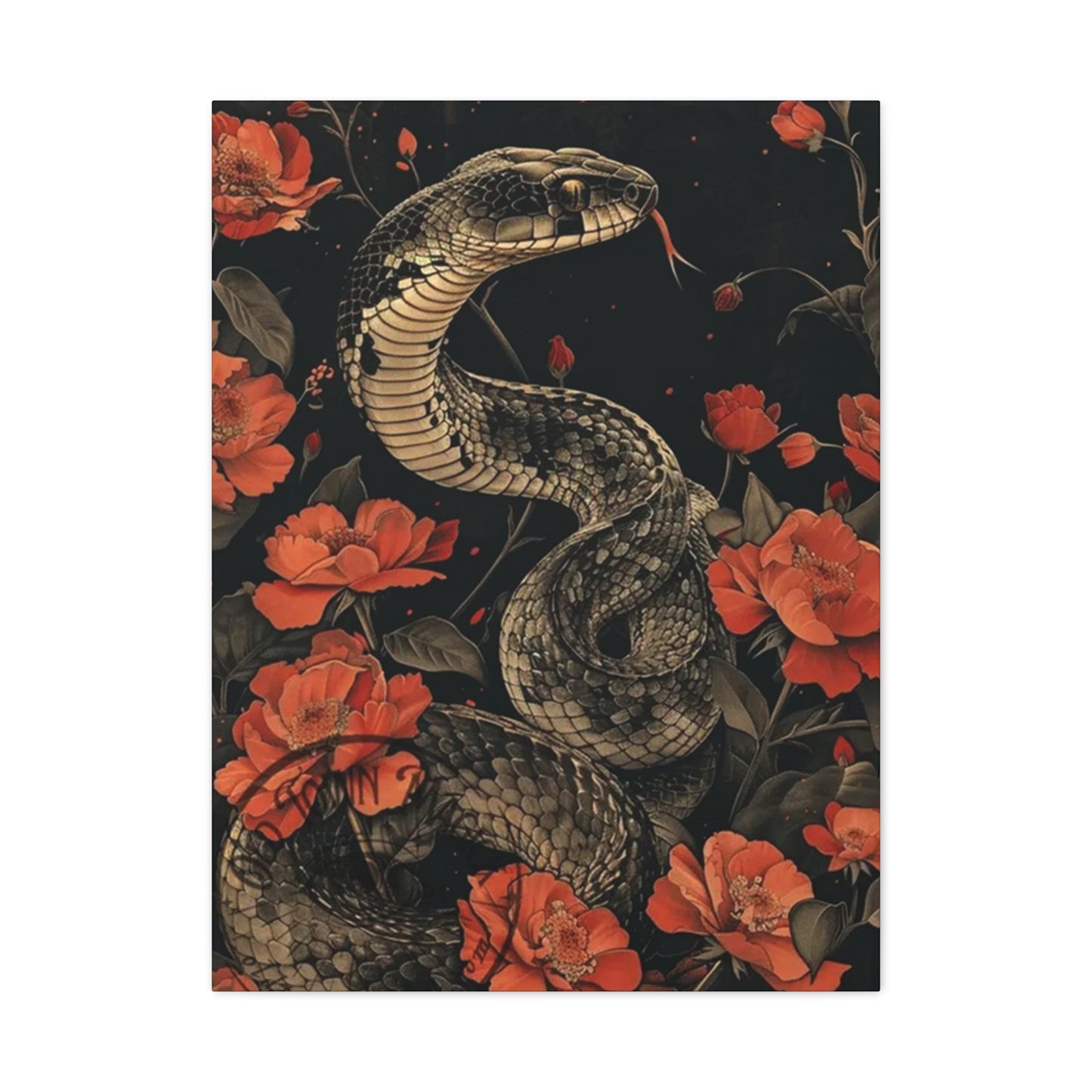
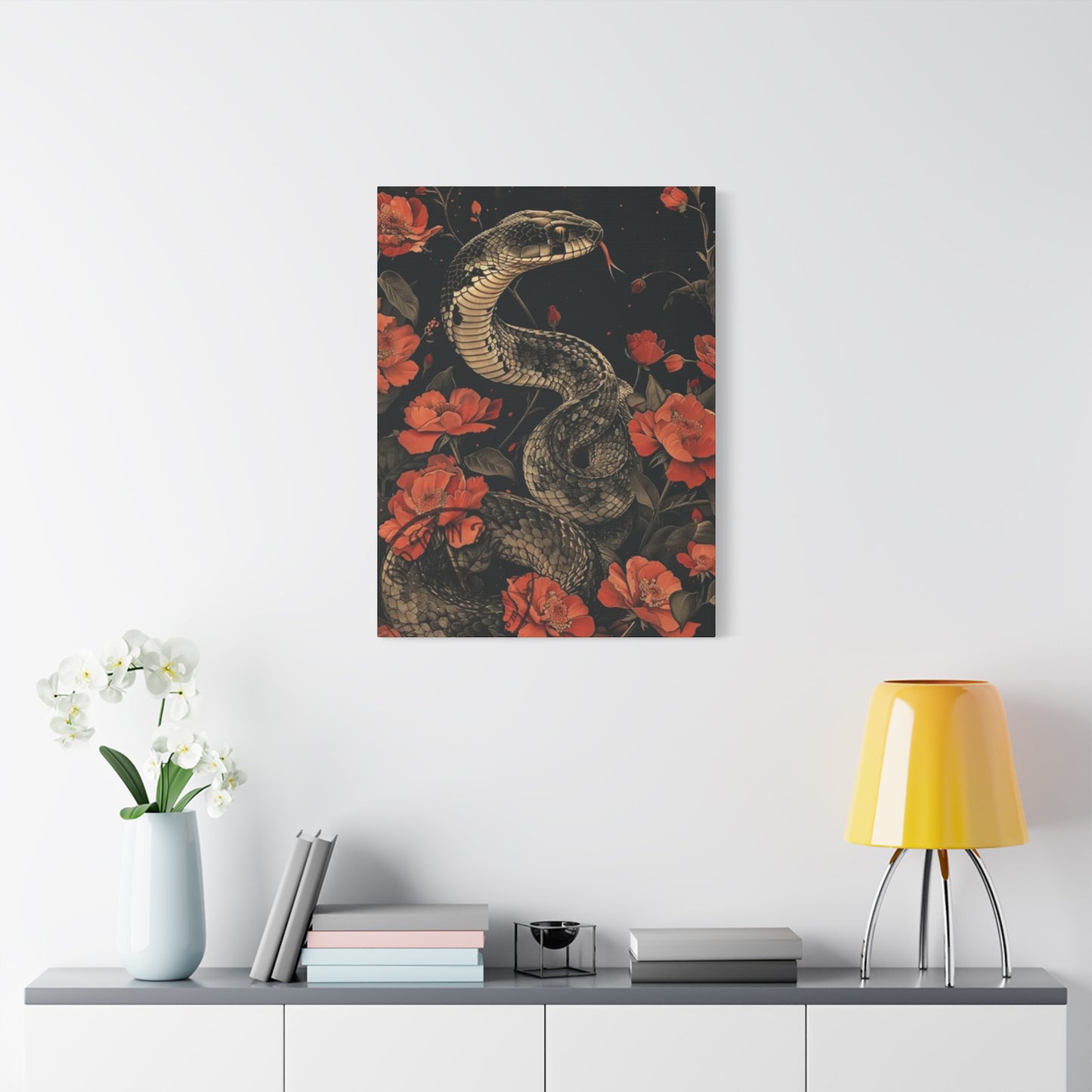
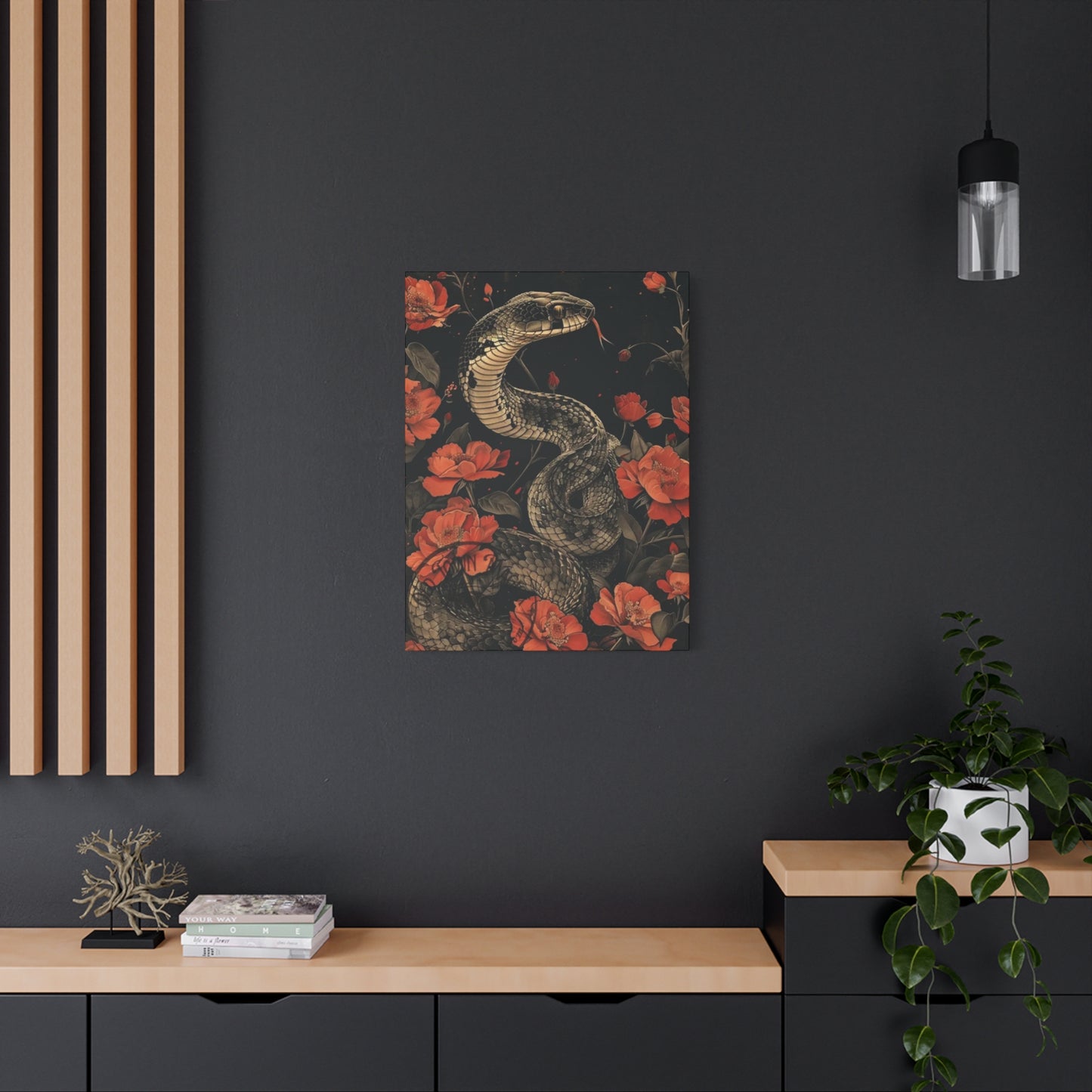
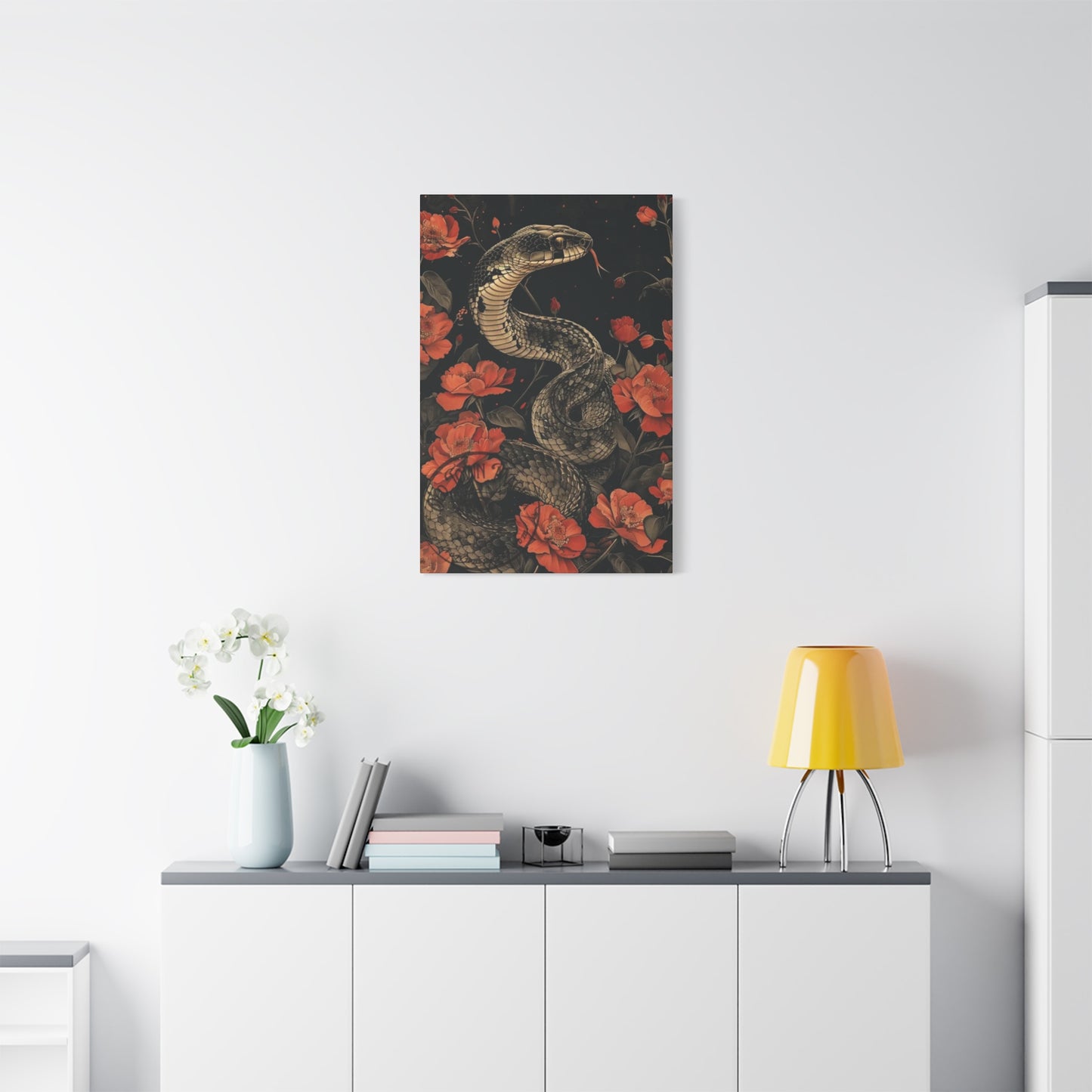
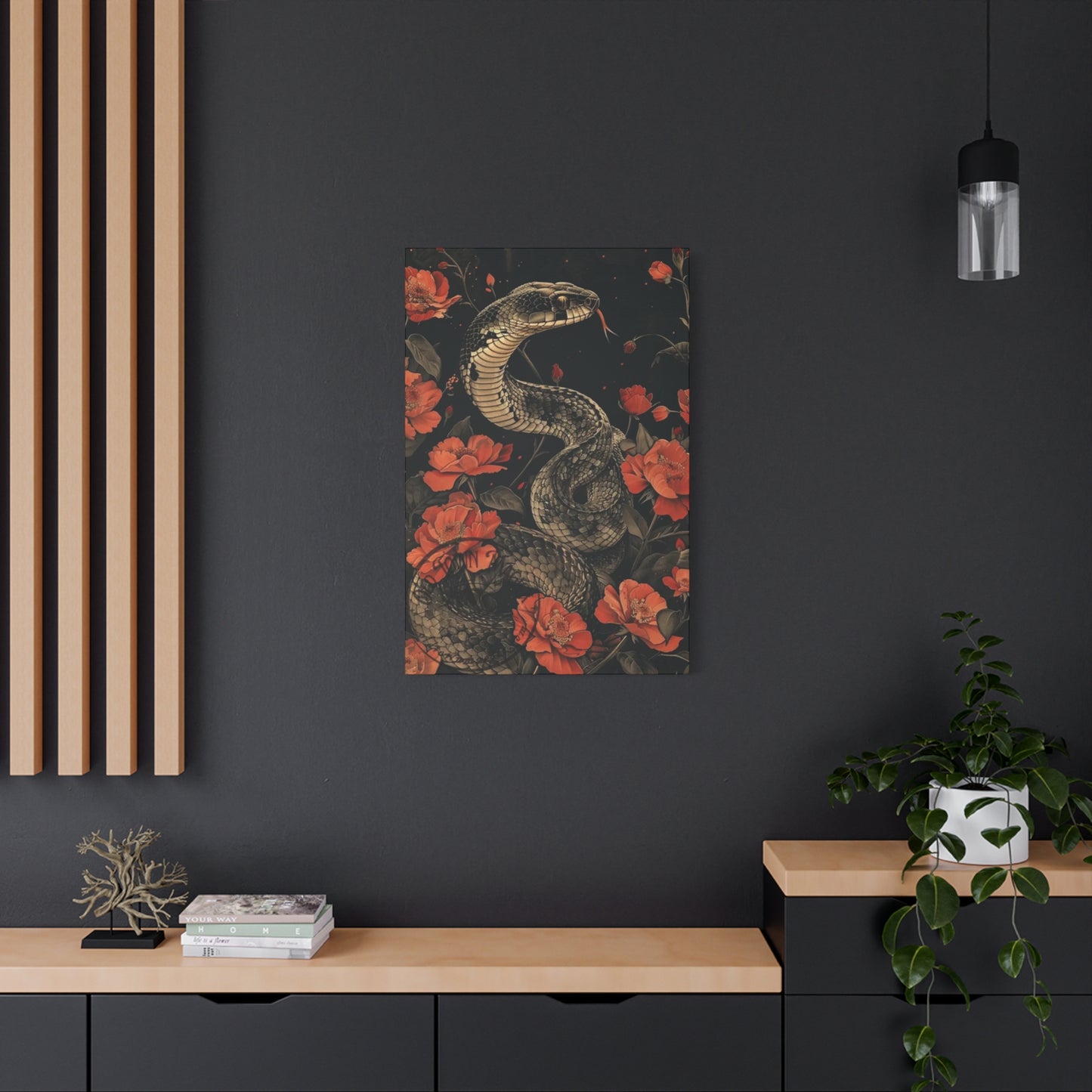
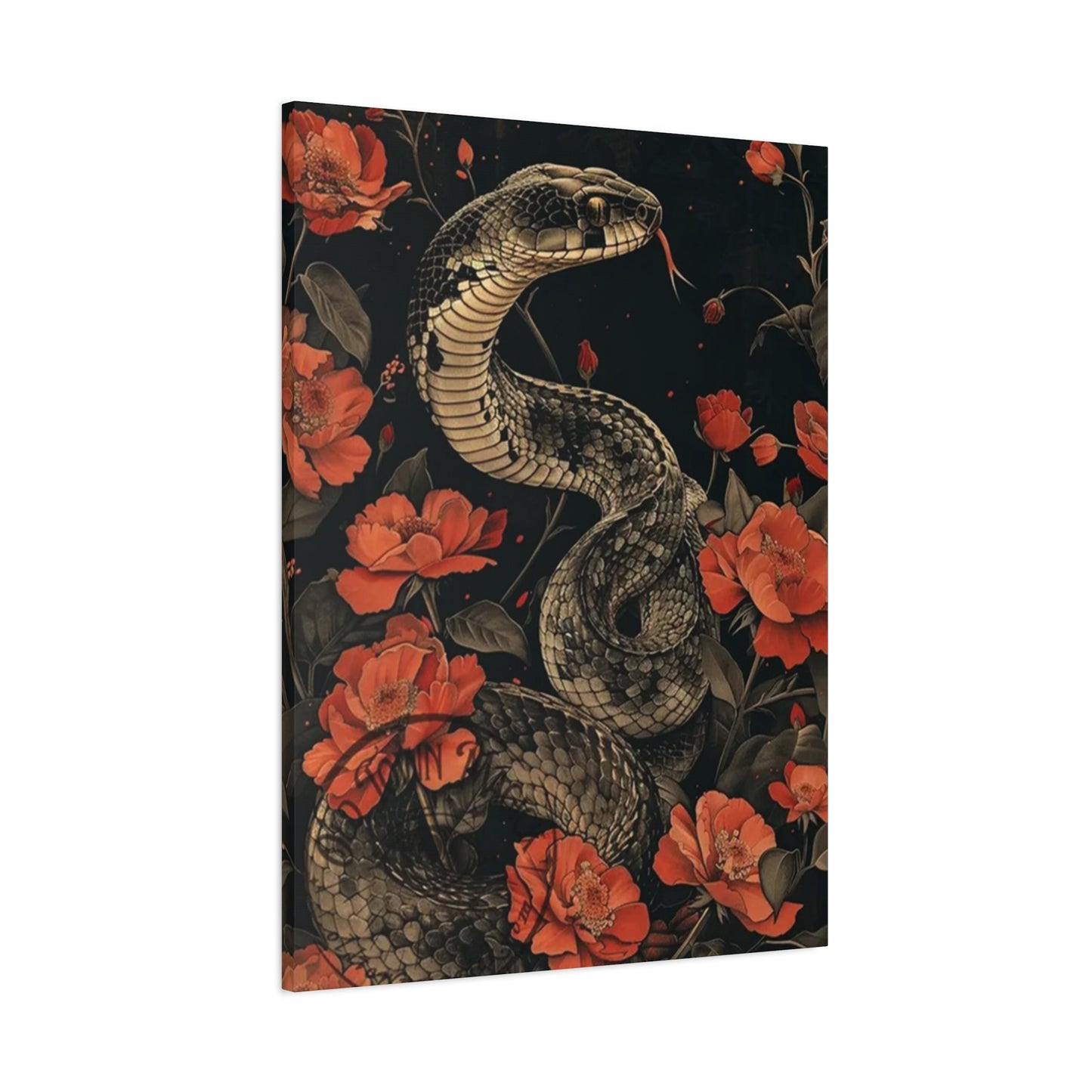
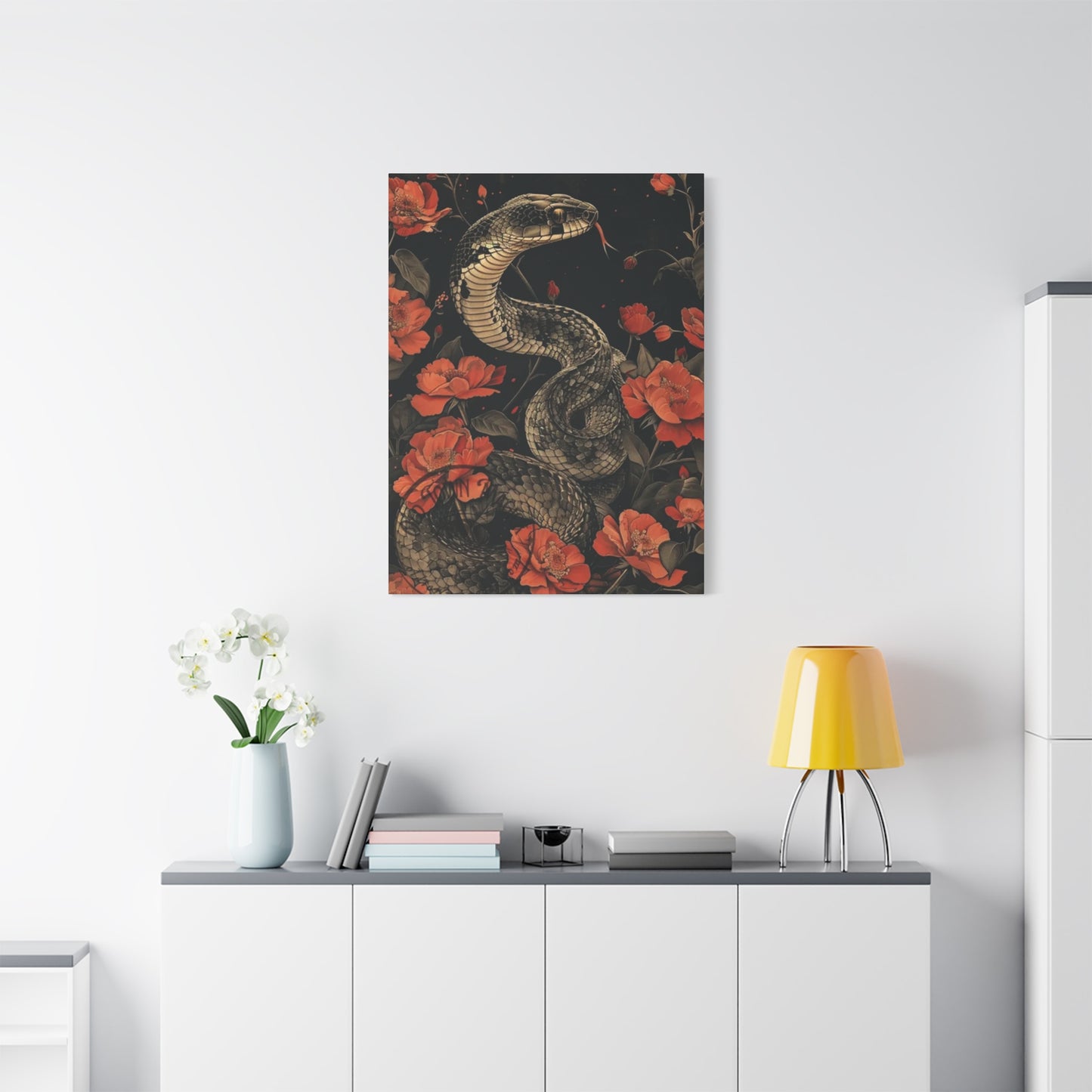
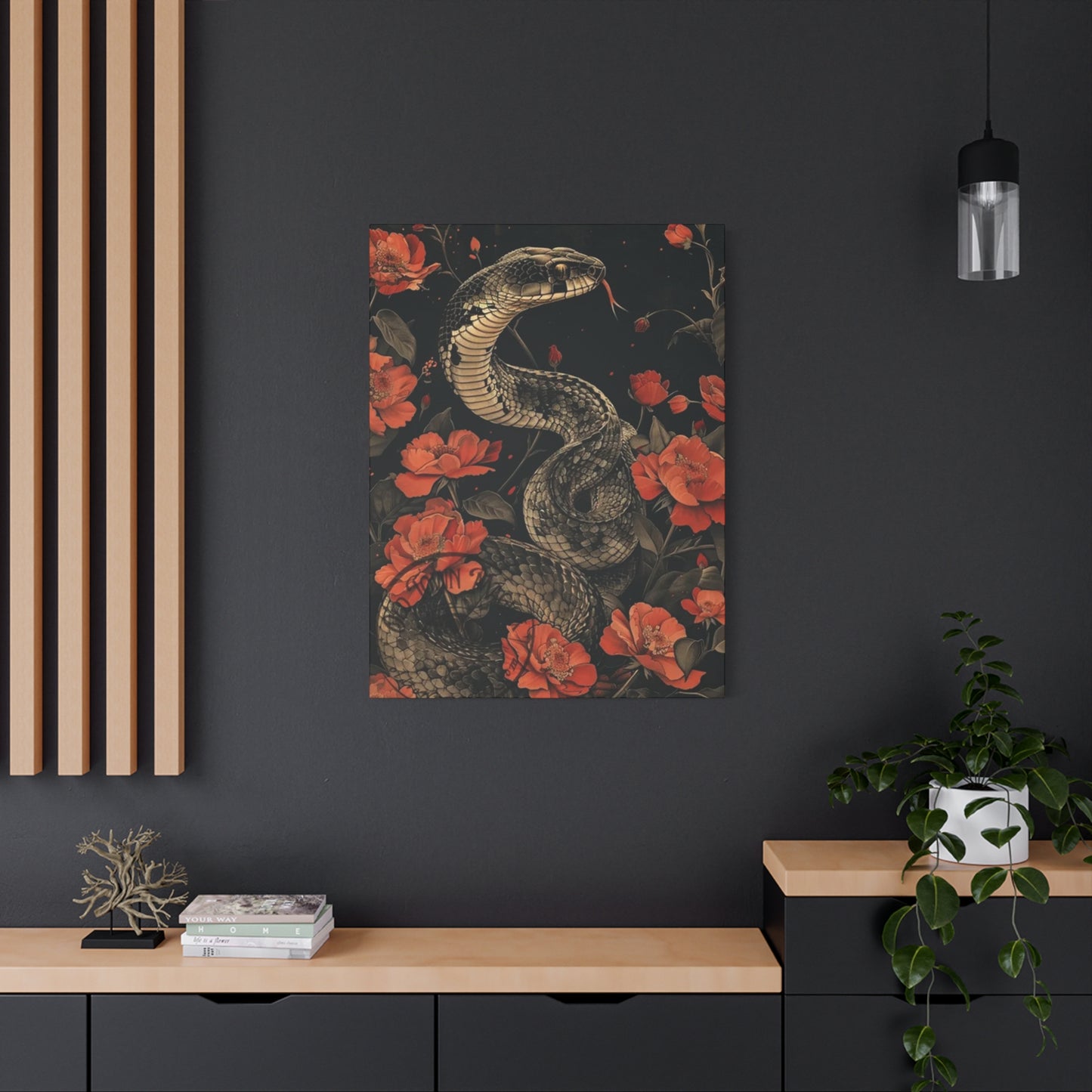
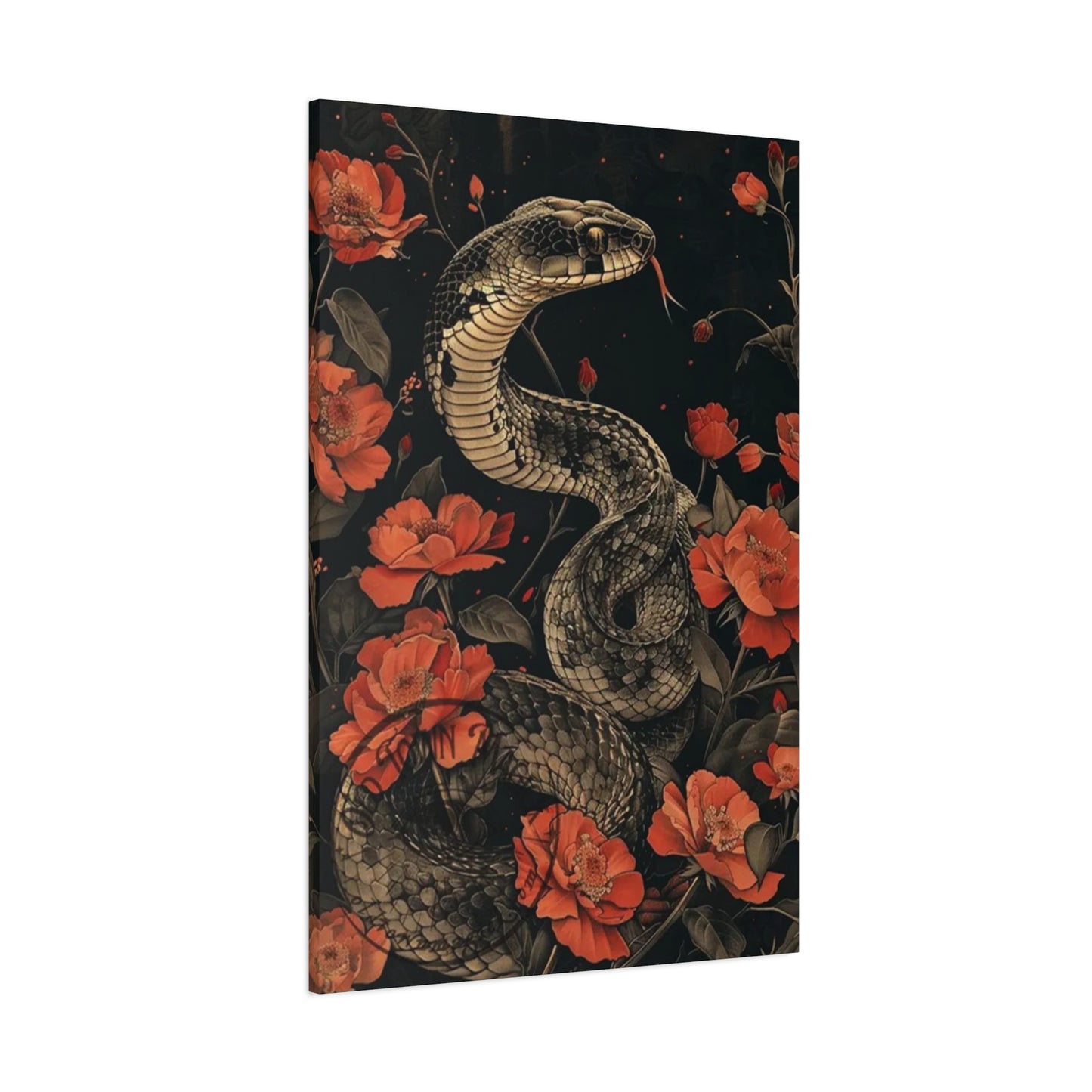
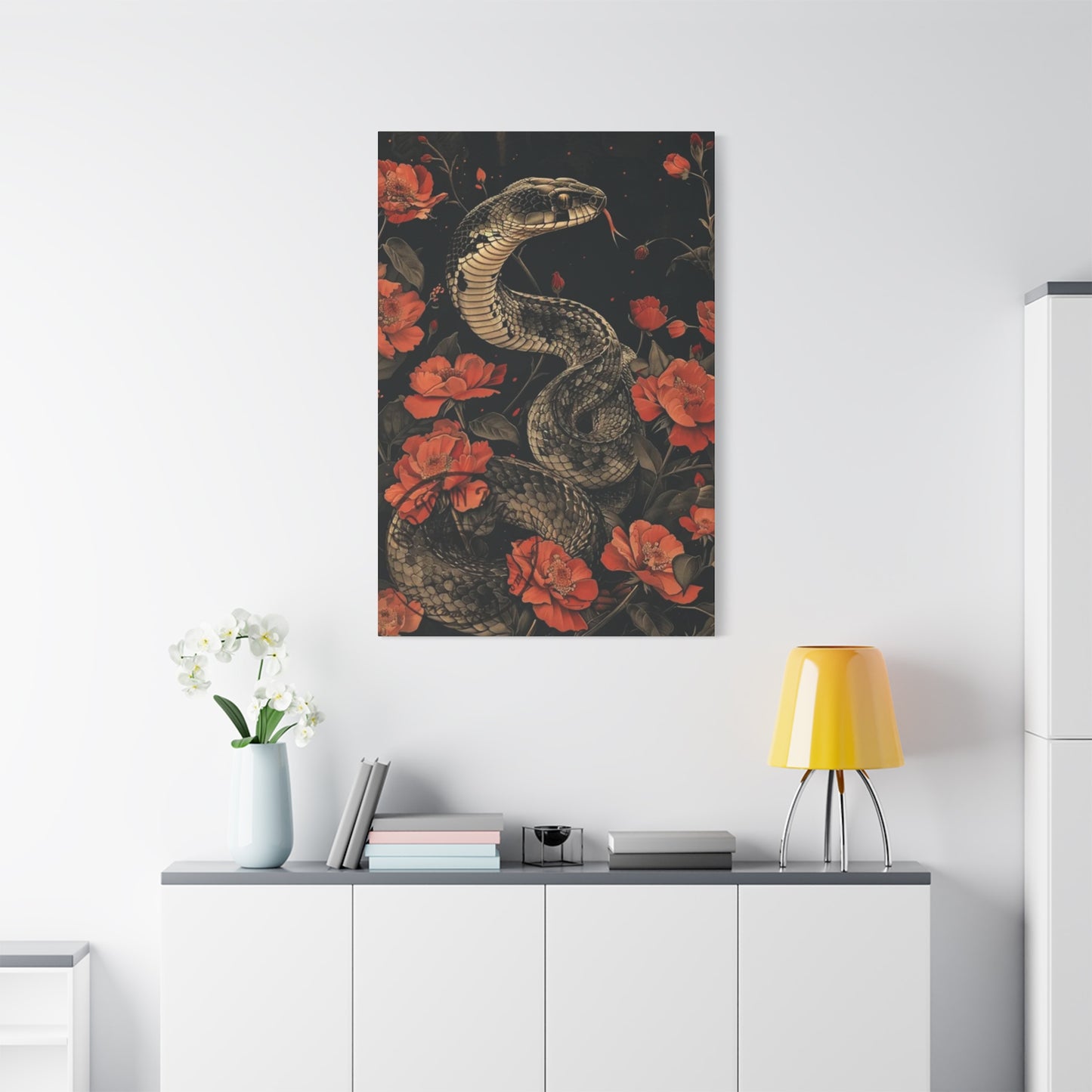
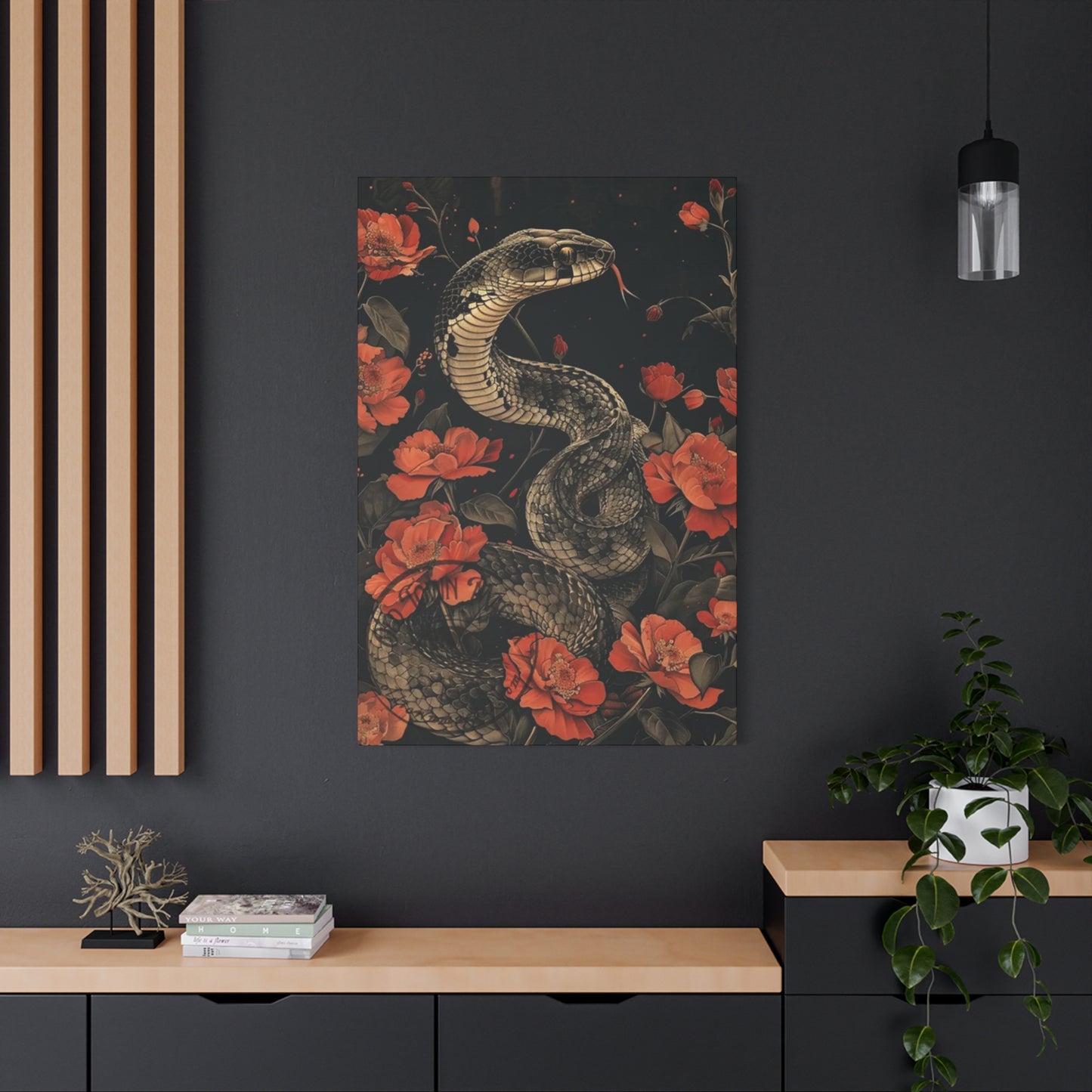
Cobra Snake Wall Art & Canvas Prints
Cobra Snake Wall Art & Canvas Prints
Couldn't load pickup availability
Cobra Snake Wall Art: Striking Decor That Brings Bold Energy and Timeless Elegance to Your Living Spaces
When you think about elevating your interior design with something truly captivating, cobra snake wall art emerges as a powerful choice that commands attention while adding layers of sophistication to any room. This distinctive decorative element has surged in popularity among homeowners, design enthusiasts, and collectors who seek to infuse their spaces with both visual drama and symbolic meaning. The cobra, revered across countless cultures for centuries, represents transformation, protection, and raw power—qualities that translate beautifully into artistic expressions that grace modern walls.
The allure of serpent-themed decor extends far beyond mere aesthetics. These pieces serve as conversation starters, focal points, and artistic statements that reflect the owner's appreciation for nature's most misunderstood yet fascinating creatures. Whether rendered in bold metallics, subtle earth tones, or vibrant contemporary colors, cobra imagery brings an unmistakable presence that can completely transform the atmosphere of a space. From minimalist line drawings to elaborate three-dimensional sculptures, the versatility of this subject matter allows it to complement virtually any design philosophy.
Discovering the Profound Symbolism Behind Serpent Imagery in Your Home Decor
The cobra has occupied a sacred position in human consciousness for millennia, appearing in mythologies, religious texts, and artistic traditions spanning from ancient Egypt to modern Southeast Asia. When you incorporate cobra snake wall art into your living environment, you're not simply adding decoration—you're inviting centuries of symbolic significance into your daily life. In Egyptian culture, the cobra represented divine authority and protection, often depicted on pharaonic crowns as the uraeus, a symbol of sovereignty and divine right to rule.
Hindu traditions venerate the cobra as a creature of immense spiritual importance, with the deity Shiva often portrayed wearing serpents as ornaments and the great serpent Shesha supporting the universe itself. This reverence extends to Buddhist iconography, where the cobra sheltered Buddha during his meditation, representing protection during moments of spiritual vulnerability. The naga, serpent deities found throughout South and Southeast Asian cultures, embody the life-giving properties of water and fertility while also commanding respect through their potential danger.
In Western interpretations, the serpent carries equally complex symbolism, representing wisdom, healing (as seen in the medical caduceus), renewal through the shedding of skin, and the dual nature of existence—creation and destruction, life and death, danger and protection. This rich tapestry of meanings makes cobra snake wall art a profoundly layered addition to your space, one that invites contemplation and adds intellectual depth to your environment. The cobra's famous hood, spread in defensive display, symbolizes readiness, awareness, and the courage to face challenges—qualities that resonate with individuals seeking to cultivate these attributes in their own lives.
Exploring the Diverse Artistic Styles That Bring Cobra Imagery to Life on Your Walls
The artistic interpretation of cobra imagery spans an impressive spectrum of styles, each offering distinct aesthetic qualities and emotional resonances. Realistic depictions capture the cobra's intricate scale patterns, muscular definition, and the intense focus in its eyes, appealing to nature enthusiasts and those who appreciate scientific accuracy in their art. These pieces often showcase the cobra in natural poses—coiled defensively, hood flared, or captured mid-strike—with attention to anatomical precision that celebrates the creature's biological magnificence.
Abstract interpretations liberate the cobra form from literal representation, distilling its essence into flowing lines, geometric patterns, or impressionistic shapes that evoke the serpent's movement and energy without attempting photographic accuracy. These pieces work exceptionally well in contemporary spaces where suggestion and interpretation take precedence over explicit representation. The sinuous curves inherent to serpent forms lend themselves beautifully to abstract expression, creating dynamic compositions that guide the eye through sweeping arcs and spirals.
Tribal and indigenous art styles offer another compelling approach, drawing from the visual languages of cultures that have long revered serpents. These designs often feature bold outlines, repetitive patterns, and symbolic elements that connect to specific cultural narratives. Aztec, Mayan, African, and Aboriginal artistic traditions all include powerful serpent imagery that translates beautifully to wall art, carrying with it the weight of ancestral wisdom and time-honored aesthetic principles.
Minimalist renditions strip away extraneous detail, presenting the cobra's silhouette or key identifying features through economical linework and negative space. These pieces appeal to those favoring clean, uncluttered environments where each decorative element must justify its presence through impact and intentionality. A single, perfectly executed line capturing the cobra's sinuous form can communicate as much power as a highly detailed rendering, demonstrating that sometimes less truly is more.
Contemporary and fusion styles blend traditional serpent imagery with modern sensibilities, perhaps incorporating digital effects, unexpected color palettes, or mixed media elements that bridge classical and cutting-edge aesthetics. These hybrid approaches attract collectors who appreciate honoring heritage while pushing artistic boundaries, creating pieces that feel both timeless and thoroughly of-the-moment.
Understanding How Different Materials Transform the Presence and Impact of Your Cobra Artwork
The material composition of cobra snake wall art dramatically influences both its visual impact and its interaction with your space's lighting and atmosphere. Metal sculptures and reliefs bring dimensional drama, with options ranging from brushed steel's industrial coolness to brass's warm antiquity or copper's living finish that develops character over time. Three-dimensional metal pieces cast compelling shadows that shift throughout the day, adding temporal dynamism to static spaces. The reflective qualities of polished metals bounce light around rooms, creating subtle brightening effects, while oxidized or patinated finishes contribute textural richness and an aged, collected appearance.
Canvas prints and paintings offer traditional versatility, available in sizes from intimate accent pieces to commanding statement walls. The fabric surface provides subtle texture that softens the overall presentation while allowing for rich color saturation and nuanced tonal variations. High-quality giclée printing on canvas replicates original paintings with remarkable fidelity, making fine art accessible while maintaining museum-worthy presentation standards. Hand-painted canvas pieces carry unique irregularities and brushwork signatures that distinguish them from reproductions, appealing to collectors who value originality and the artist's physical touch.
Wood-based pieces introduce organic warmth that metal and canvas cannot match, with options including laser-cut silhouettes, carved reliefs, and intricate inlay work. The natural grain patterns of wood add another layer of visual interest, with each piece necessarily unique due to variations in the material itself. Darker woods like walnut or mahogany lend gravitas and traditional elegance, while lighter options such as maple or bamboo feel more contemporary and airy. Wood pieces particularly excel in spaces with significant natural materials, creating cohesive design narratives that celebrate organic textures.
Resin and composite materials enable ambitious sculptural forms that would be impractical or prohibitively expensive in traditional materials. Modern resins can achieve remarkable detail while remaining lightweight enough for straightforward mounting. These materials also permit dramatic color effects—translucent passages, embedded elements, or gradient transitions—that expand creative possibilities. High-density foam carved and coated with protective finishes offers another lightweight option for large-scale installations where weight considerations are paramount.
Glass and acrylic pieces bring luminosity and contemporary sophistication, particularly effective in spaces with abundant natural light. Printed directly onto glass or acrylic, cobra imagery gains depth and vibrancy, with the material's inherent sheen enhancing colors and creating a floating, frameless appearance. Backlit installations using translucent materials transform artwork into ambient lighting elements, casting dramatic silhouettes or glowing color fields that reshape room atmospheres from day to night.
Selecting the Ideal Placement to Maximize Visual Impact Throughout Your Home
Strategic placement transforms cobra snake wall art from mere decoration into architectural punctuation that guides movement, establishes hierarchy, and creates memorable spatial experiences. Living rooms, as primary gathering spaces, offer prime opportunities for statement pieces that reflect your aesthetic sensibilities while welcoming guests. A large cobra sculpture or canvas positioned above the sofa or fireplace mantel commands attention without competing with conversation, establishing itself as the room's visual anchor. Consider the sightlines from entry points—the artwork should reveal itself gradually or dramatically depending on your preferred effect.
Home offices and study spaces particularly benefit from cobra imagery's associations with wisdom, focus, and protective energy. Positioning such artwork within your eyeline during desk work provides inspirational focal points during moments of mental fatigue, while placement behind the desk creates an imposing backdrop for video calls that subtly communicates authority and distinctive taste. The cobra's symbolism of transformation and renewal resonates powerfully in spaces dedicated to intellectual pursuits and personal growth.
Bedroom placement requires more nuanced consideration, as this intimate space should promote restfulness alongside personal expression. Many favor positioning cobra snake wall art on walls not directly facing the bed, allowing the imagery's intensity to energize the space without dominating the pre-sleep visual environment. Above nightstands, dressers, or in reading nooks, cobra artwork can inspire morning motivation while remaining sufficiently peripheral during evening wind-down routines. The protective symbolism associated with cobras also appeals to those seeking guardian energy in their most vulnerable spaces.
Dining areas present opportunities for dramatic overhead or feature wall installations that enliven social gatherings and elevate everyday meals into more ceremonial experiences. The vertical rise of a cobra in defensive posture naturally draws the eye upward, making these pieces excellent for emphasizing ceiling height and architectural volume. In open-concept homes, strategically placed serpent artwork can help define zones—marking the transition from living to dining areas, for instance—without requiring physical barriers that interrupt flow and light.
Entryways and foyers benefit from cobra imagery's protective associations, with many cultural traditions considering serpent guardians appropriate sentinels for thresholds. A commanding piece immediately visible upon entry establishes your home's aesthetic character while conveying welcome or respectful formality depending on its specific rendering and scale. In narrow hallway spaces, elongated horizontal cobra pieces emphasize length while providing visual interest along otherwise underutilized wall expanses.
Bathrooms and powder rooms, often overlooked in decorative planning, can become jewel-box spaces where unexpected artistic choices delight and surprise. Smaller cobra pieces or collections of serpent-themed objects introduce personality to utilitarian spaces, particularly effective in powder rooms where guests can privately appreciate details they might feel awkward examining in more public areas. The cobra's association with transformation and shedding old forms resonates metaphorically with these spaces dedicated to personal renewal and preparation.
Mastering Color Coordination to Ensure Harmonious Visual Flow Within Your Existing Design Scheme
Color selection in cobra snake wall art determines whether pieces integrate seamlessly with existing palettes or deliberately contrast for dramatic effect. Monochromatic approaches using blacks, whites, grays, and silvers suit virtually any decorating scheme, providing maximum flexibility while allowing the cobra's form to communicate without color-based distraction. These neutral renditions work particularly well in minimalist, Scandinavian, or industrial-influenced spaces where restraint and intentionality govern aesthetic choices. Black cobra silhouettes against white backgrounds create striking graphic impact, while reversed white-on-black schemes offer sophistication and nocturnal mystery.
Earth-tone palettes featuring browns, tans, ochres, and mossy greens connect cobra imagery to its natural environment while introducing organic warmth that complements wood furniture, natural fiber textiles, and botanical elements. These colors recede visually, making them excellent choices for larger pieces in smaller rooms where you want substantial art without overwhelming spatial perception. The subtle variations within earth-tone ranges—from reddish terracotta to golden sand to deep forest—provide enough diversity to coordinate with existing accent colors without demanding perfect matches.
Metallic finishes bring luxurious dimension, with gold-toned pieces suggesting opulence and traditional grandeur, silver conveying contemporary sophistication, and copper offering a middle ground with vintage appeal and living finish characteristics. Mixed-metal pieces incorporating multiple metallic tones create internal visual interest while offering coordination flexibility with various room metal finishes. Bronze cobras develop rich patinas that deepen over time, adding collected character and suggesting permanence and weight.
Bold jewel tones—emerald greens, sapphire blues, ruby reds, and amethyst purples—inject vibrant energy while maintaining sophistication absent from lighter, more saturated hues. These colors particularly suit eclectic, maximalist, or bohemian design schemes where color fearlessness defines the aesthetic. A teal or cobalt cobra becomes a stunning focal point in rooms featuring neutral bases with jewel-tone accents, creating cohesive color stories that feel intentional rather than haphazard. The natural iridescence of real cobra scales, with their interplay of blues, greens, and blacks, translates beautifully into artistic renderings using these rich color families.
Unexpected color choices—pink cobras, yellow serpents, multicolored interpretations—signal artistic freedom and contemporary sensibilities. These playful or provocative approaches suit personality-forward spaces where convention-challenging design expresses individuality. Pop art influences might render cobras in electric brights against contrasting backgrounds, while more subdued pastel interpretations create approachable, whimsical versions of traditionally intense imagery. Such pieces particularly appeal to those seeking conversation-starting art that defies categorization.
When coordinating cobra snake wall art with existing room colors, consider whether you want the piece to echo established hues, creating reinforcing visual harmony, or introduce contrast that energizes through juxtaposition. Complementary color relationships—pairing artwork's dominant color with its opposite on the color wheel—create vibrant, attention-commanding combinations. Analogous schemes using colors adjacent on the wheel produce more restful, coordinated effects. Testing artwork against paint samples or fabric swatches before committing helps visualize relationships and prevents costly mismatches.
Achieving Balance Through Thoughtful Scale Selection and Proper Proportional Relationships
Scale dramatically affects how cobra snake wall art influences spatial perception and emotional response. Oversized pieces transform into architectural elements that reshape room character, commanding attention and establishing clear visual hierarchy. A cobra sculpture measuring six feet or more becomes environmental rather than merely decorative, fundamentally altering how occupants experience and move through space. Such ambitious scales suit high-ceilinged rooms, large open-concept areas, or wherever generous proportions can accommodate and showcase substantial artwork without overwhelming.
When selecting oversized pieces, consider the viewing distance—artwork meant for appreciation across expansive rooms can feature broader, bolder details than pieces intended for closer inspection. The cobra's naturally elongated, vertical form makes it particularly suitable for emphasizing ceiling height and drawing attention upward, creating perceived spaciousness even in modestly proportioned rooms with appropriate wall space. Single dramatic pieces often prove more effective than multiple smaller works in establishing the strong focal points large rooms require.
Medium-scale pieces, typically ranging from two to four feet in their longest dimension, offer versatility across various spaces and design applications. These proportions work beautifully above furniture, flanking architectural features, or as members of gallery wall arrangements. Medium pieces carry sufficient presence to anchor their immediate area while remaining flexible enough to relocate as design schemes evolve. This scale particularly suits those building collections over time, as multiple medium pieces can coexist without competing, creating curated displays that tell evolving aesthetic stories.
Smaller cobra artworks, under two feet, excel in intimate settings, as components within larger arrangements, or in spaces where subtlety serves design goals better than drama. Collections of small pieces allow for creative clustering patterns—asymmetrical arrangements, grid formations, or organic groupings that create impact through multiplicity rather than individual scale. Small-scale pieces also accommodate budget-conscious collecting, making distinctive artwork accessible while allowing for diversity in artistic styles and interpretations.
Proportional relationships between artwork and surrounding elements determine visual balance and aesthetic success. A common guideline suggests artwork should occupy roughly two-thirds to three-quarters of the furniture width above which it hangs, though this ratio flexes depending on ceiling height, surrounding elements, and desired effect. In rooms with multiple focal points—architectural features, large windows, substantial furniture—cobra snake wall art should be scaled to hold its own without overwhelming competing elements. Conversely, in relatively featureless rooms, artwork can scale more dramatically, providing the interest the architecture lacks.
Vertical versus horizontal orientations significantly impact spatial perception and coordination with room elements. Vertically oriented cobra pieces emphasize height, making them excellent choices for narrow wall sections, spaces flanking windows or doors, or situations where you want to counteract horizontally dominant elements like long sofas or widescreen televisions. Horizontal compositions emphasize width and stability, complementing low-profile furniture and creating grounding influences in rooms with predominant vertical elements.
Exploring Various Mounting Methods That Ensure Security While Enhancing Presentation Quality
Proper mounting safeguards your investment while maximizing visual impact through clean, professional presentation. Traditional picture hanging using wire, hooks, and wall anchors remains the most common approach for framed pieces and canvases. Quality picture hanging wire rated for substantially more than your artwork's actual weight provides crucial safety margins, while felt or rubber bumpers on lower frame corners protect walls and maintain level positioning. D-rings positioned one-third down from the frame top create ideal balance, preventing forward tipping while maintaining close wall contact.
French cleat systems offer superior security for heavier pieces, distributing weight across broader wall areas while allowing easy removal and repositioning. This two-part system mounts one component to the wall and its interlocking counterpart to the artwork, creating incredibly stable hanging through gravity and friction. French cleats work particularly well for substantial metal sculptures and large canvas pieces, providing the robust support these weighty items demand. The system's ease of removal facilitates seasonal rotations or design refreshes without requiring new wall preparations.
Floating mounts create dramatic contemporary presentations where artwork appears to hover inches from the wall, with hidden hardware creating this illusion. These systems work beautifully with wood panels, metal pieces, and mounted canvases, adding dimensional depth that enhances sculptural qualities while casting subtle shadows that shift with changing light. Floating mounts require more complex installation but deliver sleek, gallery-quality results that justify the effort for showcasing special pieces.
Track and rail systems offer maximum flexibility for those who frequently rearrange or rotate collections. Mounted to ceilings or upper wall sections, these systems allow cables or rods to descend at various points, supporting artwork at any height without puncturing walls. Museums and galleries favor these systems for their adaptability and preservation of wall surfaces, making them equally appropriate for serious collectors and renters who cannot permanently modify walls. The visible hardware adds industrial aesthetic elements that complement contemporary and loft-style spaces.
Ledge and shelf displays provide casual, layered presentation options that facilitate easy rotation and rearrangement. Picture ledges mounted at various heights create gallery-like displays where pieces can overlap, lean, and layer, introducing dimensional depth impossible with flush-mounted hanging. This approach particularly suits those building collections gradually, as adding pieces requires no additional mounting hardware or wall preparation. The relaxed, curated appearance suits eclectic and bohemian design schemes while allowing for seasonal refreshes and spontaneous rearrangements.
Adhesive mounting systems using museum-quality removable strips offer damage-free solutions for renters and those hesitant to puncture walls. Modern adhesive technologies can support surprising weights while removing cleanly without damaging paint or finishes. These systems work best with lighter pieces on smooth wall surfaces, with weight limits and surface compatibility requiring careful verification before application. Following manufacturer instructions precisely ensures reliable holding power and clean removal when circumstances demand.
For three-dimensional cobra sculptures extending significantly from walls, structural considerations become paramount. Locating wall studs and anchoring directly into framing members provides maximum security for heavy pieces, while toggle bolts or expanding anchors offer alternatives when stud locations prove inconvenient. Professional installation services provide worthwhile peace of mind for particularly valuable or heavy artworks, as their expertise prevents both installation failures and wall damage.
Creating Captivating Gallery Wall Compositions That Tell Cohesive Visual Stories
Gallery walls transform individual artworks into unified installations that create greater impact than isolated pieces, with thoughtful composition principles guiding successful arrangements. When incorporating cobra snake wall art into gallery walls, consider whether the serpent imagery will dominate as the obvious focal point or integrate as one element within diverse subject matter. Dominant cobra pieces positioned centrally or in upper thirds command attention, with surrounding pieces supporting rather than competing. Distributed arrangements featuring multiple smaller cobra works create thematic consistency while allowing for varied artistic interpretations.
Symmetrical gallery arrangements create formal, balanced compositions that suit traditional and transitional design schemes. Identical or visually similar frames arranged in precise grids communicate order and intentionality, with the subject matter providing interest within the structured framework. Symmetry particularly suits spaces where architecture already establishes formal character—rooms with centered fireplaces, balanced window placement, or classical proportions naturally accommodate symmetrical art arrangements that reinforce rather than fight inherent spatial organization.
Asymmetrical compositions deliver contemporary energy and visual interest through intentional imbalance, with varied frame sizes, mixed orientations, and irregular spacing creating dynamic tensions that engage the eye. These arrangements demand more planning than symmetrical approaches, often benefiting from floor rehearsals where you can experiment with relationships before committing to wall placement. The visual weight of pieces—influenced by size, color intensity, subject matter boldness, and frame prominence—must balance across the composition even when formal symmetry is absent.
Salon-style hanging, with pieces displayed in dense, frame-to-frame arrangements covering entire walls, creates maximalist impact suited to eclectic, bohemian, and traditional collector aesthetics. These compositions embrace abundance, with cobra snake wall art mingling with complementary subject matter, varied artistic styles, and diverse frame treatments. Salon walls work beautifully in halls, stairwells, and intimate rooms where the density creates enveloping, immersive environments. Starting with the largest or most important piece and building outward helps ensure balanced final arrangements.
Linear arrangements, with pieces aligned along common axes—top edges, bottom edges, or centerlines—create organized diversity that bridges formal symmetry and casual asymmetry. These compositions work particularly well in hallways, above long furniture pieces, or defining architectural features like staircases. Horizontal runs emphasize width and movement, while vertical stacks draw attention upward and suit narrow wall sections flanking windows or doorways.
Thematic gallery walls grouping related subject matter create cohesive narratives that display collecting interests and aesthetic preferences. A cobra-focused wall might include various artistic interpretations—realistic, abstract, cultural variations—demonstrating the subject's versatility while maintaining obvious thematic consistency. Alternatively, cobras might anchor broader reptile, nature, or cultural mythology themes, with supporting pieces expanding the narrative scope. Thematic consistency helps diverse artistic styles and frame treatments coexist harmoniously within unified conceptual frameworks.
When planning gallery wall color schemes, consider whether varied frame colors and artwork palettes will create rainbow diversity or whether limiting these variables will allow subject matter to dominate. Uniform frame colors simplify visual processing, allowing content to register before presentation details. Alternatively, varied frames can themselves become decorative elements that add personality and collected character, particularly when mixing vintage finds with contemporary pieces. Mat colors offer another coordination opportunity, with consistent mat treatments unifying diverse frames and artwork while providing breathing room around images.
Spacing significantly influences gallery wall character, with tighter arrangements creating energetic density and generous spacing delivering breathing room and individual piece appreciation. Common spacing ranges from two to six inches between frames, with consistency across the arrangement creating cohesive rhythm. Measuring and marking carefully prevents installation regret, with paper templates matching frame dimensions allowing you to mock up arrangements completely before introducing hammers and picture hooks.
Incorporating Complementary Decorative Elements That Enhance Without Overwhelming
Cobra snake wall art achieves maximum impact when surrounding decorative elements support rather than compete with its powerful presence. Minimalist approaches intentionally limit surrounding decor, allowing the artwork to dominate its environment without distraction. This strategy particularly suits striking pieces with substantial visual weight—large-scale works, pieces with intense colors, or three-dimensional installations whose sculptural qualities deserve unobstructed appreciation. Empty wall space surrounding statement pieces prevents claustrophobic crowding while emphasizing their importance through isolation.
When incorporating supporting decor, natural elements create thematic resonance with cobra imagery's organic origins. Living plants—particularly those with architectural forms like snake plants, monstera, or sculptural succulents—echo nature themes while introducing contrasting textures and living energy. Dried botanical specimens, preserved specimens under glass, or natural curiosities like geodes, crystals, or mineral specimens create cabinet-of-curiosities aesthetics that historically paired natural science interest with artistic representation.
Lighting dramatically influences how cobra snake wall art presents and how spaces feel, with dedicated art lighting elevating pieces from wall decoration to gallery-worthy installations. Picture lights mounted directly above frames cast focused illumination that emphasizes artwork while creating ambient lighting for surrounding areas. Track lighting offers flexible positioning and adjustment, with directional heads illuminating artwork while contributing to overall room lighting schemes. LED strips concealed behind floating-mounted pieces create dramatic backlighting that separates artwork from walls while casting attention-grabbing glows.
Textile elements—throw pillows, area rugs, drapery—offer opportunities to echo or complement colors and forms present in your cobra snake wall art. Pillows featuring complementary patterns, whether geometric designs that contrast with organic serpent curves or additional nature-inspired motifs that extend thematic consistency, create layered visual interest. Area rugs can ground artwork by incorporating similar color families or deliberately contrast by introducing entirely different palettes that make wall art pop through juxtaposition. Sheer drapery softens spaces while allowing artwork visibility, whereas heavier treatments frame views and can be coordinated with artwork colors.
Furniture selection and arrangement either supports or undermines artwork's impact, with low-profile pieces allowing wall art to dominate attention while substantial furniture creates competing visual weight that demands careful balancing. Positioning seating to face or appreciate artwork establishes viewing primacy, communicating that these pieces merit contemplation rather than serving as mere background. Furniture colors and materials can echo artwork characteristics—sleek black leather relating to cobra silhouettes, rich wood tones warming metallic sculptures, or upholstery in artwork accent colors creating intentional coordination.
Sculptural objects and tabletop accessories extend themes established by wall art while adding dimensional variety that engages viewers at multiple scales. Smaller cobra or serpent figurines, whether realistic reproductions or artistic interpretations, create collecting narratives that demonstrate depth of interest. These pieces work beautifully on mantels, shelves, and side tables, creating visual echoes of wall art while diversifying the sensory experience through varied scales and materialities. Cultural artifacts, particularly pieces from traditions that revere serpents, add authentic weight and educational interest.
Books displayed prominently—coffee table volumes on reptiles, mythology, or artistic movements represented in your collection—deepen engagement while signaling intellectual curiosity and cultural literacy. These supporting elements transform spaces from simply decorated into curated environments that reflect researched interests and personal passions. Art books featuring cobra imagery or works by artists in your collection create recursive viewing opportunities where physical artwork relates to printed reproduction and critical analysis.
Maintaining Your Cobra Artwork to Preserve Beauty and Protect Long-Term Investment Value
Proper care ensures cobra snake wall art retains its visual impact and market value throughout years of display. Different materials demand specific maintenance approaches, with understanding these requirements preventing inadvertent damage through inappropriate cleaning methods. Metal sculptures benefit from regular dusting using soft, lint-free cloths that remove accumulated particles without scratching finishes. Microfiber cloths work exceptionally well, lifting dust without requiring chemical cleaners that might react with metal surfaces or protective coatings.
For metal pieces with protective clear coats or patinas, avoid abrasive cleaners and aggressive wiping that might compromise these finishes. When deeper cleaning becomes necessary, mild soap solutions applied sparingly with soft cloths, then promptly removed with clean water and thorough drying, typically suffice. Outdoor or high-humidity display locations may require occasional protective coating renewal, with consultation with conservators or artists ensuring appropriate products and application methods. Some living finishes like brass or copper develop patinas intentionally, with polishing removing these aged characteristics rather than preserving them—understand your pieces' intended appearance before implementing cleaning regimens.
Canvas paintings and prints require gentler approaches, with dust removal using extremely soft brushes—natural horsehair or goat hair dusting brushes—that lift particles through light contact without grinding them into canvas texture. Work from top to bottom, allowing gravity to carry dislodged dust downward rather than redistributing it across the canvas. Never apply liquids directly to canvas surfaces, as moisture can damage paints, cause rippling, or encourage mold growth. Professional conservation cleaning addresses stains, yellowed varnish, or accumulated grime beyond safe DIY intervention.
Glass or acrylic-covered works allow more aggressive cleaning of protective layers while leaving artwork surfaces untouched. Standard glass cleaners work for most applications, though ammonia-free products prevent potential damage to frame finishes or mat materials. Spray cleaners onto cloths rather than directly onto glass to prevent liquid migration behind glazing where it might contact artwork. Acrylic glazing scratches more easily than glass, requiring special acrylic-safe cleaners and extra-soft cloths to maintain optical clarity without introducing haze or scratches.
Wood pieces benefit from treatments appropriate to their specific finishes—oils for oil-finished wood, waxes for waxed surfaces, nothing but dry dusting for lacquered finishes. Avoid silicone-based products that can create buildup attracting more dust while potentially interfering with future refinishing. Dry environments may cause wood movement and checking, with maintaining moderate humidity levels preventing damage. Conversely, excessive humidity risks mold, mildew, and wood expansion, with climate control protecting both artwork and the broader home environment.
Direct sunlight poses significant deterioration risks for nearly all artwork materials, with ultraviolet radiation causing fading, discoloration, brittleness, and other irreversible damage. Positioning cobra snake wall art away from windows receiving sustained direct sunlight protects against this slow degradation. When room configuration makes sunlight exposure unavoidable, UV-filtering window treatments, museum-quality UV-filtering glass or acrylic, or protective varnishes rated for UV resistance provide mitigation strategies. Even indirect bright light gradually affects some materials, with rotation to lower-light locations or periodic rest in storage extending lifespans.
Humidity and temperature fluctuations threaten artwork stability, with extreme conditions or rapid changes causing material expansion, contraction, warping, or cracking. Maintaining consistent conditions—ideally 68-72°F and 40-50% relative humidity—provides optimal preservation environments, though these exact parameters may prove impractical in occupied living spaces. Avoiding placement near heat sources like radiators, forced-air vents, or fireplaces prevents localized extreme conditions, while dehumidifiers in damp basements or humidifiers in arid climates moderate environments toward safer ranges.
Inspection routines catching problems early enable intervention before minor issues escalate into major damage. Quarterly examinations looking for loose hanging hardware, frame joint separation, glazing cracks, canvas tears, or pest activity allow prompt correction. Insects like carpet beetles or silverfish can damage organic materials, while rodents occasionally chew frames or canvases. Professional conservation assessments every few years provide expert evaluation catching subtle deterioration and recommending preventive measures.
Documentation serves both appreciation and practical purposes, with photographs recording artwork's condition, installation contexts, and collection growth. These records prove invaluable for insurance claims, estate planning, or simply remembering acquisition details years later. Recording artwork dimensions, artist information, acquisition dates, purchase prices, and gallery or seller details creates institutional-quality records that enhance collection management and potentially increase resale values by demonstrating documented provenance and careful stewardship.
Sourcing Quality Pieces From Reputable Artists, Galleries, and Online Marketplaces
Finding exceptional cobra snake wall art that matches your aesthetic vision and quality expectations requires knowing where to look and how to evaluate offerings. Direct artist relationships offer maximum authenticity while supporting creative professionals directly, with many artists maintaining studio websites, social media presences, or participating in open studio events where collectors can view work, discuss commissions, and purchase directly. These direct relationships often yield better pricing than gallery purchases while enabling custom requests, size modifications, or color adjustments that mass-produced pieces cannot accommodate.
Local galleries and art fairs provide curated selections pre-vetted for quality, with gallerists' expertise helping match collectors with appropriate pieces while educating about artists' backgrounds, movements, and market positioning. Gallery representation typically indicates professional-level work that has passed critical evaluation, though associated markup reflects curatorial services, physical showroom expenses, and promotion efforts. Building relationships with galleries whose aesthetic aligns with your collecting interests provides ongoing discovery opportunities and advance notification when relevant new work arrives.
Online marketplaces have democratized art access, connecting global artists with worldwide collectors through platforms specializing in original art, prints, and decorative objects. These venues enable browsing vast inventories filtered by size, price, color, style, and subject matter, with cobra snake wall art searches returning hundreds of options across price points and artistic approaches. Reading seller reviews, examining return policies, and scrutinizing item descriptions and photographs helps avoid disappointments while identifying reputable sellers committed to accurate representation and customer satisfaction.
Print-on-demand services offer affordability and convenience, with uploaded artwork printed onto various substrates—canvas, metal, acrylic, paper—at requested sizes. These services suit budget-conscious decorators and those wanting specific images unavailable as physical products. Quality varies significantly across providers, with premium services using archival inks and professional-grade materials producing noticeably superior results compared to bargain providers cutting costs through inferior inputs. Sample ordering tests quality before committing to large or multiple pieces.
Auction houses, estate sales, and antique dealers occasionally offer unique finds—vintage pieces, culturally significant works, or items from notable collections—that cannot be replicated through contemporary retail channels. These sources require more expertise in authentication, condition assessment, and fair value determination, with rewards including one-of-a-kind pieces with interesting provenances and potential investment appreciation. The hunt itself becomes part of collecting pleasure for those drawn to treasure-seeking and historical investigation.
Custom commission represents the ultimate personalized approach, with artists creating pieces specifically meeting your requirements regarding size, color, composition, and subject treatment. Commissioned works ensure perfect coordination with design schemes while yielding entirely unique pieces unlikely to appear elsewhere. Commissioning requires finding artists whose existing work demonstrates capability to execute your vision, clear communication about expectations and deliverables, formalized agreements addressing timelines, payment schedules, and revision provisions, and patience through creation processes that may span months for complex pieces.
When evaluating potential purchases, consider construction quality, material grade, finishing standards, and whether pieces justify their pricing relative to comparable offerings. Signed pieces typically command premiums over unsigned work, with editions numbered and documented maintaining higher values than unnumbered reproductions. Original paintings and unique sculptures represent the market's pinnacle, with prices reflecting singular nature and artist reputation. Limited edition prints balance affordability with some exclusivity, particularly when low edition numbers and artist involvement in printing ensure quality.
Conclusion
Cobra snake wall art collecting becomes richer through engagement with fellow enthusiasts who share passion for serpent imagery, artistic movements, or specific artists. Online communities—forums, social media groups, Reddit communities—connect geographically dispersed collectors, enabling discussions about recent acquisitions, authentication questions, conservation concerns, and display strategies. These platforms facilitate knowledge exchange where experienced collectors mentor newcomers while everyone benefits from collective wisdom regarding sourcing, valuation, and appreciation.
Local collector groups and art appreciation societies offer in-person connection, with meetings providing opportunities to view members' collections, attend gallery exhibitions together, or organize visits to artists' studios. These social dimensions transform solitary collecting into shared cultural participation, with friendships developing around common interests. Some groups organize purchasing cooperatives that aggregate buying power for commissioned works or negotiate group discounts with galleries and framers.
Museum memberships connect serious collectors with institutional resources including curator lectures, behind-the-scenes access, conservation demonstrations, and exclusive exhibition previews. These memberships support cultural institutions while providing educational opportunities that deepen appreciation and connoisseurship. Many museums maintain online databases and research libraries accessible to members, offering scholarly resources for investigating artistic movements, specific artists, or iconographic traditions related to serpent imagery.
Artist following through studio visits, exhibition openings, and social media engagement provides insider perspectives on creative processes, upcoming works, and artistic evolution. Many artists appreciate collector interest beyond transactional purchases, with relationships developing through genuine engagement and mutual respect. Supporting emerging artists early in careers can yield acquisition opportunities at relatively modest prices while contributing to artistic development, with the satisfaction of playing meaningful roles in creative journeys.
Conference and symposium attendance exposes collectors to cutting-edge scholarship, conservation science, market trends, and networking with serious participants across the art world. While these intensive educational experiences require investment of time and resources, they dramatically accelerate learning and establish connections with experts, dealers, and fellow collectors operating at high levels. Specialized conferences addressing specific artistic movements, cultural traditions, or even serpent symbolism across cultures provide deep dives into relevant knowledge domains.
Share