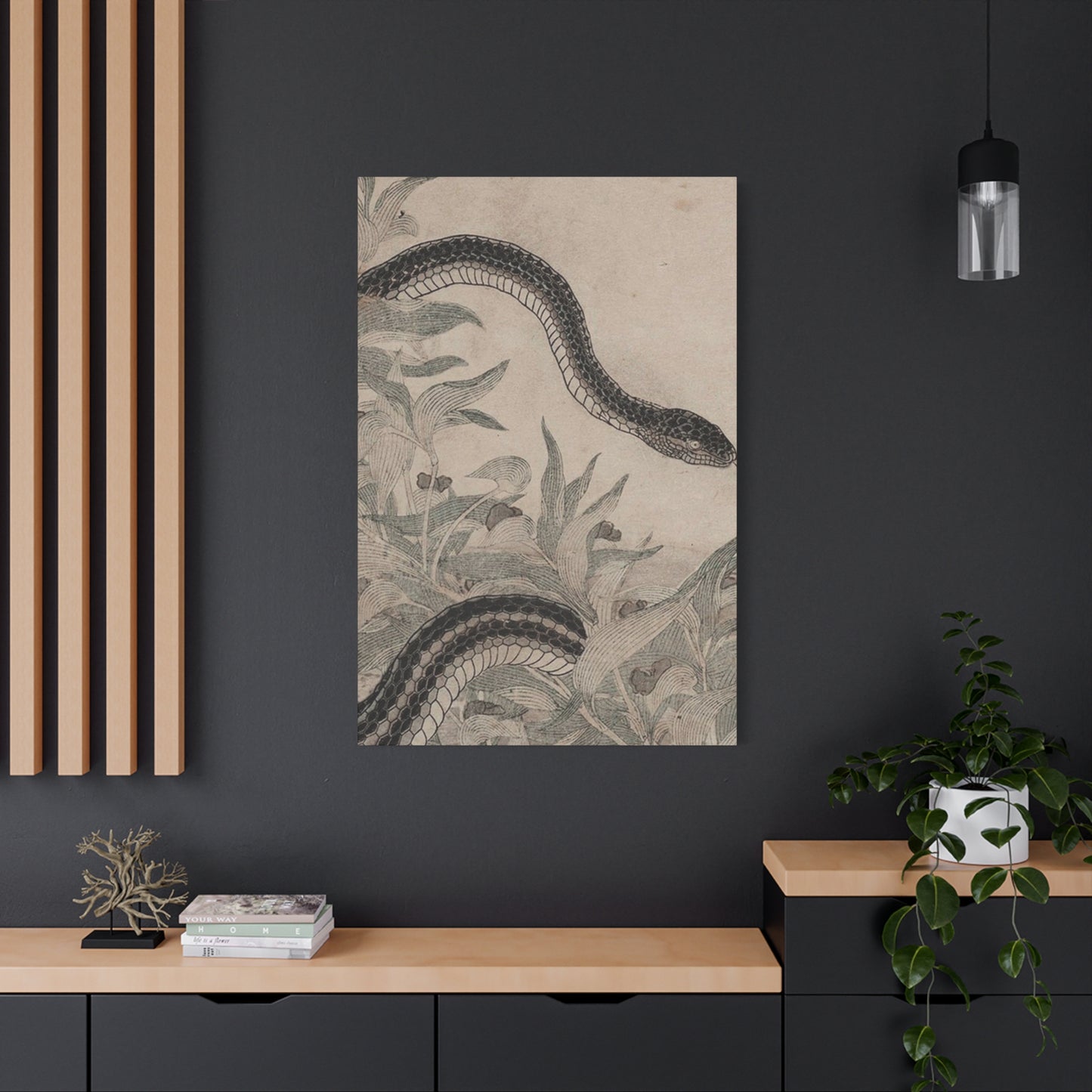
Cobra And Flower Wall Art & Canvas Prints
Cobra And Flower Wall Art & Canvas Prints
Couldn't load pickup availability
Add Boldness and Beauty to Your Space with Cobra and Flower Wall Art for a Modern, Botanical Feel
The mesmerizing combination of serpentine imagery with delicate botanical elements has captivated art enthusiasts and interior designers for generations. When we examine the distinctive appeal of cobra and flower wall art, we discover a rich tapestry of symbolism, aesthetic beauty, and cultural significance that transforms ordinary living spaces into extraordinary visual experiences. This comprehensive exploration delves into every aspect of these striking decorative pieces, from their profound symbolic meanings to practical considerations for selecting and displaying them in your home.
The Profound Symbolism Behind Serpent and Botanical Imagery in Decorative Artwork
The fusion of cobra imagery with floral elements creates a powerful visual narrative that resonates across multiple cultural contexts. Serpents have long represented transformation, renewal, and the cyclical nature of existence in countless civilizations throughout human history. The cobra specifically carries additional layers of meaning, often associated with protection, divine authority, and spiritual awakening. When artists combine these powerful reptilian figures with delicate flowers, they create a striking juxtaposition that speaks to the duality of nature itself.
Flowers in artistic compositions bring their own rich symbolism to the canvas. Different blooms carry distinct meanings across various cultures. Roses might represent passion and beauty, while lotus flowers symbolize purity and enlightenment. Peonies often signify prosperity and good fortune, whereas cherry blossoms remind us of life's fleeting nature. When these botanical elements intertwine with cobra imagery, the resulting artwork becomes a complex visual poem that can be interpreted on multiple levels.
The contrast between the cobra's perceived danger and the flower's delicate beauty creates a visual tension that captivates viewers. This artistic pairing suggests that beauty and strength are not mutually exclusive but rather complementary forces in nature. The artwork invites contemplation on themes of balance, the coexistence of opposing elements, and the hidden beauty in things we might initially fear or misunderstand.
In Eastern philosophies, particularly within Hindu and Buddhist traditions, the cobra holds sacred status. The image of a cobra protecting Buddha during meditation or adorning the deity Shiva represents spiritual guardianship and divine power. When combined with flowers sacred to these same traditions, such as lotus blossoms or marigolds, the artwork takes on deeper spiritual resonance that can transform a room into a meditative space.
Exploring Various Artistic Styles for Serpent and Floral Decorative Pieces
The world of cobra and flower wall art encompasses an impressive array of artistic styles, each offering unique aesthetic qualities and emotional resonances. Traditional realistic renderings capture the intricate scales of the cobra's hood and the delicate veining in flower petals with photographic precision. These pieces appeal to those who appreciate natural history and botanical accuracy, bringing a sense of the natural world into interior spaces.
Watercolor interpretations offer a softer, more dreamlike quality to cobra and flower compositions. The flowing nature of watercolor paints creates organic transitions between the serpent's form and surrounding botanical elements. These pieces often feature gentle color palettes with pastel hues that make them suitable for bedrooms, nurseries, or any space where a calming atmosphere is desired. The translucent quality of watercolors gives these artworks an ethereal quality that can make walls seem to breathe with life.
Contemporary abstract representations reimagine cobra and flower imagery through bold colors, geometric shapes, and unexpected compositional choices. These pieces might reduce the cobra to its essential curved form or fragment floral elements into patterns of color and texture. Abstract interpretations work exceptionally well in modern minimalist interiors or spaces with industrial aesthetics, providing organic subject matter rendered in contemporary visual language.
Art Nouveau and Art Deco styles bring distinctive vintage charm to cobra and flower wall art. Art Nouveau pieces typically feature sinuous, flowing lines that naturally complement the cobra's curved form, surrounded by stylized botanical ornamentations. Art Deco interpretations might employ more angular, symmetrical compositions with metallic accents and bold contrasts. These period styles add historical depth and sophisticated elegance to contemporary interiors.
Tribal and indigenous art styles offer yet another fascinating approach to cobra and floral imagery. Drawing from African, South American, or Pacific Island artistic traditions, these pieces might feature bold patterns, symbolic representations, and earthy color palettes. Such artwork brings cultural richness and global perspective to home decor while celebrating diverse artistic heritages.
Japanese woodblock print aesthetics, or ukiyo-e style, provides another compelling framework for cobra and flower wall art. These pieces often feature dramatic compositions with the cobra positioned against backgrounds of cherry blossoms, chrysanthemums, or other significant flowers in Japanese culture. The bold outlines, flat color areas, and careful attention to negative space characteristic of this style create striking visual impact.
Color Schemes That Transform Rooms Through Serpent Botanical Artwork
Color psychology plays a crucial role in how cobra and flower wall art affects the ambiance of a space. Deep jewel tones like emerald green, sapphire blue, and ruby red create luxurious, dramatic atmospheres perfect for dining rooms or master bedrooms. These rich colors command attention and establish the artwork as a focal point around which the entire room's design can revolve.
Monochromatic schemes in blacks, whites, and grays offer timeless sophistication. A cobra rendered in charcoal tones against white flowers creates striking contrast while maintaining versatility that coordinates with virtually any color scheme. These neutral palettes work particularly well in modern, Scandinavian, or minimalist interiors where restraint and balance are design priorities.
Pastel palettes featuring soft pinks, lavenders, mint greens, and pale yellows bring gentle, soothing energy to spaces. When cobras are depicted in these softer hues alongside delicate flowers, the potentially intimidating subject matter becomes approachable and serene. Such color schemes work beautifully in spaces dedicated to relaxation, meditation, or creative work.
Vibrant, saturated color combinations inspired by tropical environments create energetic, lively atmospheres. Imagine a cobra in brilliant turquoise or electric blue surrounded by hot pink hibiscus flowers and sunset orange blossoms. These bold color choices inject personality and joy into spaces, working well in entryways, creative studios, or anywhere you want to make a confident design statement.
Metallic accents in gold, silver, copper, or bronze add dimension and luxury to cobra and flower wall art. Gold leaf detailing on a cobra's scales or metallic shimmer in flower petals catches light dynamically throughout the day, creating living artwork that changes with natural illumination. These pieces work particularly well in spaces with accent lighting designed to highlight their reflective qualities.
Earth tone palettes featuring browns, tans, terracottas, and olive greens create organic, grounded atmospheres. These natural color schemes connect interior spaces with the outdoors and work particularly well in homes with rustic, bohemian, or nature-inspired design aesthetics. The cobra and flowers rendered in earth tones feel harmonious and balanced rather than dramatic or confrontational.
Materials and Formats for Displaying Cobra Floral Decorative Pieces
Canvas prints remain among the most popular formats for cobra and flower wall art due to their affordability, durability, and classic gallery-wrapped presentation. The texture of canvas adds depth to printed images, and the wrapped edges create a finished look that doesn't require framing. Canvas pieces range from small accent pieces to dramatic oversized statements that dominate entire walls.
Metal prints offer modern alternatives with unique visual properties. The process of infusing inks directly into specially coated aluminum creates luminous, vibrant images with exceptional clarity and depth. Metal prints display cobra and flower artwork with almost three-dimensional quality as light reflects off the surface. These pieces resist moisture and fading, making them suitable for bathrooms, kitchens, or high-humidity environments.
Framed paper prints provide traditional elegance and the widest range of artistic reproduction possibilities. From museum-quality giclée prints to vintage poster reproductions, paper supports accommodate numerous printing processes. The choice of frame dramatically affects the overall aesthetic, with options ranging from ornate gilded frames for classical presentations to sleek black frames for contemporary looks.
Wood panel prints bring natural warmth and organic texture to cobra and flower imagery. The visible wood grain beneath the printed image adds another layer of natural beauty, creating pieces that feel handcrafted and artisanal. Wood panels work particularly well in rustic, farmhouse, or bohemian interiors where natural materials are design priorities.
Textile wall hangings including tapestries, quilts, and embroidered pieces offer tactile, dimensional alternatives to flat prints. These textile artworks bring softness and warmth to spaces while showcasing traditional craftsmanship. Woven tapestries depicting cobras and flowers can become treasured heirloom pieces that gain character and story over time.
Sculptural relief pieces create three-dimensional cobra and flower artwork that casts shadows and interacts with light dynamically. These might be carved from wood, molded from plaster, or constructed from layered materials. Relief artwork adds architectural interest to walls and creates focal points that engage viewers from multiple angles.
Neon or LED light artworks represent cutting-edge approaches to cobra and flower wall art. These illuminated pieces transform traditional imagery into glowing installations perfect for contemporary spaces or commercial environments. The cobra's outline traced in neon tubing surrounded by illuminated floral elements creates dramatic nocturnal presence.
Sizing Considerations for Maximum Visual Impact in Different Room Types
Selecting appropriate dimensions for cobra and flower wall art significantly influences its impact within a space. For living rooms, large-scale pieces measuring 40 inches wide or more create commanding focal points above sofas or fireplaces. These substantial artworks anchor seating areas and provide conversation-starting visual interest. When positioning large pieces, ensure they span approximately two-thirds to three-quarters of the furniture width below them for balanced proportions.
Bedroom walls benefit from slightly smaller pieces that create interest without overwhelming the restful atmosphere. Artwork measuring 24 to 36 inches works well above beds, while smaller complementary pieces on adjacent walls create cohesive design schemes. Consider the viewing distance in bedrooms when selecting sizes, as you'll often view the artwork from bed, requiring sufficient size to appreciate details from across the room.
Dining room walls can accommodate dramatic oversized statements since diners typically spend extended periods facing these walls during meals. A large horizontal cobra and flower composition spanning 60 inches or more creates gallery-like presence and elevates casual dining spaces to special occasion status. Alternatively, vertical pieces work well in narrow wall spaces between windows or in corners.
Hallways and narrow wall spaces call for vertical orientations that complement rather than fight the space's proportions. Tall, narrow cobra and flower compositions draw the eye upward, making ceilings appear higher and passages feel more expansive. Series of smaller pieces arranged vertically also work well in these challenging spaces.
Bathroom walls present opportunities for smaller accent pieces that add personality without cluttering compact spaces. Cobra and flower artwork in the 12 to 20-inch range works well in powder rooms and full baths, bringing unexpected artistic sophistication to utilitarian spaces. Ensure materials are moisture-resistant for bathroom environments.
Home office walls benefit from medium-sized pieces that inspire creativity without distracting from work tasks. Artwork measuring 24 to 36 inches positioned within your peripheral vision field provides visual interest during breaks while maintaining focus during concentrated work periods. The symbolism of transformation and growth inherent in cobra and flower imagery can provide subtle motivational reminders throughout workdays.
Gallery walls combine multiple cobra and flower pieces in various sizes to create dynamic, curated collections. This approach works particularly well when you've collected pieces over time or want to showcase different artistic interpretations of the theme. Plan gallery wall arrangements on the floor before hanging to experiment with spacing and composition.
Strategic Placement Principles for Cobra Floral Artwork Throughout Your Home
The positioning of cobra and flower wall art dramatically affects both its visual impact and the room's overall energy flow. As focal points, these pieces should hang at eye level, with the artwork's center positioned approximately 57 to 60 inches from the floor. This gallery standard ensures comfortable viewing and creates professional presentation quality in home environments.
Living room walls offer prime real estate for showcasing cobra and flower artwork. The wall behind the sofa serves as a natural focal point, while the wall opposite the main seating area ensures artwork remains in view during conversation and relaxation. Consider the room's traffic patterns when positioning art to ensure pieces can be appreciated from multiple angles and viewpoints.
Above fireplace mantels, cobra and flower artwork creates striking focal points that draw the eye upward. The symbolism of the cobra rising toward the sky surrounded by blooming flowers complements the elemental energy of fire below. Ensure adequate spacing between the mantel top and artwork bottom, typically 6 to 12 inches, to prevent visual crowding.
Bedroom walls above headboards provide intimate viewing opportunities for cobra and flower artwork. This position makes the art among the first and last things you see each day, allowing its symbolism and beauty to influence your mindset. Choose pieces with calming color palettes and compositions for this personal space to support restful sleep and peaceful awakening.
Stairwell walls present unique opportunities for displaying cobra and flower artwork in ascending or descending arrangements. Following the stairway's angle with appropriately positioned pieces creates visual rhythm that guides movement through the space. The upward movement of a cobra's form naturally complements ascending staircases.
Kitchen and dining area walls benefit from cobra and flower artwork that incorporates colors from the existing palette. These pieces add personality to spaces often dominated by functional considerations. The symbolism of flowers and natural growth connects these artworks thematically to the nourishment and gathering that occurs in these spaces.
Bathroom walls transform utilitarian spaces into personal galleries with carefully selected cobra and flower artwork. These unexpected placements surprise guests and demonstrate design thoughtfulness throughout the home. Choose pieces with moisture-resistant materials and frames suitable for humid environments.
Entryways and foyers set the tone for your entire home with first impression artwork. Cobra and flower pieces in these spaces signal your aesthetic preferences and create welcoming yet distinctive atmospheres. The protective symbolism of cobra imagery feels particularly appropriate in entryway contexts.
Complementary Design Elements That Enhance Cobra Botanical Wall Displays
Surrounding decor elements significantly influence how cobra and flower wall art integrates within a space. Coordinating throw pillows featuring complementary colors or subtle botanical patterns creates cohesive design narratives without overwhelming spaces with reptile imagery. Select pillows in solid colors pulled from the artwork's palette or with abstract geometric patterns that echo the artwork's color scheme.
Area rugs grounding seating areas beneath cobra and flower artwork should complement without competing. Consider rugs in neutral tones that allow the wall art to dominate visually, or choose rugs with botanical motifs that reinforce the floral elements in the artwork without literally matching them. The texture and pattern of rugs add another layer to the overall design composition.
Accent furniture pieces in materials and finishes that harmonize with the artwork's aesthetic enhance overall cohesion. Dark wood furniture complements cobra and flower pieces with traditional or vintage styling, while mid-century modern pieces work well with more contemporary interpretations. Metal furniture in brass or copper finishes beautifully echoes metallic accents in the artwork.
Lighting design dramatically affects how cobra and flower wall art appears throughout the day and evening. Picture lights mounted above artwork provide focused illumination that highlights colors and details. Alternatively, track lighting or adjustable spotlights allow you to direct emphasis precisely. Warm-toned bulbs enhance earthy palettes, while cool-toned lighting emphasizes blues and greens.
Natural elements including potted plants, dried botanical specimens, or natural fiber baskets create organic connections between cobra and flower artwork and three-dimensional space. Living plants reinforce the botanical themes while adding literal life to rooms. Select plant varieties with foliage shapes or colors that complement rather than duplicate flowers depicted in the artwork.
Sculptural objects on shelving or surfaces beneath cobra and flower artwork create layered visual interest. Consider objects in materials like stone, ceramic, or wood that provide textural contrast to flat artwork. Avoid placing objects with strong vertical lines directly below the artwork, as these compete for visual attention.
Window treatments influence natural light that illuminates cobra and flower wall art throughout the day. Sheer curtains diffuse harsh sunlight while maintaining brightness, protecting artwork from potential fading. Heavier drapes in colors coordinating with the artwork palette create cohesive design when closed while framing views when open.
Additional wall decor surrounding primary cobra and flower pieces should maintain visual balance. Smaller complementary artworks, decorative mirrors, or wall shelving can create gallery-wall effects when carefully arranged. Maintain adequate negative space around the primary piece to prevent visual clutter and allow the cobra and flower artwork to breathe.
Cultural Perspectives on Serpent and Flora in Artistic Representations
Hindu traditions present cobras as divine protectors and symbols of cosmic energy. The deity Shiva wears cobras adorned around his neck, representing control over fear and death. Vishnu reclines on the cosmic serpent Shesha, who represents infinite time and space. When cobra imagery combines with sacred flowers like lotus blossoms or marigolds in artwork, these pieces carry profound spiritual significance for practitioners and art enthusiasts aware of these traditions.
Ancient Egyptian civilization revered cobras as symbols of royalty and divine authority. The uraeus, a stylized upright cobra, adorned pharaohs' crowns representing sovereignty and protection. Egyptian artwork combining cobra imagery with lotus flowers, papyrus, or other botanicals significant to Nile valley civilization creates pieces rich with historical resonance. These designs work particularly well in homes with eclectic or globally-inspired design aesthetics.
Chinese cultural traditions view snakes as symbols of wisdom, mystery, and sensuality rather than inherently threatening creatures. In Chinese zodiac traditions, snake years represent intelligence, grace, and material success. When combined with peonies (representing prosperity), orchids (symbolizing refinement), or plum blossoms (representing resilience), cobra and flower artwork takes on auspicious meanings within Chinese cultural contexts.
Greek mythology presents serpents with complex symbolism, from the healing rod of Asclepius to the dangerous Medusa. When combined with flowers significant to Greek tradition like laurel wreaths, roses sacred to Aphrodite, or olive branches, cobra and flower artwork bridges ancient mythology and botanical symbolism. These pieces appeal to classical aesthetics and those drawn to Mediterranean design influences.
Mesoamerican civilizations including the Aztec and Maya peoples revered the feathered serpent deity Quetzalcoatl, representing the union of earth and sky. Artistic representations combining serpent forms with tropical flowers native to Central America create pieces celebrating these rich cultural heritages. Such artwork brings global perspective and honors indigenous artistic traditions.
African tribal traditions across diverse cultures view serpents as ancestor spirits, fertility symbols, and creatures connecting earthly and spiritual realms. When combined with flora significant to specific African regions, cobra and flower artwork celebrates continental diversity and honors varied cultural perspectives. These pieces work beautifully in spaces embracing Afrocentric design or global eclectic aesthetics.
Buddhist philosophy presents snakes appearing at crucial moments in Buddha's journey toward enlightenment. The mucalinda cobra sheltered Buddha during meditation, representing protection of spiritual practice. When combined with lotus flowers or bodhi tree leaves in artwork, these compositions create meditative focal points suitable for yoga spaces, meditation rooms, or any area dedicated to contemplative practices.
Creating Harmonious Color Coordination Between Artwork and Interior Spaces
Analyzing existing room color palettes before selecting cobra and flower wall art ensures harmonious results. Photograph your space from multiple angles and review images to identify dominant colors, accent tones, and neutral backgrounds. Use these photographs when shopping for artwork to ensure accurate color matching in various lighting conditions.
Monochromatic schemes built around single color families create sophisticated, cohesive interiors. If your room features various shades of blue, select cobra and flower artwork incorporating navy, teal, turquoise, or powder blue tones. The varied tones within the single color family provide visual interest while maintaining harmonious unity.
Complementary color schemes pair opposites on the color wheel for dynamic visual tension. Purple walls might pair beautifully with cobra and flower artwork featuring yellow or golden blooms. Blue-gray rooms come alive with artwork incorporating orange or coral flowers. These high-contrast combinations create energetic, vibrant atmospheres.
Analogous color schemes use adjacent colors on the color wheel for gentle, harmonious effects. Rooms decorated in yellows and oranges pair naturally with cobra and flower artwork incorporating reds, corals, or golden tones. Green rooms coordinate beautifully with artwork featuring blue-green cobras and cyan or lime flowers.
Triadic color schemes employ three evenly spaced colors around the color wheel for balanced yet vibrant results. A room with purple accents might incorporate cobra and flower artwork featuring orange and green elements. The three-color combination provides visual richness without overwhelming spaces.
Neutral room palettes in whites, grays, tans, or beiges provide blank canvases allowing cobra and flower artwork to introduce desired color. These neutral backgrounds make artwork colors appear more vibrant and allow you to change accent colors seasonally by swapping accessories while maintaining the same artwork.
Accent color extraction involves pulling one secondary color from artwork to use as an accent throughout the room. If your cobra and flower piece features predominantly green tones with coral flower accents, introduce coral through throw pillows, vases, or small furniture pieces. This technique creates intentional design cohesion that appears professionally considered.
Artistic Movements and Their Influence on Contemporary Cobra Flora Designs
Impressionist influences bring loose brushwork, emphasis on light, and visible paint application to cobra and flower wall art. These pieces capture the essence and feeling of subjects rather than precise details. Impressionist-style cobra and flower artwork works particularly well in spaces with romantic, cottage, or traditional French country aesthetics.
Expressionist approaches prioritize emotional impact over realistic representation. Cobra and flower artwork in expressionist styles might feature exaggerated colors, distorted forms, and dramatic compositions that convey specific moods or psychological states. These pieces work well in creative spaces or homes where art serves as emotional expression rather than pure decoration.
Surrealist influences create dreamlike, unexpected combinations that challenge logical relationships. Imagine cobras with flower petals for scales, or massive flowers with serpentine stems coiling through impossible spaces. Surrealist cobra and flower artwork appeals to those who appreciate whimsy, imagination, and conversation-starting visual puzzles.
Cubist perspectives fragment and reassemble cobra and flower imagery from multiple viewpoints simultaneously. These analytical compositions deconstruct subjects into geometric planes and shapes, creating intellectually engaging artwork. Cubist-influenced pieces work well in modern or contemporary interiors with strong geometric elements.
Pop Art interpretations bring bold colors, graphic compositions, and cultural commentary to cobra and flower wall art. Think Andy Warhol-style repeated images in varied color combinations or Roy Lichtenstein-inspired Ben-Day dots. Pop Art approaches work brilliantly in eclectic, maximalist, or retro-inspired interiors.
Minimalist movements reduce cobra and flower imagery to essential elements, employing limited color palettes and clean compositions. These spare, contemplative pieces create calm focal points in modern interiors where less is more. The negative space in minimalist artwork becomes as important as the depicted subjects.
Street art and graffiti influences bring urban energy and contemporary edge to cobra and flower wall art. These pieces might incorporate spray paint aesthetics, stenciled elements, or mixed media techniques. Street art-inspired pieces work particularly well in industrial lofts, urban apartments, or spaces with contemporary masculine aesthetics.
Seasonal Rotation Strategies for Cobra Floral Wall Displays
Spring season rotations might emphasize cobra and flower artwork featuring pastel palettes, cherry blossoms, tulips, or daffodils. These lighter, brighter pieces reflect the renewal and growth of spring months. Consider pieces with yellow, pink, lavender, and soft green tones that mirror blooming gardens and longer daylight hours.
Summer displays could showcase cobra and flower artwork with vibrant, saturated colors reflecting the season's energy. Tropical flowers like hibiscus, bird of paradise, or plumeria combined with cobras in bright blues or greens create vacation-like atmospheres. Bold, warm palettes in reds, oranges, and yellows capture summer's heat and vitality.
Autumn rotations might feature cobra and flower artwork in earth tones, incorporating chrysanthemums, dahlias, or marigolds. Rich burgundies, burnt oranges, deep golds, and chocolate browns reflect falling leaves and harvest abundance. These warmer, deeper tones create cozy atmospheres as daylight decreases and indoor time increases.
Winter season displays could emphasize cobra and flower artwork with cooler palettes or metallic accents. White flowers, silver or platinum cobra scales, and icy blues create sophisticated winter elegance. Alternatively, rich jewel tones in emerald, ruby, and sapphire bring warmth and luxury to cold-season interiors.
Holiday-specific rotations allow cobra and flower artwork to participate in festive celebrations. Select pieces incorporating colors traditionally associated with specific holidays while maintaining year-round appropriateness. Deep reds and greens work for December holidays while remaining sophisticated beyond specific calendar dates.
Birthday or anniversary month displays offer personal ways to celebrate with cobra and flower artwork featuring birth month flowers. January carnations, May lilies of the valley, or October marigolds personalize spaces while honoring loved ones. This approach works particularly well in family galleries or memory walls.
Mood-based rotation responds to personal emotional needs rather than calendar dates. When seeking energy and motivation, display cobra and flower artwork with vibrant, warm palettes. During stressful periods, rotate to pieces with calming cool tones and simpler compositions. This responsive approach makes artwork an active participant in emotional wellbeing.
Investment Value and Collecting Strategies for Serpent Botanical Artwork
Original artworks by emerging artists offer both aesthetic pleasure and potential appreciation. Research artists whose cobra and flower work resonates with your taste, following their careers and collecting pieces before prices increase. Attend local art fairs, gallery openings, and student exhibitions to discover talent before wider recognition drives prices upward.
Limited edition prints combine affordability with collectibility, offering numbered reproductions in specified quantities. Lower edition numbers and artist signatures increase value over time. Certificate authenticity documentation protects your investment and establishes provenance. Store documentation carefully and maintain condition through proper display and care.
Commissioned custom pieces create one-of-a-kind cobra and flower artwork perfectly tailored to your space and preferences. Work with artists to specify dimensions, color palettes, and symbolic elements meaningful to your situation. Commissioned pieces become family heirlooms with personal stories enhancing their emotional and potential monetary value.
Artist collaborations and partnerships with established brands occasionally produce collectible cobra and flower artwork. Watch for special releases, capsule collections, or artist-designed pieces from furniture or home decor companies. These limited availability items often appreciate as they become unavailable through original retail channels.
Provenance and condition documentation maintain and enhance artwork value over time. Photograph pieces upon acquisition, retain original packaging and certificates, and document any restoration or conservation work. Create digital files with purchase information, dimensions, and artist details for insurance purposes and future sale opportunities.
Market research using auction results, gallery pricing, and online marketplaces helps identify fair market values. Track cobra and flower artwork sales through auction houses specializing in your preferred style or period. Online databases archive past sales, helping you understand price trends and identify undervalued opportunities.
Conservation and preservation practices protect your investment from deterioration. Control exposure to direct sunlight, maintain stable humidity levels, and avoid hanging artwork above heat sources. Professional cleaning and restoration when needed maintains condition that supports long-term value retention.
Psychological Effects of Cobra and Flower Wall Art on Living Environments
Biophilic design principles recognize humans' innate connection to nature and natural imagery. Cobra and flower wall art brings natural elements into built environments, potentially reducing stress and promoting wellbeing. Studies suggest exposure to nature imagery, even through art, can lower blood pressure, reduce anxiety, and improve mood compared to urban or geometric imagery.
Color psychology influences how cobra and flower artwork affects occupants emotionally. Blues and greens typically promote calm, relaxation, and mental clarity, making them ideal for bedrooms or meditation spaces. Reds and oranges energize and stimulate, working well in dining rooms or creative spaces. Understanding these color effects helps select pieces supporting desired room functions and moods.
Symbolic power affects how cobra and flower imagery influences personal psychology. For those who find serpents frightening, artwork recontextualizing cobras alongside beautiful flowers can help reframe associations, promoting appreciation rather than fear. This subtle exposure helps viewers recognize beauty and importance in creatures they might otherwise avoid or misunderstand.
Personal meaning and memory connections make cobra and flower artwork psychologically significant beyond aesthetic considerations. Perhaps you traveled somewhere where cobras and specific flowers are native, making the imagery trigger happy memories. Maybe flowers depicted hold significance to family heritage or personal milestones. These personal connections make artwork psychologically nourishing in ways impossible to achieve through generic decoration.
Conversation stimulus provided by distinctive cobra and flower artwork facilitates social bonding when guests visit. Discussing the artwork's symbolism, colors, or personal significance creates opportunities for meaningful conversation beyond weather and work. This social facilitation function makes thought-provoking artwork valuable for psychological and relationship wellbeing.
Creative inspiration flows from engaging visual environments that stimulate imagination and novel thinking. Cobra and flower artwork's rich symbolism and natural beauty can spark ideas, metaphors, and creative solutions when you're working on projects or problems. Creative professionals often find that carefully curated visual environments enhance their work quality and satisfaction.
Identity expression through chosen artwork helps create spaces reflecting your authentic self. Selecting cobra and flower pieces demonstrates your aesthetic preferences, cultural interests, and philosophical leanings. Living in spaces reflecting your identity promotes psychological congruence between your internal self and external environment, supporting mental health and self-esteem.
Practical Considerations for Hanging and Securing Wall Artwork Properly
Wall material identification determines appropriate hanging methods. Drywall requires wall anchors or studs for secure hanging, while plaster, brick, or concrete walls need specialized hardware. Testing with small nail taps helps identify stud locations in drywall without expensive electronic detectors. Magnetic stud finders offer affordable alternatives when tapping seems imprecise.
Weight capacity calculations ensure safe hanging that won't damage walls or allow artwork to fall. Picture hanging hooks are rated for specific weight ranges; always select hardware rated significantly above your artwork's actual weight. For heavy pieces exceeding 50 pounds, locate studs and use heavy-duty screws rather than relying on wall anchors alone.
Level and measuring tools ensure professional-looking results. Laser levels project straight lines across walls, showing exactly where to place nails or hooks. Traditional bubble levels verify horizontal alignment before permanently mounting. Measuring tape and pencil markings indicate precise placement based on room proportions and furniture relationships.
Hanging hardware selection affects both security and appearance. Traditional wire with D-rings or sawtooth hangers work for lightweight pieces under 20 pounds. French cleats provide superior security for heavy artwork, distributing weight across longer wall sections. Adhesive strips offer damage-free solutions for renters but have weight limitations requiring careful consideration.
Museum-quality hanging techniques involve specialized materials protecting valuable artwork. Acid-free mounting tape prevents chemical damage to paper works. Bumpers on bottom corners prevent wall discoloration and allow air circulation. Security hardware resists casual theft attempts for valuable pieces displayed in accessible locations.
Professional installation services become worthwhile for extremely valuable, heavy, or challenging installations. Art handlers possess specialized knowledge, tools, and insurance protecting both artwork and walls. Complex arrangements involving multiple pieces, gallery walls, or difficult locations benefit from professional expertise ensuring results matching your vision.
Rental property considerations require hanging methods that minimize wall damage. Command strips, adhesive hooks, or specialty picture rail systems allow significant artwork display without nail holes requiring repair upon moving. Tension rods between walls or floor-to-ceiling systems offer alternatives for temporary living situations.
Caring for and Preserving Cobra Flower Wall Art Over Decades
Dust accumulation dulls artwork appearance and can damage surfaces over time. Regular gentle dusting with clean, soft microfiber cloths prevents buildup without scratching surfaces. For canvas pieces, dust very gently without applying pressure that might deform stretched fabric. Glass-covered artwork requires streak-free glass cleaner applied to cloths rather than sprayed directly on frames.
Sunlight protection prevents color fading that diminishes artwork beauty and value. Position cobra and flower pieces away from direct sunlight streaming through windows. If ideal placement receives sunlight, install UV-filtering window films or use curtains during peak sun hours. Museum-quality UV-filtering acrylic glazing protects framed works more effectively than standard glass.
Humidity control prevents mold growth, warping, and other moisture-related damage. Maintain relative humidity between 40-55% for optimal artwork preservation. Dehumidifiers in damp basements or coastal homes protect pieces from excess moisture. Avoid hanging artwork in bathrooms without proper ventilation or directly above humidifiers.
Temperature stability prevents expansion and contraction cycles that stress materials over time. Avoid hanging cobra and flower artwork above radiators, heating vents, or fireplaces where temperature fluctuations are dramatic. Consistent moderate temperatures between 65-75°F provide ideal preservation conditions for most artwork materials and media.
Professional cleaning and restoration become necessary when home care proves insufficient. Qualified art conservators can remove years of accumulated grime, repair damage, and restore colors without harming original materials. Establish relationships with reputable local conservators before emergencies arise, researching credentials and client reviews carefully.
Frame inspection and maintenance prevent deteriorating frames from damaging artwork. Check corners for loosening joints that might allow glass to shift or fall. Replace deteriorating backboard paper that no longer protects artwork from dust and pests. Upgrade to acid-free materials when replacing backing or matting to prevent chemical damage.
Pest prevention protects artwork from insects that consume paper, fabric, and adhesives. Regular inspection for signs of insect activity allows early intervention before significant damage. Natural pest deterrents like cedar blocks or lavender sachets offer non-toxic protection. Professional pest control becomes necessary if you discover active infestations.
Commissioning Custom Cobra and Flower Artwork for Personalized Spaces
Artist research and selection begins by exploring portfolios of creators whose style resonates with your aesthetic preferences. Examine their range of work, color handling, composition skills, and ability to work with natural subjects. Read reviews from previous clients about communication, timeline adherence, and satisfaction with finished pieces. Request references for substantial commissions.
Budget establishment early in the process prevents misunderstandings and disappointment. Original artwork pricing reflects artist experience, piece size, medium, and complexity. Request detailed quotes covering materials, labor, timeline, and any additional costs like shipping or framing. Compare multiple artists' estimates while considering quality differences alongside price.
Vision communication requires clearly expressing your preferences while allowing artistic interpretation. Compile inspiration images showing compositions, color palettes, and stylistic elements you appreciate. Describe the space where artwork will hang, including dimensions, existing decor, and lighting conditions. Explain any symbolic elements or personal meanings you want incorporated in the cobra and flower imagery.
Revision policies and contracts protect both parties throughout the creative process. Written agreements should specify number of included revision rounds, timeline, payment schedule, and ownership rights. Understand whether you'll receive progress images at various stages. Clarify whether the artist retains rights to reproduce the image on prints or merchandise.
Color approval processes ensure the finished piece will harmonize with your space. Artists might provide color samples or small studies for approval before proceeding with the full piece. Alternatively, they might share digital mockups showing the artwork in your actual room through photo manipulation. These approval steps prevent costly disappointment with color choices.
Size and proportion discussions ensure the finished piece suits its intended location perfectly. Provide exact measurements of available wall space and furniture dimensions for scale reference. Artists can create templates or mockups showing how various size options would appear in your space. Consider viewing distance and room proportions when finalizing dimensions.
Medium selection affects both aesthetic qualities and practical considerations. Oil paintings offer rich colors and traditional beauty but require drying time extending project timelines. Acrylics dry quickly and resist fading but have different texture qualities. Watercolors create delicate beauty but require protective framing. Mixed media pieces incorporating collage, metallic leaf, or other materials add dimension and uniqueness.
Conclusion
Stunning cobra and flower wall art brings a captivating and bold aesthetic to your home, effortlessly merging the fierce elegance of serpents with the delicate beauty of flowers. This unique combination of animal and botanical elements creates a striking contrast, making it an ideal choice for modern interiors that embrace daring and unexpected design choices. The cobra, often symbolizing strength, mystery, and transformation, paired with the softness and vitality of flowers, adds layers of symbolism and visual intrigue to your décor. This powerful blend of natural elements offers a perfect balance of elegance and danger, creating a visual narrative that is both captivating and thought-provoking.
One of the main reasons why cobra and flower wall art is so compelling is its ability to evoke a sense of both mystery and harmony. The snake, with its sinuous form and watchful gaze, commands attention, while the surrounding floral elements provide a softening effect, reminding us of nature’s ability to create beauty and life even in the most unexpected places. This combination speaks to the duality of life—strength and fragility, danger and grace—creating a dynamic balance within any room. It’s a conversation starter that invites intrigue and contemplation, making it ideal for spaces where you want to make a bold statement, such as living rooms, offices, or even modern bedrooms.
In addition to their dramatic visual appeal, cobra and flower wall art also brings a sense of symbolism and deeper meaning into your home. In many cultures, snakes are seen as symbols of rebirth, transformation, and healing. They shed their skin, representing new beginnings, and their presence in art can evoke themes of personal growth and change. When paired with flowers—symbols of beauty, life, and renewal—the artwork takes on an even more powerful message of balance, resilience, and the intertwining of life’s contrasting elements. The cobra, often portrayed as wise and mysterious, can serve as a reminder to embrace change, while the flowers represent the beauty and vitality that emerge from it.
This art form also adds a layer of sophistication and contemporary edge to your space. Modern interiors often seek unique, unconventional artwork that challenges traditional décor choices, and cobra and flower wall art fits this vision perfectly. The rich, intricate detail of the serpent and the vibrant colors of the flowers create a striking contrast against sleek, minimalist furniture or neutral walls. This contrast brings energy and excitement to the room, making the artwork stand out without overwhelming the space. It’s an ideal way to inject personality and modern elegance into any interior, from urban lofts to chic, contemporary homes.
The versatility of cobra and flower wall art also extends to its adaptability in different interior themes. Whether you’re embracing an eclectic, bohemian style or a more refined, high-end modern aesthetic, this type of art can complement a variety of settings. In rooms that feature earthy tones and natural materials, such as wood and stone, the combination of cobra and botanical imagery enhances the connection to nature. In more minimalist spaces, the sharp, detailed focus on the snake and flowers can add contrast and visual interest to an otherwise subdued palette. The art’s vibrant colors and intricate design can easily become the focal point of any room, drawing attention while still fitting into the overall design scheme.
Furthermore, cobra and flower wall art serves as a powerful tool for personal expression. It can reflect your unique aesthetic, interests, and connection to nature’s more mysterious and beautiful aspects. Whether you’re fascinated by the symbolism of the serpent, the elegance of floral designs, or the way these elements come together to tell a story, this artwork allows you to inject your personality into your home décor. It’s a piece that reflects both strength and beauty, challenging conventional ideas of what art can represent, and inviting viewers to look deeper into the meaning behind the work.
In conclusion, stunning cobra and flower wall art offers a dramatic and sophisticated way to enhance modern home interiors. The combination of the snake’s bold, commanding presence with the delicate, colorful beauty of flowers creates a visual harmony that is both striking and thought-provoking. This unique fusion of elements brings balance, strength, and symbolism into your home, while infusing the space with energy and beauty. Whether you seek to make a bold statement, express personal growth, or simply add a touch of intrigue to your décor, cobra and flower wall art is a perfect choice. Its ability to blend nature’s fierce and gentle qualities into one cohesive piece makes it an unforgettable addition to any room, transforming your living space into a place of visual wonder and personal reflection.
Share