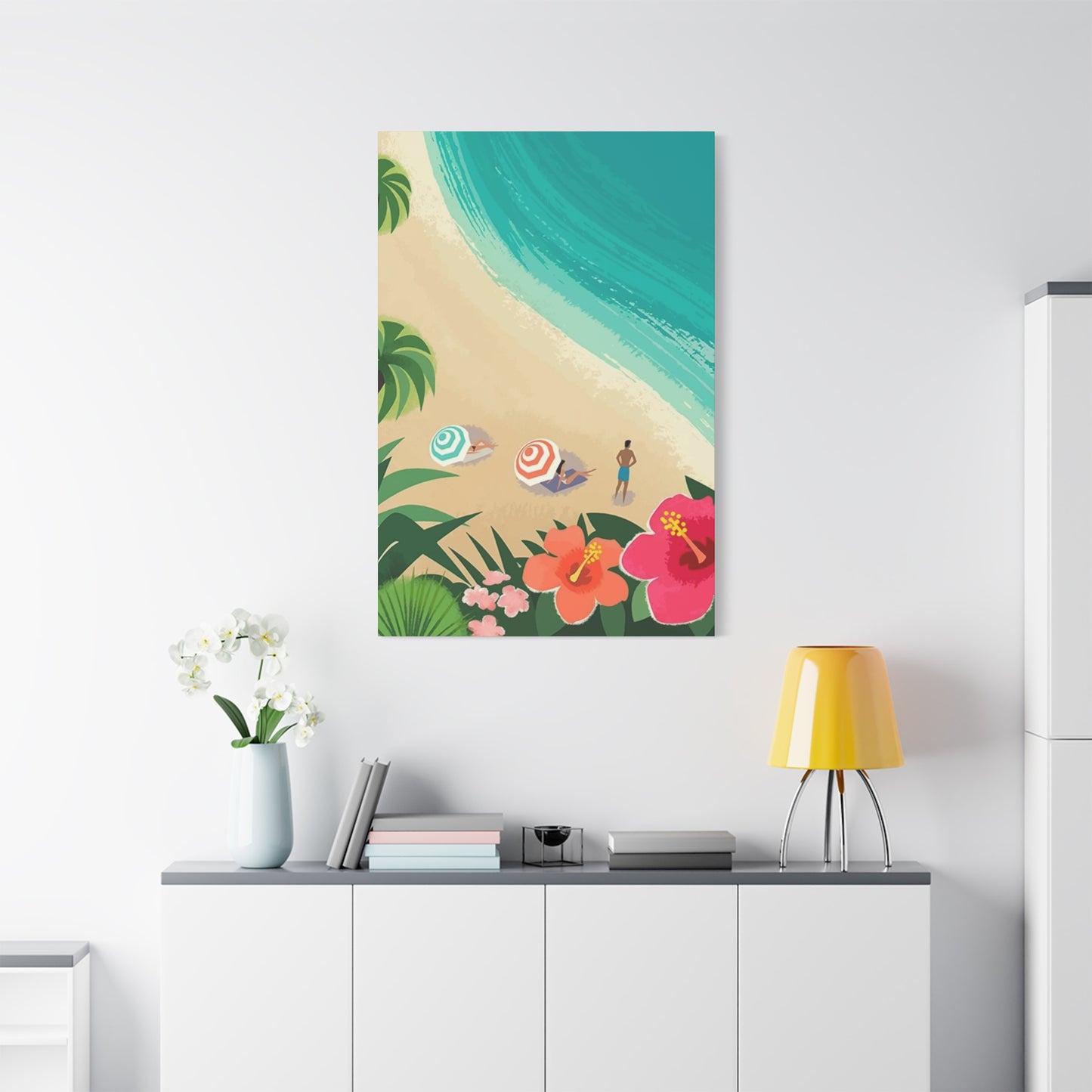
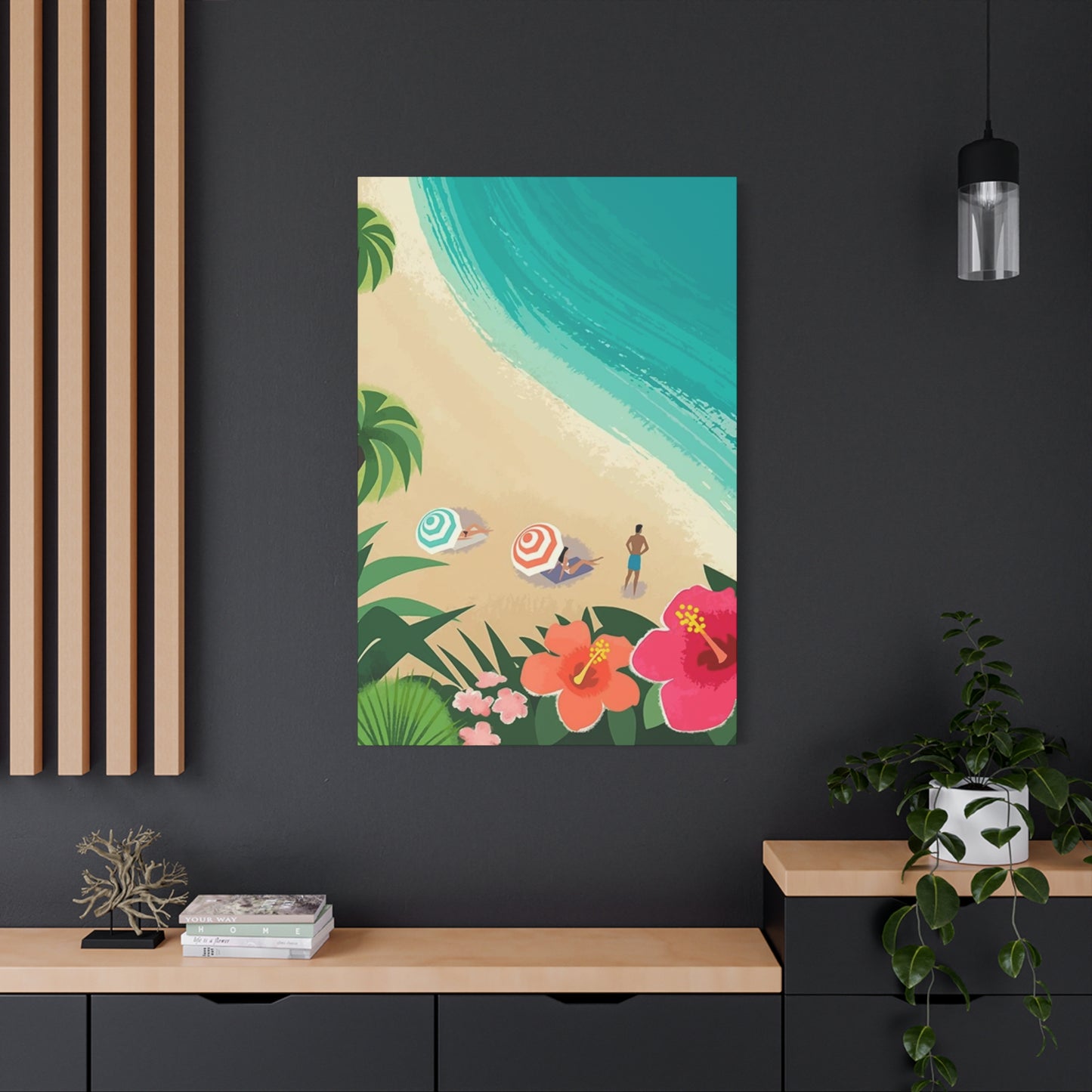
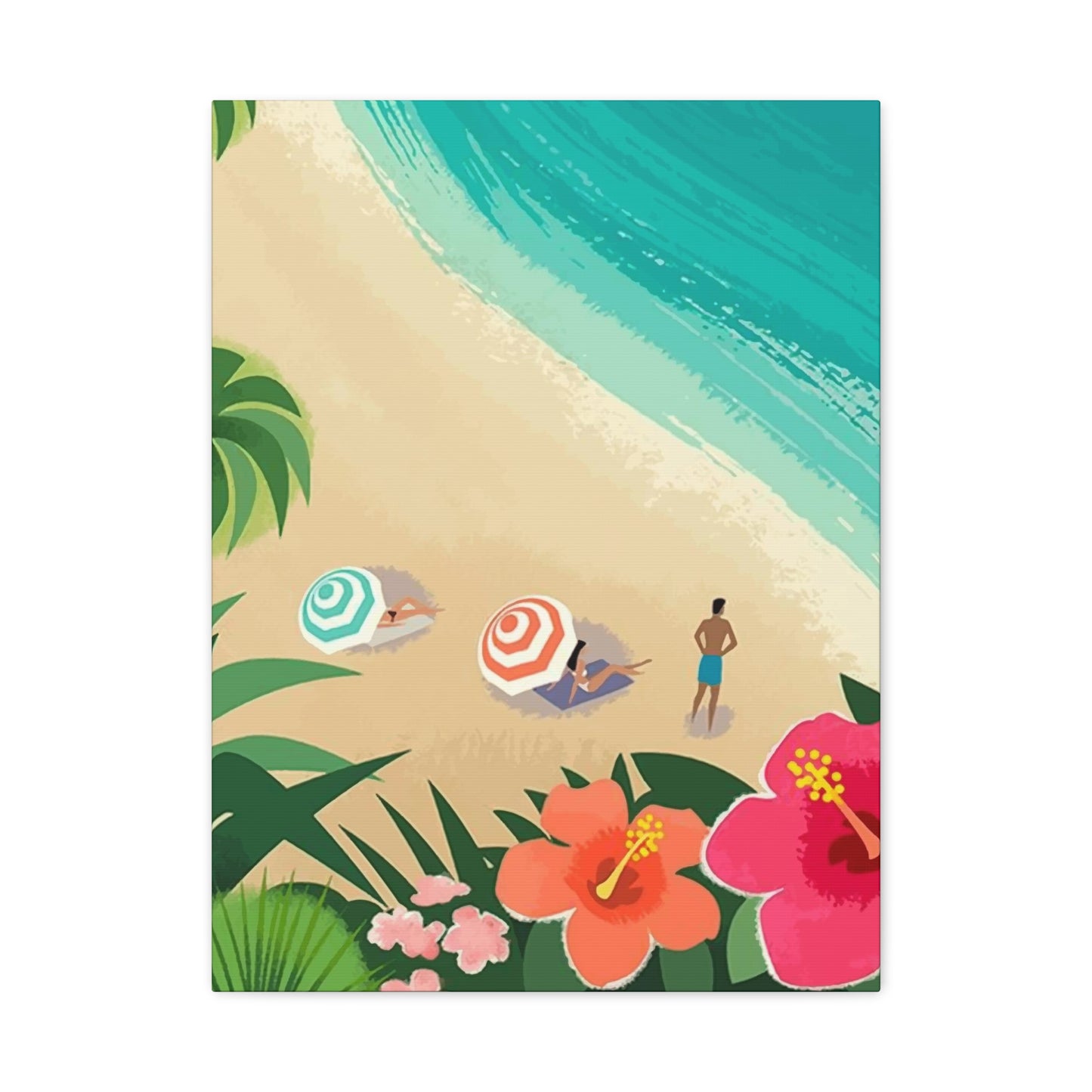
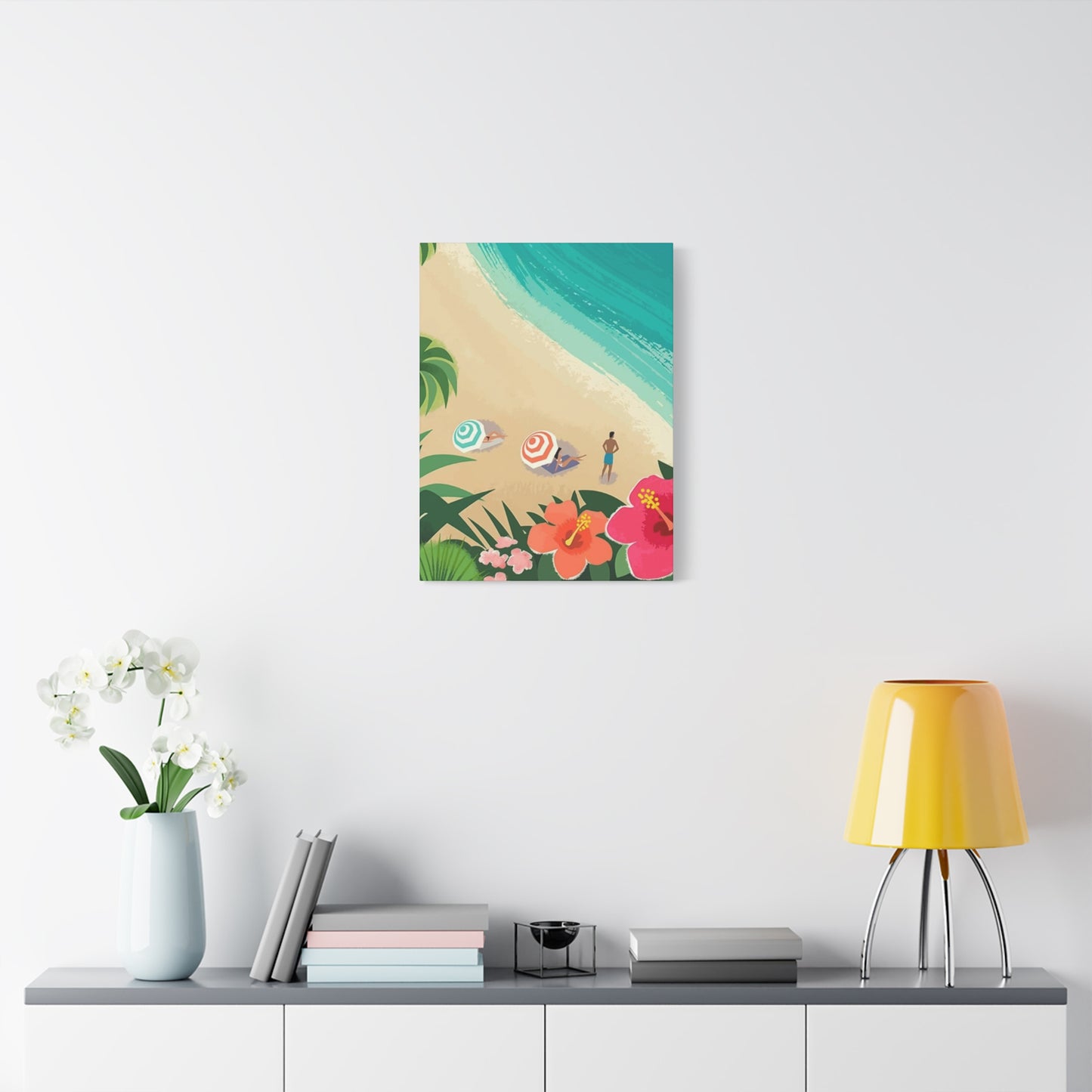
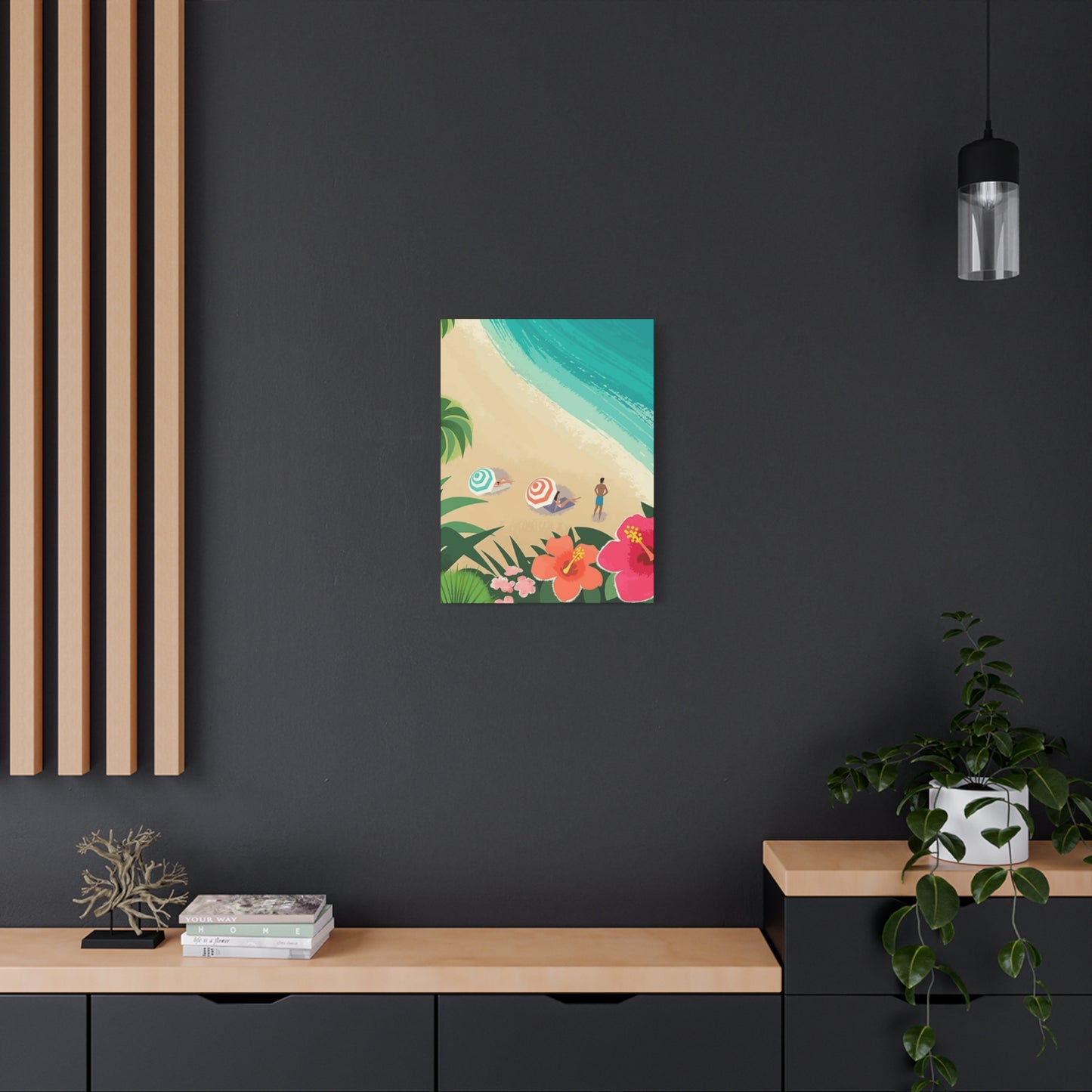
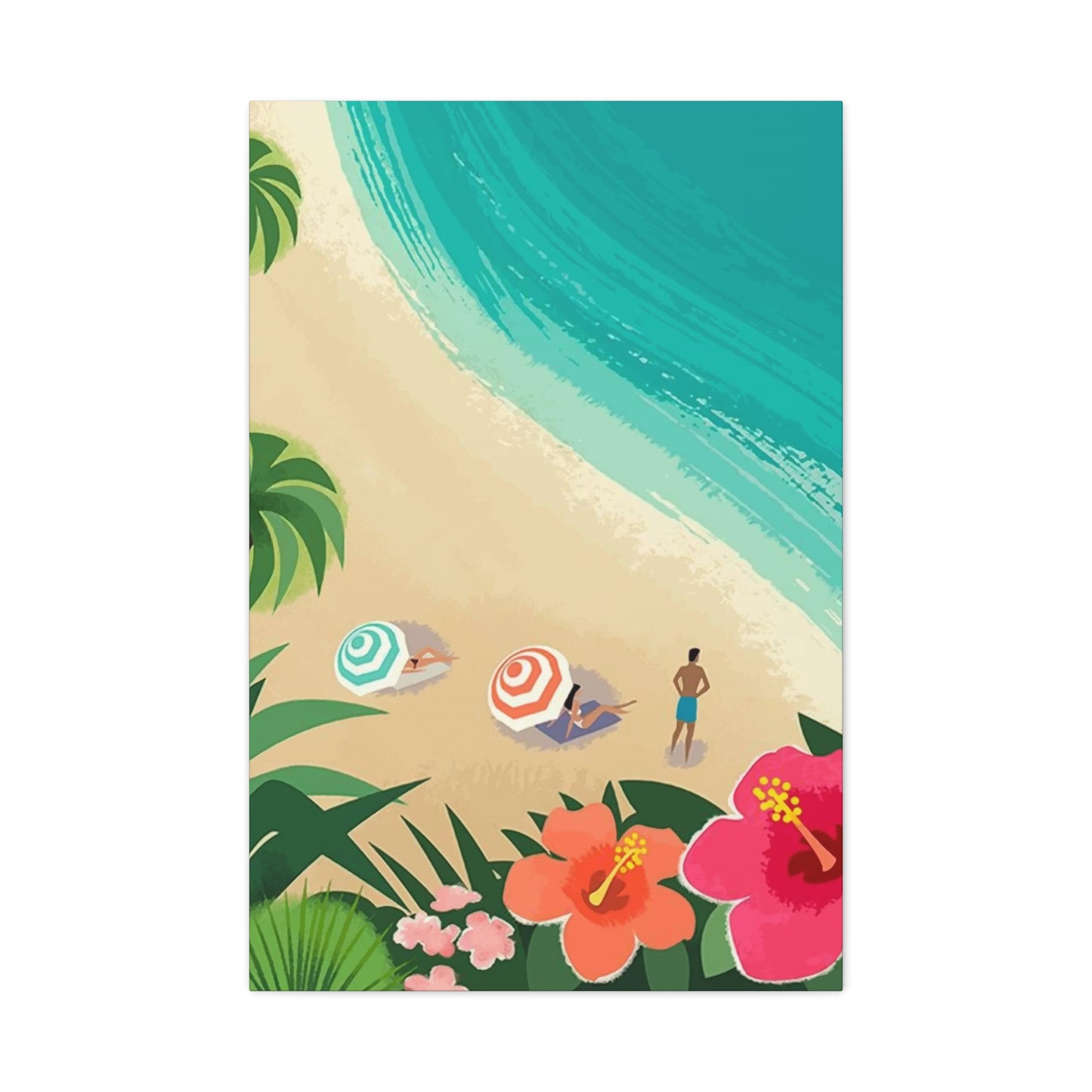
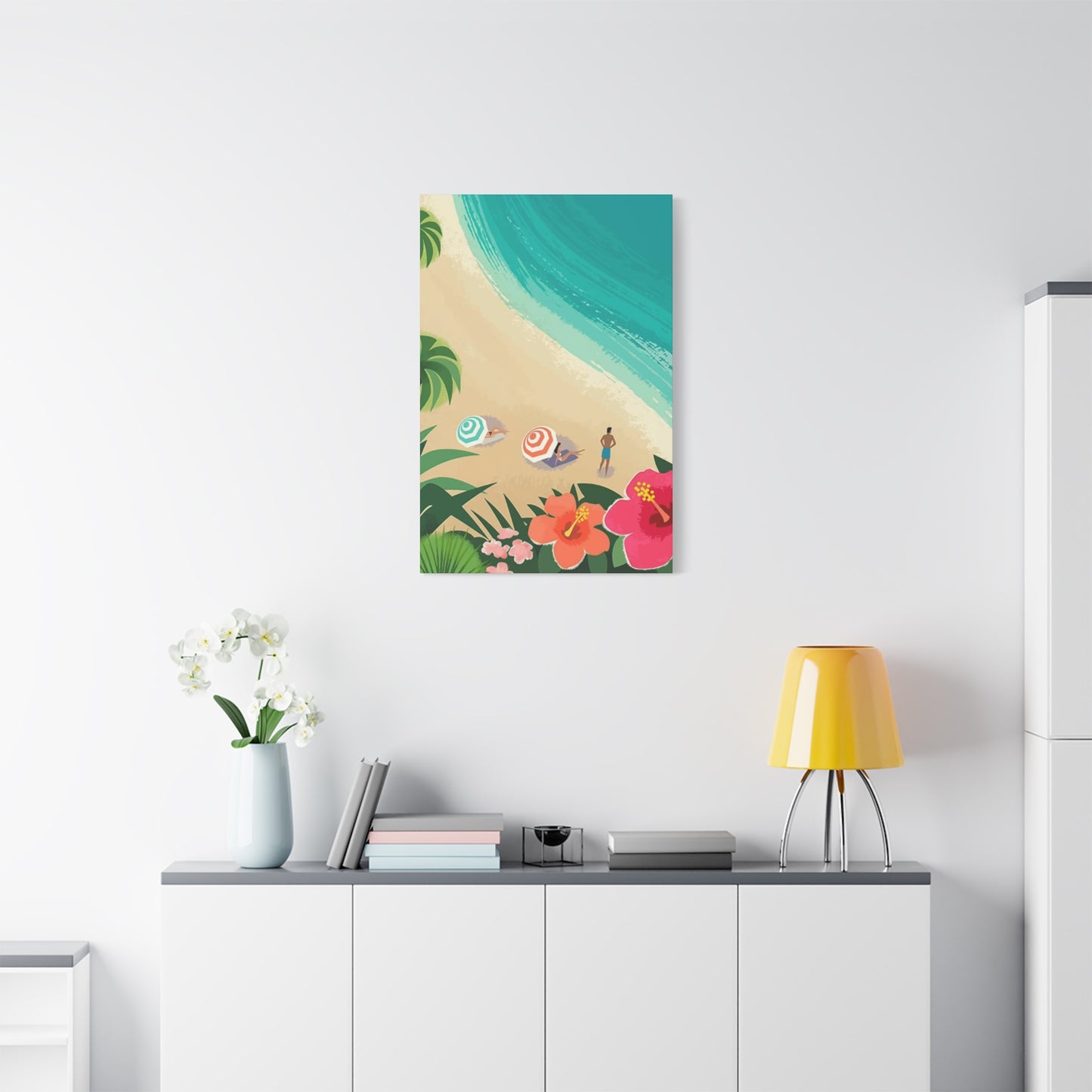
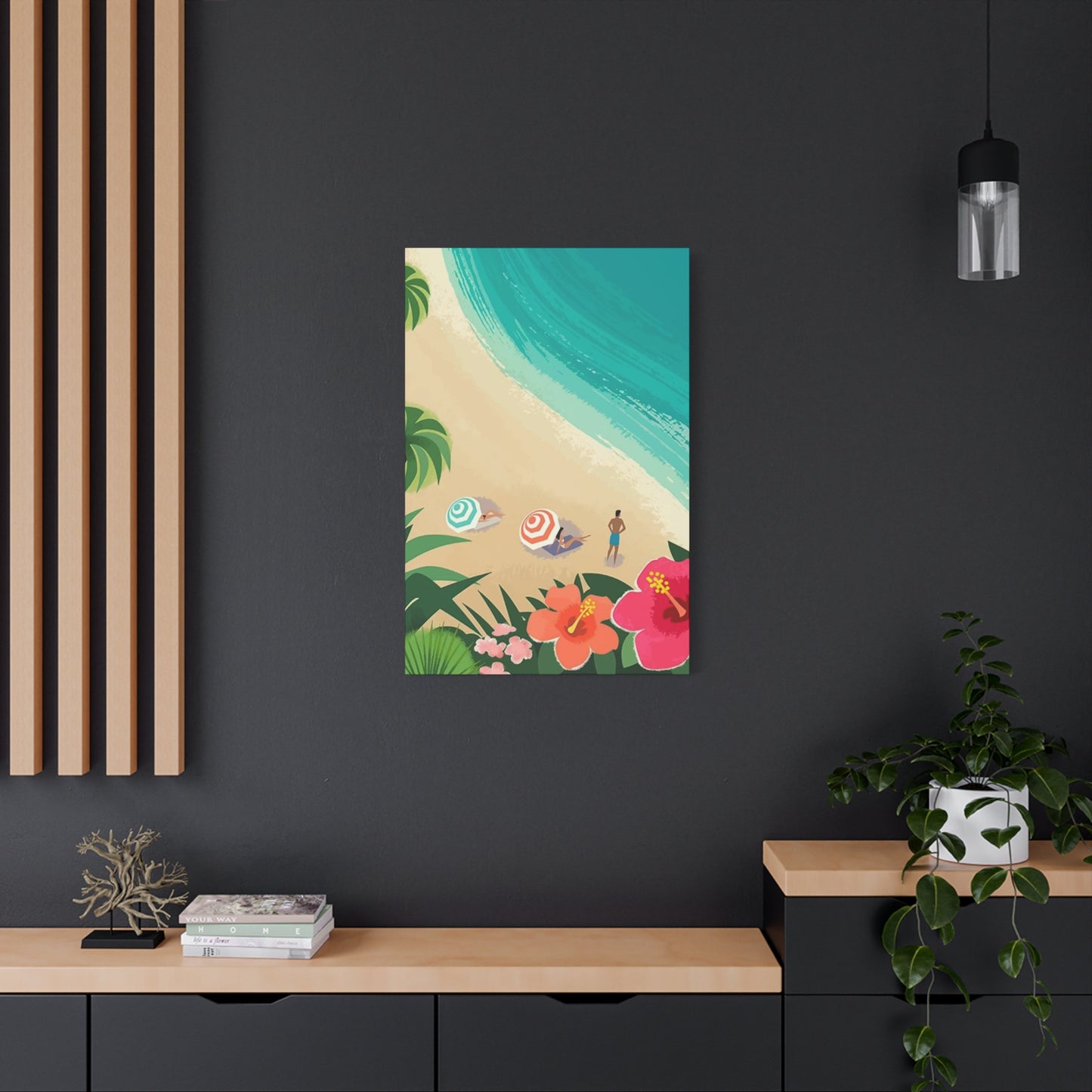
Coastal Wall Art & Canvas Prints
Coastal Wall Art & Canvas Prints
Couldn't load pickup availability
The Definitive Manual for Selecting and Displaying Coastal Wall Art
The allure of seaside environments has captivated humanity for centuries, drawing people to shorelines where waves meet sand and horizons stretch endlessly. This magnetic attraction to maritime landscapes translates beautifully into interior design through carefully selected coastal wall art. These decorative pieces serve as windows to tranquil beach settings, capturing the essence of ocean breezes, rhythmic tides, and sun-drenched shores within the confines of residential and commercial spaces.
When individuals seek to infuse their environments with the calming influence of seaside atmospheres, they often turn to visual representations that evoke memories of beach vacations, coastal living, or simply the peaceful ambiance associated with maritime regions. Such artwork transcends mere decoration, becoming portals that transport viewers to sandy beaches, rocky cliffs overlooking crashing waves, or serene sunset vistas where sky meets water in spectacular displays of natural beauty.
The contemporary market for seaside-themed visual pieces has expanded dramatically, offering countless styles, mediums, and interpretations of maritime subjects. From minimalist representations featuring simple color palettes to elaborate compositions showcasing detailed seascapes, the variety ensures that every individual can find pieces that resonate with their personal aesthetic preferences and complement their existing interior design schemes.
Exploring Various Manifestations of Seaside-Inspired Visual Compositions
The realm of ocean-themed decorative pieces encompasses an impressive array of artistic expressions, each bringing distinct characteristics and emotional qualities to residential or commercial environments. Understanding these different manifestations helps individuals make informed selections that align with their vision for particular spaces.
Photographic renderings of maritime scenes offer authentic representations of coastal environments, capturing specific moments in time with precision and clarity. These pieces might showcase dramatic storm clouds gathering over turbulent waters, peaceful morning light illuminating calm bays, or vibrant sunset hues reflecting across ocean surfaces. The photographic medium provides viewers with realistic windows into coastal environments, preserving the genuine textures, colors, and atmospheric conditions of seaside locations.
Painted interpretations of coastal subjects demonstrate the personal vision and artistic style of creators, ranging from impressionistic approaches that suggest rather than define forms, to hyperrealistic renderings that rival photographic precision. Watercolor paintings often capture the fluid, translucent qualities inherent in maritime subjects, while oil paintings can convey the substantial, textured nature of waves, rocks, and coastal vegetation. Acrylic works offer versatility in approach, accommodating both bold, graphic representations and subtle, nuanced compositions.
Abstract maritime compositions distill the essence of coastal environments into simplified forms, colors, and compositions. These pieces might employ horizontal bands suggesting the layering of sea, sand, and sky, or utilize color fields that evoke the various blues and greens associated with ocean waters. Abstract representations allow viewers to project their own interpretations and emotional responses onto the artwork, creating personal connections that transcend literal representations.
Mixed media creations incorporate diverse materials and methods, combining painted elements with found objects, textured materials, or three-dimensional components. Such pieces might integrate actual shells, driftwood, sand, or rope into compositions, adding tactile dimensions that enhance the sensory experience of viewing the artwork. These multifaceted creations often become conversation pieces, drawing attention through their innovative approaches to representing maritime themes.
Vector illustrations and graphic designs present coastal subjects through clean lines, simplified shapes, and often limited color palettes. These contemporary approaches suit modern interior design aesthetics, offering streamlined representations of boats, lighthouses, marine creatures, or stylized wave patterns. The graphic quality of these pieces makes them particularly effective in spaces featuring minimalist or contemporary design schemes.
Deciphering Color Schemes That Characterize Maritime Visual Expressions
The chromatic language of seaside-inspired artwork plays a fundamental role in establishing mood, atmosphere, and visual impact within spaces. Understanding the significance and effects of various color approaches enables more strategic selection of pieces that fulfill specific aesthetic and emotional objectives.
Traditional maritime color palettes typically emphasize the blues and whites that dominate coastal environments. Deep navy blues evoke the mysterious depths of open waters, while lighter aqua and turquoise shades suggest tropical shallows or Mediterranean seas. Crisp whites reference foaming wave crests, sandy beaches, or the bright sunlight reflected off water surfaces. These classic combinations create immediate associations with seaside settings while providing versatile options that complement many interior color schemes.
Neutral approaches featuring tans, beiges, grays, and soft whites offer sophisticated alternatives that maintain coastal connections while providing subtle, understated presence. These muted palettes work exceptionally well in spaces where the artwork should enhance rather than dominate, creating calming atmospheres without demanding attention. Gray-scale interpretations of maritime subjects bring contemporary sensibilities to traditional themes, offering elegant restraint that suits refined interior environments.
Warm-toned compositions incorporating coral pinks, sunset oranges, golden yellows, and amber hues capture the magical quality of light during transitional hours when sun interacts with ocean atmospheres. These warmer approaches inject energy and warmth into spaces while maintaining connections to coastal inspiration. Sunset and sunrise scenes naturally incorporate these warmer elements, providing visual interest and emotional warmth that balance the cooler associations typically connected with maritime themes.
Vibrant, saturated palettes featuring bold blues, vivid greens, bright yellows, and striking corals suit tropical and Caribbean-inspired interpretations of coastal subjects. These energetic color schemes bring exuberance and vitality to spaces, creating focal points that draw eyes and elevate moods. Such approaches work particularly well in casual, relaxed environments where playful energy complements the overall atmosphere.
Monochromatic schemes that explore variations within single color families offer sophisticated unity while providing visual interest through tonal variations and value contrasts. A composition working entirely within blue ranges, for instance, might incorporate everything from pale sky blues to deep midnight navy, creating cohesive yet dynamic visual experiences. These unified approaches demonstrate restraint and refinement while maintaining strong thematic connections to maritime subjects.
Selecting Appropriate Dimensions and Configurations for Maximum Visual Impact
The physical proportions of decorative pieces significantly influence their effectiveness within spaces, affecting both aesthetic balance and emotional impact. Strategic consideration of sizing ensures that selected works enhance rather than overwhelm or underwhelm their intended locations.
Large-scale statement pieces measuring several feet across command attention and establish focal points within rooms. These substantial works suit expansive wall surfaces such as those found above sofas, beds, or dining tables, where they can anchor furniture groupings and establish visual hierarchy. Oversized maritime compositions create dramatic presence, immersing viewers in expansive seascapes or detailed coastal scenes that reward extended viewing.
Medium-sized pieces offer versatility, fitting comfortably into various locations while maintaining sufficient visual presence to contribute meaningfully to spaces. These moderately proportioned works suit hallways, stairwells, office spaces, or bedroom walls, providing decorative interest without dominating environments. Collections of several medium-sized pieces can be arranged in gallery configurations, creating visual narratives or thematic groupings that offer more complex viewing experiences than single large works.
Smaller compositions serve specific purposes, filling intimate spaces, complementing larger pieces within gallery arrangements, or providing decorative accents in unexpected locations. These compact works might grace powder room walls, bookshelf displays, or narrow wall segments adjacent to windows or doorways. Despite their modest dimensions, carefully selected small pieces contribute meaningfully to overall design schemes when positioned thoughtfully.
Gallery wall configurations assemble multiple pieces of varying sizes into cohesive arrangements that create substantial visual impact through collective presence. These curated groupings might combine photographs, paintings, prints, and three-dimensional objects unified by maritime themes, color palettes, or frame styles. Gallery walls offer flexibility for evolution over time, accommodating additions or substitutions that refresh spaces without requiring complete redesigns.
Triptych and diptych formats divide single compositions across multiple panels, creating visual interest through segmentation while maintaining thematic unity. Three-panel arrangements might present a panoramic coastal vista, with each section continuing the scene, while two-panel formats can create dialogues between complementary images or perspectives. These multi-panel approaches add architectural quality to wall displays, with spacing between sections contributing to overall composition.
Investigating Frame Selections and Presentation Methods That Enhance Maritime Artwork
The manner in which visual pieces are framed and presented profoundly affects their aesthetic impact and integration within spaces. Thoughtful consideration of these presentation elements ensures that artwork achieves its full potential while complementing surrounding design elements.
Natural wood frames bring organic warmth and textural interest to maritime subjects, creating connections to the driftwood, weathered piers, and coastal structures associated with seaside environments. Light woods such as pine, maple, or whitewashed finishes evoke beach houses and casual coastal aesthetics, while darker walnut or mahogany selections provide more formal, traditional presentations. Wood grain patterns add subtle visual interest that enhances without distracting from artwork.
White or off-white frames offer clean, crisp presentations that particularly suit contemporary and cottage-style interiors. These light-toned surrounds create visual breathing room around images, preventing optical crowding while maintaining the bright, airy quality associated with coastal environments. White frames work exceptionally well with colorful maritime subjects, providing neutral borders that allow hues within artwork to appear more vibrant through contrast.
Black frames deliver sophisticated, gallery-quality presentations that lend gravitas and visual weight to displayed pieces. These darker surrounds create strong definitions between artwork and walls, particularly effective when works feature lighter overall tonalities. Black frames suit contemporary, minimalist, and modern spaces where clean lines and defined boundaries contribute to overall aesthetic coherence.
Metal frames incorporating silver, gold, or bronze finishes introduce subtle luxury and contemporary sensibility to presentations. Sleek metal surrounds complement modern interiors while their refined presence elevates displayed artwork. Brushed metal finishes provide understated elegance, while polished surfaces add touches of glamour that suit more sophisticated design schemes.
Floating frame presentations suspend artwork within frames, creating shadows and dimensional effects that add visual intrigue. This mounting approach works particularly well with canvas pieces or works featuring interesting edges, allowing the artwork itself to become more sculptural. The dimensional quality created by floating presentations adds sophistication and contemporary flair to displays.
Canvas wrap mounting stretches printed images around wooden frames, eliminating the need for additional framing while creating clean, modern presentations. The image continues around side edges, creating finished appearances from multiple viewing angles. This frameless approach suits contemporary spaces and provides cost-effective solutions for larger-scale displays.
Positioning Strategies That Maximize the Effectiveness of Seaside-Themed Decorative Pieces
The placement of maritime artwork significantly influences its visual impact and functional contribution to spaces. Strategic positioning ensures that pieces fulfill their decorative potential while harmonizing with architectural features and furniture arrangements.
Living room installations typically position significant pieces above primary seating arrangements, creating focal points that anchor conversation areas. Artwork centered above sofas should span approximately two-thirds to three-quarters of the furniture width, establishing proportional relationships that appear balanced and intentional. Height placement typically positions centers at eye level when seated, approximately 60 inches from floor to center point, ensuring comfortable viewing for occupants using the space.
Bedroom displays often feature artwork above beds, creating visual anchors for these prominent furniture pieces while establishing restful atmospheres conducive to relaxation and sleep. Maritime subjects particularly suit bedroom environments due to their associations with tranquility, vacation experiences, and peaceful natural settings. Positioning artwork 6-8 inches above headboards creates appropriate visual connections without appearing disconnected or crowded.
Dining room installations benefit from horizontal compositions that complement the elongated proportions of dining tables. Landscape-oriented maritime scenes emphasizing horizon lines create visual harmony with the horizontal emphasis of dining furniture. Positioning artwork at heights that accommodate both seated and standing viewers ensures visibility during meals while maintaining appropriate relationships with surrounding architectural elements.
Bathroom and powder room spaces welcome smaller maritime pieces that reinforce the water-related functions of these areas while adding personality to often-overlooked spaces. Humidity considerations necessitate proper sealing and protective glazing for pieces displayed in bathrooms, protecting them from moisture damage. Nautical themes naturally complement bathroom environments, creating thematic coherence that feels intentional and cohesive.
Hallway galleries transform transitional spaces into meaningful areas by displaying collections of maritime imagery along corridor walls. Consistent spacing between pieces, typically 2-4 inches, creates unified presentations while allowing each work to maintain distinct identity. Hallway displays benefit from consistent frame styles or color palettes that unify collections while the diverse subjects within individual pieces provide visual variety.
Stairwell arrangements follow the diagonal line created by stairs, positioning pieces at consistent heights relative to steps rather than maintaining uniform distances from floors. This approach creates visual flow that complements architectural movement while ensuring comfortable viewing from various stair positions. Stairwell displays offer opportunities for creating narratives or progressions through sequential arrangements of related imagery.
Understanding Production Methods and Materials Used in Creating Maritime Visual Pieces
The techniques and substances employed in creating coastal artwork significantly affect appearance, longevity, durability, and value. Familiarity with these considerations enables informed purchasing decisions and appropriate care practices.
Original paintings represent unique creations executed directly by artists using various media. These one-of-a-kind pieces carry inherent value through their originality and the direct connection to creative individuals. Oil paintings offer rich color saturation and textured surfaces that develop character over time, while acrylic works provide similar visual qualities with faster drying times and more stable longevity characteristics. Watercolors deliver delicate, luminous qualities particularly suited to capturing the translucent nature of water and atmospheric effects.
Limited edition prints reproduce original artwork in controlled quantities, with artists or publishers restricting production to specific numbers of copies. Each print within these editions is typically numbered and signed, establishing provenance and collectibility. Giclée printing processes using archival inks and museum-quality papers or canvases produce reproductions with exceptional color accuracy and longevity, often indistinguishable from originals to casual observers.
Open edition prints offer affordable access to popular images through unlimited reproduction runs. While lacking the exclusivity of limited editions, these widely available pieces provide cost-effective options for decorating spaces with desirable imagery. Quality varies considerably within this category, with factors including printing methods, paper or canvas quality, and ink formulations affecting appearance and longevity.
Canvas prints transfer digital or photographic images onto fabric surfaces stretched over wooden frames, creating substantial presence with contemporary aesthetics. The texture of canvas adds visual interest and dimension that flat paper prints lack, while the ability to produce large-scale pieces at reasonable costs makes this format popular for dramatic wall displays. Protective coatings applied to canvas prints enhance durability and resistance to environmental factors.
Metal prints infuse images into specially coated aluminum surfaces, creating vibrant, luminous displays with extraordinary depth and color saturation. The reflective qualities of metal enhance the luminosity of maritime subjects, particularly effective for capturing the sparkle of sunlight on water or the dramatic contrasts of stormy seascapes. Metal prints offer exceptional durability and resistance to fading, moisture, and physical damage.
Acrylic mounting presents printed images behind clear acrylic panels, creating depth, protection, and modern sophistication. The dimensional quality created by spacing between print and acrylic adds visual intrigue while the glossy surface enhances color vibrancy. This presentation method suits contemporary interiors where sleek, polished aesthetics dominate design schemes.
Exploring Subject Matter Variations Within Maritime Visual Expressions
The specific subjects depicted within coastal artwork significantly influence emotional resonance, aesthetic character, and suitability for particular spaces. Understanding the range of available themes enables selection of pieces that communicate desired messages and atmospheres.
Seascape panoramas capturing expansive views of ocean waters stretching toward horizons provide peaceful, meditative focal points that open spaces visually and emotionally. These broad vistas evoke feelings of freedom, possibility, and connection to vast natural forces. The simplicity of compositions featuring primarily water and sky creates calming influences particularly valued in spaces dedicated to relaxation and restoration.
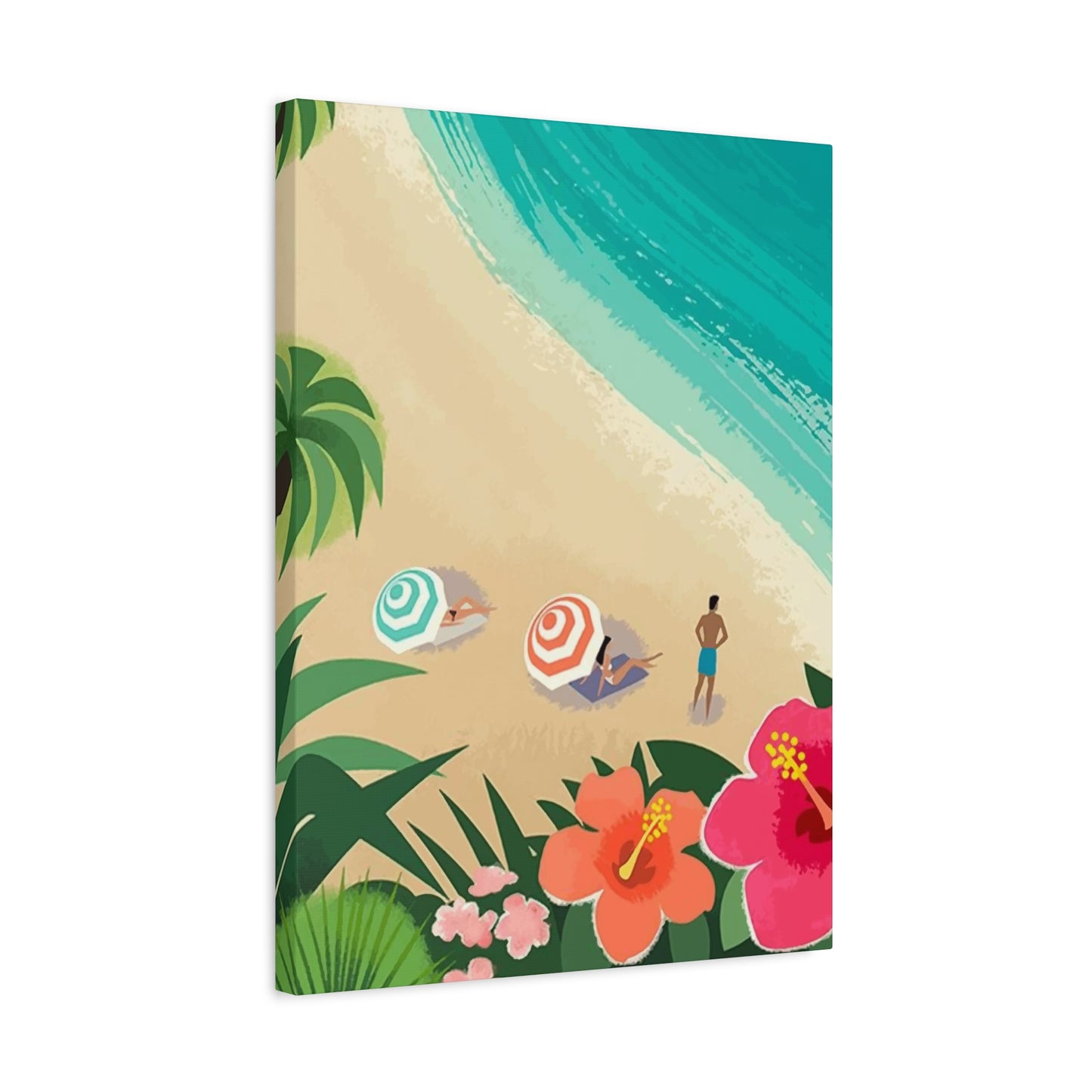
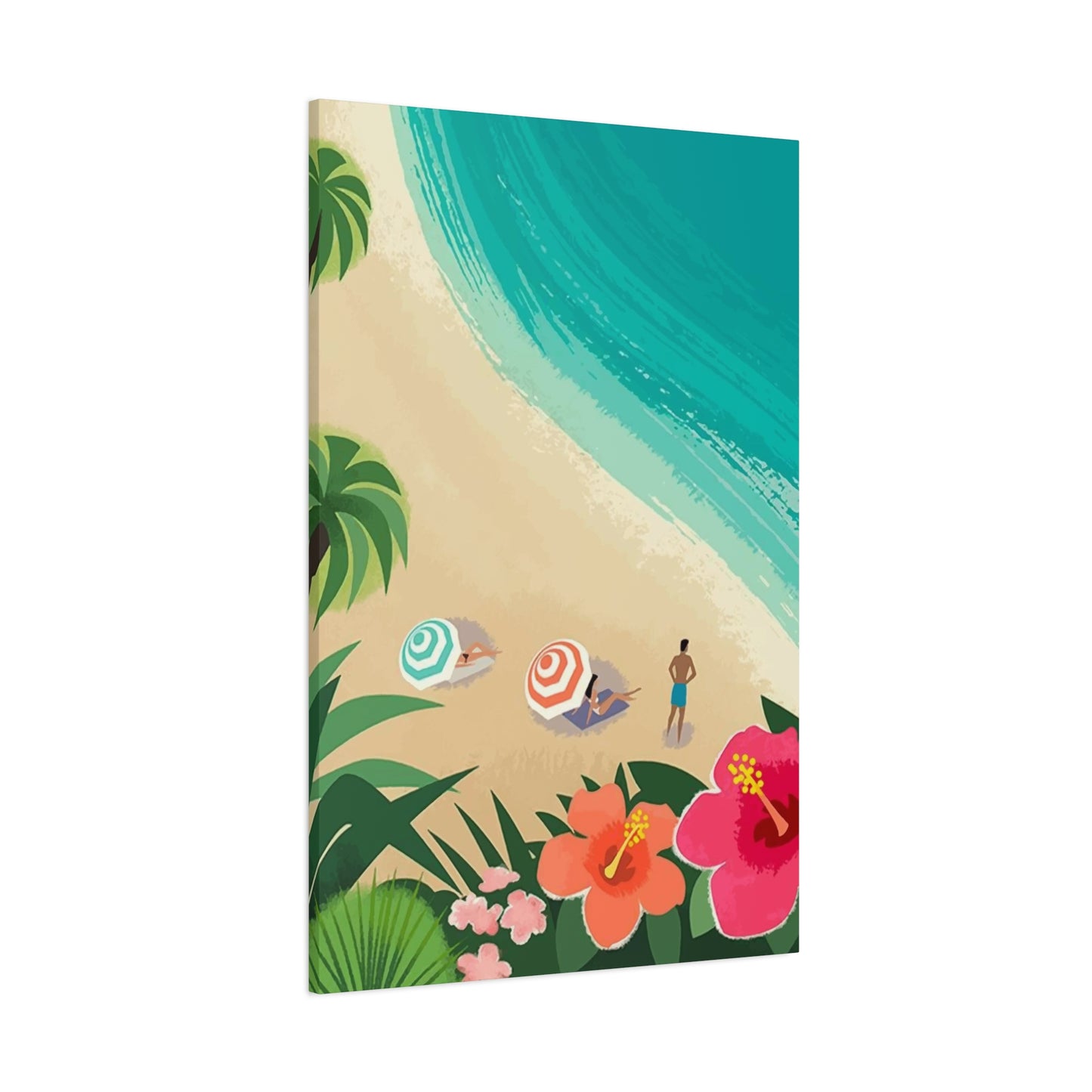
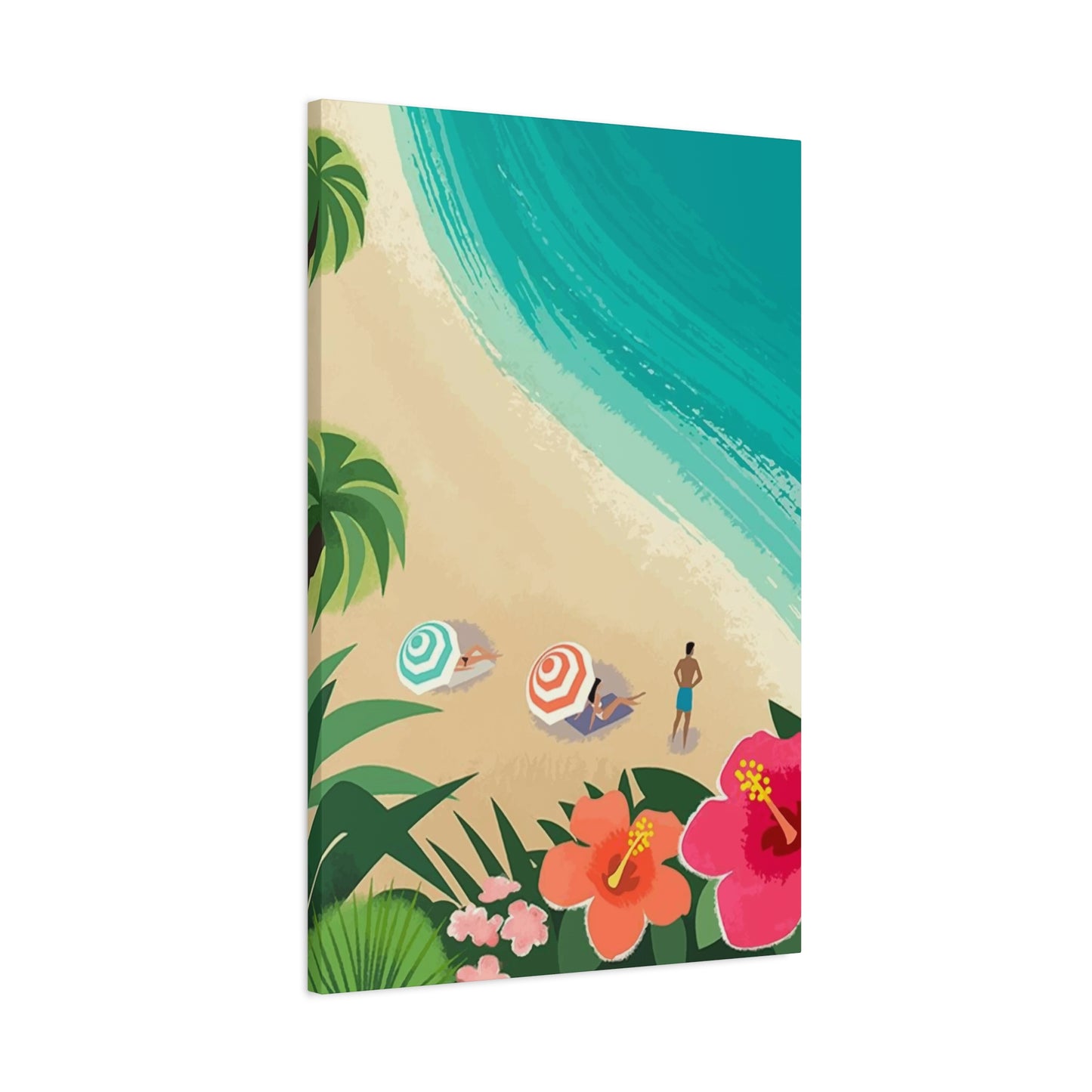
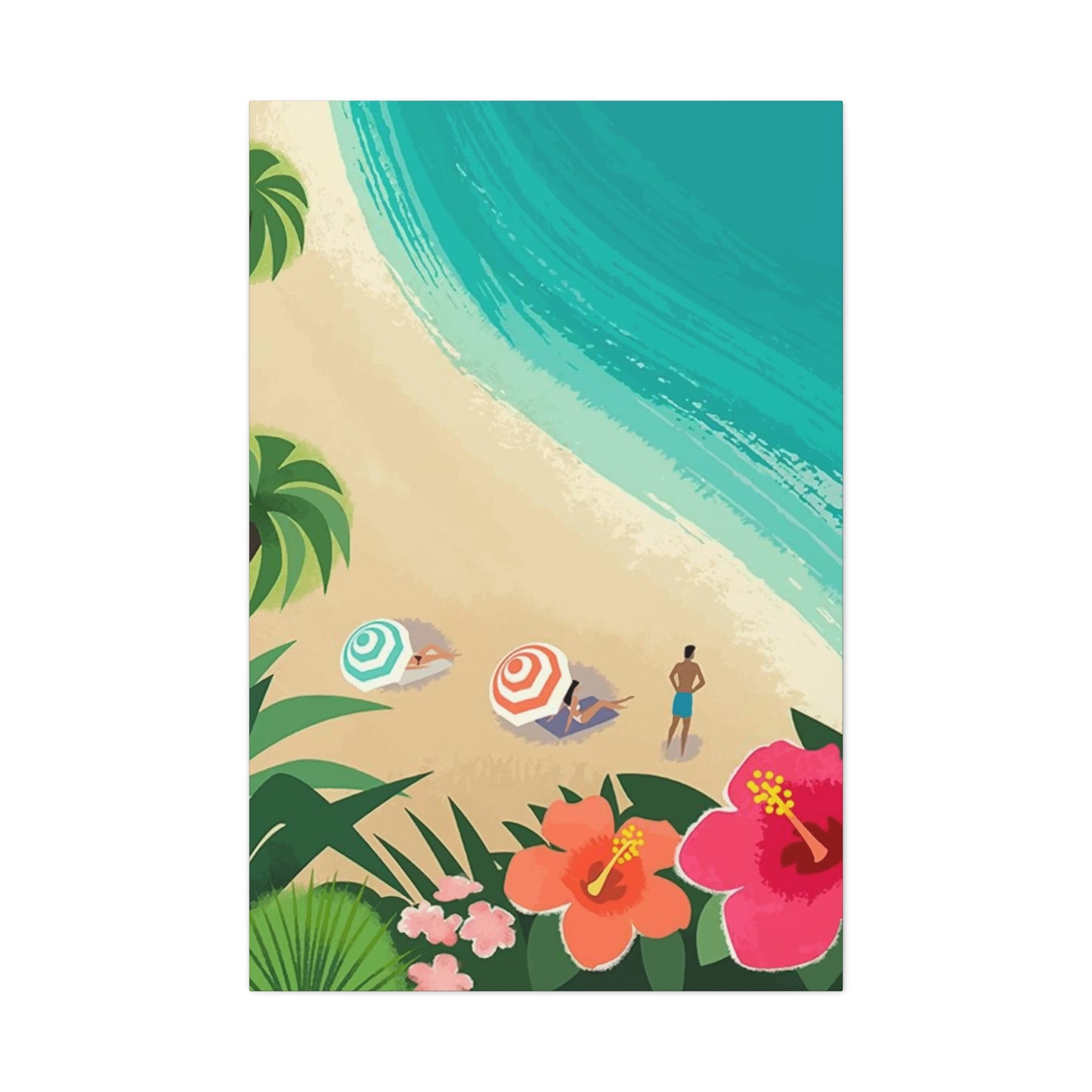
Beach scenes depicting sandy shores, whether empty or populated with figures, convey vacation atmospheres and leisure associations. Images of pristine, unpopulated beaches suggest escape and solitude, while scenes including people enjoying shoreline activities communicate joy, connection, and shared experiences. The warmth of sand tones provides visual balance to the cooler hues of water and sky.
Wave studies focusing on the movement, form, and power of ocean swells create dynamic energy and visual excitement. Dramatic images of crashing surf convey nature's raw power and majesty, while gentle rippling waves suggest tranquility and rhythm. The curving forms and white foam patterns within wave imagery provide compelling visual interest and movement that draws and holds attention.
Coastal wildlife representations featuring birds, marine mammals, fish, or other creatures add life and specific character to maritime themes. Seagulls wheeling through coastal skies, dolphins arcing through waves, or sea turtles gliding through clear waters bring narrative elements that invite viewer engagement. Wildlife subjects particularly appeal to nature enthusiasts and create connections to specific coastal ecosystems.
Nautical objects including boats, ships, anchors, ropes, or navigational instruments evoke maritime heritage, adventure, and seafaring traditions. Vintage sailing vessels suggest romance and exploration, while contemporary yachts convey luxury and leisure. Lighthouses, harbors, and piers add human elements to coastal landscapes while maintaining authentic connections to seaside environments.
Underwater scenes revealing life beneath ocean surfaces transport viewers to typically invisible realms. Coral reefs teeming with tropical fish, kelp forests swaying in currents, or abstract patterns of light filtering through water create unique perspectives on maritime environments. These submerged views offer exotic alternatives to traditional coastal imagery while maintaining thematic consistency.
Sunset and sunrise compositions capitalizing on the spectacular lighting conditions during transitional hours provide warmth, drama, and emotional resonance. The saturated colors occurring when sun meets horizon create natural focal points while the symbolic associations of beginnings and endings add meaningful depth beyond pure aesthetics. These lighting studies often become favorite pieces due to their uplifting emotional qualities.
Crafting Cohesive Interior Design Schemes Around Seaside-Themed Visual Elements
Successfully incorporating maritime artwork into spaces requires consideration of how pieces interact with surrounding colors, textures, furniture, and overall design aesthetics. Strategic coordination ensures that artwork enhances rather than conflicts with existing elements.
Color coordination between artwork and room palettes creates harmonious relationships that unify spaces visually. Selecting pieces that incorporate hues already present within spaces reinforces existing color schemes while the artwork introduces these colors in new contexts and combinations. Alternatively, choosing pieces that introduce complementary colors adds visual interest and prevents monotony while maintaining pleasing color relationships based on color theory principles.
Balancing cool and warm elements prevents spaces from feeling too stark or cold when dominated by blue and gray maritime palettes. Introducing warm wood tones through furniture, flooring, or frames, along with warm accent colors in textiles and accessories, creates temperature balance that feels inviting and comfortable. The interplay between cool ocean hues and warm natural materials mirrors actual coastal environments where sun-warmed sand meets cool waters.
Layering textures throughout spaces adds depth and interest that prevents flat, unengaging atmospheres. Rough, natural textures in jute rugs, linen upholstery, or rattan furniture complement the organic subjects within maritime artwork while creating tactile variety. Smooth surfaces in glass, polished metal, or glazed ceramics provide contrasting textures that prevent overwhelming organic earthiness. The visual textures within artwork itself contribute to this textural conversation, with painted brushstrokes, photographic grain, or printed patterns adding their own surface qualities.
Repeating maritime motifs across multiple elements creates intentional thematic unity without becoming heavy-handed or overly literal. Subtle repetitions of shapes, colors, or concepts appearing in artwork might echo through throw pillow patterns, area rug designs, or decorative accessories. These connections create satisfying visual relationships that reward attentive viewing while maintaining sufficient variety to prevent boring predictability.
Scale progression throughout spaces prevents visual competition and establishes hierarchy among decorative elements. Pairing large statement artwork with smaller accent pieces creates dynamic relationships where each element occupies appropriate visual weight within the overall composition. Varying the sizes of furniture, accessories, and artwork prevents monotonous uniformity while ensuring that each element can be appreciated individually and as part of the larger ensemble.
Negative space preservation prevents cluttered, overwhelming environments by allowing visual breathing room around displayed pieces. Resisting the urge to fill every available wall surface ensures that individual works receive adequate attention while the space itself feels calm and organized. In coastal-inspired design, this restraint mirrors the open, uncluttered quality of beach environments where sky, water, and sand create expansive, simplified landscapes.
Acquiring Quality Maritime Artwork Through Various Marketplace Channels
The sources from which individuals acquire coastal artwork significantly affect available selections, price points, authenticity, and overall shopping experiences. Understanding various procurement options enables informed decisions that align with specific needs, preferences, and budgets.
Original artist acquisitions through direct relationships, gallery representations, or studio visits provide access to unique pieces while supporting creative individuals directly. This approach offers opportunities for custom commissions tailored to specific spaces, color preferences, or subject requirements. Establishing relationships with artists enables access to new works, insights into creative processes, and the satisfaction of supporting artistic careers. Pricing for original works reflects their uniqueness and the artist's time investment, positioning these acquisitions as investments in both art and personal spaces.
Gallery purchases through physical or online venues offer curated selections that undergo professional vetting for quality and aesthetic merit. Gallery relationships with artists ensure authenticity while staff expertise assists buyers in making appropriate selections for their specific needs. The gallery environment facilitates viewing works in proper lighting and context, enabling better assessments of how pieces might appear in home settings. Gallery markups reflect overhead costs and curation services but provide valuable guidance and quality assurance.
Art fairs and exhibitions create temporary marketplaces where multiple artists or galleries present works in concentrated settings. These events offer opportunities to view diverse selections, compare styles and prices, and discover new artists in efficient timeframes. The festival atmosphere and direct artist interactions add experiential dimensions to purchasing processes while potential show discounts provide financial incentives.
Online marketplaces provide vast selections accessible from personal devices, offering convenience and comprehensive comparison shopping. These platforms range from artist-direct websites to large aggregators representing thousands of creators and subjects. The breadth of available options enables identification of precisely desired imagery, styles, and formats, though inability to view works physically before purchase represents a limitation. Detailed photographs, accurate descriptions, and generous return policies mitigate these concerns.
Home goods retailers stock artwork alongside furniture and accessories, offering convenient one-stop shopping for entire room designs. These mass-market sources provide affordable options in popular styles and subjects, though selections tend toward safe, broadly appealing imagery rather than distinctive or original works. The accessibility and affordability of retail artwork suit budget-conscious decorators or those seeking temporary pieces for rental properties or frequently updated spaces.
Print-on-demand services allow customers to select desired images from extensive libraries and specify sizes, materials, and framing options for customized production. This flexible approach enables economical acquisition of oversized pieces that would be costly through traditional channels while providing control over final presentations. Quality varies based on service providers and selected production methods, necessitating research into specific vendors' reputations and sample viewing when possible.
Antique and secondhand markets offer opportunities to discover unique vintage pieces with character and history that new productions cannot replicate. Maritime subjects have enjoyed enduring popularity throughout decorative history, making coastal-themed vintage artwork relatively available through estate sales, antique shops, and online resale platforms. These previously owned pieces bring patina and stories that add depth to spaces, though condition assessment and appropriate pricing require knowledge of art markets and valuation.
Preserving and Protecting Seaside-Themed Visual Pieces for Lasting Beauty
Proper stewardship of maritime artwork ensures that pieces maintain their aesthetic qualities and structural integrity throughout years of display. Understanding appropriate care practices prevents unnecessary deterioration and preserves investments in decorative pieces.
Lighting considerations significantly affect artwork longevity, as excessive exposure to ultraviolet radiation causes fading, discoloration, and material degradation. Positioning pieces away from direct sunlight streaming through windows prevents the most severe photo-damage, though even indirect natural light contains harmful UV radiation. Window treatments including UV-filtering films or cellular shades minimize light damage without eliminating natural illumination entirely. When artificial lighting illuminates artwork, LED fixtures generating minimal heat and UV radiation provide safer alternatives to incandescent or halogen sources that accelerate deterioration.
Humidity control maintains artwork materials within optimal moisture ranges that prevent degradation. Excessive humidity encourages mold growth, paper buckling, and adhesive failure, while insufficient moisture causes embrittlement and cracking. Maintaining indoor humidity between 40-60% provides ideal conditions for most artwork types, achievable through humidifiers, dehumidifiers, or HVAC systems equipped with humidity regulation. Coastal properties face particular challenges from salt-laden air and high humidity, necessitating extra vigilance and potentially climate-controlled display environments for valuable pieces.
Temperature stability prevents the expansion and contraction cycles that stress artwork materials over time. Maintaining consistent temperatures between 65-75°F minimizes these structural stresses, preserving adhesives, preventing warping, and extending material lifespans. Avoiding placement near heat sources including fireplaces, heating vents, or heat-generating appliances prevents localized temperature extremes that accelerate aging.
Dust accumulation dulls surfaces, attracts moisture, and provides nutrients for biological contaminants. Regular gentle dusting using soft, clean cloths removes surface particles without abrading delicate finishes. Framed works benefit from occasional removal of backing materials for cleaning of glass surfaces, though this intervention requires care to avoid disturbing artwork or introducing contaminants. Unframed canvas or paper works should only be cleaned by conservation professionals to avoid irreversible damage.
Physical protection through appropriate framing and glazing shields artwork from environmental contaminants, physical contact, and accidental damage. UV-filtering glass or acrylic provides protection from light damage while maintaining visibility and aesthetic qualities. Spacing between glazing and artwork surfaces prevents adhesion and allows air circulation. Backing boards and dust covers seal frames' rear openings, preventing insect intrusion and dust infiltration while supporting artworks appropriately.
Hanging hardware inspection ensures secure mounting that prevents falls and associated damage. Checking wire conditions, hook integrity, and wall anchor stability periodically identifies potential failures before they result in crashes. Using appropriate hanging systems rated for artwork weights provides security while proper installation techniques prevent wall damage and ensure safe long-term display.
Professional conservation consultation for valuable or damaged pieces ensures appropriate interventions by trained specialists. Conservation professionals assess condition issues, recommend treatment options, and perform restorations that preserve maximum original material while stabilizing deterioration. These specialists understand art-specific materials and ethical restoration practices that maintain pieces' integrity and value.
Discovering the Psychological Influences of Coastal Imagery on Mood and Mental States
The presence of maritime subjects within environments affects occupants' emotional states, stress levels, and overall wellbeing through various mechanisms grounded in human psychology and evolutionary biology. Understanding these influences reinforces the value of thoughtfully selected coastal wall art.
Color psychology research demonstrates that blues and greens associated with ocean environments induce calming neurological responses, lowering heart rates, reducing blood pressure, and promoting parasympathetic nervous system activity. These physiological changes correlate with feelings of relaxation, peace, and emotional balance. The prevalence of these hues within maritime artwork makes such pieces particularly effective for creating restful environments in bedrooms, meditation spaces, or areas dedicated to stress reduction.
Nature connection theories propose that humans maintain innate affinities for natural environments that supported ancestral survival and wellbeing. This "biophilia" manifests as positive psychological responses to natural imagery, even when experienced through representational artwork rather than direct environmental contact. Maritime subjects satisfy these biophilic needs, providing substitute nature contact for individuals living in urban or landlocked environments distant from actual coastlines.
Memory activation through visual cues triggers associated emotional states and cognitive patterns. Individuals with positive coastal vacation experiences or childhood beach memories respond to maritime imagery by unconsciously accessing these stored positive associations. The artwork functions as a portal to pleasurable memories, elevating mood and providing brief psychological escapes from immediate stressors or unpleasant circumstances.
Attention restoration theory suggests that certain environmental qualities allow depleted attentional capacities to recover through what researchers term "soft fascination." Natural scenes including coastlines engage attention effortlessly without demanding focused mental effort, allowing executive function capacities to replenish. Viewing maritime artwork provides brief restorative experiences that refresh mental resources, particularly valuable in workspaces where cognitive demands create mental fatigue.
Horizon effects specifically relating to ocean vistas contribute to feelings of possibility, freedom, and expanded perspective. The visual experience of unlimited distance shifts psychological frames toward broader thinking and reduced focus on immediate concerns. This perceptual opening can facilitate creative thinking, problem-solving, and emotional perspective-taking that benefits both professional and personal functioning.
Rhythmic associations with wave patterns and tidal movements connect to fundamental human experiences of rhythm, from heartbeats to breathing cycles. Visual representations of these natural rhythms can induce subtle entrainment effects that regulate physiological patterns toward calmer, more regular states. The predictable yet varied nature of wave patterns provides satisfying balance between order and variety that humans find inherently appealing.
Creating Seasonal Versatility Through Strategic Maritime Artwork Selection
While coastal themes naturally evoke summer associations, thoughtful selection and styling enable maritime artwork to maintain relevance and appeal throughout annual cycles. This seasonal flexibility maximizes value while preventing decorative schemes from feeling dated or inappropriate during cooler months.
Neutral palettes featuring grays, tans, whites, and muted blues transcend seasonal limitations through their restraint and sophistication. These subdued color schemes suit any time of year, avoiding the bright, saturated hues that read as specifically summery. Storm scenes, winter coastlines, or overcast beach vistas particularly demonstrate maritime subjects' year-round relevance, depicting coastal environments during less idealized conditions that resonate with autumn and winter atmospheres.
Layered styling approaches allow subtle seasonal modifications without replacing primary artwork. Adding warm textiles like cable-knit throws, flannel pillows, or wool area rugs during colder months creates temperature contrast that prevents maritime palettes from feeling cold or unwelcoming. Conversely, removing these warming layers and introducing lighter linens and cottons transitions spaces toward summer-appropriate presentations while the artwork remains constant.
Subject matter selection considering various seasonal interpretations ensures sustained relevance. Lighthouse scenes work equally well evoking summer adventures or winter storm watching. Rocky coastlines appear dramatic year-round rather than specifically summery. Nautical instruments and maritime heritage subjects maintain appeal regardless of season through their connection to timeless seafaring traditions rather than beach recreation.
Sunrise and sunset compositions avoid seasonal specificity through their focus on universal natural phenomena occurring throughout the year. The warm colors in these pieces provide welcome visual warmth during colder months while their coastal settings maintain thematic consistency. The transitional quality of dawn and dusk imagery metaphorically suits seasonal transitions, creating symbolic resonance during equinoxes.
Monochromatic or near-monochromatic pieces achieve sophisticated restraint that transcends seasonal associations. Black and white maritime photography, for instance, emphasizes form, composition, and tonal relationships rather than the bright colors associated with summer beach experiences. These restrained presentations maintain year-round appropriateness through their artistic rather than decorative character.
Grouping strategies that combine maritime pieces with seasonally neutral or rotatable elements provide flexibility for subtle modifications. A gallery wall might feature permanent coastal pieces supplemented by smaller works that rotate seasonally, introducing autumn leaves, winter branches, or spring blossoms that contextualize the maritime components differently throughout the year. This approach maintains core aesthetic identity while acknowledging seasonal changes.
Examining Budget Considerations and Value Assessment for Coastal Artwork Purchases
Financial aspects significantly influence artwork acquisition decisions, with available options spanning enormous price ranges reflecting differing production methods, artist reputations, materials, and scarcity levels. Understanding these value factors enables appropriate budget allocation and realistic expectations.
Original works command premium prices reflecting their uniqueness, artist investment, and market positioning. Emerging artists' originals might start in the hundreds of dollars, while established artists' works easily reach thousands or tens of thousands depending on size, medium, complexity, and market demand. These pieces represent the highest investment level but offer uniqueness, potential appreciation, and direct artist support that reproduction forms cannot match.
Limited edition prints provide middle-ground options combining relative affordability with collectibility and controlled scarcity. Prices typically range from lower hundreds to several thousand dollars depending on edition sizes, artist reputations, printing quality, and image popularity. Numbered editions from renowned photographers or illustrators maintain value over time and offer more accessible entry points to collecting established artists' works.
Mass-produced prints and reproductions offer the most economical options, with prices ranging from tens of dollars for basic poster prints to several hundred for higher-quality reproductions on premium substrates with protective coatings. These widely available pieces provide affordable decoration without collectible qualities or investment potential. The vast price range within this category reflects substantial quality variations in printing processes, materials, and production standards.
Framing costs frequently equal or exceed artwork prices themselves, particularly for custom framing using conservation-grade materials. Quality frames with UV-protective glazing and acid-free matting can cost several hundred dollars even for moderate-sized pieces. Ready-made frames offer economical alternatives, though finding appropriate sizes and styles sometimes proves challenging. The framing decision significantly affects total investment while also impacting preservation and presentation quality.
Sizing economics demonstrate non-linear pricing relationships where doubling dimensions more than doubles costs. Large-scale pieces command premium prices reflecting material costs, production complexity, and dramatic visual impact. Budget-conscious buyers can achieve substantial presence through multi-panel arrangements of smaller, more affordable pieces rather than single large works.
Source selection dramatically affects pricing for comparable imagery and quality. Direct artist purchases often provide best value by eliminating intermediary markups, while galleries add overhead costs but provide curation services and physical viewing opportunities. Online marketplaces offer competitive pricing through reduced overhead but require self-directed curation. Mass retailers provide lowest entry prices but limited distinctiveness.
Value assessment beyond initial purchase prices considers longevity, emotional satisfaction, space enhancement, and potential resale values. A more expensive, higher-quality piece providing years of daily enjoyment might offer superior overall value compared to cheaper alternatives requiring frequent replacement due to fading or aesthetic dissatisfaction. For original works by collectible artists, potential appreciation adds investment dimensions beyond pure decoration.
Conclusion
Coastal artwork reflects diverse cultural perspectives and regional characteristics that influence subject matter, style, symbolism, and aesthetic approaches. Understanding these variations enriches appreciation while guiding selection of pieces aligned with personal heritage or aesthetic preferences.
Mediterranean influences emphasize bright, saturated colors reflecting intense sunlight, whitewashed architecture, and vivid blue seas characteristic of Greek, Italian, and Spanish coastlines. These compositions often incorporate human elements including fishing boats, coastal villages, and seaside cafes, conveying cultural life alongside natural beauty. The warmth and vibrancy of Mediterranean coastal imagery suit lively, social spaces where energy and brightness enhance desired atmospheres.
Caribbean representations celebrate tropical abundance through lush vegetation, brilliant turquoise waters, and vibrant cultural elements. These pieces often feature palm trees, coral reefs, colorful marine life, and weathered beach structures reflecting island architectural traditions. The saturated color palettes and casual, relaxed compositions evoke vacation atmospheres and carefree tropical living.
Nordic interpretations present dramatically different sensibilities, emphasizing cool palettes, dramatic light conditions, and powerful natural forces. Scandinavian coastal imagery might feature rocky shores, stormy seas, dramatic cliffs, and the ethereal light qualities of northern latitudes. These cooler, more austere representations reflect regional characteristics while conveying strength, drama, and resilience.
Asian coastal traditions incorporate cultural symbolism, philosophical concepts, and distinctive aesthetic principles. Japanese maritime art, for instance, might emphasize wave patterns as symbolic elements, employ asymmetrical compositions reflecting wabi-sabi principles, or present stylized rather than realistic representations. Chinese coastal imagery might incorporate symbolic elements representing fortune, longevity, or harmony. These culturally-rooted approaches offer alternatives to Western representational traditions.
American regional variations reflect diverse coastal characters from Pacific Northwest ruggedness to Gulf Coast warmth to New England traditional. West Coast imagery might emphasize dramatic cliffs, redwood-backed beaches, and powerful Pacific swells, while East Coast representations could feature sandy beaches, beach grass, weathered cottages, and Atlantic maritime heritage. Regional distinctions enable selection of pieces resonating with personal connections or preferred coastal characters.
Indigenous perspectives from coastal cultures worldwide present unique relationships with maritime environments reflecting deep historical connections and spiritual beliefs. Aboriginal Australian coastal art, Pacific Islander ocean imagery, or First Nations West Coast representations convey cultural knowledge systems and relationships with sea environments distinct from contemporary recreational perspectives. These culturally significant works offer profound alternatives to generic beach imagery.
Share