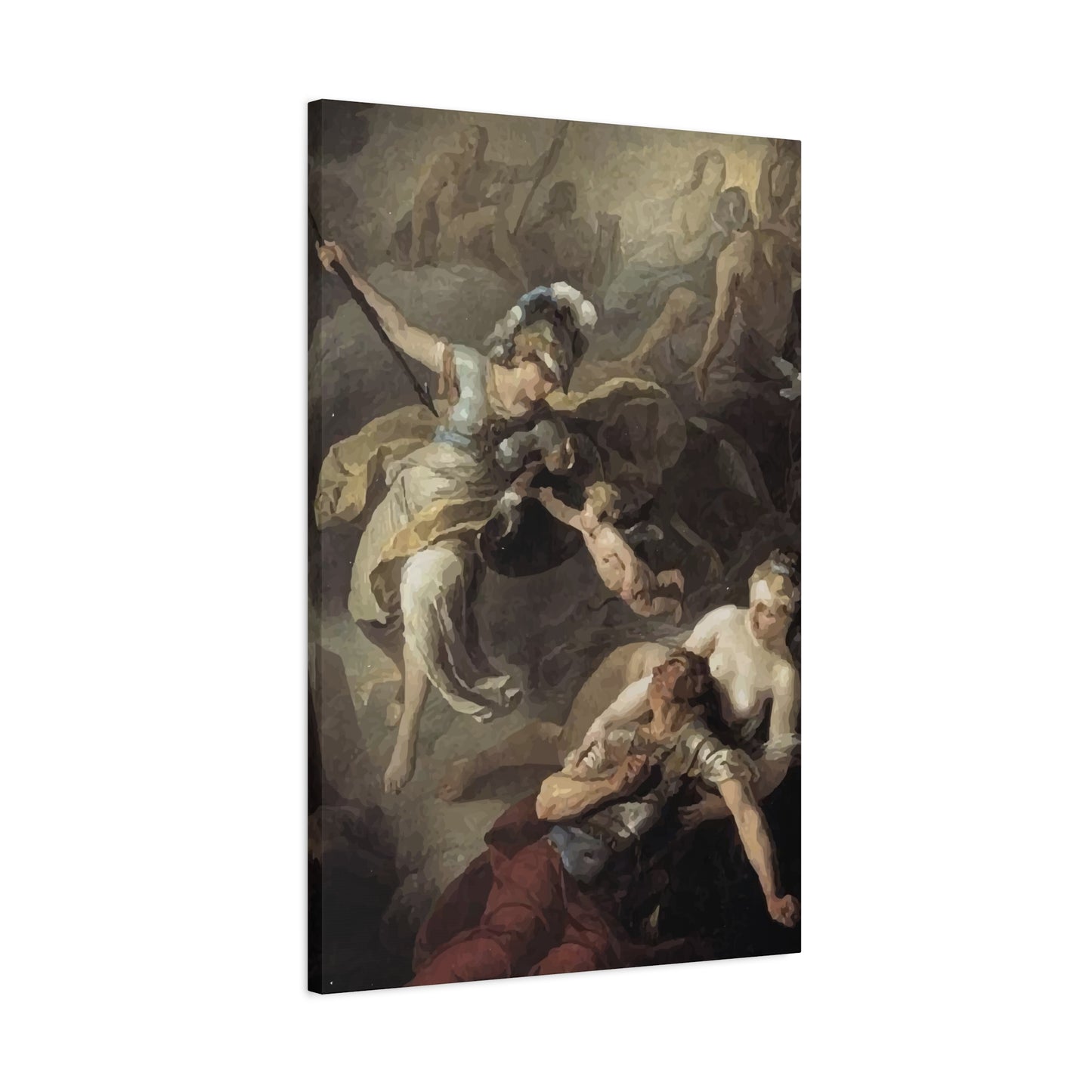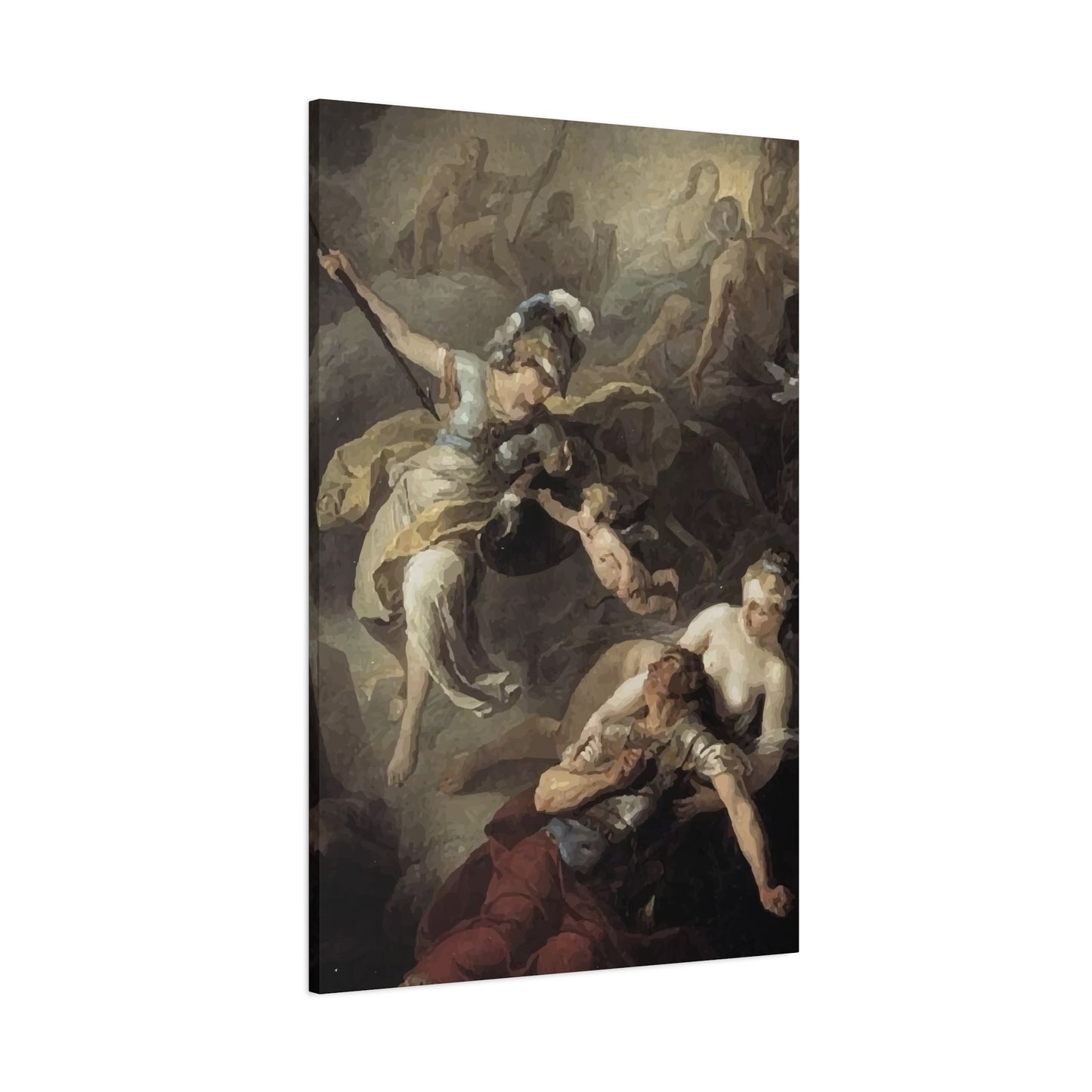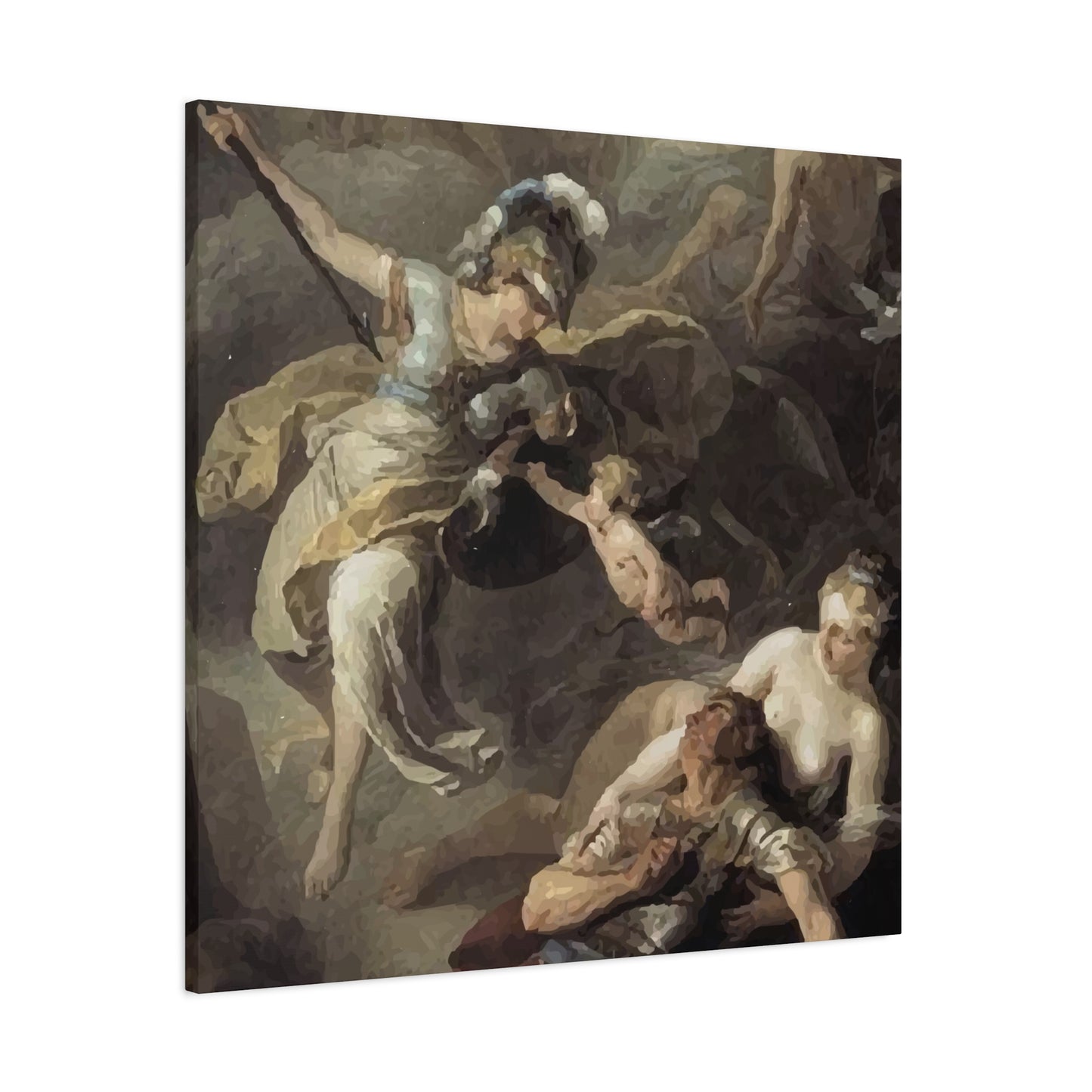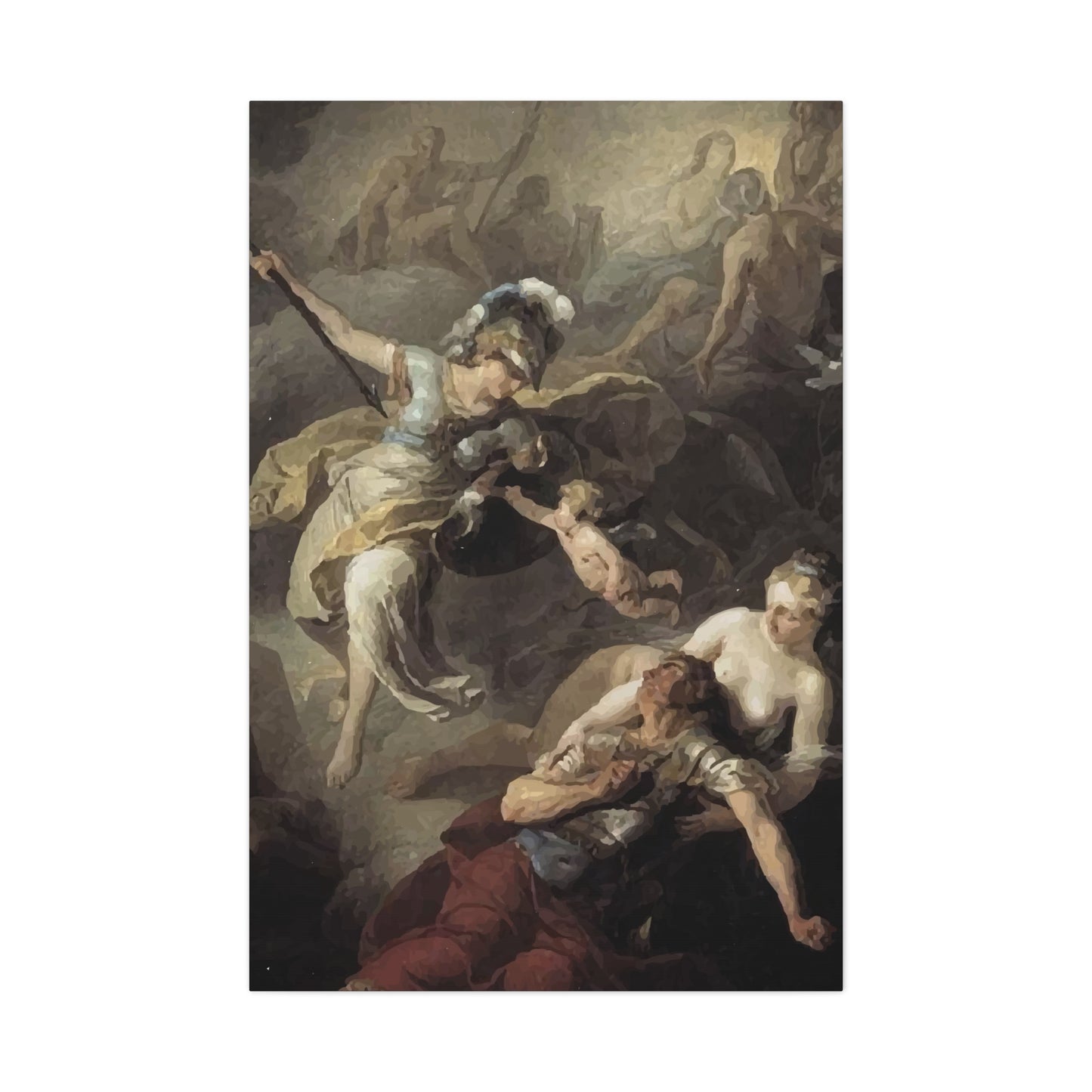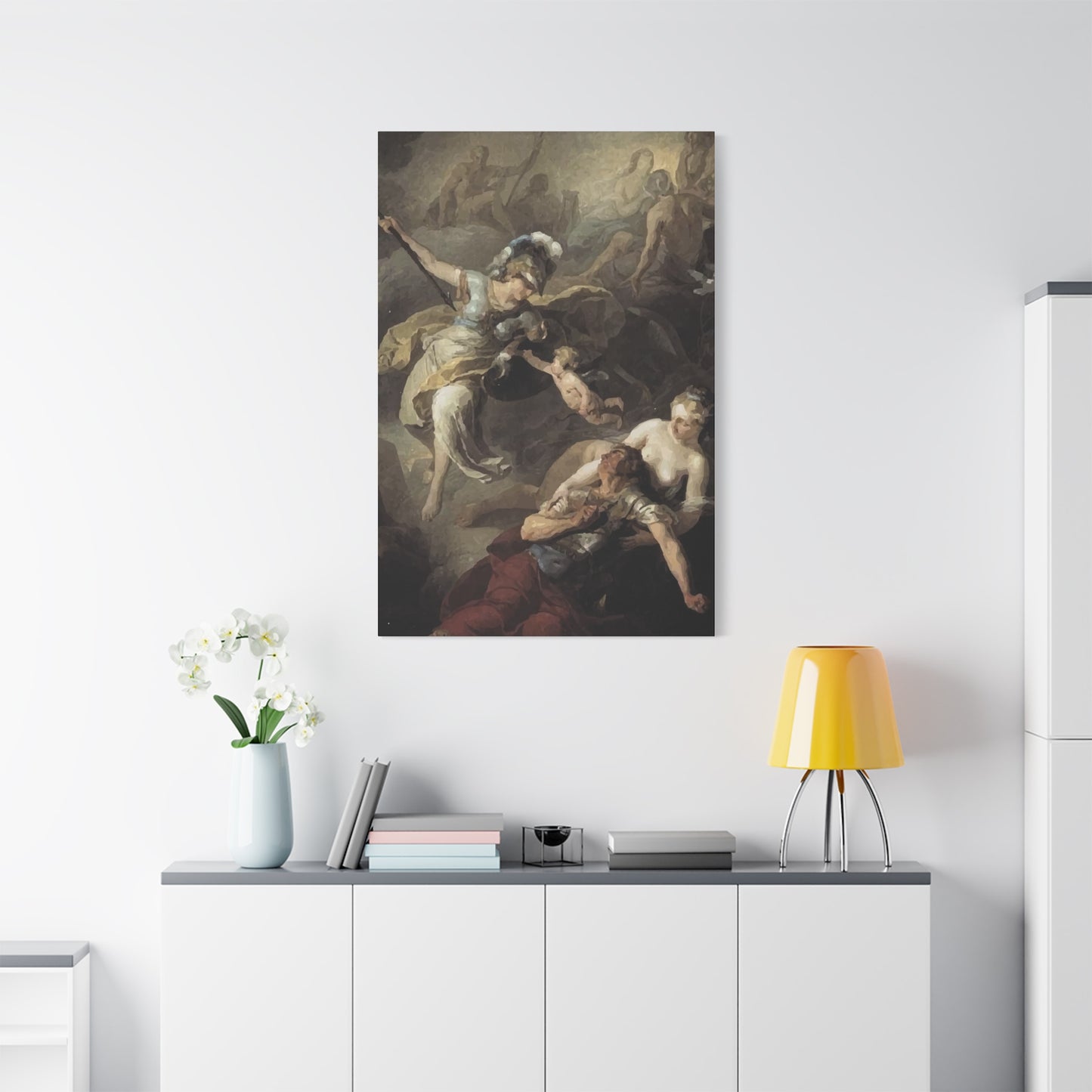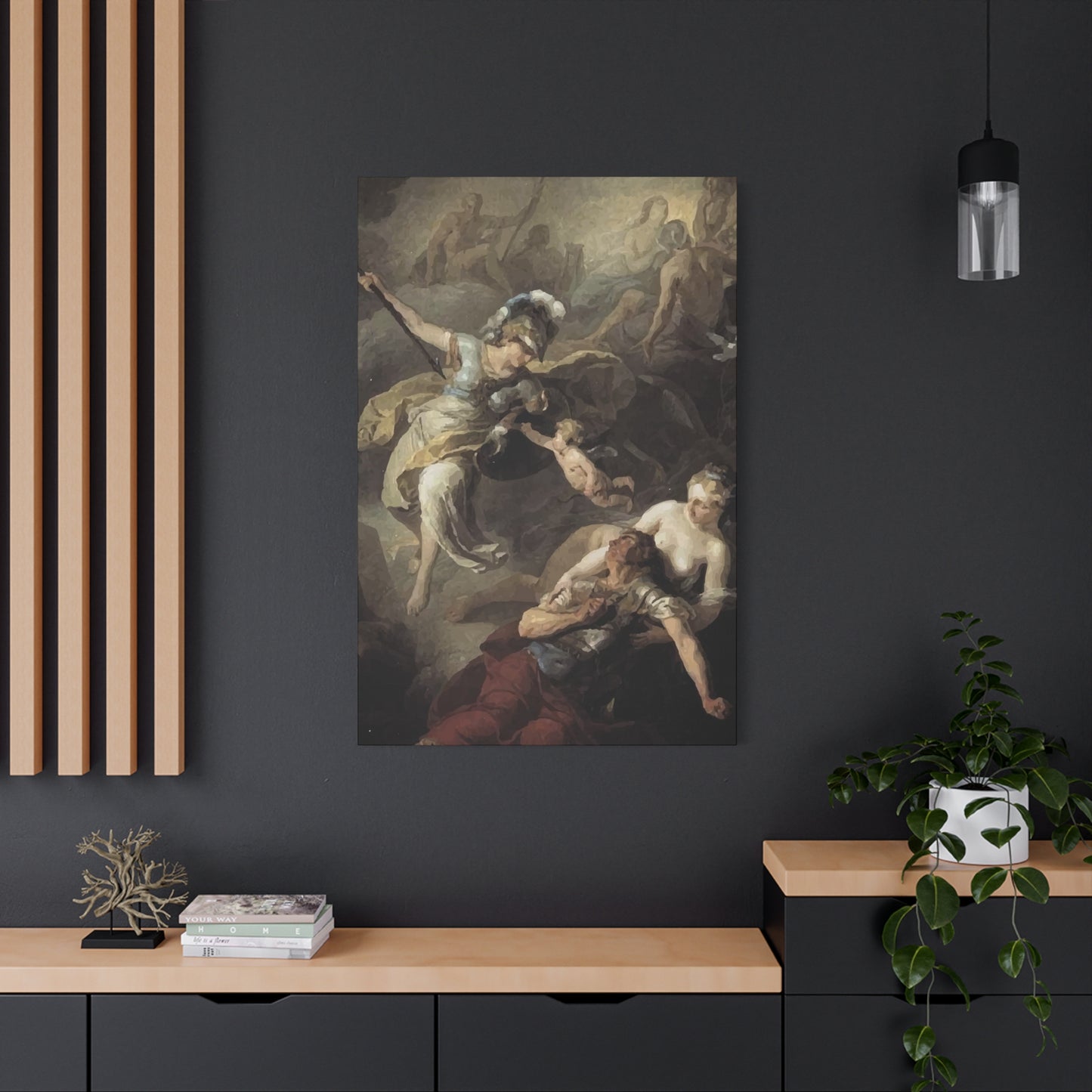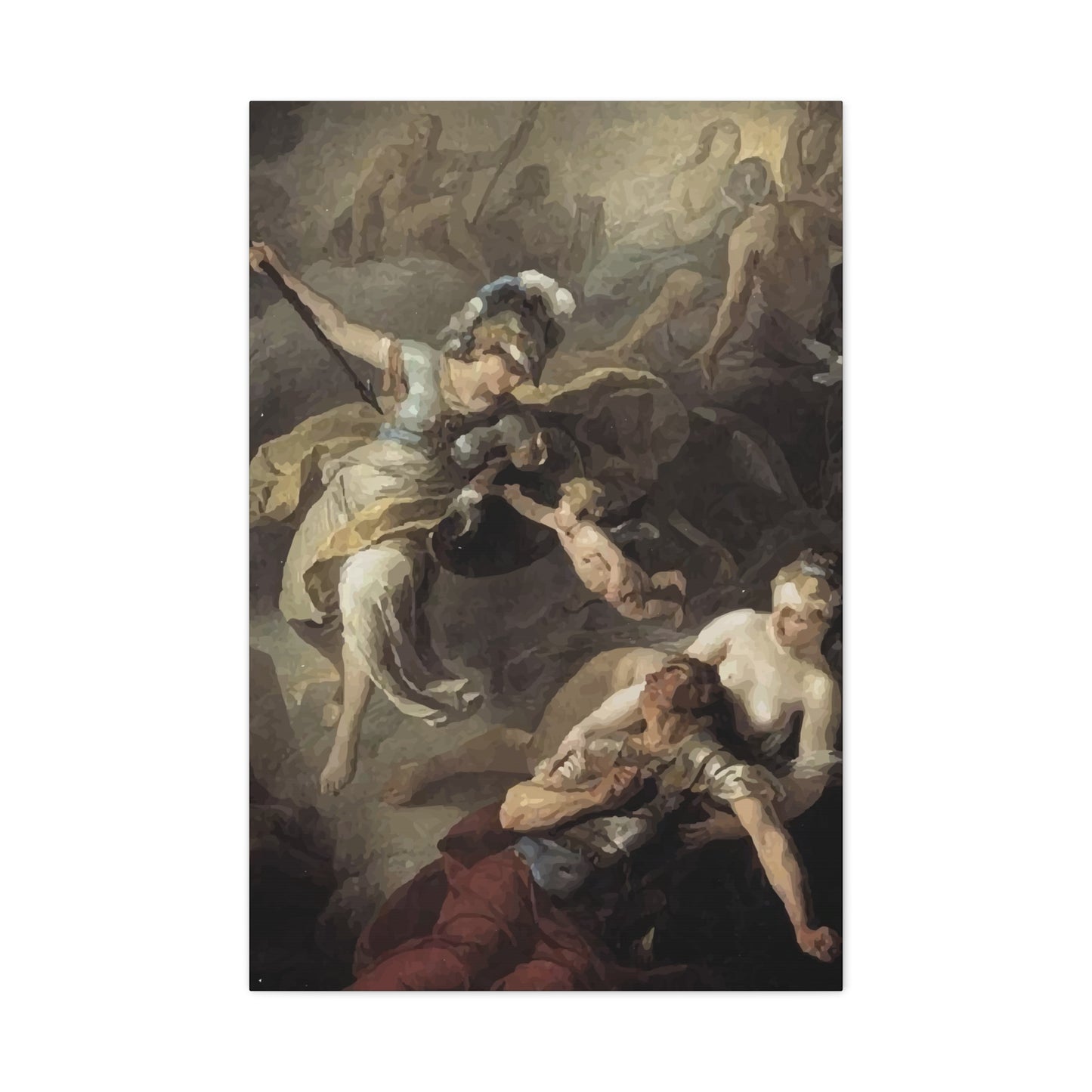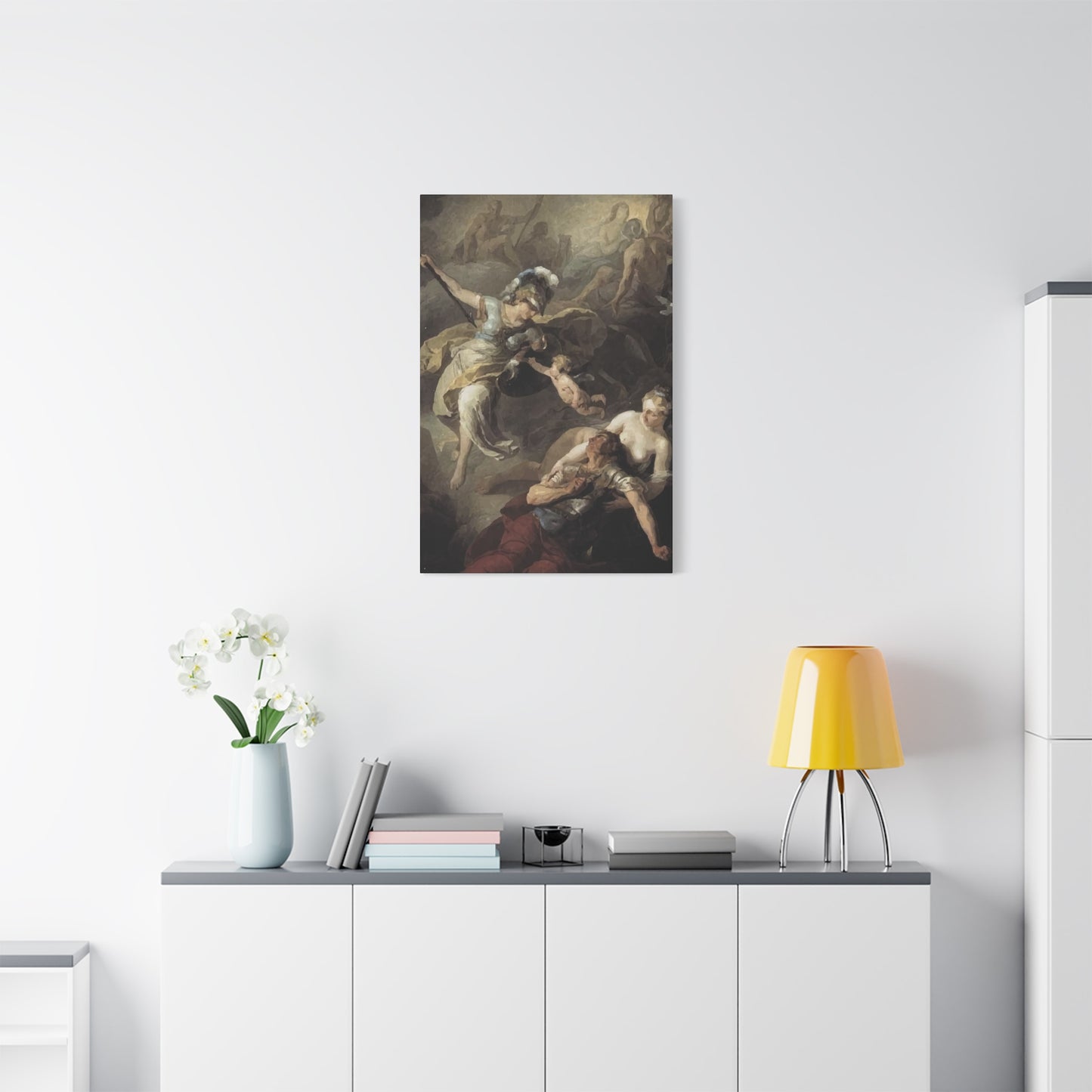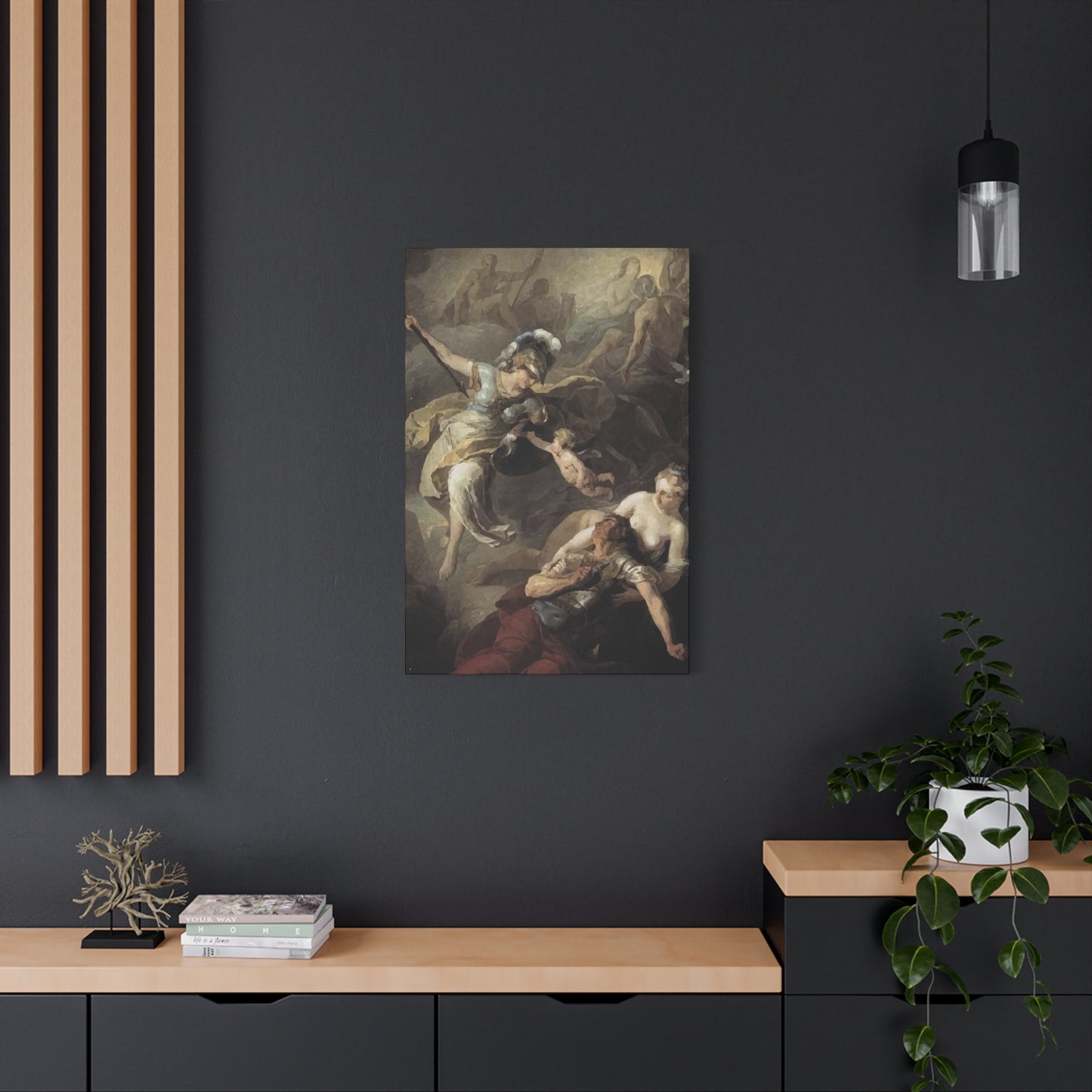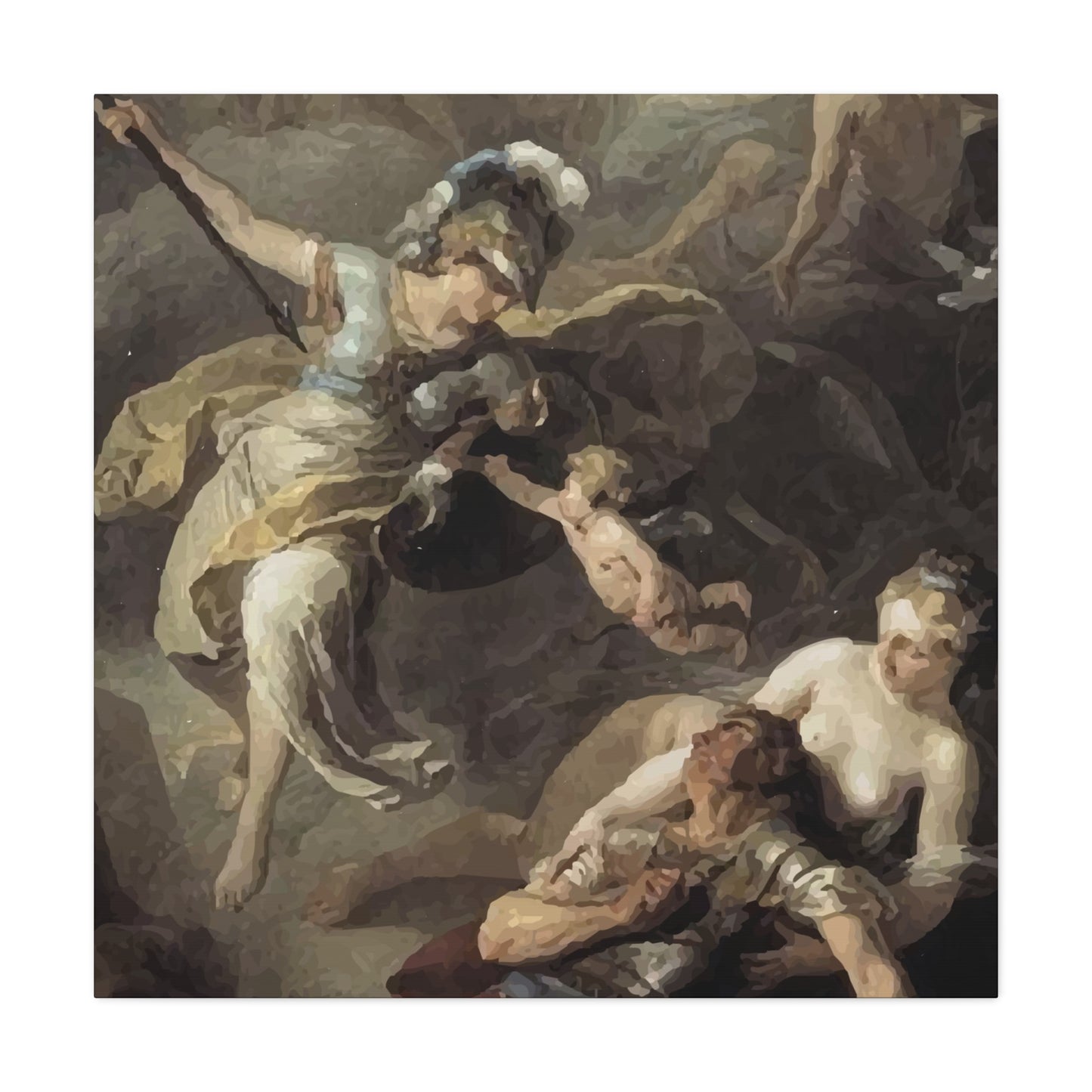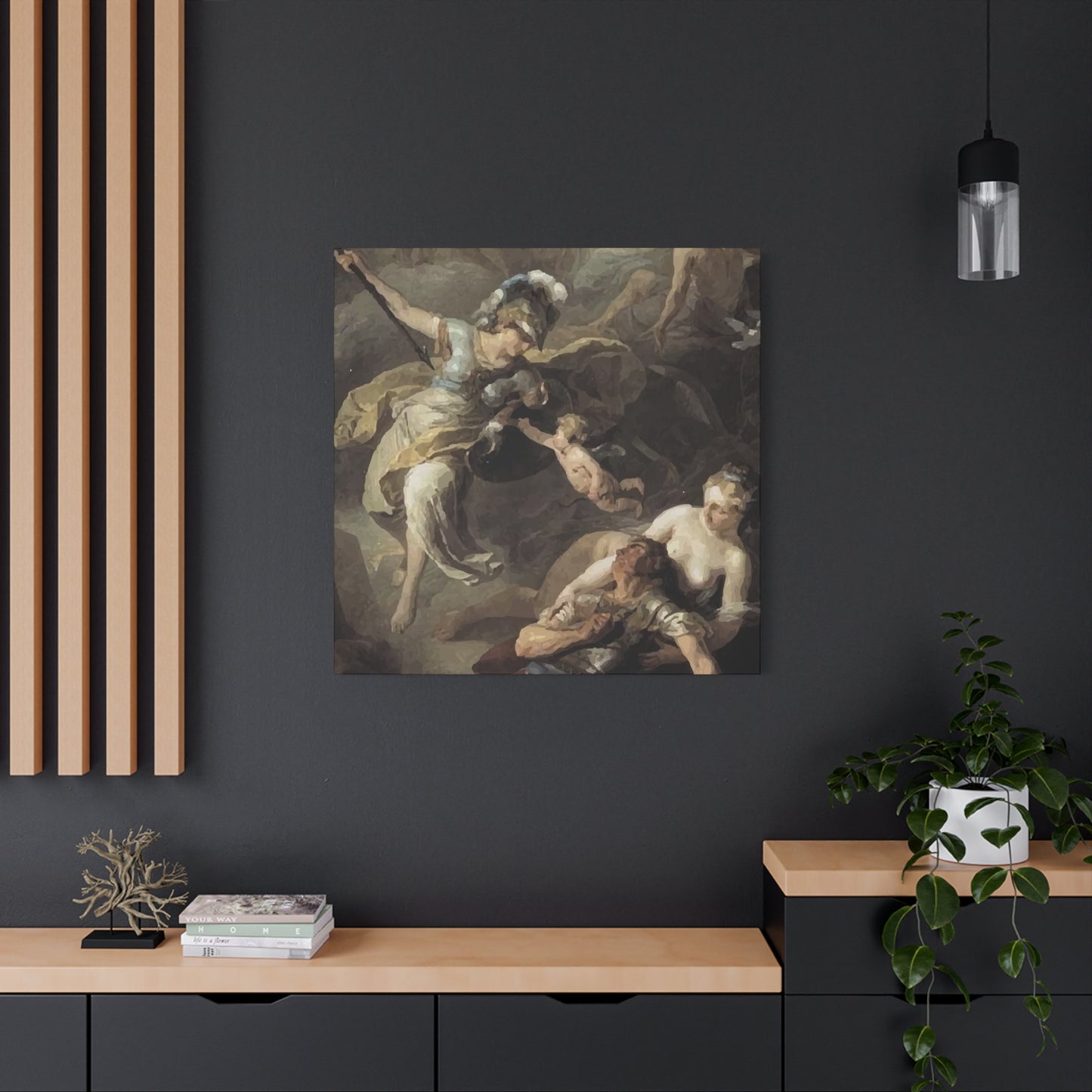


Classic War Scene Wall Art & Canvas Prints
Classic War Scene Wall Art & Canvas Prints
Couldn't load pickup availability
Classic War Scene Wall Art: Capturing Military Heritage Through Powerful Visual Narratives in Your Living Spaces
The realm of decorative pieces depicting historical combat moments has experienced remarkable growth in recent years. These visual representations serve as powerful reminders of sacrifice, valor, and pivotal moments that shaped nations. Classic War Scene Wall Art brings together artistic expression and historical documentation, creating pieces that resonate deeply with collectors, veterans, and history enthusiasts alike.
The Enduring Appeal of Military Combat Imagery in Contemporary Home Decoration
Throughout centuries, humanity has documented conflicts through various artistic mediums. From ancient cave paintings depicting tribal warfare to Renaissance masterpieces showing epic battles, the tradition of capturing warfare visually remains deeply ingrained in our cultural consciousness. Today's homeowners and collectors seek these representations not merely as decoration but as meaningful connections to the past.
The fascination with military imagery stems from multiple factors. First, these artworks commemorate the courage and sacrifice of those who served. They preserve memories of significant events that altered the course of civilization. Second, the dramatic nature of combat scenes provides visual intensity that few other subjects can match. The composition, movement, and emotional depth inherent in these works create focal points that command attention in any room.
Modern enthusiasts appreciate how Classic War Scene Wall Art bridges the gap between historical documentation and artistic interpretation. Unlike photographs, which capture single frozen moments, artistic renderings allow creators to synthesize multiple elements, creating compositions that convey the broader narrative of conflicts. This artistic liberty enables viewers to experience not just what happened, but how it felt to those who were there.
The market for military-themed decorative pieces has expanded significantly, with collectors seeking everything from reproductions of famous paintings to contemporary interpretations of historical events. This diversity ensures that whether someone prefers realistic depictions or more stylized representations, options exist to suit every taste and interior design scheme.
Exploring Various Categories and Styles Within Military Historical Imagery
The world of combat-themed artwork encompasses numerous categories, each with distinct characteristics and appeal. Understanding these variations helps collectors make informed decisions about which pieces best suit their spaces and interests.
Ancient warfare representations focus on conflicts from classical civilizations. Greek hoplites, Roman legions, and medieval knights provide subject matter that combines historical significance with dramatic visual appeal. These pieces often feature warriors in distinctive armor, wielding period-appropriate weapons, and engaged in formations or individual combat. The artistic style for ancient battles frequently incorporates elements of heroic idealization, presenting warriors as larger-than-life figures embodying martial virtues.
Napoleonic era depictions constitute another significant category. The brightly colored uniforms, grand cavalry charges, and massed infantry formations of this period create visually striking compositions. Artists capturing these moments often emphasize the pageantry and spectacle alongside the violence, resulting in works that are simultaneously beautiful and sobering. The contrasting colors of different regiments and the dramatic landscapes of European battlefields provide rich material for artistic interpretation.
American Civil War imagery holds particular significance for collectors in the United States. These pieces capture a defining moment in the nation's history, depicting everything from famous battles to quiet moments between engagements. The technological transition visible in Civil War artwork—from traditional line infantry to early trench warfare—makes this period particularly compelling for those interested in military evolution.
World War imagery, particularly from the First and Second World Wars, represents the most requested category among modern collectors. These conflicts touched virtually every corner of the globe and involved unprecedented scales of mobilization and destruction. Artists depicting these wars face the challenge of conveying both the industrial horror and the personal courage that characterized these massive struggles. Classic War Scene Wall Art from these periods ranges from aerial dogfights to infantry assaults, from naval engagements to quiet moments in field hospitals.
Naval combat scenes form their own distinct subcategory. The age of sail, with its towering ships-of-the-line exchanging broadsides amid billowing smoke and shredded canvas, provides particularly dramatic subject matter. Later naval conflicts, including battleship engagements and submarine warfare, offer different visual appeal while maintaining the tension inherent in maritime combat.
Materials and Production Methods That Bring Historical Combat Scenes to Life
The physical creation of military-themed decorative pieces involves various methods, each offering distinct advantages in terms of appearance, durability, and cost. Understanding these production techniques helps buyers appreciate what they're purchasing and make selections appropriate for their specific needs.
Canvas prints represent the most popular medium for reproducing combat artwork. Modern printing processes can transfer images onto canvas with remarkable fidelity, capturing subtle color gradations and fine details. These prints often receive additional treatments to enhance their appearance and longevity. Some manufacturers apply texture overlays that mimic the brushstrokes of original paintings, adding dimensional interest. Others use UV-protective coatings that prevent fading when exposed to sunlight, ensuring the piece retains its visual impact for years.
Metal prints have gained popularity for their contemporary aesthetic and exceptional durability. The process involves infusing dyes directly into specially coated aluminum sheets, creating images with extraordinary vibrancy and depth. The reflective quality of metal adds luminosity to the artwork, making colors appear more saturated and details more crisp. These prints resist moisture, scratches, and other forms of damage that might affect canvas or paper. The sleek, frameless appearance of metal prints appeals to collectors seeking a modern presentation for historical subjects.
Wood-mounted prints offer rustic charm that complements certain interior design aesthetics. The natural grain visible through semi-transparent ink creates unique visual effects, ensuring no two pieces are identical. This organic quality appeals to those who appreciate the handcrafted feel despite the digital printing process. Wood prints work particularly well in casual settings or spaces decorated with natural materials.
Framed paper prints provide the traditional gallery appearance many collectors prefer. High-quality archival papers designed for fine art reproduction ensure longevity and color accuracy. Professional matting and framing elevate these pieces, creating presentation suitable for formal spaces. The variety of frame styles available allows customization to match existing decor, from ornate gold leaf frames that evoke classical galleries to minimalist black frames suited to contemporary spaces.
Original paintings and limited edition prints occupy the premium end of the market. Commissioning artists to create unique works allows collectors to obtain pieces tailored to specific interests, whether depicting a particular battle, regiment, or even ancestor who served. Limited edition prints, numbered and signed by artists, offer collectibility and potential appreciation in value while remaining more accessible than true originals.
Strategic Placement Considerations for Maximum Visual Impact in Your Home
The location where you display military historical artwork significantly affects both its visual impact and its preservation. Thoughtful placement ensures these pieces enhance your space while remaining protected from environmental factors that could cause deterioration.
Living rooms serve as natural galleries for dramatic combat scenes. These spaces typically offer adequate wall area for larger pieces while providing good viewing distances that allow appreciation of composition and detail. Positioning above a sofa or fireplace creates a natural focal point, drawing the eye upon entering the room. When selecting pieces for living areas, consider the overall mood you wish to create. Large-scale battle scenes create dramatic statements, while quieter moments from military history contribute contemplative elements.
Home offices and personal studies provide ideal settings for military artwork, particularly for those with professional or personal connections to armed forces. These private spaces allow for more specialized subject matter that reflects individual interests. The reflective nature of studying historical conflicts can complement the focused atmosphere of a workspace. Multiple smaller pieces arranged in a gallery wall configuration work well in offices, allowing display of varied scenes or different perspectives on a single conflict.
Dining rooms benefit from military artwork that balances gravitas with aesthetic appeal. Historical naval scenes, with their emphasis on the majesty of sailing vessels, often work particularly well in these spaces. The formal nature of dining areas complements the ceremonial aspects often depicted in military art. Consider how lighting—both natural and artificial—interacts with your chosen piece during evening meals when the room sees heaviest use.
Hallways and staircases offer opportunities to create narrative sequences through multiple related pieces. A series depicting different phases of a campaign or various aspects of military life can transform transitional spaces into engaging galleries. The linear nature of hallways naturally guides viewers through the sequence, creating storytelling opportunities that single pieces cannot achieve.
Bedrooms require careful consideration regarding subject matter intensity. While some individuals find strength and inspiration from powerful combat imagery, others prefer more peaceful subjects in sleeping quarters. Quieter military scenes—soldiers writing letters, encampments at rest, or memorial-oriented pieces—can maintain thematic connection while supporting the room's restful purpose.
Lighting plays a crucial role in displaying artwork effectively while ensuring its preservation. Natural daylight, while excellent for viewing, contains ultraviolet radiation that degrades pigments and materials over time. Position pieces away from direct sunlight, or use window treatments that filter UV rays. Artificial lighting should illuminate artwork without creating glare on protective glass or generating excessive heat. LED picture lights offer energy-efficient solutions that produce minimal heat while providing focused illumination.
Environmental factors beyond light affect artwork longevity. Humidity fluctuations cause materials to expand and contract, potentially leading to warping or separation of layers. Maintain relative humidity between forty and sixty percent for optimal preservation. Temperature stability matters equally; avoid placing artwork near heating vents, air conditioning units, or fireplaces where temperature variations are significant. These precautions ensure your Classic War Scene Wall Art remains in excellent condition for generations.
The Profound Emotional Resonance That Military Artwork Creates Within Viewers
Beyond their decorative function, combat-themed artworks carry significant emotional and symbolic weight. Understanding these deeper dimensions enhances appreciation and informs selection of pieces that resonate personally.
For military veterans and their families, these artworks serve as tangible connections to service and sacrifice. A piece depicting the theater where someone served or the type of unit in which they fought can validate their experiences and honor their contributions. These visual representations communicate to visitors that military service forms an important part of the household's identity and values. The presence of such artwork can facilitate conversations about service, helping younger generations understand family military heritage.
Memorial and commemorative aspects feature prominently in many collectors' motivations. Artwork depicting specific battles where ancestors fought or units in which relatives served creates personal historical connections. These pieces function as private memorials, keeping memories alive in daily living spaces rather than relegating them to photo albums viewed occasionally. The act of displaying such artwork demonstrates ongoing respect and remembrance.
The educational value of military historical artwork deserves recognition. For households with children, these pieces provide conversation starters about history, sacrifice, and the consequences of conflict. Unlike textbook illustrations, artwork displayed in the home maintains constant presence, generating repeated opportunities for discussion. Parents can use these visual references when explaining historical events, making abstract concepts more concrete and memorable.
Aesthetic appreciation independent of military interest motivates many collectors. The compositional drama inherent in combat scenes—the interplay of light and shadow, the dynamic arrangement of figures, the contrast between chaos and order—provides rich visual interest. Artists throughout history have recognized battle scenes as opportunities to demonstrate technical skill in rendering complex multi-figure compositions, varied poses, and challenging lighting conditions. Collectors who primarily value artistic merit find military subjects offer some of the most technically demanding and visually compelling works available.
Patriotic expression through decor allows individuals to display national pride in sophisticated ways. Rather than overt flag displays, historical military artwork communicates love of country through honoring those who defended it. This approach resonates with people who value understated expression of patriotic sentiment, providing a more nuanced alternative to obvious nationalism.
How Different Conflicts Inspire Distinct Visual Styles and Artistic Approaches
The nature of warfare itself has evolved dramatically across centuries, and artistic representations reflect these changes in tactics, scale, and weaponry. Examining how different conflicts inspire distinct visual approaches enriches understanding of both military history and art history.
Ancient and medieval conflicts emphasize individual combat and small-unit actions. Artists depicting these periods often focus on hand-to-hand combat, showcasing the physical prowess and personal courage required in close-quarters fighting. The distinctive armor and weapons of various cultures create immediately recognizable visual signatures—the crested helms of Greek hoplites, the segmented armor of Roman legionaries, the chainmail and heraldry of medieval knights. These elements provide rich visual texture while communicating specific historical contexts.
The composition of ancient battle scenes frequently employs dramatic foreshortening and dynamic poses that convey motion and violence. Artists draw inspiration from classical sculpture and relief carvings, translating three-dimensional compositions into two-dimensional formats. The limited color palettes of some ancient military equipment—predominantly bronze, iron, and leather tones—create earthy, grounded visual schemes punctuated by the occasional bright shield or banner.
Napoleonic warfare introduced unprecedented pageantry to the battlefield. The brightly colored uniforms designed for battlefield recognition in the black-powder smoke created accidentally artistic spectacles. Artists capturing these conflicts exploit the visual richness of red-coated British infantry, blue-coated French troops, and white-uniformed Austrian soldiers. The formation warfare of the era, with massed ranks advancing in precisely ordered lines, provides compositional structure that balances the chaos of combat.
Cavalry charges feature prominently in Napoleonic art, offering opportunities to depict horses in full gallop and riders in dramatic poses. The plumes, brass, and polished leather of cavalry equipment add further visual interest. Many artists working in this period adopted quasi-romantic styles that emphasized heroism and glory while minimizing the suffering inherent in warfare. This approach produces visually appealing works that remain popular with collectors seeking decorative rather than grimly realistic pieces.
The American Civil War represents a transitional period in military art. Early war depictions often maintain the formal, heroic style of Napoleonic painting, showing ordered formations and gallant charges. As the conflict progressed and its brutal nature became undeniable, artistic representations grew more somber. Later war artwork acknowledges the industrial scale of killing, the devastation of landscapes, and the exhaustion of troops. This evolution within a single conflict provides fascinating insight into how prolonged exposure to war affects artistic interpretation.
Civil War artwork particularly emphasizes the American landscape, with recognizable terrain features from famous battlefields. The rolling hills of Gettysburg, the wilderness of Virginia, and the rivers that featured in many campaigns become important compositional elements. This attention to landscape grounds the action in specific places, enhancing historical authenticity and emotional connection for viewers familiar with these locations.
The World Wars necessitated entirely new visual languages to convey industrialized warfare's unprecedented scale and horror. Artists faced the challenge of representing experiences that defied traditional compositional approaches. Trench warfare, with its static brutality and surreal landscape of mud and barbed wire, inspired works ranging from documentary realism to expressionist nightmares. Aerial combat introduced three-dimensional battle spaces that artists struggled to compress into two-dimensional formats effectively.
World War II artwork reflects the truly global nature of the conflict, with distinct visual characteristics for different theaters. Pacific island fighting, European urban combat, North African desert warfare, and Eastern Front snowscapes each present unique visual challenges and opportunities. The varied equipment and uniforms of numerous nations involved provide rich material for artists interested in historical accuracy.
Many artists working with World War subject matter adopt more somber, realistic styles that acknowledge the conflict's terrible cost. Rather than glorifying warfare, these pieces commemorate and bear witness. This shift reflects broader cultural changes in how societies view military conflict, moving from romantic notions of glory toward more nuanced understanding of war's complexity and tragedy.
Authenticating and Evaluating Quality in Military Historical Artwork
For collectors seeking to build meaningful collections or make significant purchases, understanding quality indicators and authentication concerns proves essential. The market contains everything from museum-quality reproductions to hastily produced prints of questionable value.
Image resolution and printing quality separate premium products from inferior alternatives. Examine fine details closely—individual faces in crowd scenes, text on signs or equipment, and subtle color gradations. High-quality reproductions maintain clarity at these micro levels, while poor productions show blurriness, banding in color transitions, or pixelation. If purchasing online, request detailed photographs of the actual product rather than relying solely on digital mockups that may not represent final quality accurately.
Color accuracy matters particularly for historically minded collectors. Military uniforms, flags, and equipment followed specific color standards, and accurate reproduction demonstrates attention to detail. Research the historical period and verify that colors match documented sources. Be wary of pieces with anachronistic elements—wrong uniform details, equipment that didn't exist at the time depicted, or incorrect flags and insignia. Such errors suggest the creator lacked commitment to accuracy.
Material quality affects both appearance and longevity. Canvas should be thick and tightly woven, not thin fabric that allows light to pass through. Stretcher bars should be sturdy, preferably with cross-bracing for larger pieces to prevent warping. Examine edges and corners for quality of wrapping and stapling—loose canvas or visible staples on the viewing surface indicate hasty, low-quality production.
For framed pieces, evaluate the frame quality separately from the print itself. Poorly constructed frames with loose joints or thin material detract from the presentation and may fail to protect the artwork adequately. Quality matting uses acid-free materials that won't discolor or damage the print over time. The glazing—whether glass or acrylic—should be clean, without scratches or bubbles, and ideally include UV protection.
Provenance and documentation matter when purchasing limited editions or original works. Legitimate limited editions include certificates of authenticity specifying the edition size, print number, and artist signature. For original works or highly valuable reproductions, research the seller's reputation and request detailed provenance documentation. The military art market, like all collecting fields, attracts unscrupulous operators who misrepresent items' origins, rarity, or value.
Artist credentials warrant investigation for original works and limited editions. Research the creator's background, training, and reputation within the military art community. Established artists typically have documented exhibition histories, published works, and critical reviews. While emerging artists can produce excellent work at more accessible prices, understanding an artist's background helps assess fair market value and future appreciation potential.
Copyright and licensing issues require attention, particularly when purchasing reproductions of famous artworks. Legitimate sellers license images properly and compensate copyright holders. Unlicensed reproductions, besides being legally problematic, often suffer from poor quality as producers cut corners to compete on price. When dealing with artwork based on photographs, particularly of recent conflicts, verify that proper releases and permissions were obtained.
Creating Thematic Collections That Tell Comprehensive Military Stories
Many collectors find greater satisfaction in assembling thematic collections rather than acquiring isolated pieces. Thoughtful curation creates narratives that enhance individual artworks' impact while demonstrating the collector's knowledge and passion.
Single-conflict collections allow deep exploration of particular wars. A comprehensive Civil War collection might include pieces depicting major battles from different campaigns, various branches of service, and different phases of the war. This approach enables collectors to become authorities on their chosen period, developing expertise that enhances appreciation and informs acquisition decisions. The challenge lies in achieving balance—representing different aspects of the conflict without redundancy.
Branch-of-service collections focus on specific military arms: infantry, cavalry, artillery, navy, or air force. This approach works well for veterans who served in particular branches and wish to celebrate that identity. A naval collection might span centuries, showing the evolution from wooden sailing vessels to steel battleships to modern carriers. Such collections demonstrate how warfare changed while maintaining focus on the maritime domain.
Equipment and weapon-focused collections organize around specific materiel. Tank enthusiasts might collect artwork featuring different armored vehicles across conflicts and nations. Aircraft collectors could assemble representations of famous fighters, bombers, and other aviation subjects. This approach appeals to those interested in military hardware's technical aspects and evolutionary development.
Geographic collections focus on particular theaters or regions. A Pacific War collection would include diverse settings: jungle fighting in New Guinea, island assaults, carrier battles, and the eventual invasion of Japan. The varied landscapes and conditions of a single theater provide visual diversity while maintaining thematic coherence. Geographic focus often resonates with veterans who served in specific regions or with individuals whose family history connects to particular campaigns.
Chronological collections trace military history across eras. Starting with ancient warfare and progressing through medieval, early modern, and contemporary conflicts creates an ambitious but rewarding collecting goal. This approach requires significant wall space and investment but results in a comprehensive visual military history. Careful attention to consistent quality and style across different periods ensures the collection feels unified despite spanning millennia.
Unit and regimental collections hold special appeal for those with family military connections. Focusing on specific regiments or divisions—particularly those with long histories spanning multiple conflicts—creates deeply personal collections. Research into unit history informs acquisition decisions, ensuring pieces accurately represent the uniforms, equipment, and actions associated with the chosen unit.
Portrait and personality collections feature military leaders, famous soldiers, or representations of typical service members from various eras. This people-focused approach emphasizes the human element of military history rather than the spectacular violence of battles. Such collections often include quieter, more introspective pieces showing soldiers in camp, writing letters, or engaged in daily routines.
The Intersection of Military Artwork and Contemporary Interior Design Trends
Incorporating historical military artwork into modern living spaces requires thoughtful consideration of design principles. Successfully bridging the gap between historical subject matter and contemporary aesthetics creates sophisticated, personalized environments.
Color palette coordination between artwork and room decor determines visual harmony. Many combat scenes feature earthy tones—browns, greens, grays—that coordinate easily with neutral modern color schemes. When rooms feature bolder color choices, select artwork with accent colors that complement the space. A room with navy blue accents might showcase naval scenes with prominent water and sky. Spaces featuring warm reds or oranges could incorporate sunset-lit battle scenes or imagery of fire and artillery.
Scale relationships between furniture, room dimensions, and artwork affect visual balance. Overly large pieces overwhelm small spaces, while undersized artwork gets lost on expansive walls. The classic rule suggests artwork should occupy roughly two-thirds to three-quarters of the furniture width beneath it, though this guideline allows flexibility based on specific circumstances. In rooms with high ceilings, larger pieces prevent awkward empty space above furniture while creating appropriate visual weight.
Frame selection bridges historical subjects and contemporary settings. Ultra-modern rooms might pair military artwork with sleek metal frames or no frames at all, allowing the image to speak for itself against clean white walls. Traditional spaces accommodate ornate frames that echo classical gallery presentations. Mixed-style interiors benefit from frames that pick up elements from both the artwork's period and the room's contemporary features.
Grouping and arrangement strategies affect overall impact. Single large statement pieces create focal points and work well in minimalist spaces where they won't compete with other elements. Gallery walls with multiple smaller pieces suit maximalist aesthetics or rooms with limited individual wall space. Symmetrical arrangements convey order and formality, while asymmetric groupings feel more casual and contemporary.
Lighting design deserves special attention when displaying any artwork. Track lighting systems offer flexibility, allowing precise positioning to illuminate pieces effectively while adapting as collections grow or change. Recessed lighting provides clean, modern illumination without visible fixtures competing visually with artwork. Picture lights mounted directly above or below frames create gallery ambiance particularly suited to traditional spaces.
Textural contrasts between smooth modern surfaces and detailed artwork create visual interest. In rooms dominated by glass, polished stone, or smooth painted surfaces, the intricate detail of historical paintings adds necessary complexity and depth. Conversely, in spaces with considerable texture from exposed brick, wood grain, or textured wallcoverings, simpler compositions prevent visual chaos.
Contemporary minimalist design principles can successfully incorporate military artwork when approached thoughtfully. Rather than covering walls with numerous pieces, minimalist spaces benefit from carefully selected individual works that command attention through quality rather than quantity. The negative space surrounding a single dramatic battle scene amplifies its impact, creating a meditation on conflict rather than mere decoration.
Industrial-style interiors provide particularly suitable settings for military artwork. The raw materials, exposed structure, and utilitarian aesthetic of industrial design echo military functionality and practicality. Metal prints of combat scenes complement the steel and concrete surfaces common in industrial spaces. The somewhat masculine energy of both design styles creates cohesive environments particularly appealing to collectors interested in military history.
Maintaining and Preserving Your Military Artwork Investment Over Time
Proper care ensures military artwork remains in excellent condition for decades or generations. Understanding basic preservation principles protects both monetary investment and sentimental value.
Regular cleaning prevents accumulation of dust, grime, and other contaminants that degrade appearance and materials. For canvas prints, use soft, dry microfiber cloths to gently remove surface dust. Avoid wet cleaning or chemical products unless specifically designed for canvas, as moisture and solvents can damage inks and materials. Clean frames and glass with appropriate cleaners, taking care not to allow liquids to seep behind glass onto matting or prints.
Environmental monitoring protects against gradual damage from humidity, temperature, and light. Inexpensive hygrometers allow tracking of humidity levels, alerting you when conditions move outside the safe forty to sixty percent range. Dehumidifiers or humidifiers help maintain stable conditions in climates with extreme dryness or moisture. Air purification systems remove airborne pollutants that can accumulate on artwork surfaces and cause gradual discoloration.
Rotation strategies apply primarily to collectors with more pieces than available display space. Periodically rotating displayed items prevents overexposure of any single piece to light and environmental factors while keeping collections fresh and interesting. This approach also allows seasonal displays—showing winter warfare scenes during cold months, for example—that keep decor dynamic.
Professional conservation becomes necessary when pieces show signs of damage or deterioration. Fading colors, yellowing, water damage, torn canvas, or frame damage warrant expert attention. Conservation specialists possess training and materials to address these issues without causing further harm. While conservation costs money, attempting DIY repairs on valuable pieces often results in irreversible damage and greater expense ultimately.
Insurance considerations protect valuable collections from loss. Standard homeowner's or renter's insurance provides limited coverage for artwork, often subject to low per-item limits. Collectors with significant investments should consider scheduling valuable pieces individually or purchasing separate art insurance policies. Document collections thoroughly with photographs, receipts, and appraisals to facilitate claims should loss occur.
Proper storage for pieces not currently displayed prevents damage during off-display periods. Store artwork in climate-controlled areas away from attics, basements, or garages where temperature and humidity fluctuate dramatically. Keep pieces vertical rather than stacked horizontally to prevent warping. Wrap artwork in acid-free paper or cloth—never plastic, which can trap moisture. Store in locations where they won't be bumped, knocked over, or crushed by other items.
The Role of Military Artwork in Public and Commercial Spaces
Beyond private collections, military historical artwork serves important functions in various public and commercial contexts. Understanding these roles provides perspective on the genre's broader cultural significance.
Veterans organizations and military museums form the most obvious public venues for combat art. These institutions use artwork to educate visitors about military history while honoring those who served. Curators balance aesthetic considerations with historical accuracy and educational value. The artwork in these spaces often includes both historical pieces created during or shortly after depicted conflicts and contemporary works by artists interpreting historical events.
Government buildings, particularly those housing military-related departments, frequently display military artwork. Congressional offices, Department of Defense facilities, and veterans affairs offices use these pieces to communicate institutional values and honor military service. The selection process for such displays considers both artistic merit and appropriateness to the specific office or building. Artwork in government spaces often represents diverse conflicts and service branches to acknowledge all aspects of military heritage.
Corporate settings sometimes incorporate military artwork, particularly in companies with defense contracting, aerospace, or veteran-focused missions. A defense contractor might display artwork depicting the systems they produce in action or historical uses of the weapons they manufacture. These displays serve both decorative and communicative purposes, reinforcing corporate identity and mission to employees and visitors.
Restaurants, bars, and hotels targeting veteran or military enthusiast clientele often feature military artwork as part of their thematic design. These establishments create immersive environments where decor reinforces the brand identity. The challenge in commercial settings lies in selecting pieces that create atmosphere without becoming overwhelming or disturbing to patrons. Establishments typically favor pieces that emphasize camaraderie, heroism, and historical interest over graphic violence.
Memorial halls and monuments incorporate artwork as part of broader commemorative programs. These pieces help visitors connect emotionally with historical events and those who participated. The artwork in memorial contexts often emphasizes sacrifice, courage, and the cost of freedom rather than the excitement or glory of combat. Somber, reflective pieces predominate in these settings, creating contemplative rather than celebratory moods.
Libraries and schools use military artwork as teaching tools and historical references. Pieces in these settings typically include contextual information—plaques or labels explaining the depicted event, its historical significance, and the artwork's creation. The goal extends beyond decoration to active engagement with history, using visual representation to make abstract historical concepts more tangible and memorable for students.
Sourcing and Acquiring Quality Military Artwork for Your Collection
Building a meaningful collection requires knowing where and how to find quality pieces that match your interests and budget. The market offers numerous acquisition channels, each with distinct advantages and considerations.
Specialized dealers focusing on military artwork and collectibles provide curated selections and expertise. These businesses understand the niche market and stock pieces likely to appeal to serious collectors. The staff typically possesses considerable knowledge about military history, helping buyers identify historically accurate and artistically significant works. Specialized dealers often maintain relationships with artists and estates, giving them access to limited editions and original works before general market availability.
Online marketplaces have democratized access to military artwork, allowing collectors worldwide to browse vast inventories. Major platforms host thousands of sellers offering everything from mass-produced prints to original paintings. The challenge with online purchasing involves assessing quality without physical inspection. Read seller reviews carefully, request additional photographs, and understand return policies before committing to significant purchases. Ask specific questions about materials, production methods, and condition rather than assuming product descriptions provide complete information.
Art fairs and military memorabilia shows provide opportunities to examine pieces in person before purchasing. These events gather multiple sellers in single locations, allowing efficient comparison shopping. The ability to inspect artwork under varied lighting conditions, examine materials closely, and speak directly with sellers provides confidence that online purchasing cannot match. Many shows feature both dealers and artists, offering access to original works and commissioned pieces.
Auction houses occasionally offer military artwork, particularly when estates include collections. Auctions can yield bargains but also involve competition that drives prices above retail for desirable pieces. Research auction houses' reputations, understand their buyer's premiums and other fees, and set firm price limits before bidding. Preview events allow physical inspection before committing to bids.
Direct relationships with artists enable commissioned works tailored to specific interests. Artists specializing in military history often accept commissions for custom pieces depicting particular battles, units, or individuals. This approach yields unique artworks while supporting working artists. Commission processes vary by artist but typically involve initial consultations, sketches for approval, and progress updates during creation. Timelines for commissioned works often extend several months, requiring patience but ultimately delivering personalized pieces unavailable through other channels.
Gallery exhibitions featuring military artists provide opportunities to view bodies of work and meet creators. Attending openings allows conversations with artists about their processes, research methods, and inspirations. Galleries typically take commissions on sales, resulting in higher prices than direct artist purchases, but they provide professional display settings and promotional efforts that benefit both artists and collectors.
Estate sales and antique dealers sometimes offer military artwork, though finding specifically sought pieces requires patience and luck. These channels occasionally yield undervalued treasures when sellers lack expertise in military art or when estates need quick liquidation. Building relationships with dealers and requesting notifications when military pieces arrive increases odds of finding desirable works.
Understanding Copyright, Licensing, and Reproduction Rights in Military Art
Legal considerations surrounding artwork ownership, reproduction, and display affect collectors, particularly those interested in limited editions or works based on copyrighted source material.
Copyright protection extends to original artwork for the creator's lifetime plus seventy years in most jurisdictions. This protection grants artists exclusive rights to reproduce, distribute, and create derivative works. When purchasing artwork, buyers acquire the physical object and rights to display it but not reproduction rights unless explicitly transferred. Understanding this distinction prevents legal complications if you later wish to reproduce owned pieces.
Public domain works, including those created before copyright protections existed and those whose copyrights have expired, can be freely reproduced by anyone. Many famous historical paintings depicting warfare now reside in the public domain, allowing manufacturers to create reproductions without licensing fees. However, photographs of public domain artworks may themselves be copyrighted, particularly if photographers added creative elements through lighting, angle, or processing. Using such photographs as reproduction bases without permission infringes the photographer's copyright even though the underlying artwork is public domain.
Licensed reproductions involve permissions granted by copyright holders to manufacturers for specific uses. Legitimate sellers obtain these licenses and often display them or provide documentation upon request. Licensing fees contribute to legitimate reproductions costing more than unlicensed copies, but they ensure legal compliance and often guarantee quality standards that copyright holders require for their properties.
Fair use doctrine allows limited use of copyrighted material without permission for purposes including criticism, commentary, research, and education. However, fair use involves complex, case-specific analysis that courts ultimately determine. Creating or selling reproductions of copyrighted military artwork for commercial purposes certainly falls outside fair use protections, regardless of any purported educational value.
Moral rights, recognized in many jurisdictions, grant artists rights beyond copyright's economic protections. These include attribution rights—ensuring proper credit—and integrity rights—preventing modifications that harm the artist's reputation. Even after selling copyright or physical works, artists retain moral rights in many countries. Collectors should respect these rights by maintaining proper attribution when displaying or discussing artworks.
Military service members who create artwork while on active duty present special copyright considerations. Works created within the scope of official duties as government employees typically enter the public domain immediately, carrying no copyright restrictions. However, works created by service members outside official duties retain normal copyright protection. Determining whether specific pieces qualify as official works or personal creations requires examining circumstances of their creation.
The Healing Power of Military Artwork for Veterans and Their Families
Beyond decorative and historical functions, military artwork serves meaningful roles in veterans' wellness and family healing processes. Understanding these dimensions reveals why many veterans invest significantly in their collections.
Art as memorial allows veterans to honor fallen comrades through private displays in their homes. A piece depicting the battle where friends died or the unit in which they served together provides a daily reminder and tribute. Unlike public memorials visited occasionally, home displays maintain constant presence, integrating memories of service and sacrifice into daily life. This ongoing connection helps many veterans process loss and maintain bonds with those who didn't return.
Identity reinforcement through displayed military artwork helps veterans maintain connections to military identities after transitioning to civilian life. For individuals whose formative experiences and core identities developed during service, this connection provides psychological continuity and stability. The artwork communicates to others that military service shaped the household members significantly, validating experiences that civilians may not fully understand.
Conversation facilitators within families help bridge understanding gaps between veterans and loved ones who didn't serve. Discussing displayed artwork provides non-threatening entry points into difficult topics. Rather than directly asking about traumatic experiences, family members can inquire about depicted equipment, tactics, or conditions, allowing veterans to share information at comfortable levels. These conversations build understanding gradually, helping families comprehend experiences they cannot share directly.
Processing trauma through visual engagement with military experiences allows some veterans to confront and integrate difficult memories. While triggering content must be avoided, thoughtfully selected artwork can help veterans reflect on experiences from safe distances. The artistic representation creates one-degree separation from actual memories, making engagement less overwhelming than direct reminiscence. Some veterans find viewing military artwork in controlled home settings helps reduce intrusive memories and flashbacks by providing structured, voluntary engagement with military themes.
Pride and validation from displaying military artwork counteract the alienation some veterans feel in civilian society. After serving in close-knit military communities where everyone understood their roles and experiences, civilian life's isolation can be jarring. Displaying military artwork publicly declares pride in service and invites connection with others who value military contributions. Fellow veterans who visit recognize the significance of displayed pieces, creating instant common ground.
Family legacy preservation through military artwork passes service traditions to younger generations. Children and grandchildren growing up surrounded by military imagery develop awareness of family military heritage from early ages. As they mature, the artwork prompts questions that allow veterans to share their experiences before age or infirmity makes such sharing impossible. The physical presence of artwork ensures stories get told rather than remaining locked in veterans' memories until they're lost forever.
Pairing Military Artwork with Complementary Decorative Elements for Cohesive Spaces
Creating harmonious spaces involves more than selecting quality artwork; it requires thoughtful integration with surrounding decorative elements. These complementary choices enhance military artwork's impact while maintaining overall design coherence.
Period-appropriate furnishings create thematic continuity when collecting works from specific eras. A collection focusing on Civil War scenes might be displayed in rooms featuring Victorian-era furniture, creating immersive historical environments. While fully period-accurate interiors prove impractical for most modern living, incorporating select vintage or reproduction pieces establishes historical context without requiring complete commitment to historical design.
Military memorabilia displayed alongside artwork provides three-dimensional context and personal connections. Uniforms, medals, weapons, and equipment from family service members create powerful displays when thoughtfully arranged. Shadow boxes protecting fragile textiles or delicate items can be wall-mounted near related artwork.
Conclusion
Classic war scene wall art plays an undeniably powerful role in capturing and immortalizing moments of military heritage, offering a profound visual narrative that resonates deeply with history, honor, and sacrifice. These dramatic, often large-scale artworks not only enrich a living space but also serve as poignant reminders of the bravery, struggles, and triumphs that have shaped our world. Through the lens of art, the chaos and bravery of war are transformed into emotional, thought-provoking representations that invite both reflection and admiration.
One of the primary reasons why classic war scene wall art is so enduring is its ability to communicate powerful stories without the need for words. The portrayal of pivotal battles, heroic soldiers, and moments of intense human emotion offers a visceral connection to history. These artworks transcend the boundaries of mere decoration, becoming a narrative within a frame, one that encourages viewers to consider the broader context of war and its far-reaching consequences. Whether it depicts a major historical battle, a heroic individual’s struggle, or a quieter moment of camaraderie amidst chaos, each piece tells its own unique story, contributing to a greater understanding of military history.
These artworks are not just visual statements—they are emotional ones. The depiction of war scenes, often filled with intensity, action, and heroism, evokes a sense of respect and reverence for the soldiers who have fought throughout history. Displaying such works in a home elevates the space, imbuing it with a deeper sense of purpose and connection to past generations. The evocative nature of classic war scenes prompts reflection on themes of courage, sacrifice, and the often-unseen consequences of war, making these pieces much more than just artistic embellishments—they become conduits for empathy and contemplation.
In the context of interior design, classic war scene wall art can serve as a striking focal point in any room. Whether displayed in a study, living room, or hallway, these pieces inject a sense of gravitas and historical depth into the space. The strong lines, dramatic contrasts, and evocative colors often used in war art make it a natural conversation starter, drawing the attention of guests while encouraging meaningful discussion. The emotional weight carried by these works provides a sense of narrative and continuity, making the room feel not just styled but steeped in history and significance.
Incorporating classic war scene art into your living spaces also connects the present with the past, offering a visual legacy that speaks to the resilience and fortitude of those who fought in wars. It serves as a bridge between generations, allowing younger individuals to understand and appreciate the experiences of those who came before them. The historical value of these artworks can also offer a form of education, prompting curiosity about the military history they depict, encouraging deeper exploration of the past and its impact on the present.
Moreover, classic war scene wall art enhances the emotional atmosphere of a space. The energy conveyed through action-packed depictions of battle or the quiet strength in scenes of soldiers contemplating their next move can evoke feelings of pride, reverence, and even sorrow. The drama and tension inherent in these works create a dynamic presence that infuses your living space with a sense of timeless importance, reminding all who enter of the sacrifices made for freedom and peace.
In conclusion, classic war scene wall art is more than just an aesthetic choice; it is a meaningful and powerful way to bring military heritage into your home. Through vivid visual narratives, these artworks allow us to honor the past while adding depth, emotion, and sophistication to any living space. Their ability to evoke thought, reflect history, and spark conversation makes them an invaluable addition to interior design, ensuring that the stories of bravery, resilience, and sacrifice are preserved for generations to come.
Share