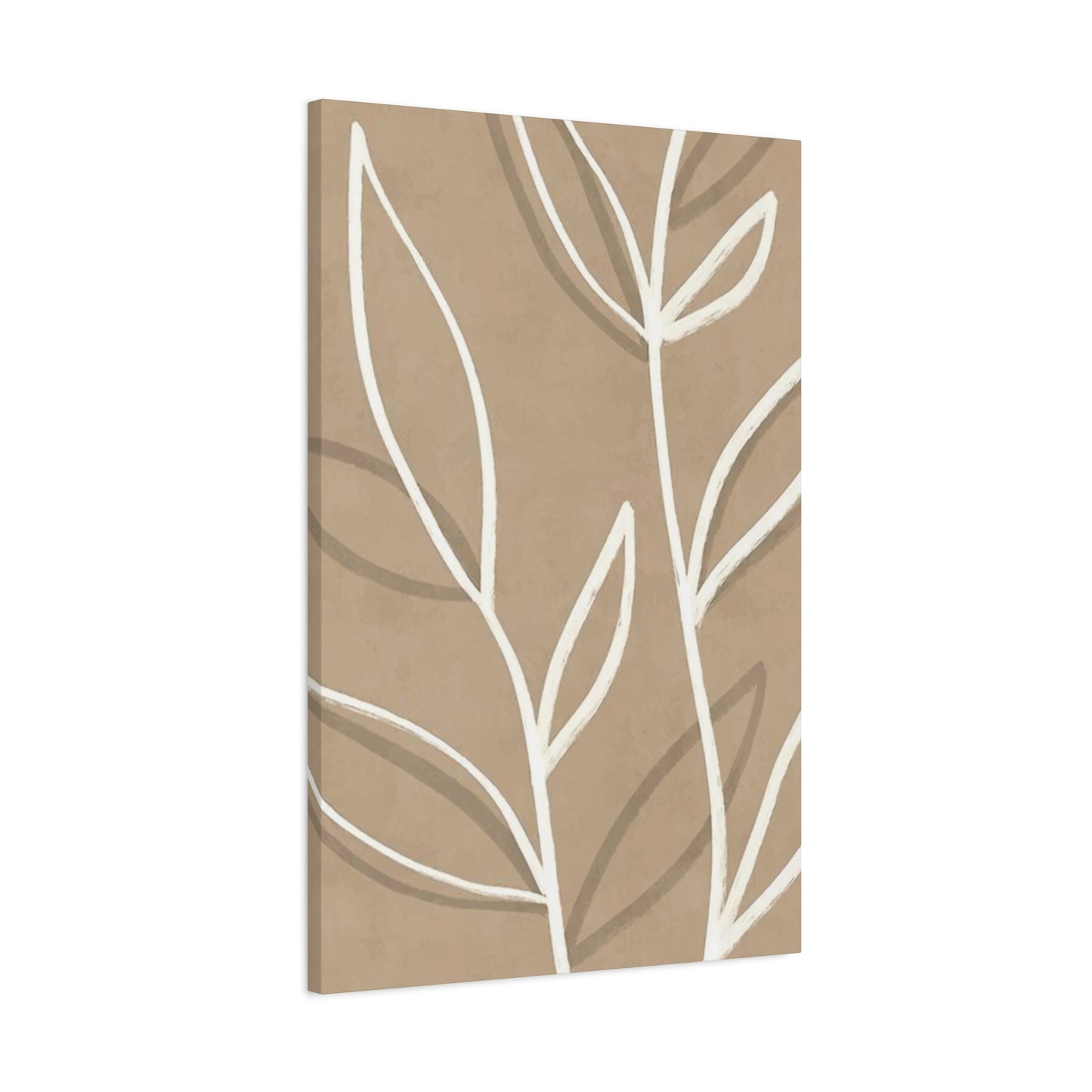
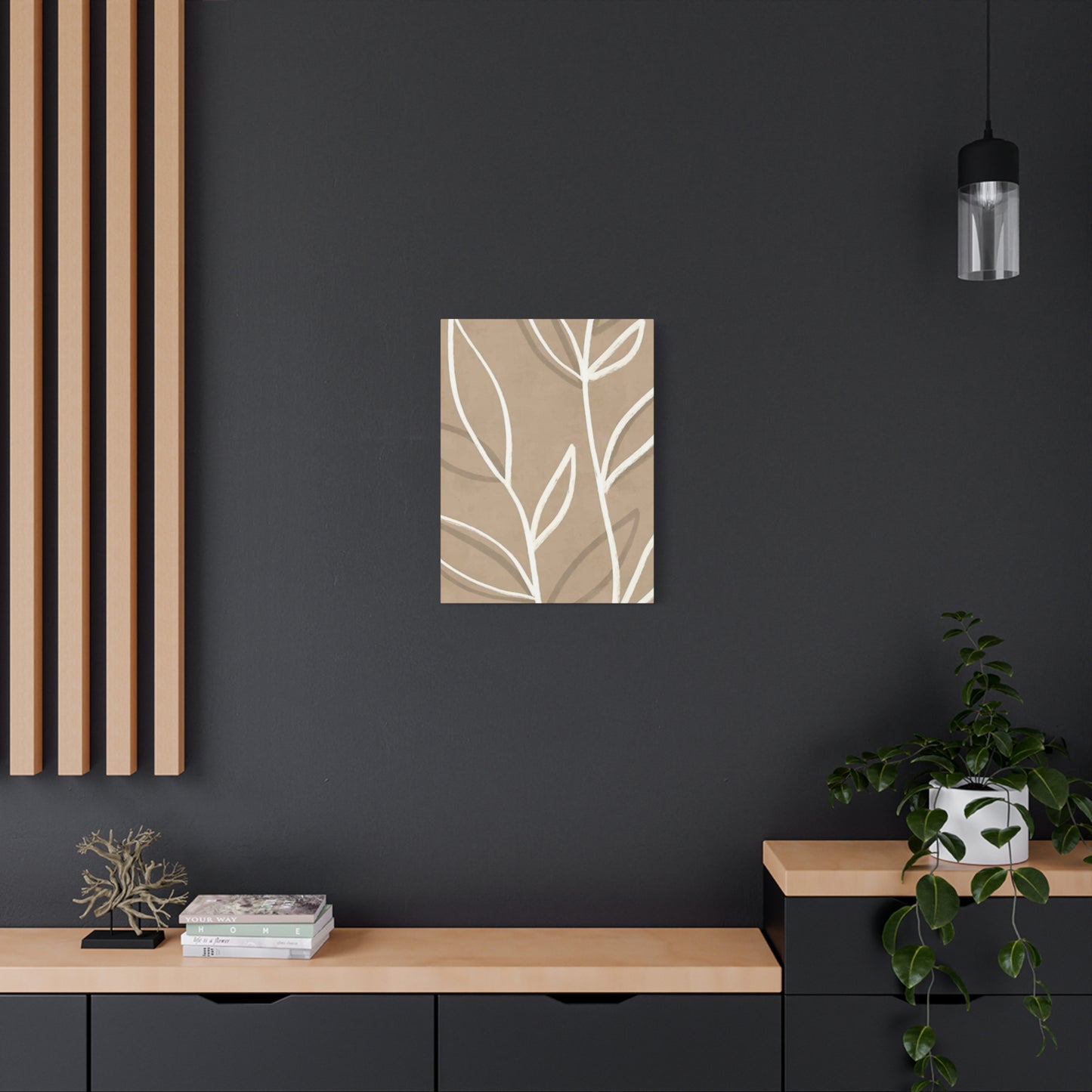
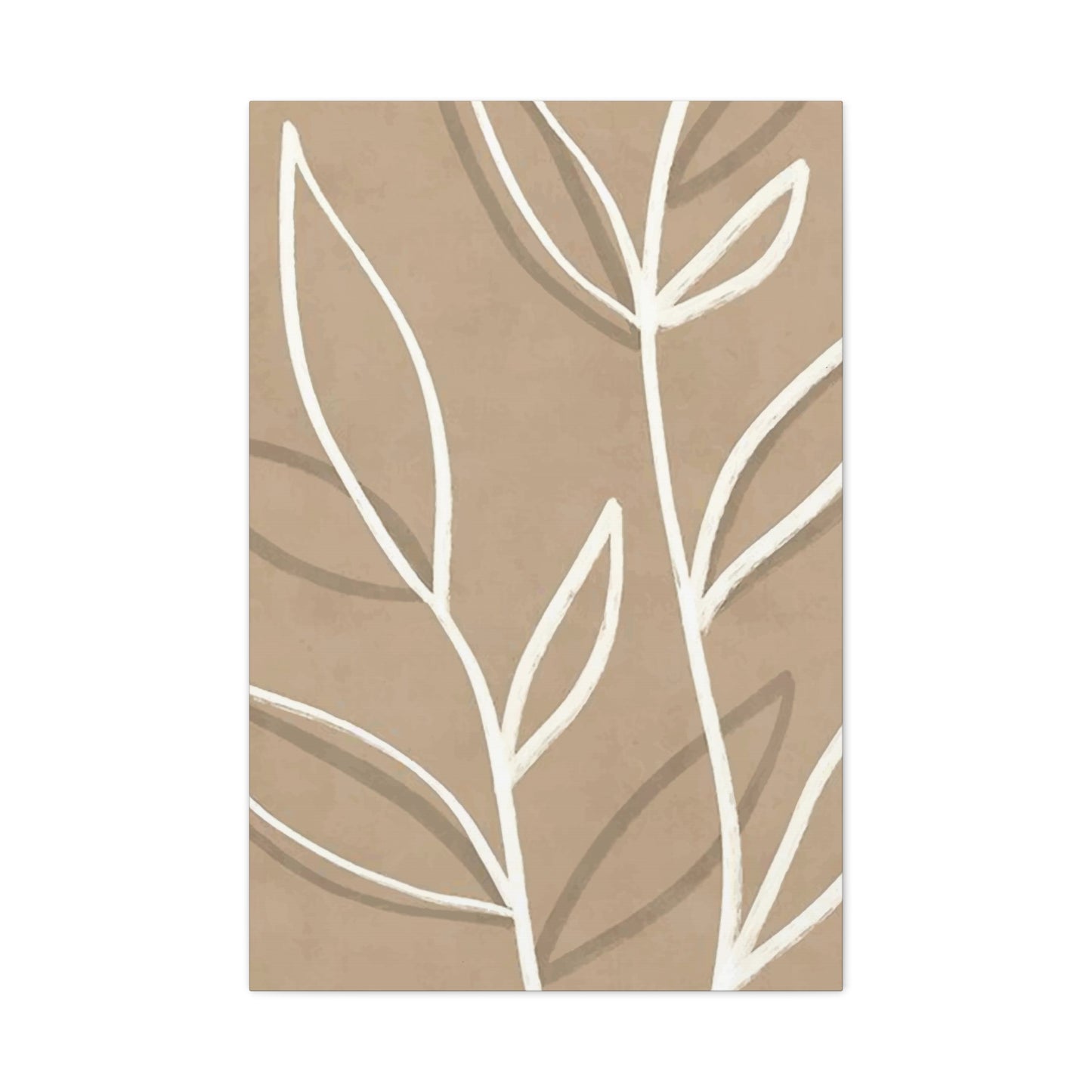
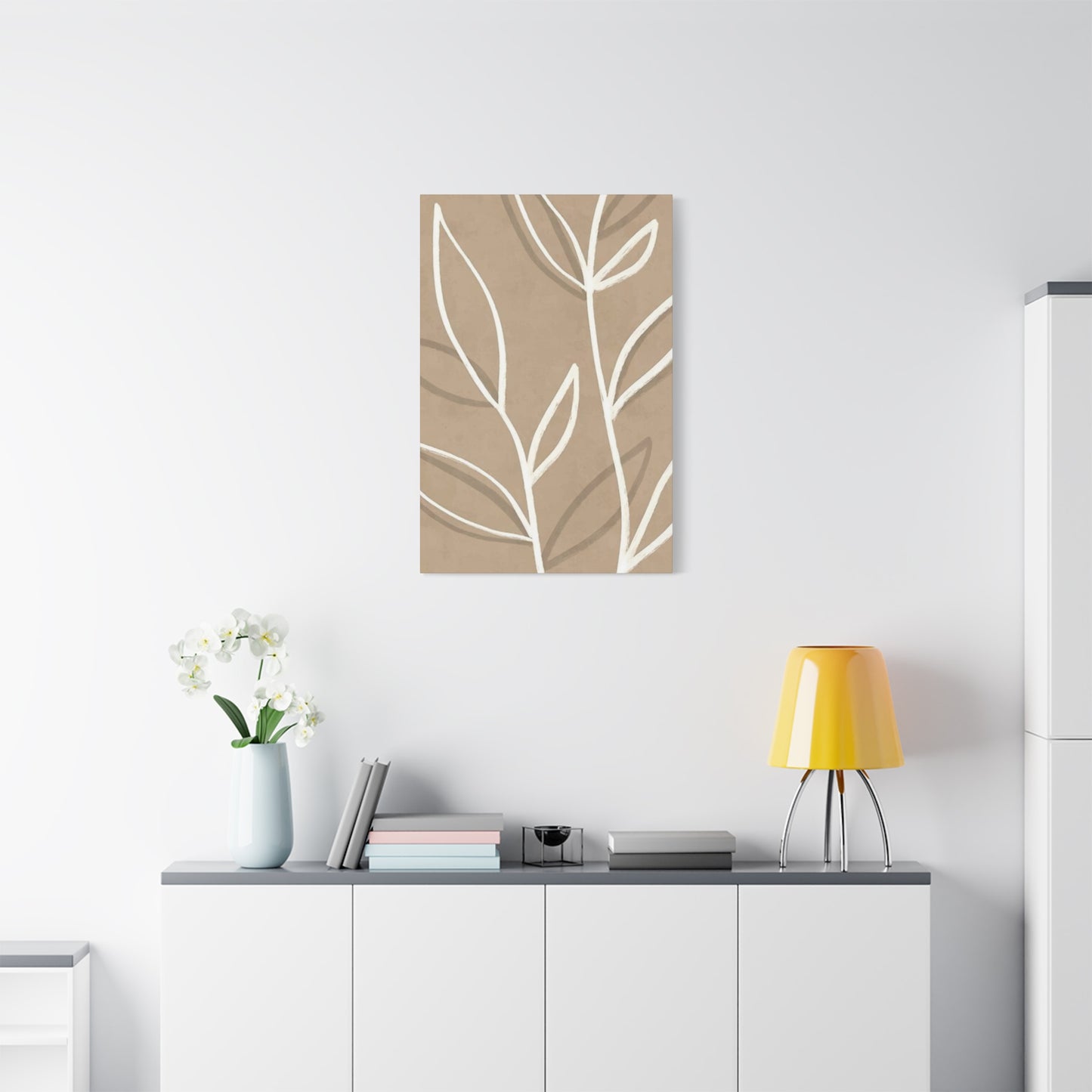
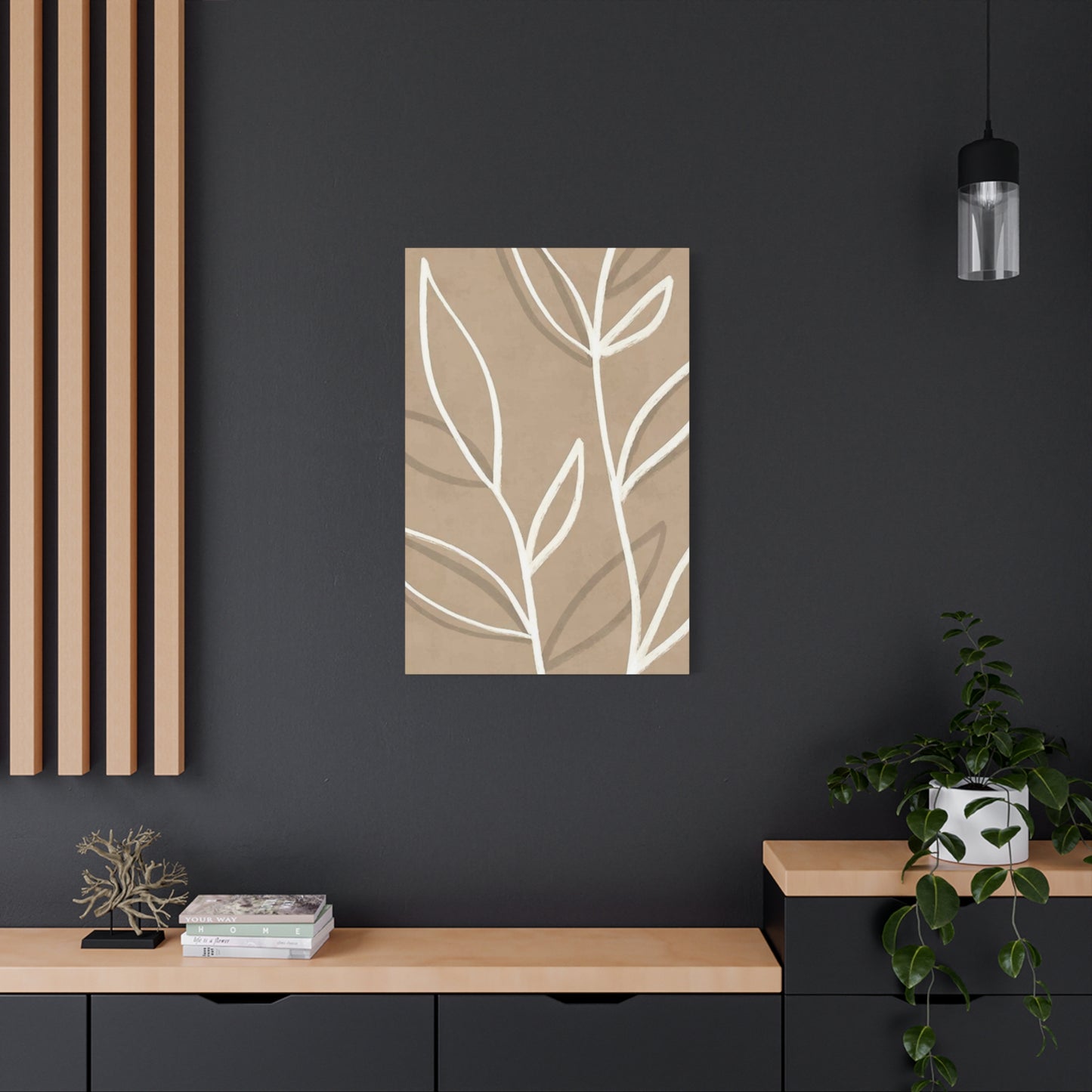
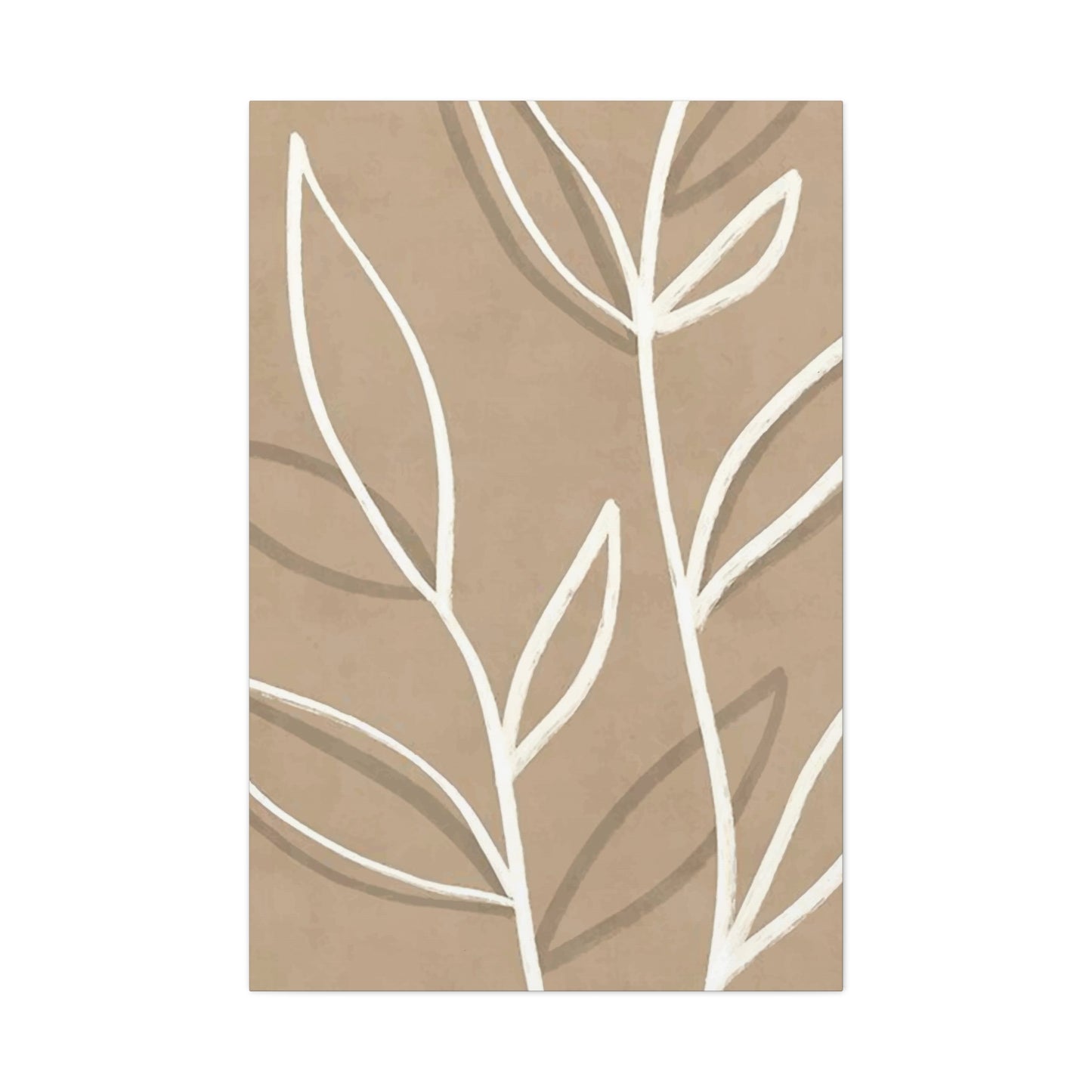
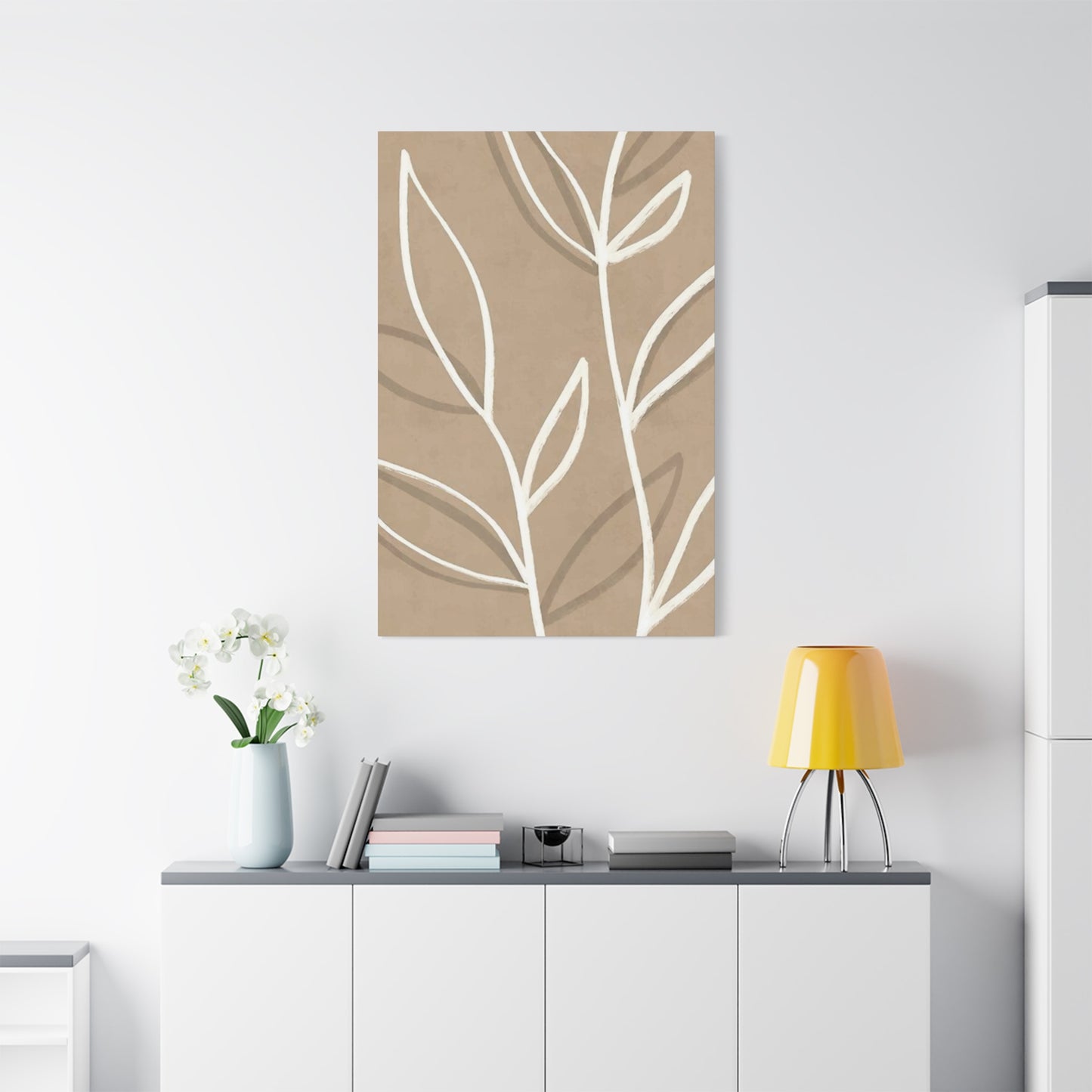
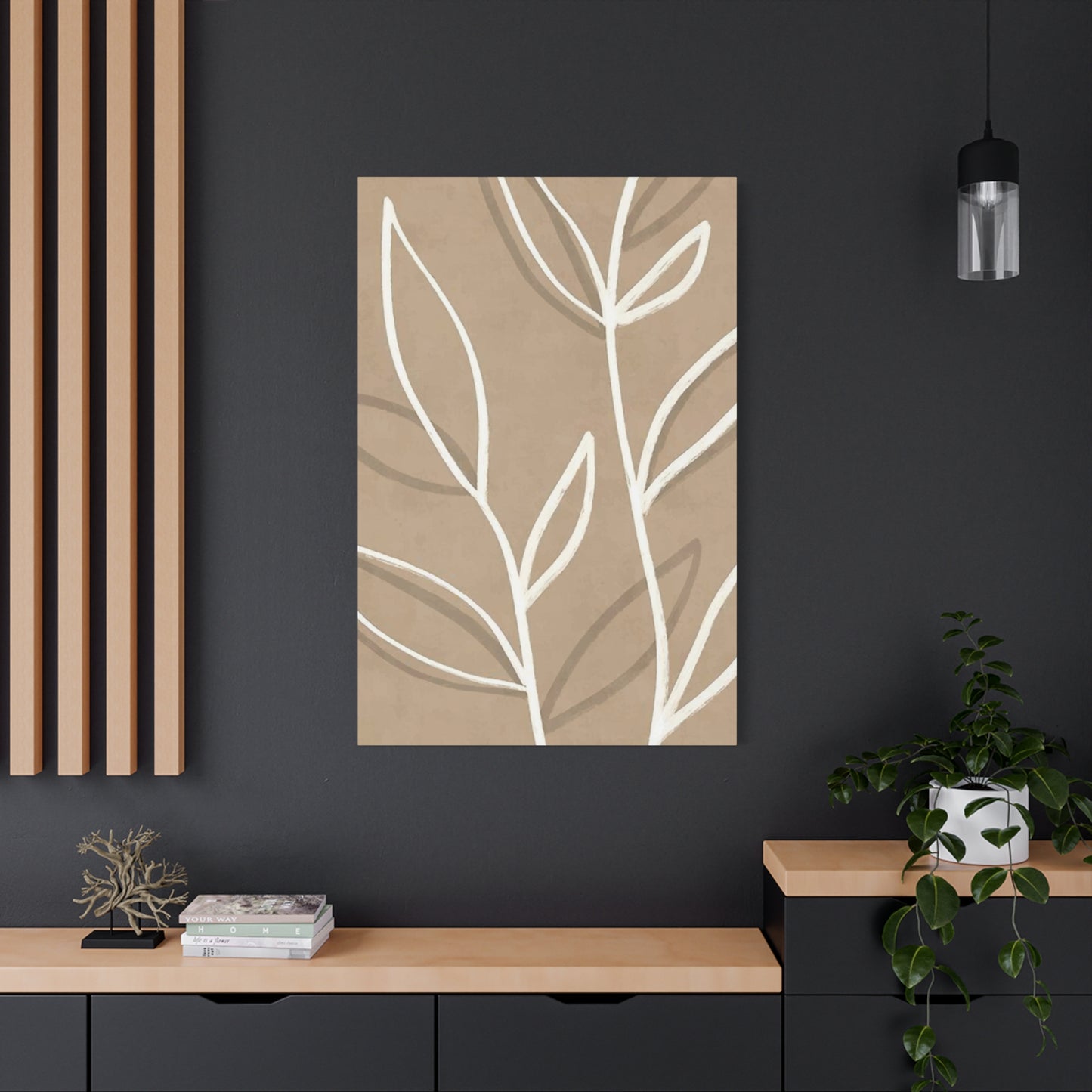
Classic Wall Art & Canvas Prints
Classic Wall Art & Canvas Prints
Couldn't load pickup availability
Infusing Timeless Elegance into Your Home with Classic Wall Art for a More Refined Atmosphere
The realm of interior decoration has witnessed countless trends come and go, yet certain elements remain perpetually captivating. Among these enduring features, classic wall art stands as a testament to refined taste and cultural appreciation. This form of artistic expression transcends temporary fashions, offering homeowners and design enthusiasts an opportunity to infuse their environments with dignity, grace, and intellectual depth.
Throughout centuries, humanity has sought to beautify living spaces through carefully selected visual compositions. From ancient frescoes adorning palace walls to carefully curated collections in modern residences, the desire to surround ourselves with meaningful imagery remains constant. Classic wall art represents more than mere decoration; it embodies our connection to artistic heritage, our appreciation for craftsmanship, and our individual aesthetic sensibilities.
When entering a room adorned with thoughtfully chosen pieces, visitors immediately sense the atmosphere created by these visual statements. The right selection can transform bare walls into compelling focal points, establishing mood, reflecting personality, and sparking conversation. Whether showcasing reproductions of renowned masterpieces or original works inspired by traditional styles, these decorative elements serve multiple purposes beyond simple ornamentation.
The journey toward creating a visually harmonious environment begins with understanding what distinguishes truly timeless pieces from fleeting trends. Classic wall art draws inspiration from established artistic movements, historical periods, and cultural traditions that have proven their lasting appeal across generations. These works often feature balanced compositions, skillful execution, and subjects that resonate with universal human experiences and emotions.
Exploring Various Styles Within Traditional Artistic Expressions
The world of traditional artistic expressions encompasses numerous movements and schools of thought, each offering distinct characteristics and visual languages. Understanding these various approaches enables individuals to make informed selections that align with their personal preferences and interior design objectives.
Renaissance-inspired pieces capture the period's emphasis on humanism, proportion, and realistic representation. These works often depict religious scenes, mythological narratives, or portraits executed with meticulous attention to anatomical accuracy and spatial depth. The warm color palettes and dramatic use of light and shadow characteristic of this era create a sense of grandeur and intellectual sophistication.
Baroque compositions embrace dynamic movement, rich ornamentation, and emotional intensity. These pieces feature dramatic diagonal arrangements, bold contrasts between illuminated and shadowed areas, and subjects that convey passion and energy. The ornate frames traditionally associated with Baroque works complement their elaborate visual content, making powerful statements in formal settings.
Neoclassical works reflect a return to classical Greek and Roman ideals, emphasizing clarity, order, and restrained elegance. These pieces often feature mythological subjects, allegorical representations, or historical scenes rendered with clean lines and balanced compositions. The cooler color schemes and emphasis on form over emotion create an atmosphere of dignified refinement.
Romantic movement-inspired pieces prioritize emotion, imagination, and individual experience over rational order. These works frequently depict dramatic landscapes, exotic locations, or subjects conveying intense feelings. The emphasis on atmospheric effects, unconventional compositions, and expressive brushwork appeals to those seeking more emotionally evocative decorative elements.
Impressionist-influenced pieces capture fleeting moments and atmospheric conditions through visible brushstrokes and emphasis on light's changing qualities. While originally controversial, this approach has become widely appreciated for its fresh perspective and ability to convey mood through color and technique rather than precise detail. These works bring vibrancy and luminosity to contemporary spaces while maintaining connection to artistic tradition.
Academic realist works showcase technical virtuosity through precise rendering of subjects, whether portraits, still life arrangements, or genre scenes. These meticulously executed pieces demonstrate mastery of drawing, composition, and paint application, appealing to viewers who appreciate craftsmanship and representational accuracy.
Identifying Authentic Quality in Reproductions and Original Works
Distinguishing superior quality in both reproductions and original pieces requires knowledge of materials, production methods, and artistic execution. This understanding ensures that investments in decorative elements yield lasting satisfaction and visual impact.
When examining reproductions, substrate quality forms the foundation of the final product. Museum-quality giclée prints utilize archival-grade canvas or fine art paper specifically designed for longevity. These materials resist fading, yellowing, and deterioration far better than standard printing substrates. The texture and weight of these materials contribute significantly to the overall presentation, with heavier stocks conveying substance and durability.
Ink composition dramatically affects color accuracy, vibrancy, and permanence. Premium reproductions employ pigment-based inks rather than dye-based alternatives. Pigment inks contain microscopic solid particles suspended in liquid, creating more stable color that resists environmental factors. Dye-based inks, while often less expensive, fade more rapidly when exposed to light and atmospheric conditions.
Resolution and printing precision determine how faithfully reproductions capture original works' subtleties. Professional-grade reproductions scan source material at extremely high resolutions, preserving fine details, texture, and color nuances. The printing process must then accurately translate this digital information onto physical substrate without banding, color shifts, or loss of detail.
For original works created in traditional mediums, several factors indicate quality craftsmanship. Paint layer construction affects longevity and visual depth. Proper technique involves building colors gradually through multiple layers rather than attempting to achieve final results in single applications. This approach creates richer, more luminous surfaces that age gracefully.
Canvas preparation significantly impacts how paint adheres and appears over time. Properly primed surfaces provide appropriate tooth for paint adhesion while preventing oil absorption that causes deterioration. The number and composition of ground layers applied before painting affects the final work's appearance and durability.
Stretcher construction influences how canvas-based works maintain proper tension and resist warping. Quality stretchers utilize seasoned hardwood joined at corners with precise mortise and tenon joinery or heavy-duty hardware. The wood dimensions must provide adequate support without visible warping or twisting.
Frame selection complements and protects artwork while influencing overall presentation. Period-appropriate frames enhance traditional pieces through harmonious style correspondence. Quality frames feature robust construction, proper joinery, and finishes that won't deteriorate or damage artwork. Conservation-grade materials prevent chemical interactions that could harm adjacent works.
Selecting Appropriate Subjects for Different Room Functions
Matching imagery content to room purpose creates cohesive environments that support each space's intended activities and emotional tone. Thoughtful selection enhances how occupants experience and utilize different areas within residences.
Living rooms and formal parlors benefit from pieces that invite contemplation and conversation. Landscape scenes depicting serene natural settings create calming atmospheres conducive to relaxation and social interaction. Historical or mythological narratives provide visual interest and potential discussion topics. Portrait works add human presence and character, particularly when depicting subjects with engaging expressions or interesting period costumes.
Dining spaces traditionally accommodate works that complement gathering and meal experiences without overwhelming conversation. Still life compositions featuring food, flowers, or elegant objects reinforce dining activities while demonstrating artistic skill. Genre scenes depicting convivial gatherings or domestic tranquility create warm, welcoming atmospheres. Botanical studies bring natural elements indoors, adding freshness and color without demanding excessive attention.
Personal bedrooms call for imagery that promotes tranquility and personal resonance. Pastoral landscapes with soft colors and gentle compositions encourage restful moods. Romantic subjects featuring couples, gardens, or dreamy atmospheric effects create intimate feelings. Works depicting favorite locations or meaningful subjects add personal significance that enhances emotional connection to private spaces.
Study rooms and libraries pair well with pieces suggesting intellectual pursuits or cultural refinement. Architectural scenes showcase human achievement and design principles. Classical subjects referencing literature, philosophy, or historical events complement scholarly environments. Portrait works depicting thinkers, writers, or cultural figures reinforce the space's purpose.
Entrance halls make first impressions, warranting pieces that immediately communicate residents' aesthetic sensibilities. Dramatic compositions with bold subjects or striking visual elements create memorable impacts. Large-scale works establish presence and set tones for adjacent spaces. Pieces reflecting owner interests or values provide insight into household character.
Hallways and corridors transform transitional spaces into gallery-like experiences. Series of related works create visual continuity and rhythm. Smaller pieces arranged in groups prevent monotony while maintaining cohesion. Works depicting journeys, passages, or sequential narratives metaphorically enhance these connecting spaces.
Understanding Color Harmonies and Their Psychological Influences
Color relationships within artwork and between pieces and their surroundings profoundly affect spatial perception and emotional response. Sophisticated color understanding enables creation of visually satisfying, emotionally resonant environments.
Warm color dominance in artwork creates energizing, inviting atmospheres. Reds, oranges, and yellows advance visually, making walls appear closer and spaces feel more intimate. These hues stimulate conversation and activity, making them suitable for social areas. However, excessive warm color intensity can become overwhelming, particularly in smaller rooms or spaces receiving abundant natural light.
Cool color emphasis produces calming, spacious impressions. Blues, greens, and violets recede visually, creating illusions of greater depth and openness. These hues promote tranquility and concentration, serving well in spaces designated for relaxation or focused work. Overly cool schemes may feel cold or uninviting without warming accent colors providing balance.
Neutral color schemes offer versatility and timeless appeal. Browns, grays, tans, and muted earth tones provide sophisticated backdrops that won't tire eyes or clash with changing decor. These palette choices allow furniture, textiles, and accessories to assume greater prominence while maintaining visual harmony. The challenge involves preventing monotony through careful attention to value contrast and textural variation.
Complementary color relationships create dynamic visual tension and vibrancy. Colors opposite each other on color wheels intensify when placed adjacent, producing lively, attention-grabbing effects. Classic wall art featuring complementary schemes adds energy and visual interest, though excessive intensity may prove fatiguing in spaces requiring calm atmospheres.
Analogous color harmonies employ colors neighboring each other on color wheels, creating cohesive, harmonious impressions. These schemes feel naturally unified and easy on eyes, making them excellent choices for spaces where visual comfort matters. The similarity between hues prevents jarring contrasts while allowing subtle variation that maintains interest.
Monochromatic approaches utilize single hue variations in value and intensity. These sophisticated schemes create unified, elegant impressions emphasizing form and composition over color variety. Success requires careful attention to value contrast ensuring adequate visual definition between elements.
Color temperature affects perceived spatial characteristics beyond simple hue choices. Even within warm or cool categories, temperature variations influence how spaces feel. Warm blues differ markedly from cool blues, just as warm grays create different impressions than cool grays. Recognizing these subtle distinctions enables more precise environmental mood creation.
Value contrast determines how easily eyes distinguish forms and elements. High-contrast works with strong light-dark relationships create dramatic, attention-grabbing effects. Low-contrast pieces produce subtle, contemplative impressions. Room function and lighting conditions should inform contrast level choices, with dim spaces benefiting from higher contrast ensuring visibility.
Color intensity or saturation affects visual impact and emotional response. Highly saturated colors command attention and convey energy, while muted tones suggest sophistication and restraint. Balancing intensity levels throughout spaces prevents some elements from overwhelming others while maintaining adequate visual interest.
Mastering Placement Principles for Maximum Visual Impact
Positioning artwork appropriately transforms good selections into excellent presentations. Strategic placement considers viewing angles, lighting conditions, spatial relationships, and architectural features to optimize each piece's contribution to overall environments.
Hanging height significantly affects how viewers engage with artwork. The conventional guideline places center points approximately fifty-seven to sixty inches from floor level, approximating average eye height. This standard works well for most situations, though adjustments accommodate specific circumstances. In spaces where viewers primarily sit, lower placement ensures comfortable viewing. Tall individuals or rooms with high ceilings may warrant slightly elevated positioning.
Relationship to furniture affects visual balance and functional practicality. Pieces hung above sofas, consoles, or sideboards should maintain proportional connections to these elements. A general guideline suggests artwork width measuring approximately two-thirds to three-quarters of the furniture width beneath it. Vertical clearance between furniture tops and artwork bottom edges typically ranges from six to twelve inches, preventing pieces from appearing either disconnected or cramped.
Wall coverage proportion influences whether arrangements feel balanced or excessive. While personal preference dictates exact ratios, avoiding covering more than three-quarters of any wall prevents overwhelming spaces with excessive visual stimulation. Leaving adequate breathing room around pieces allows eyes to rest and appreciation of individual works without competition from surrounding elements.
Grouping arrangements require careful consideration of relationships between individual pieces. Gallery wall configurations work best when maintaining consistent spacing between all elements, typically two to four inches. Arrangements should balance visual weight distribution, preventing heavy concentration in single areas while leaving others sparse. Planning layouts on floor before hanging prevents multiple nail holes and ensures satisfactory final arrangements.
Symmetrical arrangements create formal, orderly impressions through mirrored or evenly spaced configurations. These layouts suit traditional decor schemes and architectural styles emphasizing balance and proportion. Central focal pieces anchor compositions, with flanking elements maintaining equal visual weight and placement.
Asymmetrical groupings produce more dynamic, casual impressions through varied placement and sizes. These arrangements require careful attention to visual weight balance despite unequal distribution. Successful asymmetry creates equilibrium through offsetting larger pieces on one side with multiple smaller works opposite, or balancing visual weight through color intensity and subject matter rather than size alone.
Linear arrangements follow horizontal or vertical axes, creating rhythmic, organized impressions. Horizontal sequences work particularly well in hallways, above furniture, or in spaces with strong horizontal architectural elements. Vertical arrangements emphasize ceiling height and work well in narrow spaces or flanking doorways and windows.
Lighting dramatically affects artwork appearance and viewer experience. Natural light provides excellent illumination but requires careful consideration of potential damage from ultraviolet rays and heat. Positioning pieces perpendicular to windows rather than opposite them minimizes glare while providing illumination. UV-filtering glazing protects valuable works from light-induced deterioration.
Artificial lighting offers controlled illumination that can enhance colors and details while minimizing damage risks. Picture lights mounted directly to frames or walls above pieces provide focused illumination highlighting individual works. Track lighting offers flexibility for illuminating multiple pieces or creating dramatic directional effects. Adjustable fixtures allow modification as collections change or seasonal light varies.
Architectural features present both opportunities and challenges for artwork placement. Positioning pieces to complement rather than compete with architectural details creates harmonious environments. Works centered above mantels create natural focal points. Pieces flanking doorways or windows emphasize these features while adding visual interest. Empty wall spaces between windows or in alcoves transform potentially awkward areas into purposeful display locations.
Preserving Your Collection Through Proper Environmental Control
Protecting artwork investments requires understanding environmental factors affecting long-term condition. Proper care extends piece lifespans while maintaining appearance and value.
Temperature stability prevents physical stress that damages artworks. Fluctuating temperatures cause materials to expand and contract repeatedly, eventually leading to cracking, warping, or delamination. Maintaining consistent temperatures between sixty-five and seventy-five degrees Fahrenheit creates stable environments. Avoiding placement near heat sources like fireplaces, radiators, or heating vents prevents localized temperature extremes that accelerate deterioration.
Humidity control prevents moisture-related damage affecting various materials differently. Canvas and paper absorb atmospheric moisture, swelling when humidity rises and contracting when it falls. Repeated cycles stress fibers, eventually causing brittleness and structural failure. Paint layers respond differently than substrates, creating internal tensions that may result in cracking or flaking. Maintaining relative humidity between forty and fifty-five percent provides optimal conditions for most artworks.
Light exposure causes gradual but cumulative damage to virtually all artwork materials. Ultraviolet radiation breaks chemical bonds in pigments, substrates, and varnishes, causing fading, discoloration, and brittleness. Even visible light contributes to deterioration through similar mechanisms operating more slowly. Minimizing exposure duration and intensity preserves artwork appearances. Implementing UV-filtering window treatments, using LED lighting producing minimal UV radiation, and rotating displayed pieces periodically distributes light exposure across collections.
Air quality affects artwork condition through particulate matter, pollutants, and chemical vapors. Dust particles accumulate on surfaces, potentially scratching delicate areas during cleaning attempts. Airborne pollutants including sulfur dioxide, nitrogen oxides, and ozone react chemically with artwork materials, causing discoloration and structural degradation. Volatile organic compounds from paints, adhesives, cleaning products, and even wood can affect sensitive materials. Regular gentle dusting with soft brushes, using air purification systems, and avoiding harsh chemicals near artworks minimizes these risks.
Physical protection prevents accidental damage from impacts, abrasion, or mishandling. Glass or acrylic glazing shields works on paper from direct contact with environmental contaminants while preventing physical damage. Conservation-grade glazing includes UV filtering properties providing additional protection. Proper framing techniques incorporating spacers prevent artwork contact with glazing, avoiding condensation issues and chemical interactions. Secure mounting prevents works from falling or shifting within frames.
Cleaning requires extreme caution as improper techniques cause irreversible damage. Professional conservators should handle cleaning valuable or fragile pieces. For routine maintenance, gentle dusting with soft brushes removes loose particulate matter without surface contact. Microfiber cloths can gently clean glazing, working from center outward to avoid pushing debris against frames. Never apply cleaning solutions directly to artwork surfaces or use household cleaners not specifically formulated for artwork care.
Regular inspection identifies emerging issues before they become serious problems. Examining pieces periodically for changes in appearance, structural issues, or pest activity enables early intervention. Signs warranting professional consultation include color changes, surface irregularities, frame separation, or visible pest damage. Documentation through photographs provides valuable records for insurance purposes and tracks condition changes over time.
Professional conservation consultation benefits valuable collections. Conservators assess condition, recommend appropriate care procedures, and perform necessary treatments to preserve or restore pieces. While professional services represent financial investments, they prevent far more costly damage and maintain collection value.
Framing Choices That Complement Without Overwhelming
Frame selection significantly impacts how artwork appears and integrates within surrounding environments. Appropriate choices enhance pieces while respecting their intrinsic character and artistic intent.
Period correspondence creates harmonious relationships between artwork and presentation. Renaissance works pair naturally with ornate gilded frames featuring carved details and substantial profiles. Baroque pieces suit similarly elaborate frameworks emphasizing drama and richness. Neoclassical works call for more restrained frames incorporating classical motifs like egg-and-dart moldings or Greek key patterns. Impressionist pieces often look best in simpler frames avoiding competition with the artworks' visual qualities.
Profile dimensions affect visual weight and presence. Wide, deep profiles create substantial borders commanding attention and suiting dramatic works or formal settings. Narrow profiles provide subtle definition without overwhelming pieces or dominating wall space. Profile depth influences shadow casting and dimensional presence, with deeper sections creating more pronounced relief.
Surface finish options range from traditional gilding to contemporary materials and treatments. Water gilding applies delicate gold leaf layers producing lustrous, reflective surfaces associated with museum-quality presentation. Oil gilding offers more durable though slightly less brilliant finishes. Metallic paints provide cost-effective alternatives mimicking gilded appearances. Natural wood finishes showcase material beauty through staining or clear coating. Painted finishes in various colors coordinate with artwork palettes or room decor.
Color relationships between frames, artwork, and surroundings affect overall cohesion. Frames picking up minor colors within artwork create subtle connections strengthening compositional unity. Neutral frame colors provide versatile solutions complementing various color schemes without competing for attention. Contrasting frame colors make bold statements emphasizing artwork as focal points while demanding careful consideration to avoid clashing.
Corner treatment options include mitered joints cut at precise forty-five-degree angles meeting cleanly, or decorative corner ornaments adding embellishment at junctures. Quality frames feature tight corner joins without gaps or misalignments. Ornamental corners suit elaborate frames on traditional works, while clean mitered corners provide appropriate simplicity for less ornate pieces.
Mat selection for works on paper significantly affects presentation. Mat width proportion to image size influences visual balance, with wider mats generally suited to smaller images and narrower mats appropriate for larger works. Mat colors should complement rather than compete with artwork, with neutral whites, creams, and grays providing versatile solutions. Multiple mat layers create dimensional interest and provide opportunities for subtle color introductions.
Glazing choices balance visibility, protection, and budget considerations. Regular glass provides basic protection and clarity at economical cost but offers no UV filtering. Conservation glass incorporates UV filtering protecting against light damage while maintaining excellent clarity. Museum glass combines UV filtering with anti-reflective coatings eliminating glare and providing virtually invisible protection. Acrylic alternatives offer lighter weight and break resistance, though they scratch more easily and may develop static attracting dust.
Building Collections That Reflect Personal Narratives
Thoughtful collecting creates meaningful assemblages telling stories about owners' interests, experiences, and values. Strategic acquisition builds coherent collections appreciating aesthetically, emotionally, and potentially financially.
Thematic focus provides collecting direction and creates cohesive groups with relationships beyond mere visual compatibility. Subject-based themes might concentrate on landscapes, portraits, still lifes, or mythological narratives. Period-focused collections explore particular eras' artistic expressions. Geographic themes assemble works depicting specific regions or created by artists from particular locations. Conceptual themes unite pieces exploring common ideas, emotions, or philosophical questions.
Artist research deepens appreciation and informs acquisition decisions. Understanding creators' biographical details, artistic development, and cultural contexts enriches engagement with their works. Recognizing signature techniques, recurring motifs, and stylistic evolution helps identify authentic pieces and appreciate individual work significance within larger oeuvres. Studying artist markets and critical reception provides context for value assessment.
Acquisition sources vary in accessibility, pricing, and inventory character. Galleries offer curated selections with professional guidance, authentication assurances, and typically established pricing reflecting market conditions. Auction houses provide opportunities for competitive bidding on diverse works, though requiring more independent research and authentication verification. Direct artist purchases support living creators while often offering more favorable pricing than secondary market transactions. Online marketplaces expand access to global inventories but demand careful authentication verification and condition assessment.
Authentication verification protects against fraudulent or misattributed works. Provenance documentation tracing ownership history provides crucial evidence supporting attributions. Expert opinions from recognized authorities offer professional assessments based on technical examination and connoisseurship. Scientific analysis including pigment testing, substrate dating, or imaging technologies can confirm or refute attributions. Certificates of authenticity from reputable sources document legitimate origins.
Condition assessment affects both enjoyment and value. Close examination identifies previous damage, repairs, or condition issues that may impact appearance or require attention. Professional condition reports provide detailed documentation of current state. Understanding how condition impacts value enables informed acquisition decisions balancing appearance, cost, and potential restoration needs.
Documentation practices create valuable records supporting collection management, insurance coverage, and potential future sales. Photographing pieces from multiple angles and lighting conditions provides visual records. Recording acquisition details including date, source, price, and supporting documentation maintains essential information. Condition reports document state at acquisition. Appraisals establish values for insurance purposes and financial planning.
Budget management enables sustainable collecting within financial means. Establishing acquisition budgets prevents impulsive purchases exceeding resources. Prioritizing quality over quantity builds stronger collections with more significant individual pieces. Considering total ownership costs including framing, insurance, and potential conservation needs provides realistic financial pictures.
Incorporating Traditional Pieces into Contemporary Interiors
Successfully merging classical artistic elements with modern living spaces creates dynamic, personally meaningful environments respecting both historical heritage and contemporary lifestyles.
Contrast creates visual interest through juxtaposition of different aesthetic languages. Ornate gilded frames against minimalist white walls emphasize both elements through opposition. Traditional subject matter in sleek contemporary frames recontextualizes historical imagery for modern sensibilities. Renaissance portraits in ultra-modern interiors create unexpected, memorable impressions.
Scale manipulation adapts traditional works to contemporary spatial proportions. Large-scale reproductions of classical paintings make bold statements in open-plan spaces featuring high ceilings and expansive walls. Oversized presentation of typically modest works creates dramatic focal points. Conversely, smaller traditional pieces arranged in contemporary groupings maintain classical character while addressing modern spatial needs.
Color bridging connects traditional artwork palettes with contemporary interior schemes. Selecting pieces containing accent colors matching modern furnishings creates visual relationships spanning stylistic differences. Updating traditional frame colors to coordinate with contemporary palettes maintains artwork integrity while improving environmental integration. Incorporating classical pieces specifically for their color contributions to overall schemes legitimizes their presence regardless of stylistic contrast.
Architectural mediation softens transitions between traditional artwork and contemporary spaces. Creating gallery-style zones with different wall treatments establishes designated areas where traditional pieces feel appropriate despite surrounding contemporary design. Installing picture rails or molding details in specific areas provides architectural context supporting classical presentations. Alcoves, niches, or recessed areas become natural locations for traditional displays within modern environments.
Furniture relationships establish contextual frameworks for traditional artwork. Positioning classical pieces above antique or traditional-style furniture creates cohesive vignettes within otherwise contemporary rooms. Conversely, hanging traditional works above decidedly modern furniture creates intentional contrast highlighting both elements. Console tables, credenzas, or sideboards beneath artwork provide visual anchoring regardless of style relationships.
Lighting techniques emphasize traditional pieces within contemporary contexts. Dedicated picture lighting draws attention to classical works, signaling their significance within modern environments. Dramatic accent lighting creates gallery-like presentations justifying stylistic contrasts. Subtle illumination integrating traditional pieces more quietly into contemporary schemes suggests confident personal taste rather than uncertain stylistic commitment.
Editing restraint prevents overwhelming contemporary spaces with excessive traditional ornamentation. Selective placement of fewer, more significant classical pieces makes stronger statements than numerous works competing for attention. Allowing ample wall space around traditional elements provides breathing room emphasizing their importance while maintaining contemporary spatial character.
Investment Considerations for Serious Collectors
While aesthetic pleasure motivates most artwork acquisitions, understanding financial dimensions enables informed decisions potentially enhancing collection value beyond emotional satisfaction.
Market research identifies artists, periods, and styles demonstrating value appreciation. Studying auction results reveals price trends for specific creators, subjects, or techniques. Gallery pricing provides current market valuations. Published price guides and art market reports offer broader market overviews. Online databases compile historical transaction data facilitating comparative analysis.
Rarity affects both desirability and value. Limited edition prints from small print runs command higher prices than unlimited reproductions. Original works naturally exceed reproduction values. Within original works, early examples, particularly significant subjects, or pieces from important series demonstrate enhanced values. Uncommon techniques, subjects, or sizes from otherwise prolific artists offer scarcity premium.
Provenance adds significant value through documented ownership histories. Works previously owned by notable collectors, exhibited in prestigious institutions, or published in scholarly catalogs carry enhanced credibility and desirability. Gallery labels, exhibition stickers, and auction stamps document history increasing value and facilitating authentication.
Condition directly impacts value with pristine examples commanding premium prices. Original unrestored condition generally proves more valuable than restored works, assuming acceptable initial preservation. However, professional restoration addressing damage may prove preferable to unaddressed deterioration. Documentation of restoration work by qualified conservators maintains transparency supporting valuations.
Artist reputation significantly influences value trajectories. Works by historically significant artists with established critical recognition demonstrate more stable, predictable values. Emerging artists offer speculative opportunities with potential substantial appreciation but greater uncertainty. Studying artist exhibition histories, institutional collections, critical reception, and market momentum informs reputation assessment.
Medium hierarchies traditionally value oil paintings most highly, with watercolors, drawings, and prints following. However, individual excellence transcends these generalizations, with masterful works in any medium potentially exceeding mediocre examples in supposedly superior media. Current market trends increasingly recognize quality regardless of medium.
Subject matter popularity fluctuates across time periods and cultures. Certain subjects maintain consistent appeal while others cycle in popularity. Landscapes, portraits, and genre scenes demonstrate broad appeal. Religious subjects reflect more limited contemporary markets than historical contexts. Understanding subject market demands informs acquisition strategies.
Size considerations affect marketability and value. Very large works limit potential buyer pools due to display space requirements. Extremely small pieces may seem insignificant despite quality. Mid-range sizes generally demonstrate strongest markets. However, exceptional works transcend size limitations, with dramatic large pieces commanding premium prices from appropriate buyers.
Framing quality affects both presentation and value preservation. Period-appropriate frames enhance traditional works particularly for serious collectors. Investment-grade framing using conservation materials protects pieces while presenting them optimally. However, frame values remain separate from artwork values, with exceptional frames on mediocre works or inappropriate frames on fine pieces potentially confusing market assessments.
Navigating Reproduction Rights and Ethical Considerations
Understanding legal and ethical frameworks surrounding artwork reproduction, display, and resale ensures compliance while respecting creator rights and cultural heritage.
Copyright duration varies by jurisdiction and creation circumstances. Generally, works created by artists who died more than seventy years ago enter public domains, allowing reproduction without permission. More recent works remain under copyright protection requiring creator or estate authorization for reproduction. Commissioned reproductions of copyrighted works require proper licensing regardless of intended use.
Fair use doctrines permit limited reproduction without permission for specific purposes including criticism, commentary, education, and research. However, fair use applications prove complex and jurisdiction-dependent, with no bright-line rules guaranteeing protection. Personal display of legitimately acquired reproductions typically avoids infringement concerns regardless of copyright status.
Moral rights protect creator interests beyond economic copyright considerations in some jurisdictions. These rights may include attribution requirements, preventing distortion or modification, and controlling association contexts. While less emphasized in some legal systems, respecting moral rights demonstrates ethical consideration for creator intentions.
Cultural property laws address ownership and movement of culturally significant items. Objects removed from source countries through questionable circumstances face repatriation claims. Ethical collecting practices verify clear title and legitimate provenance avoiding works with uncertain origins potentially involving theft or illegal export. UNESCO conventions and national implementing legislation establish frameworks governing cultural property trade.
Authentication responsibilities rest with sellers who must honestly represent attributions, condition, and provenance. Buyers bear due diligence responsibilities investigating representations before purchase. Misrepresentations may constitute fraud with legal consequences. Reputable dealers and auction houses provide expertise and assume authentication responsibilities, though savvy buyers independently verify significant claims.
Resale rights in some jurisdictions entitle artists to percentage payments on subsequent sales after initial transfers. These droit de suite provisions recognize creators' continuing interests in work values. Collectors in jurisdictions recognizing resale rights must comply when selling works by living artists or recent estates.
Export restrictions prevent removing certain culturally significant items from countries of origin without appropriate permits. Collectors acquiring works internationally must understand and comply with both source and destination country regulations. Penalties for violations include confiscation, fines, and potential criminal liability.
Tax implications affect both acquisition and disposition of artworks. Purchase documentation supports cost basis establishment for future capital gains calculations. Charitable donations offer potential deductions requiring qualified appraisals. Estate planning considerations address potential tax consequences of passing collections to heirs. Professional tax advice proves valuable for significant collections.
Commissioning Custom Works for Personalized Spaces
Original commissioned pieces offer unique opportunities for obtaining artwork precisely tailored to individual preferences, spaces, and narratives.
Artist selection forms the foundation for successful commissions. Reviewing portfolios identifies creators whose styles, techniques, and subjects align with desired outcomes. Meeting artists personally or virtually enables discussing visions, assessing communication compatibility, and evaluating professionalism. Requesting references from previous clients provides insight into working relationships and satisfaction levels.
Project scope definition establishes clear expectations preventing misunderstandings. Detailed discussions address subject matter, composition, color palette, style references, and any specific requirements. Size specifications ensure works fit intended locations. Medium selection affects appearance, durability, and cost. Timeline expectations account for creative processes and artist schedules.
Contract documentation protects both parties through written agreements covering scope, specifications, timelines, payment terms, and rights allocations. Clear cancellation provisions address potential project termination by either party. Intellectual property clauses specify reproduction rights, with collectors typically receiving display rights while artists retain copyright for reproduction purposes unless otherwise negotiated.
Preliminary sketches or studies enable visualization and refinement before final execution begins. Reviewing compositional layouts, color schemes, and preliminary details allows adjustments ensuring final works meet expectations. Iterative refinement processes balance artistic freedom with client input, respecting creator expertise while addressing patron preferences.
Progress reviews during execution provide opportunities for feedback while works remain modifiable. However, excessive intervention may inhibit creative processes or compromise artistic integrity. Trusting selected artists to exercise professional judgment generally yields superior outcomes than micromanagement.
Payment structures typically involve deposits initiating projects with balance due upon completion. Some agreements include milestone payments for larger projects. Deposit amounts commonly range from thirty to fifty percent of total fees. Clear payment terms prevent disputes and ensure artists receive fair compensation while collectors maintain appropriate protections.
Viewing completed works before final acceptance ensures satisfaction and conformance with agreements. Minor adjustments may prove possible depending on circumstances. However, substantial changes to finished works generally prove impractical without compromising artistic integrity.
Delivery logistics address transportation, installation, and risk allocation. Professional packing and shipping protect works during transit. Insurance coverage during transportation prevents loss from damage or mishap. Installation services ensure proper mounting and presentation. Clarifying responsibility for these aspects prevents assumptions and disputes.
Regional Artistic Traditions Worth Exploring
Geographic diversity in artistic traditions offers rich opportunities for distinctive collections reflecting global cultural heritage.
Dutch Golden Age paintings capture seventeenth-century Netherlands' prosperous merchant culture through portraits, landscapes, genre scenes, and still lifes demonstrating extraordinary technical mastery. The period's emphasis on realistic observation, subtle atmospheric effects, and meticulous detail continues influencing artistic practices. Intimate domestic scenes, dramatic seascapes, and elaborate still life arrangements showcase diverse subjects united by technical excellence.
Italian Renaissance works embody humanism's flowering through revolutionary approaches to perspective, anatomy, and classical subject matter. Florence, Rome, Venice, and other centers developed distinctive regional characteristics while sharing period-defining innovations. Religious narratives, mythological subjects, and portraits demonstrate unprecedented naturalism and compositional sophistication establishing foundations for subsequent Western artistic traditions.
French Academic painting represents institutionally codified excellence emphasizing drawing, composition, and finish. Rigid hierarchies privileged history painting above portraiture, genre scenes, landscape, and still life. Despite constraints, Academic training produced technically brilliant works demonstrating human figure mastery and narrative clarity. While later movements rebelled against Academic orthodoxy, the technical foundations remain relevant.
British portrait tradition excels in capturing sitters' character, social standing, and psychological presence. Georgian and Victorian portraitists created images serving both documentary and artistic purposes. Grand manner portraits emphasize aristocratic subjects' dignity through imposing compositions and elegant execution. Conversation pieces depict informal family groups in domestic or landscape settings revealing social relationships.
Spanish painting encompasses diverse regional traditions from Catalonia to Andalusia unified by characteristic intensity and emotional directness. Religious subjects receive passionate treatments reflecting deep spiritual conviction. Court portraits combine formal dignity with penetrating psychological insight. Genre scenes capture everyday life with unsentimental directness. Dramatic lighting and bold brushwork create powerful visual impacts.
German Romantic landscapes emphasize sublime nature's spiritual dimensions through dramatic mountain scenes, mysterious forests, and contemplative coastlines. Painters sought conveying emotional and philosophical content through landscape motifs serving as vehicles for ideas beyond mere scenic representation. Precise observation combines with symbolic content creating works operating on multiple levels.
American landscape painting celebrates New World wilderness grandeur through dramatic vistas emphasizing scale, light, and atmospheric effects. Hudson River School painters depicted untamed landscapes as manifestations of divine presence and national destiny. Luminism emphasized atmospheric light qualities through subtle tonal gradations. Western landscapes captured frontier territories' exotic character for Eastern audiences.
Creating Gallery Walls with Cohesive Visual Flow
Multiple-piece arrangements transform wall spaces into curated displays requiring careful planning achieving satisfactory results.
Planning methodology prevents multiple hanging attempts damaging walls. Tracing each frame on paper and arranging templates on floors allows experimentation without commitment. Photographing arrangements provides visual records of successful layouts. Transferring approved arrangements to walls using measurements from template configurations ensures accurate placement.
Visual weight distribution affects balance and compositional success. Larger, darker, or more visually complex pieces carry greater weight than smaller, lighter, or simpler works. Distributing weight relatively evenly throughout arrangements prevents heavy concentration in specific areas leaving others sparse. However, perfect symmetry proves unnecessary, with balanced asymmetry often creating more dynamic, interesting compositions.
Color distribution throughout arrangements affects unity and variety. Repeating similar colors across multiple pieces creates rhythmic connections drawing eyes throughout compositions. Excessive color concentration in single areas creates imbalance. Conversely, even color distribution may produce monotony without adequate variation providing visual interest.
Subject matter relationships create thematic connections strengthening arrangement cohesion. Grouping related subjects like multiple landscapes or portraits creates obvious associations. Contrasting subjects within unified arrangements creates variety while maintaining connection through consistent treatment, framing, or period.
Frame consistency unifies diverse artwork through common presentation language. Matching frames create strong unity though risk monotony without adequate artwork variety. Frame families featuring related styles, finishes, or profiles provide unity while permitting variation.
Conclusion:
Classic wall art holds an enduring allure that transcends trends, offering a timeless sense of sophistication and character that can transform any living space. Whether it’s a cozy home, a modern apartment, or a grand estate, incorporating classic pieces into your décor brings depth, elegance, and a unique charm that modern art alone often cannot replicate. The allure of classic wall art lies in its ability to convey not just beauty, but also a connection to history, culture, and tradition, all of which resonate deeply with both residents and guests.
One of the key factors behind the lasting appeal of classic wall art is its timelessness. While trends in interior design may come and go, classic artworks have a way of staying relevant, continuously adding value to the home, no matter the era or style of the surrounding décor. Whether it’s a Renaissance portrait, a baroque still life, or a 19th-century landscape, these works transcend fleeting fads and lend an air of permanence to any room they occupy. The inherent beauty and craftsmanship of classic art often only seem to improve with age, making it a wise investment that brings long-term enjoyment and prestige.
The presence of classic wall art in a living space adds layers of meaning and narrative that contemporary pieces sometimes fail to achieve. These artworks often reflect deeper cultural and philosophical themes, creating an emotional resonance that engages the viewer on a personal level. A room adorned with such pieces doesn’t merely look elegant—it tells a story. Whether it’s a portrait of a historical figure or an impressionistic scene capturing a moment in time, these pieces encourage reflection, conversation, and connection. They add a richness to the room that invites exploration and thought, turning the walls into living storytellers.
In terms of design, classic wall art serves as the perfect complement to a variety of interior styles. Whether your home is designed with modern minimalist sensibilities, rustic charm, or mid-century vibes, classic pieces bring balance and harmony. They serve as anchor points for the overall design, grounding the space while introducing an element of high culture and refinement. These works often juxtapose beautifully with modern furniture, creating an unexpected yet pleasing contrast that keeps the space dynamic and interesting. A classical painting or sculpture in a contemporary setting, for example, creates a unique tension that gives the room an added sense of character and individuality.
Moreover, classic wall art brings a sense of permanence and depth to a home, turning it from a temporary living space into a true sanctuary. The history behind each piece invites homeowners to connect with the past, creating an emotional bond that fosters a sense of rootedness. This connection to history is especially meaningful in a time when many living environments are characterized by transience and impermanence. A classic artwork on the wall can serve as a reminder of the timeless beauty that exists in the world, adding a sense of continuity and stability to the ever-changing nature of life.
In conclusion, classic wall art is not merely a decorative feature but a vital aspect of creating a sophisticated, meaningful, and inviting living space. Its ability to blend with various styles, evoke powerful emotions, and stand the test of time makes it an invaluable component of home décor. As interior design trends continue to evolve, classic wall art remains a constant, offering an elegant bridge between the past and present, adding character, depth, and a unique sense of refinement to your living environment. With classic pieces on your walls, your home becomes more than just a place to live—it becomes a space that reflects the richness and complexity of both art and life itself.
Share