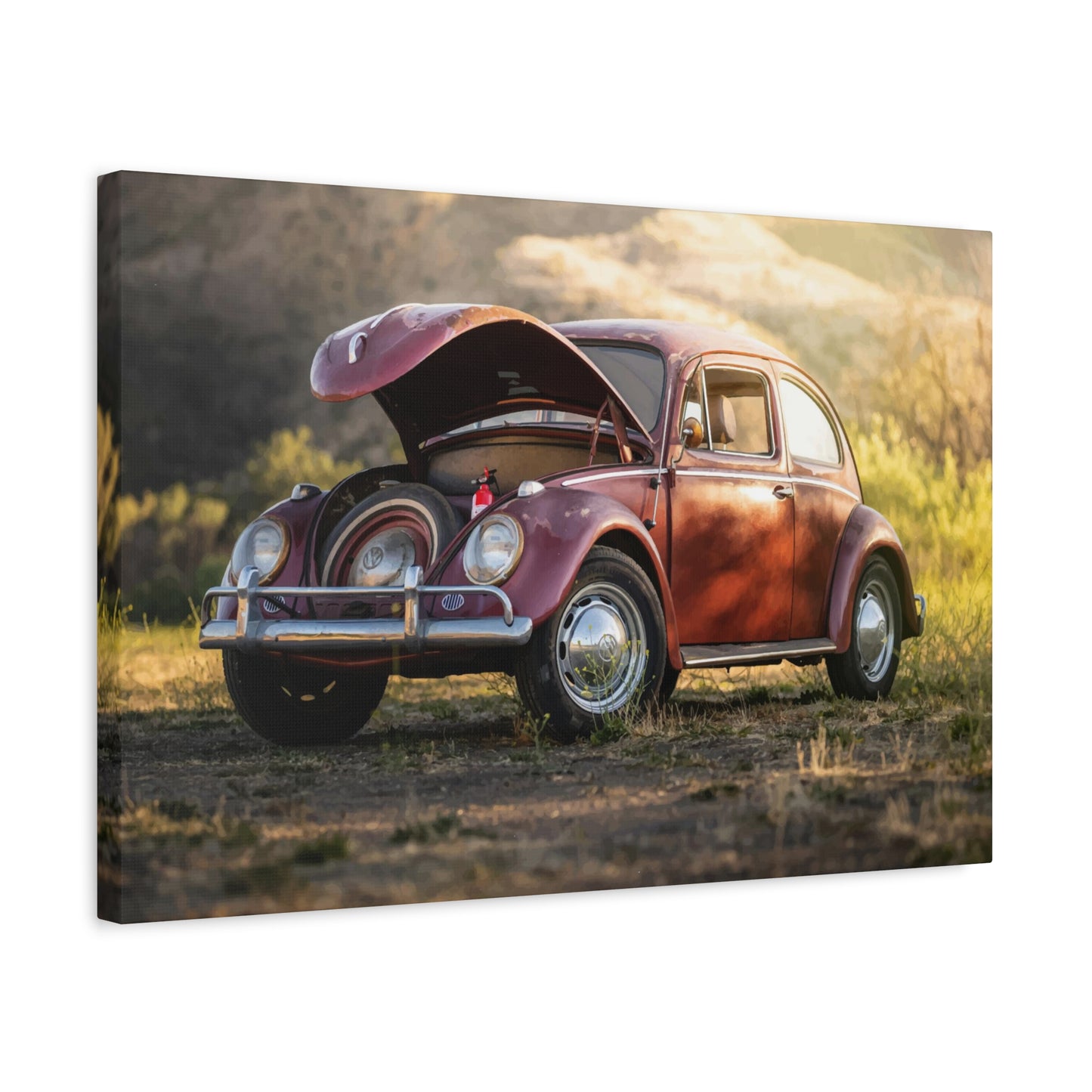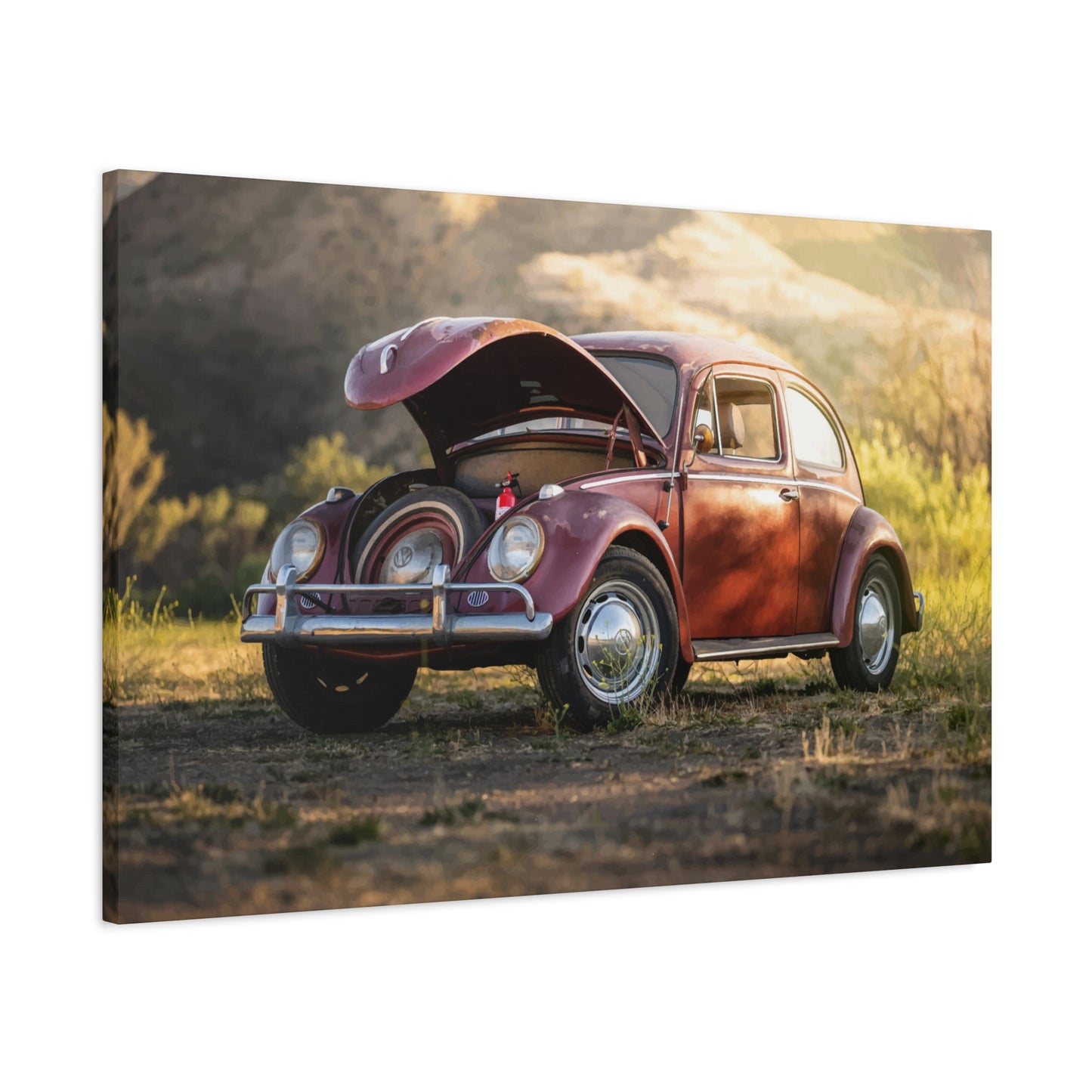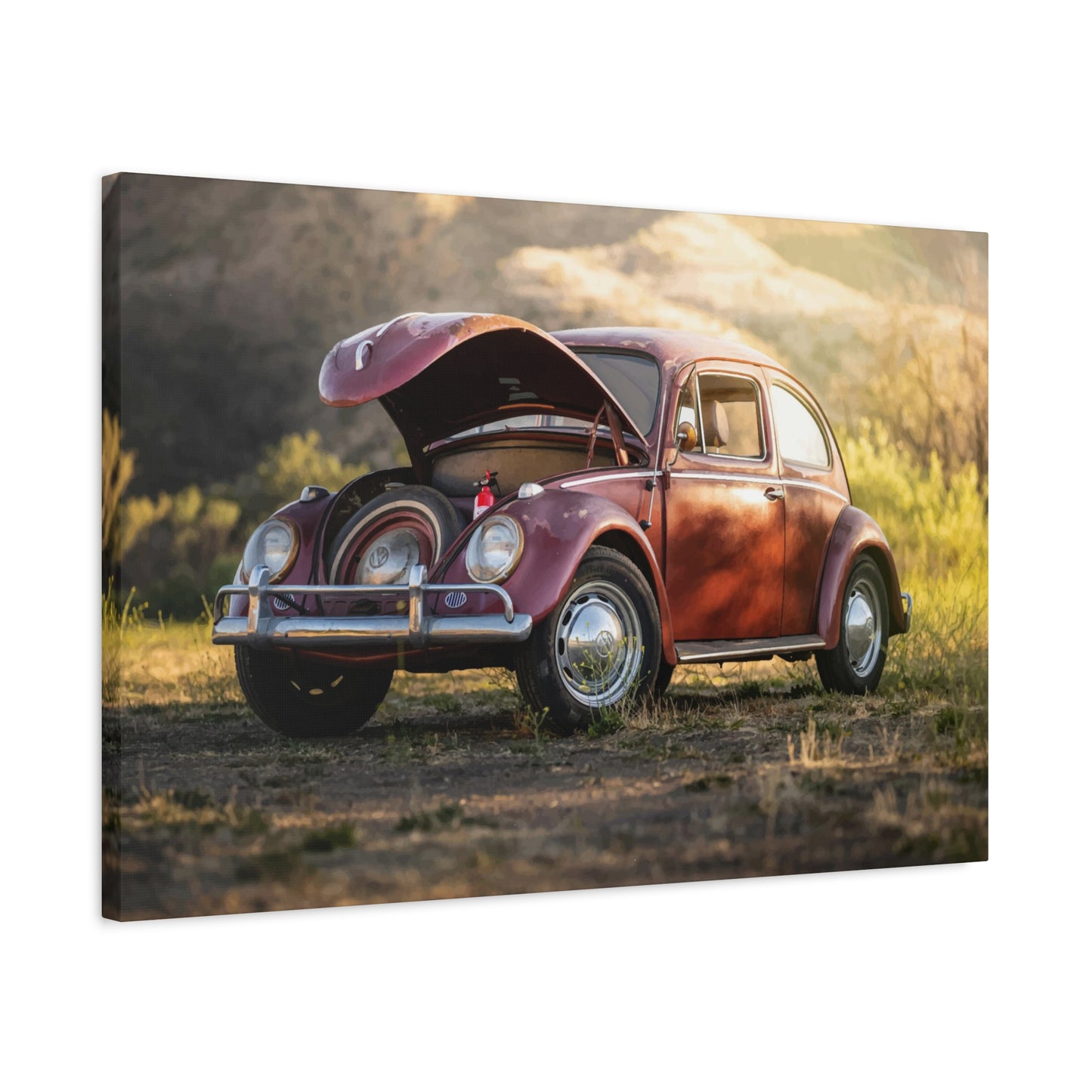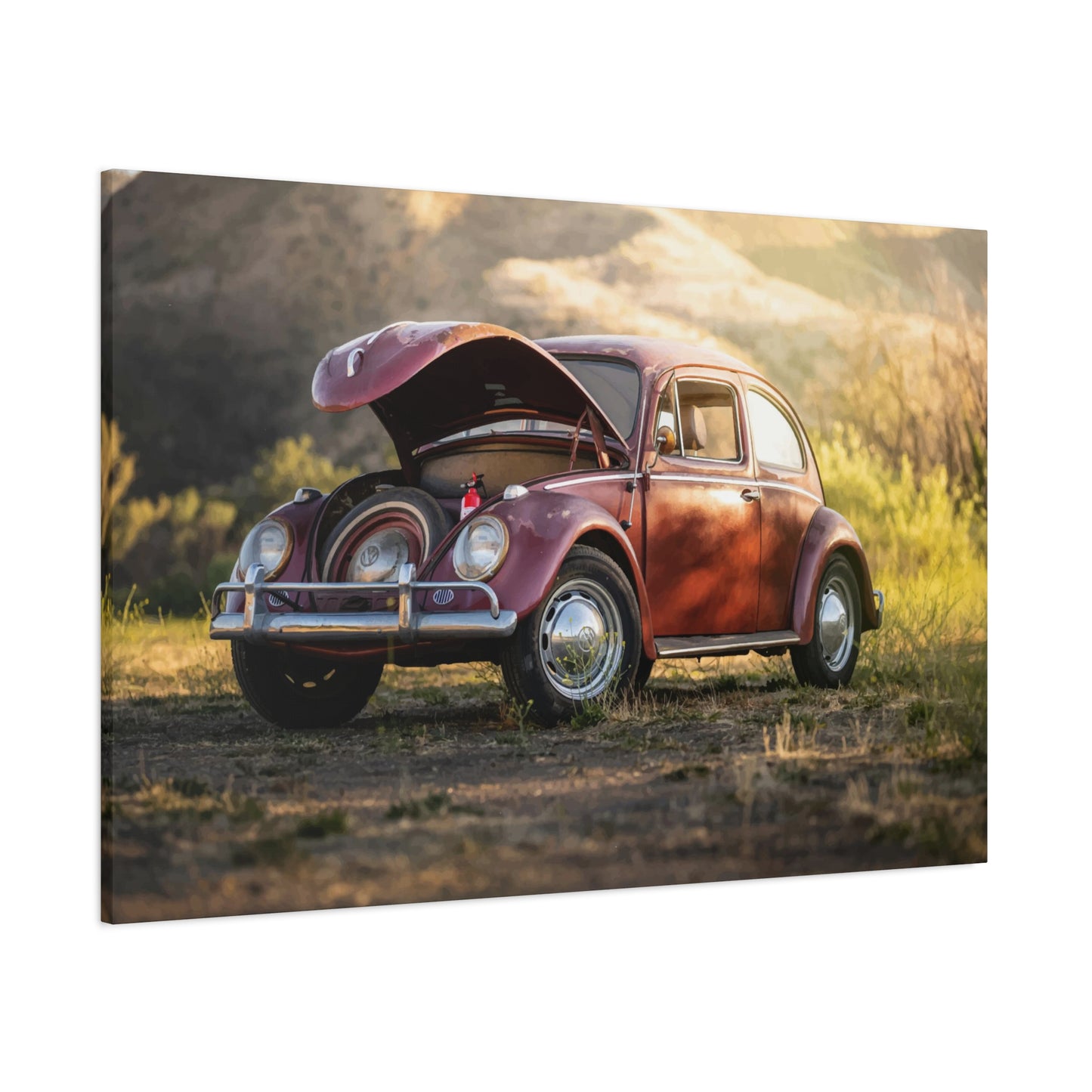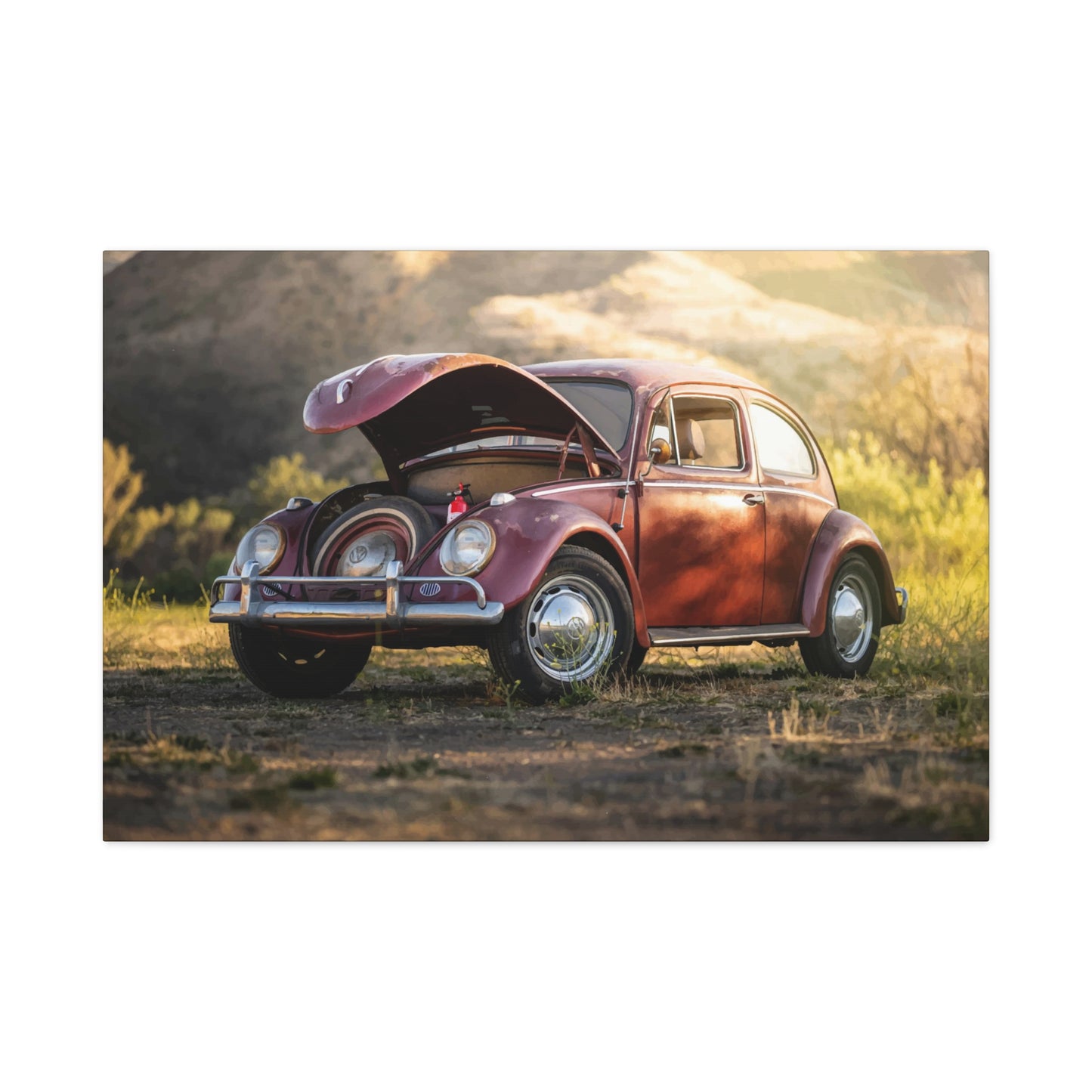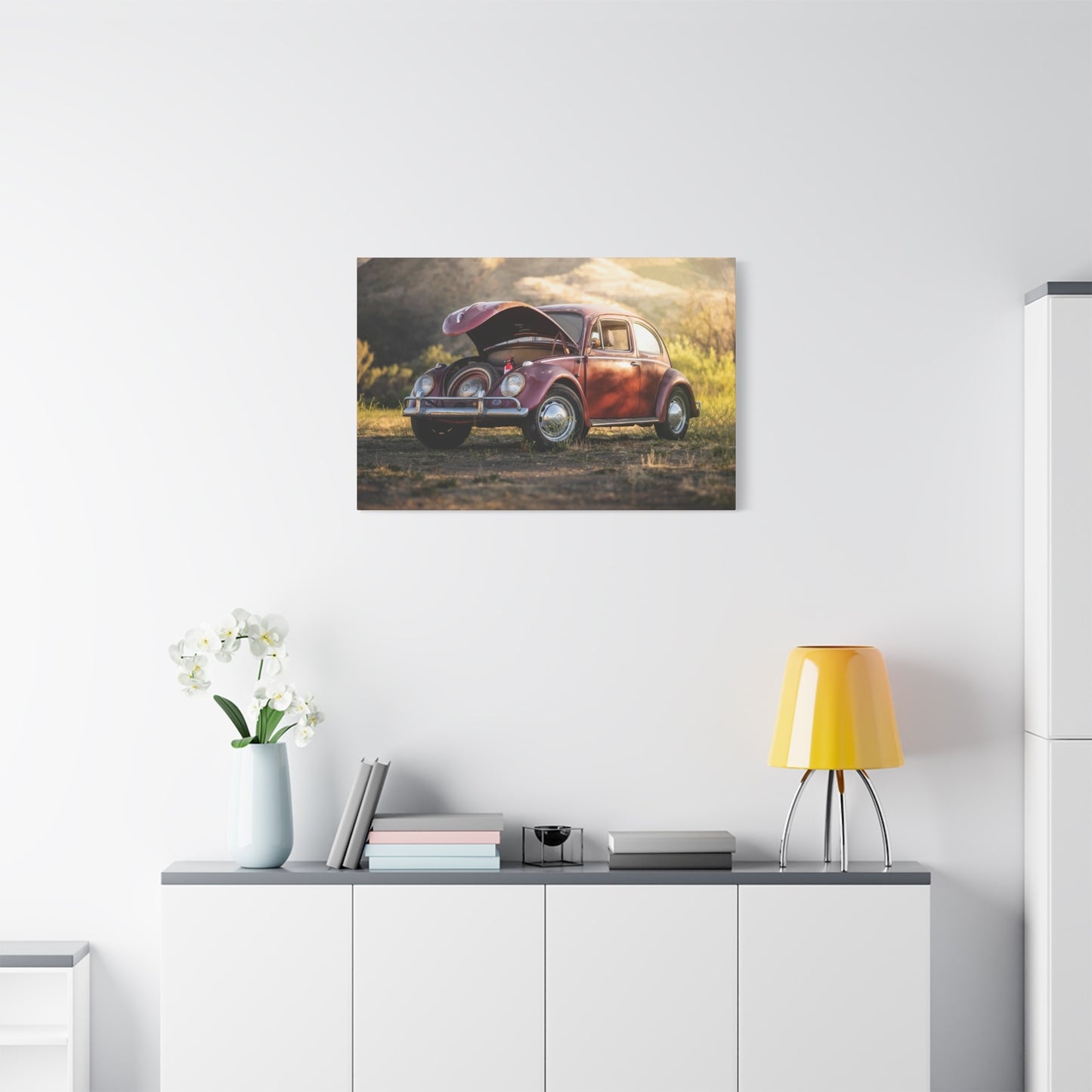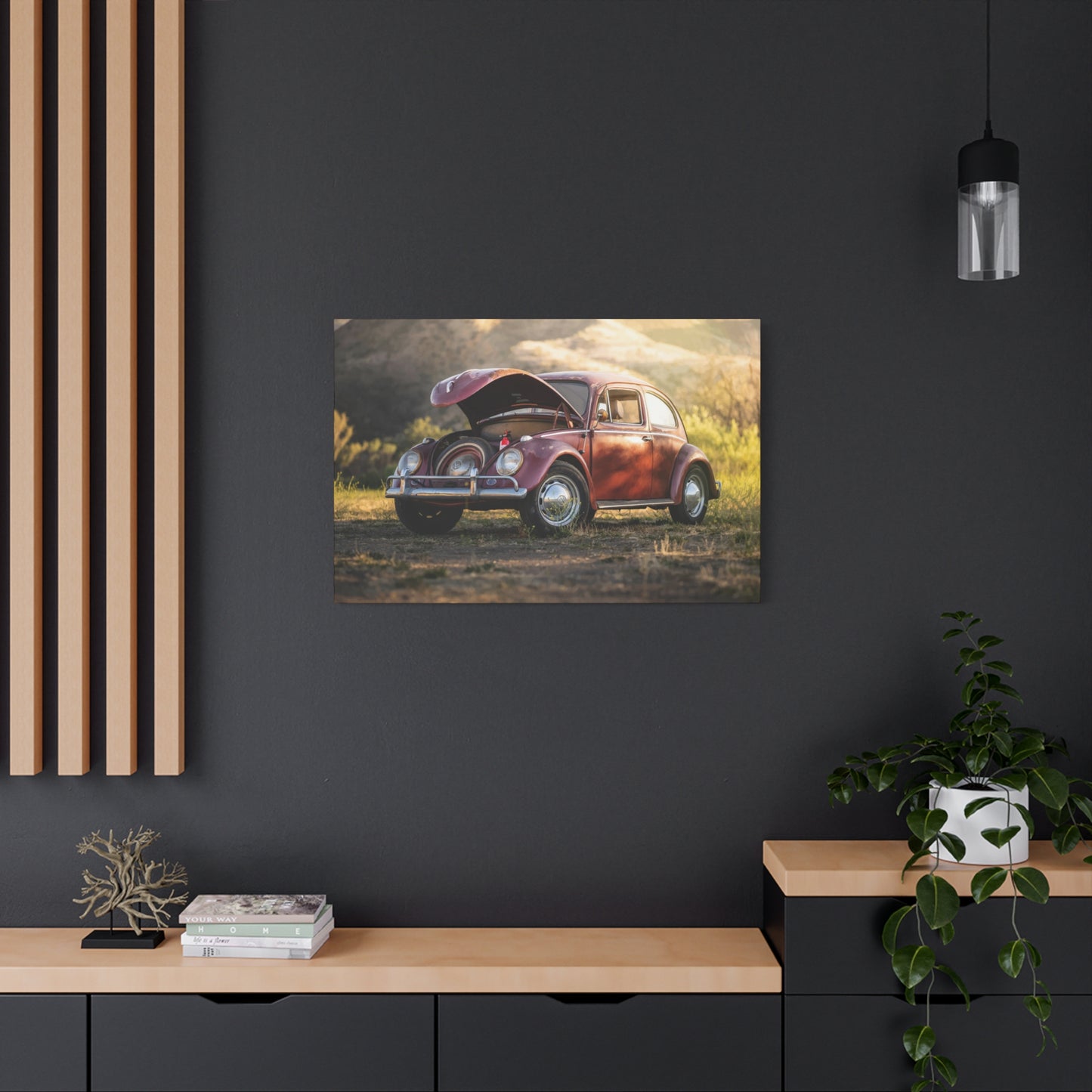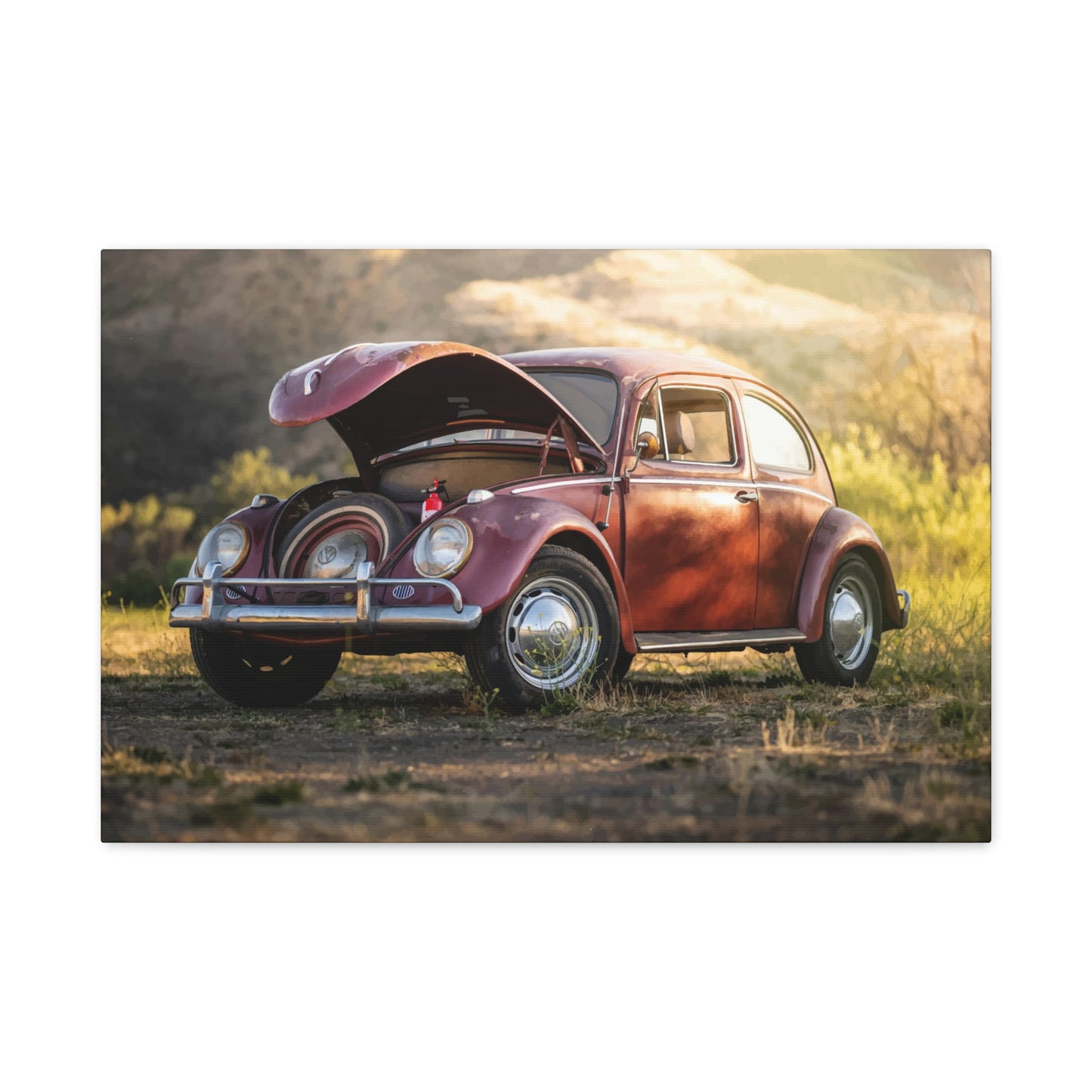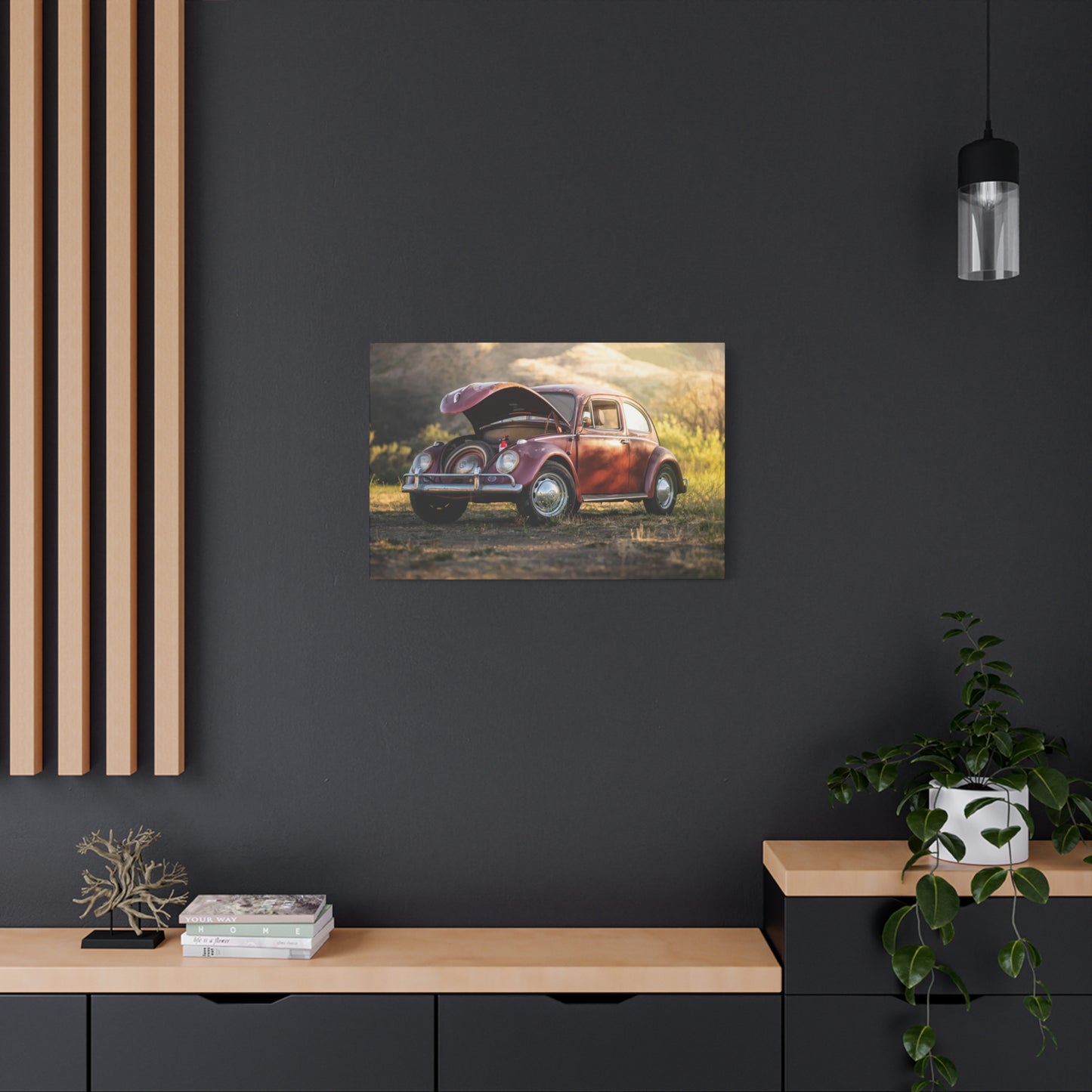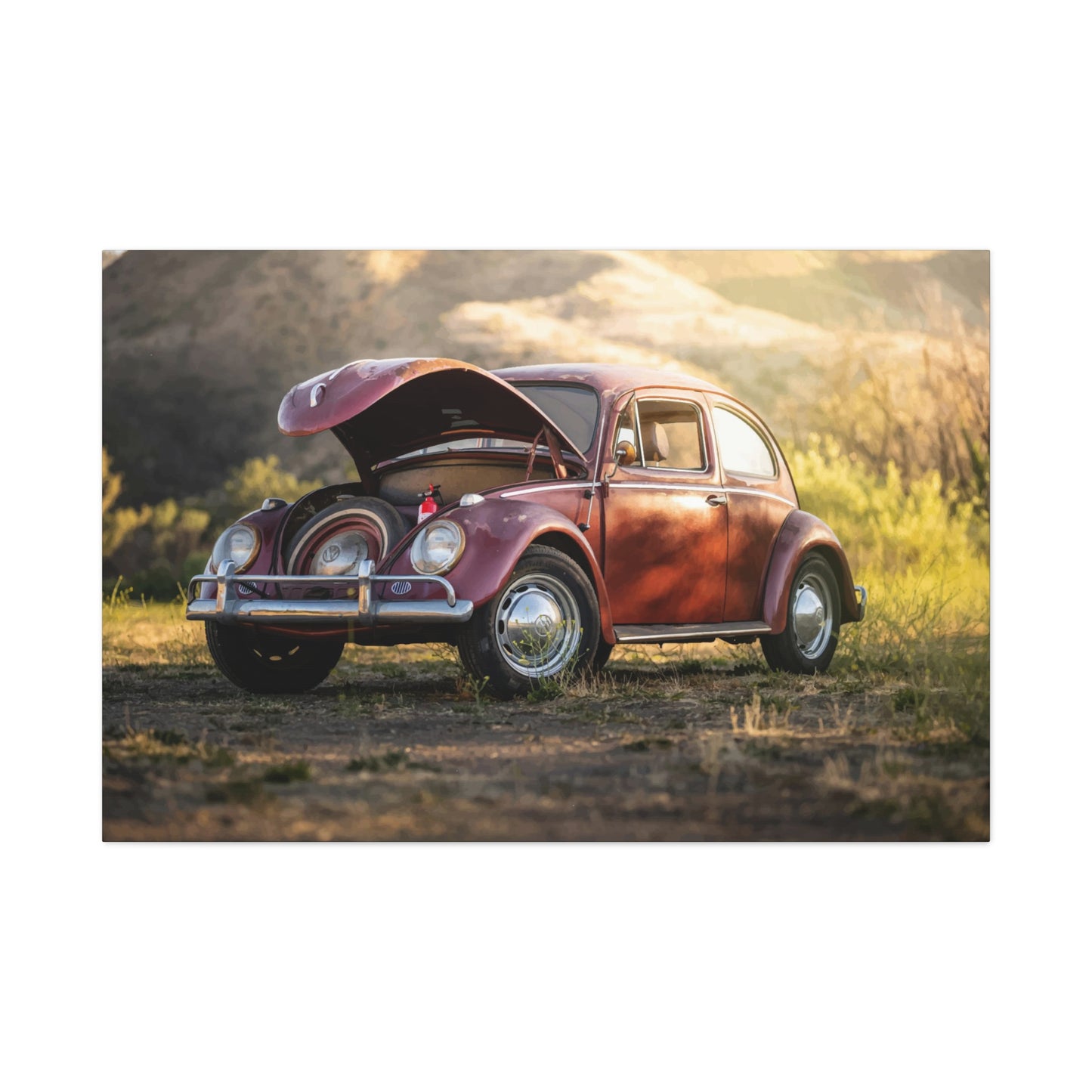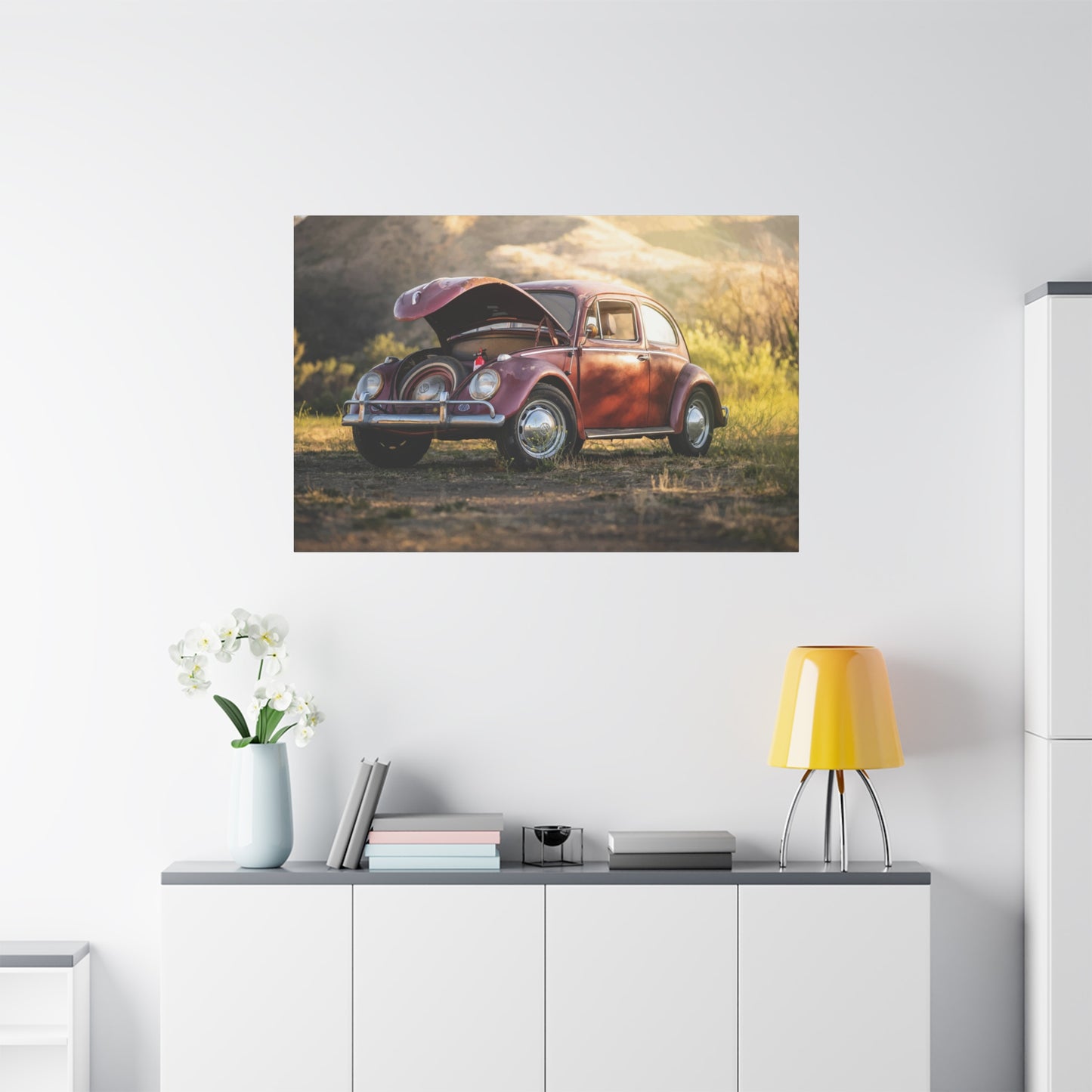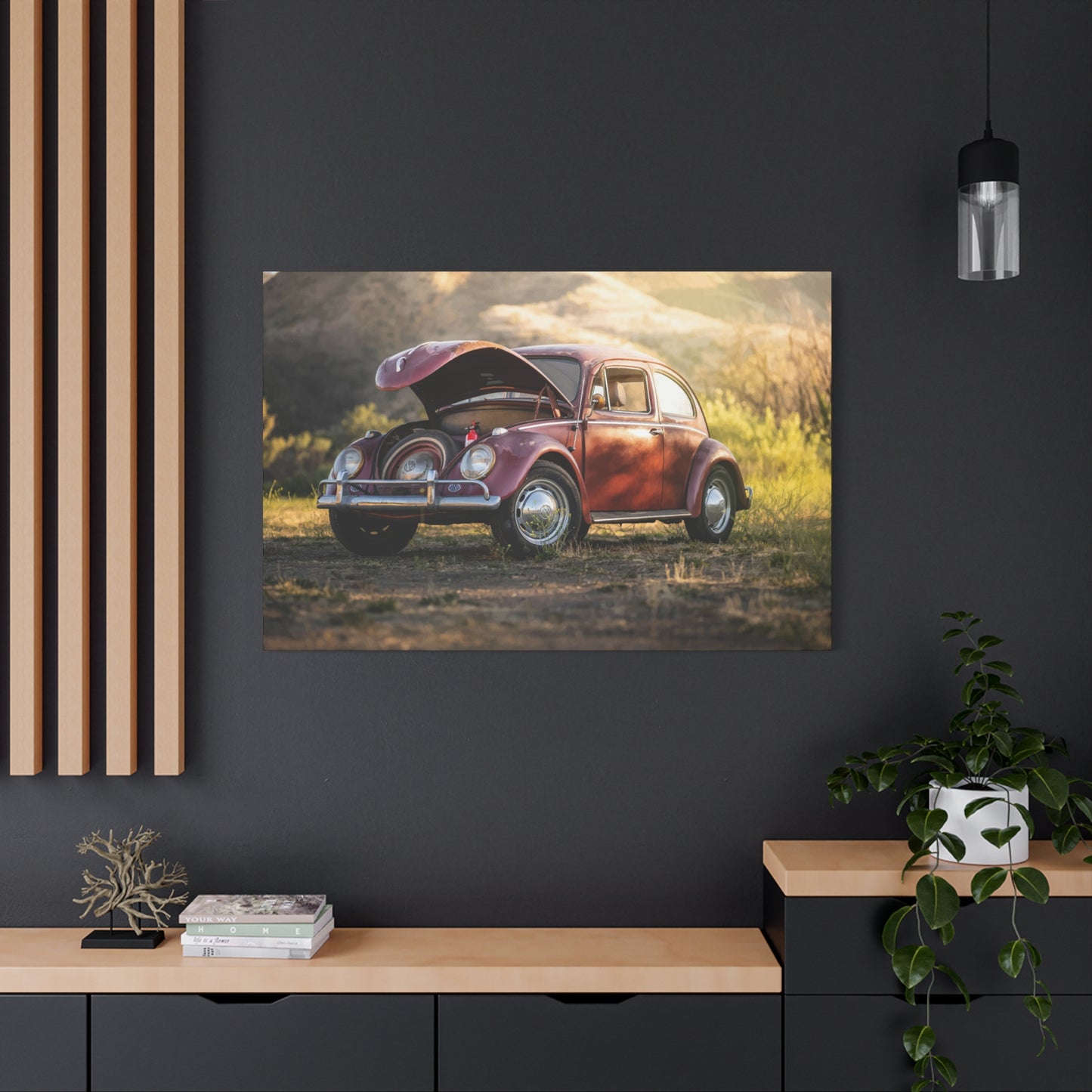


Classic Car Wall Art & Canvas Prints
Classic Car Wall Art & Canvas Prints
Couldn't load pickup availability
Bringing Automotive Excellence to Your Home: Classic Car Wall Art for Timeless Interior Style
The world of interior decoration has witnessed a remarkable surge in the popularity of automotive-themed artwork, particularly pieces featuring vintage vehicles that capture the essence of bygone eras. Classic car wall art represents more than mere decoration; it embodies a passionate celebration of engineering marvels, design excellence, and cultural milestones that shaped the automotive industry. These captivating pieces transform ordinary walls into galleries of nostalgia, sophistication, and mechanical beauty.
Vintage automobile artwork appeals to a diverse audience, ranging from dedicated collectors who appreciate the intricate details of specific models to casual enthusiasts who simply admire the aesthetic appeal of beautifully crafted vehicles. The timeless nature of these pieces ensures they remain relevant across changing interior design trends, making them valuable investments for any living space.
The visual impact of well-chosen automotive artwork cannot be overstated. These pieces serve as conversation starters, focal points, and personal statements that reflect the owner's appreciation for craftsmanship, history, and artistic expression. Whether displayed in garages, man caves, living rooms, or professional offices, classic car wall art creates an atmosphere of refinement and character.
Exploring Different Styles and Forms of Vintage Automobile Artwork Available in Today's Market
The marketplace offers an astounding variety of styles when it comes to vintage vehicle artwork. Photographic prints capture the authentic essence of legendary automobiles, preserving their original glory in stunning detail. These photographs often showcase vehicles in their prime, whether at prestigious auto shows, racing circuits, or scenic backdrops that emphasize their timeless beauty.
Illustrated artwork provides another dimension to automotive decoration. Skilled artists create hand-drawn or digitally rendered pieces that highlight specific features, exaggerate proportions for dramatic effect, or reimagine classic vehicles in contemporary artistic styles. These illustrations range from hyperrealistic depictions to abstract interpretations that celebrate the flowing lines and geometric forms inherent in automotive design.
Canvas prints have become increasingly popular due to their gallery-quality appearance and durability. These pieces feature high-resolution images transferred onto canvas material, often stretched over wooden frames to create a three-dimensional appearance. The texture of canvas adds depth and character to the artwork, making it suitable for both casual and formal settings.
Metal prints represent a modern approach to displaying vintage automobile imagery. These pieces involve printing images directly onto aluminum sheets, creating a sleek, contemporary look with exceptional color vibrancy and durability. The metallic surface adds a unique shimmer that complements the mechanical nature of the subject matter.
Vintage poster reproductions capture the advertising aesthetics of different automotive eras. These pieces recreate the bold graphics, vibrant colors, and persuasive messaging used by automobile manufacturers to promote their vehicles throughout the decades. Original vintage posters have become highly collectible, making quality reproductions an accessible alternative for enthusiasts.
The Fascinating Journey Through Automotive Design Eras Represented in Wall Decorations
Classic car wall art provides a visual timeline of automotive evolution, showcasing the distinctive design philosophies that defined different decades. The pre-war era, spanning the 1920s and 1930s, featured vehicles with imposing grilles, sweeping fenders, and elegant proportions that emphasized luxury and craftsmanship. Artwork from this period often highlights the Art Deco influences that characterized the design sensibilities of that time.
The post-war period brought dramatic changes to automotive styling. The late 1940s and 1950s witnessed the emergence of chrome-laden designs, tail fins, and optimistic aesthetics that reflected the prosperity and confidence of the era. Artwork featuring vehicles from this period captures the exuberance and innovation that defined mid-century American automobile design.
The 1960s and early 1970s marked the golden age of muscle cars and sports vehicles. This era produced some of the most iconic and sought-after automobiles in history, characterized by powerful engines, aggressive styling, and bold color schemes. Wall art featuring these vehicles appeals to those who appreciate raw power and rebellious spirit.
The 1970s and 1980s introduced new design directions influenced by fuel efficiency concerns, safety regulations, and international competition. While sometimes overlooked, vehicles from this period possess their own unique charm and are increasingly appreciated by collectors and enthusiasts. Artwork featuring these automobiles offers a different perspective on automotive evolution.
European manufacturers contributed distinctive design philosophies throughout these decades. Italian sports cars emphasized flowing, sensuous lines and aerodynamic efficiency. British vehicles combined traditional craftsmanship with sporting performance. German automobiles focused on engineering precision and understated elegance. Each regional approach offers unique visual opportunities for wall decoration.
Selecting the Perfect Pieces to Complement Your Personal Space and Design Vision
Choosing appropriate artwork requires careful consideration of multiple factors. The physical dimensions of the wall space determine the size and scale of suitable pieces. Large, dramatic prints work well as statement pieces in spacious rooms, while smaller works suit intimate settings or form part of gallery wall arrangements.
Color coordination plays a crucial role in ensuring artwork harmonizes with existing decor. Classic car wall art comes in various color palettes, from monochromatic black-and-white compositions to vibrant, saturated hues. Consider whether the artwork should complement or contrast with your room's color scheme to achieve the desired visual effect.
The overall design aesthetic of your space influences the style of artwork that will look most cohesive. Modern, minimalist interiors might benefit from clean, contemporary automotive prints, while traditional spaces could accommodate vintage poster reproductions or sepia-toned photographs. Industrial-style rooms provide the perfect backdrop for metal prints or artwork featuring racing vehicles.
Personal connection to specific vehicles or brands adds meaning and authenticity to your selection. Artwork featuring automobiles you've owned, dreamed of owning, or have fond memories associated with creates a more meaningful display than randomly chosen pieces. This personal connection often sparks conversations and allows you to share your automotive passions with visitors.
Consider the emotional impact you want the artwork to create. Racing scenes convey excitement and adrenaline, while static portraits of elegant vehicles evoke sophistication and appreciation for design. Lifestyle imagery showing automobiles in scenic settings creates a sense of adventure and freedom. Each approach generates different feelings and atmospheres within your space.
Examining Various Display Methods and Arrangement Strategies for Maximum Visual Impact
The presentation method significantly affects how artwork is perceived and appreciated. Traditional framing with glass protection provides a classic, polished look while preserving the artwork from environmental damage. Frame selection should complement both the artwork and the surrounding decor, with options ranging from ornate gilded frames to sleek, modern profiles.
Canvas gallery wraps offer a contemporary alternative to traditional framing. These pieces feature the image extending around the edges of the canvas, eliminating the need for frames and creating a clean, modern appearance. Multiple canvas panels can be arranged to form larger compositions that span considerable wall space.
Shadow box displays work exceptionally well for three-dimensional automotive memorabilia combined with flat artwork. These deep frames can accommodate license plates, small-scale model vehicles, or other collectibles arranged alongside photographs or prints to create comprehensive thematic displays.
Gallery wall arrangements allow you to display multiple pieces in cohesive compositions. This approach works particularly well when showcasing different vehicles from the same era, various angles of a single model, or a progression through automotive design periods. Careful planning of spacing, alignment, and visual balance ensures these arrangements look intentional rather than haphazard.
Floating shelves provide flexible display options that can be easily rearranged. This method works well for collections that evolve over time, allowing you to rotate pieces seasonally or as your interests shift. Combining framed artwork with three-dimensional objects creates visual interest and depth.
Lighting considerations dramatically affect how artwork appears. Dedicated picture lights, track lighting, or strategically placed spotlights can highlight specific pieces and create dramatic effects. Natural lighting should be considered carefully, as direct sunlight can fade certain types of prints over time.
Understanding Different Materials and Production Methods Used in Creating Automotive Artwork
The substrate on which images are printed significantly impacts the final appearance and longevity of artwork. Fine art paper prints use high-quality, acid-free papers that resist yellowing and degradation over time. These papers come in various finishes, from smooth and glossy to heavily textured, each offering different visual characteristics.
Canvas material provides a traditional painting-like appearance that works well with various printing methods. Cotton canvas offers excellent color reproduction and durability, while synthetic canvas alternatives provide water resistance and dimensional stability. The texture of canvas adds depth and reduces glare, making it suitable for viewing from multiple angles.
Acrylic prints involve mounting images behind transparent acrylic sheets, creating a modern look with exceptional color vibrancy and depth. The acrylic acts as a protective barrier while adding a glossy, high-end appearance. These pieces work particularly well in contemporary settings and require no additional framing.
Metal printing technology transfers images directly onto specially coated aluminum panels. This process creates exceptionally durable pieces with vibrant colors and a unique reflective quality. The lightweight nature of metal prints makes them easy to hang, and their weather resistance allows for both indoor and outdoor display.
Wood printing involves transferring images onto natural wood panels, combining the visual appeal of the photograph with the organic texture and grain of the wood. This method creates rustic, unique pieces where each item varies slightly due to natural wood characteristics. The warmth of wood complements vintage automobile imagery particularly well.
Exploring the Cultural Significance and Nostalgic Appeal of Vintage Vehicle Imagery
Automobiles have played central roles in shaping modern culture, representing freedom, innovation, and personal identity. Classic car wall art taps into this rich cultural significance, evoking memories and emotions associated with different eras. For many, these images recall childhood experiences, family road trips, or significant life events connected to specific vehicles.
The automotive industry has influenced fashion, music, cinema, and social movements throughout the twentieth century. Vehicles from specific eras became symbols of cultural movements, from the hot rod culture of the 1950s to the muscle car phenomenon of the 1960s. Artwork featuring these vehicles connects viewers to these broader cultural narratives.
Different generations relate to automotive imagery in unique ways. Baby boomers often gravitate toward vehicles from their youth, while younger generations appreciate vintage automobiles from aesthetic perspectives or as symbols of a different lifestyle. This cross-generational appeal makes classic car wall art suitable for diverse settings and audiences.
The craftsmanship and attention to detail evident in vintage vehicles contrast sharply with modern mass production methods. Artwork showcasing these vehicles celebrates an era when automobile manufacturing involved more hand-finishing, unique design elements, and individual character. This appreciation for craftsmanship resonates with contemporary audiences seeking authenticity in an increasingly digital world.
Regional variations in automotive culture create distinct visual traditions. American muscle cars evoke different associations than European grand tourers or Japanese sports cars. Understanding these regional distinctions helps collectors and enthusiasts select artwork that aligns with their specific interests and cultural connections.
Discovering Where to Source Authentic and High-Quality Automotive Artwork for Your Collection
Online marketplaces have revolutionized access to automotive artwork, offering vast selections from sellers worldwide. These platforms allow you to browse thousands of options, compare prices, read customer reviews, and make purchases from the comfort of home. However, the inability to examine pieces in person before purchasing requires careful attention to seller ratings and return policies.
Specialized automotive galleries focus exclusively on vehicle-related artwork, offering curated selections and expert knowledge. These establishments often carry limited edition prints, original paintings, and rare vintage posters that appeal to serious collectors. The staff at these galleries typically possess deep knowledge about automotive history and can provide valuable guidance in building collections.
Art fairs and automotive events provide opportunities to discover unique pieces while examining them in person. These venues often feature artists who specialize in automotive subjects, allowing you to discuss their work directly and potentially commission custom pieces. The social atmosphere of these events also connects you with fellow enthusiasts and collectors.
Auction houses occasionally feature automotive artwork, particularly vintage advertising materials and original paintings. While auctions can yield exceptional finds, they require knowledge of fair market values and comfort with competitive bidding processes. Establishing relationships with auction house specialists can provide advance notice of upcoming relevant lots.
Direct relationships with artists offer the most personalized approach to acquiring automotive artwork. Many talented artists specialize in vehicle portraits, racing scenes, or automotive illustrations. Working directly with artists allows for custom commissions, ensuring pieces perfectly match your specifications regarding subject matter, size, and style.
Estate sales and antique dealers sometimes yield unexpected discoveries of vintage automotive artwork and memorabilia. These sources require patience and regular searching but can produce authentic period pieces at reasonable prices. Knowledge of what to look for and fair pricing helps when navigating these less predictable sources.
Investigating Popular Subjects and Iconic Vehicles Featured in Automotive Artwork
Certain vehicles have achieved legendary status and appear frequently in wall artwork due to their iconic designs and cultural significance. The Ford Mustang, particularly early models from the mid-1960s, represents American muscle car culture and remains one of the most recognizable and beloved automobiles. Artwork featuring Mustangs appeals to broad audiences and fits various interior styles.
Chevrolet Corvettes, especially models from the 1950s through 1970s, embody American sports car heritage. These vehicles' distinctive styling, powerful performance, and long production history make them popular subjects for automotive artwork. Each generation of Corvette offers unique design elements that translate beautifully into visual compositions.
Porsche 911 models represent European sports car excellence and have maintained consistent design DNA throughout decades of production. The clean lines and purposeful stance of 911s create visually striking artwork that appeals to enthusiasts who appreciate German engineering and timeless design philosophy.
Ferrari vehicles have become synonymous with exotic performance and Italian styling. Artwork featuring Prancing Horse models from any era exudes exclusivity and passion. The dramatic colors, sensuous curves, and racing heritage of Ferrari automobiles make them natural subjects for dramatic wall artwork.
Classic American pickup trucks and woody wagons evoke rustic Americana and simpler times. These vehicles appeal to those who appreciate working-class heritage, outdoor lifestyles, and practical beauty. Artwork featuring vintage trucks often incorporates scenic backdrops that emphasize their connection to rural landscapes and outdoor adventures.
Hot rods and custom vehicles represent automotive personalization and creative expression. These highly modified automobiles showcase individual builders' visions and technical skills. Artwork featuring hot rods often emphasizes their radical styling, exposed engines, and bold paint schemes that make them natural attention-grabbers.
Racing vehicles from various motorsport disciplines offer dynamic, action-oriented subjects. Formula One cars, Le Mans prototypes, NASCAR stock cars, and drag racing machines all possess distinctive visual characteristics. Racing imagery conveys speed, competition, and technical innovation, creating energetic compositions suitable for those who appreciate automotive performance.
Examining Color Schemes and Visual Compositions That Enhance Automotive Artwork Appeal
The color palette of automotive artwork significantly influences its visual impact and compatibility with different interior spaces. Monochromatic compositions using black, white, and gray tones create timeless, sophisticated pieces that complement virtually any decor. These neutral palettes emphasize form, line, and composition while avoiding potential color clashes with existing furnishings.
Sepia-toned and vintage-processed images evoke nostalgia and historical authenticity. These warm, muted tones suggest age and patina, reinforcing the classic nature of the subject matter. Sepia treatments work particularly well with photographs of vehicles from early automotive eras, enhancing their period-appropriate appearance.
Bold, saturated colors create dramatic, eye-catching pieces that serve as focal points within rooms. This approach works especially well with vehicles originally finished in vibrant hues, such as candy apple red, electric blue, or sunshine yellow. High color saturation emphasizes the optimistic, confident spirit of certain automotive eras, particularly the 1950s and 1960s.
Complementary color schemes using opposite colors on the color wheel create visual tension and interest. A bright red vehicle against a cool blue background, for example, creates dynamic contrast that draws attention. These deliberate color relationships add sophistication to compositions and demonstrate artistic intentionality.
Environmental context within compositions provides storytelling opportunities beyond simply depicting vehicles. Placing automobiles in period-appropriate settings, scenic landscapes, or urban environments creates narratives that enhance visual interest. These contextual elements help viewers imagine experiences associated with the vehicles rather than viewing them as isolated objects.
Compositional techniques such as the rule of thirds, leading lines, and strategic cropping enhance the visual effectiveness of automotive artwork. Well-composed pieces guide viewers' eyes through the image, highlight specific vehicle features, and create balanced, pleasing arrangements. Professional automotive photographers and illustrators employ these principles to create images that transcend simple documentation.
Considering Size Considerations and Scale Relationships for Different Display Locations
The physical dimensions of artwork must harmonize with the wall space and surrounding environment. Oversized pieces make bold statements and work well in spacious rooms with high ceilings and minimal competing visual elements. These large-scale works become dominant focal points that anchor room designs and establish clear aesthetic directions.
Medium-sized pieces offer versatility for various spaces, from bedrooms and home offices to hallways and dining areas. These works provide visual interest without overwhelming rooms and can be easily incorporated into existing decor schemes. Multiple medium-sized pieces can be grouped to create gallery walls that tell visual stories.
Small-scale artwork suits intimate spaces, creates vignettes when combined with other decorative elements, or forms parts of larger arranged groupings. These pieces work well in powder rooms, home bars, walk-in closets, or as components of shelf displays. Despite their modest size, quality small-scale pieces can pack significant visual impact when thoughtfully placed.
Vertical versus horizontal orientation affects how pieces fit specific wall spaces and influences visual flow within rooms. Vertical compositions suit narrow wall sections, emphasize vehicle profiles, and draw eyes upward to make spaces feel taller. Horizontal orientations work well above furniture, showcase vehicles from front or rear perspectives, and emphasize width.
Panoramic formats create cinematic compositions that span significant horizontal space. These ultra-wide pieces work exceptionally well above sofas, headboards, or in conference rooms. The expansive format allows for detailed scenes that include environmental context or multiple vehicles in single compositions.
Triptychs and multi-panel arrangements distribute single images across multiple canvases or frames, creating dimensional interest and allowing for creative spacing variations. These arrangements work particularly well with action scenes, multiple views of single vehicles, or progressions through design evolution.
Delving into the Details That Distinguish Quality Automotive Artwork from Mass-Produced Prints
Resolution and print quality represent fundamental factors in artwork value and appearance. High-resolution images maintain clarity and detail even when printed at large sizes, allowing viewers to appreciate intricate elements like engine components, interior details, and subtle body lines. Low-resolution prints appear pixelated or blurry, diminishing visual impact and perceived value.
Color accuracy ensures artwork faithfully represents vehicles as they appeared or provides intentional artistic interpretations. Quality printing processes use precise color management to reproduce accurate hues, proper contrast levels, and appropriate tonal ranges. Inferior prints may exhibit color shifts, inconsistent saturation, or inaccurate representations that disappoint discerning viewers.
Substrate quality affects both initial appearance and long-term durability. Premium papers, canvas materials, and metal surfaces provide superior color reproduction, physical stability, and resistance to environmental factors. Cheap substrates may warp, discolor, fade, or deteriorate relatively quickly, making them poor long-term investments.
Printing method significantly impacts final results. Giclée printing, which uses professional-grade inkjet printers with archival inks, produces gallery-quality results with exceptional color range and longevity. Offset lithography works well for reproducing vintage posters. Dye-sublimation excels for metal prints. Understanding these processes helps evaluate artwork quality.
Edition information adds collectibility and value to limited production prints. Numbered, signed editions create scarcity and establish provenance, making pieces more desirable to serious collectors. Open edition prints, while more affordable and accessible, lack this exclusivity factor.
Attention to period accuracy demonstrates artistic integrity when depicting specific vehicles and eras. Quality automotive artwork accurately represents vehicle specifications, period-correct details, appropriate settings, and authentic color schemes. This accuracy matters to knowledgeable enthusiasts who appreciate historical correctness.
Exploring Racing Heritage and Motorsport Themes in Vintage Automobile Artwork
Racing imagery captures the excitement, danger, and competitive spirit that have defined motorsport throughout its history. Classic racing artwork often depicts legendary circuits like Monaco, Le Mans, Indianapolis, or Nürburgring, where automotive legends established their reputations. These iconic locations provide instantly recognizable backdrops that resonate with racing enthusiasts.
Famous drivers from different racing eras become part of automotive artwork's appeal. Images featuring legendary pilots like Carroll Shelby, Dan Gurney, Phil Hill, or international stars add human elements to mechanical subjects. These drivers' accomplishments and personalities become intertwined with the vehicles they piloted, creating richer narratives.
Historic racing liveries represent team identities, sponsor relationships, and period design sensibilities. Gulf Oil's iconic light blue and orange, Martini Racing's striped patterns, or John Player Special's black and gold schemes are instantly recognizable and visually striking. Artwork featuring these classic liveries appeals to those who appreciate racing heritage and graphic design.
Victory lane celebrations and podium scenes capture triumphant moments that define racing careers and automotive legacies. These images convey emotion, achievement, and the culmination of immense effort. Such scenes add human drama to otherwise mechanical subjects, creating more emotionally resonant artwork.
Pit lane and garage scenes reveal the behind-the-scenes preparation and teamwork essential to racing success. These images showcase period tools, techniques, and team dynamics while highlighting the human elements of motorsport. The activity and detail in these scenes create visually busy, interesting compositions.
Motion blur and panning techniques convey speed and action in racing photography. These artistic approaches capture the dynamic nature of motorsport, creating images that feel kinetic even while static. The resulting artwork emphasizes the purpose and performance capabilities of racing machinery.
Understanding How to Create Cohesive Themed Collections Around Specific Marques or Eras
Building focused collections creates visual coherence and demonstrates deep knowledge of specific automotive subjects. Single-marque collections featuring artwork from one manufacturer allow you to explore that brand's design evolution, iconic models, and cultural impact. This focused approach creates thematic unity while offering variety through different vehicle models and time periods.
Era-specific collections capture distinct design periods and cultural moments. A 1950s-focused collection might include tail-finned sedans, early sports cars, and period lifestyle imagery. A muscle car collection spans the late 1960s through early 1970s, featuring aggressive styling and bold colors. These temporal boundaries create clear collection parameters.
Regional collections celebrate automotive traditions from specific geographic areas. American collections might emphasize muscle cars, classic pickup trucks, and Detroit iron. European collections could focus on British sports cars, German touring sedans, or Italian exotics. Japanese collections celebrate JDM legends and tuner culture.
Color-coordinated collections use consistent color schemes across multiple pieces to create visual harmony. All red vehicles, monochromatic compositions, or complementary color relationships running through a collection create deliberate aesthetic cohesion. This approach works particularly well in minimalist or modern interior settings.
Typology collections focus on specific vehicle categories: convertibles, coupes, wagons, or trucks. This organizational principle creates interesting opportunities to examine how different manufacturers approached similar vehicle types and how designs evolved within categories over time.
Investigating the Role of Automotive Artwork in Creating Masculine-Themed Spaces
Classic car wall art frequently features prominently in man caves, garages, and masculine retreats. These spaces benefit from artwork that reflects personal interests, celebrates mechanical achievement, and creates environments where relaxation and hobbies converge. Automotive imagery naturally suits these contexts due to its association with independence, power, and craftsmanship.
Garage workshops and automotive workspaces benefit from artwork that reinforces the functional purpose of these areas. Images of vehicles under restoration, detailed engine photographs, or technical illustrations create appropriate atmospheres. Metal prints prove particularly practical in these environments due to their durability and resistance to workshop conditions.
Home bars and entertainment areas often incorporate automotive themes as part of broader vintage or retro design schemes. Period advertising posters, lifestyle imagery showing automobiles at drive-ins or diners, and colorful vehicle portraits contribute to nostalgic atmospheres perfect for social gatherings.
Office spaces, particularly those of automotive industry professionals or enthusiasts, benefit from sophisticated automotive artwork that conveys professionalism while revealing personal interests. Tasteful black-and-white photography, elegant vintage advertising posters, or museum-quality vehicle portraits strike appropriate balances between personal expression and professional presentation.
However, automotive artwork shouldn't be pigeonholed as exclusively masculine. Many women are passionate automotive enthusiasts, collectors, and professionals who appreciate quality vehicle artwork. The key is selecting pieces that reflect personal interests rather than adhering to outdated gender stereotypes.
Exploring Abstract and Artistic Interpretations of Classic Automobile Subjects
Contemporary artists often reinterpret classic vehicles through various artistic movements and styles. Pop art approaches use bold colors, graphic simplifications, and repeated imagery to create works that celebrate automotive icons while commenting on consumer culture and mass production. These pieces often feature recognizable vehicles rendered in Andy Warhol-inspired or Roy Lichtenstein-influenced styles.
Abstract expressionist interpretations focus on capturing the essence, emotion, or movement of automobiles rather than literal representations. These works might use gestural brushstrokes, dynamic compositions, or non-representational elements to convey speed, power, or aesthetic qualities. Such pieces appeal to those who appreciate automotive subjects through more artistic lenses.
Minimalist approaches strip vehicles down to essential lines, forms, and colors. These simplified representations emphasize the pure design elements that make classic automobiles visually compelling. Single-line drawings, silhouette treatments, or extremely reduced color palettes create sophisticated pieces that work well in contemporary interiors.
Cubist and geometric reinterpretations deconstruct classic vehicles into angular, faceted forms. These analytical approaches explore automobiles from multiple perspectives simultaneously, creating complex, intellectually engaging compositions. Such works bridge the gap between automotive enthusiasm and fine art appreciation.
Mixed media pieces combine photographs or illustrations with other materials, techniques, or artistic elements. Collage approaches incorporating vintage advertising materials, blueprint fragments, or textural elements create layered, complex works. These pieces offer unique, one-of-a-kind alternatives to straightforward photographic prints.
Street art and graffiti-inspired automotive artwork brings urban edge and contemporary relevance to classic subjects. These pieces often feature spray paint aesthetics, stencil techniques, or wall mural sensibilities. The raw, energetic quality of street art creates interesting contrasts when applied to vintage automobile subjects.
Considering Architectural Context and Interior Design Styles When Selecting Automotive Artwork
Industrial-style interiors with exposed brick, concrete, ductwork, and metal fixtures provide natural backdrops for automotive artwork. The mechanical nature of vehicles complements the raw, functional aesthetic of industrial design. Metal prints, large-format photography, and pieces with strong graphic qualities work particularly well in these environments.
Mid-century modern spaces share design DNA with classic automobiles from the 1950s and 1960s. The clean lines, organic curves, and optimistic aesthetics of mid-century design align perfectly with vehicles from this era. Artwork featuring period-correct automobiles enhances the temporal authenticity of mid-century interiors.
Contemporary minimalist spaces require careful automotive artwork selection to avoid cluttering clean, simple design schemes. Monochromatic pieces, single-subject compositions, or artworks with significant negative space maintain the restraint and discipline these interiors demand. Framing should be equally simple and understated.
Traditional or classic interiors can successfully incorporate automotive artwork when pieces are properly framed and thoughtfully selected. Black-and-white photography, vintage advertising posters in traditional frames, or formal vehicle portraits can complement ornate moldings, rich wood tones, and classic furniture. The key is treating automotive subjects with the same respect as traditional art subjects.
Rustic or lodge-style interiors benefit from automotive artwork featuring vintage trucks, woody wagons, or vehicles in outdoor settings. These pieces reinforce connections to outdoor recreation, self-reliance, and working-class heritage. Wood-printed images or distressed-finish frames enhance the rustic aesthetic.
Eclectic spaces allow for more adventurous automotive artwork choices. These interiors accommodate varied styles, bold colors, and unexpected combinations. The diversity of available automotive artwork makes it easy to find pieces that contribute to eclectic schemes without dominating them.
Examining How Lighting Affects the Presentation and Perception of Automotive Artwork
Natural lighting provides ideal conditions for viewing artwork but requires consideration of potential damage from ultraviolet radiation. Positioning pieces away from direct sunlight prevents fading while allowing ambient natural light to illuminate them. UV-protective glazing on framed pieces provides additional protection for sun-exposed locations.
Ambient artificial lighting creates general illumination that allows viewing from various positions throughout rooms. Overhead lighting should be positioned to avoid creating glare on glossy surfaces or glass-covered pieces. Dimmable ambient lighting provides flexibility for different times of day and activities.
Accent lighting specifically highlights individual pieces, creating focal points and dramatic effects. Track lighting, adjustable spotlights, or dedicated picture lights can be directed precisely at artwork. These focused light sources increase visual impact and draw attention to important pieces within rooms.
LED lighting technology has revolutionized art illumination. Modern LED fixtures produce minimal heat, reducing damage risk to sensitive materials. They're available in various color temperatures, allowing you to select warmer or cooler lighting to complement specific pieces. Their energy efficiency and longevity make them practical for installations requiring constant illumination.
Color temperature selection influences how artwork appears and feels. Warm lighting (2700-3000K) creates cozy, intimate atmospheres suitable for traditional spaces and monochromatic pieces. Neutral lighting (3500-4100K) provides accurate color representation ideal for viewing colorful artwork. Cool lighting (5000K+) creates modern, energetic environments.
Avoiding glare is essential for viewing glazed or glossy artwork. Position light sources at appropriate angles to prevent reflections that obscure images. Matte finishes and canvas prints are more forgiving than glass-covered pieces regarding glare issues.
Discovering the Investment Potential of Quality Automotive Artwork and Limited Editions
The collectible nature of automotive artwork creates potential for appreciation over time, particularly for limited edition prints, original paintings, and authentic vintage materials. As with any collectible market, rarity, condition, subject desirability, and artist reputation influence value.
Original vintage advertising posters, particularly from prestigious manufacturers or notable designers, have shown significant appreciation. Posters from the 1920s-1950s advertising legendary vehicles or promoting famous racing events can command substantial prices. Authentication and condition are critical factors in determining value.
Limited edition prints by recognized automotive artists represent more accessible entry points into collecting. Numbered, signed prints by artists like Peter Hearsey, Nicholas Watts, or Tim Layzell have developed secondary markets where early works by these artists command premiums over issue prices.
Provenance documentation enhances artwork value and collectibility. Certificates of authenticity, edition information, and documented exhibition history establish credibility and provide confidence to future buyers. Maintaining this documentation is essential for serious collectors.
Condition preservation directly impacts long-term value. Proper framing with acid-free materials, UV-protective glazing, and archival mounting prevents deterioration. Controlled environments avoiding extreme temperatures, humidity fluctuations, and direct sunlight exposure protect investments.
Market knowledge helps identify undervalued opportunities and avoid overpaying. Following auction results, dealer prices, and online marketplace activity provides insight into fair market values for different types of automotive artwork. Specialization in specific niches allows for deeper market understanding.
Exploring Custom Commissioned Artwork Featuring Personal Vehicles or Specific Subjects
Commissioning original artwork allows you to create unique pieces featuring vehicles you own, dream of owning, or have personal connections to. This personalized approach produces meaningful works that can't be purchased as standard products. Commissioned pieces become treasured possessions with stories and significance beyond their visual appeal.
Finding appropriate artists requires research into portfolios, styles, and specializations. Many talented artists focus specifically on automotive subjects and have developed distinctive approaches. Reviewing portfolios helps identify artists whose styles align with your vision. Social media platforms and automotive forums provide connections to commission-accepting artists.
The commission process typically begins with discussing your vision, providing reference materials, and establishing specifications regarding size, medium, and style. Clear communication about expectations prevents misunderstandings. Most artists provide preliminary sketches or digital mockups for approval before proceeding with final artwork.
Reference photography plays crucial roles in commissioned work. Multiple angles, detail shots, and images showing your vehicle in various lighting conditions help artists accurately capture its character. Period-correct context photographs aid artists creating vintage-style compositions featuring your vehicle.
Pricing for commissioned work varies dramatically based on artist reputation, piece size, medium, and complexity. Original paintings command higher prices than digital illustrations or modified photographs. Establishing budget parameters early in the process ensures alignment between expectations and reality.
Timeline expectations should be clearly established. Original artwork requires significant time investment, often several weeks or months depending on size and complexity. Rush fees may apply for expedited completion. Patience yields better results than pressure.
Understanding Preservation and Care Requirements for Different Types of Automotive Artwork
Canvas prints require regular dusting with soft, dry cloths to remove accumulated particles. Avoid using cleaning liquids or abrasive materials that might damage the canvas surface or printed image. Canvas can be gently vacuumed using brush attachments on low suction settings if heavily dusted.
Framed pieces with glass or acrylic glazing should be cleaned using appropriate glass cleaners applied to cloths rather than sprayed directly onto the glazing. This prevents cleaning solutions from seeping behind glazing and contacting artwork. Microfiber cloths prevent scratching and eliminate streaking.
Metal prints can be cleaned with slightly damp cloths using water or mild soap solutions. The durable surface of metal prints makes them the easiest to maintain. Ensure pieces are thoroughly dried after cleaning to prevent water spots. Avoid abrasive cleaners that might scratch the surface.
Environmental control prevents deterioration. Maintain stable temperature and humidity levels, as fluctuations can cause materials to expand and contract, leading to warping or damage. Avoid displaying artwork near heating vents, air conditioners, or in bathrooms where humidity levels fluctuate dramatically.
UV protection is essential for preserving color vibrancy and preventing fading. UV-protective glazing, UV-filtering window films, or simply positioning artwork away from direct sunlight provides necessary protection. Even artificial light contains UV radiation that can cause gradual fading over years.
Proper hanging methods prevent accidents and damage. Use appropriate hardware rated for artwork weight. Wall anchors or studs provide secure mounting points. Wire hanging systems allow for easy leveling adjustments. Professional installation makes sense for valuable or very heavy pieces.
Investigating the Relationship Between Automotive Design and Broader Artistic Movements
Automotive design has both influenced and been influenced by artistic movements throughout the twentieth century. Art Deco's geometric patterns, streamlined forms, and luxury emphasis manifested clearly in 1930s automobile design. The flowing, aerodynamic shapes and decorative chrome details of vehicles from this era directly reflected Art Deco principles.
Post-war modernism's emphasis on function, clean lines, and rejection of unnecessary ornamentation found expression in certain European vehicles. The Bauhaus movement's "form follows function" philosophy influenced designers who prioritized aerodynamics and efficiency over purely decorative elements.
The optimistic, futuristic aesthetics of 1950s and 1960s American design reflected space age fascination and atomic age enthusiasm. Tail fins, chrome rockets, and jet-inspired details demonstrated how broader cultural obsessions manifested in automotive design. This relationship between cultural movements and design creates rich contexts for understanding and appreciating automotive artwork.
Pop art's celebration of consumer culture and mass production naturally embraced automobiles as subject matter. Artists like Andy Warhol incorporated automobiles into their work, recognizing these machines as defining symbols of contemporary life. This artistic validation elevated automobiles from purely functional objects to culturally significant symbols worthy of artistic examination.
Final Thoughts
Classic car wall art has a unique ability to evoke a sense of nostalgia and admiration, transforming interior spaces into a celebration of automotive history, craftsmanship, and timeless design. For car enthusiasts, collectors, or anyone who appreciates the aesthetic appeal of vintage automobiles, classic car artwork can elevate a room’s ambiance by combining artistry with the enduring allure of iconic vehicles. Whether you’re drawn to the sleek lines of a 1960s Corvette, the rugged charm of a classic Ford Mustang, or the refined elegance of a vintage Rolls Royce, these automotive masterpieces can infuse your home with sophistication, excitement, and a sense of timeless beauty.
One of the key elements that make classic car wall art so captivating is its ability to capture the essence of a bygone era. Many classic cars are more than just vehicles; they represent a time in history when automobiles were symbols of innovation, craftsmanship, and status. By incorporating these iconic cars into your home décor, you not only add a striking visual element to your space but also connect with the rich legacy of automotive culture. Whether through vintage ads, artistic renderings, or detailed photographs, classic car wall art serves as a tribute to the history and evolution of the automobile, allowing you to immerse yourself in the beauty and significance of these engineering marvels.
The appeal of classic car artwork also lies in its versatility. A classic car can be presented in numerous styles, from realistic, high-detail photography to more abstract, stylized renderings that focus on the car’s curves and lines. These variations allow for a wide range of interpretations, making classic car wall art suitable for almost any home décor. In a more industrial or modern interior, a high-contrast black-and-white photograph of a vintage car can provide a dramatic focal point, while a colorful, retro-inspired poster may perfectly complement a playful, eclectic space. The style of the artwork can be tailored to match the overall aesthetic of the room, whether that means blending with mid-century modern, rustic, or even contemporary minimalist designs.
Classic car wall art also makes an exceptional statement in spaces dedicated to leisure, such as home offices, man caves, or garages. These areas offer an opportunity to create a more personalized environment that reflects your passions and interests. For example, a series of prints featuring cars from different decades or car models could form a dynamic gallery wall that serves as both an aesthetic showcase and a conversation starter. The inclusion of classic car imagery not only adds visual interest but also speaks to the owner’s appreciation for quality craftsmanship, history, and design, elevating the overall vibe of the space.
In addition to their visual appeal, classic cars often carry a sense of freedom, adventure, and the open road. These themes resonate with many people, making classic car wall art an ideal way to evoke a sense of wanderlust and possibility. For some, the image of a vintage car cruising down an empty highway or parked in front of a scenic vista may symbolize the thrill of exploration or the allure of the road trip. By incorporating such imagery into your home, you introduce a sense of nostalgia and excitement that encourages reflection on the beauty of adventure and the joy of discovery.
The emotional connection that many people have with classic cars also makes them particularly compelling subjects for wall art. Classic cars often represent more than just vehicles; they can be tied to personal memories, milestones, or family legacies. A photograph of a vintage car that someone’s grandfather used to own, or a painting of a model that evokes fond memories of a first car, can imbue the space with sentimental value and deeper meaning. These works of art become more than just decorative elements—they tell stories, evoke emotions, and preserve memories. For car enthusiasts, having such art in their homes allows them to express their passion and celebrate the automotive world in a way that feels personal and meaningful.
The presence of classic car art in your living space can also serve as a conversation starter, drawing attention and curiosity from guests. These iconic vehicles have universal appeal, with their timeless design and rich history resonating with a wide range of people. Whether you’re hosting a casual gathering or a more formal dinner, classic car wall art can become a focal point, sparking discussions about automotive history, personal experiences with cars, or even the technical details of different models. It’s a unique way to invite others into your world, sharing your appreciation for both art and the automotive culture.
Moreover, classic car wall art can have a lasting impact on the design of your space, providing both visual interest and a sense of movement. The dynamic lines and bold shapes of classic cars lend themselves beautifully to art, whether it's a high-speed sports car caught in action or a stationary classic vehicle highlighted against a backdrop of stunning scenery. The inclusion of such imagery can create a sense of energy in a room, adding dimension and life. Additionally, the interplay of color in classic car artwork—from the deep blues and reds of vintage models to the glossy chrome finishes—can complement other elements in the room, tying together color schemes and creating visual harmony.
In conclusion, classic car wall art is an exceptional way to elevate your interior spaces, bringing together the best of automotive history, design, and artistry. Whether you’re drawn to the nostalgia of vintage vehicles or the beauty of automotive craftsmanship, these artworks can transform your home by adding elegance, personality, and a sense of adventure. From sleek, modern renderings to detailed, historical photographs, classic car wall art offers an expansive range of options to suit any aesthetic, creating a space that reflects both your passion for cars and your appreciation for fine art. With its timeless appeal, it’s a perfect addition to any home, offering a lasting tribute to the art of the automobile.
Share