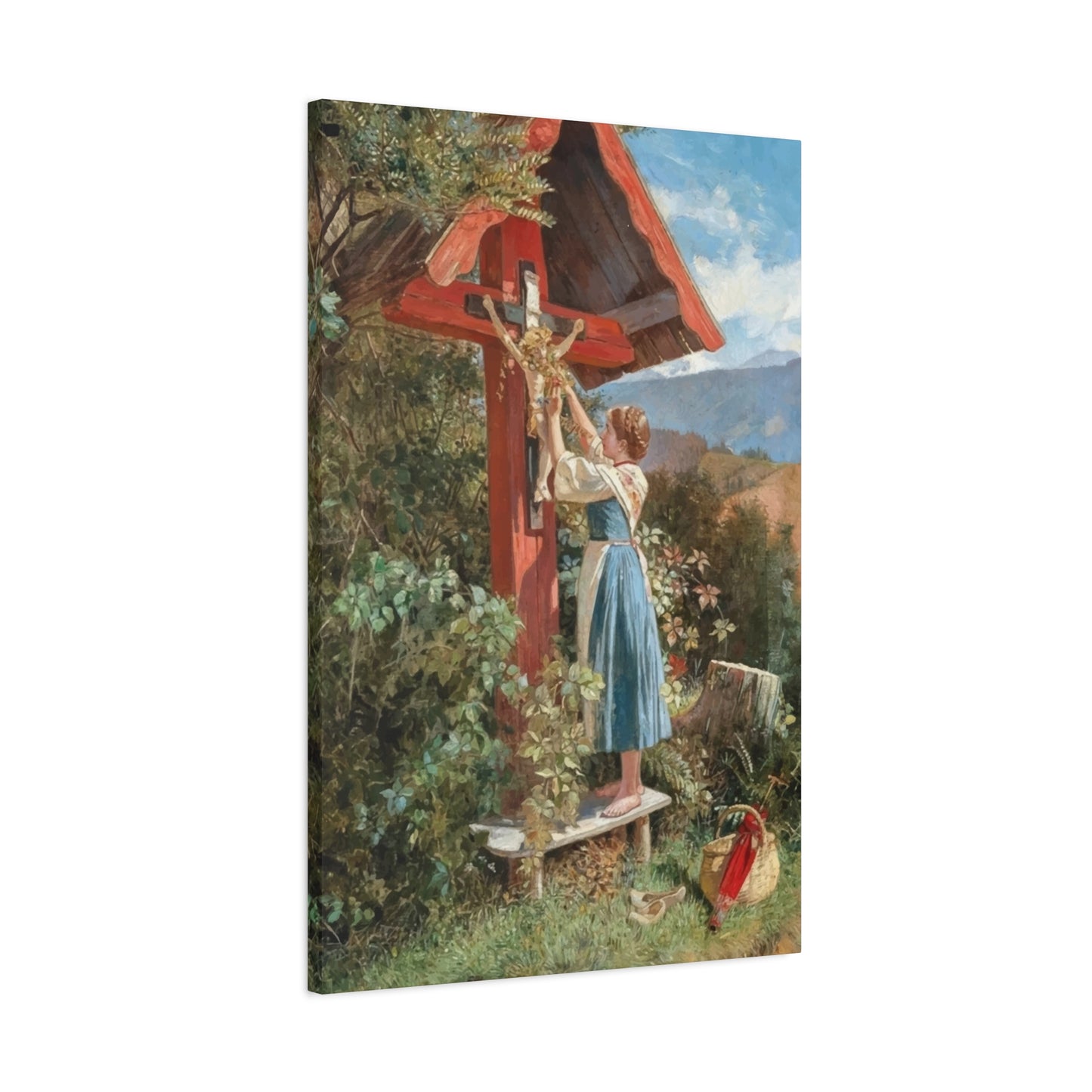
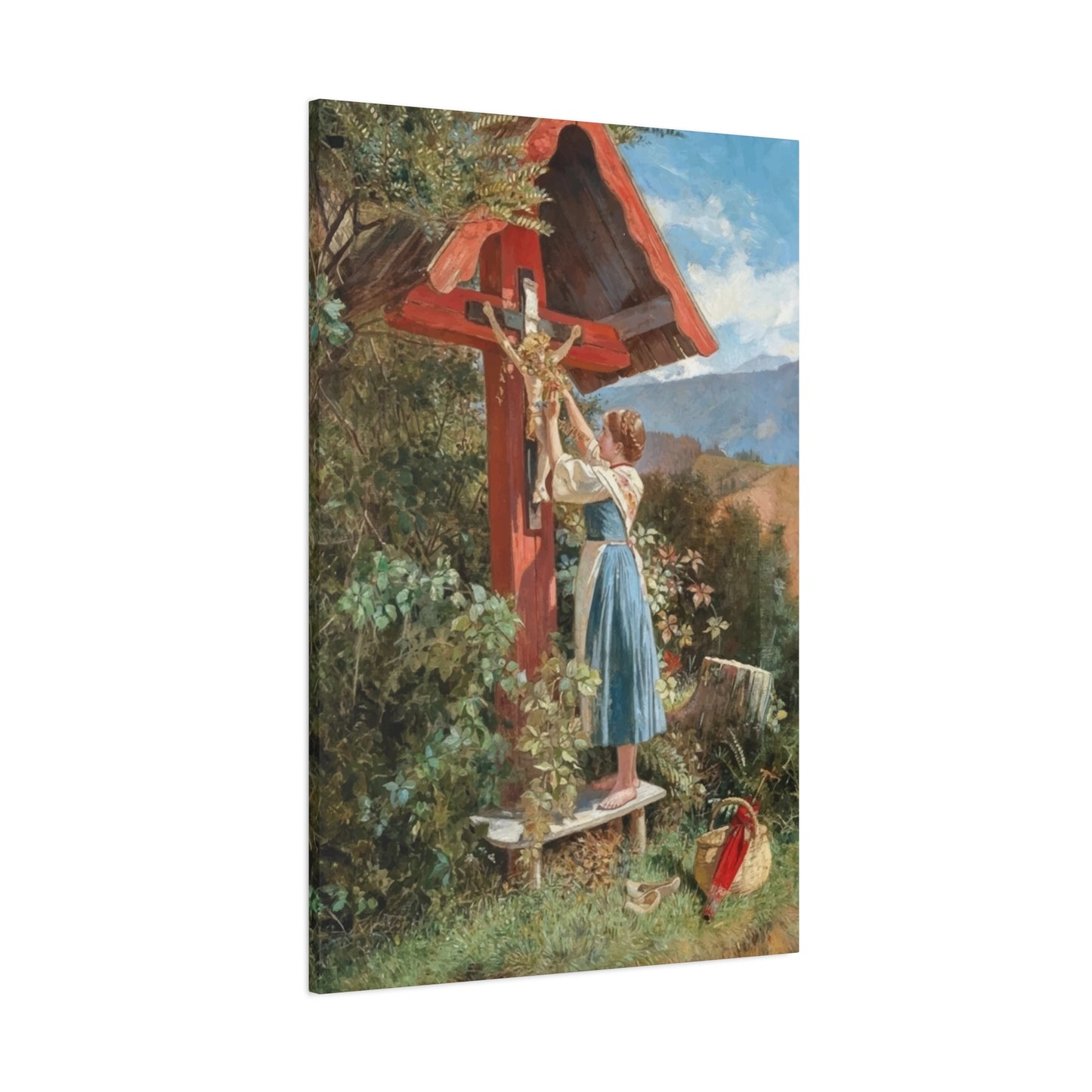
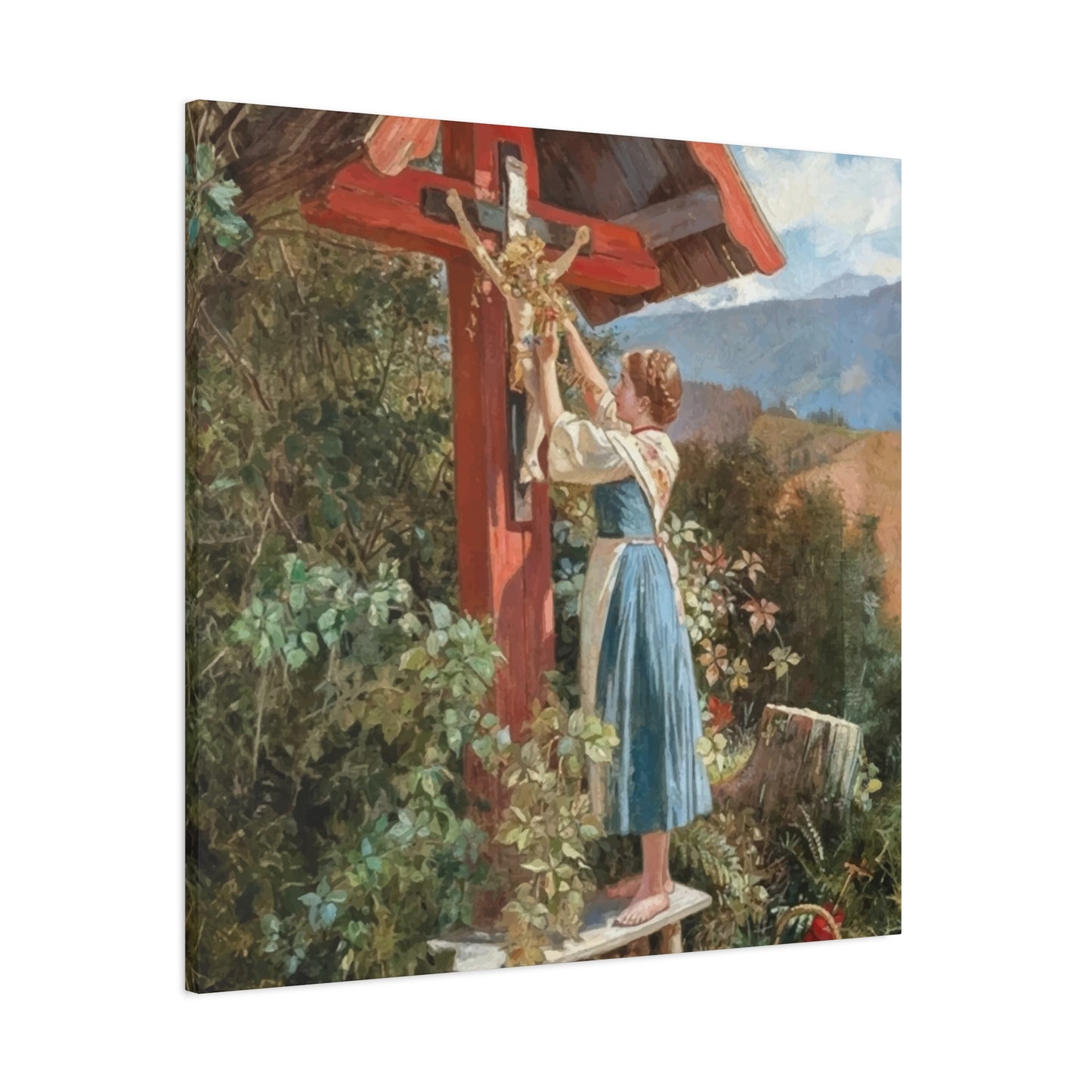
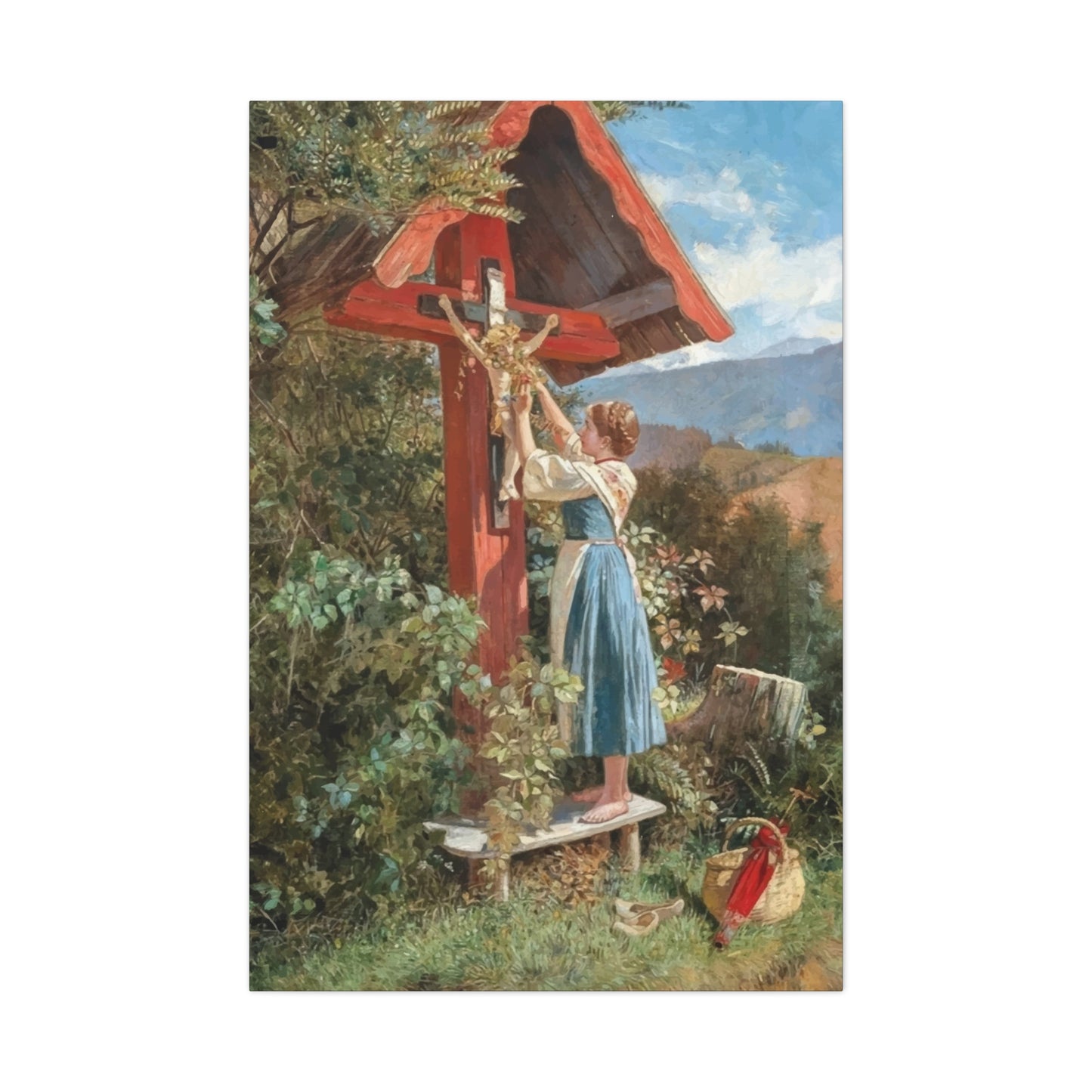
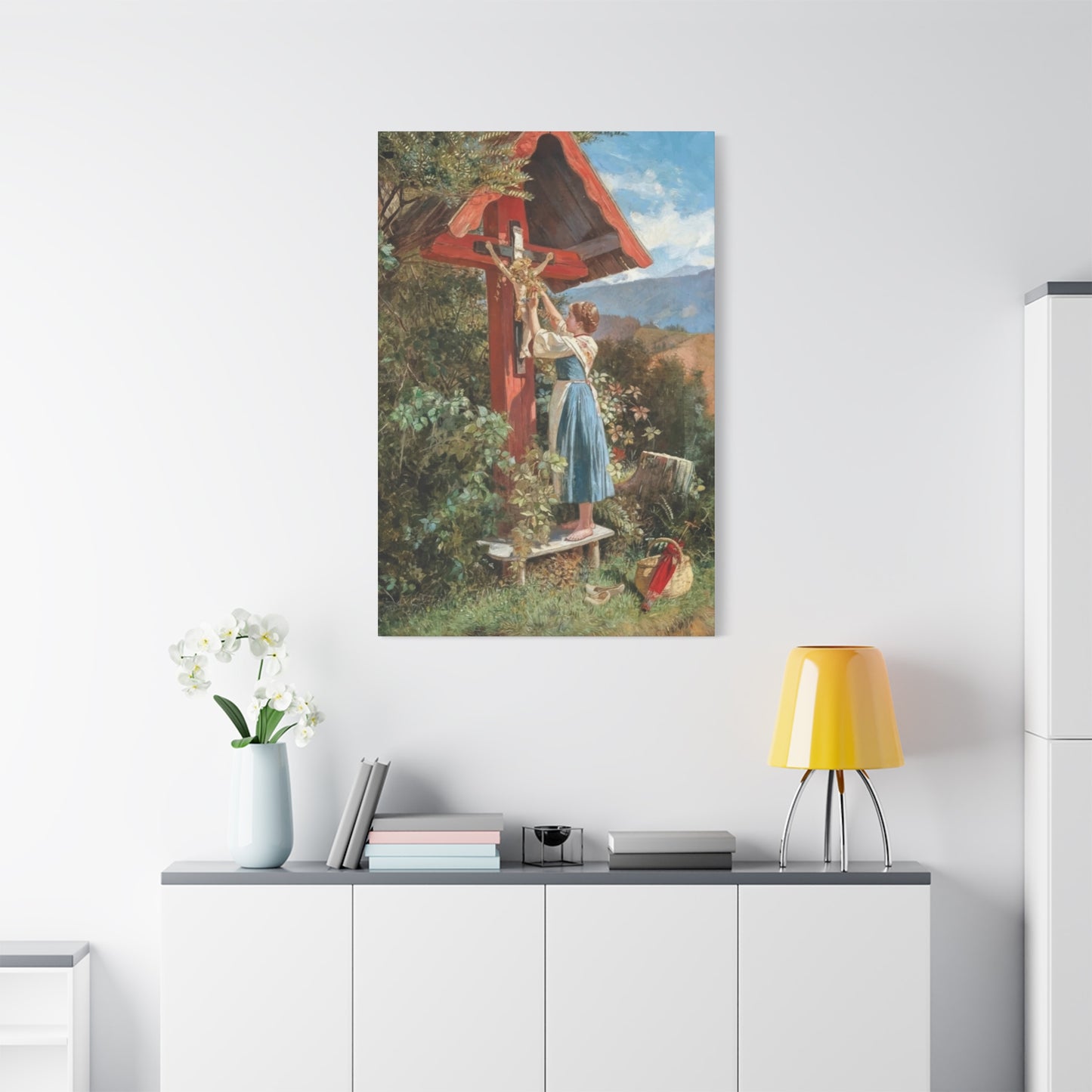
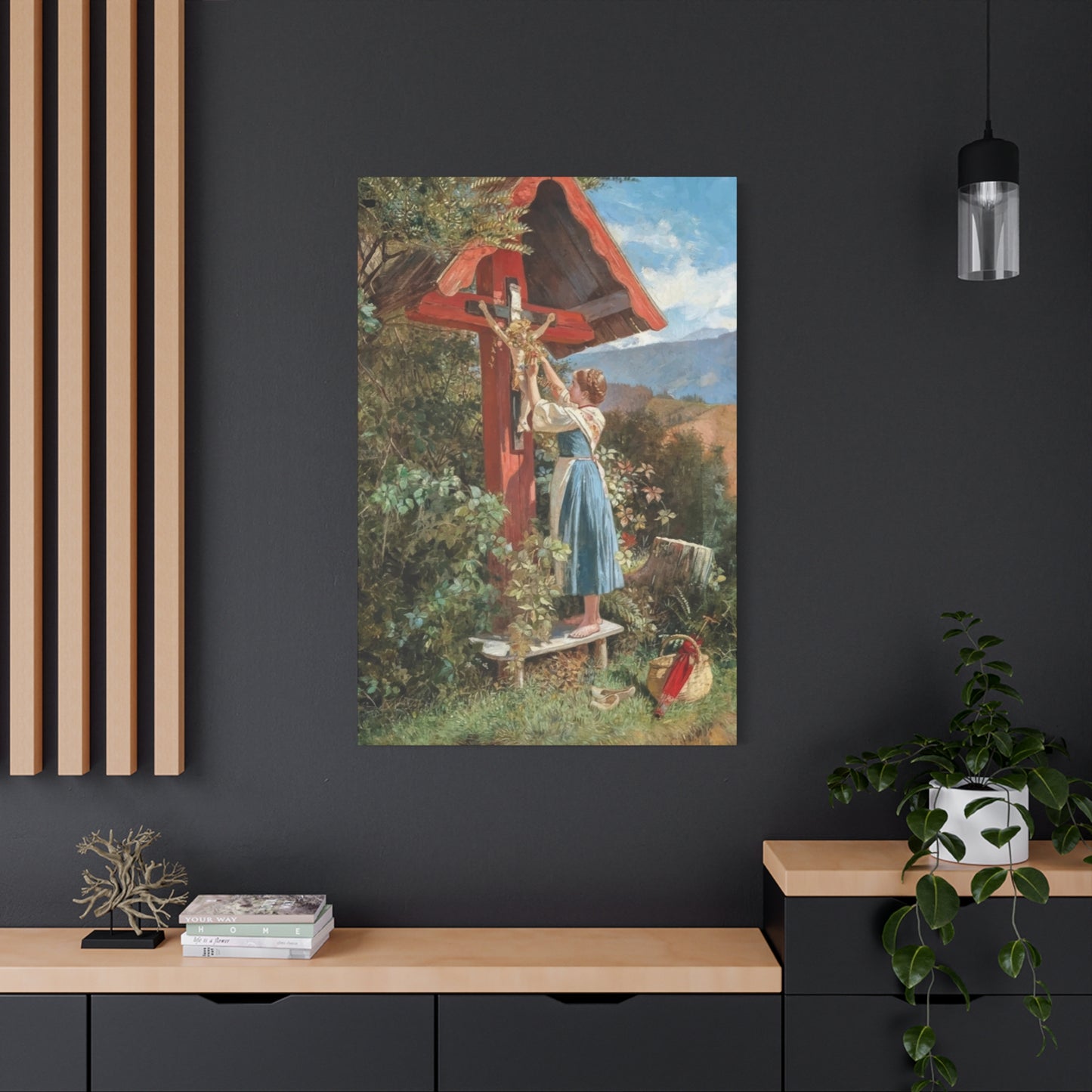
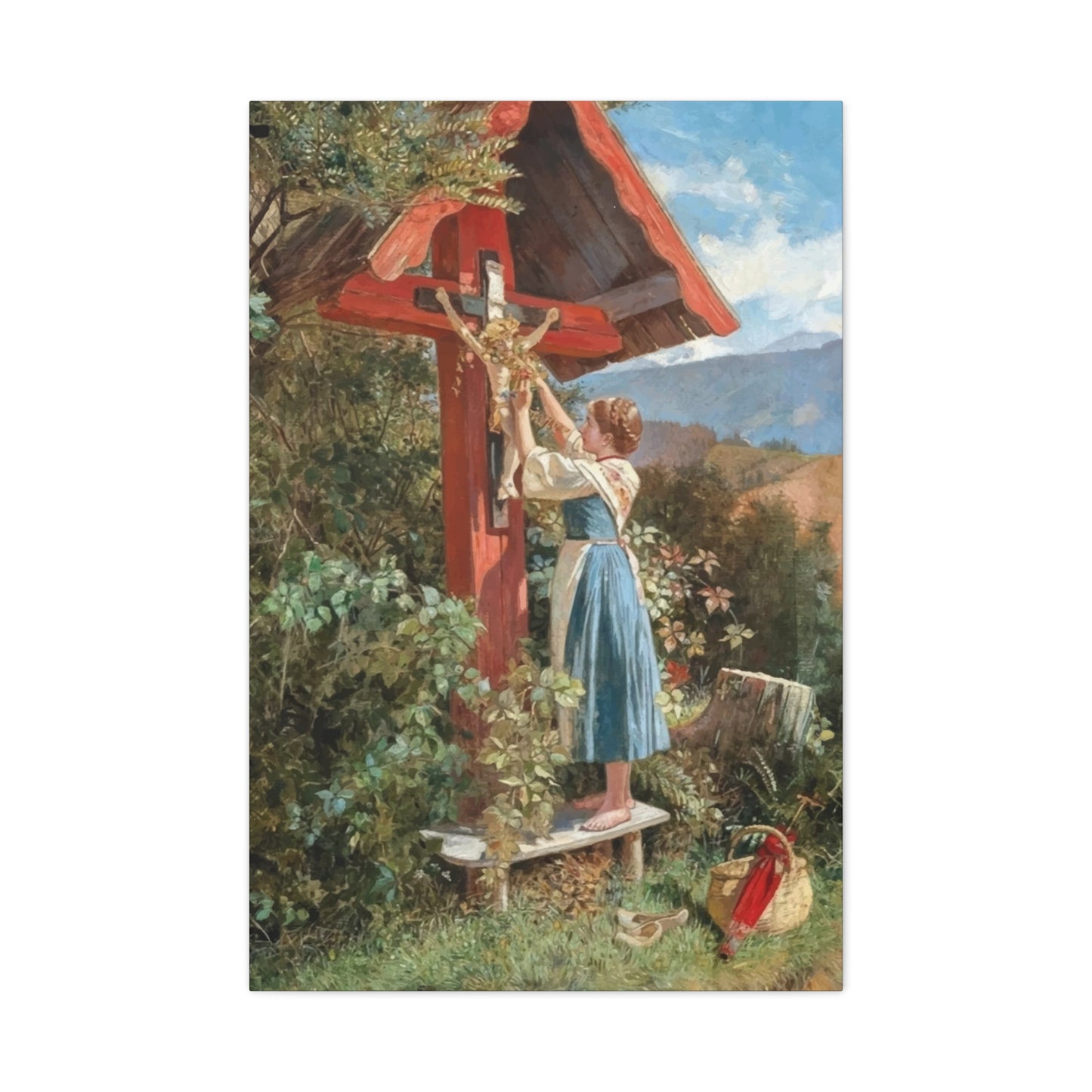
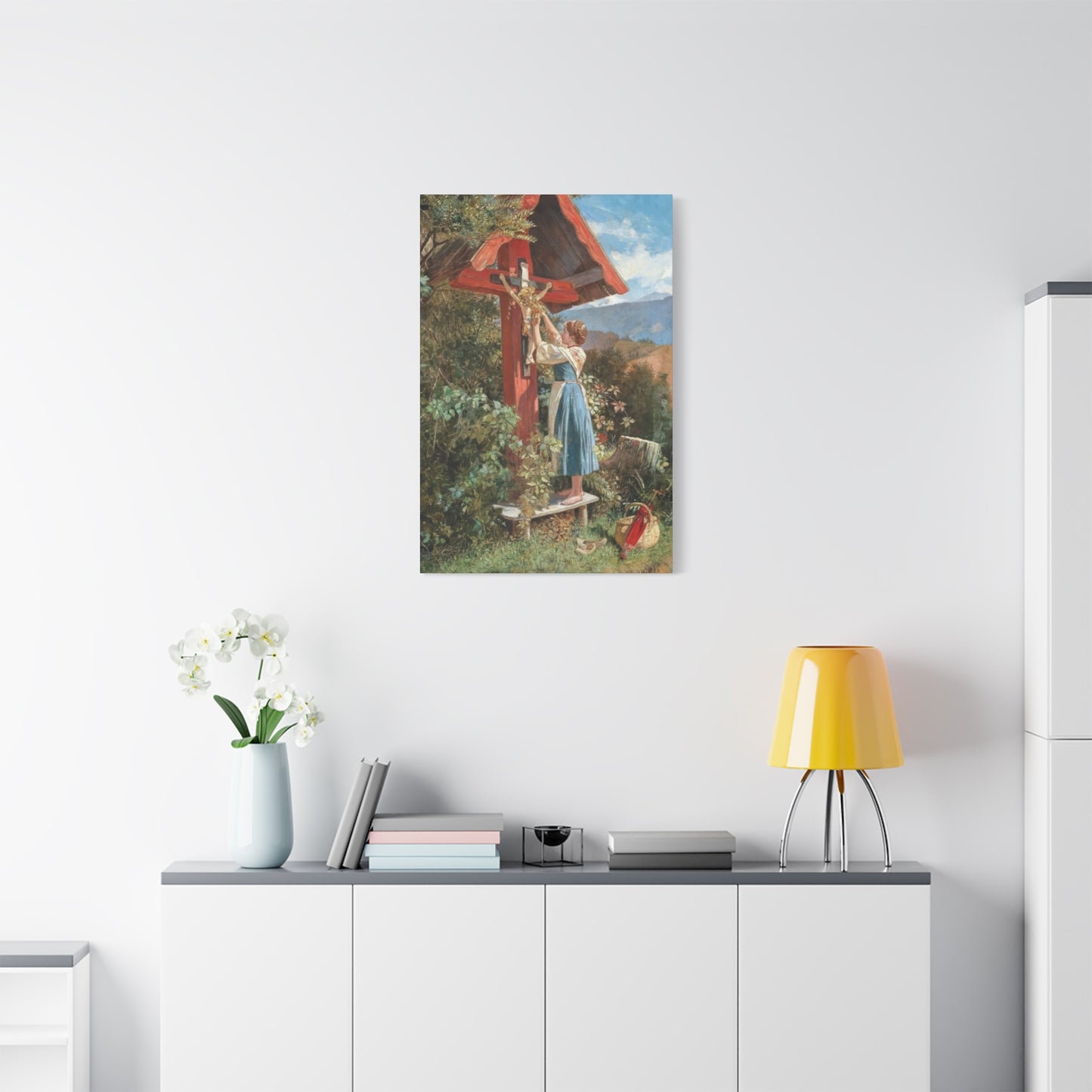
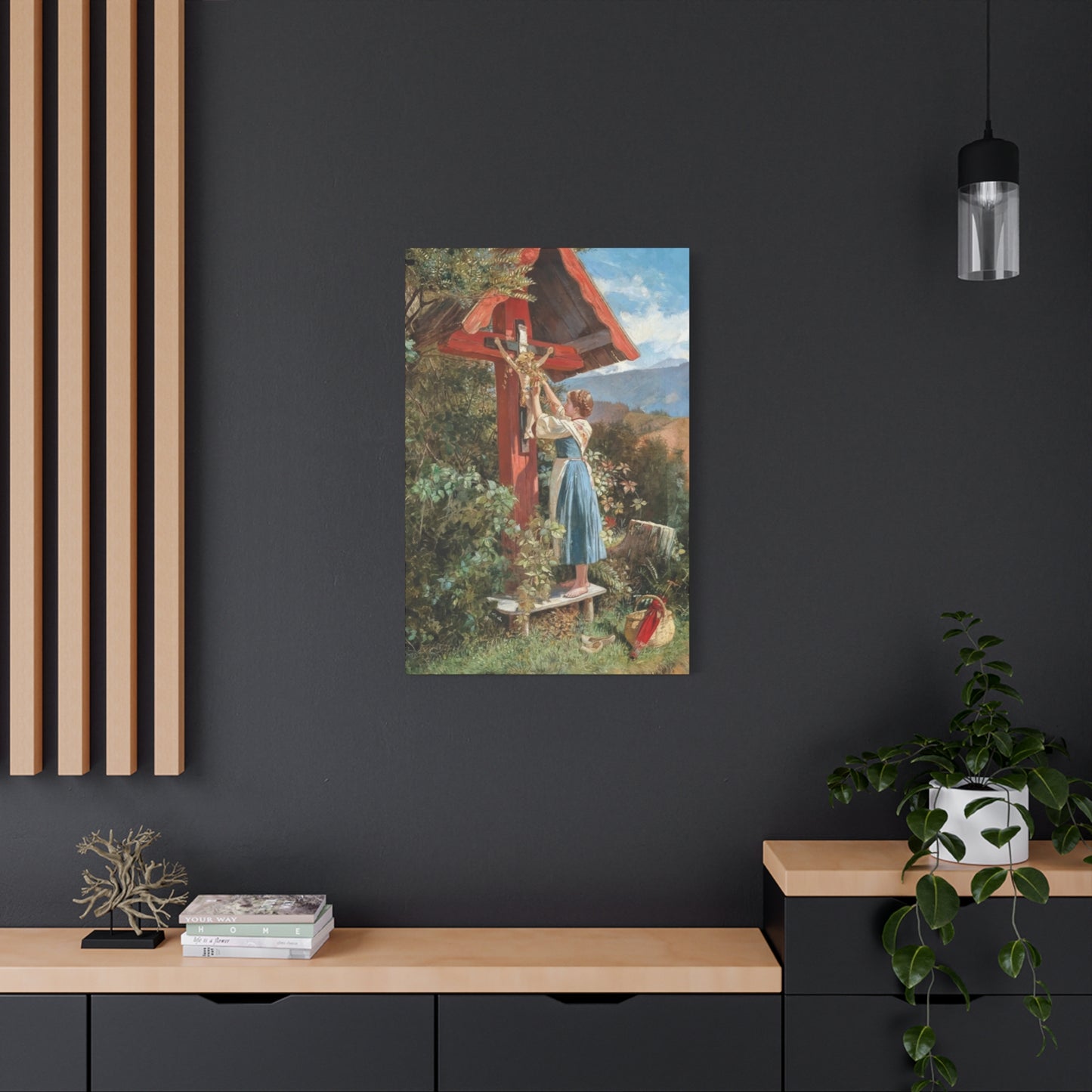
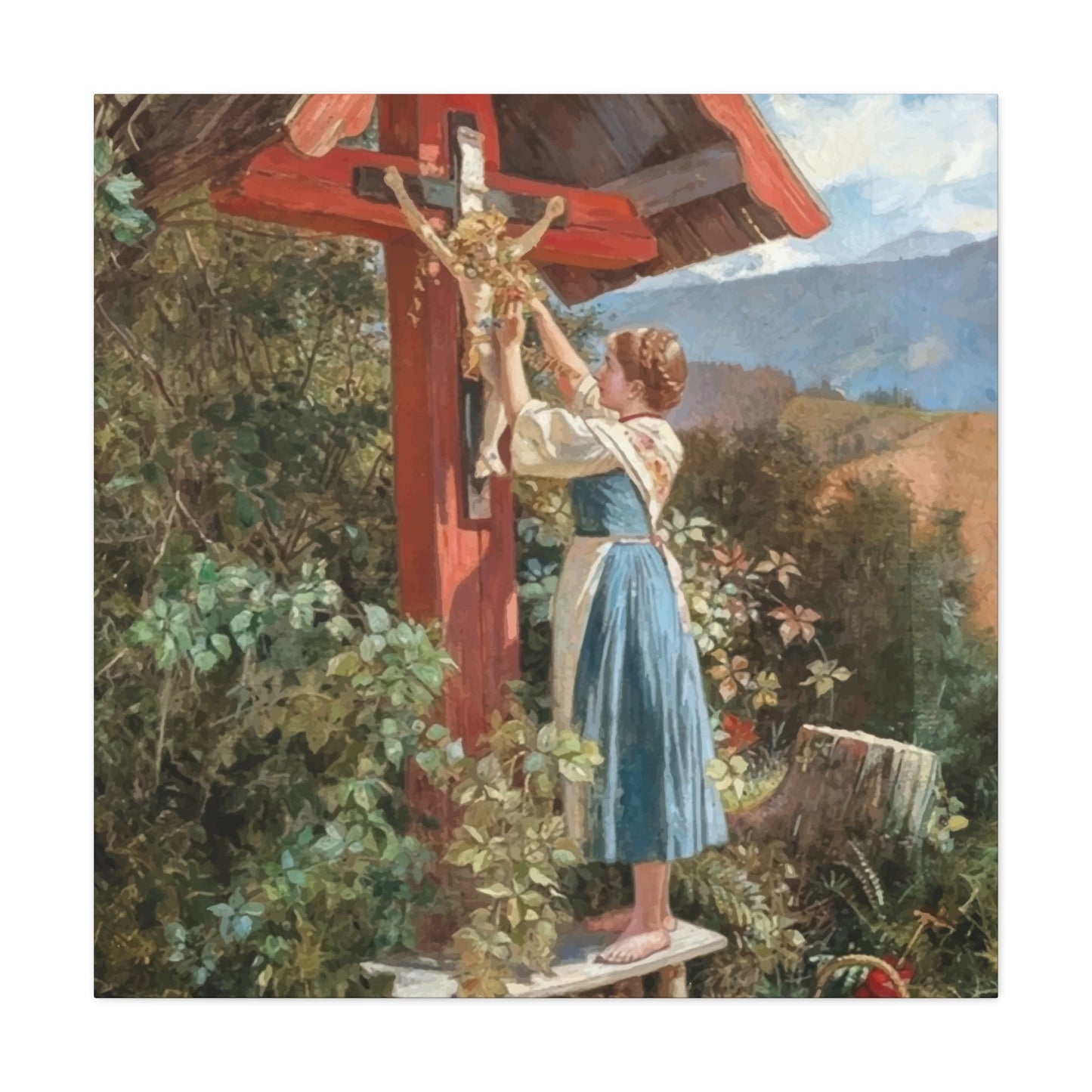
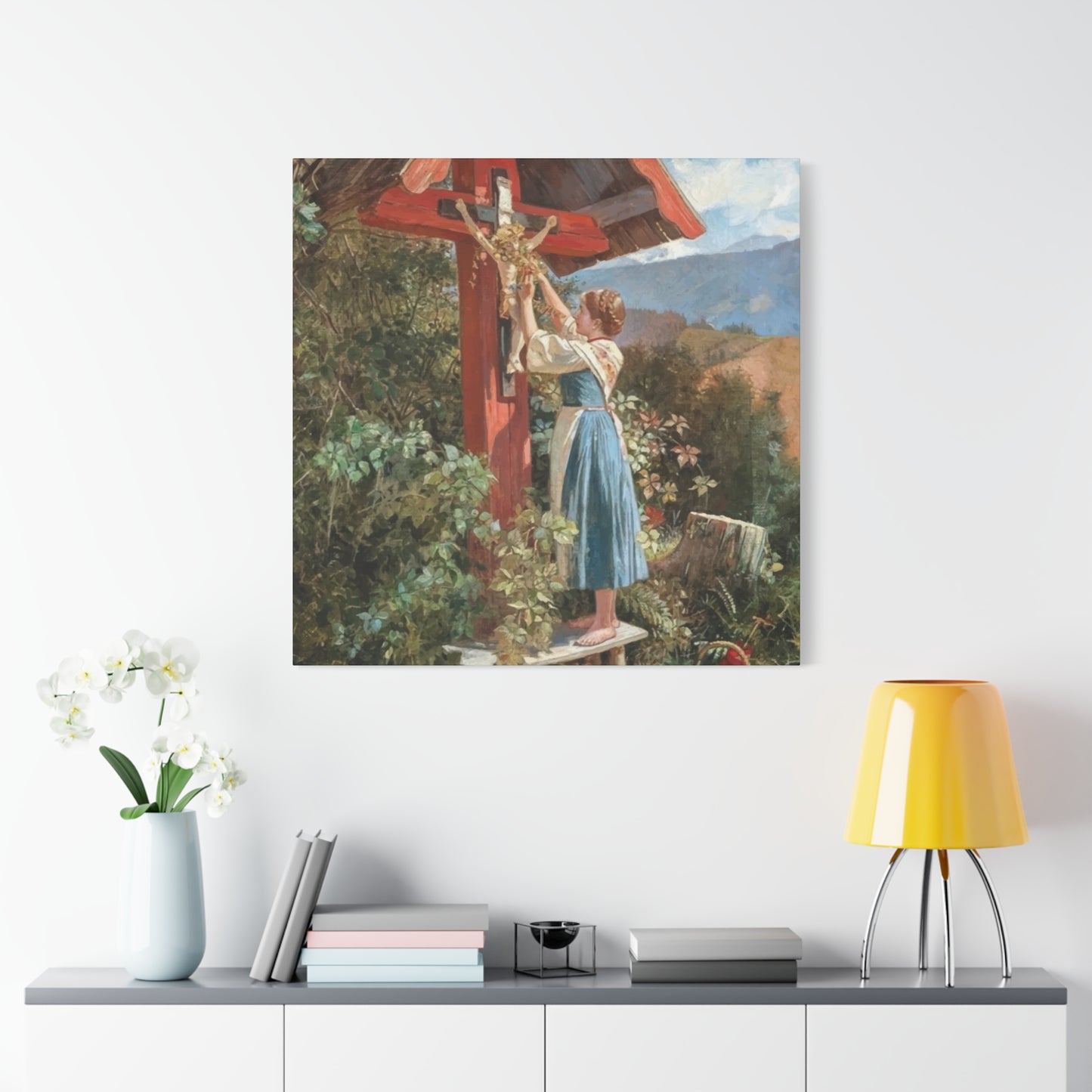
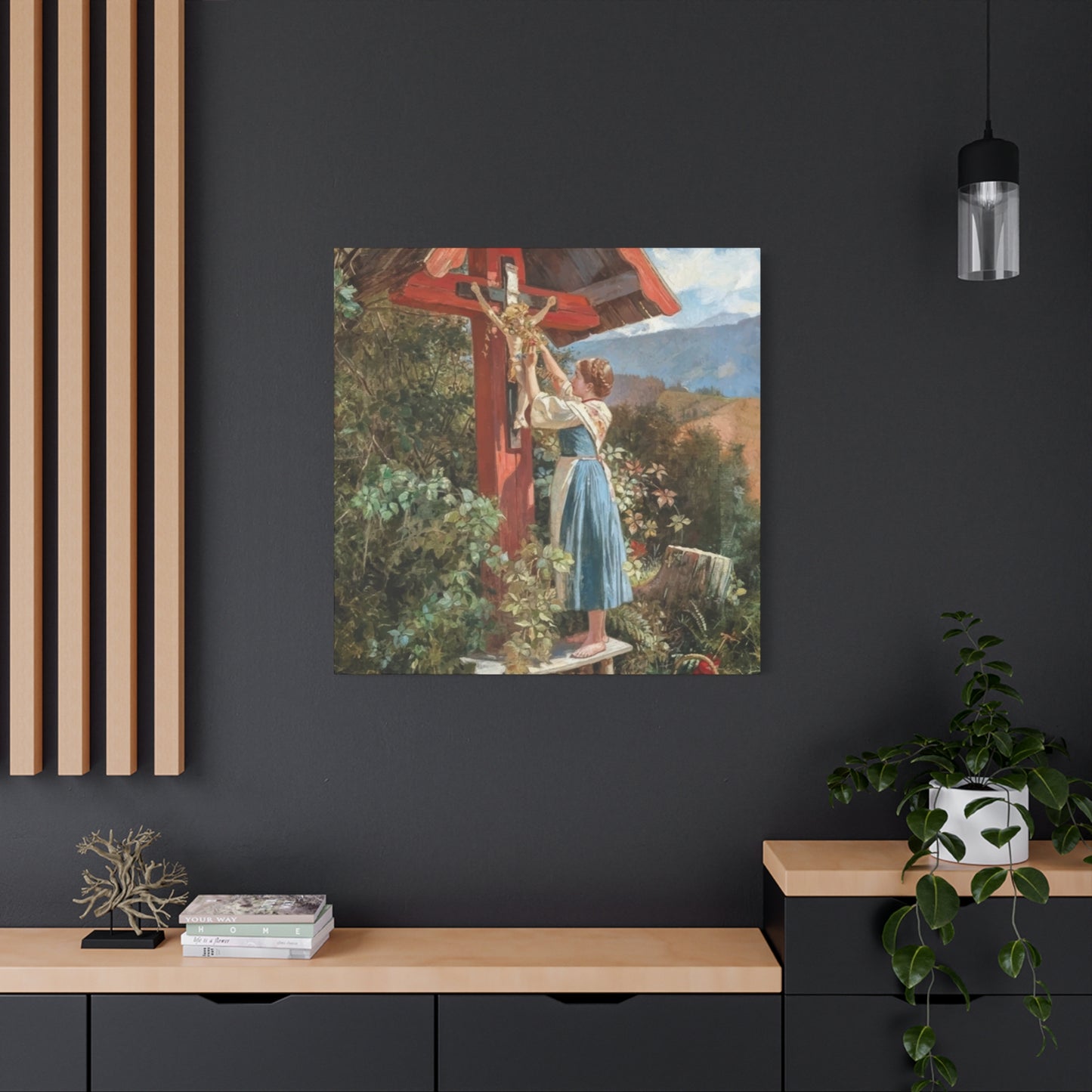
Christianity Living Wall Art & Canvas Prints
Christianity Living Wall Art & Canvas Prints
Couldn't load pickup availability
Exploring the Spiritual Essence of Christianity Living Wall Art Through Contemporary Home Decoration
The intersection of faith and aesthetics has created a remarkable space in modern interior design where Christianity Living Wall Art serves as both a devotional element and a sophisticated decorative feature. This comprehensive exploration delves into every facet of how believers and design enthusiasts can incorporate sacred imagery and scriptural representations into their living spaces while maintaining artistic integrity and spiritual authenticity.
The Sacred Connection Between Faith Expression and Vertical Garden Displays
The concept of merging botanical elements with religious symbolism represents a profound evolution in how contemporary Christians choose to manifest their beliefs within domestic environments. Christianity Living Wall Art transcends conventional framed pictures or traditional icons by creating three-dimensional representations that engage multiple senses simultaneously. When moss, succulents, or preserved foliage form the backdrop for scriptural verses or symbolic imagery, the result becomes a living testament to the growth and vitality inherent in spiritual life.
This convergence speaks to ancient traditions where gardens held sacred significance across biblical narratives. From the Garden of Eden to the Garden of Gethsemane, botanical spaces have served as settings for pivotal moments in Christian scripture. Modern interpretations through vertical plantscapes allow households to recreate these sanctified environments in miniaturized form, bringing the essence of holy ground into everyday living quarters.
The tactile nature of genuine plant material adds layers of meaning unavailable through static representations. As greenery requires nurturing, water, and attention, so too does faith demand cultivation and care. This parallel creates opportunities for meditative practice where tending to the physical garden becomes metaphorically linked to tending one's relationship with the divine. The cyclical nature of plant growth, dormancy, and renewal mirrors spiritual journeys of struggle, rest, and rebirth that resonate deeply within Christian doctrine.
Scriptural Verses Reimagined Through Botanical Composition Methods
The selection and arrangement of sacred text within Christianity Living Wall Art requires thoughtful consideration of both aesthetic presentation and theological accuracy. Popular passages that lend themselves particularly well to this medium include Psalm 23, the Beatitudes, and the Fruits of the Spirit listed in Galatians. Each of these texts contains imagery that naturally complements botanical themes, creating coherent visual narratives.
Crafting these displays involves choosing typefaces that balance readability with artistic merit. Traditional calligraphic styles evoke historical manuscript illumination, connecting contemporary pieces to centuries of Christian artistic tradition. However, modern sans-serif fonts can provide clean, minimalist presentations that appeal to those favoring contemporary design sensibilities. The decision between these approaches should reflect the overall aesthetic direction of the space where the piece will reside.
The physical construction of text elements within living walls presents unique challenges. Letters may be formed from contrasting moss varieties, creating depth through color variation between preserved green, chartreuse, and sage tones. Alternatively, text can be mounted as separate elements against a uniform botanical background, allowing for easier updates should the living material require replacement. Some artisans incorporate metallic leaf finishes or weathered wood letters that complement rustic or farmhouse-inspired interiors while maintaining durability.
Consideration must also be given to the length and complexity of chosen verses. Shorter passages like "Be Still and Know" or "I Am the Way" work effectively in compact spaces such as entryways or reading nooks. Longer texts require more expansive walls and careful line breaks to maintain visual harmony. The rhythm and meter of biblical poetry often provides natural breaking points that enhance rather than disrupt the flow of reading.
Symbolic Representations Across Different Denominational Perspectives
Christianity encompasses a rich diversity of traditions, each with distinct approaches to visual representation and symbolism. Understanding these variations becomes essential when creating Christianity Living Wall Art intended for specific contexts or communities. Catholic households might gravitate toward Marian imagery, representations of saints, or the crucifix as central elements. Protestant traditions often emphasize scriptural text over figurative representations, favoring verses and inspirational phrases.
Orthodox Christianity brings its own visual vocabulary, with iconographic traditions dating back over a millennium. Adapting these highly stylized representations to living wall formats requires sensitivity to theological meanings embedded in color choices, figure positions, and symbolic elements. The use of gold accents, for instance, represents divine light and transcendence in Orthodox theology, a concept that might be expressed through metallic moss varieties or strategic lighting rather than traditional gilding.
Evangelical and non-denominational communities frequently embrace contemporary worship aesthetics that translate well to modern design idioms. Bold typography, abstract representations of the cross, and nature-centric imagery align with these communities' often casual and accessible worship styles. For these contexts, Christianity Living Wall Art might incorporate trendy design elements like geometric patterns or watercolor-style backgrounds while maintaining clear Christian messaging.
The emerging movement toward contemplative spirituality across denominational lines has created demand for minimalist, meditative pieces. These designs often feature single words like "Grace," "Peace," or "Abide" set against serene botanical backgrounds. The simplicity invites sustained contemplation rather than immediate comprehension, mirroring labyrinthine prayer practices and centering prayer methodologies.
Material Selection for Longevity and Symbolic Resonance
The choice of botanical materials for Christianity Living Wall Art significantly impacts both the piece's longevity and its symbolic potency. Preserved mosses rank among the most popular choices due to their minimal care requirements and rich textural qualities. These materials undergo stabilization processes that halt biological degradation while maintaining flexibility and natural appearance. Various moss species offer distinct visual characteristics, from the dense, cushiony quality of mood moss to the branching structure of reindeer moss.
Succulent varieties present another compelling option, particularly for those desiring living rather than preserved materials. Species like Sempervivum (hens and chicks) and Sedum offer remarkable drought tolerance and can thrive in vertical orientations when properly mounted. Their rosette formations and varied colorations create visual interest while requiring only occasional misting. Symbolically, succulents represent resilience and the ability to thrive in challenging conditions, concepts that resonate with Christian narratives of perseverance through tribulation.
Ferns and tropical foliage introduce lush, verdant backdrops that evoke Eden-like abundance. However, these materials demand more consistent moisture and appropriate lighting conditions, making them suitable only for specific interior environments. When feasible, their presence creates immersive, sanctuary-like atmospheres that transform ordinary rooms into spaces conducive to prayer and reflection.
Air plants (Tillandsia species) offer unique possibilities for three-dimensional compositions. These rootless epiphytes can be affixed to driftwood, cork bark, or wire forms without soil, allowing for sculptural arrangements that seem to defy conventional growth patterns. This quality makes them particularly appropriate for representing concepts of faith that transcend earthly limitations or the Holy Spirit's presence that moves through spaces unseen but felt.
Wood selections for structural elements and text components carry their own symbolic weight. Reclaimed barnwood or weathered timber connects to Christian values of stewardship and redemption, giving new purpose to materials that might otherwise be discarded. Cedar and cypress offer natural rot resistance while evoking biblical references to these trees in temple construction and sacred spaces. The grain patterns and color variations in wood contribute organic warmth that complements botanical elements.
Compositional Balance Between Visual Impact and Spiritual Contemplation
Effective Christianity Living Wall Art achieves equilibrium between immediate aesthetic appeal and sustained devotional utility. Pieces that succeed on both fronts typically employ principles of visual hierarchy, guiding the viewer's eye through intentional design choices. Primary focal points might include central crosses, prominent verses, or symbolic imagery, surrounded by supporting elements that provide context and depth.
The rule of thirds, borrowed from photographic composition, can be adapted to vertical garden designs. Positioning key elements along these intersecting lines rather than centering them creates dynamic tension that maintains visual interest. However, symmetrical arrangements hold their own appeal, particularly when seeking to convey stability, order, and eternal truths associated with divine nature.
Color theory plays a crucial role in setting emotional tones. Deep greens and earth tones promote restfulness and grounding, suitable for prayer spaces or bedrooms. Brighter lime and chartreuse hues inject energy and vitality, appropriate for family gathering areas or children's rooms. Incorporating flowering elements in seasonal rotations can mark liturgical calendar progressions, with whites and golds for Christmas and Easter seasons, or purples during Lent.
Textural contrast prevents monotony in monochromatic schemes. Combining smooth preserved leaves with rough bark textures, or feathery moss with structured geometric frames creates tactile interest that invites closer examination. This layering mirrors the complexity of scriptural interpretation, where surface meanings give way to deeper revelations upon contemplation.
Negative space functions as a compositional element in its own right, providing visual rest and preventing overwhelming busyness. In Christian symbolism, emptiness can represent the kenosis (self-emptying) of Christ or the void from which divine creation emerged. Strategically incorporated breathing room allows individual elements to resonate more powerfully than would be possible in cluttered arrangements.
Illumination Strategies for Enhancing Devotional Atmospheres
Lighting considerations extend beyond the practical requirements of photosynthesis into the realm of ambiance creation and spiritual symbolism. Christianity Living Wall Art benefits from multi-layered lighting approaches that serve different functions throughout daily rhythms. Task lighting ensures visibility for reading embedded scripture, while accent lighting highlights specific design elements or creates dramatic shadows that emphasize dimensional qualities.
Natural light patterns should be carefully observed before installation, as shifting illumination throughout the day can dramatically alter a piece's appearance and emotional impact. Morning light streaming across a east-facing wall might catch dewy moisture on living plants, creating luminous effects reminiscent of transfiguration accounts. Evening light from west-facing windows can cast long shadows that deepen textural contrasts and inspire contemplative moods.
Supplemental grow lights become necessary for maintaining living plant health in dimly lit spaces, but these fixtures need not compromise aesthetic objectives. Contemporary LED options produce full-spectrum output in surprisingly compact formats that can be concealed behind frames or integrated into wall-mounted housing. Adjustable color temperatures allow customization, with warmer tones creating cozy, intimate feelings and cooler temperatures promoting alertness and clarity.
Candle placement near Christianity Living Wall Art introduces flickering, organic light that has accompanied Christian worship since ancient times. The dancing flames create ever-changing shadow play across botanical textures, making static displays feel alive and dynamic. However, fire safety precautions are paramount, requiring secure candle holders positioned at safe distances from flammable materials and never left unattended.
Statement pendant lights or picture lights can serve as permanent fixtures that define the living wall as a intentional focal point. Adjustable fixtures allow for seasonal variations in lighting intensity and direction, accommodating changes in natural light availability and supporting different devotional practices. Dimmable options provide flexibility for transitioning from active family time to quiet personal prayer.
Spatial Considerations for Incorporating Sacred Vertical Gardens
The physical location chosen for Christianity Living Wall Art within a home profoundly influences both its practical maintenance and its spiritual function. Entryways and foyers serve as transitional thresholds where such pieces can establish the home's spiritual character immediately upon entry. Greeting residents and visitors alike with visible faith statements sets intentional tones and can spark conversations about belief systems.
Living rooms and family gathering spaces allow Christianity Living Wall Art to participate in communal life, making faith an integrated part of daily interactions rather than something compartmentalized in private devotional spaces. These high-traffic areas ensure regular visual engagement with the piece, reinforcing its messages through repeated exposure. However, such locations may limit opportunities for quiet meditation directly before the artwork.
Bedroom installations create intimate prayer corners that support morning devotions or bedtime reflections. Waking to scriptural encouragement or closing the day with visual reminders of divine promises can bookend daily experiences with spiritual framing. The personal nature of bedrooms makes them appropriate for more vulnerable or emotionally raw faith expressions that might feel too exposed in public-facing areas.
Home offices and creative workspaces benefit from Christianity Living Wall Art that speaks to themes of purpose, calling, and stewardship. Verses about working as unto the Lord or using talents for kingdom purposes can provide ongoing motivation during mundane tasks. The presence of living greenery also improves air quality and cognitive function, creating practical benefits alongside spiritual ones.
Dedicated prayer rooms or meditation corners represent ideal settings where Christianity Living Wall Art can function as focal points for contemplative practices. In these spaces, distractions can be minimized, and the piece's full devotional potential maximized. Surrounding the living wall with additional elements like prayer cushions, candles, or religious texts creates comprehensive sacred spaces within domestic settings.
Climate Control and Environmental Requirements for Plant Vitality
Maintaining the health and appearance of Christianity Living Wall Art incorporating living plants demands understanding of environmental parameters that support botanical vitality. Temperature stability ranks as a primary concern, with most common houseplants thriving in ranges between 65-75°F. Significant fluctuations stress plants and can lead to leaf drop, discoloration, or even death. Locations near exterior doors, windows with drafts, or heating/cooling vents should be avoided.
Humidity levels critically impact tropical species commonly featured in living walls. Many interior environments, particularly during heating seasons, maintain relative humidity below 30%, well beneath the 50-60% preferred by ferns, calatheas, and similar moisture-loving plants. Humidifiers positioned near living walls can rectify this deficiency, or households might select more arid-adapted species like sansevieria or pothos that tolerate drier conditions.
Air circulation prevents fungal issues and promotes strong plant growth, but must be gentle rather than direct and desiccating. Ceiling fans or strategically placed oscillating fans provide movement without blasting delicate foliage. Stagnant air encourages pest infestations and disease proliferation, making some degree of airflow non-negotiable for long-term success.
Watering systems for vertical arrangements require more sophistication than traditional potted plants. Drip irrigation lines can be threaded through the structure, delivering measured amounts of moisture directly to root zones. Self-watering systems with reservoirs reduce maintenance frequency but demand occasional refilling and monitoring for algae growth or mineral buildup. Hand watering remains viable for smaller installations, though care must be taken to avoid water damage to walls or flooring below the piece.
Fertilization needs vary by species but generally remain modest for living walls, where compact growth serves aesthetic purposes better than vigorous expansion. Diluted liquid fertilizers applied monthly during growing seasons provide essential nutrients without promoting excessive foliage that might obscure design elements. Organic options align with creation care values many Christians embrace, avoiding synthetic chemicals in favor of naturally derived nutrients.
Symbolic Cross Representations Through Botanical Arrangements
The cross stands as Christianity's central symbol, and its incorporation into living wall designs offers countless creative possibilities. Simple cruciform shapes can be created through plant selection, using contrasting species or colors to delineate the vertical and horizontal arms against a uniform background. This approach maintains clean lines and immediate recognizability while integrating seamlessly with botanical themes.
Three-dimensional crosses constructed from branches, driftwood, or metal can be mounted directly into living walls, allowing plants to grow around and through the structure. Over time, the botanical elements may partially obscure the cross, creating visual metaphors for how faith becomes intertwined with every aspect of life, or alternatively, how worldly concerns can overshadow spiritual priorities if not vigilantly maintained.
Empty cross representations emphasize resurrection theology, celebrating Christ's victory over death rather than focusing on crucifixion suffering. These designs might incorporate light colors, uplift-oriented plant arrangements that grow upward rather than trailing downward, or actual openings in the living wall through which light can pass, symbolizing the empty tomb and barrier-free access to divine presence.
Rustic crosses fashioned from rough-hewn timbers connect to the historical reality of Roman execution methods while also appealing to contemporary farmhouse and industrial design aesthetics. Their unfinished, imperfect character reminds viewers of Christianity's radical claim that the divine entered fully into human messiness and suffering, hallowing even the most humble materials.
Celtic cross variations introduce intricate knotwork and circular elements representing eternity and the interweaving of physical and spiritual realities. Recreating these complex patterns through careful plant placement and training demands significant skill but results in stunning pieces that honor both Christian faith and artistic heritage. The circle surrounding the cross intersection particularly lends itself to wreath-like botanical treatments.
Seasonal Rotations and Liturgical Calendar Alignments
Dynamic Christianity Living Wall Art can evolve throughout the year, marking the passage of liturgical seasons and major feast days through thoughtful alterations. This approach transforms static displays into responsive elements that actively participate in the rhythm of the church year, deepening household engagement with broader Christian community observances.
Advent preparations might involve incorporating evergreen boughs, pine cones, and deep green mosses that evoke winter's dormancy and anticipation. Purple accents through ribbon, flowering plants, or dyed elements can reference traditional Advent liturgical colors. Gradually adding warm lighting or gold touches as Christmas approaches mirrors the increasing anticipation of Christ's coming.
Christmas and Epiphany seasons invite celebratory transformations with white flowers, gold accents, and star imagery. Poinsettias, though traditional floor plants, might be represented through red-hued moss or fabric elements. The twelve days of Christmas provide extended opportunity for festive decoration without the rushed feeling of compressing celebration into a single day.
Lenten observances call for more austere presentations, possibly stripping away embellishments to expose structural elements or focusing on thorny plants like crown of thorns euphorbia. Purple returns as the dominant color, and the absence of flowers in some liturgical traditions might be reflected in purely foliage-based arrangements. This simplification creates space for introspection and repentance themes central to the season.
Easter's explosive joy warrants equally dramatic transformations with white lilies, bright flowers, and celebratory gold or brass accents. Butterflies as resurrection symbols can be incorporated as decorative elements among the plants. The entire wall might seem to burst with life, manifesting the victory over death that Easter proclaims. This vitality can persist through the fifty days of Eastertide, gradually transitioning toward Pentecost.
Ordinary Time, the longest liturgical season, offers opportunity for showcasing the steady, daily walk of discipleship. Green in all its variations becomes the theme, emphasizing growth, maturity, and the ongoing work of sanctification. This extended period allows for experimentation with different plant varieties and design adjustments without the pressure of preparing for imminent seasonal transitions.
Scriptural Wisdom on Creation Care Informing Material Choices
Biblical texts emphasizing humanity's role as stewards of creation have increasing relevance as environmental consciousness permeates contemporary discourse. Christianity Living Wall Art can embody these values through mindful material sourcing and sustainable practices. Genesis' creation accounts establish humanity's unique responsibility within the natural order, a mandate that extends to how believers source, craft, and maintain decorative elements.
Reclaimed and recycled materials align with stewardship principles by extending the useful life of resources rather than consuming new raw materials. Barnwood rescued from demolished structures, driftwood collected from beaches, and salvaged metalwork all carry histories that add narrative depth while reducing environmental footprints. These materials often display character and patina that new, manufactured products cannot replicate.
Sustainably harvested plants and responsibly sourced mosses prevent ecological damage in collection areas. Reputable suppliers verify that materials come from managed forests or farms rather than wild populations. Some moss varieties can be cultivated specifically for living wall purposes, eliminating any wild collection concerns. Consumer demand for transparent sourcing drives the industry toward more ethical practices.
Native plant selections, when possible, support local ecosystems and typically require less intensive care than exotic species. Plants adapted to regional conditions naturally tolerate local climate patterns and resist indigenous pests without chemical interventions. This approach reduces maintenance burdens while demonstrating attentiveness to place and locale, a concept with rich theological resonance regarding rootedness and belonging.
Energy-efficient LED lighting minimizes electricity consumption associated with maintaining living walls, translating care for creation from abstract principle into concrete action. Solar-powered options, where feasible, further reduce environmental impacts. These choices reflect recognition that dominion entails responsible management rather than exploitative domination, an interpretation gaining traction across theological traditions.
Crafting Personalized Faith Narratives Through Custom Commissions
Standard, mass-produced Christianity Living Wall Art serves many households effectively, but custom commissions offer opportunities to manifest highly personal faith stories and spiritual journeys. Commissioning artists to create bespoke pieces allows for integration of specific verses that hold individual significance, imagery from personal spiritual experiences, or visual representations of answered prayers and divine interventions.
Family scripture that has been passed through generations or verses that accompanied significant life transitions make particularly meaningful focal points for custom work. A couple might choose their wedding verse or the passage read at their vow ceremony. Parents might select the dedication verse spoken over their children. These personal connections transform decorative objects into tangible memory markers and spiritual heritage artifacts.
Incorporating elements from significant places deepens personal resonance. Materials sourced from Holy Land pilgrimages, wood from a church camp where conversion occurred, or pressed flowers from a meaningful garden wedding can be integrated into custom designs. These physical connections to sacred experiences function as relics in the broad sense—not as objects of veneration themselves, but as tangible links to moments of divine encounter.
Original artwork created specifically for incorporation into living walls elevates pieces into true fine art. Commissioning paintings, calligraphy, or sculpture from Christian artists supports vocational ministry while ensuring absolute uniqueness. The collaborative process between commissioner and artist often proves spiritually formative in itself, requiring articulation of faith convictions and aesthetic preferences that might otherwise remain unconsidered.
Memorial pieces honoring deceased loved ones offer comfort and maintain connection to the communion of saints. Favorite verses of the departed, symbols significant to their faith journey, or imagery from their life work can be woven into designs that celebrate their legacy. These become sites for remembrance and ongoing conversation with those who have gone before, anchoring grief within resurrection hope.
Color Psychology and Theological Symbolism in Plant Selection
The chromatic qualities of botanical materials carry both psychological impact and theological significance that thoughtful designers leverage in creating Christianity Living Wall Art. Green, the dominant color in most living walls, universally signals life, growth, and renewal—core themes in Christian spirituality. Its restful qualities make it ideal for spaces intended for contemplation and prayer, as it neither overstimulates nor induces drowsiness.
Blue-toned foliage like certain eucalyptus varieties or blue fescue grass evokes heavenly realms and divine mystery. In Christian artistic tradition, blue frequently appears in Marian imagery, associating the color with purity, faithfulness, and maternal protection. Psychologically, blue tones calm anxious thoughts and promote mental clarity, beneficial qualities for prayer spaces or areas designated for scripture study.
Red accents through flowering plants or berries carry complex symbolism spanning both divine love and martyrdom. The passion of Christ finds visual representation in crimson hues, as does the Holy Spirit's Pentecost fire and the blood of martyrs who witnessed to their faith. However, red also stimulates energy and can create agitation if overused, making it best employed as accent rather than dominant color.
Purple plants or elements reference both royalty and penitence depending on context. As the color associated with Lent, purple signifies repentance and preparation. Simultaneously, purple's historical association with kingship makes it appropriate for proclaiming Christ's sovereignty. Varieties like purple heart wandering jew or certain heuchera cultivars provide natural purple tones year-round.
White flowers and variegated foliage communicate purity, holiness, and celebration. Easter, Christmas, and other high feast days traditionally feature white in liturgical settings, a practice that can extend to domestic Christianity Living Wall Art. White's reflective quality also maximizes impact in low-light situations, seeming to glow with accumulated luminosity.
Yellow and gold tones suggest divine light, glory, and joy. Marigolds, chrysanthemums, or golden pothos vines introduce solar warmth that combats both physical and spiritual darkness. These cheerful colors prove particularly valuable in spaces prone to seasonal affective challenges or in homes of those battling depression, where environmental mood elevation serves therapeutic purposes.
Addressing Common Challenges in Living Wall Maintenance Protocols
Even well-designed Christianity Living Wall Art encounters periodic challenges requiring diagnosis and intervention. Yellowing leaves typically indicate either overwatering or nitrogen deficiency. Determining which requires examining soil moisture levels and reviewing recent fertilization practices. Adjusting watering frequency or applying diluted fertilizer usually resolves the issue within weeks as new growth emerges.
Brown leaf tips often result from low humidity, fluoride in tap water, or fertilizer salt accumulation. Increasing ambient moisture through humidifiers addresses the first cause. Switching to filtered or distilled water eliminates fluoride concerns. Flushing the growing medium with clean water leaches accumulated salts. Trimming affected tips with clean shears restores appearance while plants recover.
Pest infestations occasionally occur despite preventive measures. Spider mites, the most common living wall pest, respond to increased humidity and insecticidal soap applications. Thorough coverage of leaf undersides proves essential, as eggs and young mites congregate there. Repeat treatments at five-day intervals catch newly hatched individuals before they mature.
Fungal issues manifest as powdery coatings, spots, or wilting despite adequate moisture. These typically stem from poor air circulation or excessive humidity combined with cool temperatures. Improving airflow, reducing watering frequency, and potentially applying organic fungicides halts progression. Severely affected foliage should be removed to prevent spore spread.
Uneven growth where some plants thrive while others decline suggests lighting inconsistencies or species mismatches. Observing which areas receive more or less light guides repositioning of light fixtures. Alternatively, replacing struggling species with varieties better suited to available conditions ensures overall display cohesion. Embrace trial and error as part of the process rather than viewing setbacks as failures.
Physical damage from pets, children, or accidents requires prompt attention to prevent secondary problems like disease entry through wounds. Clean cuts with sanitized tools minimize trauma and allow plants to compartmentalize injuries effectively. Deterrents like bitter sprays or physical barriers protect living walls in high-traffic or pet-frequented areas until household members develop appropriate respect for the display.
Scripture Verses Particularly Effective for Wall Display Purposes
Certain biblical passages possess qualities that make them especially effective within Christianity Living Wall Art contexts. Brevity paired with profound meaning allows these verses to function as meditation focal points without overwhelming viewers with excessive text. Their familiarity often means they're already memorized, enabling contemplation even when not directly viewing the wall.
John 15:5 declares "I am the vine; you are the branches" with inherent botanical imagery that creates natural synergy with living wall formats. The verse continues with promises of fruitfulness for those remaining connected to Christ, themes that resonate deeply when surrounded by literal growing plants. This passage invites extended reflection on dependence, connection, and spiritual productivity.
Psalm 1:3 describes the righteous person as "a tree planted by streams of water, which yields its fruit in season and whose leaf does not wither." The arboreal metaphor directly parallels the visual experience of engaging with living plant displays. References to water streams can be emphasized through irrigation system visibility or through artistic representations of flowing water around the text.
Jeremiah 17:7-8 offers an extended blessing on those who trust the Lord, comparing them to trees planted by water that remain green even during drought. This passage speaks to resilience and sustained vitality despite challenging circumstances, an encouraging word for households facing difficulties. The imagery of deep roots searching out water translates naturally to visual representation.
Isaiah 40:8 contrasts withering grass with the eternal word of God: "The grass withers and the flowers fall, but the word of our God endures forever." While this might seem counterintuitive for living walls, it actually creates interesting tension between the temporal botanical elements and the permanent spiritual truth they frame, inviting reflection on what truly lasts.
Song of Solomon 2:12 announces "Flowers appear on the earth; the season of singing has come," celebrating spring's renewal and joy. This verse pairs beautifully with flowering plant selections and can be rotated into displays seasonally, particularly during Eastertide when resurrection themes emphasize new life and celebration.
Galatians 5:22-23 listing the fruit of the Spirit provides multiple words suitable for display: love, joy, peace, patience, kindness, goodness, faithfulness, gentleness, and self-control. These can be arranged individually or collectively, perhaps with each word accompanying a specific plant variety that symbolically represents that particular fruit through color, growth habit, or traditional associations.
Professional Installation Versus Enthusiast DIY Project Approaches
Deciding between commissioning professional installation of Christianity Living Wall Art or undertaking the project personally involves weighing multiple factors beyond mere cost considerations. Professional installation guarantees structural integrity, proper waterproofing, and correctly implemented irrigation systems—particularly crucial for large-scale or architecturally complex installations. Experts navigate building code requirements and can secure pieces to various wall materials without risking damage.
Professional designers also bring trained aesthetic sensibilities and proven composition skills. Their experience with plant behavior in vertical orientations prevents common mistakes like selecting species ill-suited to the format. Many offer maintenance contracts that remove ongoing care burdens from homeowners while ensuring displays remain attractive year-round. Warranties on workmanship provide peace of mind unavailable with self-installed pieces.
However, personally creating Christianity Living Wall Art offers distinct advantages that resonate with many believers. The act of creation becomes devotional in itself—a form of prayer with hands crafting something beautiful for God's glory. Each decision about verse selection, plant placement, and material choice becomes an opportunity to contemplate faith and express spiritual understanding through tangible form.
DIY approaches prove considerably more economical, often costing a quarter to half the professional alternative. This accessibility democratizes living wall ownership, allowing those with modest budgets to still enjoy these spiritual focal points. Numerous tutorials, templates, and kit options make the process manageable even for those without extensive crafting backgrounds.
The skills developed through personal creation have transferable value for other household projects and hobbies. Understanding plant care, woodworking basics, and design principles enriches overall competence and confidence. For families, collaborative creation of Christianity Living Wall Art provides intergenerational bonding opportunities where faith, creativity, and skill-building interweave.
Hybrid approaches split the difference, with enthusiasts constructing structural elements and selecting plants while consulting professionals for irrigation system installation or electrical work for supplemental lighting. This preserves the creative satisfaction of personal involvement while ensuring technical aspects meet appropriate standards. Many find this balanced approach maximizes both quality and meaningful engagement.
Theological Reflections on Impermanence and Renewal Cycles
The living nature of botanical Christianity Living Wall Art invites profound theological meditation on themes that static artwork cannot access. Plants' inevitable aging, seasonal dormancy, and eventual death mirror the mortal experience, creating visual sermons on impermanence and the human condition. Yet unlike purely decorative objects that simply deteriorate, plants also regenerate, sending forth new growth that speaks to resurrection promises and divine renewal.
This cyclical quality challenges contemporary culture's discomfort with decline and endings. Rather than viewing wilted leaves or dormant growth as failures requiring concealment, these phases can be embraced as necessary stages in larger patterns. Christian theology has always maintained that death precedes resurrection—that seeds must fall to earth and die before producing abundant harvests. Living walls demonstrate this principle in slow motion, visible to any who watch with patient attention.
The requirement for ongoing care parallels spiritual disciplines necessary for maintaining vital faith. Just as neglected plants deteriorate, so too do spiritual lives suffer from inattention to prayer, scripture, and community. The disciplines required for plant health—consistent watering, proper feeding, adequate light—find direct correspondence in spiritual practices. This analogy transforms routine plant care into contemplative acts that reinforce faith commitments.
Conversely, over-eager care can harm plants as surely as neglect. Overwatering drowns roots, excessive fertilization burns foliage, and compulsive pruning weakens plants. These phenomena model how religious perfectionism and legalistic excess damage spiritual wellbeing. Learning appropriate care rhythms for living walls thus becomes instruction in balanced spirituality that avoids both license and legalism.
The diversity within plant communities reflects ecclesial diversity within Christ's body. Different species contribute unique characteristics—some provide structure, others fill gaps, some bloom brilliantly but briefly while others offer steady presence year-round. No single plant creates a complete living wall, just as no individual possesses all spiritual gifts. The composition's beauty emerges from diversity unified in purpose.
Gift-Giving Occasions Well-Suited for Living Wall Presentations
Christianity Living Wall Art makes profoundly meaningful gifts for occasions marking spiritual milestones and life transitions. Baptismal or dedication gifts establish faith as foundational from the beginning of life. Selecting verses that express parental hopes for the child's spiritual journey or promises of God's faithfulness throughout life creates heirlooms that gain significance as children mature and begin asking questions about their own faith origins.
Confirmation or believer's baptism gifts honor young people's personal faith commitments. Allowing the recipient to participate in verse selection or design elements acknowledges their growing spiritual autonomy. These pieces become markers of the transition from inherited faith to owned conviction, tangible reminders of public faith declarations made before witnessing communities.
Wedding gifts of Christianity Living Wall Art establish new households on explicitly spiritual foundations. Verses about love, commitment, and covenant provide ongoing encouragement throughout marital journeys. Couples report that such gifts become sites of prayer during conflict, visual reminders to return to the principles that united them when disagreements threaten to divide.
Ordination or commissioning gifts recognize those entering vocational ministry. Pieces emphasizing calling, perseverance, and faithful service speak to the unique challenges clergy and missionaries face. Knowing their community invested in creating or commissioning such a gift provides ongoing support during difficult seasons when ministry demands exact heavy tolls.
New home blessings traditionally involve prayers and consecration of living spaces to God's purposes. Christianity Living Wall Art suited to the new home's style and the household's spiritual priorities gives physical form to these dedication prayers. Every time residents notice the piece, they reconnect with their intention to make their dwelling a place where Christ's presence is honored.
Recovery or illness gifts offer hope and encouragement during physically or emotionally challenging times. Verses emphasizing God's presence in suffering, healing promises, or assurances of divine faithfulness combat the isolation and discouragement that often accompany health crises. The living nature of plants provides visual symbols of ongoing life even when the recipient's own vitality feels diminished.
Conclusion
While vertical walls represent the most common format, Christianity Living Wall Art concepts can expand into comprehensive botanical installations that transform entire spaces. Ceiling-mounted installations allow plants to cascade downward, creating immersive environments where sacred text and symbols surround rather than simply face viewers. These dramatic presentations work particularly well in spaces with high ceilings like converted loft apartments or great rooms.
Freestanding screens or room dividers incorporating living plant material and Christian symbolism serve dual purposes of spatial organization and spiritual focal points. These movable elements provide flexibility that permanent wall installations cannot match, adapting to changing space needs while maintaining their devotional functions. In open-concept homes, they can subtly designate prayer corners without permanent architectural alterations.
Table-scale living walls function as centerpieces for dining or coffee tables, making faith conversation literally central to household gatherings. These smaller formats prove ideal for apartment dwellers or those uncertain about committing to large installations. Their portability allows for indoor-outdoor movement based on seasonal conditions or social occasions.
Vertical garden columns wrapped around structural posts transform necessary architectural elements into beauty and ministry. These cylindrical installations can be viewed from multiple angles, allowing for different verses or images on each face. Slowly walking around such a column while praying becomes a form of kinetic meditation, with the changing perspectives encouraging mental flexibility and openness to new insights.
Living walls integrated with water features add auditory dimensions that enhance meditative atmospheres. The gentle sound of trickling water masks household noises and provides white noise that aids concentration during prayer. Symbolically, water represents baptism, cleansing, and the living water Christ offers—themes that deepen when audible as well as visible.
Window-mounted living wall installations filter natural light through plant material, creating dynamic shadow play that changes throughout the day. Morning light might highlight particular verses, afternoon sun could illuminate symbolic imagery, and evening rays might cast long shadows that emphasize textural elements. This responsive quality makes the installation an active participant in daily rhythms rather than a static observer.
Share