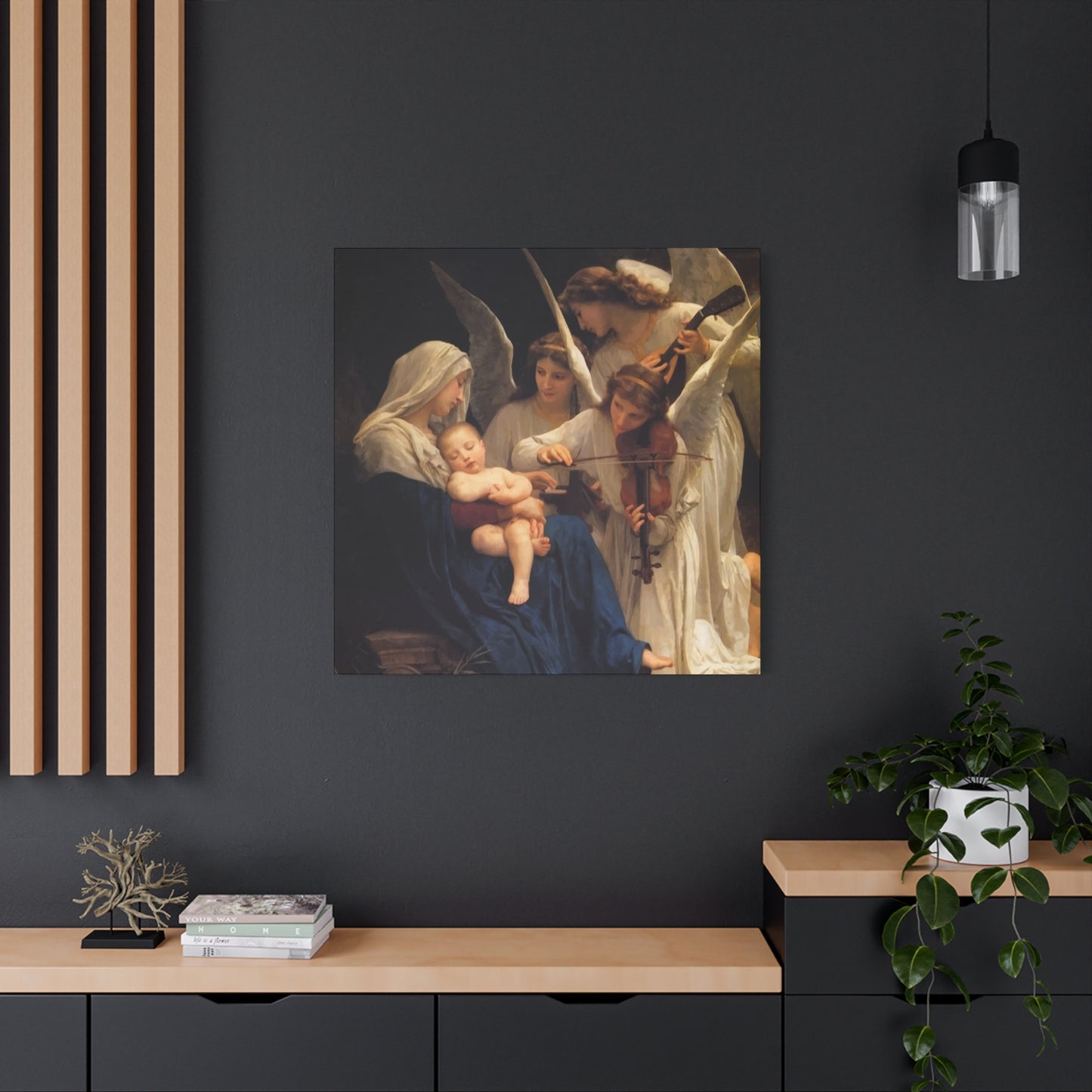
Christian Angels Wall Art & Canvas Prints
Christian Angels Wall Art & Canvas Prints
Couldn't load pickup availability
Exploring the Sacred Beauty of Christian Angels Wall Art in Home and Worship Spaces
The presence of celestial beings in our living environments has captivated humanity for millennia. When we bring these heavenly figures into our homes through Christian Angels Wall Art, we create a bridge between the earthly realm and the spiritual dimension. These magnificent representations serve not merely as decorative elements but as constant reminders of divine protection, guidance, and the eternal promise of salvation. Throughout centuries, believers have sought to surround themselves with visual representations of these sacred messengers, finding comfort and inspiration in their presence.
The profound impact of incorporating angelic imagery into our daily surroundings cannot be overstated. From the humblest cottage to the grandest cathedral, these depictions have adorned walls, offering solace during trials and celebration during triumphs. The tradition of displaying such sacred art forms a continuous thread connecting modern believers with centuries of faithful who found strength in these visual testimonies of heaven's concern for humanity.
The Profound Significance of Celestial Messenger Depictions Throughout Religious Practice
Within the Christian faith, angelic beings occupy a unique position as intermediaries between the Creator and creation. Their portrayal through artistic mediums carries tremendous theological weight, representing not merely aesthetic choices but profound spiritual truths. When believers choose to display Christian Angels Wall Art, they participate in a practice that stretches back to the earliest days of Christianity, when followers first began decorating catacomb walls with heavenly imagery.
These celestial servants appear throughout scripture in moments of tremendous significance—announcing births, delivering warnings, providing protection, and proclaiming divine messages. The visual representation of these encounters allows believers to meditate upon these pivotal moments in salvation narrative. Each piece serves as a tangible connection to these supernatural interventions that shaped human destiny.
The symbolism embedded within angelic representations extends beyond their immediate visual appeal. Wings represent the ability to traverse between heaven and earth, halos signify holiness and divine favor, while flowing robes suggest purity and timelessness. These iconographic elements combine to create powerful visual statements about the nature of divine-human interaction and the reality of spiritual realms beyond our immediate perception.
Various Manifestations of Sacred Angelic Artwork for Residential and Sacred Settings
The diversity of styles available in Christian Angels Wall Art reflects both the richness of artistic tradition and the varied preferences of contemporary believers. Classical Renaissance-inspired pieces feature the meticulous attention to anatomical detail and dramatic lighting that characterized masters like Raphael and Caravaggio. These works often depict cherubim and seraphim with lifelike precision, their expressions conveying profound emotion and spiritual depth.
Contemporary interpretations offer fresh perspectives on these timeless subjects. Abstract representations might use flowing lines and vibrant colors to suggest angelic presence rather than depicting literal forms. Minimalist approaches reduce the imagery to essential elements—a suggestion of wings, a halo's golden arc, or the sweep of celestial robes—allowing viewers to complete the image through their own spiritual imagination.
Byzantine and Orthodox traditions contribute distinctive styles characterized by flat perspectives, golden backgrounds, and stylized features that emphasize the transcendent nature of these beings. These representations deliberately avoid naturalistic rendering, instead creating images that point beyond physical reality to spiritual truth. The resulting artwork carries an otherworldly quality that many find particularly suited to contemplative practice.
Rustic and farmhouse aesthetics have also embraced angelic themes, rendering these celestial figures in weathered wood, distressed finishes, and earth-tone palettes. This approach makes sacred imagery accessible and comfortable within casual living spaces, demonstrating that reverence need not require formality. Such pieces often feature guardian angels watching over children or countryside scenes blessed by angelic presence.
Scriptural Foundations Supporting Artistic Representations of Heavenly Beings
The biblical record provides extensive descriptions of angelic encounters that have inspired artists throughout the centuries. The Annunciation to Mary stands as perhaps the most frequently depicted scene, where Gabriel announces the miraculous conception of Christ. Artists have returned to this moment repeatedly, each interpretation offering unique insights into the profound mystery of the Incarnation. Christian Angels Wall Art featuring this scene invites daily reflection on this pivotal moment in redemptive chronicle.
The Book of Revelation offers particularly vivid imagery of angelic beings surrounding the throne of God, their worship unceasing, their appearance both beautiful and terrible. Four living creatures with multiple wings and faces represent different aspects of creation, while countless angels fill heaven with praises. These apocalyptic visions have inspired some of the most dramatic and awe-inspiring artistic renditions, pieces that attempt to capture something of heaven's glory and majesty.
Angelic interventions in human affairs provide another rich source of artistic inspiration. The rescue of Peter from prison by an angel, the strengthening of Christ in Gethsemane, the protection of Daniel in the lion's den—each narrative demonstrates divine care manifested through celestial agents. Artwork depicting these moments serves as powerful reminders that the same God who intervened then remains concerned with His creation today.
The concept of guardian angels, while not explicitly detailed in a single biblical passage, emerges from various scriptural references to divine protection and angelic ministry. Jesus speaks of children's angels always beholding the Father's face, suggesting personal spiritual guardianship. This doctrine has inspired countless artistic representations showing protective angels guiding, shielding, and comforting believers through life's journey.
Selecting Appropriate Celestial Artwork for Different Residential Areas
The placement of Christian Angels Wall Art throughout a home requires thoughtful consideration of both aesthetic and spiritual factors. Living areas, being spaces of family gathering and hospitality, benefit from larger, more dramatic pieces that serve as conversation starters and testimony to household faith. A substantial canvas depicting angels in worship or ministry can establish the spiritual tone of a home while providing visual interest that elevates the entire space.
Bedrooms offer intimate settings where more personal angelic imagery can provide comfort and peace. Guardian angel depictions watching over sleeping children have long traditions in Christian households, offering parents and children alike reassurance of divine protection through vulnerable nighttime hours. For adult bedrooms, contemplative pieces showing angels in prayer or meditation can create atmospheres conducive to spiritual reflection before rest.
Home offices and study spaces benefit from angelic artwork that inspires focus and wisdom. Representations of angels as messengers and revealers of divine truth remind those engaged in intellectual pursuits that true wisdom originates from above. These pieces can provide moments of pause during demanding work, redirecting thoughts toward eternal perspectives that contextualize daily labors.
Dining areas, as places of nourishment and fellowship, appropriately feature angelic imagery celebrating provision and community. Artwork showing angels at table with Abraham or ministering to Elijah in the wilderness connects mealtime with centuries of God's provision for His people. Such pieces transform ordinary dining into acts of remembrance and thanksgiving.
Hallways and transitional spaces offer opportunities for smaller pieces or collections that create visual interest while maintaining traffic flow. A series of angelic portraits or varied representations of different angelic orders can transform these often-neglected areas into contemplative galleries that bless household members countless times daily as they pass through.
Material Considerations When Acquiring Celestial Messenger Artwork
Canvas prints remain among the most popular mediums for Christian Angels Wall Art, offering excellent color reproduction and texture at accessible price points. Gallery-wrapped canvases eliminate framing needs while providing substantial visual presence. The fabric surface accepts light differently than paper or metal, creating subtle depth that enhances angelic imagery's ethereal qualities. Museum-quality canvases treated with protective coatings resist fading and maintain vibrancy for decades when properly displayed.
Metal prints provide striking contemporary alternatives, their high-gloss surfaces creating luminous effects particularly suited to angelic subjects. The process infuses dyes directly into specially-coated aluminum, resulting in extraordinary color saturation and durability. These pieces excel in modern settings where their sleek, frameless presentation complements minimalist aesthetics while their radiant quality suggests divine light emanating from the artwork itself.
Wood-mounted prints and carved wooden pieces offer tactile dimensionality that many find appealing. The natural grain patterns of wood substrates add organic character that complements rustic or traditional décor schemes. Hand-carved wooden angels represent significant craftsmanship investments, each piece unique with subtle variations that machine production cannot replicate. These works carry particular warmth and authenticity that resonates with those drawn to handcrafted goods.
Framed prints behind glass provide traditional elegance and protection, particularly valuable for works on paper including lithographs, etchings, and watercolors. The framing itself becomes part of the artistic statement, with ornate gilded frames suggesting reverence and formality while simple wooden frames convey humble devotion. Conservation framing using acid-free materials and UV-protective glazing ensures longevity for valuable or sentimentally significant pieces.
Tapestries and fabric wall hangings introduce textile traditions into sacred art display. Woven or printed fabrics soften spaces acoustically while their flowing nature suggests angelic garments and heavenly banners. These pieces work particularly well in spaces seeking warmth and comfort, their non-reflective surfaces performing admirably in varied lighting circumstances.
Color Theory and Symbolic Meaning in Angelic Visual Representations
The color choices in Christian Angels Wall Art carry layers of symbolic significance rooted in centuries of iconographic tradition. Gold represents divine glory, the radiance of God's presence, and the eternal realm uncorrupted by time. Angels depicted with golden halos, garments, or backgrounds visually communicate their proximity to the divine source of all light and their participation in heavenly splendor.
White symbolizes purity, holiness, and the spotless righteousness that characterizes both God and His celestial servants. Angels clothed in brilliant white direct viewers' attention to their sinless nature and the call to holiness extended to all believers. The color also suggests the transcendent, that which exists beyond earthly stain and shadow.
Blue, particularly deep azure or cerulean shades, represents heaven itself, the celestial realms from which angels descend to interact with humanity. This color also carries associations with truth, faithfulness, and the vast mysteries of God's nature. Angels robed in blue visually connect the viewer to the source of all spiritual reality.
Red, when appearing in angelic depictions, often signifies love, sacrifice, or the seraphim whose name means "burning ones." The intensity of red conveys passion—not human passion but the burning devotion of creatures who stand in God's immediate presence. Red also connects to the redemptive work of Christ, linking angelic ministry to salvation's central narrative.
Green appears less frequently but carries meanings of life, growth, and hope. Angels associated with messages of new beginnings or promises of renewal might feature green elements, connecting their ministry to the continual regeneration that God works in believing hearts and in creation itself.
Purple, traditionally associated with royalty and majesty, sometimes adorns angels in scenes emphasizing God's sovereignty and the authority with which His messengers speak. The regal nature of purple reminds viewers that angels serve the King of kings, their every action authorized by supreme divine will.
Sizing Proportions and Spatial Considerations for Maximum Visual Impact
Determining appropriate dimensions for Christian Angels Wall Art requires careful assessment of available wall space and viewing distances. Large-scale pieces measuring four feet or more in width command attention and establish focal points in spacious rooms. These substantial works suit areas with high ceilings and ample wall space, their size proportional to architectural elements. When properly scaled, they anchor rooms visually while their subject matter anchors them spiritually.
Medium-sized pieces ranging from two to four feet wide offer versatility, fitting comfortably in most residential spaces without overwhelming them. These proportions work well above furniture pieces like sofas, consoles, or beds, providing sufficient visual weight without dominating the entire room. Groups of medium pieces can create gallery walls that tell visual stories or present various aspects of angelic ministry.
Smaller works under two feet find purpose in intimate spaces, collections, or as complementary elements within larger arrangements. Their modest scale suits narrow walls, small rooms, or clustered arrangements where multiple pieces contribute to an overall effect. These diminutive works invite closer examination, rewarding viewers who approach them with details that might be lost in larger compositions.
The relationship between artwork dimensions and furniture beneath them follows general design principles—artwork width should approximate 60-75% of the furniture width below it. This proportion creates visual harmony, preventing pieces from appearing either lost above expansive furniture or precariously oversized above modest pieces.
Ceiling height significantly influences optimal artwork size and placement. Standard eight-foot ceilings typically accommodate pieces best when their centers hang at roughly 57-60 inches from the floor, approximating average eye level. Higher ceilings permit larger works and potentially raised placement, though extremely high positioning can disconnect artwork from the human scale, diminishing impact despite increasing visibility.
Multiple pieces arranged as collections require additional spatial planning. Gallery walls mixing various sizes create dynamic, personalized displays when unified by subject matter, color palette, or framing consistency. Template arrangements laid on floors before installation prevent wall damage from experimental positioning and ensure balanced composition.
Stylistic Harmonization Between Sacred Art and Interior Design Approaches
Incorporating Christian Angels Wall Art into existing décor schemes requires sensitivity to style compatibility while maintaining the artwork's spiritual integrity. Traditional interiors featuring formal furniture, rich fabrics, and classical details naturally accommodate Renaissance or Baroque-style angelic representations. The elaborate frames, dramatic lighting, and meticulous detail characteristic of these works complement environments where elegance and refinement prevail.
Contemporary spaces with clean lines, neutral palettes, and minimalist sensibilities benefit from modern interpretations of angelic themes. Abstract representations, simplified forms, or photography-based approaches align with contemporary aesthetics without compromising sacred content. Monochromatic or limited-palette pieces maintain visual cohesion with surroundings while introducing spiritual dimensions to otherwise secular spaces.
Transitional styles bridging traditional and contemporary elements offer particular flexibility, accommodating both classical religious imagery and updated interpretations. Artwork in this context might feature timeless subjects rendered with contemporary techniques or traditional approaches presented with modern framing and mounting methods. This middle ground appeals to those appreciating both heritage and current expression.
Farmhouse and rustic aesthetics embrace Christian Angels Wall Art through distressed finishes, reclaimed wood substrates, and earth-tone color schemes. Angelic imagery presented with weathered charm or folk-art simplicity integrates seamlessly with shiplap walls, exposed beams, and vintage furnishings. These approachable presentations make sacred art accessible and comfortable rather than formal or intimidating.
Eclectic interiors mixing various styles, periods, and influences can incorporate angelic artwork as unifying spiritual threads. When disparate design elements coexist within a space, shared sacred themes provide coherence beyond purely aesthetic considerations. Angels depicted in various artistic styles throughout an eclectic home demonstrate how divine presence transcends cultural and temporal boundaries.
Bohemian spaces characterized by rich patterns, diverse textures, and collected objects welcome angelic imagery that shares these qualities. Tapestries, textile-based pieces, or artwork featuring elaborate decorative elements complement boho sensibilities while introducing spiritual focal points amid visual abundance.
Illuminating Sacred Artwork for Optimal Appreciation and Spiritual Atmosphere
Proper lighting dramatically affects how Christian Angels Wall Art appears and impacts viewers. Natural light offers ideal illumination when controlled to prevent damage, its spectrum rendering colors most accurately and its variation throughout the day creating dynamic viewing experiences. Positioning artwork perpendicular to windows minimizes glare while allowing ambient daylight to illuminate surfaces evenly. UV-filtering window treatments protect against light-induced fading while maintaining brightness levels conducive to viewing.
Track lighting provides flexible, adjustable illumination allowing precise control over direction and intensity. Individual fixtures can highlight specific pieces within collections or illuminate single works from optimal angles. Warm white bulbs complement most angelic artwork better than cool white options, their color temperature creating inviting atmospheres while rendering skin tones and golden elements more naturally.
Picture lights mounted directly to frames or walls above artwork provide dedicated illumination that draws attention and enables viewing in dimmed rooms. LED versions offer energy efficiency and minimal heat production, the latter concern particularly relevant for canvas and wood-based pieces susceptible to thermal damage. Adjustable arms permit angle modifications to eliminate glare and optimize coverage across artwork surfaces.
Recessed ceiling fixtures offer unobtrusive lighting solutions, their hidden placement maintaining visual focus on artwork rather than light sources. Adjustable trim rings redirect light toward specific walls or pieces, creating wash effects that emphasize the artwork while contributing to ambient room illumination.
Accent lighting from table or floor lamps positioned near artwork supplements primary illumination while creating layered lighting schemes that enhance atmospheric quality. These supplementary sources soften shadows and reduce contrast, presenting artwork in more nuanced ways than single-source lighting permits.
Backlighting, though less common, creates dramatic effects particularly suited to certain metal or translucent pieces. Light emanating from behind artwork suggests divine radiance, the heavenly glory that angels reflect. This technique requires careful implementation to avoid appearing gimmicky but succeeds spectacularly when thoughtfully executed.
Natural candlelight, humanity's original artistic illumination, offers unique qualities despite obvious safety limitations. Its warm, flickering quality creates contemplative atmospheres particularly appropriate for prayer corners or devotional spaces where Christian Angels Wall Art serves primarily spiritual rather than decorative purposes.
Preserving and Protecting Celestial Artwork for Generational Enjoyment
Long-term preservation of Christian Angels Wall Art requires understanding environmental factors affecting various materials. Temperature stability proves crucial, with consistent conditions preferable to fluctuating extremes. Repeated expansion and contraction from temperature cycling stresses materials, particularly affecting canvas tension and wood substrate integrity. Maintaining household temperatures between 65-75 degrees Fahrenheit provides safe ranges for most artwork types.
Humidity control similarly impacts artwork longevity, with relative humidity between 40-50% ideal for most pieces. Excessive moisture encourages mold growth, particularly threatening to paper and canvas works, while overly dry conditions cause brittleness and cracking. Locations near bathrooms, kitchens, or exterior walls may experience humidity extremes requiring special consideration or avoidance when positioning valuable pieces.
Direct sunlight exposure represents perhaps the greatest threat to artwork longevity, its ultraviolet radiation causing irreversible fading and material degradation. Even indirect sunlight gradually damages unprotected pieces over extended periods. Positioning artwork away from windows or employing UV-filtering glazing and window films substantially extends useful lifespan, preserving colors and preventing material breakdown.
Dust accumulation, though seemingly minor, gradually dulls surfaces and abrades finishes when accumulated particles are later wiped across surfaces. Regular gentle dusting using soft, lint-free cloths prevents buildup without mechanical damage. Canvas and textured surfaces benefit from soft brush attachments on vacuum cleaners used at low suction settings, removing dust without contact pressure.
Cleaning requirements vary by material composition. Canvas prints tolerate gentle wiping with barely damp cloths, excess moisture avoided to prevent water spots or canvas slackening. Metal prints withstand more substantial cleaning, their non-porous surfaces easily wiped with glass cleaners or mild detergents. Wood pieces require specialized wood cleaners appropriate to their finishes, while framed works behind glass allow standard glass cleaning on that surface without contacting the artwork itself.
Framing quality significantly affects preservation outcomes. Acid-free mats and backing materials prevent chemical reactions that yellow paper and degrade artworks over time. Conservation glazing incorporating UV protection filters harmful wavelengths while maintaining clarity. Proper sealing prevents dust infiltration and pest access while allowing minimal air exchange preventing moisture accumulation.
Professional conservation becomes necessary when damage occurs or valuable pieces require specialized care. Attempting amateur restoration often causes irreparable harm exceeding original damage. Consulting qualified conservators ensures appropriate treatments that stabilize condition and, when possible, reverse deterioration without compromising artistic integrity.
Creating Contemplative Spaces Centered on Angelic Imagery
Designating specific areas as prayer corners or meditation zones centered around Christian Angels Wall Art enriches spiritual practices and provides dedicated spaces for seeking divine presence. These sanctuaries need not be large—a corner of a bedroom, a window nook, or a reclaimed closet space suffices when thoughtfully arranged. The essential element is separation from daily activities, physical boundaries that mentally transition occupants from mundane concerns to spiritual focus.
Artwork selection for these spaces prioritizes pieces that facilitate contemplation rather than merely please aesthetically. Images of angels in worship postures model the focus being sought. Guardian angels providing protection encourage users to rest in divine care. Angels delivering messages remind supplicants that God still speaks to those who listen. The specific imagery chosen should resonate personally, drawing the individual toward rather than merely decorating the space.
Seating comfort greatly affects sustained contemplative practice. Whether a cushioned chair, a meditation cushion, or a simple bench, the seating should support the body without causing distraction through discomfort. Positioning relative to the artwork allows comfortable viewing—not so distant as to strain vision nor so close as to prevent seeing the entire composition. Slight elevation of the artwork above eye level when seated creates a natural upward focus, a physical reminder of seeking heavenly perspective.
Supplementary elements enhance these devotional spaces without creating clutter. A small table might hold scripture, devotional readings, or a journal for recording spiritual insights. Candles provide soft illumination and symbolic meaning, their flames representing prayers ascending and the presence of the Holy Spirit. Small plants introduce living elements suggesting growth and the renewing work of God's grace. Each addition should serve spiritual purposes rather than merely decorating.
Acoustic considerations affect the quality of silence these spaces offer. Positioning away from household traffic patterns and noisy rooms preserves quietness essential to contemplation. Sound-absorbing materials like curtains, rugs, or upholstered furniture reduce ambient noise, creating acoustic sanctuaries where whispered prayers and subtle spiritual impressions become audible.
Maintaining these spaces as dedicated areas rather than allowing them to accumulate everyday items preserves their spiritual function. The discipline of keeping these corners clear communicates their importance and maintains the mental associations that make them effective. Returning repeatedly to the same physical location for prayer and meditation builds spiritual routines that anchor daily life in eternal realities represented by the Christian Angels Wall Art centering these spaces.
Theological Reflections Inspired by Angelic Artistic Representations
Contemplating Christian Angels Wall Art opens doorways to deeper theological understanding of created spiritual beings and their relationship to both God and humanity. Angels' existence demonstrates that reality extends beyond material perception, that the seen realm represents only a fraction of creation's totality. Their presence in artwork confronts materialistic worldviews, insisting that invisible realities possess greater substance and permanence than tangible ones.
The hierarchical organization of angelic beings—seraphim, cherubim, thrones, dominions, virtues, powers, principalities, archangels, and angels—reflects divine order extending throughout creation. Artistic representations of these various orders, particularly in Byzantine iconographic traditions, visualize this celestial structure. Contemplating these hierarchies encourages reflection on created order, proper authority, and the harmonious functioning of God's universe when each element fulfills its appointed role.
Angelic ministry to believers as recounted throughout scripture and depicted in artwork demonstrates God's providential care extending through instrumental means. Rather than always intervening directly, the Creator often works through created agents, both celestial and human. This pattern suggests dignity and responsibility granted to creatures, who become participants in divine purposes rather than merely passive recipients of unmediated divine action.
The contrast between faithful angels and fallen angels represented by Satan and demons introduces sobering realities of spiritual warfare and the consequences of rebellion against God. Artwork depicting Michael's defeat of Satan or guardian angels protecting believers against demonic threats acknowledges these conflicts while asserting their ultimate outcome. Such pieces remind viewers that spiritual battles rage beyond perception and that victory belongs to those aligned with God's purposes.
Angels' continuous worship depicted in apocalyptic imagery and represented in countless artistic works models the ultimate purpose of all creation—glorifying God. These beings who stand in divine presence, who comprehend more of God's nature than humans currently access, find their fulfillment in ceaseless praise. Their example challenges misplaced priorities and invites reorientation toward worship as life's central activity rather than peripheral addition.
The incarnation's relationship to angelic beings provides rich theological reflection. Angels announced Christ's birth yet cannot experience redemption themselves. They long to understand salvation's mysteries yet remain observers rather than beneficiaries of grace shown to fallen humanity. Christian Angels Wall Art depicting the nativity scene captures this dynamic, showing celestial beings proclaiming a salvation that surpasses their own comprehension, a divine love that extends to humanity in ways not offered to angelic beings.
Eschatological roles assigned to angels in end-times prophecy remind believers that these servants of God will actively participate in history's culmination. Artwork depicting angels separating righteous from wicked, gathering believers, or proclaiming final judgments visualizes these sobering realities. Such pieces prevent comfortable Christianity divorced from accountability and eternal consequences, maintaining healthy awareness of coming divine judgment and reward.
Gifting Sacred Angelic Artwork to Mark Significant Life Occasions
Christian Angels Wall Art serves as profoundly meaningful gifts marking spiritually significant moments in recipients' lives. Birth and baptism occasions naturally associate with guardian angel imagery, these pieces becoming permanent reminders of God's faithfulness shown at life's commencement. Parents and godparents selecting such artwork demonstrate commitment to the child's spiritual formation, the piece itself a visual prayer for divine protection throughout coming years.
Confirmations and first communions represent spiritual milestones warranting commemorative gifts that acknowledge growing faith commitments. Angelic artwork given at these junctures witnesses to the invisible realities being embraced and the heavenly support available as young believers mature in understanding and devotion. Inscriptions noting dates and occasions transform generic pieces into personalized mementos connecting specific moments to permanent reminders.
Weddings provide natural opportunities for gifting Christian Angels Wall Art that will hang in newly established households. Pieces depicting angels blessing couples or protecting homes speak blessing and intercession over marriages beginning their journeys. Such gifts from faith communities or family members establish spiritual foundations within domestic spaces from their inception, surrounding newlyweds with visible testimonies to divine concern for their union.
Anniversaries, particularly milestone years, merit artwork commemorating faithfulness both human and divine. Pieces showing angels ministering to couples or blessing homes acknowledge the spiritual dimension of enduring marriages and the unseen support that sustains commitment through challenges. These gifts honor accomplishment while pointing beyond human effort to grace that enables perseverance.
Ordinations and commissionings of those entering ministry roles appropriately include angelic artwork referencing divine calling and spiritual authority. Images of angels strengthening Christ in Gethsemane or ministering to Elijah in exhaustion remind those accepting spiritual responsibility that the same God who supported His servants throughout biblical narrative continues providing supernatural aid to those fulfilling His purposes.
Grief and loss create contexts where Christian Angels Wall Art offers particular comfort. Guardian angel images or pieces depicting angels welcoming believers into heaven provide consolation to the bereaved, visual testimonies to resurrection hope and eternal reunion. These gifts acknowledge pain while directing attention toward promises that death marks transition rather than termination for those in Christ.
Illness or medical crises warrant angelic imagery focused on healing and divine presence during suffering. Pieces showing angels strengthening or comforting believers encourage those facing difficult circumstances, reminding them of spiritual realities transcending physical trials. Such gifts avoid hollow optimism while affirming that suffering occurs within the awareness and concern of a loving God whose messengers attend His children even in darkness.
Commissioning Custom Pieces for Personalized Sacred Artwork
While mass-produced Christian Angels Wall Art offers accessibility and affordability, commissioned custom pieces provide uniqueness reflecting individual spiritual journeys and aesthetic preferences. Collaborating with artists transforms consumers into patrons, participating in creative processes yielding works impossible to duplicate. This partnership requires clear communication about vision, expectations, and parameters guiding artistic interpretation.
Initial consultations establish conceptual foundations—identifying which scriptural narratives, symbolic elements, or angelic orders resonate most meaningfully with patrons. Effective communication of aesthetic preferences regarding style, color palette, and emotional tone guides artists toward creating pieces aligned with patron sensibilities. Reference images showing admired works help articulate preferences difficult to describe verbally, providing visual vocabulary for discussing artistic direction.
Size specifications and material selections require early determination, as these factors substantially affect both artistic approach and final costs. Dimensions must account for intended display locations, ensuring commissioned pieces physically fit designated spaces. Material choices between canvas, wood, metal, or other substrates should consider both aesthetic preferences and practical factors like weight, durability, and environmental exposure in final locations.
Budget discussions establish realistic expectations aligning artistic aspirations with financial capacities. Custom artwork typically requires greater investment than mass-produced alternatives, reflecting the time, skill, and materials artists dedicate to unique creations. Transparent conversations about costs prevent misunderstandings and allow both parties to determine feasibility before significant work begins. Many artists require deposits securing commitments and funding initial material purchases.
Timeline negotiations balance patrons' desires for prompt completion against artists' needs for adequate creative time. Rushed commissions typically yield inferior results, artists working under pressure less likely to achieve the inspiration and refinement that characterize their best work. Patience proves essential, particularly for complex or large-scale pieces demanding extensive time investments.
Revision policies should be clarified before work commences. Most artists accommodate reasonable adjustments during creation, particularly when preliminary sketches reveal divergence between patron expectations and artistic interpretation. However, unlimited revisions prove impractical, and agreements typically specify how many rounds of feedback will be incorporated before additional charges apply.
Completion brings the satisfaction of possessing truly unique Christian Angels Wall Art embodying personal spiritual narrative and aesthetic vision. These singular pieces carry stories of their creation, the collaboration between patron and artist adding layers of meaning beyond the imagery itself. Passing such works through generations provides artistic and spiritual legacies, tangible connections between family members across time.
Exploring Angelic Orders and Their Distinctive Artistic Representations
The nine orders of angels recognized in Christian angelology each possess distinctive characteristics informing their artistic portrayals. Understanding these differences enriches appreciation for Christian Angels Wall Art that depicts specific angelic types rather than generic representations.
Seraphim, the highest order, appear in Isaiah's temple vision as six-winged beings whose name means "burning ones." Artistic representations emphasize their proximity to God's throne, typically showing them in flames or brilliant light. Their multiple wings and continuous worship characterize depictions, with two wings covering faces, two covering feet, and two enabling flight. The overwhelming holiness they represent often manifests through intense colors and dramatic compositions suggesting awe and reverence.
Cherubim function as throne guardians and knowledge keepers, their artistic depictions varying significantly across traditions. Hebrew biblical descriptions present multi-faced, multi-winged creatures of impressive power, while popular culture often reduces them to infantile winged heads. Authentic representations honor their roles as formidable guardians, placed at Eden's entrance and featured in the Ark of the Covenant's design. Artistic interpretations emphasizing their strength and vigilance more faithfully represent their scriptural character.
Thrones represent God's justice and authority, typically shown as great wheels covered with eyes, their strange appearance described in Ezekiel's visions. These unusual beings challenge artists to render incomprehensible spiritual realities in visual forms. Successful depictions often embrace their otherworldly nature rather than attempting naturalistic representation, using geometric patterns and multiple eyes to suggest their transcendent character.
Dominions regulate angelic duties and manifest divine majesty. Artistic representations often show them holding scepters or orbs representing authority, their bearing regal and commanding. They rarely feature in narrative scenes, instead appearing in hierarchical presentations of angelic orders or symbolic compositions emphasizing divine government.
Virtues govern natural laws and perform miracles, sometimes termed "the shining ones" or "the brilliant ones." Artists represent them through emphasis on light, often depicting them supervising natural phenomena or participating in miraculous events recounted in scripture. Their association with divine power made manifest in physical reality suggests dynamic compositions showing interaction between spiritual and material realms.
Powers combat evil spiritual forces, serving as cosmic warriors in spiritual warfare. Artistic depictions often show them in military attire, bearing weapons and armor, their expressions determined and vigilant. These pieces emphasize spiritual conflict's reality and divine opposition to demonic activities that threaten human welfare.
Principalities protect nations and cities, overseeing earthly rulers and geographies. Renaissance artwork often portrayed them wearing crowns or carrying architectural symbols representing their oversight of human kingdoms. Their role connecting divine purposes with earthly governance suggests compositions linking heaven and earth, spiritual realities and political circumstances.
Archangels serve as chief messengers and commanders, the most prominent including Michael, Gabriel, and Raphael. Their scriptural appearances provide rich narrative content for artistic interpretation. Michael defeating Satan, Gabriel announcing Christ's conception, and Raphael accompanying Tobias each offer dramatic subject matter frequently explored throughout artistic heritage. These named beings possess individual characters and attributes informing their respective depictions.
Angels, the ninth order closest to humanity, perform the majority of direct ministry to believers. They appear most frequently in Christian Angels Wall Art due to their extensive scriptural appearances as messengers, protectors, and servants. Guardian angel imagery predominantly draws from this order, these beings depicted accompanying, guiding, and shielding individuals throughout earthly journeys.
Conclusion
Christian Angels Wall Art exhibits remarkable diversity reflecting the global church's cultural richness. European traditions dominate Western artistic consciousness, but believers worldwide have interpreted angelic themes through their distinctive cultural lenses, producing varied expressions unified by common spiritual content.
Byzantine iconography developed rigorous conventions governing angelic representation, these rules ensuring theological precision within artistic expression. Figures appear two-dimensional with flat gold backgrounds suggesting heavenly realms beyond spatial limitations. Stylized features avoid naturalistic portraiture, instead presenting idealized forms directing attention beyond physical appearance to spiritual reality. Specific color schemes carry precise meanings, with each element carefully considered for theological significance. These icons function as windows into spiritual dimensions rather than mere artistic expressions.
Russian Orthodox traditions built upon Byzantine foundations while developing distinctive characteristics. Angels in Russian icons often feature more elongated proportions and softer color palettes than their Byzantine counterparts. The famous Trinity icon by Andrei Rublev depicts three angels visiting Abraham, interpreted as representing the Trinity itself through angelic forms. This masterpiece demonstrates how iconographic traditions handled complex theological concepts through carefully coded visual language.
Western European Renaissance artwork transformed angelic representation through renewed interest in classical aesthetics and naturalistic rendering. Italian masters like Raphael, Michelangelo, and Botticelli created anatomically accurate angels with human beauty idealized to suggest spiritual perfection. These works emphasize dramatic narratives and emotional expression, their angels actively engaged in scriptural events with humanlike responses to divine directives and earthly circumstances.
Northern European traditions brought different sensibilities to angelic artwork. Germanic and Flemish artists like Dürer and van Eyck combined meticulous detail with symbolic content, their angels appearing in elaborate narratives rich with iconographic meaning. These works often feature domestic settings and contemporary clothing, bringing biblical events into viewers' experiential contexts while maintaining sacred character through angelic presence.
Latin American Christian art incorporates indigenous artistic traditions into angelic imagery, producing syncretic forms uniquely beautiful and culturally significant. Colonial period artwork trained indigenous artists in European styles while allowing incorporation of local aesthetic values. The result includes angels with indigenous features, wearing garments combining European and native elements, and appearing in settings reflecting New World geographies. These pieces demonstrate Christianity's ability to embrace cultural diversity while maintaining theological essence.
African Christian art increasingly contributes distinctive voices to global artistic conversation. Angelic representations featuring African physiognomy and cultural contexts challenge European-dominated traditions while expanding visual vocabularies for depicting spiritual realities. These works assert that angels transcend racial and cultural boundaries, appearing to all peoples in forms comprehensible within their contexts.
Asian Christian communities produce angelic artwork incorporating regional aesthetic traditions. Japanese Christian art applies traditional painting techniques to biblical subjects, angels appearing with black hair and Asian features amid compositions emphasizing negative space and simplified forms characteristic of Japanese aesthetics. Korean Christian art similarly adapts traditional methods to sacred subjects, producing pieces distinctly Korean yet thoroughly Christian in content.
Contemporary globalization enables unprecedented access to these diverse traditions. Believers selecting Christian Angels Wall Art now choose from worldwide artistic heritage rather than being limited to their regional traditions. This abundance enriches spiritual life while presenting challenges regarding cultural sensitivity and authentic appreciation versus superficial appropriation of others' sacred artistic expressions.
Share