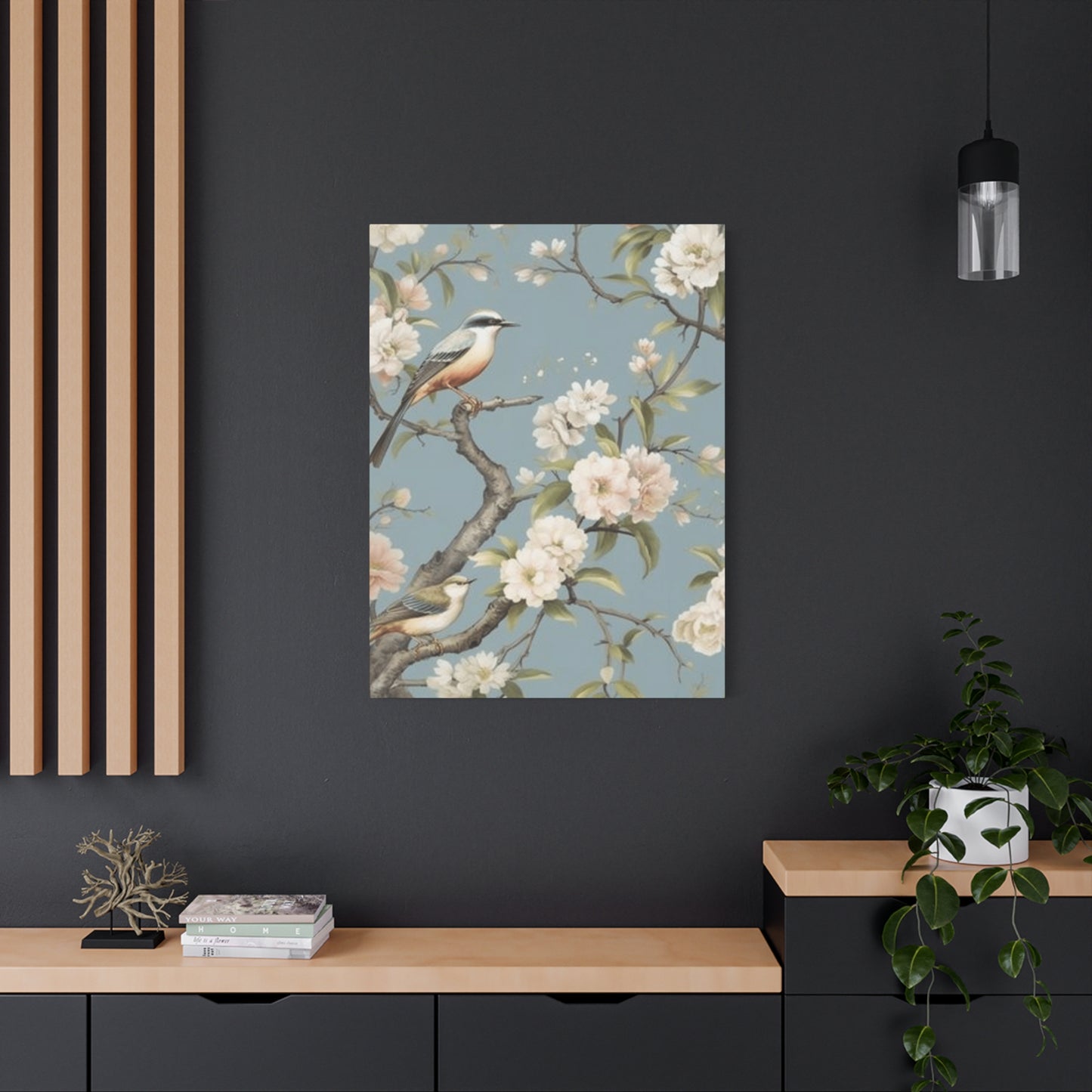


Chinoisere Wall Art & Canvas Prints
Chinoisere Wall Art & Canvas Prints
Couldn't load pickup availability
Elevate Your Interiors with Chinoisere Wall Art: A Beautiful Blend of Timeless Elegance and Cultural Depth
The captivating world of oriental-inspired decorative elements has mesmerized homeowners and interior designers for centuries, creating a bridge between Eastern aesthetics and Western sensibilities. Chinoisere wall art represents a fascinating artistic movement that emerged from European interpretations of Asian design principles, particularly those originating from China, Japan, and other Far Eastern regions. This distinctive style encompasses intricate patterns, delicate brushwork, exotic landscapes, mythical creatures, and botanical motifs that transform ordinary living spaces into extraordinary visual experiences. The enduring appeal of these decorative pieces lies in their ability to evoke romance, mystery, and sophistication while maintaining a timeless quality that transcends fleeting design trends.
Throughout the seventeenth and eighteenth centuries, European aristocracy developed an insatiable appetite for exotic goods arriving from distant Asian lands via maritime trade routes. This fascination gave birth to a unique artistic interpretation that blended Eastern imagery with Western artistic sensibilities, creating something entirely distinctive from authentic Asian art forms. The result was a fantastical reimagining of oriental themes through a European lens, characterized by whimsical scenes featuring pagodas, dragons, phoenixes, blossoming trees, and elegant figures dressed in flowing robes wandering through imaginary landscapes.
Contemporary interior design has witnessed a remarkable resurgence of interest in these ornamental elements, as homeowners seek to infuse their living environments with character, depth, and cultural richness. Modern interpretations of Chinoisere wall art range from faithful reproductions of classical designs to bold contemporary adaptations that push boundaries while honoring traditional motifs. Whether displayed in grand foyers, intimate dining rooms, serene bedrooms, or sophisticated home offices, these artistic pieces serve as focal points that command attention and spark conversation while creating an atmosphere of refined elegance.
The Origins and Evolution of Oriental-Inspired Decorative Artwork Throughout Different Eras
The genesis of Chinoisere wall art can be traced back to the seventeenth century when European traders and explorers returned from their voyages to the Far East bearing exotic treasures that captivated the imagination of aristocratic circles. Porcelain vessels, silk textiles, lacquered furniture, and hand-painted screens introduced European society to an entirely different aesthetic vocabulary characterized by asymmetrical compositions, nature-inspired motifs, and delicate craftsmanship that stood in stark contrast to the prevailing baroque and rococo styles dominating Western art and design.
As demand for these imported treasures far exceeded supply, European artisans began creating their own interpretations of Eastern designs, producing works that captured the essence of Asian aesthetics while incorporating distinctly European elements. These craftspeople, working primarily in France, England, Germany, and the Netherlands, developed techniques for imitating lacquerwork, painting porcelain, and creating elaborate murals featuring fantastical scenes inspired by travelers' tales and trade goods rather than direct observation of Asian cultures.
The eighteenth century marked the golden age of this decorative movement, with royal courts and wealthy merchants commissioning entire rooms adorned with oriental-inspired wall coverings, panels, and frescoes. Designers created elaborate schemes featuring continuous narratives that wrapped around rooms, depicting imaginary landscapes populated with exotic birds, flowering trees, architectural follies, and gracefully posed figures engaged in leisurely pursuits. These installations transformed domestic interiors into theatrical environments that transported inhabitants to dreamlike realms far removed from European reality.
French artisans particularly excelled in producing painted silk panels and hand-blocked wallpapers featuring delicate scenes executed in subtle color palettes dominated by soft pastels, muted greens, dusty roses, and gentle blues. These works often depicted courtly scenes, agricultural vignettes, or peaceful garden settings that reflected idealized visions of Eastern life filtered through Western romanticism. The attention to detail in these pieces was extraordinary, with individual leaves, flower petals, and feathers rendered with painstaking precision.
English designers favored bolder approaches, creating striking compositions featuring dramatic contrasts between foreground elements and atmospheric backgrounds. Hand-painted wallpapers and decorative panels produced in England often showcased more vibrant color schemes incorporating deep reds, brilliant blues, emerald greens, and gleaming gold accents. These pieces frequently featured larger-scale motifs including towering trees, imposing architectural elements, and prominently displayed birds and flowers that created powerful visual impact.
The nineteenth century witnessed shifts in interpretation as archaeological discoveries and increased scholarly interest in Asian cultures led to more accurate representations of Eastern artistic traditions. However, the fantastical elements that characterized earlier Chinoisere remained popular, with Victorian-era designers embracing both authentic Asian imports and Western interpretations with equal enthusiasm. This period saw the production of countless decorative screens, wall panels, and framed artworks that adorned middle-class homes alongside the grand estates that had previously monopolized such luxuries.
The twentieth century brought periods of both decline and revival for oriental-inspired decorative arts. Art Deco designers in the 1920s and 1930s incorporated streamlined Chinoisere elements into their work, creating stylized interpretations that emphasized geometric patterns and bold contrasts while maintaining connections to traditional motifs. Mid-century modern designers largely rejected ornamental excess, leading to decreased interest in elaborate decorative schemes. However, the late twentieth century witnessed renewed appreciation for these artistic traditions as designers and homeowners sought alternatives to minimalist aesthetics.
Contemporary interpretations of Chinoisere wall art demonstrate remarkable diversity, ranging from faithful reproductions of classical designs to radical reinterpretations that blend traditional motifs with modern artistic movements. Digital printing capabilities have made these designs more accessible while hand-painted pieces continue to command premium prices among collectors and connoisseurs. Current trends favor both maximalist approaches featuring densely patterned compositions and minimalist interpretations that isolate key motifs against neutral backgrounds, demonstrating the versatility and enduring relevance of this artistic tradition.
Identifying Authentic Characteristics and Distinctive Visual Elements in Oriental-Inspired Decorative Pieces
Recognizing genuine Chinoisere wall art requires understanding the specific visual characteristics that distinguish this style from both authentic Asian artwork and other Western decorative traditions. The most fundamental distinction lies in the fantastical nature of Chinoisere compositions, which typically present idealized, romanticized visions of Eastern landscapes and life rather than realistic depictions based on direct observation. These works inhabit a dreamlike realm where architectural elements, natural features, and human figures coexist in harmonious yet implausible arrangements that prioritize aesthetic beauty over geographic or cultural accuracy.
Compositional structures in authentic Chinoisere pieces often feature asymmetrical arrangements that reflect Asian aesthetic principles while incorporating Western perspective techniques. Unlike traditional Chinese and Japanese paintings that typically employ multiple perspective points and flattened spatial relationships, Chinoisere works frequently attempt to reconcile Eastern compositional approaches with Western conventions of single-point perspective and atmospheric recession. This hybrid approach creates distinctive visual tensions that characterize the style.
Architectural elements appearing in Chinoisere wall art typically include pagodas with upturned eaves, ornate bridges spanning tranquil waterways, elaborate pavilions with curved rooflines, decorative railings featuring fretwork patterns, and garden structures that blend Chinese, Japanese, and purely imaginary forms. These buildings rarely correspond to actual Asian architectural styles, instead representing European fantasies of Eastern construction methods and aesthetic principles. The structures often appear impossibly delicate, with slender columns supporting elaborate rooflines and intricate decorative details that would be structurally unsound in reality.
Botanical motifs constitute essential elements of Chinoisere compositions, with flowering trees occupying particularly prominent positions. Blossoming plum, cherry, and peach trees appear frequently, their branches arranged in gracefully curving compositions that frame other design elements. Peonies, chrysanthemums, lotus flowers, and camellias feature prominently, often rendered with meticulous attention to petal structure and color gradations. Bamboo appears regularly, sometimes forming groves that create visual rhythms through repeated vertical elements. Pine trees, symbolizing longevity in Asian cultures, frequently anchor compositions with their gnarled trunks and spreading branches.
Fauna depicted in Chinoisere wall art includes both realistic and mythological creatures. Birds occupy particularly important positions, with peacocks displaying magnificent tail feathers, pheasants perched on rocky outcroppings, cranes standing in shallow water, and various songbirds nestling among flowering branches. Dragons appear as benevolent beings rather than fearsome monsters, their serpentine bodies coiling through clouds or undulating across decorative borders. Phoenix figures soar through compositions, their elaborate plumage spreading across generous portions of the picture plane. Butterflies, fish, and occasionally deer or monkeys add additional zoological interest to these elaborate scenes.
Human figures in Chinoisere compositions typically appear in stylized forms wearing flowing robes, conical hats, and other costume elements that represent European interpretations of Eastern dress rather than accurate depictions of any specific cultural tradition. These figures often engage in leisurely activities including strolling through gardens, playing musical instruments, observing nature, or participating in tea ceremonies. The figures usually display serene expressions and graceful postures, contributing to the overall atmosphere of peaceful contemplation that characterizes much Chinoisere art.
Color palettes employed in Chinoisere wall art vary considerably depending on production period and regional origin, but certain tendencies remain consistent across the tradition. Softer interpretations favor delicate pastels including powder blue, shell pink, mint green, butter yellow, and ivory, often deployed against pale backgrounds that create atmospheric effects. Bolder versions employ rich jewel tones including sapphire blue, emerald green, ruby red, and amethyst purple, frequently accented with metallic gold or silver highlights. Background treatments range from solid neutral tones to complex atmospheric effects suggesting mist-shrouded landscapes or twilight skies.
Surface treatments and technical execution provide important clues to authenticity and quality in Chinoisere wall art. Hand-painted pieces display subtle variations in line weight, color application, and detail rendering that distinguish them from printed reproductions. Brush strokes visible in painted works should demonstrate confident, practiced technique rather than hesitant or amateurish execution. Gilded elements should show appropriate aging and wear patterns if claiming historical provenance. Printed pieces should display consistent registration, clean color boundaries, and appropriate paper or substrate characteristics for their purported production period.
Decorative borders frequently frame Chinoisere compositions, featuring geometric patterns derived from Asian design traditions including Greek key variations, interlocking scrollwork, stylized wave patterns, and floral motifs arranged in rhythmic sequences. These borders help contain the central imagery while providing transition zones between the artwork and surrounding wall surfaces. Border treatments vary from narrow accent bands to substantial decorative zones that contribute significantly to the overall visual impact of the piece.
Selecting Appropriate Rooms and Spaces for Displaying Oriental-Inspired Decorative Artwork
Determining optimal placement for Chinoisere wall art requires careful consideration of room function, existing design elements, lighting conditions, and desired atmospheric effects. These decorative pieces possess remarkable versatility, capable of enhancing diverse interior environments from formal reception areas to intimate private chambers, provided installations respect both the artwork's inherent qualities and the specific characteristics of the surrounding space.
Entrance halls and foyers present excellent opportunities for showcasing Chinoisere wall art, as these transitional spaces benefit from strong visual statements that establish aesthetic tone for entire homes. Large-scale panels or murals featuring elaborate landscapes with architectural elements, towering trees, and graceful figures create immediate impressions of sophistication and cultural refinement. The fantastical nature of Chinoisere imagery helps entrance spaces fulfill their symbolic function as thresholds between exterior and interior realms, mundane reality and domestic sanctuary. Symmetrical installations flanking doorways or centered on focal walls create formal compositions appropriate for traditional interiors, while asymmetrical arrangements suit more eclectic environments.
Living rooms and drawing rooms accommodate Chinoisere wall art particularly well, as these spaces traditionally serve as settings for entertaining guests and displaying refined taste. Large-scale pieces can anchor seating arrangements, providing focal points that draw attention without competing with furnishings or occupants for visual dominance. Multi-panel installations that wrap around corners or span multiple walls create enveloping environments that transport inhabitants into the dreamlike realms depicted in the artwork. Smaller pieces arranged in gallery walls alongside complementary artwork create layered compositions that reward extended viewing while maintaining visual interest across the room.
Dining rooms have long associations with Chinoisere decorations, dating back to eighteenth-century installations that transformed these spaces into theatrical settings for elaborate meals. The leisurely, contemplative nature of dining aligns perfectly with the serene, unhurried atmospheres evoked by Chinoisere imagery. Continuous panoramic installations that surround diners with flowing landscapes create immersive experiences that enhance both casual family meals and formal entertaining occasions. The predominantly natural subject matter typical of Chinoisere designs provides appropriate companions for dining activities without introducing jarring or appetite-suppressing elements.
Bedrooms offer intimate settings where Chinoisere wall art can create peaceful, restful environments conducive to relaxation and sleep. Soft color palettes featuring pastels and muted tones work particularly well in these private spaces, promoting tranquility without overwhelming the senses. Pieces featuring natural motifs including flowering trees, graceful birds, and serene landscapes contribute to calming atmospheres while adding visual interest to what might otherwise be austere sleeping chambers. Placement above beds, on walls opposite sleeping positions, or flanking windows allows for easy viewing while maintaining appropriate scale relationships with furniture.
Home offices and libraries benefit from Chinoisere wall art that introduces visual relief without creating distraction from work or reading activities. Pieces featuring scholarly motifs including garden pavilions, contemplative figures, or natural scenes that evoke peaceful reflection complement these functional spaces while maintaining appropriate professional atmospheres. The cultural depth associated with Chinoisere designs adds intellectual gravitas to working environments, suggesting erudition and worldly sophistication. Smaller-scale pieces work well in these contexts, providing visual interest without demanding constant attention.
Bathrooms and powder rooms, though often overlooked as venues for significant artwork
It can accommodate Chinoisere pieces beautifully, particularly in larger, well-appointed spaces. The association between Asian cultures and bathing rituals creates natural thematic connections, while the moisture-loving plants frequently depicted in Chinoisere designs suit humid bathroom environments symbolically if not literally. Properly sealed or framed pieces resist humidity damage while transforming utilitarian spaces into luxurious retreats. Small-scale works positioned above vanities or on walls adjacent to bathing fixtures add unexpected elegance to these private spaces.
Stairwells and hallways present challenging vertical spaces that Chinoisere wall art can activate effectively. Tall, narrow panels featuring vertical compositional elements including bamboo groves, towering trees, or architectural elements align naturally with these spaces' proportions. Series of smaller pieces arranged in ascending or descending patterns create visual movement that complements stairway circulation while filling otherwise difficult-to-decorate expanses. The repetitive viewing opportunities inherent in circulation spaces allow for detailed, complex compositions that reveal new subtleties with each passing.
Scale considerations critically impact successful Chinoisere wall art placement. Oversized pieces in small rooms create overwhelming effects that negate the peaceful, contemplative qualities these works should evoke. Conversely, diminutive pieces in expansive spaces appear insignificant, failing to create intended visual impact. General proportion guidelines suggest artwork should occupy roughly two-thirds to three-quarters of available wall width in focal wall installations, leaving sufficient breathing room on either side. Height placement typically positions artwork centers at approximately sixty inches from floor level, roughly corresponding to average eye height, though adjustments suit specific viewing contexts.
Lighting profoundly affects Chinoisere wall art presentation, with both natural and artificial sources requiring careful consideration. Delicate color palettes can wash out in harsh direct sunlight, while intricate details disappear in dim conditions. Diffused natural light through sheer curtains creates ideal conditions for viewing these pieces, revealing subtle color gradations and fine details without causing glare or fading. Artificial lighting should come from multiple sources positioned to eliminate shadows while avoiding direct light that creates reflections on glazed or metallic surfaces. Picture lights mounted above framed pieces provide focused illumination that highlights artwork while creating ambient glow.
Exploring Various Formats and Presentation Styles for Oriental-Inspired Decorative Elements
Chinoisere wall art manifests in numerous physical formats, each offering distinct aesthetic qualities, practical considerations, and installation requirements. Understanding these various presentation methods enables informed selection aligned with specific design goals, spatial constraints, and maintenance preferences.
Hand-painted panels represent the most traditional and prestigious format for Chinoisere wall art, continuing manufacturing methods employed for centuries by skilled artisans. These pieces typically feature painted decorations applied to silk, canvas, wood, or specialized paper substrates, often incorporating gold or silver leaf accents that add luminosity and luxury. Historical examples were frequently commissioned as complete room installations, with multiple coordinating panels designed to work together as unified compositions. Contemporary versions range from faithful reproductions of classical designs to original works by living artists who continue this demanding craft.
The tactile qualities of hand-painted panels distinguish them from reproductions, with visible brush strokes, subtle color variations, and individual artistic interpretations creating unique pieces that develop character over time. These works demand substantial financial investments and careful maintenance but reward owners with irreplaceable artistic objects that appreciate in value while enhancing living environments. Proper installation requires professional expertise to ensure panels hang securely without warping or sustaining damage from environmental factors.
Wallpaper featuring Chinoisere patterns offers more affordable, accessible alternatives to hand-painted panels while creating similar visual effects. Both historically significant and contemporary manufacturers produce wallpapers incorporating traditional motifs rendered through various printing techniques. Hand-blocked papers created using carved wood blocks applied individually replicate historical manufacturing methods, producing subtle variations between repeated motifs that add handcrafted character. Screen-printed versions offer excellent color saturation and detail resolution at moderate price points. Digital printing enables photographic reproduction of original artwork, creating convincing imitations at accessible costs.
Wallpaper installations create seamless, immersive environments that envelop rooms in continuous patterns or narrative scenes. Full-wall installations transform spaces dramatically, establishing strong design statements that set tones for entire homes. Partial installations featuring wallpaper on single accent walls provide focal points without overwhelming spaces with pattern. Contemporary approaches include framing wallpaper sections as artwork, offering flexibility without permanent installation commitments. Removable wallpaper products utilizing peel-and-stick adhesives enable temporary installations suitable for rental properties or frequently changing design schemes.
Framed prints democratize Chinoisere wall art, making these designs available at various price points and sizes. High-quality reproductions of historical artwork preserve important examples for study and enjoyment while protecting fragile originals from display-related deterioration. Contemporary artists create original prints using various techniques including lithography, etching, screen printing, and giclée digital printing, producing limited editions that combine affordability with collectibility. Poster versions offer budget-friendly options for introducing Chinoisere elements into spaces without major financial commitments.
Frame selection significantly impacts framed Chinoisere art presentation. Traditional gilded frames complement ornate classical designs, their elaborate profiles and lustrous finishes echoing the decorative richness of the artwork itself. Simple modern frames provide clean surroundings that allow imagery to dominate visually, suitable for contemporary interiors where ornate frames might appear discordant. Natural wood frames bridge traditional and modern aesthetics, their warm tones complementing the natural motifs prevalent in Chinoisere designs. Custom framing using archival materials protects valuable pieces while ensuring presentation quality matches artwork significance.
Decorative screens provide functional room dividers that display Chinoisere designs on both practical and artistic levels. Multi-panel folding screens featuring painted, printed, or applied Chinoisere motifs create flexible spatial divisions while showcasing elaborate compositions across their expansive surfaces. These movable installations offer tremendous versatility, allowing repositioning to suit changing needs or preferences. Screens ranging from modest three-panel versions to elaborate eight-panel examples provide options suitable for various spaces and budgets.
Screen formats accommodate diverse artistic approaches including full-scene narratives flowing across all panels, coordinated individual vignettes on each panel, or abstract patterns that create rhythm through repetition. Two-sided screens featuring different designs on each face offer exceptional value, effectively providing two distinct artworks in single objects. Backlit screens incorporating translucent materials create dramatic effects, particularly effective in dimly lit spaces where internal illumination transforms screens into glowing focal points.
Canvas reproductions printed using giclée techniques
It provides affordable alternatives to original paintings while offering superior quality compared to poster prints. These pieces utilize archival inks applied to canvas substrates, creating textures resembling painted works. Gallery-wrapped canvases stretched around wooden frames eliminate glazing requirements while enabling edge-to-edge printing that extends imagery around canvas sides. This frameless presentation suits contemporary interiors while simplifying installation through reduced weight and depth compared to traditionally framed works.
Stretched canvas pieces range from small accent works to enormous statement pieces spanning multiple feet in height and width. Multi-panel sets designed to hang together create triptych or polyptych compositions that scale appropriately for large walls while maintaining transportability and installation flexibility. Individual panels can be arranged in various configurations, enabling customization to suit specific spaces. Consistent color calibration across panels ensures visual cohesion when multiple pieces work together as unified compositions.
Murals representing the most ambitious Chinoisere wall art format completely transform spaces through floor-to-ceiling, wall-to-wall installations. Custom murals commissioned from professional artists create one-of-a-kind environments tailored precisely to specific rooms and client preferences. These installations require significant investments of time and resources but produce unparalleled results that seamlessly integrate with architectural features. Pre-designed murals offered by specialty manufacturers provide middle ground between fully custom and off-the-shelf solutions, offering professionally designed compositions sized and adapted to specified dimensions.
Modern mural installation techniques include traditional hand-painting, panel systems utilizing pre-painted sections assembled on-site, and large-format printed materials applied as wallcoverings. Each approach offers distinct advantages regarding cost, installation time, permanence, and aesthetic effects. Removable mural systems utilizing sophisticated adhesive technologies enable ambitious installations without permanent alterations to wall surfaces, particularly valuable in rental properties or frequently refreshed interiors.
Textile hangings including tapestries and embroidered pieces provide softer alternatives to rigid panels or framed works. These flexible materials drape naturally, creating gentle surface undulations that add dimensional interest while accommodating irregular wall surfaces without specialized mounting. Historical examples featuring hand-embroidered Chinoisere motifs represent extraordinary investments of skilled labor, creating precious objects that blend artistic and craft traditions. Contemporary textile pieces utilize both traditional hand-working techniques and modern manufacturing methods including digital printing on fabric substrates.
Textile installations offer practical advantages including sound absorption qualities that reduce acoustic harshness in hard-surfaced rooms. Lightweight construction simplifies hanging using rod pockets, grommets, or other systems that distribute weight across mounting points rather than concentrating stress at small locations. The slight transparency of many textiles creates layered effects when positioned where natural light filters through, adding luminous qualities absent from opaque surfaces.
Harmonizing Oriental-Inspired Artwork with Contemporary Interior Design Approaches
Successfully incorporating Chinoisere wall art into modern living spaces requires thoughtful consideration of how these traditional decorative elements interact with contemporary design principles, furnishings, and lifestyle patterns. Rather than adhering rigidly to period-appropriate styling that recreates historical interiors, today's designers embrace eclectic approaches that honor Chinoisere's rich heritage while acknowledging current aesthetic preferences and functional requirements.
Contemporary minimalist environments might seem incompatible with ornate Chinoisere designs, yet these apparent opposites can create compelling contrasts when combined thoughtfully. Single statement pieces featuring Chinoisere motifs provide focal points in otherwise restrained spaces, their elaborate details and rich visual information standing out dramatically against neutral surroundings. This approach allows intricate artworks to receive full attention without competing with numerous other decorative elements. Sparse furnishing arrangements emphasize spatial volume while directing visual focus toward carefully positioned artwork.
Successful minimalist-Chinoisere combinations typically favor simpler Chinoisere compositions featuring generous negative space, limited color palettes, and restrained subject matter rather than densely packed panoramic scenes. Isolated botanical motifs including single flowering branches or individual bird studies work particularly well in minimal contexts, their refined elegance complementing rather than contradicting contemporary aesthetic principles. Monochromatic Chinoisere pieces rendered in subtle neutral tones integrate more easily than multicolored examples, creating sophisticated effects that feel simultaneously traditional and modern.
Mid-century modern interiors characterized by clean-lined furniture, organic forms, and emphasis on natural materials provide surprisingly compatible settings for Chinoisere wall art. Both design philosophies share appreciation for craftsmanship, natural motifs, and refined simplicity, creating common ground that facilitates successful combinations. The organic curves prevalent in mid-century furniture designs echo the flowing branches, undulating water, and curving architectural elements typical of Chinoisere compositions. Natural wood finishes common in mid-century pieces complement the nature-focused imagery of Chinoisere artwork.
Pairing Chinoisere wall art with mid-century interiors works best when maintaining tonal harmony between artwork and furnishings. Pieces featuring earth tones, warm woods, and organic colors integrate seamlessly with typical mid-century palettes dominated by natural materials and muted hues. Avoiding overly ornate gold-heavy Chinoisere prevents stylistic conflicts with mid-century modernism's rejection of decorative excess. Framing choices significantly impact integration, with simple wood frames or frameless stretched canvases aligning better than elaborate gilded surrounds with mid-century aesthetic principles.
Scandinavian-inspired interiors emphasizing hygge principles, natural materials, and neutral color schemes accommodate Chinoisere wall art through selective, restrained applications. Small-to-medium scale pieces featuring soft color palettes and nature-focused imagery align with Scandinavian design's celebration of natural world connections. Botanical Chinoisere prints featuring delicate flowering branches, peaceful garden scenes, or individual bird studies reinforce biophilic design principles central to Scandinavian approaches while adding visual interest to characteristically understated environments.
The light, airy quality typical of Scandinavian interiors requires Chinoisere selections that avoid heavy, dark compositions that could create oppressive effects in otherwise bright, open spaces. Pieces incorporating substantial white or pale backgrounds work particularly well, maintaining spatial openness while providing decorative interest. Simple frame selections in natural woods or white-painted finishes integrate better than ornate or dark frames with Scandinavian aesthetic preferences. Positioning Chinoisere art near natural light sources allows decorative details to emerge without requiring harsh artificial illumination that contradicts cozy hygge atmospheres.
Industrial-style interiors featuring exposed brick, metal fixtures, concrete surfaces, and raw materials might seem unlikely candidates for Chinoisere integration, yet creative contrasts between refined artwork and rough surroundings create dramatic, memorable effects. The juxtaposition of delicate Chinoisere imagery against industrial textures emphasizes both elements' distinctive qualities through opposition. Elaborate Chinoisere compositions appear more precious and refined when surrounded by utilitarian industrial elements, while raw industrial features seem more intentional and curated when balanced by sophisticated artwork.
Coastal and nautical interiors benefit from Chinoisere pieces featuring water elements
Successful industrial-Chinoisere combinations typically favor larger-scale pieces with substantial visual presence capable of holding their own against bold architectural features. Color selections might either complement industrial palettes through neutral tones and metallic accents or create deliberate contrasts using vibrant jewel tones that pop against gray concrete and weathered metal. Framing choices should acknowledge industrial context through metal frames, simple wood surrounds stained dark to coordinate with industrial materials, or frameless mounting that emphasizes artwork over presentation.
Bohemian interiors characterized by layered textiles, collected objects, global influences, and rich color palettes provide natural settings for Chinoisere wall art. The eclectic, worldly nature of boho design aligns perfectly with Chinoisere's exotic heritage and decorative richness. Multiple Chinoisere pieces in various formats including framed prints, textile hangings, and decorative screens can coexist comfortably within bohemian environments without creating visual chaos, provided color schemes maintain some coherence.
Boho-Chinoisere combinations benefit from embracing maximalist principles, layering patterns, textures, and decorative elements to create visually abundant environments that engage viewers through complexity. Chinoisere pieces featuring rich jewel tones coordinate beautifully with typical boho palettes dominated by deep reds, purples, oranges, and greens. Mixing Chinoisere with textiles and objects from other cultural traditions creates globally inspired environments that celebrate diverse artistic heritages while avoiding strict period correctness or geographical specificity.
Transitional interiors blending traditional and contemporary elements provide ideal contexts for Chinoisere wall art, as these spaces explicitly seek to balance historical references with modern sensibilities. Chinoisere's inherent fusion of Eastern and Western aesthetics mirrors transitional design's hybrid nature, creating natural alignments. These spaces can accommodate both faithful reproductions of historical Chinoisere and contemporary interpretations without stylistic contradiction, as eclecticism forms the design foundation.
Successful transitional-Chinoisere combinations maintain careful balance between traditional and modern elements, ensuring neither vocabulary dominates completely. Pairing classical Chinoisere imagery with contemporary framing, or mounting traditional formats in unexpected locations, creates tension that energizes spaces while maintaining coherence. Color schemes typically favor sophisticated neutrals punctuated by carefully chosen accent colors, with Chinoisere artwork either providing those color accents or harmonizing with existing palette selections.
Including tranquil lakes, flowing streams, arched bridges, and aquatic plants. The serene, nature-focused quality of much Chinoisere imagery complements relaxed coastal atmospheres while adding sophistication that elevates beach house aesthetics beyond casual informality. Light, airy color palettes typical of coastal design align beautifully with softer Chinoisere interpretations featuring pastels, whites, and gentle blues.
Maritime-Chinoisere combinations work particularly well when acknowledging the historical trade connections that originally brought Asian goods to Western markets via sea routes. This thematic link provides conceptual foundation for mixing Eastern imagery with Western coastal design. Incorporating blue-and-white Chinoisere pieces references both Chinese porcelain traditions and nautical blue-and-white color schemes, creating harmonious bridges between design vocabularies. Organic materials common in coastal interiors including natural fibers, light woods, and shells complement nature-focused Chinoisere imagery while maintaining stylistic consistency.
Coordinating Color Schemes and Palettes Around Oriental-Inspired Decorative Artwork
Developing cohesive color schemes that incorporate Chinoisere wall art requires understanding both the specific palette present in selected pieces and broader color theory principles governing how hues interact within interior spaces. Thoughtful color coordination ensures artwork integrates harmoniously with surrounding elements while maintaining sufficient contrast to register as distinct focal points rather than blending indistinguishably into backgrounds.
Monochromatic approaches utilizing single color families with variations in value and saturation create sophisticated, restrained environments where Chinoisere art provides primary color interest. Rooms decorated predominantly in neutrals including whites, creams, grays, or taupes allow Chinoisere pieces featuring multiple colors to display full chromatic range without competing with vivid furnishings or architectural elements. This approach works particularly well with elaborate, densely detailed Chinoisere compositions that contain numerous colors, as neutral surroundings prevent sensory overload while allowing artwork's complexity to shine.
When implementing monochromatic schemes around Chinoisere wall art, select neutral tones that complement rather than clash with artwork's background or dominant colors. Cool-toned Chinoisere featuring blues, greens, and silvers pairs best with gray-based neutrals, while warm-toned pieces incorporating reds, golds, and oranges coordinate better with cream, beige, or tan surroundings. Varying texture among monochromatic elements prevents spaces from appearing flat or boring despite limited color variation, with plush textiles, reflective surfaces, and organic materials adding visual interest through tactile differentiation rather than color contrast.
Analogous color schemes utilizing adjacent hues on the color wheel create harmonious environments with gentle chromatic variety that feels cohesive and restful. Chinoisere art featuring predominantly green and blue tones works beautifully in rooms decorated with analogous palettes spanning blue-green ranges, including aquas, teals, sea greens, and sky blues. Similarly, pieces emphasizing pinks, reds, and oranges integrate smoothly into spaces decorated with analogous warm palettes. This approach allows rooms to feel colorful and lively without jarring contrasts, maintaining peaceful atmospheres appropriate for Chinoisere's contemplative nature.
Implementing analogous schemes requires identifying dominant or secondary colors within Chinoisere artwork and selecting coordinating shades for walls, furnishings, and accessories. Paint colors might match or closely approximate background tones in artwork, creating seamless visual transitions, or select prominent accent colors to establish thematic connections. Upholstered furniture, window treatments, and decorative accessories can echo multiple shades present in artwork, distributing color throughout spaces rather than concentrating it in single locations. Varying color saturations and values prevents analogous schemes from appearing monotonous, with lighter tints, darker shades, and pure hues creating dimensional effects.
Complementary color schemes utilizing opposite hues
The color wheel generate vibrant, energetic environments through maximum color contrast. Chinoisere pieces featuring blue tones work dramatically against orange-dominated interiors, while green-focused artwork pops against red surroundings. These high-contrast combinations create bold statements suitable for confident designers willing to embrace vivid color relationships. However, complementary schemes require careful balancing to avoid visual fatigue, typically implementing one color as dominant background while using its complement as accent.
Successfully employing complementary schemes with Chinoisere wall art typically involves selecting smaller-scale accent elements in complementary shades rather than painting entire walls in contrasting colors. A Chinoisere piece featuring predominantly blue tones might anchor a room with gray-blue walls while accent pillows, throws, or accessories introduce complementary orange notes. Alternatively, neutral backgrounds allow both complementary colors to appear in furniture, textiles, and accessories while preventing overwhelming color saturation. Adjusting complementary colors' intensity through tinting, shading, or toning reduces visual intensity while maintaining beneficial contrast relationships.
Triadic color schemes utilizing three equally spaced hues around the color wheel create balanced, colorful environments with sophisticated chromatic relationships. Many Chinoisere pieces naturally employ triadic or near-triadic schemes, combining blues, reds, and yellows or greens, oranges, and purples within single compositions. Extending these relationships into surrounding spaces creates cohesive environments where artwork appears integral rather than arbitrarily placed. This approach allows generous color variety while maintaining balance through equal distribution of three dominant hues.
Implementing triadic schemes requires distributing three chosen colors throughout spaces in varying proportions, typically establishing one as dominant, another as secondary, and the third as accent. A Chinoisere piece featuring blue, red, and yellow might inspire a room with dominant soft blue walls, secondary red upholstered furniture, and accent yellow accessories. Neutral elements including white trim, natural wood floors, and gray textiles provide resting points that prevent triadic combinations from overwhelming spaces with excessive color stimulation. Varying shades, tints, and tones of chosen hues rather than using pure saturated versions creates more sophisticated, livable environments.
Split-complementary schemes utilize one base color plus the two colors adjacent to its complement, offering nearly the same contrast as true complementary schemes with less tension and more harmonious relationships. A Chinoisere piece dominated by blue tones might inspire a split-complementary scheme using blue as base color while incorporating yellow-orange and red-orange as accent colors rather than pure orange. This subtle adjustment maintains beneficial contrast while creating more complex, interesting color relationships than strict complementary pairings.
Split-complementary approaches work particularly well for designers seeking colorful environments without complementary schemes' sometimes jarring intensity. The slightly softened contrast feels more sophisticated and restful while maintaining sufficient visual interest to energize spaces. Distributing split-complementary colors following dominant-secondary-accent hierarchies prevents any single hue from overwhelming others, creating balanced compositions where Chinoisere artwork integrates smoothly while maintaining focal point status.
Neutral-dominant schemes punctuated by carefully chosen accent colors allow Chinoisere wall art to provide primary color interest while maintaining overall restraint appropriate for various design styles. Rooms decorated predominantly in whites, grays, blacks, and natural wood tones form blank canvases where colorful Chinoisere pieces register as dramatic focal points. This approach suits both traditionally styled and contemporary interiors, offering flexibility and timelessness that transcends specific design trends.
Implementing neutral-dominant schemes requires selecting a few key colors from Chinoisere artwork to repeat in limited doses throughout spaces via accessories, textiles, or small furniture pieces. This creates visual connections between artwork and surroundings without overwhelming neutral foundations. The majority of room elements remain in neutral tones, providing restful backgrounds that allow elaborate Chinoisere details to emerge clearly. This strategy works particularly well for showcasing exceptional or expensive Chinoisere pieces deserving undivided attention.
Final Thoughts
Chinoiserie wall art stands as a brilliant testament to the seamless blending of cultural influences, offering a captivating mix of timeless elegance and profound cultural depth. Originally born from the fascination of 17th and 18th-century Europe with the Far East, Chinoiserie is a unique and vibrant art form that continues to inspire and captivate design enthusiasts today. Whether you’re looking to bring an air of sophistication to your home, inject a sense of exotic beauty, or explore the historical narrative behind cultural exchange, Chinoiserie offers a versatile and meaningful way to elevate any interior space.
One of the most enduring aspects of Chinoiserie is its intricate, ornate style, often characterized by detailed depictions of mythical creatures, lush landscapes, delicate florals, and ornate architecture. These elements not only capture the beauty and mystique of Chinese-inspired art but also symbolize the Western world’s fascination with the East during the Age of Discovery. The fusion of these rich, symbolic motifs with the grace of European craftsmanship creates a decorative style that exudes both grandeur and elegance.
However, what makes Chinoiserie truly remarkable is its adaptability. While it originally found its home in the opulent palaces and aristocratic estates of Europe, this style has evolved beautifully over time, making it suitable for a range of modern interiors. Whether it’s an intricately painted mural in a luxurious formal dining room or a simple, elegant framed print in a minimalist living space, Chinoiserie wall art can effortlessly complement various design styles. From modern farmhouse to mid-century modern, the key to incorporating Chinoiserie into contemporary interiors lies in its integration. By balancing the rich imagery with more neutral tones or minimalist furnishings, it’s possible to achieve an aesthetic that feels both timeless and fresh.
The versatility of Chinoiserie also extends to its ability to evoke a wide array of moods and emotions within a space. Its intricate patterns and vibrant colors can imbue a room with an air of refinement and sophistication, making it an excellent choice for formal spaces such as living rooms, dining rooms, or entryways. On the other hand, softer, more subtle interpretations of Chinoiserie can add a sense of tranquility and serenity to a bedroom or reading nook. The variety of styles—from bold, dramatic pieces to more understated designs—ensures that Chinoiserie can be tailored to fit any atmosphere you wish to create.
Beyond aesthetics, Chinoiserie wall art also offers an incredible opportunity to engage with cultural history. The motifs, which often feature birds, flowers, trees, pagodas, and mythical creatures, are rich in symbolism. For instance, birds are often associated with freedom and grace, while flowers like chrysanthemums symbolize resilience and longevity. These symbols offer more than just decorative value—they carry deeper meanings that allow us to reflect on the broader cultural narratives they represent. In a sense, each piece of Chinoiserie art becomes a visual storyteller, connecting us to centuries of history, artistic expression, and cultural exchange.
Furthermore, Chinoiserie serves as a beautiful reminder of the interconnectedness of global cultures. The art form represents a period when the East and West came into close contact through trade, exploration, and curiosity. The exchange of ideas, artistry, and craftsmanship helped shape the world we live in today. By incorporating Chinoiserie into your home, you’re not only embracing an exquisite visual element but also celebrating the blending of cultural traditions and the beauty that arises when different worlds come together.
In conclusion, Chinoiserie wall art remains an evergreen style that continues to inspire and enrich the way we think about interior design. Its versatility, timeless beauty, and deep cultural significance make it a powerful tool for transforming modern interiors. Whether you’re drawn to its regal opulence, its symbolic depth, or simply its aesthetic charm, Chinoiserie offers a way to elevate your home in a way that is both timeless and meaningful. By embracing this art form, you’re not just decorating your walls—you’re adding layers of history, culture, and artistry to your living space, creating an environment that is as rich in narrative as it is in beauty.
Share