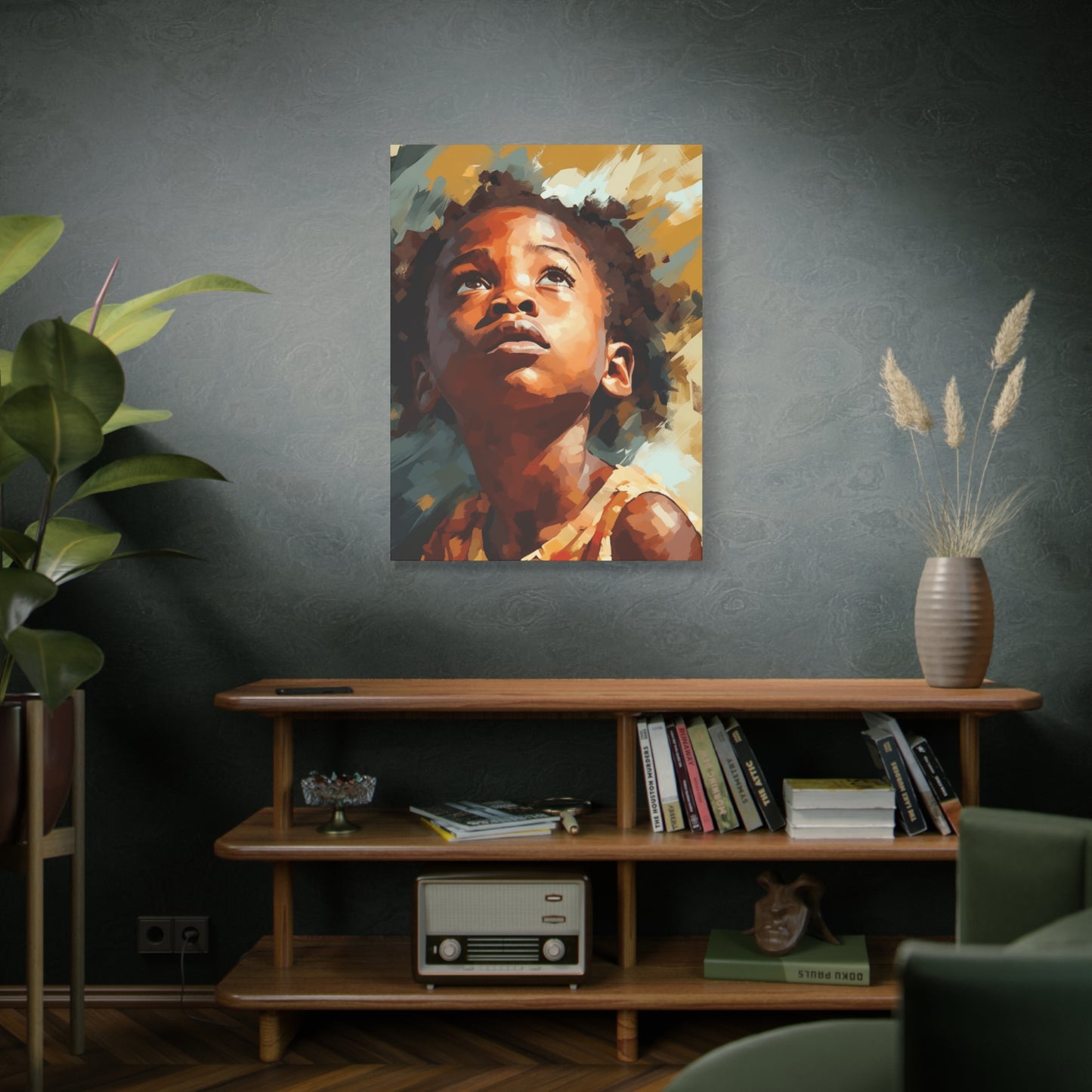
Childhood Wall Art & Canvas Prints
Childhood Wall Art & Canvas Prints
Couldn't load pickup availability
Creative Ways to Brighten Your Child's Space with Playful Childhood Wall Art Designs
Decorating spaces where children spend their time represents one of the most rewarding endeavors for parents, caregivers, and interior design enthusiasts. The visual environment surrounding young ones profoundly influences their mood, creativity, and overall sense of comfort. When selecting decorative elements for these special areas, childhood wall art emerges as a paramount consideration that combines aesthetic appeal with developmental benefits. These carefully chosen pieces transform bare surfaces into vibrant landscapes of imagination, providing daily inspiration and joy to the young inhabitants.
The significance of thoughtfully curated visual displays in juvenile environments extends far beyond mere decoration. Research consistently demonstrates that children who grow up surrounded by stimulating, colorful imagery develop stronger cognitive connections and demonstrate enhanced creative thinking abilities. The walls of a child's room serve as their personal canvas, reflecting their interests, dreams, and evolving personality. Whether featuring whimsical animals, fantastical landscapes, inspiring quotes, or beloved characters, childhood wall art creates an atmosphere where youngsters feel understood, valued, and encouraged to explore their boundless imagination.
Why Visual Decor Matters for Growing Minds and Developing Personalities
The impact of visual stimulation on young minds cannot be overstated. From infancy through adolescence, children process their surroundings with remarkable intensity, absorbing colors, shapes, and patterns that contribute to their understanding of the world. Childhood wall art serves as a constant companion in this journey, offering points of focus that stimulate neural pathways and encourage curiosity. Unlike fleeting digital images on screens, physical artwork maintains a stable presence in their environment, becoming familiar anchors that provide comfort and continuity.
Youngsters naturally gravitate toward spaces that feel personalized and reflective of their interests. When walls remain blank or adorned only with generic, adult-oriented decor, children may struggle to form a strong connection with their surroundings. Conversely, rooms featuring carefully selected childhood wall art communicate that the space belongs to them, fostering a sense of ownership and pride. This psychological connection encourages children to spend more time in their rooms, whether engaging in independent play, completing homework, or simply relaxing with a favorite book.
Color psychology plays a crucial role in how decorative choices affect juvenile behavior and emotional states. Warm hues like yellows and oranges can energize and inspire creativity, while cooler tones such as blues and greens promote calmness and concentration. Parents who understand these principles can strategically select childhood wall art that supports desired outcomes, whether creating a soothing sanctuary for bedtime or an invigorating environment for daytime activities. The visual narrative established through these selections subtly guides children's moods and behaviors throughout their daily routines.
Exploring Diverse Styles That Appeal to Different Age Groups and Interests
The spectrum of available childhood wall art encompasses an extraordinary range of styles, each offering unique advantages for specific age ranges and personality types. For infants and toddlers, high-contrast images with bold, simple shapes prove most effective. Black and white patterns stimulate developing vision, while primary colors capture attention and support early color recognition skills. Animal illustrations, particularly those depicting friendly, approachable creatures, introduce babies to the natural world while providing comforting visual companions during quiet moments.
As children transition into preschool years, their preferences become more defined and their capacity for appreciating complex imagery expands dramatically. This stage welcomes childhood wall art featuring narrative scenes, alphabet displays, and number charts that seamlessly blend decoration with learning opportunities. Storybook-style illustrations depicting adventurous scenarios spark imagination and often inspire elaborate pretend-play scenarios. Many parents find that incorporating educational elements into decorative choices supports school readiness without creating pressure or stress.
Elementary-aged youngsters typically develop strong preferences for specific themes, characters, or subjects. Sports enthusiasts may gravitate toward dynamic action scenes or motivational quotes from famous athletes, while budding scientists appreciate celestial maps, dinosaur diagrams, or botanical illustrations. This age represents an ideal time to involve children in selecting their own childhood wall art, teaching them about personal expression and design principles while ensuring their space truly reflects their evolving identity. The process of choosing decorations together becomes a bonding activity that reinforces the value of their opinions and preferences.
Adolescents present unique challenges and opportunities in the realm of spatial decoration. While some teens maintain enthusiasm for playful imagery, others prefer more sophisticated approaches that bridge childhood whimsy with emerging adult sensibilities. Abstract compositions, inspirational typography, and photography-based childhood wall art often resonate with this age group, allowing for self-expression without feeling juvenile. Flexible solutions like removable pieces or gallery walls that can be easily updated accommodate the rapid identity shifts characteristic of these years.
Materials and Formats That Offer Versatility for Every Budget and Preference
The physical form childhood wall art takes significantly impacts its functionality, longevity, and overall aesthetic contribution. Traditional framed prints remain perennially popular, offering timeless elegance and the flexibility to change imagery as interests evolve. Quality frames protect artwork from damage while adding a finished, intentional appearance to room designs. Parents can select from numerous frame styles—rustic wood, sleek metal, playful colored finishes—that complement existing decor or establish new visual themes.
Canvas prints have surged in popularity for juvenile spaces due to their lightweight construction, absence of glare-producing glass, and contemporary aesthetic. These stretched fabric displays create a gallery-like atmosphere while remaining safe for rambunctious play environments. Many canvas options feature gallery-wrapped edges printed with extended imagery, eliminating the need for frames and creating a seamless, modern appearance. The texture of canvas adds depth and dimension that flat prints cannot replicate, engaging children's tactile curiosity even from a visual distance.
Removable decals and stickers represent revolutionary innovations in childhood wall art, addressing the common concern about property damage and the impermanence of juvenile preferences. These adhesive decorations apply easily to smooth surfaces without requiring nails, tape, or other potentially wall-damaging mounting methods. When interests change or moves necessitate redecorating, the decals peel away cleanly, leaving no residue or marks. This flexibility proves particularly valuable for families living in rental properties or those who anticipate frequent redesigns.
Three-dimensional and mixed-media childhood wall art adds sculptural interest that flat pieces cannot achieve. Wooden letter monograms, fabric pennant banners, shelving units that display treasured objects, and shadow boxes containing meaningful mementos all contribute to layered, personalized environments. These tactile elements invite interaction and provide opportunities for children to contribute to their space's evolution by adding their own creations and collections. The dimensional variation creates visual intrigue that draws the eye across different planes, preventing walls from appearing flat or monotonous.
Creating Cohesive Color Schemes That Stimulate Without Overwhelming Sensory Systems
Establishing a harmonious color palette for childhood wall art requires balancing stimulation with tranquility. While vibrant, saturated hues certainly have their place in juvenile environments, unrestrained use of intense colors can create visual chaos that interferes with relaxation and focus. Successful schemes typically incorporate one or two dominant colors complemented by neutral tones and occasional accent shades. This approach provides enough visual interest to engage young minds without triggering overstimulation or making spaces feel cluttered.
Monochromatic palettes built around varying shades of a single hue offer sophisticated simplicity while maintaining the playfulness appropriate for children. A room centered on blues might feature childhood wall art ranging from pale sky tones to deep navy, creating serene continuity. Similarly, a green-based scheme can incorporate everything from soft mint to rich forest shades, evoking natural environments that promote calmness. These single-color approaches prove particularly effective for children who struggle with sensory processing or those who find busy environments distracting.
Complementary color combinations, utilizing hues opposite each other on the color wheel, create dynamic tension that energizes spaces. Orange and blue, purple and yellow, or red and green pairings deliver visual punch when handled thoughtfully. The key lies in allowing one color to dominate while using its complement as an accent, preventing competing wavelengths from causing visual fatigue. Childhood wall art employing these schemes works exceptionally well in play areas or creative zones where energy and enthusiasm are desirable outcomes.
Analogous color schemes, featuring hues adjacent on the color wheel, produce harmonious, flowing aesthetics that soothe rather than stimulate. Combinations like blue-green-purple or yellow-orange-red create gradual transitions that guide the eye gently across surfaces. These palettes work beautifully in sleeping quarters where the primary function demands relaxation and comfort. Childhood wall art utilizing analogous colors contributes to cohesive environments where every element feels connected to a larger, intentional design vision.
Incorporating Letters and Numbers That Make Learning Feel Like Natural Play
Alphabet-themed childhood wall art transforms essential literacy foundations into engaging visual elements that children encounter daily. These decorative pieces range from simple, bold letter displays to elaborate illustrations where each character pairs with corresponding objects or animals. A represents apple, B accompanies bear, and so forth, creating memorable associations that support phonetic awareness. Unlike flashcards or workbooks that feel explicitly instructional, decorative alphabets blend seamlessly into room aesthetics while quietly reinforcing crucial pre-reading skills.
Numeral-focused decorations serve similar functions for mathematical foundations. Childhood wall art featuring numbers one through ten—or beyond—often incorporates corresponding quantities of objects, helping youngsters grasp the abstract concept of numerical representation. Counting becomes a game when colorful wall displays invite children to enumerate depicted items. These visual references remain available for consultation whenever confusion arises, providing independent learning opportunities without adult intervention.
Typography-based childhood wall art that features inspirational words or meaningful phrases supports emotional development alongside literacy skills. Simple declarations like "Dream Big," "Be Brave," or "You Are Loved" become mantras that children internalize through repeated exposure. For emerging readers, these phrases provide practice material that carries personal significance, making the decoding effort feel worthwhile. The visual presentation of words as design elements demonstrates language's aesthetic potential beyond mere communication.
Bilingual or multilingual childhood wall art introduces linguistic diversity that expands cognitive flexibility and cultural awareness. Displays presenting words in multiple languages simultaneously expose children to different writing systems and phonetic patterns. Even if parents speak only one language at home, these decorative elements plant seeds of curiosity about global communication and make learning additional languages feel more accessible and normalized as children mature.
Animal-Themed Imagery That Connects Children with the Natural World
Wildlife illustrations constitute perennially beloved childhood wall art themes that span cultures and generations. From cuddly forest creatures to majestic safari animals, these depictions fulfill multiple functions simultaneously. They introduce young minds to biodiversity and ecosystem concepts while providing comforting, friendly imagery that makes rooms feel welcoming. Stylistic approaches range from photorealistic portrayals that emphasize anatomical accuracy to whimsical anthropomorphized characters wearing clothing and expressing human emotions.
Oceanic life presents particularly captivating childhood wall art possibilities, with countless species offering unique visual interest. Vibrant tropical fish, graceful sea turtles, playful dolphins, and mysterious jellyfish all provide stunning color and form. These underwater scenes often incorporate soothing blue palettes that promote relaxation, making them ideal for bedrooms. Beyond aesthetic appeal, marine-themed decorations spark curiosity about aquatic ecosystems and conservation, planting environmental awareness that may flourish throughout life.
Barnyard and farm animals represent another popular childhood wall art category, particularly for younger children. Cows, pigs, chickens, horses, and sheep offer familiar, non-threatening imagery that connects to storybooks and songs. These pieces often feature pastoral settings with rolling hills, red barns, and sunny skies, creating peaceful, idyllic scenes. For children growing up in urban environments, farm animal displays provide valuable exposure to rural life and food production origins.
Exotic and endangered species depicted in childhood wall art serve dual purposes as decoration and consciousness-raising tools. Images of pandas, elephants, tigers, and polar bears naturally lead to conversations about habitat protection and human impact on wildlife. These discussions introduce youngsters to empathy for creatures beyond their immediate experience and demonstrate how visual art can carry important messages. Parents who prioritize environmental stewardship often select such imagery deliberately, knowing it will spark meaningful dialogues.
Celestial and Space Themes That Inspire Wonder About the Universe
Astronomical imagery captures imaginations across age ranges, making it among the most versatile childhood wall art themes. Simplified solar system diagrams teach planetary order and characteristics while creating visually striking displays with varied colors and sizes. Moon phase charts satisfy curiosity about lunar cycles and their connection to tides and time. Constellation maps introduce ancient storytelling traditions and demonstrate how humans have long sought to find patterns in seemingly random star arrangements.
Rocket ships, astronauts, and spacecraft represent more narrative-driven approaches to space-themed childhood wall art. These action-oriented images appeal particularly to adventure-seeking personalities who dream of exploration and discovery. Such pieces often incorporate inspiring messages about reaching for goals and pushing boundaries, making them motivational as well as decorative. The combination of scientific accuracy with imaginative possibility makes aerospace imagery uniquely suited to balancing fact and fantasy.
Galaxies, nebulae, and cosmic phenomena provide opportunities for abstract, color-rich childhood wall art that mesmerizes without requiring literal interpretation. Swirling purples, pinks, and blues dotted with stars create dreamy atmospheres perfect for spaces dedicated to rest and reflection. These pieces often provoke philosophical conversations about scale, time, and existence—surprisingly sophisticated dialogues that many children eagerly engage with when imagery provides a concrete starting point.
Alien and extraterrestrial-themed decorations inject humor and creativity into space-focused childhood wall art. Friendly cartoon beings from imagined planets encourage children to consider perspective-taking and diversity in its broadest sense. These playful additions prevent astronomy-themed rooms from feeling too serious or academic, maintaining the sense of fun essential to childhood spaces. The balance between scientific content and imaginative elements creates environments that educate while entertaining.
Transportation Motifs That Appeal to Movement-Oriented Young Minds
Vehicles of all types provide endlessly engaging childhood wall art subjects for youngsters fascinated by mobility and machinery. Cars, trucks, trains, and airplanes offer bold shapes, bright colors, and clear visual appeal. These images often incorporate action lines and dynamic compositions that convey speed and energy, perfectly matching the vitality of active children. For many youngsters, especially during toddler and preschool years, naming and categorizing different vehicle types represents an important cognitive developmental milestone that decorative imagery supports.
Nautical themes centered on boats, ships, and seafaring life create cohesive childhood wall art schemes with timeless appeal. Sailboats gliding across calm waters evoke serenity, while pirate ships suggest adventure and treasure-hunting excitement. Anchors, compasses, lighthouses, and maritime flags contribute additional decorative elements that build comprehensive visual narratives. The metaphorical richness of nautical imagery—smooth sailing, navigating storms, finding your way—provides endless opportunities for meaningful conversations as children mature.
Construction equipment fascinates particular personality types, making bulldozers, excavators, cranes, and cement mixers popular childhood wall art choices. These powerful machines represent capability and transformation, appealing to youngsters who enjoy building and creating. The industrial aesthetic of construction themes pairs surprisingly well with urban loft-style decor or rustic farmhouse approaches, demonstrating unexpected versatility. Parents often report that construction-themed rooms inspire block play, sandbox excavations, and other hands-on creative activities.
Emergency vehicles combine movement appeal with heroic narratives, making fire trucks, police cars, and ambulances compelling childhood wall art subjects. These images subtly familiarize children with community helpers and safety services, potentially reducing anxiety about sirens or emergency situations. The public service dimension adds positive social messaging to decorative choices, reinforcing values of helping others and community responsibility. Bold reds, blues, and yellows typical of emergency vehicles create energizing color schemes that work well in play areas.
Fantasy and Imagination-Based Imagery That Encourages Creative Thinking
Fairy tale elements provide inexhaustibly rich childhood wall art possibilities that span cultures and storytelling traditions. Castles, dragons, unicorns, and magical forests transport children to realms where anything becomes possible. These fantastical images validate imaginative play and signal that creativity is valued and encouraged. Unlike screen-based fantasy content that dictates specific narratives, static visual representations allow children to project their own stories onto scenes, developing crucial imaginative muscles that serve them throughout life.
Mythological creatures from various cultural traditions introduce children to global storytelling heritage through childhood wall art. Griffins, phoenixes, mermaids, and centaurs each carry symbolic meanings that can be explored as children grow and their comprehension deepens. These timeless figures demonstrate humanity's long history of using imagination to explain natural phenomena and explore philosophical concepts. Exposure to diverse mythological traditions through decoration naturally leads to broader cultural appreciation and literary literacy.
Superhero and adventurer themes allow children to see themselves as capable protagonists in their own stories. Childhood wall art featuring masked heroes, caped crusaders, or intrepid explorers sends powerful messages about courage, perseverance, and the importance of using one's abilities to help others. These images resonate particularly during middle childhood when youngsters begin understanding complex moral concepts and their own potential for positive impact. The visual representation of heroism becomes a daily reminder of their own capacity for brave, kind actions.
Abstract and surreal imagery offers childhood wall art that grows with inhabitants, remaining relevant as tastes mature. Dreamlike compositions that defy literal interpretation invite ongoing contemplation and discussion. A piece depicting melting clocks, floating islands, or impossible architecture sparks conversation about perspective, reality, and artistic expression. These sophisticated choices demonstrate respect for children's ability to engage with complex ideas and provide decoration that won't feel embarrassingly juvenile as adolescence approaches.
Nature-Inspired Designs That Bring Outdoor Serenity into Indoor Spaces
Botanical illustrations featuring flowers, leaves, and plants create calming childhood wall art that connects young inhabitants with natural beauty. From detailed scientific renderings to stylized, simplified forms, plant imagery offers remarkable variety. Tropical leaves bring exotic flair, wildflower meadows suggest gentle movement, and succulent gardens provide geometric interest. These organic shapes soften hard angles typical of built environments and introduce the irregular patterns characteristic of living things.
Forest and woodland scenes transport children to enchanted groves filled with towering trees and dappled sunlight. Childhood wall art depicting paths winding through woods invites imaginative journeys and suggests mystery just beyond view. These images often incorporate subtle wildlife—a peeking fox, soaring owl, or scampering squirrel—that rewards careful observation. The vertical lines of tree trunks draw eyes upward, making rooms feel more spacious, while the green palette promotes the documented calming effects of nature exposure.
Mountain and landscape vistas bring grandeur and perspective to juvenile environments through childhood wall art. Majestic peaks rising above clouds or gentle rolling hills stretching to distant horizons demonstrate scale and encourage contemplation of the wider world beyond immediate surroundings. These pieces work particularly well in homes where outdoor recreation plays an important role in family life, visually reinforcing values of environmental appreciation and physical activity.
Seasonal imagery acknowledges the cyclical passage of time through childhood wall art that changes throughout the year. Spring blossoms, summer sunshine, autumn leaves, and winter snow each carry distinct emotional tones and color palettes. Some families rotate decorative pieces with the seasons, creating rituals that children anticipate and helping them understand temporal concepts. This approach also prevents visual stagnation, keeping rooms feeling fresh and responsive to the external world.
Character-Based Selections That Reflect Current Interests and Beloved Stories
Licensed character imagery allows children to surround themselves with familiar friends from books, films, and shows they love. While some design purists dismiss these choices as overly commercial, childhood wall art featuring beloved characters serves important emotional functions. These recognizable figures provide comfort, especially during bedtime when separation anxiety may arise. Seeing favorite characters "keeping watch" helps many children feel secure and calm.
Storybook illustration reproductions bring literary favorites off the page and onto walls, reinforcing the joy of reading. Childhood wall art featuring scenes from classics like "Where the Wild Things Are," "The Very Hungry Caterpillar," or "Goodnight Moon" celebrates narrative art and often sparks requests to reread beloved tales. These pieces demonstrate that stories hold sufficient value to merit display, subtly elevating reading as an important, treasured activity rather than an assigned task.
Original character designs created specifically for childhood wall art offer uniqueness without licensing concerns. Many artists create charming, one-of-a-kind creatures and characters that carry the appeal of recognizable media figures without the commercial associations. These original designs often feature greater artistic sophistication and timelessness than mass-produced licensed merchandise, providing decoration that maintains aesthetic value as children's media preferences inevitably shift.
Portrait-style artwork featuring children engaged in various activities allows youngsters to see themselves reflected in their decor. Childhood wall art depicting kids reading, playing sports, creating art, or exploring nature validates their interests and activities. Representation matters profoundly, and seeing figures who resemble themselves—in ethnicity, ability, family structure, or interests—helps children develop positive self-concepts and feel their experiences are normal and valued.
Creating Gallery Walls That Tell Stories and Showcase Personal Growth
Clustered arrangements of multiple pieces create dynamic childhood wall art installations that hold more visual interest than single items. Gallery walls allow for mixing different sizes, formats, and even media, creating layered, sophisticated presentations. This approach accommodates adding pieces over time, making it budget-friendly and evolutionarily adaptable. As children create their own artwork or acquire new favorite images, the collection expands naturally without requiring complete redesigns.
Grid patterns provide structured approaches to childhood wall art arrangements that satisfy orderly minds and create calm through symmetry. Evenly spaced frames of identical sizes produce clean, modern aesthetics that work particularly well in smaller spaces where visual clutter might feel overwhelming. This format makes planning straightforward—simply measure and mark equal distances between hanging points—reducing the trial-and-error frustration that freeform arrangements sometimes involve.
Salon-style hanging, with frames of varied sizes arranged organically, creates eclectic childhood wall art displays full of personality and visual movement. This approach allows incorporating oddly sized pieces, three-dimensional objects, and even empty frames holding special mementos. The seemingly casual arrangement actually requires careful planning to balance visual weight and create cohesive flow, making it an enjoyable design challenge for creative parents and older children working collaboratively.
Linear arrangements following horizontal or vertical lines create streamlined childhood wall art presentations perfect for narrow spaces like hallways or above beds. A series of similar pieces hung in a straight row draws eyes across the composition while maintaining order. This format works beautifully for progressive series—alphabet letters, counting sequences, or chronological family photos—where the linear presentation reinforces the sequential content.
Height Considerations That Make Visual Elements Accessible and Engaging
Positioning childhood wall art at appropriate heights dramatically affects its impact and accessibility. For infants and toddlers who spend considerable time on floors, hanging pieces lower than standard adult eye level ensures they can actually see and engage with the imagery. Decorations positioned at 24 to 36 inches from the floor place visual interest directly in their line of sight during play sessions and tummy time. This thoughtful placement demonstrates that the space was designed specifically for them.
As children grow, adjustable childhood wall art systems accommodate changing heights without requiring complete rehangs. Command strips, picture rails, and specialized hanging systems allow easy repositioning as sight lines change. Some parents photograph their children beside favorite pieces at different ages, creating charming documentation of growth while identifying when adjustments become necessary. This flexibility extends the usable life of decorations beyond what fixed placement allows.
Reading nook arrangements benefit from childhood wall art positioned directly in sight lines from comfortable seating. When a favorite chair or floor cushion occupies a corner, hanging a beloved image or inspirational quote where young readers naturally gaze reinforces positive associations with the space. These focal points draw children to reading areas and provide pleasant visual company during independent quiet time, supporting the development of lifelong reading habits.
Ceiling-mounted childhood wall art represents an often-overlooked placement option that proves particularly effective for sleeping areas. Lying on their backs preparing for sleep, children gaze upward for extended periods. Suspended mobiles, fabric installations, or even simple decals on ceiling surfaces capture attention during these drowsy moments. Calming imagery in this position becomes associated with rest and relaxation, potentially supporting easier bedtime transitions.
Safety Factors That Protect Curious Explorers While Maintaining Aesthetic Appeal
Secure mounting methods form the foundation of safe childhood wall art installations. Heavy pieces require appropriate wall anchors rated for their weight, never relying solely on adhesive strips or single nails. Studs provide ideal attachment points when available, and toggle bolts serve when stud placement proves uncooperative. Taking time to properly anchor decorations prevents accidents while providing peace of mind that allows children to play freely without constant supervision or restrictions.
Breakage-resistant materials protect both children and decorative investments. Childhood wall art printed on acrylic or polycarbonate rather than glass eliminates sharp-shard hazards should pieces fall or suffer impact from flying toys. Canvas and fabric options similarly avoid fragile materials while maintaining visual quality. For parents particularly concerned about safety, these alternative materials offer complete peace of mind without compromising appearance.
Frame selection impacts safety considerably, with lightweight materials and rounded corners reducing injury risks. Childhood wall art presented in thin metal or polymer frames weighs substantially less than heavy wood options, lessening potential harm from falls. Rounded corner profiles eliminate sharp edges that could cause cuts during rough play. Many manufacturers now specifically design juvenile-market frames with these safety considerations, making identification straightforward.
Cord and hanging hardware pose strangulation risks that many parents overlook when installing childhood wall art. Picture-hanging wire should remain taut and secured, ideally with the hardware positioned such that no loops or loose sections dangle within reach. Alternative hanging methods that eliminate cord entirely, such as French cleats or keyhole hangers, provide even safer options. Regular inspections ensure that time and vibration haven't loosened originally secure installations.
Lighting Strategies That Highlight Visual Elements and Create Ambiance
Dedicated picture lights installed above or below childhood wall art pieces create gallery-like presentations that elevate decorative elements from background details to featured attractions. These focused illumination sources draw attention to specific pieces, clearly communicating their importance in the room's visual hierarchy. Adjustable fixtures allow for fine-tuning beam angles and intensity, accommodating different artwork sizes and room configurations. Battery-operated options eliminate wiring concerns, simplifying installation in rental properties or existing spaces.
Natural light considerations affect childhood wall art longevity and visibility throughout days and seasons. Pieces positioned opposite windows receive consistent illumination without suffering direct sun exposure that causes fading. Understanding how daylight patterns move through rooms allows strategic placement that maximizes visibility during active hours while protecting valuable pieces from ultraviolet damage. Sheer curtains filter harsh rays while maintaining brightness levels that showcase colors accurately.
Ambient room lighting creates overall illumination that affects how childhood wall art appears during different activities. Overhead fixtures providing general brightness ensure decorations remain visible during play and cleaning. Dimmer switches allow adjusting intensity for different times of day—brighter during energetic morning routines, softer as bedtime approaches. This flexibility helps the same decorations contribute to multiple moods, supporting diverse activities that occur in multifunctional juvenile spaces.
Accent lighting such as fairy lights or LED strips adds magical dimensionality to childhood wall art arrangements. Strung around gallery wall perimeters or woven through dimensional pieces, these gentle light sources create enchanting effects especially appreciated during evening hours. Color-changing options allow matching lighting to moods or special occasions, transforming ordinary decorations into dynamic light shows that captivate and delight.
Budgeting Approaches That Make Quality Decoration Accessible to All Families
Printable artwork downloaded and printed locally represents incredibly cost-effective childhood wall art that rivals professionally manufactured pieces in appearance. Countless artists sell digital files online at modest prices, with buyers then printing at photo services or home printers. This approach allows accessing designs from global creators regardless of location and enables reprinting if damage occurs. Standard frame sizes keep framing costs reasonable, and seasonal sales at craft stores make acquiring multiple coordinating frames affordable.
Thrift stores and consignment shops harbor surprising childhood wall art treasures that budget-conscious families can transform with minimal effort. Dated pieces often feature quality frames that, once cleaned and potentially repainted, house new artwork printed or created specifically for current needs. This approach combines sustainability with frugality, giving items second lives while achieving custom results. The hunt for perfect frames becomes an enjoyable activity that children can participate in, teaching valuable lessons about creativity and resourcefulness.
DIY projects allow families to create completely customized childhood wall art while spending minimal funds. Canvas panels from craft stores become backgrounds for handprints, finger paintings, or stenciled designs that carry profound sentimental value. Fabric scraps stretch over embroidery hoops to create textile art installations. Construction paper, magazine cutouts, and found objects assemble into collages that rival expensive purchased pieces in visual impact. The creative process itself provides valuable family bonding time and teaches children that decoration needn't be expensive to be meaningful.
Rotating displays maximize value from existing childhood wall art by preventing visual fatigue and accommodating changing interests without constant purchasing. Storing half the current collection while displaying the other half, then switching seasonally or quarterly, keeps rooms feeling fresh. This approach proves particularly effective with rapidly changing juvenile preferences, where investing heavily in today's passion might mean dealing with tomorrow's rejection. The storage requirement remains minimal—typically a single bin or closet shelf—while the perceived variety multiplies.
Involving Children in Selection Processes That Build Decision-Making Skills
Shopping together for childhood wall art, whether online or in stores, teaches valuable lessons about aesthetic judgment and personal preference. Parents can guide youngsters through decision frameworks: Which colors appear most often in this room? Does this piece make you feel happy or calm? Would you enjoy looking at this every day? These questions build critical thinking while ensuring final selections genuinely resonate with children who will live with the choices. The validation of having their preferences honored builds confidence and self-awareness.
Creating sample boards with fabric swatches, paint chips, and printed images helps children visualize how different childhood wall art options coordinate with existing room elements. This hands-on planning process makes abstract concepts concrete, helping younger children who struggle imagining how pieces will look once installed. The temporary nature of sample boards encourages experimentation without commitment, reducing pressure that sometimes causes decision paralysis. Moving elements around the board develops spatial reasoning and design skills that transfer to many contexts.
Age-appropriate autonomy balanced with gentle guidance produces the best childhood wall art outcomes. Very young children might select between parent-curated options rather than facing overwhelming choices. Elementary-aged youngsters can browse with broad parameters—"Choose three animal pictures you like." Adolescents often manage nearly independent selection with parents providing budget boundaries and ensuring chosen items are appropriate. This graduated approach to decision-making responsibility prepares children for independence while preventing choices they quickly regret.
Trial periods using temporary hanging methods allow testing childhood wall art before permanent installation. Removable adhesive strips hold pieces in place for days or weeks, during which families assess whether selections work as hoped. This low-risk approach prevents buyer's remorse and the frustration of discovering too late that a beloved piece doesn't actually fit the space or clashes unexpectedly with other elements. Children learn that major decisions benefit from thoughtful consideration rather than impulsive commitment.
Seasonal Rotation Systems That Keep Spaces Feeling Dynamic and Current
Holiday-specific childhood wall art creates festive atmospheres that help children understand annual cycles and cultural celebrations. Winter holiday decorations might feature snowflakes and cozy scenes, spring pieces showcase blooming flowers and baby animals, summer images celebrate sunshine and outdoor activities, while autumn decor highlights harvest themes and changing leaves. These seasonal transitions create anticipated rituals that mark time's passage and make traditions visible. The act of changing decorations together becomes cherished family bonding time that children remember fondly.
Storage solutions that protect off-season childhood wall art extend its usable life across multiple years. Flat pieces layer between acid-free tissue in labeled boxes, while dimensional items nestle in bubble wrap or packing paper. Climate-controlled spaces prevent humidity damage and pest infestation that could destroy treasured pieces. Photographing stored collections helps identify contents without opening every container, streamlining future rotation processes. This organizational investment pays dividends by making seasonal swaps quick and painless rather than dreaded chores.
Transitional pieces that span multiple seasons reduce the frequency of complete changeovers while maintaining visual interest. Childhood wall art featuring neutral themes—geometric patterns, inspirational quotes, or abstract designs—works year-round while seasonal accents provide changing focal points. This balanced approach means updating only a few pieces rather than entire collections, significantly reducing time and effort investments. The stable backdrop creates continuity while strategic updates keep spaces from feeling stagnant.
Birthday and special occasion decorations transform ordinary childhood wall art displays into personalized celebrations. Temporary additions like age numbers, birthday banners, or achievement certificates overlay existing decorations during special periods. These festive enhancements create photograph-worthy backdrops for memory-making without requiring permanent changes. The temporary nature makes elaborate displays feasible since removal happens within days, preventing the overwhelm of constantly elaborate environments.
Addressing Common Challenges That Arise During Planning and Installation
Wall texture incompatibilities frustrate many childhood wall art installation attempts, particularly in older homes or textured finish applications. Heavily stippled or rough surfaces prevent adhesive products from establishing secure bonds, while also making straight, level hanging more difficult. Solutions include strategic placement on smoother wall sections, using heavy-duty mounting tape designed for textured surfaces, or applying small drywall patches to create smooth mounting areas. Understanding surface limitations before purchasing prevents disappointing discovery that favorite pieces won't work as planned.
Rental restrictions often prohibit nails and other permanent mounting methods, seemingly limiting childhood wall art possibilities. However, numerous solutions circumvent these challenges without risking security deposits. Command strips rated for appropriate weights handle most applications, while tension rods positioned between walls support fabric panels and tapestries. Freestanding easels display framed pieces without any wall contact, and leaning art propped on furniture creates intentional, casual aesthetics popular in contemporary design. Landlord conversations sometimes yield surprising flexibility when approached respectfully with specific proposals.
Competing visual elements like windows, doors, and built-in furniture complicate childhood wall art placement planning. Successful arrangements acknowledge these immovable features, working with rather than against architectural realities. Symmetrical placements flanking windows or doors create intentional, balanced appearances. Vertical arrangements suit narrow wall sections between closets and corners. Acknowledging constraints as design opportunities rather than obstacles often produces more creative, personalized solutions than would emerge from blank-slate scenarios.
Changing preferences happen rapidly during childhood, creating fears that today's perfect childhood wall art becomes tomorrow's embarrassing reminder. Embracing this inevitability rather than resisting it creates healthier approaches. Selecting pieces with known limited lifespans—perhaps that current movie obsession—removes pressure for permanence. Documenting rooms photographically before changes preserves memories without requiring physical artifact retention. Explaining that evolving interests demonstrate healthy growth rather than fickleness helps children feel comfortable expressing changing preferences honestly.
Conclusion
Representation in childhood wall art extends beyond simple inclusion to authentic, respectful depiction of diverse experiences. Images showing various family structures—single parents, same-gender parents, grandparents as primary caregivers, blended families—validate children's lived realities. Depicting people of different races, abilities, and body types as normal participants in everyday activities communicates that all humans deserve visual representation and recognition. These thoughtful selections combat the narrow portrayals that historically dominated juvenile decor, instead reflecting the actual diversity of contemporary communities.
Cultural celebration pieces introduce children to traditions and practices from their heritage and beyond. Childhood wall art featuring festivals, traditional clothing, folk art styles, and historical figures from various cultures provides windows and mirrors—opportunities to see themselves reflected and to view into others' experiences. Families with multicultural backgrounds can honor all aspects of children's heritage, while those from relatively homogeneous backgrounds expose youngsters to global diversity that prevents developing limited worldviews.
Language diversity in childhood wall art normalizes multilingualism and demonstrates respect for non-English speakers. Pieces incorporating words or phrases from family heritage languages maintain connections to ancestors and extended family members who may not speak English. For monolingual families, exposure to different writing systems and languages plants seeds of linguistic curiosity that may flourish later. These selections counter the English-dominant landscape of most commercial products, sending subtle messages about language value and global citizenship.
Avoiding stereotypes requires conscious attention to how childhood wall art portrays different groups. Well-intentioned diversity attempts sometimes rely on reductive imagery that flattens rich cultures into single symbols or costumes. Thoughtful selections show people engaged in universal activities—playing, learning, creating—rather than always positioned in explicitly cultural contexts. This approach normalizes diversity by depicting shared humanity while still acknowledging and celebrating difference.
Share