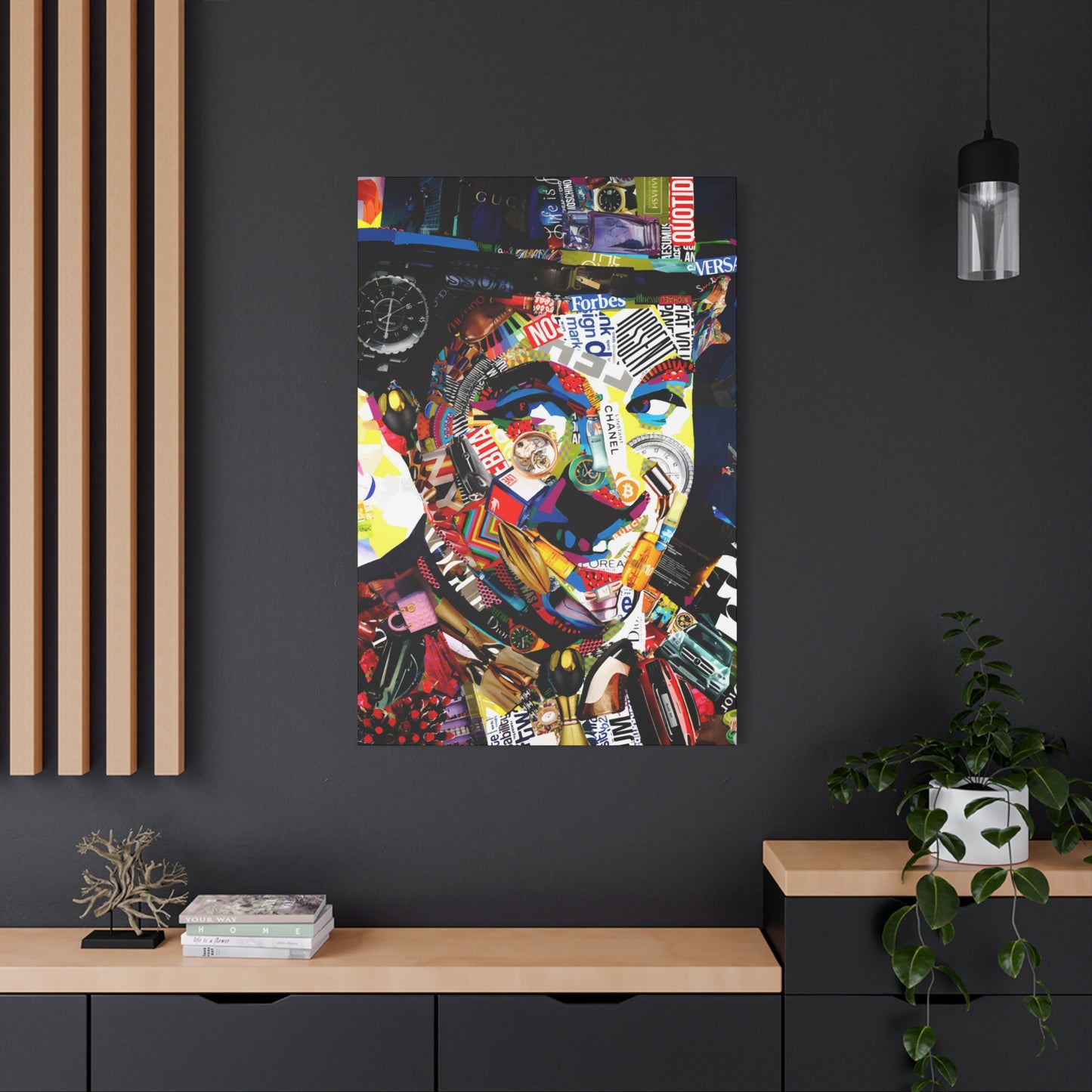


Charlie Chaplin Wall Art & Canvas Prints
Charlie Chaplin Wall Art & Canvas Prints
Couldn't load pickup availability
Bringing Timeless Charm into Your Living Room with Charlie Chaplin Wall Art
The iconic silent film star continues to captivate audiences decades after his final performance, and his image has become a beloved element in home decoration. Charlie Chaplin wall art represents more than mere decoration; it embodies an era of cinematic brilliance, social commentary, and timeless humor that transcends generations. When you incorporate these pieces into your living environment, you're not simply hanging a picture—you're celebrating a cultural phenomenon that shaped entertainment forever.
Why Silent Film Era Imagery Remains Powerfully Relevant in Contemporary Interior Design
The magnetic appeal of vintage cinema personalities in modern homes stems from our collective nostalgia for simpler times and authentic artistry. Unlike today's digital effects and computer-generated imagery, the performers of yesteryear relied purely on physical expression, timing, and genuine talent to convey emotion and story. This authenticity resonates deeply with individuals seeking meaningful connections in an increasingly digital world.
Charlie Chaplin wall art serves as a conversation starter, a philosophical statement, and a testament to enduring creativity. His instantly recognizable silhouette—the bowler hat, cane, mustache, and oversized shoes—creates an immediate visual impact that draws the eye and stirs memories of classic cinema. Whether displayed in a minimalist loft, a cozy family room, or a sophisticated office, these pieces add character and depth that mass-produced decorations simply cannot match.
The silent film legend's work transcended entertainment, often addressing themes of poverty, inequality, and the human condition with both humor and poignancy. When you select his imagery for your walls, you're acknowledging this deeper significance. His films provided social commentary disguised as comedy, making audiences laugh while simultaneously reflecting on serious societal issues. This duality makes his image particularly suitable for spaces where thoughtful conversation and intellectual engagement occur.
Contemporary designers increasingly recognize that homes should reflect personal values and intellectual interests rather than merely following trends. Vintage cinema art fulfills this need perfectly, offering sophistication without pretension and cultural significance without heaviness. The black-and-white aesthetic of most pieces featuring this legendary performer also provides versatility, complementing virtually any color scheme while adding visual interest through contrast and composition.
Exploring Various Artistic Interpretations of the Little Tramp Character
The market offers an astonishing variety of artistic renditions of this beloved character, each bringing unique perspectives and stylistic approaches. Traditional black-and-white photography prints capture authentic moments from his greatest films, preserving the genuine essence of his performances. These prints often showcase his expressive face mid-gesture, his body contorted in those impossible positions that made audiences roar with laughter, or quiet contemplative moments that revealed the soul beneath the comedy.
Pop art interpretations transform the classic figure into vibrant, contemporary statements. Bold colors, repeated patterns, and graphic elements reimagine the vintage performer for modern sensibilities. Artists working in this style might depict him in neon hues against contrasting backgrounds, or create collages incorporating his image with other cultural icons. These pieces work exceptionally well in spaces with contemporary or eclectic design schemes, where traditional black-and-white prints might feel too subdued.
Street art influenced pieces bring urban edge to the classic character. Graffiti-style renditions, stencil work, and mixed media compositions present him as a rebel and social commentator, emphasizing the subversive elements often overlooked in conventional appreciation of his work. These interpretations frequently incorporate text, additional imagery, or distressed effects that reference both his films and contemporary urban culture.
Minimalist line art offers sophisticated simplicity, reducing the iconic figure to essential elements through continuous line drawings or geometric shapes. These pieces appeal to those who appreciate understated elegance and clean design principles. A single continuous line forming his profile, or a few strategic strokes capturing his signature pose, can be remarkably powerful in the right setting.
Three-dimensional metal sculptures and wooden cut-outs provide tactile variety beyond flat prints. These pieces cast shadows and interact with light differently throughout the day, adding dynamic visual interest to your space. Some artisans create intricate layered constructions that produce depth and dimension, while others work with single sheets of material to produce striking silhouettes.
Digital art and modern illustrations reimagine the performer in contemporary contexts or fantastical scenarios. You might find him portrayed in surrealist landscapes, surrounded by modern elements, or integrated into abstract compositions. These pieces demonstrate how his image continues to inspire creativity and remains relevant to current artistic movements.
Selecting the Perfect Piece for Different Rooms Throughout Your Home
Living rooms benefit from larger statement pieces that serve as focal points for the space. Consider substantial canvas prints or framed collections that command attention without overwhelming other design elements. The living area typically accommodates bolder artistic choices since it's a communal space where diverse tastes converge. A dramatic scene from one of his famous films, rendered in striking contrast, can anchor the room's aesthetic while providing endless conversational opportunities.
Home offices and studies pair wonderfully with more contemplative imagery. His thoughtful expressions or scenes depicting his character overcoming adversity can provide subtle motivation during challenging work sessions. Smaller, framed prints work well in these spaces, where they can be appreciated during moments of reflection without competing with functional workspace requirements. Consider positioning such artwork where your gaze naturally falls during breaks from screen time.
Bedrooms call for gentler, more intimate selections. Softer compositions showing quieter moments—perhaps his character sitting pensefully or a gentle romantic scene—create appropriate ambiance for personal spaces dedicated to rest and reflection. Avoid overly dramatic or energetic imagery that might feel jarring in a restful environment. Sepia-toned prints or muted color palettes work particularly well in sleeping quarters.
Hallways and entryways present opportunities for creative gallery walls featuring multiple smaller pieces. A chronological arrangement showing different films or character developments tells a story as visitors move through the space. Alternatively, mixing different artistic styles interpreting the same subject creates visual interest through variation while maintaining thematic coherence.
Entertainment rooms and home theaters represent ideal locations for cinema-themed decoration. Here, you can embrace theatrical drama with vintage movie posters, behind-the-scenes photography, or elaborate multi-panel installations. The context supports bolder choices that celebrate film history explicitly. Consider incorporating other elements from the silent film era to create an immersive vintage cinema atmosphere.
Dining areas benefit from pieces that spark conversation without dominating mealtime experiences. Medium-sized prints positioned at appropriate viewing height encourage discussion while maintaining comfortable social dynamics. Humorous scenes work particularly well here, as they contribute to the convivial atmosphere ideal for shared meals and gatherings.
Bathrooms might seem unconventional locations for significant artwork, but they shouldn't be overlooked. Smaller prints in moisture-resistant frames can add unexpected personality to these utilitarian spaces. His comedic expressions are particularly suitable here, adding levity to everyday routines.
Understanding Size, Scale, and Proportion When Hanging Cinema Art
Proper sizing dramatically impacts how effectively artwork integrates into your space. The common mistake of selecting pieces too small for the available wall area results in insignificant decoration that fails to make intended impressions. Generally, artwork should occupy approximately two-thirds to three-quarters of the furniture width it hangs above. A piece positioned over a sofa, for instance, should span roughly 60-75% of the sofa's length to appear properly proportioned.
Ceiling height influences appropriate artwork dimensions as well. Rooms with standard eight-foot ceilings accommodate different scales than spaces with soaring twelve-foot or higher ceilings. Taller rooms can support larger individual pieces or vertically-oriented arrangements that draw the eye upward, emphasizing the architectural feature. Conversely, rooms with lower ceilings benefit from horizontal orientations that make spaces feel wider.
Viewing distance matters considerably. Artwork meant to be appreciated from across the room requires different characteristics than pieces positioned in intimate spaces where viewers stand mere feet away. Detailed pieces with intricate elements work best where close examination is possible, while bold, high-contrast images with strong compositional elements remain effective from greater distances.
The rule of thirds provides useful guidance for positioning. Artwork should generally hang with its center approximately 57-60 inches from the floor—roughly average human eye level. However, this guideline flexes depending on furniture arrangement and ceiling height. When hanging pieces above furniture, maintain 6-8 inches between the furniture top and the artwork's bottom edge to create visual connection without crowding.
Multiple pieces arranged together require careful consideration of spacing and arrangement. Maintain consistent gaps between pieces—typically 2-4 inches for cohesive gallery walls. When creating arrangements, lay everything out on the floor first, adjusting until the composition feels balanced. Consider the overall shape created by the arrangement: rectangular, square, or organic configurations each produce different visual effects.
Weight distribution matters for larger pieces. Ensure hanging hardware adequately supports the artwork's weight with appropriate margins of safety. Canvas prints typically weigh less than framed pieces with glass, allowing for somewhat lighter hanging solutions. However, never compromise safety to save minor effort or expense.
Framing Choices That Enhance Rather Than Distract From the Subject
Frame selection profoundly influences how artwork appears and integrates with surrounding decor. The frame should complement rather than compete with the image, directing attention inward toward the subject rather than drawing focus to itself. For black-and-white photography or traditional prints, classic black frames provide timeless sophistication that never feels dated. Their neutral presence allows the image to dominate while providing necessary definition against wall surfaces.
Natural wood frames bring warmth and texture, particularly effective in spaces with organic or rustic design elements. Light woods like maple or ash create casual, approachable feelings, while darker woods like walnut or mahogany convey formality and gravitas. Consider the wood tones already present in your furniture and flooring to ensure harmonious coordination.
White and cream frames work beautifully in bright, airy spaces or when employing gallery wall arrangements. They create clean, modern appearances while providing sufficient contrast to define individual pieces. White frames particularly suit minimalist or Scandinavian-inspired interiors where simplicity and light are paramount.
Metal frames offer industrial or contemporary aesthetics depending on finish and profile. Thin metal frames in silver, gold, or black provide modern sophistication with minimal visual weight. These work exceptionally well with pop art interpretations or contemporary renditions where traditional framing might feel incongruous.
Ornate, decorative frames suit vintage or traditional interiors where period-appropriate details enhance overall design schemes. However, exercise restraint—overly elaborate frames can overwhelm images and appear dated if not carefully integrated with surrounding elements. When selecting ornate frames, ensure they reference similar decorative details found elsewhere in the room.
Matting decisions significantly impact final presentation. Mats create breathing room around images, preventing them from feeling cramped within frames. White and cream mats are versatile choices that work with most images and color schemes. Wider mats—3-4 inches—convey formality and importance, while narrower mats maintain more casual, approachable feelings.
Double matting adds depth and sophistication through layered borders in complementary colors. The visible inner mat might echo a color from the artwork or surrounding decor, while the outer mat typically remains neutral. This technique particularly suits pieces you wish to elevate or emphasize.
Glazing choices affect appearance and preservation. Regular glass is economical but produces glare under certain lighting conditions. Non-reflective or museum glass eliminates glare issues and provides superior UV protection, though at higher cost. Acrylic glazing offers shatter-resistance and lighter weight, beneficial for larger pieces or homes with children.
Creating Cohesive Gallery Walls Featuring Multiple Cinema-Themed Pieces
Gallery walls transform collections of individual pieces into unified artistic statements greater than the sum of their parts. When building arrangements around cinema themes, balance becomes crucial. Mix different sizes, orientations, and styles while maintaining common threads that unify the collection. Perhaps all pieces share similar color palettes, or they represent different scenes from the same era of filmmaking.
Symmetrical arrangements convey formality and order through balanced, geometric layouts. Grid patterns with uniform spacing work well in modern or minimalist spaces where clean lines dominate. This approach particularly suits series of identically-sized prints or photographs. The predictability creates calm, organized impressions suitable for professional spaces or rooms where order matters.
Asymmetrical arrangements feel more organic and dynamic, suitable for eclectic or casual spaces. These layouts require more planning to achieve visual balance without formal symmetry. Consider visual weight when positioning pieces—larger or darker items carry more weight and should be balanced by appropriate placement of smaller or lighter pieces elsewhere in the arrangement.
Salon-style walls embrace controlled chaos through dense arrangements of varied pieces. This approach originated in 19th-century European salons where walls were covered edge-to-edge with artwork. Modern interpretations maintain the spirit while allowing slightly more breathing room. Salon walls work wonderfully in bohemian or maximalist interiors that celebrate abundance over restraint.
Start with anchor pieces—the largest or most significant items—and build outward from these focal points. Position anchors at or near center, then arrange supporting pieces around them. This technique ensures balanced weight distribution and prevents arrangements from feeling bottom-heavy or top-heavy.
Maintain consistent spacing between pieces for cohesive appearances. Two to four inches between frames typically works well, though you might adjust based on frame thickness and overall arrangement density. Use paper templates cut to match your artwork dimensions, securing them to walls with removable tape. Adjust template positions until satisfied with the arrangement before committing to hammering nails or installing hanging hardware.
Color coordination unifies disparate pieces. While mixing styles and subjects, maintaining consistent color relationships creates harmony. Perhaps all pieces share black frames, or maybe they all incorporate similar color accents despite different subjects or artistic approaches.
Consider negative space as an active design element rather than merely empty wall. The spaces between and around pieces contribute to overall composition just as much as the artwork itself. Arrangements that respect negative space feel intentional and sophisticated rather than cluttered or cramped.
Lighting Strategies That Showcase Your Cinema Art Collection Effectively
Proper illumination transforms good artwork into stunning focal points. Natural light presents both opportunities and challenges. Positioning pieces near windows allows appreciation of details and colors in beautiful daylight, but direct sunlight causes fading over time. If natural light is unavoidable, choose UV-protective glazing and consider window treatments that filter harmful rays while preserving visible light.
Picture lights mounted directly above or beside artwork provide dedicated illumination that highlights pieces effectively. These fixtures typically extend from walls on adjustable arms, directing focused light downward or across artwork surfaces. Select warm LED bulbs that render colors accurately without generating heat that might damage pieces over time. Picture lights work best with larger, significant pieces that merit dedicated lighting.
Track lighting offers flexibility for illuminating multiple pieces or adjusting as you rearrange your collection. Adjustable fixtures along ceiling-mounted tracks direct light precisely where needed. This solution particularly suits gallery walls or rooms where artwork arrangements change periodically. Modern LED track systems provide excellent color rendering while consuming minimal energy.
Recessed ceiling lights or can lights illuminate artwork when positioned appropriately. Place them approximately 18-24 inches from walls and angle them to graze artwork surfaces without creating harsh shadows or glare. This approach works well for minimalist spaces where visible fixtures might feel obtrusive.
Accent lighting from floor lamps or table lamps contributes ambient illumination that indirectly highlights artwork. While not as focused as dedicated picture lights, this gentler approach creates atmosphere while ensuring pieces remain visible after dark. Position lamps where their light naturally falls across artwork without requiring awkward angles or placements.
Avoid direct overhead lighting from ceiling fixtures positioned perpendicular to walls. This configuration creates shadows and glare that obscure rather than reveal artwork details. If overhead fixtures are your primary lighting source, ensure they're positioned slightly forward of the wall or complement them with additional accent lighting.
Dimmer switches provide control over lighting intensity, allowing you to adjust based on time of day, activity, or mood. Evening gatherings might call for softer, more atmospheric lighting, while daytime appreciation benefits from brighter, clearer illumination. Dimmers also extend bulb life and reduce energy consumption.
Color temperature affects how artwork appears. Warm white bulbs (2700-3000K) create cozy, inviting atmospheres similar to traditional incandescent lighting. They flatter warm tones in artwork but may slightly cool blue tones. Neutral white (3500-4100K) provides balanced rendering suitable for most artwork. Cool white (5000K+) mimics daylight but can feel clinical in residential settings.
Preserving and Protecting Your Investment in Cinema Memorabilia
Environmental conditions significantly impact artwork longevity. Humidity fluctuations cause materials to expand and contract, leading to warping, adhesive failure, or material degradation. Maintain relative humidity between 40-50% using humidifiers or dehumidifiers as seasonal conditions require. Basements and bathrooms experience higher humidity, making them less suitable for valuable pieces unless you can control moisture levels.
Temperature stability matters as well. Avoid positioning artwork near heating vents, fireplaces, radiators, or air conditioning units where temperature swings occur. Consistent temperatures between 65-75°F provide ideal conditions for most artwork materials. Extreme temperatures or rapid fluctuations accelerate deterioration of papers, inks, adhesives, and other components.
Ultraviolet light causes irreversible fading and degradation of colors and materials. While natural light beautifully illuminates artwork during daytime hours, UV rays damage pieces gradually and permanently. UV-filtering glazing blocks harmful rays while allowing visible light transmission. Window films or treatments provide additional protection for rooms with significant sun exposure. Even artificial lighting produces some UV radiation, though LED bulbs emit far less than older lighting types.
Dust accumulation affects appearance and potentially damages surfaces over time. Regular dusting with soft, dry microfiber cloths removes surface particles gently. Avoid household cleaners, water, or chemical sprays that might damage inks, papers, or finishes. For framed pieces under glass, clean the glass surface with appropriate glass cleaners, taking care to spray the cloth rather than the glass to prevent moisture from seeping behind glazing.
Inspect pieces periodically for signs of damage or deterioration. Check for loosening mats, shifting prints, insect activity, mold growth, or frame damage. Early detection allows for corrections before minor issues become serious problems requiring expensive restoration. Document your collection through photographs, noting any pre-existing conditions or changes observed over time.
Professional cleaning and restoration may become necessary for valuable or damaged pieces. Conservators possess specialized knowledge and tools for addressing issues while preserving integrity and value. Never attempt repairs yourself on valuable artwork, as inappropriate methods or materials can permanently damage pieces and eliminate collector value.
Storage of artwork not currently displayed requires proper conditions to prevent damage. Store pieces flat if possible, separated by acid-free tissue or glassine paper. If vertical storage is necessary, ensure pieces remain absolutely vertical rather than leaning, which can cause warping or bending. Climate-controlled storage areas protect against humidity, temperature, and pest issues.
Insurance coverage provides financial protection for valuable collections. Standard homeowners or renters insurance may not adequately cover artwork, requiring additional riders or separate policies. Document your collection thoroughly with photographs, receipts, appraisals, and condition reports. Update valuations periodically as market values change.
Discovering Authentic Vintage Pieces Versus Contemporary Reproductions
The market for cinema memorabilia includes both authentic vintage materials and modern reproductions, each offering distinct advantages. Original vintage posters, lobby cards, or photographs from the silent film era carry historical significance and potential investment value that reproductions cannot match. These authentic pieces survived decades, becoming increasingly scarce as time passes and collections remain intact or disperse.
Authenticating vintage materials requires knowledge and sometimes professional expertise. Examine printing methods, paper types, and physical characteristics consistent with production periods. Letterpress and lithographic printing techniques used during the silent film era produce specific visual and tactile qualities different from modern printing methods. Paper aging, oxidation, and yellowing occur naturally over decades, though these characteristics can be artificially induced by forgers.
Provenance documentation strengthens authenticity claims. Bills of sale, auction records, exhibition histories, or prior ownership documentation from reputable sources increase confidence in authenticity. Pieces lacking provenance require more careful examination and potentially professional authentication before significant investment.
Reproductions serve perfectly legitimate purposes despite lacking originality. Modern printing capabilities produce stunning renditions of famous images at accessible prices, allowing broader audiences to enjoy iconic imagery without museum-quality budgets. Quality reproductions use archival materials and printing methods that ensure longevity and beautiful presentation.
Limited edition prints occupy middle ground between mass-produced reproductions and unique originals. Artists create limited numbers of prints, often signing and numbering each. While not unique, limited editions offer exclusivity and potential appreciation in value. Research the artist's reputation and market demand before purchasing as investment pieces.
Digital artwork represents entirely new categories that didn't exist during the silent film era. Contemporary artists create original works inspired by classic cinema, offering fresh interpretations that blend historical appreciation with modern sensibilities. These pieces are original creations in their own right, though not vintage materials.
Auction houses and specialized dealers provide access to authenticated vintage materials, though prices reflect scarcity and historical significance. Estate sales occasionally yield unexpected discoveries, though knowledge and quick recognition prove essential in competitive environments. Building relationships with reputable dealers who understand your interests can provide access to pieces before they reach public markets.
Condition dramatically affects both value and appearance of vintage materials. Pristine pieces command premium prices, while damaged items may cost substantially less despite identical provenance. Restoration can improve appearance but may reduce collector value, as purists often prefer unrestored originality even with imperfections. Consider your priorities—display quality versus investment potential—when evaluating condition issues.
Reproduction quality varies enormously. Museum-quality giclée prints on archival papers rival originals in appearance and longevity. Economy posters printed on standard paper fade quickly and contribute little to serious collections. Examine printing quality, paper weight, color accuracy, and production methods when selecting reproductions for display.
Incorporating Cinema History Into Themed Room Designs
Dedicated cinema rooms or home theaters naturally accommodate extensive film history themes. Consider transforming entire spaces into vintage movie palace environments through architectural elements, color schemes, and decorative choices that evoke 1920s-1930s cinema culture. Deep reds, golds, and blacks dominated theater interiors of that era, creating dramatic, immersive environments that enhanced viewing experiences.
Art deco influences shaped theater design during the silent film era's twilight and early sound films. Geometric patterns, stylized motifs, and streamlined forms characterized this movement. Incorporate these elements through wallpaper patterns, lighting fixtures, furniture selections, and decorative objects that complement your wall art while creating cohesive period atmosphere.
Hollywood Golden Age glamour extends beyond specific films or performers to encompass broader entertainment industry mystique. Mixing images from various stars and films creates rooms celebrating cinema itself rather than individual elements. Combine your silent film comedian artwork with other era-appropriate imagery, vintage cameras, film reels, or other memorabilia that enriches the overall theme.
Living rooms embrace cinema themes more subtly through curated selections that hint at appreciation rather than overwhelming spaces with single-minded focus. Perhaps one wall features a gallery arrangement while other walls remain neutral, or scattered pieces throughout the room reference cinema without dominating. This approach suits those who appreciate classic films as one interest among many.
Office or library spaces combine intellectual sophistication with entertainment history when decorated with thoughtful cinema art selections. The little tramp character's social commentary aspects particularly suit environments dedicated to thought, writing, or study. These spaces benefit from pieces that inspire reflection and creativity without demanding constant attention.
Retro aesthetics extend beyond specific historical accuracy to capture general feelings of bygone eras. Mid-century modern furniture, vintage color palettes, and period-appropriate accessories create atmospheres compatible with classic cinema imagery without strictly replicating any single decade. This approach offers flexibility while maintaining nostalgic character.
Mixing eras and styles successfully requires understanding connecting threads that unify seemingly disparate elements. Perhaps humor serves as the common theme, with comedy-related artwork spanning decades but sharing lighthearted spirit. Or maybe social consciousness connects pieces from different periods that addressed similar themes through different lenses.
Black-and-white color schemes naturally complement vintage cinema imagery while providing sophisticated, timeless foundations for room design. Layer textures, patterns, and materials in neutral tones, allowing occasional color accents to provide punctuation without overwhelming. This approach feels simultaneously classic and contemporary, never dated despite clear historical references.
Sourcing Unique and Limited Pieces for Discerning Collectors
Specialty galleries focusing on entertainment memorabilia offer curated selections of authenticated materials with expert guidance. These establishments typically charge premium prices but provide confidence in authenticity and often facilitate selling pieces back should your interests change. Gallery relationships provide access to rare materials and notification when pieces matching your interests become available.
Online marketplaces expand access to global inventories, though they require more cautious evaluation since physical inspection isn't possible before purchase. Detailed photographs, seller ratings, return policies, and clear descriptions help mitigate risks. Established platforms often provide buyer protection programs that add security to transactions. Examine seller feedback carefully, looking for patterns that indicate reliability and honest description practices.
Estate sales and auctions occasionally yield remarkable discoveries at favorable prices. Attending previews allows physical inspection before bidding. Research comparable sales to understand realistic value ranges, avoiding overpayment in competitive bidding situations. Be prepared to walk away if prices exceed your predetermined limits, as auction excitement sometimes drives irrational spending.
Antique shops and vintage stores require patience and regular visits since inventory changes constantly. Building relationships with proprietors who understand your interests means they'll contact you when relevant pieces arrive. Many shops maintain lists of customers interested in specific categories, providing first access before general merchandise reaches sales floors.
Artists and printmakers creating contemporary interpretations offer direct purchasing opportunities through websites, social media, or art fairs. Supporting working artists means you're acquiring original creations with clear provenance and often opportunities for customization or commission work. Many artists offer limited edition runs that provide exclusivity without unique-item price points.
Film festivals and special events celebrating cinema history often include vendor areas where memorabilia dealers offer selections. These gatherings attract enthusiasts and collectors, creating opportunities to examine pieces, discuss interests, and potentially discover materials perfectly suited to your collection. The communal atmosphere often yields valuable connections with other collectors who might later become trading partners.
Flea markets and swap meets demand keen eyes and quick decisions. Bargains exist for those knowledgeable enough to recognize value others miss, but beware reproductions or outright fakes mixed among authentic materials. Bring reference materials or smartphone access to verify questionable pieces before purchasing. Negotiation is expected in these informal settings, though aggressive haggling over already-reasonable prices risks souring relationships.
International sources expand possibilities beyond domestic markets. European dealers often carry materials uncommon in other regions, reflecting different distribution patterns and collecting traditions. Language barriers and shipping complexities add challenges, but unique discoveries may justify extra effort. Understand import regulations, duties, and taxes that might affect total costs.
Museum shops occasionally offer exclusive reproductions unavailable elsewhere. These institutional sources provide assurance regarding image rights and reproduction quality. While prices may exceed generic alternatives, supporting cultural institutions while acquiring quality pieces creates value beyond mere objects.
Matching Art Styles to Various Interior Design Schemes
Industrial spaces featuring exposed brick, metal elements, and utilitarian furnishings pair beautifully with street art or graphic interpretations. The urban edge of spray paint aesthetics or bold stencil work complements raw, unfinished architectural elements. Distressed frames or no frames at all—perhaps mounted directly to exposed brick—enhance industrial authenticity.
Minimalist interiors require restraint in artwork selection. Simple line drawings, high-contrast black-and-white photography, or singular powerful images work better than busy compositions or multiple pieces. White or thin black frames maintain clean aesthetics. Large-scale pieces make bolder statements than clusters of smaller works, which can feel cluttered in spare environments.
Traditional or classic interiors welcome vintage photography in formal frames with appropriate matting. Sepia-toned prints or carefully restored black-and-white images maintain period-appropriate character. Wood frames in medium to dark finishes complement traditional furniture and architectural details. Gallery arrangements in symmetrical patterns honor classical design principles.
Eclectic spaces thrive on unexpected juxtapositions. Mix vintage cinema imagery with contemporary art, folk art, or found objects. Varied frame styles, sizes, and arrangements reflect the collected-over-time character central to eclectic style. Rules about matching give way to personal expression and interesting contrasts that reveal the inhabitant's wide-ranging interests.
Mid-century modern design's clean lines and organic forms work wonderfully with both period-appropriate vintage pieces and minimalist contemporary interpretations. Teak or walnut frames echo furniture choices common to this style. The era overlapped with late cinema history, making authentic materials period-correct if your budget accommodates vintage acquisition.
Bohemian or maximalist spaces welcome abundant decoration including extensive wall coverage. Salon-style arrangements featuring dozens of pieces create visual richness these styles celebrate. Mix frame styles, add unconventional elements like fabric hangings or three-dimensional objects, and embrace color fearlessly. The abundance itself becomes a defining characteristic.
Scandinavian design's emphasis on light, natural materials, and simplicity pairs well with black-and-white photography in light wood frames or white frames. The contrast between dark images and predominantly light interiors creates visual interest without overwhelming spaces. One or two carefully chosen pieces often suffice where other styles might employ many.
Rustic or farmhouse aesthetics benefit from distressed frames, barnwood mounting, or other techniques that reference aged materials and simpler times. The authenticity and human-scale charm of vintage cinema align perfectly with rustic style's values. Groupings of smaller pieces create casual, approachable feelings suitable for these welcoming spaces.
Commissioning Custom Pieces From Contemporary Artists
Working directly with artists to create unique pieces tailored to your specific vision offers satisfaction beyond purchasing existing works. Begin by researching artists whose existing portfolios demonstrate styles compatible with your vision. Social media platforms, art fairs, and online galleries provide access to countless working artists across all styles and mediums.
Initial consultations establish whether collaboration will be productive. Discuss your vision, space requirements, budget parameters, and timeline expectations. Share photographs of your space, color swatches, and examples of pieces you admire. Clear communication prevents misunderstandings and ensures final pieces meet your expectations.
Commission agreements should address all terms in writing before work begins. Specify dimensions, materials, color requirements, style expectations, and subject matter. Establish payment schedules—typically deposits upon agreement with balance due upon completion. Address shipping costs, installation assistance if needed, and return policies should pieces not meet specifications. Clarify intellectual property rights, particularly if you might want reproduction rights for personal use.
Budget considerations extend beyond artist fees to include framing, shipping, insurance, and installation costs. Artists typically charge based on size, medium complexity, and their experience level. Established artists with strong reputations command higher prices than emerging talents, though the latter often deliver exceptional value. Be realistic about what quality you can expect at various price points.
Timeline expectations should accommodate the artistic process. Custom pieces typically require weeks or months depending on complexity, medium, and artist workload. Rush fees may apply for expedited completion. Build buffer time into your plans to avoid pressure that might compromise quality.
Revision processes vary by artist and agreement terms. Some include limited revisions within base prices, while others charge for changes. Discuss this during initial consultations to avoid unexpected costs. Provide clear, specific feedback when reviewing progress rather than vague reactions. Remember that excessive changes might indicate misalignment between your vision and the artist's interpretation, suggesting consultation with different artists might yield better results.
Medium selection affects appearance, cost, and longevity. Original paintings command premium prices but offer unique pieces no reproduction can match. High-quality prints from original digital artwork cost less while still providing exclusive or limited-edition status. Mixed media pieces incorporating collage, found objects, or unconventional materials create texture and dimensionality impossible with painting or printing alone.
Supporting emerging artists provides opportunities to acquire original works at accessible prices while potentially investing in talents whose values will increase as reputations grow. Research carefully, examining technical skills, artistic vision, and professional presentation. Emerging artists often bring fresh perspectives and enthusiasm that established professionals may have lost to repetition and commercial pressures.
Balancing Personal Passion With Broader Design Coherence
Enthusiasm for specific subjects sometimes conflicts with overall design goals. The most successful interiors balance personal interests with aesthetic coherence that creates pleasant, functional environments. Your cinema art collection matters to you, but it shouldn't overwhelm guests or family members who don't share your passion to the same degree.
Dedicated display areas allow concentrated collections in specific rooms or walls while maintaining balance elsewhere. Perhaps one room becomes your cinema sanctuary where extensive collections feel appropriate, while other shared spaces feature selected highlights. This approach respects both your interests and others' needs for varied environments.
Rotation schedules keep displays fresh while allowing larger collections to receive display time without overwhelming spaces. Store some pieces carefully, rotating them quarterly or seasonally. This practice prevents visual fatigue from seeing identical arrangements constantly while extending display opportunities across your entire collection. Documentation through photographs preserves memories of previous arrangements and provides references for future installations.
Scale and proportion prevent even beloved pieces from dominating inappropriately. A massive canvas might overwhelm a small room, while tiny prints disappear in expansive spaces. Consider the psychological impact of sizes—large pieces demand attention and can feel imposing if poorly positioned, while smaller works create intimate, approachable relationships with viewers.
Color coordination helps integrate pieces into broader schemes. If your walls are bold colors, artwork with neutral tones might provide visual rest. Conversely, neutral walls allow colorful artwork to shine. Even predominantly black-and-white pieces interact with surrounding colors through their frames and mats. Consider these relationships when selecting and positioning pieces.
Thematic connections beyond obvious cinema references create sophisticated layers of meaning. Perhaps your pieces share compositional elements, emotional tones, or philosophical themes that resonate with other room elements. These subtle connections create coherence that feels intentional without heavy-handed matching.
Professional design consultation provides objective perspectives when you're too close to your collection to evaluate it critically. Interior designers understand how spaces function and how elements interact to create successful environments. Even single consultations can provide valuable insights that prevent costly mistakes or unsatisfactory results.
Exploring Different Mediums Beyond Traditional Prints
Canvas wraps offer gallery-style presentation without frames. Images print directly onto canvas stretched over wooden frames, with edges either continuing the image or finished in complementary colors. This frameless approach suits contemporary spaces where traditional framing might feel too formal. Canvas pieces hang easily with simple hardware and create less intimidation factor than valuable framed pieces.
Metal prints produce stunning modern aesthetics through dye sublimation processes that infuse images into aluminum surfaces. The result appears to glow from within, with incredible detail, vibrant colors, and scratch-resistant durability. These pieces suit contemporary or industrial spaces where their technical sophistication and modern appearance feel appropriate.
Acrylic face-mounting creates depth and dimension by mounting prints behind clear acrylic sheets. Light penetrates the acrylic, illuminating images beautifully. The glossy, frameless appearance feels sophisticated and contemporary. These pieces make dramatic statements in modern interiors but require careful positioning to avoid glare issues.
Wood panel prints combine rustic charm with photographic imagery. Printing directly onto wood surfaces or mounting prints to wood backing creates organic, textural pieces. The wood grain sometimes shows through images slightly, adding character. These pieces work beautifully in rustic, industrial, or eclectic spaces where traditional presentations might feel too refined.
Tapestries and fabric hangings offer textile alternatives to rigid prints. Woven or printed fabric pieces add softness and texture impossible with hard surfaces. These options suit bohemian, eclectic, or casual spaces. They're also practical for renters or temporary situations since they hang without wall damage.
Neon or LED light installations transform static images into glowing art pieces. Custom neon recreating iconic silhouettes or quotes creates dramatic nighttime displays. These pieces serve double duty as lighting and art, particularly effective in entertainment spaces or home bars. Installation requires electrical considerations, but the impact justifies the complexity.
Projection mapping and digital displays represent cutting-edge possibilities. Digital frames allow rotating collections of images without physical swapping. Projection systems can display images at massive scales, transforming entire walls into dynamic canvases. These technologies suit tech-forward individuals who appreciate their flexibility and wow-factor, though they require ongoing power consumption and technical maintenance.
Sculpture and three-dimensional pieces move entirely beyond two-dimensional imagery. Metal sculptures, wooden cut-outs, ceramic figures, or mixed-media constructions celebrate cinema through form rather than image reproduction. These pieces add dimensional interest that flat works cannot provide, creating shadows and changing appearance as lighting and viewing angles shift throughout the day.
Final Thoughts
Charlie Chaplin wall art carries with it a timeless charm that transcends the boundaries of cinema, offering a unique blend of nostalgia, humor, and artistry that can instantly transform any living space. As one of the most iconic figures in film history, Chaplin’s influence goes far beyond his slapstick comedy and silent film masterpieces. His ability to capture both the joy and sadness of the human condition in a way that resonates with audiences across generations makes him a perfect subject for artwork that evokes emotion and nostalgia. Whether you’re an avid fan of Chaplin's work or simply drawn to the elegance and simplicity of his iconic character, the addition of Chaplin wall art to your home can infuse your living space with personality, warmth, and sophistication.
Chaplin's image, especially as "The Tramp"—with his trademark bowler hat, toothbrush mustache, and mischievious yet heartfelt expressions—has become synonymous with the early days of cinema. This distinctive portrayal has not only endured the test of time but has also solidified Chaplin as an emblem of the golden age of film. His character captured a certain universal quality that resonated with people from all walks of life: the struggle, the resilience, and the optimism that define the human spirit. To have a piece of Chaplin wall art in your home is to invite these same qualities into your space—humor, kindness, and a gentle reminder to find joy, even in life's most difficult moments.
One of the most compelling aspects of Charlie Chaplin wall art is its ability to bring a sense of lightheartedness and character into a room. Whether it's a bold, colorful portrait or a classic black-and-white image from one of his most beloved films, Chaplin’s iconic visage always commands attention, sparking conversations and smiles. These artworks not only evoke memories of cinematic history but also carry with them an aura of timelessness that feels both contemporary and classic. They can add an element of vintage flair or modern playfulness to your décor, making them a versatile choice for a range of interior styles—from vintage-inspired rooms to more minimalist, modern spaces that benefit from a touch of whimsical charm.
Chaplin wall art also carries a deeper emotional resonance that goes beyond its visual appeal. His silent films, often laden with social commentary and tender moments of empathy, continue to inspire reflection on universal themes such as poverty, love, and the pursuit of happiness. These themes, captured through his subtle gestures and expressive eyes, are beautifully conveyed in the visual art inspired by him. A Chaplin-inspired piece in your home can serve as a quiet reminder of the importance of humor and resilience, providing not only an aesthetic focal point but also an emotional connection to the legacy of Chaplin’s work.
Moreover, the wide range of artistic interpretations available—whether through portraits, abstract representations, or scenes from his films—offers endless possibilities for how you can incorporate Chaplin’s image into your space. From vibrant, contemporary interpretations that use bold colors and dynamic shapes to more traditional, realistic renditions that capture the nuances of Chaplin's expressions, there is a piece of art that suits every taste. Whether displayed in a living room, hallway, or even a home office, a Charlie Chaplin piece can offer a sense of character and energy that is both uplifting and inspiring.
In today’s world, where we often feel disconnected from the simplicity and elegance of early cinema, Charlie Chaplin wall art brings a sense of joy and nostalgia that can provide an emotional anchor in your home. It’s not just about celebrating a film icon; it’s about embracing the essence of what Chaplin’s work represents—finding beauty in the small moments, facing adversity with humor, and celebrating the human spirit in all its forms. By incorporating his image into your home, you're not only adding a piece of history but also an enduring source of inspiration and connection.
Ultimately, Charlie Chaplin wall art brings a timeless energy to any living space. It can be a statement piece, a source of joy, or a subtle reminder of the enduring legacy of one of cinema's greatest pioneers. Whether you choose to honor his image in a prominent spot or use it as an accent that adds depth and personality to your room, Chaplin’s presence in your home is sure to evoke both fond memories and a deeper appreciation for the power of laughter, storytelling, and the universal experience of being human.
Share