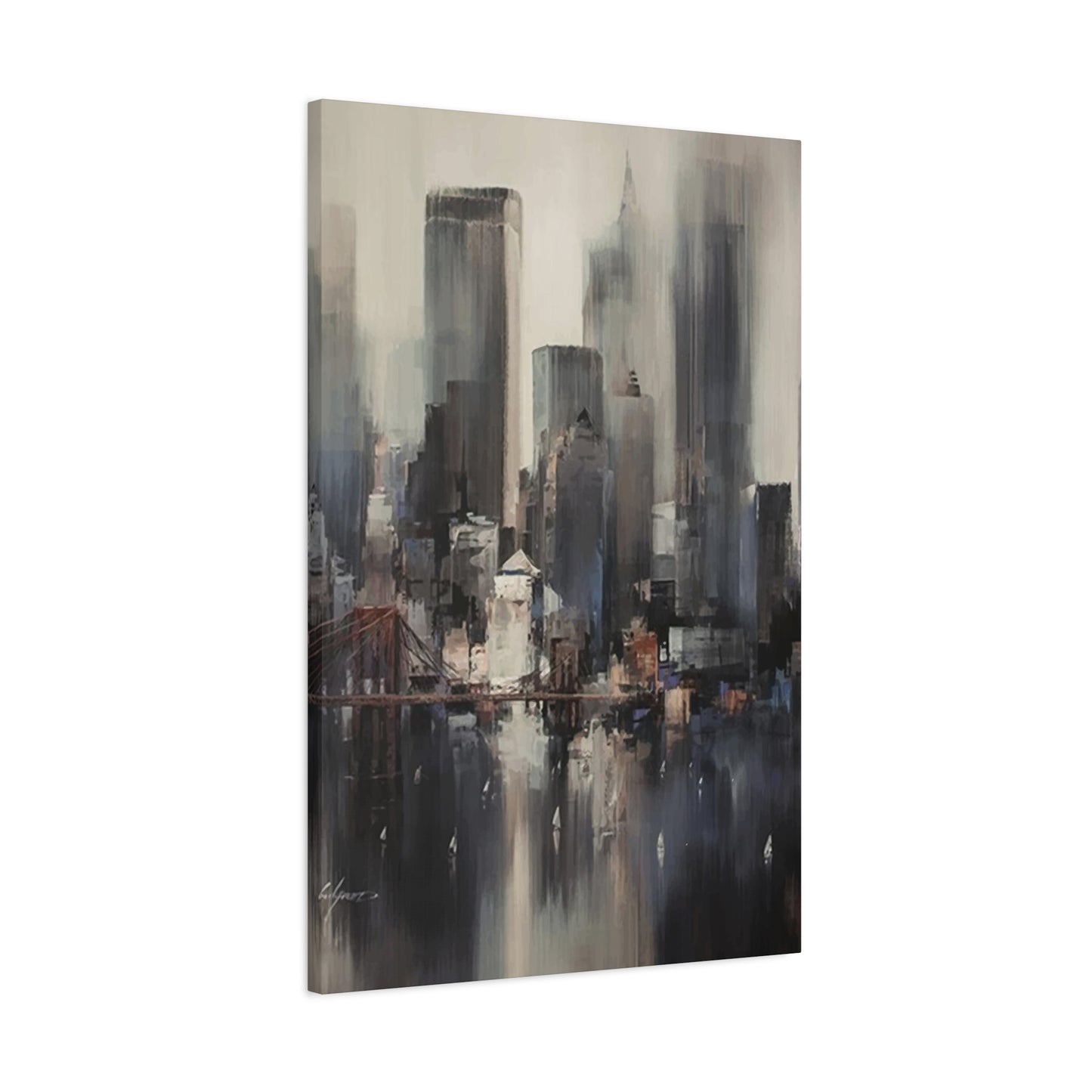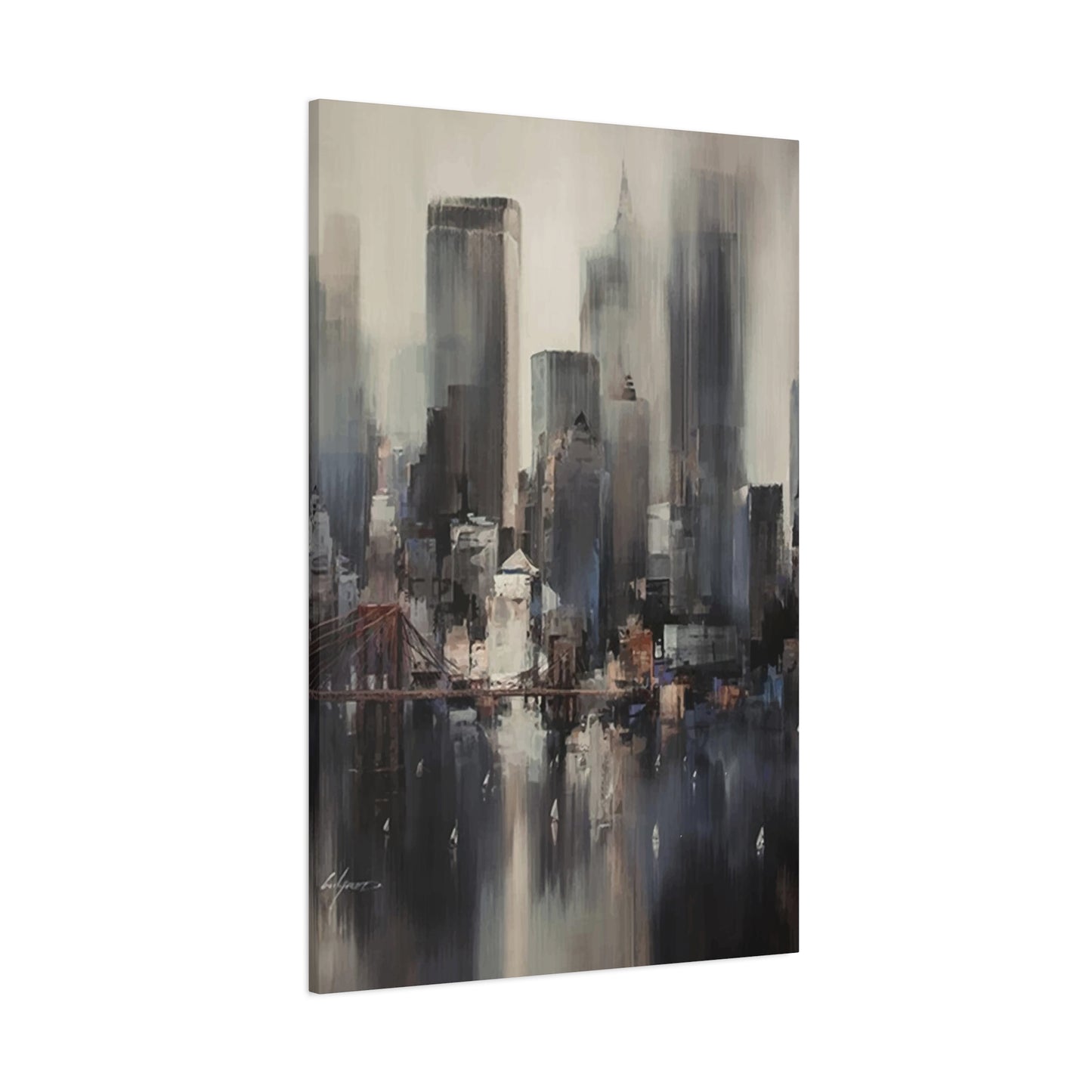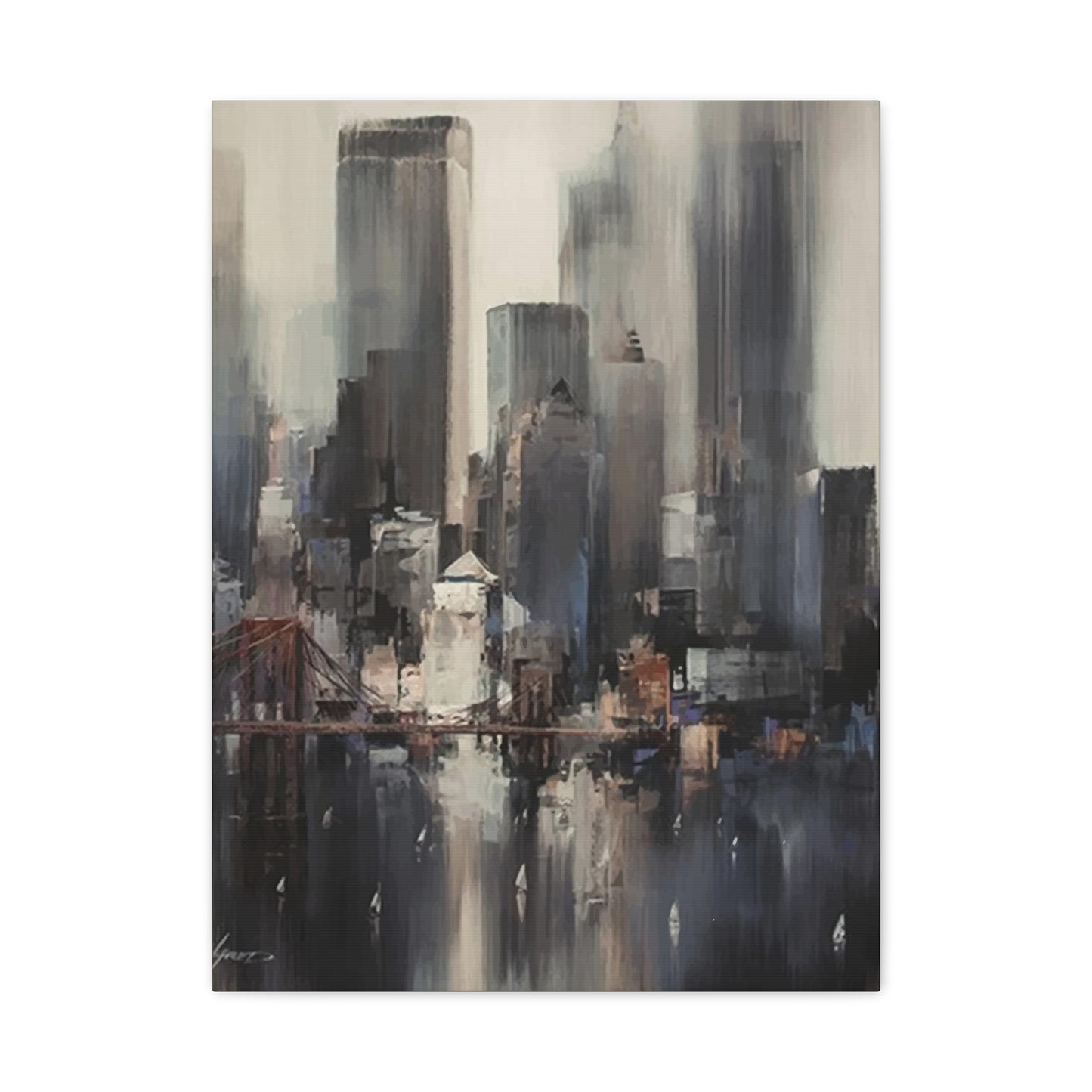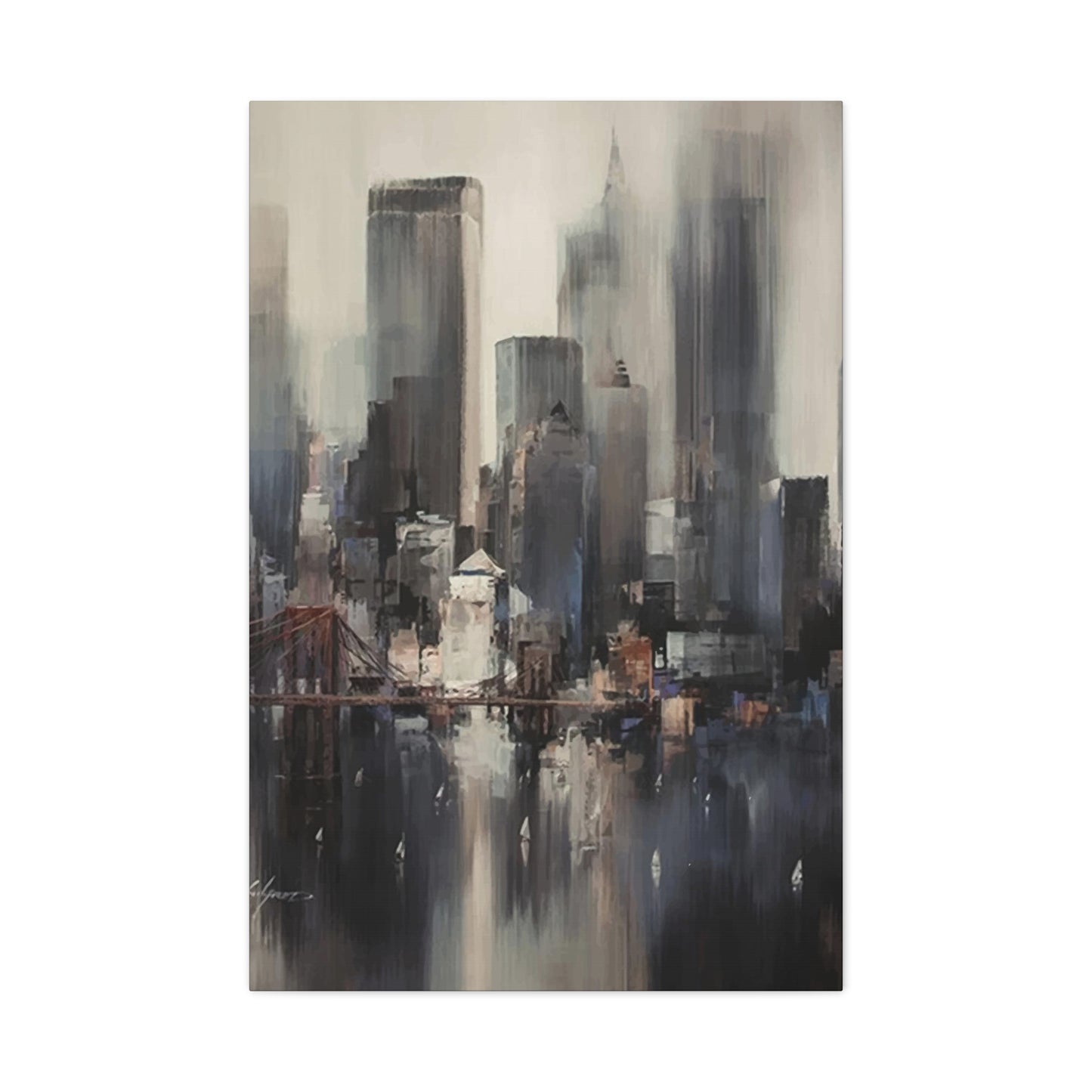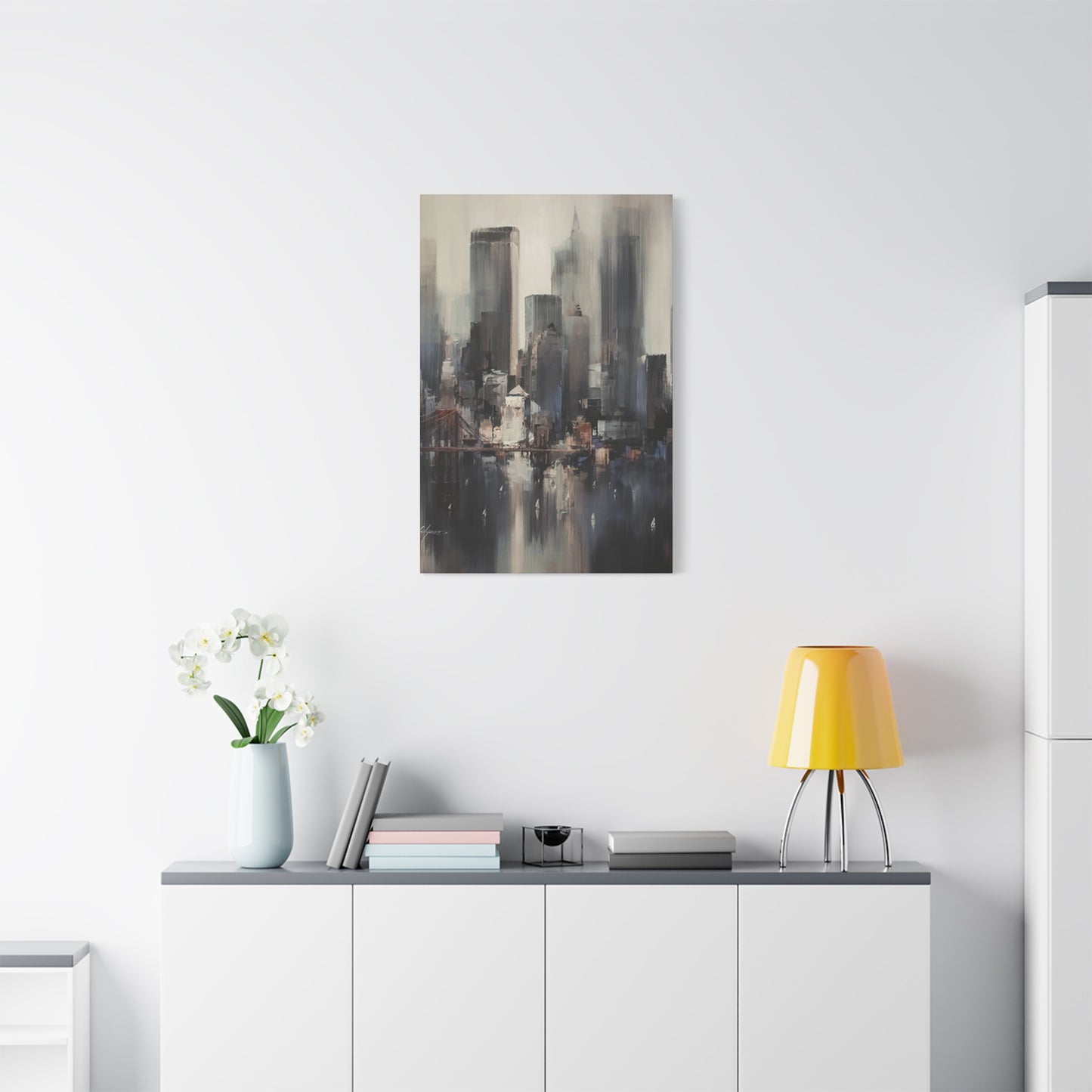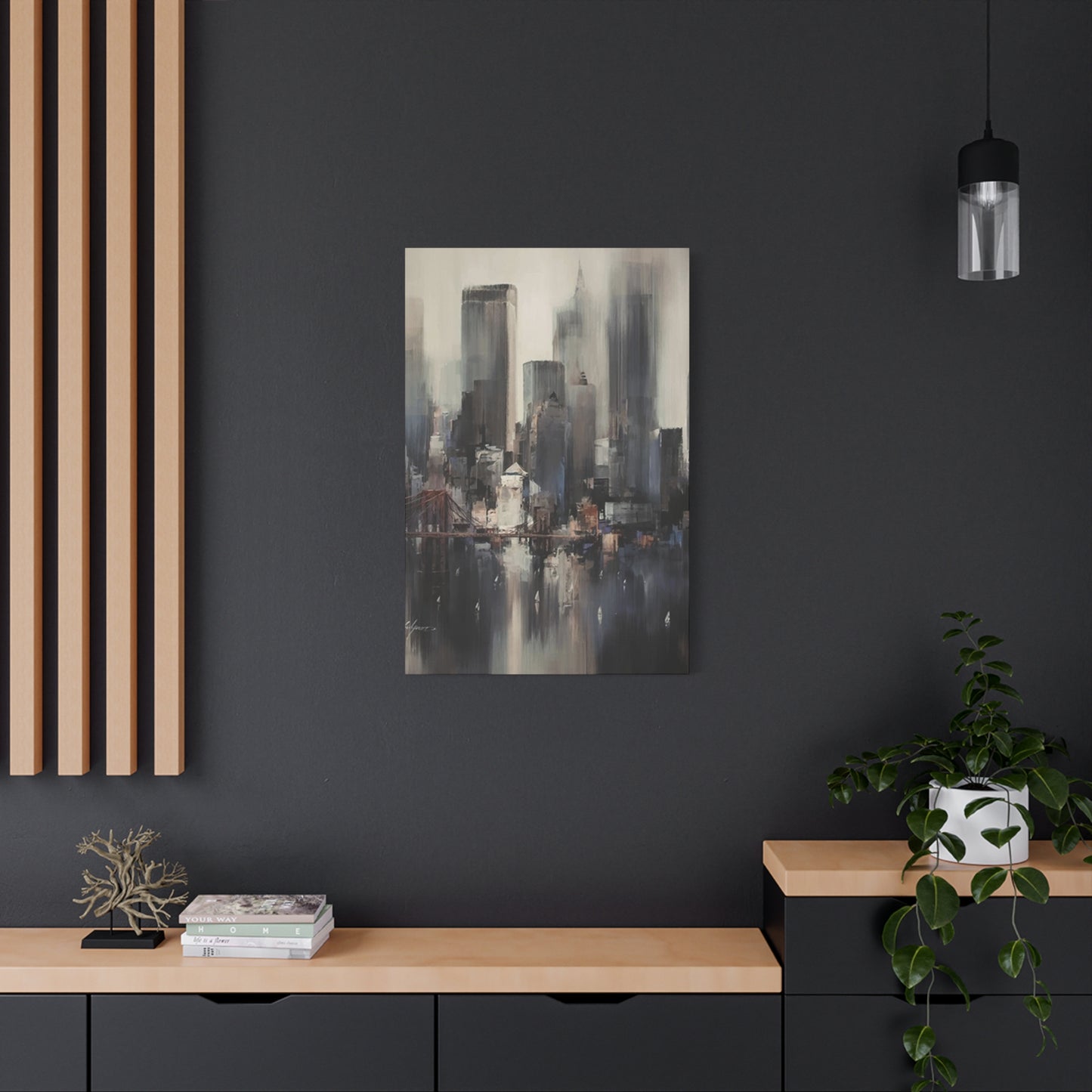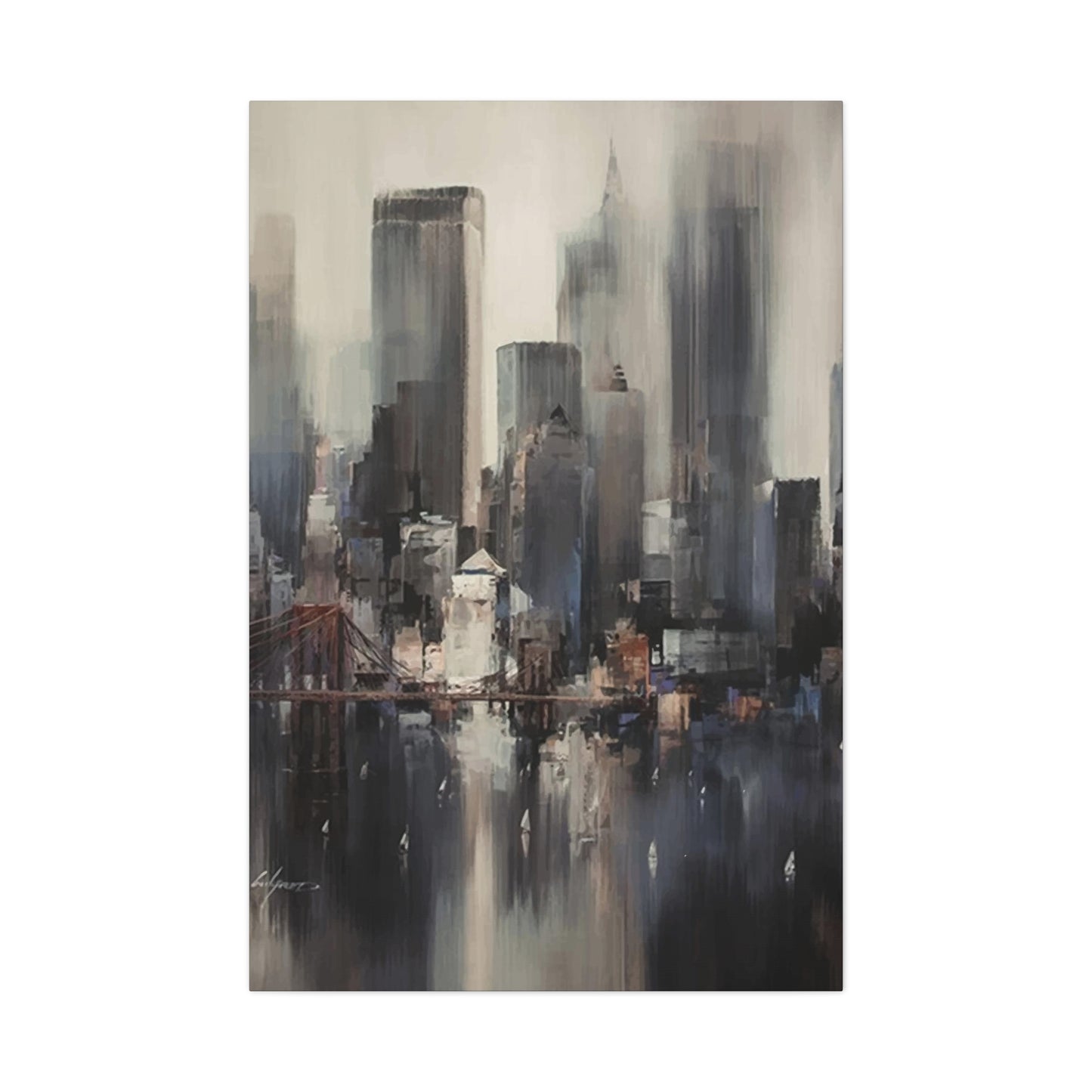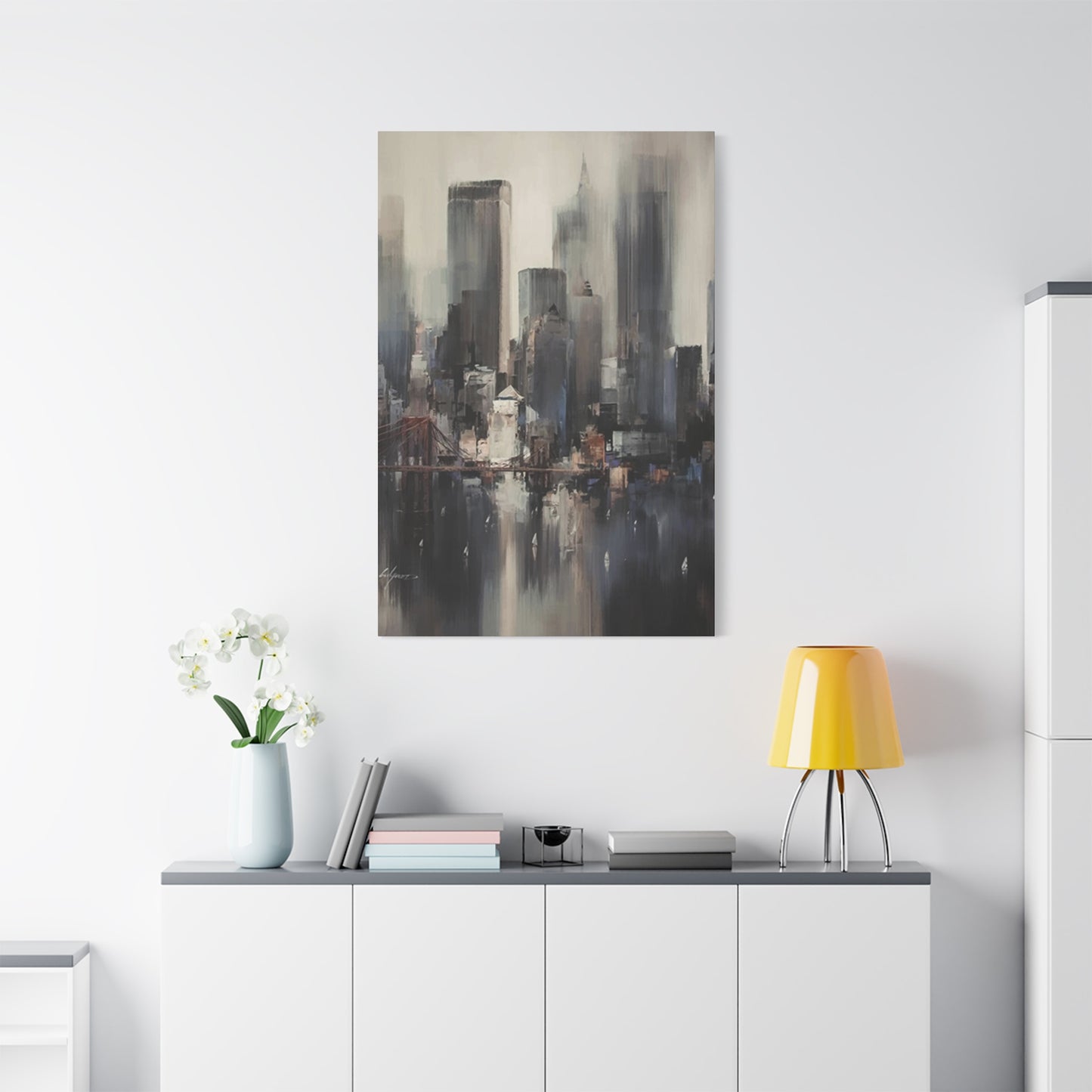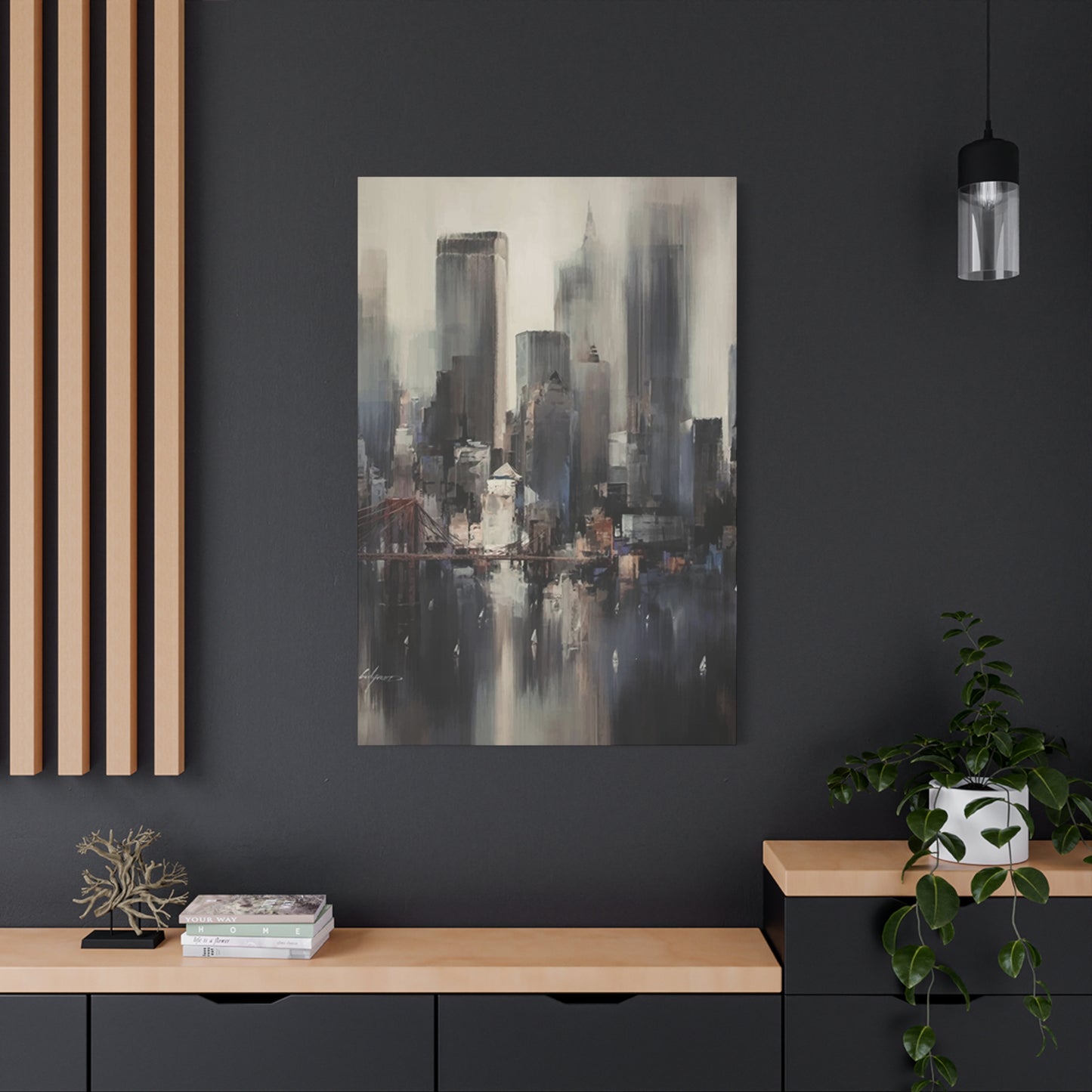


Charcoal Wall Art & Canvas Prints
Charcoal Wall Art & Canvas Prints
Couldn't load pickup availability
The Artistic Power of Charcoal Wall Art: Exploring the Timeless Beauty of Dark Tones in Interior Design
The realm of visual expression has witnessed countless transformations throughout centuries, yet few mediums possess the raw, evocative power found in charcoal wall art. This distinctive form of artistic creation captures attention through its deep, velvety textures and dramatic contrasts that seem to breathe life into every stroke. From ancient cave drawings to contemporary gallery installations, the allure of carbon-based artistic works continues to captivate viewers and creators alike, offering a visceral connection between artist and observer that transcends conventional boundaries.
The Captivating Origins and Evolution Through Centuries of Artistic Practice
Humanity's relationship with carbon-based drawing materials stretches back to prehistoric times when our ancestors discovered that burnt wood could create lasting marks on stone surfaces. These primitive yet profound expressions laid the groundwork for what would eventually become one of the most revered mediums in visual arts. Throughout medieval periods, monks and scribes utilized carbonized materials for manuscript illustrations, recognizing the permanence and depth achievable through these substances.
The Renaissance period witnessed a dramatic elevation in the status of carbon-based artwork, with master artists recognizing its potential for creating preliminary sketches and fully realized compositions. Leonardo da Vinci, Michelangelo, and other luminaries employed these materials extensively, appreciating their ability to capture subtle gradations of light and shadow that oil paints could not match in preliminary stages. The medium allowed for rapid execution while maintaining sophisticated nuance, making it indispensable for studying anatomy, drapery, and atmospheric effects.
As artistic movements evolved through Baroque, Romantic, and Impressionist periods, practitioners continued refining techniques for working with burnt organic materials. The 19th century saw particular innovation, with artists like Georges Seurat pushing boundaries through experimental approaches that emphasized tonal values over linear precision. This period established carbon-based drawing as a legitimate standalone art form rather than merely preparatory work for paintings.
The 20th century brought revolutionary changes to how artists approached this medium. Expressionists like Käthe Kollwitz demonstrated its capacity for emotional intensity, while abstract artists discovered its potential for gestural spontaneity. Contemporary practitioners have further expanded possibilities, incorporating mixed media, unconventional scales, and innovative application methods that challenge traditional definitions of the medium.
Understanding the Fundamental Materials That Bring Dark-Toned Creations to Life
The creation of compelling charcoal wall art begins with selecting appropriate materials, each offering distinct characteristics that influence final outcomes. Willow varieties remain popular choices, prized for their consistent texture and moderate hardness that allows for both detailed work and broad strokes. Vine options provide softer alternatives, ideal for creating velvety blacks and smooth tonal transitions that seem to glow from within the paper surface.
Compressed sticks represent another category, manufactured by combining carbon powder with binding agents before pressing into solid forms. These products deliver intense, rich blacks that remain unmatched by natural alternatives, though they require different handling techniques due to their density. Artists often maintain collections including multiple hardness grades, from soft varieties that deposit abundant pigment to harder versions suitable for precise linear work.
Pencil formats offer convenience and control, particularly beneficial for detailed passages requiring sharp edges or intricate hatching patterns. These tools combine carbonized wood with clay binders in varying proportions, creating gradations from light grey to deep black. The encasement in wood provides stability and precision impossible with unwrapped sticks, making them favorites for architectural renderings and botanical illustrations.
Paper selection proves equally crucial, as surface texture dramatically affects how carbon particles adhere and blend. Rough papers with pronounced tooth grab particles aggressively, creating textured, painterly effects ideal for expressive work. Medium surfaces offer versatility, accommodating both detailed rendering and loose gestural marks. Smooth papers, while challenging due to limited tooth, enable extraordinarily subtle tonal gradations and polished finishes favored in hyperrealistic rendering.
Canvas prepared with appropriate primers has become increasingly popular for large-scale works intended as permanent wall installations. The fabric support allows for dramatic scale while maintaining archival stability when properly prepared. Specially formulated grounds ensure proper adhesion while providing sufficient tooth for mark-making, bridging traditional paper-based practices with painting conventions.
Mastering Essential Approaches for Creating Stunning Visual Narratives
Developing proficiency in charcoal wall art requires understanding fundamental approaches that govern how marks translate into cohesive images. Hatching, among the oldest methods, involves creating parallel lines whose spacing determines perceived value. Closer lines generate darker tones, while wider intervals suggest lighter areas. This methodical approach builds form through accumulated linear gestures, rewarding patient practitioners with luminous results.
Cross-hatching extends this concept by layering multiple directional hatching patterns, typically intersecting at angles. This technique enables greater tonal range and can suggest surface textures through varied line weights and directional changes. Renaissance masters employed this method extensively, recognizing its capacity for describing three-dimensional form through purely linear means.
Blending techniques unlock the medium's full tonal potential, transforming discrete marks into seamless gradations. Fingers serve as natural tools, their warmth and oils facilitating smooth transitions. Paper stumps, chamois cloths, and soft brushes offer alternatives with varying degrees of control and textural effects. The key lies in maintaining clean tools and working methodically from light to dark, preserving luminous highlights while building rich shadows.
Additive and subtractive methods represent two contrasting philosophical approaches. Additive work builds from white paper, progressively adding darker values to establish form. This intuitive method aligns with conventional drawing logic but requires careful planning to preserve highlights. Subtractive approaches begin by coating entire surfaces with mid-tone layers, then removing material to create lights while adding darker accents where needed. This sculptural process, favored by many contemporary artists, encourages bold compositional thinking and dramatic atmospheric effects.
Gestural techniques emphasize spontaneity and expressiveness over precision. Rapid, sweeping marks capture movement and energy, sacrificing detail for emotional immediacy. This approach, popularized by Abstract Expressionists, values authentic response over calculated execution. Artists working gesturally often employ oversized materials, attacking large surfaces with whole-arm movements that generate kinetic excitement.
Stippling, though labor-intensive, creates unique optical effects through accumulated dots. Density variations produce tonal changes without relying on lines or blended passages. This painstaking method rewards patience with surfaces possessing jewel-like luminosity and visual interest that sustains prolonged viewing. Pointillist principles apply, as adjacent values optically mix when viewed from appropriate distances.
Exploring Diverse Subject Matter Perfect for Carbon-Based Artistic Expression
Portrait work represents perhaps the most celebrated application of this medium, its capacity for capturing subtle flesh tones and psychological depth proving ideal for representing human subjects. The range achievable—from gossamer highlights on cheekbones to mysterious shadows defining eye sockets—enables artists to construct convincing likenesses while imbuing them with emotional resonance. Historical portrait traditions established conventions still influential today, though contemporary practitioners frequently subvert these rules for expressive purposes.
Landscape compositions exploit the medium's atmospheric qualities, particularly for rendering misty dawns, stormy skies, and mysterious nocturnal scenes. The ease with which broad tonal washes establish spatial recession makes landscapes natural subjects. Foreground textures contrast against softly blended distant passages, creating convincing depth on flat surfaces. Many practitioners specialize in moody, evocative scenery that emphasizes emotion over topographical accuracy.
Still life arrangements provide opportunities for studying light, form, and composition in controlled environments. Simple objects—ceramic vessels, fruits, draped fabrics—become vehicles for exploring tonal relationships and surface qualities. The monochromatic palette encourages attention to structural fundamentals often obscured by color considerations. Academic traditions long emphasized still life studies for developing observational skills transferable to all subject matter.
Figurative work beyond portraiture encompasses entire human forms, presenting challenges of proportion, anatomy, and dynamic poses. Life drawing sessions, where models hold positions for sustained periods, have formed cornerstones of artistic training for centuries. The medium's responsiveness to both delicate anatomical details and bold gestural movements makes it ideal for capturing living forms. Contemporary figure artists often blend observation with imagination, creating hybrid images that transcend mere representation.
Abstract compositions liberate artists from representational constraints, allowing pure exploration of mark-making, texture, and spatial relationships. Without subject matter anchoring interpretation, viewers engage more directly with formal elements and emotional qualities embedded in execution. Some abstractionists work systematically, building complex surfaces through repetitive processes, while others embrace spontaneity, letting intuitive responses guide mark-making.
Architectural subjects benefit from the medium's capacity for rendering precise linear structures while suggesting atmospheric surroundings. Gothic cathedrals, industrial warehouses, and urban streetscapes have inspired countless works. The interplay between hard-edged geometry and organic tonal transitions creates visual tension that energizes compositions. Attention to perspective and proportional accuracy grounds these works in observable reality while allowing expressive interpretation.
Comprehensive Methods for Preserving Finished Artworks Against Environmental Damage
Creating compelling charcoal wall art represents only half the challenge; protecting these delicate surfaces from smudging, fading, and environmental damage requires proper preservation strategies. The fragile nature of carbon particles resting on paper surfaces makes them particularly vulnerable to contact, moisture, and atmospheric pollutants. Without appropriate protection, even magnificent works deteriorate rapidly, their surfaces marred and beauty diminished.
Fixative sprays provide primary defense, bonding loose particles to substrates through fine resin mists. Traditional options derived from natural sources like shellac offered early solutions, though modern synthetic formulations provide superior archival stability. Application technique proves crucial—multiple light coats applied from consistent distances produce even coverage without pooling or discoloration. Workable fixatives allow subsequent layers, while final versions create permanent seals.
Many practitioners debate fixative necessity, noting that sprays inevitably darken values and reduce surface vibrancy. Those avoiding chemical treatments must employ alternative protective measures, primarily glass-fronted frames that prevent contact while allowing visibility. Museum-quality glazing materials filter ultraviolet light that causes fading, while maintaining optical clarity superior to standard glass. Spacers ensure artwork never touches glazing, preventing smudging from condensation or pressure.
Framing choices significantly impact preservation outcomes. Acid-free mats prevent chemical migration that causes yellowing and brittleness. Backing boards should similarly meet archival standards, protecting from environmental acids present in wall materials. Sealed backing papers exclude dust and insects while allowing frames to breathe, preventing moisture accumulation that encourages mold growth.
Storage practices matter enormously for unframed works or pieces awaiting exhibition. Interleaving sheets of acid-free tissue prevent contact between stacked artworks. Flat files provide ideal housing, protecting from light exposure while maintaining flat configurations that prevent warping. Climate control maintains stable temperature and humidity levels, avoiding extremes that cause paper expansion and contraction leading to buckling or cracking.
Environmental placement deserves careful consideration when installing finished pieces. Direct sunlight accelerates fading regardless of fixative application, necessitating thoughtful hanging locations. High humidity environments like bathrooms risk encouraging mold growth and causing paper deterioration. Conversely, excessively dry conditions make paper brittle and prone to tearing. Stable conditions approximating 70 degrees Fahrenheit and 50% relative humidity provide optimal preservation.
Regular inspection catches developing problems before they become catastrophic. Checking for insect activity, mold spots, or frame deterioration enables timely interventions that prevent major damage. Professional conservators can address serious issues, though prevention remains far preferable to remediation. Documentation through high-quality photography preserves visual records even if physical works suffer damage.
Discovering Contemporary Artists Pushing Boundaries with Dark-Toned Masterpieces
The contemporary art world hosts numerous practitioners producing exceptional charcoal wall art that challenges conventional boundaries and demonstrates the medium's ongoing relevance. These artists employ traditional materials in innovative ways, creating works that resonate with modern sensibilities while honoring time-tested principles.
One prominent figure creates monumental hyperrealistic portraits that capture microscopic details of human skin, hair, and eyes. Her works, often exceeding six feet in height, confront viewers with unsettling intimacy, forcing recognition of shared humanity. The technical virtuosity required to render such convincing illusions using only carbon-based materials astounds critics and audiences alike, sparking discussions about perception, representation, and the nature of reality itself.
Another celebrated artist produces abstract landscapes that evoke emotional atmospheres rather than specific locations. His process involves coating large canvases with multiple layers of material, then selectively removing sections to reveal underlayers, creating complex spatial illusions. The resulting works pulse with energy, their surfaces alternately luminous and mysterious. Critics praise his ability to suggest natural phenomena—storm systems, geological formations, oceanic depths—without literal description.
A female practitioner combines traditional portrait techniques with surrealistic elements, inserting animals, botanical specimens, and architectural fragments into psychologically charged compositions. Her works explore identity, memory, and transformation through enigmatic juxtapositions that invite multiple interpretations. The seamless blending of disparate elements into cohesive wholes demonstrates masterful technical control serving conceptual vision.
An artist working at massive architectural scales creates immersive installations that transform entire gallery spaces. His wall-covering compositions envelope viewers in swirling, atmospheric environments that shift perception and create disorienting experiences. These ambitious projects, sometimes requiring months to complete, demonstrate the medium's potential for environmental interventions beyond conventional framed formats.
A younger artist gaining recognition produces intimate botanical studies that border on scientific illustration, yet possess undeniable aesthetic power. Her meticulous renderings of endangered plant species serve dual purposes—preserving visual records while creating objects of contemplative beauty. The work bridges art and activism, raising awareness about biodiversity loss through compelling imagery that appeals to emotions and intellect simultaneously.
Another innovative creator employs unconventional tools—sandpaper, power tools, scrapers—to attack surfaces with aggressive mark-making that emphasizes process over representation. His works capture raw energy and physicality, their surfaces scarred and textured in ways that traditional approaches never achieve. This radical methodology challenges assumptions about appropriate techniques, expanding definitions of what charcoal wall art encompasses.
Examining How Different Artistic Movements Embraced Dark-Toned Visual Expression
Throughout art history, various movements and periods have embraced carbon-based drawing materials, each interpreting their potential through distinct philosophical lenses. Understanding these historical contexts enriches appreciation for contemporary practices and reveals the medium's remarkable adaptability across wildly different aesthetic agendas.
Renaissance artists valued these materials primarily for preparatory studies, recognizing their speed and tonal range as ideal for working out compositional problems before committing to permanent media. The period's emphasis on anatomical accuracy, spatial illusion, and classical ideals found perfect expression through carbon's capacity for subtle modeling and precise linear description. Surviving drawings from this era reveal working processes of legendary masters, offering glimpses into creative thinking that finished paintings conceal.
Baroque practitioners exploited dramatic contrasts possible with the medium, creating compositions emphasizing theatrical lighting and emotional intensity. The period's taste for dynamic diagonals, foreshortened figures, and psychological drama aligned perfectly with carbon's capacity for bold value contrasts. Artists developed techniques for achieving rich, velvety blacks that enhanced overall luminosity through strategic juxtaposition with reserved highlights.
Romantic movement artists discovered the medium's potential for expressing sublime emotions and mysterious atmospheres. Their works often depicted dramatic natural phenomena—towering mountains, turbulent seas, catastrophic storms—rendered with loose, expressive handling that prioritized emotional impact over descriptive accuracy. This shift toward subjective experience over objective documentation anticipated modernist concerns that would dominate subsequent centuries.
Realist movements of the 19th century valued carbon-based drawing for its directness and honesty, qualities aligning with philosophical commitments to depicting contemporary life without idealization. Artists chronicled working-class existence, urban development, and social conditions through observational works that documented rather than embellished reality. The medium's accessibility and immediacy made it ideal for sketching from life in streets, cafes, and factories.
Impressionists, while primarily associated with color painting, produced significant drawings emphasizing light effects and momentary visual impressions. Their sketchy, incomplete handling suggested perception's fleeting nature, rejecting academic finish in favor of authentic immediacy. This approach influenced how subsequent generations conceived the medium—as expressive vehicle rather than merely preparatory tool.
Expressionist artists pushed emotional intensity to extremes, distorting forms and exaggerating contrasts to convey inner psychological states. Their works often depicted anxiety, alienation, and existential dread through tortured figures and claustrophobic spaces. The medium's capacity for aggressive mark-making and dramatic tonal extremes perfectly suited expressionist goals of prioritizing feeling over appearance.
Abstract Expressionism liberated the medium from representational responsibilities entirely, treating marks as autonomous aesthetic events rather than descriptive tools. Gestural works emphasized spontaneity, physicality, and authentic expression, with artists valuing accident and intuitive response over careful planning. This radical departure influenced all subsequent approaches, legitimizing process-oriented practices that continue dominating contemporary scenes.
Minimalist reactions against expressionist excess produced spare, reductive works emphasizing essential formal elements. These artists explored subtle tonal variations within narrow value ranges, creating contemplative surfaces that rewarded sustained attention. The movement's emphasis on material honesty and anti-illusionism found natural expression through carbon's fundamental simplicity.
Contemporary pluralism allows diverse approaches to coexist, from hyperrealist rendering to gestural abstraction, conceptual provocations to decorative embellishment. No single dogma dominates, permitting artists to draw freely from historical precedents while pursuing individual visions. This openness ensures the medium's continued vitality and relevance within ever-evolving contemporary discourse.
Practical Guidance for Beginners Embarking on Their Creative Journey
Entering the world of charcoal wall art can feel overwhelming given the medium's rich history and technical demands, yet beginners can achieve satisfying results by focusing on fundamental principles and gradually expanding skills through deliberate practice. Starting with appropriate materials and realistic expectations prevents frustration while building confidence essential for long-term development.
Initial material investments need not be extravagant. A basic kit including vine and compressed sticks, kneaded and vinyl erasers, blending stumps, and suitable paper provides everything necessary for exploring core concepts. Purchasing individual items from art suppliers often proves more economical than pre-packaged sets, allowing customization to personal preferences. Many practitioners recommend starting with larger formats—18x24 inches or similar—as smaller surfaces frustrate beginners struggling with control.
Early exercises should emphasize understanding value—the full range from pure white to deepest black. Creating value scales by carefully blending gradual transitions trains eyes to perceive subtle differences while teaching hands appropriate pressure and blending motions. This foundational skill underlies all representational work, as convincing illusions depend on accurate value relationships rather than precise contours.
Simple geometric forms—spheres, cubes, cylinders, cones—provide ideal subjects for learning how light reveals three-dimensional structure. These exercises, sometimes dismissed as tedious, develop essential skills for rendering any subject convincingly. Understanding how light behaves on basic shapes transfers directly to complex subjects composed of these fundamental elements. Patience during this stage pays enormous dividends later.
Contour drawing exercises, where artists describe edges without looking at paper, develop hand-eye coordination and observational accuracy. Though resulting images often appear distorted, the practice strengthens neural pathways connecting visual perception with motor control. Blind contour variations, while initially humbling, accelerate learning by forcing complete attention on subjects rather than self-conscious mark-making.
Gesture drawing sessions, typically involving quick studies capturing essential movement and energy, complement careful observational work. These timed exercises—often just 30 seconds to two minutes—prevent overthinking and encourage intuitive responses. The spontaneity and looseness developed through gesture work prevents tight, overworked surfaces that plague many beginners.
Copying master works provides invaluable lessons about composition, technique, and problem-solving. Attempting to recreate admired pieces forces close observation and reveals methods that casual viewing never exposes. This time-honored practice, once standard in artistic training, remains valuable for developing technical facility and understanding historical precedents.
Regular practice matters more than occasional marathon sessions. Even brief daily sketching sessions compound into significant skill development over months. Maintaining sketchbooks filled with observational studies, experimental marks, and compositional thumbnails creates visual journals documenting progress while generating ideas for finished pieces.
Seeking constructive feedback accelerates learning by providing external perspectives on work that creators cannot perceive objectively. Joining drawing groups, taking classes, or participating in online communities connects beginners with experienced practitioners willing to offer guidance. Accepting critique gracefully and extracting useful information from various sources, even when opinions conflict, develops discernment essential for artistic maturity.
Unveiling the Profound Emotional and Expressive Capabilities Within Monochromatic Imagery
The absence of color in charcoal wall art, rather than limiting expressive potential, actually amplifies emotional impact by eliminating chromatic distractions and focusing attention on fundamental visual elements. This reductive quality forces artists and viewers to engage more directly with form, value, texture, and composition—the essential building blocks of visual communication that color can sometimes obscure.
Value contrast—the relationship between light and dark passages—carries tremendous emotional weight. High contrast imagery with stark blacks opposing pure whites creates drama, tension, and excitement. These bold juxtapositions arrest attention and convey urgency or intensity appropriate for provocative subject matter. Conversely, low contrast compositions featuring narrow value ranges suggest subtlety, quietude, and contemplation. These restrained works reward patient viewing, their understated beauty emerging gradually.
Mark quality itself conveys meaning beyond depicted subjects. Aggressive, slashing strokes communicate energy, anger, or chaos, while soft, delicate marks suggest tenderness, fragility, or tranquility. Viewers intuitively read these gestural qualities, responding emotionally to how marks are made as much as what they represent. This direct physical connection between artist's hand and viewer's eye creates visceral intimacy impossible through mechanical reproduction.
Tonal atmosphere—overall light or dark bias of compositions—profoundly affects mood. Predominantly dark works evoke mystery, melancholy, or foreboding, their limited luminosity creating psychological weight. Light-toned compositions project optimism, clarity, or transcendence, their brightness lifting spirits. Artists manipulate these qualities deliberately, understanding that technical decisions carry emotional consequences.
Texture—both physical surface quality and illusionistic representation—adds tactile dimension that engages viewers' imagined touch. Rough, scumbled passages suggest weathered materials and passage of time, while smooth, polished surfaces project permanence and refinement. The interplay between varied textural treatments within single compositions creates visual interest and metaphorical richness.
Composition—how elements arrange within picture planes—guides viewer attention and creates psychological impact. Centered, symmetrical arrangements project stability and order, while off-balance asymmetric designs generate tension and dynamism. Empty spaces surrounding subjects can suggest isolation or contemplative breathing room, depending on contextual relationships.
Scale relationships between depicted elements and actual artwork dimensions influence emotional impact. Intimate small works invite close inspection and personal reflection, while monumental pieces command attention and create immersive experiences. Life-size figures confront viewers as equals, while diminutive representations create psychological distance.
The monochromatic palette itself carries cultural associations and personal resonances. In many contexts, black suggests sophistication, power, or mourning, while white connotes purity, emptiness, or peace. Grey tones occupy ambiguous middle ground, suggesting uncertainty, complexity, or mature wisdom. Artists working exclusively in these values navigate rich symbolic territories that color practitioners must approach differently.
Subject matter selection obviously influences emotional content, yet the medium's characteristics make certain themes particularly resonant. Portraits gain psychological depth through dramatic lighting that reveals character while maintaining mystery. Landscapes achieve atmospheric poetry through veiled distances and suggestive rather than descriptive handling. Abstract works bypass literal content entirely, communicating purely through formal relationships and mark-making qualities.
Investigating the Science Behind How Carbon Materials Create Lasting Visual Impressions
Understanding the physical and chemical properties of materials used in charcoal wall art illuminates why this ancient medium continues thriving in contemporary practice. The science governing how carbon particles interact with substrates, light, and preservation treatments reveals fascinating phenomena that artists intuitively manipulate, whether consciously aware of underlying mechanisms or not.
Carbon exists as charcoal when organic materials—typically wood—undergo pyrolysis, combustion in oxygen-depleted environments that drives off volatile compounds while leaving behind nearly pure elemental carbon. This carbon arranges into microscopic crystalline structures that determine material properties. Softer varieties contain more amorphous carbon with irregular structures that fragment easily, depositing abundant particles that create rich blacks. Harder types feature more organized crystalline arrangements resisting breakdown, useful for controlled linear work.
When artists apply these materials to paper, mechanical abrasion grinds away carbon particles that lodge within surface fibers and texture irregularities called tooth. Papers with pronounced texture capture more particles than smooth surfaces, explaining why rough papers produce darker, richer results. The particles themselves absorb light across visible spectrum wavelengths, reflecting very little—hence their black appearance. The deepest blacks result from dense particle accumulation that maximizes light absorption.
Blending processes redistribute surface particles while pressing them deeper into paper fibers. Friction from fingers, stumps, or cloths generates heat and mechanical pressure that embeds particles more securely, though uncoated particles remain vulnerable to smudging. The oils naturally present on human skin aid adhesion slightly, partly explaining why finger blending produces distinctive results compared to tools.
Erasing works through mechanical removal of surface particles. Kneaded erasers lift particles through adhesion—carbon sticks to malleable eraser material then pulls away as erasers are kneaded, trapping removed particles internally. Vinyl erasers use abrasion, their harder composition scrubbing away both carbon and some paper fibers, explaining why aggressive erasing damages paper. Electric erasers intensify this mechanical action through rapid rotation.
Fixative sprays deposit fine resin particles that coat and bind carbon particles to substrates. As solvents evaporate, resins harden into transparent matrices that lock particles in place while allowing light transmission. Different resin formulations offer varying flexibility, yellowing resistance, and adhesive strength. Proper application requires sufficient coverage to bind all particles while avoiding excess that pools, darkens values excessively, or creates glossy spots that disrupt uniform appearance.
The interaction between carbon-based artwork and light determines visibility and longevity. Unlike many colorants that selectively absorb and reflect specific wavelengths, carbon absorbs broadly across visible spectrum, explaining its neutral appearance regardless of illumination color temperature. However, ultraviolet radiation can degrade paper substrates and fixative resins over time, causing yellowing and embrittlement. Museum-quality glazing materials filter harmful UV wavelengths while transmitting visible light, enabling display without accelerated deterioration.
Atmospheric pollutants pose additional threats. Sulfur dioxide and nitrogen oxides present in urban environments react with moisture to form acids that attack paper and migrate into artworks from surrounding materials. Ozone degrades organic compounds including paper cellulose and resin fixatives. Archival framing materials buffer against these threats while climate control limits pollutant concentrations and chemical reaction rates.
Humidity fluctuations cause paper expansion and contraction as cellulose fibers absorb and release moisture. Repeated cycling stresses fibers, eventually causing permanent distortion, cracking, or structural failure. Maintaining stable conditions prevents this mechanical degradation while inhibiting biological threats—mold and insects thrive in high humidity environments but remain dormant under controlled conditions.
Exploring Innovative Contemporary Approaches Expanding Traditional Boundaries
Contemporary artists continually push charcoal wall art into new territories, experimenting with unconventional materials, unprecedented scales, and hybrid methodologies that challenge historical definitions. These innovations ensure the medium's continued relevance while opening creative possibilities previous generations never imagined.
Mixed media combinations incorporate carbon-based elements with diverse materials, creating richly layered works that exploit each medium's unique properties. Some artists combine dry carbon with watercolor washes, using water-soluble graphite or applying fixative to protect sections before adding liquid media. Others integrate collage elements, found objects, or digital prints, embedding traditional mark-making within expanded contexts. These hybrid approaches blur categorical boundaries while generating fresh aesthetic possibilities.
Large-scale murals transform architectural spaces through monumental carbon-based imagery. Working directly on prepared walls, artists create site-specific installations that respond to environmental contexts while demonstrating the medium's scalability. These ambitious projects require modified tools—oversized brushes, rags, even brooms—and scaffolding for reaching elevated areas. The resulting works function as environmental interventions that transform viewers' spatial experiences.
Performance-based practices document artistic processes through video, photography, or live audience observation, emphasizing creation as temporal event rather than solely focusing on finished products. These artists might draw blindfolded, work at accelerated speeds, or employ unusual application methods that generate unpredictable results. The documentation itself becomes artwork, questioning assumptions about authorship, intentionality, and value hierarchies distinguishing process from product.
Digital manipulation of carbon-based artwork bridges traditional and contemporary practices. Artists create physical drawings, then scan and manipulate them digitally before printing onto various substrates. This workflow permits unlimited experimentation with scale, color manipulation, and compositional rearrangement impossible with physical media alone. Some practitioners question whether results qualify as drawings or constitute new categories, sparking productive debates about medium specificity in digital age.
Installation formats present carbon-based works as three-dimensional spatial experiences rather than wall-mounted images. Suspended drawings cast shadows that become integral compositional elements. Multiple panels arranged throughout spaces create fragmented narratives requiring viewer movement for comprehension. These spatial approaches activate architectural environments while challenging conventions of static, frontal viewing.
Conceptual frameworks emphasize ideas over technical virtuosity, using carbon-based materials to explore theoretical concerns about representation, perception, or social conditions. These works might appear technically modest, their significance residing in contextual meanings rather than formal achievements. This approach, controversial among those valuing craft, reflects broader contemporary art discourse where content increasingly supersedes skill.
Collaborative projects involve multiple artists working on single pieces or communities contributing to collective works. These cooperative ventures question romantic notions of solitary genius while exploring how shared authorship affects creative outcomes. Socially engaged practices might involve teaching drawing skills to marginalized populations, then exhibiting results to raise awareness about social justice issues.
Experimental substrates expand beyond traditional paper and canvas to include wood panels, metal sheets, stone, fabric, and unconventional surfaces. Each substrate presents unique challenges and opportunities, affecting how materials adhere, blend, and appear visually. These investigations discover new technical possibilities while creating novel aesthetic effects impossible on conventional supports.
Alternative binders and additives modify material properties, creating customized media tailored to specific purposes. Some artists pulverize carbon sticks into powder, then mix with various mediums to create paintable consistencies. Others incorporate abrasives that scour surfaces, or add texture-building materials for sculptural effects. These experimental approaches blur boundaries between drawing and painting, two-dimensional and three-dimensional practice.
Detailed Examination of Specific Tools and Their Unique Characteristics
Professional practitioners develop intimate relationships with their tools, understanding subtle differences between seemingly similar implements and selecting specific instruments for particular tasks. This nuanced knowledge develops through extended experience but can be accelerated by understanding how tool characteristics affect outcomes.
Vine varieties produced from burnt grapevine or willow branches offer exceptional softness ideal for initial blocking and tonal washes. Their friable consistency allows easy blending and erasure, making them forgiving for exploratory work. However, this same softness limits capacity for dark values—repeated applications are necessary for building richness. Their irregular shapes encourage broad, gestural handling that feels natural and unforced.
Compressed sticks manufactured by combining carbon powder with binding agents achieve far greater density and darkness than natural options. Various hardness grades accommodate different needs, from butter-soft varieties that glide effortlessly to harder versions maintaining sharp points for detailed work. Their uniform cylindrical shapes enable consistent, controlled mark-making. The intensity they provide proves essential for dramatic contrasts, though this same density makes blending more challenging.
Pencil formats encase carbon cores in protective wooden barrels, offering precision impossible with unwrapped sticks. Hardness designations indicate core composition—B grades contain more carbon producing darker marks, while H grades incorporate more clay for lighter, harder characteristics. Artists typically maintain ranges from 6B through 6H, selecting appropriate hardnesses for specific passages. Sharpening requirements demand quality sharpeners that create clean points without excessive core breakage.
White sticks provide highlighting capabilities essential for working on toned papers or creating light accents within dark passages. Composition varies between brands—some employ actual white chalks while others use titanium dioxide or other pigments. Their opacity and blending characteristics differ from carbon materials, requiring adjusted techniques. Combined skillfully with dark materials, they expand tonal ranges dramatically.
Powder formulations offer unique application possibilities unavailable with solid sticks. Artists apply powders with brushes, sponges, or fingers, creating atmospheric effects and large tonal areas efficiently. Some practitioners manufacture custom powders by grinding preferred sticks, ensuring color consistency across formats. Powders demand fixation immediately after application, as unfixed particles remain extremely vulnerable to disturbance.
Blending stumps, also called tortillions, consist of tightly rolled paper shaped into pencil-like forms. Various diameters suit different scale requirements, from tiny stumps for delicate facial features to substantial versions for large atmospheric passages. They produce smoother blending than fingers while maintaining better cleanliness. Used stumps accumulate embedded particles that enable mark-making without additional material application.
Chamois leather provides exceptionally soft blending for large areas, its supple texture gliding across surfaces while distributing particles evenly. Proper chamois requires occasional cleaning to maintain effectiveness—accumulated particles eventually reduce blending capacity. Many artists maintain multiple pieces in various cleanliness states, using dirty chamois for darker blending and clean for subtle work.
Kneaded erasers, composed of pliable rubber compounds, lift particles through adhesion rather than abrasion. Their malleability allows shaping into any configuration—points for details, broad faces for large passages, or rolled edges for linear highlights. They self-clean through kneading, which redistributes and internalizes removed particles. Eventually, they become saturated and require replacement, though quality erasers last considerably longer than cheaper alternatives.
Vinyl erasers employ firmer compositions that remove particles through mechanical abrasion. Their aggressive action proves necessary for stubborn marks but risks paper damage if applied with excessive pressure. Block shapes provide convenient handling while allowing customization by cutting with blades. Some varieties feature tapered ends that combine broad erasing surfaces with narrower edges for selective removal.
Electric erasers utilize motorized rotation for intensive erasing impossible manually. Battery or cord-powered motors spin interchangeable eraser tips at high speeds, rapidly removing extensive material. These powerful tools demand careful control, as their efficiency can quickly over-erase, damaging paper surfaces. They prove invaluable for large corrections or creating dramatic light effects within dark passages.
Sandpaper blocks maintain sharp points on pencils and sticks through controlled abrasion. Fine-grit papers remove material gradually for precise sharpening, while coarser grades work faster but less precisely. Regular sharpening ensures tools perform optimally, as dull implements force excessive pressure that degrades paper and limits control.
Comprehensive Strategies for Building Successful Drawing Practice
Developing genuine proficiency in charcoal wall art requires more than occasional dabbling—it demands consistent, focused practice guided by clear objectives and honest self-assessment. Building sustainable practice routines that accommodate life demands while ensuring steady progress represents crucial challenges for serious practitioners at all levels.
Establishing dedicated workspace, even if modest, signals commitment and reduces friction preventing regular work. Ideally, spaces should offer good lighting—northern exposure provides consistent illumination throughout days, though quality artificial lights enable evening work. Adequate storage for materials and works-in-progress maintains organization and protects investments. Comfortable seating or standing arrangements prevent physical discomfort that shortens sessions. Minimizing distractions through physical separation or disciplined device usage ensures focused attention during practice.
Setting realistic goals balances ambition with achievable objectives that maintain motivation through visible progress. Long-term aspirations—developing personal style, achieving exhibition opportunities, building bodies of work—provide directional purpose. Medium-term goals—completing specific projects, mastering particular techniques—create concrete milestones marking advancement. Short-term objectives—practicing daily, filling sketchbook pages—establish immediate focus preventing overwhelm. Regularly reviewing and adjusting goals maintains relevance as skills develop and interests evolve.
Final Thoughts
Charcoal wall art offers a unique and compelling way to infuse your space with depth, emotion, and timeless beauty. This artistic medium, known for its rich textures, dramatic contrasts, and expressive quality, has been a staple in the art world for centuries. While it is often associated with the creation of sketches and studies, charcoal has the power to transform a space into a gallery of profound visual storytelling. When incorporated into modern interiors, charcoal wall art evokes a sense of both raw emotion and quiet elegance, making it an ideal choice for those looking to create a striking yet understated atmosphere.
The appeal of charcoal lies in its ability to capture light and shadow in a way that few other mediums can. The subtle gradients between dark and light create an intimate, almost tactile quality in the artwork, making it feel as though the piece is alive with energy. Whether it’s the delicate lines of a human figure, the intricate texture of a landscape, or the bold strokes of abstract composition, charcoal can express a wide range of emotions, from tranquility and introspection to energy and dynamism. This versatility makes it a fitting medium for all kinds of spaces, whether you prefer minimalist designs or something more complex and layered.
One of the most fascinating aspects of charcoal art is its ability to bring a sense of drama and intensity without overwhelming the viewer. The dark, rich tones of charcoal naturally draw the eye, but because of the delicate nature of the medium, it doesn’t dominate the room—it invites quiet contemplation. A single charcoal piece on a feature wall can be the focal point of a room, creating an air of mystery and introspection, while a series of smaller works can add an understated elegance and fluidity to the space. The stark contrasts of light and dark inherent in charcoal also lend themselves beautifully to creating a sense of movement and balance in the room, adding texture and dimension that can elevate even the simplest of settings.
Charcoal art also has a timeless quality that makes it ideal for those who appreciate classic forms of expression but want something that feels fresh and contemporary. While charcoal has long been a medium of choice for some of the greatest masters of portraiture, figure drawing, and still life, its minimalist aesthetic makes it adaptable to modern interiors, complementing contemporary furniture and design without feeling out of place. Whether it’s the haunting beauty of a charcoal portrait, the evocative energy of abstract forms, or the quiet elegance of nature studies, charcoal pieces add an artistic layer that feels both historic and modern.
In addition to its aesthetic appeal, charcoal art offers a profound emotional resonance. The medium’s dark tones and fluidity make it a powerful tool for capturing human emotion, from the tenderness in a quiet moment to the tension in a dramatic scene. It allows artists to express subtle nuances in a way that feels raw and authentic. By bringing charcoal artwork into your home, you invite a piece of this emotional depth into your space. It becomes more than just an image on the wall—it becomes a conversation starter, a reflection of the human experience, and a window into the artist’s world.
Charcoal wall art also has a unique ability to work in harmony with a wide range of interior styles. The muted tones of charcoal naturally complement both neutral and bold color schemes, while its textural quality pairs beautifully with other materials such as wood, stone, or metal. Whether your space is designed in a contemporary, industrial, or even rustic style, charcoal artwork provides a versatile and impactful way to introduce visual drama and sophistication.
Ultimately, charcoal wall art is about much more than decoration—it’s about creating a space that speaks to the soul. It offers a dynamic interplay between light and shadow, movement and stillness, chaos and calm. It adds depth and complexity to a room, making it feel alive and layered. Whether you choose to showcase a single striking piece or a curated collection of smaller works, charcoal art has the power to transform a space, creating a timeless, evocative atmosphere that speaks to both the eyes and the heart. Through its expressive power, charcoal art invites you to see the world in new ways, to appreciate the beauty of contrasts, and to immerse yourself in the artistry of life.
Share